Less can feel like a breath of fresh air. A calmer room can make busy days feel lighter.
1. Start With One Clear Surface

A clean table or shelf can make a room look open right away. The simple view gives your eyes a place to rest, and that calm feeling often spreads through the whole space.
Pick one spot that you use often, like a coffee table or nightstand, and keep only what matters there. A small tray, a lamp, and one favorite object can feel neat and personal without costing much.
2. Choose Soft Neutral Colors
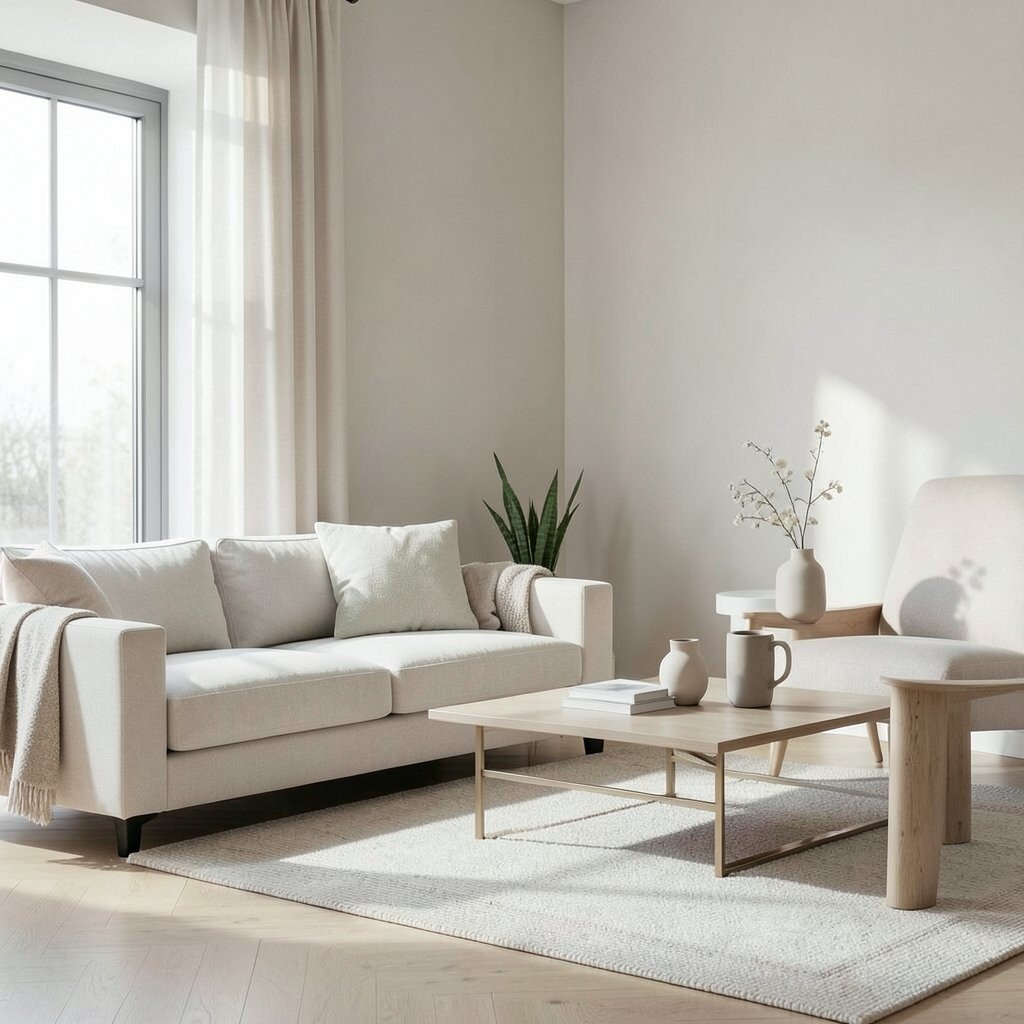
Soft whites, warm beige, and gentle gray make a room feel bright and easy. These shades also help simple furniture and plain walls look more polished with very little effort.
Paint is often cheaper than new furniture, so color can give you a fresh look on a small budget. If plain walls feel too bare, add one muted print or a cozy blanket in a natural tone.
This kind of palette fits a clean, modern style that many people enjoy right now. You can still show your taste with wood, linen, or a small pop of color in one special place.
3. Keep Only Daily Use Items in Sight
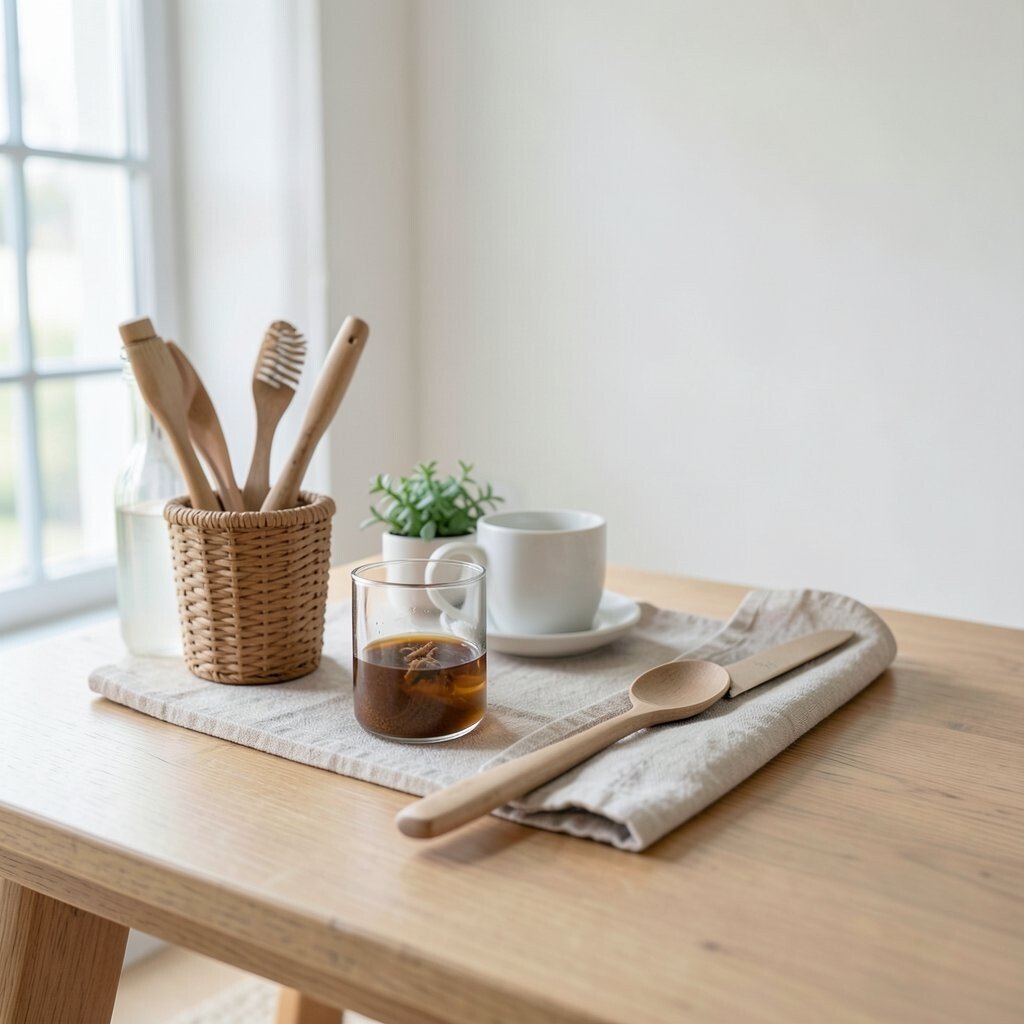
When only the things you use every day stay out, a room feels calm and easy to read. The space looks lighter, and getting ready in the morning can feel much less rushed.
Move extras into drawers, baskets, or cabinets so surfaces stay simple. Clear bins work well because you can still see what is inside, and they usually cost less than fancy storage pieces.
You can make this idea feel like your own by choosing storage that matches your style. Some people like woven baskets for warmth, while others prefer clear boxes for a sharp, modern look.
4. Use One Statement Piece

A room does not need many strong items when one special piece can carry the look. A bold chair, a big plant, or a framed artwork can give the room a clear focus.
This keeps the space from feeling busy and can save money since you are not buying lots of extras. Choose something that feels true to you, then let the rest of the room stay quiet and simple.
5. Add Natural Light First
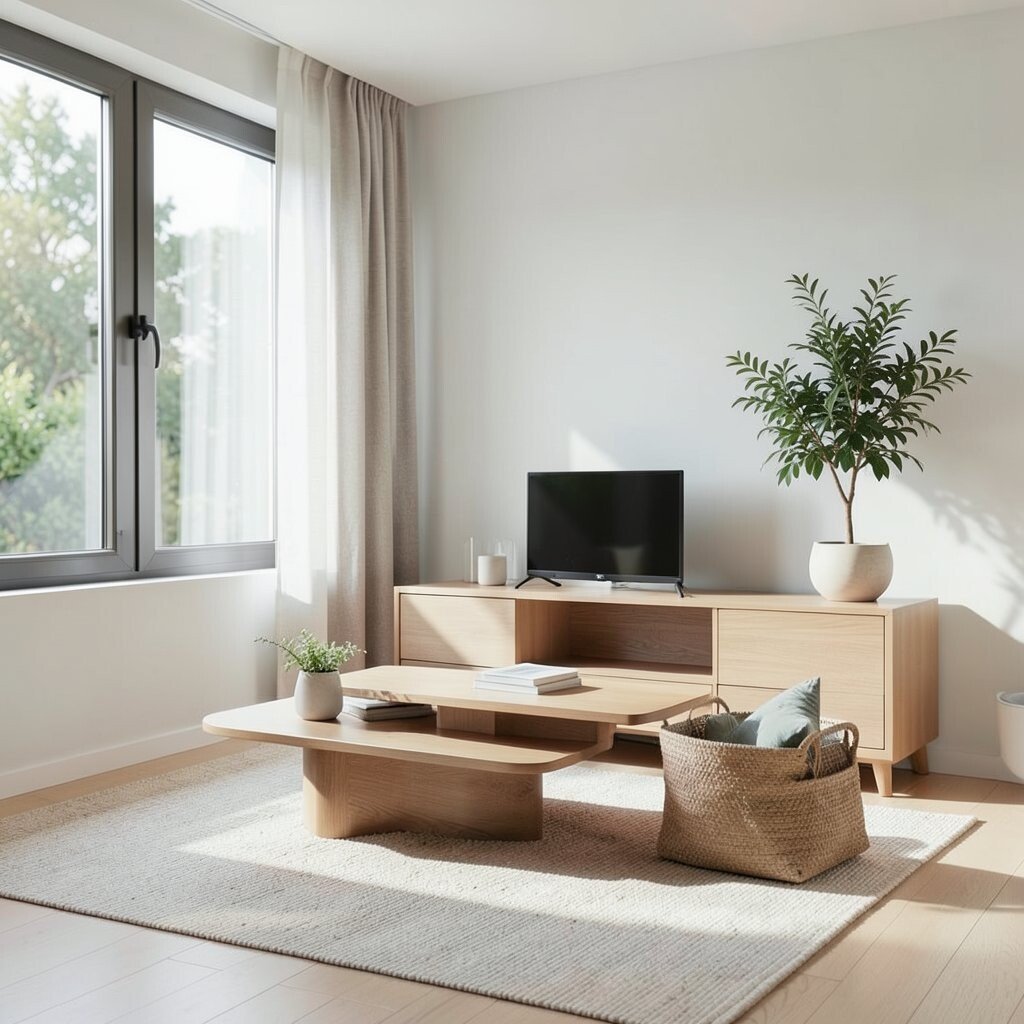
Light from a window can make even a small room feel fresh and open. Clean glass, light curtains, and fewer heavy items near the window all help the room glow.
Sheer panels are a popular choice because they soften light without making the room dark. If new curtains are not in the budget, a quick wash or a simple tieback can still make a nice change.
You can make the view feel more personal by placing a plant or chair near the window. That little spot can become a calm place to read, think, or enjoy the morning.
6. Fold and Stack With Care

Neat folds can make even a plain closet look tidy and peaceful. Clothes stacked in clean lines feel easier to use and give the whole room a more ordered look.
This habit helps you see what you own, which can cut waste and stop extra shopping. It also costs nothing, which makes it one of the easiest minimalist changes to keep up.
Try folding by color or size so the shelves feel extra clear. If you like a softer style, use matching fabric boxes to hide small items and keep the look gentle.
7. Pick Furniture With Clean Lines
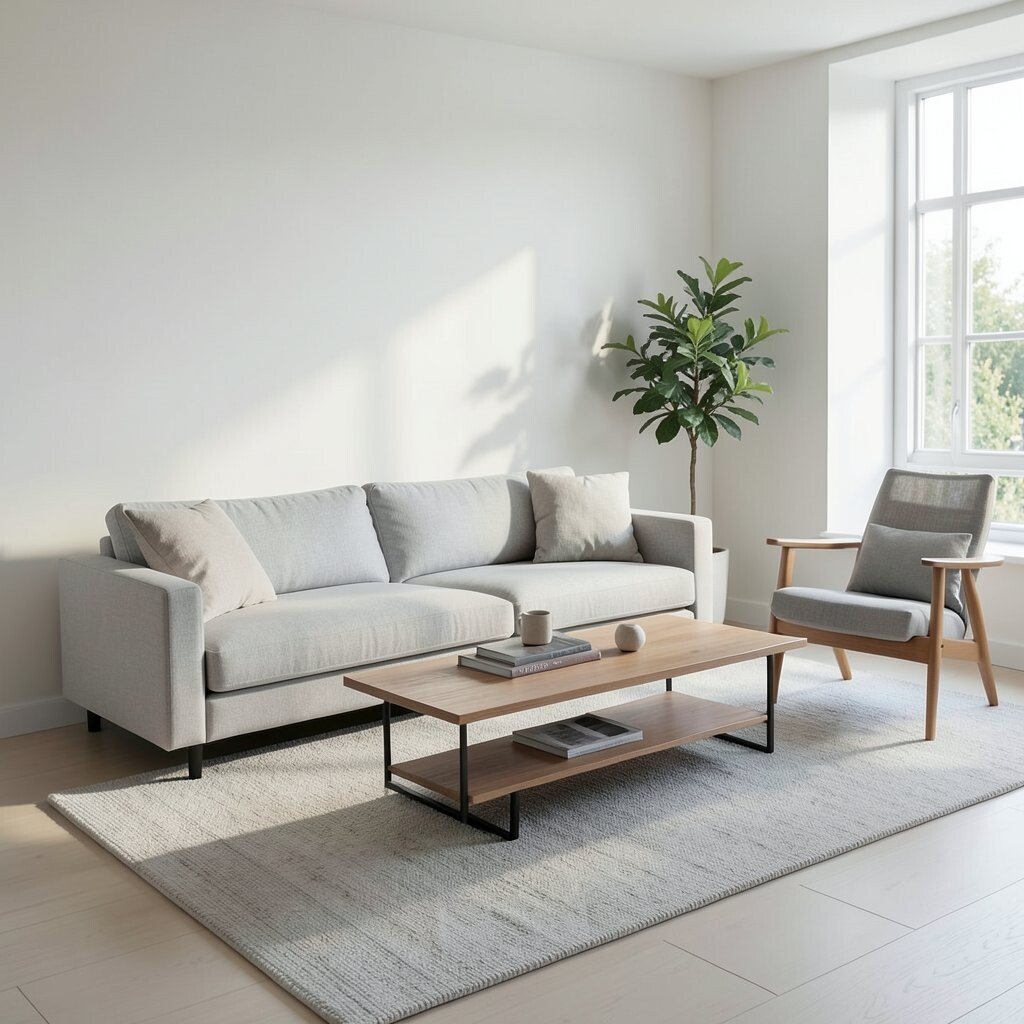
Straight shapes and simple legs can make a room feel open and light. Furniture with clean lines often looks less heavy, which helps the whole space breathe.
Many current home styles lean toward simple forms and natural materials. That means you can find affordable pieces in thrift stores, online shops, or big stores without needing a fancy budget.
Choose pieces that fit your real life, not just what looks nice in a photo. A small table with hidden storage or a slim sofa can give you both style and useful space.
8. Keep Décor in Small Groups
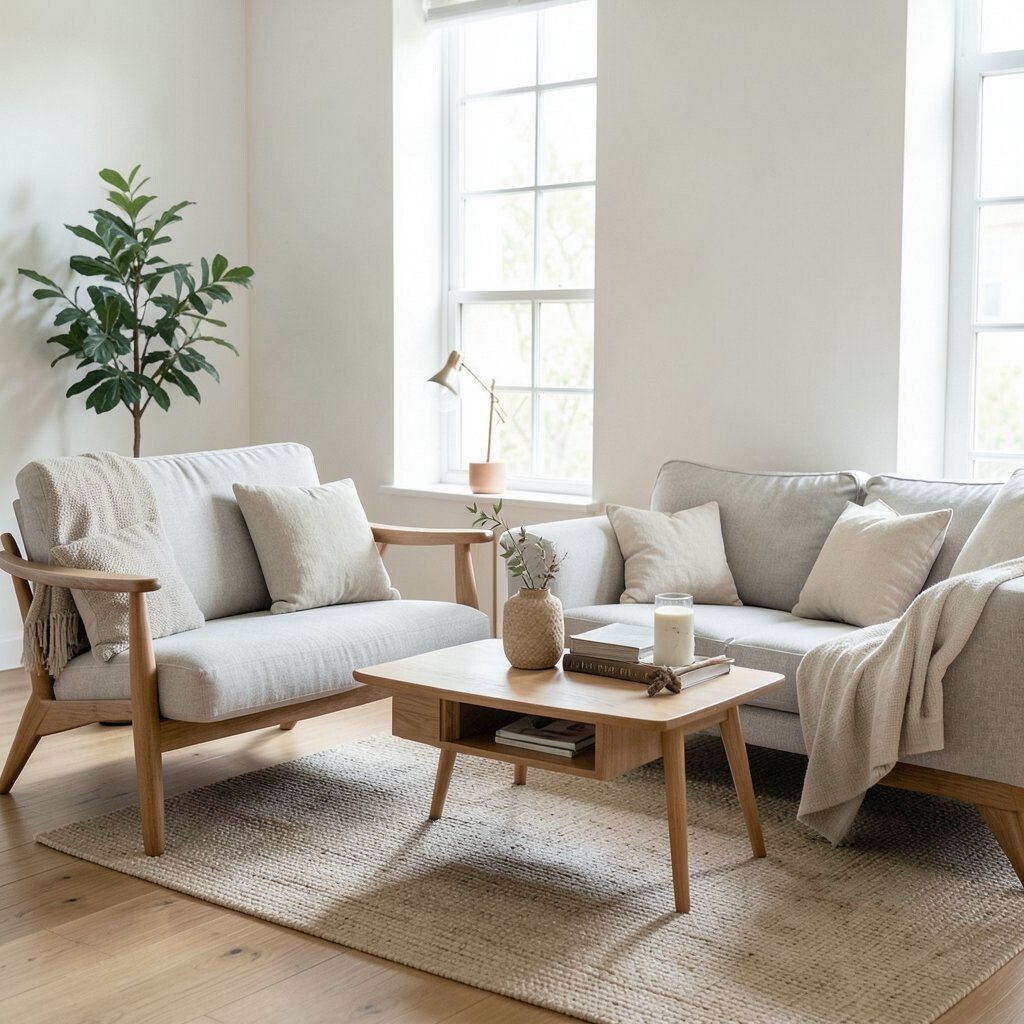
Instead of filling every wall and shelf, let a few items stand together and shine. A small group of candles, books, or pottery can feel thoughtful and calm.
This gives your room a clear rhythm and helps each item stand out. You can use things you already own, which keeps costs low and makes the space feel more personal.
Try mixing one tall piece, one low piece, and one soft shape for balance. That simple mix can look artistic without needing lots of shopping or extra clutter.
9. Use Hidden Storage
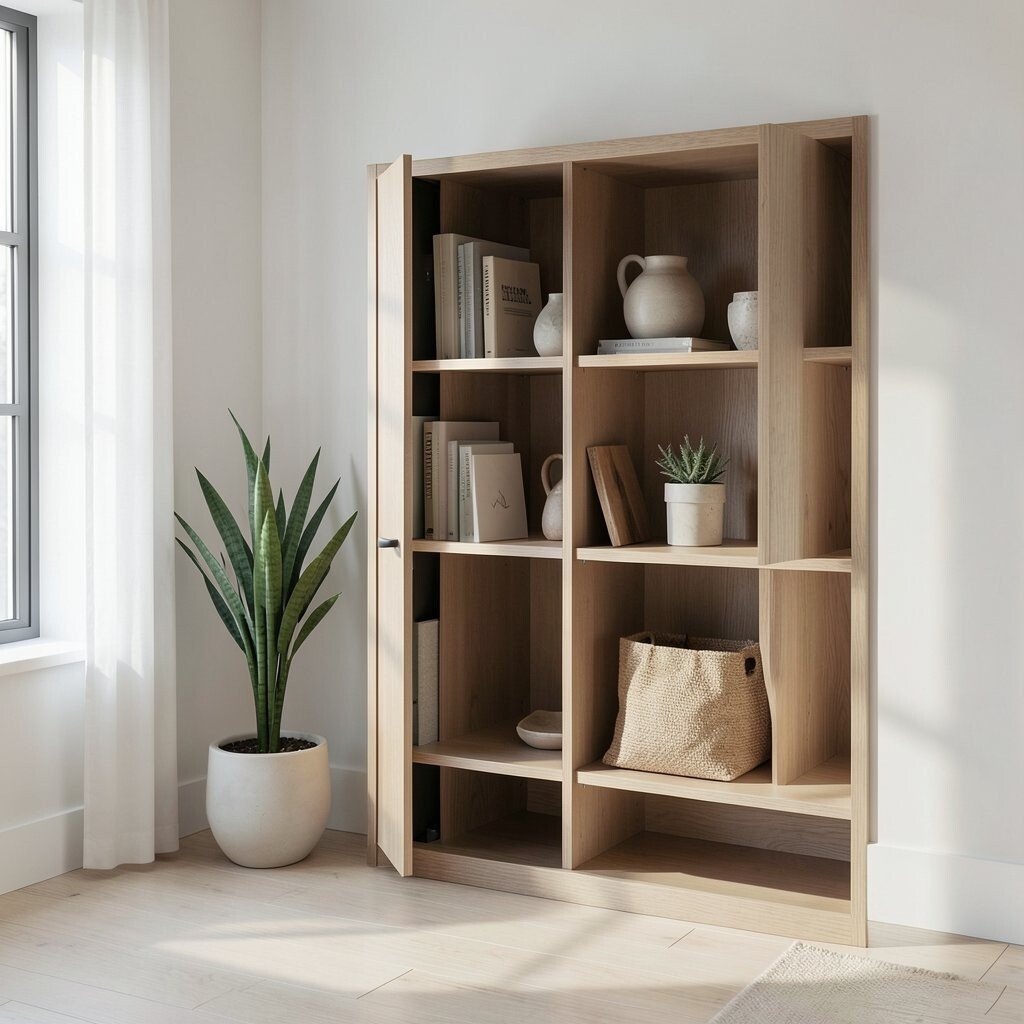
Storage that tucks away clutter can make a room look much bigger. When baskets slide under beds or ottomans hold blankets, the room stays neat without feeling empty.
Hidden storage is a favorite in small homes because it works hard while staying quiet. You can find low-cost options in simple bins, bench seats, or secondhand furniture with drawers.
Personal touches still matter, so choose storage that matches your color scheme or texture. A woven trunk, a plain wood box, or a soft fabric basket can all add style while keeping things out of view.
10. Limit Wall Art
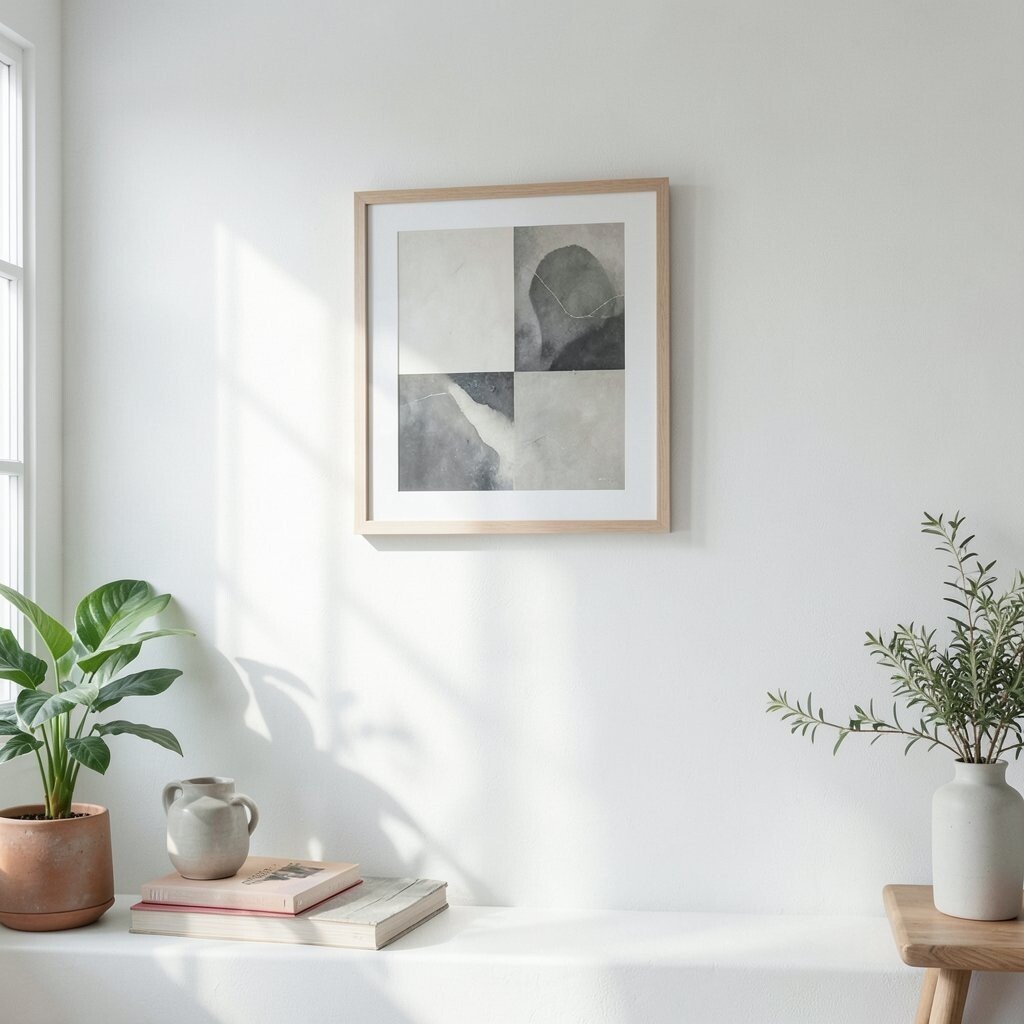
One or two well-placed pieces on the wall can feel stronger than a crowded gallery. The open space around them gives the room a calm, airy feel that many people love.
Large prints are popular right now because they bring focus without a busy look. If you want to keep spending low, print your own art or frame a postcard you already enjoy.
Pick images that match the mood you want in the room, like soft landscapes or simple shapes. When the art feels meaningful, the space becomes more unique without needing extra décor.
11. Bring In One Green Plant
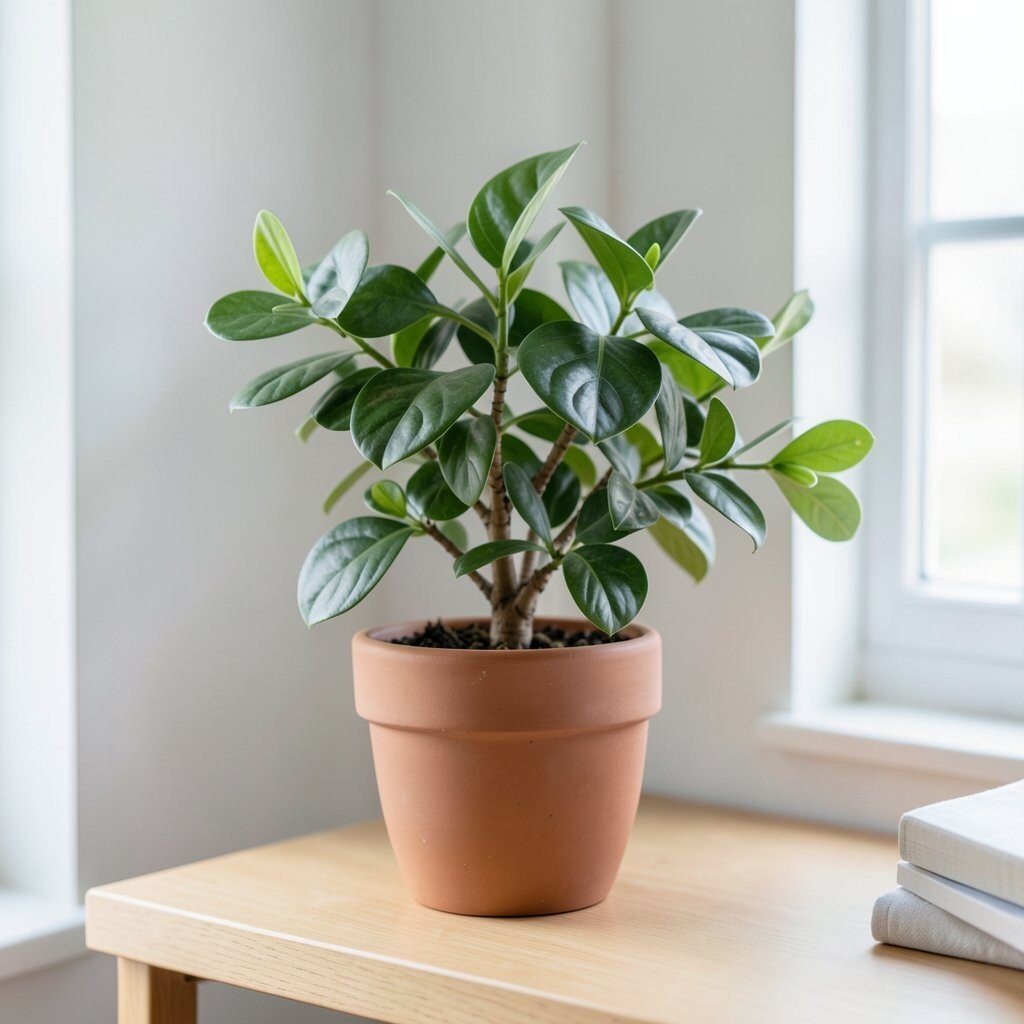
A plant can add life to a room with very little effort. The green leaves look fresh against plain walls and simple furniture, which creates a nice balance.
Plants can also make a room feel calmer and more cheerful, especially near a window. If you want to keep costs down, start with an easy plant from a local shop or even a shared cutting from a friend.
Choose a pot that fits your style, from matte clay to bright ceramic. That small choice can make the plant feel like part of your home instead of just another object.
12. Clear Off the Floor
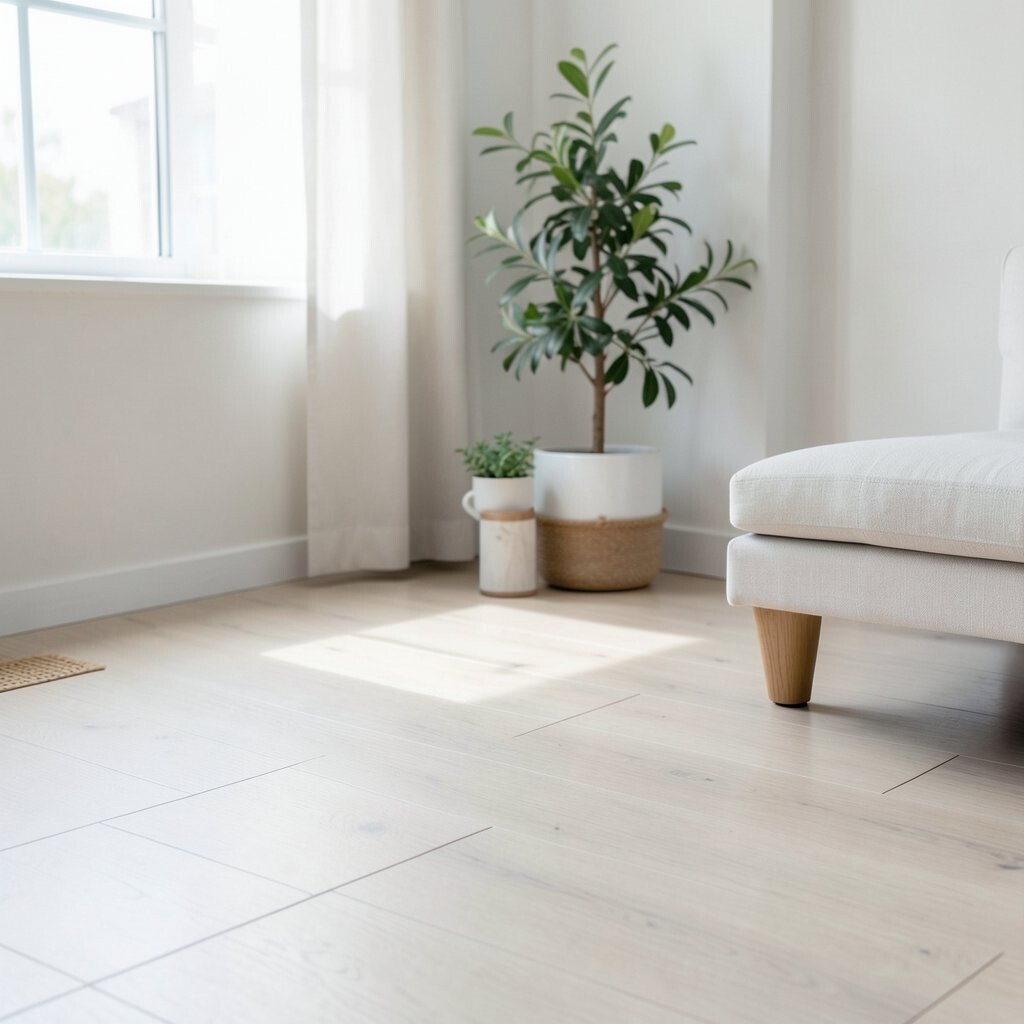
A clear floor makes a room look open, tidy, and easy to walk through. The wide empty space can make even a small room feel less crowded and more relaxed.
Use wall hooks, shelves, and under-bed storage so things have a home. These fixes often cost less than buying more furniture, and they can make cleaning much faster too.
You can still keep the room warm by adding one rug or a soft chair instead of filling every corner. That balance gives you a clean look while keeping the room comfortable and lived in.
13. Buy Less, Choose Better
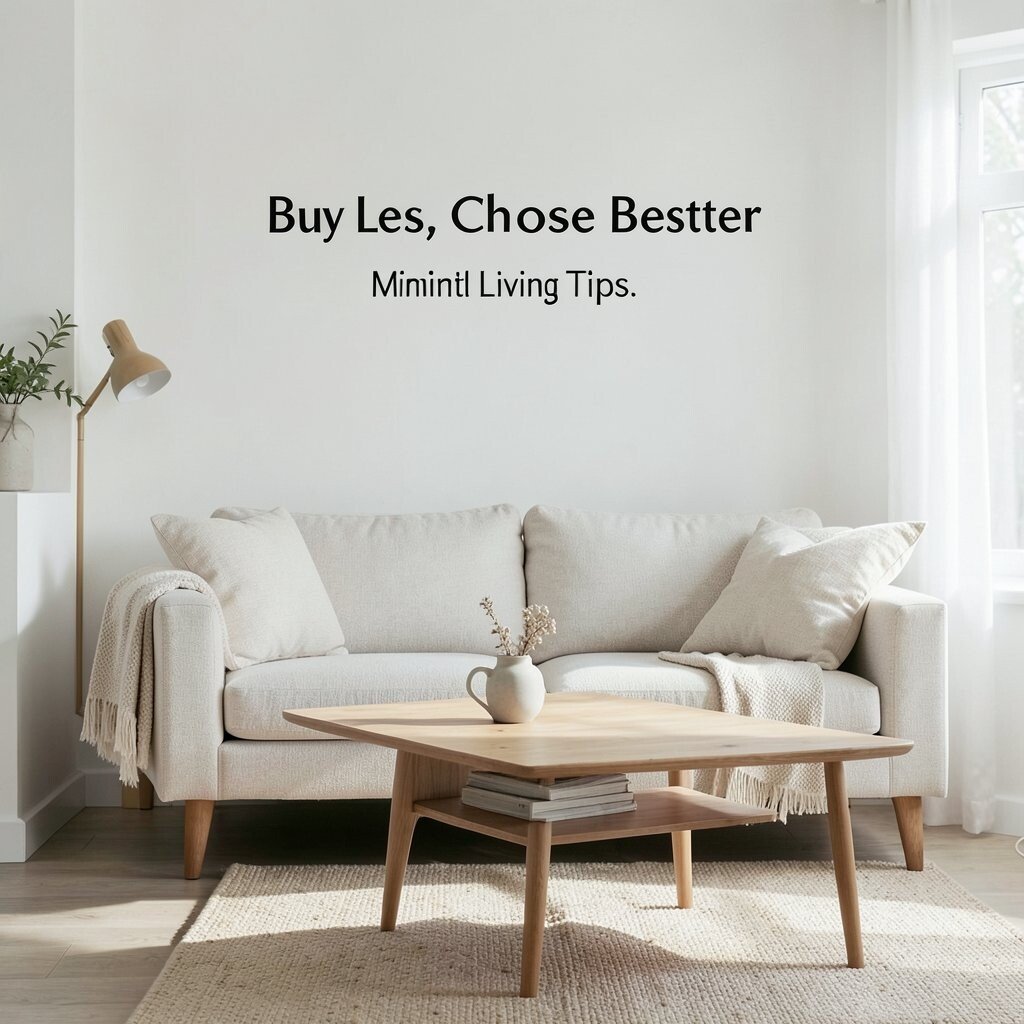
One sturdy item often feels better than several weak ones. When you choose quality, the room can look more polished and last longer, which saves money over time.
This habit fits the heart of minimalist living because it favors care over clutter. It also helps you slow down and pick items that really match your home and daily life.
Look for solid wood, strong fabric, or simple metal finishes that age well. Those materials often have a timeless feel that works with changing trends and different rooms.
14. Create a Calm Entry Spot
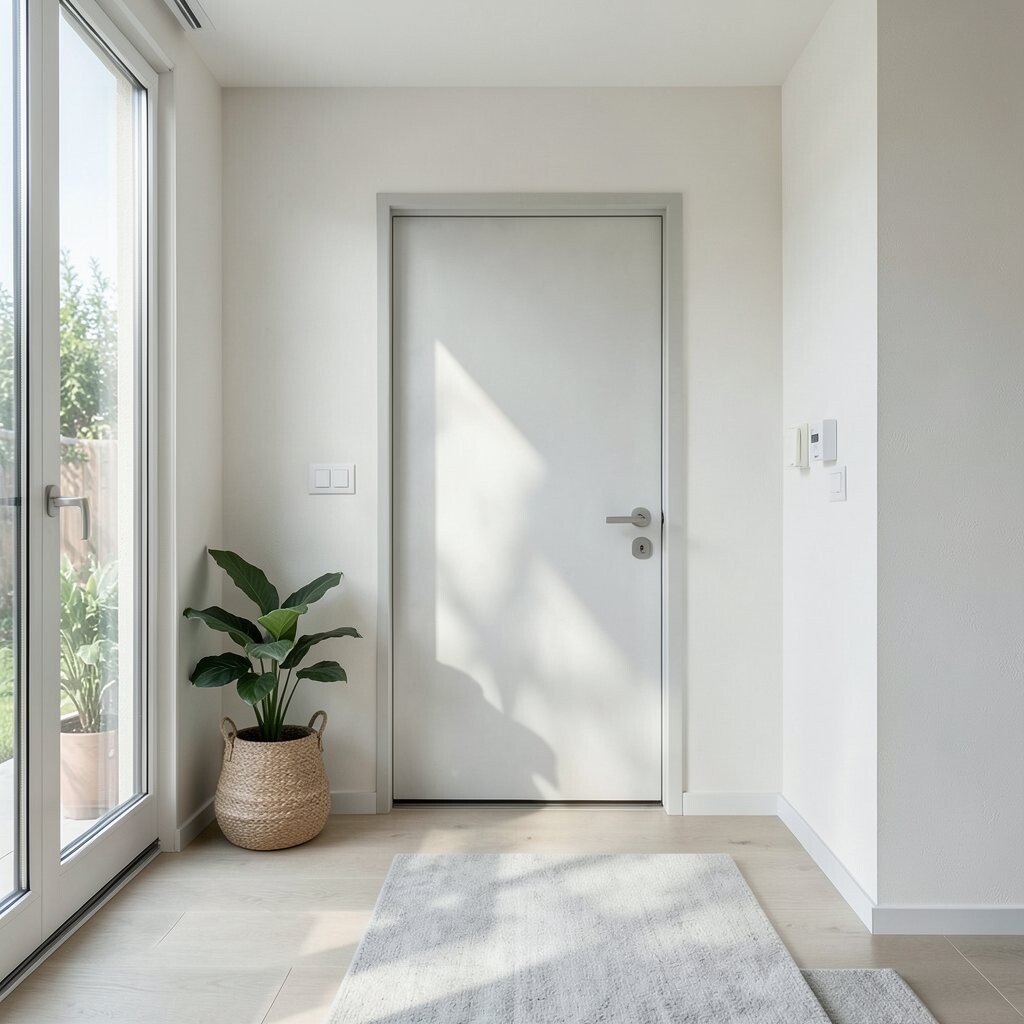
The first part of your home can set the tone for the whole space. A small bench, a hook, and a dish for keys can make the area look neat and welcoming.
Keeping this spot simple saves time when you leave and return each day. It also keeps shoes, bags, and mail from spreading through the house, which is great for both looks and peace of mind.
Add one mirror if you want the space to feel brighter and a little larger. A small plant or woven mat can give the entry a friendly touch without adding clutter.
15. Keep Bedding Simple

Clean sheets in soft colors can make a bedroom feel like a quiet retreat. A simple bed often looks more restful than one covered in many patterns and layers.
Choose a few cozy pieces that work together, like one blanket and two matching pillows. This keeps shopping costs lower and makes laundry easier too.
If you want the room to feel more personal, pick one texture you love, like linen or cotton gauze. That little detail adds charm while still keeping the bed calm and uncluttered.
16. Use Mirrors to Open the Room
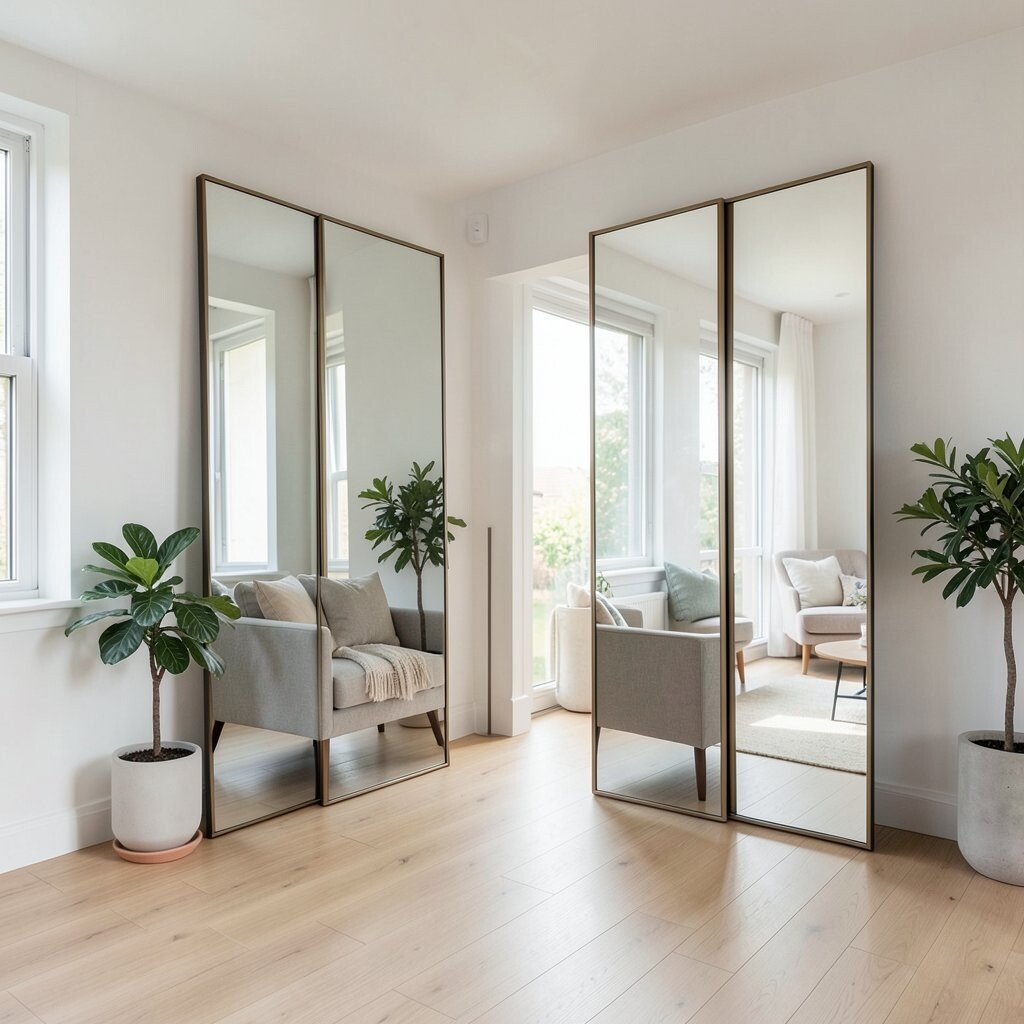
A mirror can bounce light and make a room seem bigger at once. The bright reflection adds depth, which is helpful in small homes or darker corners.
Many people use mirrors now because they are both useful and stylish. You do not need an expensive frame if a simple shape fits your room better and keeps the budget low.
Place the mirror where it can reflect a window, a plant, or a favorite lamp. That way it adds both light and a bit of personality to the room.
17. Keep the Color Story Tight
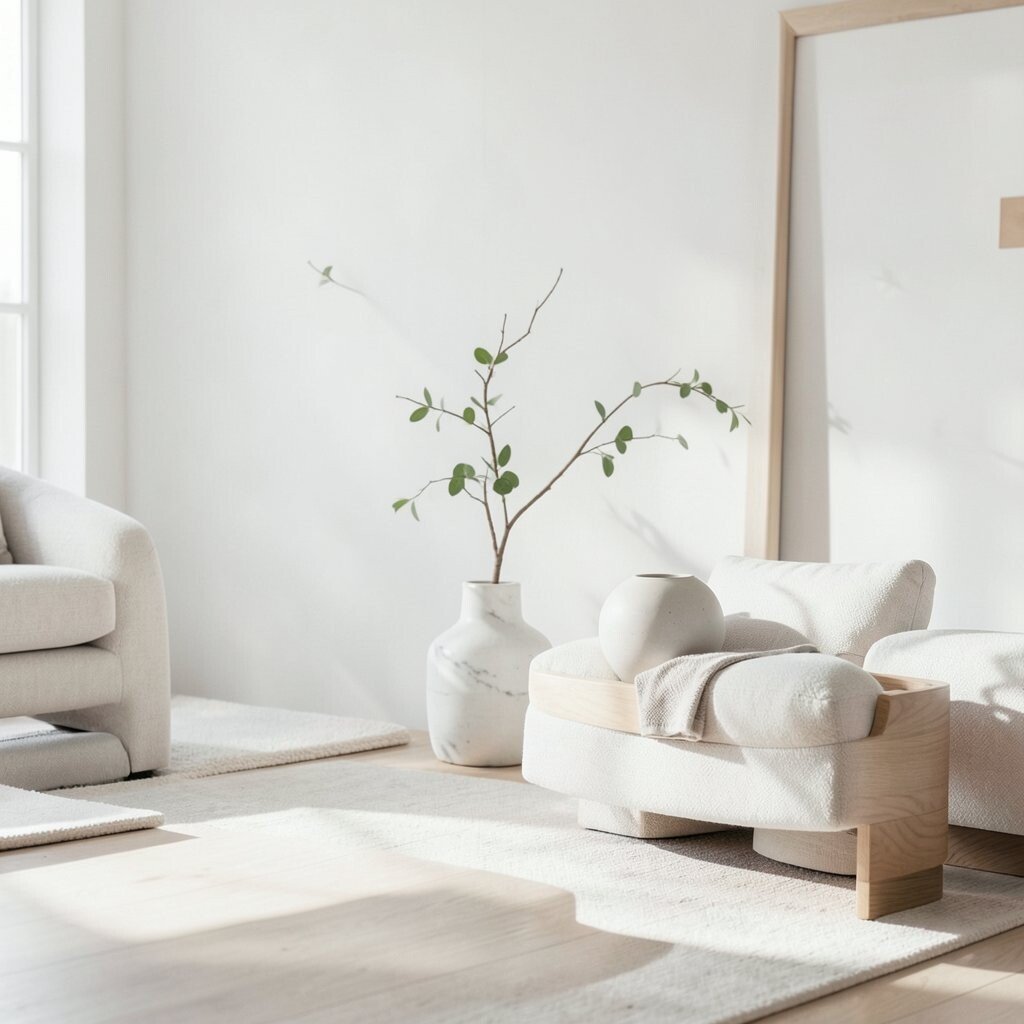
When a room uses just a few related colors, it feels smooth and calm. The eye moves easily around the space, which makes the room look more put together.
This does not mean everything must match exactly, and that is part of its charm. You can mix warm wood, cream fabric, and a soft accent tone to keep things simple but not boring.
Sticking to a small color group also makes shopping easier and often cheaper. You can reuse pieces from room to room, which gives your home a steady look without buying more than you need.
18. Choose Multiuse Pieces
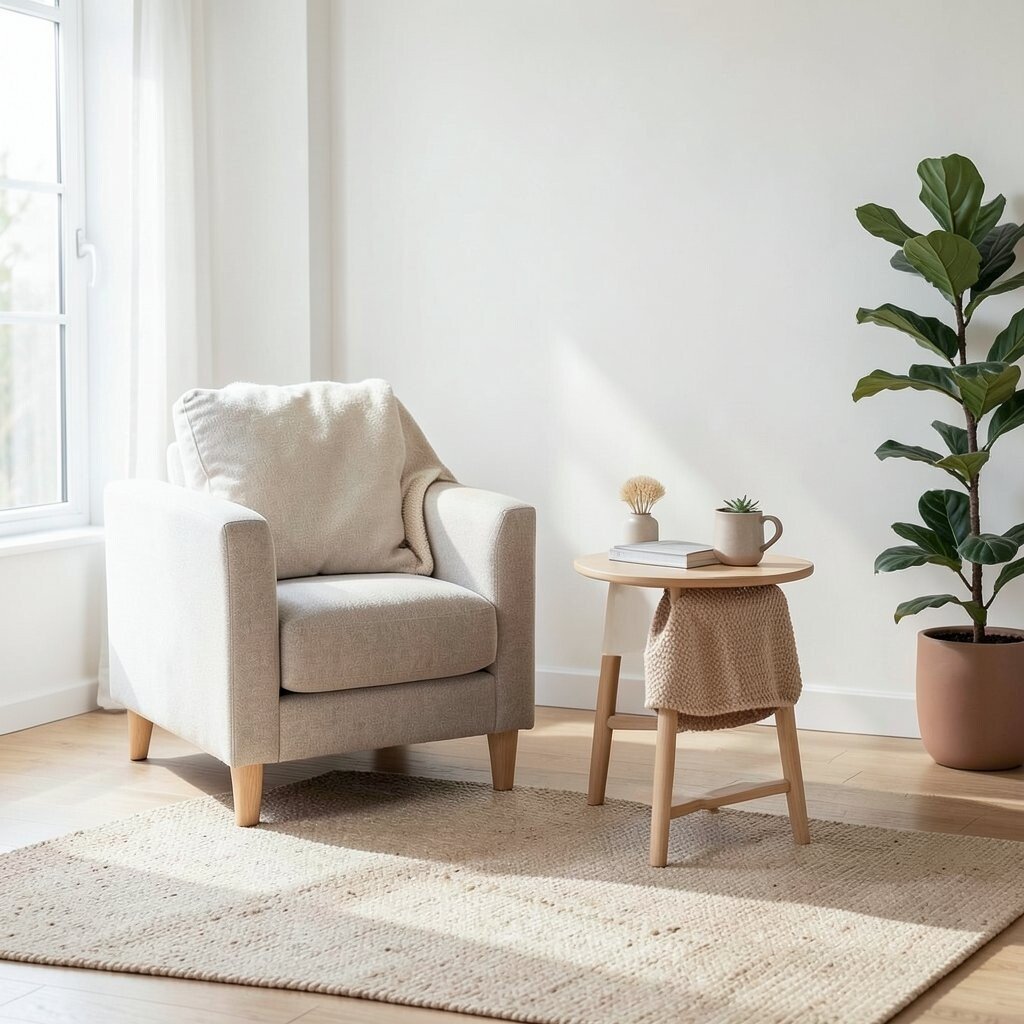
Furniture that does more than one job is a smart fit for minimalist living. A stool can be a seat and a side table, while a bench can hold shoes and still look nice.
These pieces save space and often save money because you need fewer items overall. That makes the room feel open, yet still useful for daily life.
Pick shapes and finishes that fit your home so the item feels intentional. A simple design can blend in easily while still giving you the extra function you need.
19. Edit Open Shelves Often

Open shelves can look lovely when they hold only a few chosen things. The empty space around your objects gives the room a light, airy feeling that feels fresh.
Since open shelves are always visible, they work best when you keep them tidy. A quick review every week can stop clutter from building up and keep the look clean.
Try mixing books, a small bowl, and one favorite photo for a warm but simple shelf. That kind of mix feels personal without turning the shelf into a packed display.
20. Let Textures Do the Work
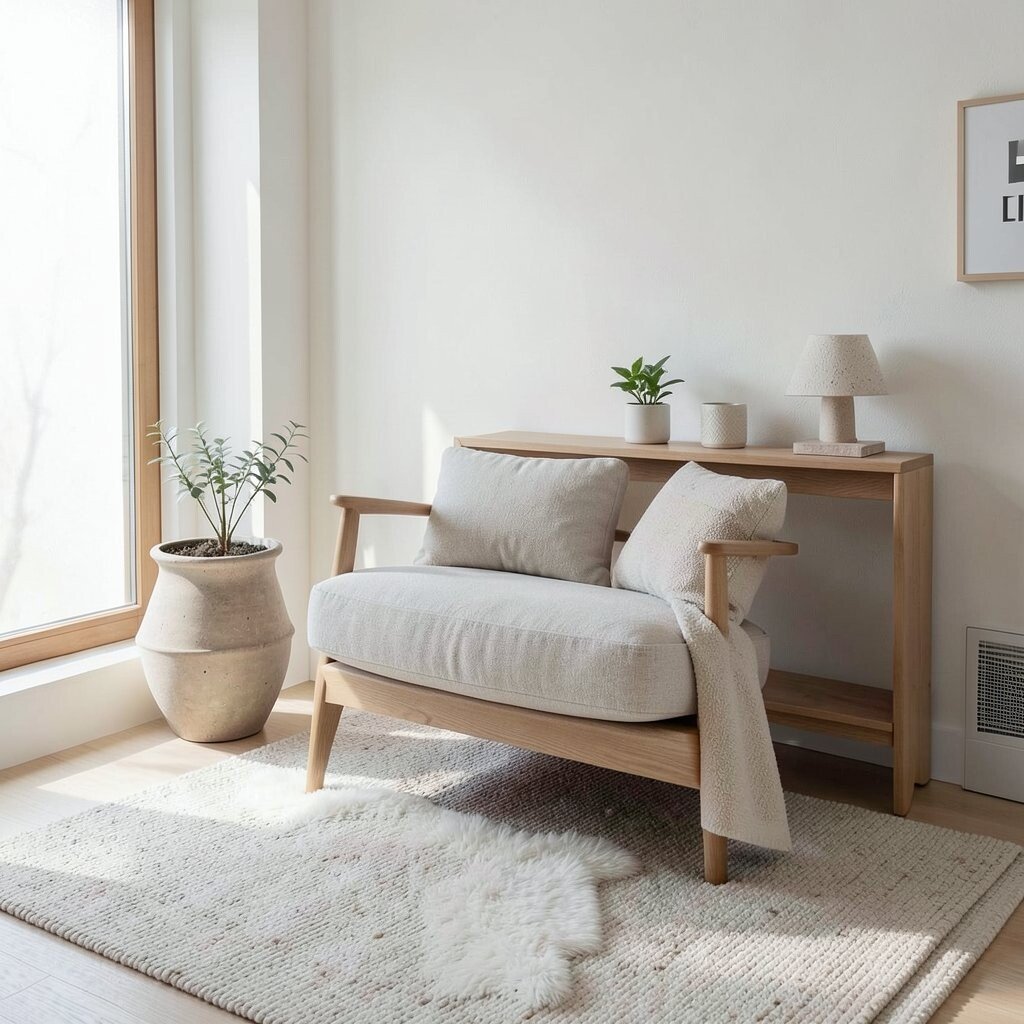
When a room uses soft linen, smooth wood, and a knitted throw, it feels rich without many objects. Texture adds depth in a quiet way, which is perfect for a minimalist home.
This is a great trick if you want the room to feel cozy while staying uncluttered. It can also be budget friendly if you shop for just a few key pieces instead of many decorations.
Mixing textures is a current favorite because it keeps simple rooms from feeling flat. You can make the look your own by choosing rough, smooth, or fluffy pieces that fit your taste.
21. Make Cleaning Easy
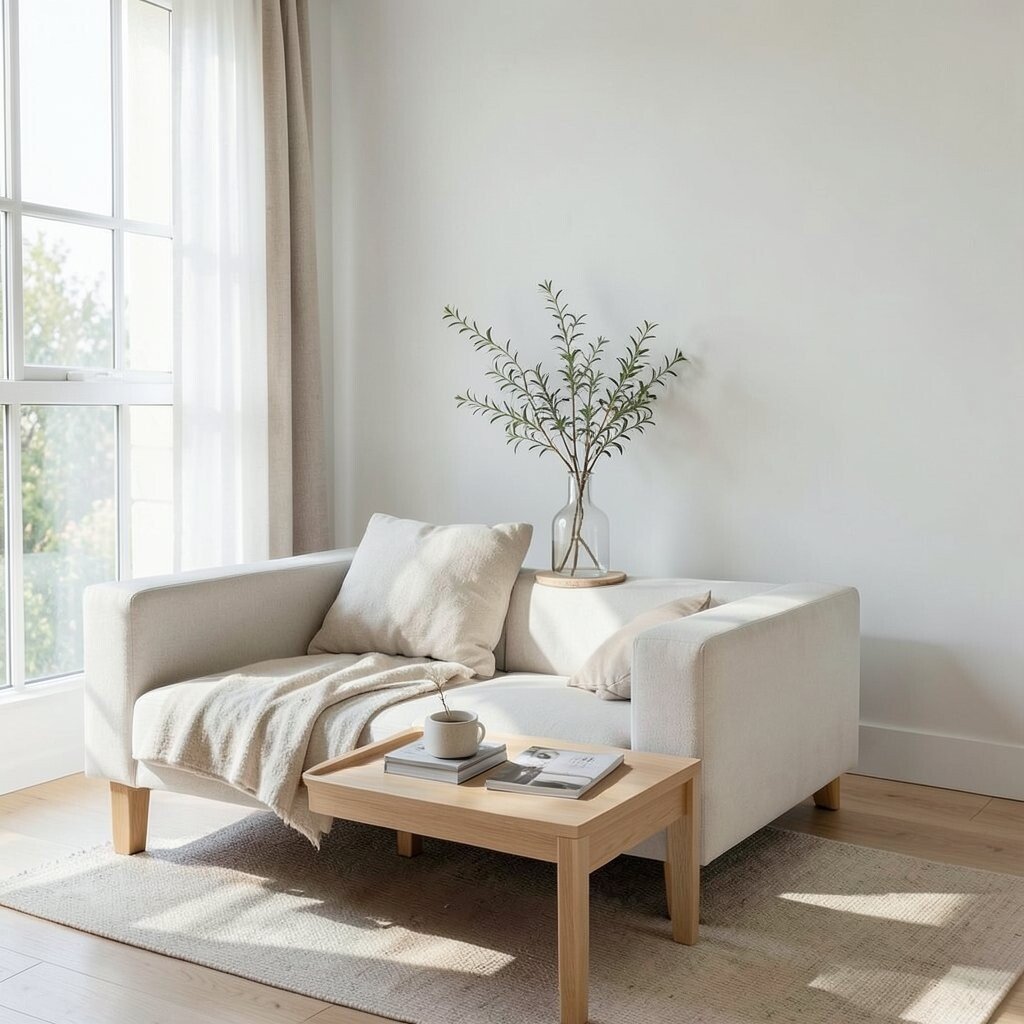
A home that is easy to clean stays calmer and looks better with less effort. Fewer items on surfaces mean dust builds up more slowly and chores feel less tiring.
Pick objects that are simple to move and surfaces that wipe clean fast. That practical choice can save both time and money because you spend less on special cleaners and less energy on upkeep.
When cleaning feels easy, it is simpler to keep your space looking fresh every day. A room like that can support a busy life while still feeling thoughtful and quiet.
22. Keep What Feels Like You
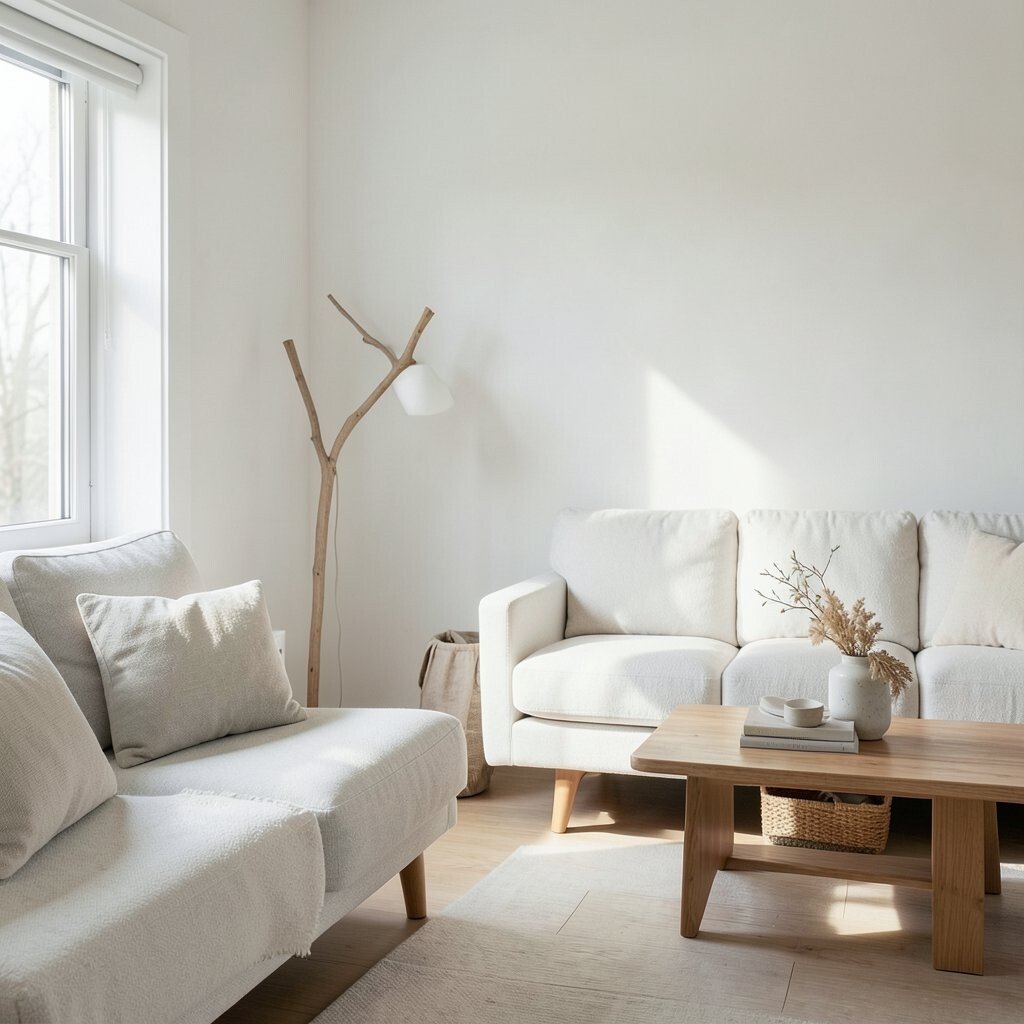
Minimalist living does not mean your home should feel cold or empty. The best spaces still show the person who lives there, even if the room holds only a few things.
Choose objects that make you smile, tell your story, or remind you of a good time. That personal touch gives the room warmth, and it costs nothing if you use what you already own.
When every item has meaning, the space feels more special and less rushed. A few chosen pieces can say a lot, and that quiet honesty is what makes minimalist style feel so inviting.