The room suddenly feels too loud, and you want it calmer. The right wall texture can help absorb noise without making everything look strange.
Soundproofing does not have to mean heavy construction or a full renovation. With knockdown textures, you can tune how surfaces reflect sound while keeping your style intact.
1. Knockdown Popcorn-Style Rework With Extra Backing
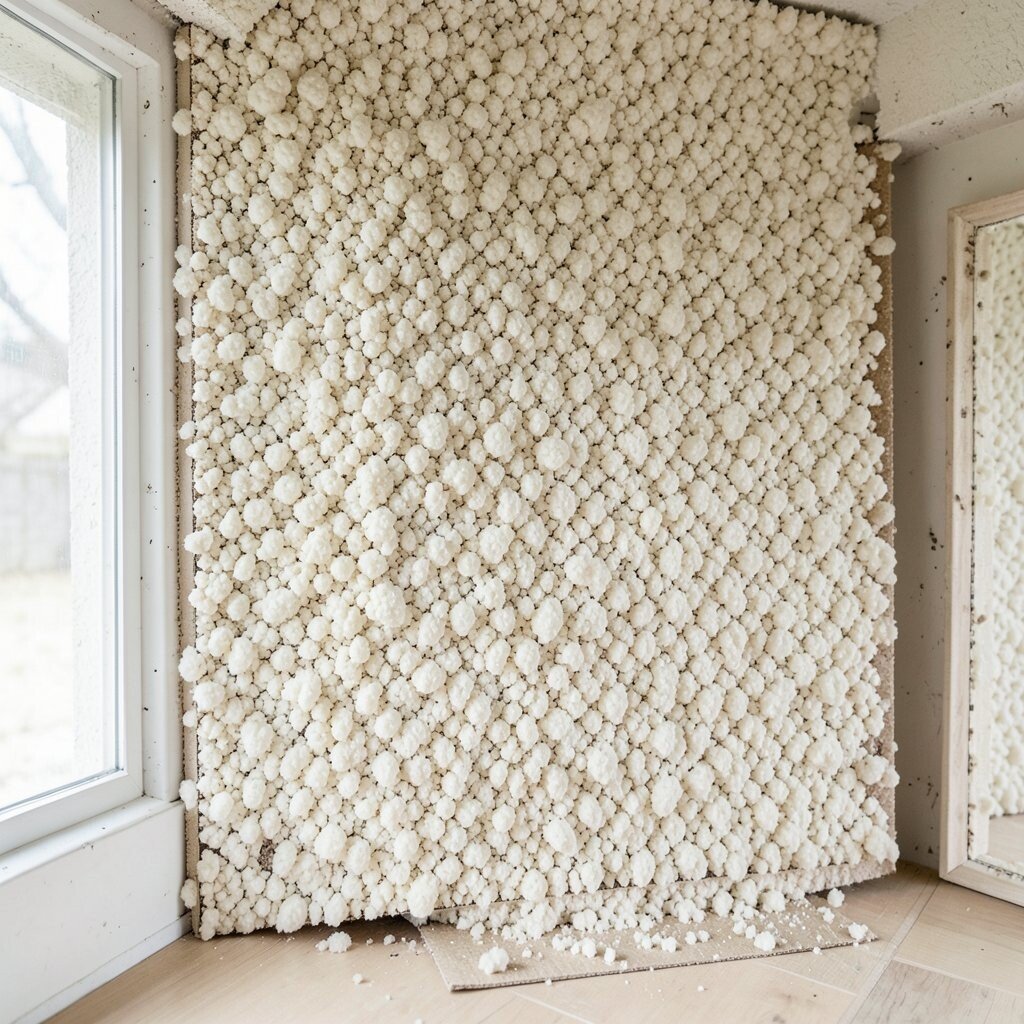
Think of a familiar rough ceiling or wall look, but with a more intentional build behind it. You see tiny peaks and valleys that break up smooth reflections, and the surface looks lively in natural light.
Pair that texture with a denser backing layer so the wall stops vibrating easily. Many homeowners notice quieter footsteps and less “ring” in hollow spaces, especially along shared hallways.
If you want it to feel cozy, ask your contractor to keep the knockdown pattern consistent across the room. For personalization, match the spray thickness to your existing finish so the change feels seamless.
2. Heavy Knockdown Finish Over Resilient Clips
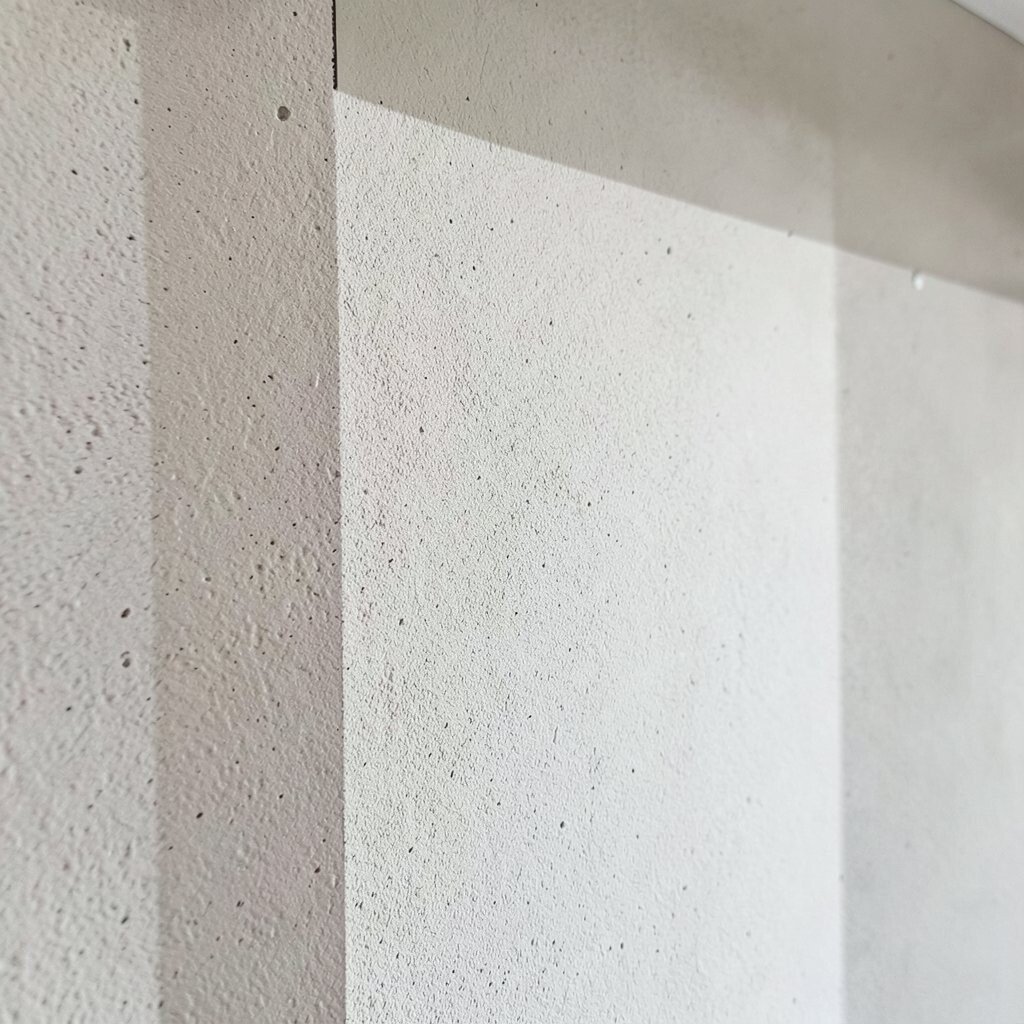
You can keep the textured look while improving how the wall assembly behaves. The visual stays rugged and modern, with flattened peaks that catch light softly instead of shining like glass.
Resilient clips reduce how much the drywall transmits vibrations, and the knockdown coat adds a little extra surface roughness. In practical terms, this combination helps with neighbor noise and music bleed through studs.
Choose a spray mix that dries evenly so you do not get weak spots or thick blobs. Many people find it easier to do the texture after the final drywall coat so the pattern stays crisp and controllable.
For cost, resilient hardware adds expense, but it often beats tearing everything out later. Current trends lean toward “stay-put” upgrades, and this one fits because you keep your wall style while upgrading the structure.
3. Knockdown Texture Over Existing Drywall Using Thin-Layer Products
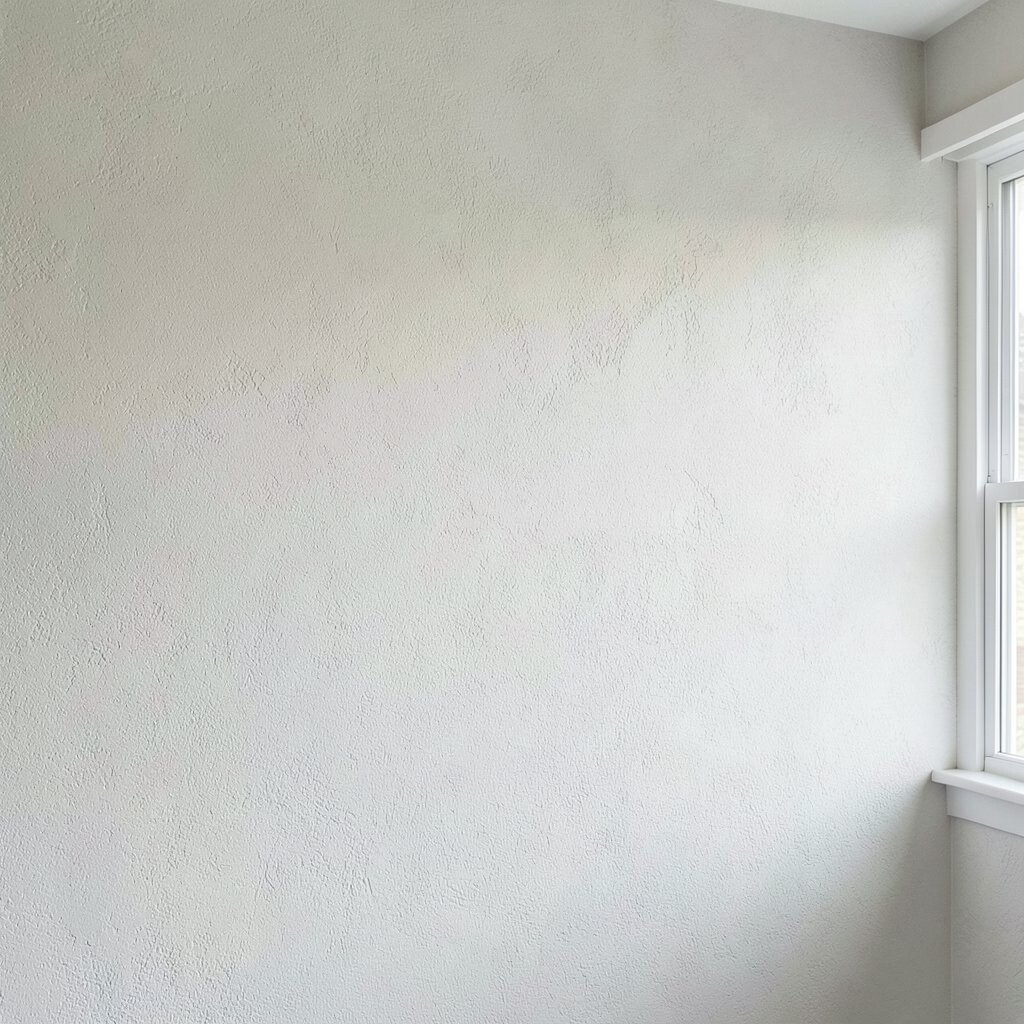
Sometimes you want sound help without starting from bare studs. You might apply a thin knockdown system right on top of your current wall, and the new surface blends in like a light coat of weathered plaster.
This approach works best when your wall is already solid and free of major cracks. It can reduce high-frequency sharpness and make speech sound less harsh, which people often notice during evening TV.
To get the best results, prep matters more than people expect. Roughen the surface lightly, prime thoroughly, and keep your roller or trowel technique steady so the texture does not look patchy.
For personalization, you can choose a tighter knockdown for a sleek vibe or a broader knockdown for a rustic look. If you rent tools or hire a finisher, ask about a quick turnaround so you are not living through dust for weeks.
4. Cork-Infused Knockdown Mix for Warm, Muffled Walls
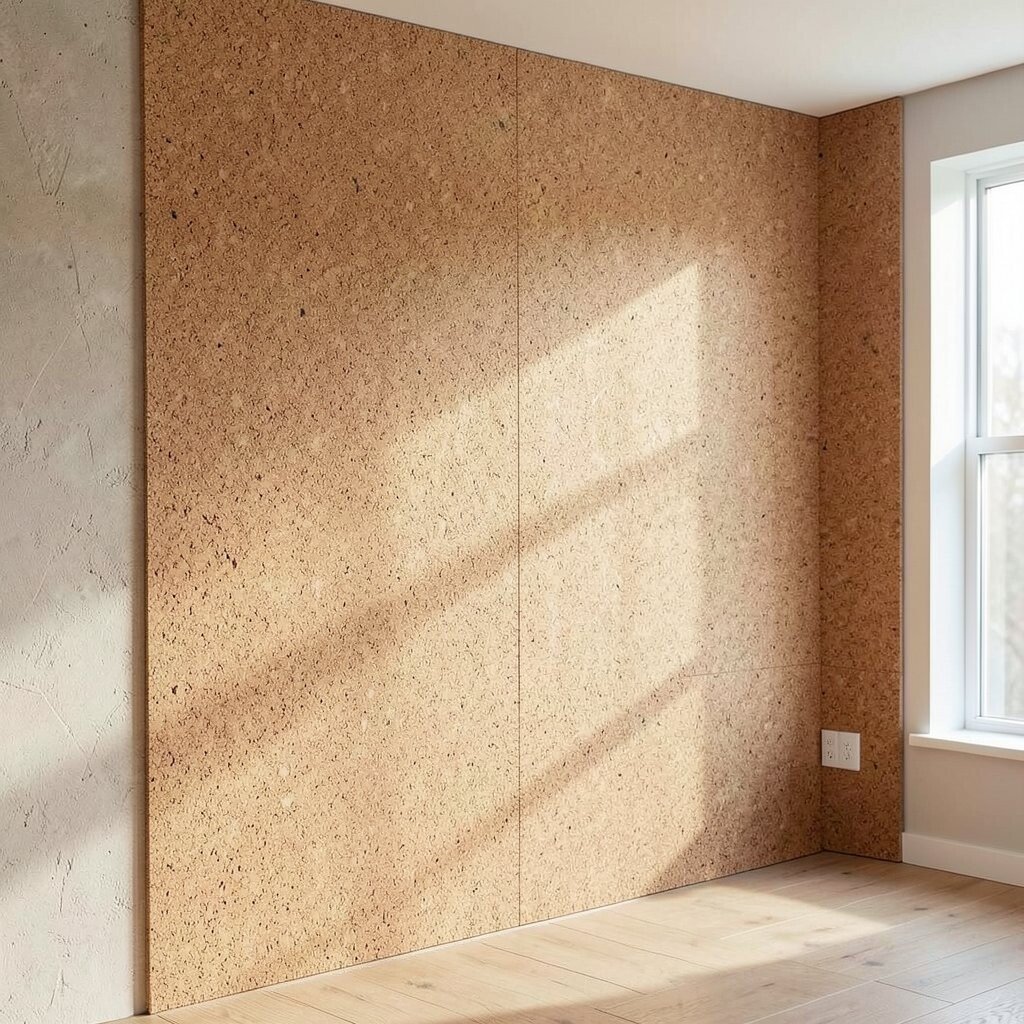
Imagine a knockdown texture that looks like soft stone but feels warmer and calmer when you stand near it. Cork-infused compounds add a natural, slightly earthy look that can make rooms feel more comfortable.
The material helps absorb some airborne sound, and the texture itself disrupts reflections. You get a practical win when you want fewer echoes in open living rooms and shared apartments.
5. Knockdown Texture With a Softening Layer of Felt or Foam Behind It
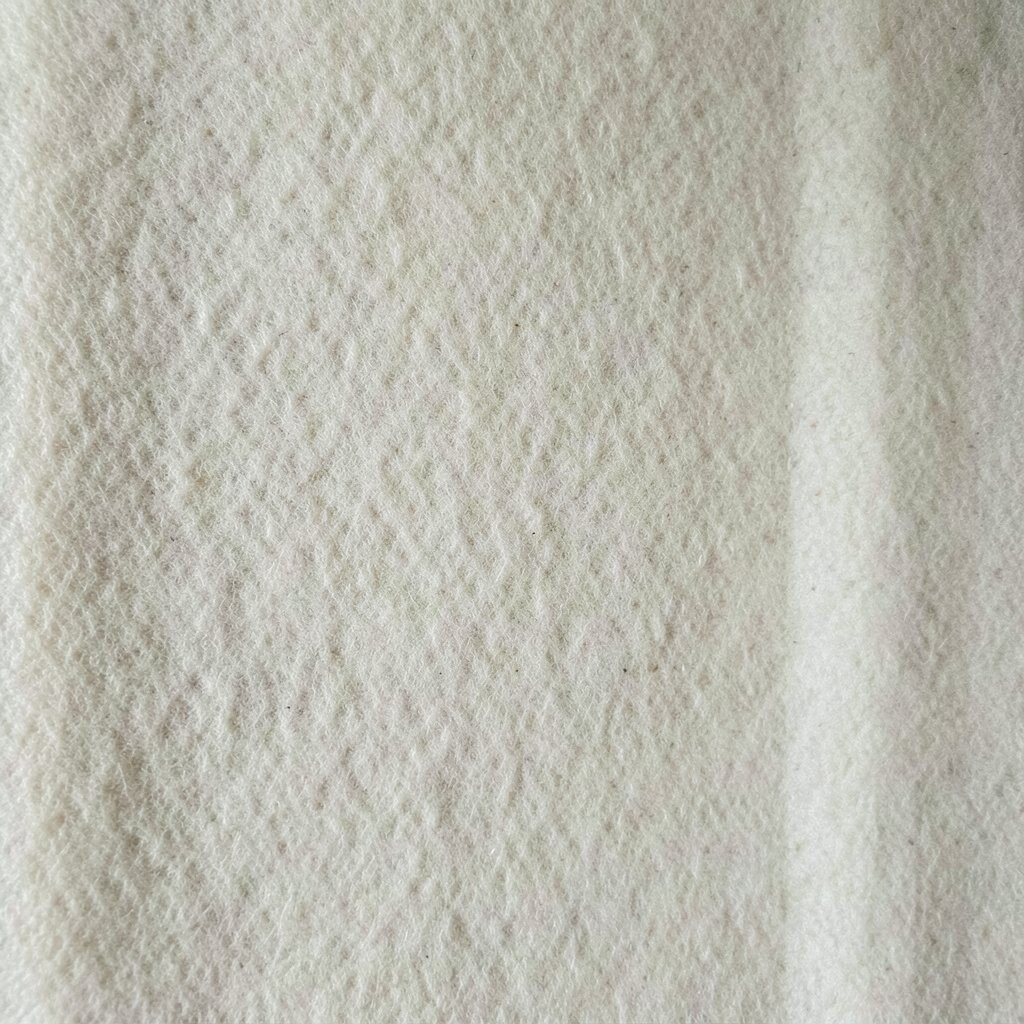
Picture a knockdown wall with a cozy feel because the layer behind it stops the “thunk” of hard surfaces. Visually, the rough pattern hides tiny imperfections, and that textured camouflage looks great in hallways.
When you add a soft layer like felt or specific acoustic foam behind the drywall, vibrations are less likely to travel. The result often feels like voices stay clearer inside your room while outside sounds feel less sharp.
For practical steps, ensure the insulation or soft layer fits snugly around outlets and corners. People often skip sealing edges, but that is where gaps quietly ruin the whole effect.
6. Thin Knockdown Skim Coat for Small Rooms Needing Quiet Without Bulk
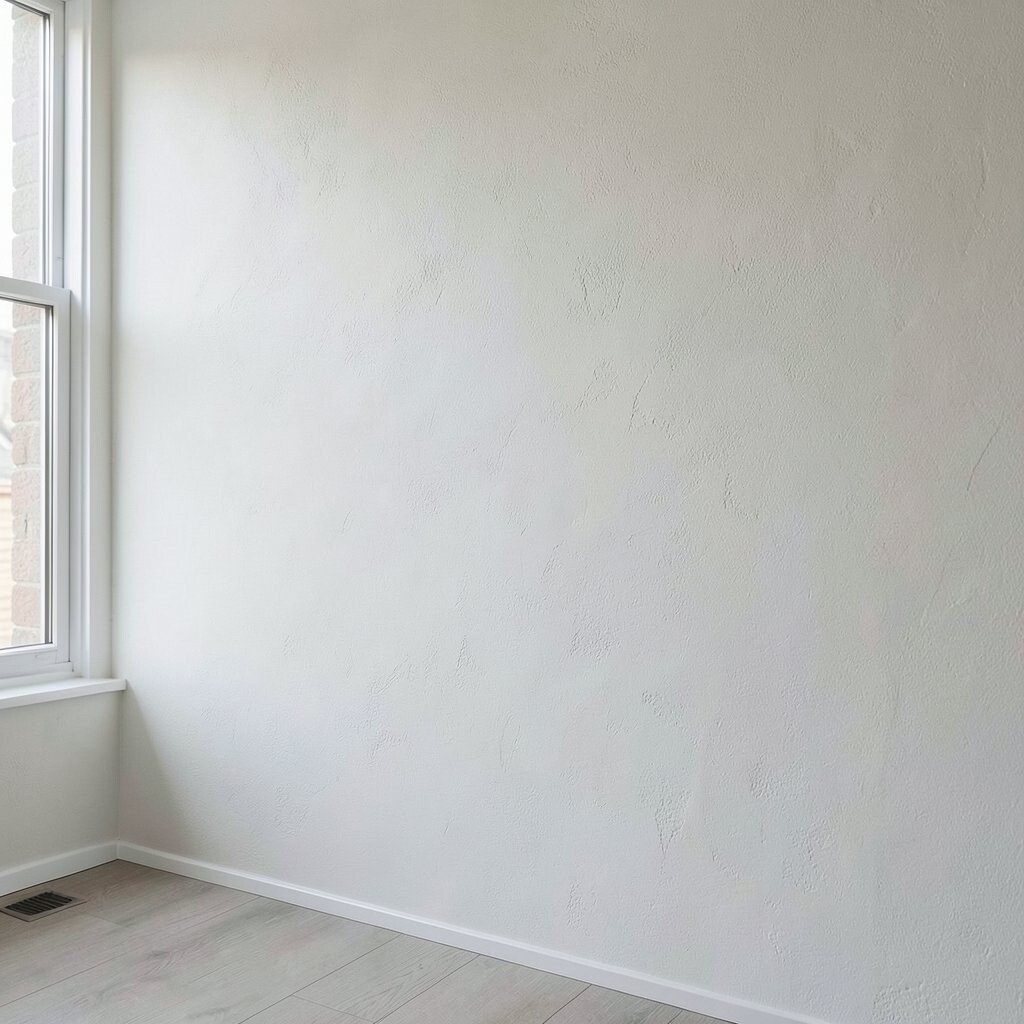
If your room is tight, thick assemblies can steal space. A thin knockdown skim coat keeps the wall profile nearly the same while still giving you a rough surface to break up sound.
You will notice a reduction in flutter echoes, like the sound that bounces between a wall and a window. This is especially helpful in small offices and bedrooms where voices can sound too bright.
To keep it looking elegant, apply a smooth base coat first, then texture with consistent pressure. Many DIYers find that practicing on scrap drywall helps you get the knockdown pattern exactly right.
Cost stays lower when you avoid major rebuilds, and it fits current trends for “smart upgrades” that do not take over your whole life. You can also match the texture to your existing finish so it does not feel like a patch job.
7. Knockdown Texture Over Mass-Loaded Vinyl for Targeted Noise Blocking
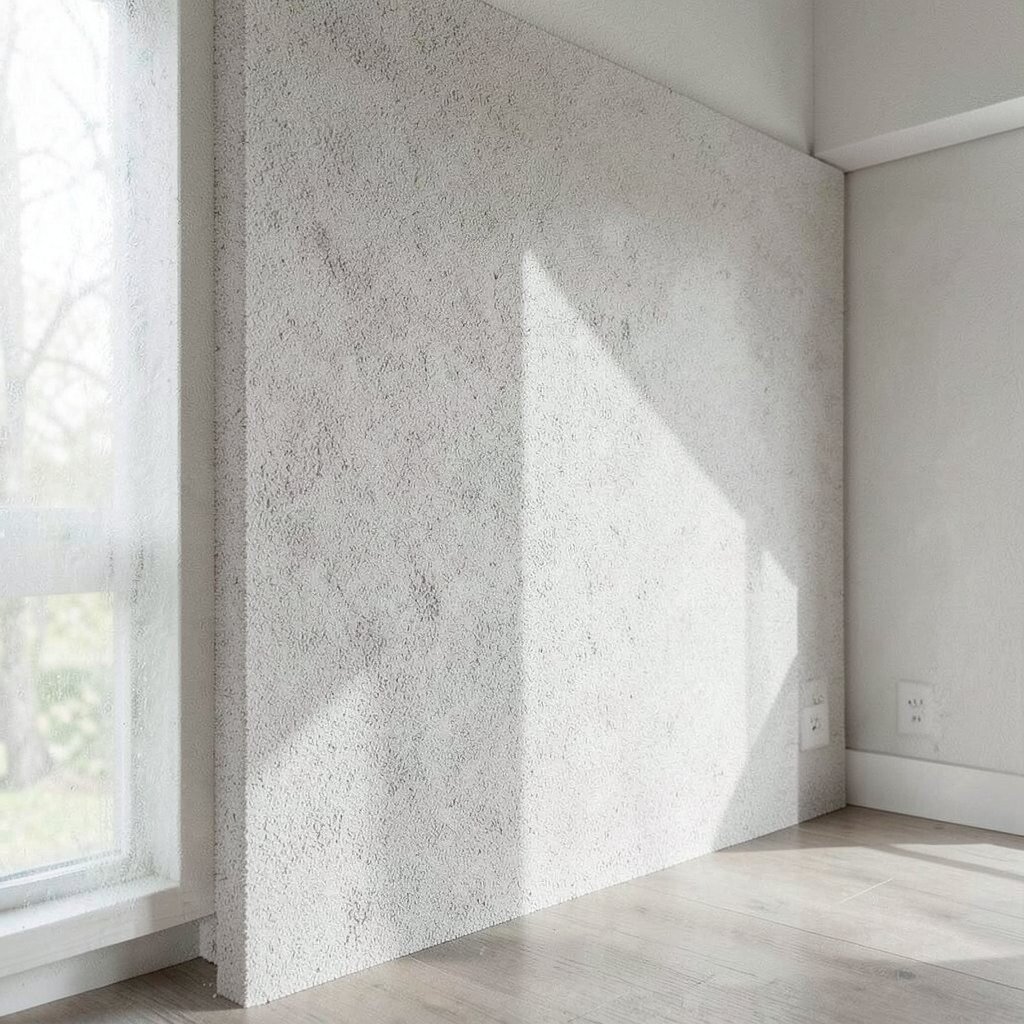
Mass-loaded vinyl can be a powerful behind-the-scenes layer, and the knockdown finish keeps everything attractive. The wall still looks textured and natural, but the assembly is heavier and harder for sound to push through.
By using a dense membrane and then finishing with knockdown, you reduce both airborne noise and some impact sounds. This combo is popular for rooms like home theaters and bedrooms that need strong outside isolation.
For practical tips, seal seams carefully and overlap edges as the product instructions require. Many homeowners learn that pinhole leaks around corners can cancel progress fast.
8. Textured Plaster Knockdown Using Acoustic Mineral Additives
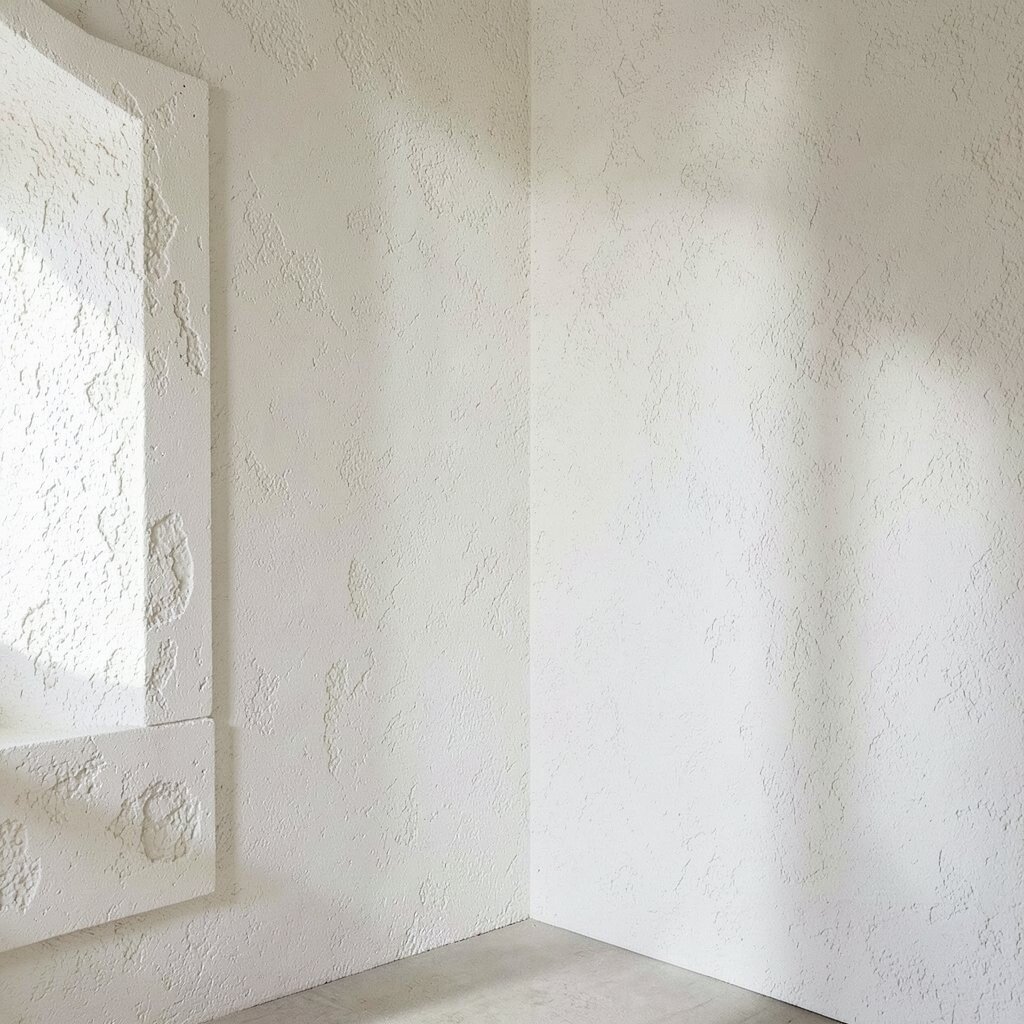
Think of a plaster wall that looks hand-made, with knockdown peaks that soften the room’s look. Acoustic mineral additives can make the coating more sound-friendly than a basic mix.
The uniqueness here is that you treat the visible finish as part of the sound plan. You still get a high-end aesthetic, while the altered surface behavior helps reduce annoying mid-range reflections.
To personalize, pick a slightly warmer white or a muted earth tone so the texture reads rich instead of chalky. If you are painting, use a high-quality roller and avoid overworking the surface once the knockdown has set.
Budget-wise, specialty additives cost more than ordinary compounds, but you may save money by skipping other finishes. This fits current trends toward artisanal textures that do real work, not just decorative work.
9. Knockdown Texture on Top of a Studded Air Gap Layer
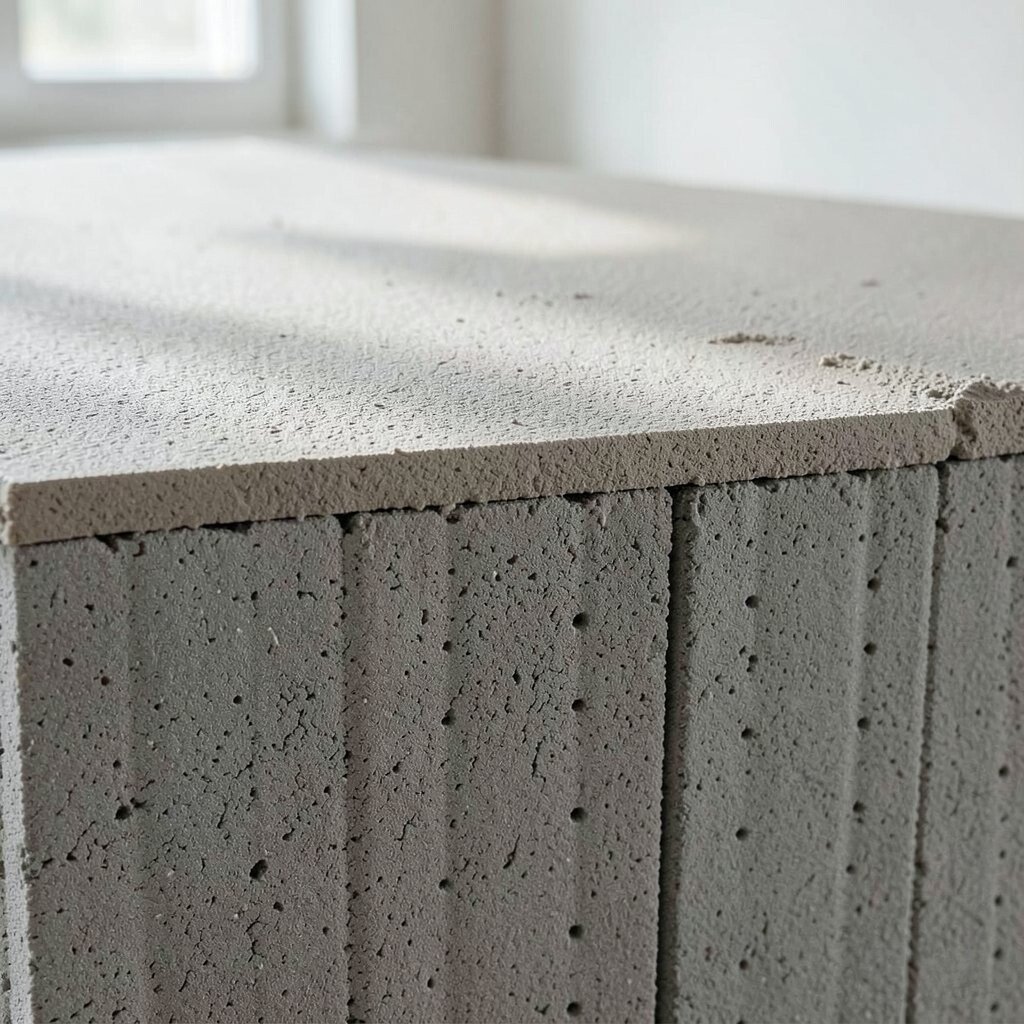
An air gap is like giving sound a harder route to travel. You can still create a knockdown finish outside, and the visible wall looks like a normal textured surface.
When the gap is paired with proper materials, the wall assembly resists vibration more effectively. Homeowners often notice less noise bleeding from adjoining rooms because the sound loses energy on the way through.
For practical advice, keep the gap consistent and avoid creating shortcuts with loose wiring or poorly sealed penetrations. Seal around outlets so sound does not travel along edges like it is a highway.
Consider cost carefully, because building a gap layer takes time and materials. If you can plan it during a remodel, it often feels worth it because you solve sound and wall performance at the same time.
10. Horizontal Knockdown Lines for Better Reflection Control
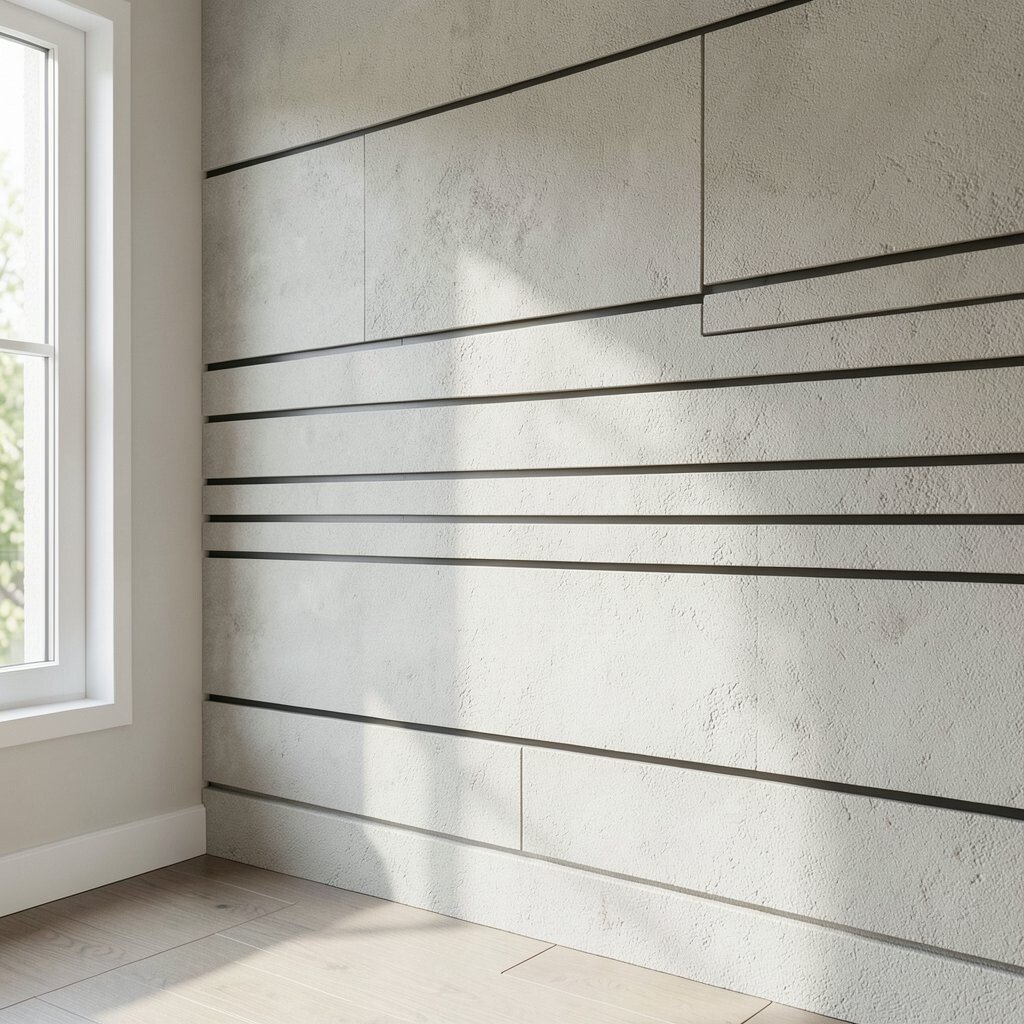
Direction matters, and a knockdown pattern that leans horizontal can change how sound bounces around the room. You see long, calm streaks of texture that feel visually soothing, especially in living rooms and dining areas.
Rough, directional surfaces can scatter reflections and reduce that sharp ping you hear when you clap. It is not a cure-all, but it is a practical way to improve comfort without adding bulky layers.
11. Randomized Knockdown With Medium Peaks for “Less Ring” Rooms
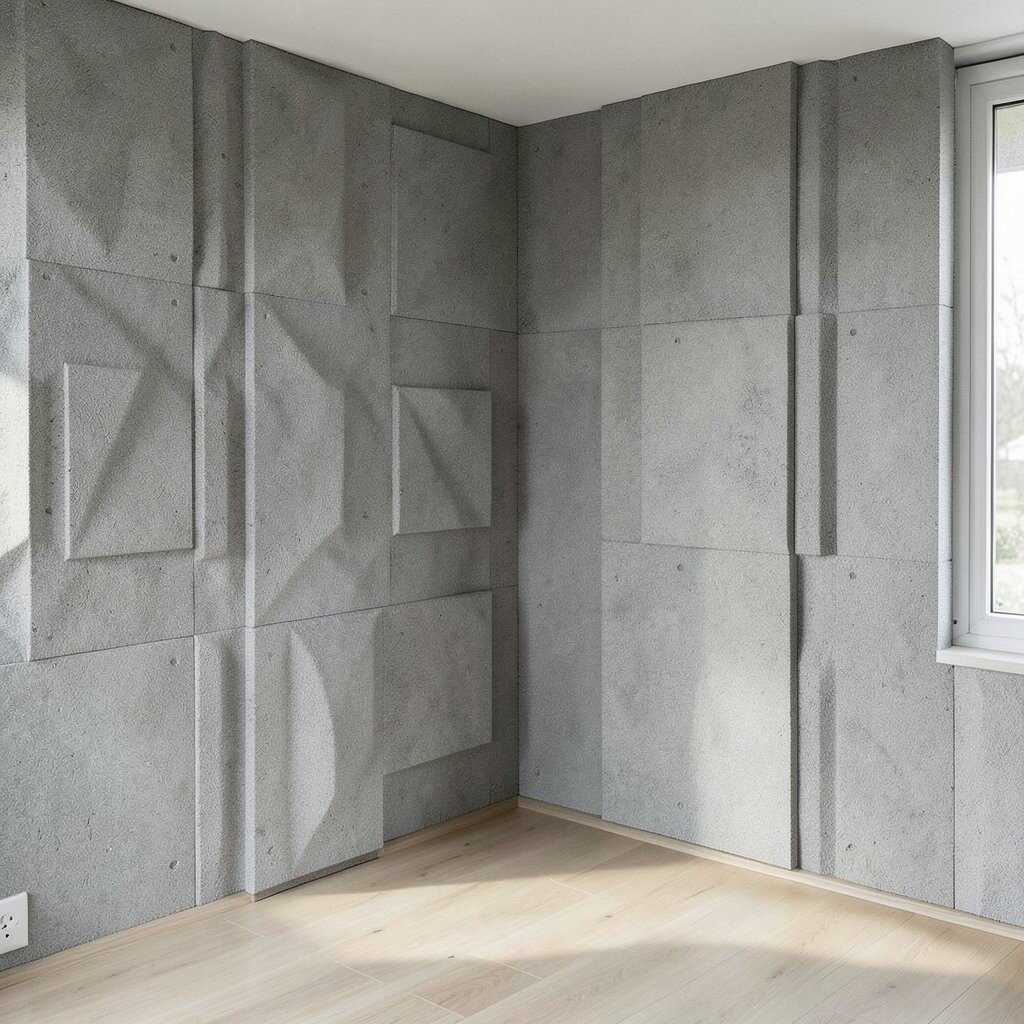
Some textures are too uniform, and they can make reflections feel predictable. A randomized knockdown keeps the visual interesting, with uneven peaks that look natural and slightly artistic.
Medium peaks tend to break sound reflections in a way that many people describe as “softer,” especially for speech and TV audio. If your room feels too bright, this can help by reducing flutter echoes.
To personalize, you can tune the randomness by adjusting the distance of your sprayer or the knockdown timing. For cost, you usually save money by choosing a finish that does not require extra coats beyond what you would use normally.
Right now, textured walls with imperfect patterns are trending because they look less cookie-cutter and more like handcrafted surfaces. This makes the sound benefit feel like a bonus, not a tradeoff.
12. Knockdown Texture Over Foam Board for Lightweight Wall Upgrades
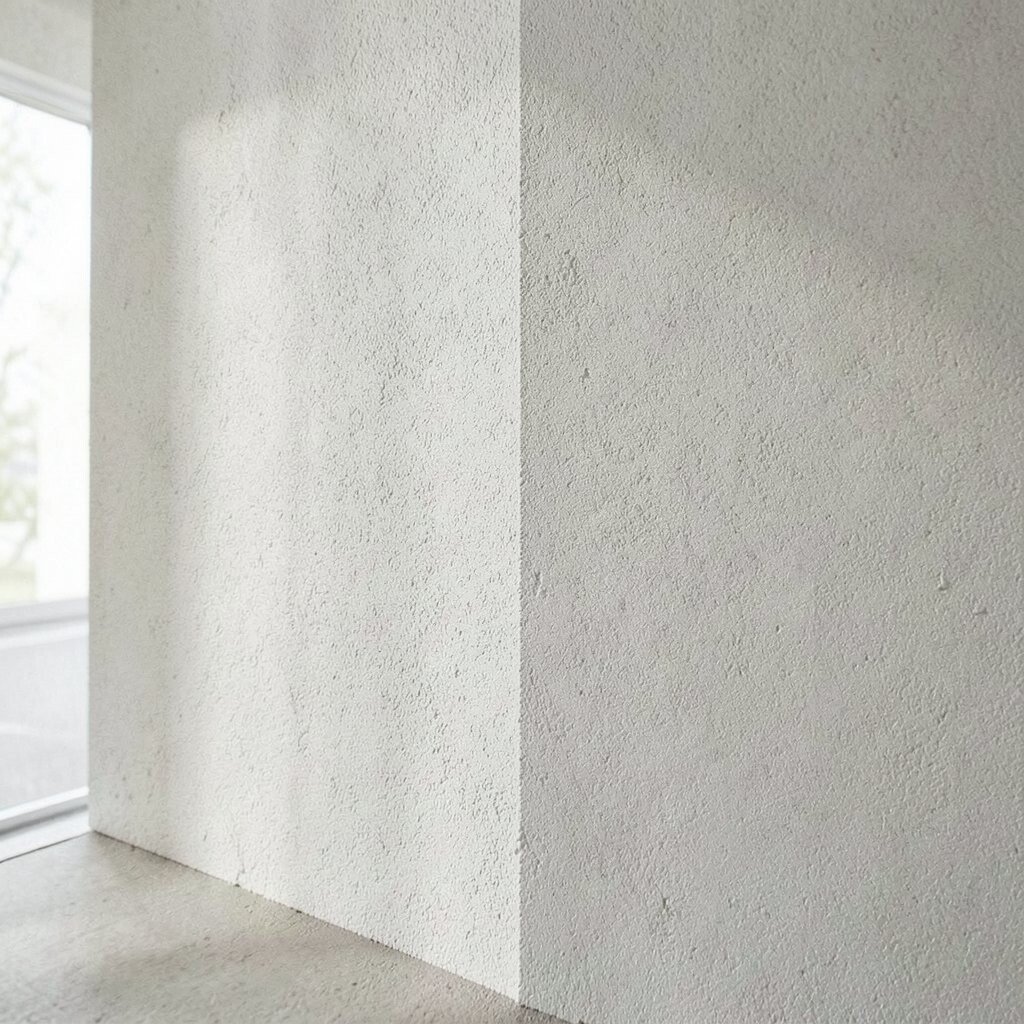
Foam board can help reduce sound transmission, and you can cover it with a knockdown finish that looks polished. The texture gives the wall a realistic, architectural look instead of a bland panel surface.
To get real improvement, use foam board in a way that does not create large gaps and keep the finish properly bonded. Many homeowners find this works well for apartments where you need changes that are lighter and faster.
Try to plan where you will add outlets so you do not weaken the board with messy cutouts. Clean edges and careful sealing around penetrations keep your acoustic upgrade consistent.
13. Knockdown Texture in Multiple Coats for Depth and Surface Scattering
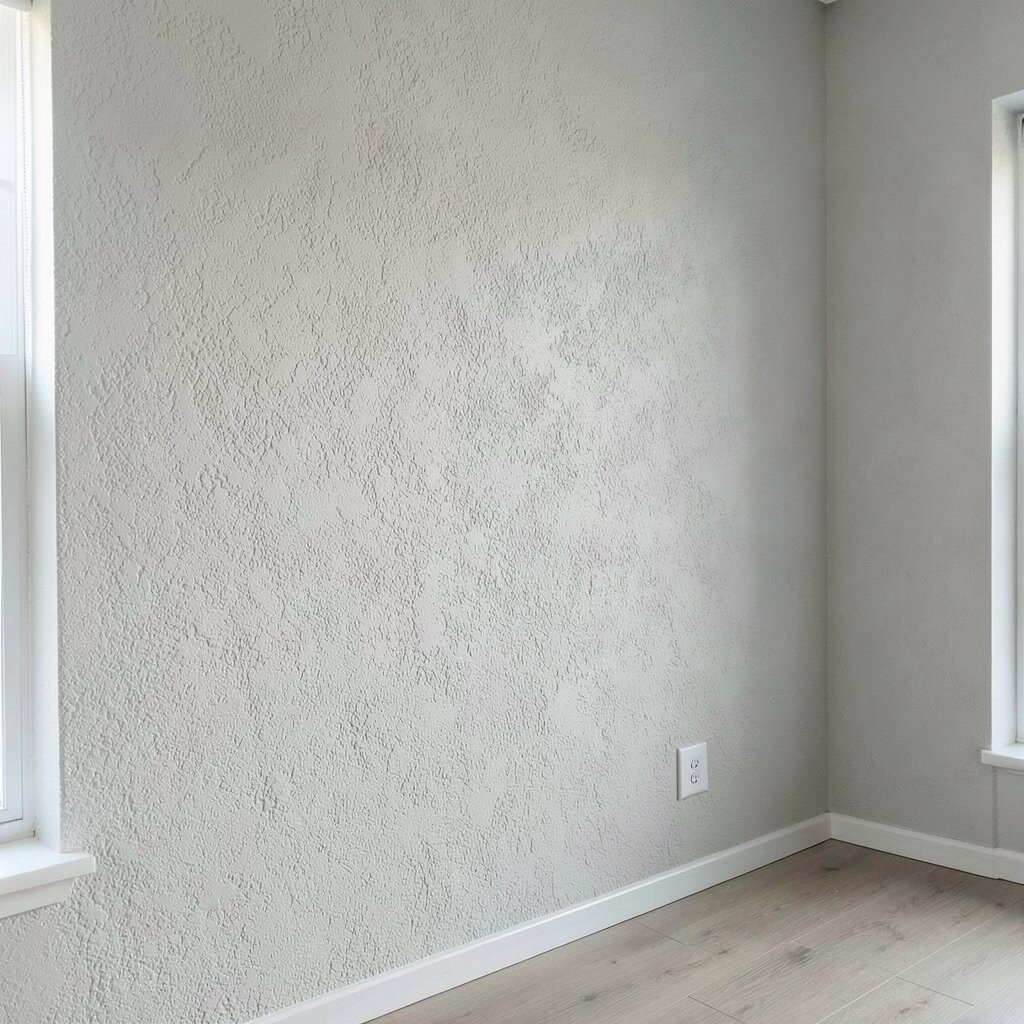
Building a knockdown texture in layers can create deeper shadows and a more complex surface. You visually get a rich 3D feel, and sound has more opportunities to scatter as it hits different roughness levels.
Multiple coats can also help hide small wall flaws, which is a practical side benefit during repainting. If your walls are imperfect, texture can disguise them while you also improve the feel of the room.
For best results, allow full drying time and follow the mix ratios so each coat supports the next. Personalize with different knockdown timing between coats to create subtle depth differences.
Cost considerations matter because additional coats mean more labor or materials. However, if you were already planning to repaint and refine the texture, this can be an efficient upgrade path.
14. Knockdown Texture With Built-In Safe Acoustic Panels Hidden in Texture
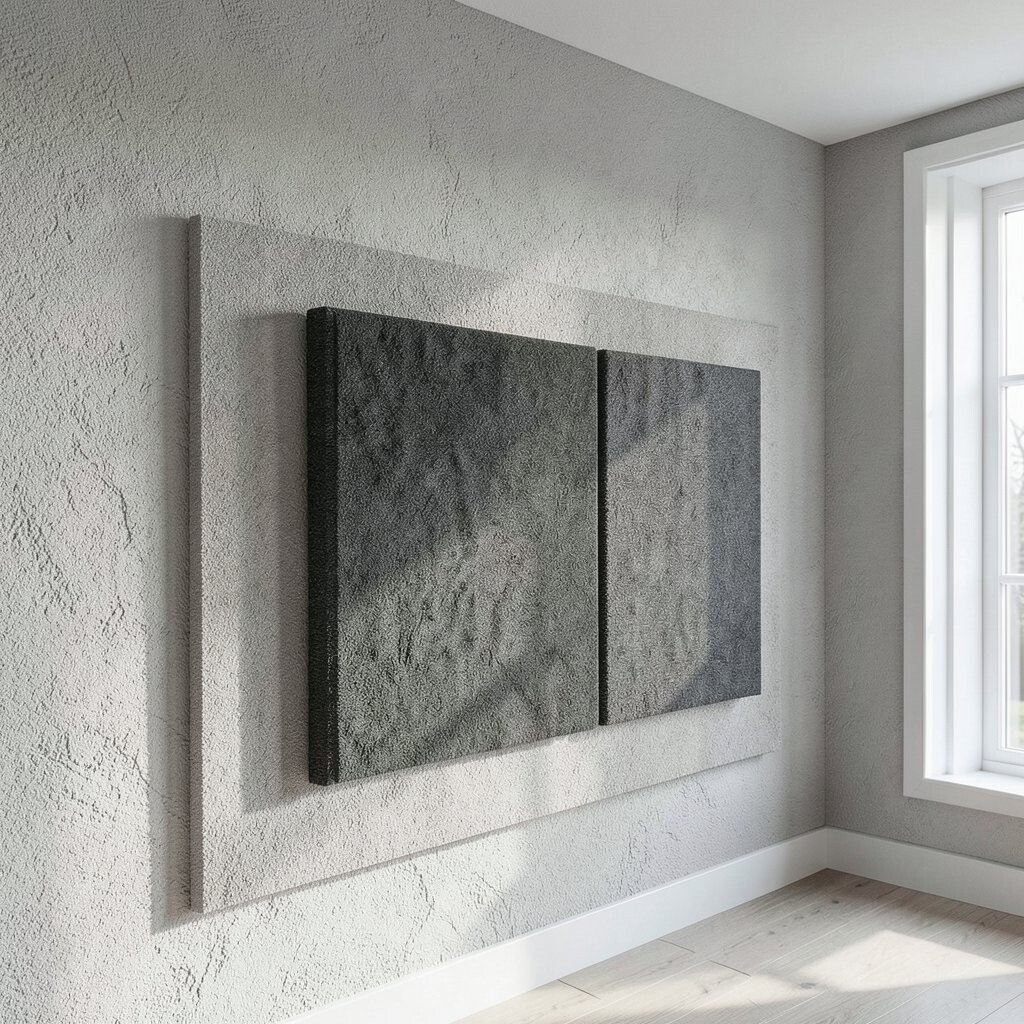
You can design the wall so part of it is textured while select sections act like acoustic panels. The look stays continuous because the knockdown finish covers panel edges and blends them into the surrounding pattern.
This unique idea lets you target trouble spots like corners where noise tends to bounce. People often place these areas near reflective surfaces or behind seating so the room feels calmer.
For practical tips, mark panel locations before texture so you do not miss alignment during finishing. If you want personalization, choose slightly different peak sizes on the panel zones so they remain invisible but visually cohesive.
15. Knockdown Texture Using Recycled Fiber Additives for Eco-Friendly Sound Help
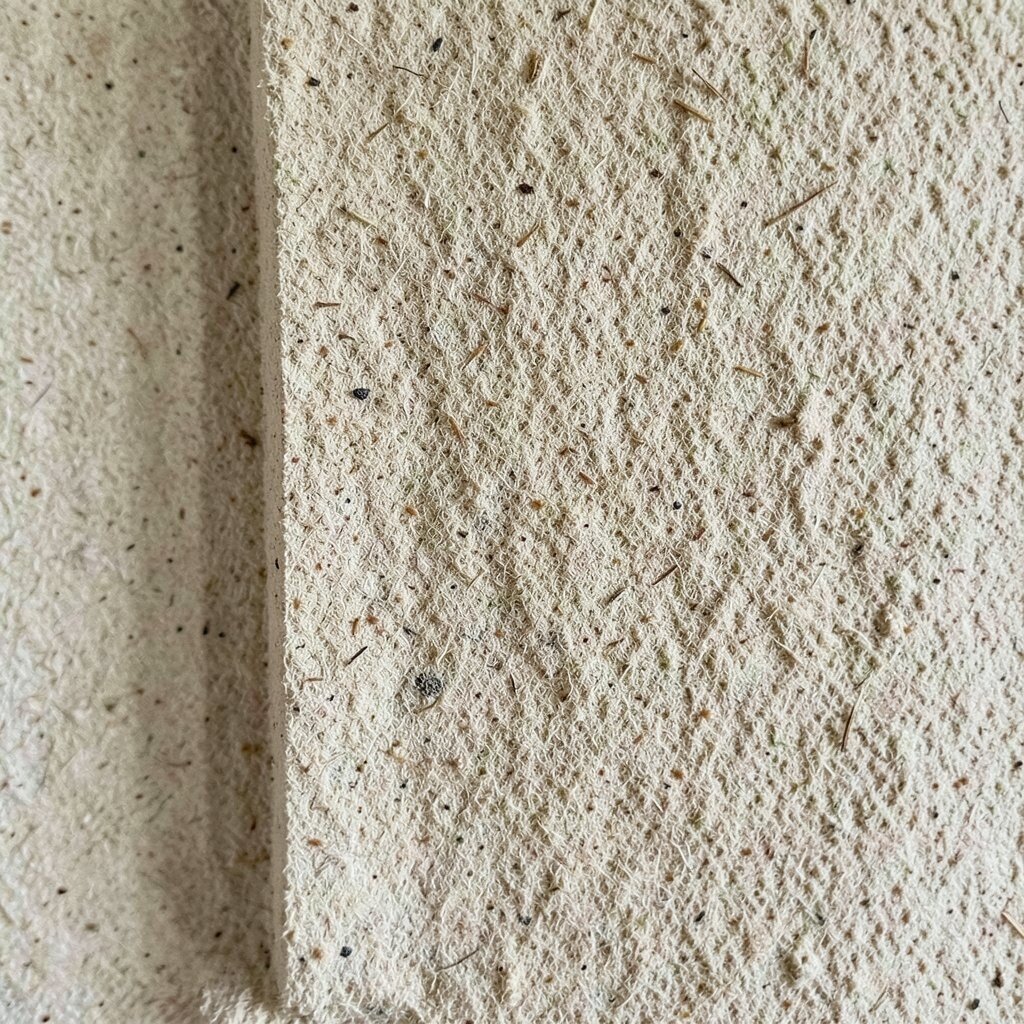
Recycled fiber additives can create a textured finish with a softer, more natural vibe. When you touch the wall, it feels less stark than standard coatings, and it looks like a gentle, natural fiber plaster.
This approach can help reduce reverberation and gives you a story that matches today’s eco-friendly mindset. Many homeowners like that the upgrade fits both style and values, especially when they are already choosing sustainable materials.
For personalization, pick a finish tone that works with your room lighting so the texture reads warm and intentional. Cost can vary depending on the fiber product, but it can be competitive with other specialty mixes when you consider long-term satisfaction.
Current trends lean toward materials that look authentic and feel better, and recycled-fiber textures fit that direction. You get sound improvement as an extra layer of meaning, not just a quiet house goal.
16. Knockdown Texture Over Gypsum Board With Extra Damping Layer
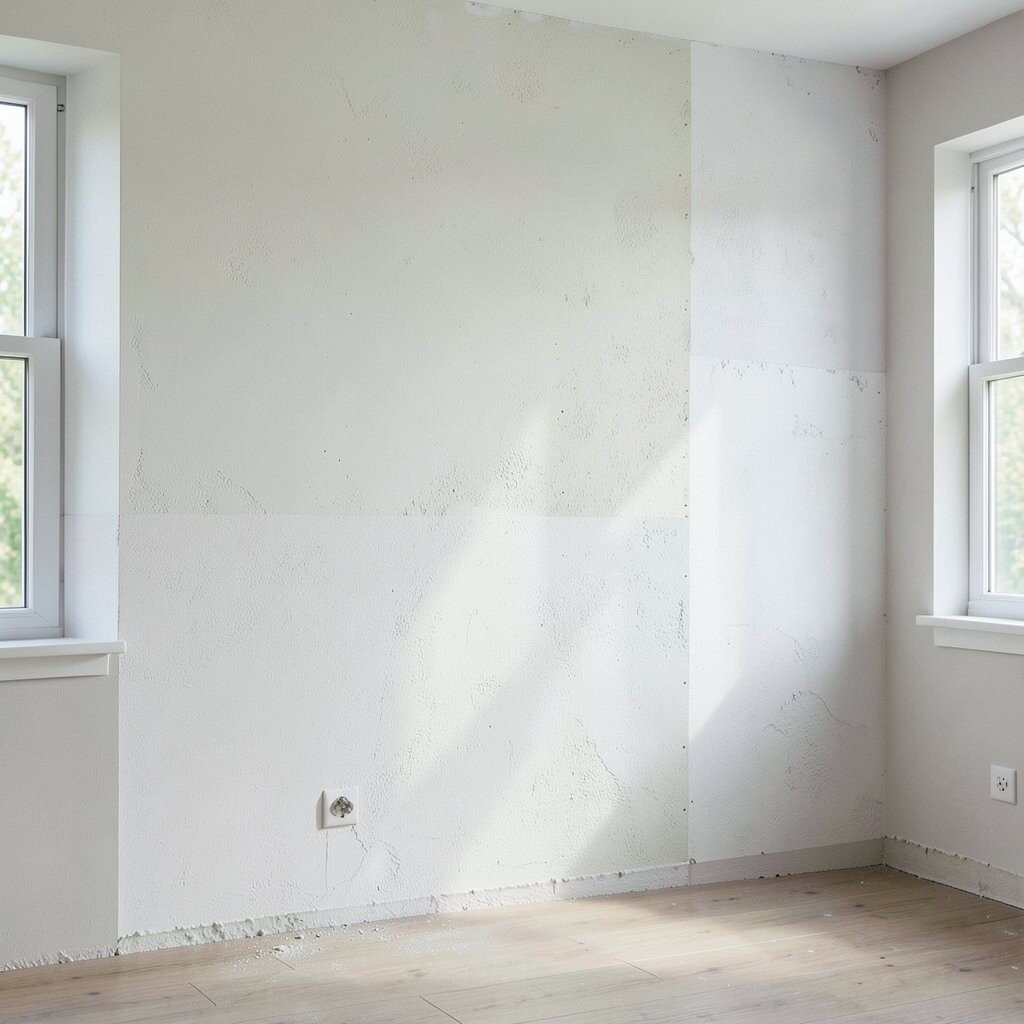
Gypsum board can be upgraded with a damping layer so the wall resists vibrations more effectively. Visually, the knockdown finish stays consistent, giving you the same comforting texture you already like.
The damping layer reduces noise transmission while the surface roughness helps manage reflections. This combo can be especially helpful for shared walls where you want privacy without losing the feel of a cozy interior.
To make it practical, seal seams and apply proper joint treatment so the final wall does not show bumps or cracks. People often underestimate how important smooth edges are before texture, because the knockdown will amplify mistakes.
For cost, damping layers add to material price, but the labor is usually manageable when you are already upgrading drywall. Personalize the final look by matching peak size to the room’s style, from modern tight speckle to rustic chunky knockdown.
17. “Accent Wall” Knockdown Strategy for Sound Control Where It Matters Most
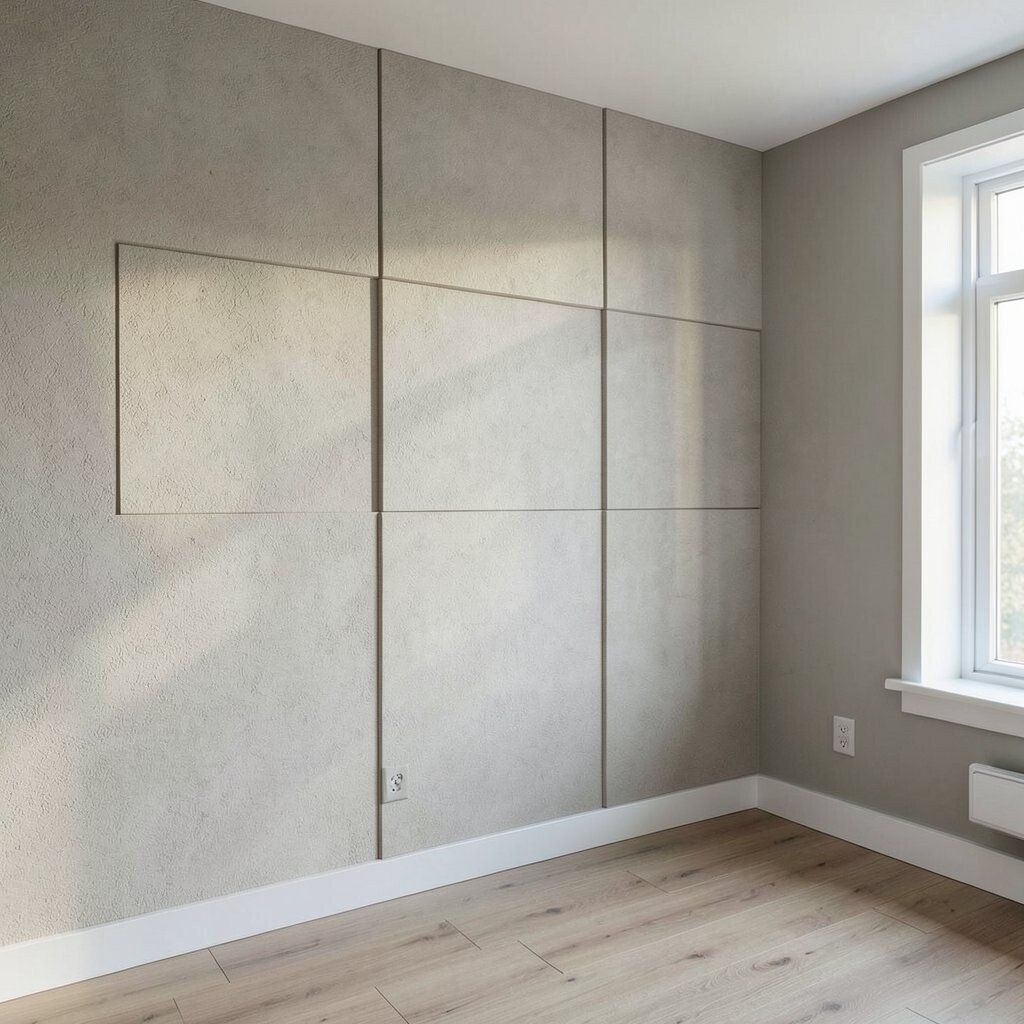
You do not always need to texture every wall to gain noticeable comfort. Choosing one accent wall with knockdown texture gives you a bold visual focus, and it still helps scatter sound across the room.
Targeting the wall opposite speakers, a bed, or a large window can reduce reflections and improve clarity. Many people find their TV sounds more pleasant and voices feel less echoey because the worst rebound surface is handled first.
To make this idea actionable, measure the room and pick the surface with the highest reflection first. Personalize by using a different knockdown density on the accent wall so the texture becomes part of the décor, not just an engineering move.
Cost stays reasonable because you treat less area, and you can sometimes use higher-end materials on that one wall. This matches current trends for statement textures that feel stylish while still delivering real acoustic benefit.