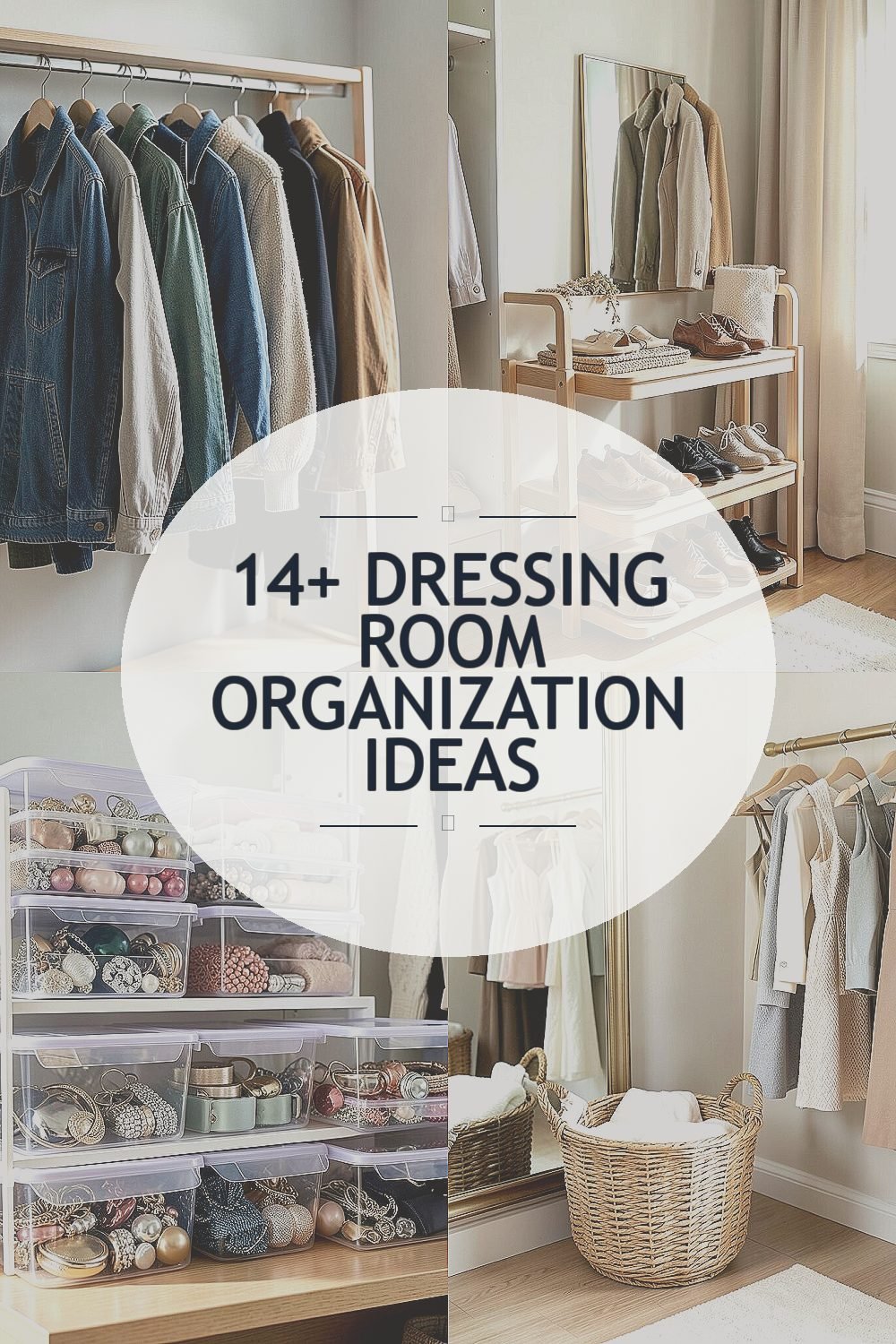
A cluttered dressing room can feel like it’s always in the middle of a mess. A few smart changes make getting ready feel calmer and easier.
When everything has a place, your clothes start to look better and your routine speeds up. You’ll also enjoy the space more, because it finally feels like yours.
1. Hang Clothes by Outfit, Not Just by Type
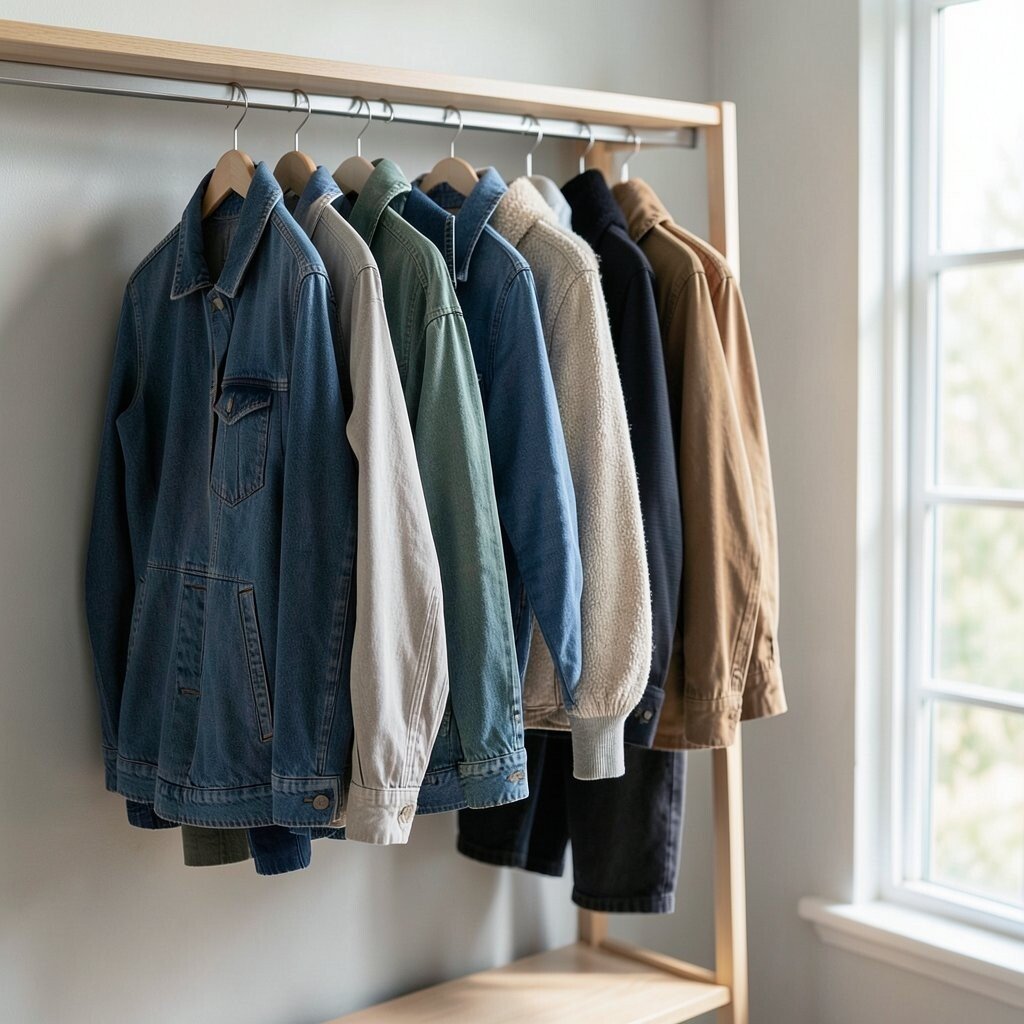
You can make your closet feel more like a wardrobe you love. Try hanging items together by outfit so you grab a full look fast.
Picture a rail where a crisp shirt and matching bottoms share the same hanger stretch, and shoes sit nearby like a small display. It feels neat because the visual “story” of each outfit lines up right away. You’ll waste less time digging, and you’ll put pieces back with less effort. For a practical start, group one work outfit, one casual outfit, and one weekend outfit at a time, then fine-tune as you learn what you actually wear.
2. Add a Two-Tier Shoe Station
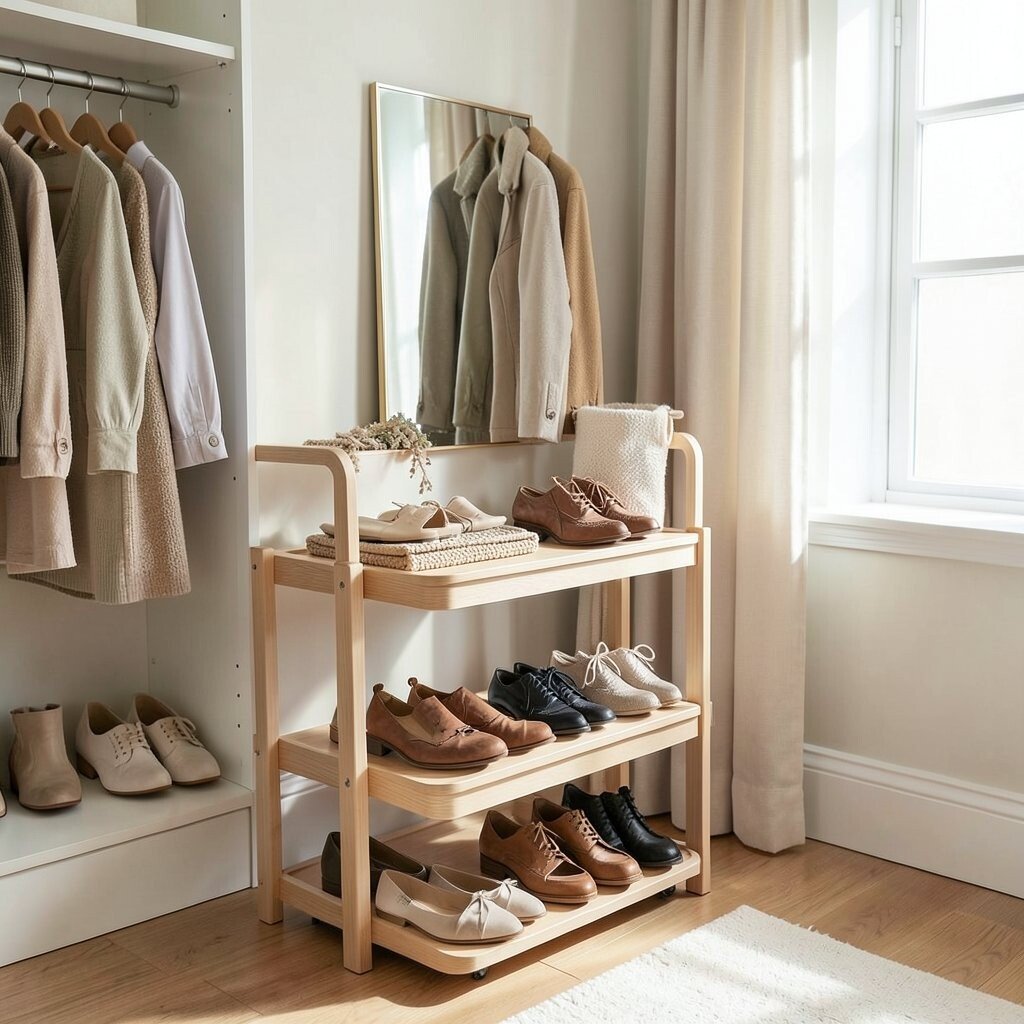
Your shoes can become tidy when they get a clear landing zone. A two-tier setup keeps pairs upright and visible without turning the floor into a pile.
Think about stepping into your dressing room and seeing clean, organized rows instead of scattered heels. This not only makes the space look better, it also protects your shoes from getting crushed. If you like current trends, many people now use slim stackable organizers or open cubbies that look modern and airy. For cost considerations, start with a simple rack that fits your room, then add a second tier only when you’re ready.
3. Use Matching Clear Bins for Accessories
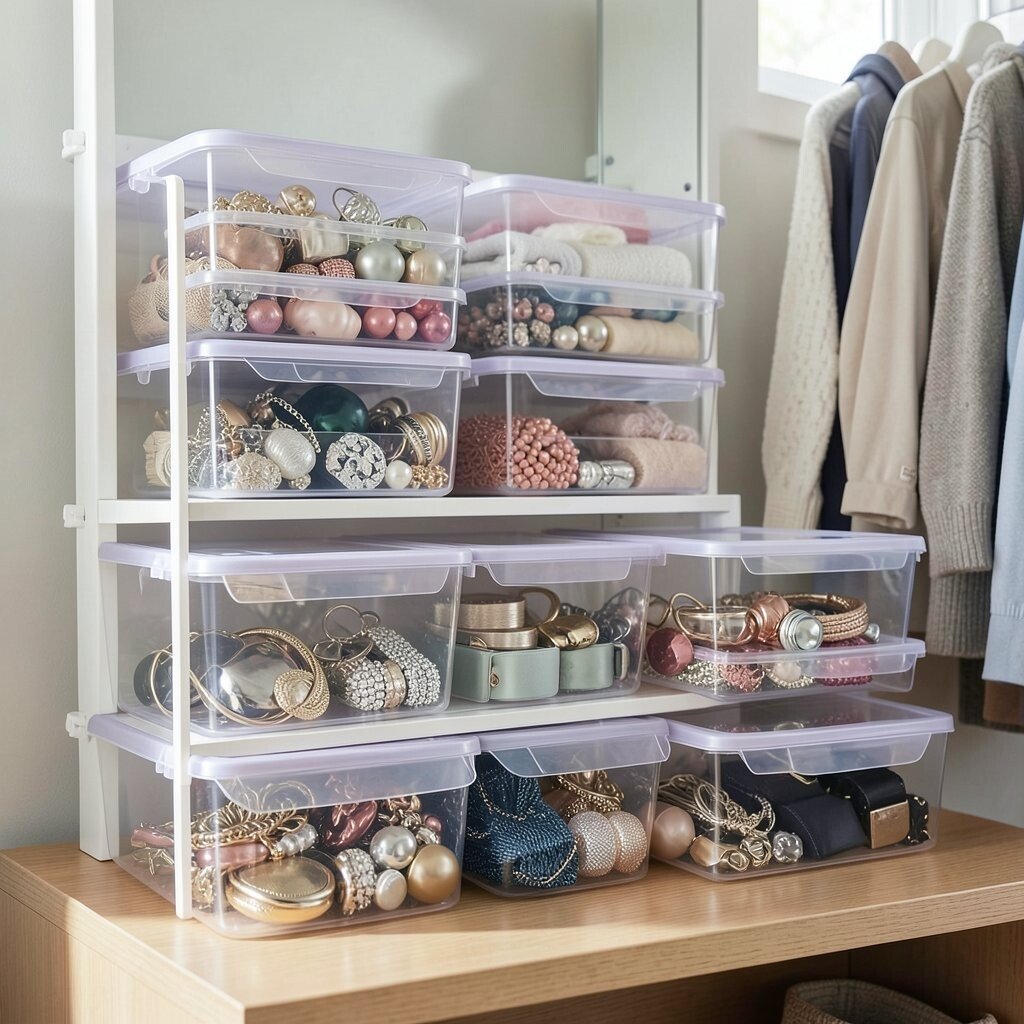
Small items disappear fast unless they have a container. Clear bins help you spot what you need without opening every drawer.
Imagine a shelf with evenly sized boxes where belts, hair ties, and scarves all look like part of one neat collection. Your dressing room becomes calmer because you stop searching and start styling. A unique twist is to label with simple color stickers rather than writing on every lid. You can personalize the look by choosing bin colors that match your mirror frame or wall tone.
For practical tips, keep the most-used accessories in the top bins and store seasonal pieces lower. Many people find this style works well because it supports quick outfit building.
Costs can stay low if you repurpose containers you already have, then upgrade to matching sets over time. When your accessories are easy to see, you’ll actually wear more of what you own.
4. Create a “Try On” Basket Near the Mirror
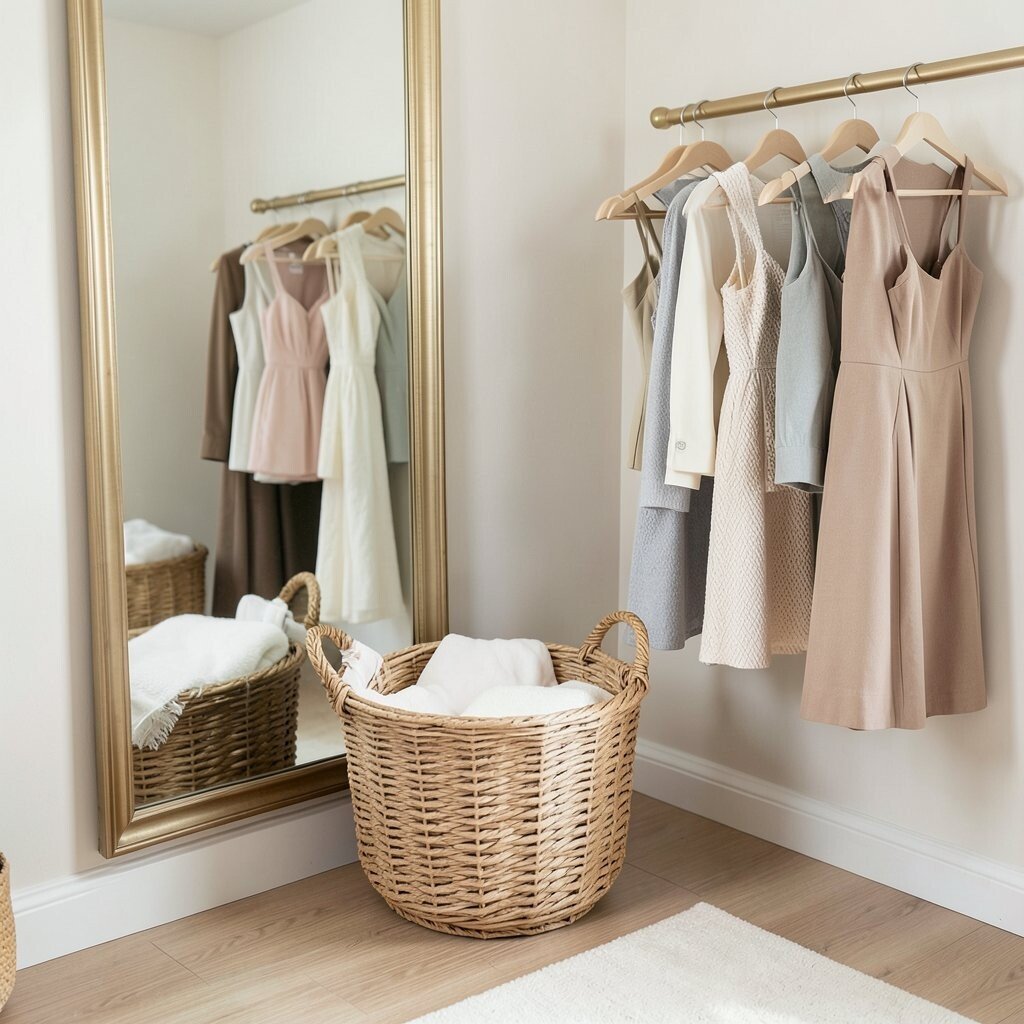
Keep a dedicated basket close to where you try things on. When you do that, your room stays clean even during busy days.
Picture a soft-sided basket that holds items you just put on, and you know you’ll return everything when you’re done. This simple move reduces the chaos of hangers and piles migrating across the room. It also helps you notice what you’re repeating and what you’re skipping, which supports better decisions when you’re shopping later.
5. Install Slim Vertical Storage Behind the Door
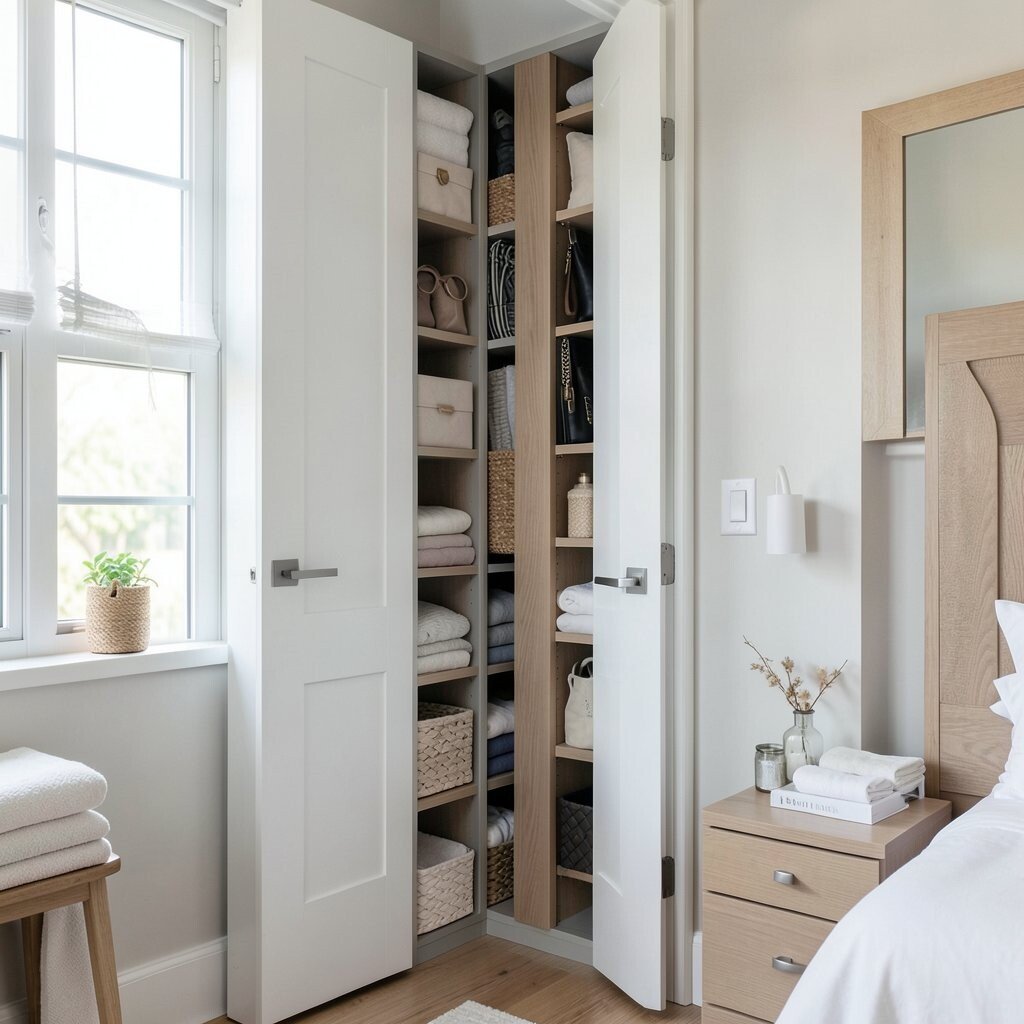
Behind a dressing room door is prime real estate that people often ignore. Slim vertical storage makes use of the space without taking away your walkway.
You can picture hooks and narrow shelves catching small items like bags, workout gear, or an extra set of scarves. The benefit is big because your surfaces stay clearer, and your items stay more reachable. For practical personalization, match the hardware finish to your doorknob or wardrobe pulls so it looks intentional.
If you’re thinking about cost, many door organizers are inexpensive and easy to mount with minimal tools. This kind of vertical organization is trending because it makes small spaces feel larger and more efficient.
6. Sort Clothes Into Four Simple Zones
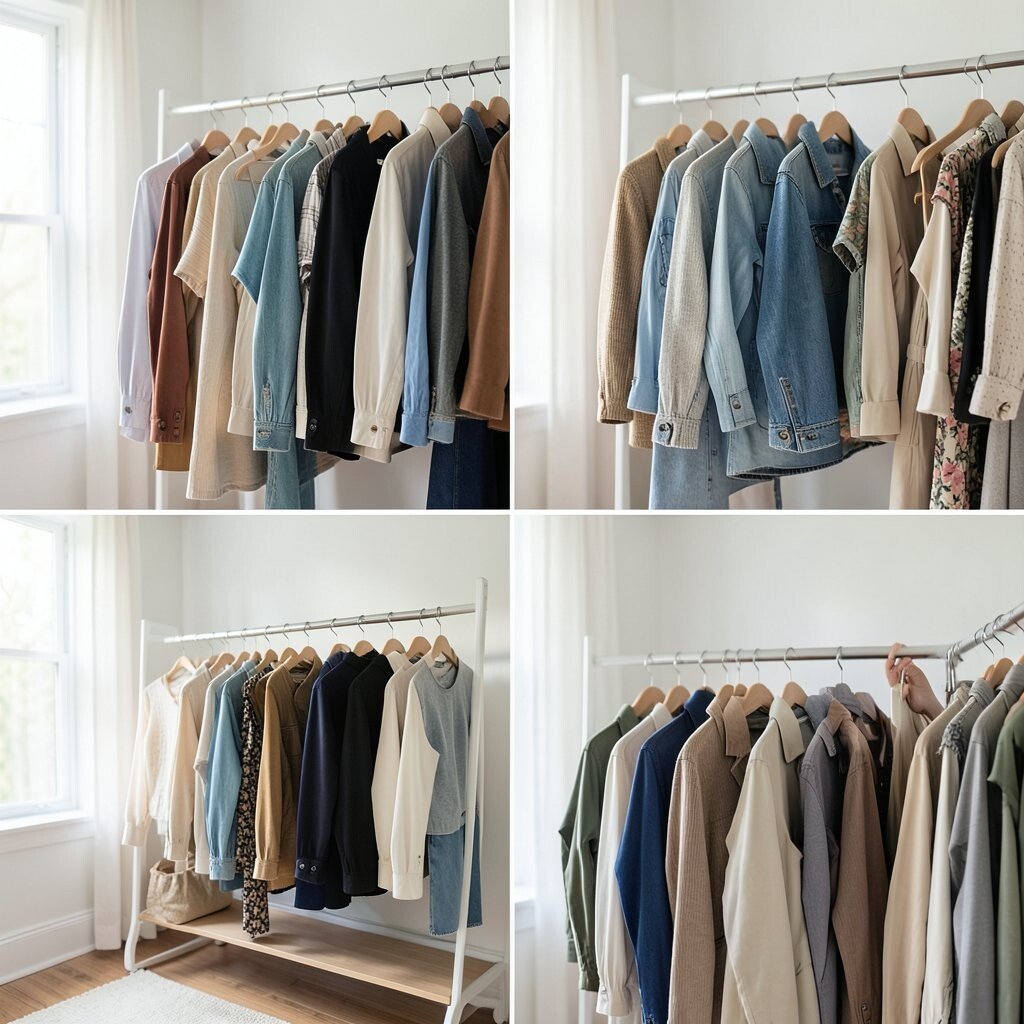
Give your hanging space a system you can remember. Divide your closet into zones so you always know where to put things back.
For example, keep daily outfits together, special occasion pieces together, seasonal items together, and “needs a decision” items together. This visual structure feels tidy because it reduces random placement and keeps categories from mixing. The practical tip is to set rules you can follow even when you’re tired, like returning items to their zone before you move on to accessories. You can personalize with zones that match your real life, such as work uniforms, date-night looks, or school days.
7. Fold Sweaters with the Rolling Method for Less Bulk
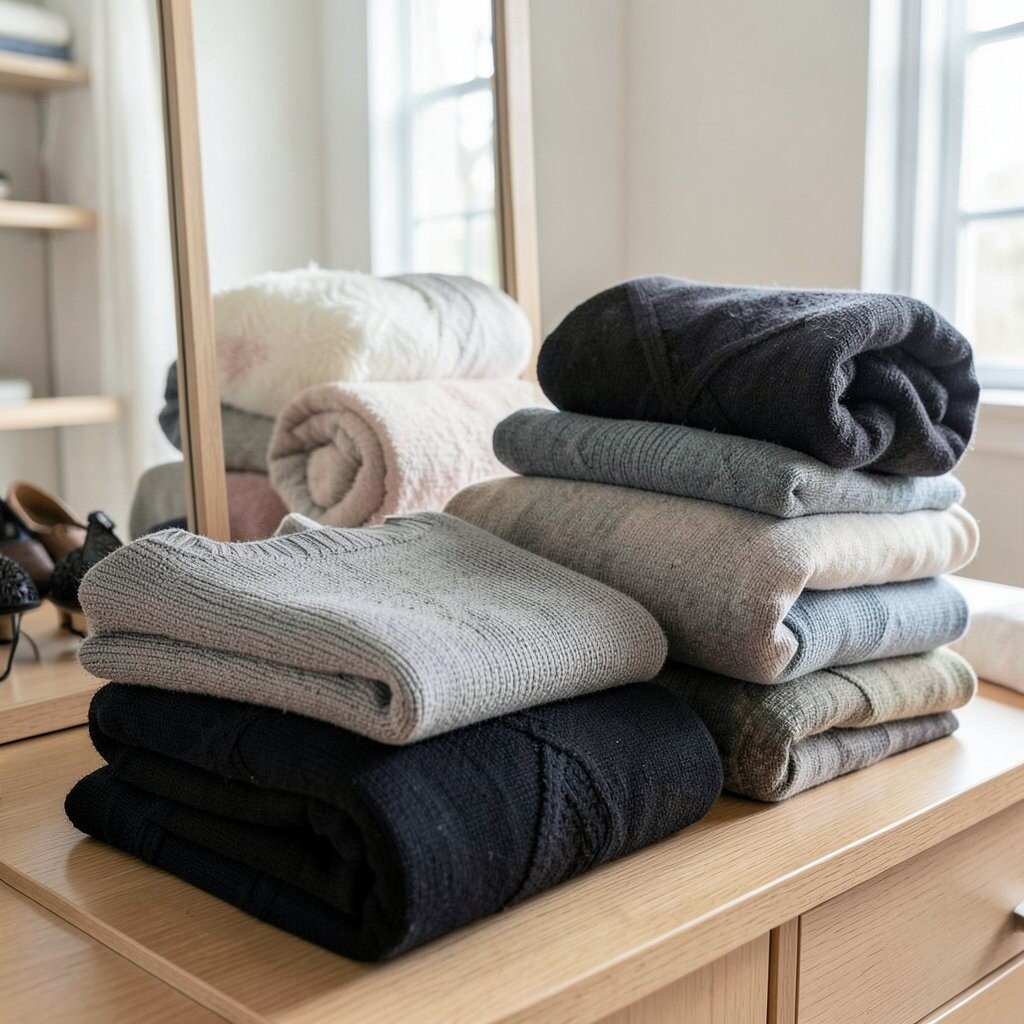
When sweaters get stacked the usual way, they end up bulky and messy. Rolling them creates a neat line you can actually flip through.
Imagine shelves where each rolled sweater looks like a tidy scroll, and you can find your favorite quickly. The benefit is that you can see more in less space, which is especially helpful in dressing rooms with limited storage. A unique feel comes from choosing a consistent rolling style, so everything looks uniform. To personalize, pair the rolls with a small fabric drawer liner so the colors soften the look.
For practical tips, use this method for knits that hold shape well, and keep delicate items in calmer sections. The cost is minimal because you’re using space you already have.
8. Keep a Dedicated Drawer for “Small Stuff” Only
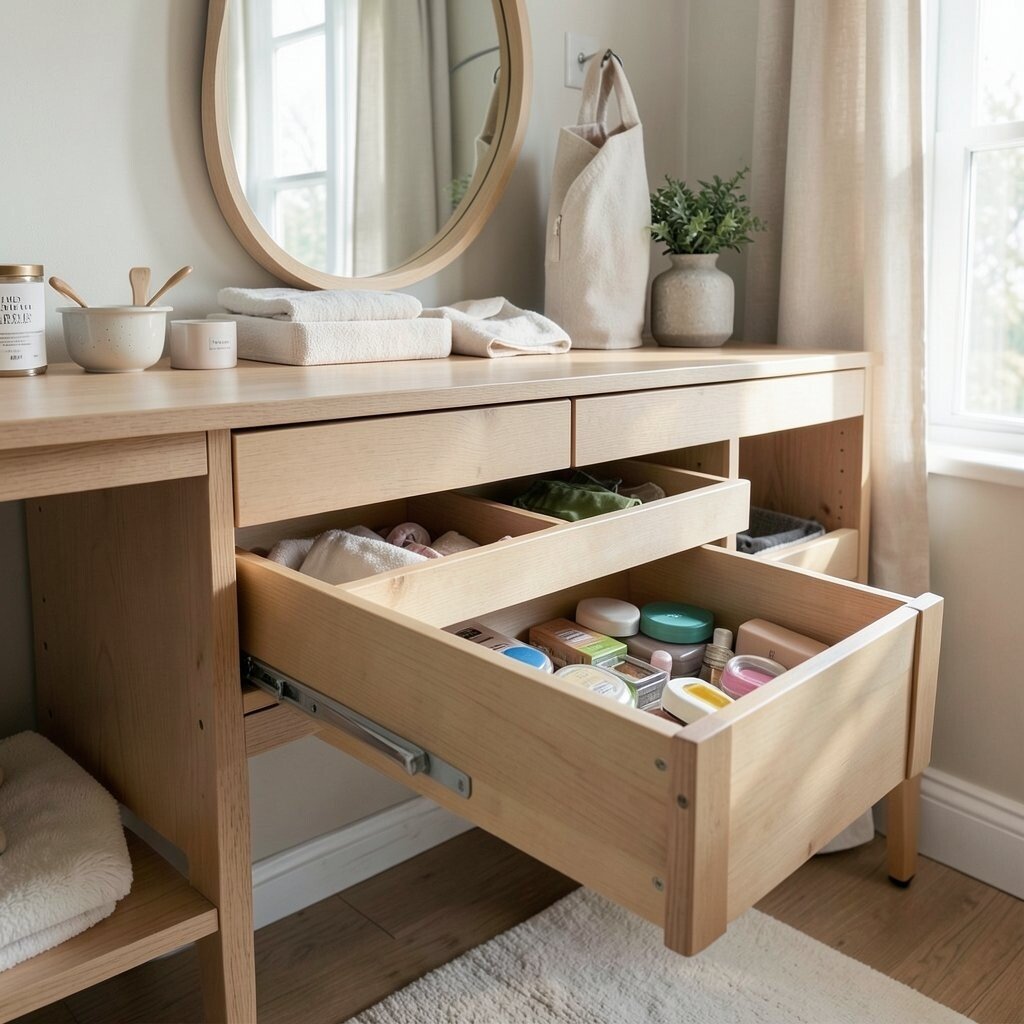
Having one drawer for random odds and ends prevents the rest of your storage from turning into a junk drawer. This is a great way to keep the dressing room feeling clean.
Picture a drawer that holds socks, undershirts, hair clips, and small tools like lint rollers. It feels organized because everything is contained, and you don’t have to hunt through multiple spots. If you want a practical, personalized touch, add a few small separators that match the drawer size. You can use cheap plastic dividers or even folded cardboard pieces to start, which keeps costs low while you figure out your layout.
9. Use a Garment Steamer Caddy for Weekly Reset
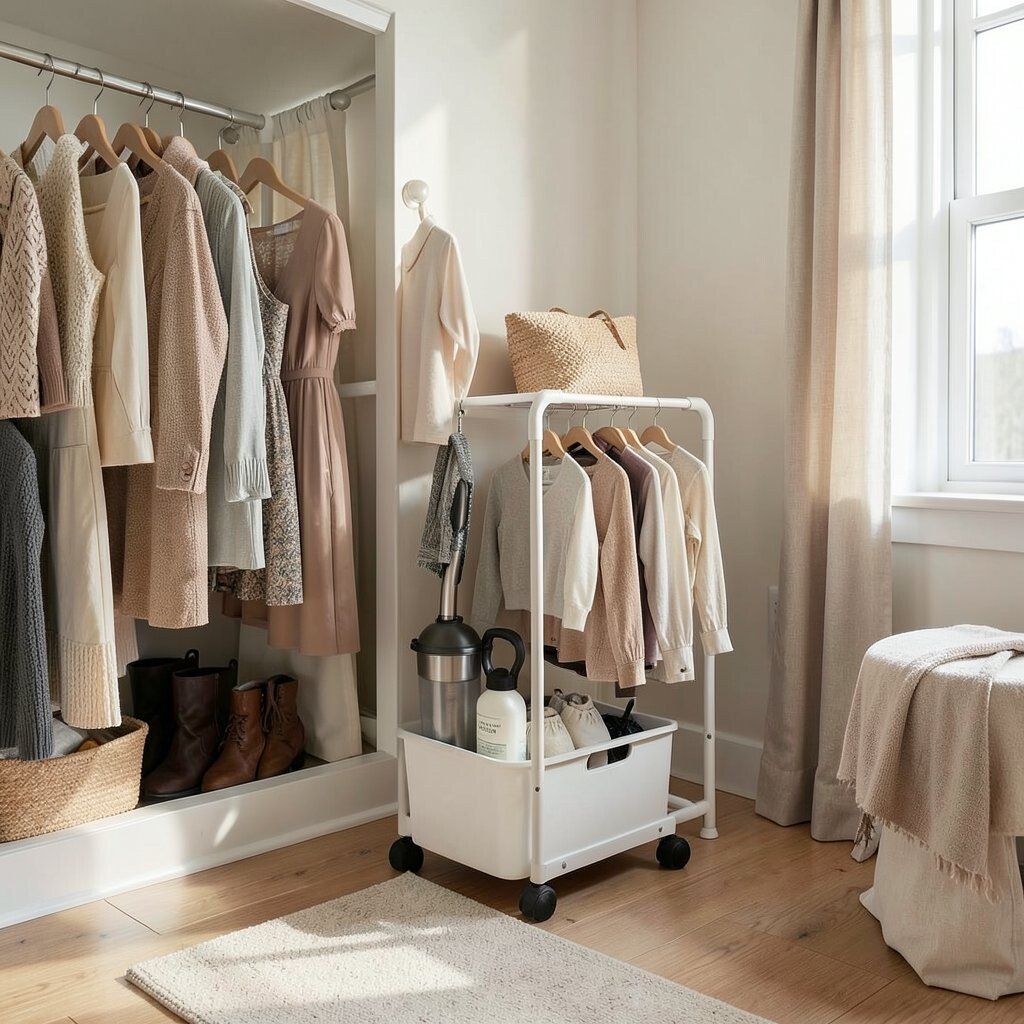
Cleaning your clothes looks easier when your tools have a home. A small caddy for steaming or pressing turns a “someday” chore into a quick reset.
Imagine reaching for a steamer that sits neatly on a shelf with cords tucked away, instead of living in a tangled corner. This keeps your dressing room visually calm and reduces frustration. A unique benefit is that you start treating fabrics better, which can help items look newer longer. For practical tips, store the steamer where you can reach it before you hang your clothes for the week. If you want to follow trends, more people now use compact steamers for quick wrinkle fixes right before getting ready.
10. Hang Belts on a Dedicated Carousel or Ring
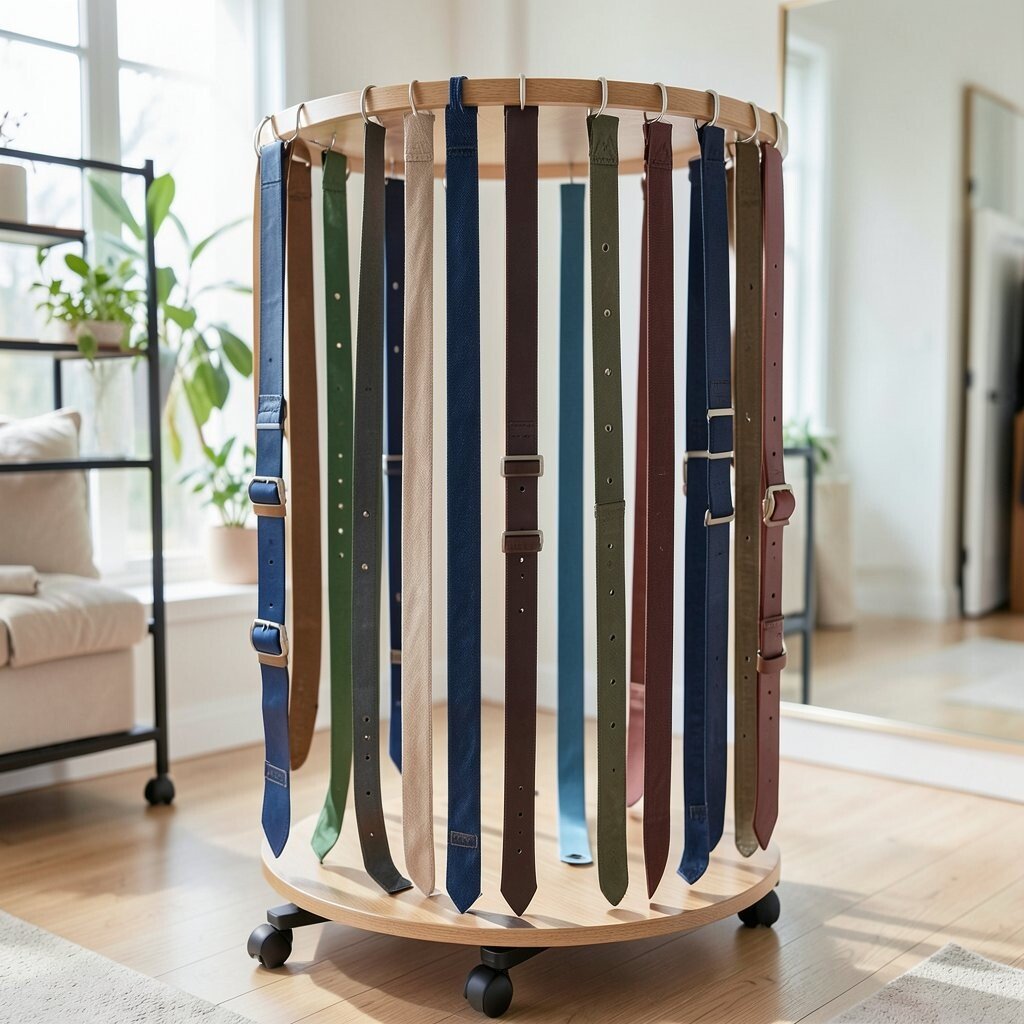
Belts can become a tangled mess if they’re tossed into a pile. A belt organizer keeps them lined up and easy to grab.
Picture a wall of neat loops or rings where each belt shows its buckle like a small accessory display. This makes the dressing room feel curated instead of crowded. The benefit is clear: you avoid knots and you spot the right style fast. For personalization, choose a finish that matches your metals, like gold-toned hardware or matte black. Costs can stay reasonable because simple belt racks or hooks are often cheaper than bigger drawer systems.
Practically, install the organizer at eye level for quick outfit styling. When belts are easy to see, you’ll use more of what you own.
11. Add a Shelf Divider for Bags and Clutches
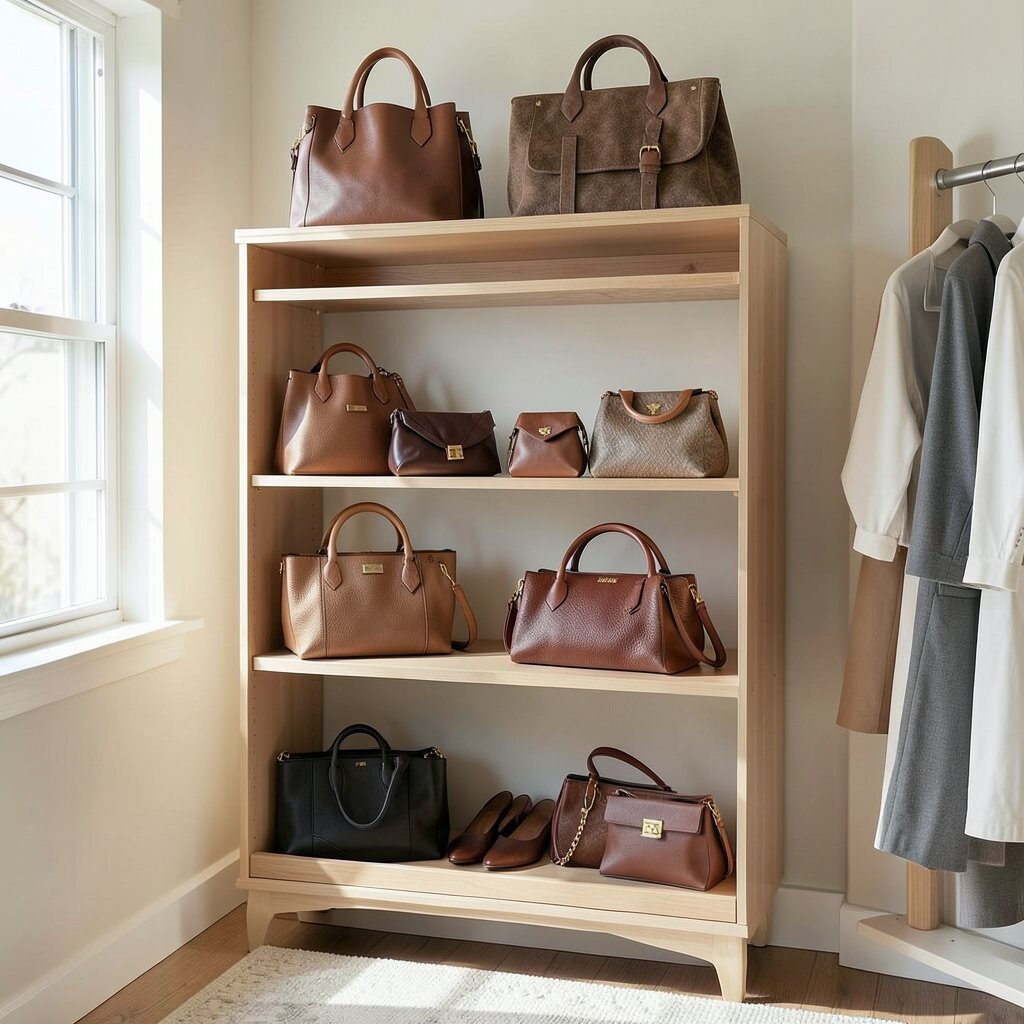
When bags are stacked like a tower, they lose shape and get hard to sort. Shelf dividers keep each bag standing tall and visible.
Think of a shelf where clutches line up like little art pieces, and larger bags sit behind them without leaning. Your dressing room looks more polished because the visual clutter goes away. A unique twist is to add dividers that match the width of your most-used bags, so the space feels custom. For practical tips, place your daily bag where you can reach it fastest, and keep less-used bags toward the back. This is a great low-cost upgrade because you can use adjustable dividers or even repurpose sturdy panels from another storage project.
12. Store Loungewear Together in a Separate Bin
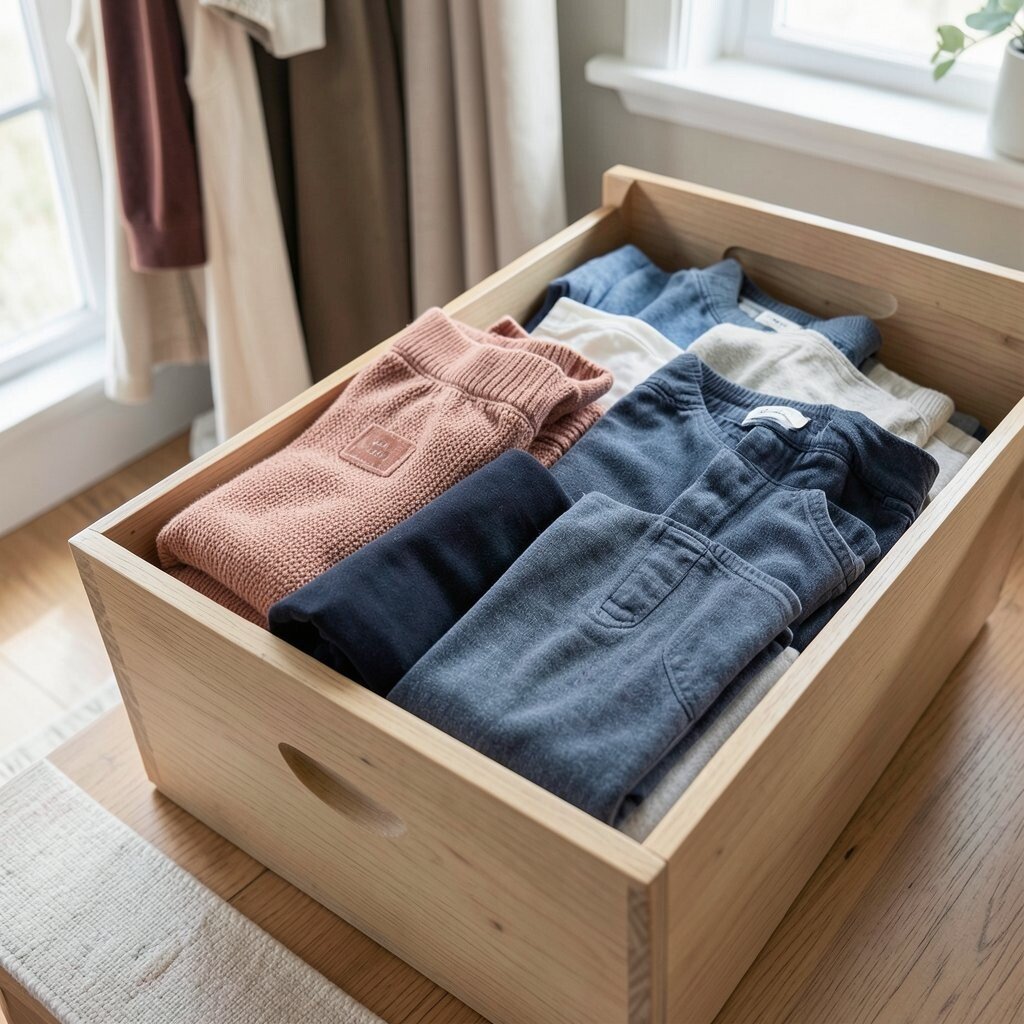
Loungewear deserves its own zone because it’s often worn often and moved around more. When it shares space with dressier clothes, everything can look cluttered.
Imagine opening a drawer or bin and seeing comfy sets grouped neatly, like soft colors waiting for a cozy day. The benefit is that you stop mixing items that don’t belong together, which keeps your dressing room tidy all week. A practical tip is to choose a bin size that fits your folding style, so it never bulges beyond the lid. Personalize it by using fabric liners that match your room vibe, such as neutral cotton or a playful pattern. Costs can be kept low by reusing containers, then upgrading only if you want a sturdier look later.
Seasonal swapping gets easier too, because you can move the whole bin rather than sorting piece by piece.
13. Use a Style Checklist on the Inside of a Drawer
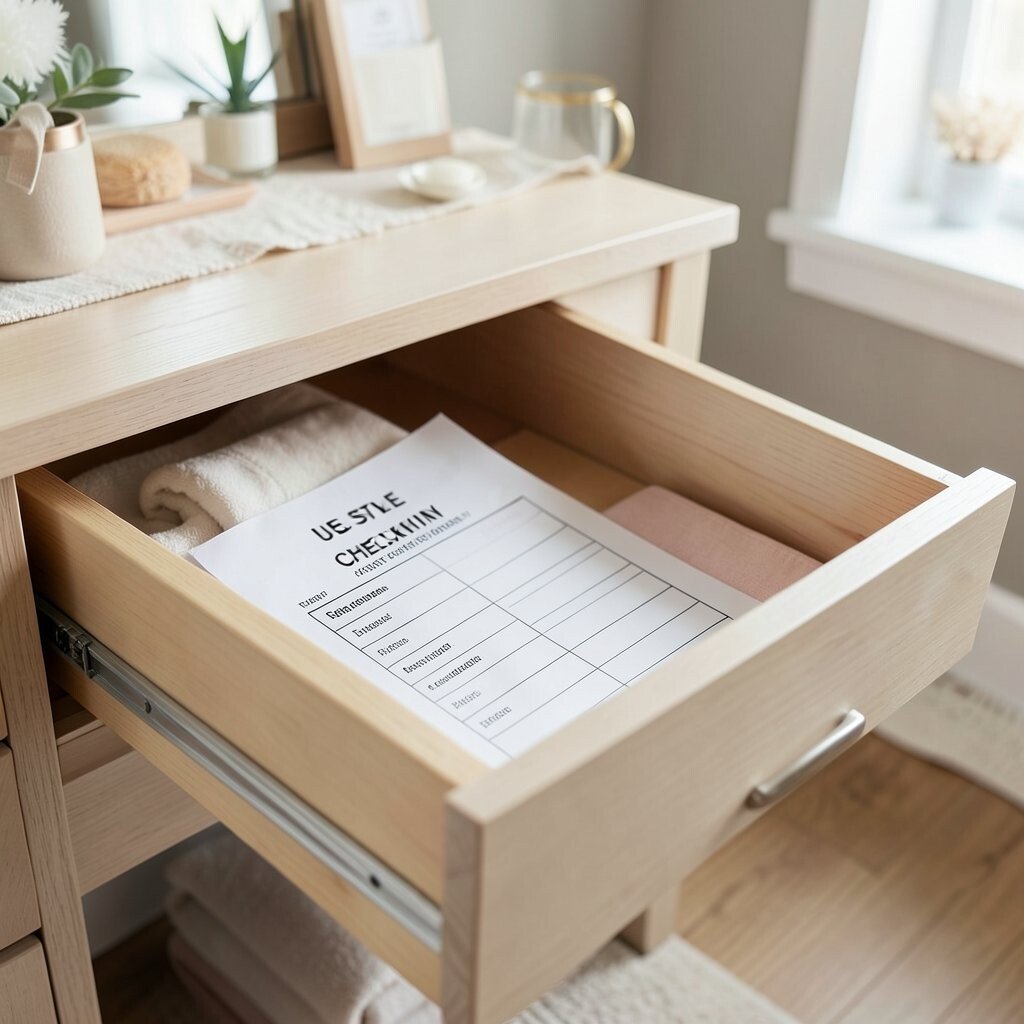
Sometimes organization fails because your routine forgets steps. A small checklist keeps your mind focused when you’re getting ready.
Picture the inside of a drawer showing a simple set of steps you can follow, like hair, fragrance, accessories, and final look. The visual cue helps you notice what you’re missing, and it reduces the “Where is it?” moment. For practicality, keep the checklist in a spot you see every time, like inside a jewelry drawer or near a mirror stand. You can personalize the wording to match your habits, including seasonal items like sunscreen or a scarf. Costs are tiny since a small card or printed sheet works with almost any drawer.
14. Keep a Shoe Cleaning Station with a Small Basket
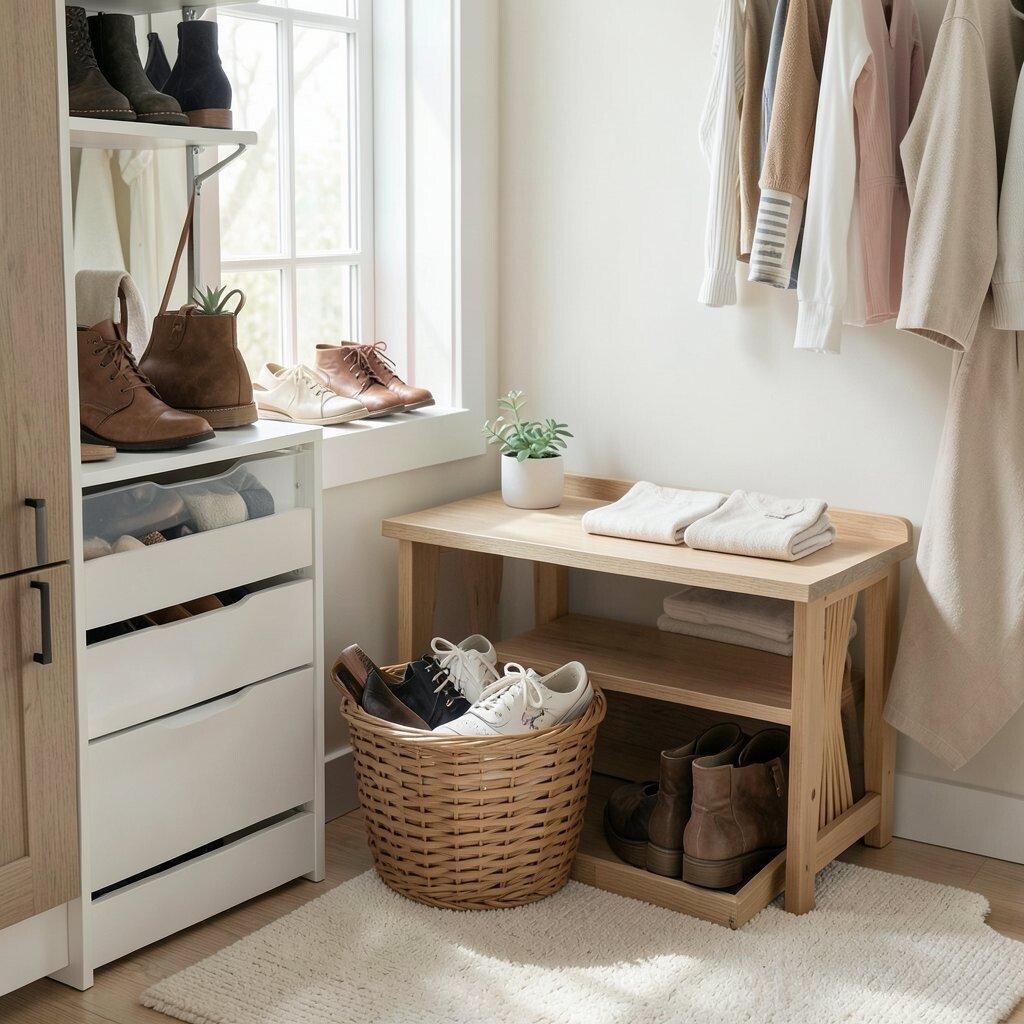
If you store shoes without care tools, they can look worn faster. A cleaning station helps you keep them looking fresh without extra effort.
Imagine a small basket holding a brush, wipes, and a compact spray, tucked near your shoe shelf. This setup feels unique because it blends maintenance into your dressing routine instead of making it a separate task. The benefit is that you reduce scuffs and stains before they settle in, and your favorite pairs stay ready. For practical tips, keep the basket in a spot you can reach quickly after a day out, and wipe tools after use so they stay tidy. If you want a current trend, more people are setting up “small care corners” to maintain wardrobes like professionals.
Cost considerations are flexible, since you can start with basic tools and add upgrades only when you find what works for your shoes.
15. Set Up a Custom Lighting Spot for Better Outfit Choices
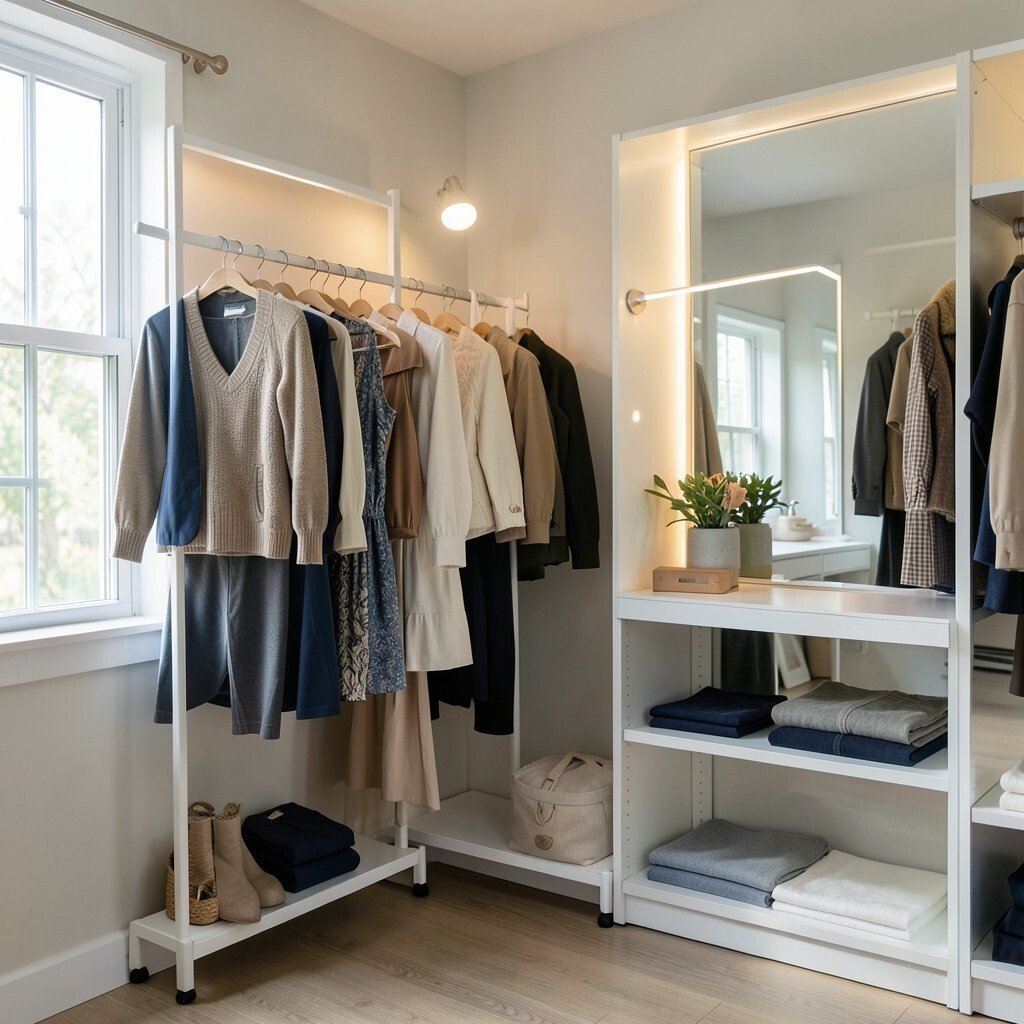
Lighting affects how everything looks, and poor lighting can make organized closets feel pointless. A focused light helps you see colors and details clearly.
Picture a dressing area where your mirror has bright, even light and your clothes look true to their shades. This visual clarity helps you pick outfits that match, which is a real organization win because it reduces repeated changes. A unique benefit is that better visibility also encourages you to notice what needs repair, cleaning, or tailoring. For practical tips, use a clip-on lamp or an LED strip designed for small areas, then aim the light so it doesn’t cast harsh shadows. The cost can fit many budgets because you can start with a simple lamp and upgrade later if you want a more modern look.