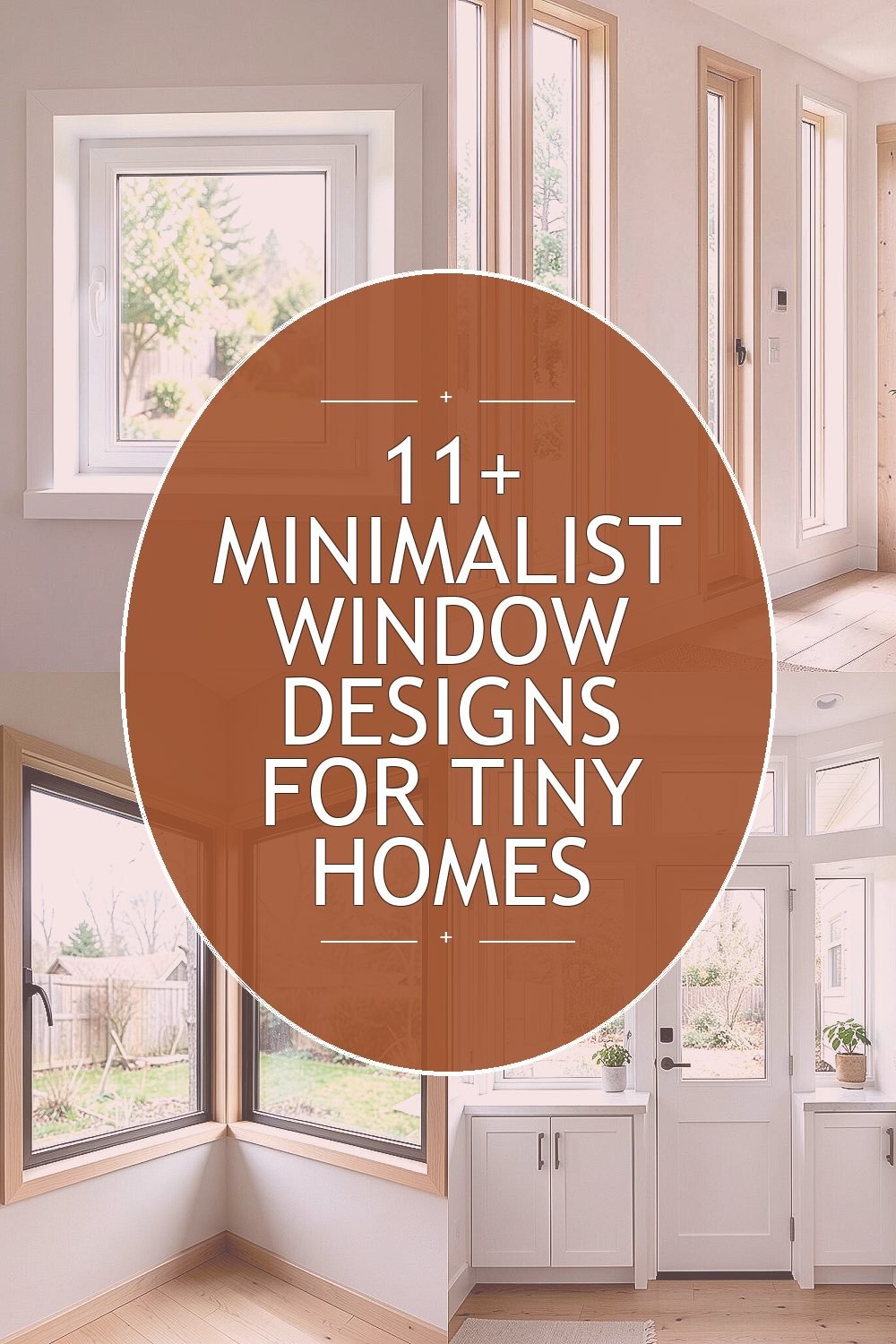
A tiny home can feel open and sunny even when every square inch matters. The right minimalist windows help daylight do the heavy lifting.
When you pair simple shapes with smart placement, your space looks bigger, calmer, and easier to live in.
1. Flush-Mount Picture Window With Clean Reveal
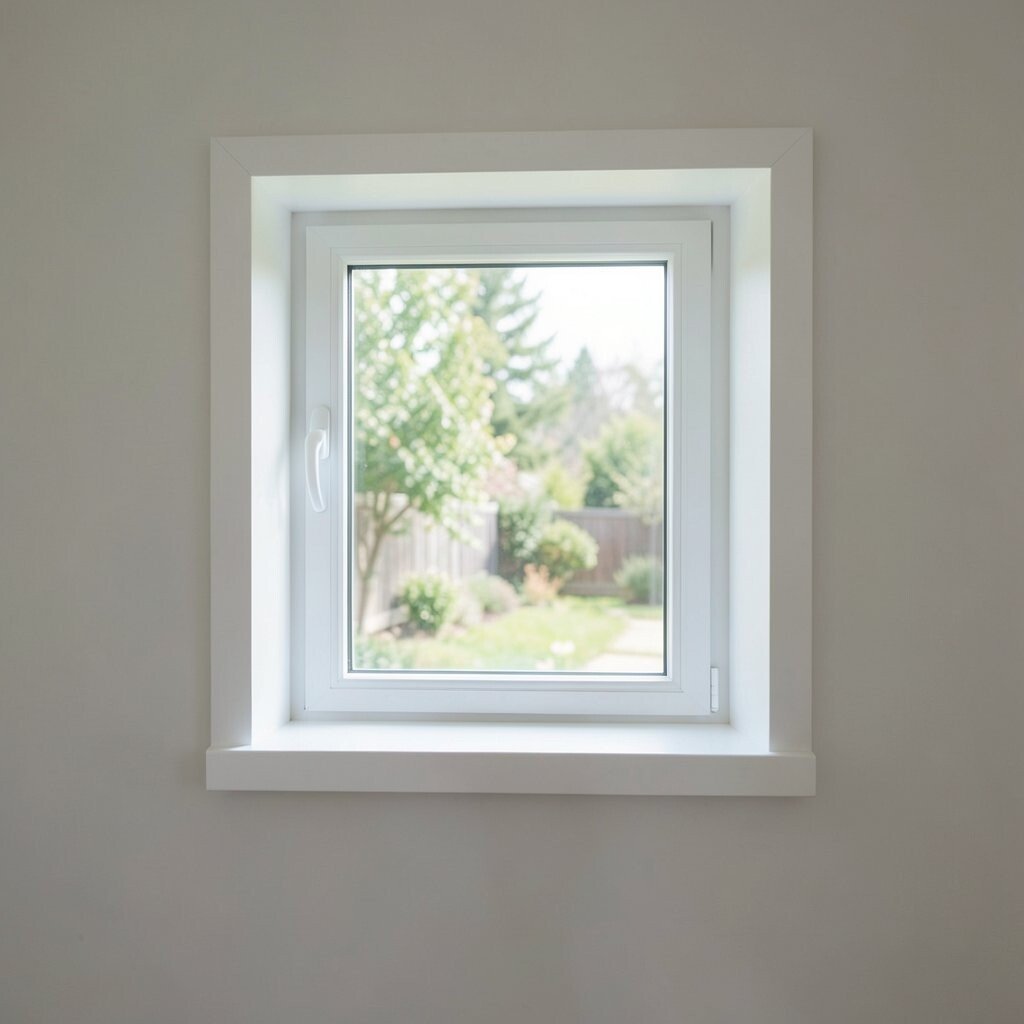
Imagine a wide, flat window sitting almost perfectly in the wall, with only a thin shadow line around it. Sunlight spreads across your floors like a soft spotlight, making the room feel quietly grand.
This style works great for tiny living rooms because you get the view without busy frames. Keep the glass low-iron or clear for maximum brightness, and choose a slim aluminum or composite trim for a modern look.
If you want it to feel extra airy, place the window where the light hits the main seating area. For cost, expect it to be mid-range, since large single panes and quality hardware can add up, but you may save money on simpler frame details.
2. Tall Vertical Slit Windows for Privacy-Loving Brightness
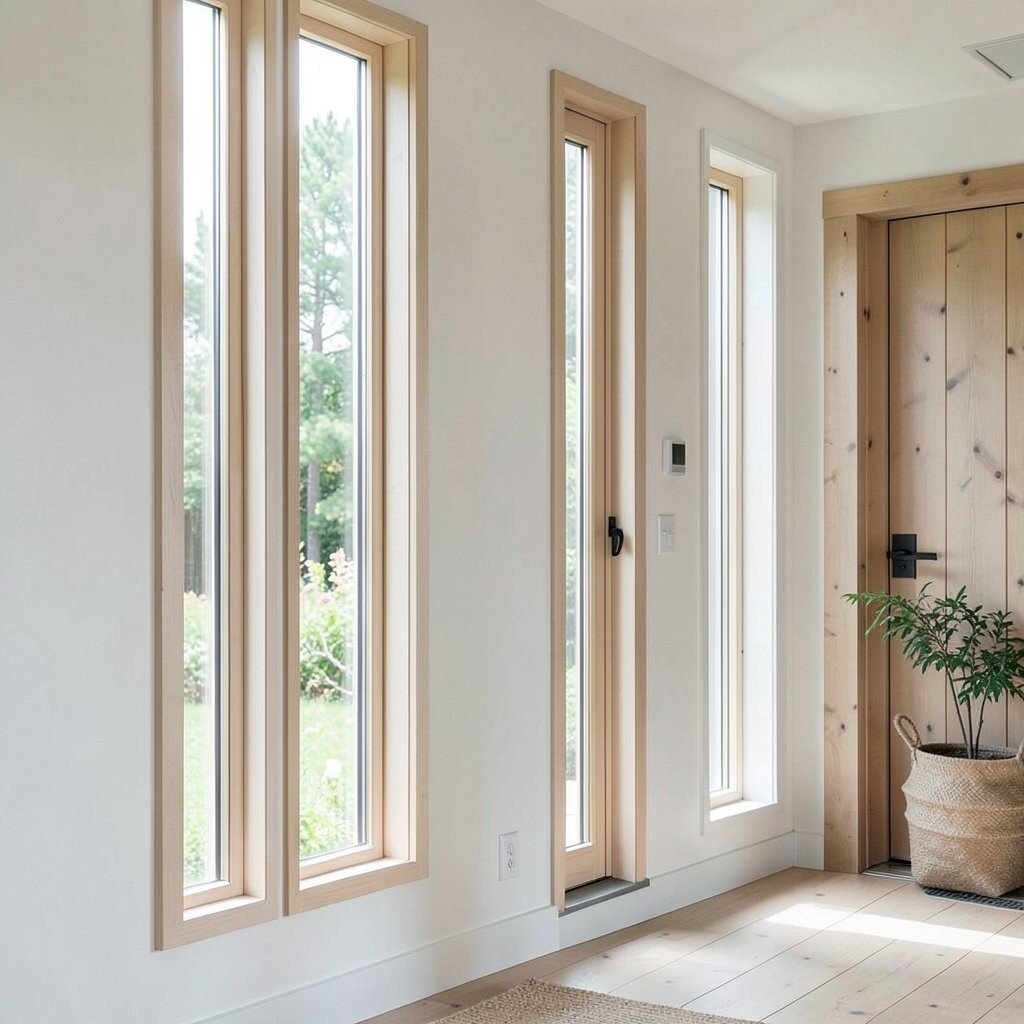
Picture a set of narrow, tall windows that rise from near countertop height to close to the ceiling. They let light stream in while keeping most of the outside world softly screened.
The narrow openings add a sleek, minimalist rhythm that looks intentional. Use the windows near the kitchen, bath, or hallway so morning light stays pleasant without glare.
To personalize, vary spacing slightly or match window height to shelves and built-ins so everything feels aligned. These can be budget-friendlier than big picture windows because each unit is narrower, and you can mix materials to stay within your plan.
3. Corner Window With a Single Continuous Glass Line
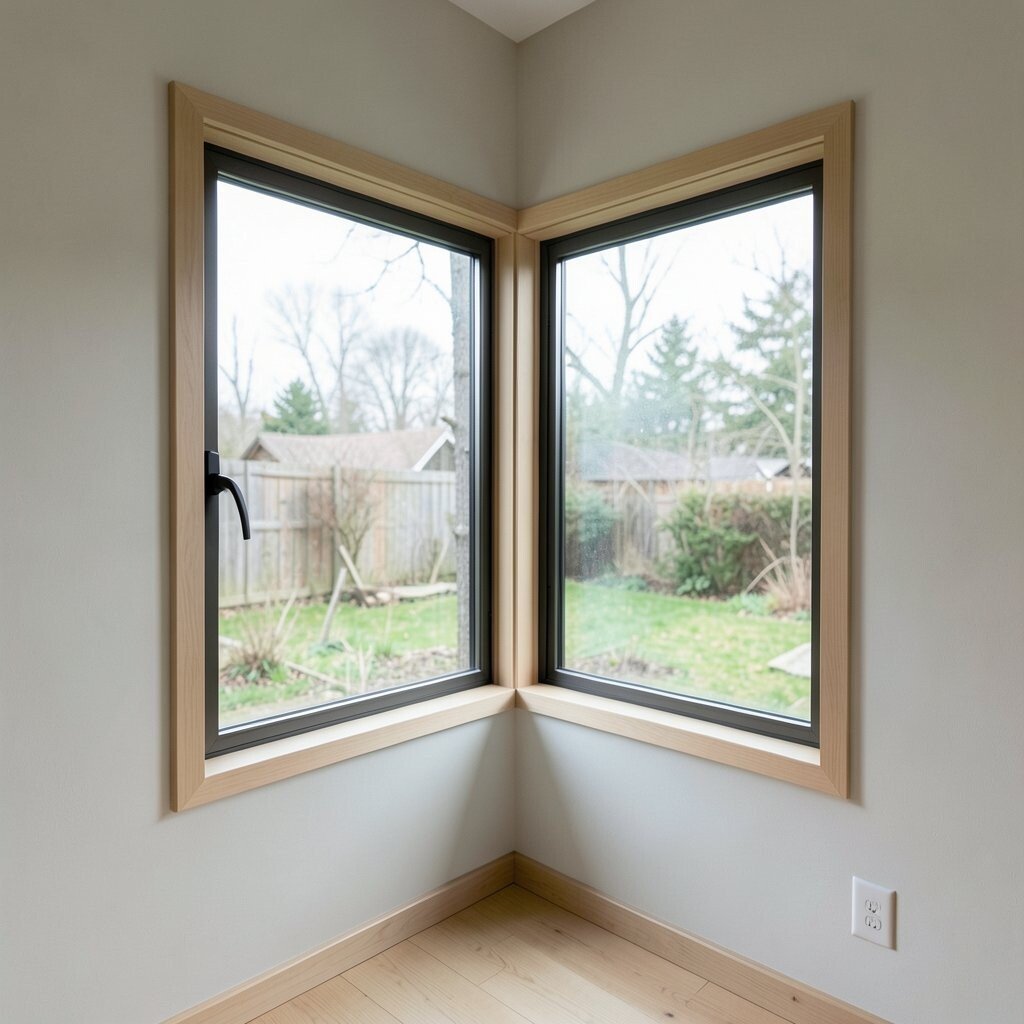
Think of a window that wraps around a corner, turning two walls into one bright view. Even in a compact room, the angle of the glass helps daylight bounce deeper into your interior.
This design feels unique because the horizon shifts across your space rather than staying flat. It’s especially good for tiny homes with a dining nook or reading chair near the corner.
For practical results, plan for strong structural framing and use quality flashing so the corner stays weather-tight. Choose low-E glass and a good seal to keep the window efficient in both heat and cold.
If you want a softer look, pair the glass with light curtains that pull to the side, so you can open the view when you want it. The cost can be higher than standard windows because corners need extra care in fabrication and installation.
4. Transom Windows Above Doors and Cabinets
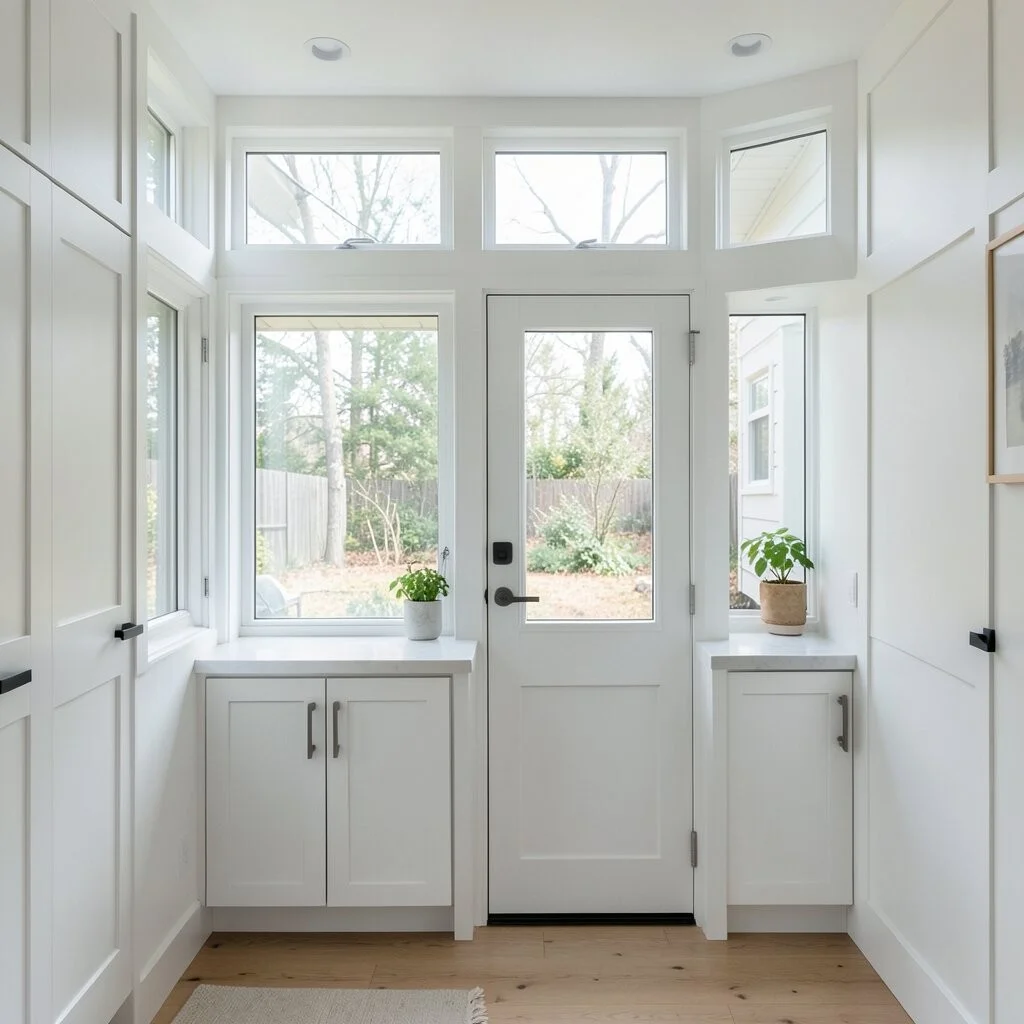
Picture a slim band of glazing sitting above a doorway or along the top of kitchen cabinets. It creates a gentle wash of light at eye level and makes ceilings feel taller.
This approach is perfect for tiny homes because it adds brightness without stealing wall space. Place transoms on north or shaded sides to catch daylight that would otherwise slip away.
For a clean minimalist vibe, keep the frame narrow and match it to your door hardware color. If you want privacy, consider frosted or patterned glass in the transom area while keeping the rest clear.
To personalize, align the transom width with your door panel lines so the whole wall looks designed, not accidental. Costs are often reasonable since these windows are smaller, but custom sizes can raise the price.
5. Minimal Pivot Windows for Easy Ventilation and Simple Lines

Imagine a window that swings inward with smooth pivot hinges, staying flat and tidy when closed. The geometry stays clean, and ventilation feels effortless without bulky handles.
This design is practical for tiny spaces because you can control airflow without needing extra clearance for outward swings. Put a pivot window near a seating area so you can “feel the breeze” without opening large sections.
Choose a matte black or warm wood-toned frame for a calm modern look, and use it to echo your interior trim. Many pivot windows fit within similar budget ranges to other premium minimalist units, though the hinge system can slightly increase cost.
6. Black-Frame Minimalist Window Box With Wide Sills
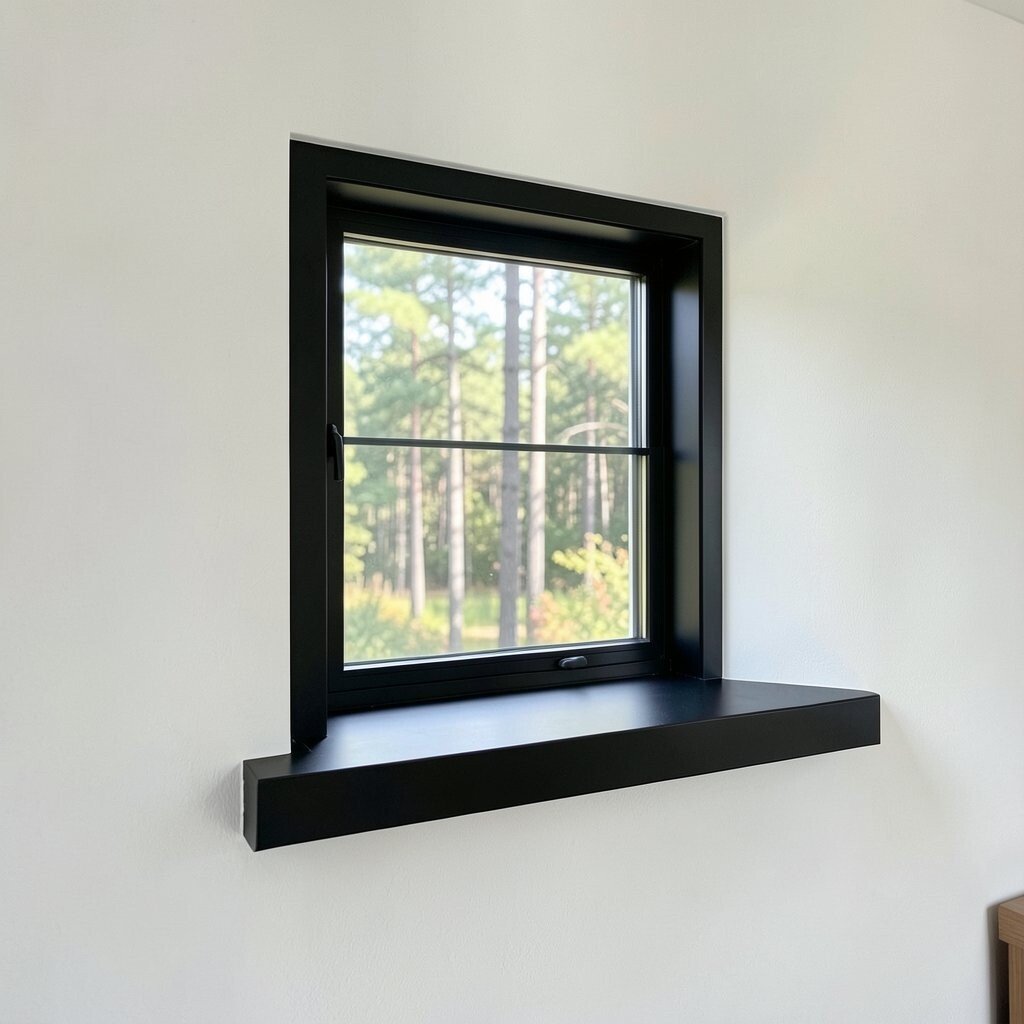
Picture straight, bold black window frames paired with wide, simple sills that feel built-in. The light looks crisp, and the extra ledge gives you a place to set plants or style a small tray.
This window box style feels unique because it turns the window into a functional shelf. Use it on an interior wall where you want daylight and storage at the same time.
For personalization, match the sill depth to what you actually want to keep there, like herbs, a small lamp, or books. Cost-wise, wider sills and durable framing can nudge the budget upward, but the payoff is daily use.
To keep the look minimalist, avoid too many decorative items and let one or two plants lead the scene. When you plan your layout, think about how the sun moves so your sill isn’t constantly in harsh glare.
7. Horizontal Ribbon Windows With Nighttime Privacy Glass
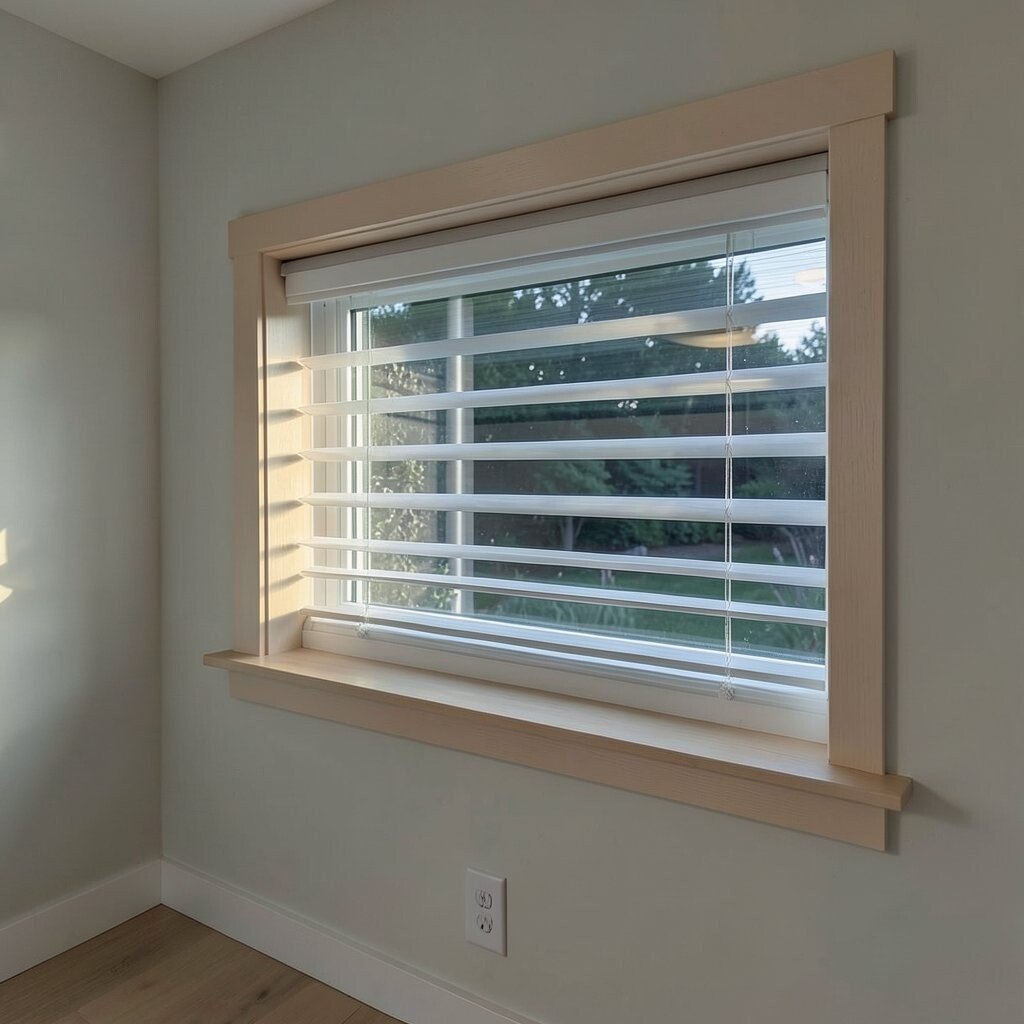
Imagine a long, low strip of windows stretched across part of a wall like a ribbon. During the day, it brings in wide streaks of light that make a room feel stretched and open.
This style is great for tiny homes because horizontal lines visually widen spaces. Pair ribbon windows with privacy glass for evenings, so you get daylight by day and comfort at night.
For practical tips, use operable sections so you still get fresh air even though the window looks sleek. Current trends often lean toward slim mullions and continuous frames, so you’ll get a modern feel that won’t look dated quickly.
To personalize, you can choose clear glass with a subtle tint or textured privacy panels on certain segments. Ribbon windows can be mid to higher cost depending on how many operable parts you include.
8. Recessed Round-Edge Bay Window Look Without the Bulk
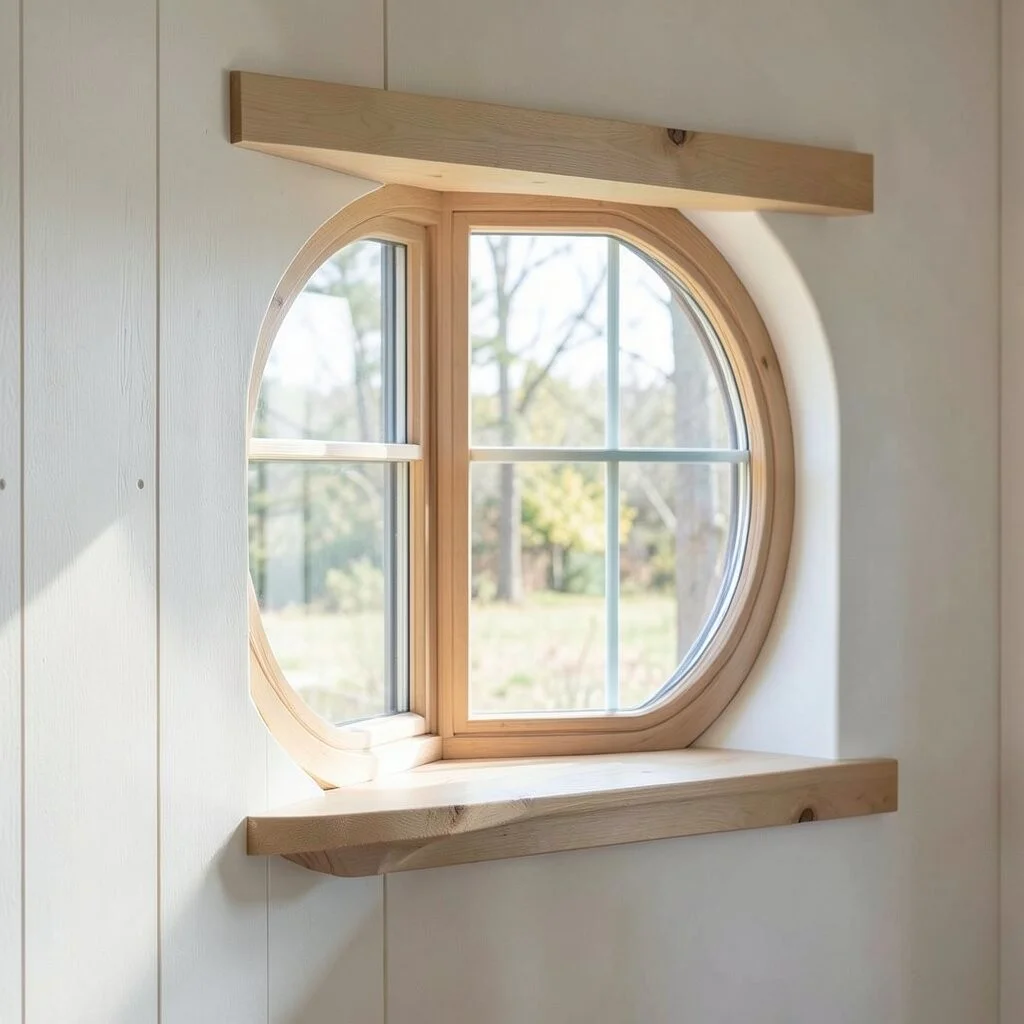
Picture a gentle, curved window shape that softens the corners of your interior. Even if the footprint stays small, the rounded edge adds warmth and keeps the view feeling friendly.
This design is unique because it gives the “bay window” vibe while staying minimalist and compact. It works well in a breakfast nook, reading corner, or near a small desk where you want light that feels cozy.
For best results, use a recessed installation so the frame doesn’t protrude into walking space. Choose durable, easy-to-clean finishes so maintenance stays simple when you live in a smaller footprint.
To personalize, place a bench beneath the window and add a cushion that matches your walls. Cost can vary widely, since curved frames often require more custom work, but the comfort boost can feel worth it.
9. Single-Plane Sliding Window With a Hidden Track
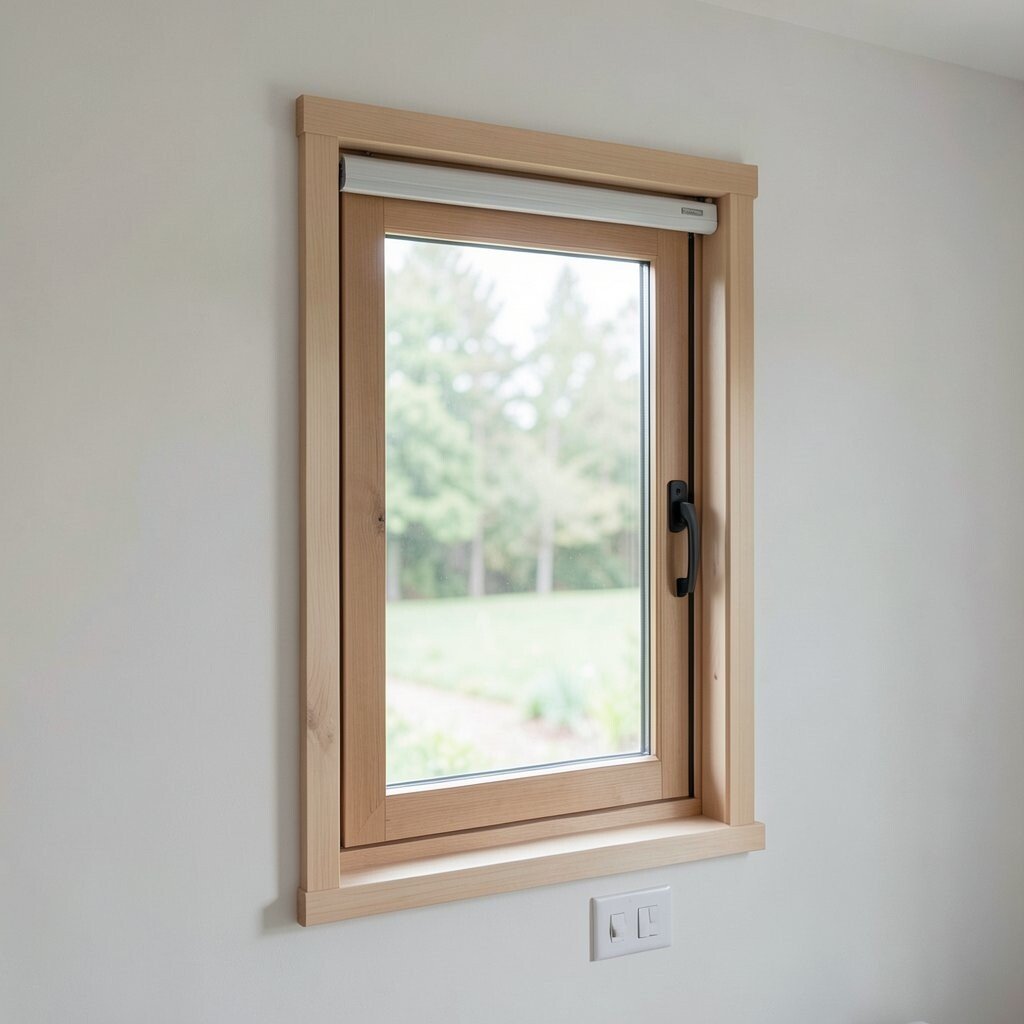
Imagine a sliding window that glides smoothly and disappears into the wall. The exterior stays sleek because you don’t see a busy track, and the interior stays open when the panel moves.
This design helps tiny homes feel flexible since you can open a slice of wall without adding swing space. It’s ideal for small living rooms where layout matters and every foot counts.
For practical tips, ensure the track area is well sealed and plan for easy cleaning access. If you want personalization, choose a frame finish that matches your cabinetry handles so the whole home feels coordinated.
In terms of cost, standard sliding systems may be budget-friendly, while hidden tracks and high-quality seals can raise the price. Still, the payoff is a clean look that feels modern every day.
10. Clerestory Windows for Ceiling-High Daylight
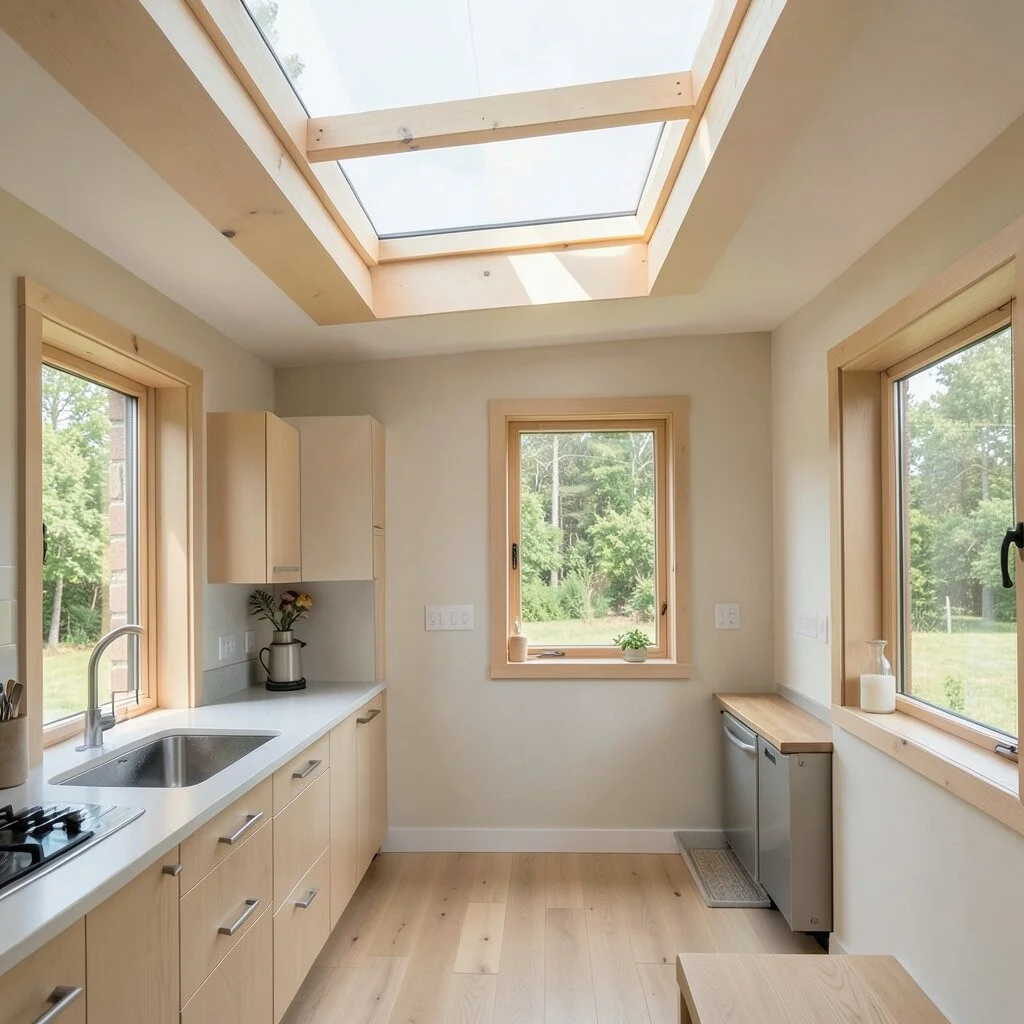
Picture windows set high on a wall, near the ceiling line, so light enters from above. This creates a soft glow that washes across surfaces and keeps your eyes comfortable.
This approach is especially useful in tiny homes with lower headroom, because ceiling-high light makes the room feel taller. Use clerestory windows above a kitchen counter or along a corridor so you don’t lose privacy.
For practical tips, choose glazing that reduces heat gain and glare. Current trends favor energy-efficient glass, and this style pairs nicely with low-E coatings and well-insulated frames.
To personalize, adjust the clerestory shape to echo your roof pitch, or keep it perfectly level for a sharper modern look. Cost is often manageable because the window units can be narrow, but careful framing is important to avoid drafts.
11. Double-Window Symmetry With Matching Corner Trim
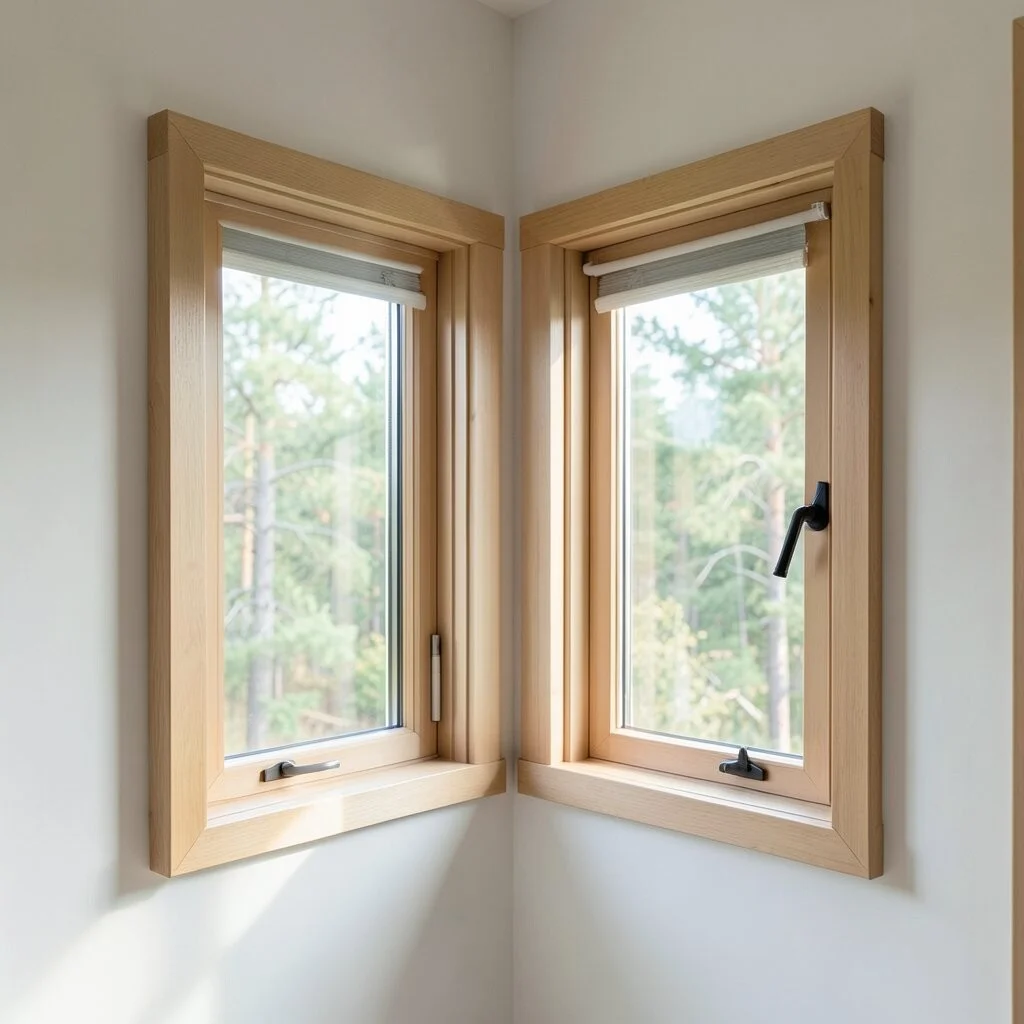
Imagine two minimalist windows set side by side, centered and perfectly matched with a crisp corner trim. Symmetry makes the space feel balanced, and the light looks even across the room.
This design feels unique in a tiny home because it creates a “designed façade” effect even when the footprint is small. It works wonderfully on a main living wall where you want a calm, steady brightness all day.
For practical tips, align the window bottoms with furniture lines, like the top of a sofa back or the counter edge. Choose identical glass and hardware so the home reads as cohesive rather than improvised.
To personalize, pick a frame color that sets a mood, like warm wood for cozy spaces or cool aluminum for crisp ones. Cost is typically predictable because you’re using repeatable window sizes, which can be easier on your budget.
12. Operable Lightwell Window With a Small Interior Shelf
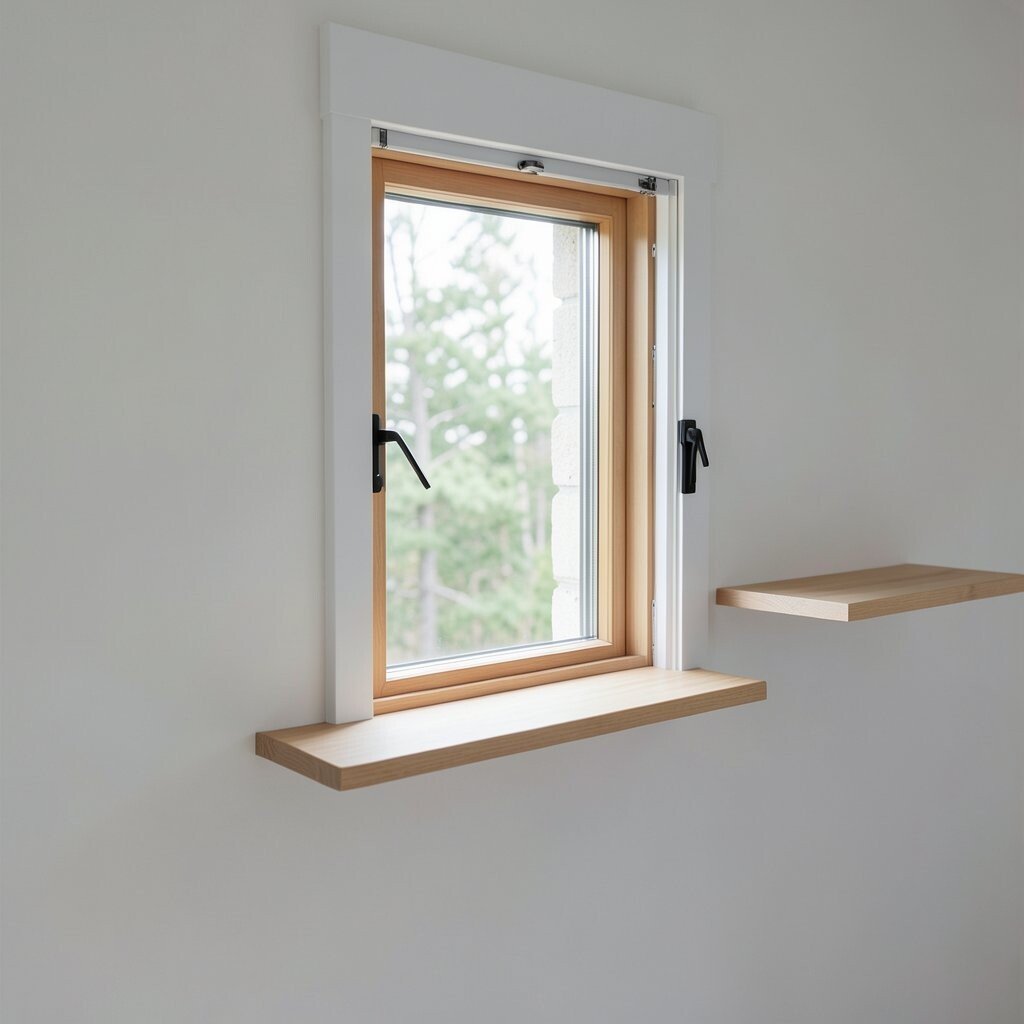
Picture a compact lightwell window tucked into a recessed pocket, with a tiny shelf inside to catch the glow. It feels like a mini skylight moment, but it’s controlled and practical for a tight plan.
This design is unique because it adds a bright focal point without needing a full ceiling window. You can place it above a sink, in a bathroom, or near a wardrobe so light reaches places that usually stay dim.
For practical tips, use water-resistant materials and make sure the lightwell area has proper drainage and sealing. Add a small ledge for a plant, a soap dish, or a decorative glass jar that reflects the light.
To personalize, choose a glass finish that fits your privacy needs, such as lightly textured privacy glass. Cost considerations are often favorable because the window opening can be smaller than many full-wall designs, though custom recess framing can affect the final total.