Your home can feel brighter without needing a bigger footprint. Small changes, done with care, can make every corner feel inviting and fresh.
With the right mix of light, storage, and style, your rooms can look more open and feel more comfortable. The best part is that many of these ideas work well across budgets and tastes.
1. Layer Lighting for Instant Glow
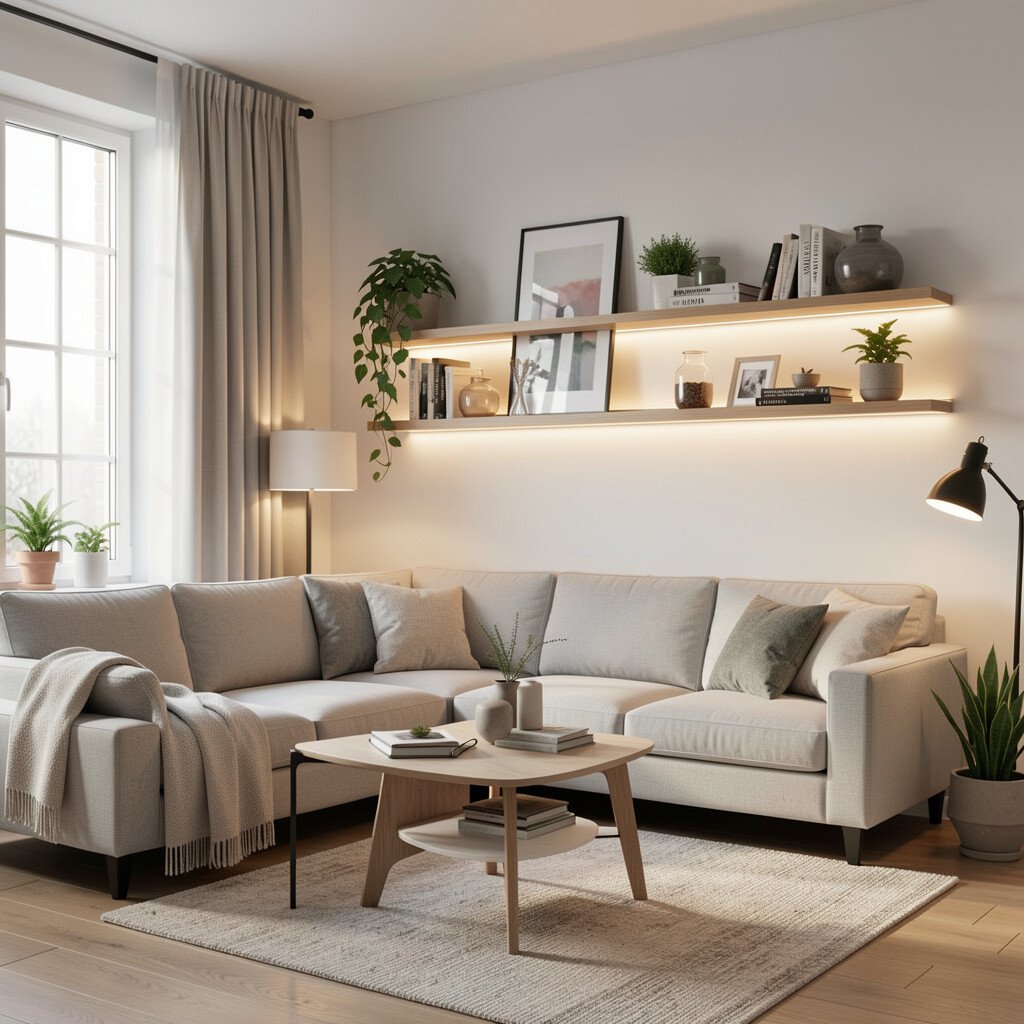
Swap harsh overhead lighting for a warm mix you can control. Picture a soft lamp glow beside the couch and gentle light near the hallway.
Use three types of light in each main area: a ceiling fixture, a floor or table lamp, and a small accent source. Try warm white bulbs for cozy evenings and lower brightness levels for calm nights. If you like convenience, choose dimmable bulbs so you can adjust mood without changing fixtures.
2. Choose Reflective Finishes That Bounce Light
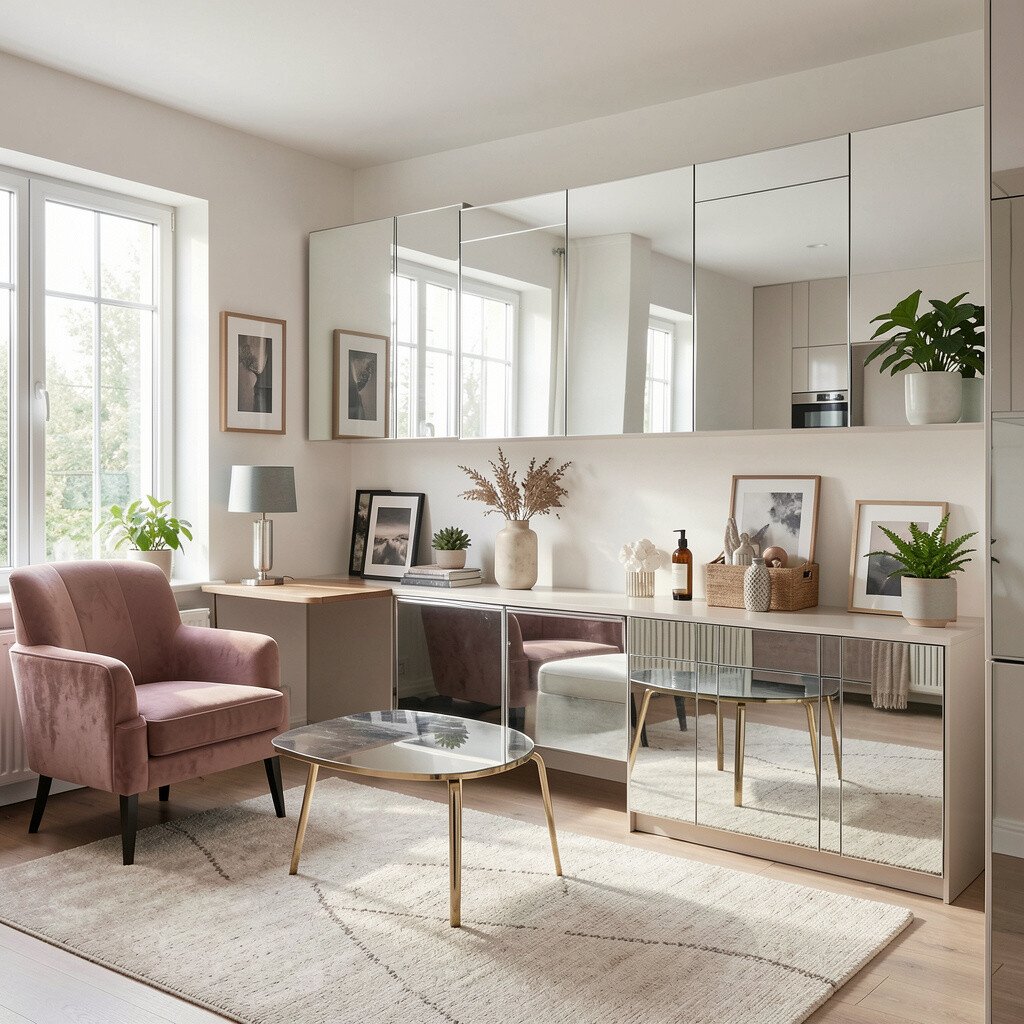
Look for glossy, glassy, or metallic surfaces that catch and spread light. A mirror on one wall can make your room feel like it has extra depth.
Place reflective items across from windows so they bounce daylight deeper into the space. Try a framed mirror, a satin-finish cabinet, or a shiny tray on a coffee table. For practical balance, mix reflective pieces with matte textures to keep the room from feeling too slick.
If you want a style upgrade without heavy spending, swap hardware on drawers and doors for polished finishes. Budget-friendly changes often deliver a big visual shift. Keep the reflections tidy by choosing a few well-placed items instead of overcrowding surfaces.
3. Use a Statement Mirror in a Clever Spot
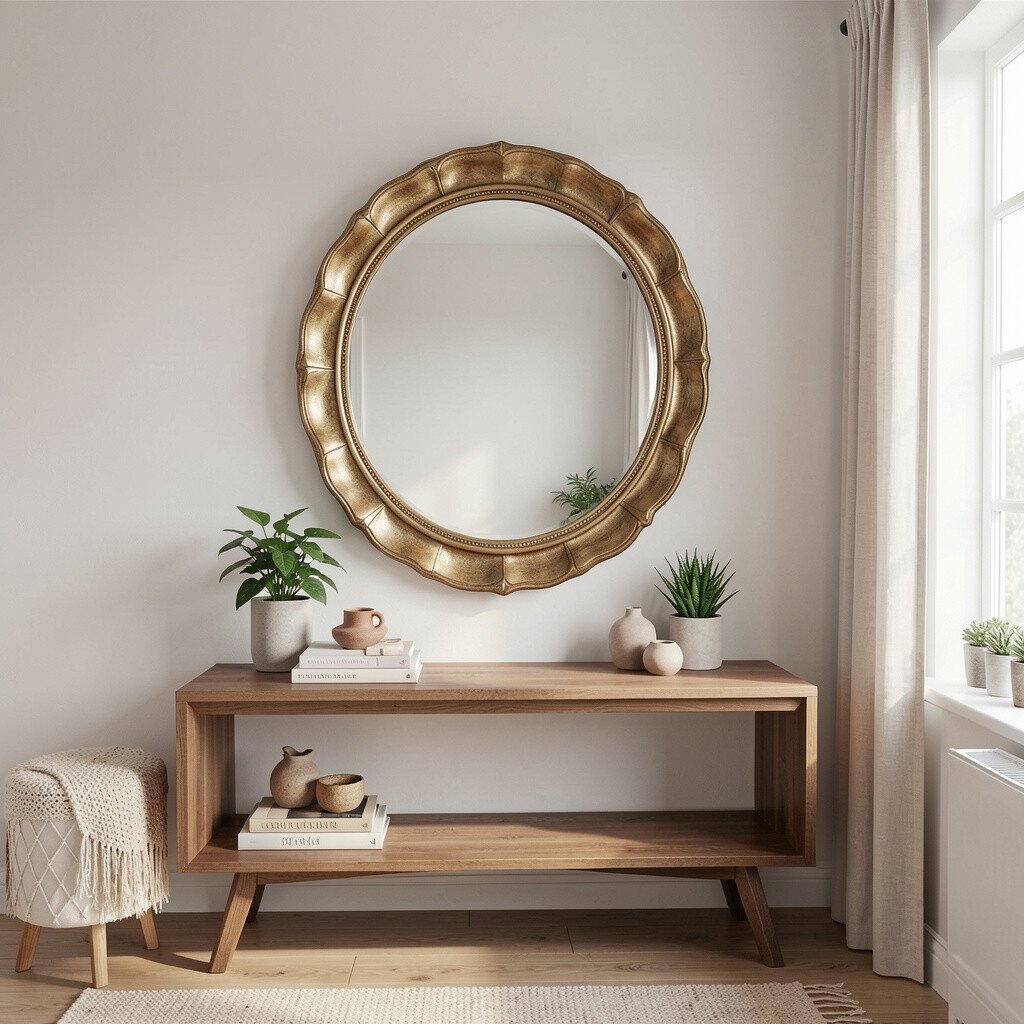
A bold mirror can act like artwork while also adding brightness. Imagine walking into your entryway and seeing your space double in feel.
Choose a mirror with a shape that fits your layout, like an arched frame for softness or a long vertical piece for height. Hang it so it reflects a light source or a bright wall, not a cluttered area. For small bathrooms, a larger mirror can also make daily routines feel more spacious.
To personalize the look, match the frame finish to your faucets or picture frames. You can even use a slim mirror shelf style to hold keys and lip balm. When measuring, keep it high enough to avoid bumping and low enough to feel welcoming.
For cost planning, try thrifted frames with a fresh coat of paint. This gives you a custom look for less than buying a brand-new mirror. With a little patience, your mirror can become the hero of the room.
4. Install Sheer Curtains for Daylight Control
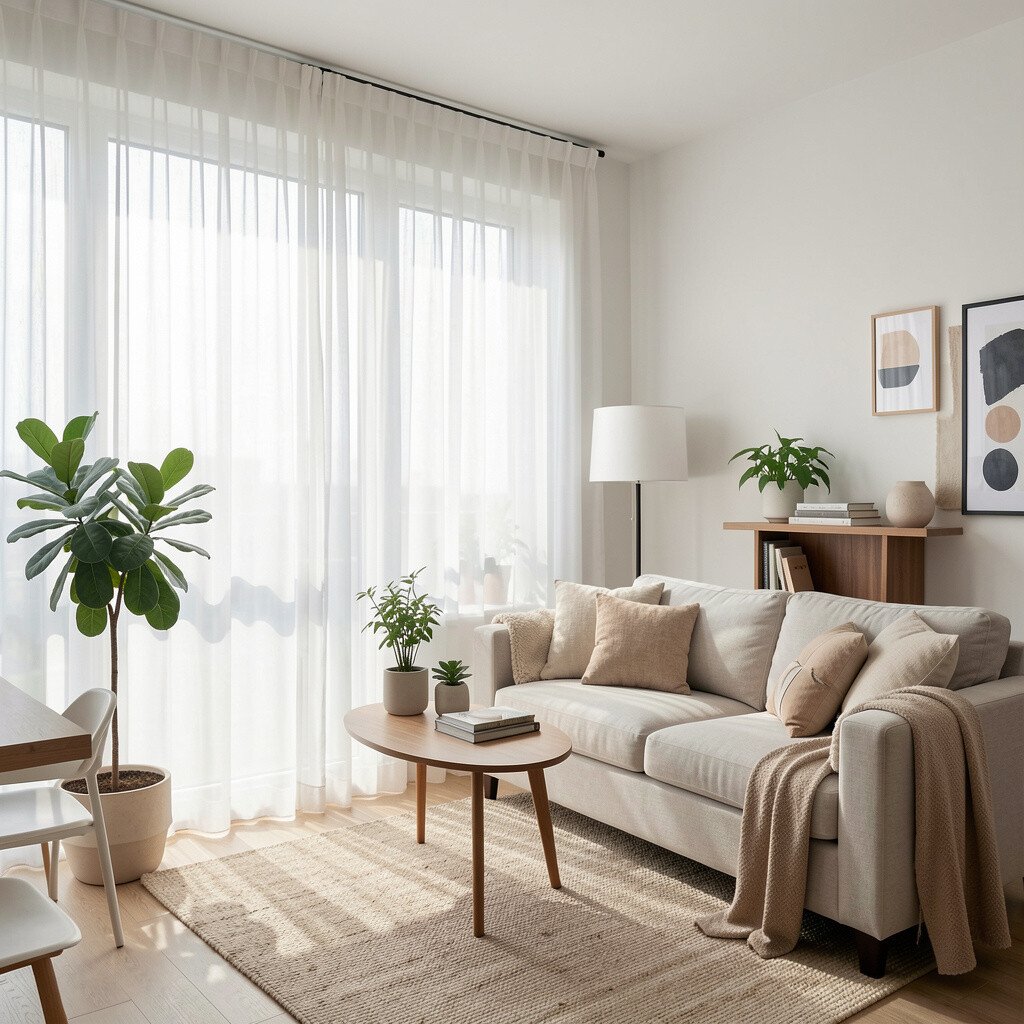
Choose sheer or lightly textured curtains to soften sunlight while keeping privacy. They create a bright, airy feel that still looks polished.
Hang rods close to the ceiling so the window area looks taller. In a small living room, this trick can make walls feel less cramped. For a modern touch, pick neutral tones like soft white, warm beige, or light gray and let natural light do the rest.
5. Pick a Light-Forward Color Palette
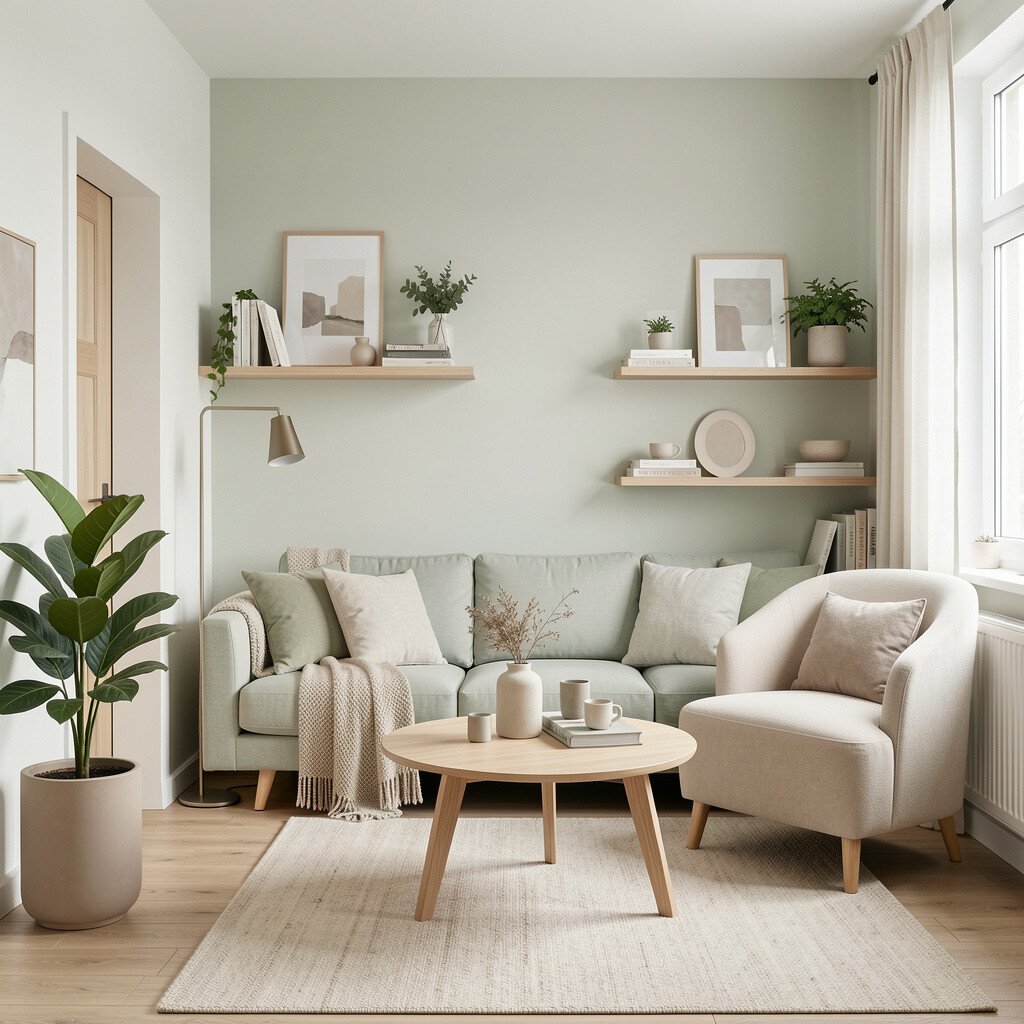
Walls and big surfaces set the tone for how bright everything feels. Light colors help rooms bounce light and feel fresh during the day.
Go for warm whites, sandy beiges, pale greens, or gentle blues that match your lighting. If you love color, use it on smaller items like cushions, art, or a single accent wall with a careful shade. This keeps the room from feeling heavy while still showing your personality.
To make the palette feel intentional, repeat colors in more than one place. For example, bring the same warm tone into a rug and a vase. If you rent, swap paint with removable wallpaper or peel-and-stick wall decals for low-commitment style.
6. Use Vertical Storage to Keep Floors Clear
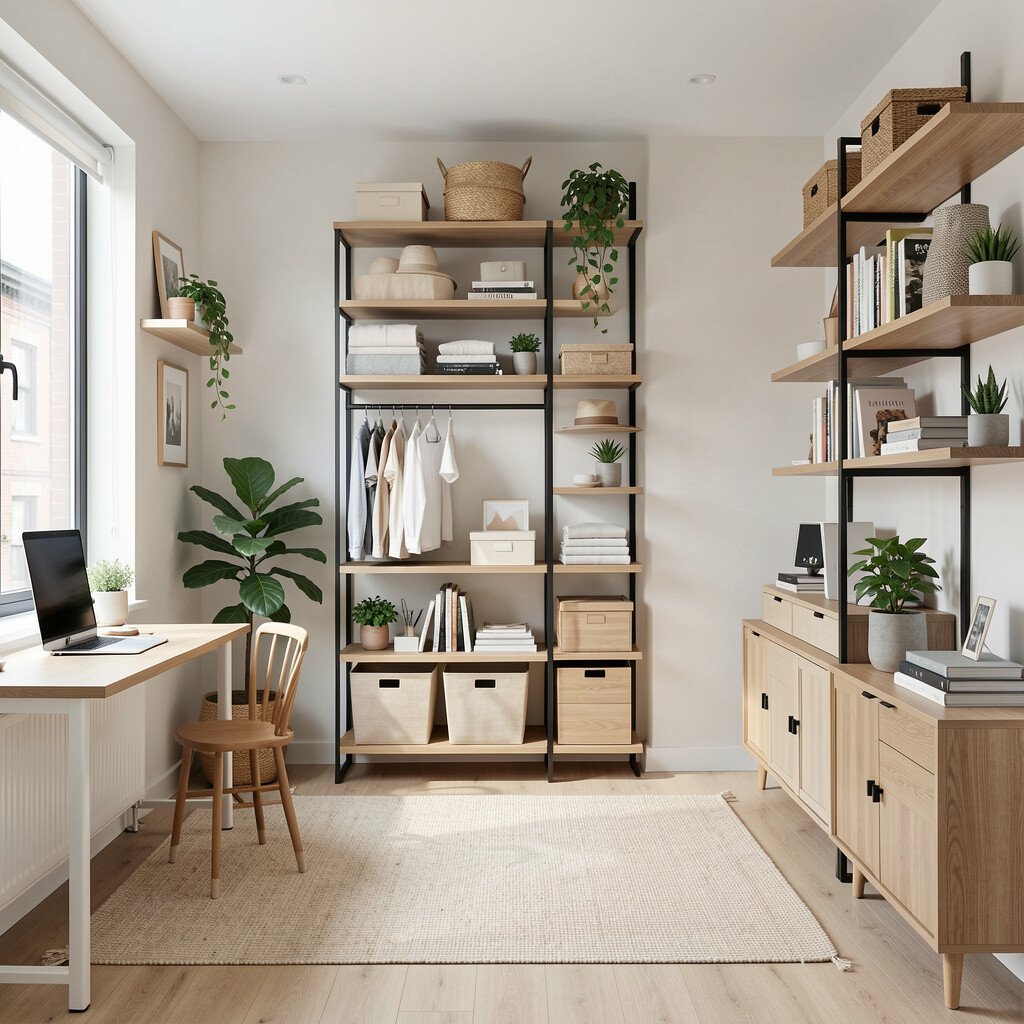
When floors stay open, a small room feels calmer and brighter. Vertical storage helps you store more without visual clutter.
Try wall shelves, tall bookcases, or narrow cabinets that reach toward the ceiling. Use baskets on shelves so small items look neat instead of scattered. If you need a work area, add a wall-mounted desk or a fold-down table to keep it out of the way.
To personalize, choose shelf styling that matches your vibe, like uniform bins for modern spaces or woven baskets for a cozy feel. For practical setup, keep daily essentials at eye level and store seasonal items higher up. Cost can stay low by using simple brackets and painting shelves to match the wall.
Measure your wall space before buying. Even a few inches matter when you are working with tight layouts. With the right plan, vertical storage turns storage stress into style.
7. Go for Sliding or Pocket Doors When Possible
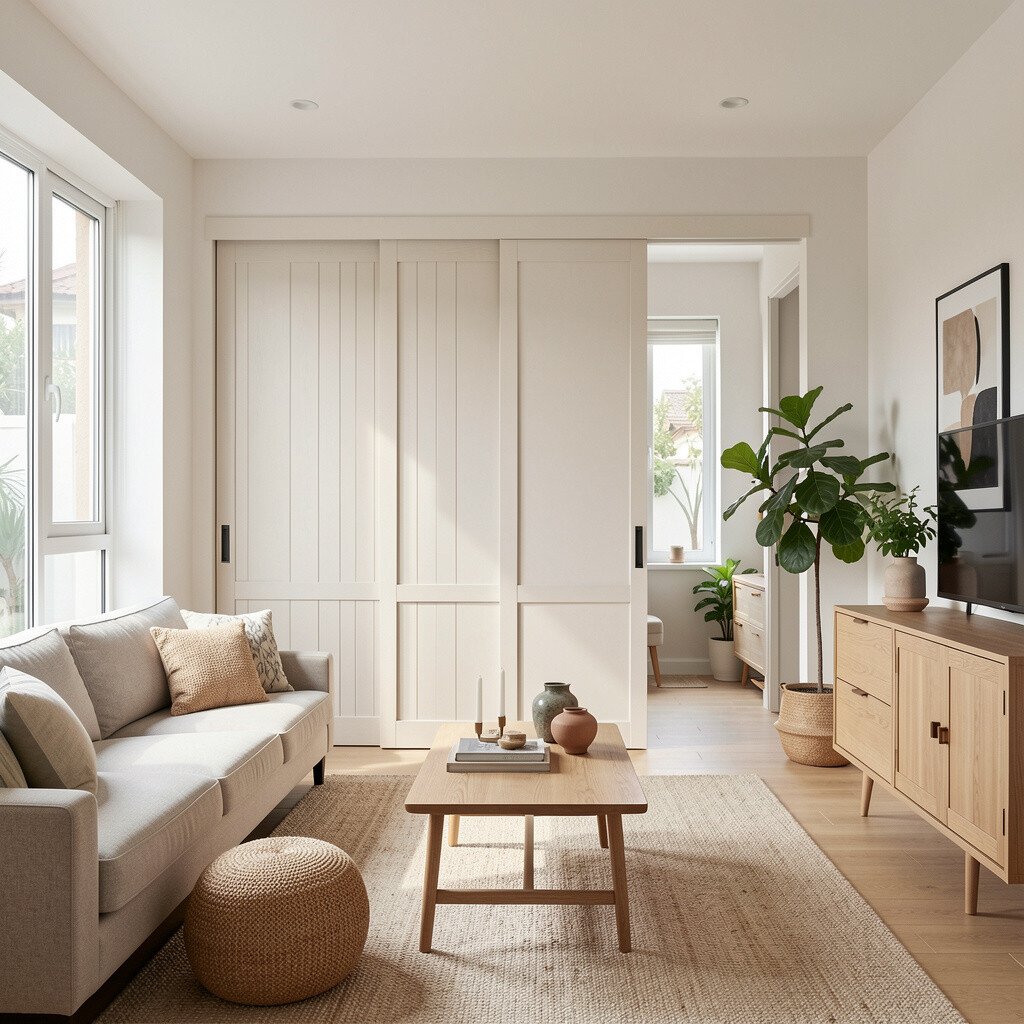
Traditional doors can take up space when they swing open. Sliding or pocket doors make the room feel more open and usable.
If you cannot replace doors, use space-friendly curtain partitions or a decorative room divider. A clear or lightly tinted divider can keep sightlines bright. For bedrooms, a pocket door style can also help traffic flow, especially in narrow hallways.
8. Style Window Sills as Mini Displays
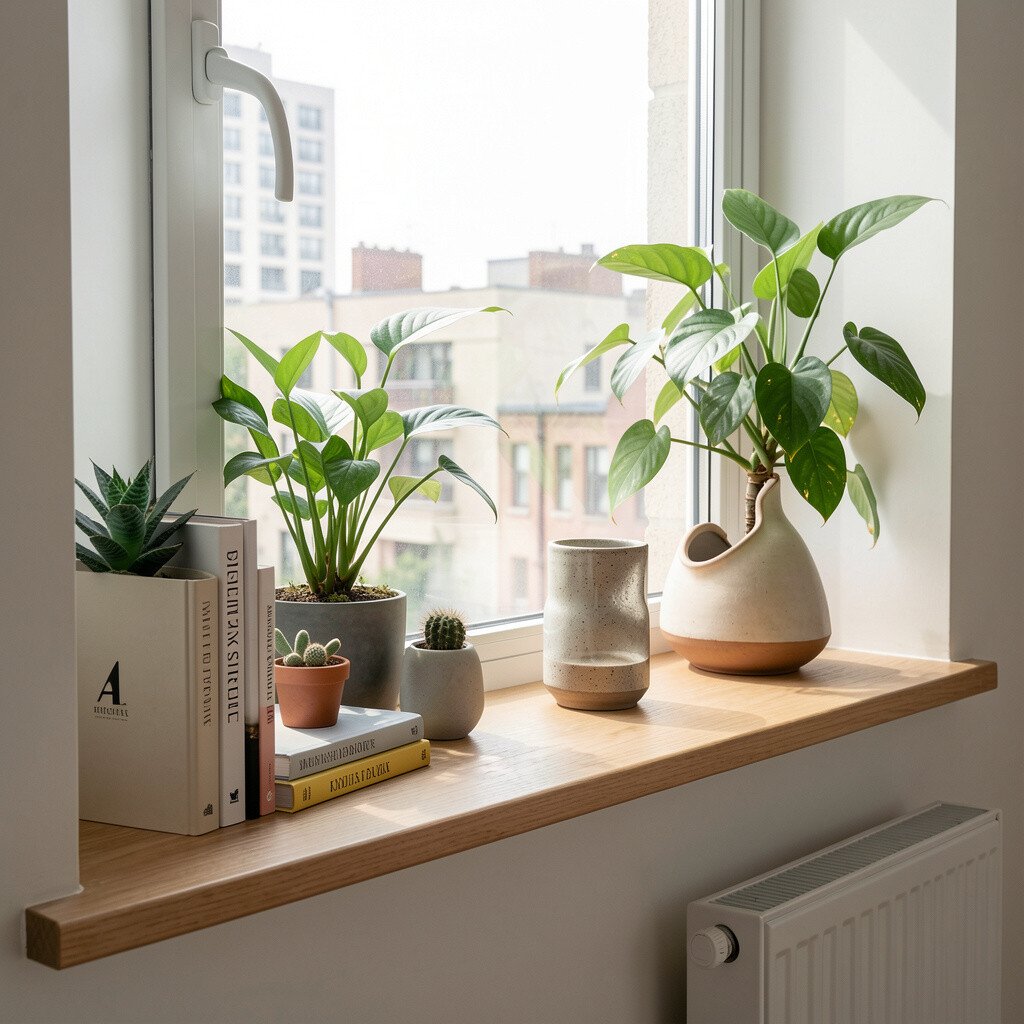
Window sills are great real estate when you need brightness and function. A small arrangement can turn a plain ledge into a charming spot.
Use a couple of items that reflect your style, like a small plant, a candle holder, or a framed photo. Choose pieces in light colors so they blend with the daylight. Keep the arrangement minimal so the window still feels open and not crowded.
For practical tips, rotate seasonal accents so your home always feels current. If privacy matters, pair the display with sheer curtains that soften the view. This idea can be inexpensive since you can use items you already own and shop secondhand for a polished look.
9. Add a Light Rug to Anchor the Room

A rug can make a space feel complete, even when it is small. Choose a lighter shade or a subtle pattern to keep the room from feeling heavy.
Look for low-pile rugs if you want easy cleaning and quick movement across the floor. In a dining nook, a lighter rug also helps chairs and tables blend into the room without extra darkness. If you love bold style, pick a design with lighter background tones so it stays bright.
To personalize, match the rug color with your curtains or throw pillows. For cost considerations, consider layering a smaller affordable rug over a plain base for a designer look. Just make sure the rug size fits the layout so it anchors the area instead of floating awkwardly.
10. Replace Bulky Furniture with Slim Profiles

Big, heavy-looking furniture can shrink a small room. Slim profiles make your space feel open while still being comfortable.
Swap thick arms for streamlined sofas, choose chairs with lighter frames, and look for pieces that sit slightly higher off the ground. Raised legs create a sense of airiness because you can see more floor space. If you need storage, pick a sofa with hidden compartments or a storage ottoman.
11. Create a Floating Shelving Moment
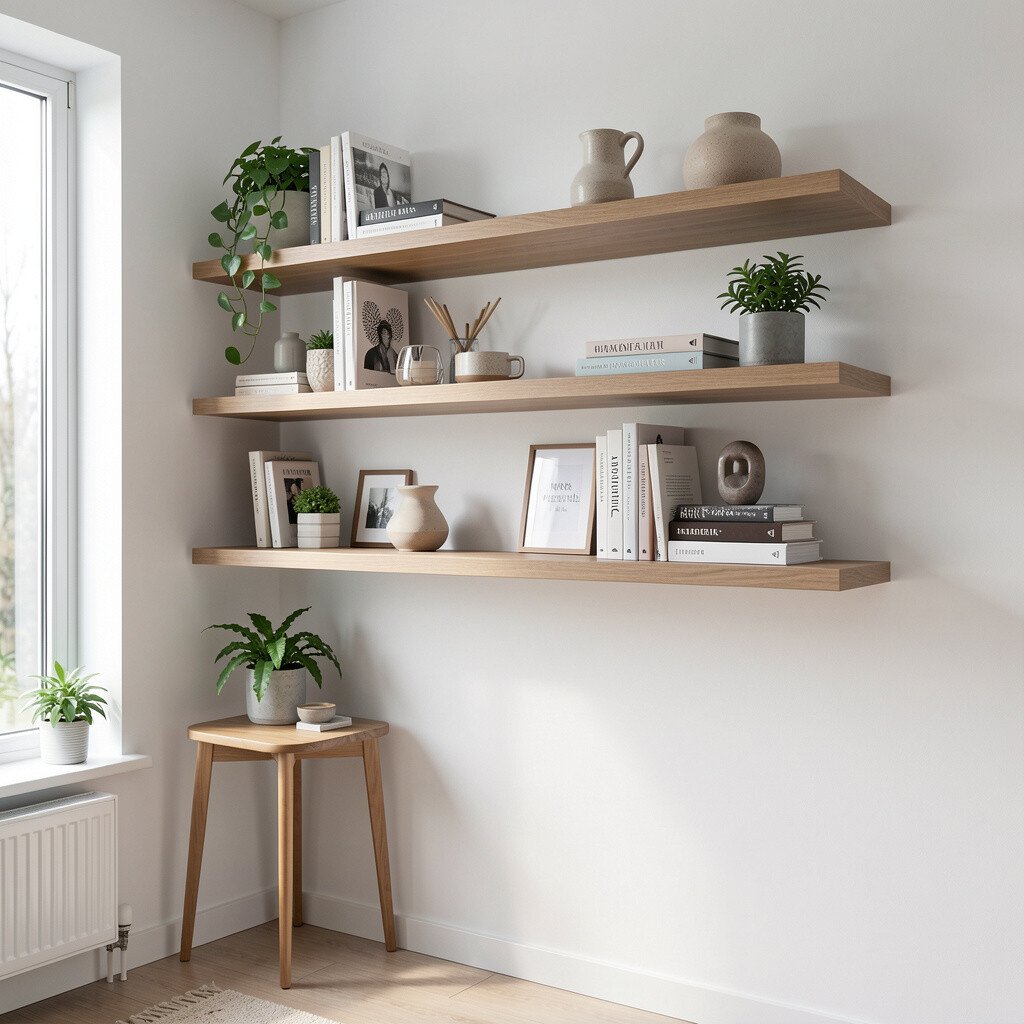
Floating shelves add style without taking floor space. They also let you show decor while keeping the room tidy.
Place shelves in a vertical line to guide the eye upward. Use varying shelf lengths for a more modern feel, but keep the decor height consistent for neatness. Add small lighting if you want extra brightness, like a simple LED strip under the shelf.
Personalize with books, framed art, and small plants that match your color palette. For practical tips, keep daily items inside baskets so shelves do not become a dumping spot. Costs can stay manageable because shelves are often cheaper than full cabinets, especially when you choose basic materials and paint them.
12. Use Smart Storage with Matching Bins
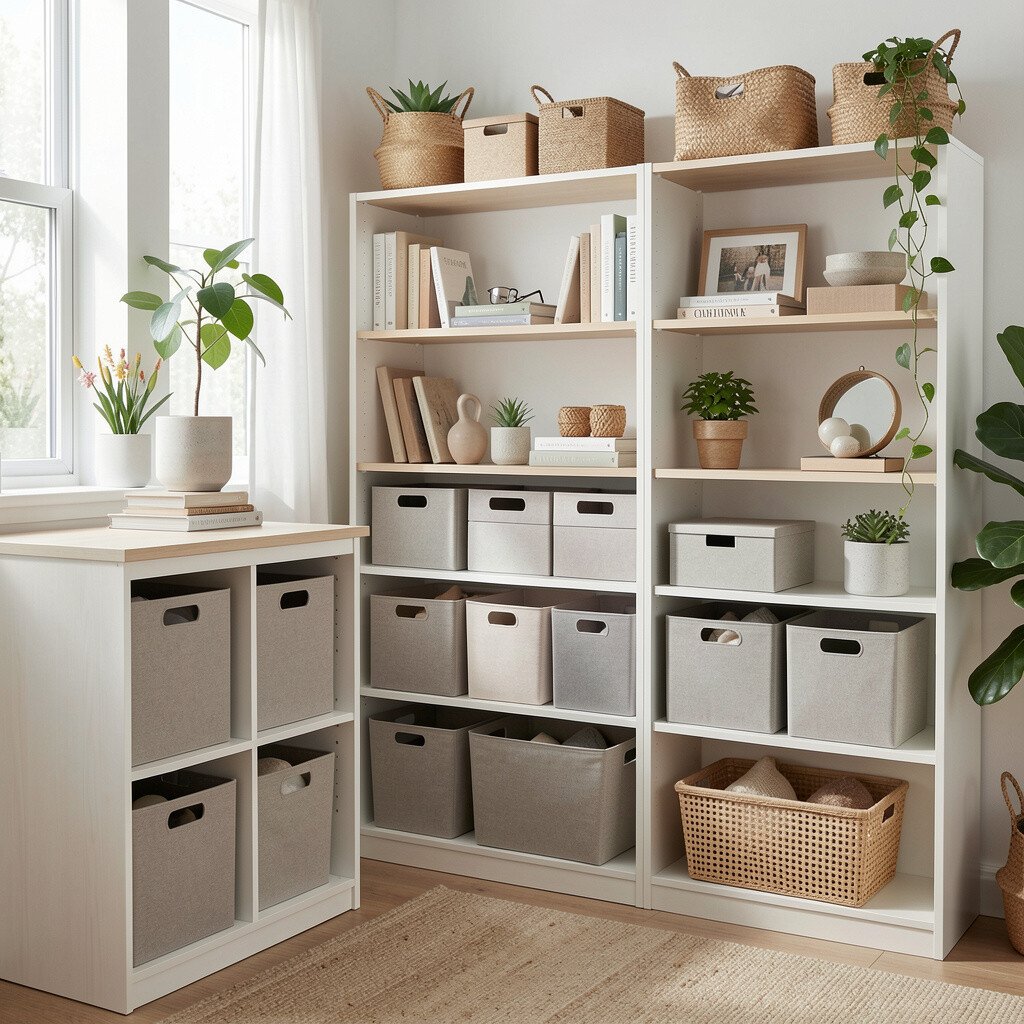
Small spaces look best when everything has a home. Matching bins help you keep items organized without visual chaos.
Choose bins that match your room tones so they blend in. Clear bins make it easy to find things fast, while fabric bins look softer for bedrooms and living rooms. Labeling is helpful, but you can keep it subtle by using small tags or simple color coding.
For practical setups, place bins under tables, inside closets, and on lower shelves where items get stored often. If you want a current trend vibe, try neutral woven textures paired with light-colored containers. This method can be affordable if you start with one closet or one cabinet section rather than doing everything at once.
Keep accessibility in mind so you enjoy using the system. Organization only works if it feels easy to maintain.
13. Add a Cozy Reading Nook Corner
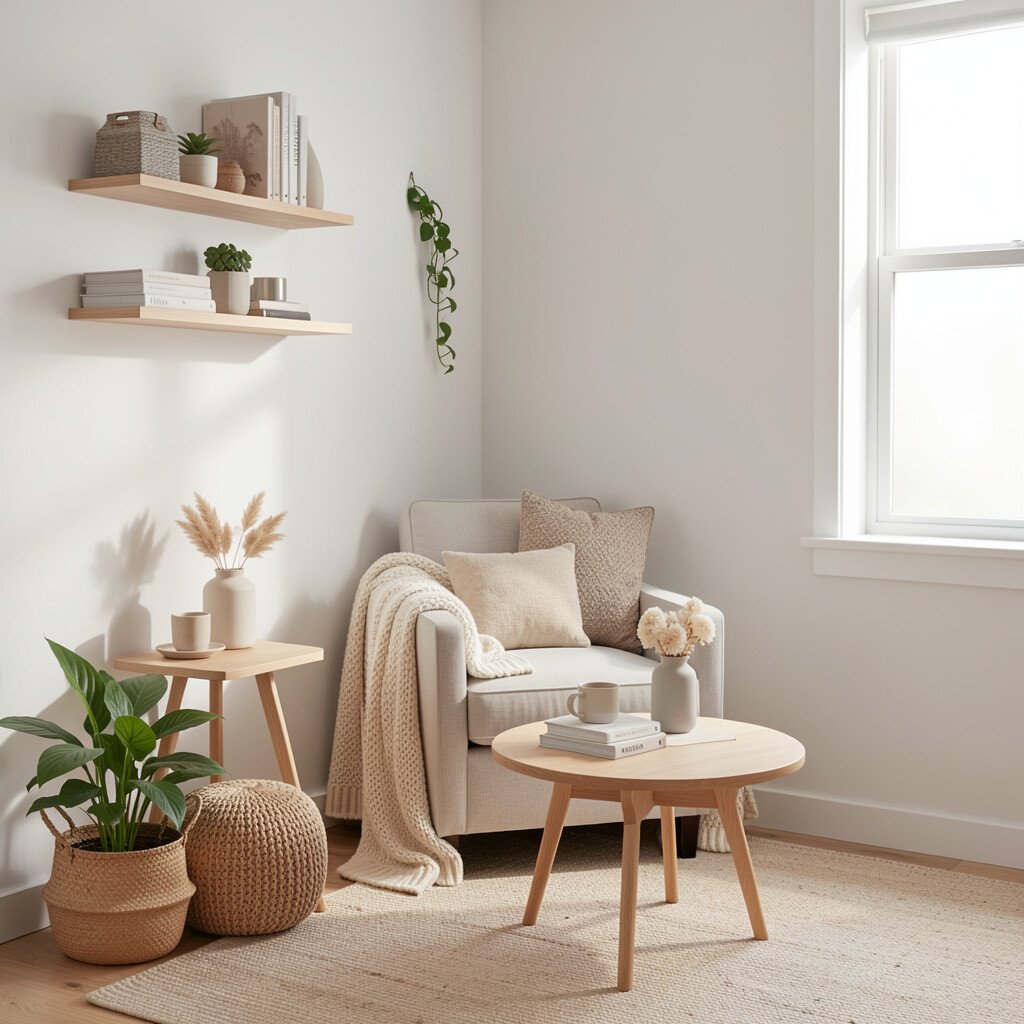
A small reading nook can make your home feel cared for. Even a tiny corner becomes special with the right lighting and seating.
Use a comfortable chair or a compact loveseat, then add a small side table and a lamp. Choose a cushion or throw blanket to add softness and warmth. Position it near a window for daytime brightness and switch to warm lighting for evening comfort.
14. Hang Art at Eye Level for Bigger Impact
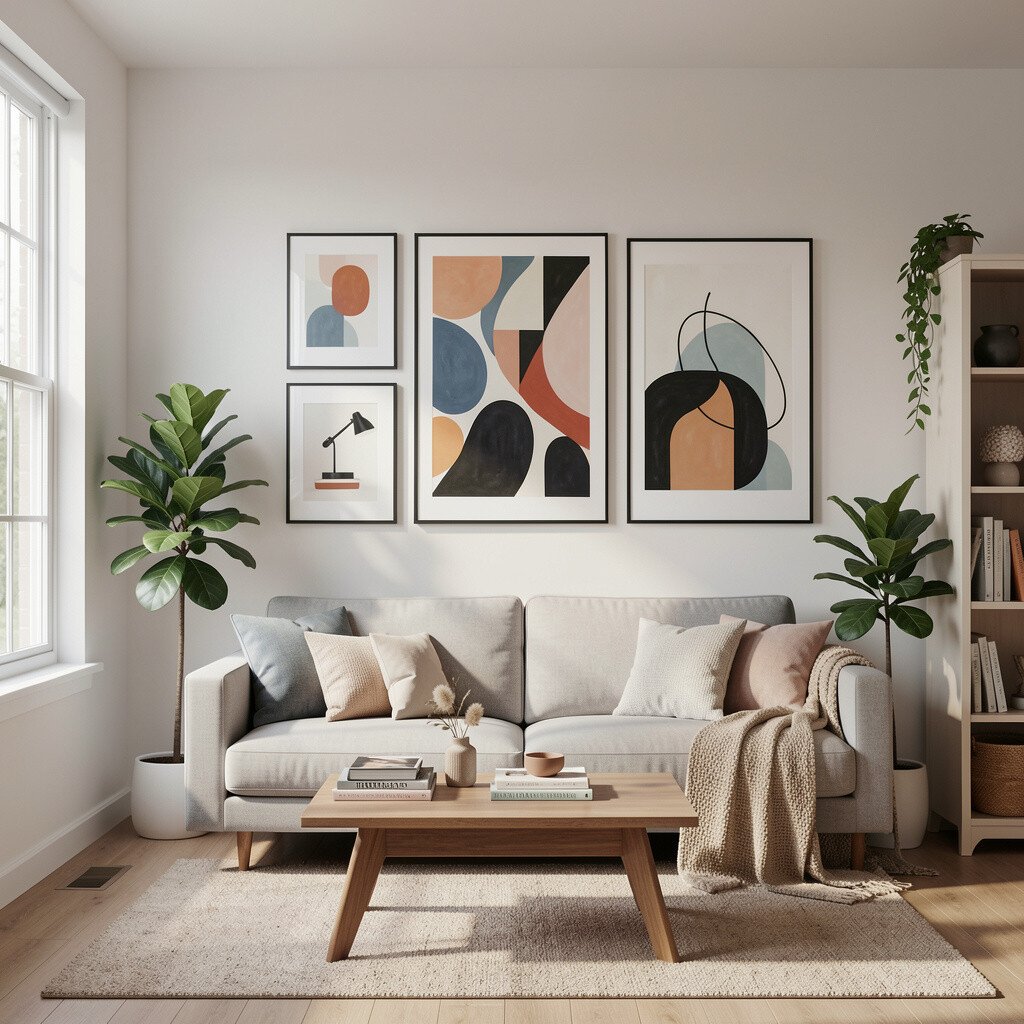
Art can brighten a room by adding color and visual interest. When placed correctly, it also makes walls feel more intentional.
Hang pieces at eye level so you see them when you walk through your space. For small rooms, choose a medium-sized artwork instead of many tiny pieces that can look scattered. Try a gallery wall only if you can keep spacing consistent and colors coordinated.
To personalize, select art that matches your daily mood, like calming landscapes, bold abstracts, or family photos in matching frames. For practical tips, use painter’s tape to map out placement before hanging nails. If you want cost control, print affordable art or rotate seasonal frames so your wall never feels stale.
This approach is trendy because it balances personality with neat organization. Your walls will feel lively without overwhelming the space.
15. Make the Most of Corners with a Corner Shelf or Stand
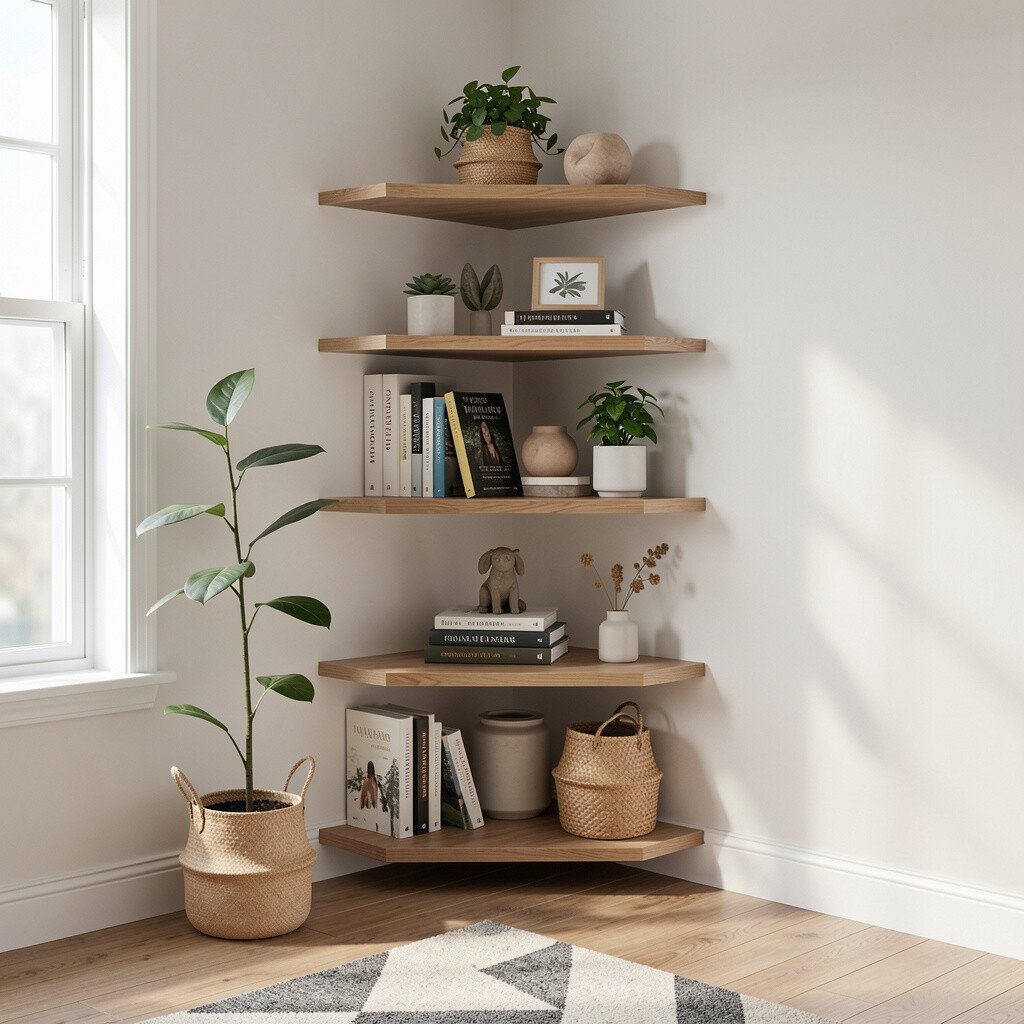
Corners are often wasted space, even in well-designed rooms. Putting storage or decor in corners makes the layout feel smarter and brighter.
Try a corner shelf unit, a curved floor lamp, or a small plant stand. A plant in the corner can bring life to a room while softening hard lines. For practical tips, keep corner items from turning into clutter by limiting the number of objects.
Personalize the corner with your style, like modern minimal ceramics or cozy woven textures. For cost considerations, look for secondhand corner furniture or use a simple shelf and paint it to match. Corner solutions often cost less than replacing major furniture.
16. Use a Console Table as a Multi-Task Surface
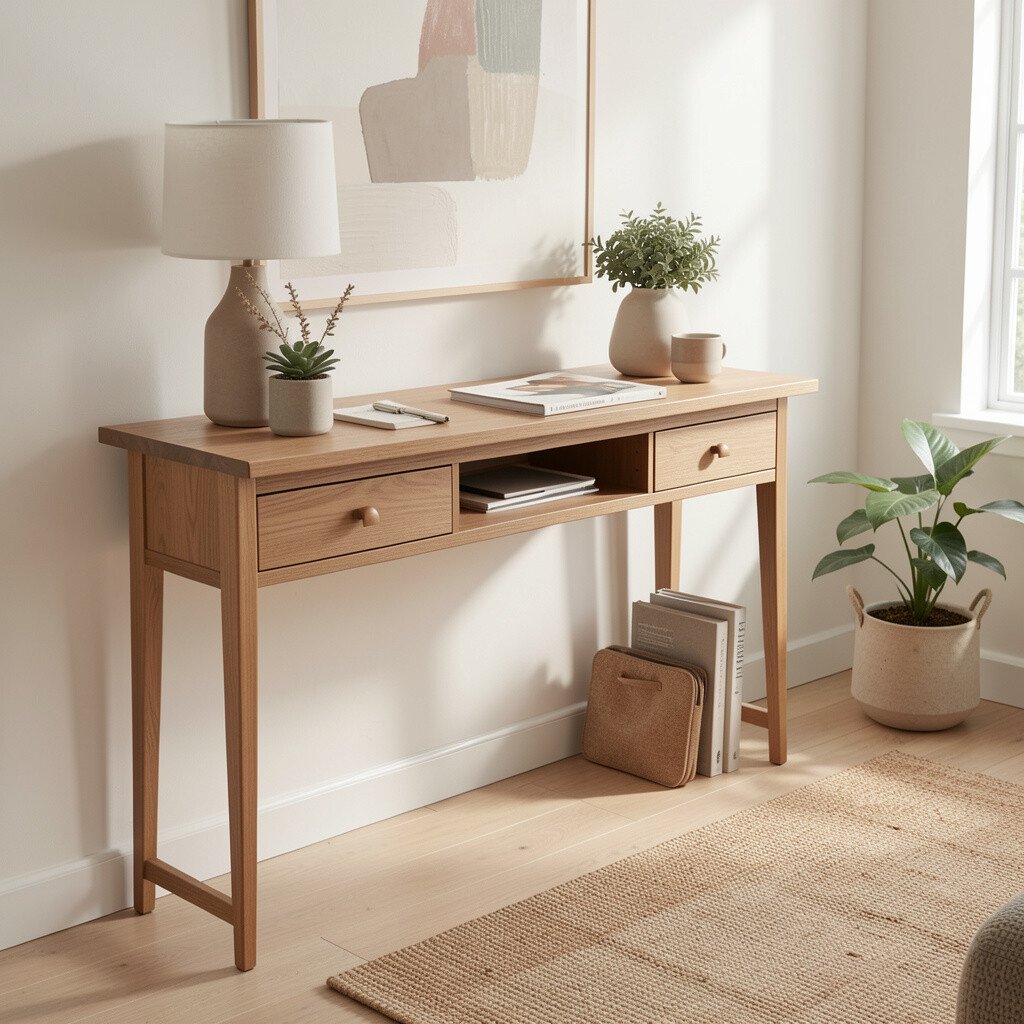
A console table can bring function to an entryway, living room, or hallway. It gives you a place for keys, mail, and decor without taking much floor space.
Choose a narrow table with slim legs so it does not feel bulky. Add a mirror above it for extra brightness and a tidy, layered look. Place a small tray for everyday items so you can clear the surface in seconds.
To personalize, style it seasonally with small accents like a vase, candle, or photo frame. For practical tips, keep tall items in the back and flatter items in front so everything stays visually balanced. Costs can be kept reasonable by picking a basic console and upgrading the legs or paint finish yourself.
17. Try a Statement Pendant Light Over Key Areas
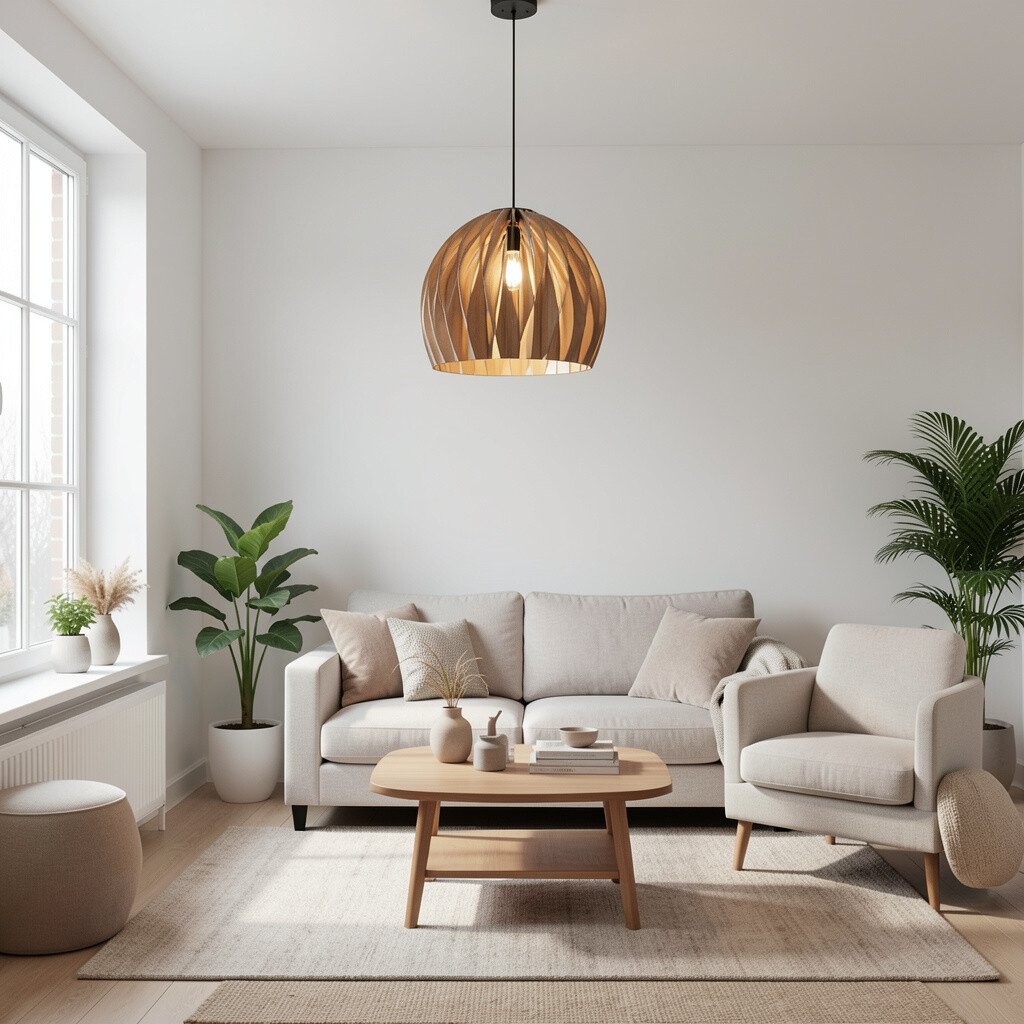
Pendant lights can make a small room feel designed, not cramped. They also draw the eye upward, which boosts the sense of height.
Hang a pendant over a dining table, reading nook, or kitchen island if you have one. Use a shade that lets light spread, not block, so the glow reaches more of the room. Choose a finish that matches your hardware so the look feels cohesive.
To personalize, pick a style that fits your taste, like woven textures for warmth or sleek metal for a clean look. If you want a current trend feel, look for layered shades or adjustable heights. For budget planning, consider swapping just the fixture while keeping the ceiling hardware if it is compatible.
Measuring matters, so keep the pendant height comfortable for your space and daily routines.
18. Create Visual Balance with Matching Throw Pillows

Throw pillows are an easy way to brighten a room with color and texture. When they match, the space looks more put together.
Choose two or three complementary shades and vary the textures, like linen, cotton, or a subtle knit. Place them on your couch or bed so the room feels welcoming and finished. If your room is mostly neutral, bright pillows can add life without changing large furniture.
19. Use a Clear or Light-Colored Acrylic Side Table
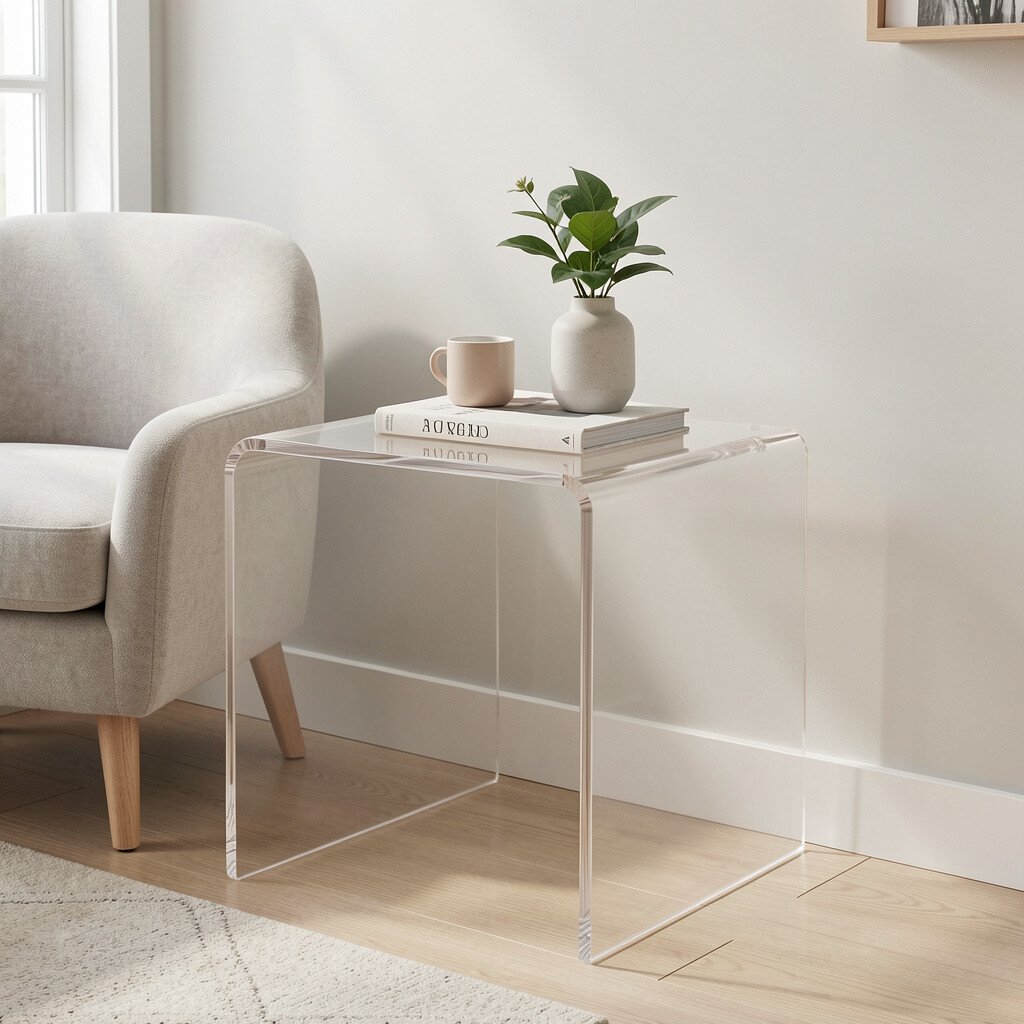
Furniture that looks lighter can make a small room feel more open. Clear acrylic or light-colored side tables keep sightlines flowing.
Acrylic is great for tight spaces because it visually disappears around your bigger furniture. Pair it with a soft lamp and a small tray so the table still feels practical. If you prefer color, choose a translucent tone that matches your palette.
To personalize, add a vase or a single decorative object rather than many items. This keeps the surface tidy and lets the table’s airy look do the work. Cost considerations can vary, but you can often find smaller acrylic pieces that cost less than new sofas or dressers.
For everyday comfort, make sure the surface is stable and easy to clean so it fits daily life.
20. Add a Plant Cluster for Fresh Bright Energy
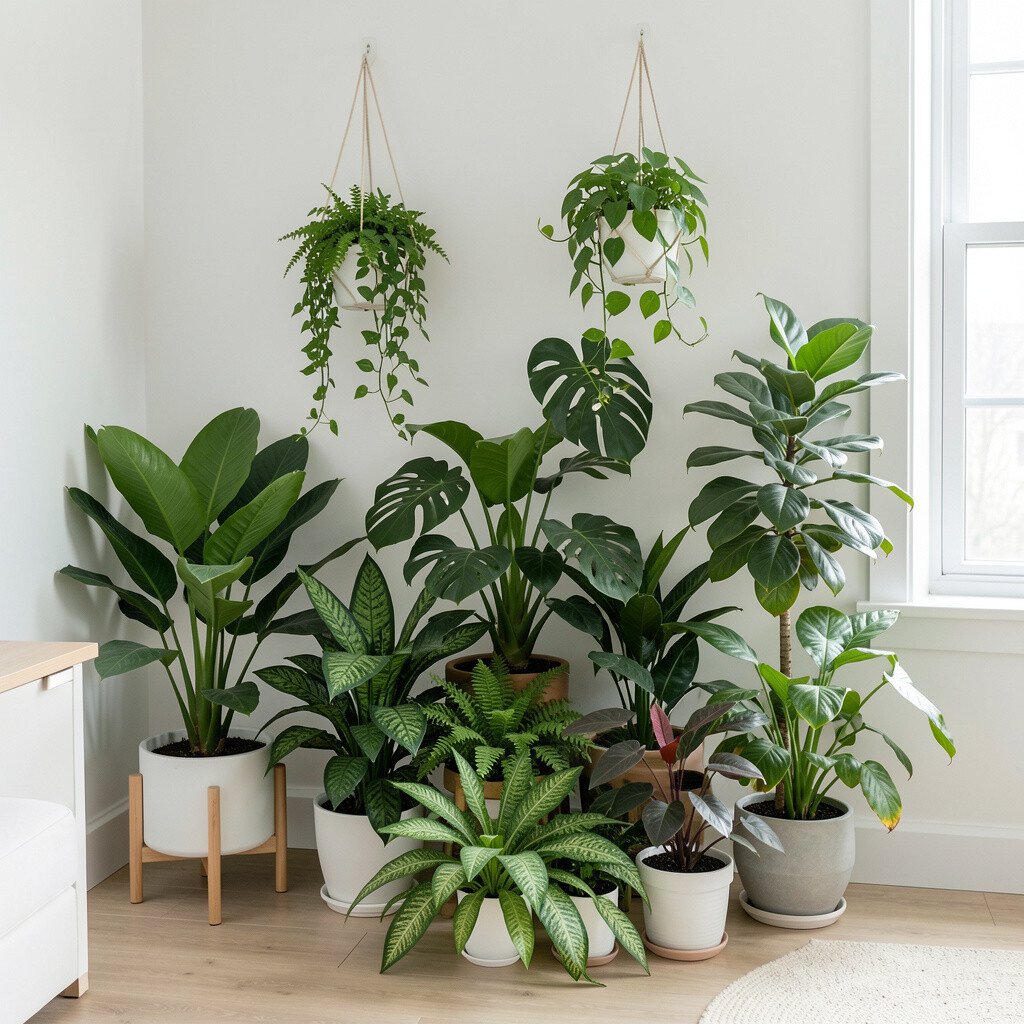
Plants bring life and a gentle sense of brightness to almost any room. In small spaces, a cluster can look intentional instead of crowded.
Choose plants with different leaf shapes so the group looks rich, like a trailing plant plus a compact upright. Place them on a shelf, windowsill, or a small stand near a light source. Rotate the plants now and then so they grow evenly and keep the display looking balanced.
To personalize, match pots to your style, like matte ceramic for calm vibes or glossy pots for a modern feel. For practical tips, group plants by watering needs so maintenance stays simple. Costs can be managed by starting with one plant you love and adding small cuttings or budget-friendly options over time.
21. Keep Surfaces Light with a Minimal Decor Rule
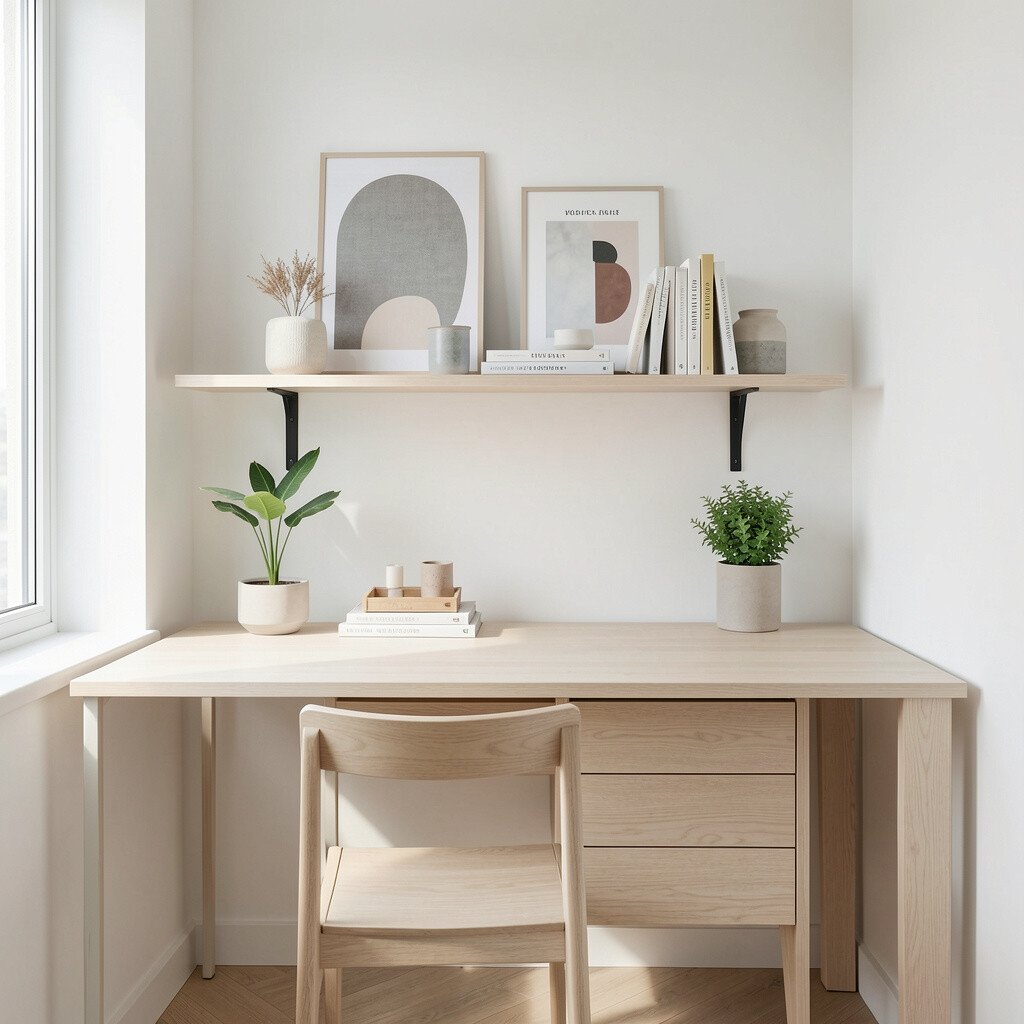
Too many small items can make surfaces feel busy and dim. A simple decor approach can make your home look brighter right away.
Pick a few statement pieces and let breathing room do the rest. For example, choose one large vase instead of several tiny ones on a shelf. This strategy helps your eye move around the room instead of getting stuck on clutter.
Personalize by selecting objects that matter, like a favorite art print, a meaningful photo, or a handmade candle. For practical tips, use trays to gather small things so they do not spread across tables. Cost considerations are easier here because you are curating, not buying everything at once.
When you do add something new, remove something else so the look stays clean and bright.
22. Style with Removable Wallpaper for Big Color Payoff
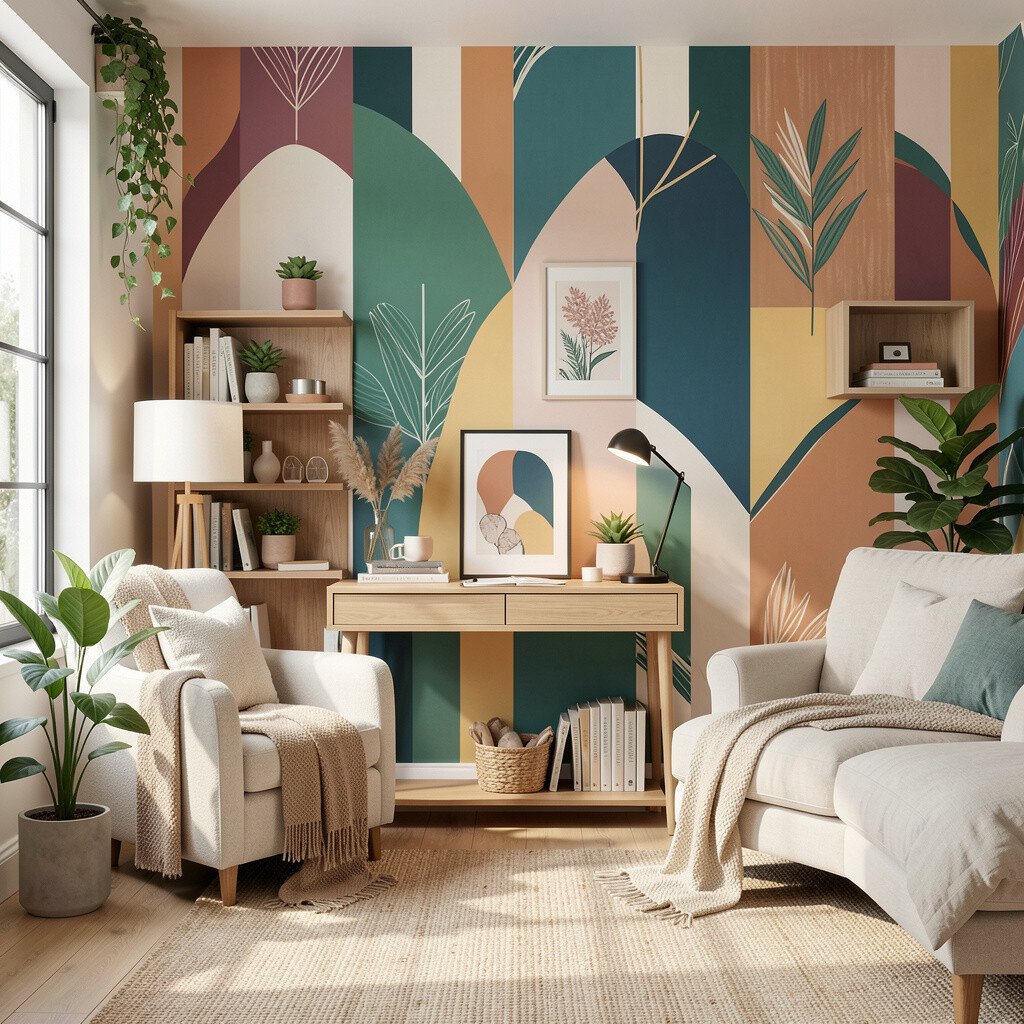
Removable wallpaper adds color without needing a long-term commitment. A small accent wall can instantly brighten a room and add modern style.
Choose patterns that feel light and airy, like subtle texture, soft florals, or gentle geometric shapes. Apply it to a narrow wall behind a desk, a dining corner, or a hallway section. This trend works well because it creates character while keeping the rest of the space open.
To personalize, pick a design that matches your palette and your daily routine. For practical tips, clean and prep the wall carefully so it sticks well and peels clean later. Cost varies by brand, but removable wallpaper is often more affordable than painting and easier to update over time.
Before applying, measure the wall and plan your pattern placement so it looks seamless and intentional.