
The numbers on a scale can feel like a scoreboard. The right system turns them into a story you can actually use.
Electric scales give you more than weight, and your habits deserve more than guesswork. With a few upgrades, you can make progress visible in everyday ways.
1. Set a Nightly Snapshot Routine
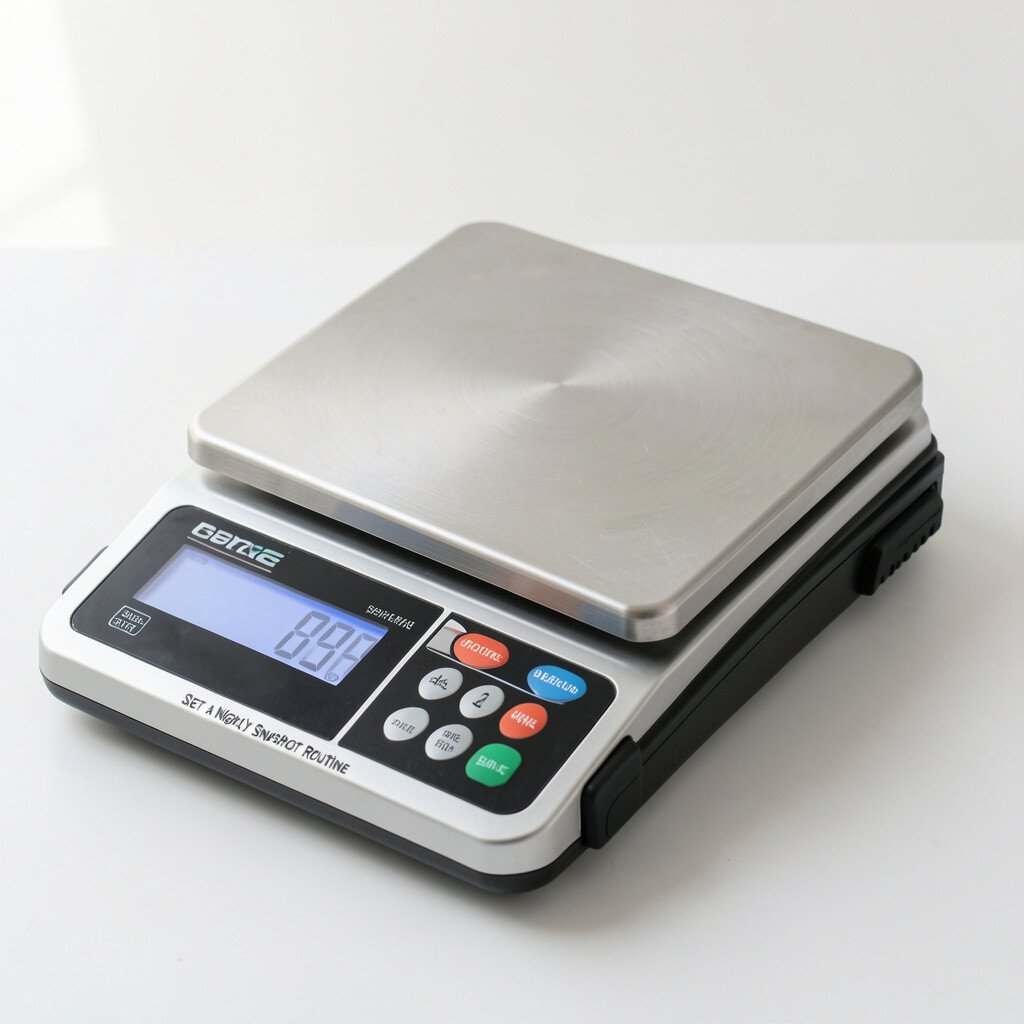
Pick a time when your body is most consistent, like after your evening routine. Stand on the scale the same way each night so the display feels familiar, not mysterious.
Write down what you see right after the reading, while the number is still fresh in your mind. Use the visual rhythm of the process, like watching the digits settle and saving the result. Over time, you’ll notice patterns instead of daily surprises.
2. Pair Weight With Morning Energy Notes
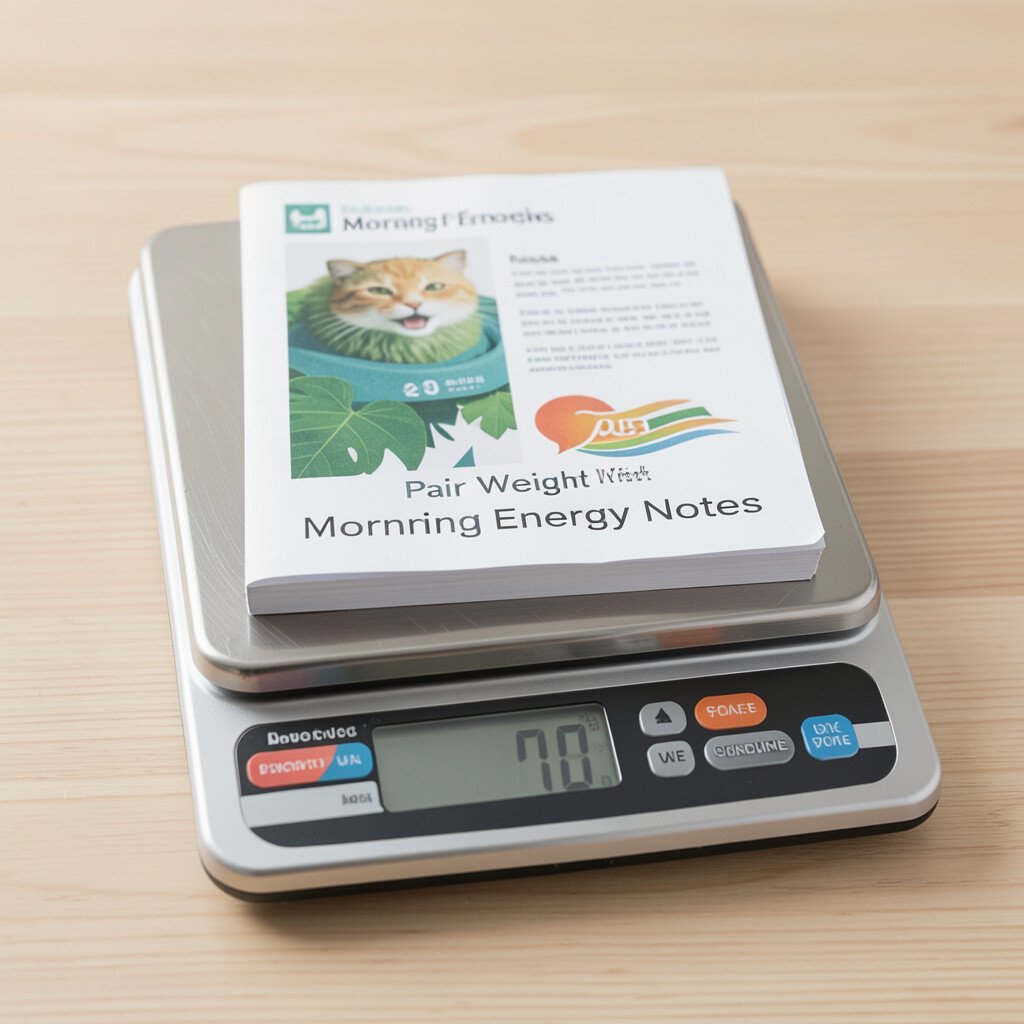
Track how you feel right after you wake up, before your day pulls you in. If your sleep was solid, your scale reading might match that steadiness.
In your notes, mention your energy, hunger, and mood in simple words. After a couple of weeks, you can compare those notes with your trend, which makes your progress feel more personal.
Try adding a quick visual cue, like a color label for days that felt strong or heavy. That way, your data becomes easier to understand at a glance.
3. Measure Body Fat Percentage With a Fair Mind
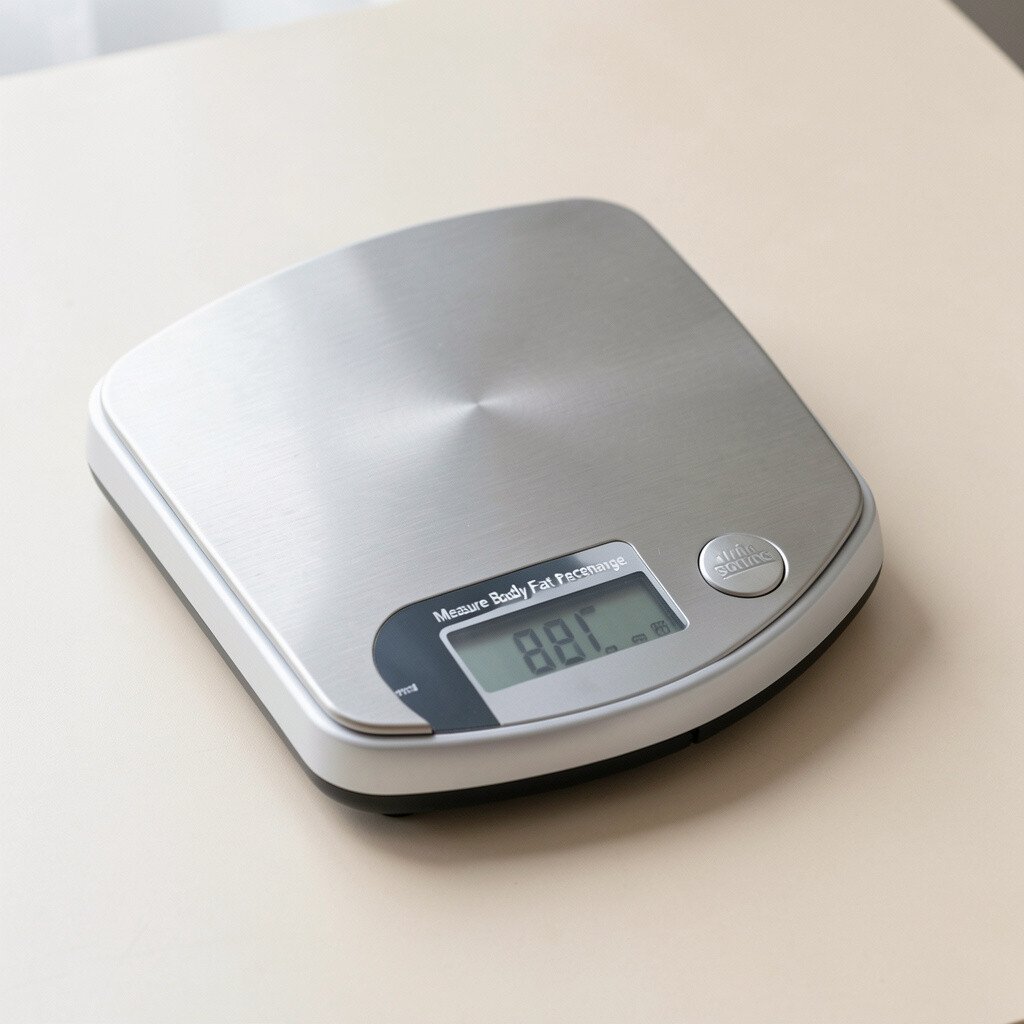
Body fat estimates can be visual, because the number often jumps when you’re dehydrated. It’s helpful to remember that the reading is an estimate, not a perfect truth.
Use it as a direction marker rather than a daily verdict. When your hydration is stable, the body fat trend usually behaves more calmly.
To keep it practical, take readings under similar conditions, like after using the restroom and before eating. If you notice odd swings, give it a few more days before making big conclusions. That steady approach can save you stress.
4. Turn Water Intake Into an Electric Scale Companion
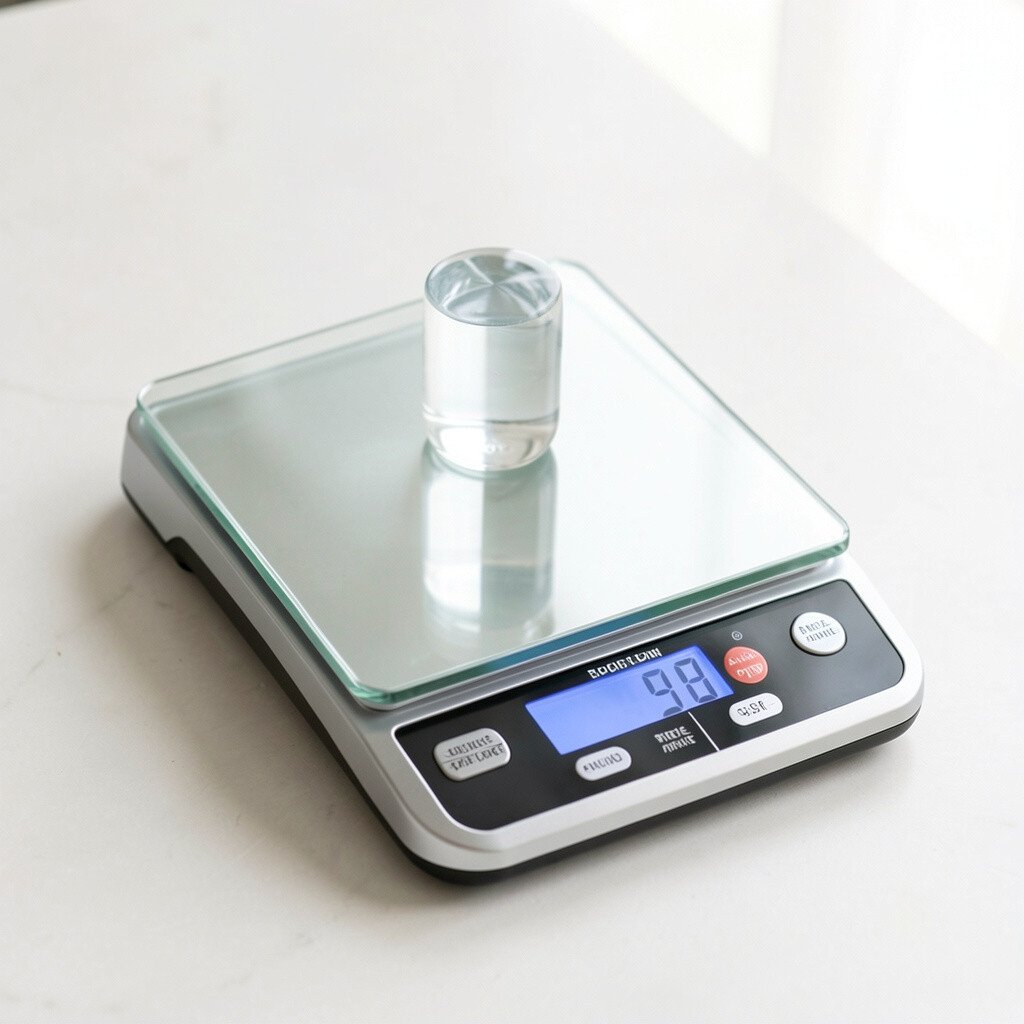
When you drink more water, the scale can react, and your brain deserves a ready explanation. Watch how your readings change after days when you stay consistently hydrated.
Set small reminders to sip during the day so the change feels smooth. You’ll build confidence when the numbers line up with what you already did.
5. Track Trends, Not Single-Day Drama

You don’t need to trust one reading like it’s a final grade. Instead, treat your week like a short movie where each day is a scene.
When you look at your pattern, you’re more likely to stay calm and consistent. Use a simple running view in an app, or make a small spreadsheet you can open in seconds.
If you want a visual feel, circle the average of the week rather than every single day. That makes the story of progress easier to read.
6. Use the Scale’s User Profiles for Family Consistency
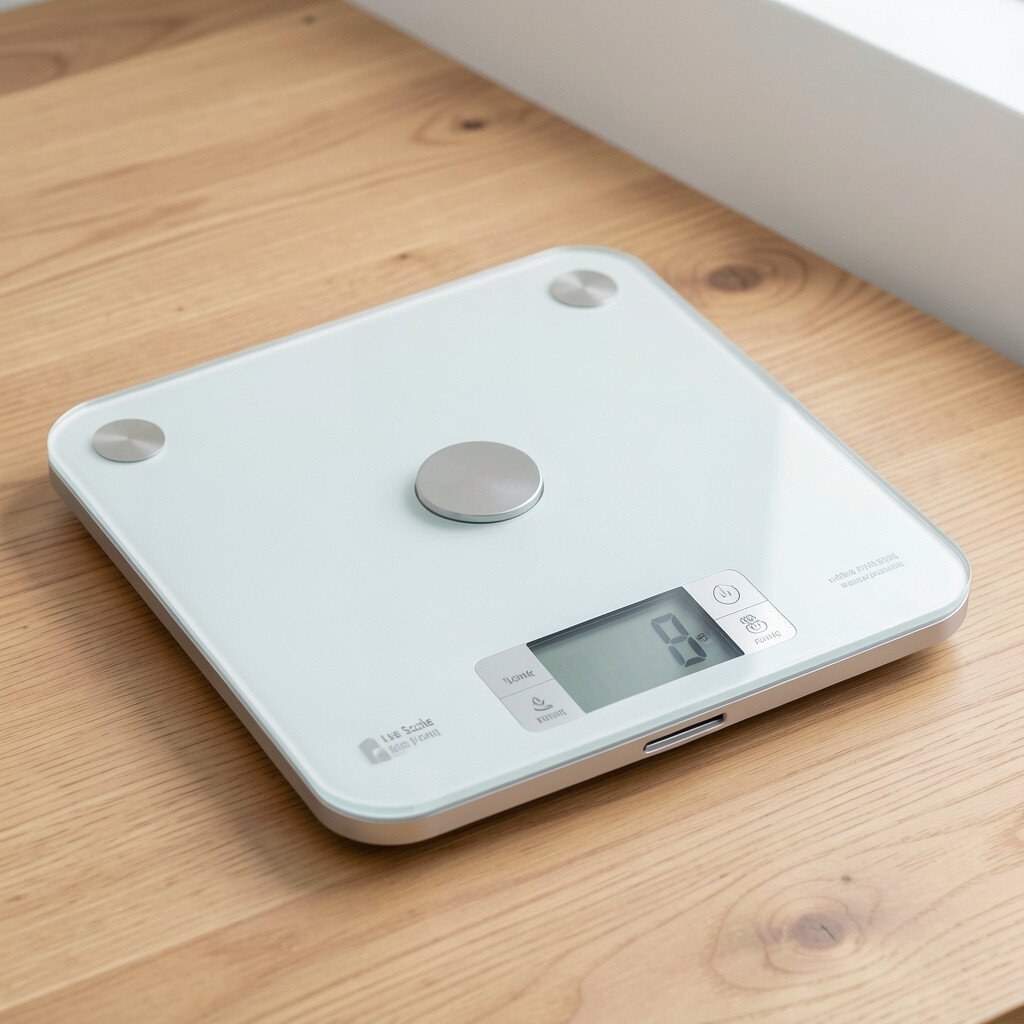
Electric scales often support multiple profiles, and that’s a gift for households. Set up separate users so you’re not mixing readings by accident.
It’s also a fun way to compare routines without comparing people. You can spot which habits support steadier numbers for each person.
Label the scale spot in your bathroom so everyone knows where to stand. Small setup tricks reduce chaos and help your data stay clean.
7. Record Waist Circumference Alongside Weight
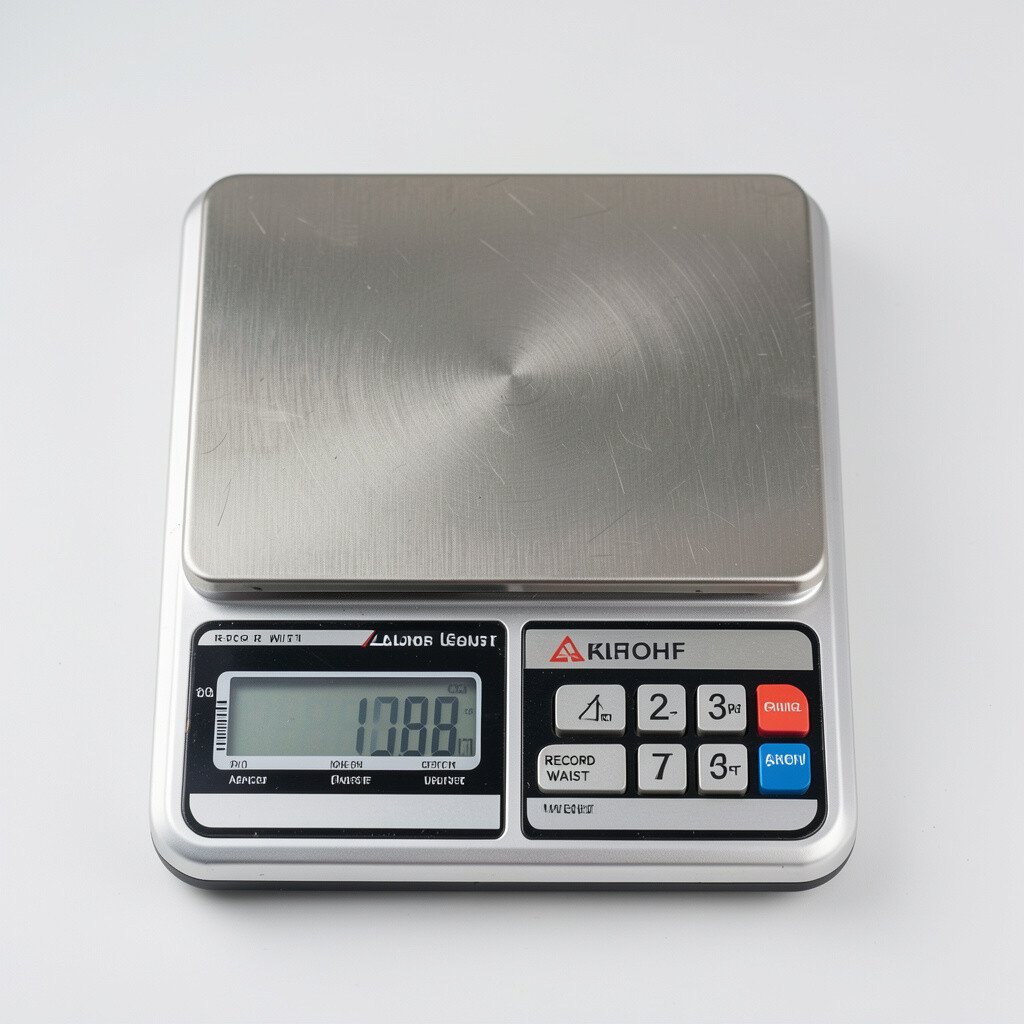
Weight tells one part of the story, but waist measurement adds the shape detail. Wrap a flexible tape around your waist at the same spot every time.
When your clothes feel different, the tape reading gives you a visual confirmation. Even if the scale moves slowly, your waist might shrink as routines improve.
Try pairing measurements with a consistent day, like midweek, so you’re comparing similar moments. Take a photo of the measuring position in your mind, not for anyone else, just to keep your technique steady.
8. Use Trend Lines to Match New Training Weeks
Starting a new workout block can change your body before it changes the scale. Muscles hold onto water after training, and that can make the digits look stubborn.
When you plot trends, you can see the bigger shift after the adaptation phase. Pair your scale timeline with your training dates so the “why” becomes clearer.
9. Watch Morning Weight Changes After Sleep Quality
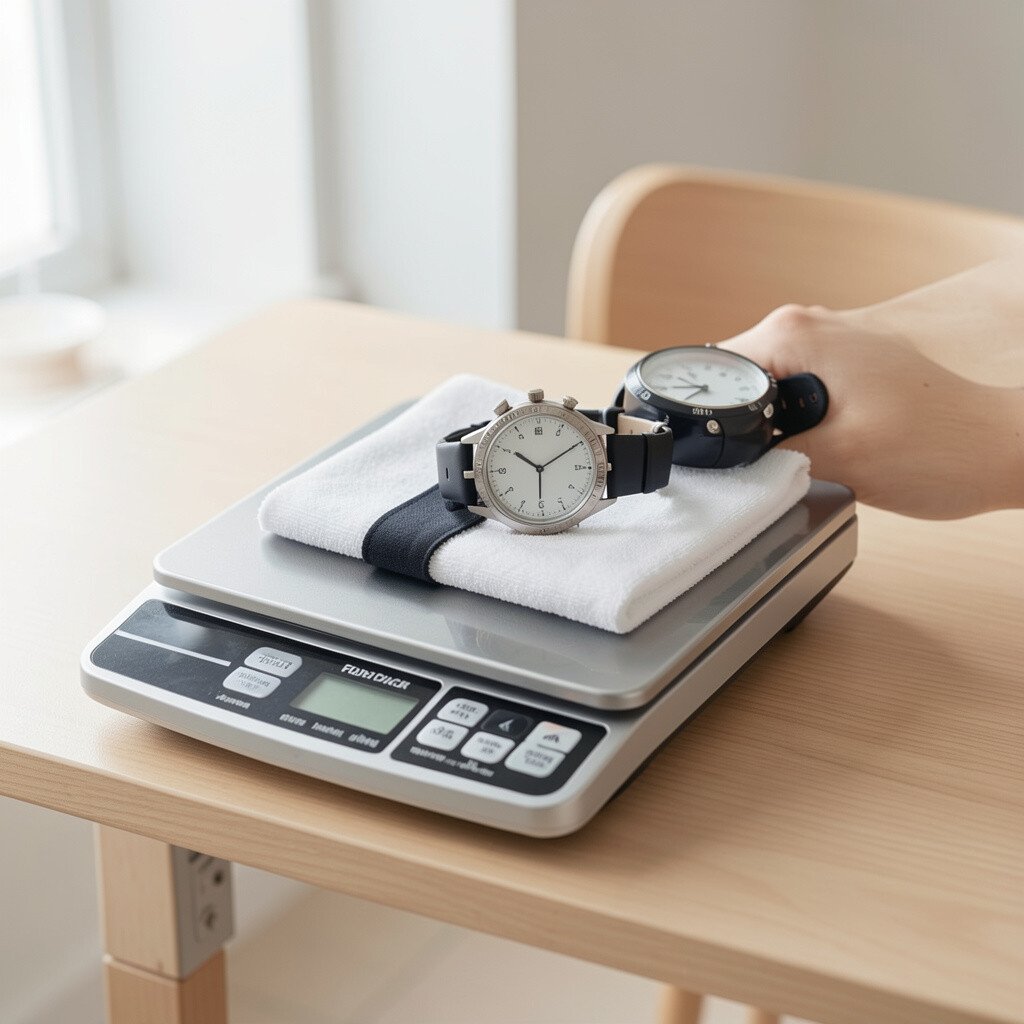
Sleep affects hormones, hunger, and even water balance. If you sleep less, your weight reading may feel heavier the next morning.
Keep a simple sleep rating in your notes, like short, okay, or great. Over time, your scale trend can become a friendly reminder to protect your rest.
Make it practical by writing your sleep note right next to your reading. That way, you can connect dots without extra work.
10. Track Readings After Different Meal Patterns
Different meals can shift salt and water levels, and the scale may react. If you try a new eating routine, track the days right after you make changes.
Keep your notes simple by writing what stood out, like a higher-salty dinner or a lighter lunch day. Your future self will love having context when the numbers look surprising.
11. Use Muscle Gain Goals With Performance Checks
If you lift or do strength work, weight alone can mislead you. Muscle gain can happen even when the scale doesn’t drop quickly.
Pair scale tracking with performance notes, like how many reps you did or how strong a movement felt. You’ll build a clearer picture of progress that matches what you actually do in the gym.
For personalization, choose one or two exercises you track consistently. When your performance improves, you can interpret scale changes with more confidence.
12. Choose One Scale Location and Keep It Still
Where you place your electric scale matters, especially on uneven flooring. Move it to a flat, sturdy spot and avoid relocating it week to week.
Place it on the same surface each time, and keep a mat or no mat the same way. You’ll see steadier numbers, and your tracking becomes easier to trust.
13. Monitor Meter-By-Meter Changes in Your Body Composition
Body composition readings can offer a visual “before and after” feel. Even small changes can show up as gradual shifts over time.
Instead of chasing a single number, notice how multiple metrics move together, like fat estimate and water-related values. That gives you a more balanced view of your progress.
To personalize, focus on the metrics that match your goals, like leaning out or improving recovery. If a metric feels too jumpy, use it lightly and rely more on the trends you can control.
14. Add a Weekly Check-In With Stress Levels
Stress can raise cravings and disrupt sleep, and that can move your weight too. When you track stress, you’re giving your body a voice in your data.
Use gentle categories like low, medium, or high, written in a couple of words. Then compare those notes with your weekly average so you can spot patterns without overthinking.
15. Use Clothing Fit as a Visual Scale
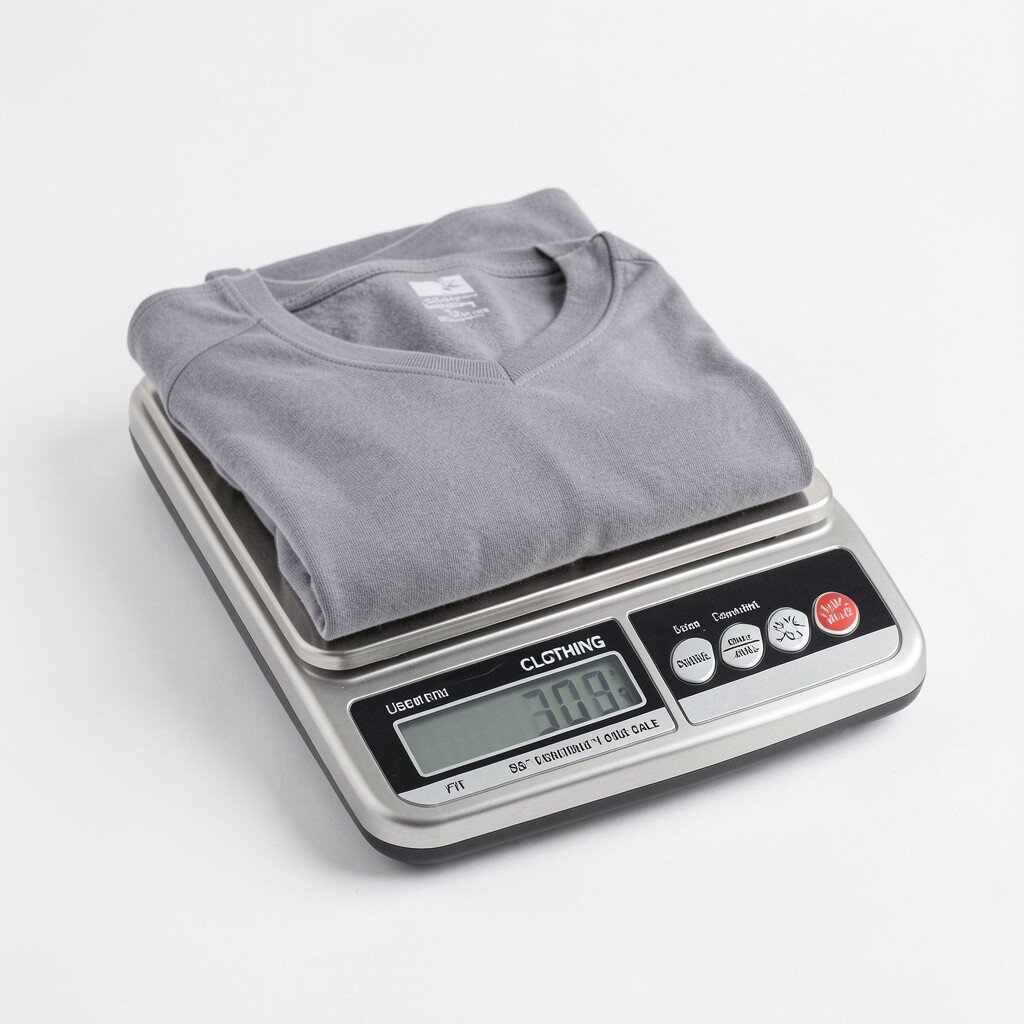
Your clothes are a real-world dashboard that the scale can’t fully replace. Pick one pair of pants or a favorite belt that shows change clearly.
Measure how they fit by noticing tightness at the waist or comfort when sitting. When the scale feels slow, clothing changes can still confirm your progress.
For a practical method, track one moment per week, like how they feel after you eat lunch. That’s a simple way to connect the numbers to real life.
16. Compare Readings After Strength Training vs Rest Days
Training days can shift water balance, and rest days can show a calmer trend. If you lift, try reading the scale on both types of days under similar conditions.
Keep your routine consistent so you can tell what’s normal for your body. When you see the pattern, you’ll stop panicking at training-week spikes.
To personalize, pick a consistent training schedule that you can repeat weekly. Consistency makes your interpretation much easier.
17. Set Monthly Goals Based on Your Real Pattern
When you look at your past trend, you can set a goal that fits your pace instead of copying someone else’s plan. Your electric scale data can guide a realistic monthly target.
Choose a goal that supports consistency, like improving weekly averages or reducing fluctuations. That kind of goal feels achievable and encourages steady wins.
Account for life events by adjusting your expectations on weeks that include travel or late nights. Your plan should bend with reality, not break at the first curveball.
18. Use Calibration and Battery Checks to Avoid Weird Numbers
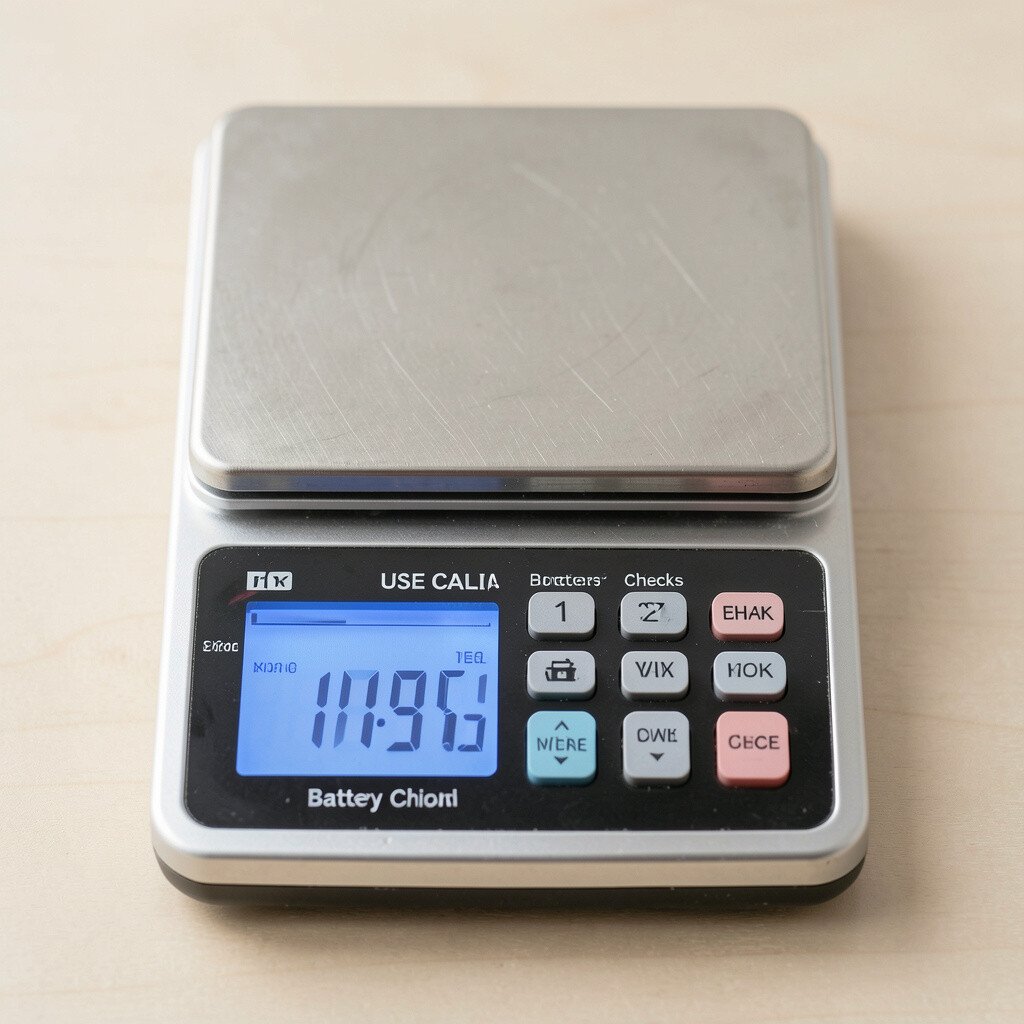
Sometimes the scale surprises you because it’s not getting the readings it should. Check the battery and keep the scale clean so sensors can work properly.
Calibrate if your model supports it, and place it on a stable surface every time. When your setup is reliable, the data becomes much more useful for decision-making.
19. Build a Color-Coded Progress Wall in Your Own Way
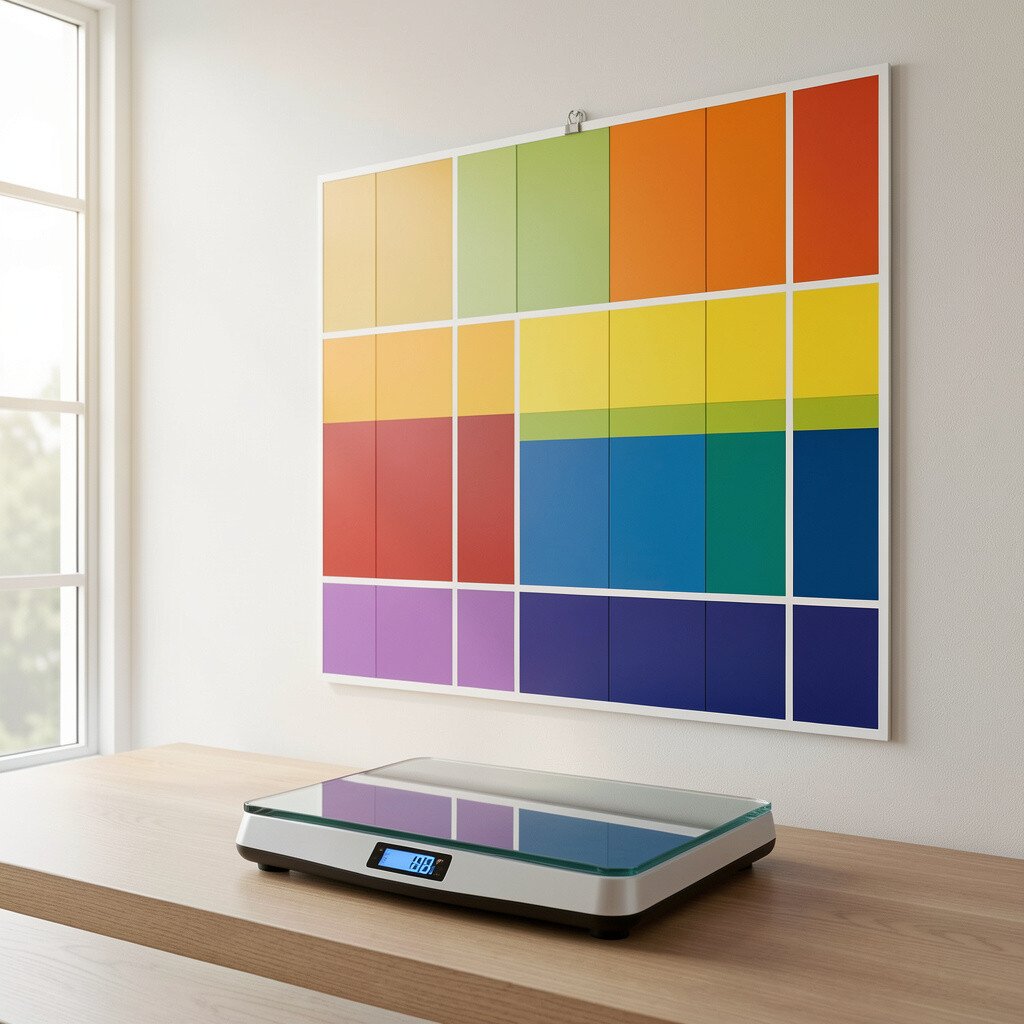
A visual progress wall can make tracking feel exciting instead of stressful. Print or write your weekly averages and mark them with colors you can recognize fast.
Use one color for “steady,” another for “up,” and a third for “down,” and adjust them based on what your body typically does. This turns your electric scale trend into something you can feel in your space.
If you like tech, take a quick photo of the wall each month and store it in a folder. That simple habit builds motivation because you can look back and see change with your own eyes.