The best care often starts with small changes that feel surprisingly personal. When routines shift, the whole ward can breathe easier.
Before long, those shifts show up in calmer days, clearer teamwork, and better patient comfort. Here are practical activity ideas nurses can use to move from “trying” to “thriving,” while keeping things realistic and budget-friendly.
1. Sunrise Warmth Rounds

Before, shifts can feel rushed, with everyone grabbing supplies and heading out fast. After, you set a gentle tone with short, friendly rounds that focus on comfort and readiness.
Picture it: soft lights in the room, a quick check-in at the bedside, and one encouraging line to help a patient feel seen. You can keep it simple by asking about pain, warmth, and rest, then acting right away on the small things that matter. Patients often respond well when the first touch feels human, and staff tend to feel less tense because the plan is clear and shared.
2. Bedside Storytime for Recovery

Before, distractions are often random, like a TV left on too loud or a phone handed over without guidance. After, you pair a calm story with small comfort actions so the whole room settles.
Imagine a nurse bringing a thick book or a printed short story card and reading softly while offering guided breathing or a relaxed repositioning. The benefit is twofold: patients stay calmer, and nurses gain an easy way to support rest without extra materials. A unique angle is letting patients choose the genre, like cozy mysteries or gentle poems, based on what fits their mood.
To keep it practical, prepare a small “story shelf” in the break room with donated books and some large-print pages for easier reading. Personalize by matching the story theme to the patient’s goals, like home routines or a past hobby. If budget is tight, swap books among coworkers or use free audiobooks on a personal device with headphones.
3. Quiet Lighting and Wayfinding Reset

Before, rooms may rely on overhead lights and busy signage, which can overwhelm people who feel sensitive or tired. After, you do a fast lighting and layout reset to reduce stress signals.
Think of the scene: warmer lamps, dimmer glare, and a clear path from door to bedside with items placed in the same spot each time. Patients benefit because the environment becomes easier to navigate, and families feel calmer because they can find things without asking again and again. Staff benefit too, since fewer misunderstandings mean smoother care flow during busy moments.
You can personalize it by letting the patient pick the light level and choosing a consistent “left-side comfort zone” for essentials like water, call button access, and tissues. For cost considerations, use adjustable lamps if available or simple bulb swaps, and use existing labels or paper signs in neat handwriting. Keep up with current trends by leaning toward sensory-friendly care, which many hospitals now support through staff education and environment adjustments.
4. Huddle-Then-Help Microplans

Before, handoffs can become long and confusing, and important needs may get lost in the rush. After, you use a short huddle and a tiny microplan so everyone knows what “help” looks like today.
Picture this: a five-minute check-in at the workstation, then a visible plan for who checks vitals first, who helps with mobility, and who prepares discharge steps. The benefits show up fast because tasks get matched to the right person, and patients get fewer delays. It also feels unique when the microplan includes one kindness action, like a comfort snack check or a quick call to the family.
5. Personalized Mobility Playlist
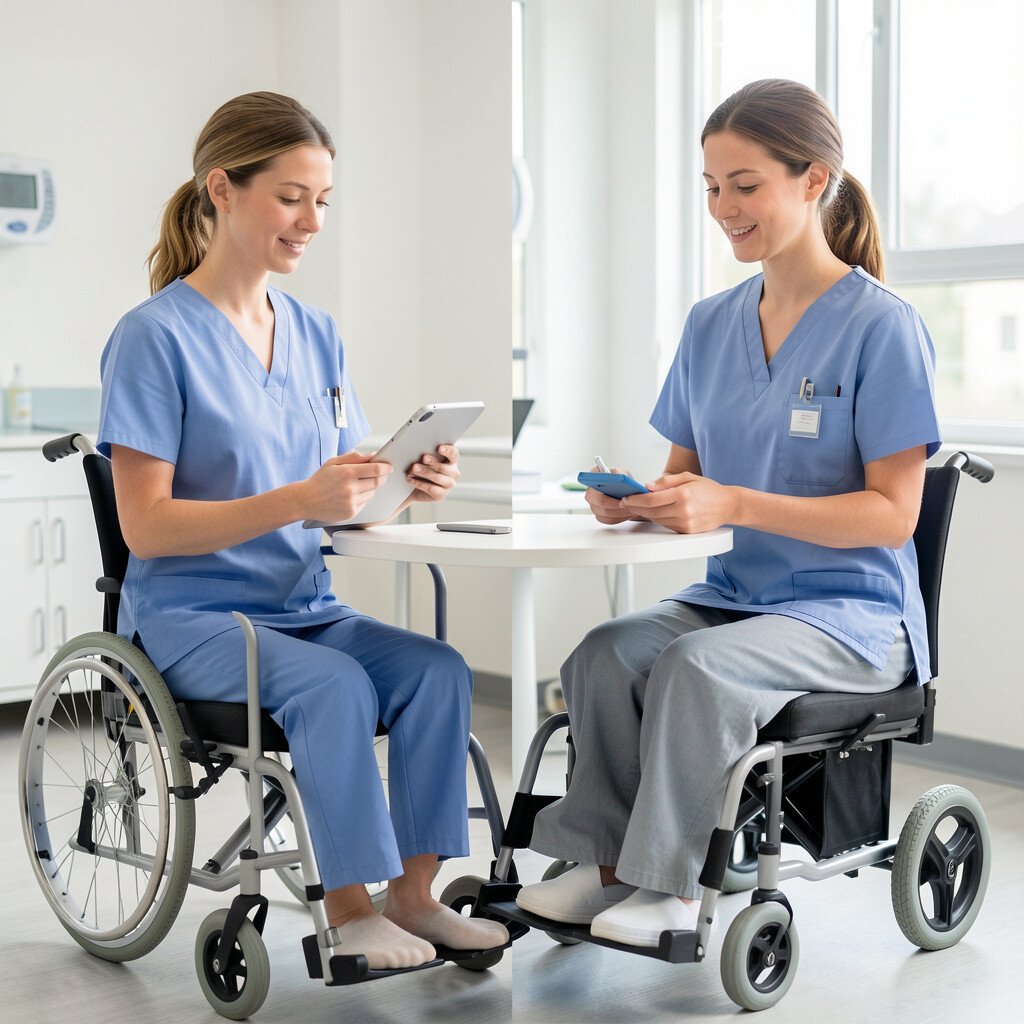
Before, walking or range-of-motion exercises happen with no soundtrack, and some patients feel discouraged or restless. After, you use a mobility playlist to make movement feel safer and more motivating.
Imagine the calm rhythm of a patient’s favorite music playing softly while the nurse guides a slow walking loop or gentle exercises. The visual is simple but powerful, like earbuds, a bedside speaker, and a nurse counting steps with a relaxed smile. Patients benefit because music can reduce anxiety, improve mood, and make time feel less scary.
You can personalize by asking what kind of songs the patient likes, then creating a quick list saved on a phone or small device. For practical tips, keep volume low, choose familiar songs, and stop when the patient seems fatigued or overstimulated. Cost considerations are friendly here since you can use free streaming on staff devices or share playlists among coworkers, as long as your unit follows device rules.
6. Aftercare “What You’ll Do Next” Cards
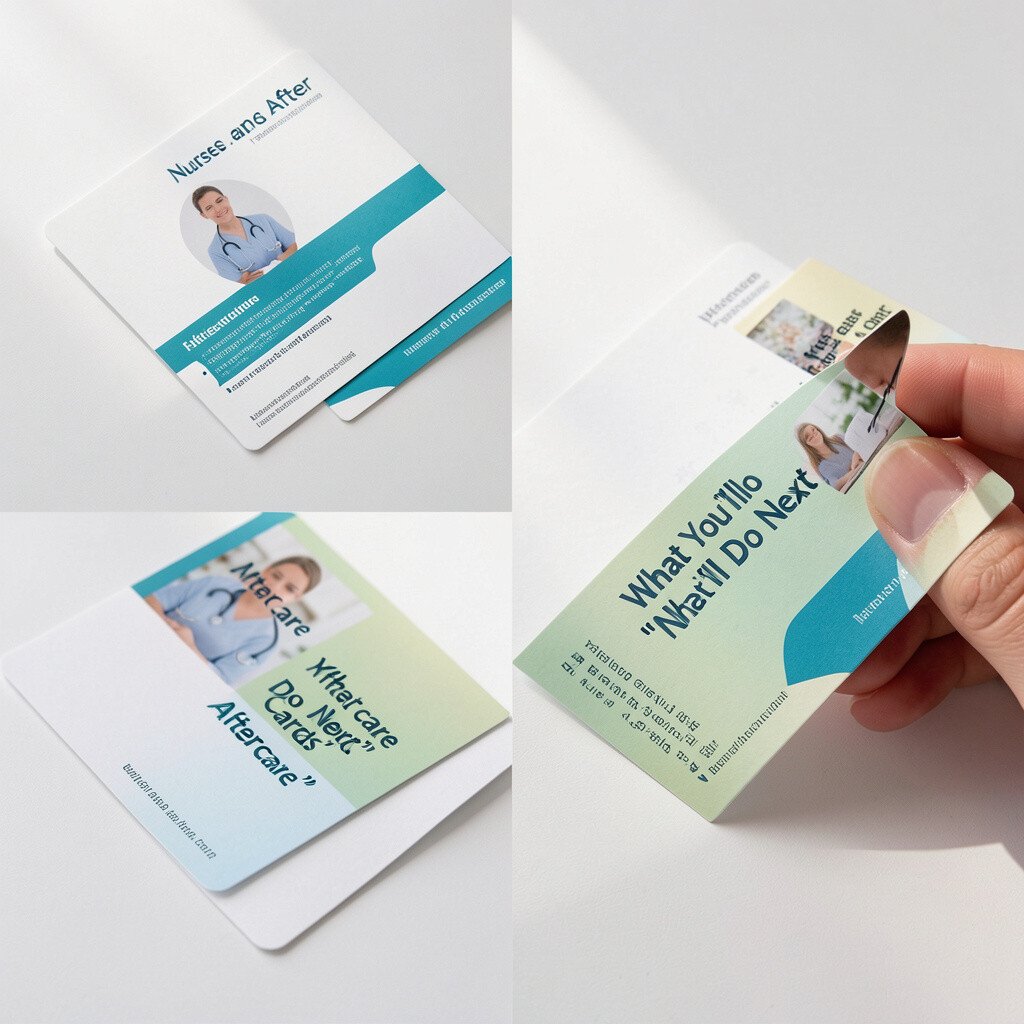
Before, patients may leave appointments with questions that keep popping up later at home. After, you use small aftercare cards that make the next steps feel clear and doable.
Picture the card in a patient’s hand, with simple wording and helpful reminders about meds, follow-ups, wound care, or mobility goals. The benefits are real: fewer confusion points, more confidence, and smoother transitions from hospital to home. It’s uniquely effective when each card is customized to the patient’s plan, like tailoring wording for someone who prefers short sentences or visual check marks.
To keep it practical, use a reusable template and adjust only the important items each shift. Personalize by adding the patient’s goal in plain language, such as “walk to the window with help” or “sit up after meals.” For cost considerations, print on plain paper and reuse a neat binder sleeve, then ask the unit to stock folders for discharge.
7. Comfort Goal Boards at the Bedside

Before, goals are often talked about once and then forgotten when the day gets busy. After, you use a small comfort goal board so the patient sees progress right where they need it.
Imagine a small board near the bed with simple magnets or cards showing pain goals, hydration goals, sleep routines, and mobility milestones. Patients benefit because the goals feel real, not just spoken, and families can help with the plan without guessing. The uniqueness comes from focusing on comfort, not only tasks, so the care feels more personal and less mechanical.
You can personalize it by letting the patient choose which comfort items matter most, like “less nausea,” “more rest,” or “less itching.” For practical tips, keep goals short, update them daily, and celebrate small wins like “tolerated walking today.” Cost considerations are manageable since you can use a clipboard, poster board scraps, or even laminated paper sheets reused each week.
8. Warm Hand Massage with Consent Check

Before, some patients go long stretches without gentle touch beyond medical tasks. After, you offer a quick warm hand massage with clear consent and comfort-focused timing.
Picture warm lotion in a small bottle, a towel under the hands, and a nurse rubbing slowly while watching the patient’s face for comfort cues. The benefits are gentle but meaningful, like reduced anxiety and improved relaxation, plus a stronger sense of trust. It feels unique because it treats touch as part of healing, not an extra frill.
To keep it practical, use supplies already common on the unit, like lotion or a warmed compress if allowed, and always confirm consent first. Personalize by letting patients pick the scent-free option or choosing between light or firmer pressure. Cost considerations stay low when you use small pump bottles and keep hygiene steps strict, especially with infection control policies.
9. Friendly Call-Back for Missed Needs

Before, patients may wait for follow-ups and feel worried that their request is forgotten. After, you set up a quick call-back rhythm to check in on items that were requested but not finished.
Imagine a simple note system: the nurse writes a brief request list during rounds and returns within a short, realistic window to confirm what’s done. The benefit is straightforward, patients feel heard, and nurses feel more organized because requests don’t vanish. It’s also unique when you personalize the tone, using the patient’s words like “you said you felt chilly” or “you mentioned your legs felt heavy.”
For practical tips, combine the call-back with a routine task like vitals, hydration, or repositioning so it doesn’t feel like extra work. Personalize by asking if they want a quick check or a full update, depending on energy levels. For cost considerations, you just need a small notepad or phone notes, so it fits almost any budget.
10. Mobility “Win of the Day” Moments
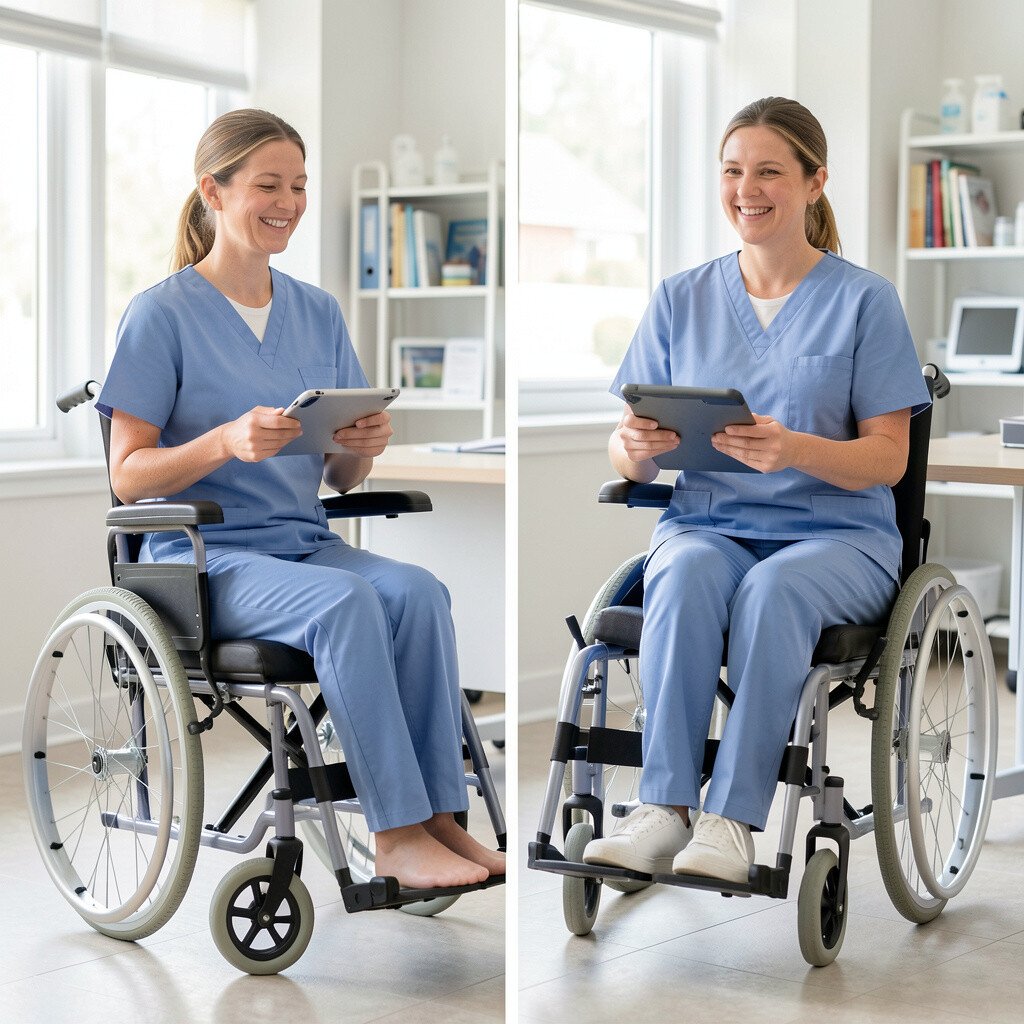
Before, mobility goals can feel like a checklist, which makes patients feel pressured. After, you shift to celebrate small movement wins so effort feels rewarding.
Picture a nurse doing a calm high-five or a thumbs-up when a patient stands up with support or takes a few steps. The benefits include better motivation and improved confidence, especially for patients who fear falling or feel embarrassed. It’s uniquely encouraging when you track wins that aren’t just walking, like sitting up longer or using the incentive spirometer properly.
To keep it practical, use a simple chart on the unit whiteboard or in a care plan note with the exact win and a supportive line for next time. Personalize by asking what kind of celebration fits the patient, like a quiet compliment, a sticker, or a short conversation about their favorite sport. Cost considerations are minimal since the main resources are attention, encouragement, and consistency.
11. Family Partner Comfort Scripts

Before, families may feel unsure how to help, and staff may end up repeating the same guidance. After, you give family partners simple comfort scripts that guide them gently.
Imagine a nurse meeting the family briefly and handing them a one-page script with phrases for reassurance, comfort positioning, and asking about needs. Families benefit because they know what to do and how to say it, which reduces stress and tension during recovery. The uniqueness is in the tone, because scripts can include warm, respectful words that match your unit style.
To keep it practical, create two or three short versions for different situations, like pain comfort, meal encouragement, or post-procedure rest. Personalize by adjusting the script to the family’s language needs and health literacy level, using simpler wording when needed. For cost considerations, it’s mostly printing and organizing, and you can reuse the same sheets across shifts with updated dates.
12. Nighttime Calm Routine with Step Timing

Before, nighttime care can feel unpredictable, and the room stays active when patients want rest. After, you build a consistent nighttime calm routine with clear step timing.
Picture the same sequence each evening: lights dimmed, conversation kept gentle, care tasks clustered, and the call light placed within easy reach. Patients benefit because their bodies learn the rhythm, which can improve sleep quality and reduce agitation. It’s unique when you include comfort checks like thirst, temperature, and repositioning at predictable times.
For practical tips, coordinate with the team so noise stays low, drawers close softly, and alarms are checked early. Personalize by asking the patient if they want quiet music, a specific clock setting, or a bedtime reading habit. Cost considerations can be very low since routines mainly use coordination, and any extra items like low-volume music players can follow unit policy.
13. Skill Micro-Tutorials During Breaks

Before, new techniques can feel hard to learn because the training only happens once. After, you use short micro-tutorials during breaks that keep skills fresh.
Imagine a quick demonstration on a practice pad or a friendly peer coaching moment between tasks, with everyone watching and then trying once. The benefits include better confidence, fewer mistakes, and smoother teamwork because people remember steps more clearly. It feels unique when micro-tutorials focus on patient-friendly habits too, like how to explain procedures in plain language.
To keep it practical, pick one small skill each week, keep sessions short, and rely on skills already used in your unit. Personalize by choosing tutorials that match staff needs, such as IV line care basics or safe transfer reminders. For cost considerations, most practice materials can be borrowed from training supplies, and many units already have competency check resources.
14. Art-Choice Distraction for Waiting Times
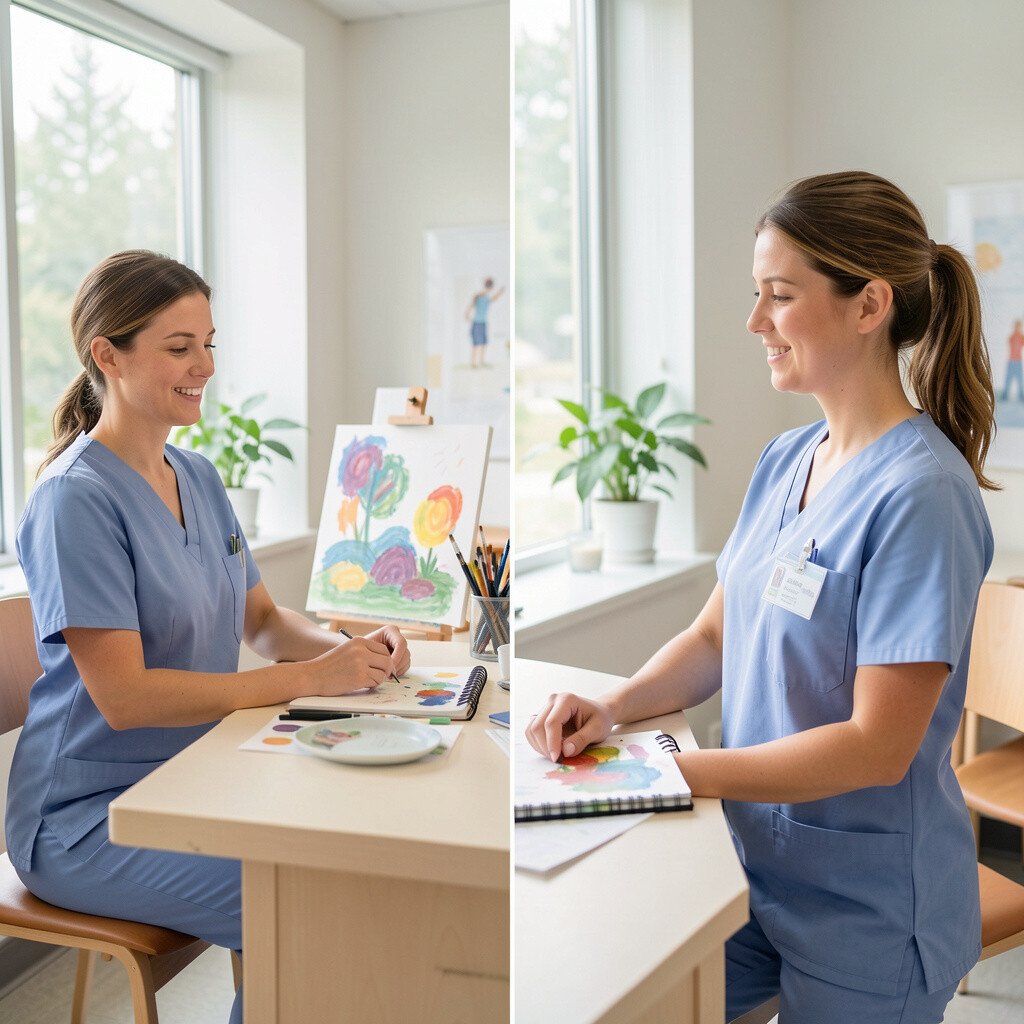
Before, waiting can feel like wasted time for patients and families, and boredom can turn into anxiety. After, you offer an art-choice activity that keeps hands busy and minds calmer.
Picture small art kits on a tray, like coloring sheets, simple word puzzles, or cut-and-paste paper shapes with safe scissors. Patients benefit because focus shifts away from discomfort, and engagement can make procedures feel less intimidating. The uniqueness comes from choice, because people relax more when they pick the activity that matches their mood.
For practical tips, stock a range of difficulty levels and keep supplies sanitized between uses. Personalize by tailoring themes to interests, like seasons, animals, or local places, and by asking patients what they enjoy. Cost considerations are friendly since you can print pages for free or cheap and reuse kits with washable items.
15. “Ask Me Three” Communication Practice

Before, patients might ask many questions at once, and important details get mixed together. After, you practice a gentle “ask me three” approach that helps patients feel in control.
Imagine a nurse sitting at eye level and saying, softly, “Pick your top three questions for me today.” The benefit is that conversations become calmer, more organized, and easier to remember later. It’s uniquely helpful when you use patient-friendly language and repeat answers in a short, steady way.
To keep it practical, remind patients early in the shift and write down their questions so nothing is missed. Personalize by allowing the patient to select whether they want quick answers or detailed explanations, based on energy levels. For cost considerations, you only need a pen and a small note space, making it easy for any unit.
16. Hydration Buddy with Visual Cups
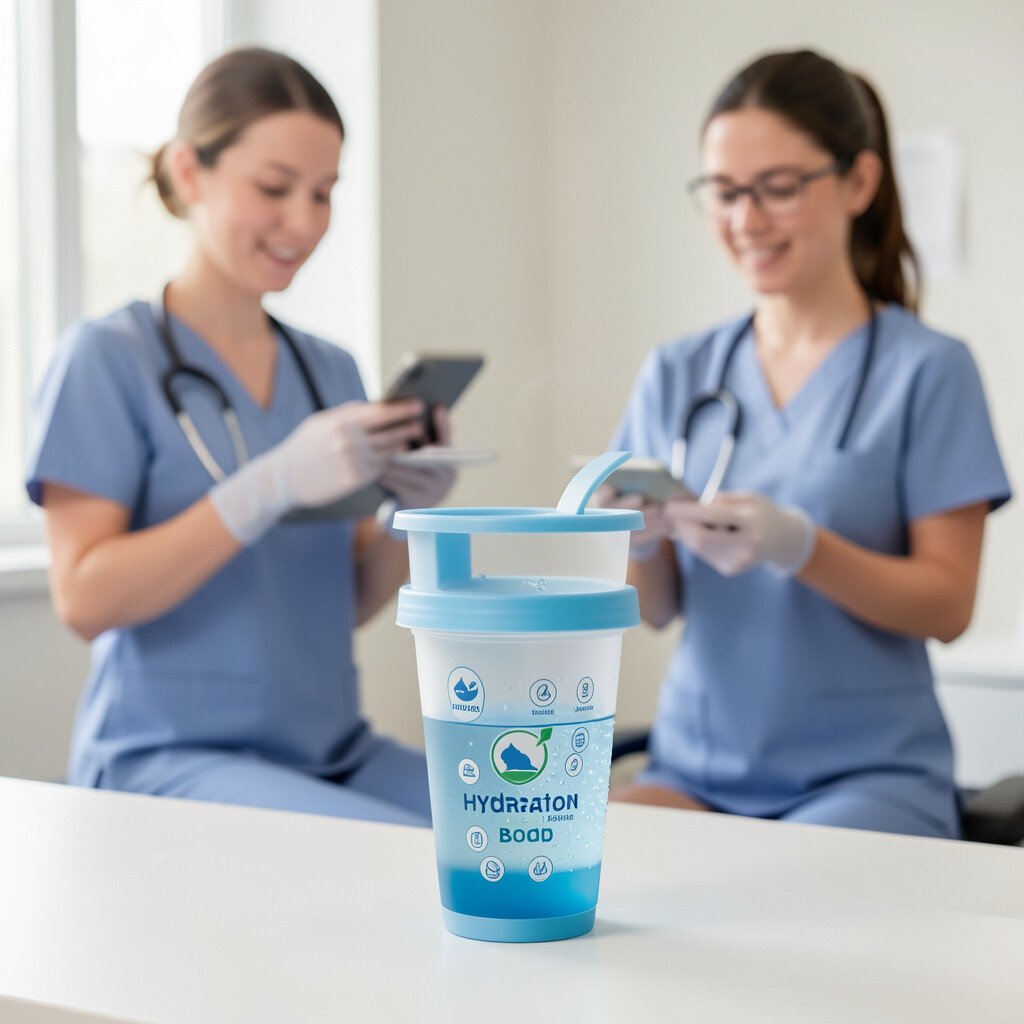
Before, hydration can slip because patients forget to drink, or the cup is hard to reach. After, you set up a hydration buddy routine with visual cups and gentle prompts.
Picture a bright, labeled cup near the bedside with a small visual guide for progress and a reminder timed with meals or medication rounds. The benefits include improved comfort, fewer headaches or dry mouth issues, and better overall recovery energy. It’s unique when the nurse uses the patient’s preferences, like warm water or ice chips, while keeping the plan aligned with care orders.
For practical tips, measure only when required by your unit, then track progress in a simple, consistent way. Personalize by letting the patient choose a cup color or style, which makes hydration feel more friendly than medical. Cost considerations stay low because you can use clear cups, washable markers, and existing supplies while following infection control rules.
17. After-Handoff “One Sentence Story”

Before, handoffs can sound like a checklist of tasks without the patient’s voice. After, you add an after-handoff “one sentence story” that keeps the patient human in everyone’s mind.
Imagine the last part of a handoff being one short sentence like how the patient prefers communication, what comforts them, and what worries them most. The benefits include stronger empathy and better consistency in care, since everyone shares the same main idea. It feels unique when the story sentence is chosen by the patient or reflects something they said earlier.
To keep it practical, keep the sentence brief and repeatable, and make sure it doesn’t add extra time to the workflow. Personalize by rotating who helps choose the sentence, so some days it comes from the patient and some days it comes from family notes. Cost considerations are basically zero since it relies on shared language, not supplies, and it supports current trends toward patient-centered communication.
18. Before-to-After Personal Progress Wall
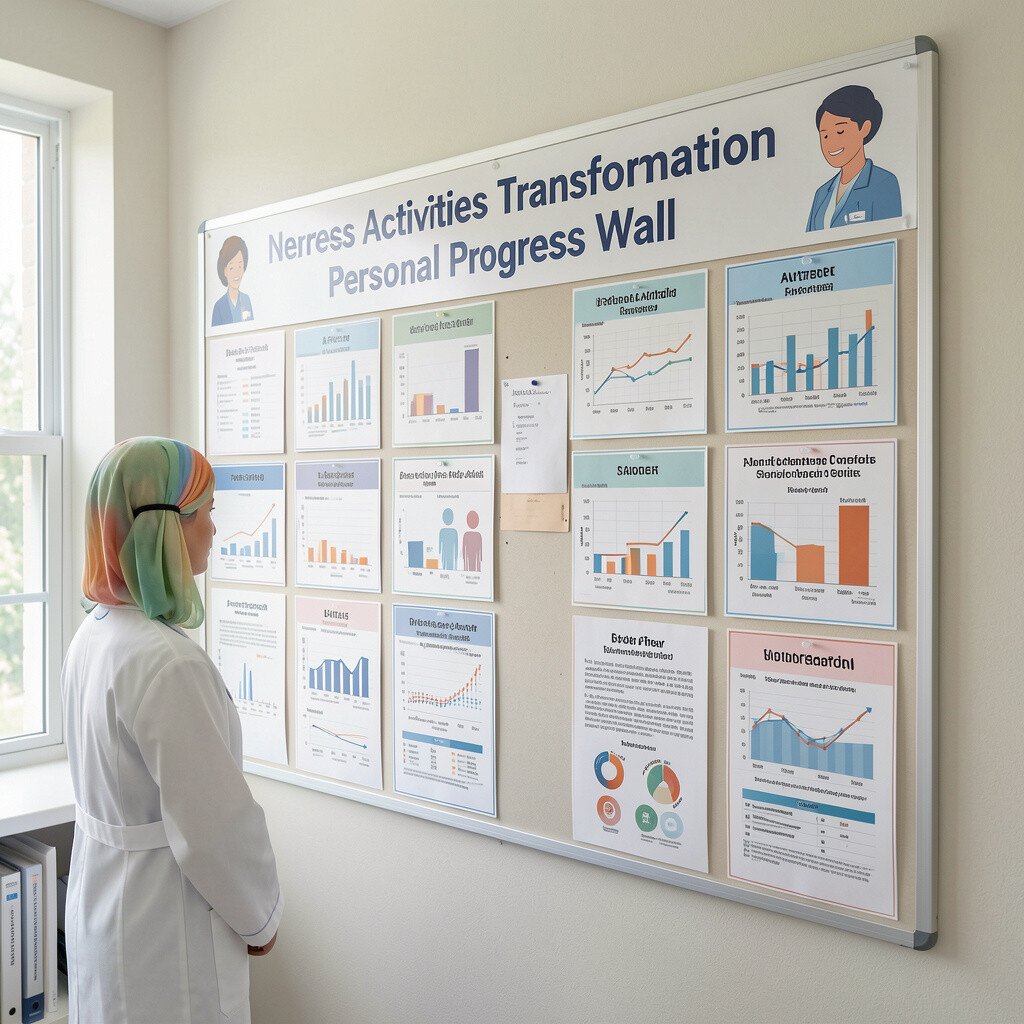
Before, progress can be hard to feel because recovery happens in small steps. After, you create a personal progress wall that makes wins visible to the patient.
Picture a small section near the bedside or inside a folder, with photos or simple check marks showing milestones like “first shower,” “walked farther,” or “slept through a meal day.” The benefit is emotional as well as practical, because people feel hope when they can see growth. It’s uniquely motivating when you include patient voice, like a short note on what helped them most.
For practical tips, use a clean template and update it at predictable times, like weekly or after major goals are met. Personalize by letting the patient draw a tiny symbol or choose a theme like ocean calm or bright garden days. Cost considerations are manageable because you can use printed pages, magnetic pieces, and everyday craft supplies that are easy to replace when needed.