Stairs can look boring, even when the rest of your home feels like you. With the right color choices, they can feel bright, neat, and personal.
Good stair color also helps everyday life feel easier, safer, and more fun. You can do a lot with simple DIY steps and thoughtful planning.
1. Start With Light That Hits the Treads
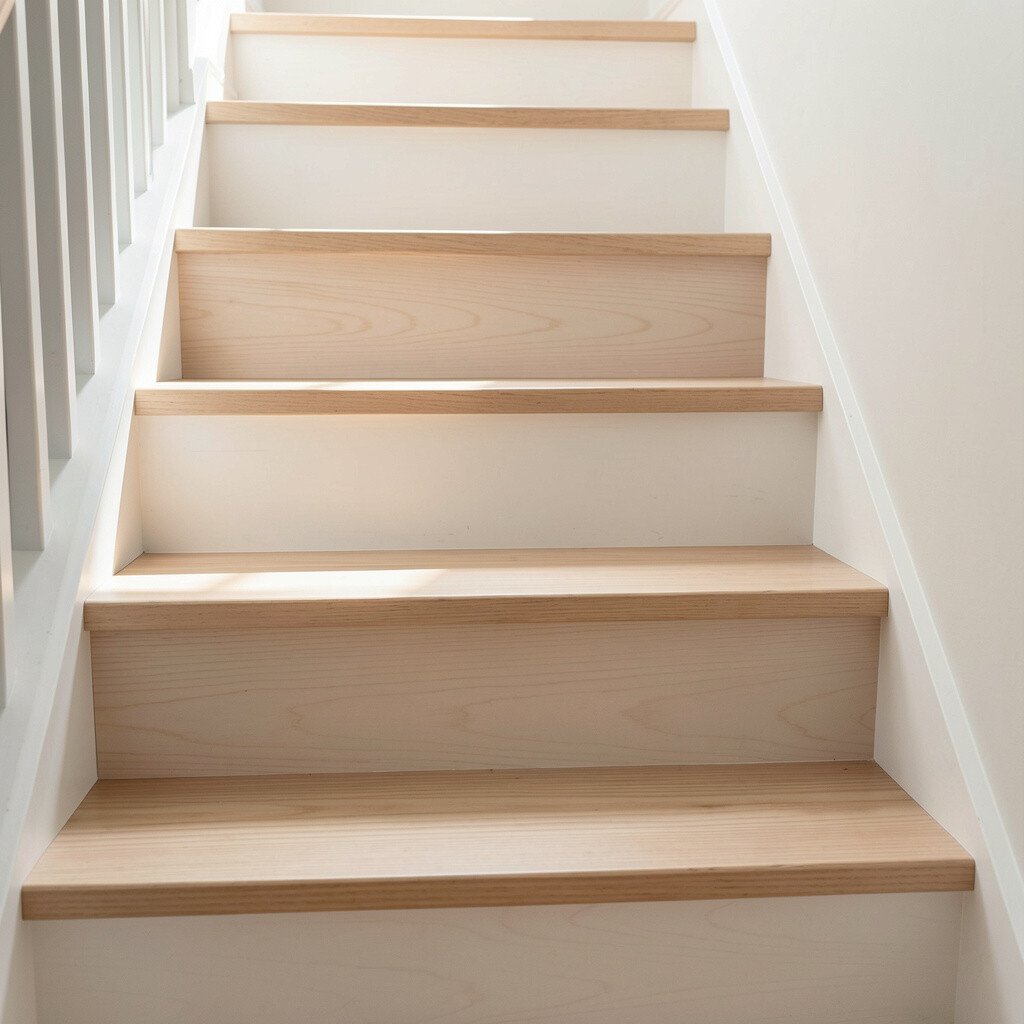
Look at your stairs at different times of day and notice where light lands on the treads. Bright sunlight can make paint look warmer, while shade can make it look cooler.
Choose a color that still looks good in both light and shadow. For a practical win, pick shades that keep dust and scuffs less obvious, especially on high-traffic steps. If you’re not sure, paint a small test patch on the underside edge so you can see it in motion.
Staying aware of lighting helps your final look feel intentional instead of accidental. It also saves money because you’re less likely to repaint after you notice surprises.
2. Match the Hallway Mood for a Smooth Transition
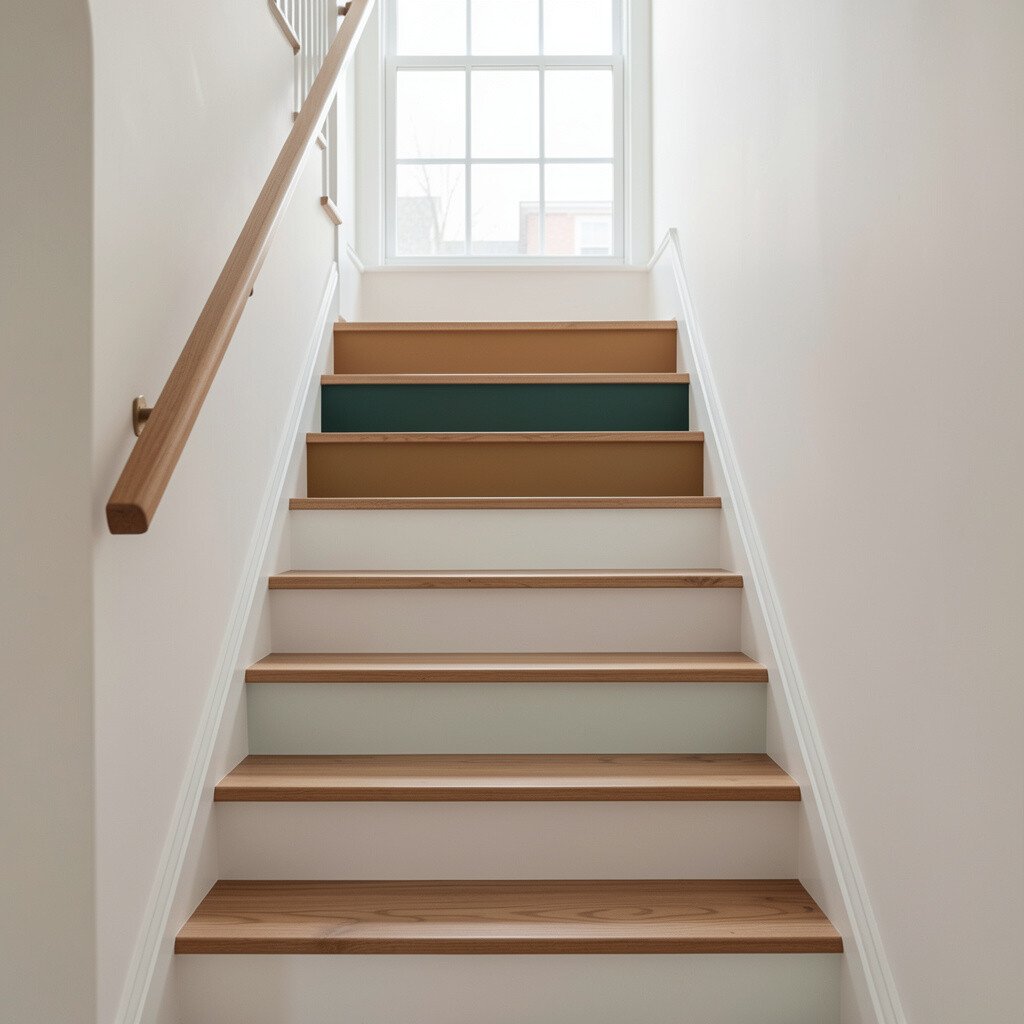
Your stairs should feel like part of the same story as the hallway. When the colors shift too sharply, the stairs can look disconnected from the rest of your home.
Try pulling one small color from your hallway wall, trim, or rug and repeating it on the steps. This makes the climb feel calmer and more balanced, even when you use bolder colors on the treads.
If your hallway is soft and neutral, warm off-whites or gentle grays can keep things classy. If your hallway has color, you can echo it with stair runners, painted stripes, or matching edge lines.
3. Use a Contrast Line to Guide Every Step
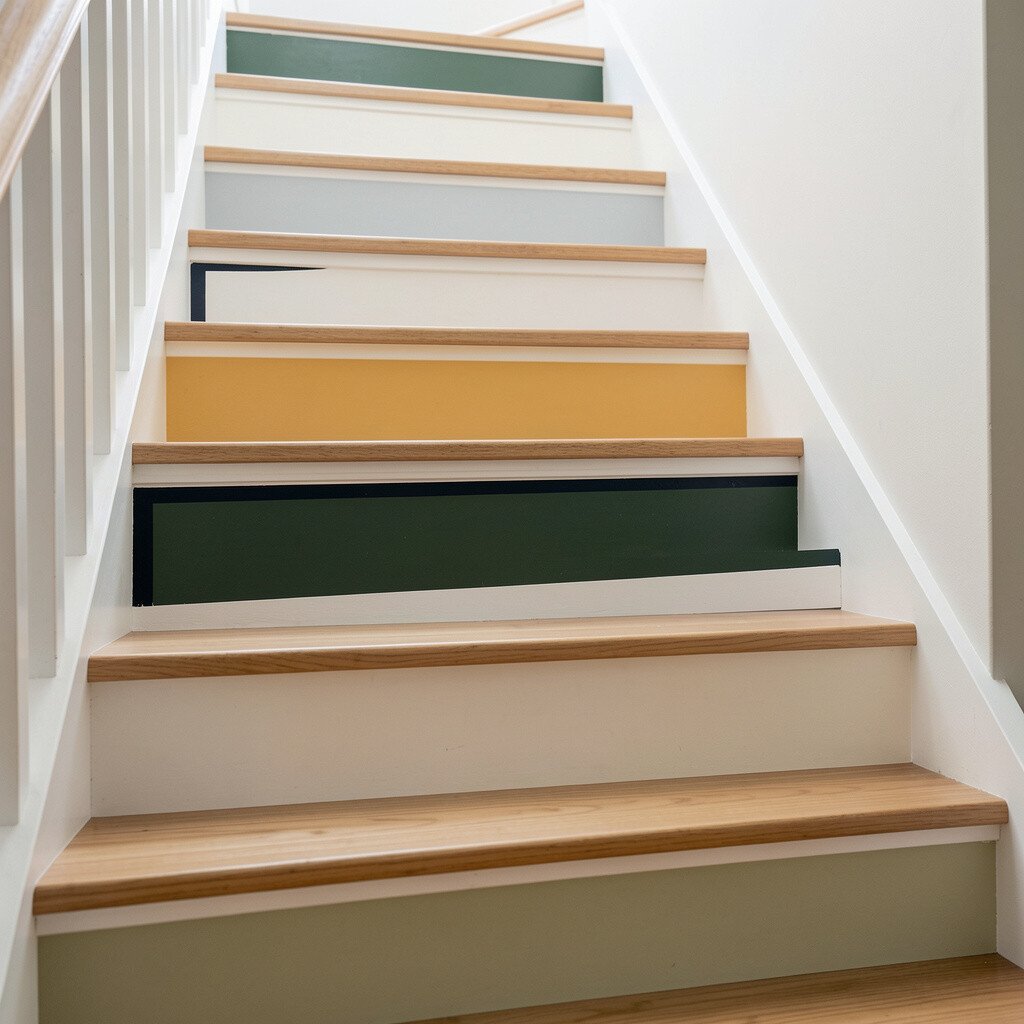
A thin contrasting line along the edge of each tread can make stairs feel clearer. Your eyes naturally follow lines, so this can feel helpful for safe footing.
Think of a crisp edge in a color that stands out, like dark charcoal against a light top. You can paint it with painter’s tape and a steady hand, or use a ready-made stair-edge strip if you prefer.
This simple detail adds uniqueness without changing everything. It also hides tiny chips because the edge line creates a visual “frame” for the tread surface.
4. Choose Durable Paint or Stain for Real Life
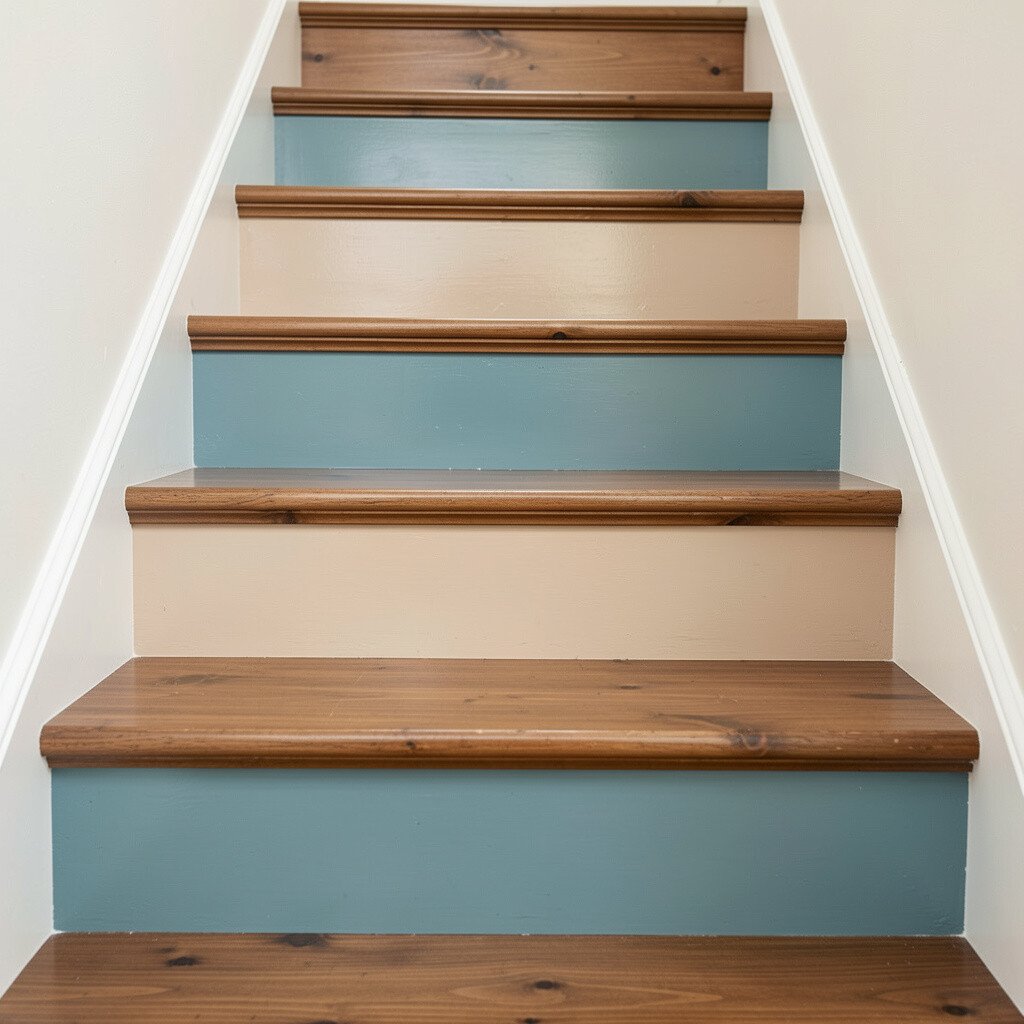
Stair color will only look great if the finish can handle scuffs, shoe marks, and daily wear. That’s why the type of paint or stain matters just as much as the color.
Pick a product made for floors or high-traffic areas, and follow the cure time carefully. Even the prettiest color will dull if you rush and walk on it too soon.
For wood stairs, staining plus a protective topcoat can look rich and natural. For painted stairs, a quality primer and a scuff-resistant finish can keep the look fresh.
5. Keep Your Base Neutral and Let Accents Shine
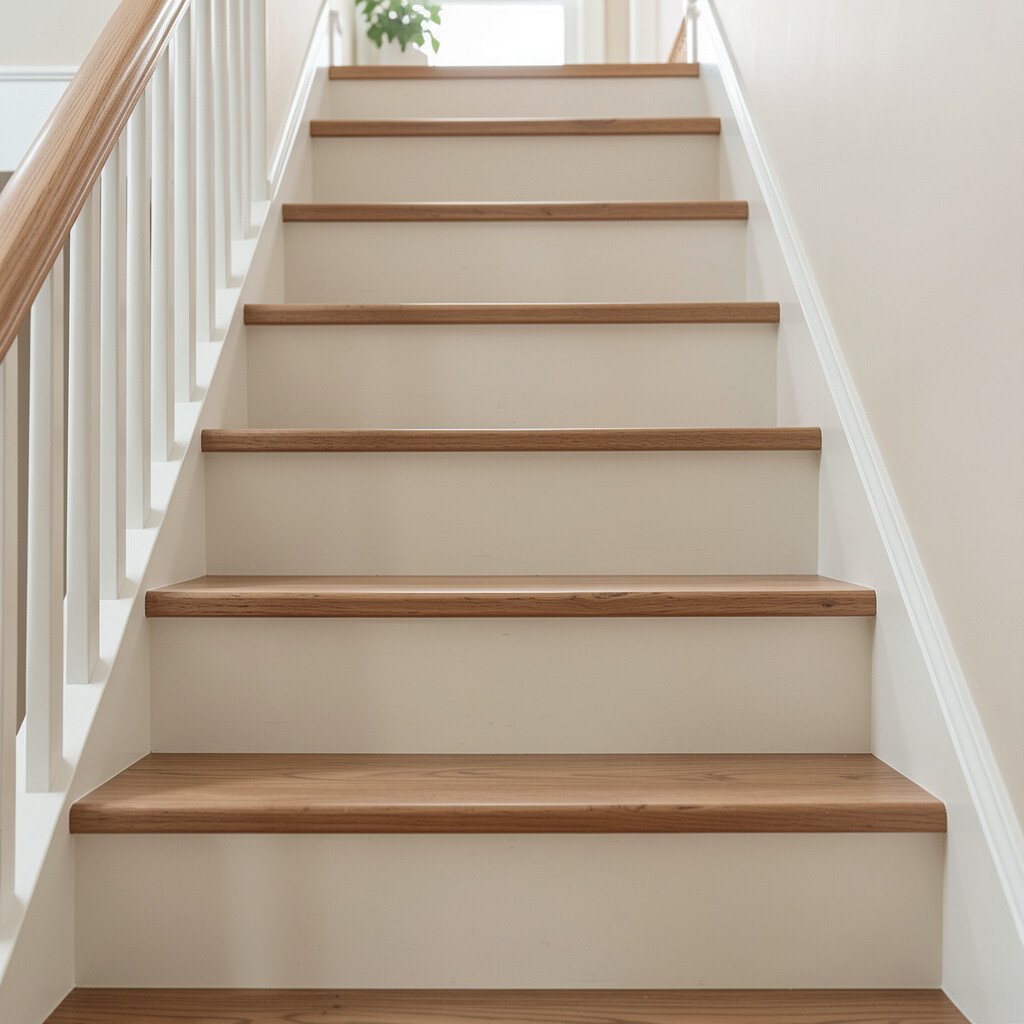
If you want a look that always feels tidy, start with a soft base color on most treads. Neutrals make the stairs feel clean, and they also make accent colors look more vibrant.
Then add small pops using risers, edges, or painted motifs. This approach keeps your budget under control because you spend the most colorful paint where it has the biggest impact.
It also helps with resale, since neutral steps can fit many future styles. You can still personalize the details so the stairs feel unmistakably yours.
6. Try Chalky Matte Finishes for a Cozy Look
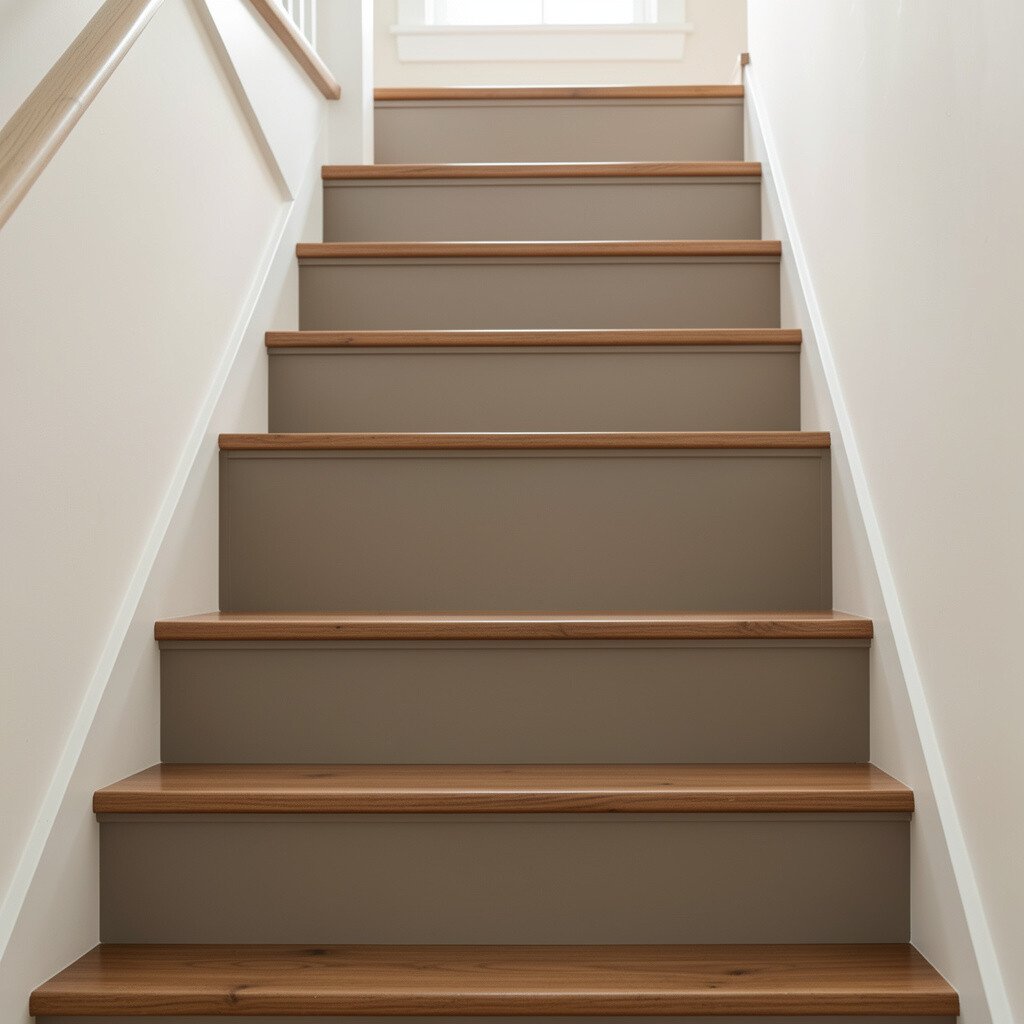
Matte and chalky finishes can make stairs feel warm and inviting. They also hide minor imperfections better than high gloss.
If your home style leans farmhouse, cottage, or modern organic, this finish can look extra charming. Just remember that matte surfaces can show scuffs, so use a protective topcoat designed for the kind of finish you chose.
7. Use Two-Tone Risers to Make Heights Feel Lighter
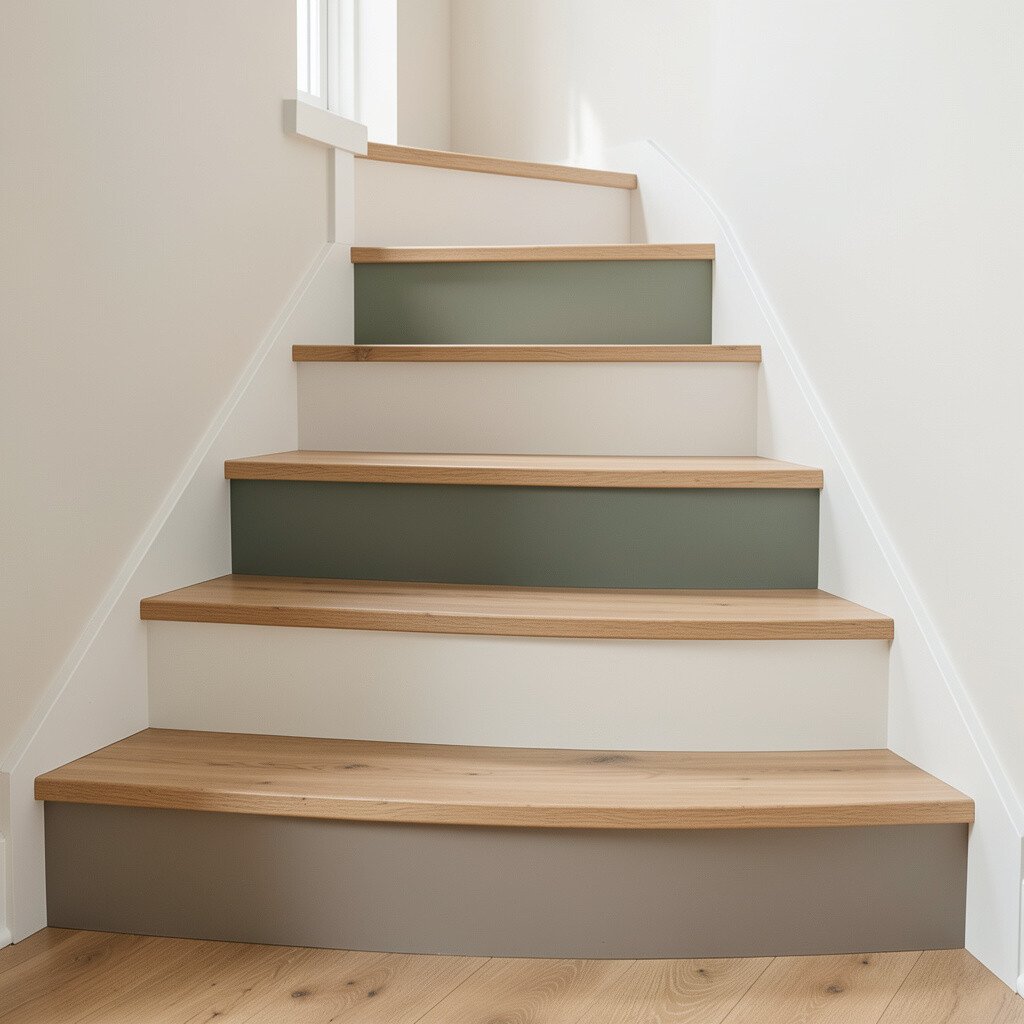
Risers are the vertical parts you see when you climb, so their color changes the whole look. Two-tone risers can make the staircase feel less heavy and more airy.
For a visual trick, paint alternating risers in two related shades, like sand and oatmeal. You can also keep the top color lighter and the bottom darker to create depth.
This is an easy way to add pattern without complicated stencils. It also makes stair steps feel more intentional, especially in homes where walls are simple.
8. Add a Subtle Pattern With Simple Stencils
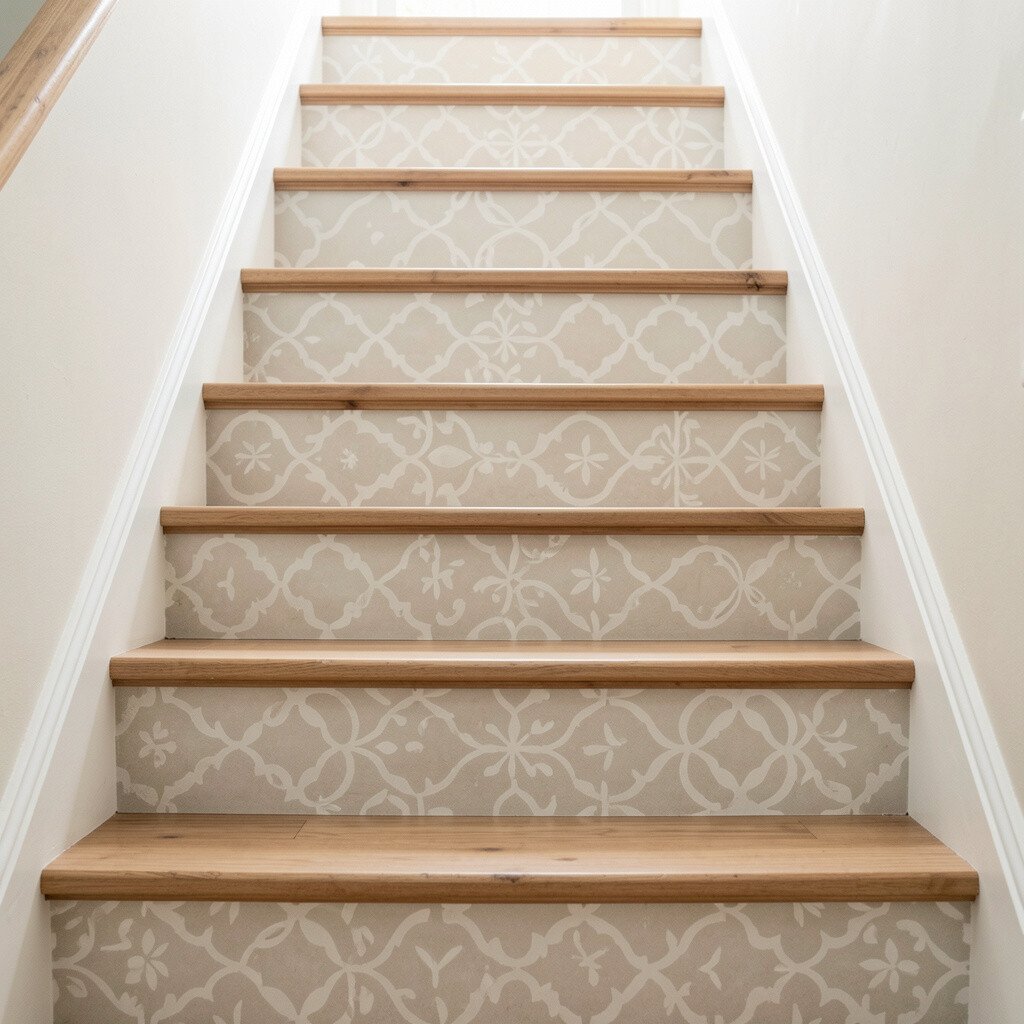
Stencils make it easier to add personality without years of DIY practice. Even a small repeating shape can turn plain treads into a feature.
Choose a pattern that fits your style, like tiny dots, gentle chevrons, or simple florals. Use painter’s tape to keep edges crisp, and make sure your paint is thick enough to avoid smudging.
9. Pick Colors From What You Already Love
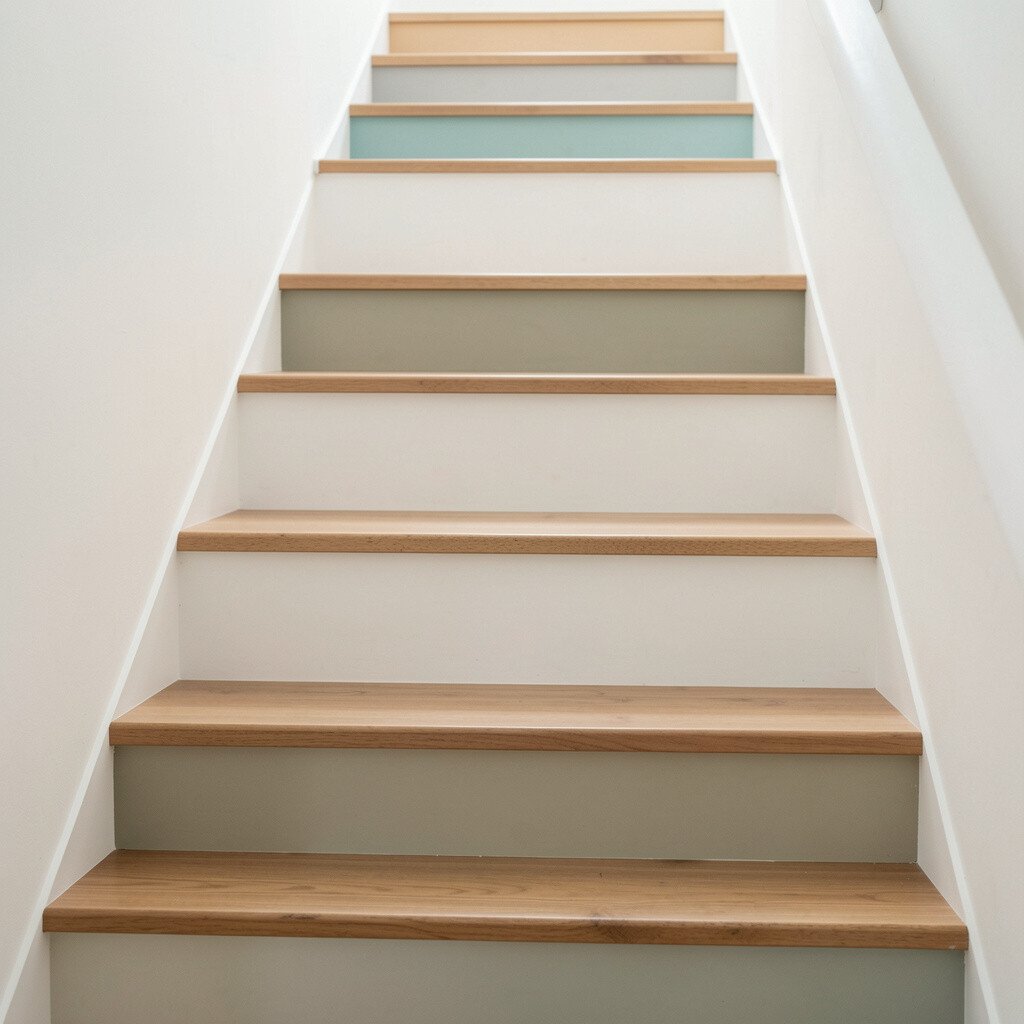
DIY looks best when you choose colors you genuinely enjoy seeing every day. Instead of guessing, pull shades from your favorite pillow, artwork, or even a mug you keep on display.
This approach feels personal and helps you avoid buying paint you won’t use again. It also keeps your home from feeling like it has random color experiments happening in different rooms.
If your style changes over time, you can update accents later while keeping the base stable. That makes long-term planning easier and more affordable.
10. Keep a Consistent Trim Color for Clean Edges
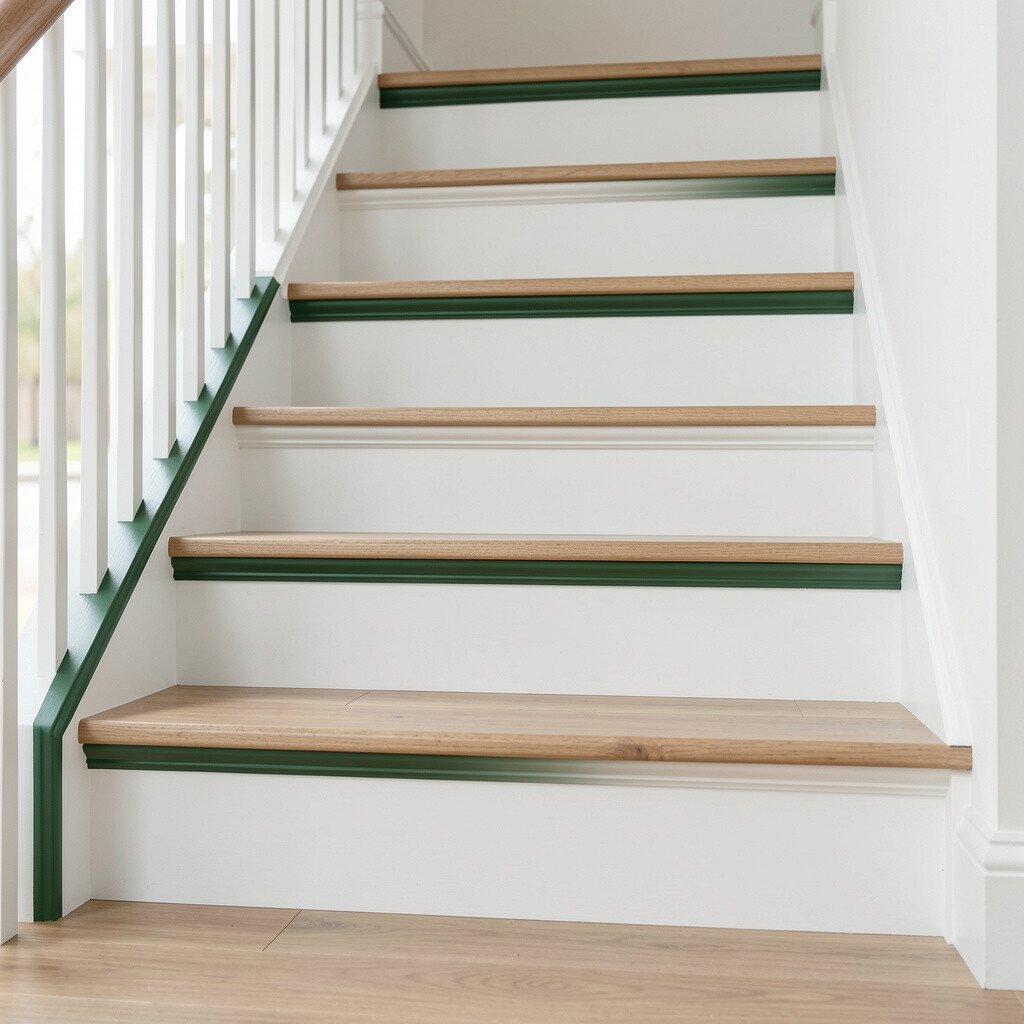
Stairs often sit next to railings, baseboards, or door trim, so trim color matters. A consistent trim color makes everything look sharper, even when you use multiple stair shades.
Try matching the railing spindles or the new paint line to your existing trim. If you repaint the stair edges and ignore trim, the stairs may look unfinished.
A steady trim color also makes the stairs feel built-in. It’s a small choice that makes a huge difference in how “finished” your DIY looks.
11. Blend Wood Tones With Stain and Glaze Effects
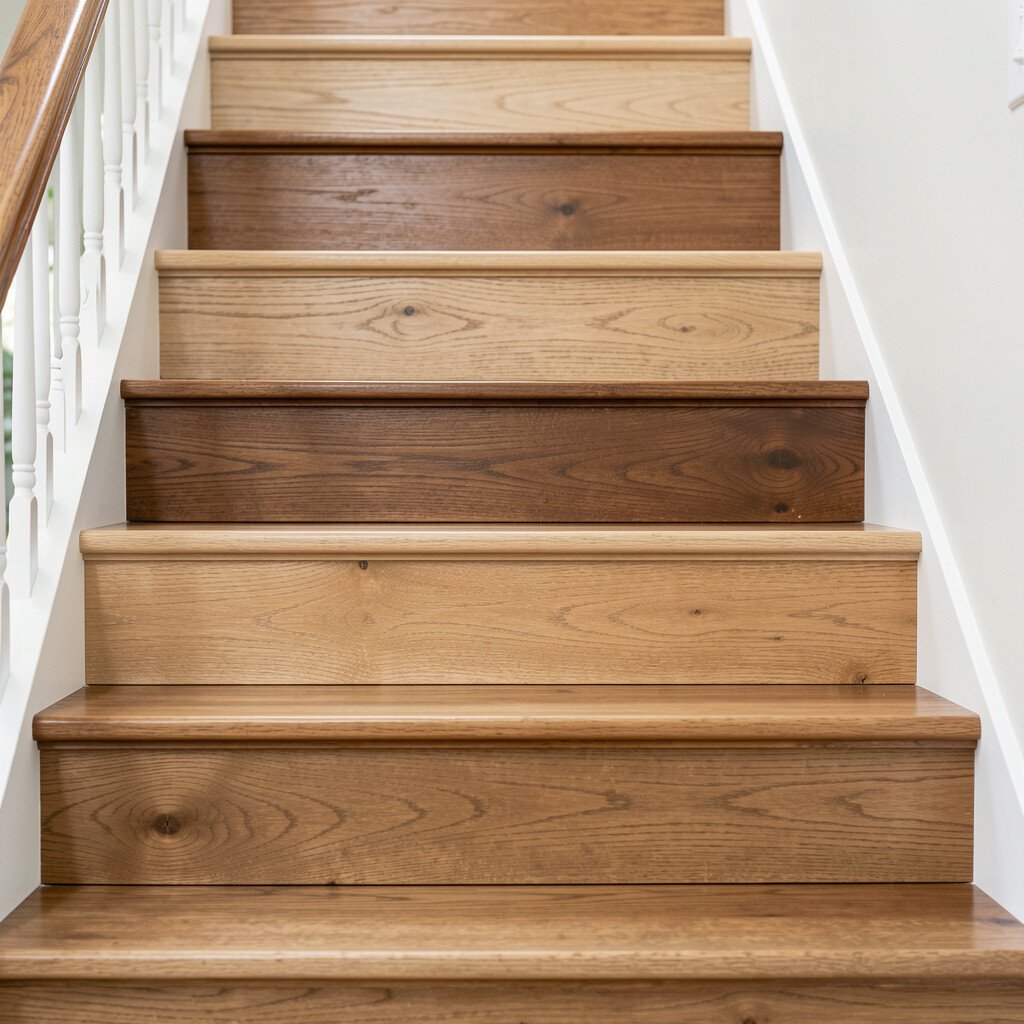
Wood stairs can look stunning when you keep their natural beauty. Stain plus a light glaze can add depth without blocking the grain.
If you want a modern look, try a slightly darker stain on the treads while keeping the risers lighter. For a traditional feel, warm walnut tones can look rich and welcoming.
Glaze can create a soft shadow effect that adds uniqueness. It’s also cost-friendly because you often need less color product than fully painting everything.
12. Paint a Stair Runner Look Without a Real Runner
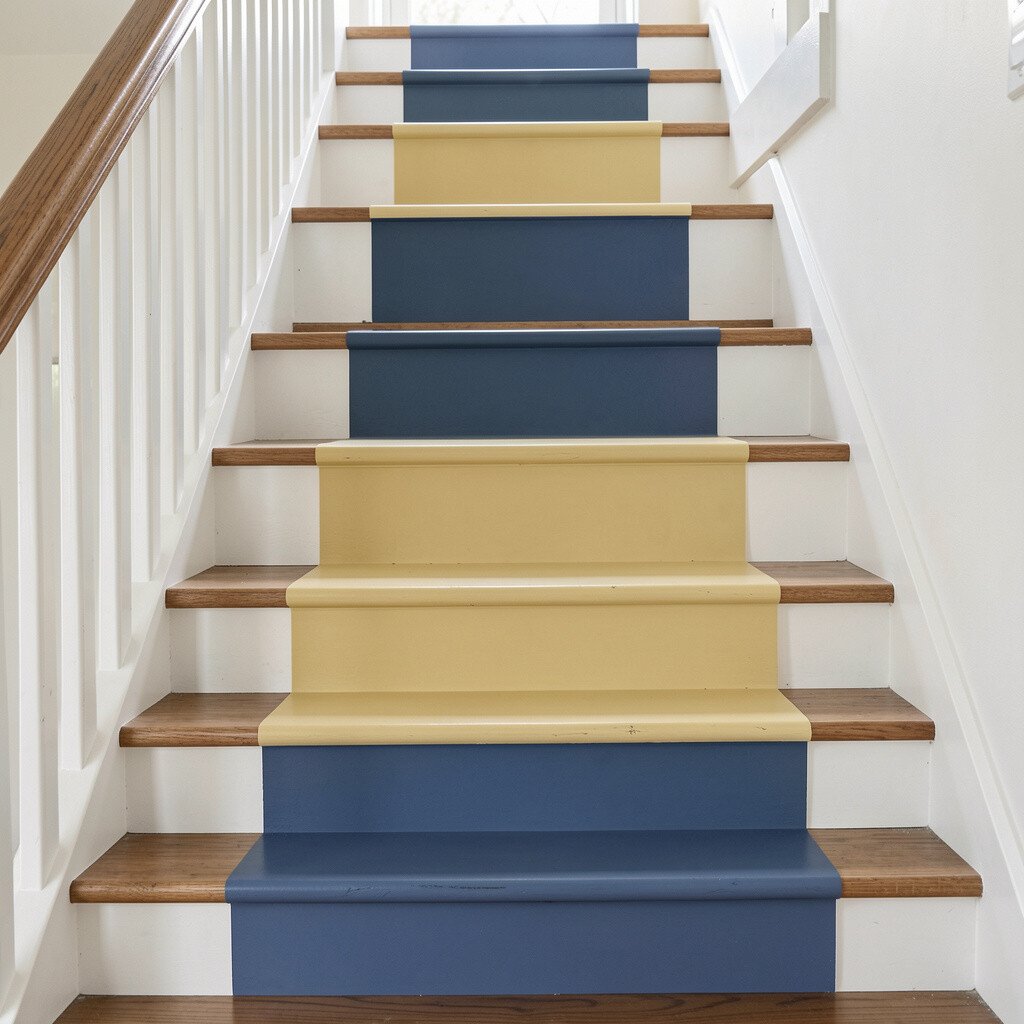
You can mimic the look of a runner by painting a stripe down the center of each tread. This gives the sense of a pathway without needing to buy and replace fabric.
Choose a stripe color that fits your room and keep the edges neat with tape. A darker center stripe can hide dust and scuffs, which is great for busy households.
This trend of painted “runner” vibes keeps things budget-friendly. You still get the guided look that runners provide, with less maintenance.
13. Consider High-End Gray for a Modern Feel
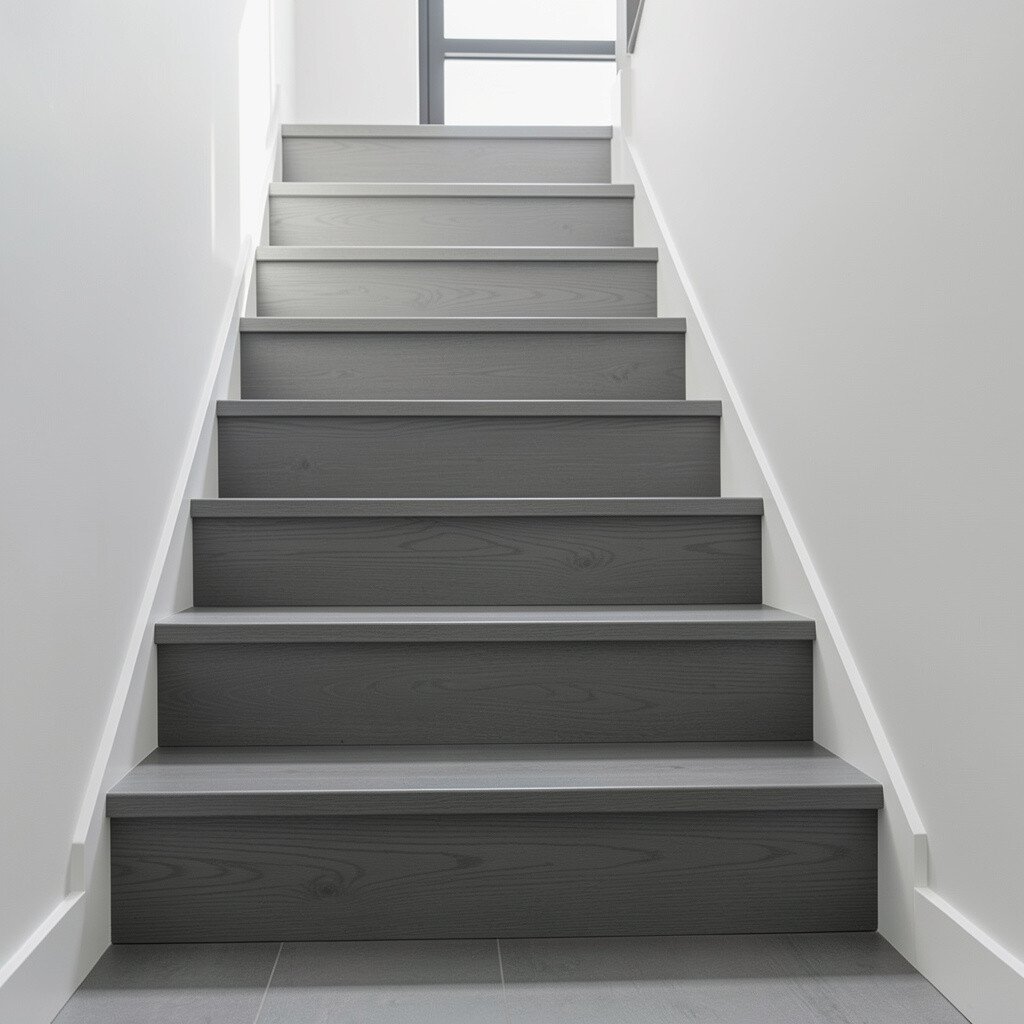
Gray remains popular because it pairs well with almost everything. From warm grays to cool steel tones, you can pick the shade that matches your flooring and walls.
To keep gray from feeling cold, add warmth through complementary colors like cream, honey wood, or soft black accents. A modern stair look often uses gray on treads with lighter risers for contrast.
14. Go Bold With a Single Accent Step or Motif
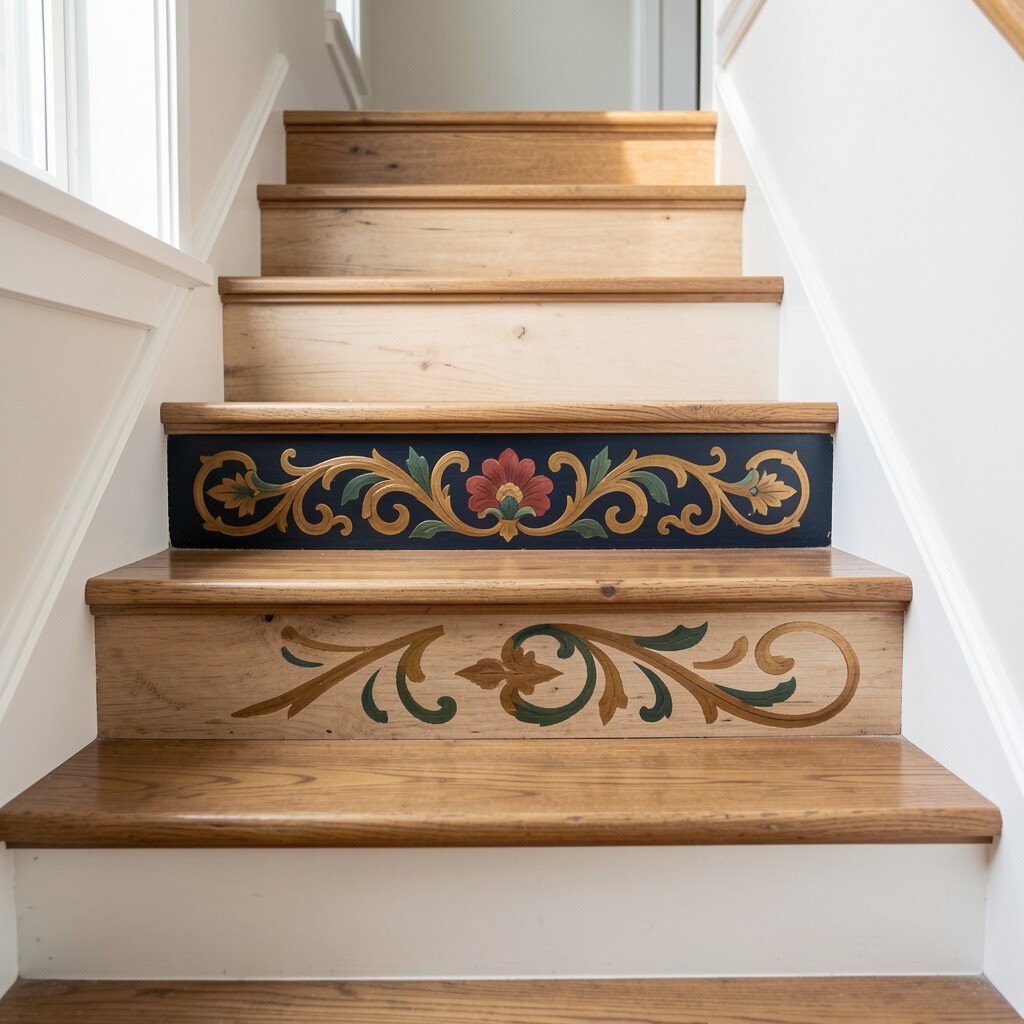
If you love dramatic details, consider painting one step differently as a special moment. It can be the bottom tread, the top tread, or a single riser near a landing.
This gives your staircase a fun focal point without repainting every surface. You can use a color from your decor or choose something playful like deep teal.
Uniqueness comes from restraint, and this method is a great way to keep DIY affordable. It also makes your stairs feel like they have a story instead of just a uniform paint job.
15. Use Sealants to Keep Color Crisp Longer
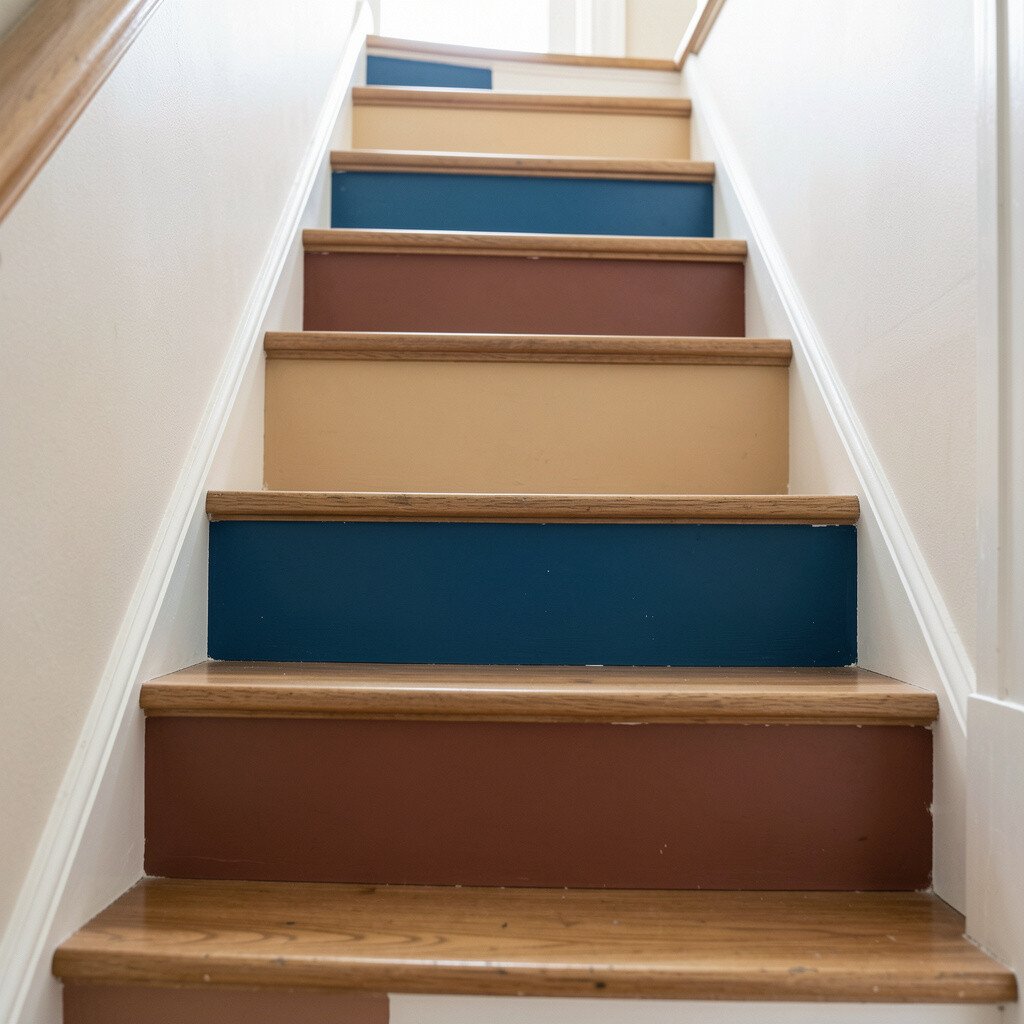
After you paint or stain, sealing protects the surface from scuffs and moisture. That matters because stairs take daily hits from shoes and vacuum brushes.
Choose a clear topcoat made for floors, then apply thin, even coats. Thick coats can look bubbly or uneven, which is the opposite of the smooth look you want.
With sealing, the color stays truer for longer, so you get better value from your effort. It can also make cleaning easier, which is a real benefit on busy weeks.
16. Try Color-Blocking for an Architectural Vibe
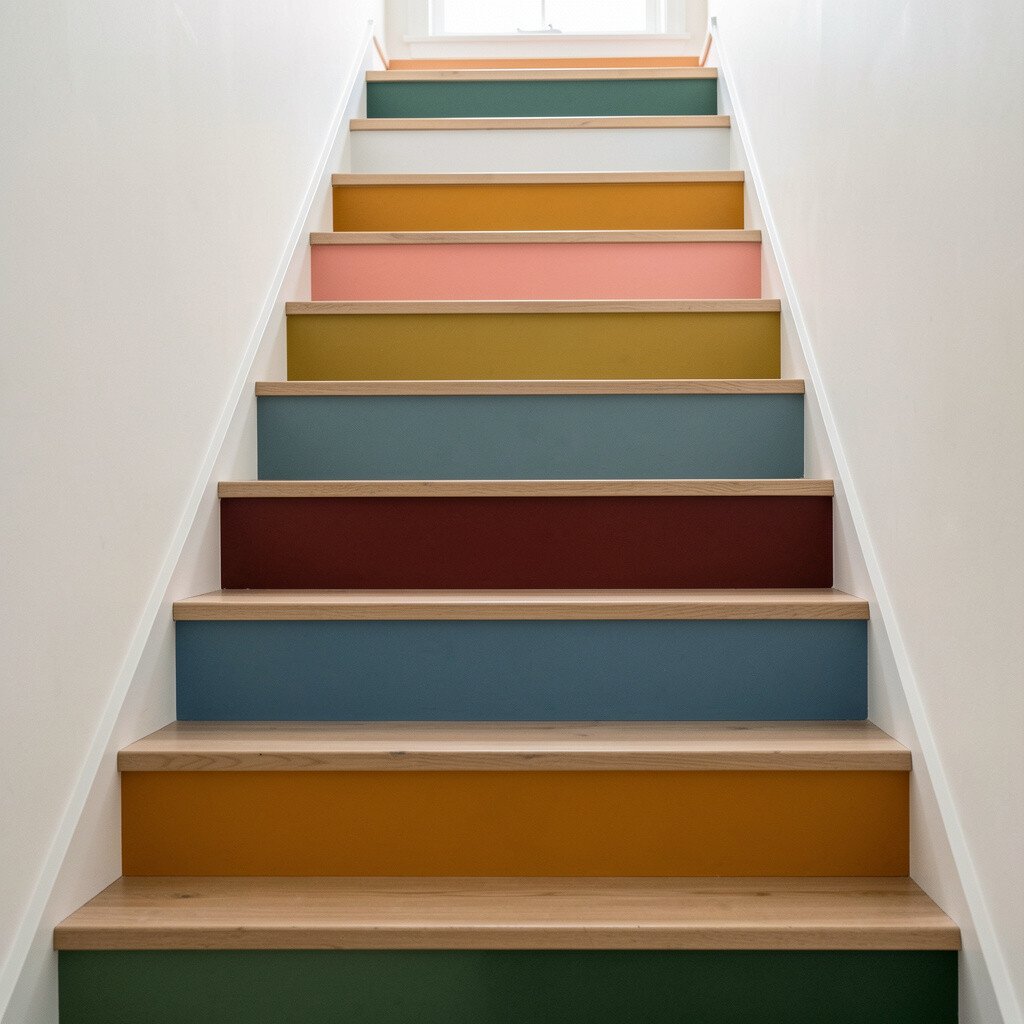
Color-blocking makes stair design feel bold and geometric. You can create rectangles on treads or paint blocks on risers for a clean, architectural look.
Use two or three colors that relate to each other, like cream, muted blue, and warm gray. Tape guides help you get straight lines, which makes the final result look store-bought.
17. Plan for Ventilation and Drying Time
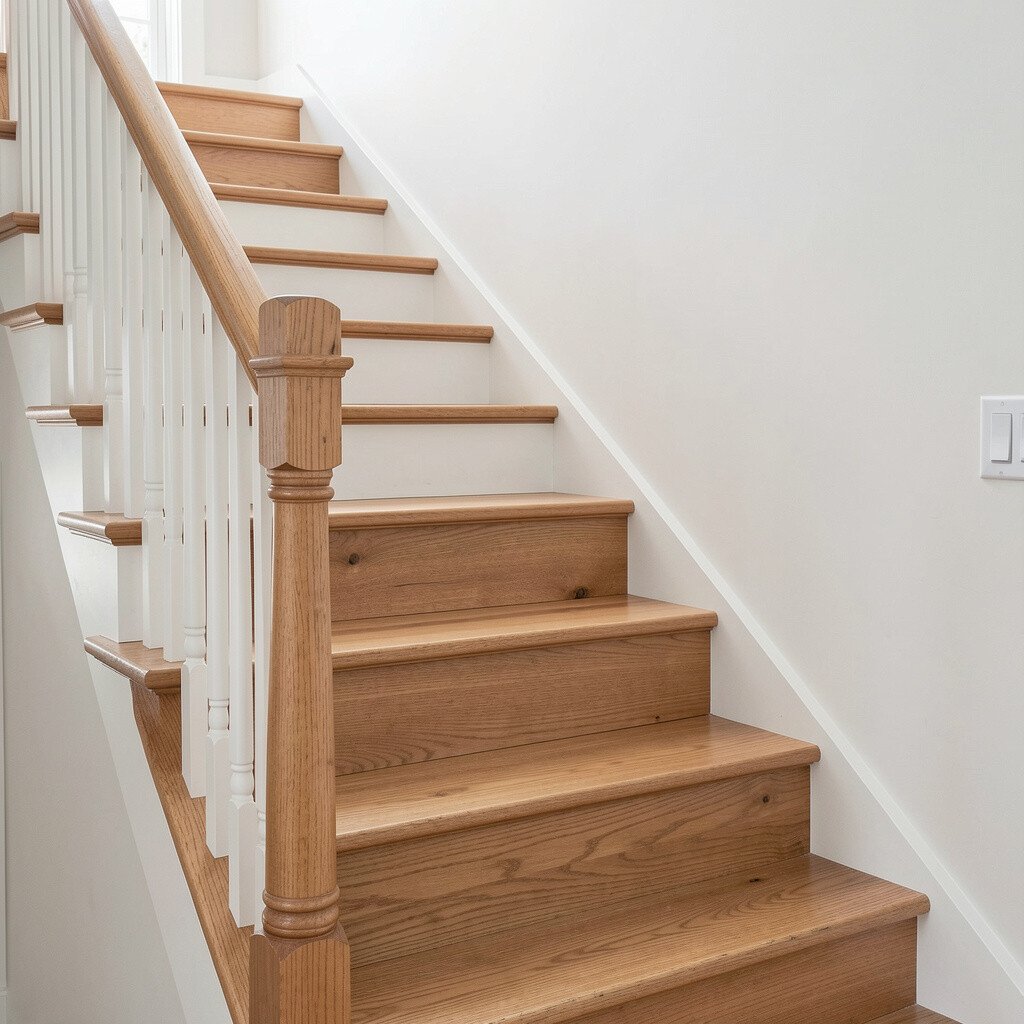
Great stair color depends on good DIY timing. Paint fumes can be strong, and rushing drying can cause smudges or fingerprints on fresh surfaces.
Open windows, run a fan if it’s safe, and keep pets and family away from the work zone. Plan your project around days when you can wait for full cure before heavy use.
This practical step keeps your new color looking smooth and even. It’s also a cost saver because mistakes from rushing often lead to extra materials.
18. Match the Railings With a Harmonizing Shade
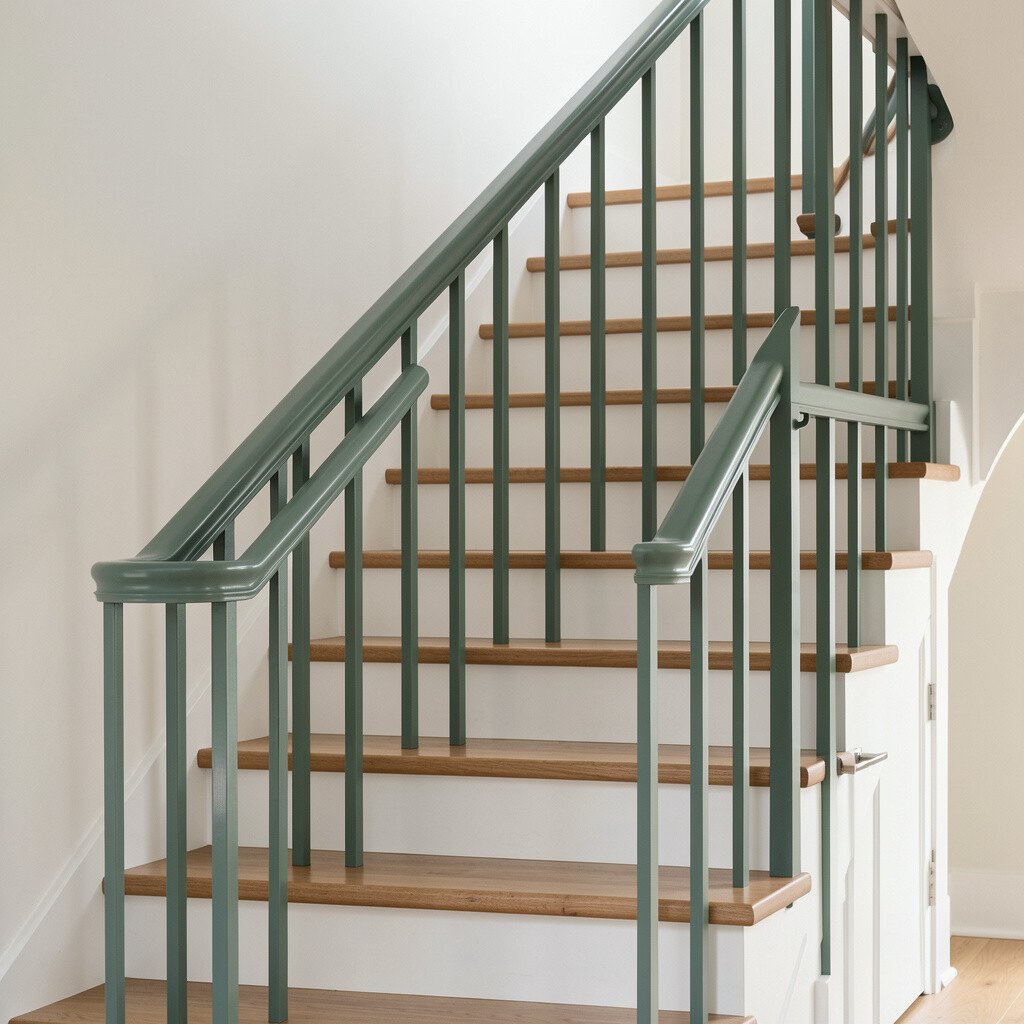
Your railing is like the frame around your staircase. When it matches the color theme, the whole set-up looks intentional and polished.
You can paint the railings the same color family as your stair trim or pick a slightly deeper shade for contrast. A harmonizing approach makes the stair visual flow feel smooth from bottom to top.
If you like contrast, try a darker railing with lighter treads. This pairing is popular right now because it feels modern, crisp, and easy to maintain.
19. Add Reflective Whiteness to Brighten Dark Corners
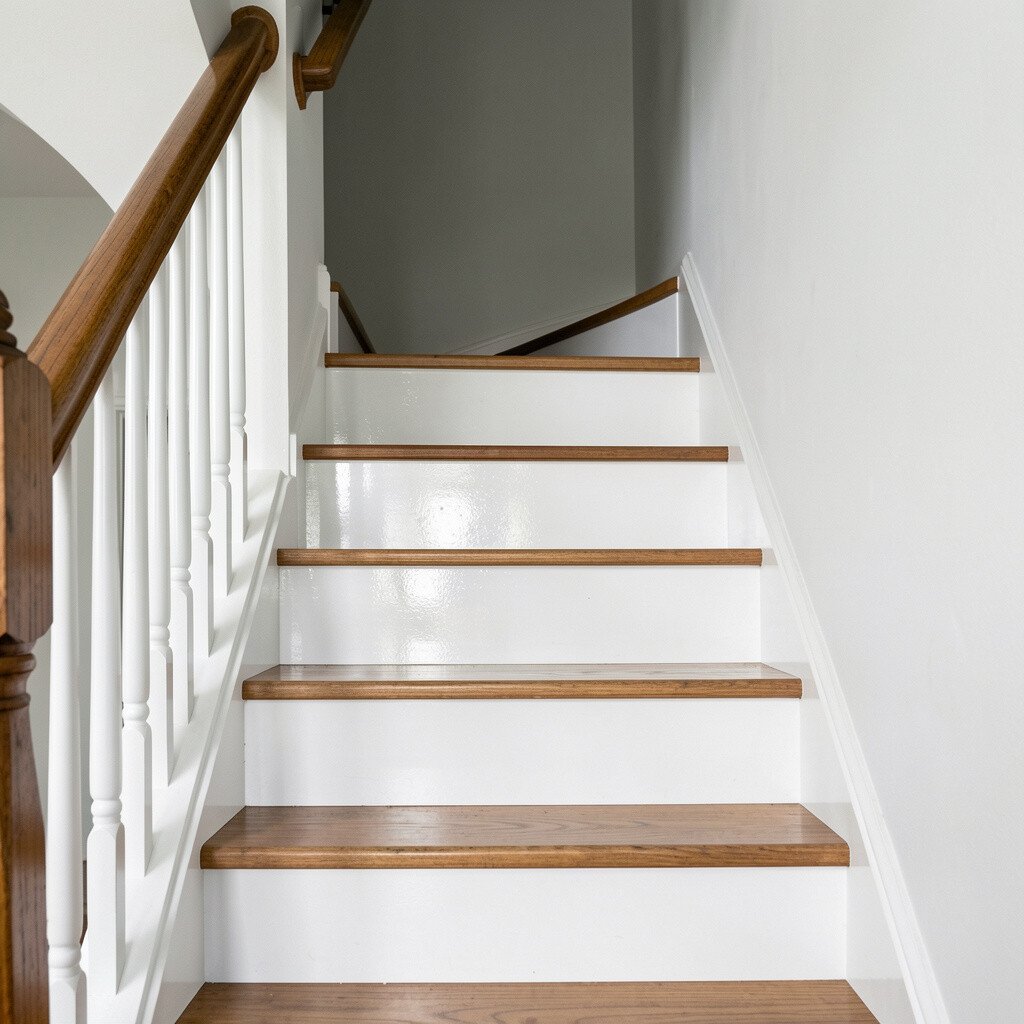
Some staircases sit in shadows, especially near landings or corners. A bright, clean off-white on treads or risers can bring visual light to those spaces.
Off-white works better than pure white for many homes because it softens the look and hides tiny imperfections. Add gentle gray or warm wood accents to keep it from feeling too sterile.
This color choice can make your hallway feel more open, which is a great daily benefit. It also pairs with almost every decor style, so you won’t feel stuck later.
20. Budget Smart by Painting What Gets Seen Most
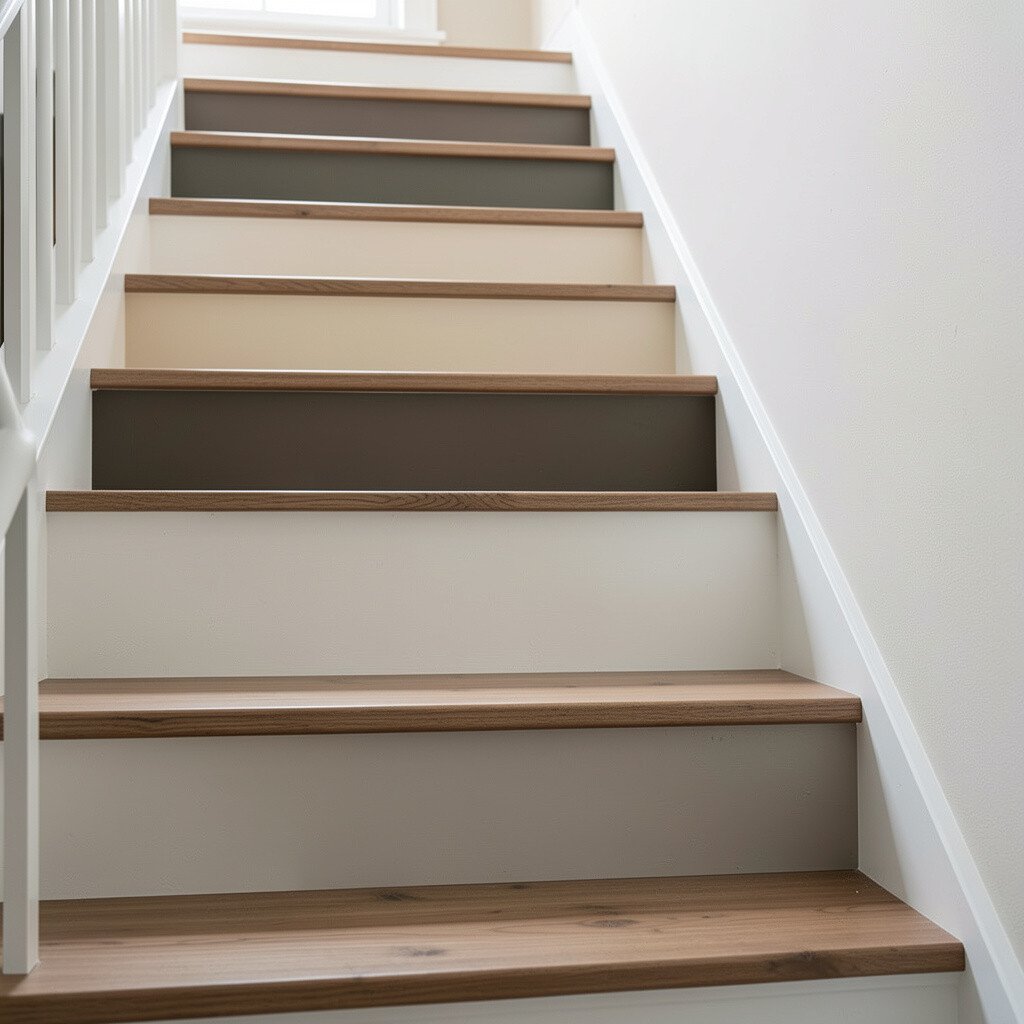
You don’t have to paint everything to get a high-impact result. Focus on the surfaces people notice most, like tread tops, visible risers, and the front edges.
For hidden sides or areas behind railings, you can lighten your workload. This strategy saves paint and time while still giving you the most visible wow factor.
When you spend your effort on the right places, your staircase looks designed instead of half-finished. It’s a practical way to keep DIY fun and affordable.
21. Finish With Personal Touches Like Letters or Tiny Icons
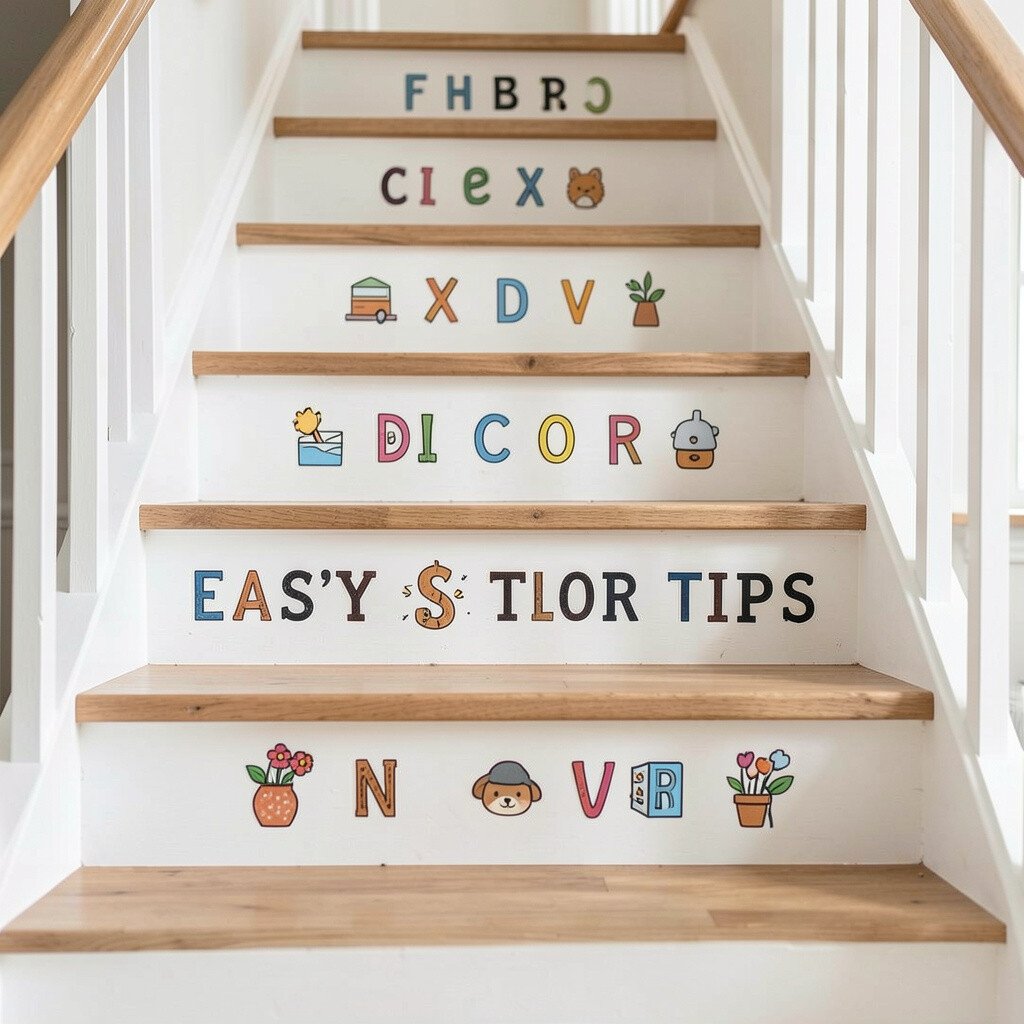
Personal details can turn a painted staircase into a home signature. Small letters, family icons, or simple dates can look sweet, especially near a landing.
Keep the design minimal so it stays classy and doesn’t overwhelm the space. You can use a stencil for easy placement and choose colors that match your overall palette.
This kind of personalization makes the stairs feel uniquely yours. It also gives you a fun long-term project, because you can add more details over time as your style grows.