The choices you make at home can quietly steer the whole world toward something kinder. Small habits add up, and your daily routine can feel both lighter and brighter.
1. Rethink Your Kitchen Waste

Look at your kitchen like a tiny ecosystem. Scraps can become stock, compost, or ingredients for new meals.
Save onion ends, carrot peels, and herb stems in the freezer until you’re ready to simmer them into broth. If you have a yard, compost them; if you live in an apartment, many cities offer drop-off compost or community composting. For less waste right away, plan meals around what you already have and buy produce in small amounts that match your pace.
2. Switch to Refill and Bulk Shopping
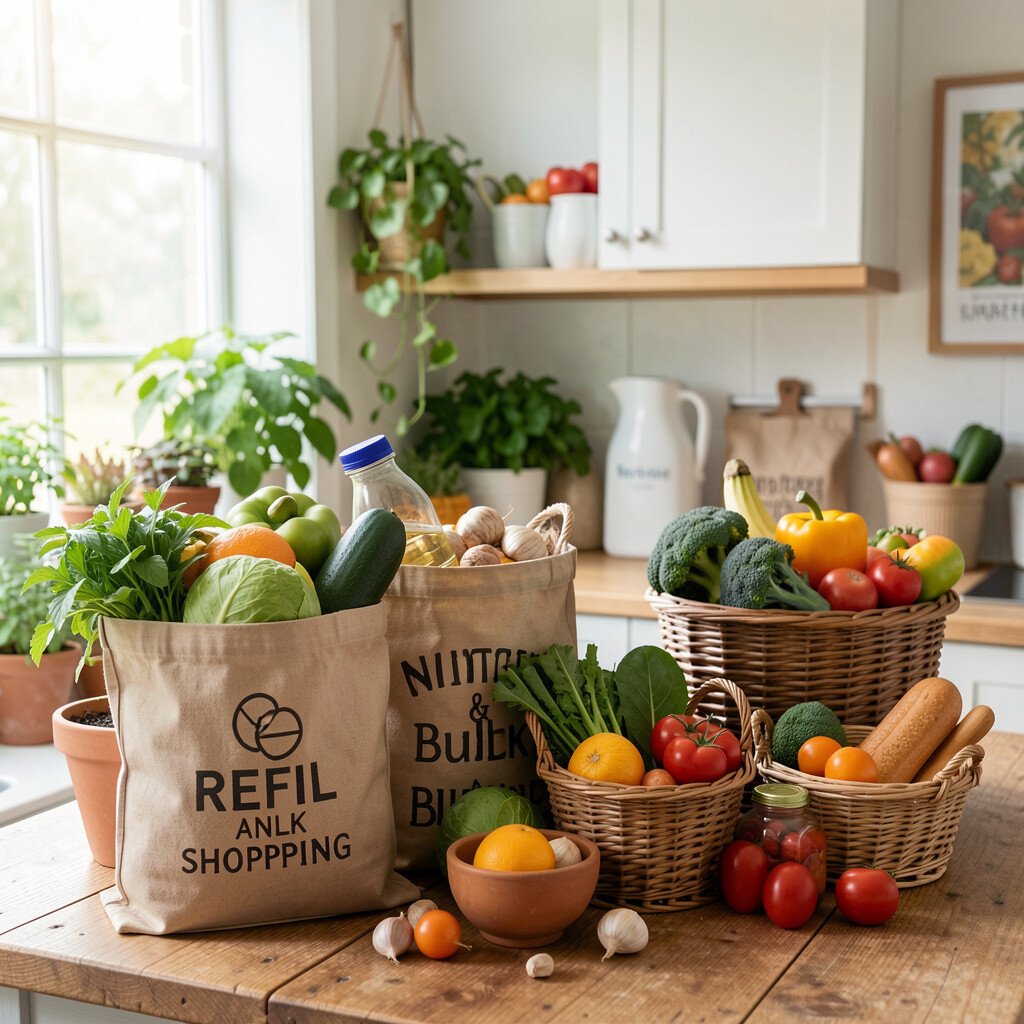
Picture your pantry with fewer heavy plastic bottles and fewer last-minute store runs. Refill stations and bulk bins help you bring home what you need without unnecessary packaging.
Bring clean jars or containers, then label them with a simple marker so you can track what’s inside. Popular items like rice, oats, detergent, soap, and spices often work well for this. Start small by refilling one product you use often, then watch your trash bin shrink over time as you build the habit.
Many shoppers also choose refill subscriptions at local co-ops, which is a current trend in many neighborhoods. If you’re budget-minded, compare unit prices on the shelf and check whether the bulk option is cheaper for your most-used items. Choosing concentrates for cleaners can also reduce weight and shipping costs when they’re delivered.
3. Build a Simple Home Energy Routine

When you pay attention to energy habits, your home starts to feel more comfortable. You can cut waste without making your life feel strict.
Use smart power strips to stop phantom loads from chargers, game consoles, and TVs. Set a schedule for lighting and use ceiling fans when it’s warm instead of running air conditioning nonstop. Try a quick “lights out” walk-through each evening, and keep curtains open in the daytime for natural warmth and brightness.
You can make it personal by using your own routines, like turning off the kitchen light the moment you leave and only running the dishwasher when it’s full. Many people enjoy energy dashboards from utility apps, which provide real-time feedback. That feedback can motivate you to adjust by feel rather than by stress.
4. Choose Longer-Lasting Clothing

Your wardrobe can look fresh even when you keep items longer. Quality pieces tend to feel better on the body and last through more seasons.
Buy less, choose better, and check fabric details like stitching and how the material stretches. Repair small tears early, hem pants before they become a big project, and wash according to the care label to prevent fading. Thrift shops and clothing swaps are strong current trends, and they often help you find unique styles while avoiding new manufacturing.
5. Make Water Use Feel Effortless
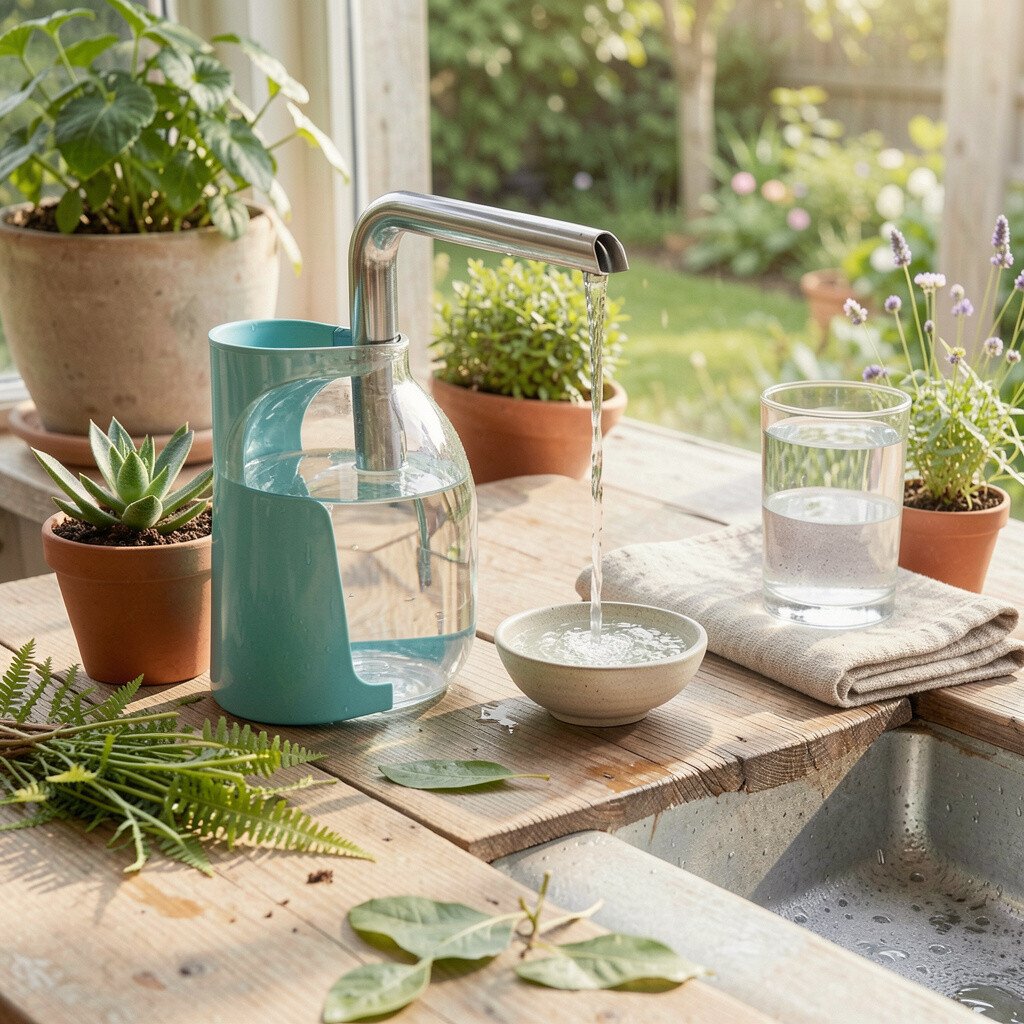
Think of water as a resource that deserves everyday care. Small changes in how you rinse, wash, and flush can make a big difference.
Fix drips, upgrade to a low-flow showerhead, and use a faucet aerator so water feels steady without running full blast. For practical daily living, turn off the tap while brushing and use a basin for rinsing produce. Try collecting cool water from the shower while it warms up, then use it to water plants or clean floors.
If you’re looking for personalization, match plant watering to your household schedule and your plant types, because some need more and some need less. Many communities also share rebates for efficient fixtures, which can lower upfront costs. Keeping a small notebook in the kitchen can help you track changes and feel confident about your progress.
6. Cook With Seasonal Ingredients

Seasonal food tastes better, and it often travels less to reach your plate. When you cook with what grows nearby, your meals can feel more colorful and satisfying.
Check local farmers’ markets or the seasonal section in your grocery store, then plan two simple recipes around what looks best. Swap out pricey items with seasonal substitutes, like using roasted root vegetables when greens are scarce. Keep a “seasonal swaps” list on your phone so you can adapt recipes without getting overwhelmed.
7. Create a Shortcut for Recycling Right

Recycling works best when your materials are clean and sorted correctly. A clear routine helps you avoid contamination and wasted pickups.
Keep a small sorting station in the kitchen using separate containers, then empty them right before the bin day. Rinse containers quickly, remove food residue, and follow your local rules for what goes where. Many cities update guidelines, and it’s worth checking your waste website once in a while so you’re not guessing.
If you want it to feel easier, place a small magnet or sticky note near the bins with the key rules for your area. This kind of setup is a current trend in many households because it reduces “oops” moments. Over time, you’ll spend less effort and your recycling will actually get used.
8. Try Plant-Based Meals a Few Times a Week

Plant-based meals can be cozy, filling, and full of flavor. It’s not about perfection, and it doesn’t have to be complicated.
Start with one meal a week using beans, lentils, tofu, or chickpeas as the main ingredient. Make it practical by keeping a few staples on hand and using frozen vegetables for quick cooking. Taste-test by adding different spices, because small changes can make the dish feel totally new.
If you’re worried about cost, watch for budget-friendly options like dried beans, canned beans with low sodium, and seasonal produce. Many people also enjoy meal kits, but choosing ones that highlight plant-based proteins can fit your goals while staying convenient. Over time, you’ll build a small library of favorites you can rotate.
9. Make Your Home More Natural With Cleaning
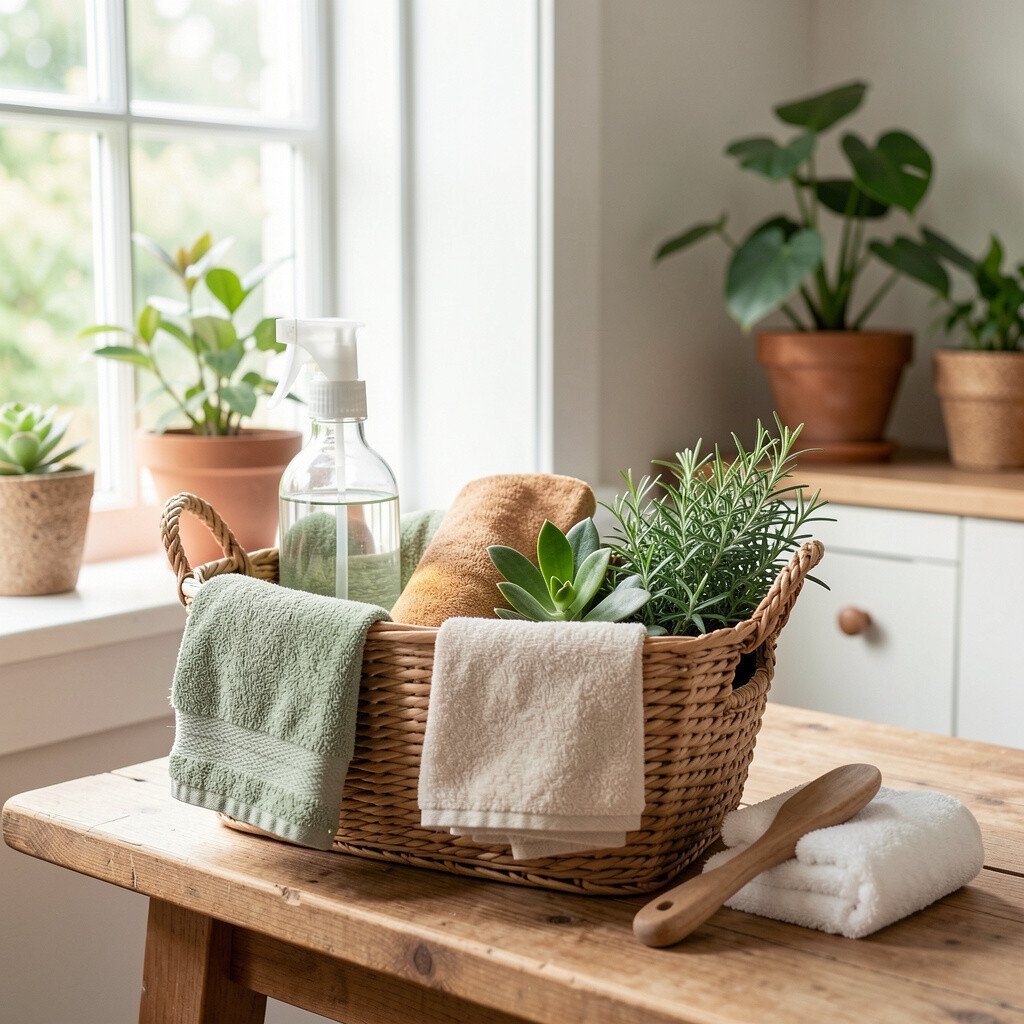
Harsh cleaners can be rough on your lungs and on the planet. Natural cleaning can still be effective, especially when you use it consistently.
Try a simple mix of vinegar, baking soda, and gentle soap for many household tasks, then test on a small hidden area first. Use microfiber cloths because they trap dirt well, so you often need less cleaner. For personalization, match scents to what you enjoy by adding a few drops of essential oil to a diluted spray.
People are also leaning into refill cleaning products and concentrated bottles, which is part of a bigger trend toward less packaging. Buying concentrates can reduce shipping emissions and lower storage clutter. Keep a small list of what works for your surfaces so you don’t have to reinvent every bottle.
10. Choose Public Transit or Carpool Plans

Every trip can be shaped by how you move. When you share rides or use transit, you cut fuel use and reduce traffic stress.
Plan ahead with routes you can trust and schedules that match your day. If driving is still needed, consider carpooling with coworkers, joining a neighborhood ride share, or biking for short errands. To make it stick, keep a small bag ready with water, a light layer, and a charging cable so you’re never rushing at the last second.
Many communities now have real-time transit apps and shared mobility options, which can make transit feel more reliable. If cost matters, compare monthly transit passes to how often you drive. That comparison often shows savings, especially when you factor in parking and maintenance.
11. Upgrade Your Lighting the Easy Way

Good lighting can change your whole mood, and it can use less electricity too. It’s one of the simplest upgrades for home comfort.
Switch bulbs to LED and choose warmer tones for cozy spaces like bedrooms and living rooms. Use dimmers where possible so you can match light levels to activities like reading or winding down. If you want a practical plan, start with the bulbs you use most, like the kitchen and hallway.
Many people are now using smart lighting systems that allow schedules and motion sensors, which is a growing trend. You can also set lights to turn off automatically in rooms you leave quickly. Even without smart devices, timers for outdoor lights can prevent waste overnight.
12. Plant Something That Fits Your Space
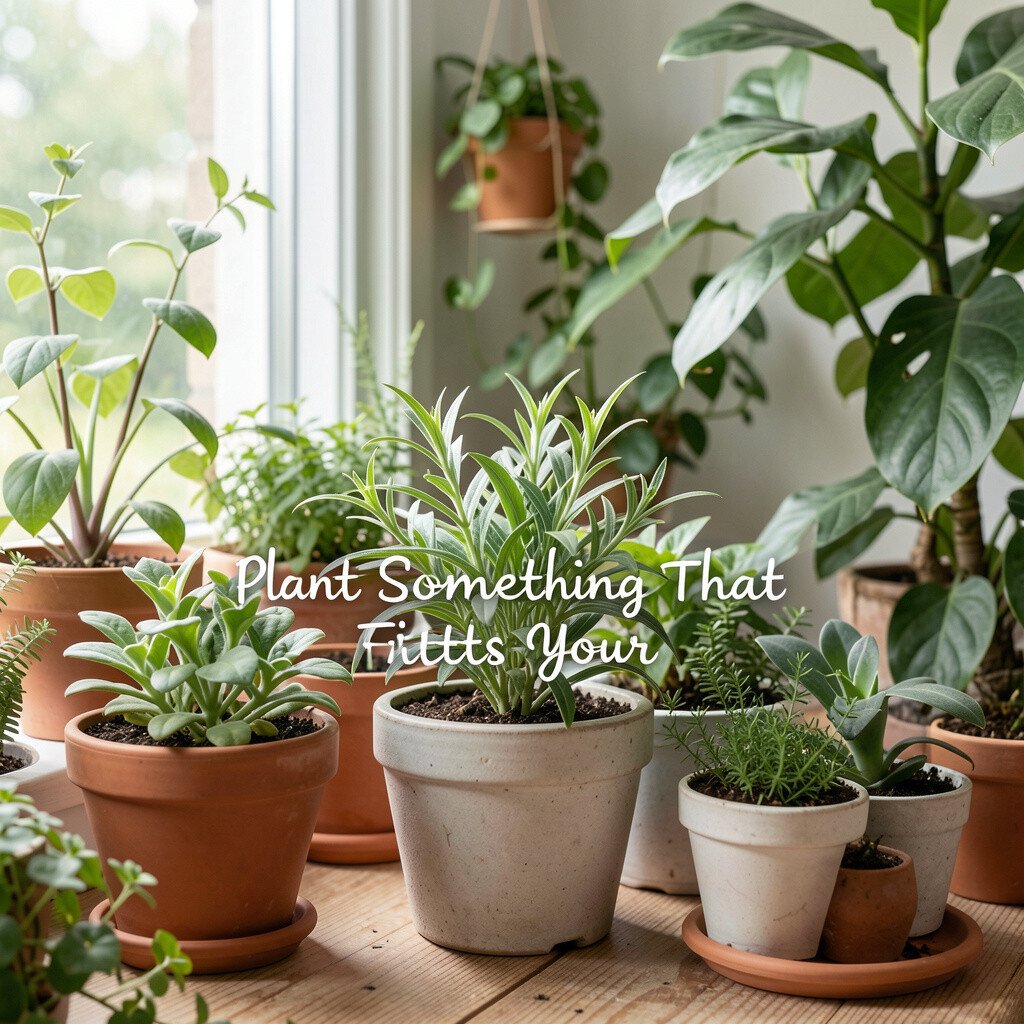
Even a small plant can make a home feel alive. Growing things also helps you connect to the natural cycles around you.
If you have a balcony or windowsill, try herbs like basil, mint, or chives because they grow quickly and taste great. If you have a yard, plant native flowers to support local pollinators and birds. Use compost and mulch to keep moisture in the soil, which reduces how often you need to water.
To personalize, match plants to your light levels rather than to what looks trendy online. Many gardeners love starting from seedlings or cuttings to save money, and that also creates unique variations you can’t buy in a store. Ask local gardening groups for advice, because local climate tips can prevent wasted purchases.
13. Reduce Single-Use Items With One Replacement
Single-use items multiply quickly, but a single swap can slow the pile. When you keep one reusable set ready, you stop forgetting and start saving.
Choose a reusable water bottle, a travel mug, and a sturdy bag for groceries and takeout. Keep them in visible spots like by the door, inside your car, or in your work bag so they’re always within reach. If you use coffee or takeout often, replace the disposable cup first because it’s an easy win.
This idea works well when you personalize it to your lifestyle, like choosing a bottle that fits your cup holder or a bag that folds small. Many brands now offer durable options made for everyday wear, which fits the current push toward long-lasting goods. Watching how many times you avoid disposables can also help you justify the cost of the replacements.
14. Choose Eco-Conscious Beauty and Personal Care

Your daily routine can be gentler on your skin and on ecosystems. Product choices matter, especially when you rinse them off the body.
Look for options with simpler ingredient lists, and avoid overbuying by using what you already have. Refillable deodorant, shampoo bars, and multipurpose solid soaps can cut plastic waste while still working well. If you’re not sure where to start, keep the switch minimal by trialing one product at a time.
Many people are also following trends toward dermatologist-friendly formulations and low-waste packaging, and those can align with your goals. Cost-wise, solid bars can last longer than you expect, especially when they dry between uses. Personalization is easy here too, since you can match products to your skin type and scent preferences rather than copying someone else’s routine.
15. Turn Learning Into Better Repair Skills
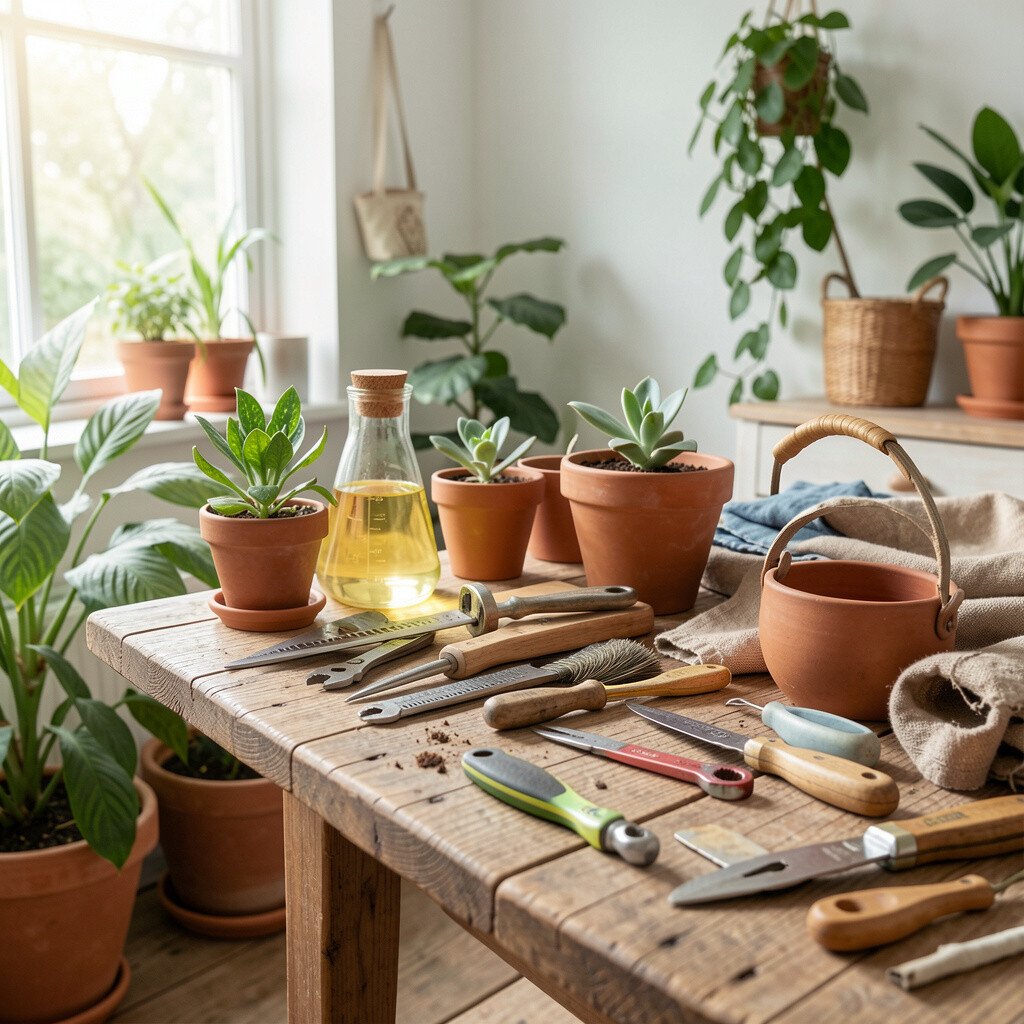
Repairing things can feel empowering, like you’re taking care of your belongings instead of replacing them. It also keeps usable items out of landfills.
Start with simple repairs like sewing a button, patching a small hole, or fixing a loose zipper. Watch short videos and practice with inexpensive tools, then upgrade your equipment once you know what you enjoy. If you don’t want to repair alone, look for community repair events, which are a growing trend in many towns.
To personalize your approach, focus on the items you use daily, like clothing, bags, or household linens. A small repair kit can be affordable and useful, and it prevents repeated trips to buy replacements. Over time, the savings and confidence can feel just as valuable as the planet benefits.
16. Make Your Home Trash System Personal

A well-organized home for waste reduces stress and makes sustainable habits automatic. When sorting is convenient, you’re more likely to do it consistently.
Set up your bins based on your actual routines, like placing compost near food prep and recycling near the place where you empty containers. Keep liners low to reduce plastic use, and choose durable containers you can wash easily. If you’re in an older building, check what spaces you have before buying anything bulky.
This is a place where personalization really helps, because every household has different needs. If you have kids, use simple reminders on the lids and keep a small stash of extra liners nearby. Thinking about costs, it’s often cheaper to invest once in sturdy bins than to keep replacing disposable bags every week.
17. Support Local Businesses That Match Your Values
Your spending choices can steer demand toward more sustainable practices. Local businesses often have closer relationships with their suppliers and customers.
Seek out companies that use refill systems, reduce packaging, and share clear information about materials. Try buying produce, baked goods, cleaning supplies, or craft items from shops that make an effort to be responsible. You can also ask questions in a friendly way when you visit, and you’ll learn what they’re doing to improve.
If cost is a concern, look for loyalty programs, seasonal specials, and smaller package sizes that fit your budget. Many shoppers are also turning toward local co-ops and community supported programs, which is a current trend in many regions. Personalize your support by choosing one category you care about most, like food, cleaning, or clothing, and then build from there.