Your balcony can look brand new without buying a whole new garden. With smart rotation, the same pots can keep surprising you all year long.
1. Start With a Light-to-Full Sun Schedule
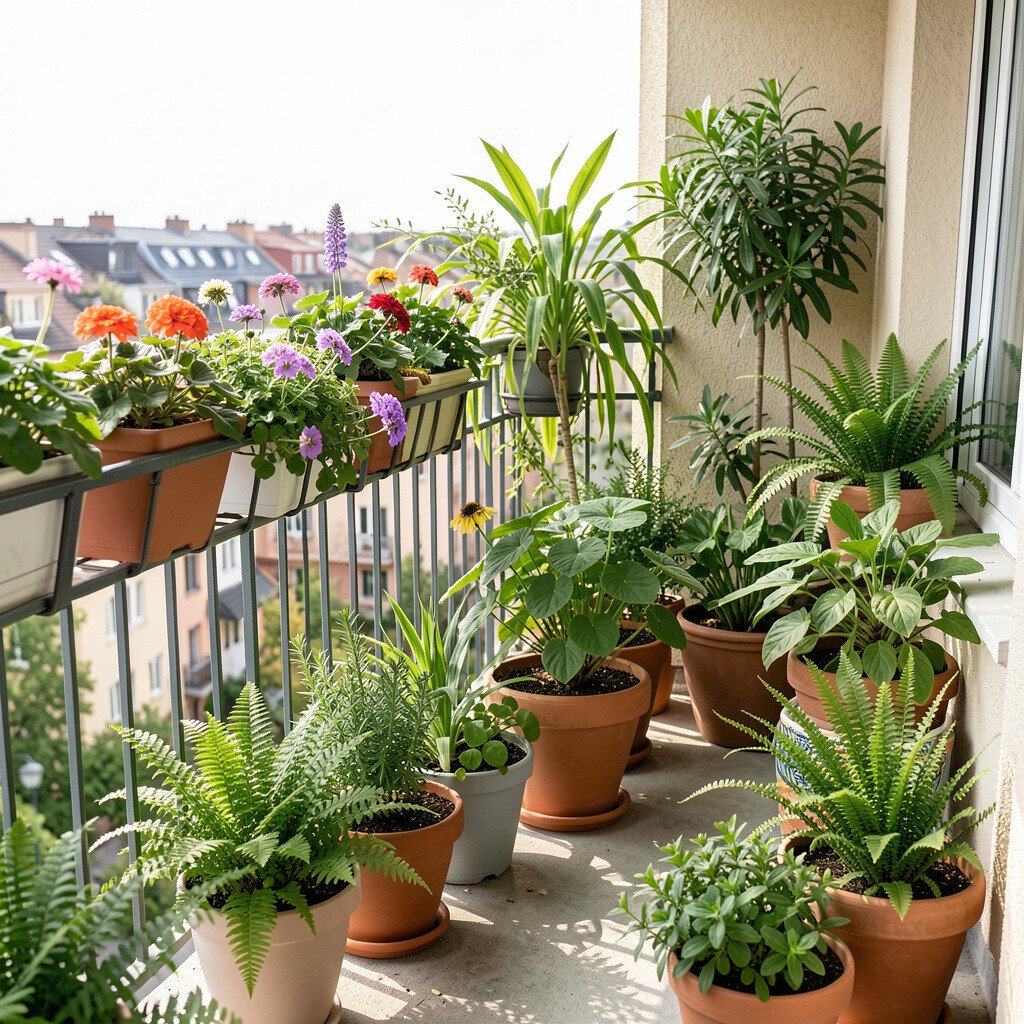
Pick a few spots that match how much sun each day’s weather brings. Keep a simple routine by moving sun-loving plants to brighter corners and shade-lovers to calmer edges.
This makes leaves stay fuller and flowers last longer. It also reduces stress like drooping or scorched tips, which means less time fussing and more time enjoying.
2. Rotate Based on Plant Weight and Wind
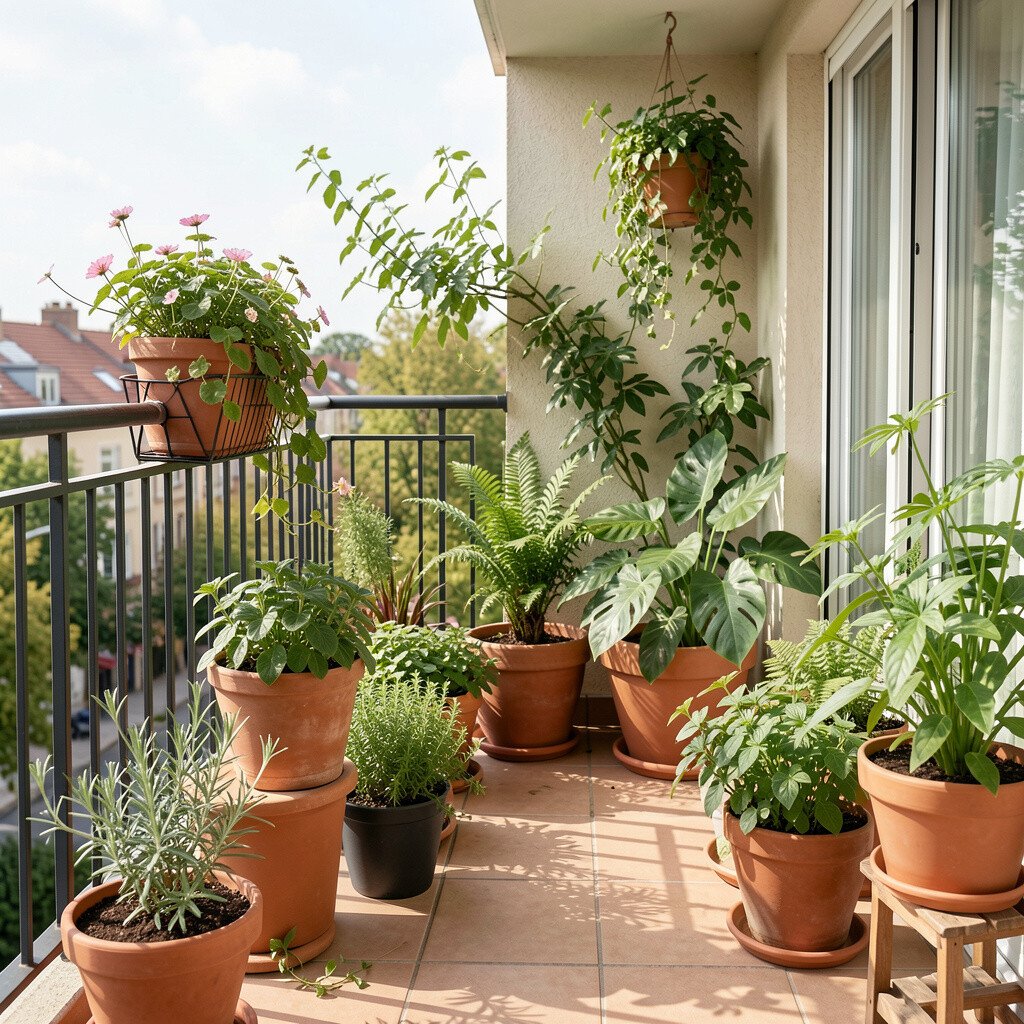
Heavy planters should go where wind can’t sneak underneath and tip them. Group taller plants together so you can secure them in one steady zone.
When breezy days return, shift lighter pots closer to the railing and keep fragile stems protected. You will notice healthier growth because the plants spend fewer days getting shaken.
For practical placement, set down pot feet or use a thin mat so moving them doesn’t scratch your floor. It feels tidy and costs next to nothing, especially if you already have an old non-slip liner.
3. Pair Cool-Season Bloomers With Summer Foliage
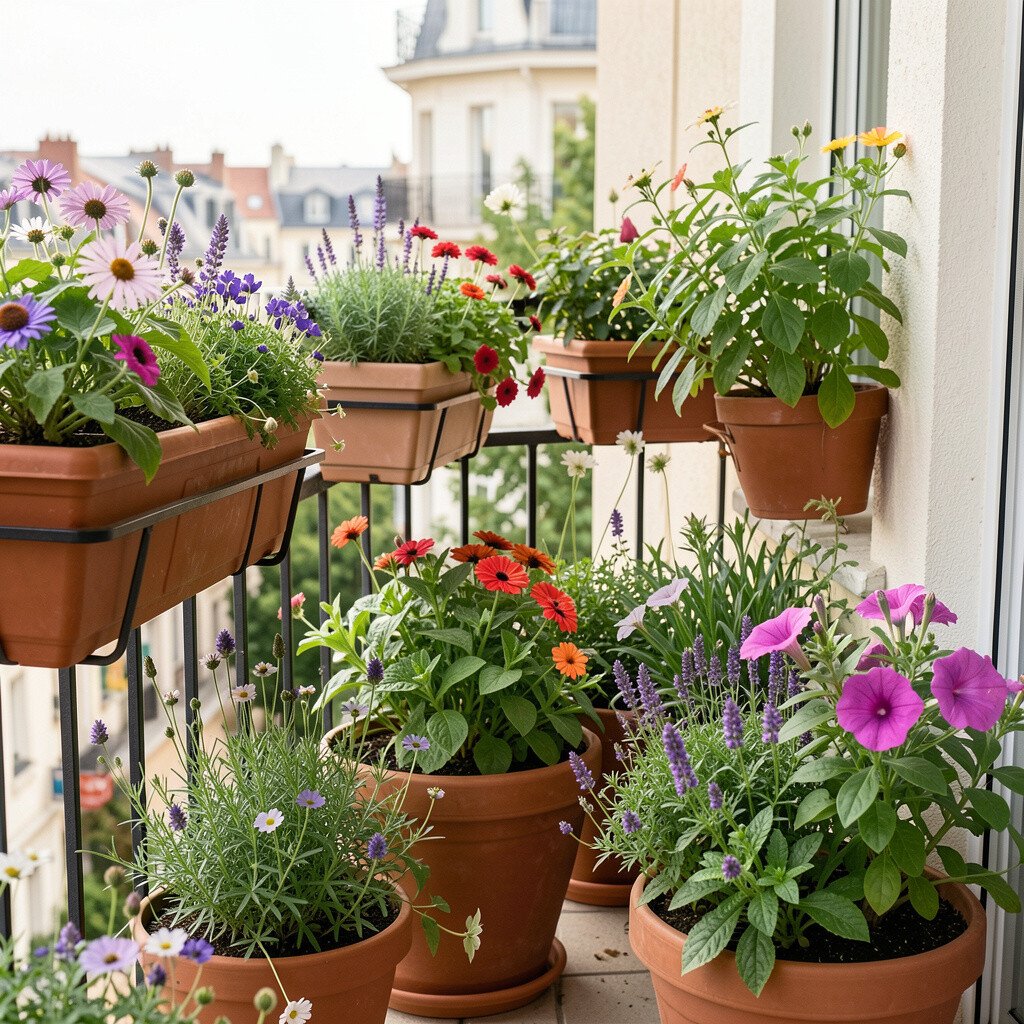
Spring and fall favorites like pansies, alyssum, and snapdragon look amazing beside bold summer leaves. Swap them in and out so the color shifts without your containers going bare.
This pairing also supports more variety in texture, which makes the whole balcony feel richer. If you rotate every time temperatures swing, you avoid the “same look all season” feeling.
Try mixing one showy bloomer with two supporting plants for balance. Personalize by using a color theme, like soft purple and cream in cool months, then switching to warm coral and lime in summer.
4. Use a Staggered Timeline Instead of One Big Swap
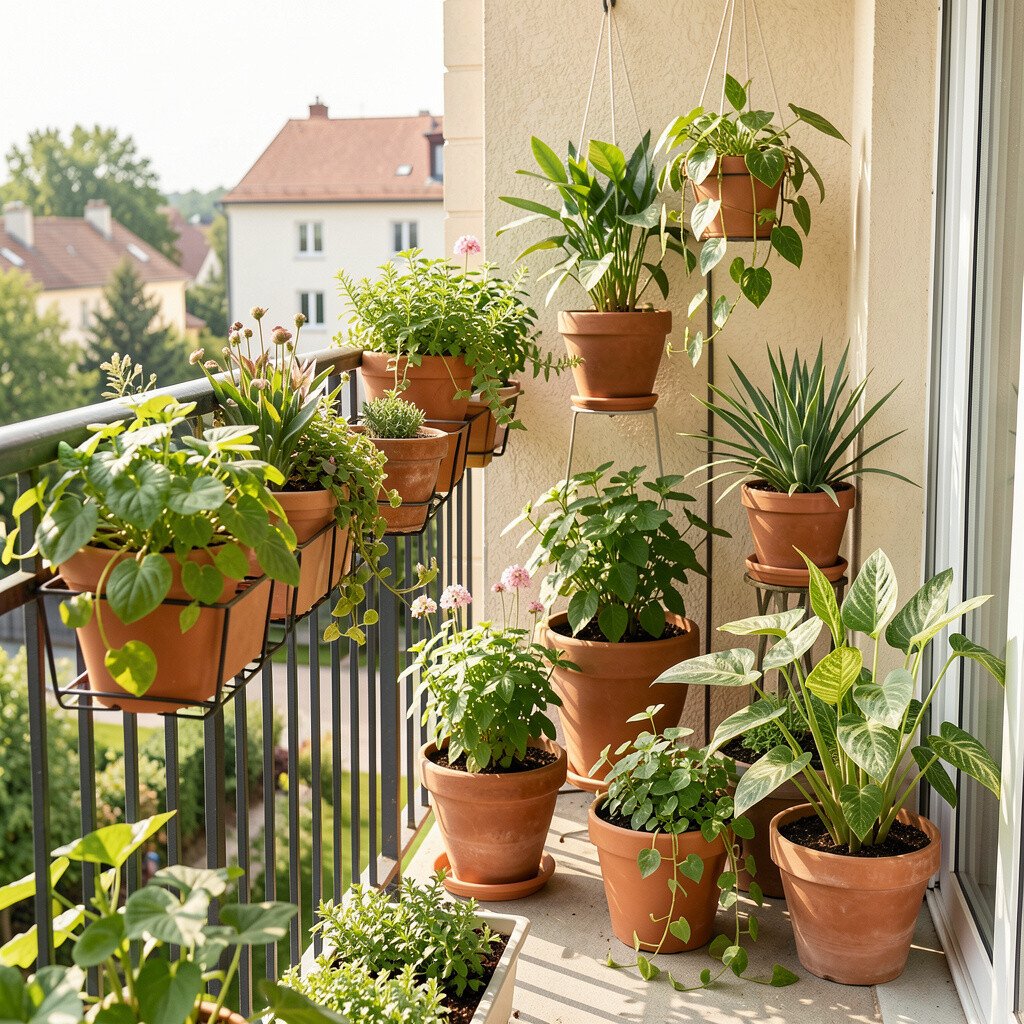
Rather than changing everything at once, move plants in stages across the week. That way, you always have something in bloom while other pots settle in.
Staggering also helps you learn how each plant reacts to your specific balcony light. You’ll get fewer surprises and a smoother, more natural look as seasons change.
5. Refresh Pots With a Top-Dress Before You Move Plants
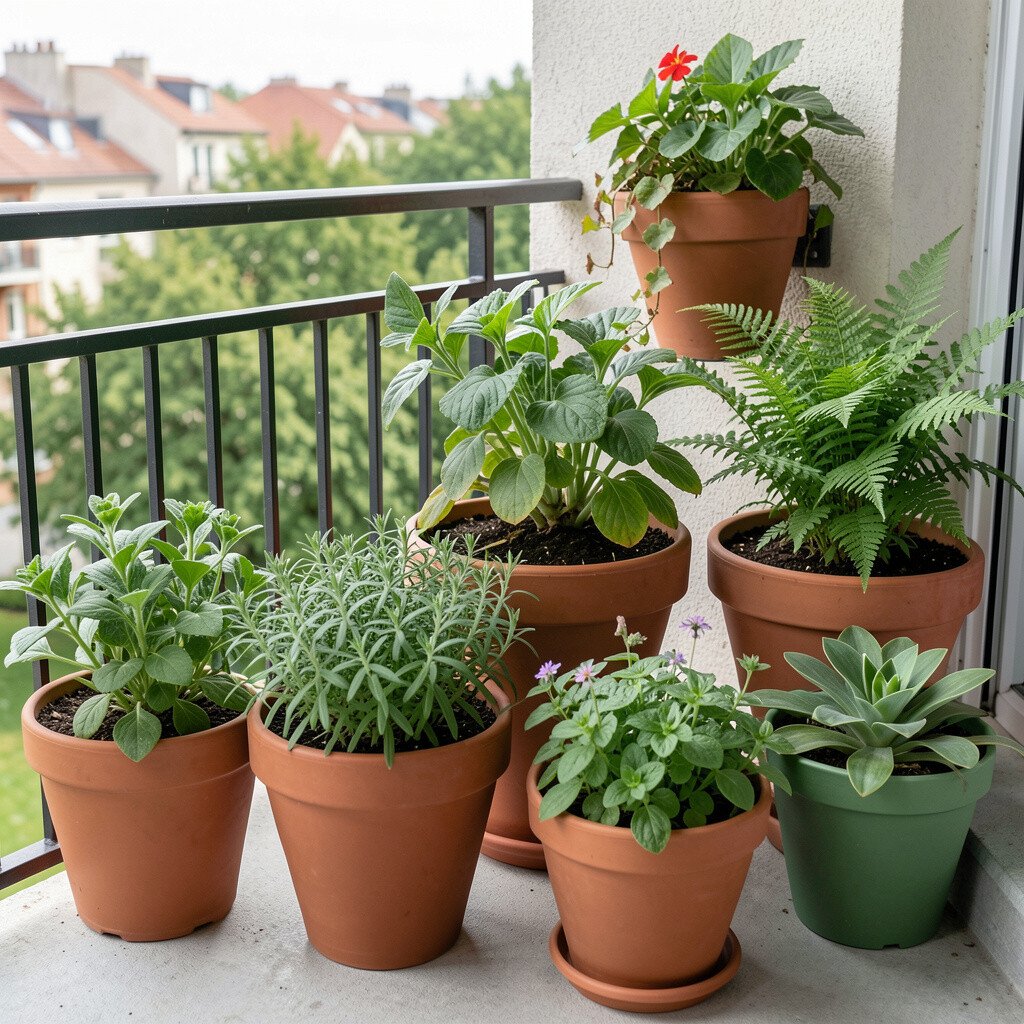
Add a thin layer of fresh potting mix or compost to existing containers before shifting plants around. Even when you keep the same plants, this makes the surface look newer and helps roots stay happy.
It improves water holding so soil doesn’t dry out as fast on warm days. Visually, the cleaner top layer makes the whole arrangement feel intentional.
For cost control, reuse pots and focus money on the soil layer that matters most. If you want a trend-forward look, match your potting texture to the vibe, like fine mix for modern planters and coarser compost for rustic styling.
6. Rotate Containers by Flowering Peaks

Watch each plant’s calendar by eye, not just by package dates. Some bloom early, others peak later, and a few give you a slow, steady show.
When you move plants based on their peak timing, you keep the balcony looking alive instead of waiting for the next wave. It also helps you notice which varieties truly thrive in your conditions.
7. Keep a “Home Base” Pot for Reliable Year-Round Green

Choose one dependable plant that stays attractive no matter the season. Many people love dwarf boxwood, rosemary, or a compact evergreen because they keep color steady.
This home base anchors your design so every rotation feels cohesive. It also gives pollinators and birds a familiar stop, which can add life to your mornings.
Personalize the anchor by selecting a shape you enjoy, like upright for structure or trailing for softness. If you want variety without extra spending, start with one quality evergreen and build the rest around it.
8. Use Color Temperature Shifts to Match the Season

Cool months often look best with blues, purples, and soft whites, while warm months pop with reds, oranges, and yellows. Rotating by color temperature gives your balcony a seasonal “mood” that feels natural.
You get a fresh look without redesigning your layout every time. It also helps your eye rest because the palette stays consistent within each season.
9. Create Vertical Motion With Trellises and Hanging Layers
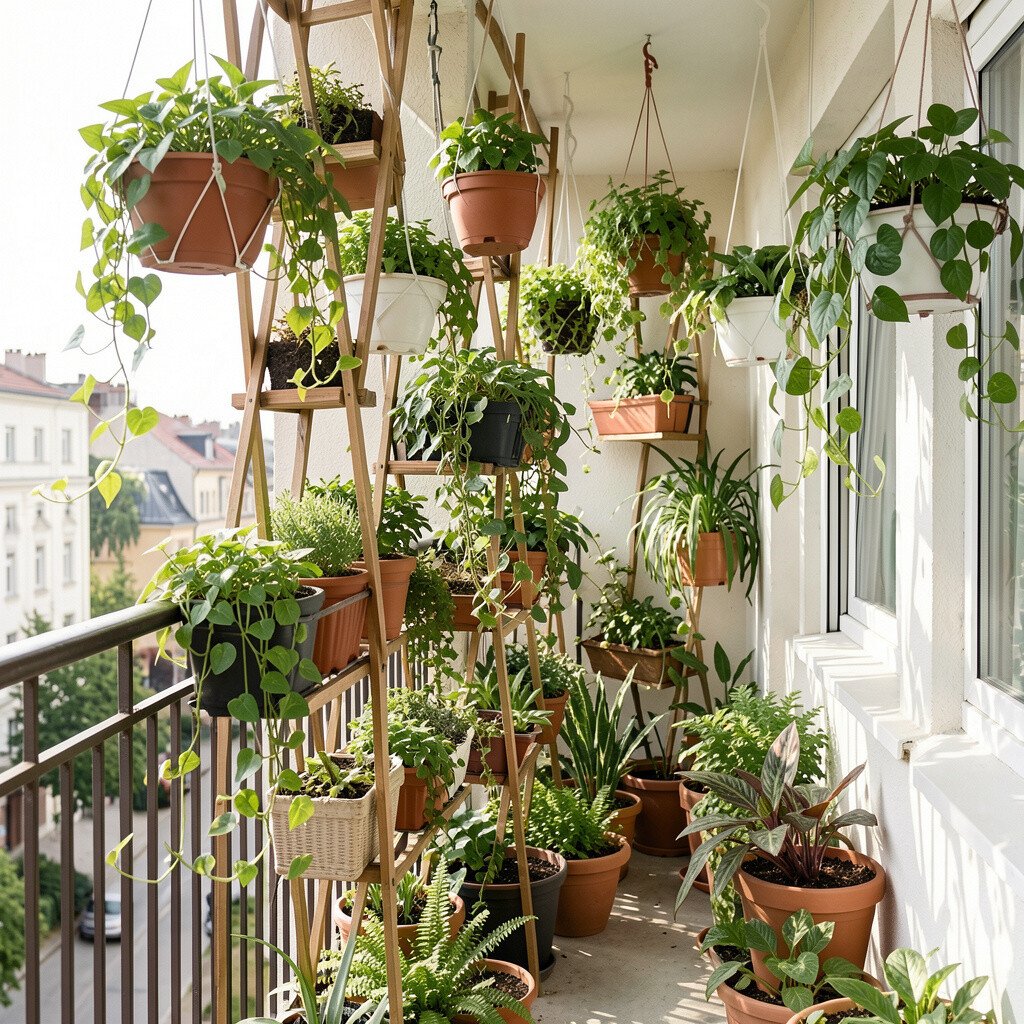
Plants feel more dynamic when some grow up while others spill outward. Add a small trellis, use a tiered stand, or hang a compact basket so height changes with the season.
Vertical rotation makes even a small balcony look fuller, because the eye travels up and down. It also keeps trailing plants from tangling, especially when you move them during weather shifts.
To keep it practical, anchor supports securely before you load pots. This reduces wobble and protects stems, and it’s usually cheaper than replacing damaged plants.
10. Swap Plant Categories for a Fresh Sense of Shape
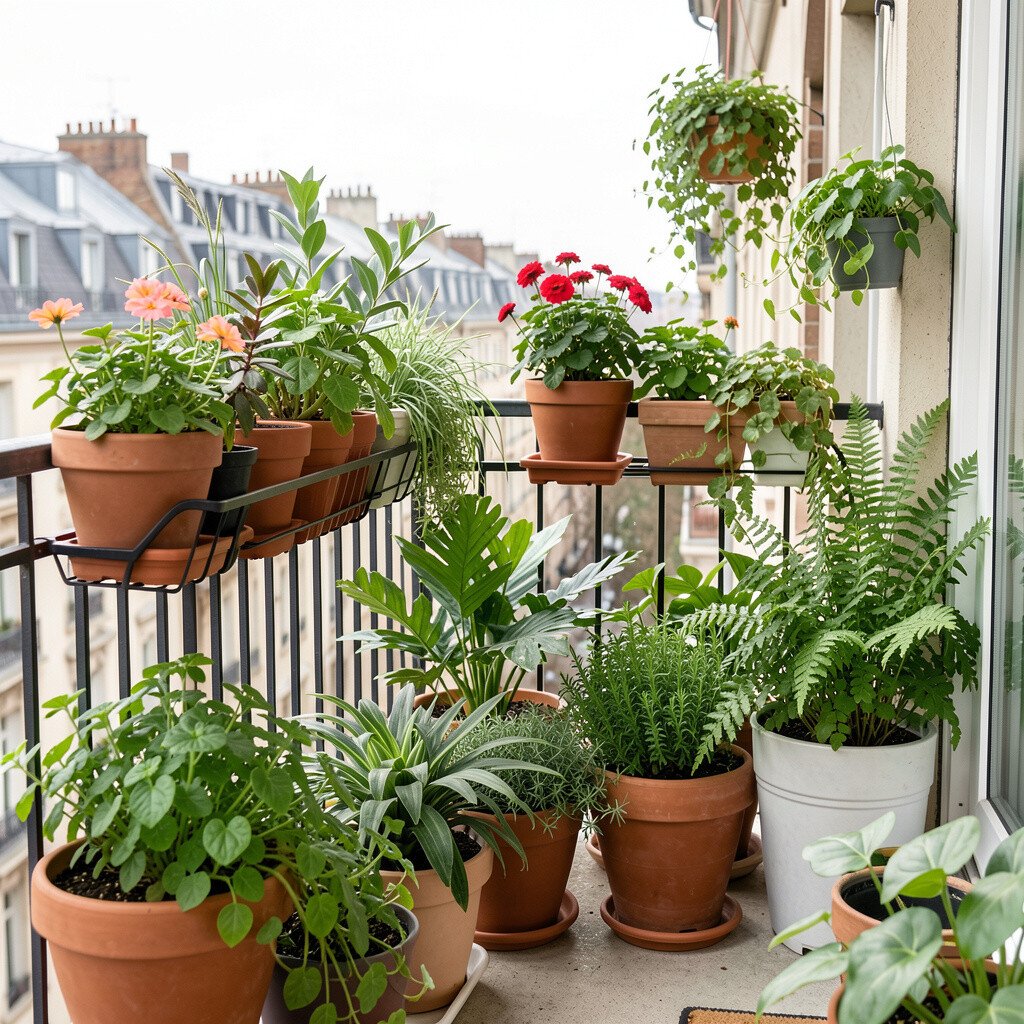
Balance your rotations by mixing categories, like mixing herbs, flowering annuals, and grasses. When you change the category, the whole balcony feels new even if you reuse the same containers.
Shape variety boosts visual interest and can hide awkward gaps between blooms. It also makes it easier to rotate because each group has its own seasonal timing.
11. Plan for Heat and Cold by Moving Pots Near Thermal Walls

In summer, push sensitive plants closer to a wall that stays cooler during the day. In winter, cluster them near a sheltered side so wind doesn’t steal all their warmth.
Better microclimates mean fewer leaf drops and less need for emergency rescues. You’ll also notice steadier growth, because the roots experience fewer extremes.
If you’re watching costs, use what you already have, like patio blocks or a spare rug, to buffer containers. Personalize the look by choosing accents in materials that match your railing and floor style.
12. Rotate Pollinator-Friendly Plants to Keep Activity Steady
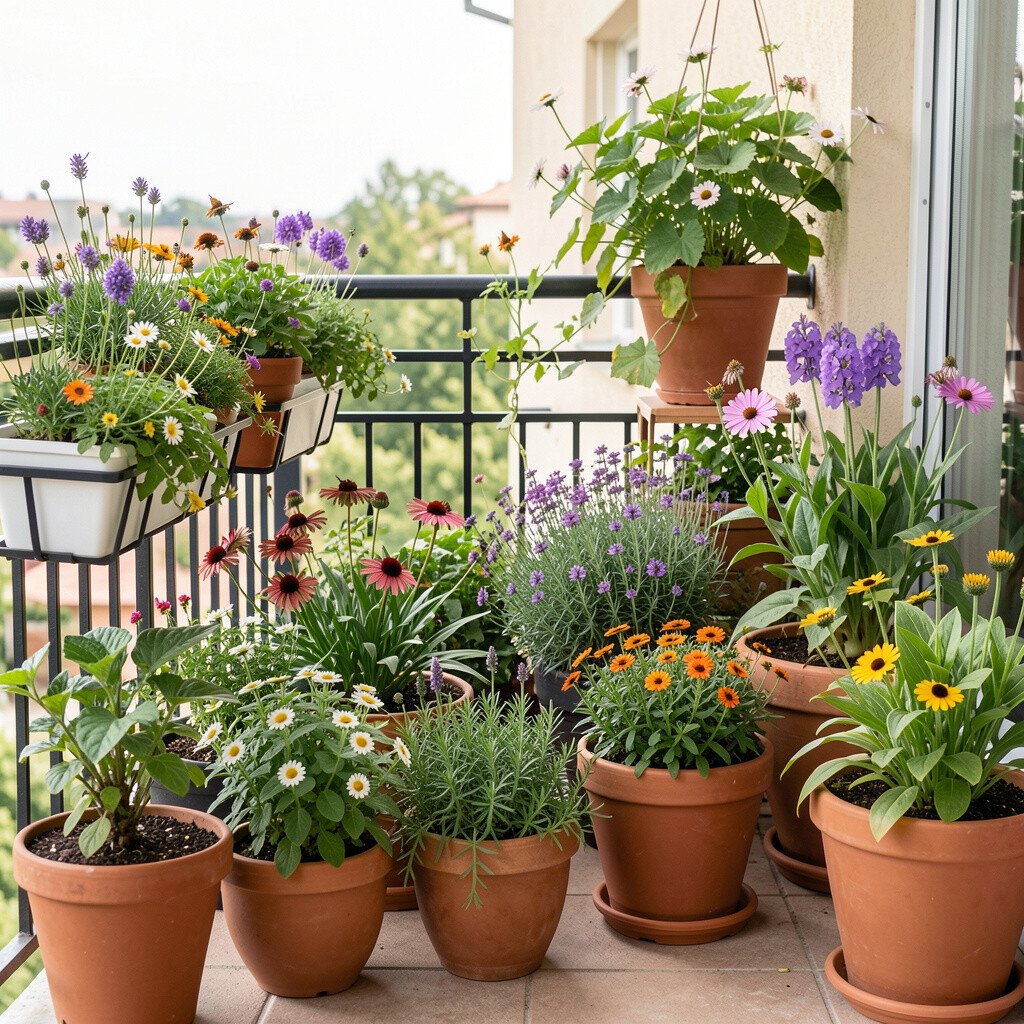
If you want your balcony to feel lively, rotate flowering types that attract bees and butterflies. Different species open at different times, so staggered flowering keeps visits more consistent.
This adds joy to your days, and it can help your other plants set better blooms. The uniqueness here is that your balcony becomes a tiny ecosystem, not just a display.
13. Keep a Small Backup Tray for Quick Plant Changes
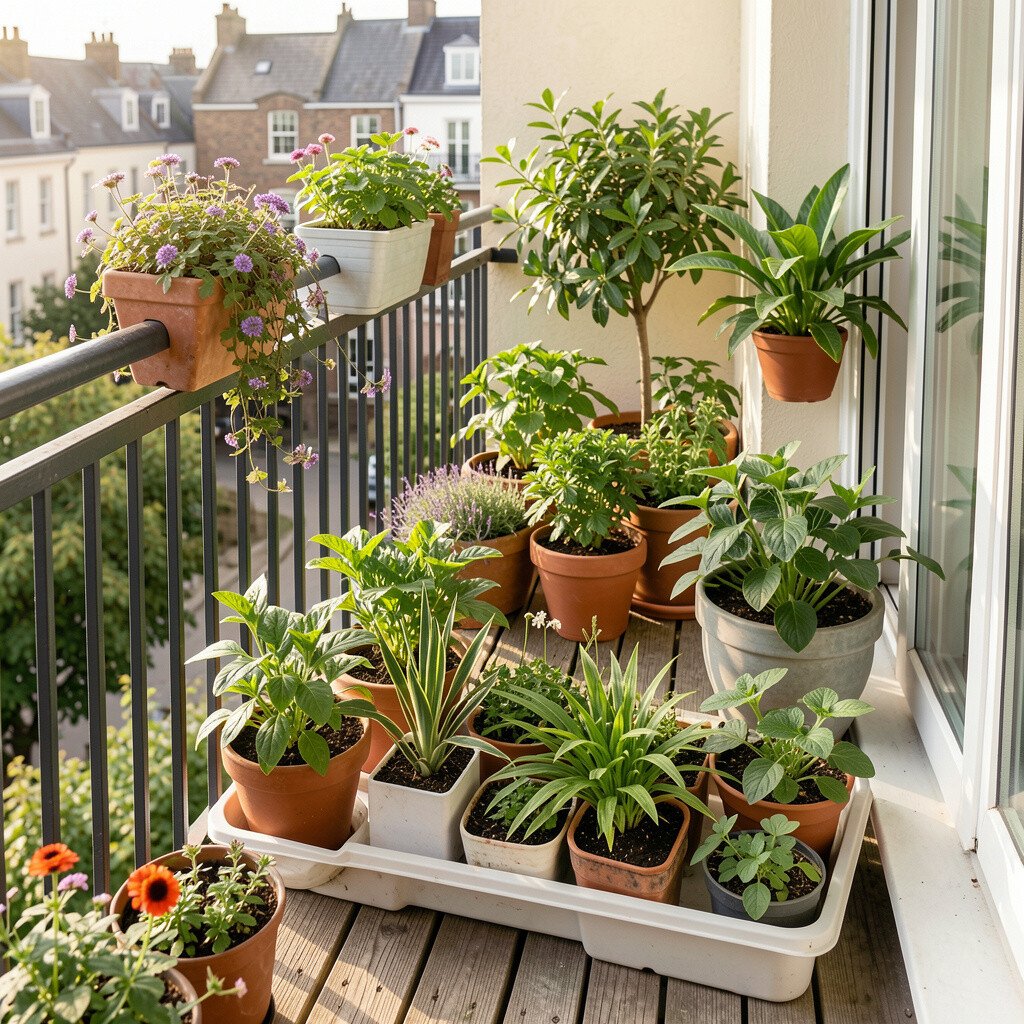
Store a spare plant tray, extra saucers, or a lightweight caddy for fast moves. When a sudden rainstorm hits or heat spikes, you can shift containers quickly without rushing.
Fast changes protect blossoms and prevent soggy soil from lingering too long. It also makes rotation feel easier, so you’ll actually stick with it instead of postponing until it’s messy.
For cost considerations, even a simple plastic tray can help you move multiple pots safely. Personalization can be simple too, like using matching saucers so everything looks neat from across the balcony.
14. Adjust Watering Rhythm After Every Rotation

Every time you move plants, their sun, airflow, and wind exposure changes. That means the soil dries at a new pace, so your watering schedule should shift with it.
This small change keeps leaves from wilting and flowers from fading too early. It also reduces wasted water because you respond to real conditions instead of guessing.
15. Try Seasonal Container Themes Based on Your Lifestyle

Make your rotation feel fun by matching it to your day-to-day routine. In spring, go airy and light for morning tea vibes, and in summer, build a bold, refreshing mix for evening sunsets.
In fall, lean into warm tones and cozy textures that make the space feel inviting. You’re more likely to maintain plants when your balcony reflects your life, not just a generic garden look.
To keep costs reasonable, reuse the same pot shapes and rotate the plant types and colors instead. For a current trend feel, mix one “statement” plant with several smaller companions for a gallery-like arrangement.
16. Do a Mini Soil and Root Check Twice a Year
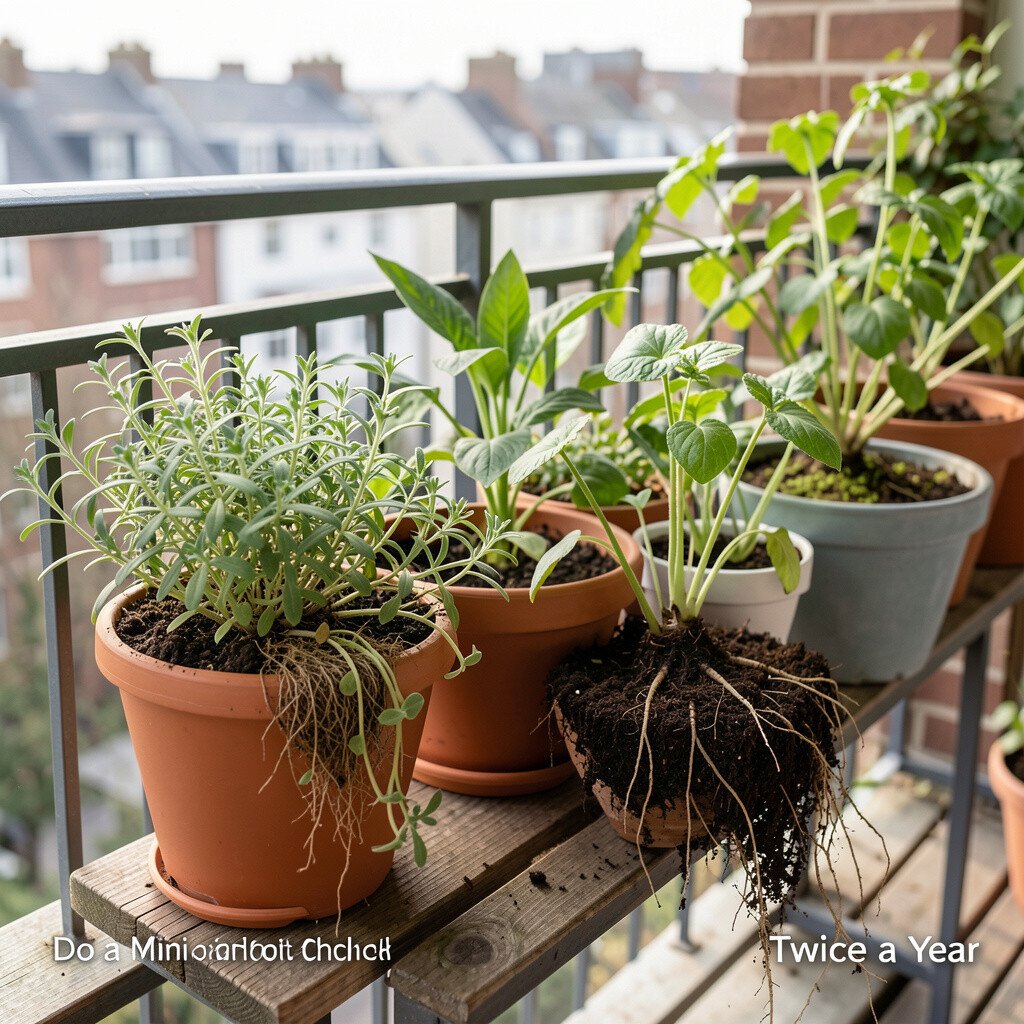
Before you shift into a new season, peek at drainage holes and check whether roots are circling too tightly. If the soil stays wet too long, your container may need a refresh and better airflow.
This practical habit keeps plants healthier and reduces the chance of sudden decline when temperatures change. It also supports uniqueness because you’ll learn what thrives in your specific mix.
For personalization, adjust your container mix to match your plants, like adding extra aeration for heavy drinkers or more moisture retention for drier corners. Even if you spend a little on new mix, the payoff is fewer plant losses and a balcony that always looks cared for.