The best open spaces feel inviting, not empty. With a few smart layout moves, you can shape the room into something that fits your day.
Read on for practical ways to make open areas work harder for you, from cozy corners to flexible zones.
1. Anchor the Space With a Big Rug
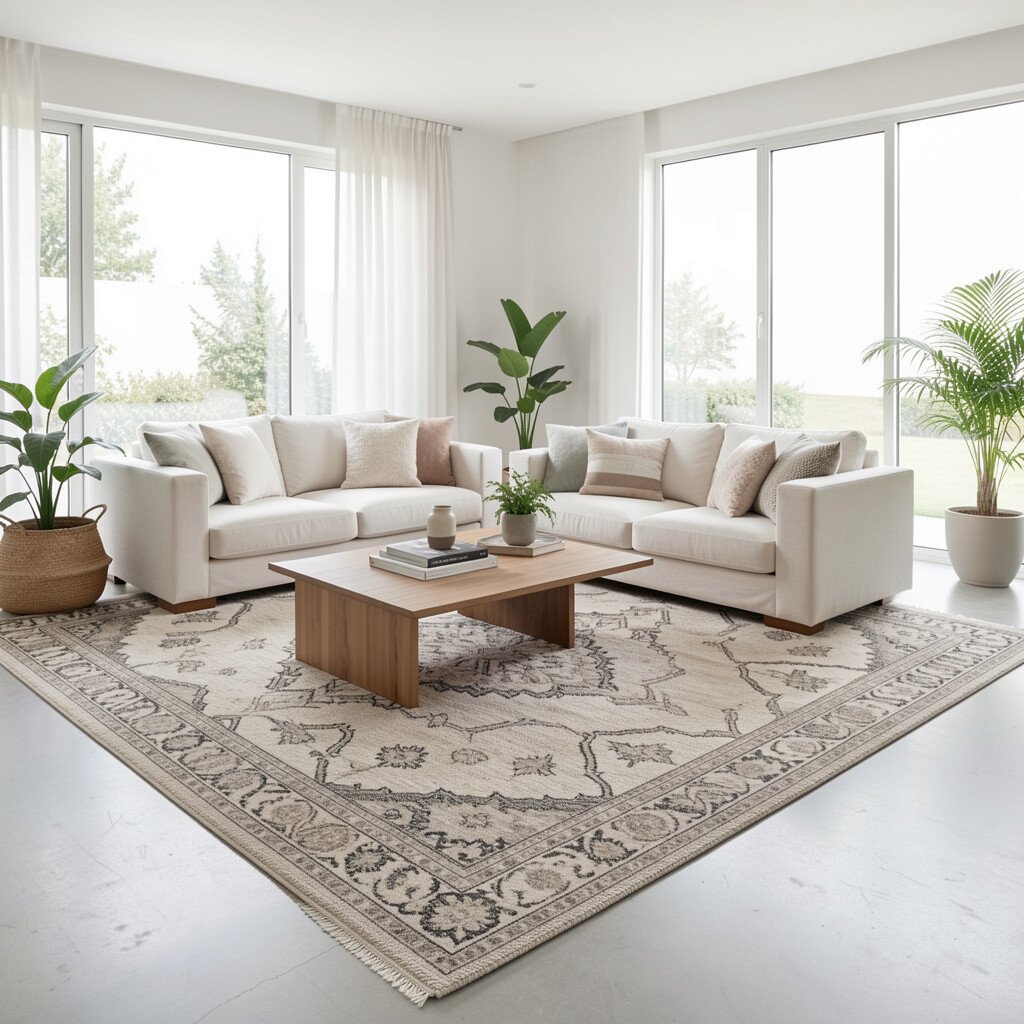
A large rug can visually hold everything together, even when the room is wide and airy. Choose one that extends under the front legs of key furniture so the layout looks intentional.
Try a pattern or texture that matches how you live. If you host often, a durable rug with a simple design helps hide everyday wear, and it keeps foot traffic comfortable.
2. Build Conversation Circles Around a Focal Point
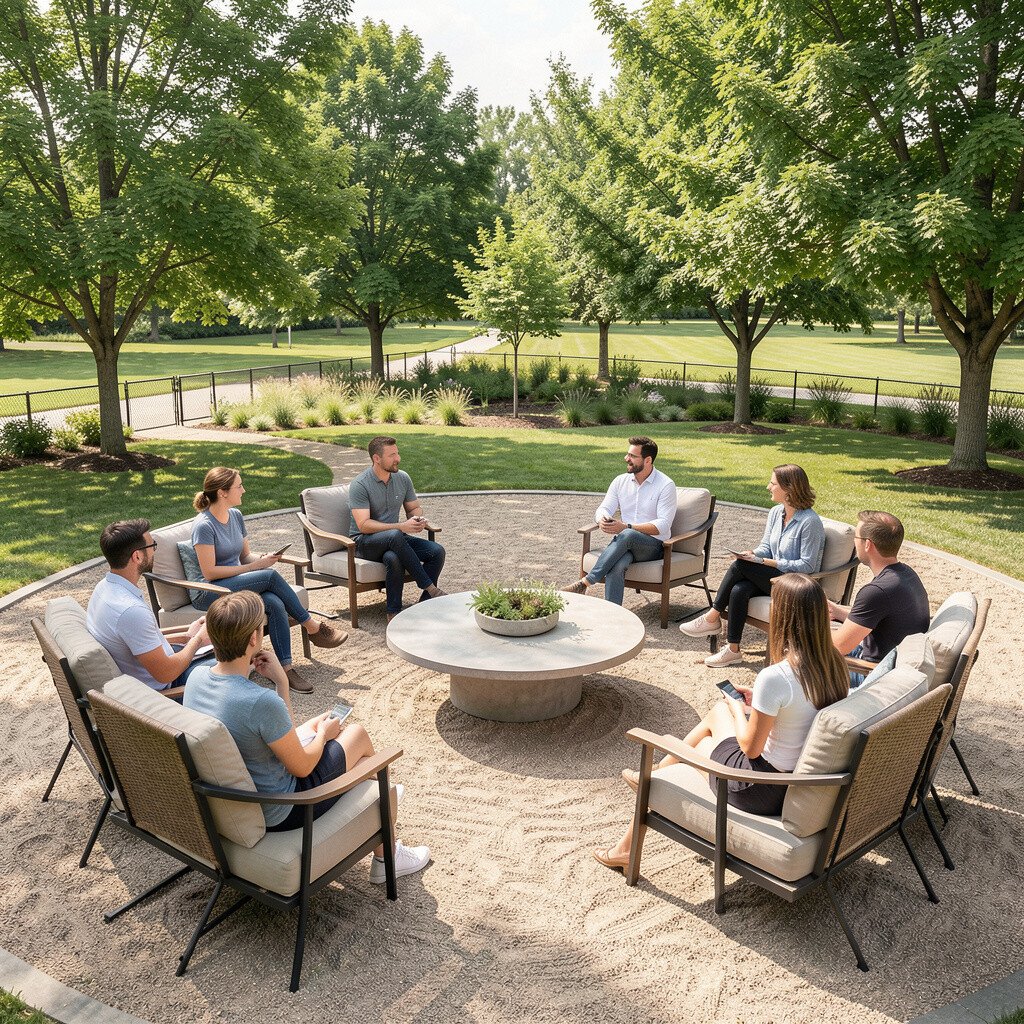
Arrange seating so people naturally face each other, especially near a focal point like a fireplace, window, or art wall. Even in a large open area, this creates a clear sense of “come sit here.”
Place a coffee table within easy reach and keep pathways open behind the chairs. You’ll get a welcoming feel without crowding, and it’s easy to adjust for different group sizes.
For personalization, mix two chair styles or use matching cushions in your favorite colors. If budget matters, shop for gently used seating frames and invest in a few quality cushions for comfort.
3. Use a Media Wall That Doesn’t Block the Room
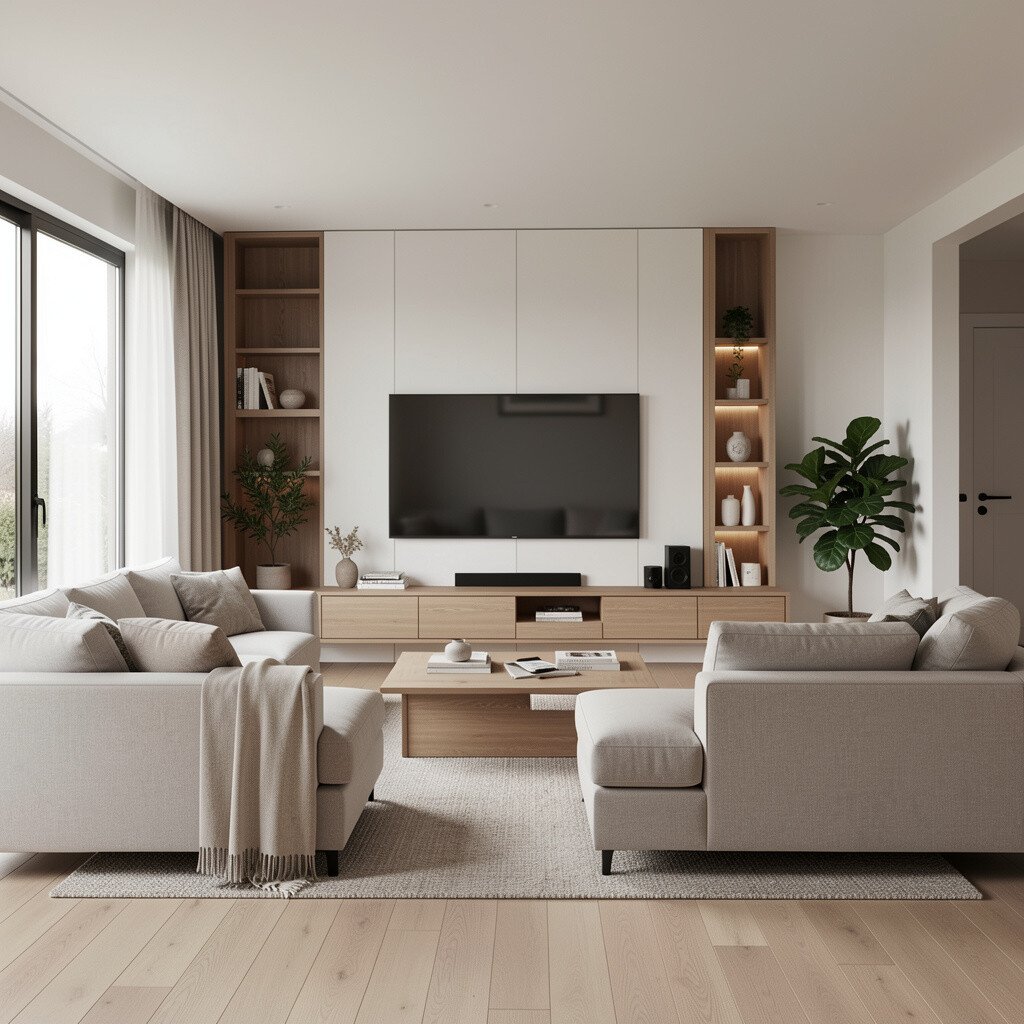
A media wall can add structure while still letting the open space breathe. Consider a slim console with floating shelves so the floor stays clear.
Mount your TV at a comfortable height and design around it with storage for games, remotes, and books. You get a clean look and fewer visual distractions, which is great for modern living trends.
For a unique touch, add backlighting behind the shelves or a gallery of framed photos below. If you want cost control, use paint and decals for the “feature” parts first, then upgrade hardware later.
4. Create a Zoning Plan With Screens and Low Partitions
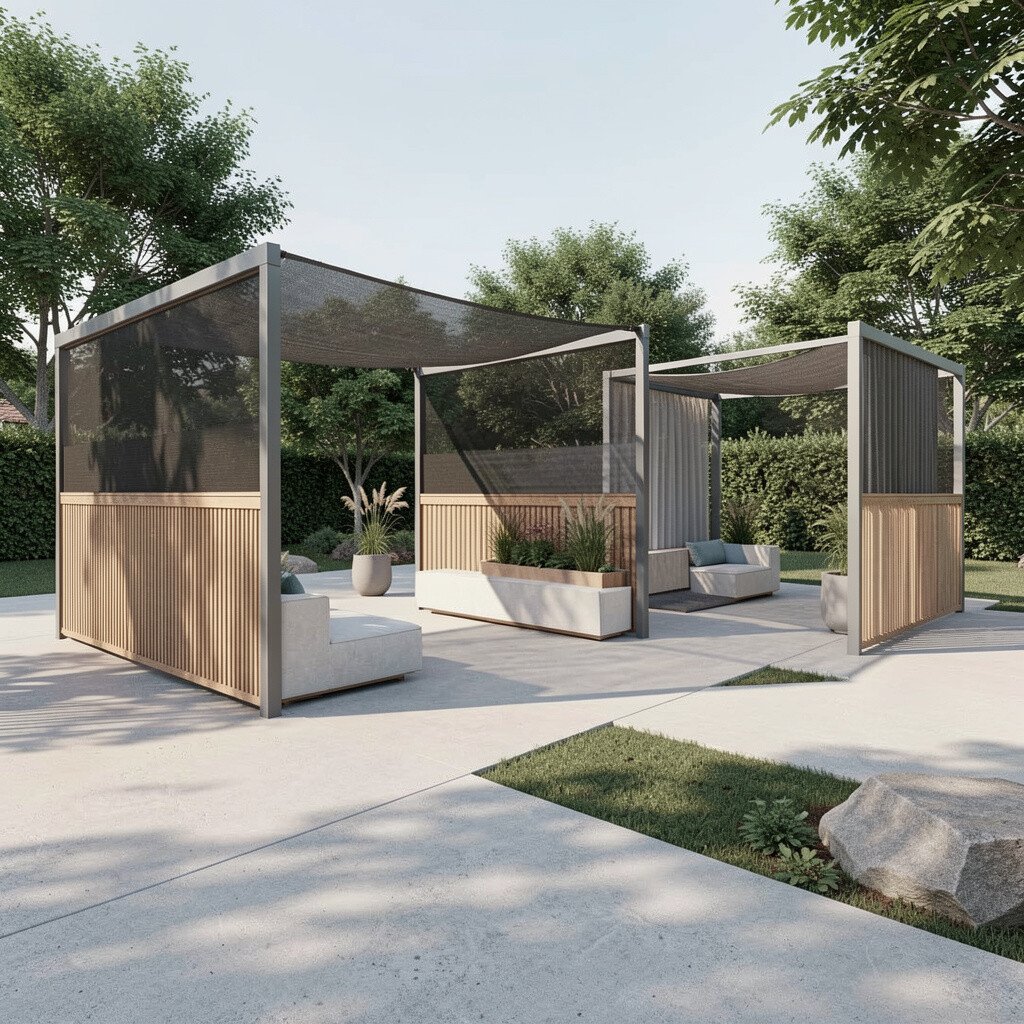
Sometimes an open area needs gentle boundaries, not full walls. A lightweight screen, folding panel, or low bookcase can separate zones while keeping light moving through the room.
Use the partition to split a reading nook from a dining zone, or to soften a home office corner. You’ll enjoy better focus, and the room feels more layered and cozy.
5. Float Furniture for a More Modern, Airy Layout
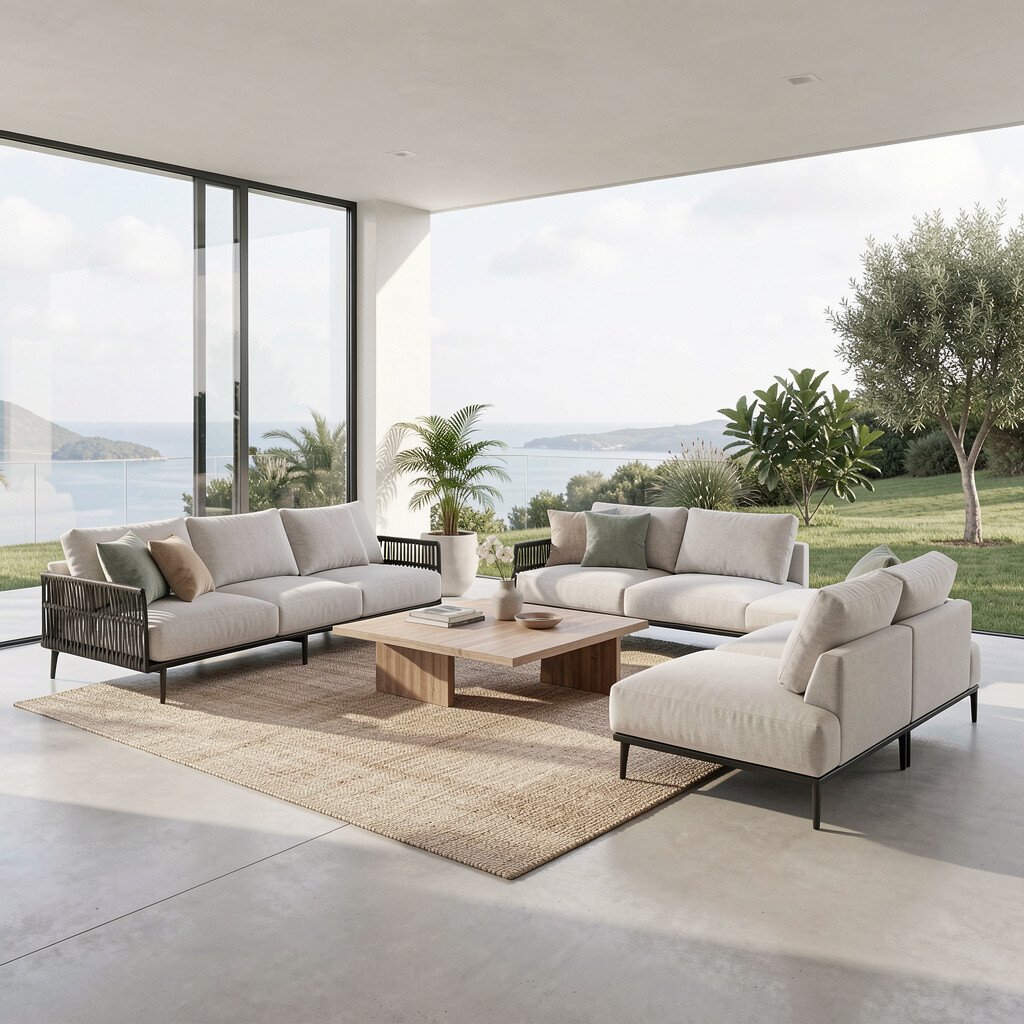
Instead of pushing everything against the walls, pull furniture away to define the heart of the room. A sofa floating a few feet from the back wall can make the layout feel intentional and current.
Keep clear walkways so the space stays easy to move through, and angle one chair toward the main seating area for flow. This small shift often makes the room feel larger because sightlines open up.
Personalize by using a mix of metals or wood tones so the floating furniture looks curated. For cost, start with moving pieces you already have before buying anything new.
6. Add a Breakfast Bar Zone With Seating
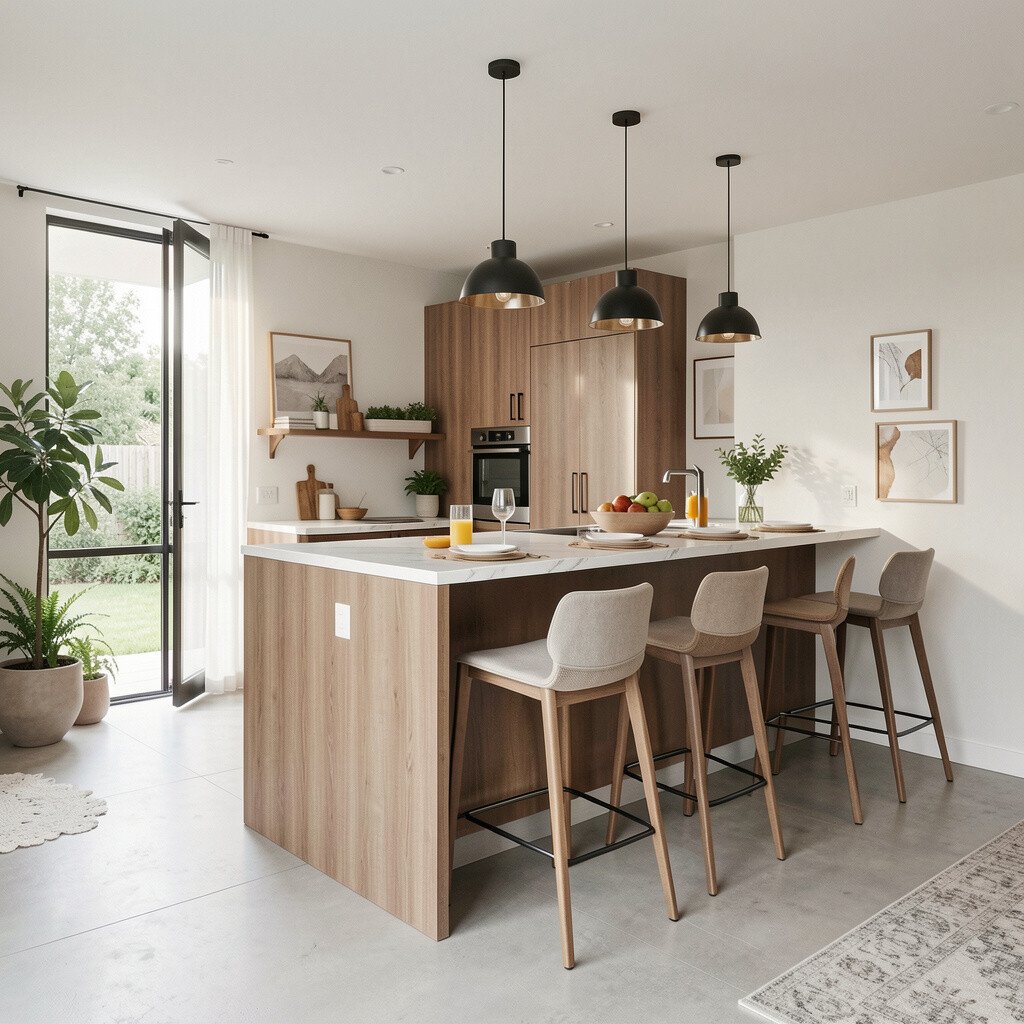
If your open area includes a kitchen or living space, a breakfast bar can be a natural meeting point. A slim table with bar stools creates a casual place for coffee, quick meals, or homework.
Choose stools with comfortable backs if you spend time there daily. The benefit is big because you gain another “ready-to-use” spot without major construction.
To keep it unique, use a bar height table with a bold finish or different seat colors. Cost-wise, a pre-made kitchen cart or console can work as a low-cost stand-in while you plan upgrades.
7. Design a Reading Corner With Warm Lighting
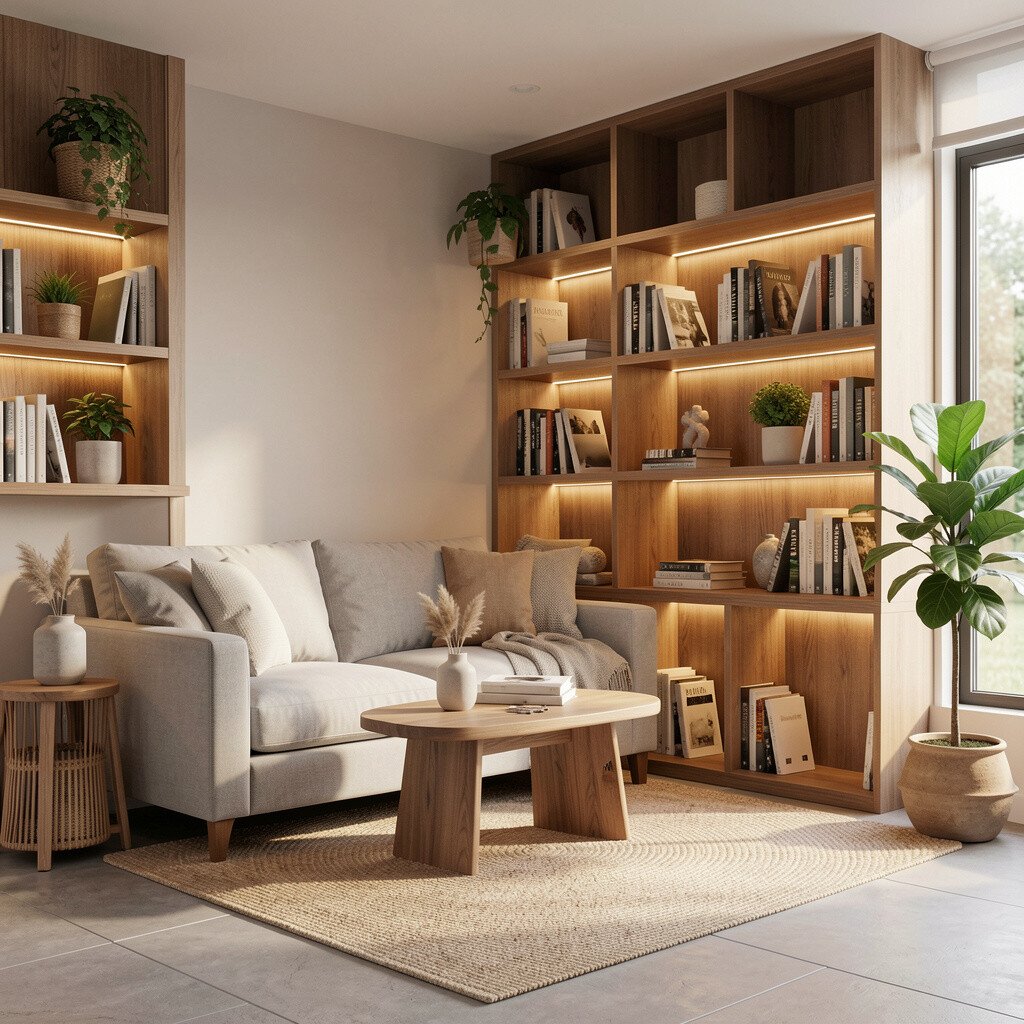
A reading corner feels magical in an open area because it gives one clear job to a small part of the room. Place a comfy chair near a lamp, and choose light that’s soft and warm rather than harsh.
Use a side table for books, tea, and a place to rest your phone. You’ll notice the benefit right away since the space becomes more relaxing and less “just waiting.”
8. Hang Art to Guide the Eye Up and Across
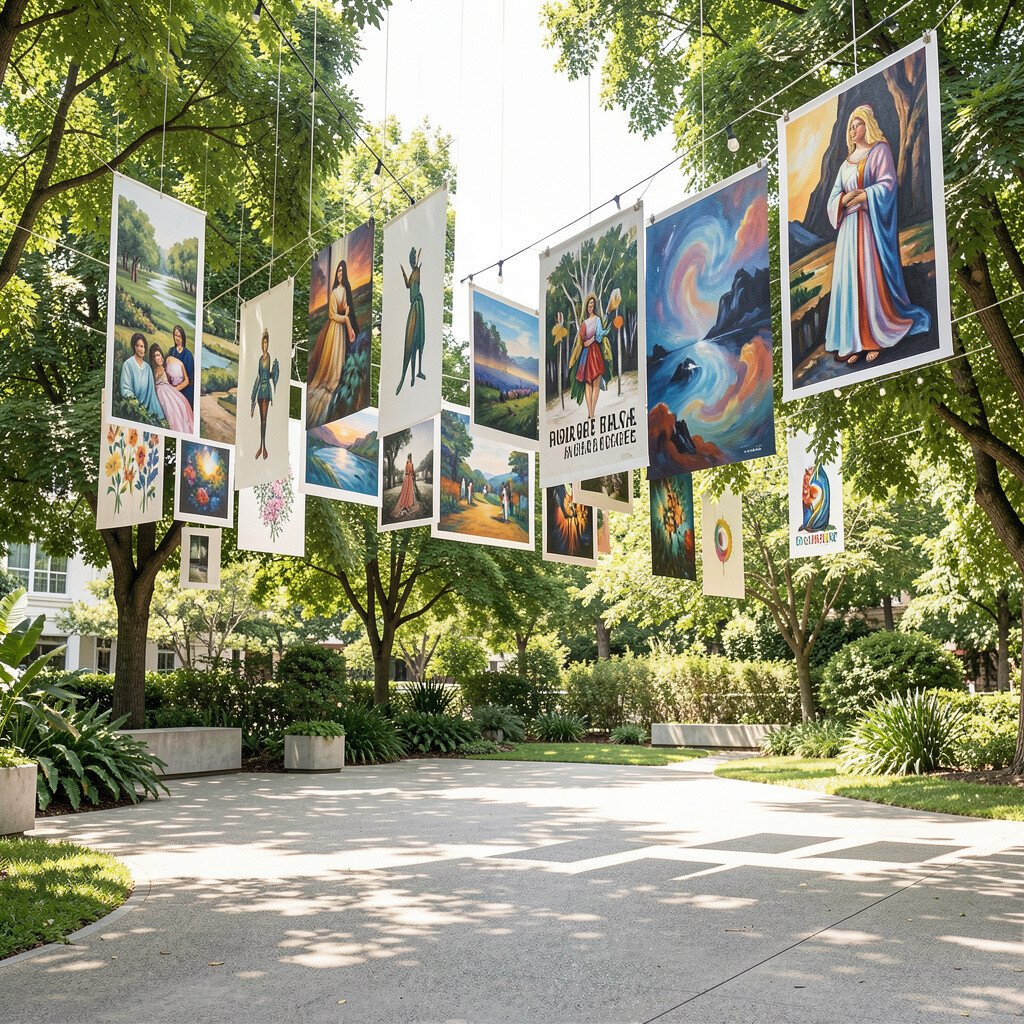
Large open areas can feel flat when everything stays low. Hanging art at different heights helps your eyes travel around the room, which makes the layout feel designed.
Try one oversized piece or a small set with consistent frames so the look stays tidy. This trend of layered wall styling adds personality without needing extra furniture.
For personalization, choose artwork that matches your daily life, like travel prints, family photos, or bold abstract shapes. If you want to keep costs down, look for affordable prints and swap the mat style for a high-end feel.
9. Build a Play-Friendly Layout With a Clear Path
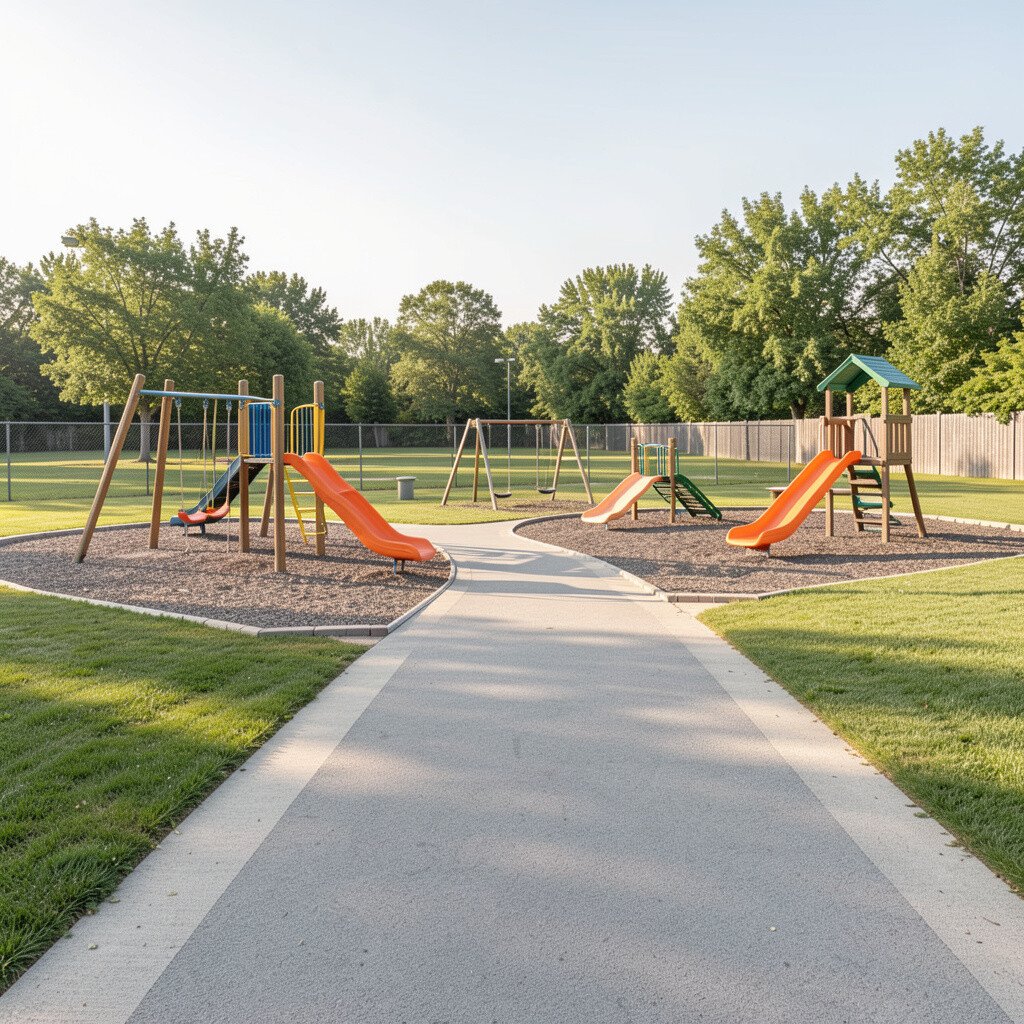
If you have kids or you host families, an open area works best when play zones are separate from foot traffic. Place a rug or soft mats where toys belong, and keep a clear line from doorways to seating.
Use storage baskets within reach so the mess can reset quickly. The benefit is huge for daily life because you spend less time picking up and more time enjoying the room.
Make it unique by choosing a playful color palette for bins, cushions, or wall decals. For cost, repurpose storage trunks or use canvas bins that match your existing décor.
10. Try a Dining Setup With Stools Instead of Chairs
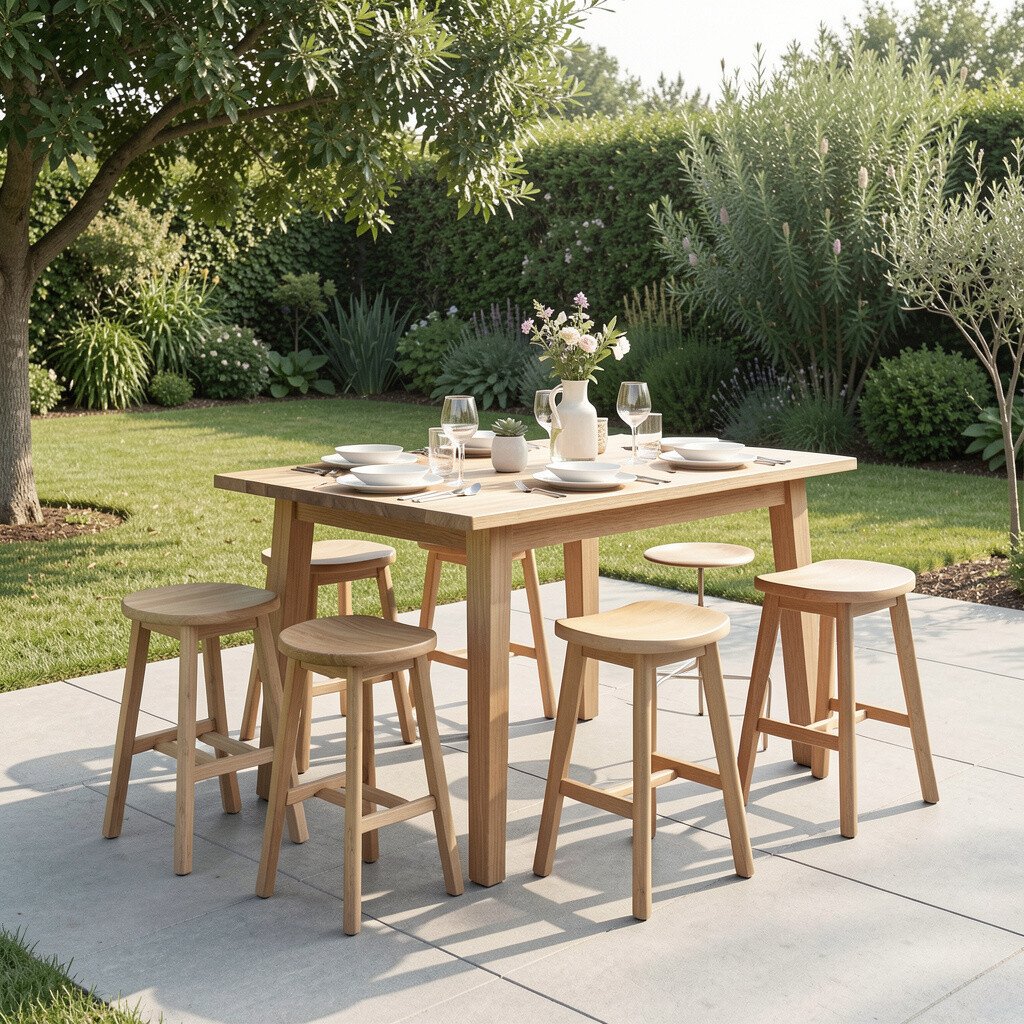
Dining spaces in open areas can feel clunky if you use bulky chairs. Stools tuck under the table more easily, leaving more breathing room around the zone.
Pick a table size that matches how you eat most days, then add a second set of seating when you host. You get flexibility, and the room stays comfortable rather than crowded.
For personalization, choose stools with fabric seats in a favorite pattern or a simple wood finish that warms the space. Cost considerations can stay reasonable by finding one strong table you love and upgrading seating gradually.
11. Add a Tall Plant Stand or Vertical Garden Look
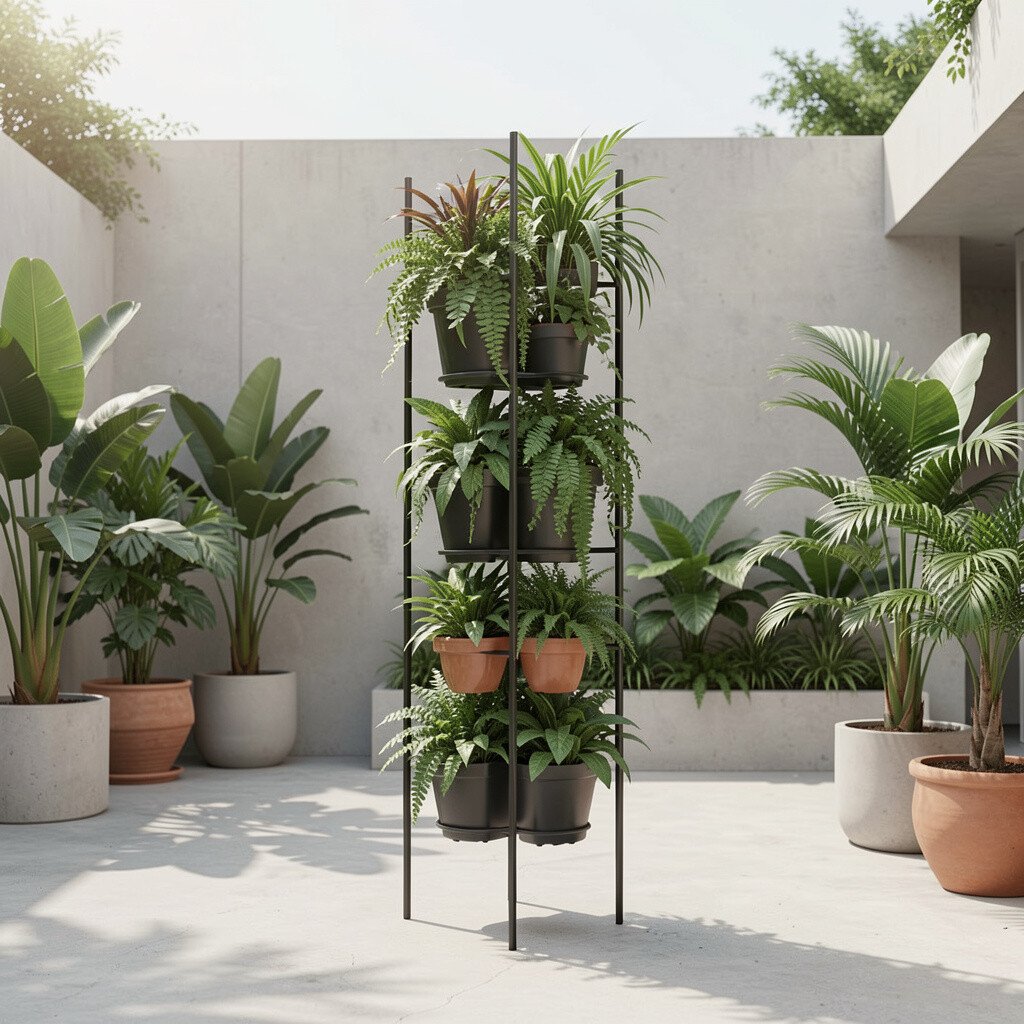
Plants bring life to open areas, and a tall stand can add height without eating up floor space. A leafy corner near a window creates a soft look that feels fresh and calm.
Choose low-maintenance plants if you forget watering, and group them in odd numbers for a natural feel. This helps the room look unique while giving you a daily mood boost.
To personalize, match pots to your colors or use one statement pot as a focal point. If budget is tight, start with fewer plants and refresh with new pot covers when the mood strikes.
12. Use a Gallery Shelf to Divide and Display
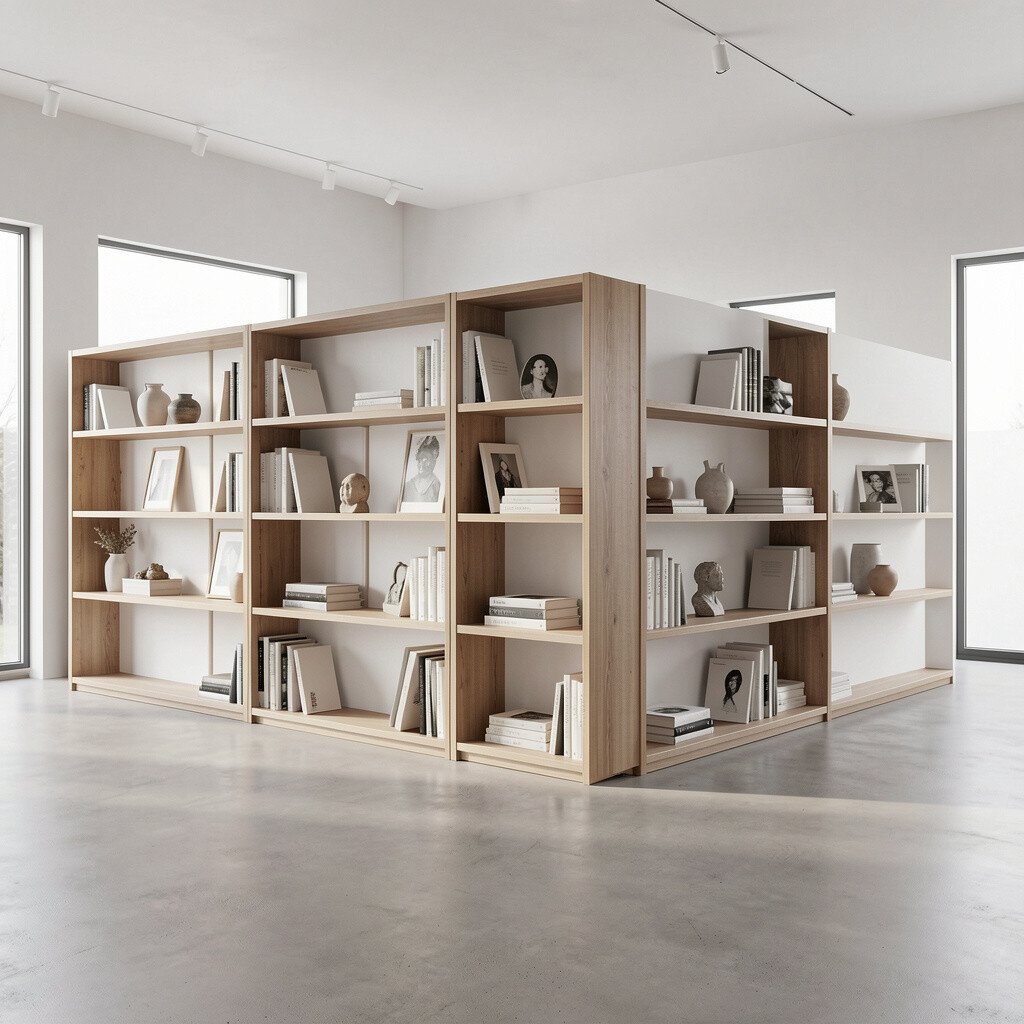
A gallery shelf is both storage and a gentle divider in an open area. Place it down the middle of a room or along a seam where zones meet, and use the shelves to show books and décor.
Keep part of the display open so the room doesn’t feel blocked. The benefit is a tidy look that still feels light and modern.
Personalization comes from mixing items like framed prints, small sculptures, and stacked books by color. For cost, focus on one strong shelf and build the collection over time.
13. Set Up a Home Office With a Soft Boundary
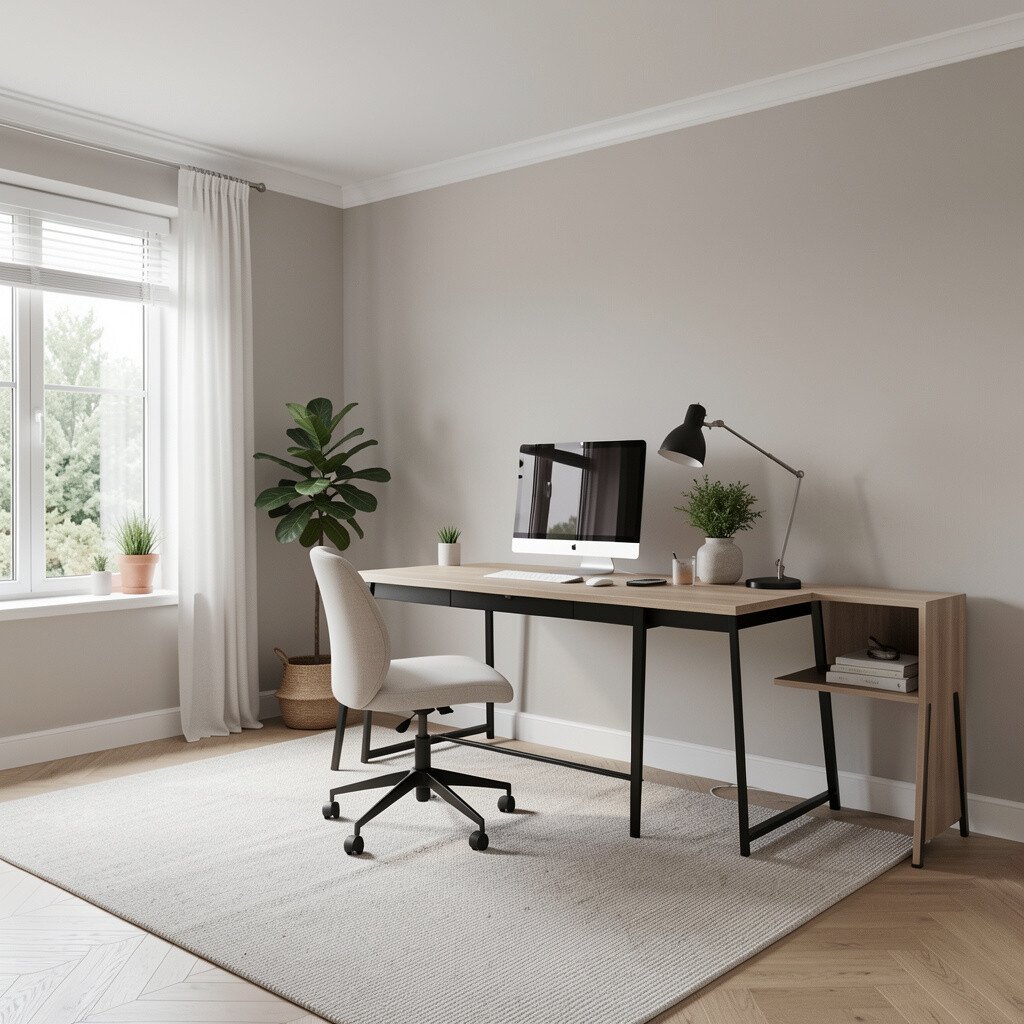
Turning an open area into a work zone is easier when you create a soft boundary. Try a desk facing into the room, then use a slim bookcase or hanging divider to reduce visual clutter.
Use task lighting so your desk area stays bright during the day. The practical benefit is better focus because your work area looks separate from where you relax.
For uniqueness, choose a desk style you love, like a vintage-inspired wood desk or a sleek modern model with slim legs. If costs need attention, buy a solid desk used and spend more on an ergonomic chair.
14. Layer Textiles With Curtains Even in Open Rooms
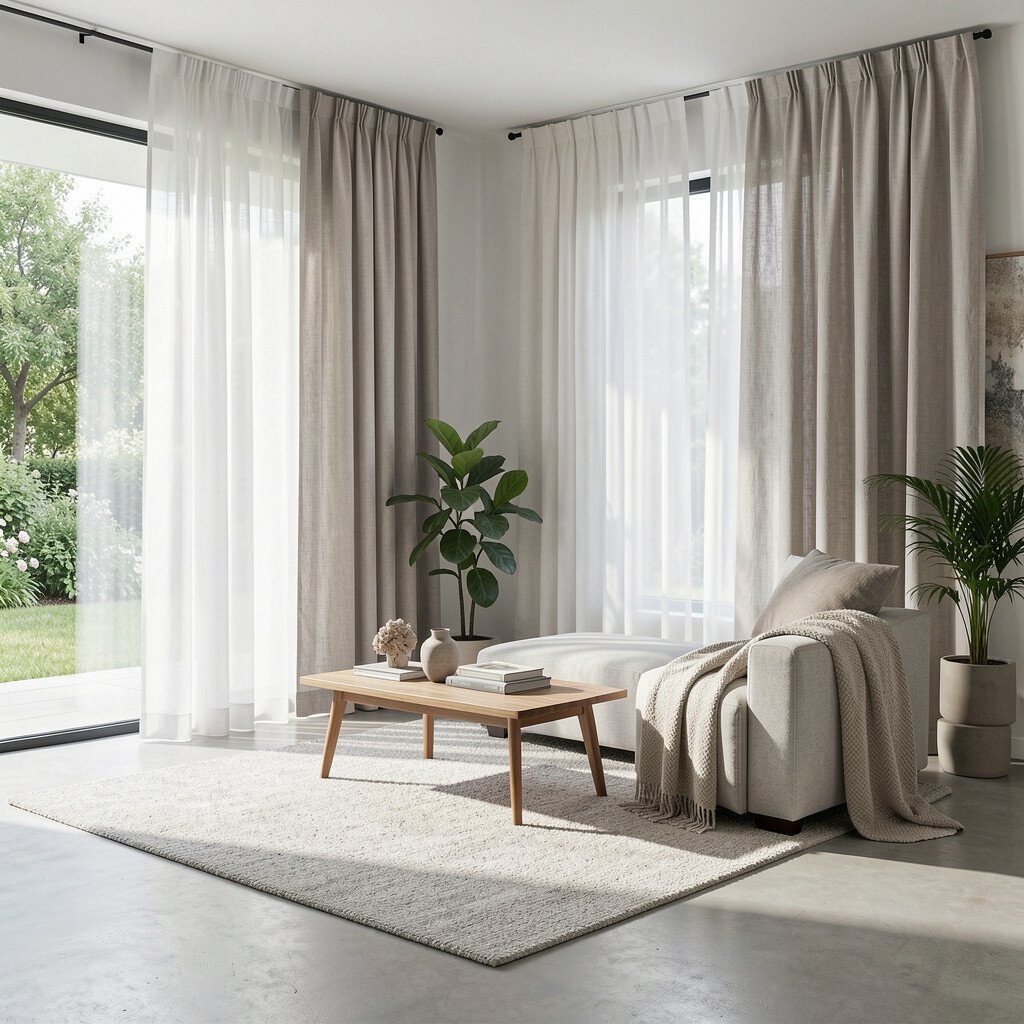
Open areas often lack privacy, and curtains add comfort without major work. Sheer panels can soften daylight, while heavier drapes can create a cozy retreat at night.
Hang curtains from a rod that runs wider than the opening so the room feels fuller. This is a trend that keeps showing up because it makes large spaces look styled, not empty.
Personalize by choosing fabric colors that echo your rugs or cushions. For cost, start with a single curtain set and add more later if you still want more coverage.
15. Create a Lounge Zone With a Sectional and Ottoman
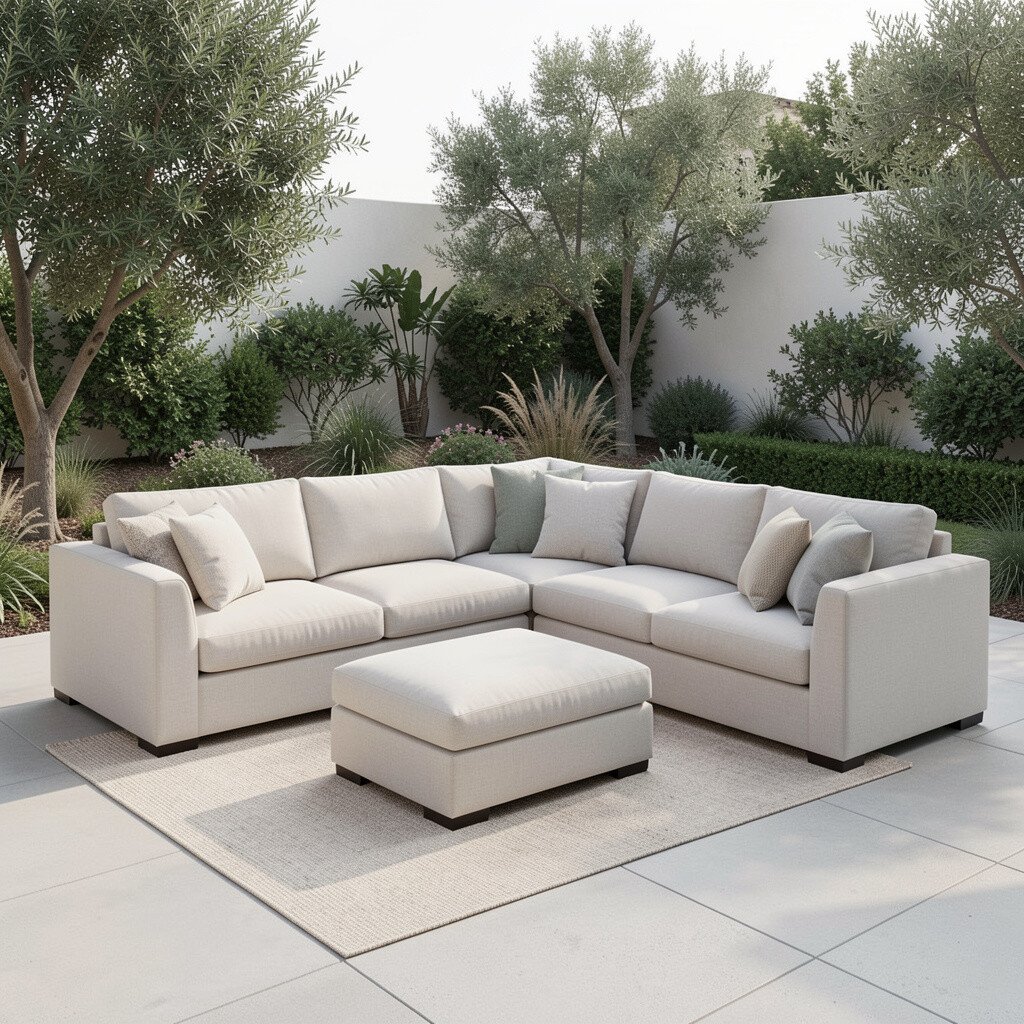
A sectional can define an open area in a big, satisfying way. Place it so it frames the room, then add an ottoman for extra seating or foot support.
Choose a fabric that handles real life, like stain-resistant materials if you eat on the couch. You get comfort and a clear relaxation spot that feels unique to your household.
16. Define a Corner Gym or Movement Area
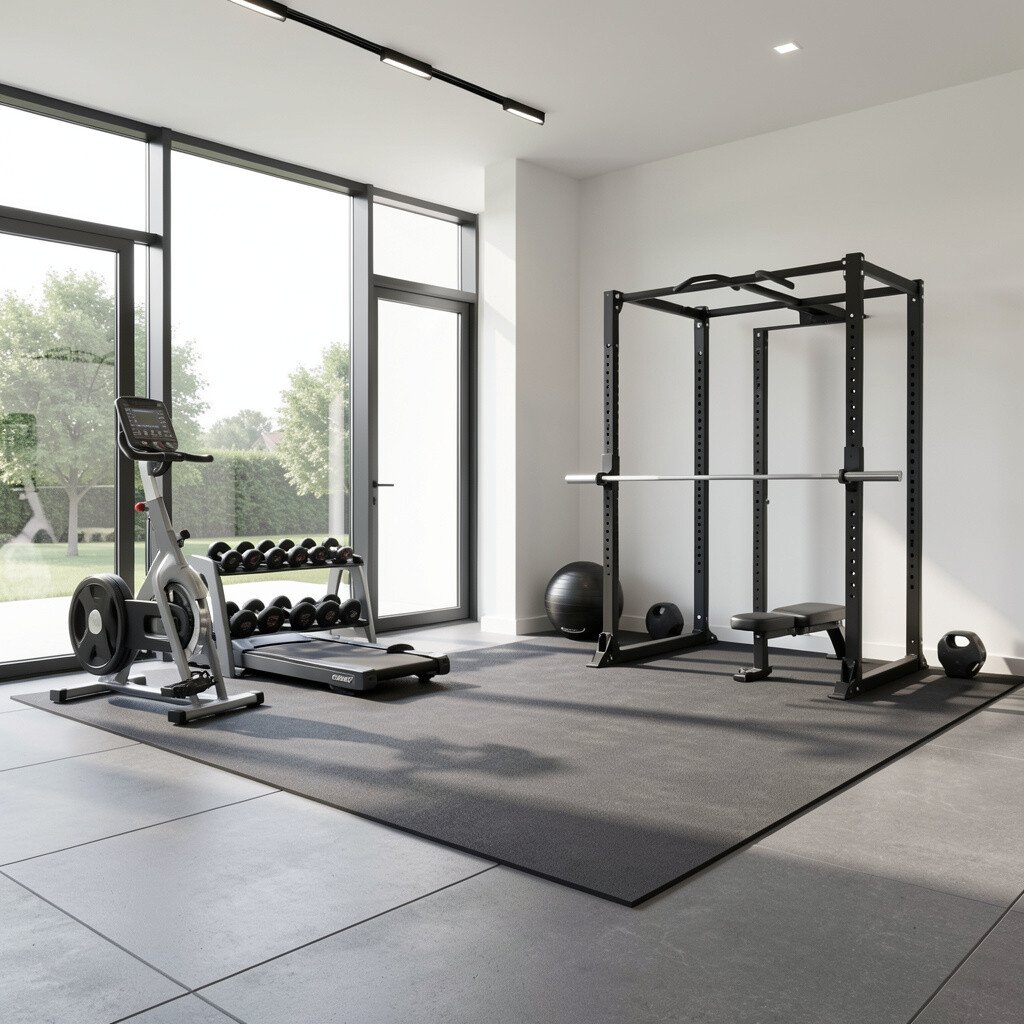
Even if you don’t have a full workout room, you can carve out movement space in an open area. A small mat zone near a wall and some open storage for bands and weights helps keep gear organized.
Use wall hooks or a narrow shelf so equipment stays visible and easy to grab. The benefit is a layout that supports your routine without turning the whole room into a cluttered mess.
To personalize, add a sound system or a mirror to make workouts feel smoother. For cost, prioritize durable basics like a quality mat and use a small storage solution instead of buying an entire gym setup.
17. Install Floating Storage to Keep the Floor Clear
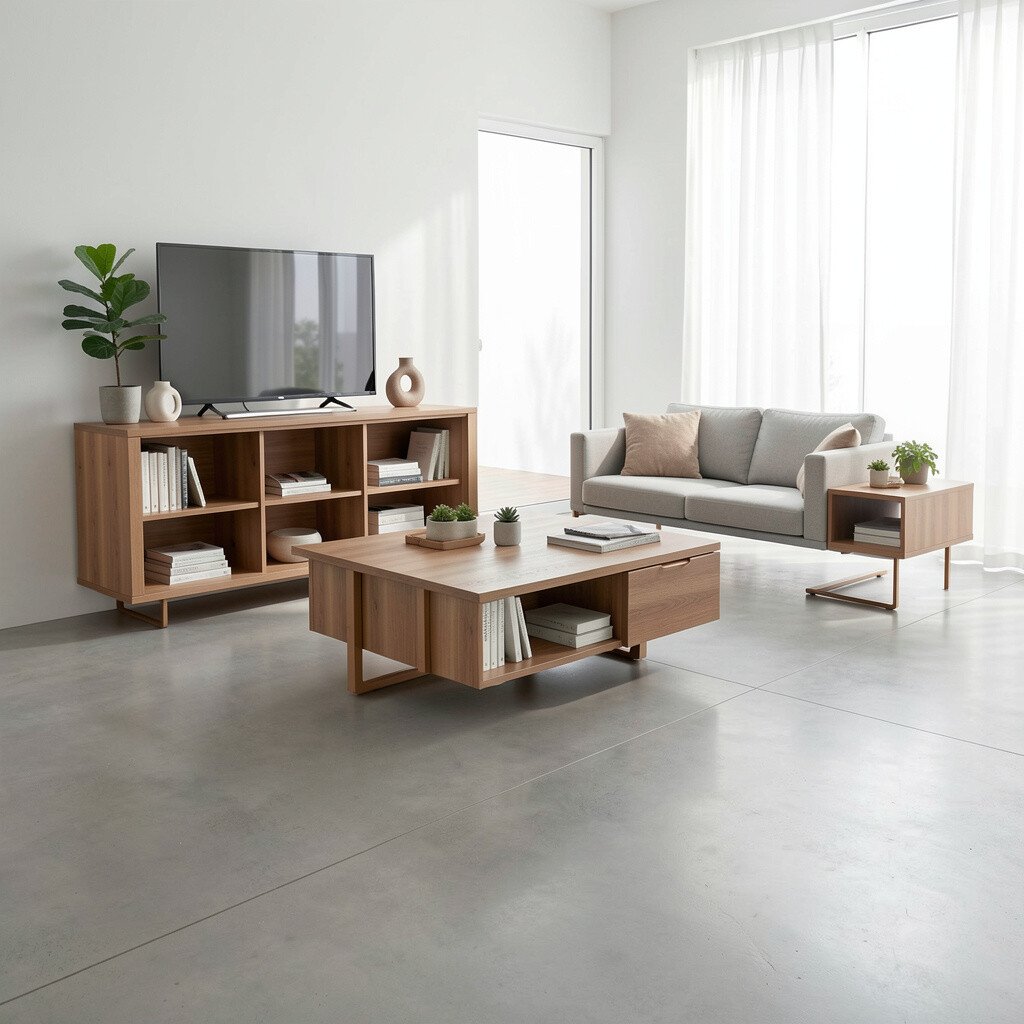
Floor space in open areas feels best when it stays open and quiet. Floating shelves, wall cabinets, and wall-mounted hooks reduce visual noise and keep daily items easy to reach.
Use baskets on lower open shelves to hide small items, then show only a few decorative pieces above. This keeps the room looking modern while still practical for everyday use.
For personalization, arrange books by color or place a few rotating seasonal décor items. Cost considerations can be manageable since many floating-storage options are available in different price ranges, and you can start with one wall first.
18. Make a Pet Zone That Still Looks Good
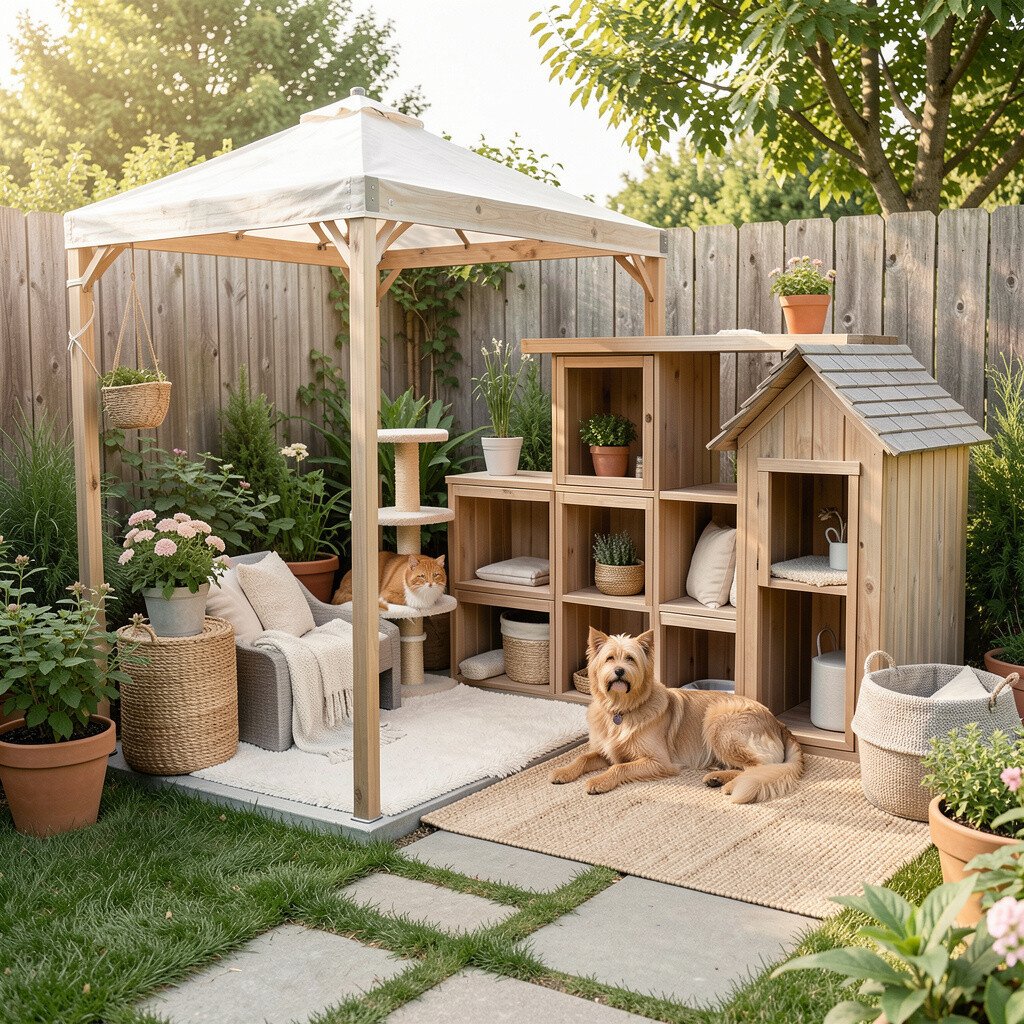
Pets need their own cozy layout too, and an open area can handle it beautifully. Choose a pet bed near your favorite seating area so your animal feels included without taking over the whole room.
Use a small cabinet or low bench for food storage and a washable mat under the bed. The practical benefit is fewer messes and a cleaner look throughout the week.
To personalize, match the bed color to your rug or cushion palette for a coordinated feel. If budget is tight, look for simple removable covers and upgrade only the bed base once you know your pet’s preferences.
19. Arrange Seasonal Swaps for a Fresh, Flexible Layout

Open areas shine when the layout has room for change. Keep core furniture pieces stable, then rotate décor, throws, and lighting accents as the seasons shift.
Swap accent colors with pillows, change wall art, and add different centerpieces to match your mood. This approach keeps your space feeling new without buying a whole new room every time.
For personalization, store items by category so you can switch quickly, like holiday décor in one bin and summer textiles in another. Cost considerations become easier because you plan upgrades in stages and use what you already own.