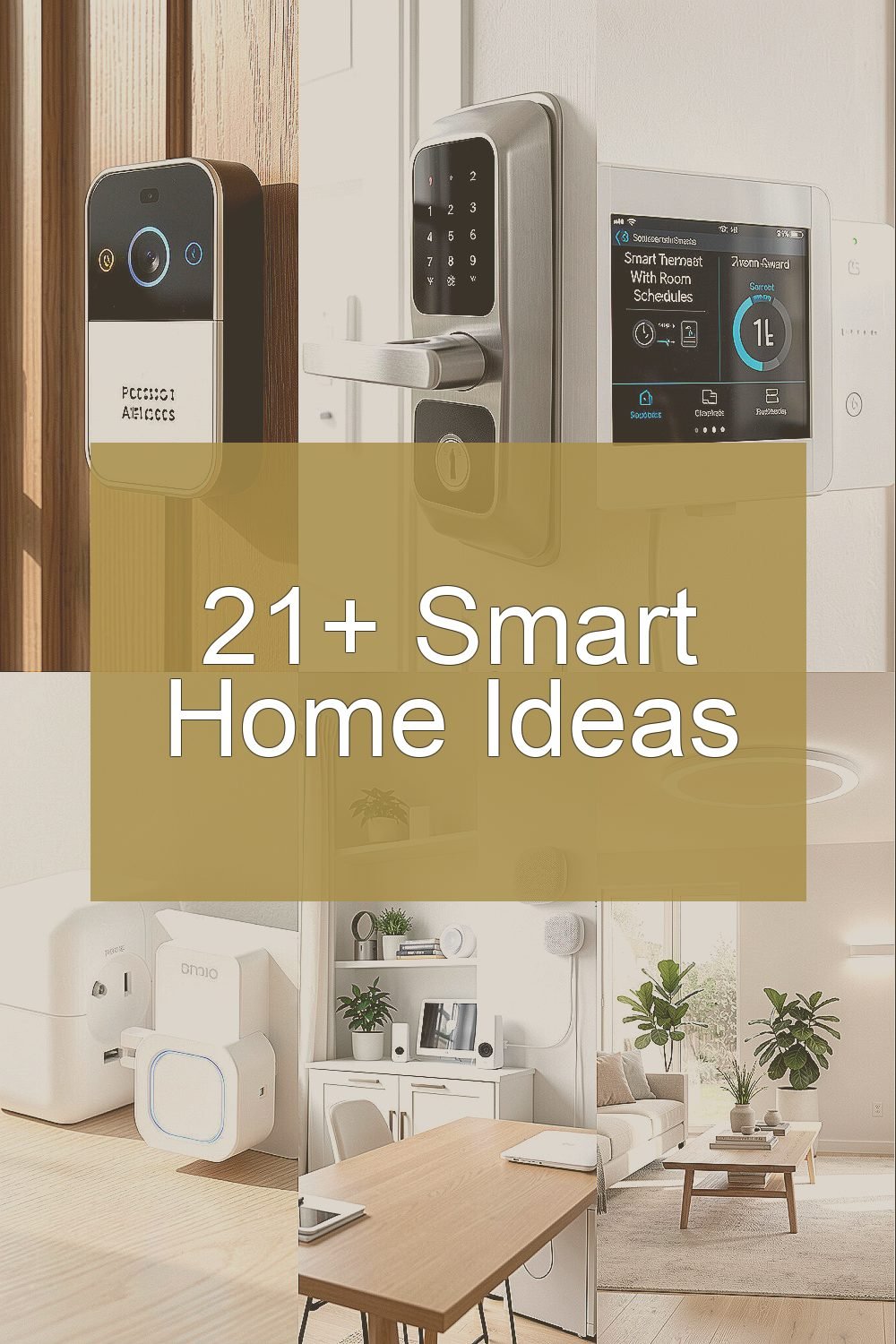
Your home can feel calmer the moment you add smarter routines. Small upgrades can quietly handle the busy parts of daily life.
When your lights, locks, and sensors work together, you get more comfort and less stress. The best part is that you can start small and build up as you go.
1. Smart Doorbell With Person Alerts

A smart doorbell sits at your front door like a friendly lookout with a clear view. You see a live video on your phone and you get alerts when someone approaches or lingers.
The image is sharp enough to notice packages, faces, and odd angles of motion. It helps you decide in seconds whether to open the door, ask someone to wait, or check if a delivery is still on the porch.
2. Smart Lock For Keyless Entry

A smart lock replaces the key hunt with simple taps and codes. The keypad looks sleek and modern against your existing deadbolt, and it can fit many home styles.
You can send a temporary code to a neighbor, cleaner, or family member without handing over a physical key. Many models also log who came and when, so you can track deliveries and visits more confidently.
If you worry about forgetting codes, pair it with a phone unlock feature and set alerts for lock and unlock events. For cost control, choose a model that works with your current door hardware and avoid extra hub add-ons if your Wi-Fi is strong.
3. Smart Thermostat With Room-Aware Schedules

A smart thermostat turns your hallway into a quiet comfort zone. It displays a clean screen with simple temperature controls and clear energy usage info.
It learns patterns and adjusts heating or cooling before you feel uncomfortable. When it senses changes across rooms, it helps reduce wasted energy and keeps the house feeling steadier.
For personalization, set separate targets for sleep hours and mornings, then fine-tune after a week. If your home has hot and cold spots, add compatible sensors so the system listens to what each area needs.
4. Smart Plugs For Easy Automation

Smart plugs are tiny gadgets that fit behind lamps, fans, and small appliances. You can spot them because they sit neatly between the wall outlet and the device cord.
They let you schedule power so you stop running lights all day or leaving devices on overnight. You can also group plugs, so one tap turns on a whole morning setup.
5. Whole-Home Wi‑Fi With Mesh Nodes
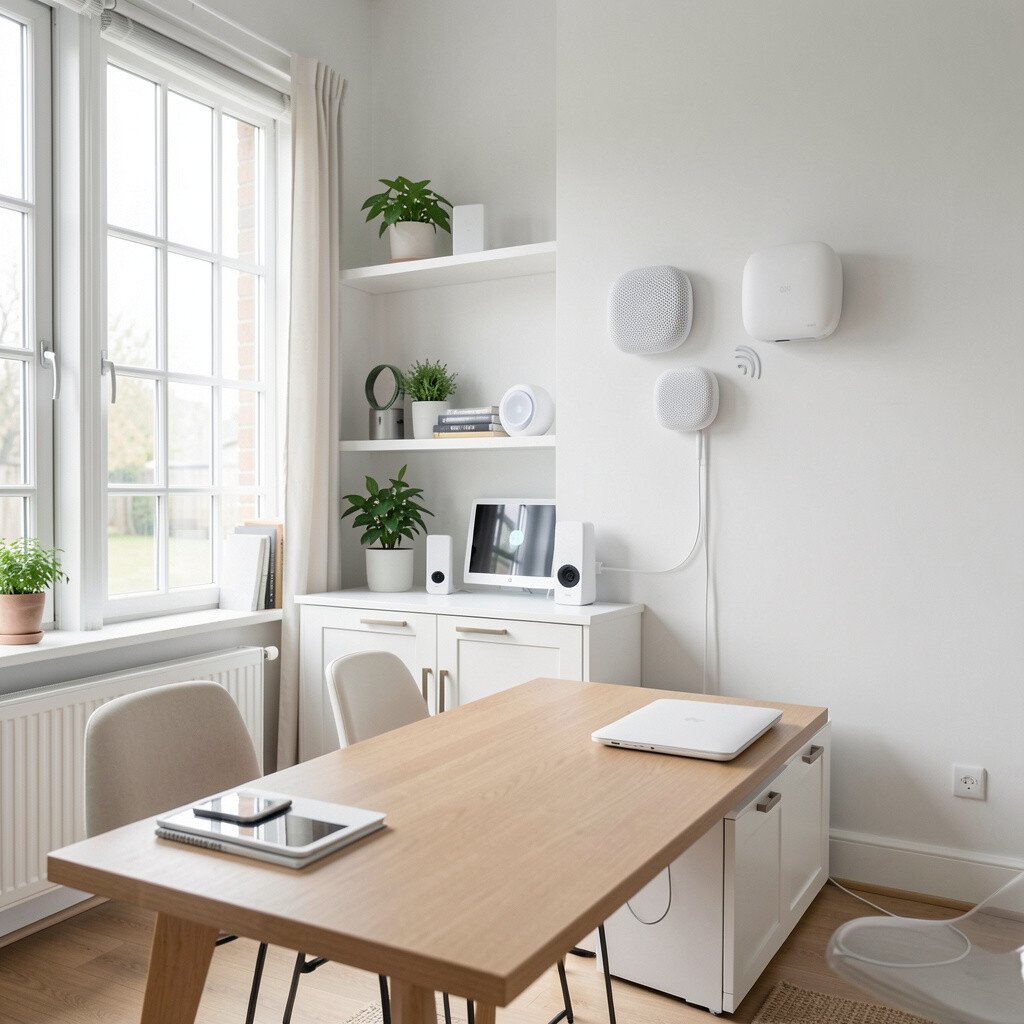
When Wi‑Fi is weak, smart devices act slow or drop off, and that feels frustrating. Mesh Wi‑Fi places small nodes around the home, often looking like minimal white boxes on shelves or walls.
Your streaming and video doorbell calls become smoother, and phone control works more reliably. This upgrade is especially worth it if you use smart locks, cameras, and voice assistants in multiple rooms.
To keep things practical, start with the most used areas like the living room and bedrooms, then add one extra node at a time. Many current setups support faster speeds and easier setup apps, which helps you get running sooner.
6. Smart Lighting With Scene Presets

Smart bulbs and switches create lighting that feels like it was planned. The glow is warm and adjustable, and you can change it from bright reading light to cozy movie mode in seconds.
Scenes help daily routines feel automatic, like turning on soft lights at dusk or brightening the kitchen in the morning. For a personal touch, match lighting colors to your mood and your home decor.
If you want to keep costs down, begin with one room and replace bulbs gradually. Many brands now offer easy color temperatures and strong compatibility with popular voice assistants, so you won’t have to rebuild your whole system.
7. Smart Curtains Or Blinds For Sun Control

Motorized curtains glide like quiet fabric rolling across a window. You’ll notice they stop at the same height each day, giving your rooms a tidy, intentional look.
They reduce glare on screens and keep the home from heating too fast during sunny hours. In the evening, they add privacy without you hunting for remotes or switches.
Try automations based on sunrise and sunset so you get natural light when it’s helpful. If you have heavy curtains, measure carefully and choose a model meant for your window weight.
8. Smart Leak Detectors For Water Protection
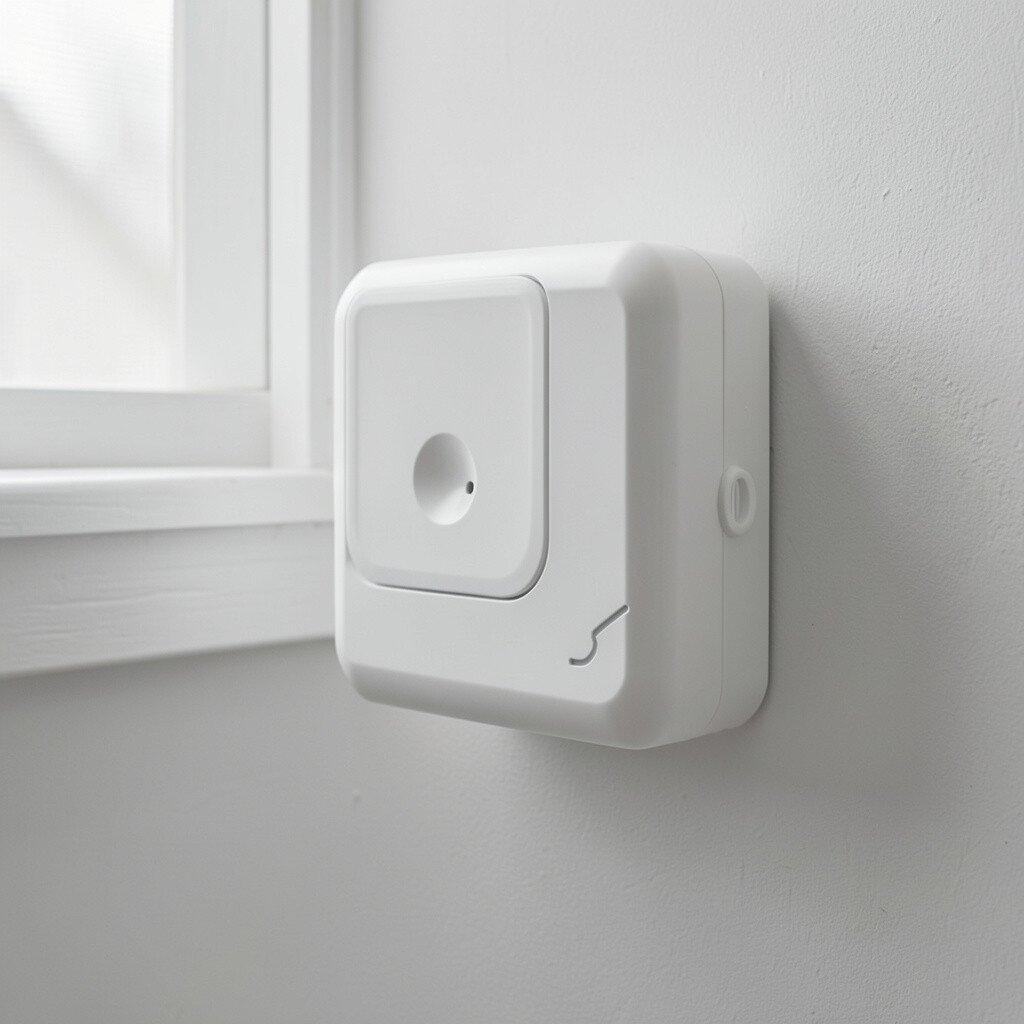
Leak detectors are small, flat sensors you can place near sinks, behind toilets, or beside water heaters. They often have a soft status light that’s easy to see from a distance.
When water appears, they sound an alert and send a notification to your phone. That means you can shut off the problem area early instead of dealing with soaked floors and repairs.
9. Smart Smoke And Carbon Monoxide Monitoring
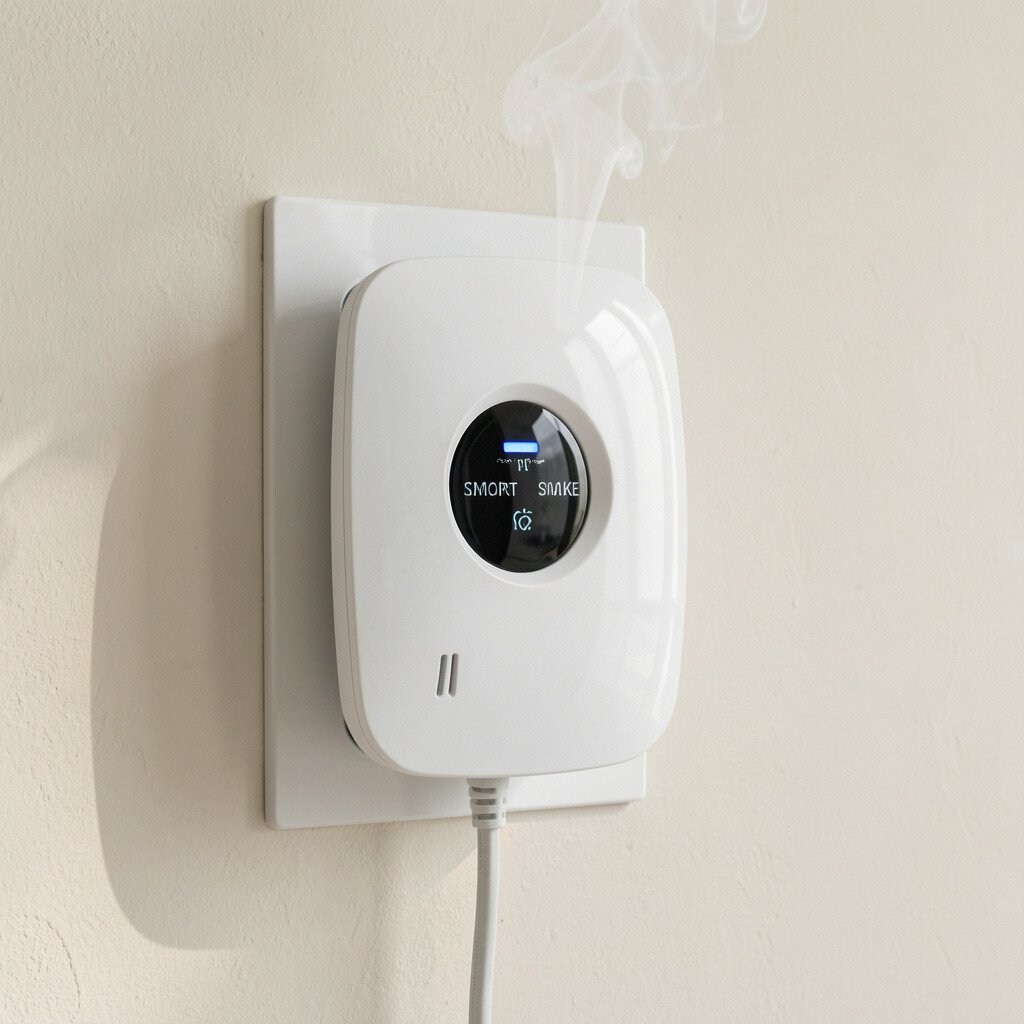
Smart detectors blend into your home like regular alarms, but they add extra clarity. They can show battery status and air quality updates on a simple app screen.
You get alerts even when you’re away, which helps you react faster if something goes wrong. Some systems also offer helpful test schedules so you know everything is working.
For personalization, set different alert routes for nighttime, away time, and family members. If you want an easy start, choose models that talk to the same app you already use for other smart devices.
10. Smart Air Quality Sensor For Cleaner Breaths
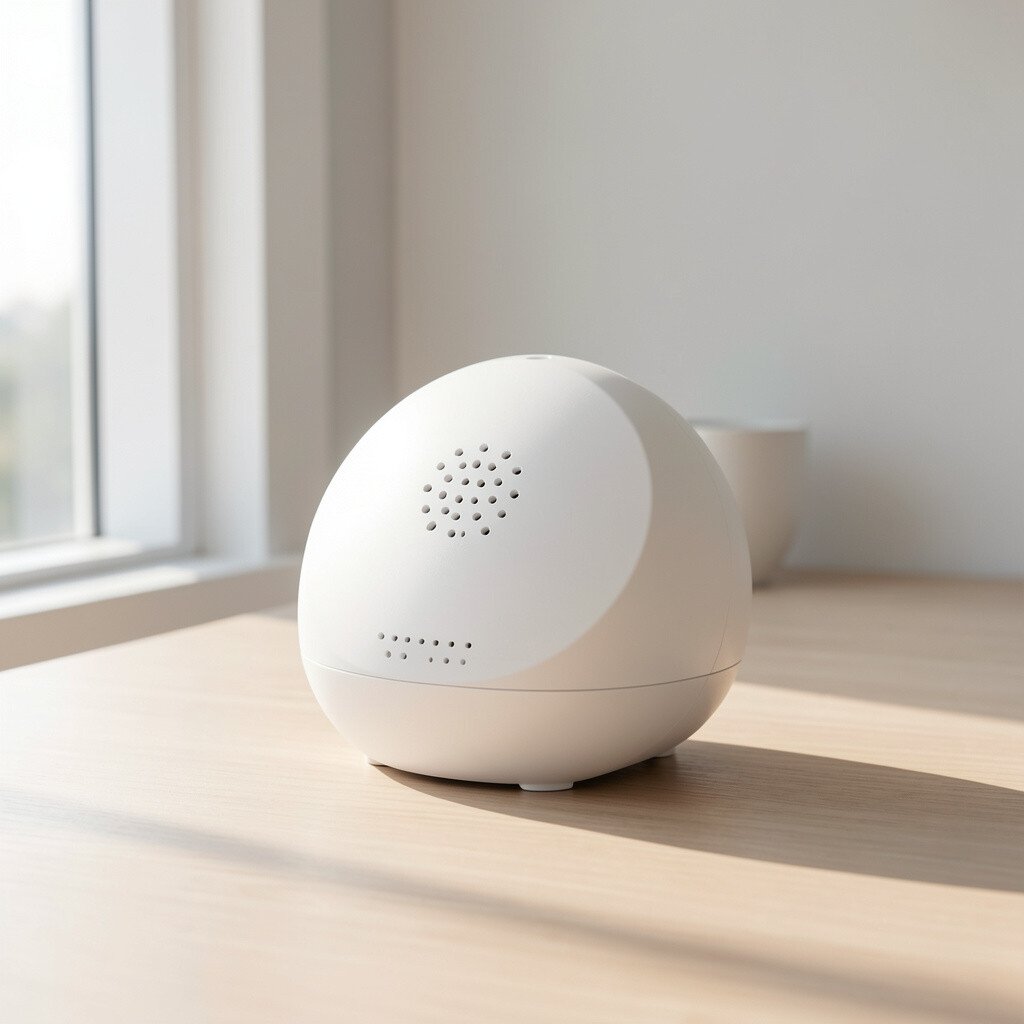
An air quality sensor is a compact device that tracks particles, humidity, and sometimes VOC levels. You might spot it as a small screen that shows numbers and simple colors that make sense at a glance.
It helps you catch indoor air problems before you feel them as headaches or stuffy rooms. With better ventilation timing and filtered air, your home can feel fresher.
To make it actionable, pair the sensor with an air purifier or HVAC schedule so adjustments happen automatically. Current trends include sensors that focus on finer particle measurements and clear health-oriented suggestions, which can make readings feel less confusing.
11. Robotic Vacuum With Room Mapping
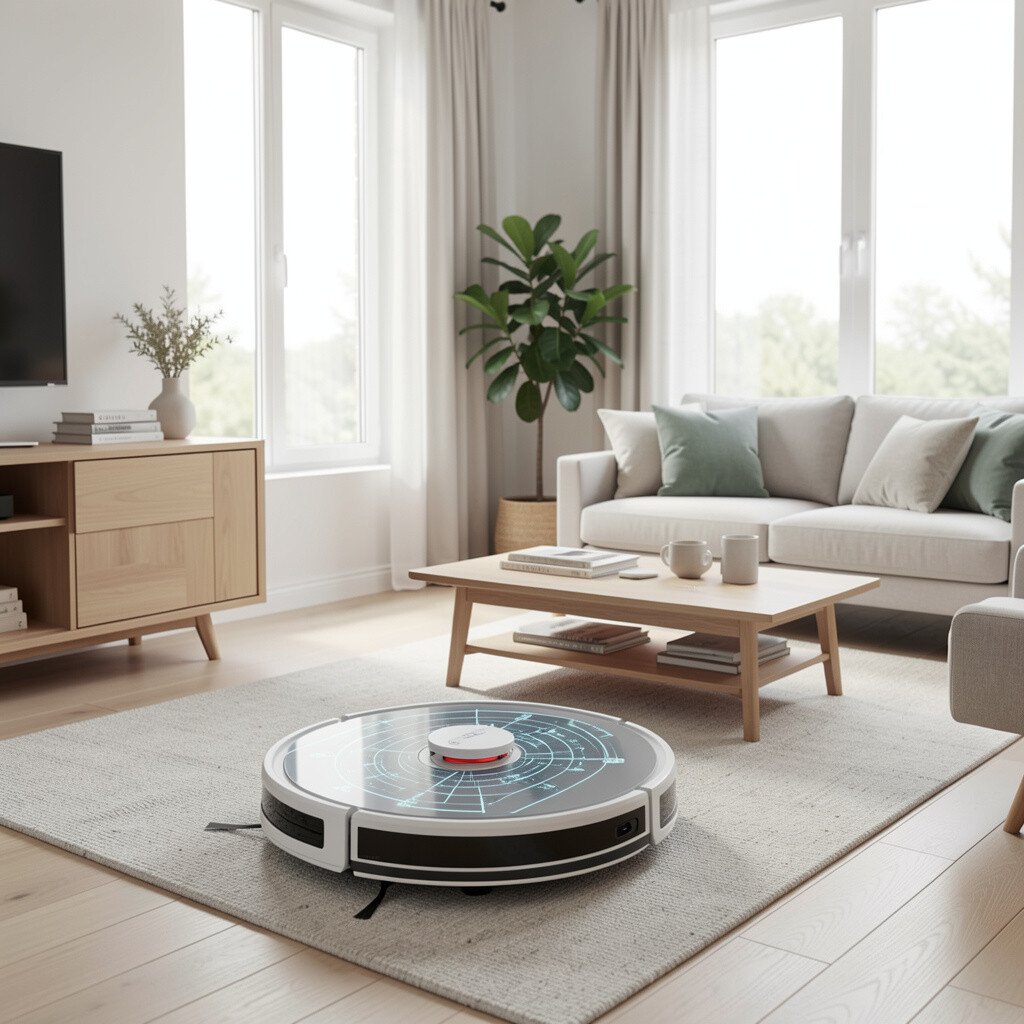
A robot vacuum glides across floors like a tiny chore helper on a gentle mission. It moves in neat paths and often returns to a dock when the battery runs low.
Mapping lets it clean more accurately, so it doesn’t keep missing the same spots. You get saved time and fewer dust piles, which is great if you have pets or busy weekdays.
Try setting schedules for the days you’re usually out, and keep “no-go zones” for fragile items. For cost sense, choose a model with mapping if your home has multiple rooms, since that feature improves results.
12. Robot Mop Or Hard-Floor Cleaner

A robot mop adds a different kind of clean, especially for tile, vinyl, and hardwood. You can watch it skim along baseboards and corner edges, leaving a more even finish.
Instead of waiting for a deep scrub, you can keep floors lightly maintained. That helps reduce sticky spots and tracked-in dust from shoes.
If you personalize your routine, run mopping only on certain days and let the vacuum handle the rest. For practical setup, rinse the tank often and use the recommended cleaning solution so it doesn’t leave streaks.
13. Smart Water Heater Control Or Heat-Pump Thermostat
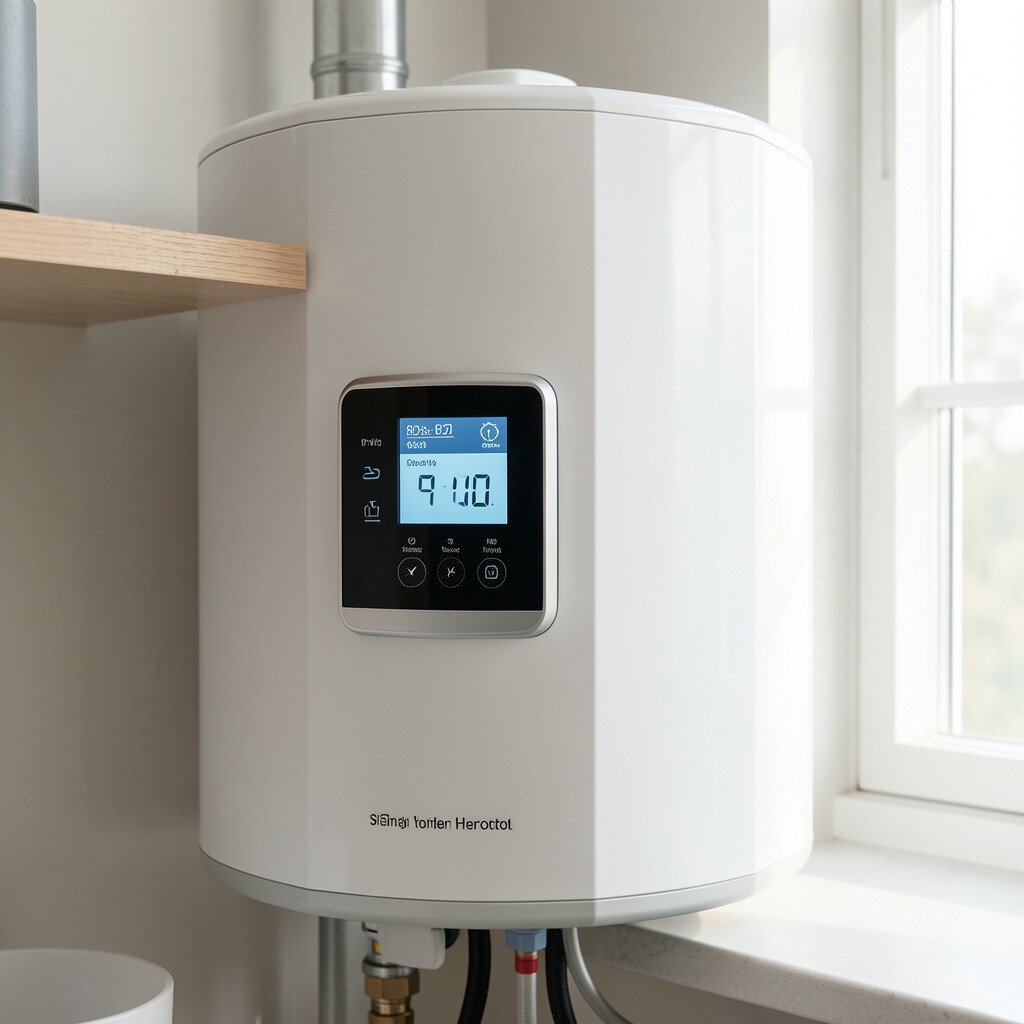
A smart water heater controller helps hot water arrive when you want it. You may see a small display that shows schedules and energy patterns.
It can reduce wasted heat by learning your household habits, like shower timing and laundry days. That often translates into lower utility bills without affecting comfort.
To tailor it to your life, adjust peak and off-peak times based on your routine. Costs vary, so compare whether you’re upgrading the whole system or just adding a controller that works with what you already own.
14. Smart Ceiling Fan With Light And Temperature Automation
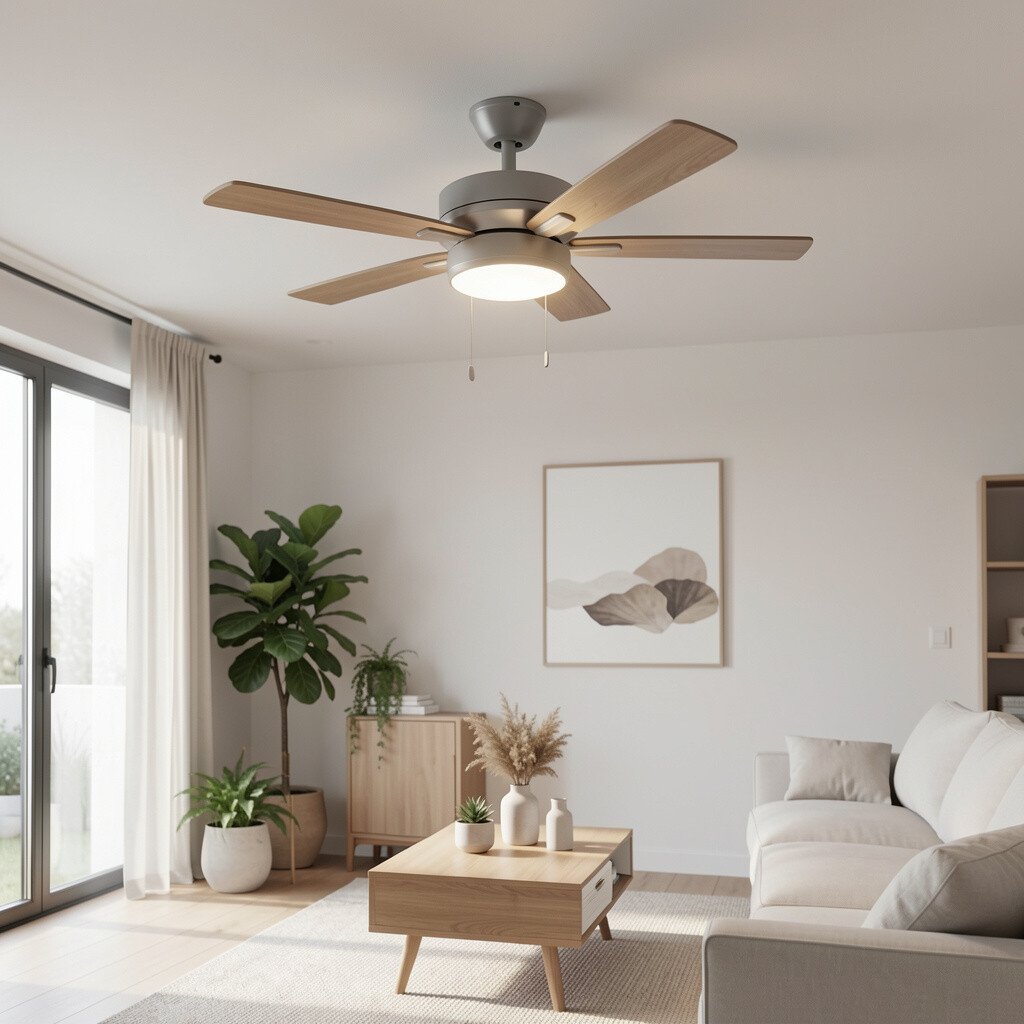
A smart ceiling fan can look like a classic fan with modern brains. With a remote app, you can adjust speed and light brightness without climbing a ladder.
Fans make rooms feel cooler by moving air, so you may rely less on aggressive air conditioning. If you add automation, the fan can turn on when indoor temperature rises above your comfort level.
Choose a model that fits your ceiling height and check compatibility with your existing light fixture. For cost control, focus on fans for the busiest rooms first, like the living room and bedrooms.
15. Smart Kitchen Hub For Timers And Quick Routines

A smart kitchen hub can sit on a counter like a helpful appliance companion. It shows simple controls for timers, recipes, and quick settings.
Instead of juggling phone screens, you can set cooking times with voice commands and keep your hands free. It also makes it easy to start routines like turning on kitchen lights and adjusting the thermostat.
For personalization, create routines for coffee time, dinner prep, or bedtime cleanup. Many current hubs also support short skill add-ons, so you can tailor them to your cooking style.
16. Smart Refrigerator Notifications For Grocery And Doors

A smart refrigerator can send alerts when the door is left open. The visual cue is usually a notification on your phone, saving you from wondering whether the fridge stayed sealed.
When it helps you catch small mistakes quickly, food stays fresher for longer. Some models also track water filter status and energy usage so maintenance feels easier.
If you’re not ready for a full fridge upgrade, consider smart sensors that detect door status on your existing model. That can be a more budget-friendly way to get peace of mind without replacing a whole appliance.
17. Smart Garage Door Opener With Status Alerts
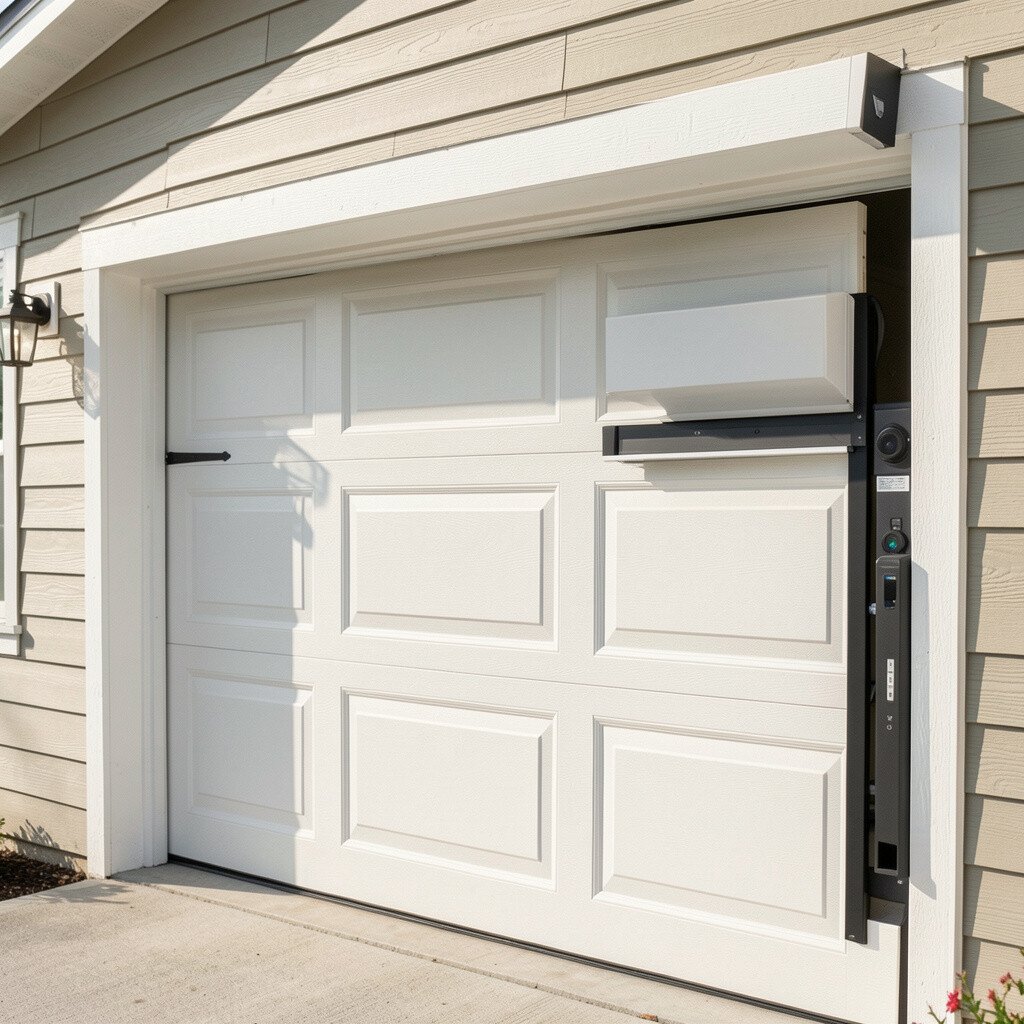
A smart garage controller gives you a clear view of what’s happening behind the closed door. You’ll see status updates on your phone and reminders if the door stays open too long.
This helps prevent security worries and reduces wasted energy from an unsealed garage. Many people also like being able to check in quickly when they hear a beep from the house alarm system.
For practical personalization, set “closing confirmations” so you always know when it’s secure. Consider installation needs and pick a model that works with your opener brand to avoid extra service fees.
18. Smart Home Energy Monitor For Real-Time Insights

An energy monitor is a device that shows what your home uses and when. It may connect to your electrical panel and display easy graphs on an app.
With real-time feedback, it becomes easier to spot high-use habits like laundry cycles at odd hours or space heaters running too long. That awareness can lead to smarter choices without feeling deprived.
To personalize the data, label circuits for key areas like your office, kitchen, or entertainment system. Costs can vary based on installation complexity, so compare whether you want a simple plug-in monitor or a whole-home solution.
19. Smart Security Camera With Local Storage Options
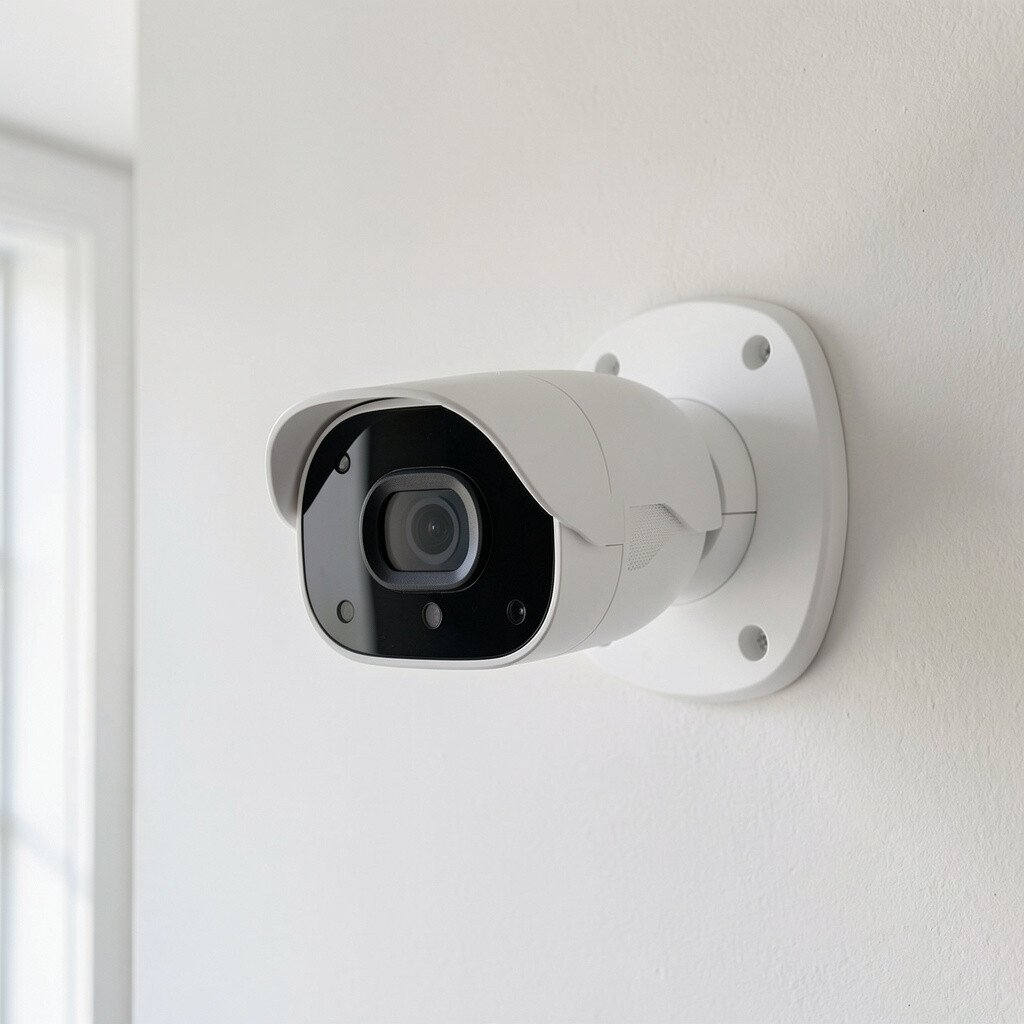
A security camera can feel like an extra pair of eyes, especially at entrances and driveways. The camera housing often looks streamlined, with a lens that sits under a small protective cover.
You can review events and get motion alerts, which helps you handle package drops or suspicious activity quickly. Some systems include local storage, so you don’t have to rely only on cloud subscriptions.
For actionable setup, place cameras at angles that reduce glare from sunlight and keep them away from direct rain spray. Consider current trends like person detection and adjustable privacy masking, which help the camera focus on what matters.
20. Smart Home Alarm System With Entry Modes
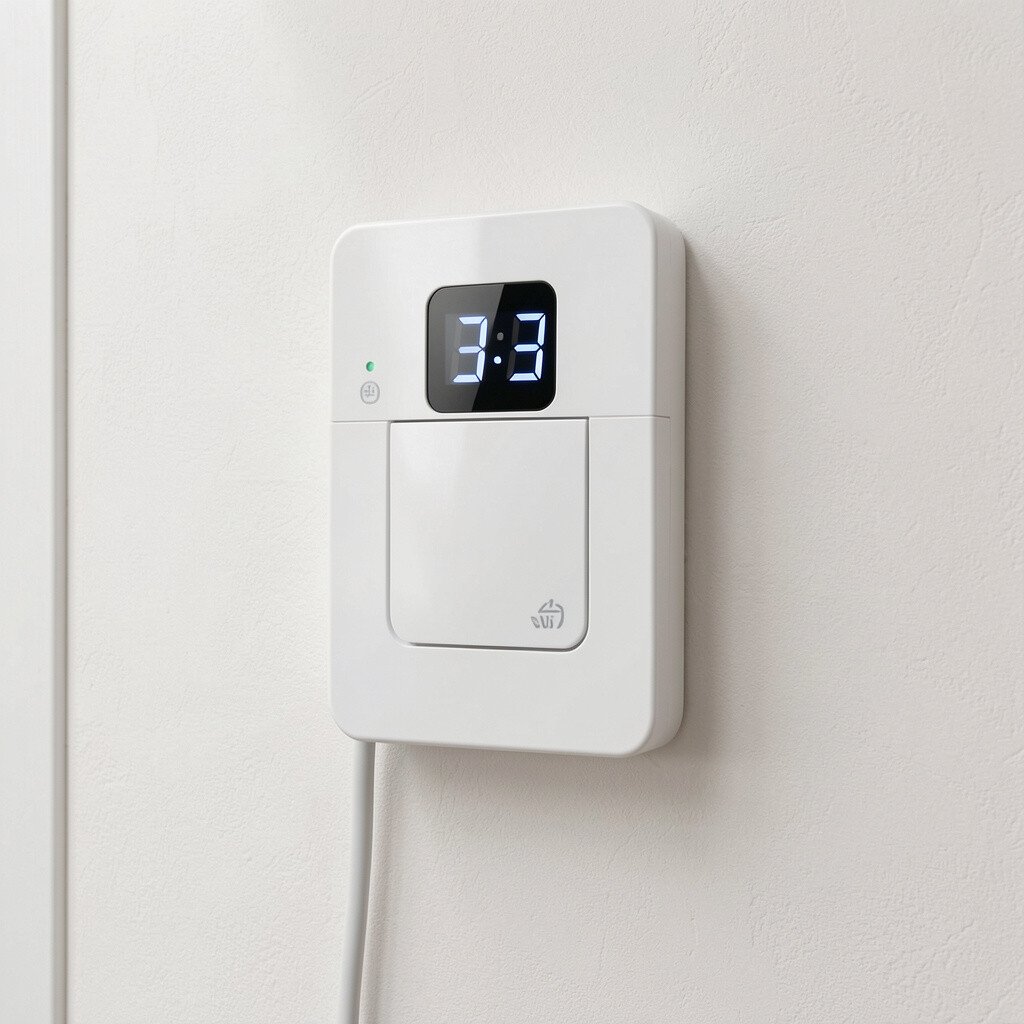
A smart alarm system can fit into your life like a simple routine, not a complicated chore. It can include keypads that look clean, plus sensors for doors and windows.
Entry modes make it easier to manage coming and going, like a delayed entry for when you unlock the door. Many systems also connect to your phone so you can control arming and get alerts without rushing.
Personalize it by setting different schedules for weekdays and weekends. If you want cost control, start with the most important doors first and add sensors later as you learn what triggers false alarms.
21. Smart Bathroom Scale Or Health Companion For Habits
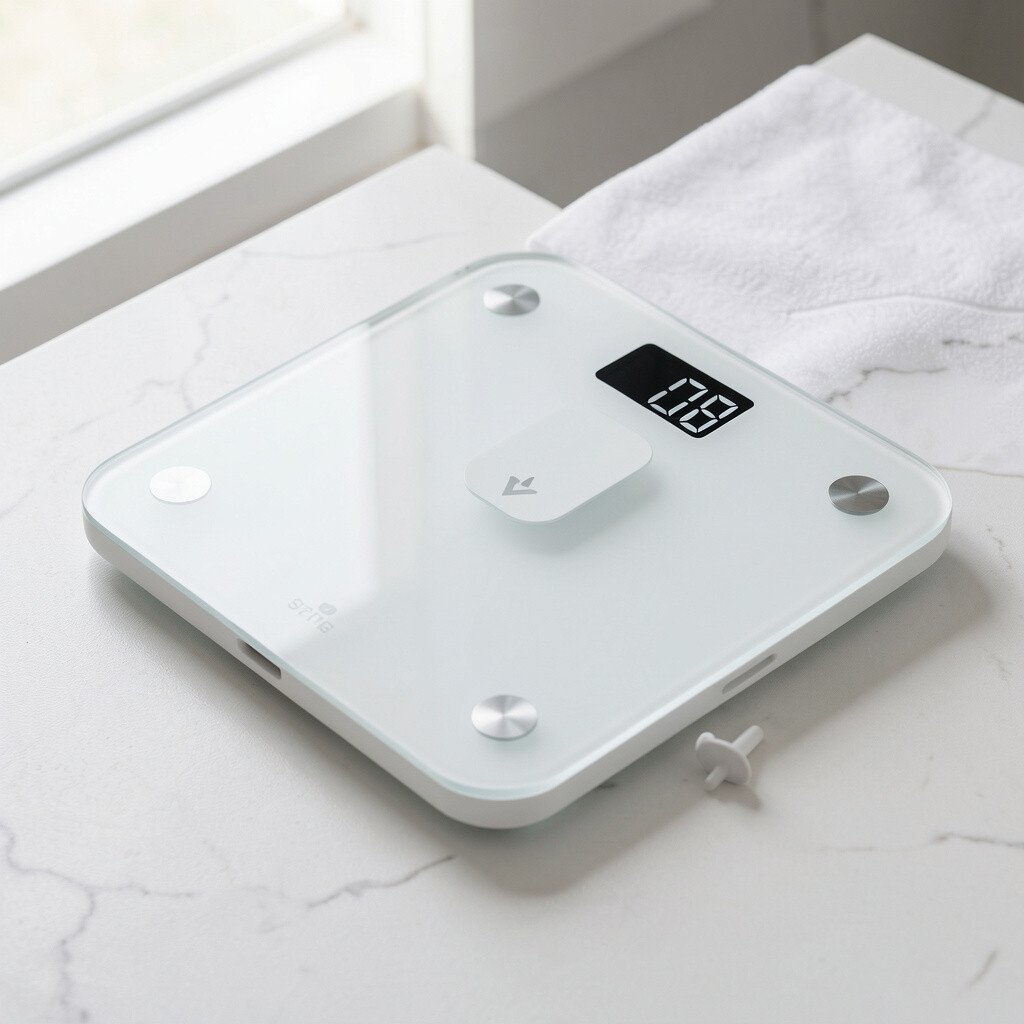
A smart scale looks like a modern bathroom accessory with a smooth top and an app that tracks changes. It can show trends over time, which makes it easier to spot patterns instead of guessing.
When you pair it with simple goals, it can nudge healthy routines without turning life into a strict spreadsheet. Many people like reminders that encourage movement and hydration based on consistent check-ins.
To keep it personal and comfortable, choose privacy settings that fit your comfort level. Costs vary by brand and extra features, so pick the model that matches how you want to track progress.
22. Smart Home Energy-Saving Routine Automations
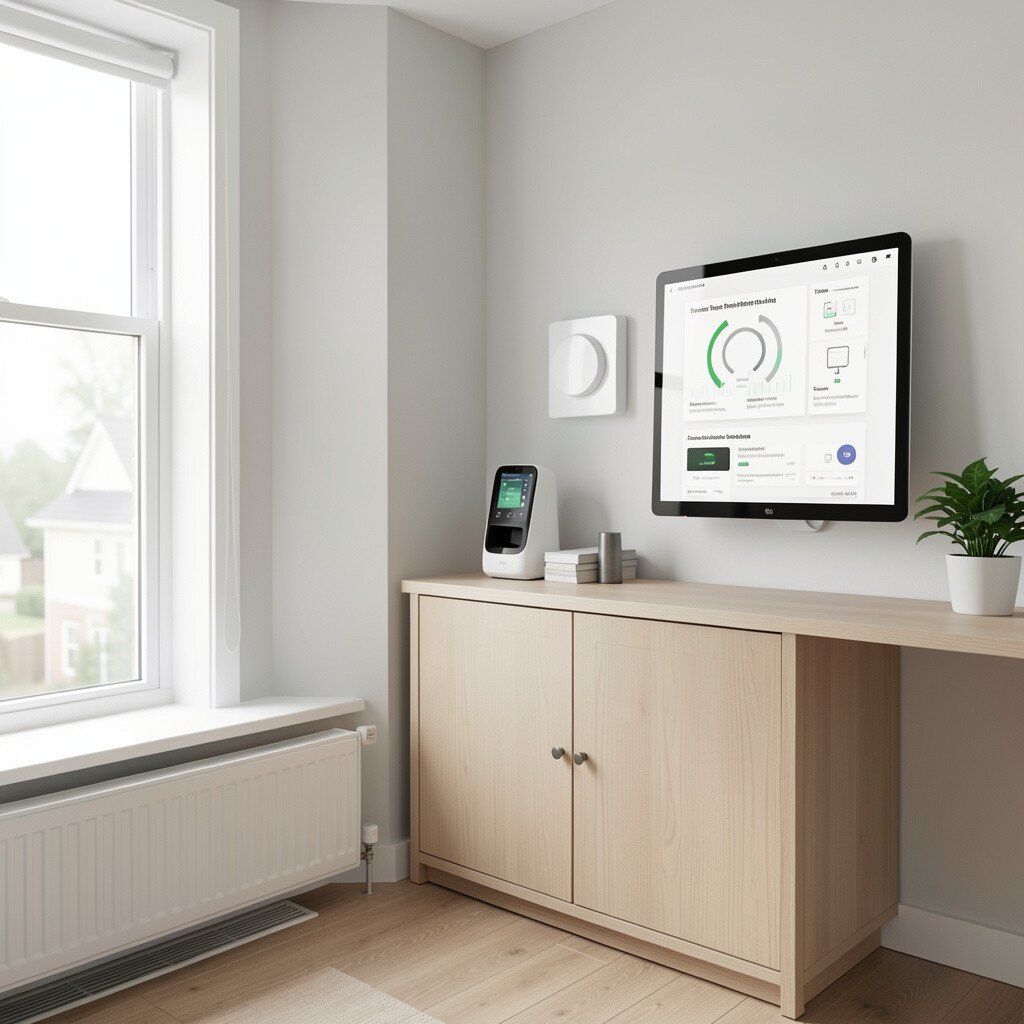
Routine automations tie your devices together so they act as one. You’ll see it in action when lights dim, plugs turn off, and the thermostat shifts at the same time.
This creates a home that helps you save energy without constant effort. It also keeps your days feeling smoother, because the system handles the repeated steps.
For personalization, build routines around your real schedule, like “away,” “sleep,” and “weekend morning” moments. When planning cost, start with the automations that affect the most-used rooms first, then add deeper features as your setup grows.