A good lesson feels like a doorway you can walk through. When the brain stays curious, learning starts to stick.
Here are twelve teaching ideas that feel modern, hands-on, and surprisingly fun. Each one includes simple ways to try it right away.
1. Picture Prompts From Everyday Life
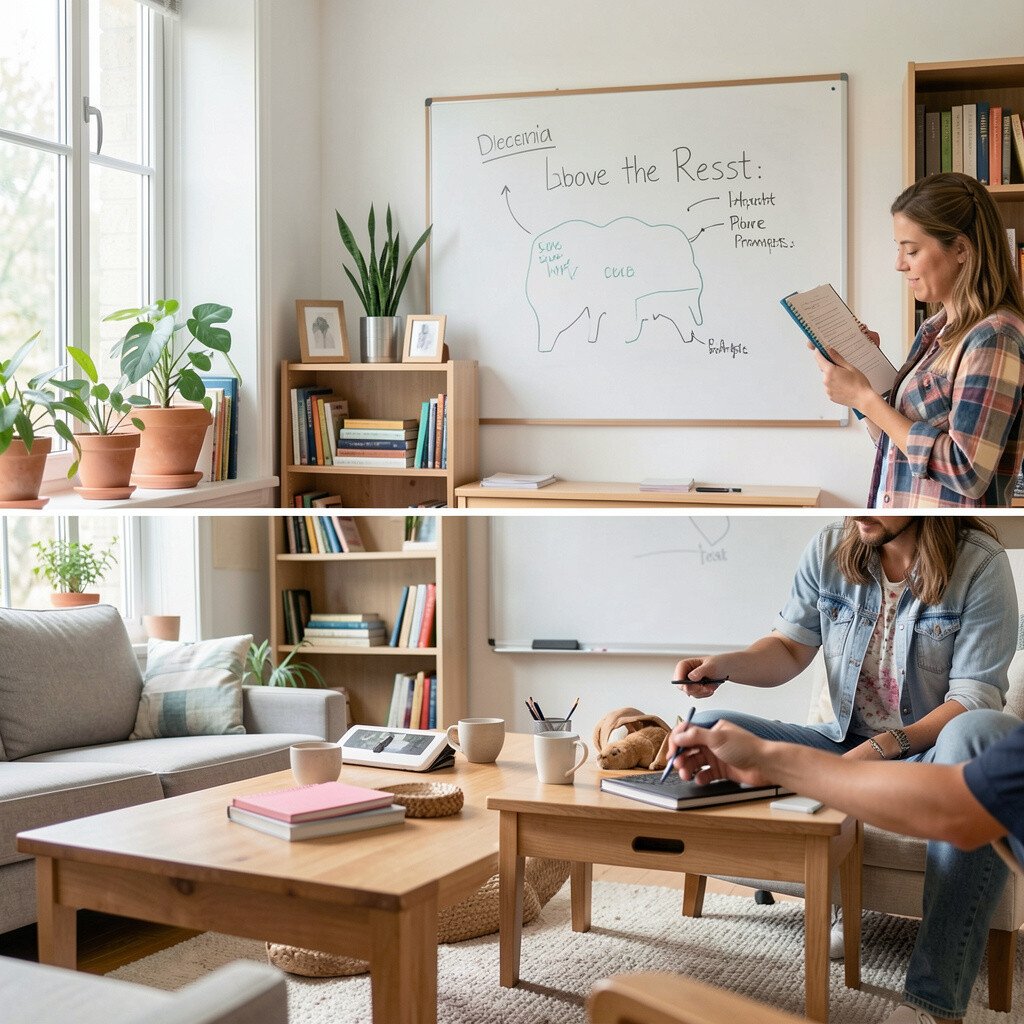
Use ordinary scenes to teach big thinking. A photo of a street market can lead to questions about math, culture, and cause and effect.
Give learners a short set of visuals like bus stops, grocery shelves, or weathered walls. They can write what they notice, then choose one object to research, sketch, or measure. This works because the pictures already feel familiar, so the mind spends more energy on meaning than on guessing.
2. Student-Driven Question Boards
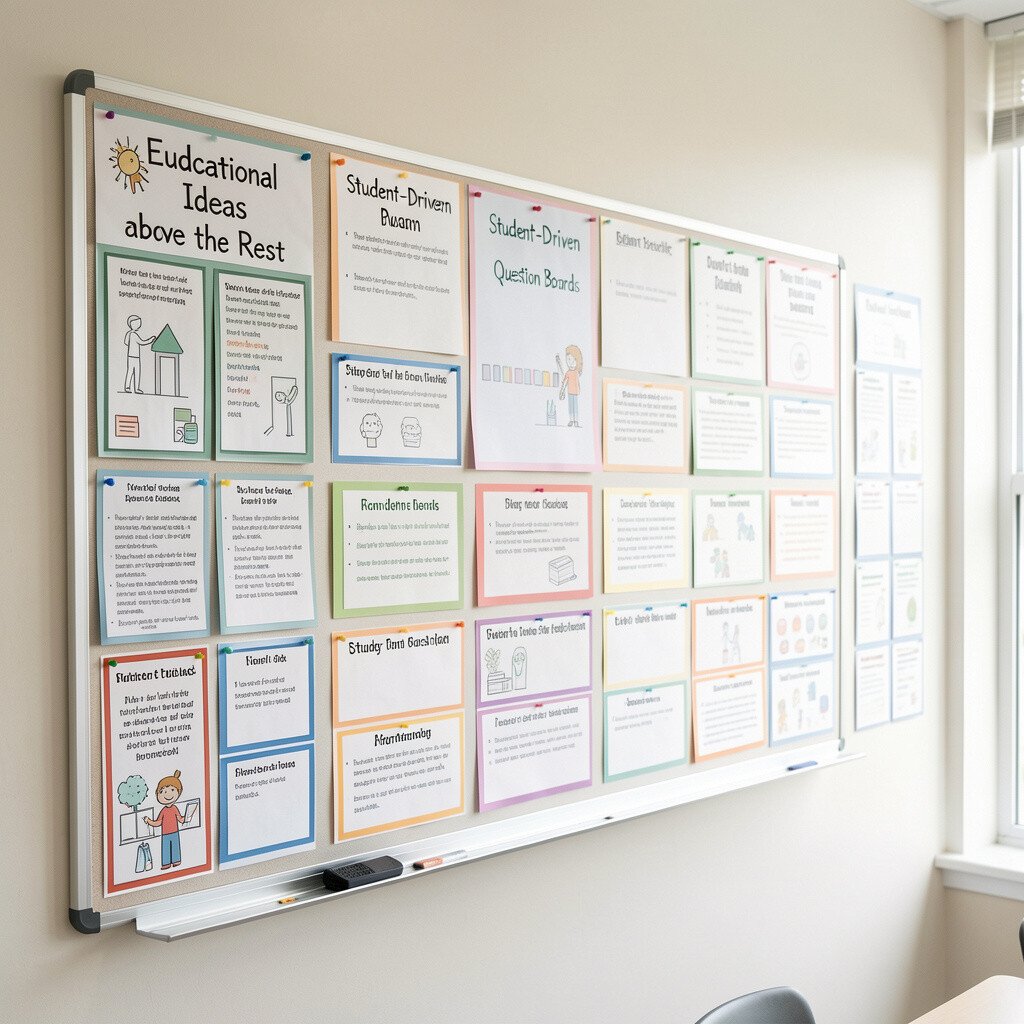
Let learners create questions instead of only answering them. A corner of the room can hold sticky notes for “things I want to know” and “things I wonder about.”
During the week, sort the questions by theme and have small groups pick one to act on. They can search, interview a family member, or build a quick model. This keeps motivation high because questions come from real curiosity, not just a worksheet.
To personalize, invite students to choose topics that connect to their hobbies, languages, or neighborhood stories. For cost, use paper notes and a simple marker, then reuse old magazines for visual support. A current trend is using short student videos for question sharing, so you can add that if devices are available.
3. Memory-Friendly Retrieval Games
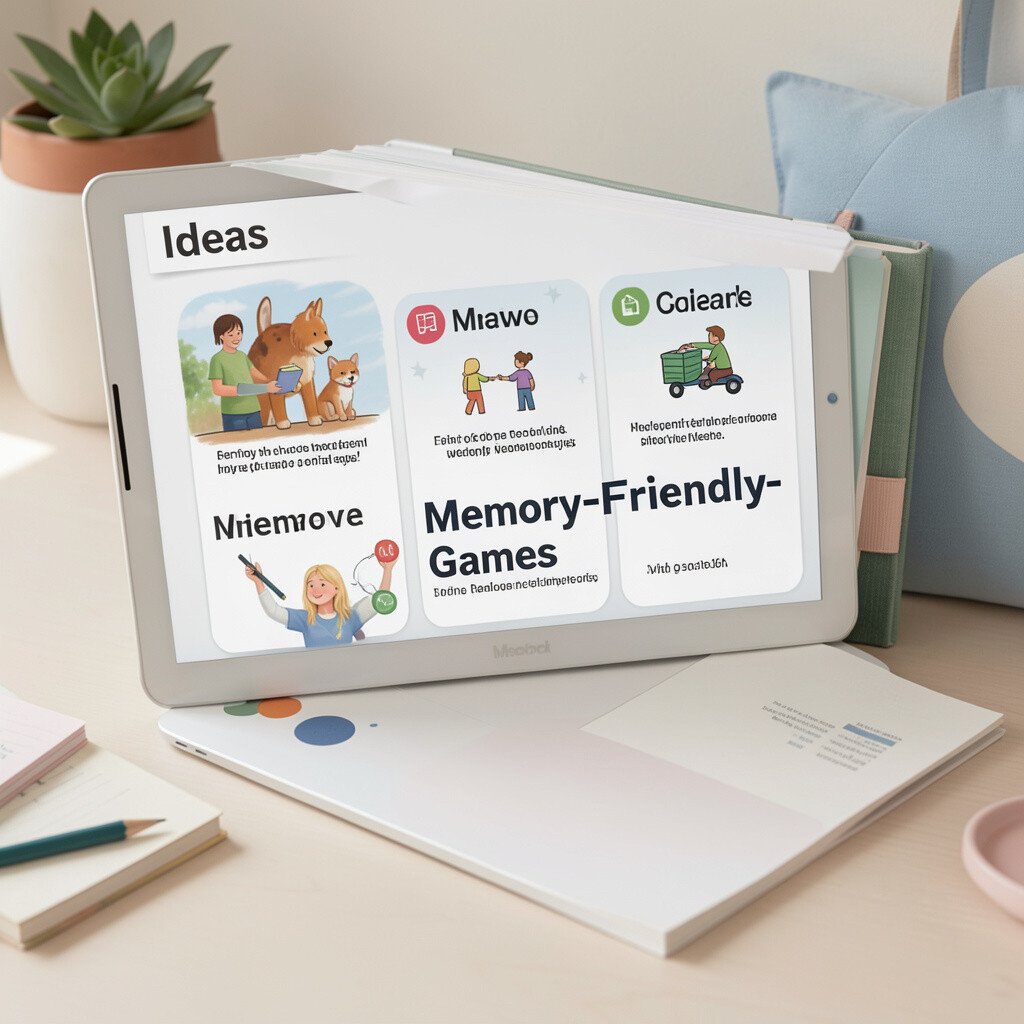
Turn recalling facts into a friendly game. You can use quick rounds of matching pairs, memory walks, or rapid “teach-back” moments.
Start with a simple set of terms related to the lesson, then ask learners to retrieve them without notes. Next, let them check their thinking using a book, diagram, or brief video. This helps learning because the brain strengthens pathways when it pulls information from memory.
Keep it low pressure by scoring ideas like clarity and effort, not speed. For variety, swap categories each day, such as science vocabulary, historical events, or grammar rules. Personalize by letting students pick a preferred game format and by adding visuals they like, such as icons or color-coded cards.
4. Hands-On Experiments With “What If” Cards
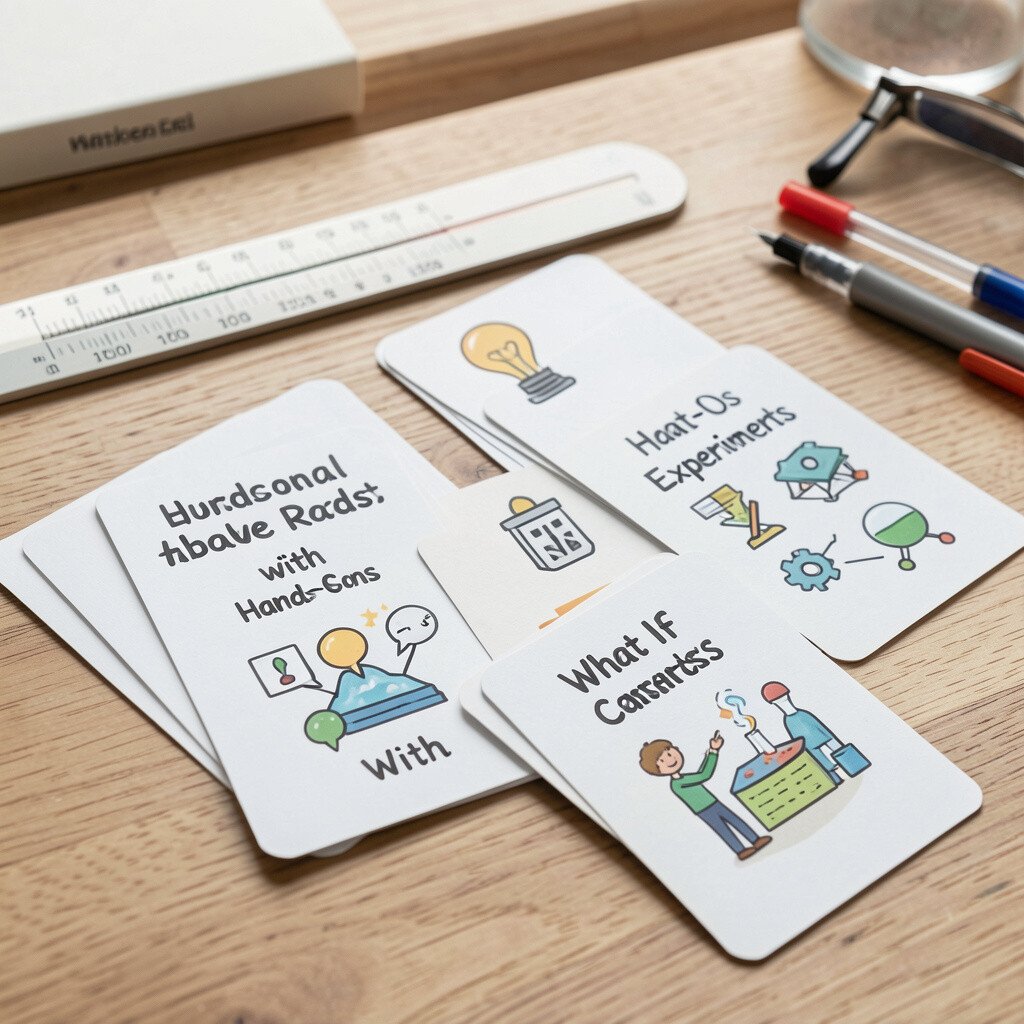
Bring the lesson to life with tiny experiments that answer real questions. Even with simple materials, students can test ideas and watch how outcomes change.
Use cards that begin with “what if” scenarios so students predict first. For example, “What if the water is warmer?” or “What if we change the shape?” Then they run the test, record what they saw, and explain why it happened. This is unique because it trains cause and effect while keeping curiosity front and center.
5. Story-Based Notes That Feel Like Mini Movies
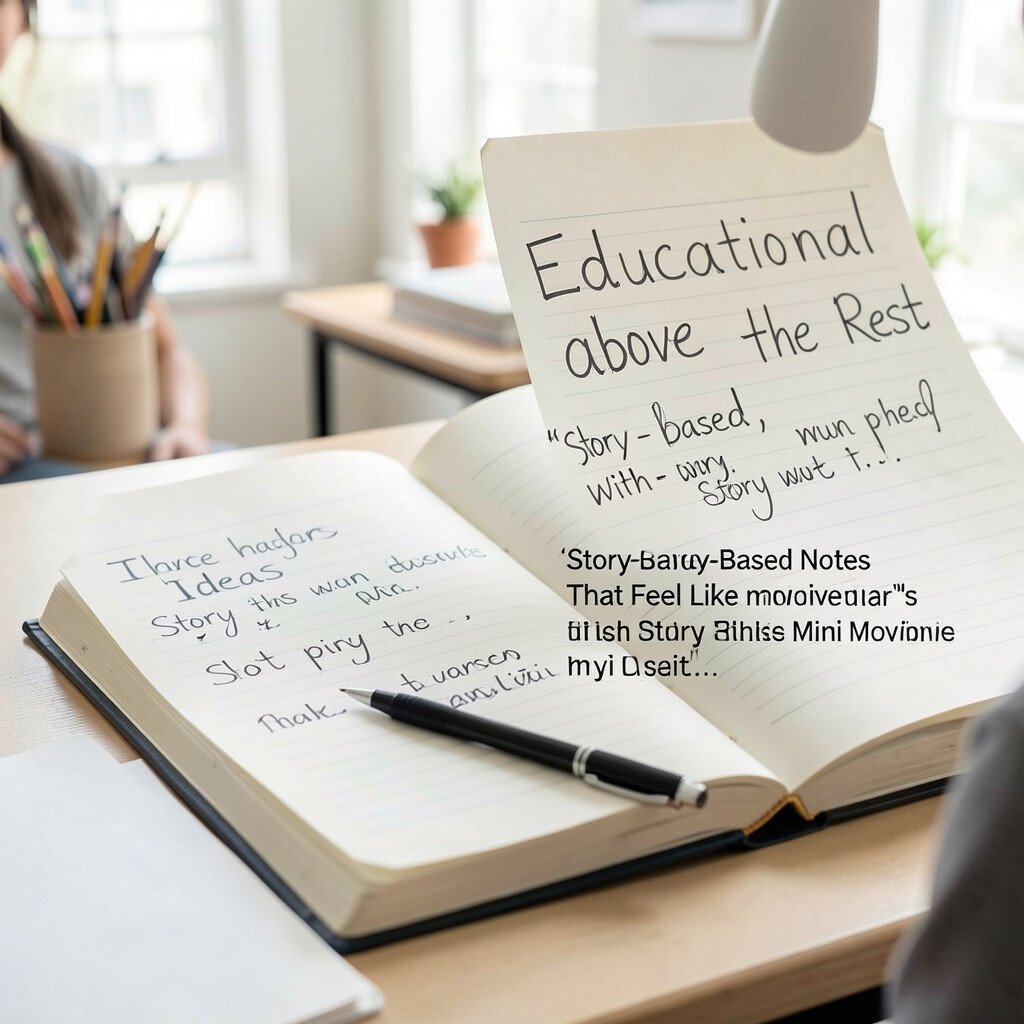
Instead of copying notes, ask learners to write them like short stories. Make the setting visual, add characters, and let key facts play a role in the plot.
They can describe a scientific process as a journey, or retell history as a chain of decisions. When students draw a small storyboard beside their sentences, the learning feels more memorable. This approach works because it turns dry information into meaning they can picture.
Personalize by letting students choose first person voice or a comic style, depending on what excites them. Cost stays low since paper and pencils are enough, and recycled scrap pages can become story frames. A popular current trend is “micro-story” learning, where short narratives replace long lecture chunks.
6. Learning Stations With Rotating Roles
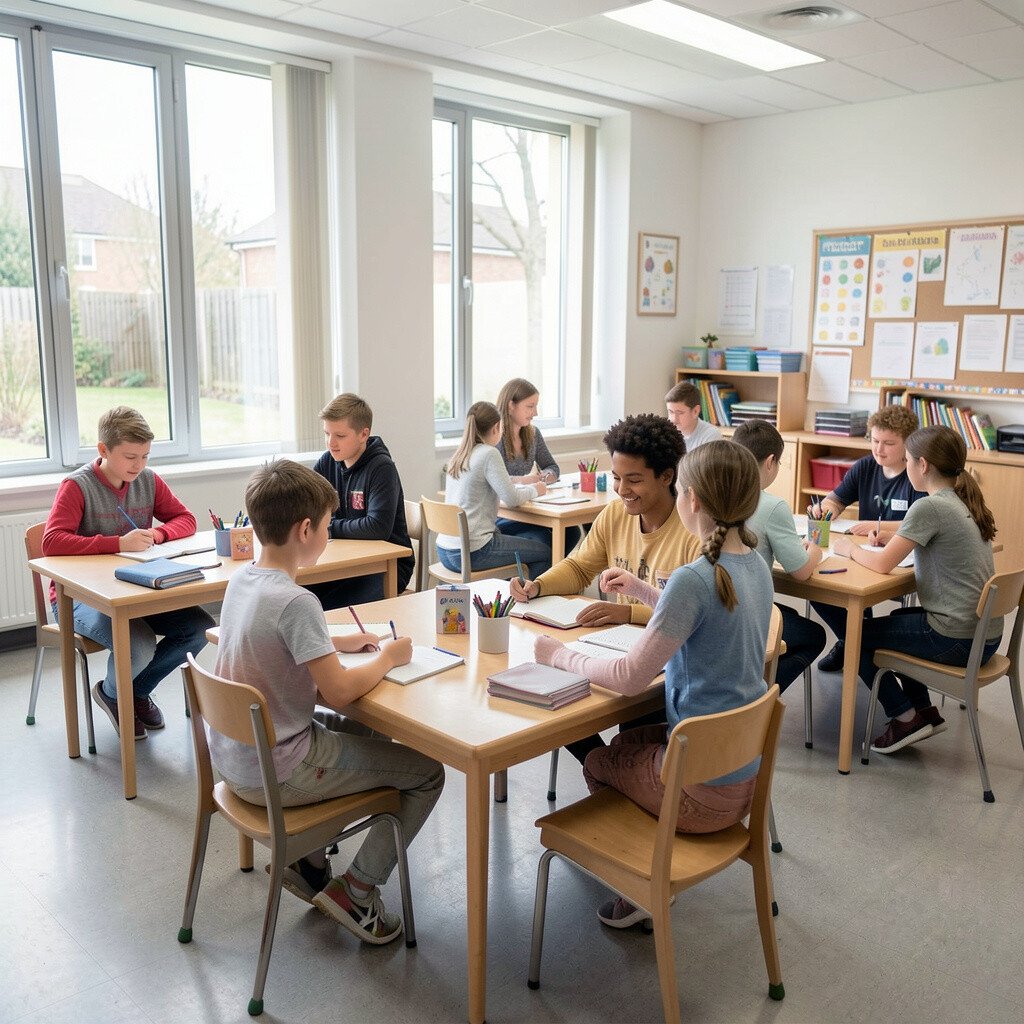
Set up several learning stations so students experience different ways of understanding. One station can use visuals, another can use hands-on materials, and another can focus on reading short excerpts.
To make it feel fair, rotate roles such as builder, reader, recorder, and questioner. Each role has a simple task, like drawing the model, summarizing the passage, or writing a group question. When learners share responsibility, the room feels lively and everyone contributes.
For practical tips, keep each station activity short so groups can rotate without getting overwhelmed. Choose low-cost materials like paper cups, string, cardboard, and printed images. Personalize by letting students move at a pace that fits their confidence, especially during the reading station.
7. Class Debates Built From Evidence Cards
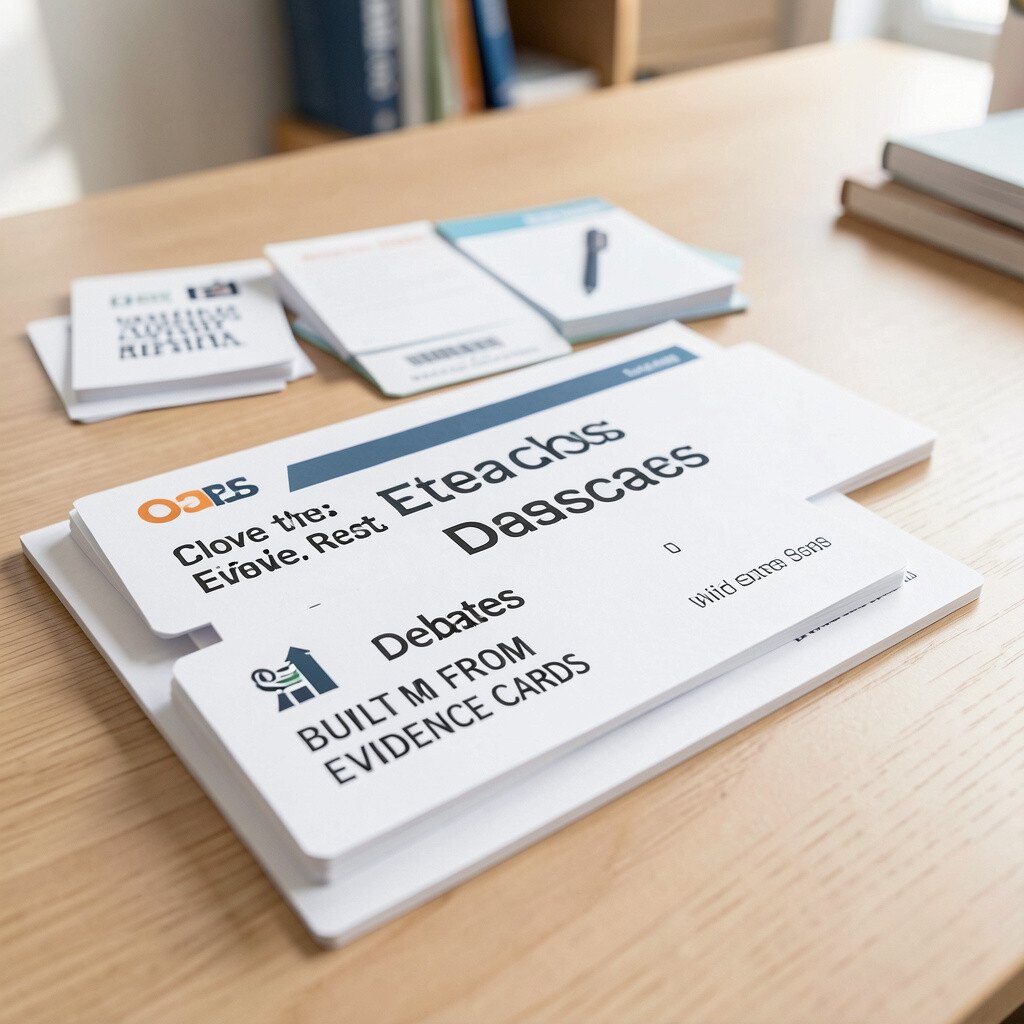
Use friendly debates to practice thinking and communication. Instead of arguing from feelings, students build claims using evidence cards.
Give each card a fact, statistic, short quote, or observation, then ask learners to connect it to their position. Visual learners can underline key words, while others can highlight cause and effect arrows on the card. This makes arguments clearer because the discussion has a concrete foundation.
8. Skill Swaps With Real-Time Feedback

Invite students to teach one small skill they already know. A learner who can simplify fractions can share a strategy, while another can show a writing approach or a math trick.
Pair students for short swap sessions where one person demonstrates and the other tries it right away. The helper gives feedback using simple check phrases like “I see” and “I noticed,” so feedback stays kind and useful. This idea is unique because it treats peers as teachers and makes practice feel social.
Personalize by letting learners choose skills aligned with their interests, like coding games, sketching, or language phrasing. Cost is usually minimal because the “materials” are time, guidance, and maybe printed examples. A current trend in classrooms is peer mentoring, and it often boosts confidence alongside achievement.
9. Mapping Knowledge With Concept Webs
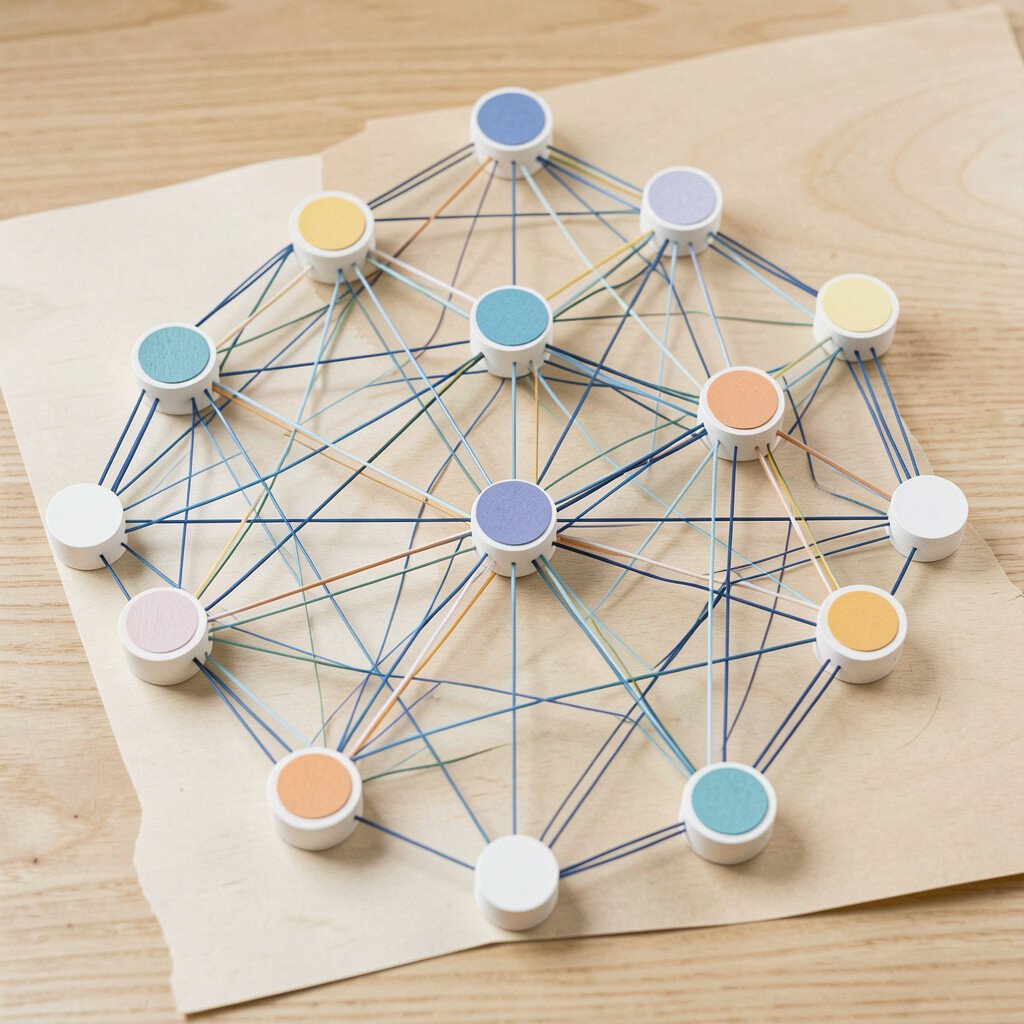
Use concept webs to connect ideas instead of treating them like separate facts. Start with a central word, then branch into related terms, examples, and questions.
Students can create webs with colors so relationships stand out at a glance. For example, add arrows for “leads to,” brackets for “same category,” and icons for “real life example.” Visual structure helps learners see patterns, and that makes studying feel less like memorizing.
Practical tips include using one web per day and revisiting it at the start of the next lesson. Personalize by letting students include objects they care about, like sports stats, family traditions, or favorite books. If you want cost control, print one web template and reuse it with dry erase markers.
10. Daily Mini-Labs Using Household Materials
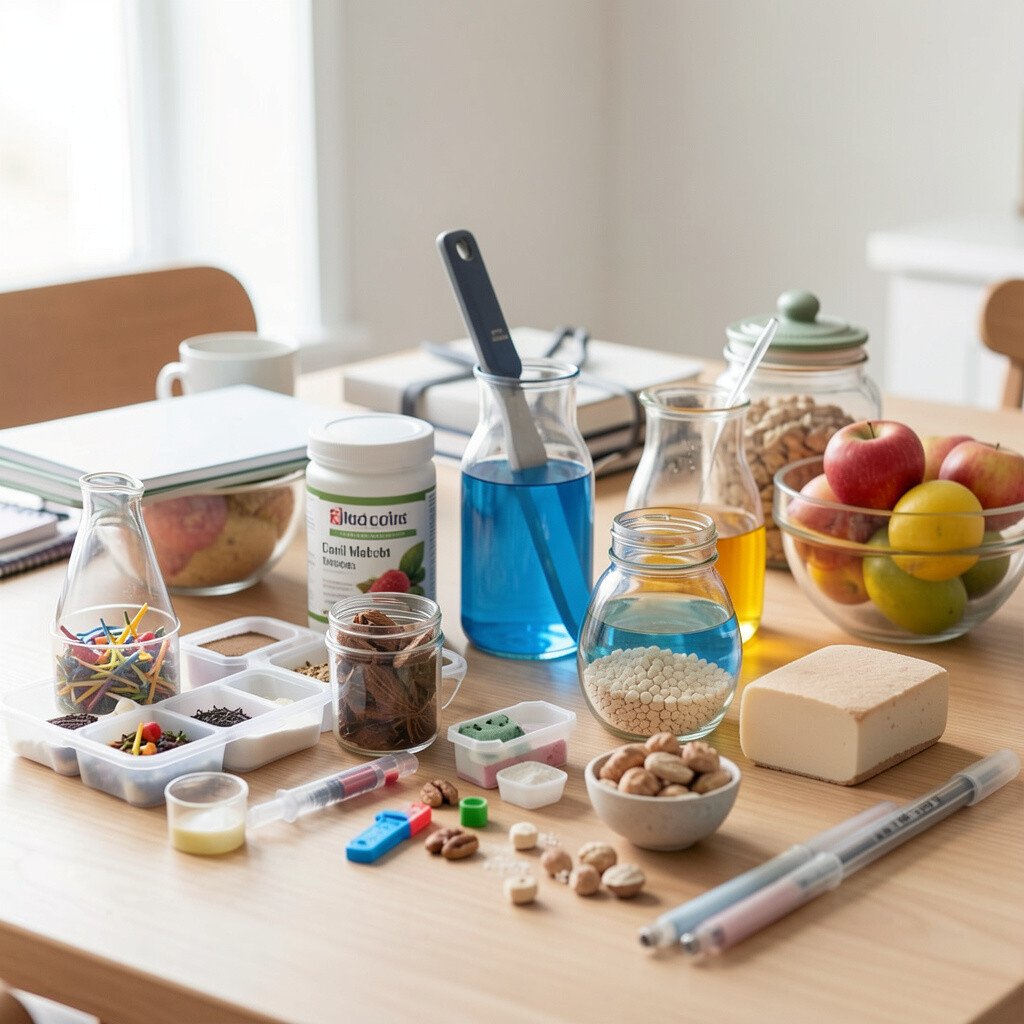
Short mini-labs make science and problem solving feel doable every day. You can measure, mix, compare, and test with items already at home.
Try a “sound mini-lab” with rubber bands or a “mixing mini-lab” with different paper types and water. Students predict outcomes, run the test, and then describe what changed in simple language. The best part is that these activities build confidence because learners get repeated chances to do real work, not just watch.
11. Personal Learning Playlists for Choice and Pace

Let learners build a “playlist” of practice tasks that match their goals. One student might pick more reading, another might choose drawing, and a third might prefer problem sets with visuals.
Provide a menu of options tied to the same learning target, so everyone works toward the same idea in different ways. They can set a personal pace by choosing a short set of tasks for the session. This supports personalization because students feel ownership over what happens next.
For practical tips, include both quick warm-ups and deeper activities so motivation stays steady. Costs can stay low by mixing free resources with teacher-made worksheets and simple charts. A current trend is self-paced learning within structured boundaries, and playlists help keep that balance clear.
12. Creative Assessments That Show Thinking
Instead of only testing with a paper quiz, ask students to show understanding in creative ways. They might build a poster, record a short explanation, or write a scene that includes key concepts.
Use a clear rubric focused on reasoning, accuracy, and clarity so creative work stays grounded. When students know what counts, they can focus their energy on communicating their thinking. This approach is unique because it values multiple learning styles while still measuring real understanding.
Personalize by letting learners choose the format that fits their strengths, such as sketches for visual learners or spoken explanations for confident speakers. Cost considerations are easy since many options only need paper, markers, or a phone for audio. A practical current trend is allowing audio reflections and video summaries, which can reduce writing load while keeping the learning process visible.