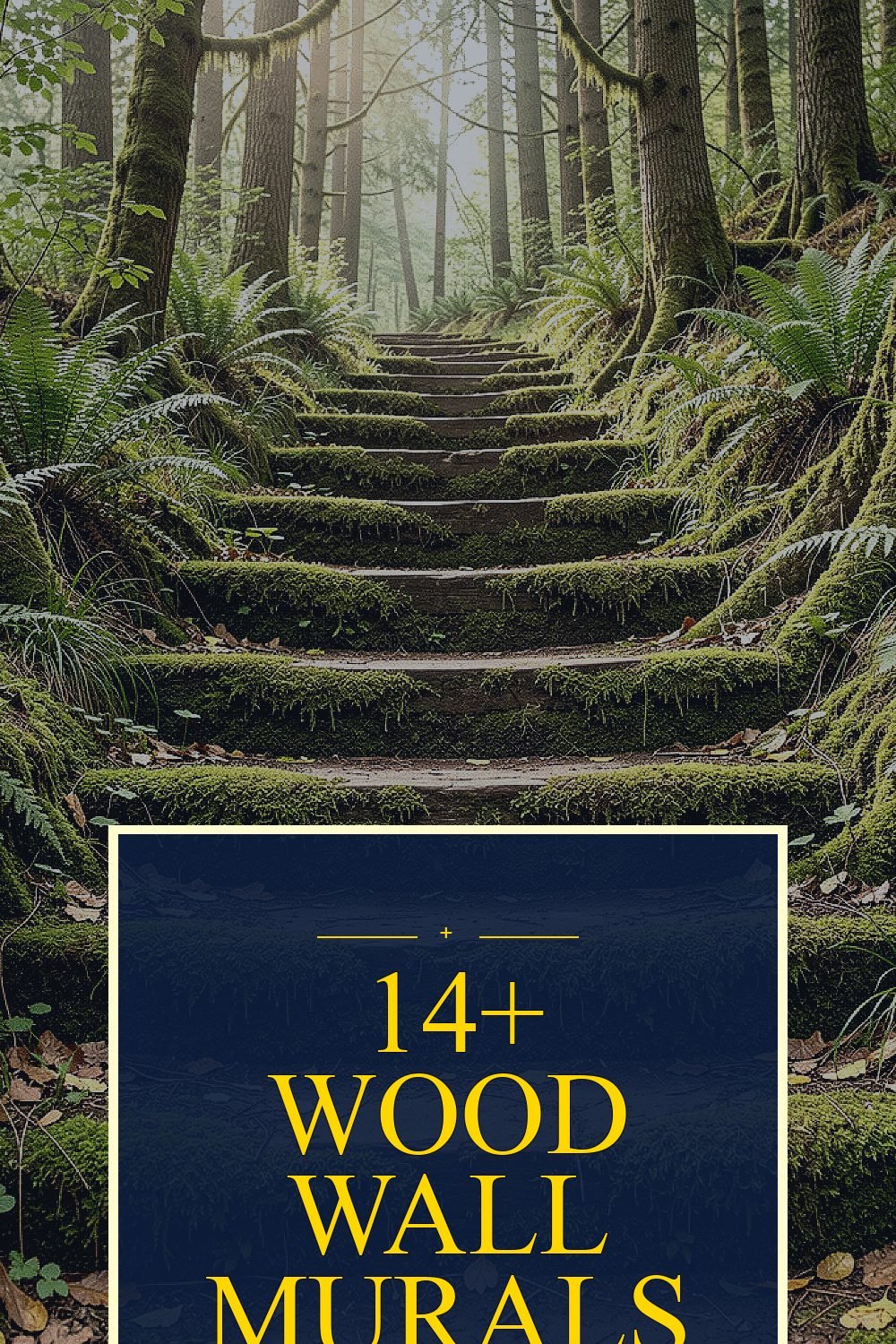
A quiet wall can feel like a path through green woods. With the right mural, everyday rooms start to breathe.
1. Pine-Needle Pathway
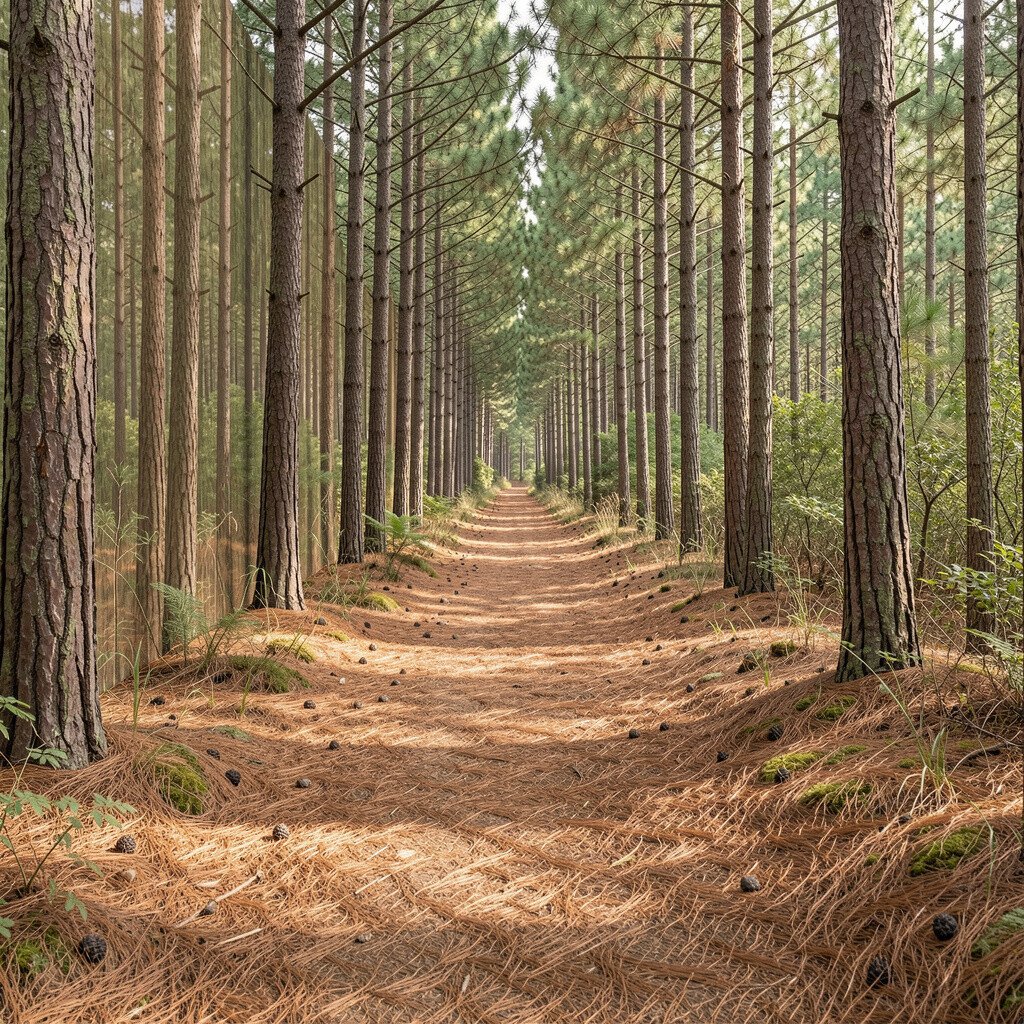
Picture a winding trail made of layered pine-needle lines carved into stained wood. Warm browns and deep greens guide your eyes as if you’re walking under tall trees.
This mural feels calming because the texture looks natural, even from a distance. It can also soften a busy room by adding gentle rhythm to the wall. For a practical win, measure your wall height and sketch the trail flow so it stays centered when people enter the space.
2. River Rock Turnaround

Imagine a slow river bend shaped from smooth, rounded wood pieces, like river rocks stacked in a natural curve. Pale birch tones catch the light while darker walnut lines hint at moving water.
This style works well because the rounded forms look friendly and reduce harsh visual edges. To personalize it, vary the rock sizes so the biggest stones sit near the eye level. Choose a satin sealant for easy wipe-downs, especially in kitchens or entryways where scuffs happen.
Cost can stay manageable if you use scrap boards for small “rock” shapes and save premium wood for the main focal bend. A current trend is mixing warm neutrals with one bold accent color, so you might add a muted teal river line for a modern touch.
3. Mossy Forest Steps
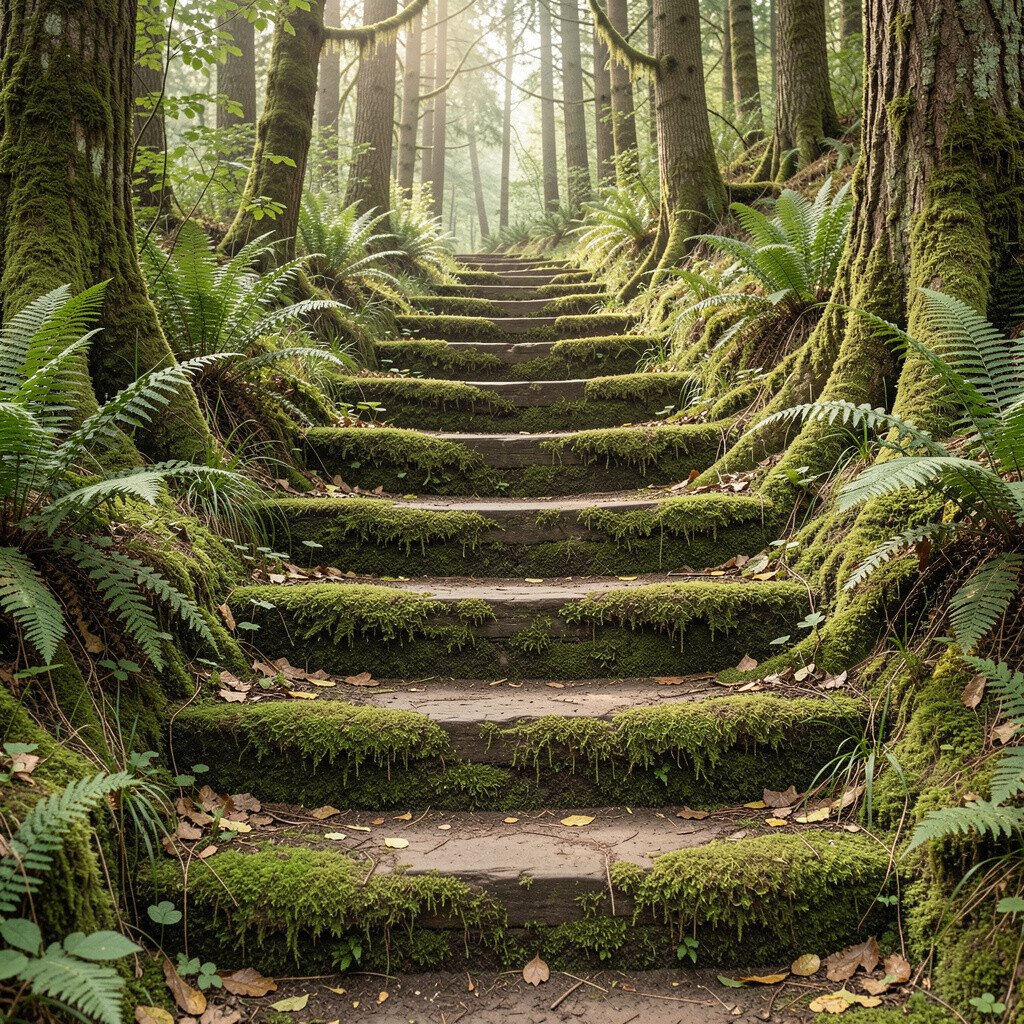
Think of stepping stones under soft moss, drawn with curved cuts and patchy stain blocks. Tiny dot patterns suggest damp leaves gathering around each “step.”
The visual benefit is a sense of movement that still feels cozy and contained. It’s unique because the moss can be represented with stippling, letting you control density like real ground cover. For a practical approach, keep the “steps” large enough that the design reads well from across the room.
If you want personalization, add a small hidden silhouette, like a little bird shape peeking from behind a step. For cost planning, start with medium-cost woods for the base and reserve expensive carving-friendly species for the moss texture details.
4. Cedar Wind Swirls
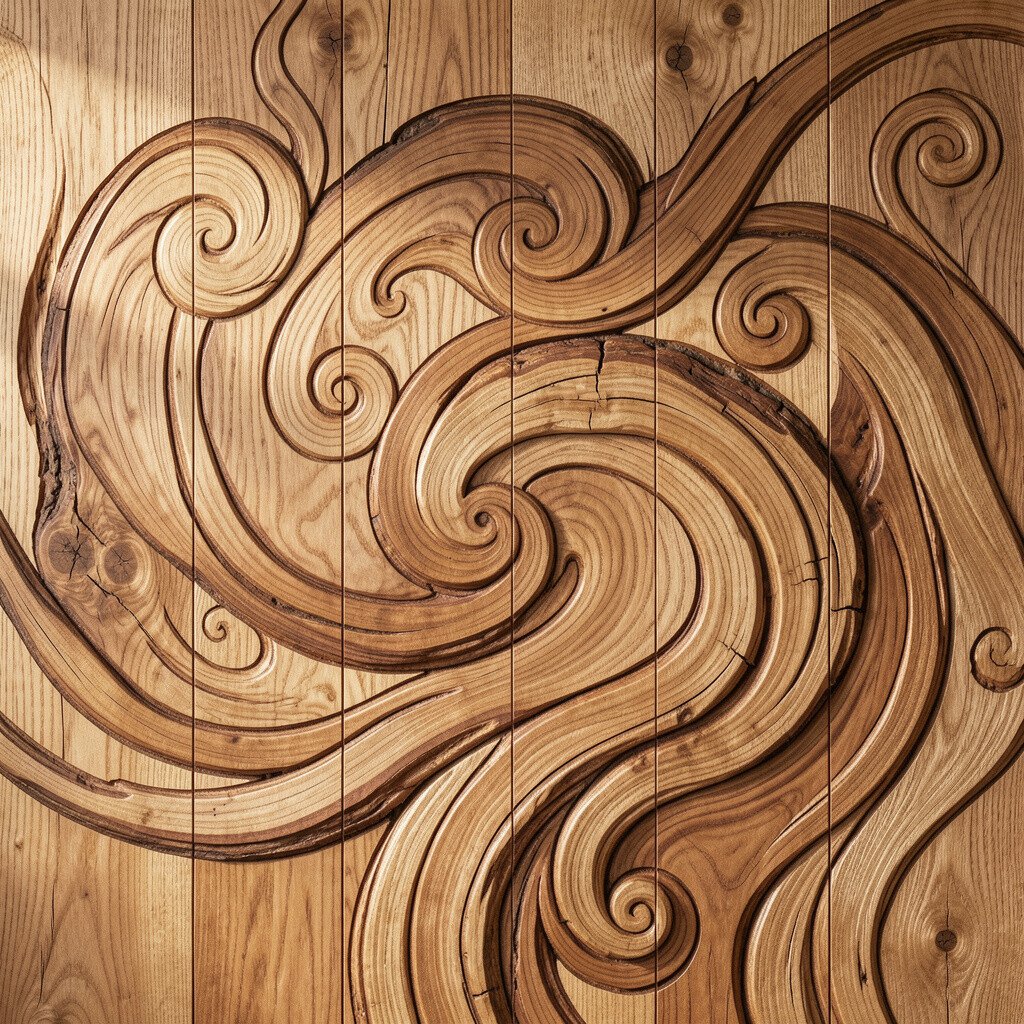
Picture wind curving through cedar trees, shown as ribbon-like grooves across a long wood panel. Lighter streaks look like sun rays cutting through branches, while darker bands create depth.
This mural is great for people who want nature energy without crowded details. It also helps rooms feel taller because the swirls pull the gaze upward. Keep it simple by choosing one main wood tone and one contrasting tone, then let the grain do the rest.
5. Autumn Leaves Loop

Envision a loop of falling leaves drawn in layered plywood or thin wood slices. Orange-brown stain gradients make the “leaves” look like they’re mid-drop, caught by a breeze.
This idea feels warm and welcoming, especially in living rooms where you want a cozy mood. For personalization, carve a few leaves with slightly different veins so each one feels unique. A practical tip is to place the darkest cluster near the center so the eye has a clear resting point.
Keep cost reasonable by using paint or stain for leaf color instead of using many rare woods. Right now, lots of makers are combining wood grain with gentle color washes, so a light amber tint can look trendy without going overboard.
6. Rainforest Vine Ladder

Imagine climbing vines wrapping a vertical wall like a ladder made of green life. Curving lines and leaf shapes can be cut from thin boards and stained at different depths.
This mural brings a lush, energetic feel that works beautifully in hallways. It can also make a narrow space feel more layered because vines create vertical texture. To keep it practical, decide early where furniture will block the design and stop the vine near common sight lines.
For uniqueness, add small “fruit” dots or tiny textured circles that hint at plant variety. Cost can be controlled by limiting color to one leaf family range and using one wood species for the stems, then changing only the finishing technique.
7. Desert Coyote Trail Edge
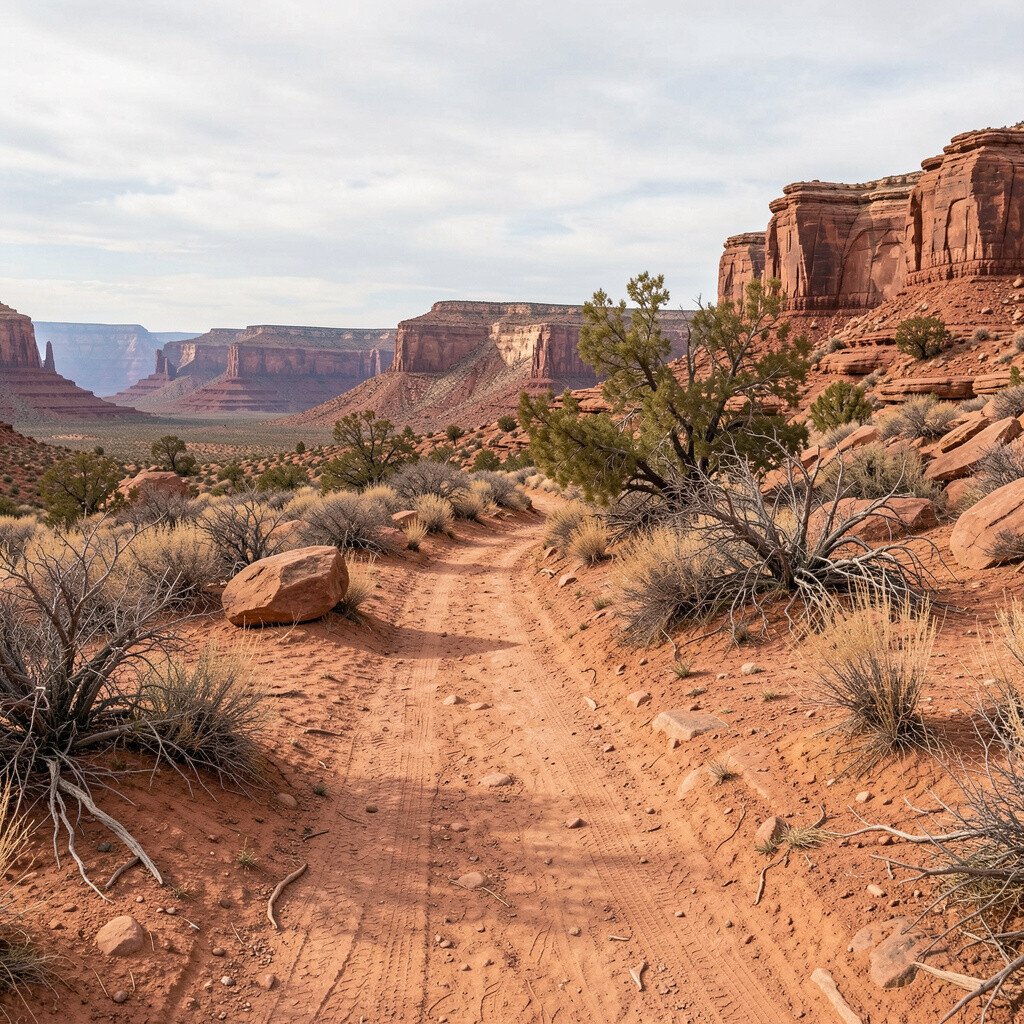
Picture a trail edge with soft dunes, where darker lines form a path and lighter boards form sandy banks. A subtle coyote silhouette can be carved low on the wall, like it’s watching from the brush.
This mural can feel surprising and modern, because nature trails aren’t only forests. It benefits your space by adding story and a calm, grounded palette. Personalize it by choosing a silhouette style you love, from simple to more detailed, and match the wood tones to your existing decor.
To plan for cost, use stencil-cut shapes for the animal and dunes, which speeds up work and reduces carving time. A current trend is “quiet wildlife” art, where the subject is gentle and not overly busy, so keep details minimal for a sleek look.
8. Lake Mirror Boards

Think of a still lake reflected on wood panels, with wave lines engraved lightly across a smooth surface. The effect comes alive when you use a glossy topcoat on the “water” section.
This mural benefits the room by adding brightness, since light reflects more strongly from smoother finishes. It’s unique because the mirror effect can look different at different times of day. Try it by masking the “shoreline” with a crisp edge, then gradually fade wave lines toward the center.
9. Trailhead Map Moments
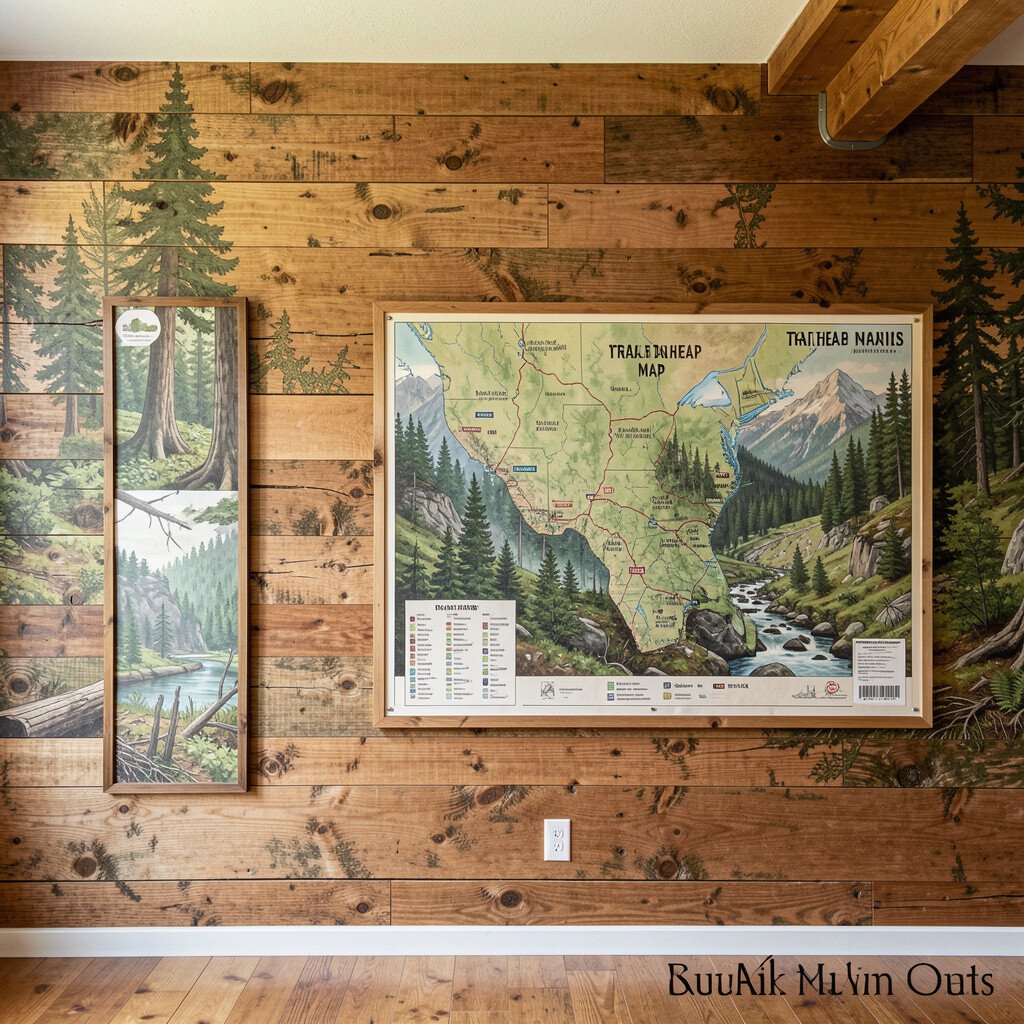
Imagine a nature trail mural that feels like a friendly park sign, but made from wood. You can carve small markers, distance-like dashes, and route lines that guide the eye like a map.
This design is actionable for homeowners because it can match many styles, from farmhouse to modern. It offers uniqueness through the blend of “map” structure and organic curves. Personalize by carving names, dates, or a family nickname into a small border area.
For practical cost control, focus on engraving key lines rather than carving large full-color images. A current trend is minimal lettering and graphic linework, so thin engraved route lines can look very current while staying budget-friendly.
10. Wildflower Meadow Path
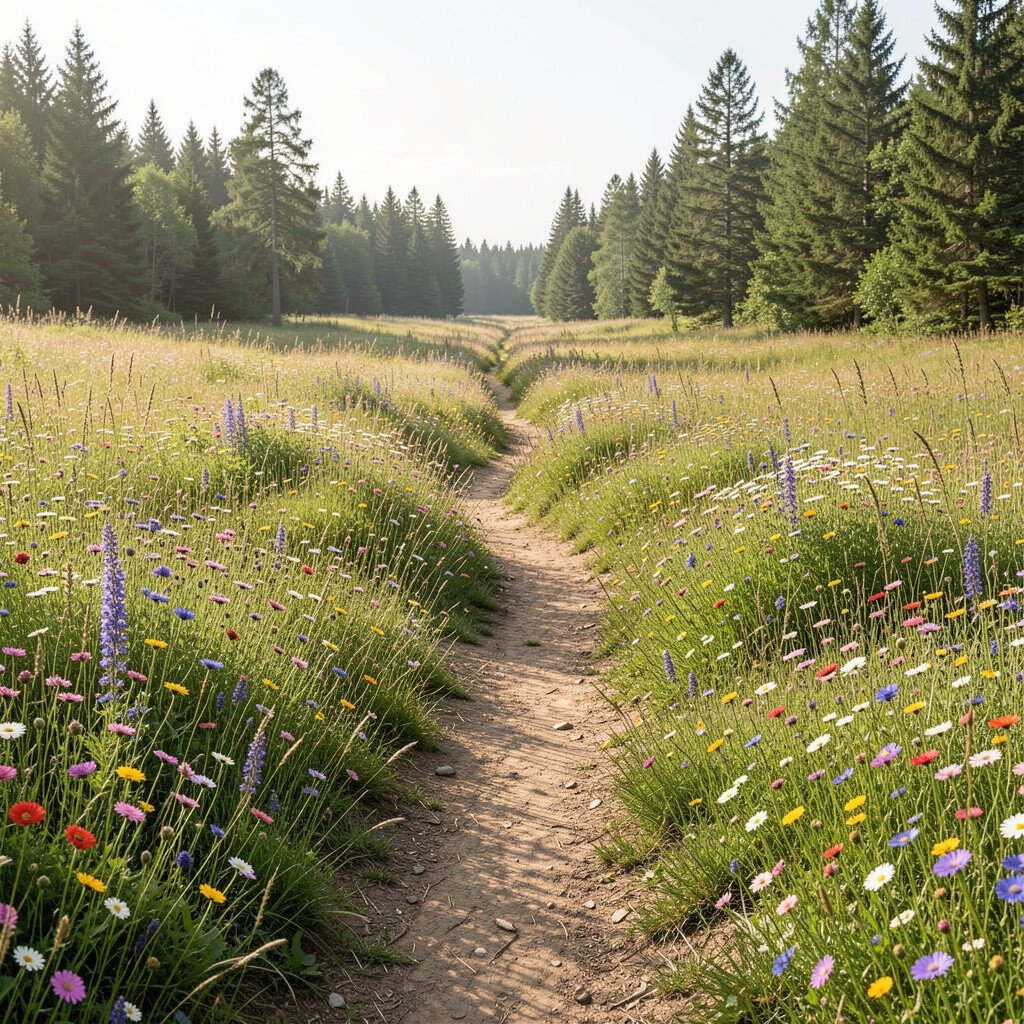
Picture a meadow trail where flowers appear as small carved bursts along the walkway. You can stain petals in varied tones, but keep the background calm so the flowers pop.
This mural benefits your home by adding color without needing bright paint across the whole wall. It’s unique because wood grain still shows through, making the flowers look handcrafted instead of printed. For a practical step, plan flower spacing so the design doesn’t feel cluttered when viewed from sitting height.
Personalize it by choosing flowers that match your region or your garden favorites. To manage cost, use one wood type for the base and swap only the stain colors, which saves you from buying many different boards.
11. Foggy Pine Horizon
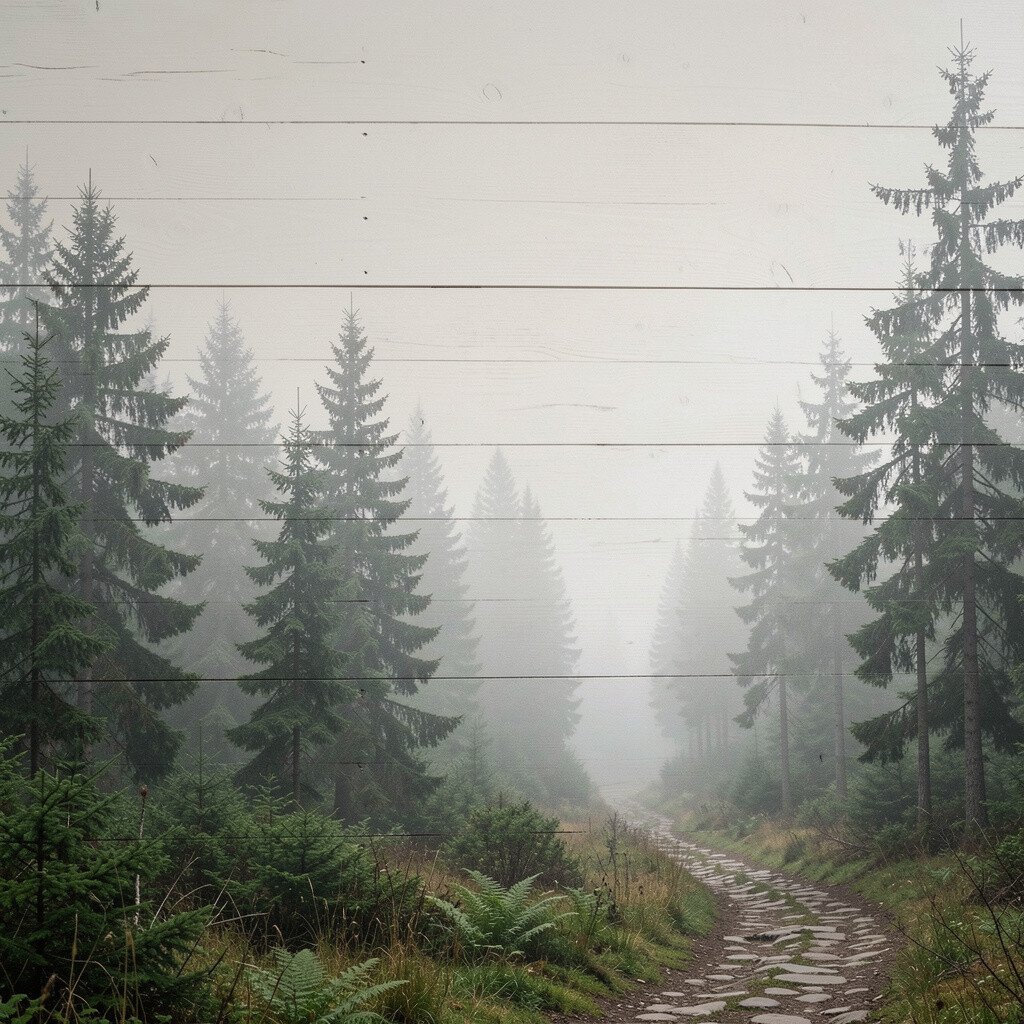
Imagine a horizon line where pines fade into mist, created by layered boards and soft stain blending. Light sanding between layers can give a hazy, cloud-like edge.
This mural feels peaceful, and it can make a room feel bigger because the misty fade draws the eye outward. The unique part is how depth appears even without heavy carving. Try a practical approach by creating three layers for the trees, each slightly lighter than the one behind it.
12. Streamside Handrail Motif
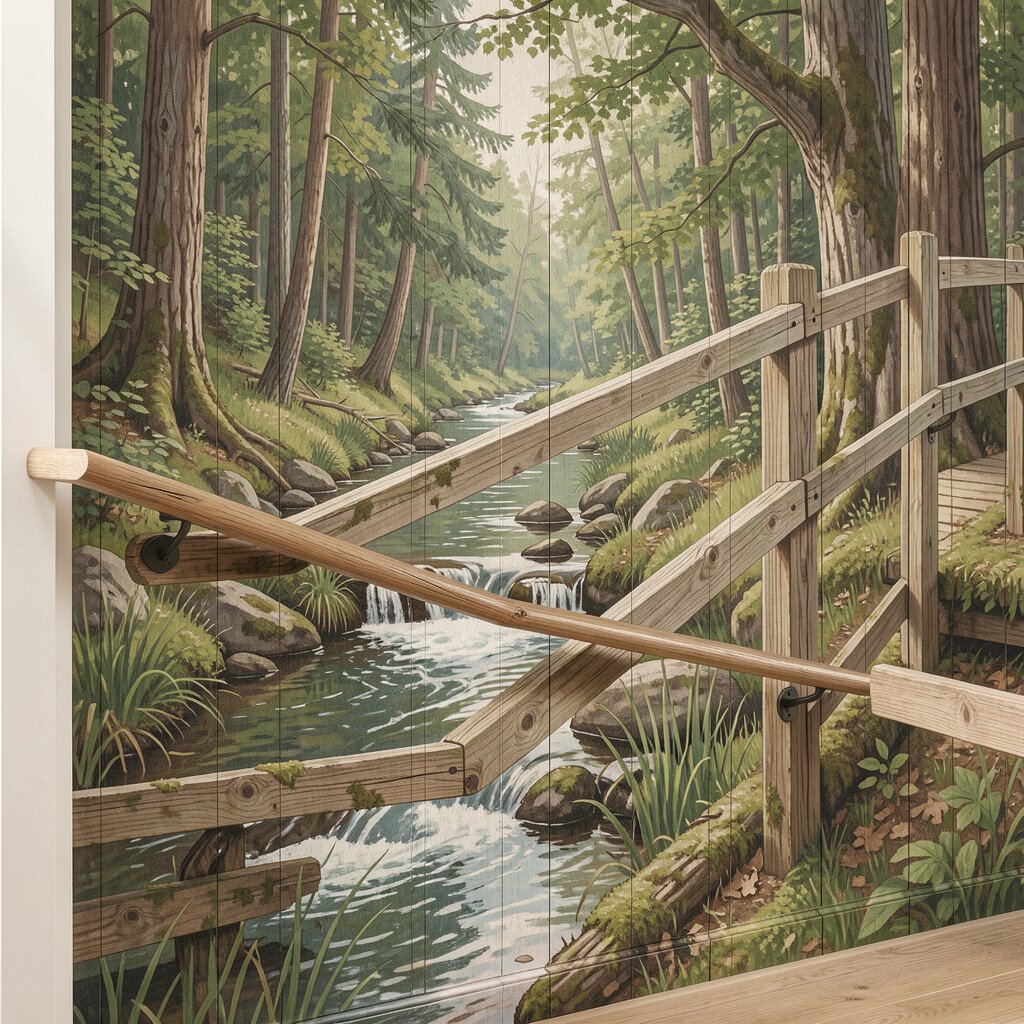
Picture a stream running beside a gently curved “handrail” carved like a piece of natural wood. The rail can look like it belongs in a real outdoor walk, while the water is shown with repeating wave grooves.
This design is useful because it frames a doorway or a main furniture wall like a calm boundary. It’s unique because it blends nature with a functional shape, even if it’s purely decorative. Personalize by adding small leaf cuts along the rail, or by using a warmer finish for the rail and cooler tones for the water.
To keep costs in check, create the rail with one continuous carved strip and make the water from shallow grooves rather than deep carving. Many current DIY projects are using low-relief textures like this, which looks modern and is often faster to produce.
13. Riverbank Birch Bark Texture
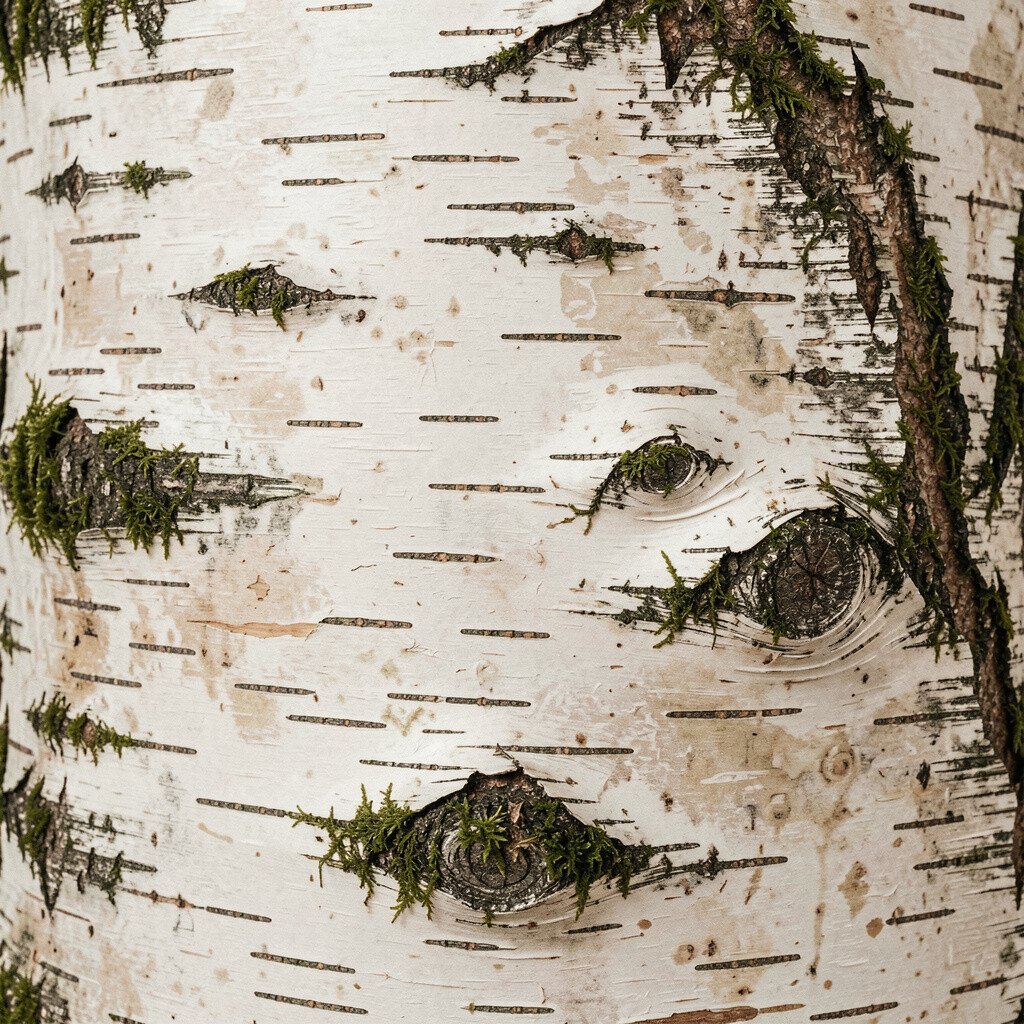
Imagine birch bark texture stamped into wood, with a riverbank trail running along the bottom edge. Light streaks and dark speckles can mimic natural bark, giving the whole mural a tactile look.
This mural benefits your space because it adds an organic pattern that hides everyday wall marks and wear visually. It’s unique because bark texture can be made using simple tools, like a small carving blade or even a textured stamp effect before sealing. For a practical tip, practice on a scrap board first so your speckling size matches the scale of your wall.
Personalize by adding a few “boot prints” impressions along the trail line for a playful family detail. Cost considerations are friendly here since you can use affordable wood for the bark texture and spend more time finishing rather than using rare lumber.
14. Coastline Cliff Steps
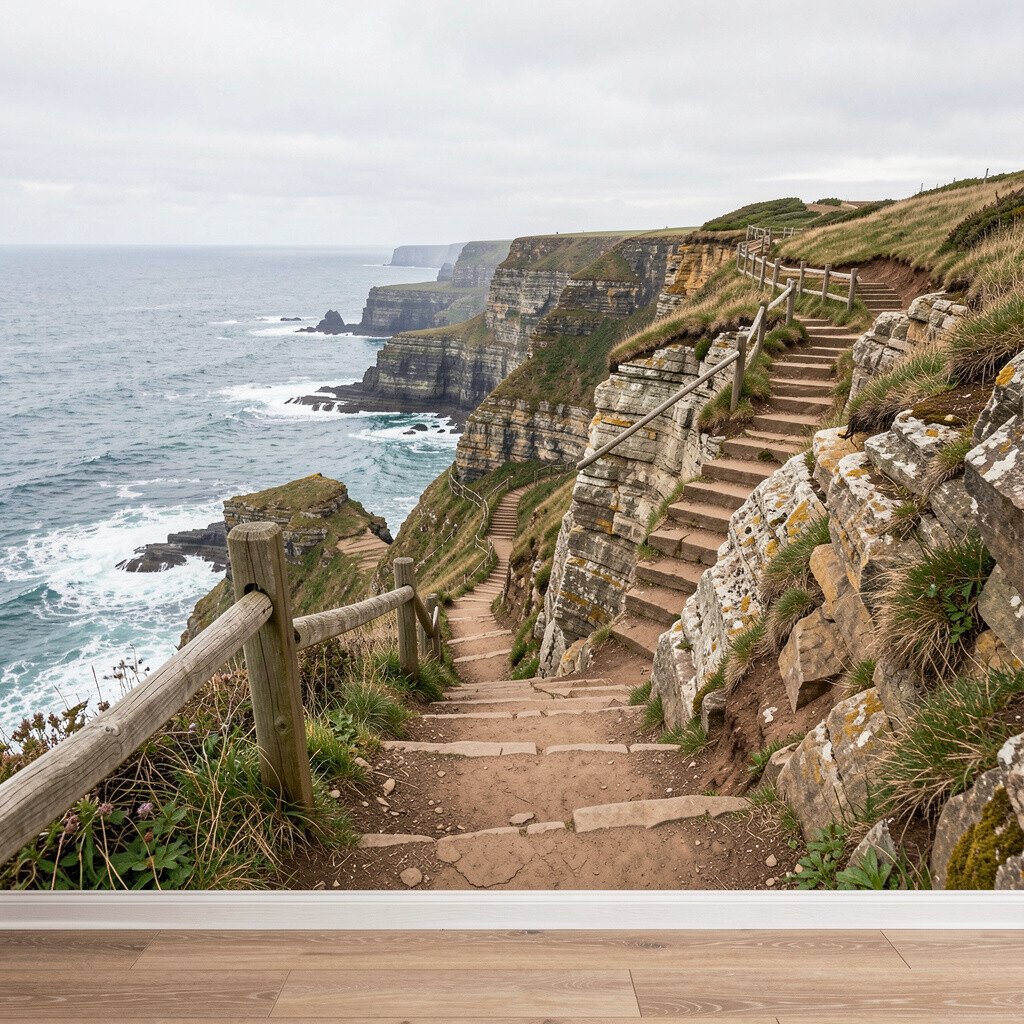
Picture coastal cliffs carved as staggered steps, with a trail that curves along the edge above the sea. Use deep gray and sand-colored stains to bring the ocean and shoreline contrast to life.
This mural can feel bold yet relaxing, especially in a room that needs a strong focal point. The visual uniqueness comes from the step-like cliff shape, which adds depth and shadow. Personalize it by adding a small “sea trail” line that suggests a path toward a carved horizon.
For cost control, keep the “sea” section smooth and rely on engraved linework for movement. Current trends lean toward coastal minimalism, so you can skip extra symbols and let the texture and gradient do the heavy lifting.
15. Winter Trail Lantern Glow
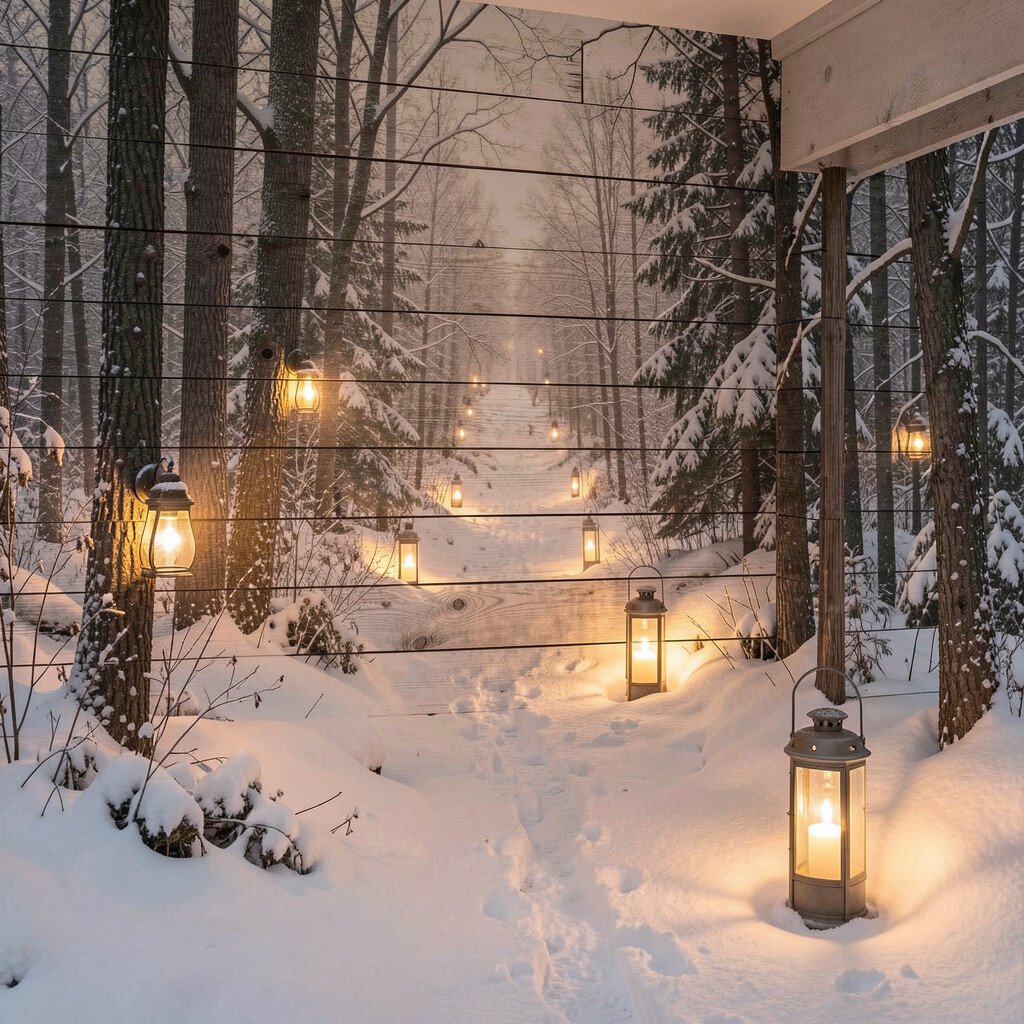
Imagine a winter path bordered by evergreens, with a carved lantern shape that glows through stained translucent wood. The pathway can look icy using pale tones and lightly scored lines.
This mural benefits your home by creating a cozy, story-filled mood, especially in rooms that feel dim in winter. It’s unique because the lantern area can be made to look like it’s softly lit even without heavy lighting effects. A practical idea is to place the brightest section at the center of the wall and keep the surrounding trees darker so the glow reads clearly.
Personalize it by adding tiny snowflake carvings or a small animal track trail beside the path. For cost considerations, use one accent piece for the lantern effect and keep the rest of the mural in more affordable woods to stay within budget.