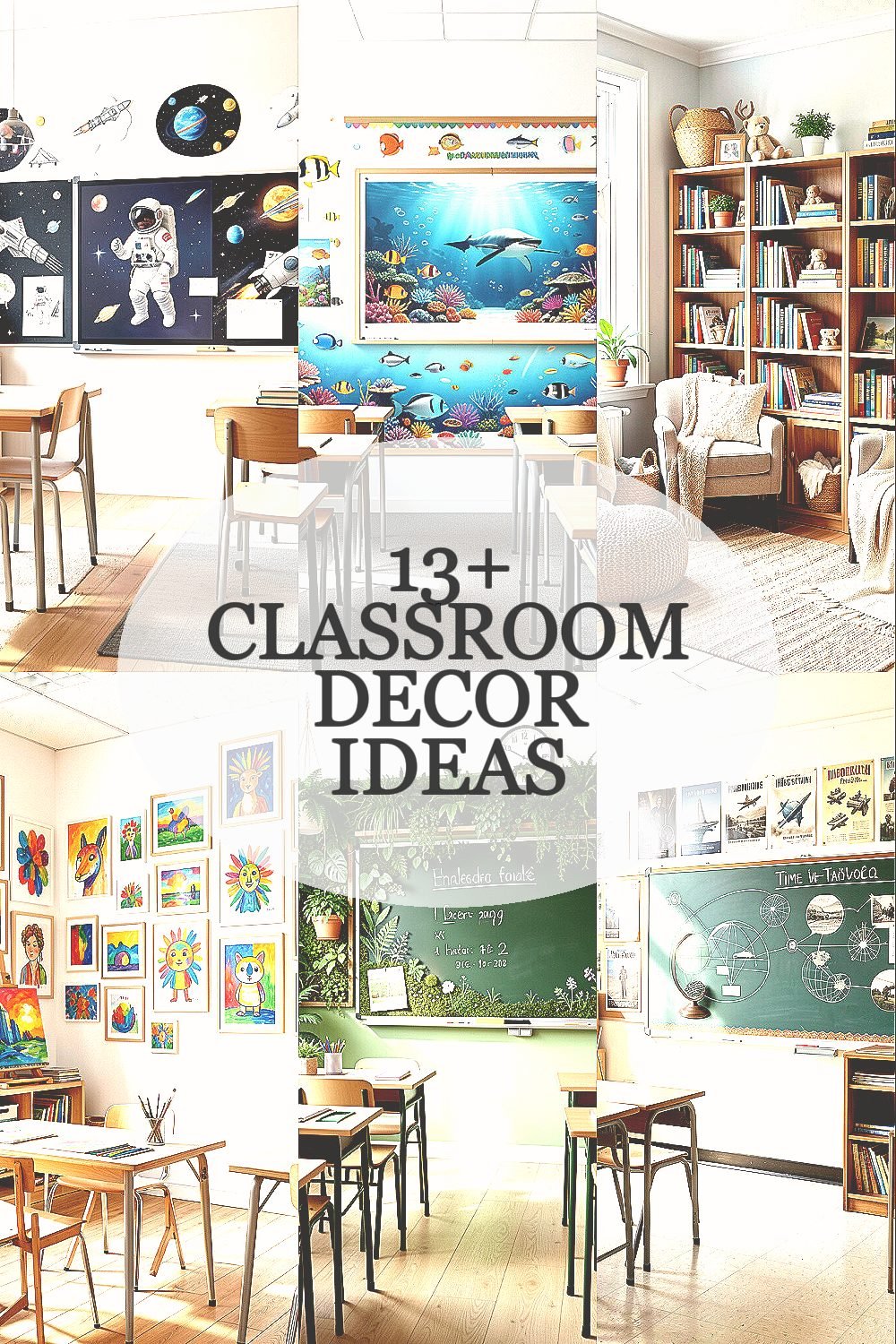
Walls can do more than look nice. They can nudge curiosity every single day.
With the right theme touches, your classroom can feel welcoming and focused at the same time.
1. Astronaut Mission Space Theme
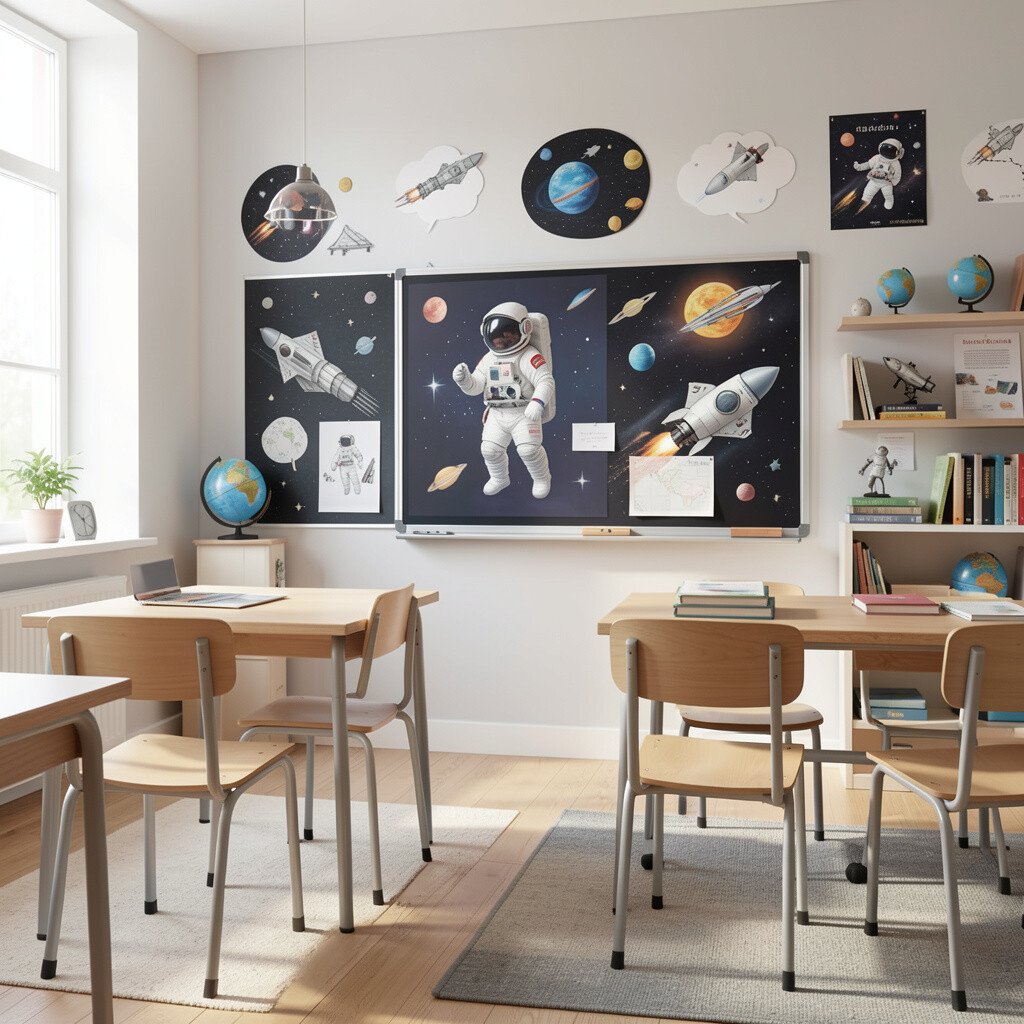
Imagine walking into a room that feels like a calm spaceport. Star decals, planet cutouts, and soft blue lighting make the air feel bigger and calmer.
For daily learning, add a “mission board” where students post questions and discoveries on small cards. Keep it practical by using Velcro so changing topics takes seconds, not minutes. Choose affordable materials like black construction paper stars or printable planet posters, and spend more on a few durable anchor displays.
2. Underwater Ocean Discovery Theme
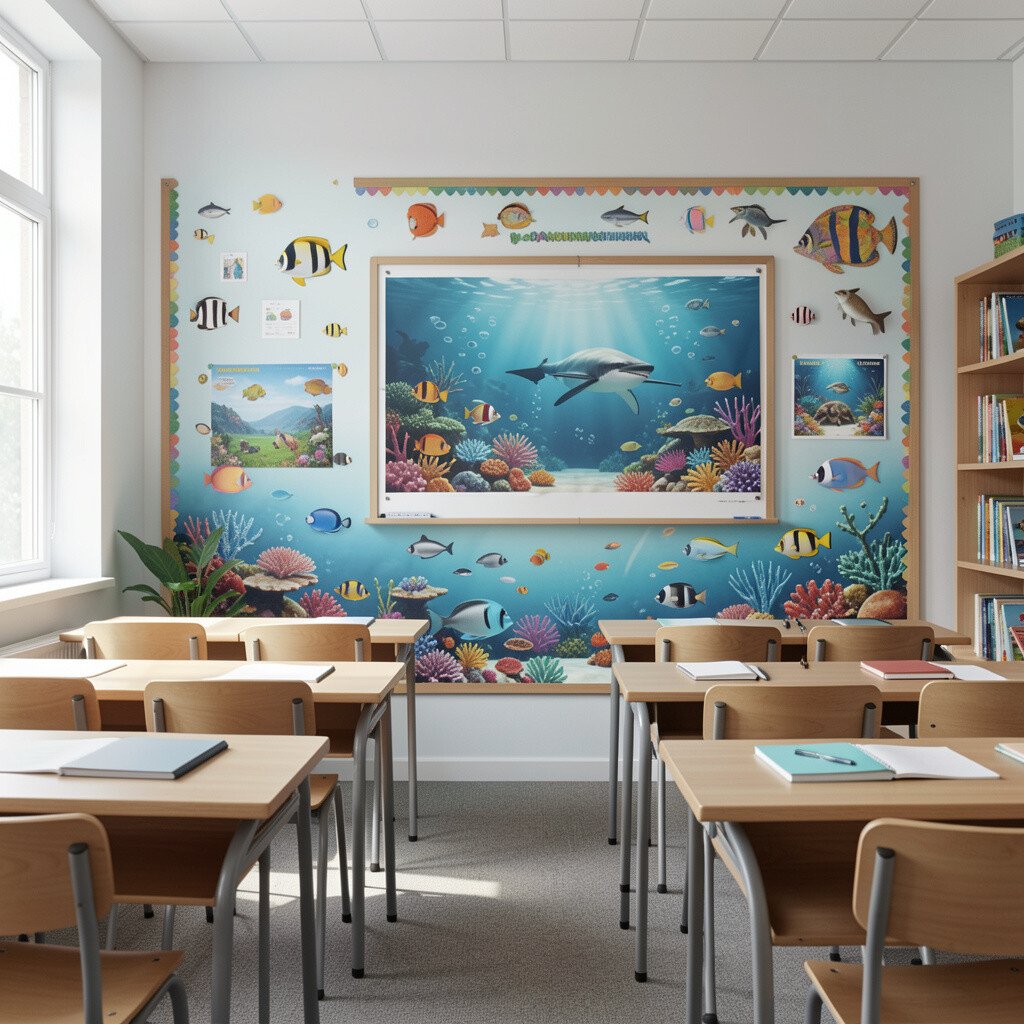
Picture waves of color drifting across the walls with fish shapes that shimmer in the light. A gentle sea-green palette and bubble border trim can make students feel safe and ready to focus.
Hang simple labeled learning posters beside anchor charts for reading and science, using sea-themed icons as visual cues. Add clear routines with ocean-inspired signage such as a “current of the day” for vocabulary and a “tide timeline” for class schedules.
To keep it unique, include a classroom “reef” made from student drawings of creatures and habitats. Print sea life from free online images, laminate key cards for durability, and place them in inexpensive frames made from dollar-store finds.
3. Cozy Library Reading Nook Theme
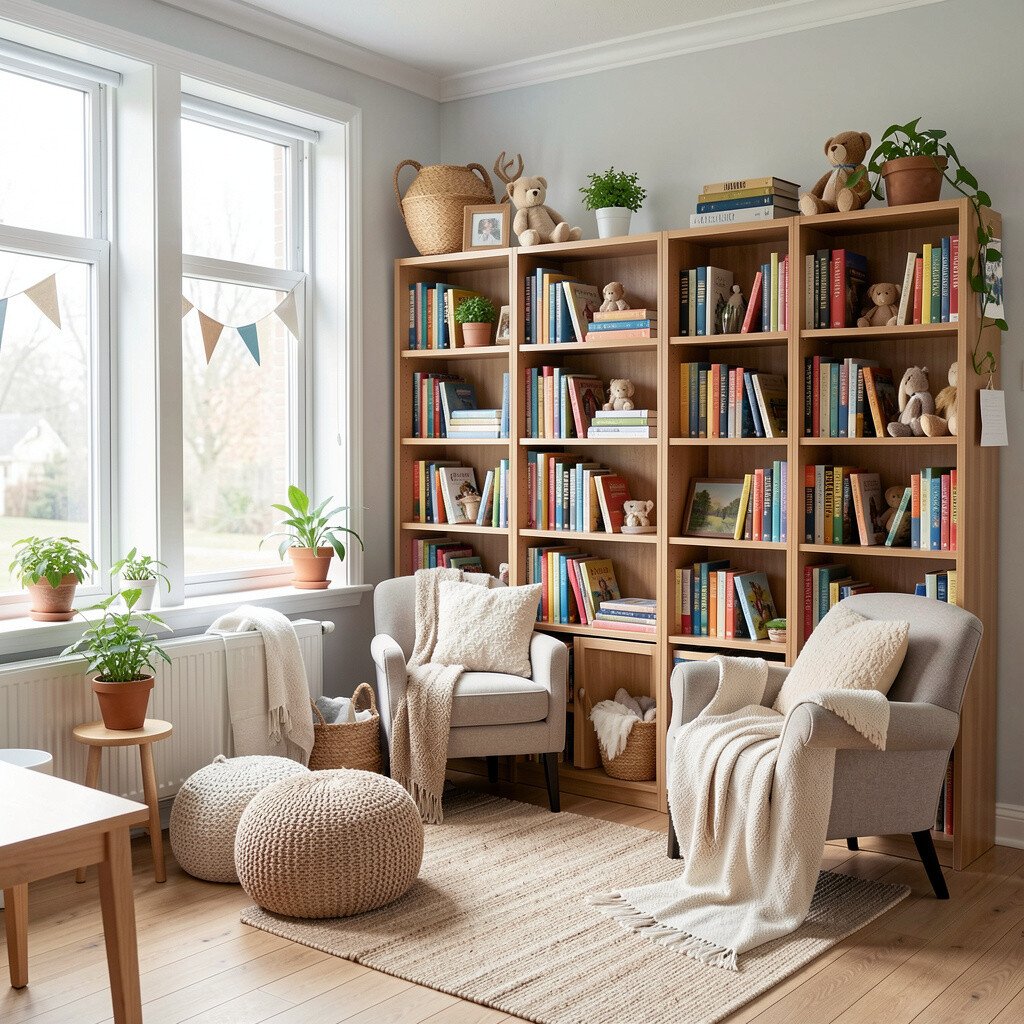
Think of a classroom corner that feels like a favorite bookstore. Warm lamps, soft throw blankets, and layered rugs create a space where reading feels cozy and calm.
Set up a rotating “choice shelf” with leveled books and student recommendations on small cards. This supports independence because learners can grab what fits their day, then return items using matching color bins.
Make the design personal by letting students name the nook and create a class bookmark banner. For cost, start with one rug and one lamp, then build over time with thrifted decor and printed bookmarks.
To stay current, many classrooms now use calming “quiet zones” with visual timers and low-sensory lighting cues. Add a small sign that reminds students how to settle, and you will see fewer transitions turning into disruptions.
4. Bright Art Studio Theme With Gallery Walls
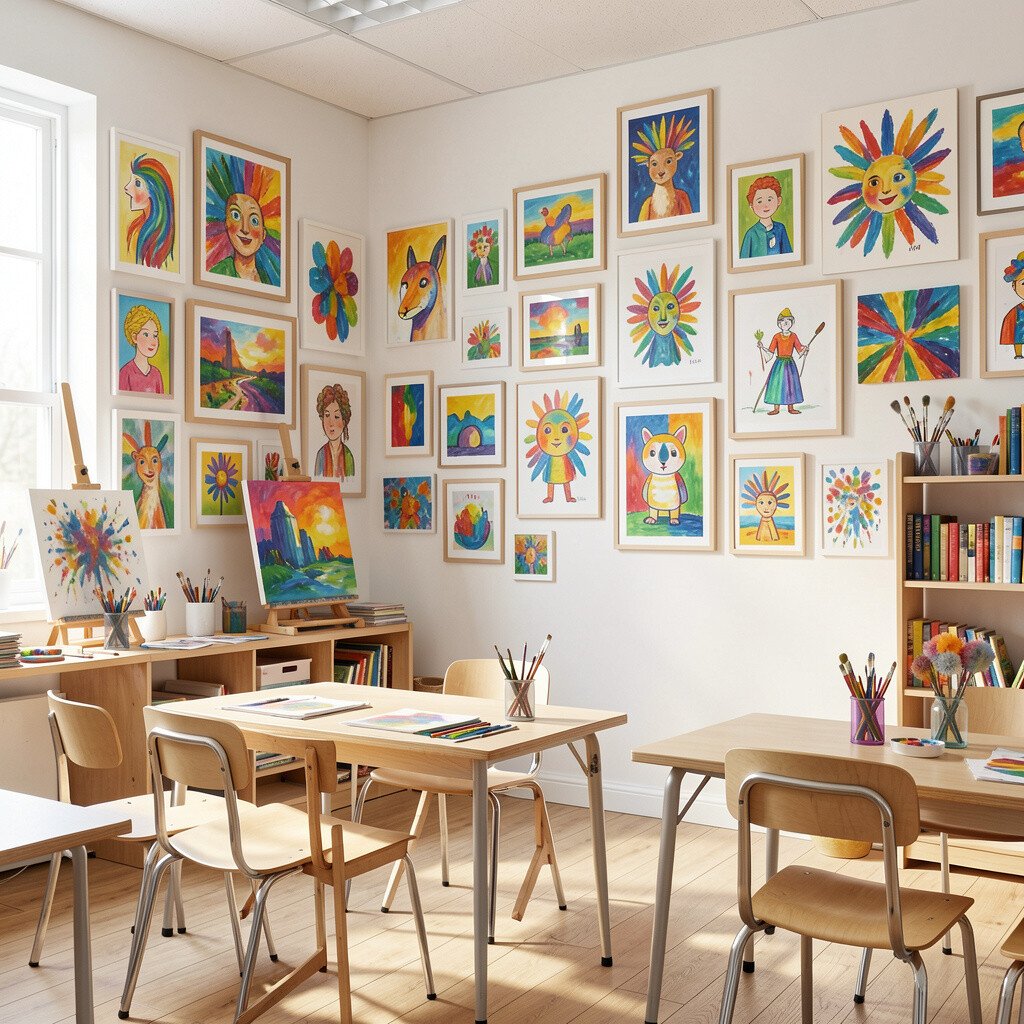
Imagine your classroom walls acting like a real museum. Displaying student work in a gallery style makes everyone feel proud to contribute.
Use coordinating frames or clip lines with binder rings so art can change weekly. Keep the focus on learning by featuring process work, not only finished projects, such as drafts, diagrams, and revision notes.
5. Green Garden Growth Theme
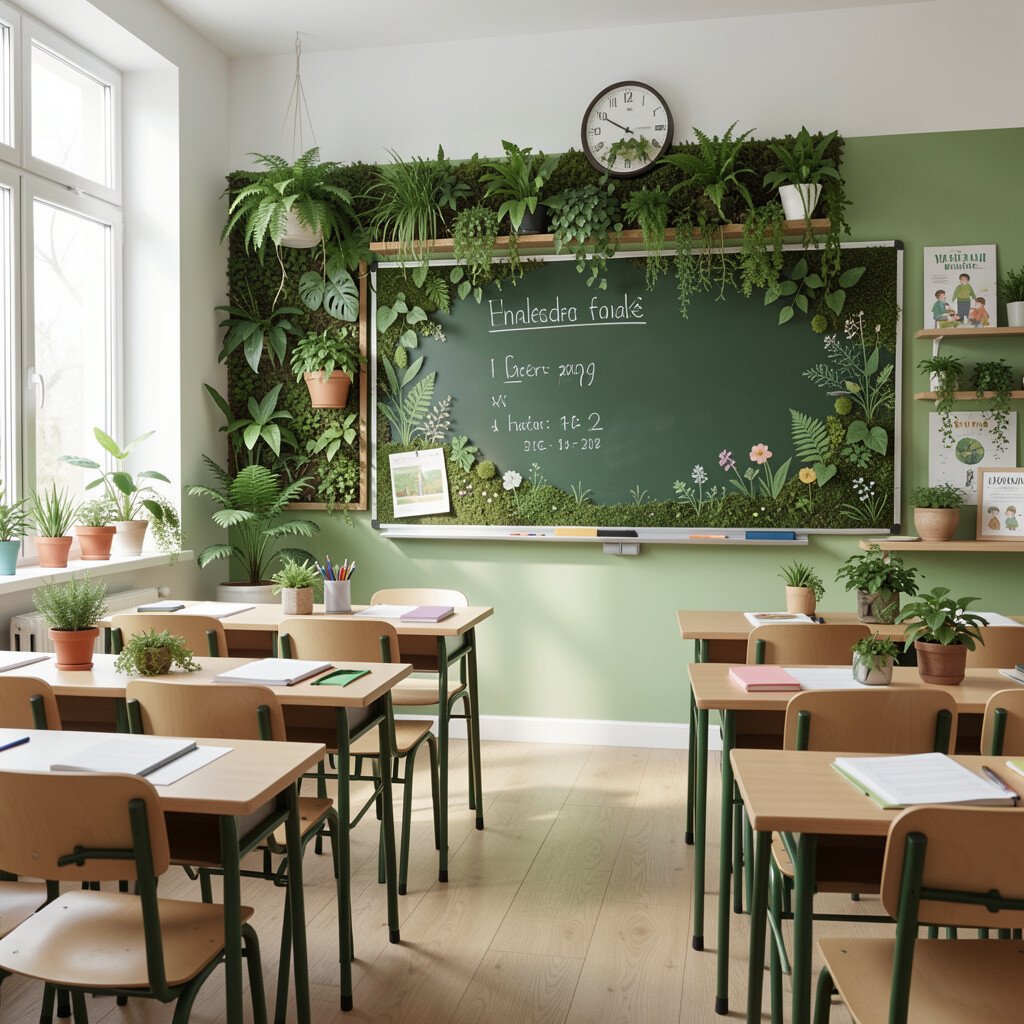
Picture tiny leaves, vines, and sprouting accents creeping along borders and bulletin boards. A fresh green theme can make the room feel alive while supporting science and growth mindset ideas.
Create a “growth wall” where students add stickers to show progress on reading goals or math practice. Each addition can connect to a skill, like building confidence with fractions or improving evidence writing.
Personalize the theme by planting paper seeds that students write on, then “watering” them with weekly reflections. For practical planning, use cardstock, string, and simple hooks, and choose a few real plants if you can manage light and watering.
6. Time-Travel History Theme
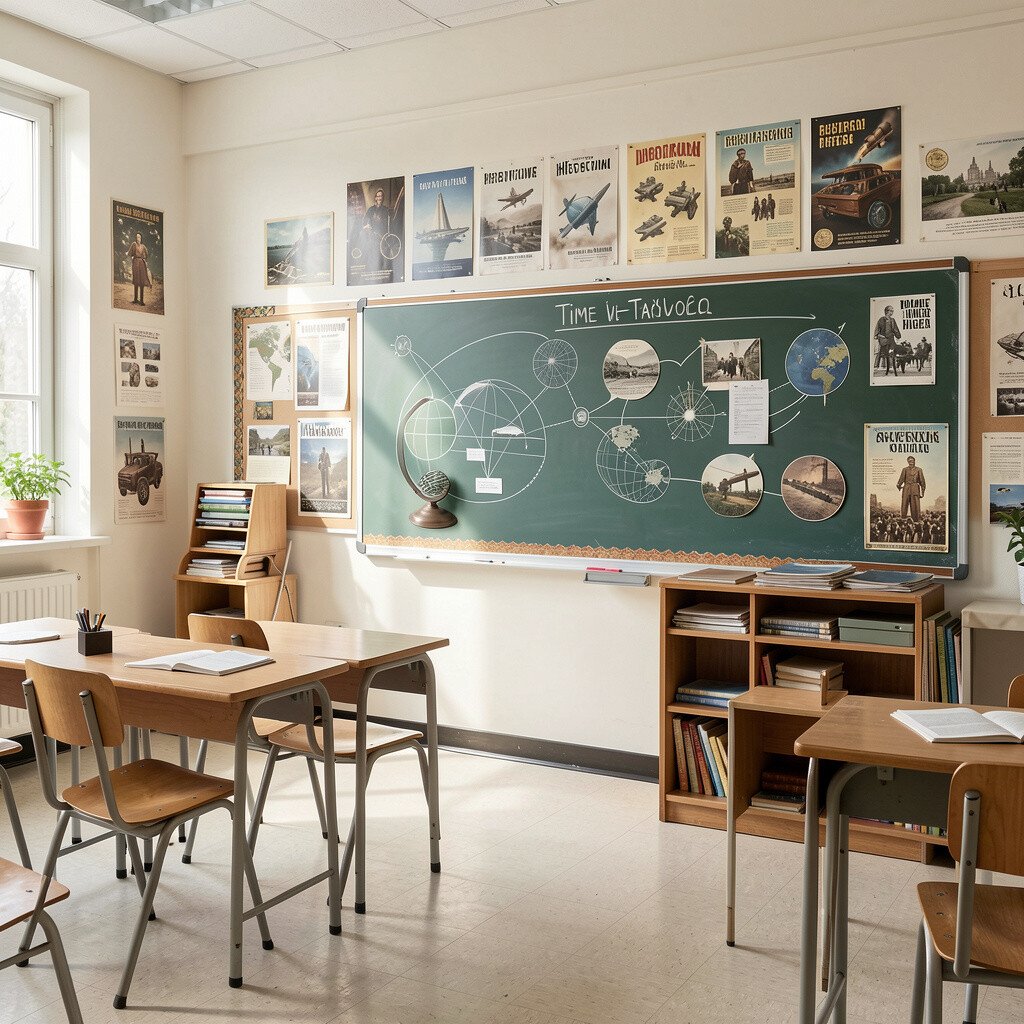
Imagine stepping through history with a timeline that wraps around the room like a glowing track. Posters of artifacts, maps, and famous figures can help students connect dates to real stories.
Set up a “time station” area for reading comprehension, with vocabulary cards that match different eras. You can also place writing prompts near each era so students have a clear spot to begin.
To keep it unique, add a class museum drawer where students collect “artifact cards” made from worksheets, sketches, or printed images. Cost stays manageable when you reuse boxes, label them clearly, and print only a handful of main visuals each term.
7. Math City Streets Theme
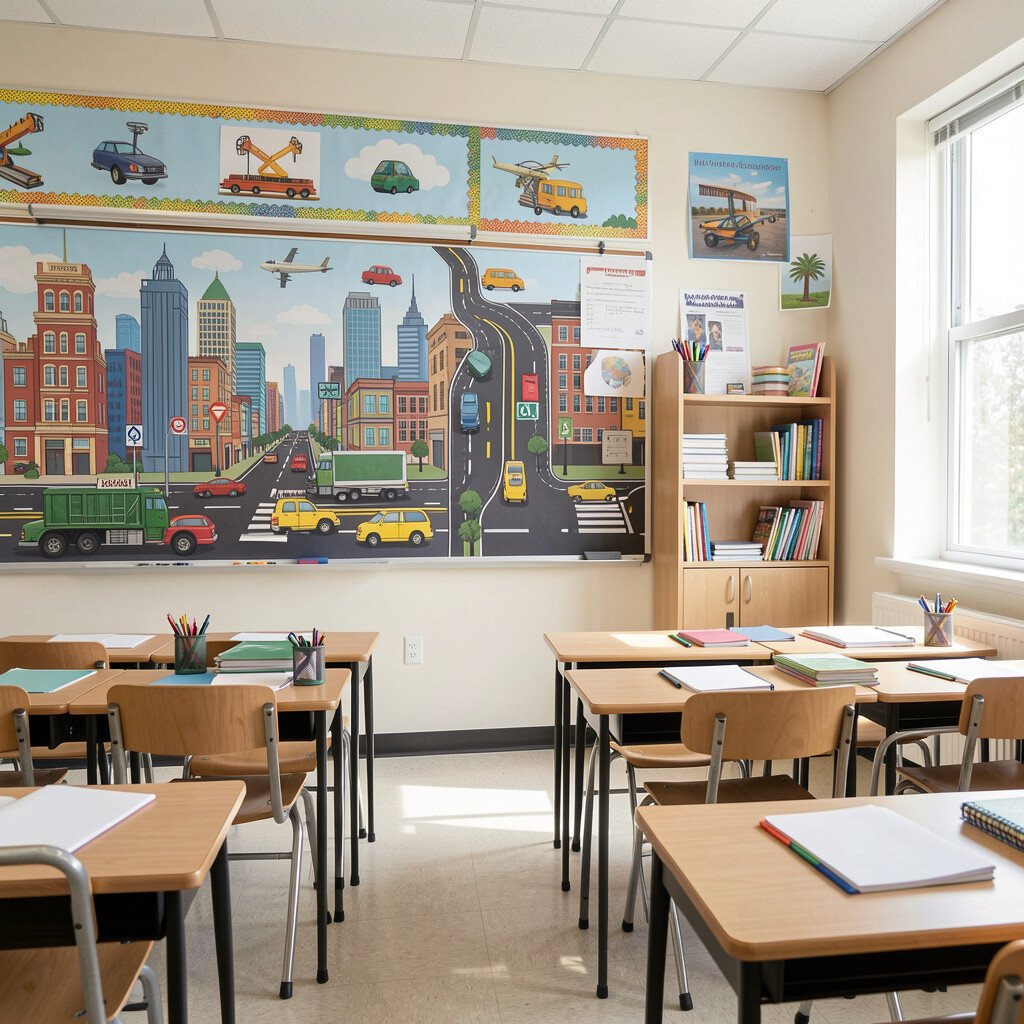
Picture math turning into a friendly neighborhood. Streets made from colored paper tape, “avenues” labeled with strategies, and building-shaped book bins can make practice feel playful.
Use grid patterns and number lines as pavement details, then place anchor charts at intersections. Students can move along the “street” to find help, worksheets, and reference tools without feeling lost.
For personalization, invite students to design storefront signs that match skills like place value, geometry, or word problems. Keep costs low by using paper templates and drawing supplies, and consider printing fewer posters in favor of student-made signage.
Current trends often include interactive learning spaces, and a walkable “math map” is a fun way to support that style. Add laminated cards so you can reuse them each year.
8. Music Studio Sound Theme
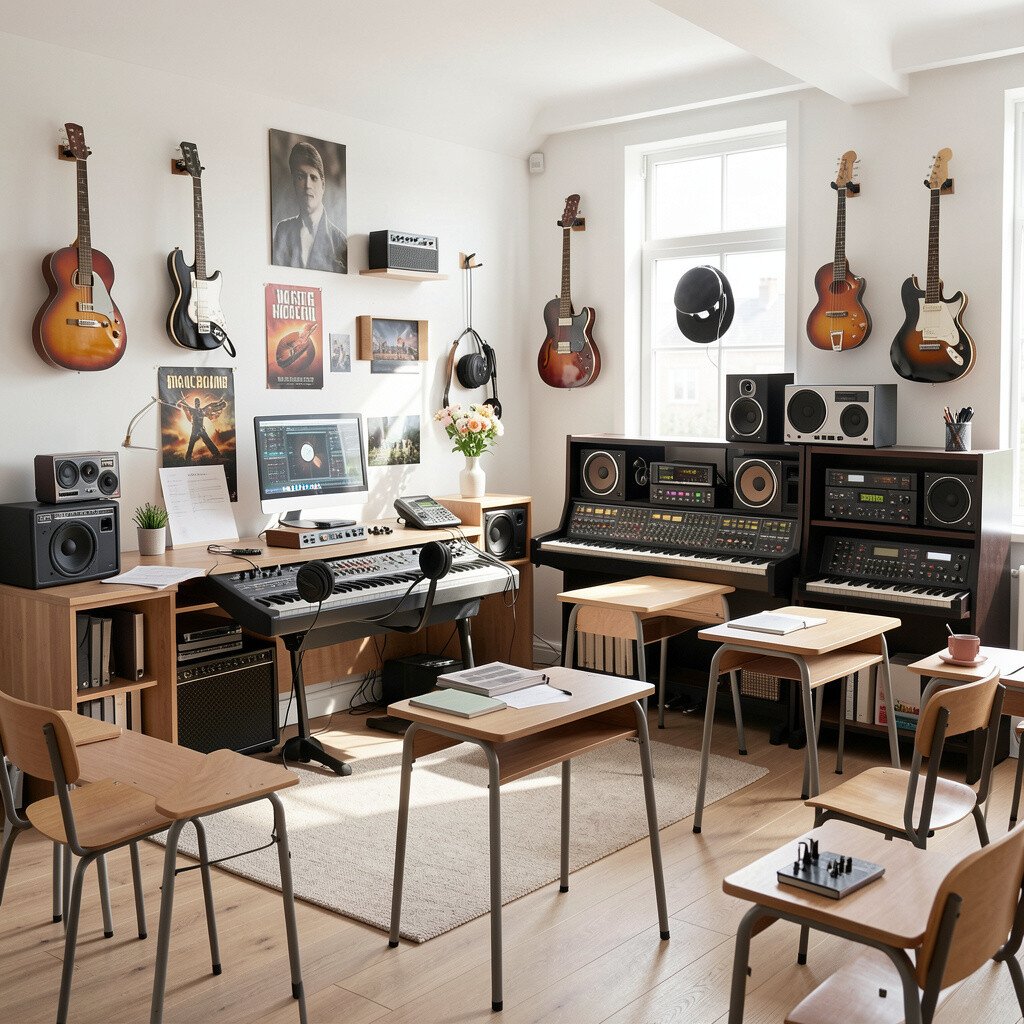
Imagine seeing sound waves roll across the walls like bright ribbons. Musical notes, instrument silhouettes, and colorful borders can make learning feel rhythmic and engaging.
Create a “sound station” with visual cues for listening and discussion, like a volume meter and a turn-taking sign. This improves classroom management because students can point to visuals when they need reminders.
Personalize the theme by letting students record short “learning beats” on sticky notes, such as a reminder rhyme for grammar or math steps. For budget care, use printables for the staff lines and make instruments from recycled cardboard.
9. Sports Team Challenge Theme
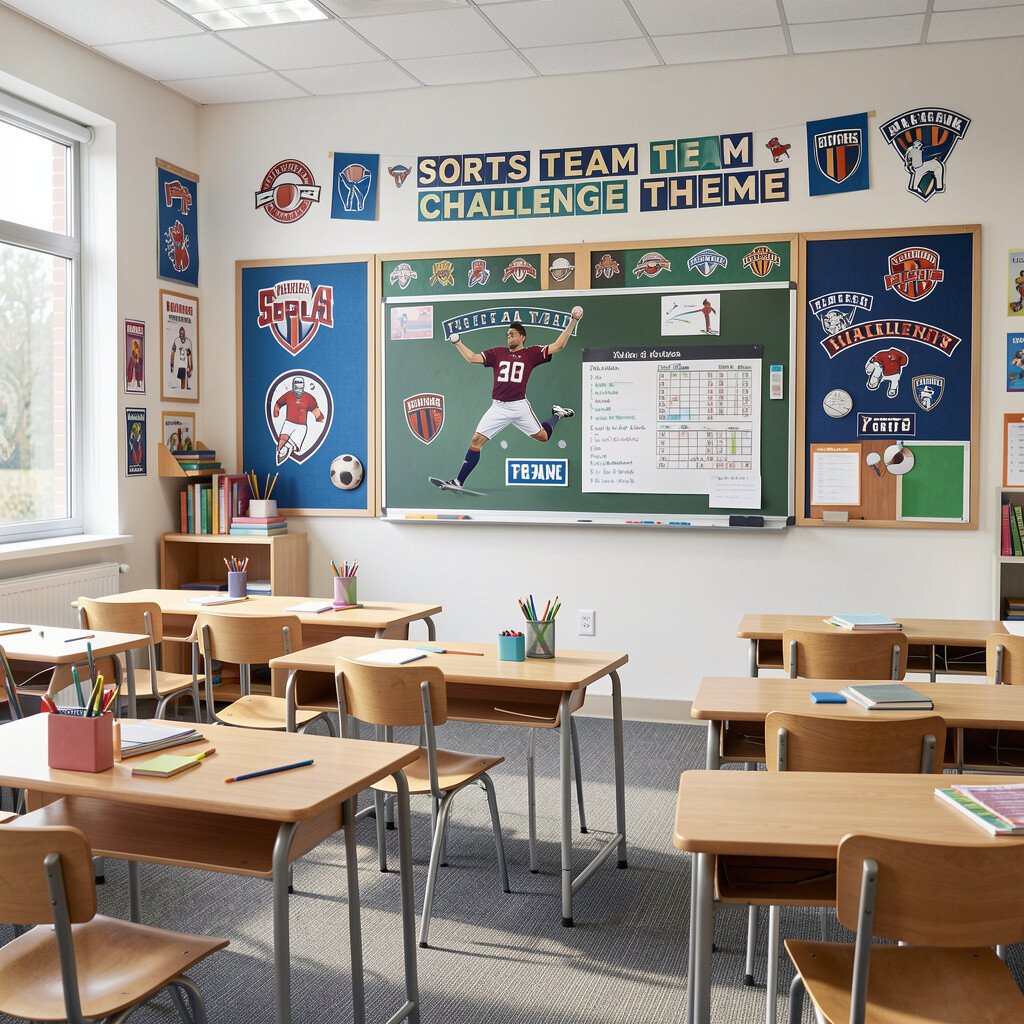
Think of energy and teamwork in a classroom that cheers for growth. Bright team colors, bold numbers, and motivational banners can set a strong, positive mood.
Design learning boards like “game plans,” where students track goals and milestones. Use clear categories for reading, writing, and problem solving so progress feels easy to see.
To keep the setup practical, use reusable scorecards with erasable markers. Students stay engaged because they know exactly what counts as a win each week.
For uniqueness, rotate the “team” each unit by celebrating different skills, like writing detectives or science explorers, while keeping the same decor base. You can start with inexpensive vinyl decals and build toward a few standout posters once you see what kids enjoy.
10. Detective Mystery Clue Theme
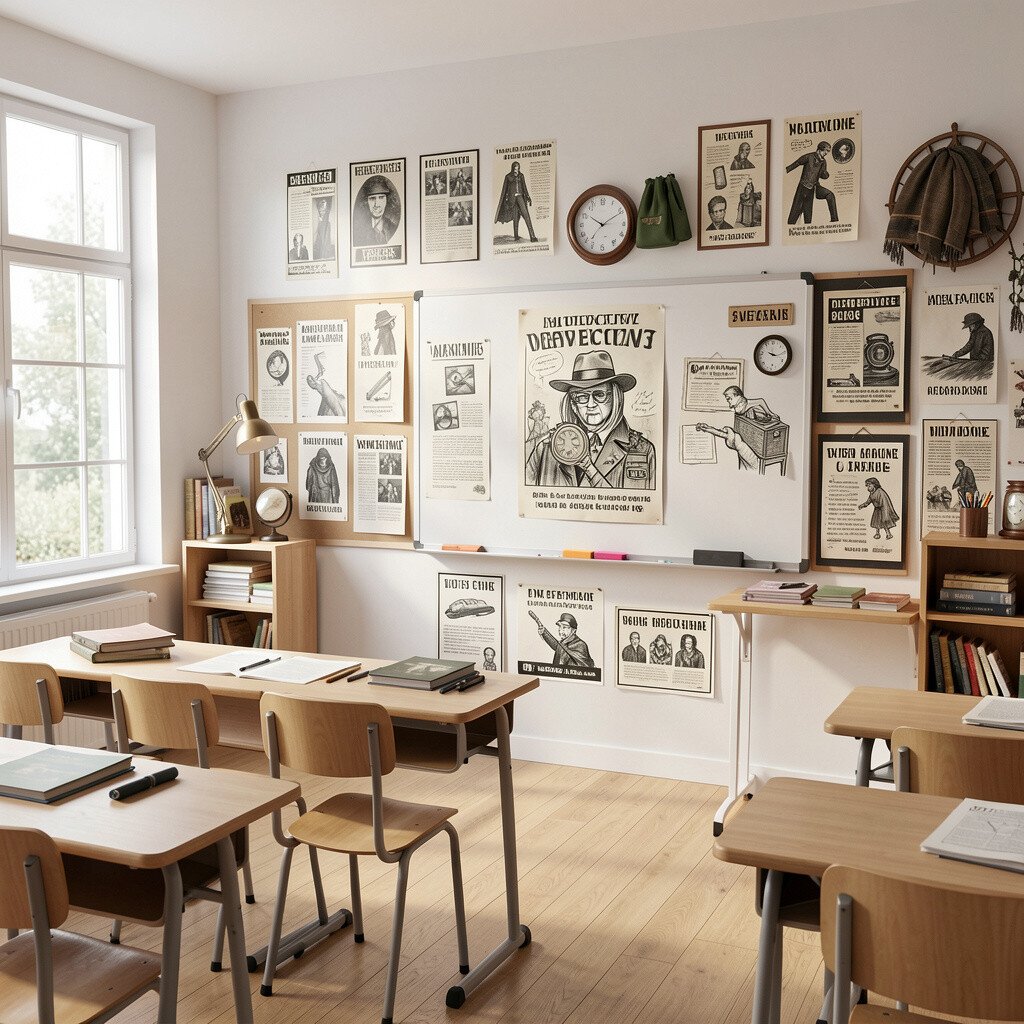
Picture your classroom as a mini investigation office. Dark-to-bright clue colors, corkboards, and magnifying glass cutouts can create a fun mystery mood.
Use “clue folders” for reading and writing, where students store evidence notes for their answers. That supports strong thinking because they practice showing what they used to reach conclusions.
Personalize the theme by adding a class “case wall” where students post drawings of clues from stories or science observations. Keep costs reasonable by using recycled manila folders and printing only key clue icons.
When it comes to trends, interactive displays are popular, and a clue board you can update quickly fits that idea. Use binder clips and index cards so adding new clues is fast and neat.
11. Rainbow Classroom Spectrum Theme
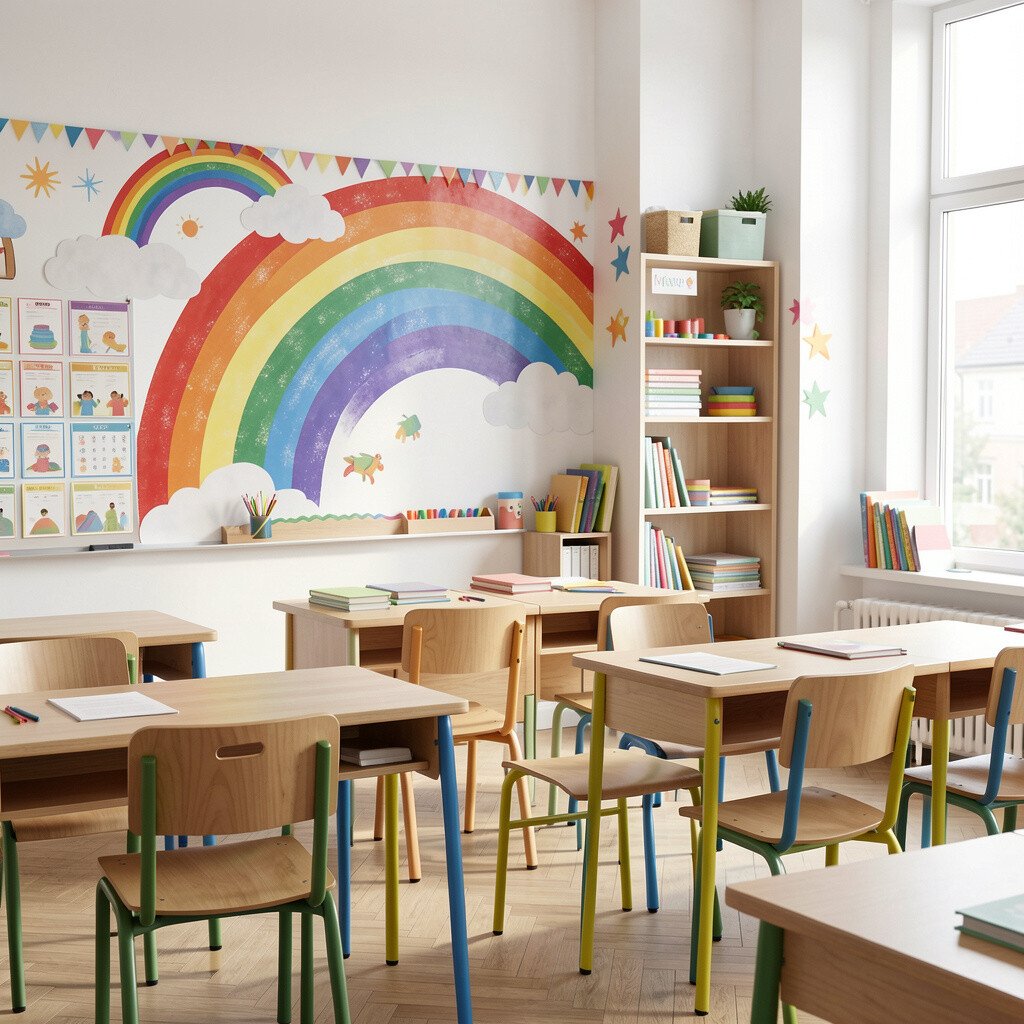
Imagine every corner showing a different color like a friendly rainbow map. A spectrum theme helps students categorize materials and skills quickly.
Color-code your bins, folders, and classroom labels so students can find what they need without asking every time. This reduces interruptions and builds independence, especially during busy transitions.
For uniqueness, let students create a “color poem” wall where each student adds a short line tied to a subject. Cost considerations are simple when you use construction paper, printable rainbow borders, and a few sturdy storage containers.
12. Fairytale Kingdom Theme
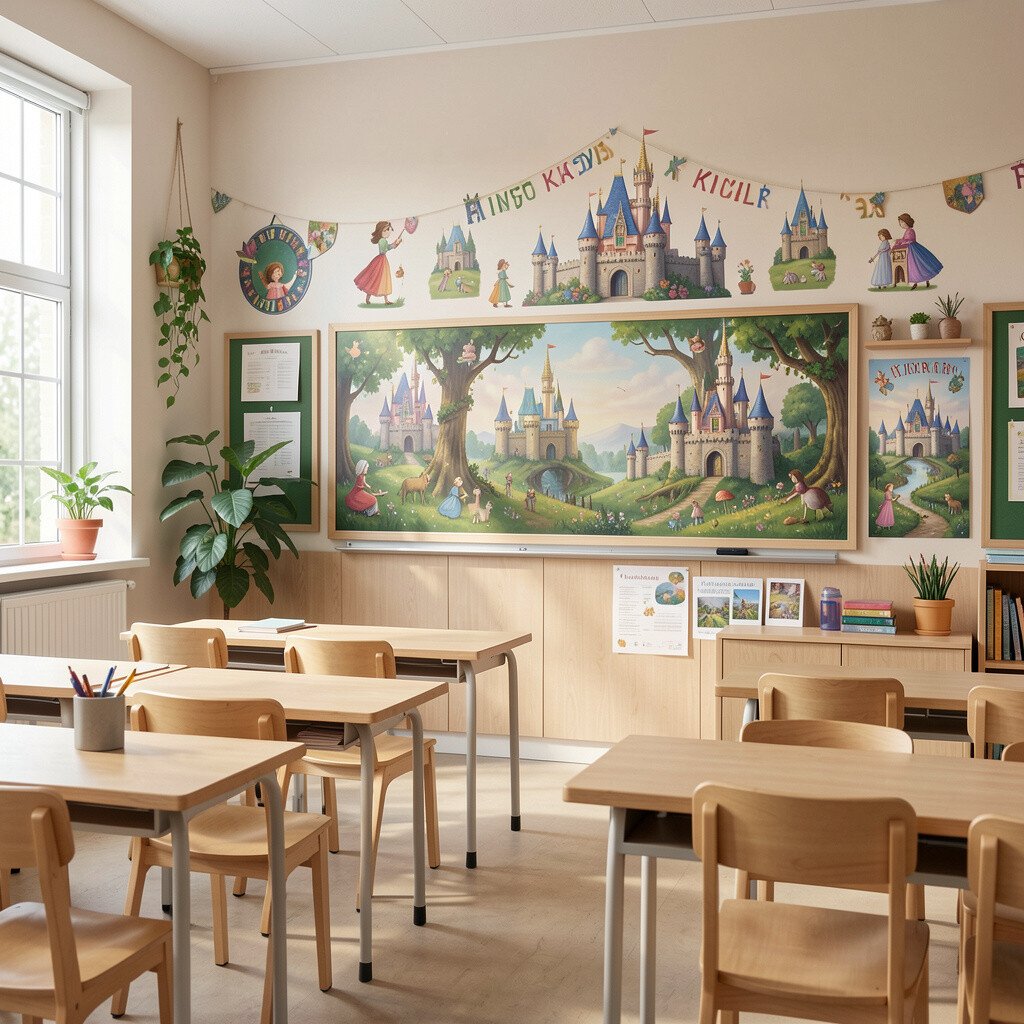
Picture soft curtains, castle-style bulletin boards, and storybooks stacked like treasures. A fairytale kingdom theme can turn reading into a shared adventure.
Set up a “storybook courtyard” where students find new books and place their reading responses. Use crown-shaped sticky notes or simple character bookmarks to make reflections feel special.
Personalize the kingdom by adding student-made “royal reports” that summarize a story or explain a science process. For budget, buy inexpensive poster paper and craft supplies, and lean on student creativity for most of the decor.
This theme also supports current classroom trends that focus on identity and belonging, because students enjoy seeing their ideas honored. Add a rotating “royal gallery” so new work gets spotlight time.
13. Sports Science Lab Theme
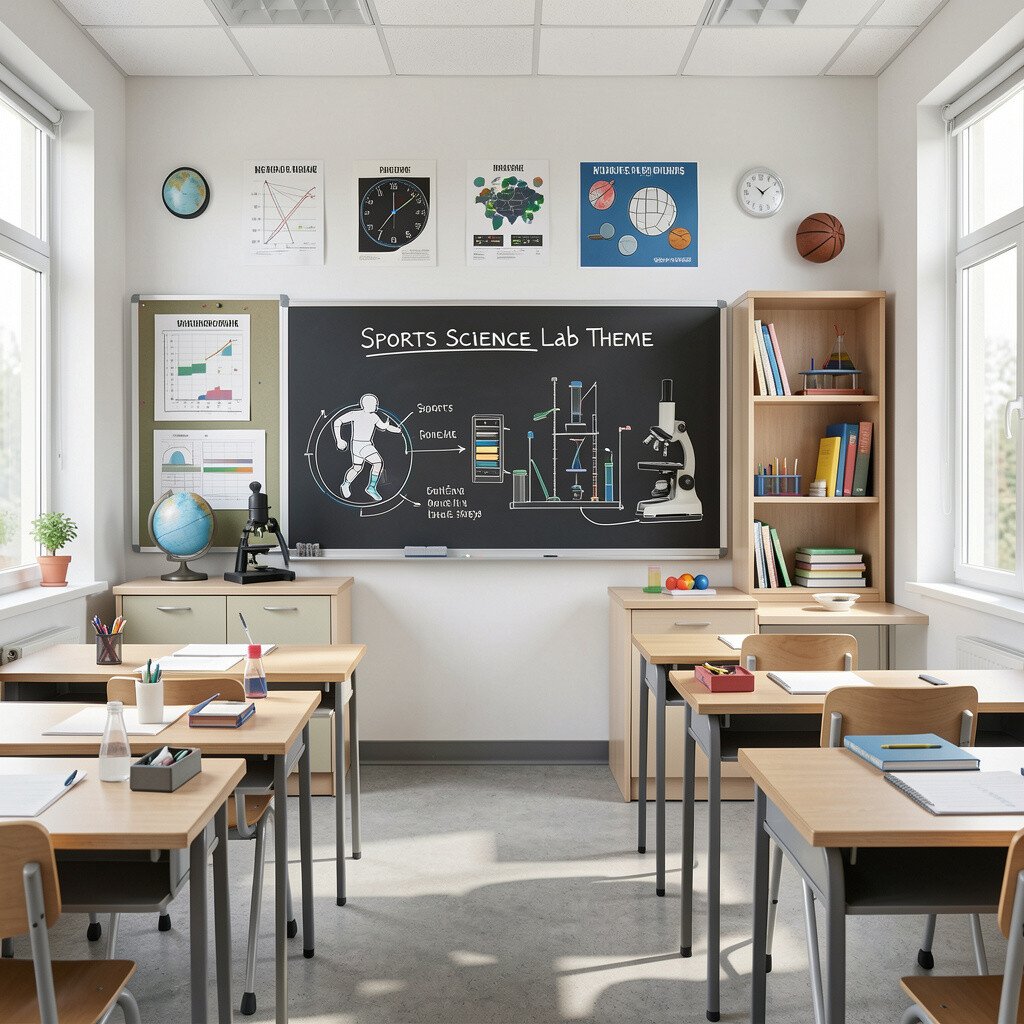
Imagine turning your classroom into a science lab that studies movement and energy. Bright lab accents, periodic table-inspired posters, and “equipment” shelves can make STEM feel tangible.
Use simple visuals for lab safety, steps, and data collection so routines stay consistent. This benefits learning because students focus on reasoning, not confusion, when they have clear directions.
To keep it unique, design a “motion wall” where students post mini explanations about forces, angles, or health choices. Practical setup is easy when you use clipboards, laminated recording sheets, and a few labeled bins.
14. Seasonal Weather and Climate Theme
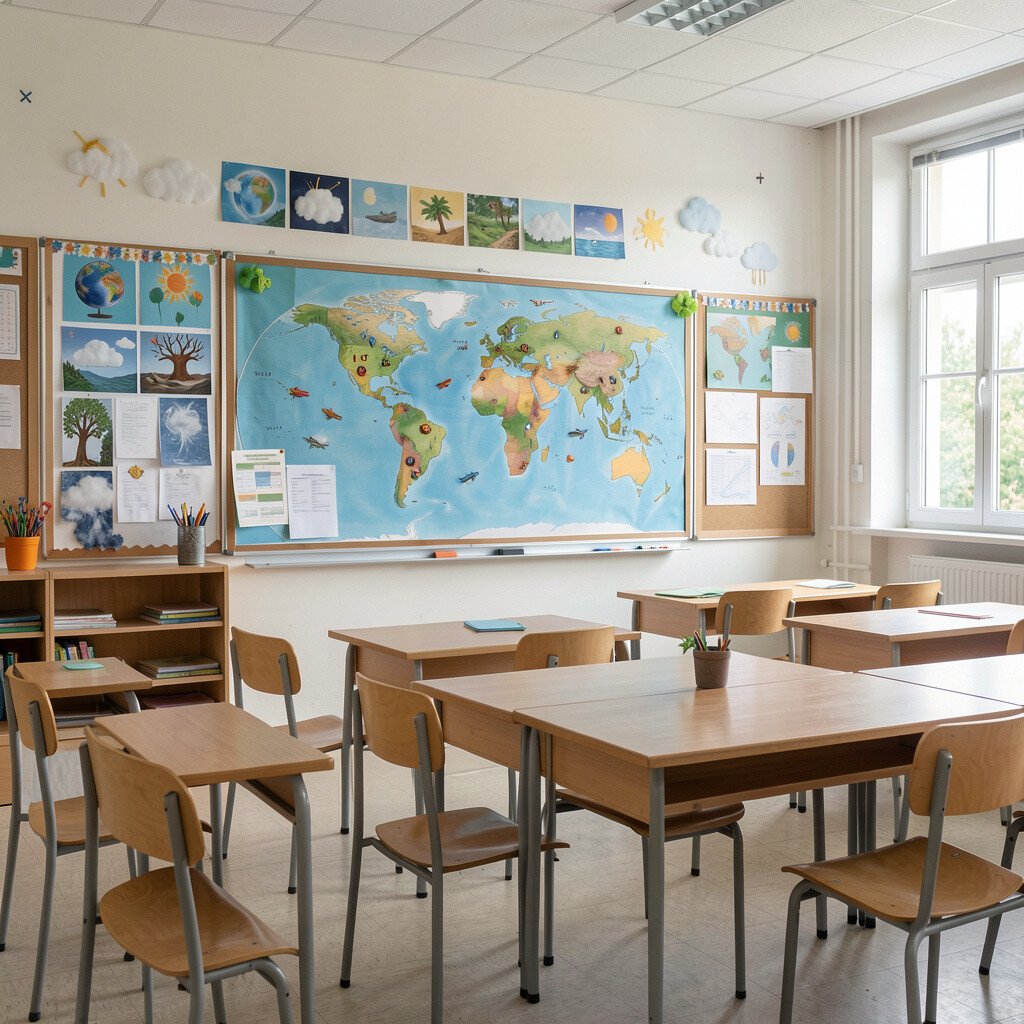
Picture a classroom where weather is always part of the day. Wall charts showing sky stages, clouds, and temperature icons can make observation feel real.
Create a “weather journal” station where students write quick observations and match them to visuals. This supports writing confidence because short notes help learners practice daily, then build into longer responses later.
Personalize the theme by featuring student-created forecasts using cut-and-paste symbols and simple sentence stems. For cost, print seasonal graphics, use cork or felt for texture, and reuse old frames.
Current trends often include hands-on and data-driven classroom routines, and a climate-themed display offers that naturally. Update it weekly and let students take turns being the “meteorologist” for the day.