Your basement can feel like a maze when shelves are missing or out of place. With the right storage, it can start working like a helpful second home.
You will notice calmer mornings, easier cleanups, and items that actually stay where you put them.
1. Floating Shelves for Clean, Light Storage

Floating shelves make the wall look tidy and open, even in a basement. You get a smooth, modern look with items sitting at eye level.
Use sturdy brackets and line the shelves with fabric or thin bins so small stuff doesn’t slide. Keep heavier items on lower shelves to reduce wobble. For personalization, paint the back wall a soft color or add labels on a matching tag ribbon.
2. Wood and Metal Industrial Shelving for Tough Jobs
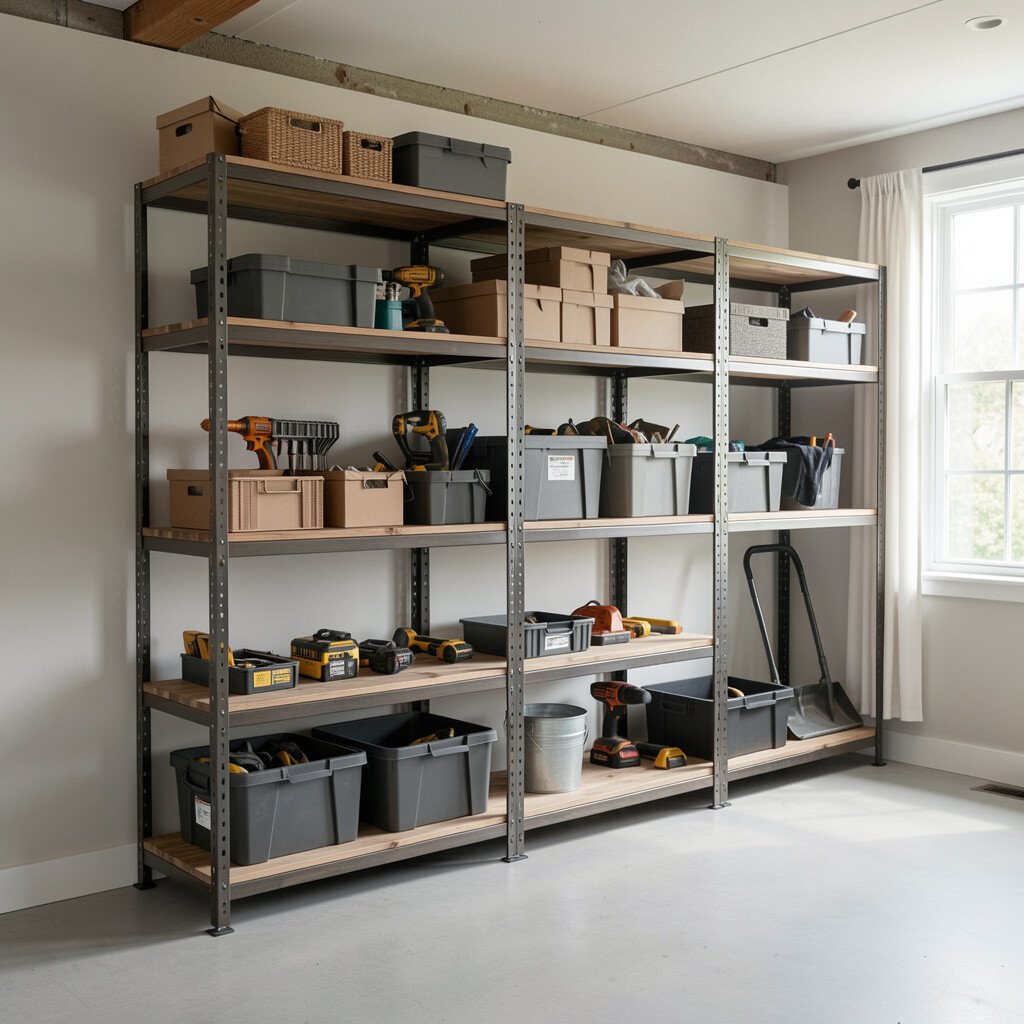
Industrial-style racks look bold, with dark metal frames and wood shelves that show natural grain. They are ideal when you store heavier supplies like tools, paint, or seasonal gear.
To keep things organized, use matching storage boxes by size and color. Put the most-used items within easy reach and reserve higher shelves for things you grab only now and then.
Choose shelves with adjustable heights so you can change the layout as your needs grow. If you want a budget-friendly route, search for secondhand frames and add new wood boards. This style is popular right now because it blends well with many basement finishes.
3. Wall-Mounted Pegboard for Quick Access and Creativity
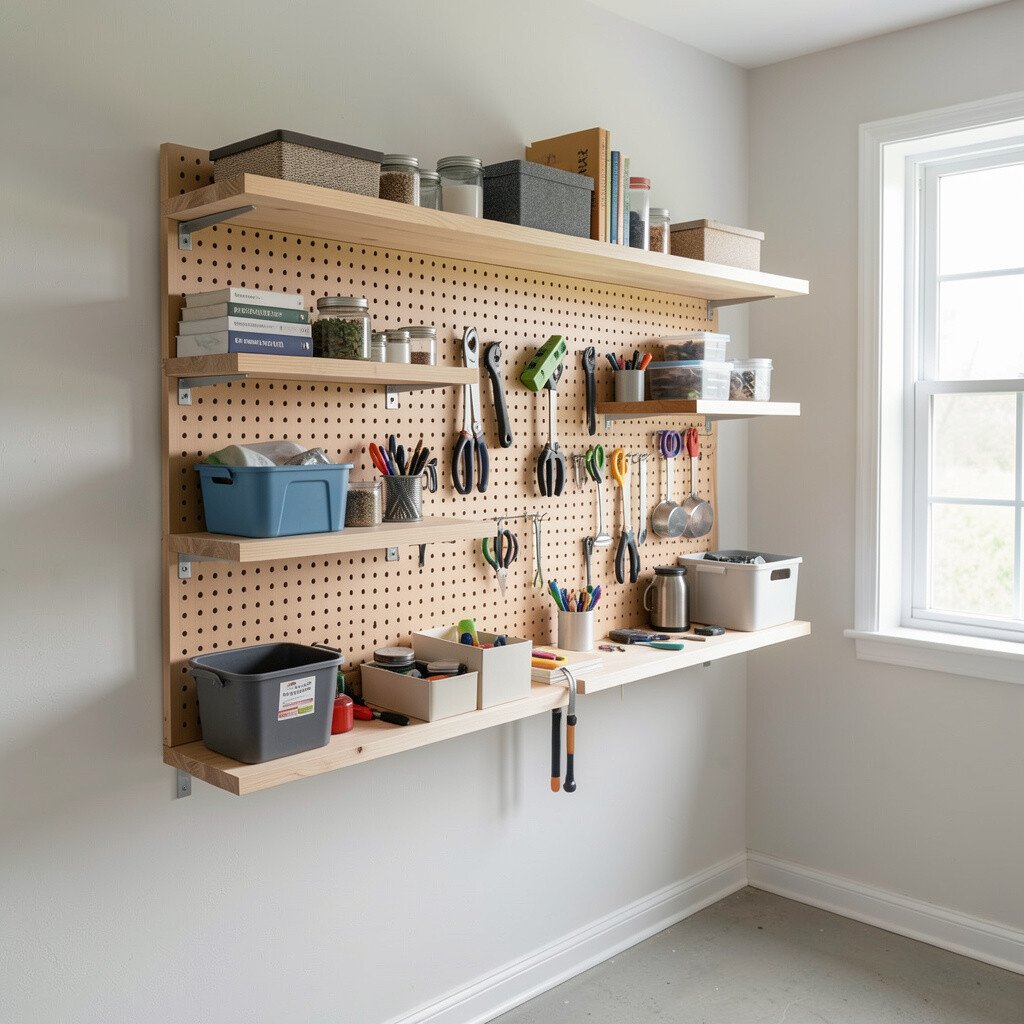
Pegboards add a friendly, maker-like look, with holes that hold hooks and small trays. You can see your tools at a glance instead of digging through bins.
Plan your layout before you drill by grouping items like cords, hand tools, or craft supplies. Add small bins for screws and fasteners so nothing falls onto the shelf below. For a personal touch, use spray paint in a fun muted shade and keep the hook color consistent.
If you are storing bike parts or hobby items, use a few long hooks for hanging gloves and small bags. This setup saves time and keeps your basement from turning into a clutter pile.
4. Corner Shelving for Spaces That Usually Go Untouched
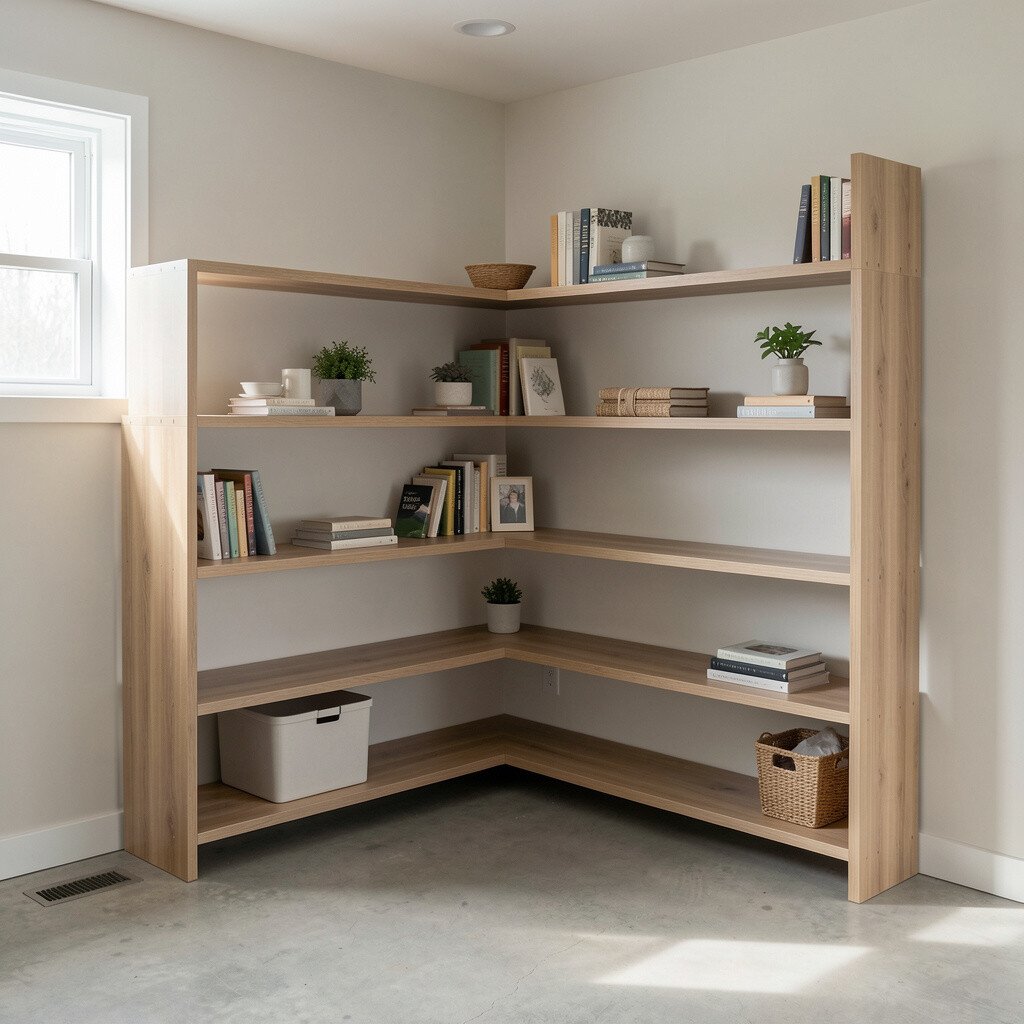
Basements often have awkward corners that are hard to use, but corner shelving fixes that fast. The shelves wrap around the corner and make the room feel more connected.
Measure the corner carefully so the units fit without blocking walkways. Place a rotating mix of items like holiday decor, photo albums, or extra cleaning products. To keep it looking neat, use baskets that all share similar shapes and finishes.
5. Pantry-Style Shelves for Food Storage and Supplies
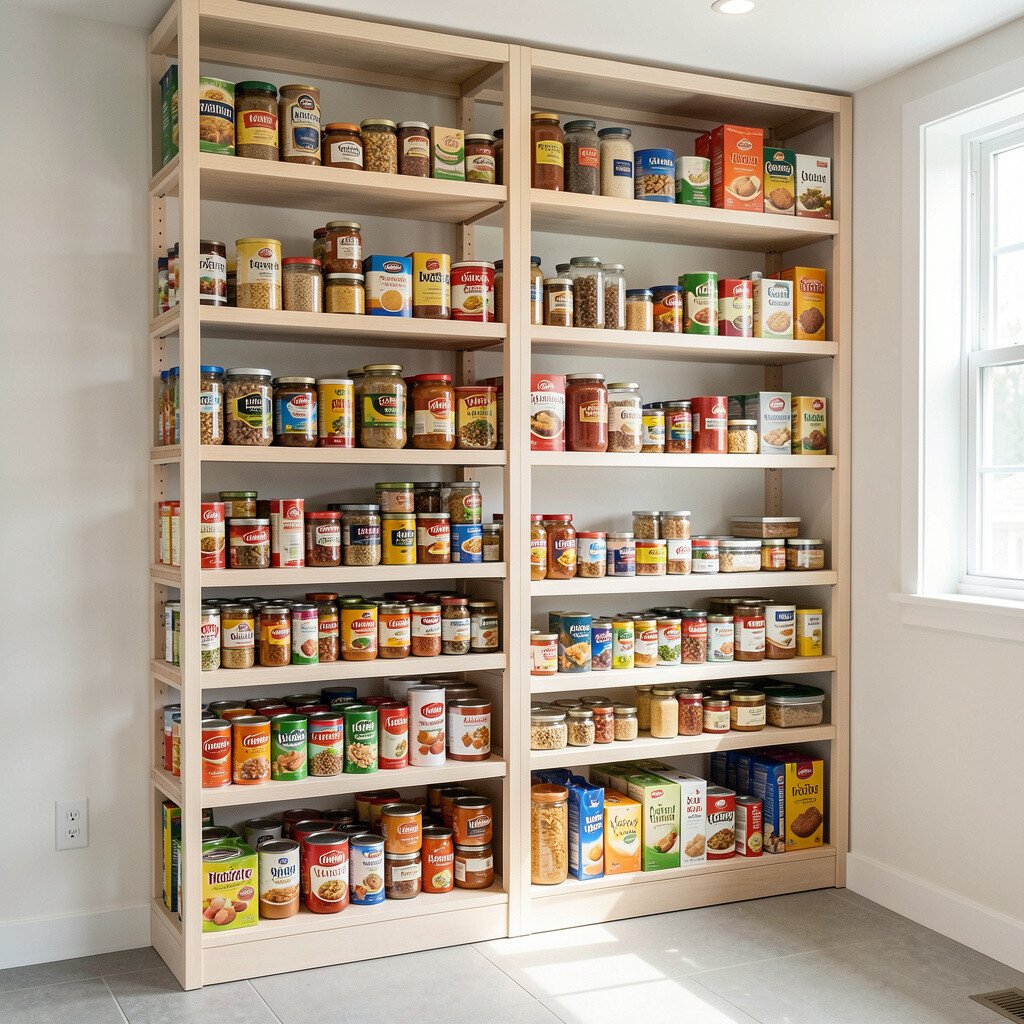
If you store canned goods or bulk snacks in the basement, pantry-style shelving helps everything stay easy to reach. Tall, spaced shelves keep jars from stacking in messy towers.
Use clear containers for dry goods and label them with simple handwritten tags. Add a small shelf liner under heavier cans to reduce sliding. For a trendy feel, keep matching jar lids and group items by type instead of mixing brands.
Check humidity and keep food in sealed containers if your basement runs damp. This is one of those setups that feels organized the moment you install it.
6. Overhead Shelving for Seasonal Items and Light Boxes
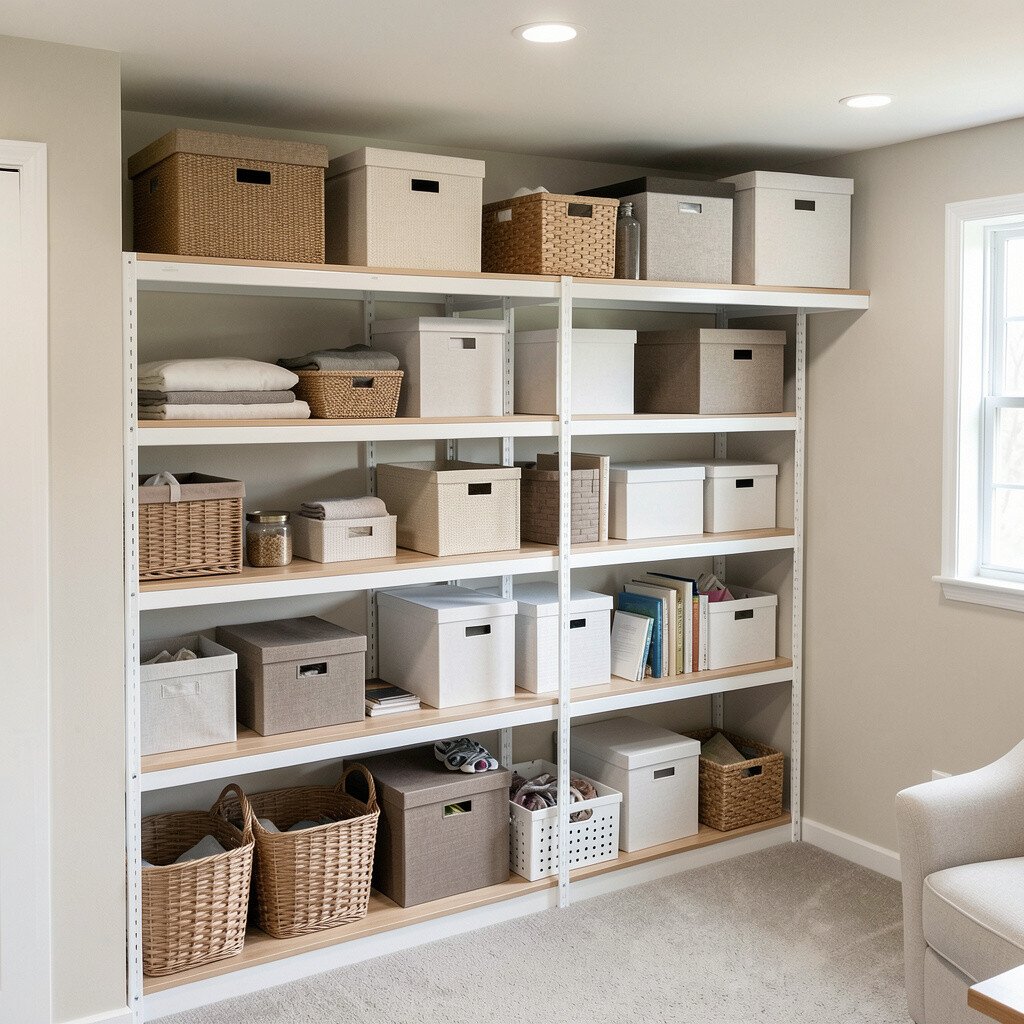
Overhead shelves create more floor space, which can make the basement feel less crowded. You can store holiday décor, off-season clothing, or rarely used electronics up high.
Use strong ceiling brackets and anchor them into studs, not just drywall. Keep only lightweight boxes overhead, and choose bins with tight lids to protect from dust. If you want a personal upgrade, pick a bright bin color for quick seasonal sorting.
For cost control, compare hardware kits and use bulk storage bins that you can reuse later. This approach is popular in homes where the basement doubles as a workout area or play zone.
7. Ladder Shelves for a Cozy, Visual Style
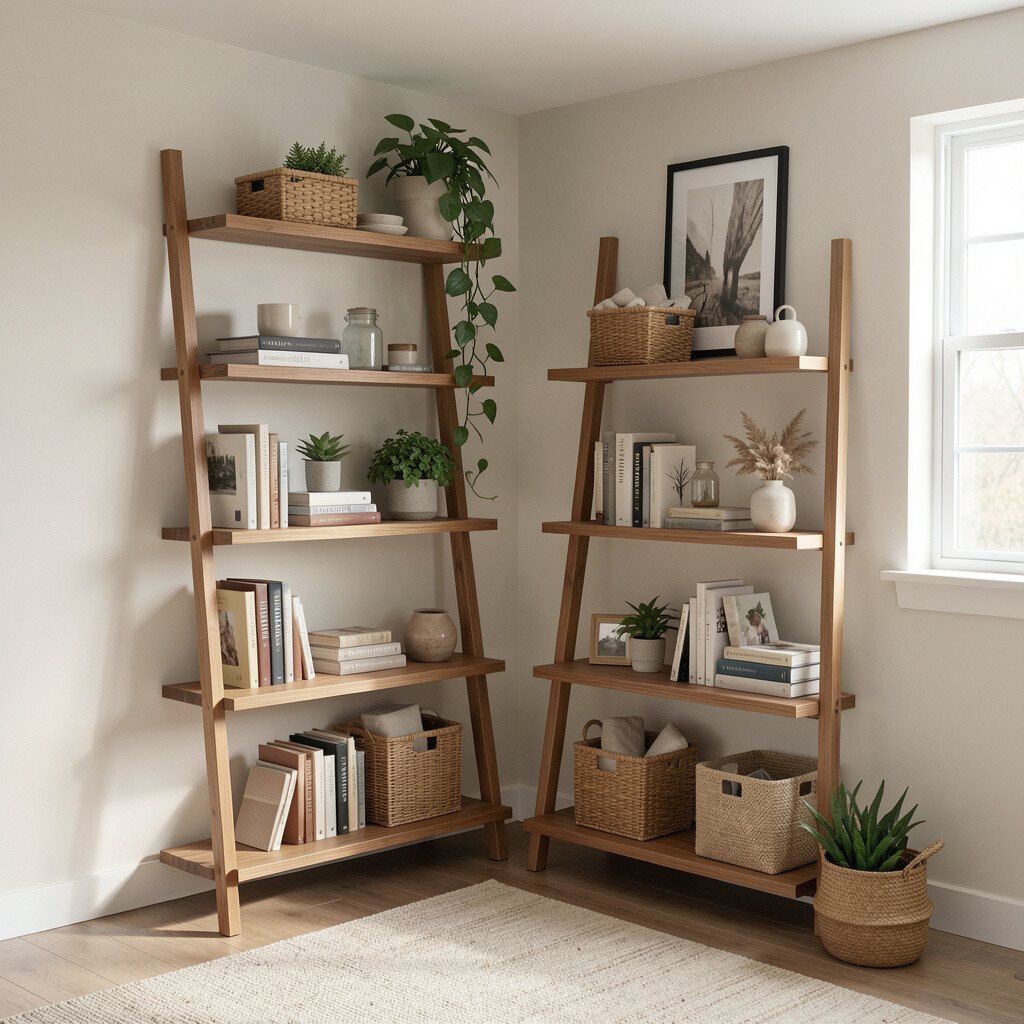
Ladder shelves look like a leaning ladder, but they stand upright and hold items in a neat line. The open rungs make your storage feel lighter than solid cabinets.
Try using the top sections for display items like framed photos, while lower shelves hold books or small baskets. This is a great way to make storage feel decorative instead of purely practical.
For personalization, mix one or two stylish containers with simpler bins so it looks intentional. Keep items uniform in height when possible, so the shelves look calm and balanced.
8. Adjustable Wire Shelving for Budget-Friendly Control
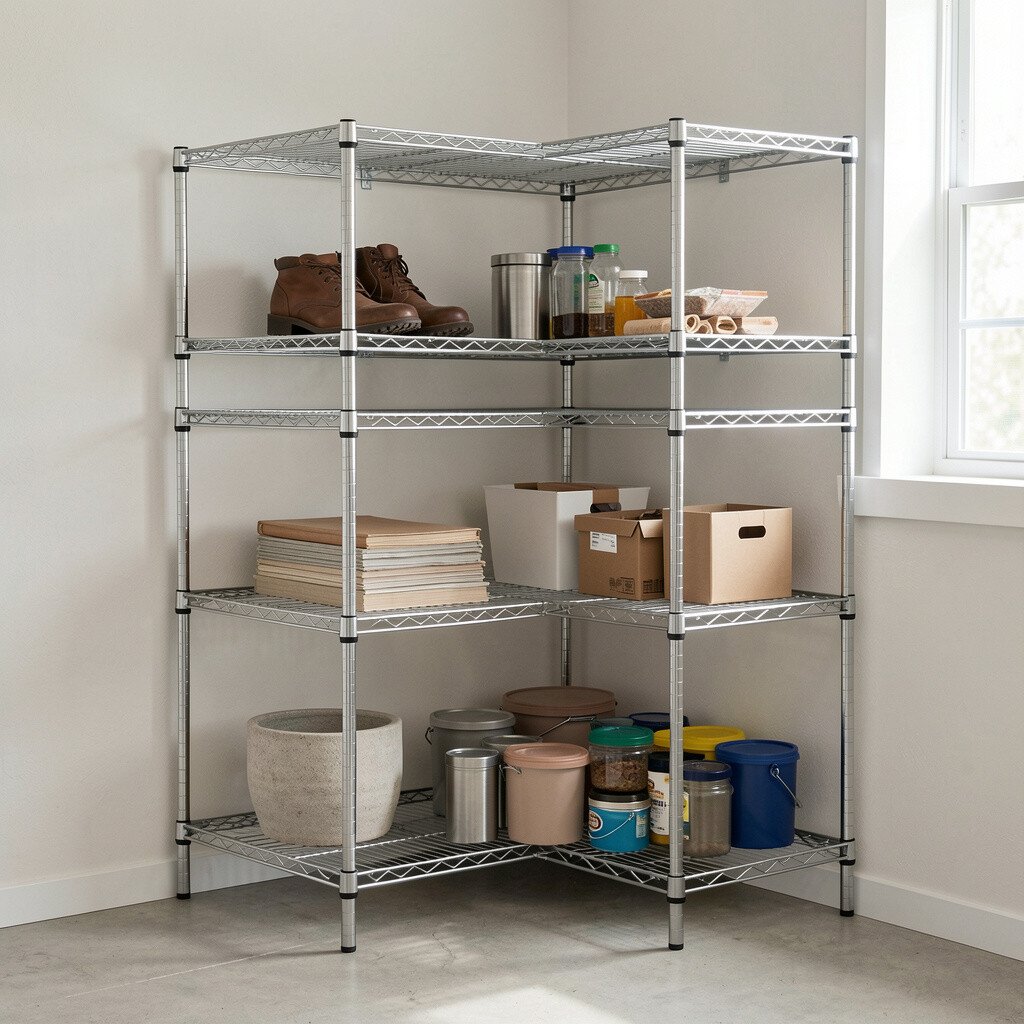
Wire shelving is a smart choice when you want quick setup and strong airflow. It also looks neat because the grid keeps items from pooling into one messy mass.
Adjust shelf heights to fit everything from detergent jugs to stacked boxes. Use plastic bins or baskets to reduce dust and prevent small items from falling through. This style is still trending because it is flexible and easy to reconfigure later.
9. Built-In Shelving for a Custom, Finished Look
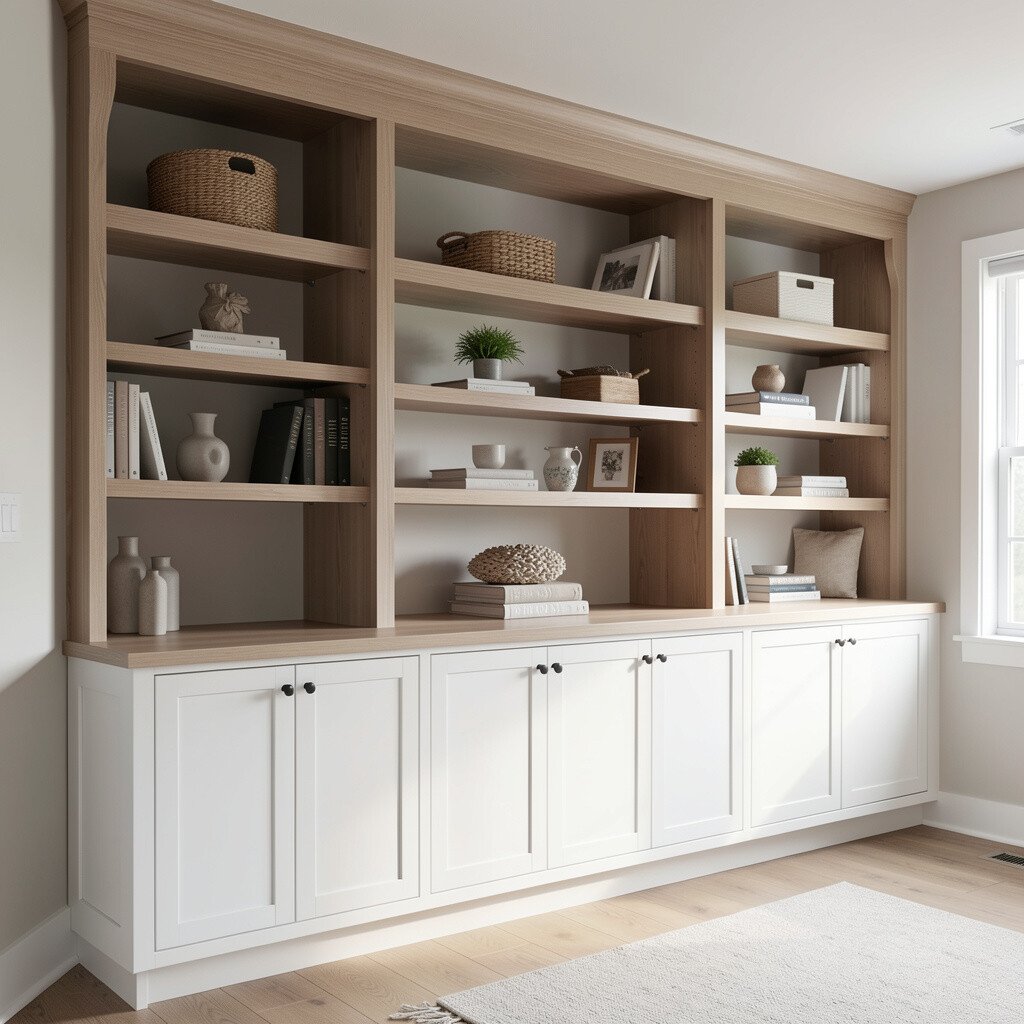
Built-in shelving can make a basement feel like it was designed on purpose. Smooth wood shelves and matching trim give a more finished, homey appearance.
Plan a layout around your doorway and any windows so shelves don’t block natural light. Add a mix of open shelves for display and closed cabinets for things you don’t want to see. For personalization, include a narrow spot for a bulletin board or a small charging tray.
While built-ins can cost more, they add long-term value and make the space easier to keep organized. If you want to manage costs, start with one wall instead of remodeling the whole basement at once.
10. Shelves Behind Doors for Hidden Storage
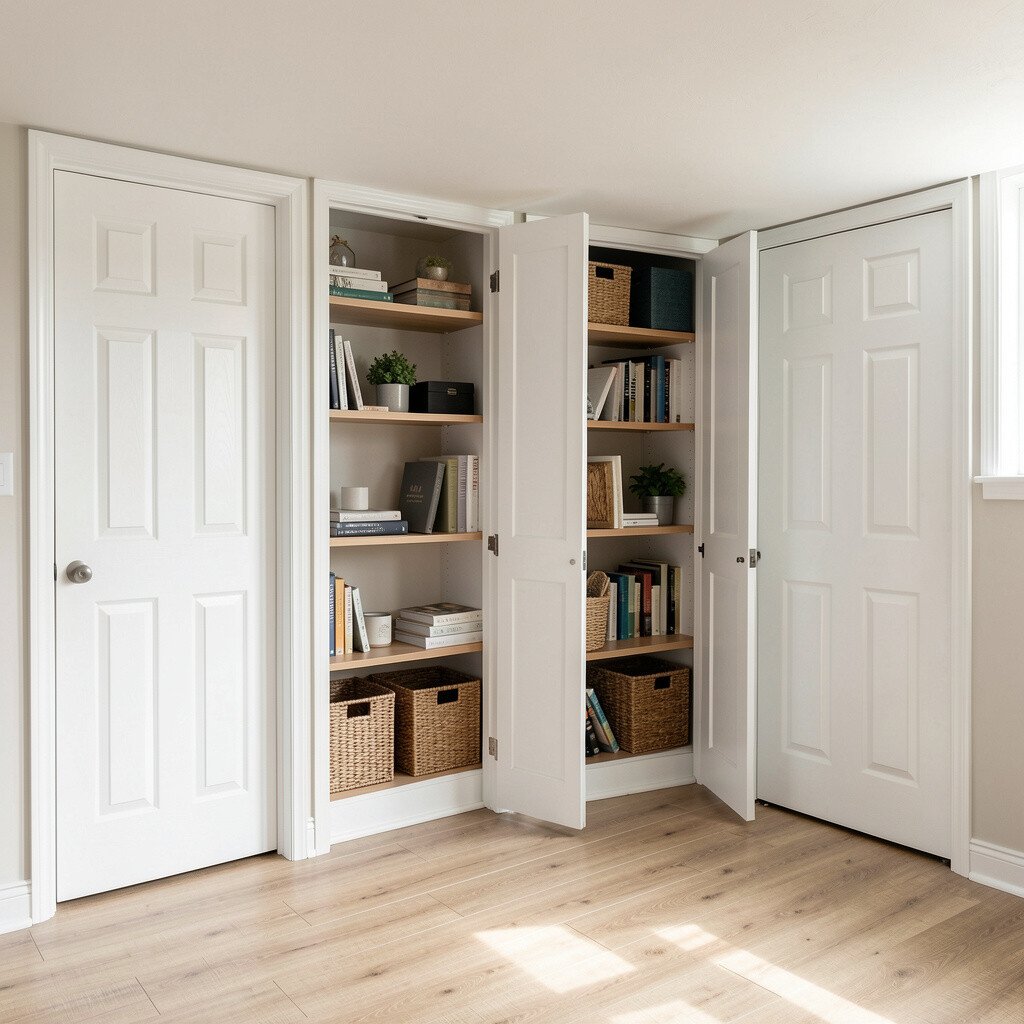
Storage behind doors is sneaky in the best way, keeping clutter out of sight. Folding doors, sliding doors, or even pantry doors can hide shelves that hold daily-use items.
Use narrow shelving units or add a few shelves inside the door frame area. Put cleaning supplies, spare batteries, or extra chargers where you can reach them fast but won’t see them all day.
This idea is great for basements with a lot of foot traffic because it keeps the main area open. If you love personalization, match the shelf finish to the door color for a clean, built-in vibe.
11. Cubbies for Toys, Games, and Hobby Bins

Cubbies create separate homes for different items, which makes cleanup much faster. You can picture colorful bins lined up like little storage lockers.
Label each cubby with pictures or simple words so everyone knows where things go. Use bins with lids for small pieces, like board games or craft supplies. A tidy basement feels extra rewarding when the organization system is obvious.
Choose cubbies with a mix of open and closed compartments so dust doesn’t settle on everything. If you want a modern look, pick neutral wood tones and add a few bright bins for contrast.
12. Shelf Columns with Vertical Dividers for Stack Control
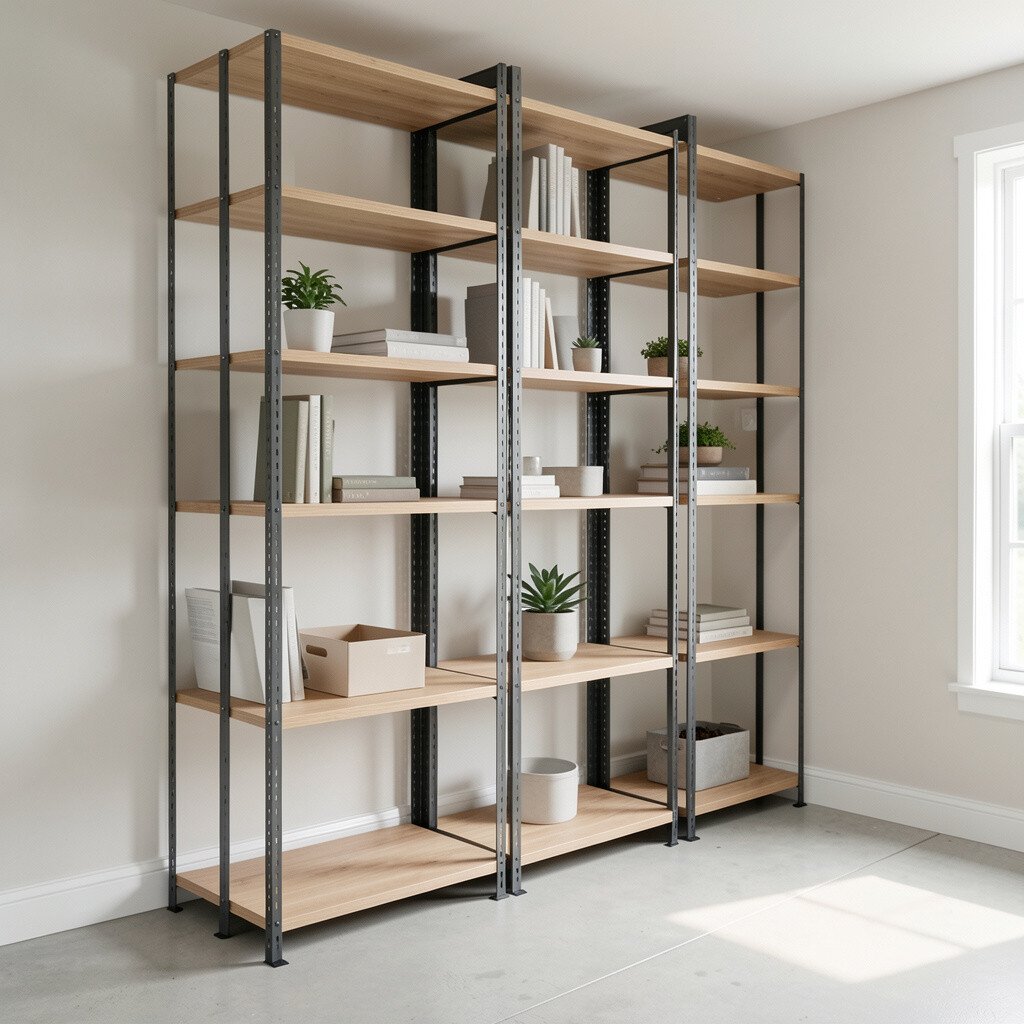
Vertical dividers turn a messy shelf into a neat stack system. Instead of tossing items together, you can place them into clear sections that hold their shape.
Use dividers for files, manuals, or magazines, and separate bulky items like baking trays or step ladders. Dividers also help with cords, since you can store them in tidy sets by length. For personalization, choose dividers that match the colors of your storage bins.
13. Modular Storage Units That Move With You
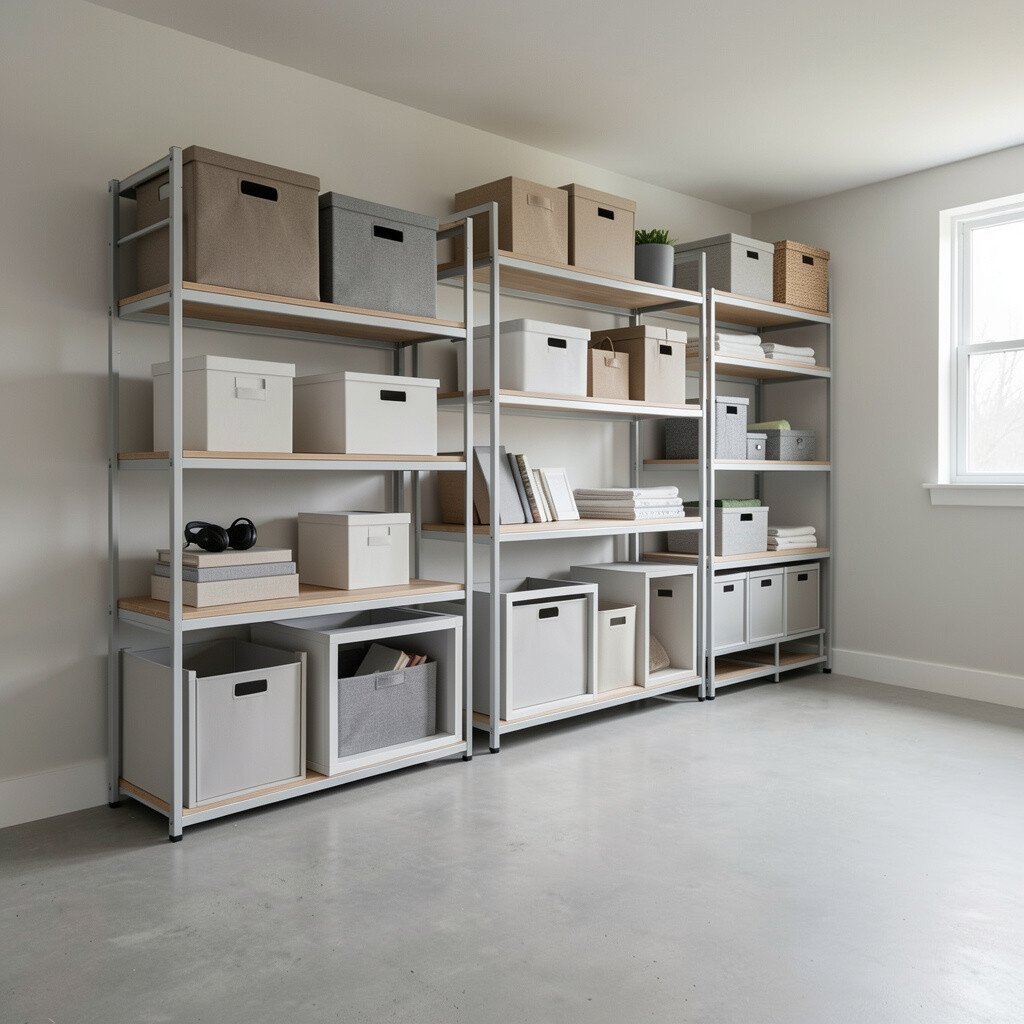
Modular shelving feels flexible because you can rearrange it as your basement changes. It is useful when you are planning a future upgrade like a gym area or guest corner.
Pick modules in similar sizes so you can grow in steps without redesigning everything. Add drawer units for small items like tape, markers, and hand tools, and keep open shelves for bigger boxes. This trend is popular because it makes storage feel like a system, not a one-time project.
To keep costs reasonable, start with the modules you need most and add more later. You will still get an organized space while staying within your budget.
14. Bookcase-Style Shelving for Records and Reading Finds
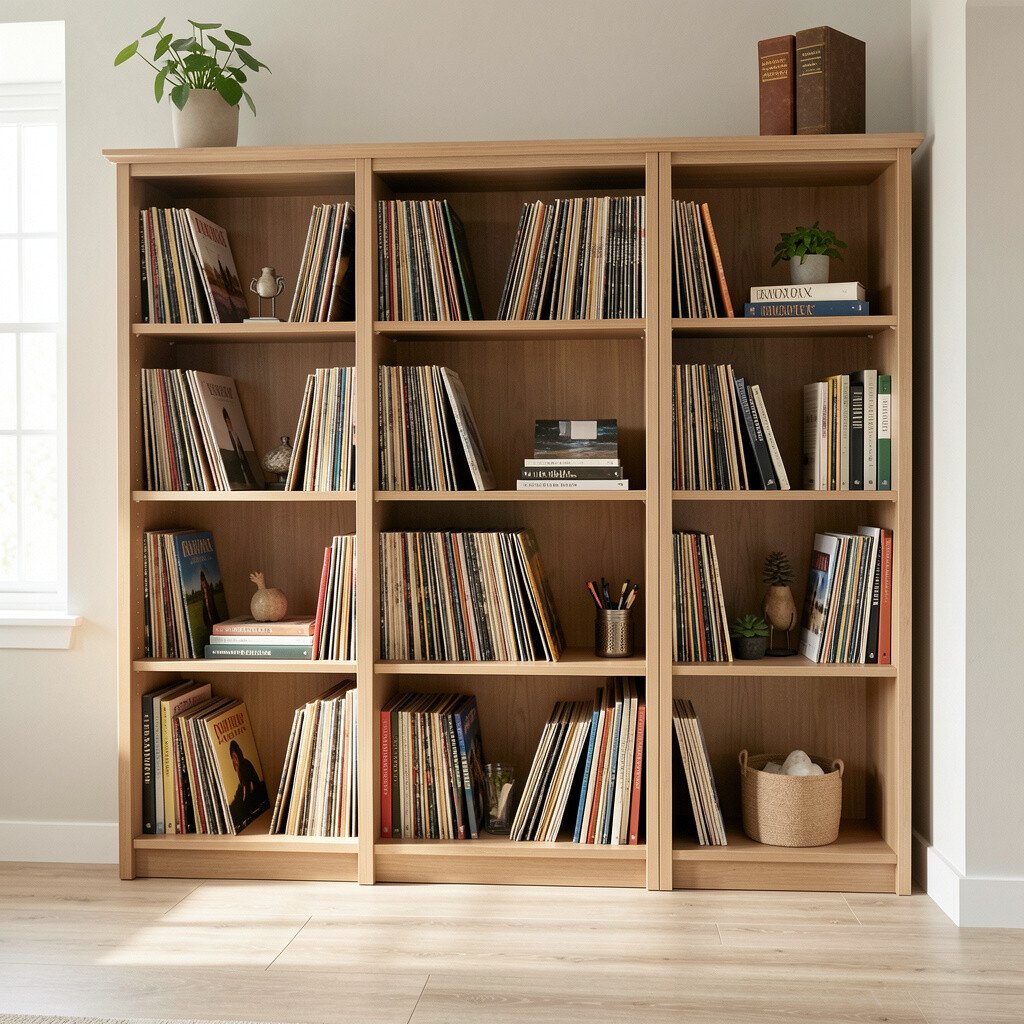
A bookcase-style shelf is great when you store books, old albums, or binders. The familiar shape makes organizing feel natural and easy.
Use shelf separators if your basement gets humid, so books don’t slump into each other. For better organization, place binders in categories and keep binders for active projects near the bottom. If you like a warm look, choose a stain color that matches your flooring.
15. Long-Span Shelves for Bulk Items and Bags
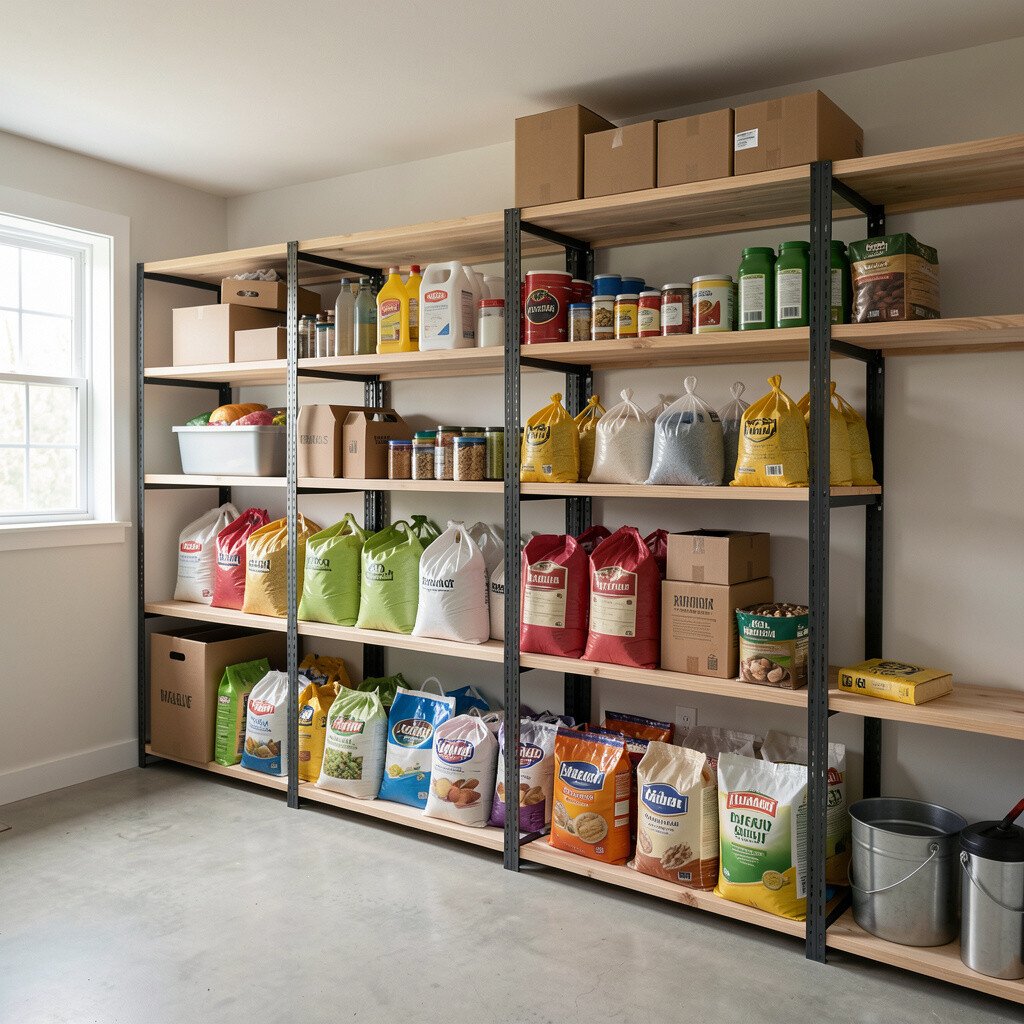
Long-span shelving is built for wide storage, especially for bulky items like totes, vacuum parts, or shopping bags. The long shelves keep weight supported across a bigger surface area.
Store bulky bags in labeled bins rather than on bare shelves, so everything stays clean and easy to move. If you use lawn tools or seasonal supplies, keep them toward one end of the shelf so you know where to grab them quickly. This setup is practical because it handles big items without turning into a clutter pile.
For cost considerations, compare shelf lengths and choose the size that matches your wall space instead of buying more than you need. Personalize with simple tags on each bin so you can find things without rummaging.
16. Peg Rail with Hanging Baskets for Small Items

A peg rail works like a slim system for hanging baskets, making small tools and supplies look neat. You get vertical organization that frees up shelf space.
Use baskets for items like measuring tape, extra light bulbs, or small cleaning tools. Hang one basket for “right now” items and keep others for later seasons. This style feels fresh because it turns everyday supplies into a visible system.
For personalization, choose basket sizes that match your most common items, then swap them as your needs change. It’s a simple way to keep the basement functional and inviting.
17. Shelving With Built-In Seating for Family Zones

Some basements become hangout spaces, and shelving with seating can fit that lifestyle. Imagine a bench area built along one wall, with shelves above for blankets, games, or books.
This setup gives you both storage and comfort in one place, so the room feels more welcoming. Add cushion covers that match your storage colors, and keep baskets under the bench for extra blankets and pillows.
If you want to keep it practical, store items you don’t use weekly on higher shelves and keep everyday items within easy reach. Built-in seating can cost more, but it makes the basement feel like a real living space.
18. Storage Cabinets on Rails for Easy Labeling
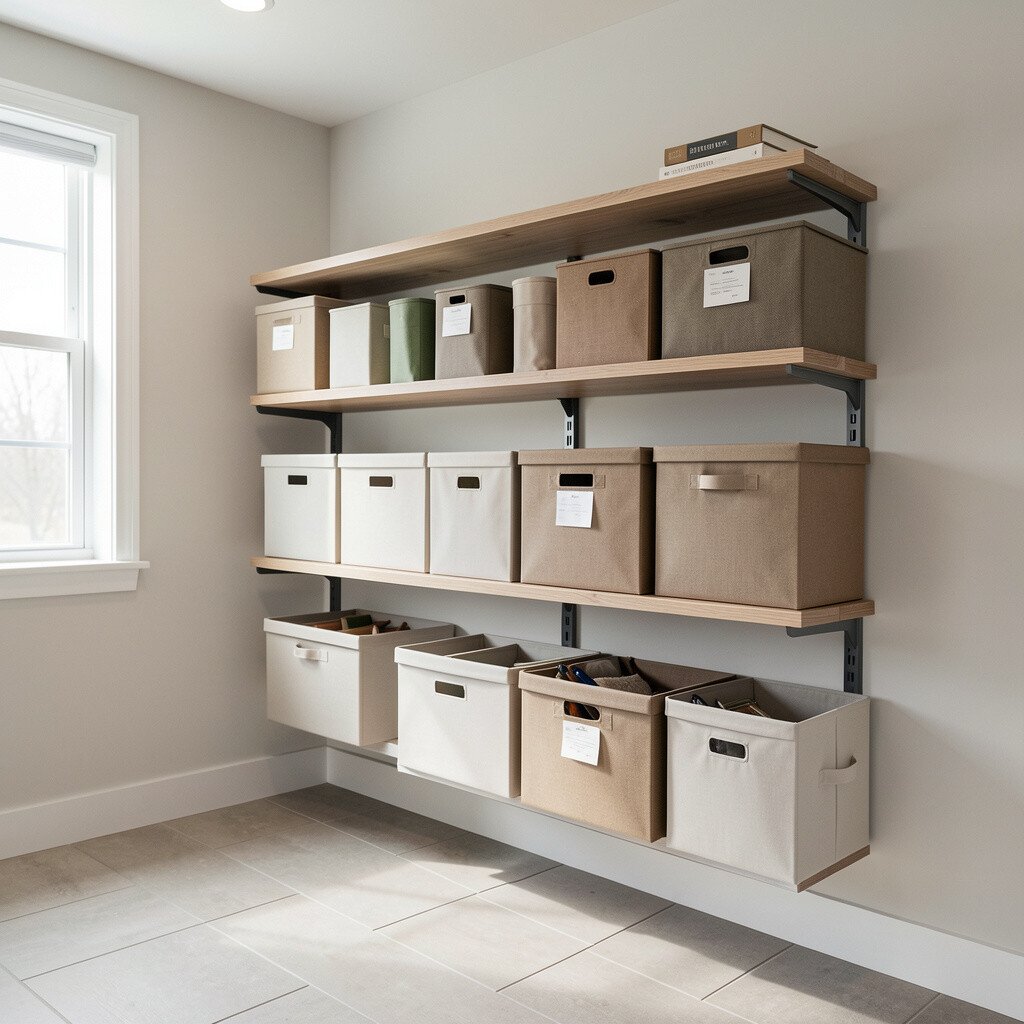
Cabinets on rails keep doors steady and make it simple to open and close storage units. It’s a tidy choice when you want hidden storage but still want quick access.
Add shelves inside the cabinets for categories like paper goods, hobby supplies, and office tools. Use removable labels so you can update the system without replacing stickers. This is a great way to keep the basement looking neat even when you are in the middle of projects.
For cost, consider flat-pack cabinet options and upgrade only the hardware for a smoother feel. Personalize by using consistent color labels across all cabinets for a clean look.
19. Over-the-Washer and Dryer Shelving for Laundry Supplies
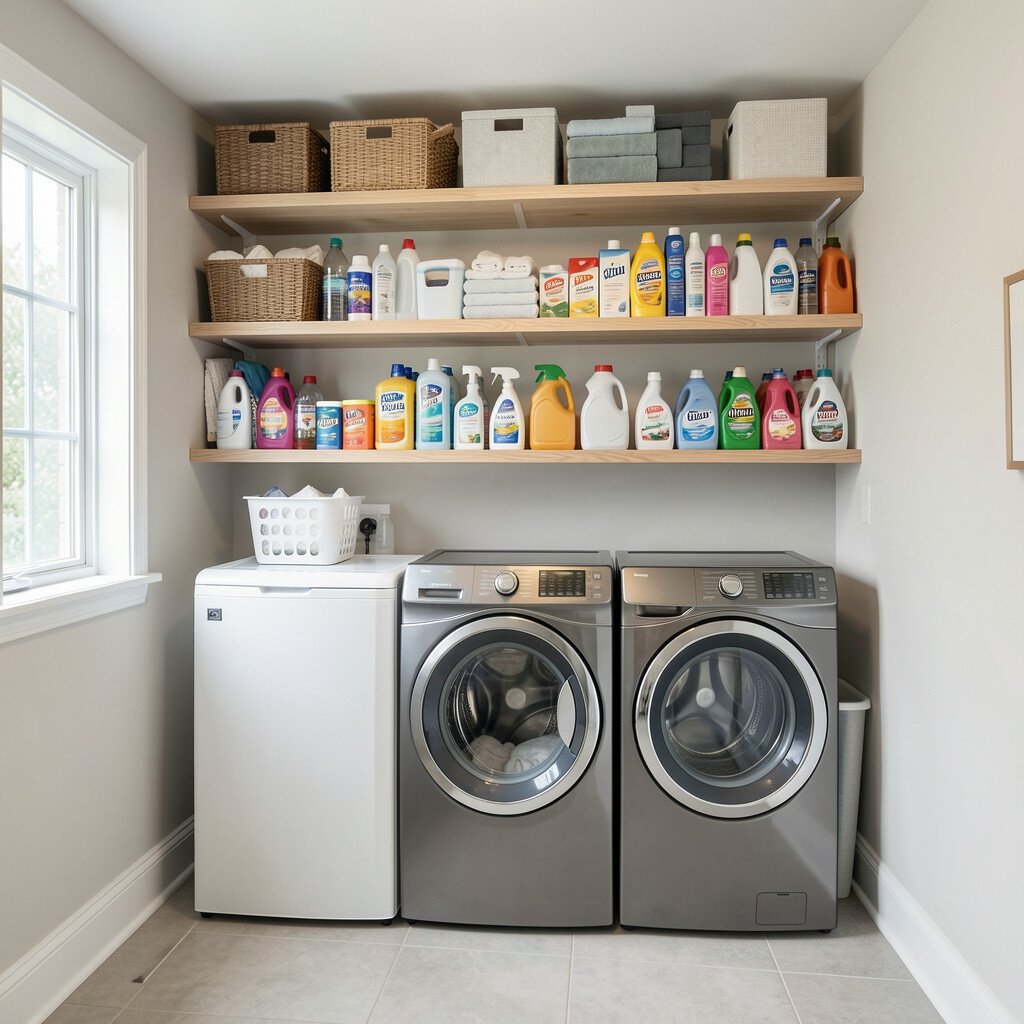
If your basement includes laundry space, shelving near the machines helps everything stay in reach. You can picture detergent, stain remover, and clothespins organized in a single spot.
Choose shelves that can handle damp air and use baskets or plastic bins for cleaning bottles. Put frequently used items at hand height and store refills on higher shelves. For personalization, match the bin colors to your laundry decor so the area feels cohesive.
Because basements can run humid, keep labels waterproof and wipe shelves regularly. This idea is useful and keeps laundry days from turning into a hunt.
20. Corner Floating Nook Shelves for Decor and Keepsakes
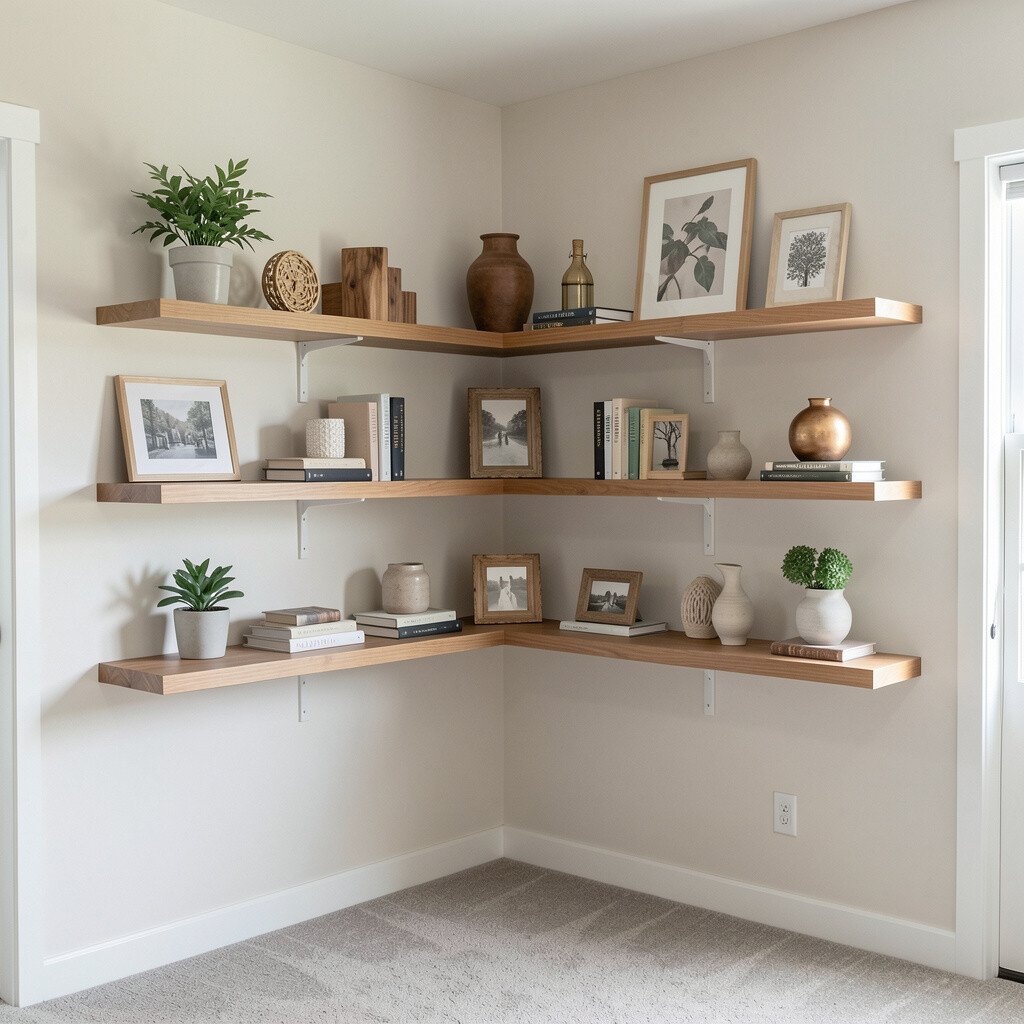
Floating nook shelves in corners make small display spots that feel special. They are perfect for keepsakes, vintage finds, or a few framed photos.
Style the shelves with a gentle mix of heights, like stacking small books with a framed item or placing a small plant near one edge. Use non-slip pads under glass or ceramic so nothing shifts when you walk by. This keeps the basement feeling personal instead of purely storage-focused.
For cost, you can use simple floating shelves and add custom finishes with paint or wood stain. Trendy basements often mix storage with small decor moments, and this idea fits right in.
21. Shelf Ledges for Vinyl Records, Sports Gear, and Prints
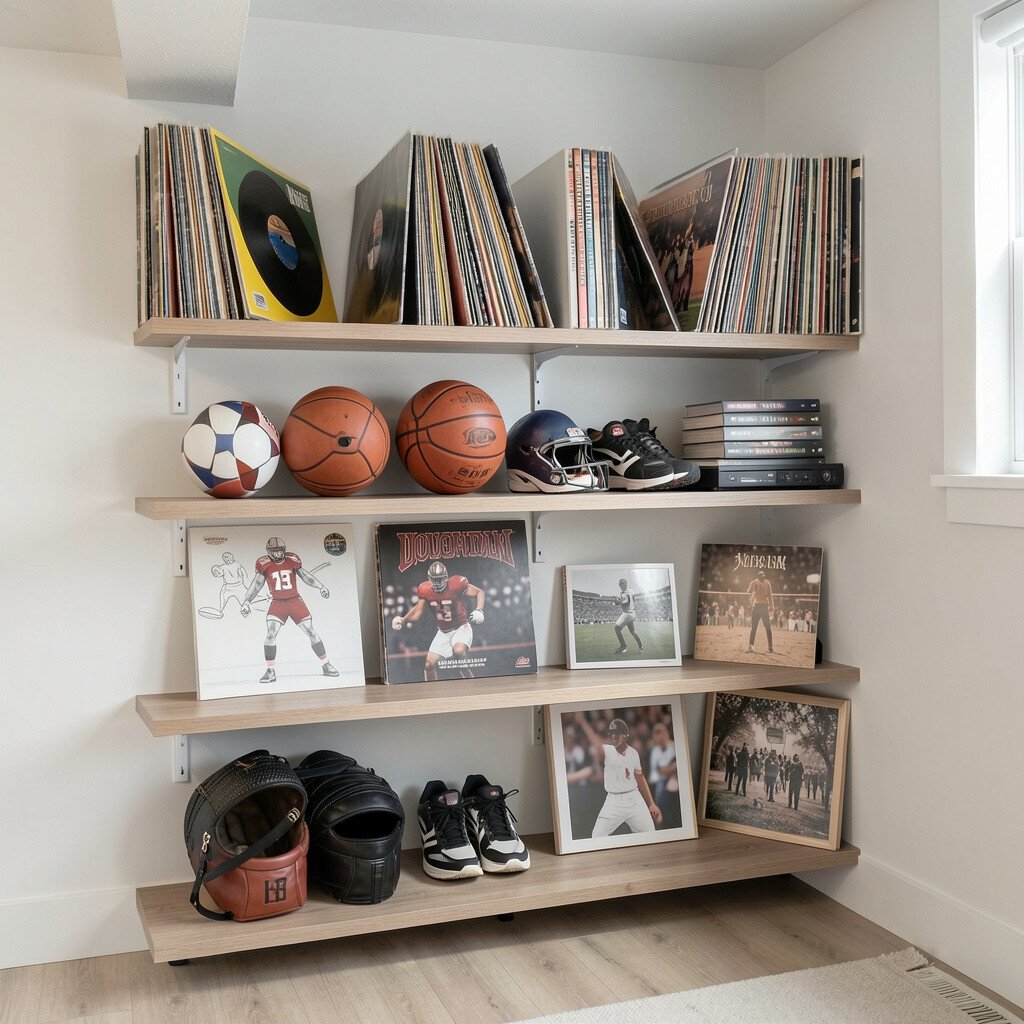
Vinyl record shelving works well because records sit upright and stay easy to grab. The same concept can hold sports gear like balls, helmets, or folded equipment.
Use ledges with enough depth so items don’t slip forward. Keep records or prints in protective sleeves and store them away from direct moisture. For personalization, group items by artist, team, or event so the shelf tells a story.
22. Basement Storage Wall With Theme-Based Sections
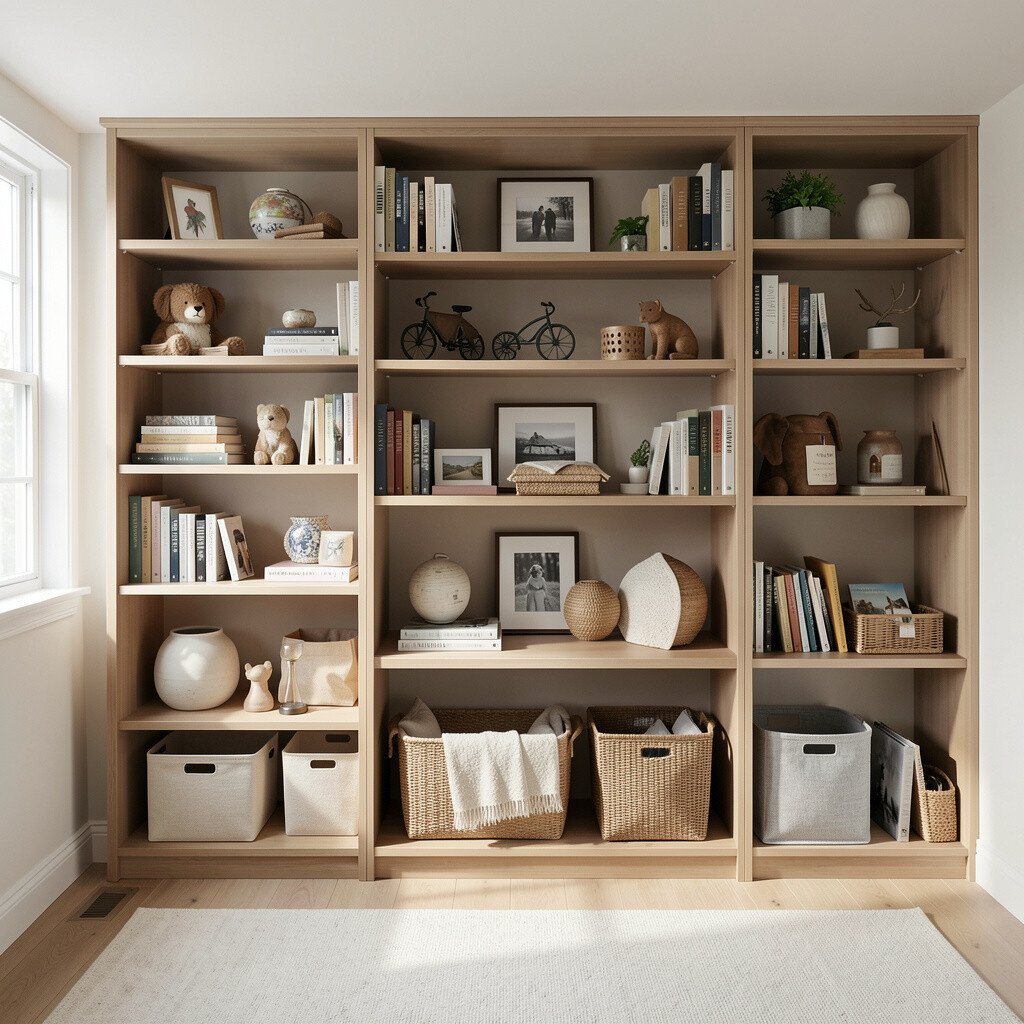
A full storage wall is a strong way to organize because it creates one clear place for everything. When you break the wall into theme-based sections, the basement starts to feel like a well-run space.
Try a layout that separates tools, cleaning items, seasonal décor, and paper goods into different zones. Use consistent bins and labels so each zone looks neat, and add a few open shelves for items you want to show. This is a popular approach because it reduces clutter and makes it easier to put things away correctly.
For cost considerations, start with the shelves you can afford and upgrade later with matching cabinets or dividers. Personalize the wall with a color palette that matches your basement style so the whole room feels calm and inviting.