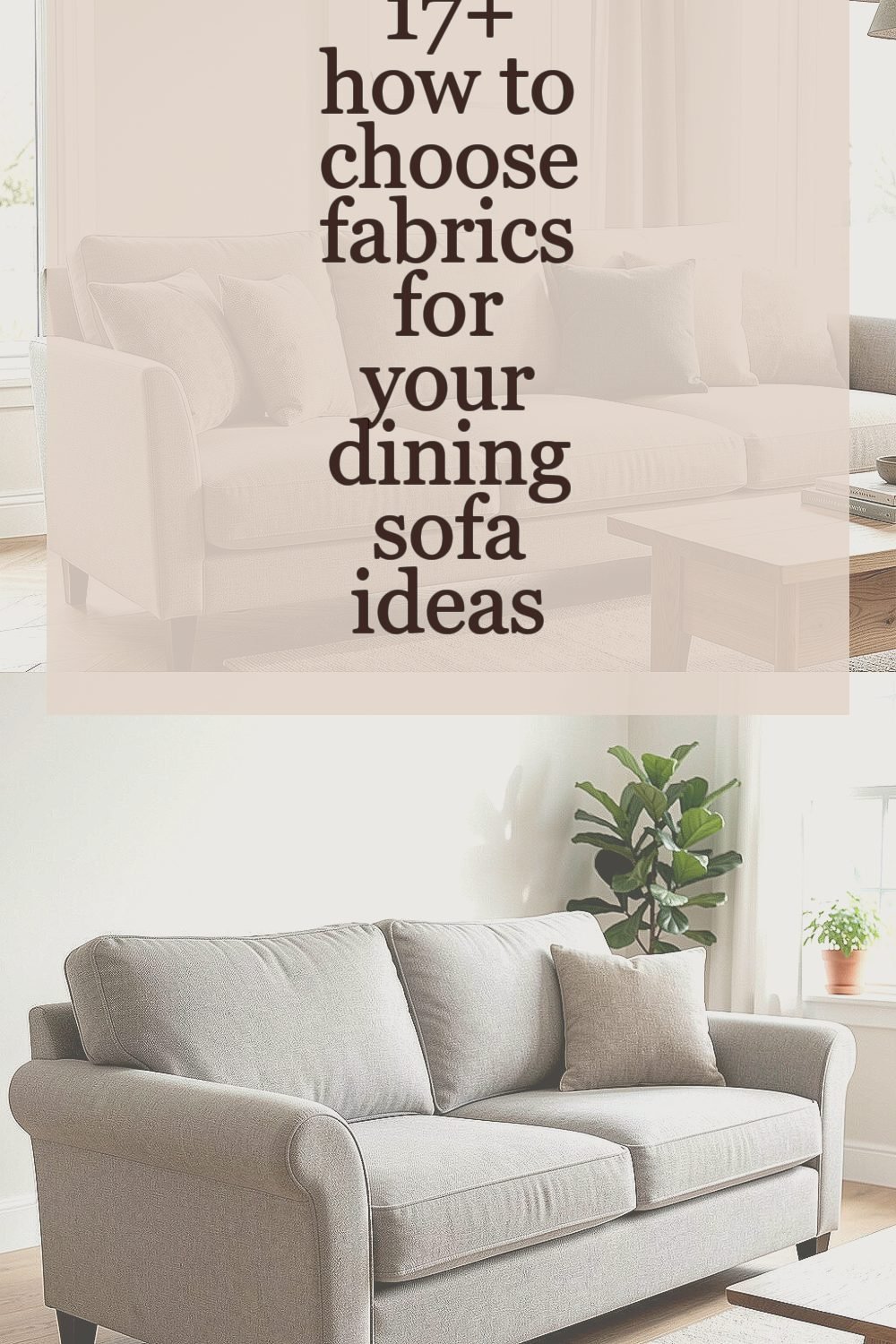
Picking the right fabric can make your dining sofa feel cozy, smart, and easy to live with. The best choice also helps the room look calm and pulled together.
1. Start With How You Use the Space

Think about how often people sit there and what usually happens around the table. A sofa used for quick family meals needs a tougher fabric than one used only for weekend dinners.
Busy homes often need fabrics that wipe clean and hold their shape well. Softer looks can still work, but matching the fabric to your daily habits saves money and stress later.
2. Choose a Fabric That Feels Good to Sit On
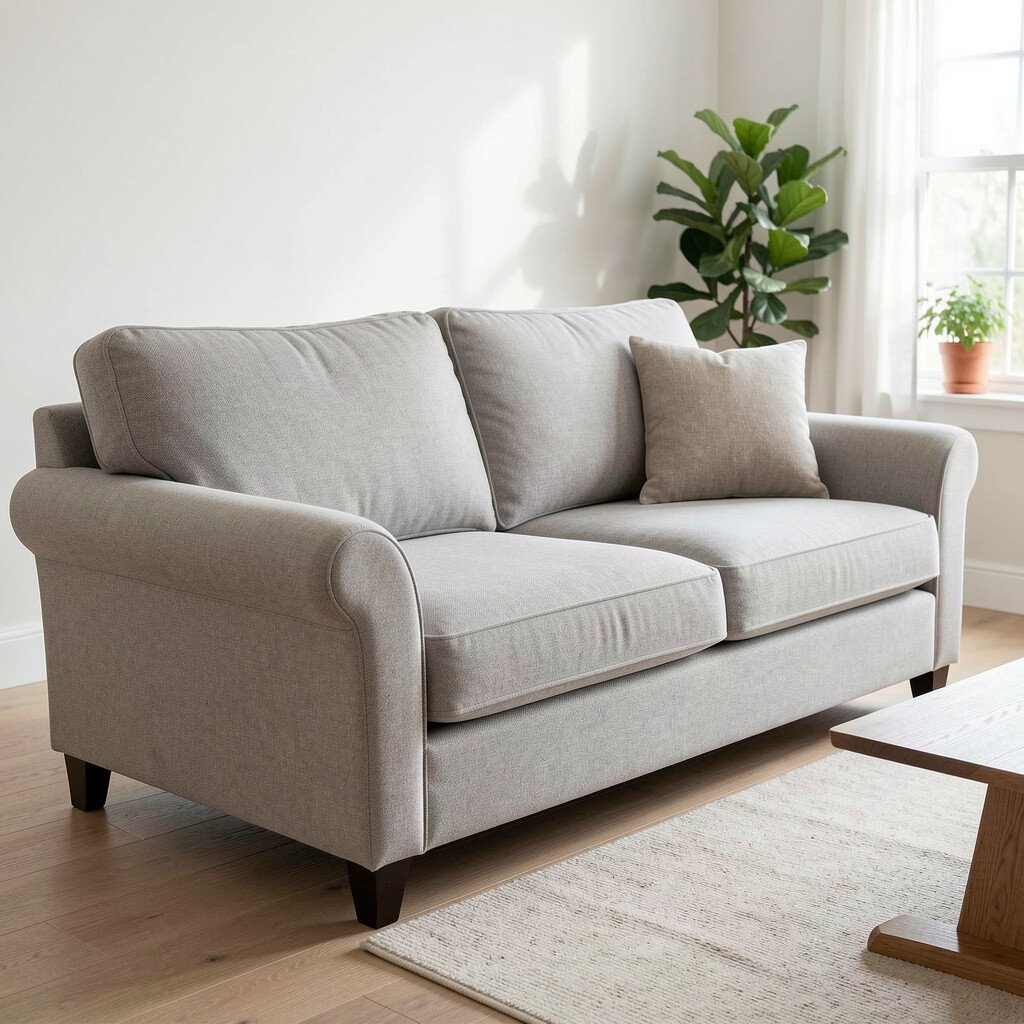
The best dining sofa fabric should look nice and feel pleasant against the skin. Smooth textures can give the room a neat, fresh feel, while softer weaves can make the space seem warmer.
If the sofa sits near a dining table, comfort matters because people may stay longer after meals. A fabric with a gentle touch can make the seat feel inviting without looking too casual.
Many people like a fabric that looks rich but still feels easy to relax on. That balance gives the room a stylish mood and keeps the sofa from feeling stiff or cold.
3. Pick Colors That Hide Daily Messes
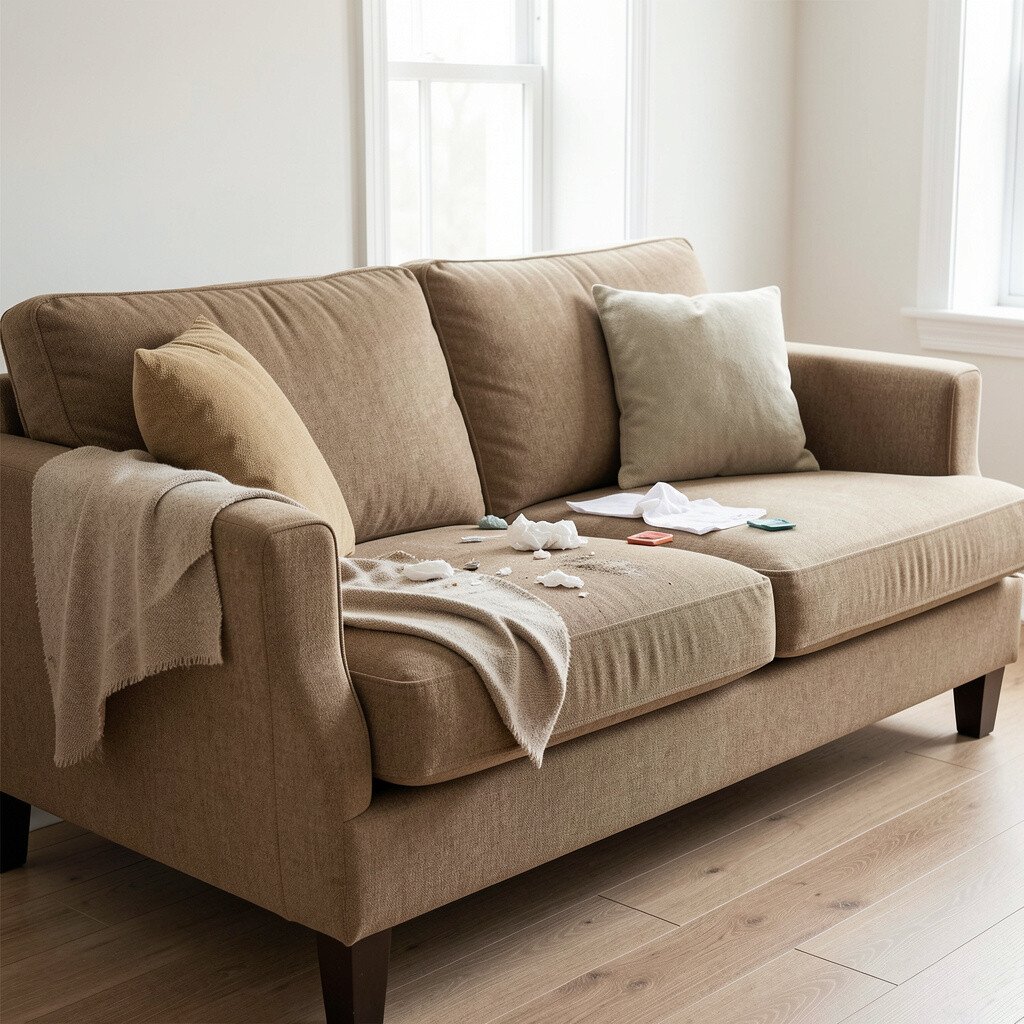
Dining spaces often deal with crumbs, spills, and hands that are not quite clean. Mid-tone colors like warm gray, soft brown, and muted blue can hide small marks better than very light shades.
Color also helps set the mood of the room. A pale fabric can make the dining area feel airy, while a deeper tone can add drama and make the sofa stand out.
Current trends lean toward earthy colors that feel calm and natural. If you want something more personal, choose a shade that connects with your table, wall art, or rug.
4. Look for Easy-Clean Fabric Options
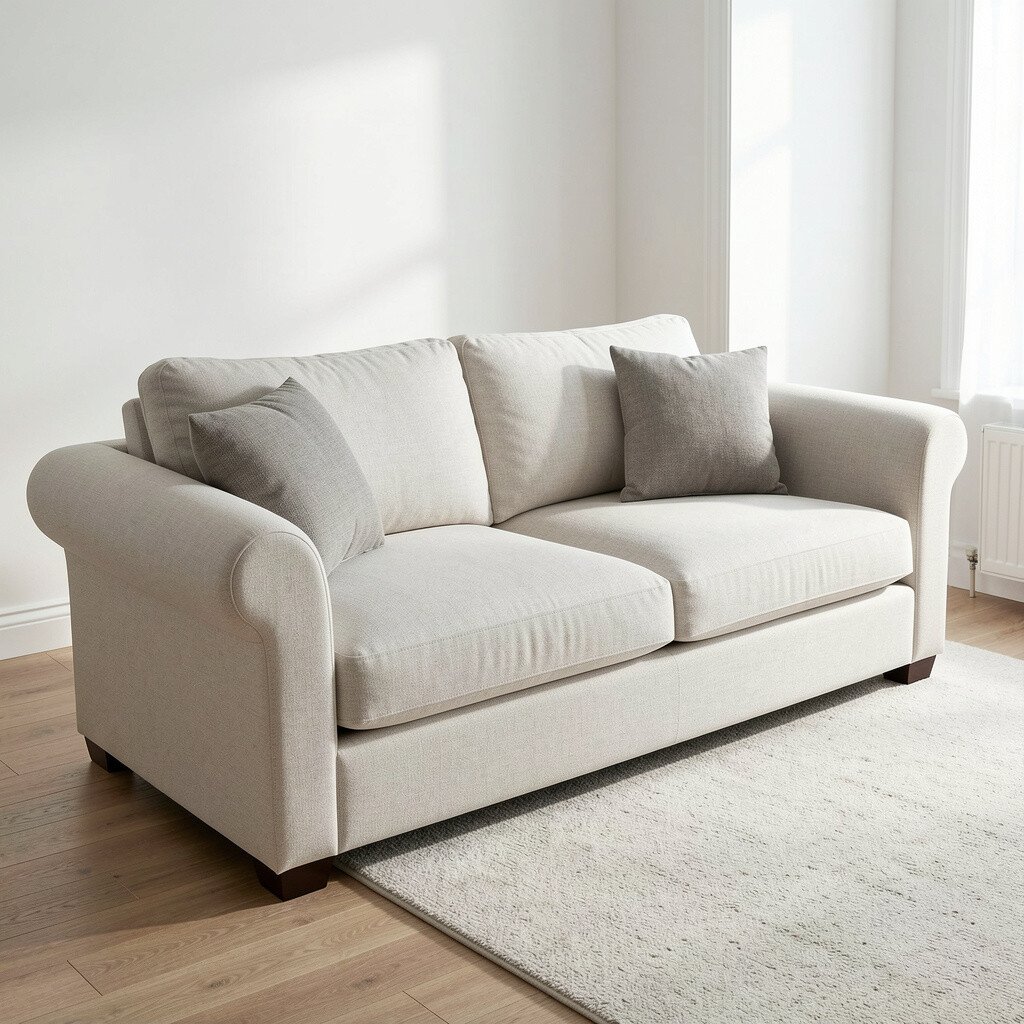
Easy-clean fabric is a smart pick when food is part of daily life. Stain-resistant finishes and wipeable weaves can save time and keep the sofa looking fresh longer.
These fabrics are helpful for families, pet homes, and anyone who hosts often. They also lower the worry that comes with red sauce, coffee, or sticky fingers.
Some easy-clean choices cost more at first, but they may save money over the years. If you like a neat look with less upkeep, this type of fabric can be worth it.
5. Match the Fabric to Your Dining Style
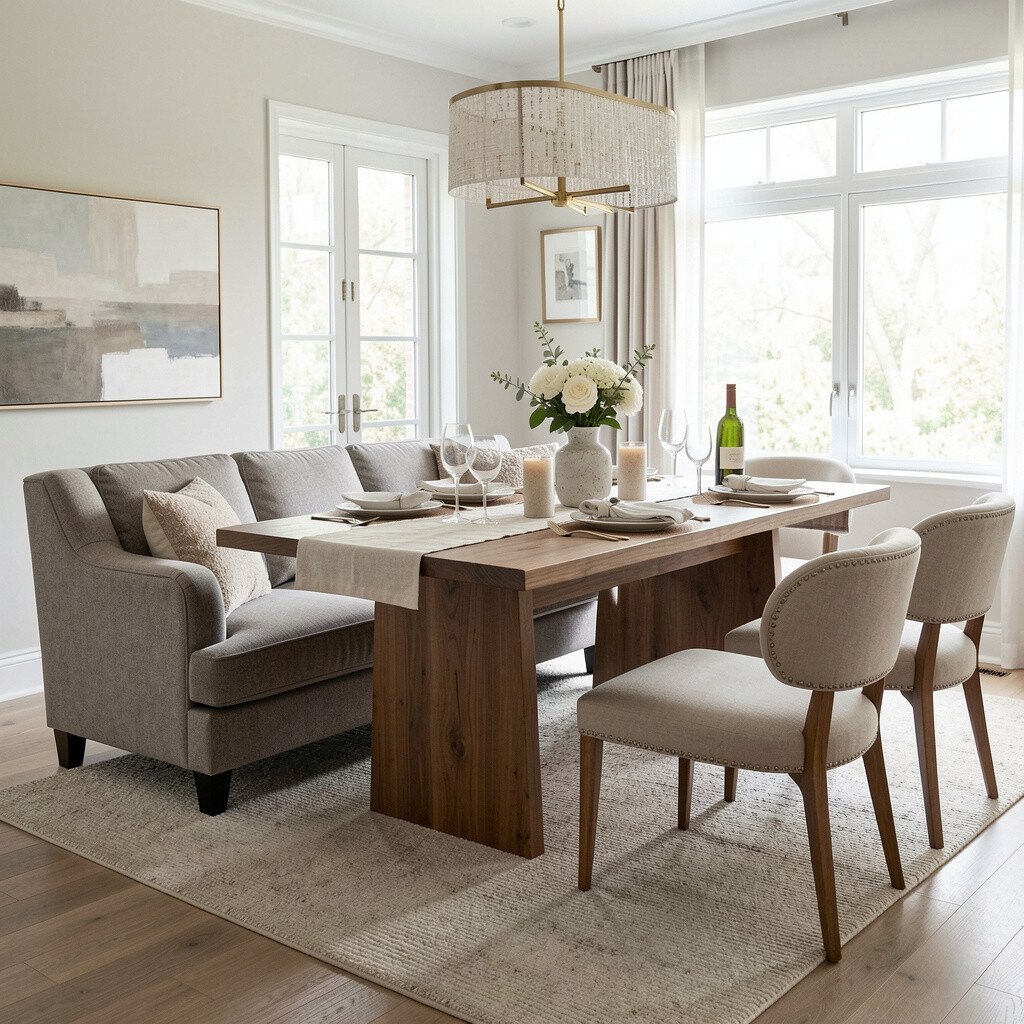
A formal dining room often looks best with fabric that feels polished and smooth. A relaxed eating area can handle chunkier textures, casual weaves, and softer finishes.
The style of the sofa should fit the rest of the room so everything feels connected. When fabric, table, and chairs work together, the space looks planned without feeling forced.
You can make the sofa feel more personal with trim, piping, or a subtle pattern. Small details like these add charm and can make a simple fabric look special.
6. Think About Durability First
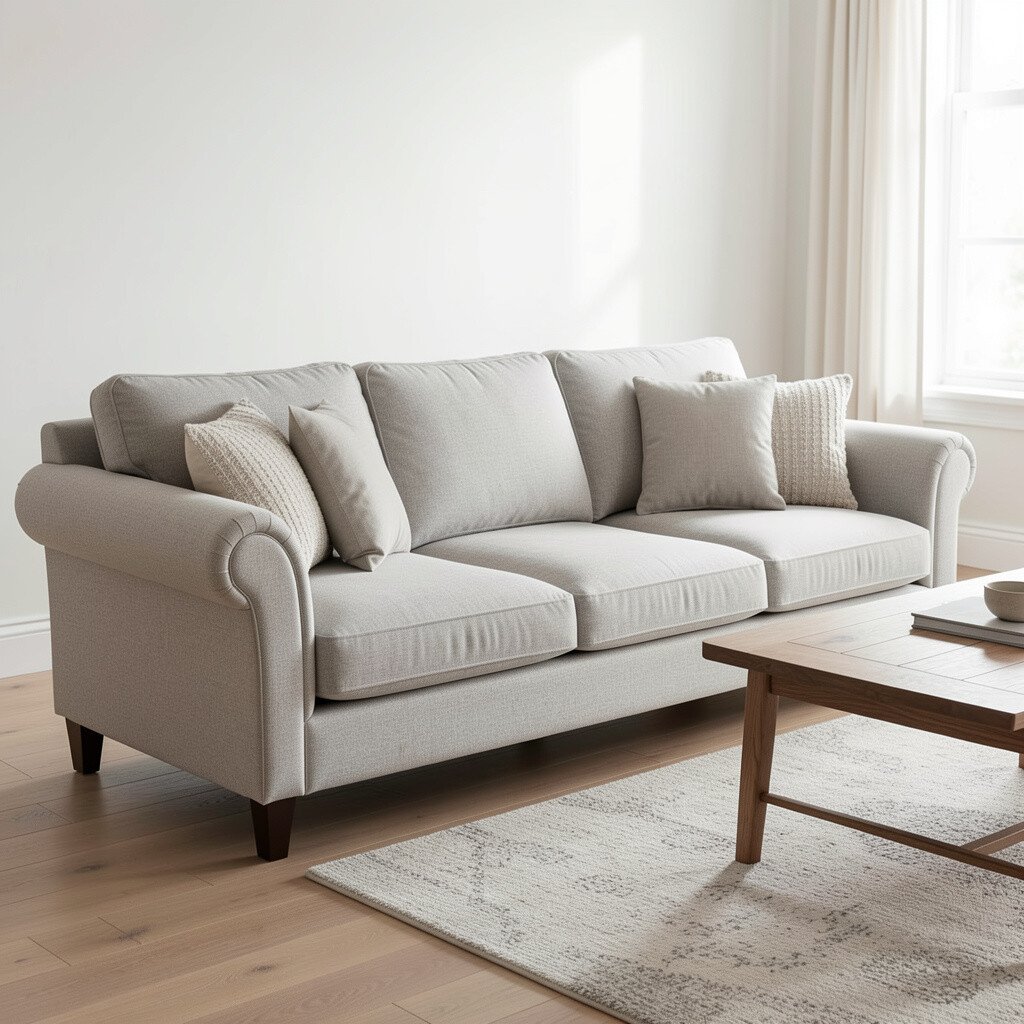
Dining sofas get a lot of use, even if they do not seem busy at first. Strong fabrics that resist wear can keep the seat looking smooth instead of shiny or thin over time.
Woven fabrics with tight threads often hold up better than very loose ones. They can also help the sofa keep a crisp shape, which makes the room look tidy.
Durable fabric can feel like a better deal because you do not need to replace it as soon. That can matter a lot if you want style without extra spending later.
7. Use Texture to Add Warmth
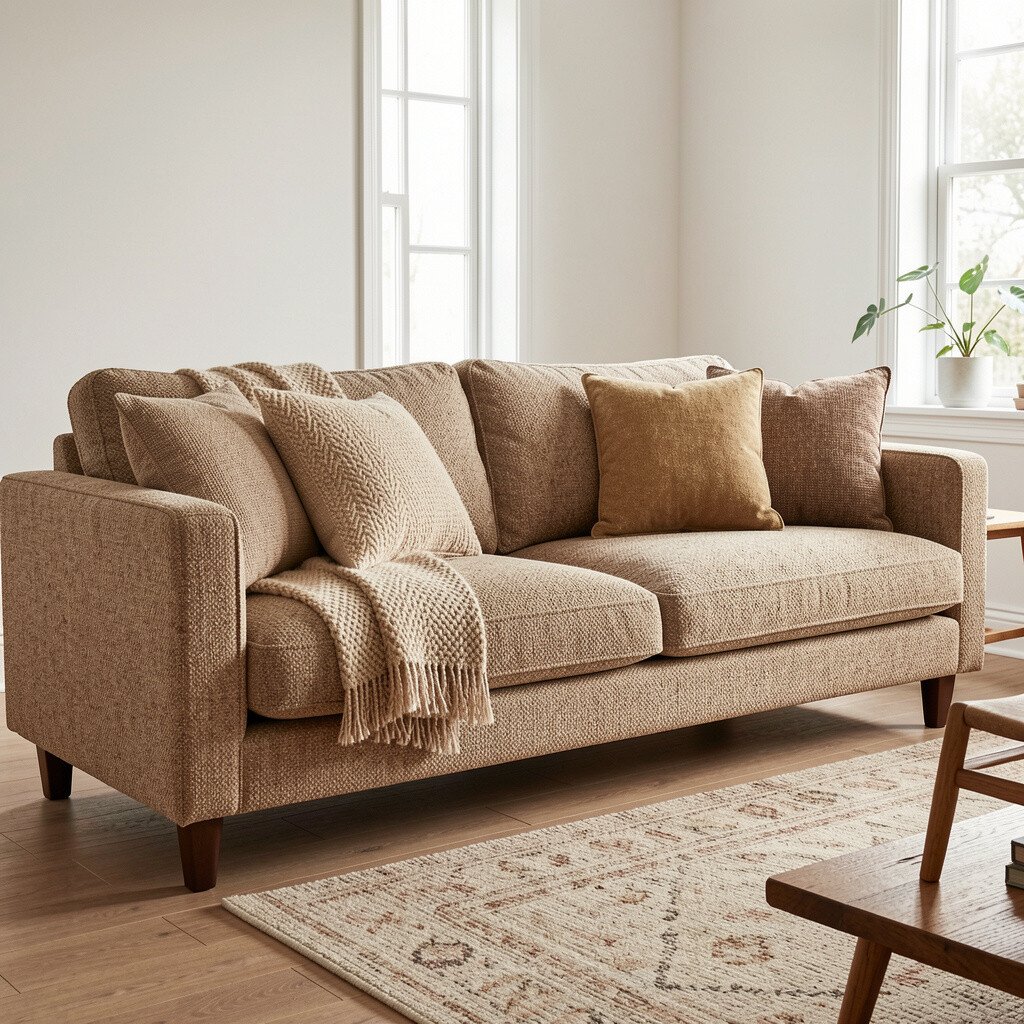
Texture can give a dining sofa more life and make the room feel less plain. A slightly nubby weave, soft chenille, or brushed finish can add depth without loud colors or big patterns.
Textured fabric also makes a simple sofa look more special. It can catch the light in a pretty way and help the seat feel rich and layered.
Many homes now mix clean shapes with cozy textures for a current look. You can keep the room calm while still giving it a bit of personality and warmth.
8. Think About Natural Light in the Room
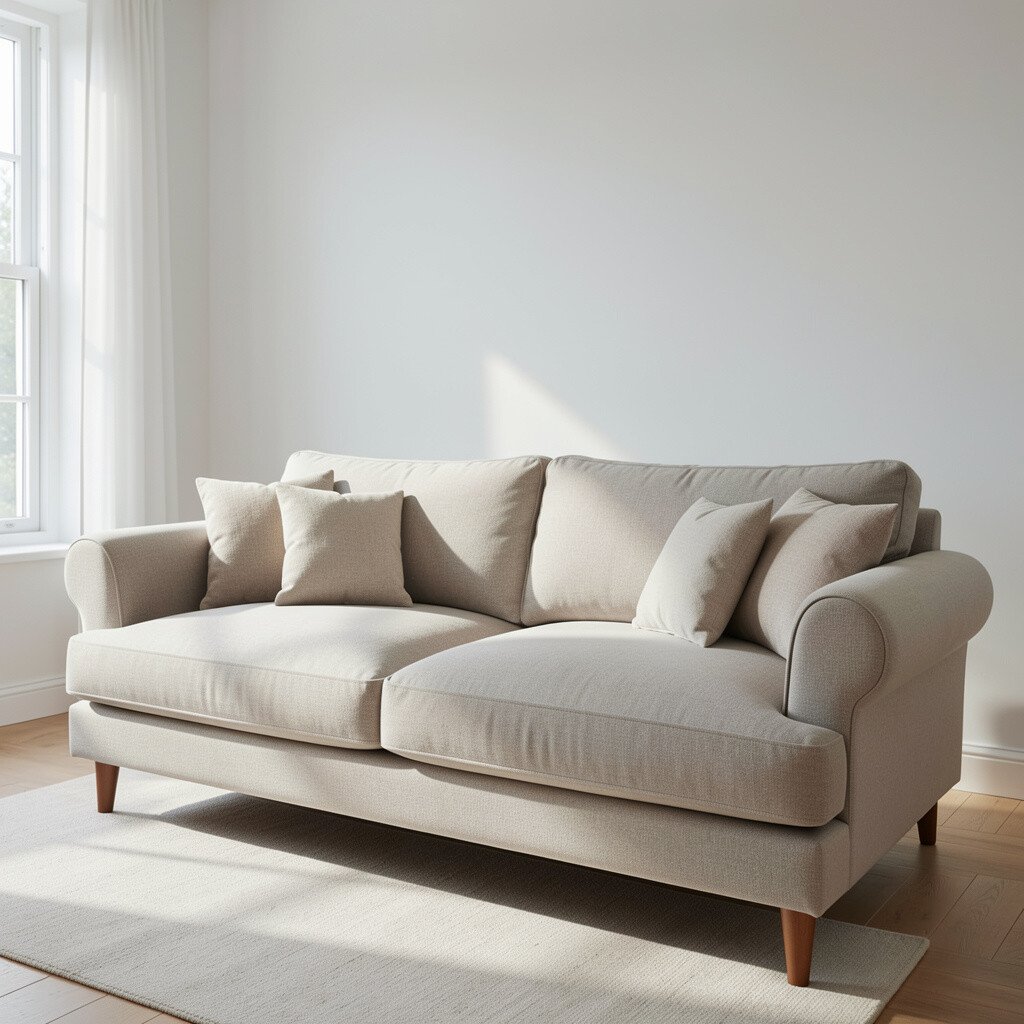
Sunlight changes how fabric looks during the day, so it is wise to check samples in the room. A color that seems soft and creamy in the store may look much brighter near a sunny window.
Some fabrics can fade faster in strong light, so this matters if your dining area gets a lot of sun. A fade-resistant option can help the sofa stay attractive for longer.
Placing a fabric sample on the sofa and checking it at different times of day can save regrets. It is a small step that can make the final choice feel much more certain.
9. Keep Cleaning in Mind Before You Buy

A dining sofa should be easy to care for because food spaces need quick cleanup. Fabrics that allow vacuuming, spot cleaning, or gentle wiping make everyday life much simpler.
If you enjoy low-stress living, this is a big benefit. It means you can enjoy meals and guests without worrying over every tiny spill.
Cleaning needs can also affect the total price because some fabrics need special products or more time to maintain. Choosing something simple to care for can be the smarter budget move.
10. Add Pattern Only When It Helps
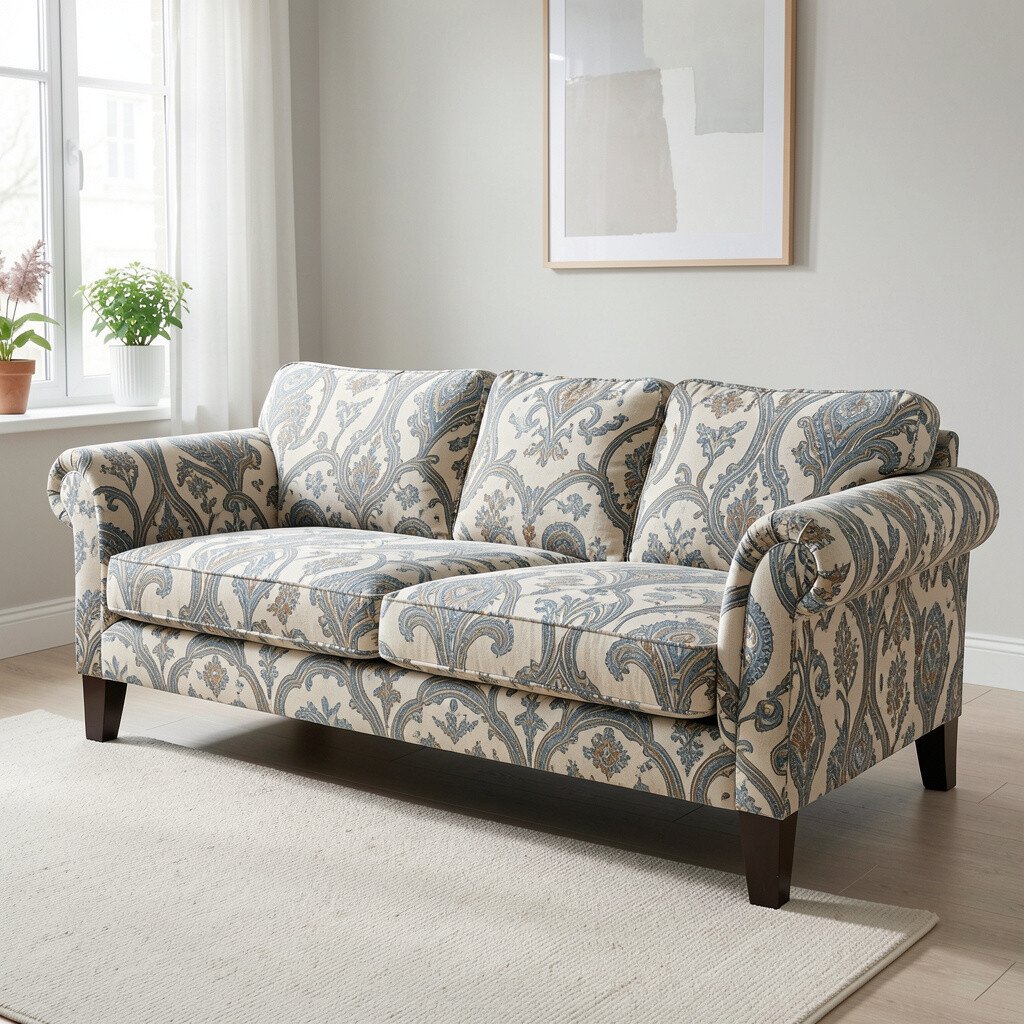
Pattern can make a dining sofa feel lively and unique. Small prints, subtle stripes, or tone-on-tone designs can add character without making the room feel too busy.
Patterns are useful if you want to hide small marks between cleanings. They can also pull together colors from nearby chairs, curtains, or art.
A bold pattern may feel fresh now, but it should still suit the room later. If you want a look that lasts, pick something that feels playful but not too loud.
11. Choose Fabrics That Fit Your Climate
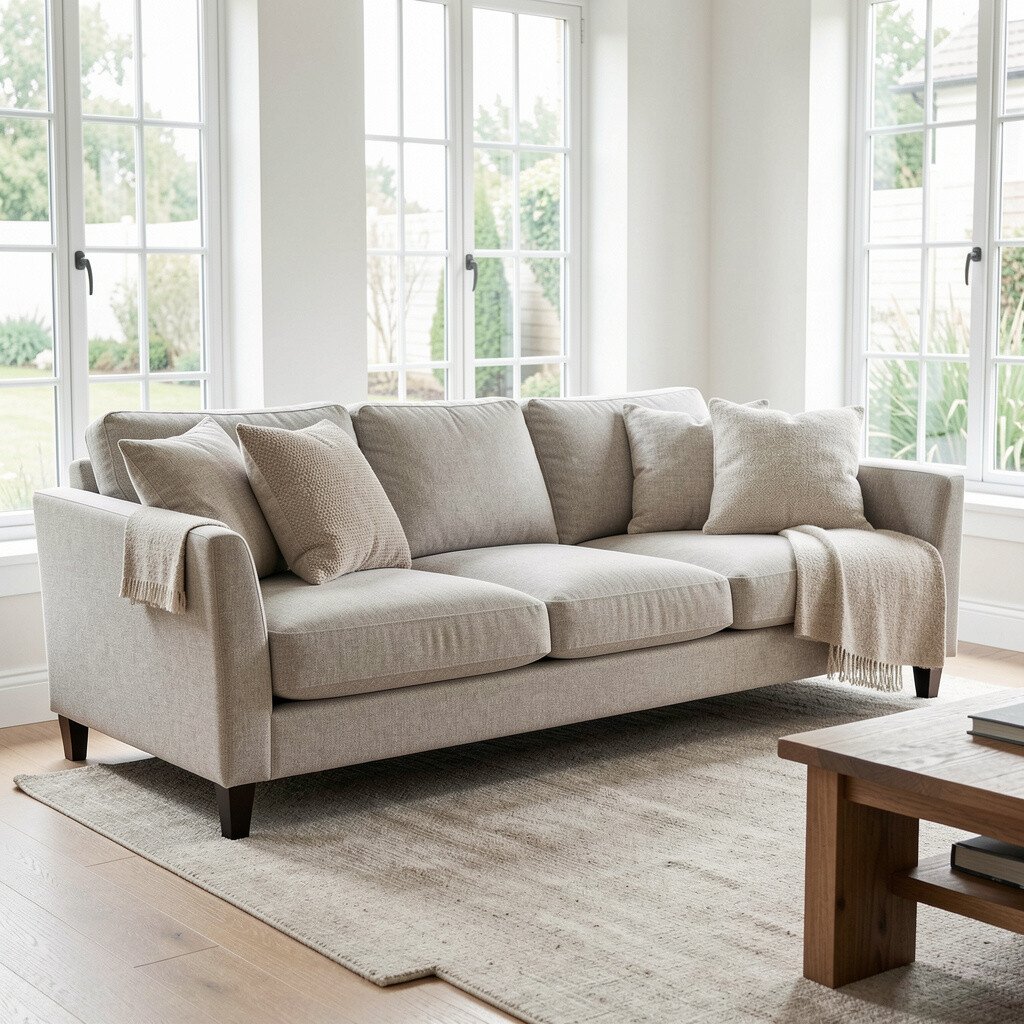
The weather where you live can change how a fabric feels and performs. In humid places, airy fabrics may feel better, while cooler homes can handle richer, heavier textures.
Breathable fabric helps the sofa feel comfortable during long meals and family time. It can also reduce that sticky feeling some materials get in warm rooms.
If your home changes with the seasons, a fabric that stays comfortable year-round is a smart choice. That kind of balance makes the sofa easier to enjoy every day.
12. Make Sure the Fabric Works With the Frame

The fabric should match the shape and build of the sofa so the whole piece looks right. A firm frame may look best with a cleaner fabric, while a softer shape can suit a more relaxed weave.
When fabric and frame fit well together, the sofa looks more expensive and finished. This also helps the seat stay neat instead of sagging or bunching in odd spots.
It is worth checking how the fabric drapes over the arms and back before you decide. A good match can make even a simple sofa feel custom-made.
13. Use Fabric to Create a Focal Point
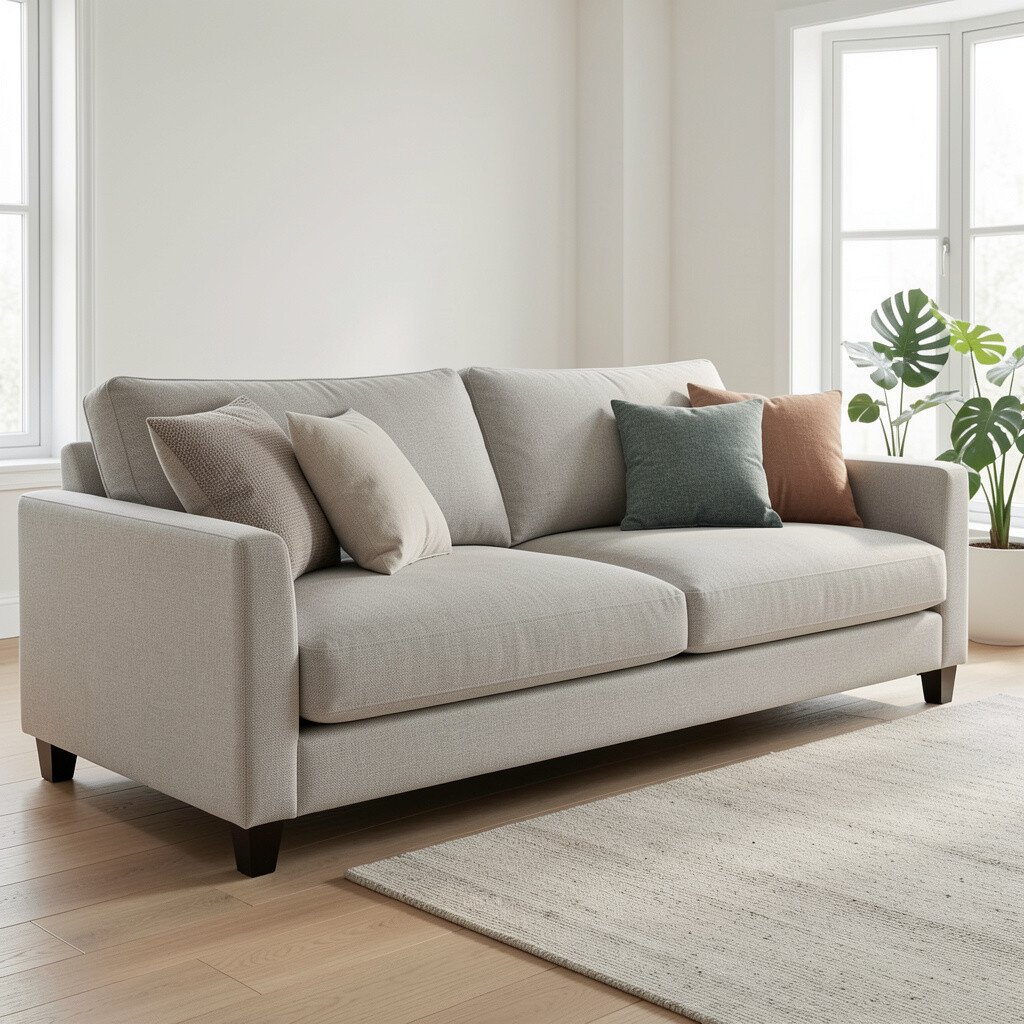
A dining sofa can draw the eye and become the star of the room. A bold color, rich texture, or elegant pattern can help it stand out in a nice way.
This works well in rooms that need a little more energy or charm. The sofa can make the dining area feel finished without needing a lot of extra decor.
For a more personal touch, choose a fabric that tells a small story about your taste. Maybe it reminds you of a favorite place, a family color, or a style you love to live with.
14. Balance Softness With Strength
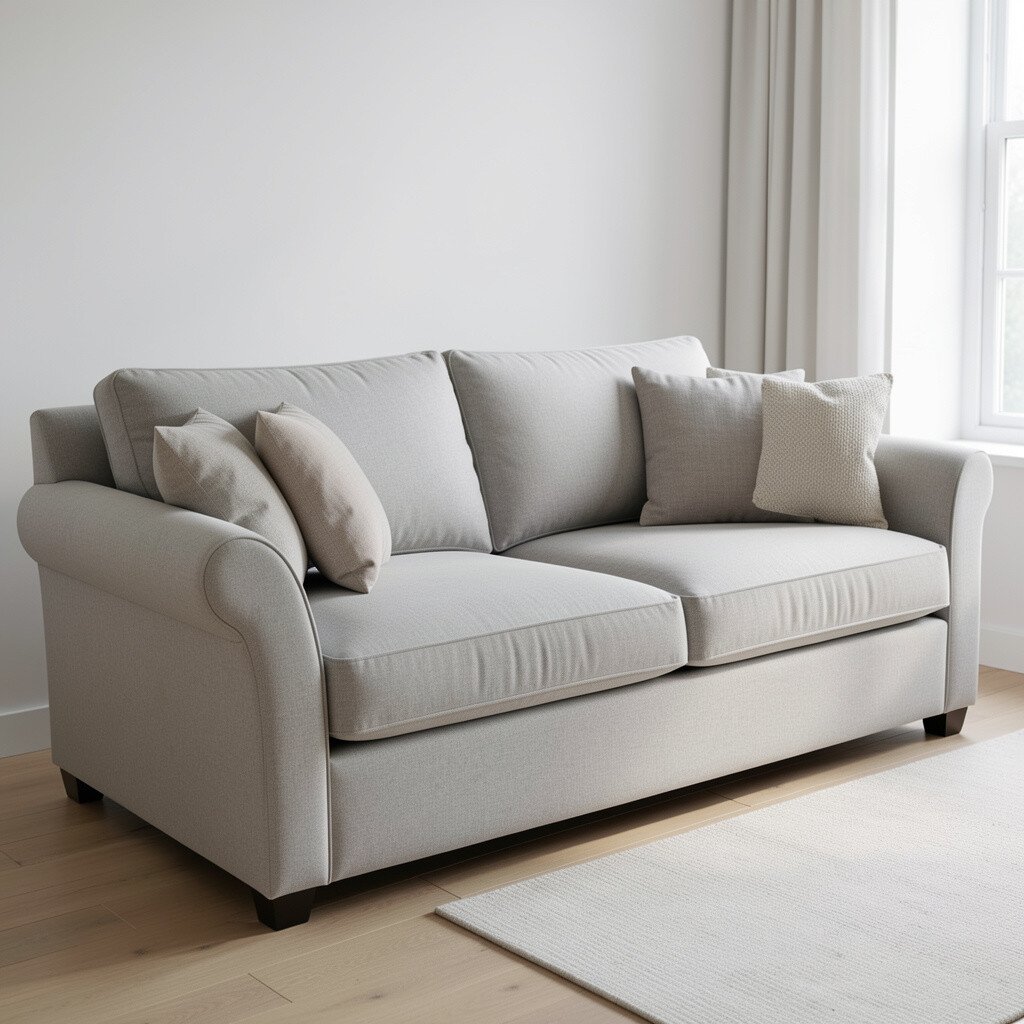
Some fabrics feel very soft but may not hold up as well, while others are strong but feel a bit rough. The sweet spot is a fabric that gives comfort and still stands up to regular use.
This balance is important in a dining room because people sit, shift, and lean back often. A fabric that feels inviting and sturdy helps the sofa stay useful and pretty.
Looking at fabric samples under your hand can help you judge this mix better than pictures can. That little touch test often gives the clearest answer.
15. Think About Pets and Kids
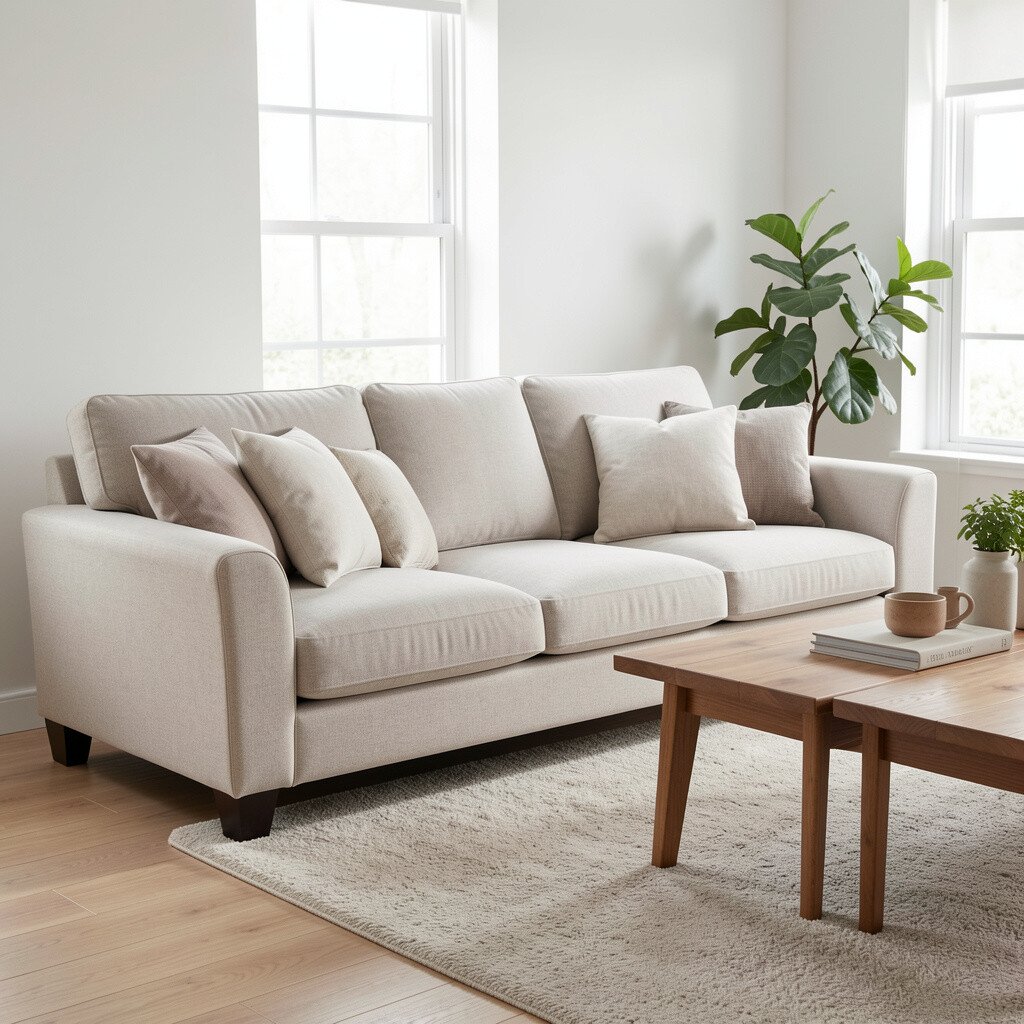
Homes with pets or children need fabrics that can handle extra movement and mess. Tight weaves, darker tones, and stain-resistant finishes often make life easier in these homes.
These choices can protect your nerves as much as your furniture. They let the sofa be part of real family life instead of something too delicate to enjoy.
Many people now choose family-friendly fabrics that still look stylish and grown-up. That means you do not have to give up beauty just because the room is well used.
16. Compare Fabric Prices the Smart Way
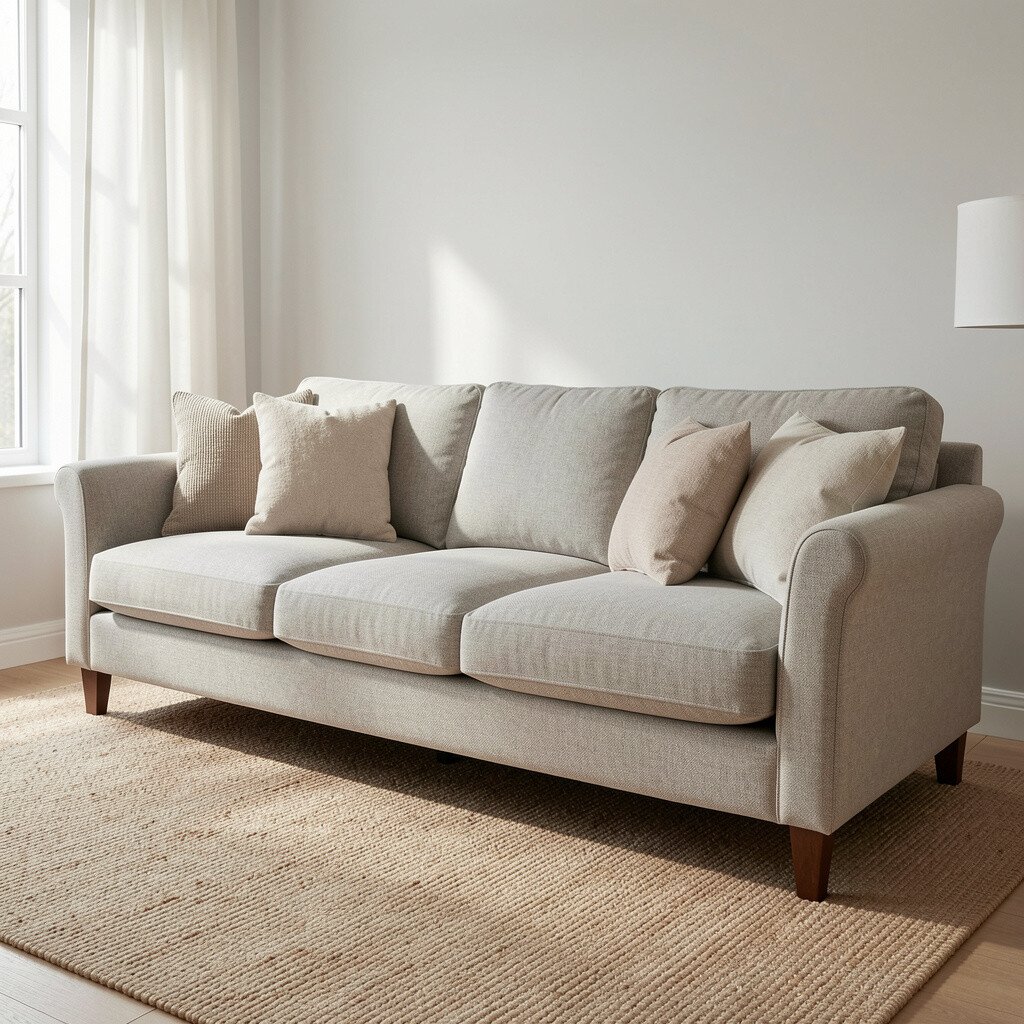
Fabric price can change a lot based on fiber, finish, and brand. A lower price is nice, but a cheap fabric that wears out fast may cost more in the long run.
It helps to compare the price with how long the fabric should last and how hard it is to clean. That way, you can see real value instead of just the sticker number.
If the sofa is a big part of your home, spending a little more on a better fabric can feel wise. It may give you a nicer look and fewer problems over time.
17. Think About How the Fabric Ages
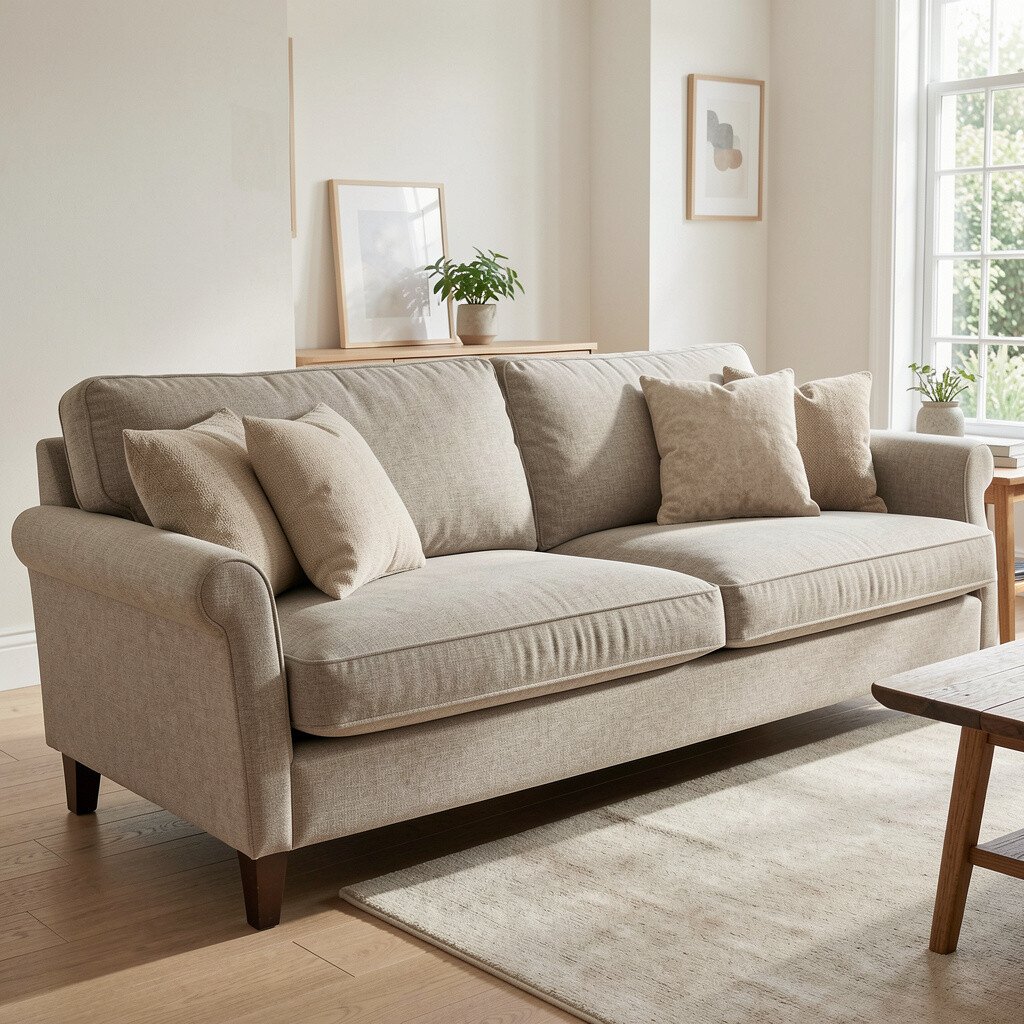
Good fabric should age in a way that still looks pleasant after months and years. Some materials soften nicely, while others may fade, pill, or lose shape in ways that make the sofa look tired.
Choosing a fabric that ages well gives the room lasting beauty. It also helps the sofa keep its charm even after many meals, talks, and everyday moments.
Ask yourself if you want a fabric that stays crisp or one that gets a softer lived-in feel. Either choice can be lovely if it matches the mood you want at home.
18. Trust the Look You Keep Coming Back To

After all the samples and ideas, the right fabric is often the one you keep noticing again and again. If a color, texture, or pattern keeps making you smile, that is a good sign.
Your dining sofa should suit your life, your room, and your taste at the same time. When all of that comes together, the fabric feels right every time you sit down.
It is perfectly fine to choose something classic, trendy, or a little unexpected. The best result is a fabric that makes the dining space feel like yours in a simple, natural way.