Shutters can change the mood of a room in a single season. They bring style, comfort, and easy control over light every day.
From classic frames to bold colors, the right shutters feel like a custom upgrade. Let your home show its personality through clean lines, smart materials, and thoughtful details.
1. Classic Plantation Shutters for Everyday Calm
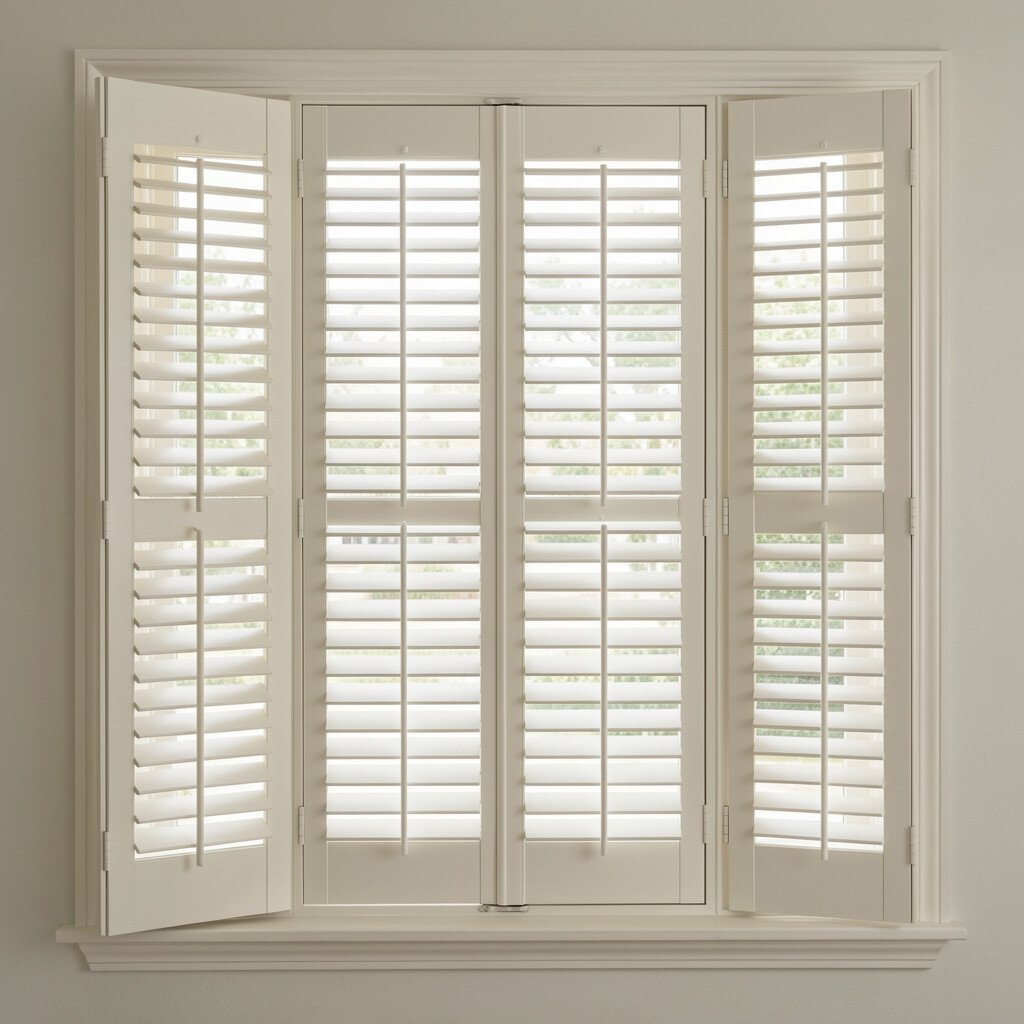
Imagine walking into a living room where soft daylight settles evenly across the floor. Wide louvers create a gentle rhythm of light and shadow that feels calm and lived-in.
Plantation-style shutters look polished from every angle, which helps your home feel more finished. They also give you real control over privacy and glare, so mornings are bright when you want them. For practical results, measure each opening carefully and check for level frames before ordering hardware or panels.
2. Coastal White Shutters That Feel Airy
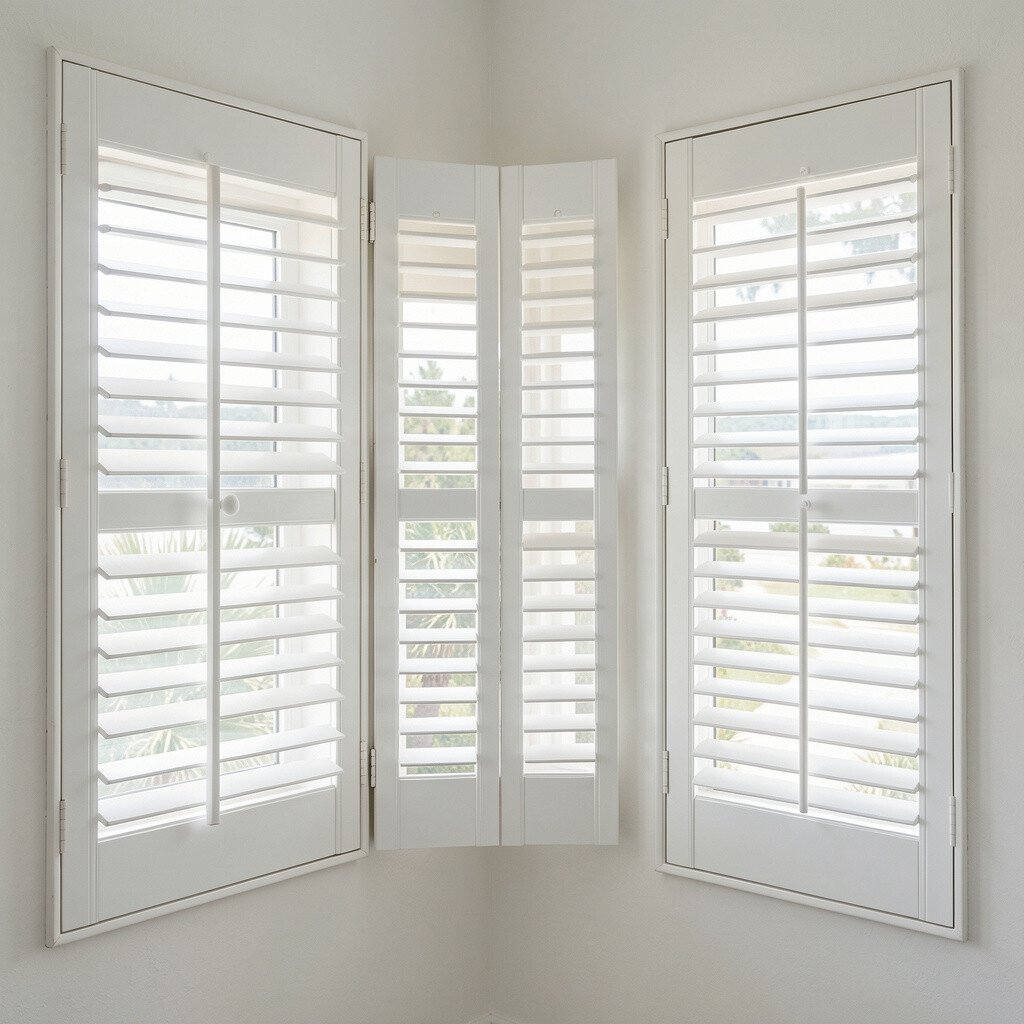
Picture white shutters with a slightly relaxed finish, like sun-bleached linen near the window. They pair beautifully with light walls, woven textures, and breezy curtains that you can pull aside in seconds.
This style brightens darker rooms and makes ceilings feel higher. You get day-to-day benefits too, like quick light adjustment without using blinds cords. Choose moisture-friendly materials if you live near the coast or have humid bathrooms.
If you want cost-friendly personalization, keep the frame color simple and spend extra on smooth hinges for easy operation. A semi-gloss paint helps wipe away salt air dust and everyday smudges. Try placing shutters in multiple rooms so the whole home feels like one clean design story.
3. Warm Wood Shutters for a Cozy, Natural Glow
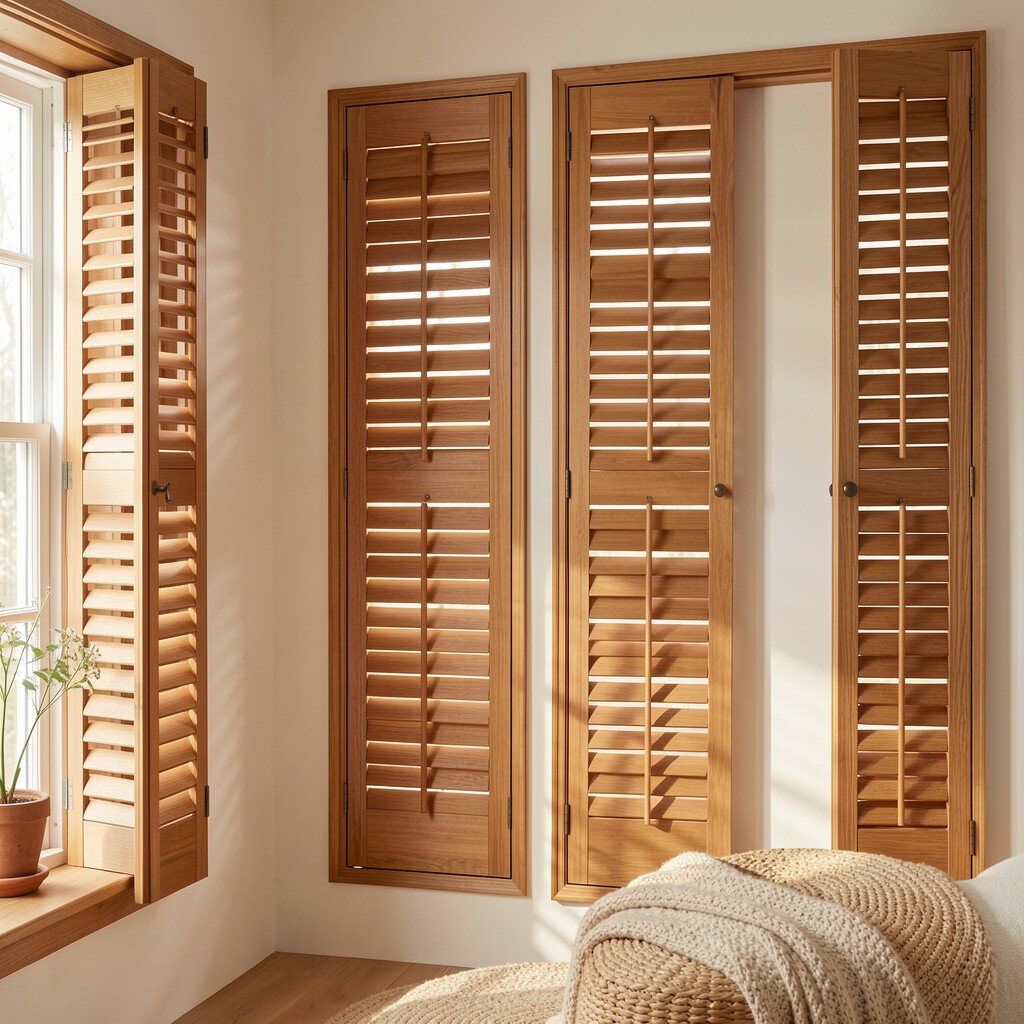
Think of honey-colored wood shutters that warm up a dining space the moment the sun hits. The grain shows through, creating a subtle pattern that looks different at morning, noon, and evening.
Wood shutters add uniqueness because no two pieces of grain match. They also support comfort by helping regulate light intensity throughout the day. For practical personalization, pick a stain that sits between golden and caramel so it complements both warm and neutral decor.
If you’re planning on long-term use, ask about finish options that resist scratches and fading. Budget-wise, consider wood-look alternatives for rooms that don’t get heavy traffic. When you install them, keep the louvers aligned so they close tightly and look crisp from outside and inside.
4. Tall Window Shutters for Dramatic Architecture
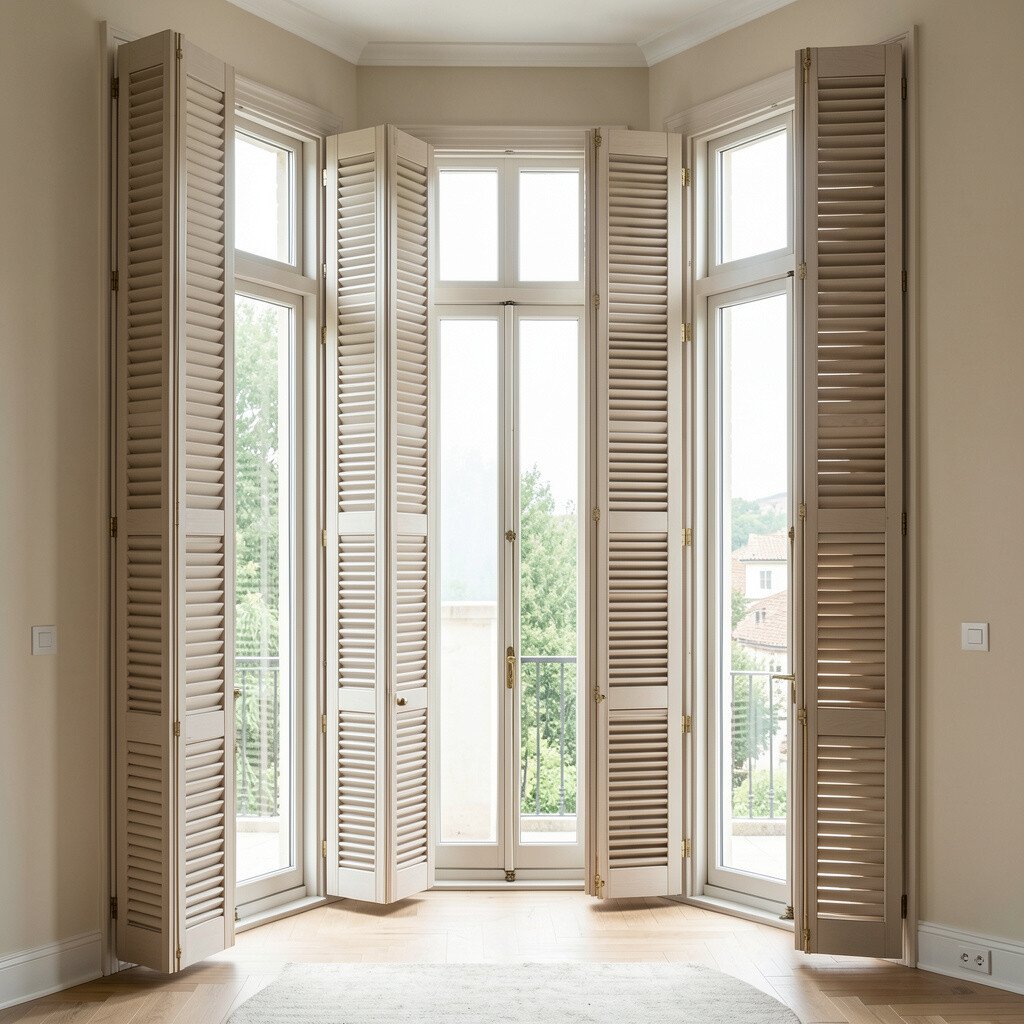
Long, tall windows look like a design headline when shutters span the full height. Vertical proportions make rooms feel grand, especially in entryways and dining nooks.
Shutters built for tall openings offer privacy without hiding the view, since you can tilt louvers at just the right angle. They also reduce harsh glare, which is helpful for windows that face bright streets or big afternoon sun. Use modern spacer placement and sturdy mounts so the shutters stay straight over time.
5. Modern Flat-Panel Shutters for Clean Lines
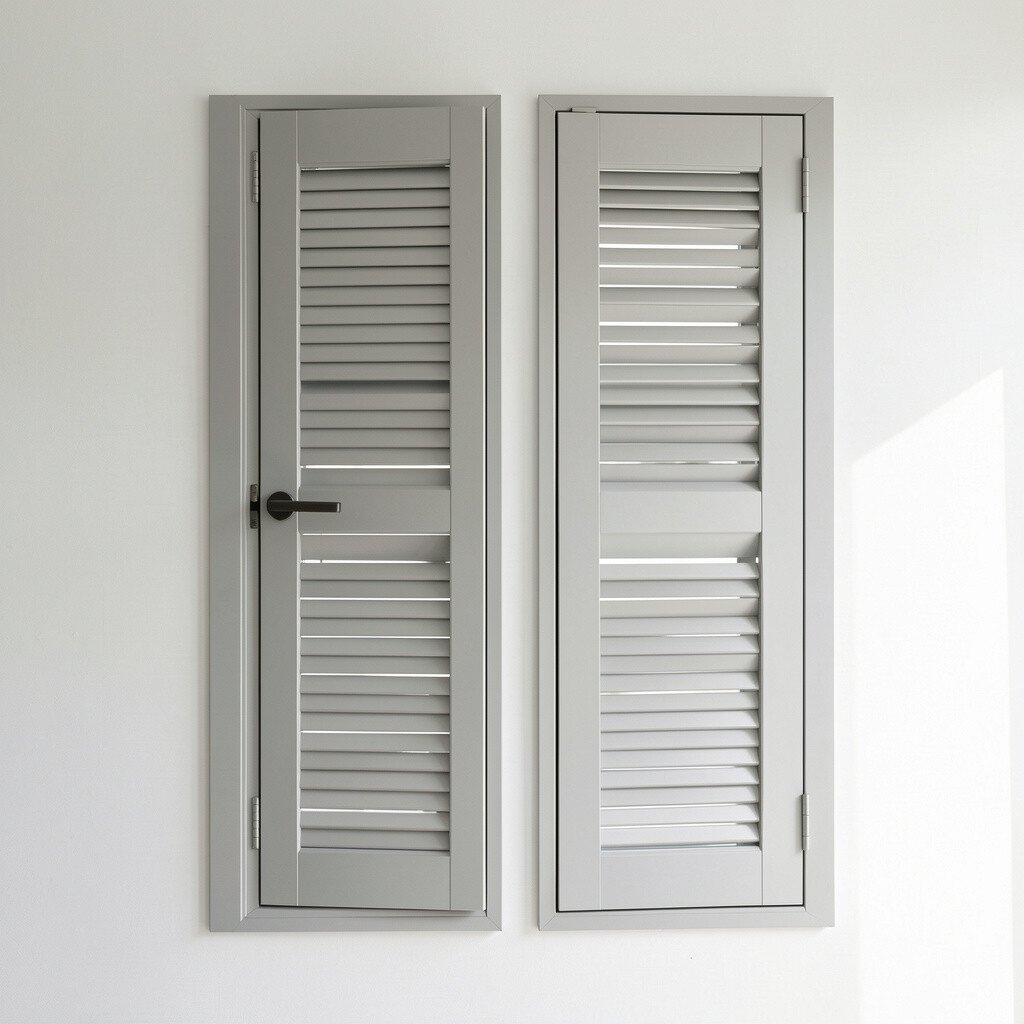
Flat-panel shutters give a sleek look that feels at home in modern, farmhouse, and even industrial interiors. Instead of many louvers, you get crisp panels that read as quiet and intentional.
This design feels unique because it doesn’t rely on busy detail to make a statement. It also makes the room easier to style, since bold furniture or art can take center stage. For practical upkeep, flat panels are simpler to wipe clean, especially in kitchens and hallways.
Consider trending finishes like matte white, soft greige, or deep charcoal for a current feel. If you want personalization without major cost, match shutter paint to door trim or a featured wall color. Confirm you have enough depth for smooth closing, particularly if you choose thicker panel styles.
6. Custom Color Shutters to Match Your Mood
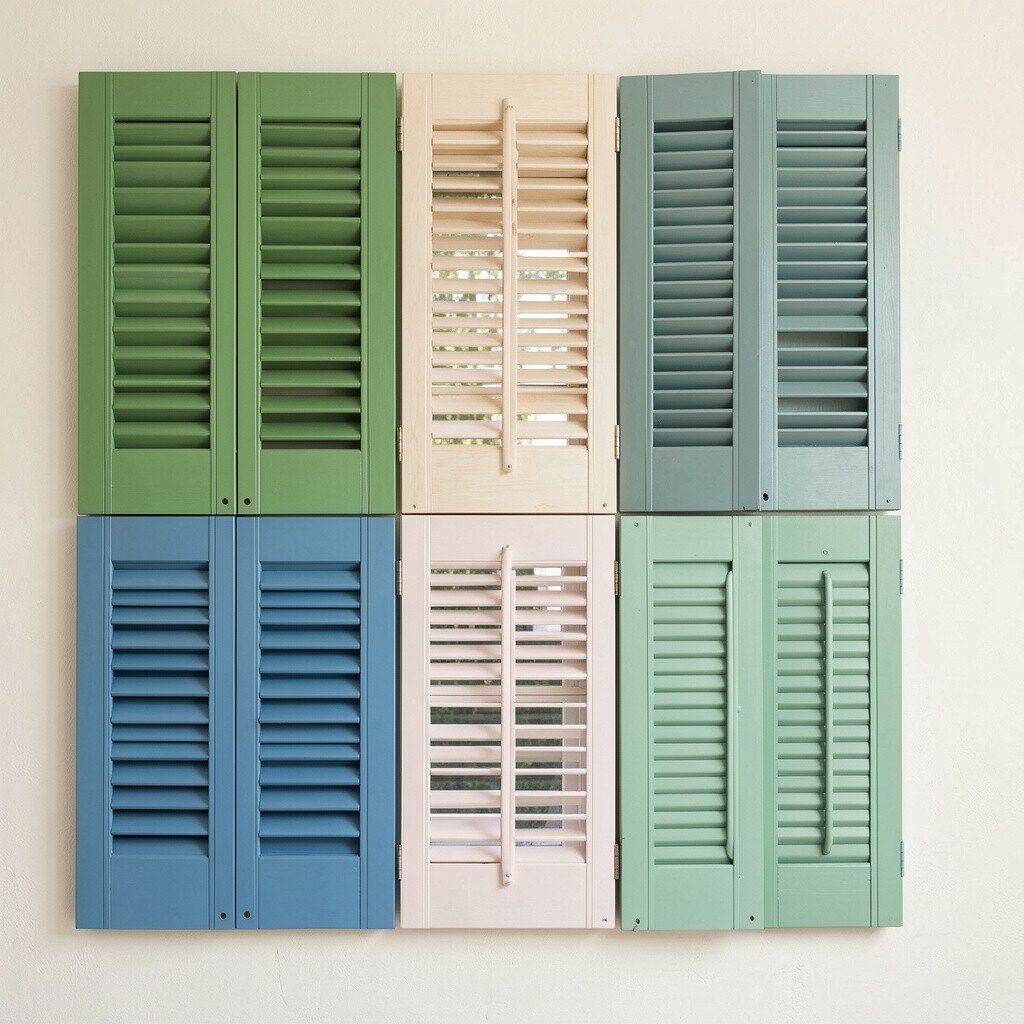
Color shutters can turn an ordinary window into a focal point that feels playful and intentional. Imagine sage green shutters beside warm oak shelves, or a muted terracotta that echoes pottery and textiles.
Personalization like this helps your home feel truly yours, not copied from a showroom. It also gives practical benefits by making bright rooms less glaring, since deeper colors can soften reflections. When planning color, sample the paint in daylight and at night so the finish stays consistent with your lighting.
For cost considerations, full custom colors can raise the price, but you can keep costs down by choosing standard shades offered by the manufacturer. Another budget-friendly move is painting only the shutter panels while keeping the frame neutral. Use quality primer and a finish coat meant for wood or engineered surfaces so it holds up to daily opening and closing.
7. Shutters with Hidden Tilt Control for a Sleek Look
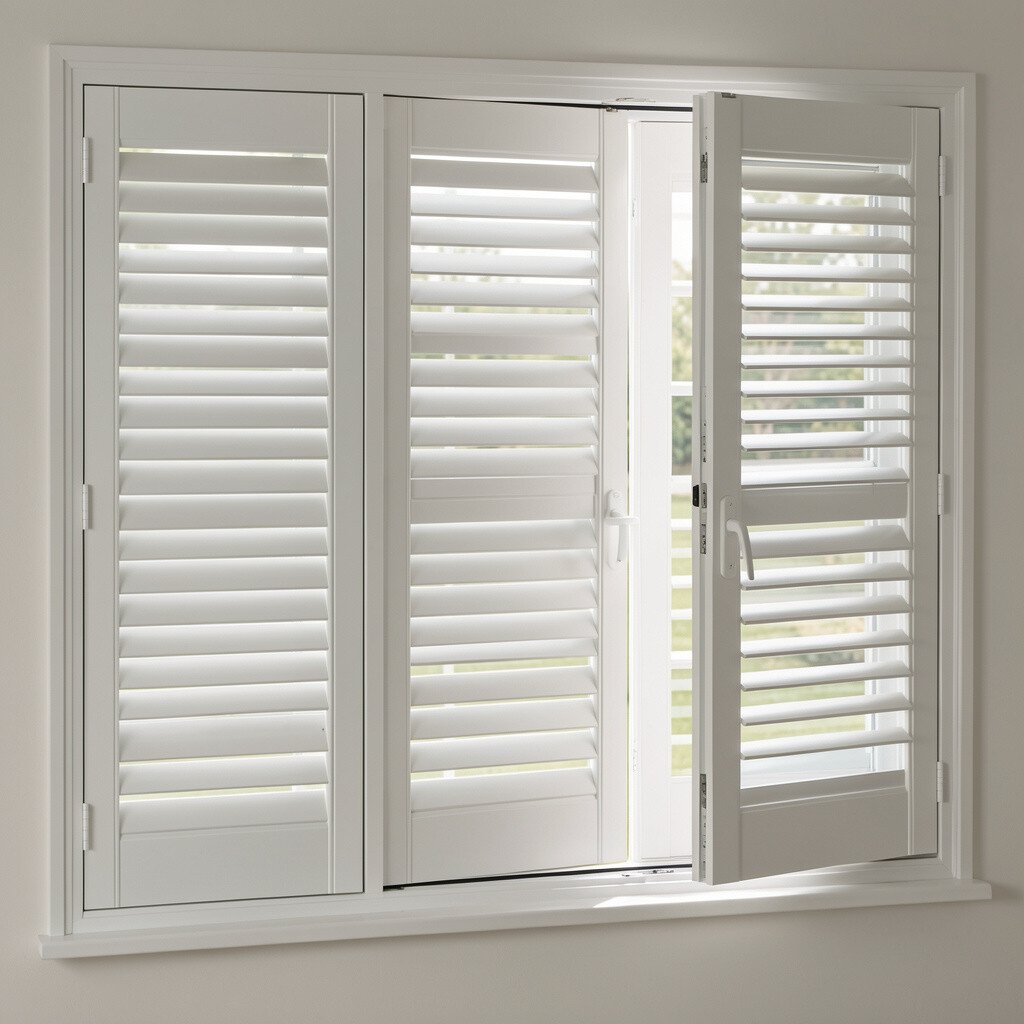
You can get a clean, uncluttered window look when the tilt control feels built-in. The sight of the shutters stays tidy, while you still enjoy quick light adjustments.
This setup feels unique because the hardware becomes almost invisible, letting your architecture stand out. It can also help for practical comfort if cords or bulky controls don’t fit your style. If you have kids or pets, a neat control design can make daily use easier and safer.
Look for reputable brands with smooth tilt action so the louvers don’t stick. Plan ahead by checking clearances around the window trim and wall openings. If your budget is tight, choose this feature only for key rooms where you open shutters most often.
8. Classic Raised-Panel Shutters for Timeless Charm
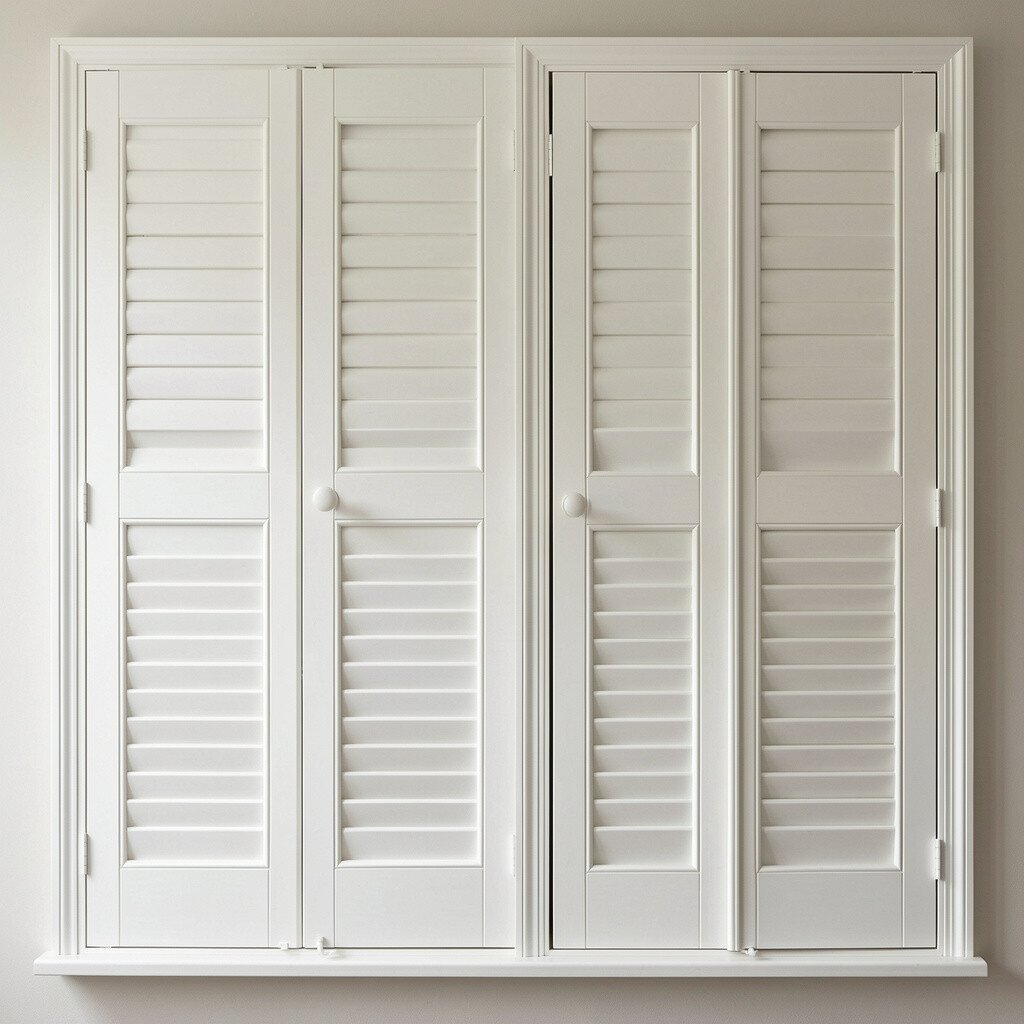
Raised-panel shutters add a classic texture that feels welcoming and historic, even in newer homes. The small dimension catches light gently, giving your windows a warm, tailored look.
They bring uniqueness because the panel style adds depth without needing heavy ornamentation. You also gain practical value since raised panels often hide minor scuffs better than ultra-smooth finishes. For personalization, choose a frame style that matches your baseboards and casing so everything feels connected.
Consider trending paint like soft white with a hint of warmth, especially if your walls are cool-toned. Keep cost in check by limiting custom sizing to the most noticeable windows. You can also blend finishes by using the same color family across rooms while adjusting sheen for the space’s lighting.
9. Black Shutters for Bold Contrast
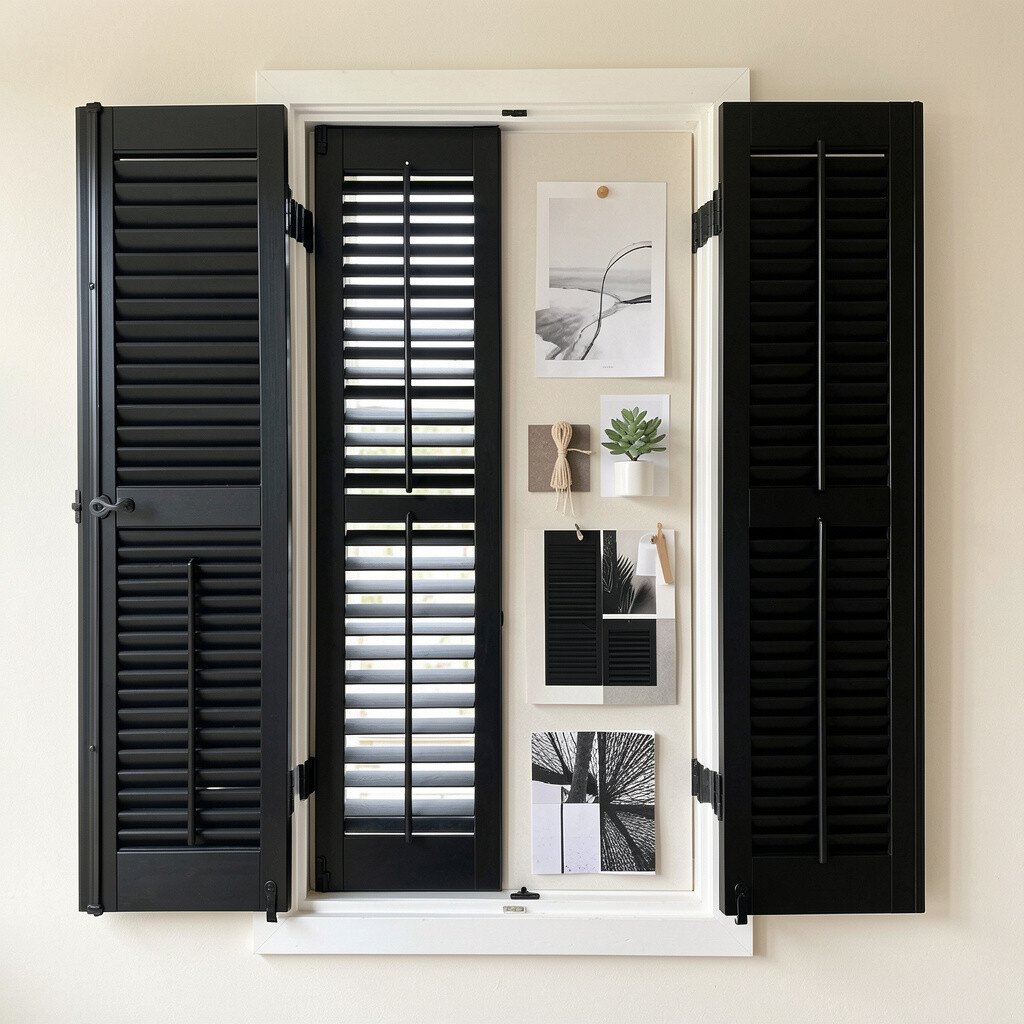
Black shutters look sharp, like a crisp picture frame around the window. They create strong contrast against light walls and can make a room feel instantly more designed.
This style has an edge, so it feels unique even with simple furniture. They also offer practical benefits because darker louvers can reduce glare and help manage bright sunlight. Choose a finish that resists fingerprints and smudges, since dark surfaces can show daily marks more easily.
For personalization, pair black shutters with warm metals like brushed brass or copper for a balanced look. Budget-wise, if full custom panels feel too much, consider black shutters for one standout room first. Measure carefully so the frame gaps look even and intentional from the curb.
10. Shutters in Entryways for Instant First Impressions
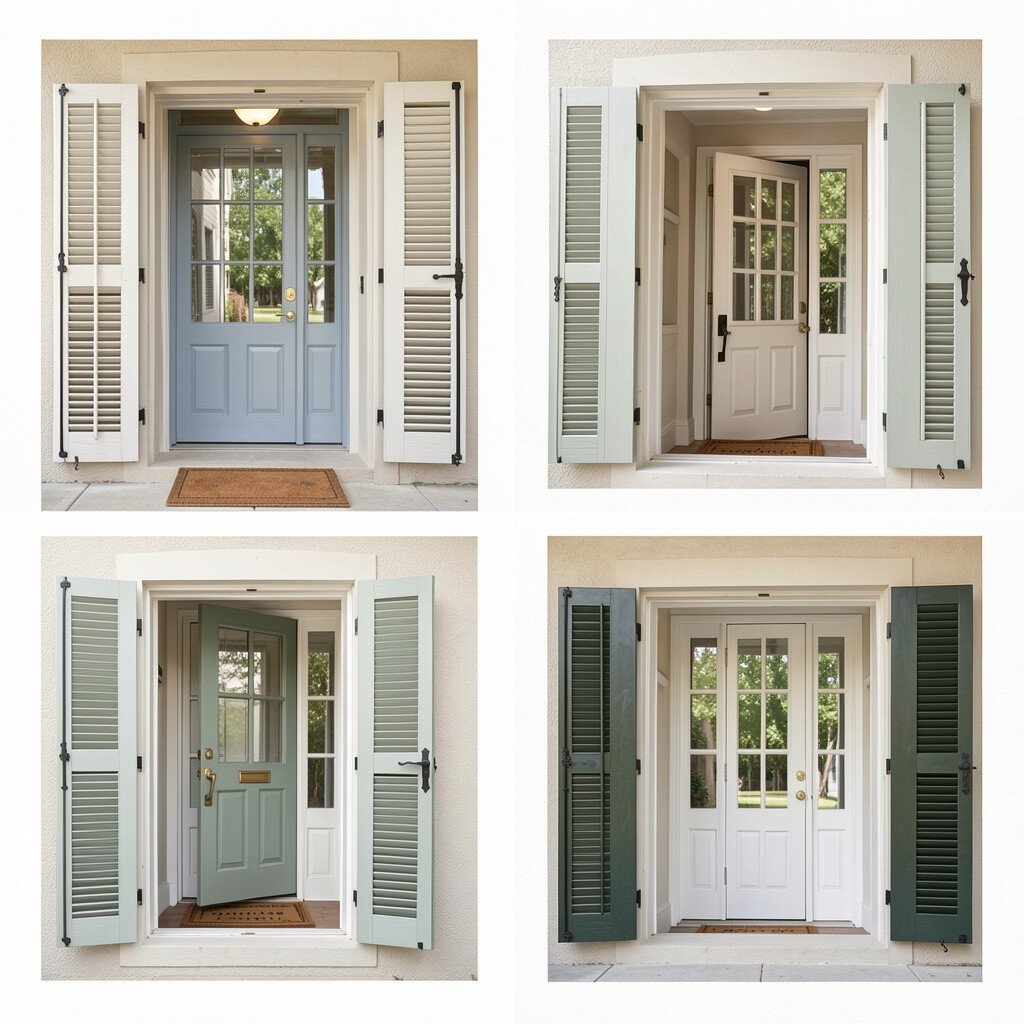
Your entryway sets the tone before anyone steps inside, and shutters help it feel polished right away. Think of a welcoming front hall with shutters that guide light toward the doorway.
Shutters here bring privacy benefits without blocking the sense of openness. They also help with practical comfort by reducing direct sun that can fade floors and artwork near the window. For best results, choose a finish that matches your door and hardware so the look feels cohesive.
If you want uniqueness without overspending, use a simpler panel design and focus on smooth operation. Add a coordinating wall color or seasonal decor so the shutters look like part of the overall plan. Make sure the mounting hardware is sturdy, since entry doors often get extra drafts and vibration from closing.
11. Floor-to-Ceiling Shutters for Maximum Light Control
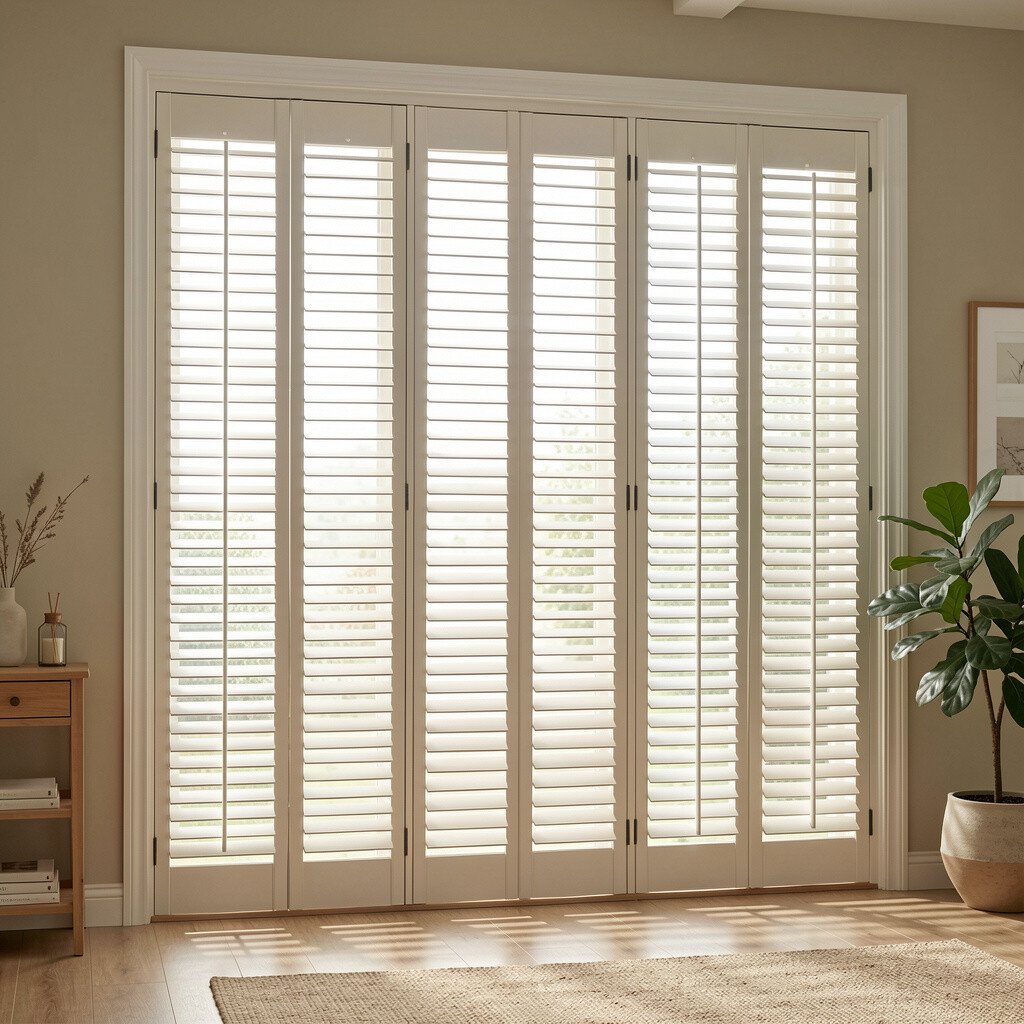
When shutters rise from near the floor to the top of the window, they create a dramatic, continuous visual line. The effect can make a room feel bigger and more tailored, especially in modern spaces.
This approach is unique because it combines style with strong functionality. You can fine-tune light during different times of day, from gentle morning glow to darker evenings for comfort. For practical tips, ensure the shutter height clears baseboards and that the louvers don’t collide with window sills or trim.
Cost can vary because full-height installs require careful measurements and sometimes special framing. To manage budget, prioritize full-height shutters on one or two key windows and keep others simpler. Ask about warranties and durable components, since floor-to-ceiling shutters often get more hands-on use.
12. Mix-and-Match Shutters Across Rooms for a Cohesive Style
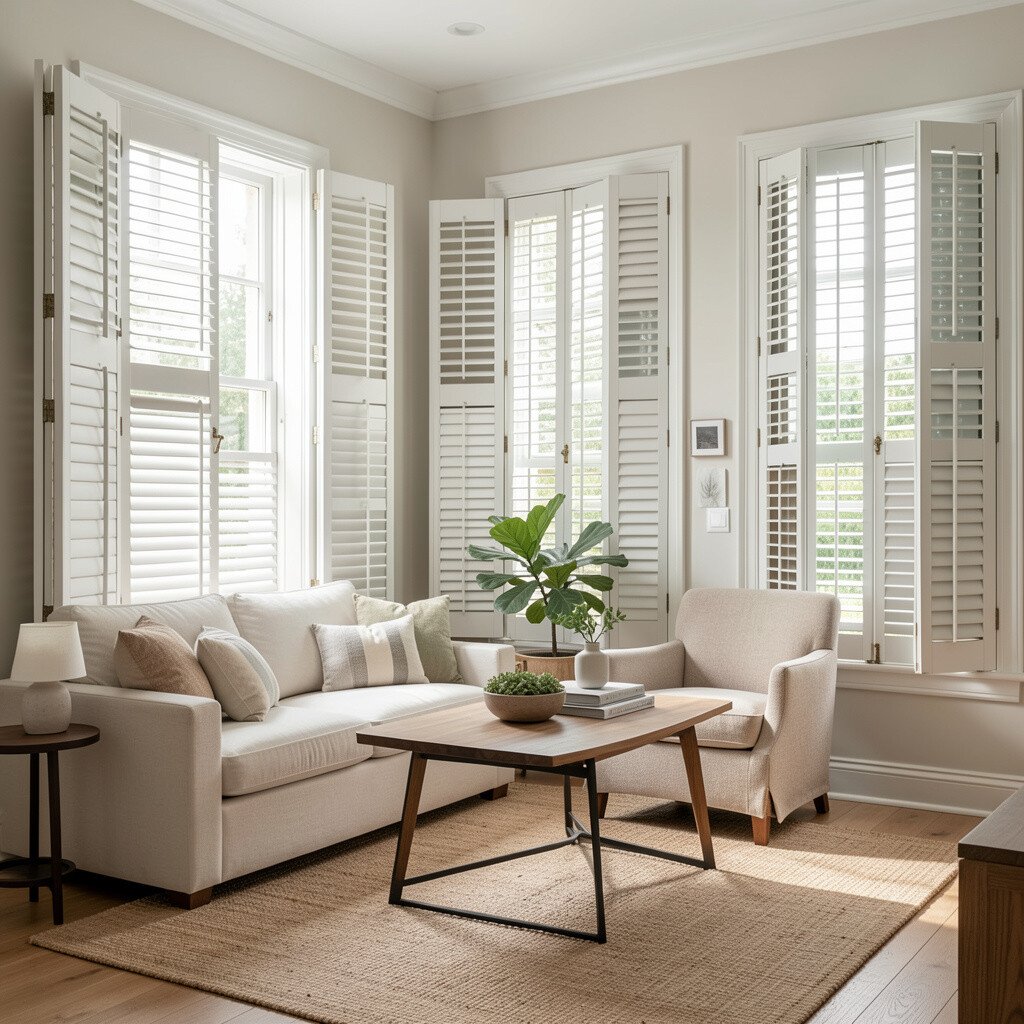
Mix-and-match doesn’t have to mean chaos, especially when you keep a shared color family. Imagine wood tones in the living room, crisp white in the kitchen, and a deeper accent in the bedroom.
This plan feels unique because your home becomes layered, like it has chapters instead of a single style. You also gain practical benefits because each room gets shutters that match its light, humidity, and activity level. For personalization, repeat one element everywhere, such as the same frame thickness or the same hardware color.
Keep cost considerations in mind by standardizing sizes when possible, since repeat order pricing can be better. Choose more durable finishes for high-touch areas and simpler designs for guest rooms. Before you commit, compare samples in the actual rooms so the undertones look right under your lighting.