The hallway buzz is perfect for building curiosity. These hands-on STEAM challenges give kids something tangible to work toward.
Each activity is designed for after-school energy, with clear steps, smart materials, and room for creativity. You can run them with simple supplies, or you can add your own local flavor.
1. Build a Bridge That Holds the Most Weight
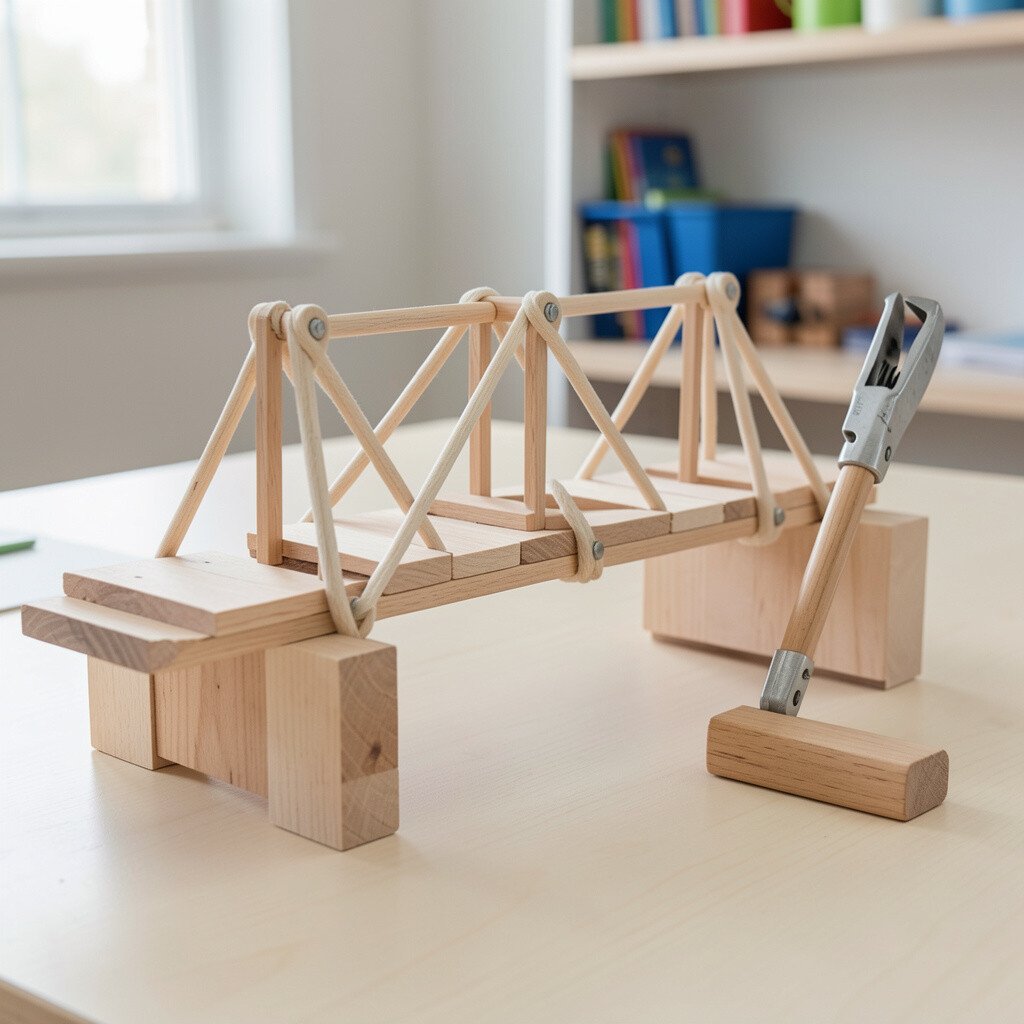
Watch the class huddle around a tabletop, wrapping paper strips or toothpicks into a bridge shape. You’ll see tiny teams testing with gentle hands, eyes wide as the structure reacts.
They learn forces, stability, and design thinking while practicing measurement and careful trial runs. For a practical setup, give every group the same base materials and a limit on how many pieces they can use, then encourage safe, incremental testing.
2. Engineer a Marshmallow Tower in Limited Time
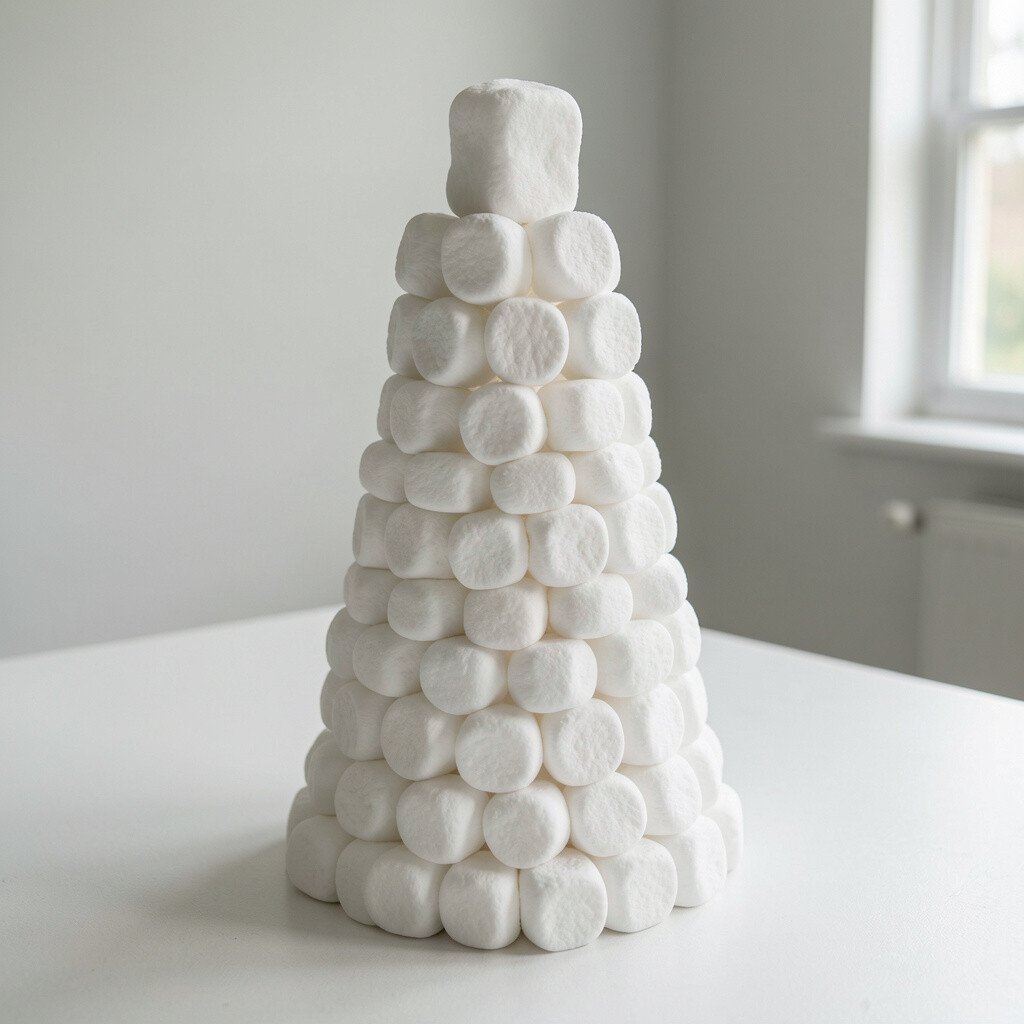
Rows of marshmallows and skewers look like a sweet science fair plan coming to life. When the timer starts, the room fills with quick sketches, firm teamwork, and lots of laughter.
Kids build persistence as they redesign after a collapse, and they practice communicating ideas clearly. To personalize, ask each group to name their tower and explain one choice they made, like using diagonals for strength.
If you’re thinking about cost, marshmallows and skewers are usually affordable, and you can reuse any unbroken parts for another round. A current trend worth leaning into is rapid prototyping, so keep the challenge focused on building fast, testing, and adjusting.
3. Create a Sound-Activated Drum Using Everyday Materials
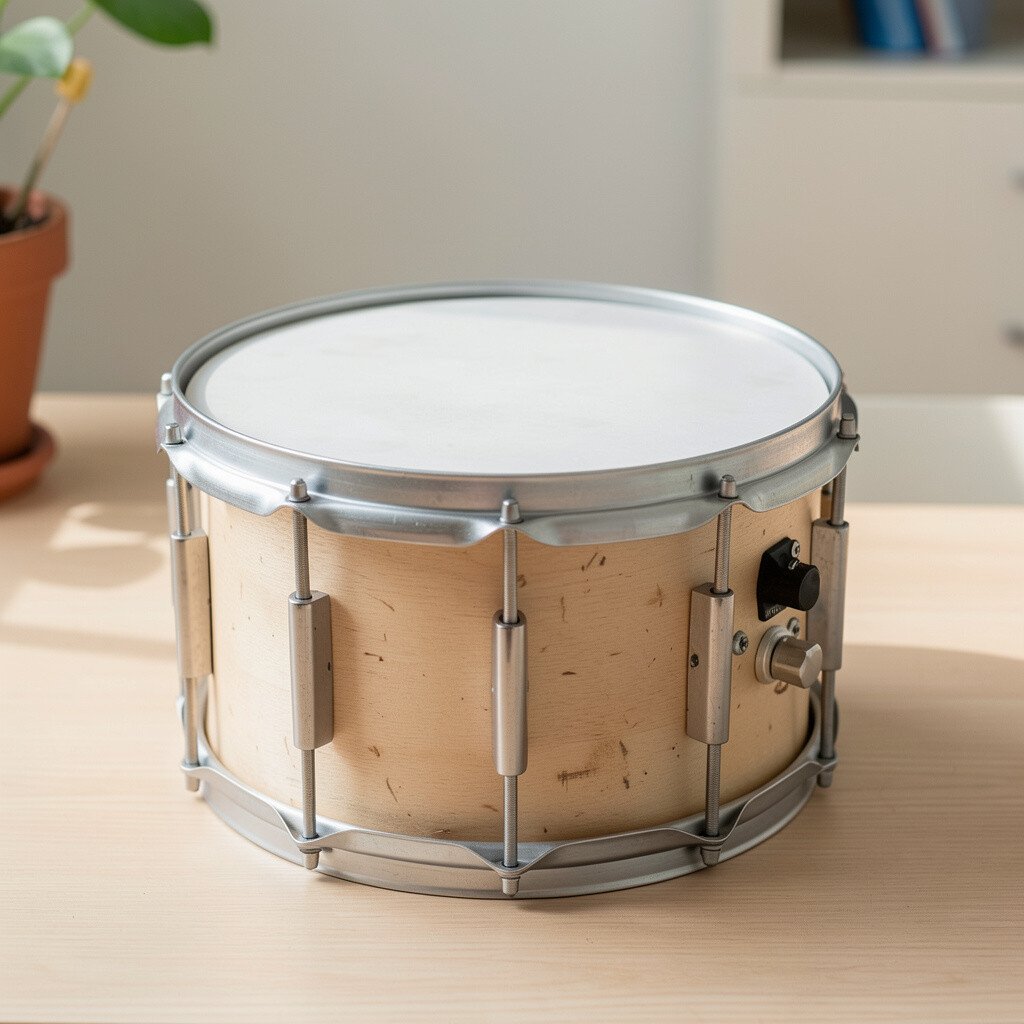
The table becomes a mini studio as kids attach elastic bands, coins, and recycled containers like they’re building their own instrument. You can almost feel the excitement when the first sound triggers the next action.
They connect vibrations, patterns, and basic electronics or mechanics, depending on your materials. For practical tips, start with a low-tech version using a sound-sensitive switch or a simple trigger so everyone can succeed quickly.
Let groups personalize by adding designs, symbols, or themed drum names to their outer casing. If you want to manage cost, use items you already have, like plastic cups, rubber bands, and cardboard, and reserve specialized parts for only a few stations.
4. Program a Scratch Story That Moves and Responds
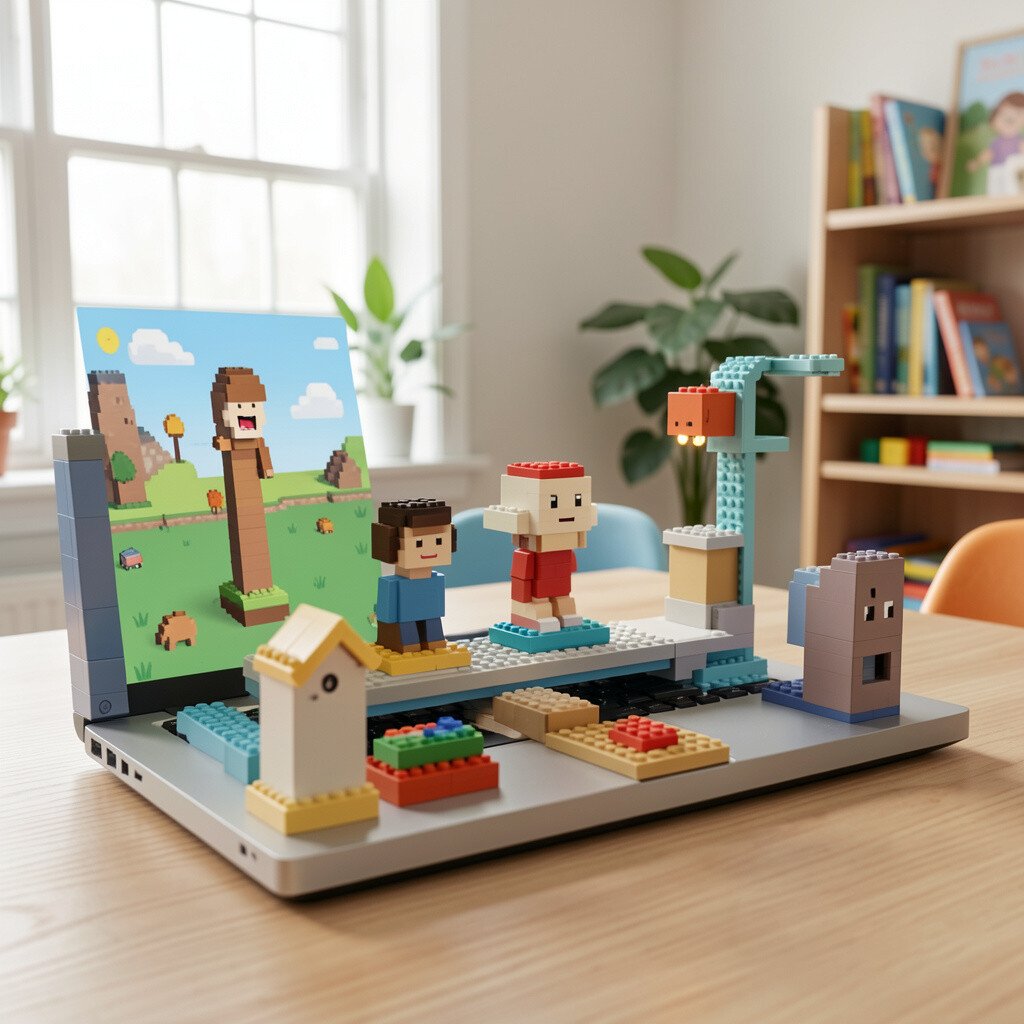
On screen, characters glide across a colorful stage, and the kids’ reactions are instant. You’ll hear them explain why they chose certain colors and how they want the story to react to input.
This challenge strengthens logical thinking and creativity, while teaching how variables and events work together in a friendly way. To keep it after-school friendly, provide a starter project with a couple of working features, then let teams add one new interaction.
5. Design a Water Filter That Produces Clearer Output
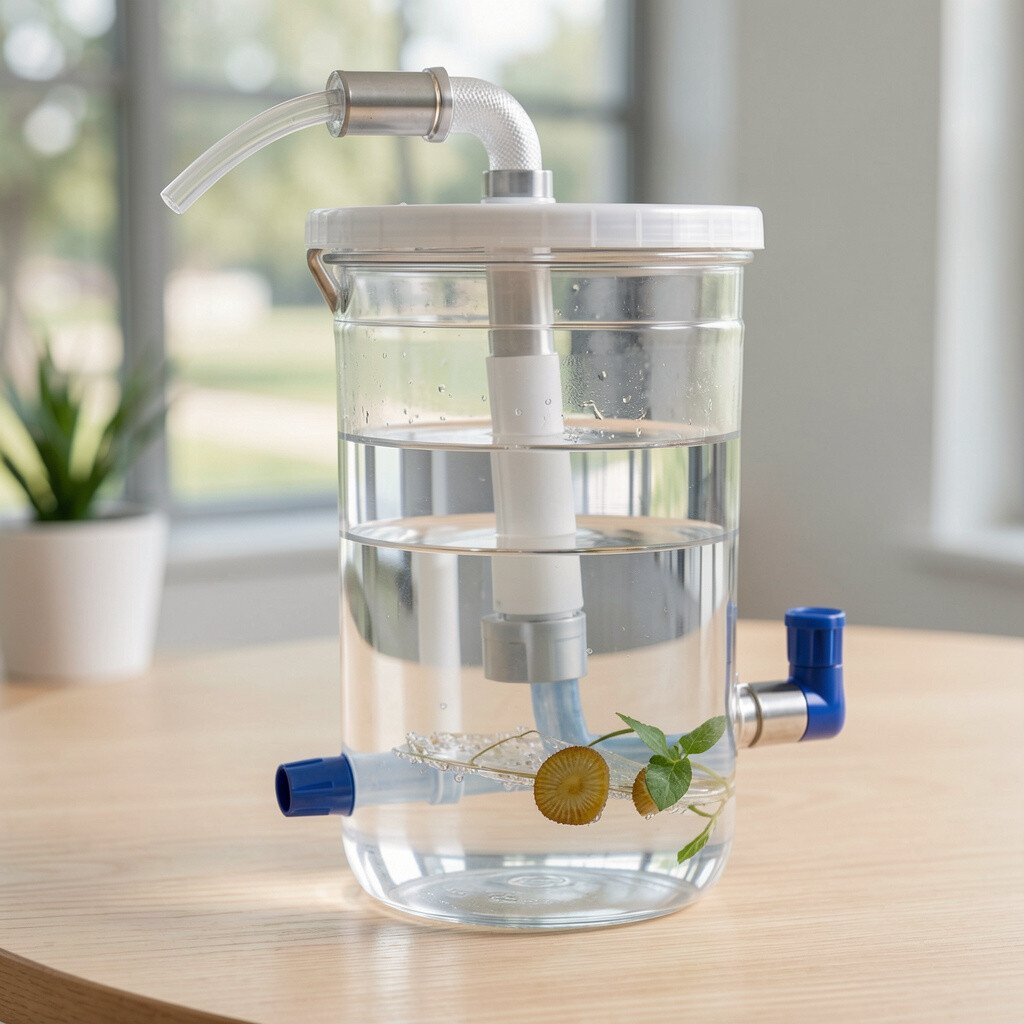
You’ll get that satisfying moment when students pour cloudy water through layered materials and watch the results. The visual difference, even if it’s subtle, pulls everyone in and keeps them talking.
They learn about systems, data observation, and cause-and-effect in a way that feels real. For practical tips, use a consistent amount of “dirty water” for each test so comparisons are fair, and ask kids to record what changed.
Let teams personalize by choosing materials like sand, gravel, charcoal, or cloth, while documenting their order. Cost can stay low by using safe, reusable supplies and focusing on one filter design at a time to reduce waste.
6. Build a Paper Circuit Nightlight
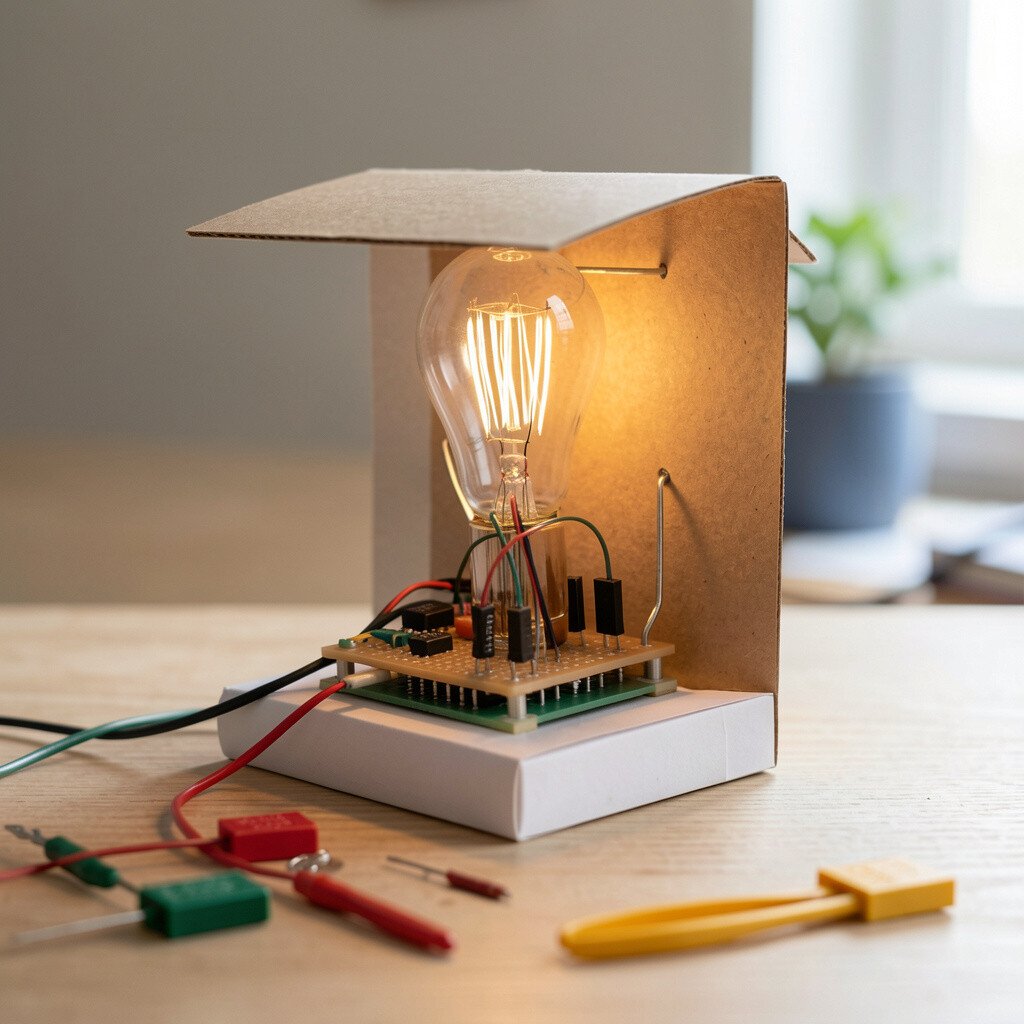
Dark corners of the room become dramatic when a paper design starts lighting up. Kids love tracing paths with conductive material and then snapping into the moment when their drawing glows.
This activity supports confidence in basic electronics and design, while also encouraging careful troubleshooting. Give each group a simple template for a shape, then let them add their own patterns, like stars, animals, or their school logo.
If you need cost control, consider one shared kit for multiple groups with brief rotations, so specialized supplies are used efficiently. A current trend in maker education is emphasis on tangible prototypes, so encourage kids to test their circuit early instead of waiting for the final version.
7. Launch a Balloon Rocket With a Mission Score
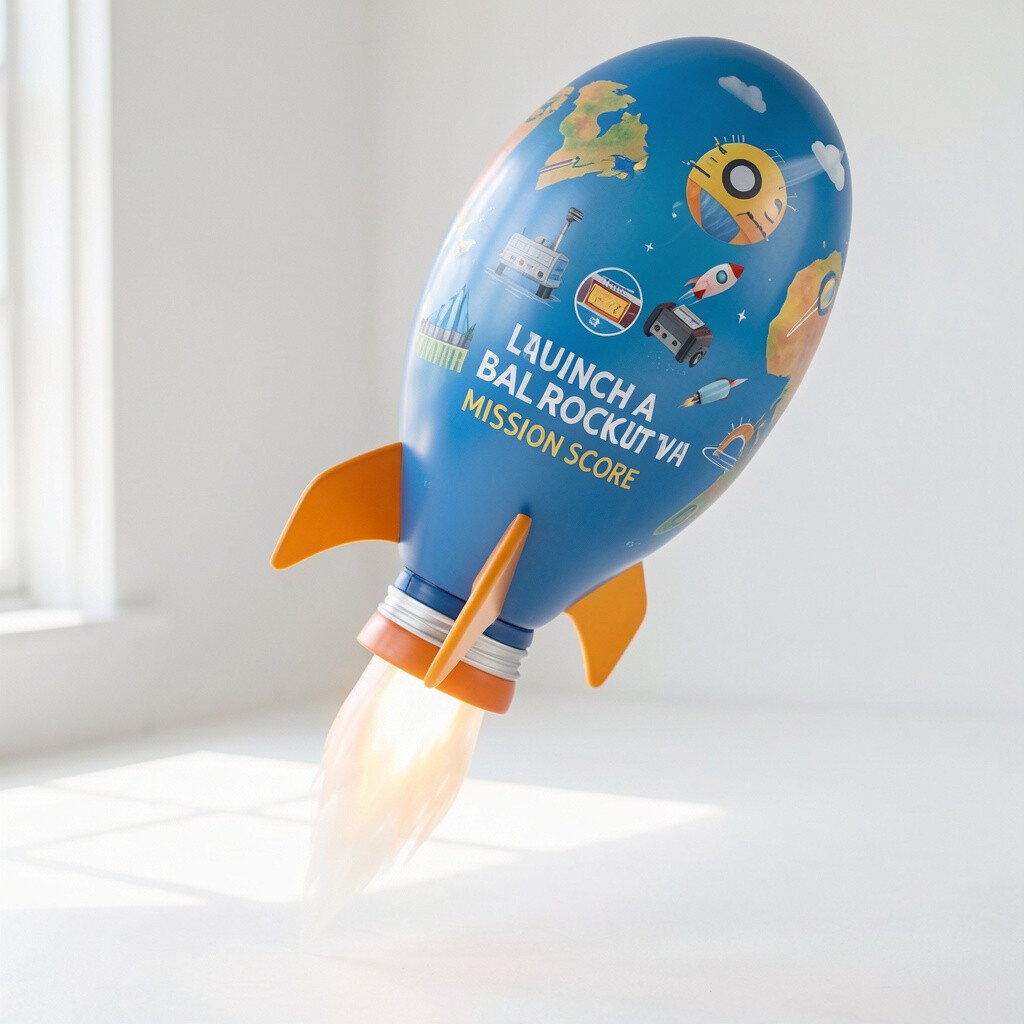
Shiny balloons, taped fins, and pointed nose cones make the setup look like a tiny space program. When the rocket flies, students cheer and then immediately argue about what made it go farther.
They practice physics, measurement, and iterative improvement using a simple and safe method. For practical tips, create a clear launch area, set consistent starting points, and use a measuring tape so scores feel meaningful.
Personalization can be as simple as color choices, fin shapes, or a “mission” theme like delivering a message to Mars. To manage cost, balloons are inexpensive and you can reuse fins made from foam trays or lightweight cardboard.
Keep the energy positive by celebrating better control and smoother flight, not just maximum distance.
8. Grow a Moss or Bean Microclimate Terrarium
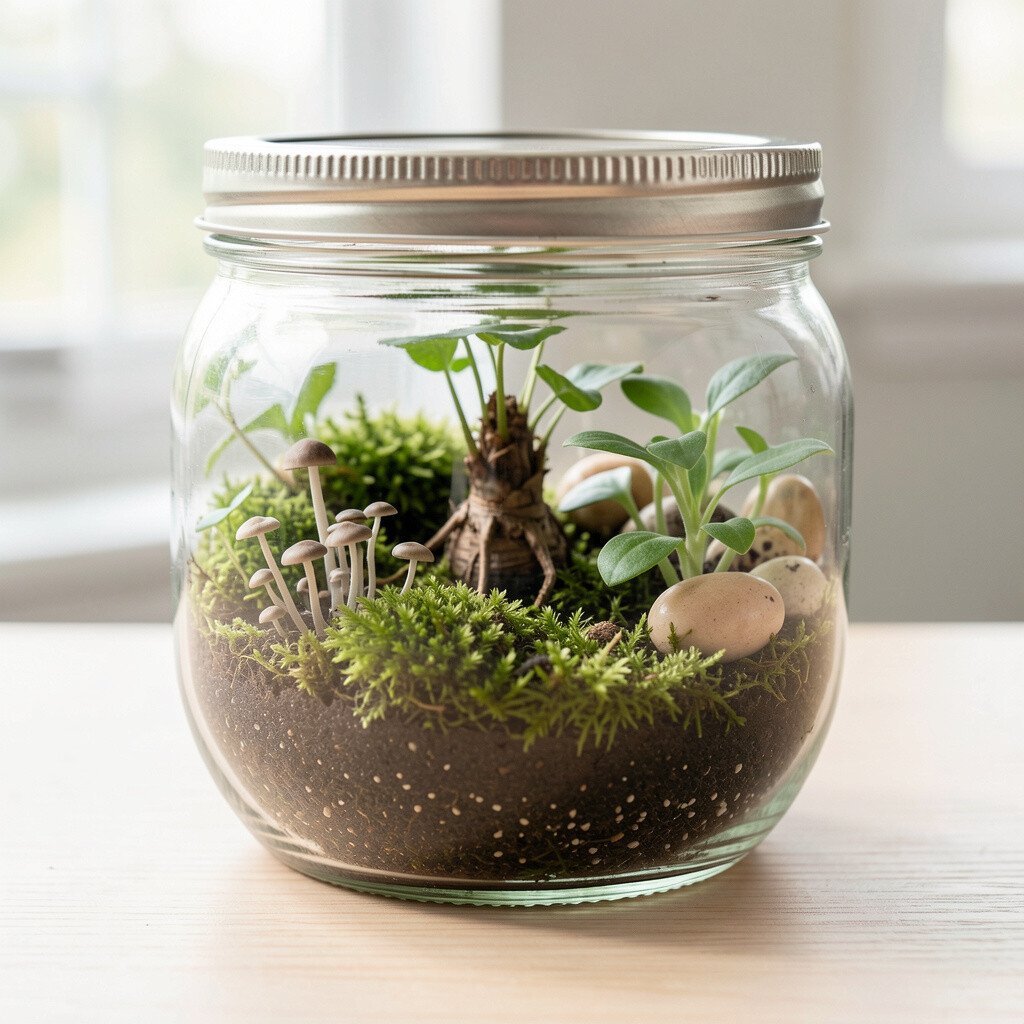
Glass jars filled with damp soil and tiny plants look like living planets on display tables. Kids lean close to watch mist settle and leaves perk up, turning a room into a mini ecosystem.
This challenge builds patience and understanding of biology and environmental variables. Let students personalize by naming their terrarium and adding themed labels like “Rainforest Room” or “Desert Dream.”
For practical tips, focus on consistent watering and light placement, then have groups predict what will change over time. Cost is usually manageable since you can use jar leftovers, potting mix, and affordable seeds or moss patches if allowed by your local rules.
9. Make a Stop-Motion Animation About a Real STEM Job
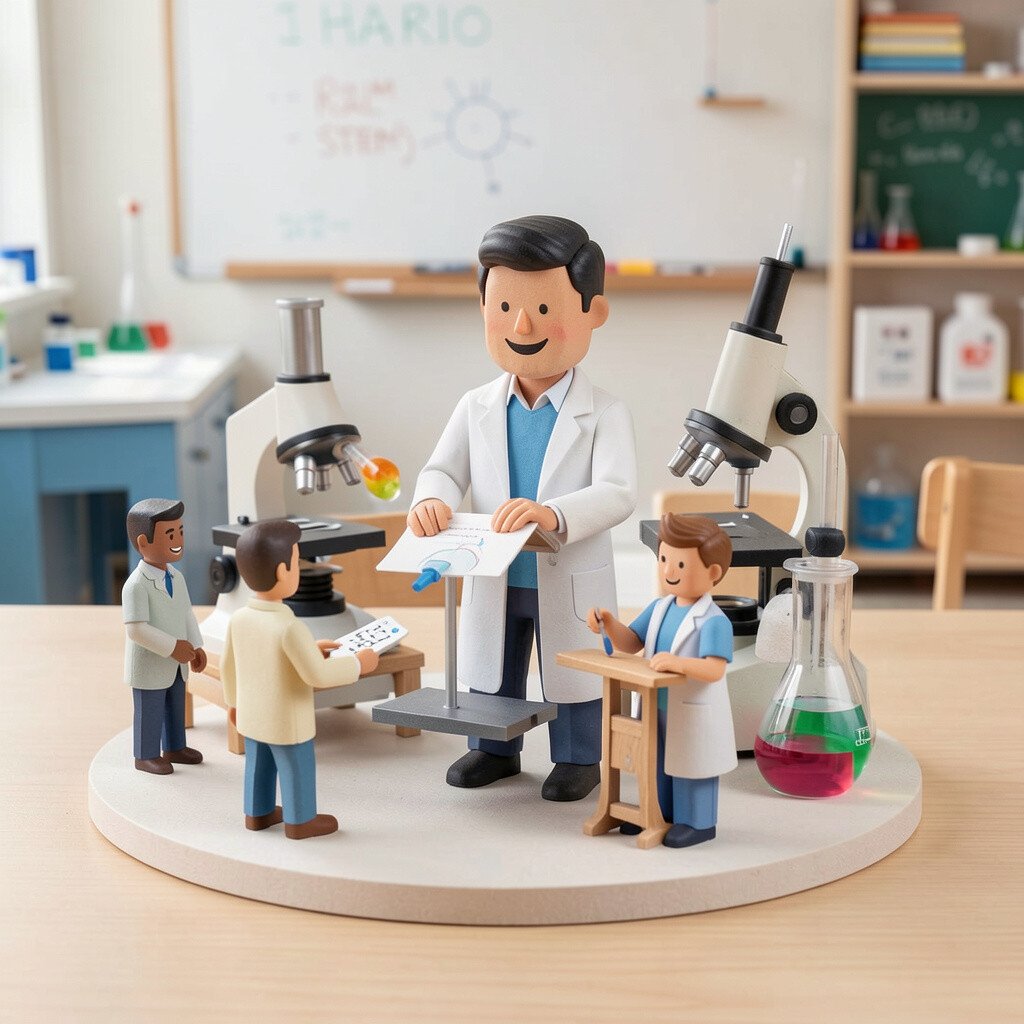
Each kid becomes a director as they place tiny objects and take frame-by-frame photos. When the video plays, the movement feels magical, even though they did the slow work one snapshot at a time.
They build storytelling skills and learn how STEM careers use design, testing, and iteration. For practical tips, give a simple storyboard template and limit them to a short scene so it’s doable after school.
Personalization shines when groups choose a theme like renewable energy, engineering support, or wildlife tech, then show a real job task in their scene. If you’re watching costs, you can use phones or basic tablets, and you only need a few props like paper cutouts, clay, or safe toy tools.
10. Create a Rube Goldberg Chain Reaction Challenge
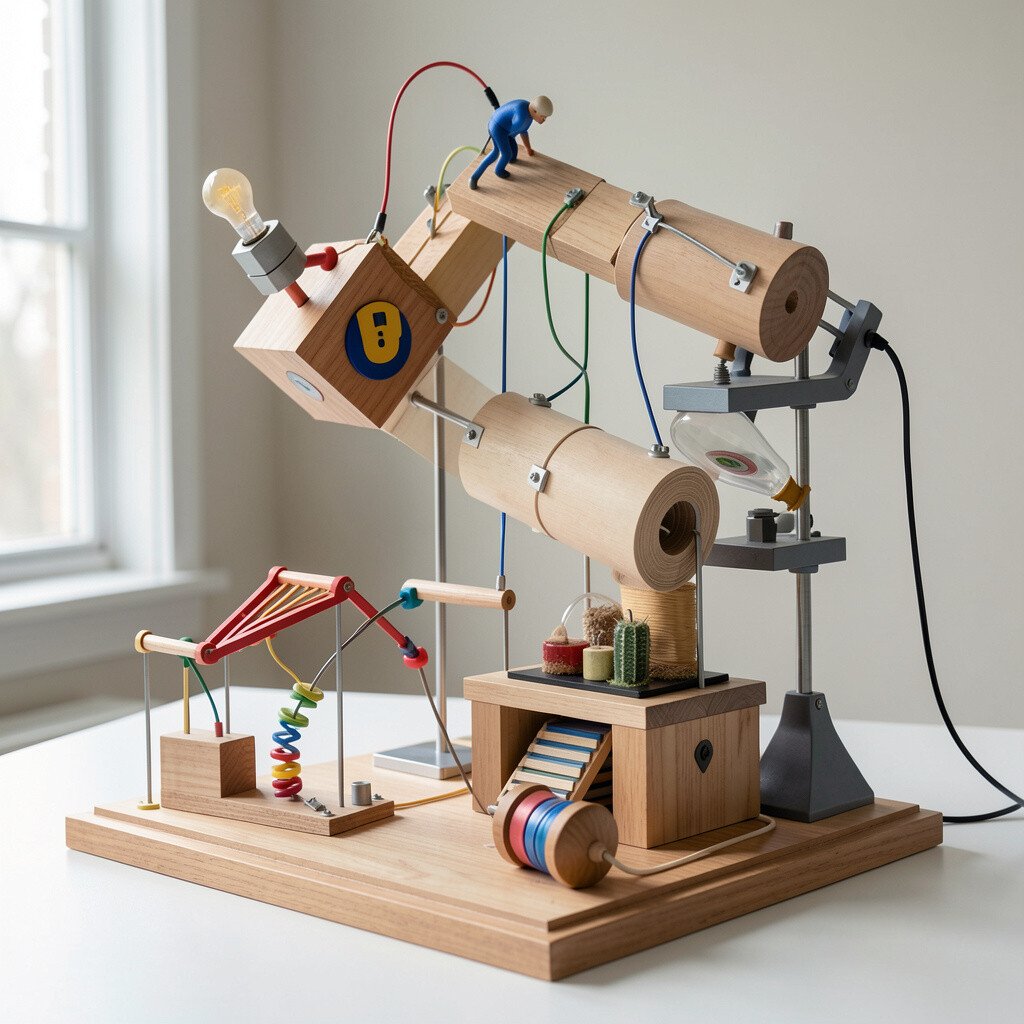
Marbles, paper ramps, and cranks spread across desks like a puzzle city. The class leans forward when the first trigger activates everything, one neat link at a time.
This activity teaches systems thinking and physics while training kids to plan, test, and fix mistakes. For practical tips, set a limited number of components, and ask teams to include at least one “fail-safe” feature that prevents a total breakdown.
11. Map a “Safety Route” Using Grid Coordinates
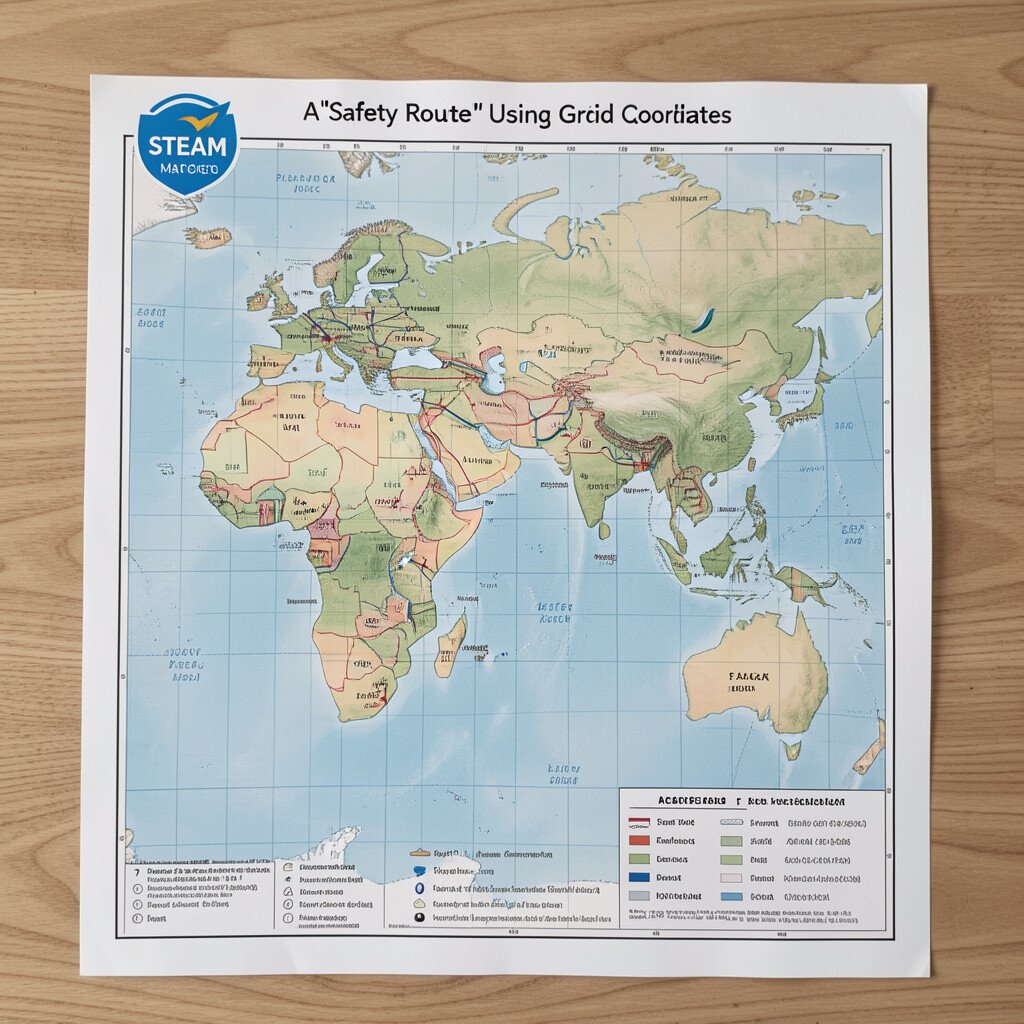
On a floor grid or large paper, kids move tokens like they’re guiding a small community through tricky paths. The visuals feel like a game, but the reasoning is serious and thoughtful.
They practice spatial thinking, coordinate ideas, and planning, while also considering real-world safety choices. For practical tips, add obstacles like “construction zones” or “busy areas,” then require teams to write a step-by-step plan they can explain.
Personalization can happen through local themes, like using a simplified layout of the school area, a park near home, or a neighborhood they know well. Cost stays low because you can draw maps with craft paper and markers, and you can reuse game pieces from other activities.
To match current trends, encourage kids to talk about accessibility, including routes that work for different mobility needs.
12. Design a Smart Habit Tool Using Simple Data Tracking
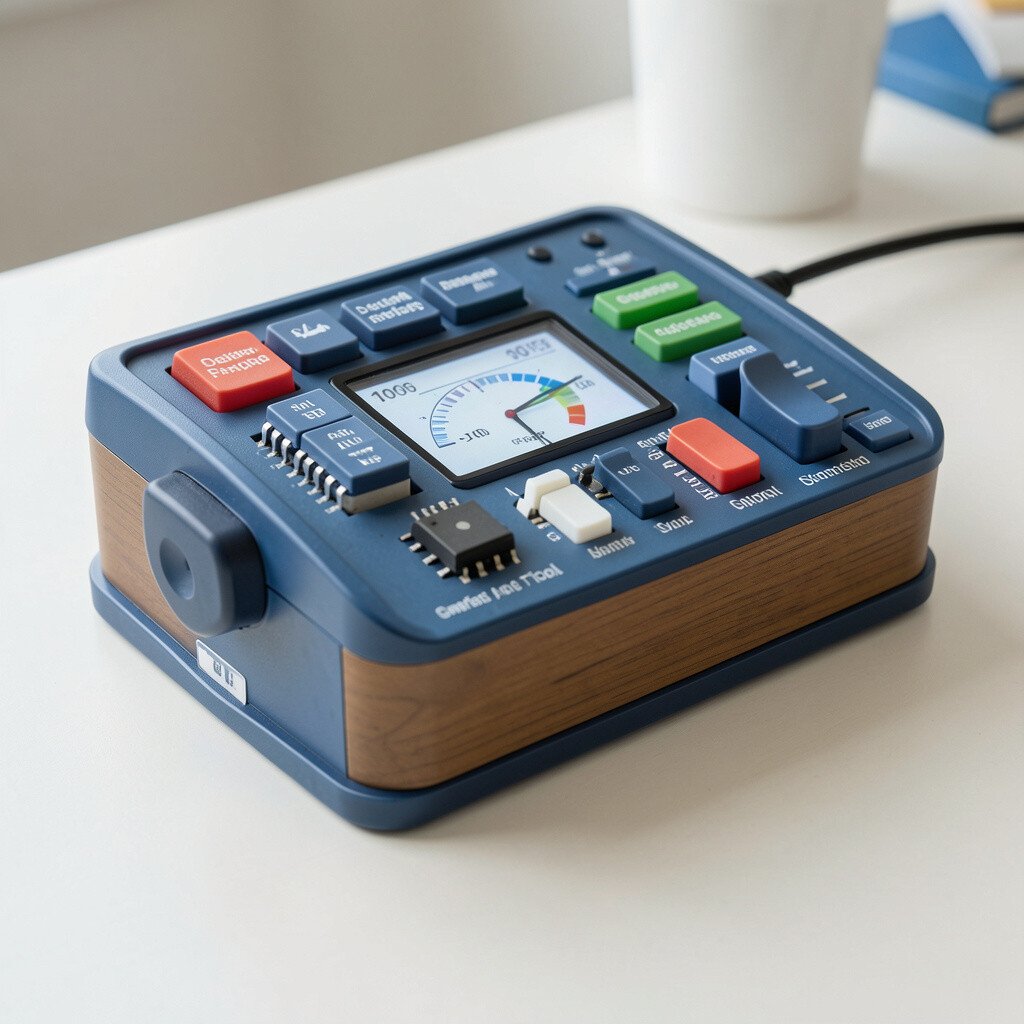
Kids create dashboards out of charts, stickers, or paper badges, and they love watching their progress stack up. The room feels motivating when students compare their own patterns and set friendly goals.
This challenge blends data basics with engineering thinking by turning a habit into a measurable system. For practical tips, have students choose one habit, define what success looks like, and decide what evidence they will track each day.
They can personalize their tools with themes like sports, space, or art, and they can pick colors that match their favorite characters. If you want cost awareness, simple printouts, sticker sheets, and recycled folders are usually enough, and you can rotate materials so everyone gets time without needing a big budget.
When kids share their results, it supports communication and reflection, which fits well with today’s focus on learning through real-life habits.