
A chef knife can make cooking feel smooth and calm. The right one can also make your food look better and your hands feel safer.
1. Choose a Classic Western Chef Knife
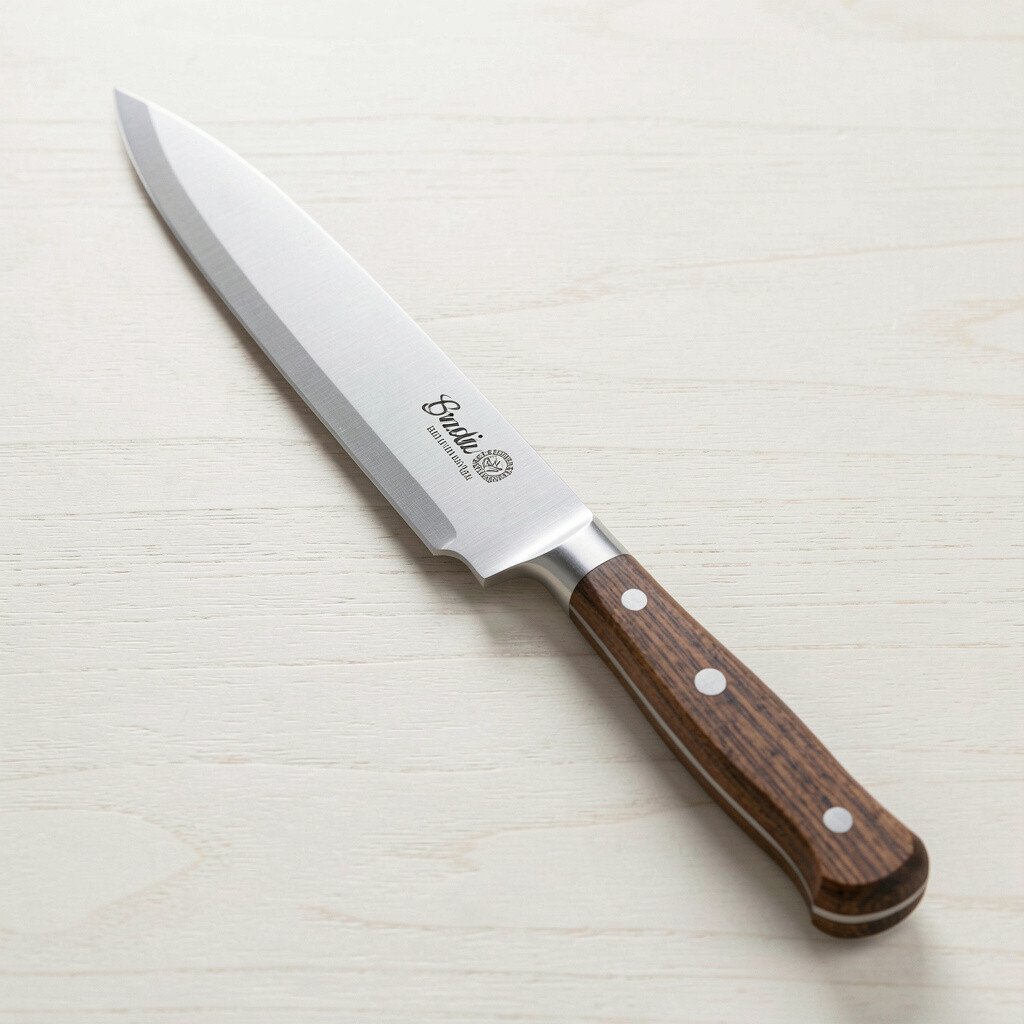
A classic Western chef knife has a wide blade, a strong spine, and a look that feels familiar in many kitchens. It usually feels steady in the hand, which helps when you chop onions, slice carrots, or break down a big pile of herbs.
This style is a smart pick if you want one knife that handles many jobs without fuss. Many home cooks like its friendly price range and sturdy feel, and you can make it your own by picking a wood handle, a bright steel finish, or a size that fits your hand.
2. Try a Japanese Gyuto Style
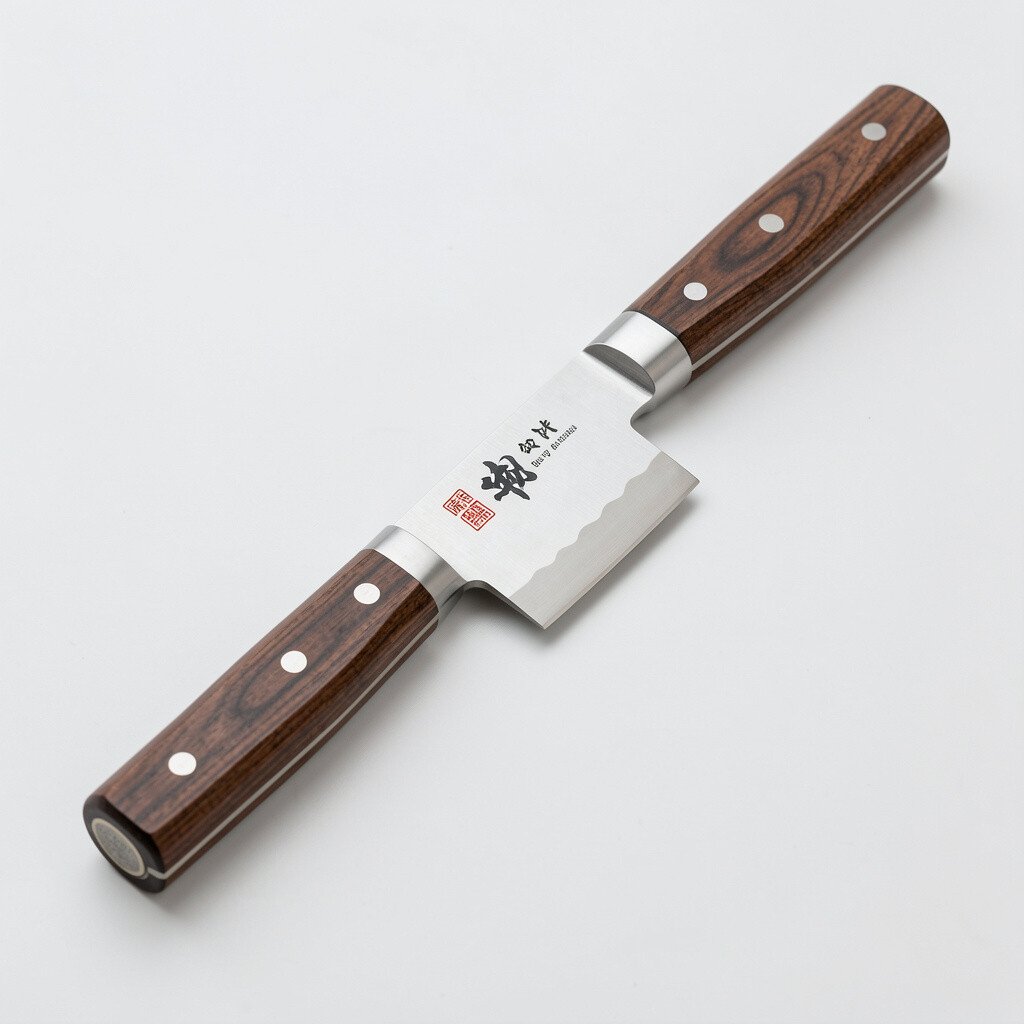
A gyuto often looks slimmer and lighter than a Western chef knife, with a graceful blade that seems to move fast. That clean shape can make prep feel quick and neat, especially when you want thin slices of fish, meat, or vegetables.
Many people love the sharp edge and easy control, but it can take a gentler touch on hard cutting boards and frozen foods. If you want a custom feel, look for a handle shape that matches your grip and a blade length that suits your counter space, while watching prices because some handmade versions cost much more.
Modern kitchens also lean toward this style because it feels sleek and simple. The slim profile looks beautiful on a magnetic strip, and that visual charm can make even a small kitchen feel more polished.
3. Pick a Knife With a Comfortable Handle
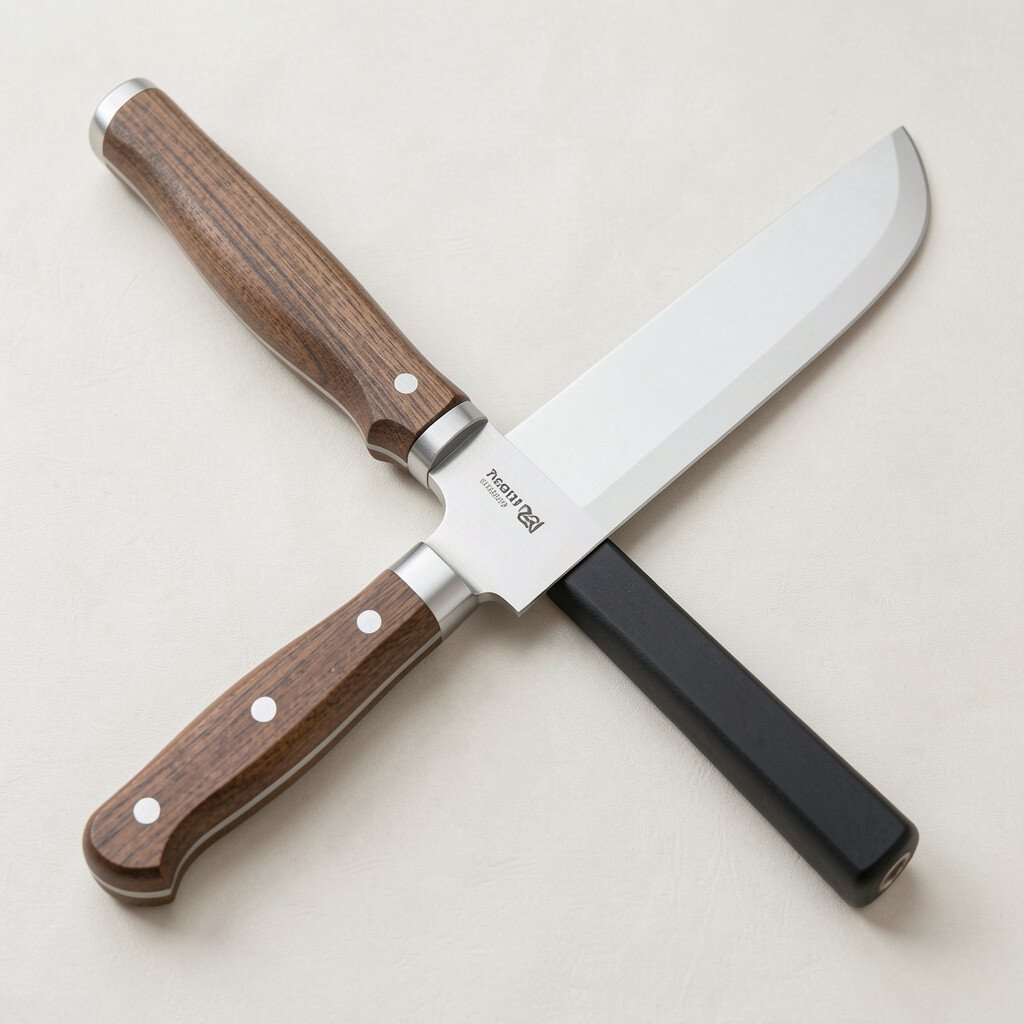
A comfortable handle can change the whole cooking mood, even if the blade is plain. When the grip fits well, your wrist feels less tired and your cuts stay more even.
Some handles are round, some are flat, and some have a shape that guides your fingers into place. You can personalize the feel by testing different materials like wood, resin, or stainless steel, and it is worth paying a bit more if the balance feels right for long cooking days.
Color and texture also matter more than people think. A handle with rich grain or a soft matte finish can look warm and inviting, while still giving you the control you need.
4. Go for a Blade Length That Matches Your Tasks
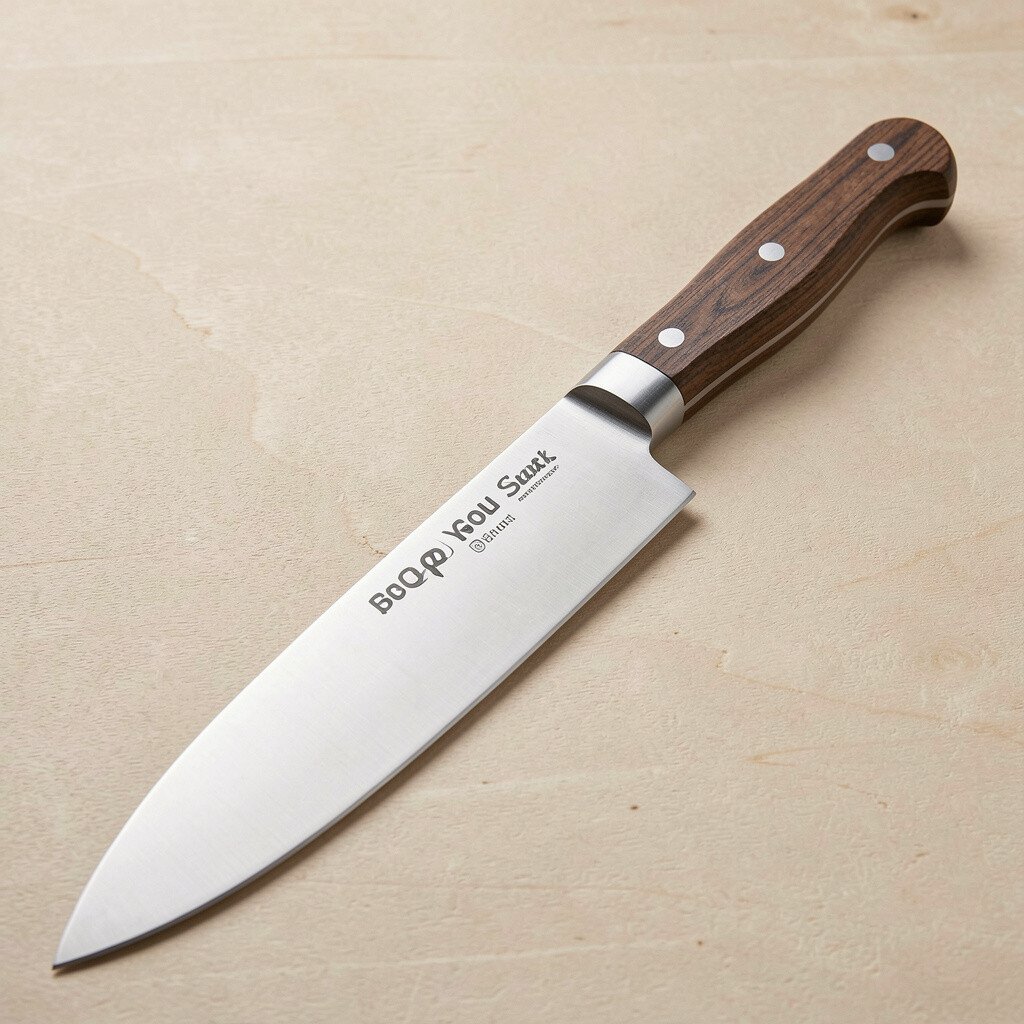
The right blade length can make prep faster and safer because you are not fighting the knife. A shorter blade can feel easy for small kitchens, while a longer one can glide through big vegetables and larger cuts of meat.
Think about what you cook most often before you spend your money. If you make quick family meals, a mid-size blade may be the best value, and you can choose a style that fits your hands without making the knife feel too heavy.
5. Look at High-Carbon Steel for Sharp Results
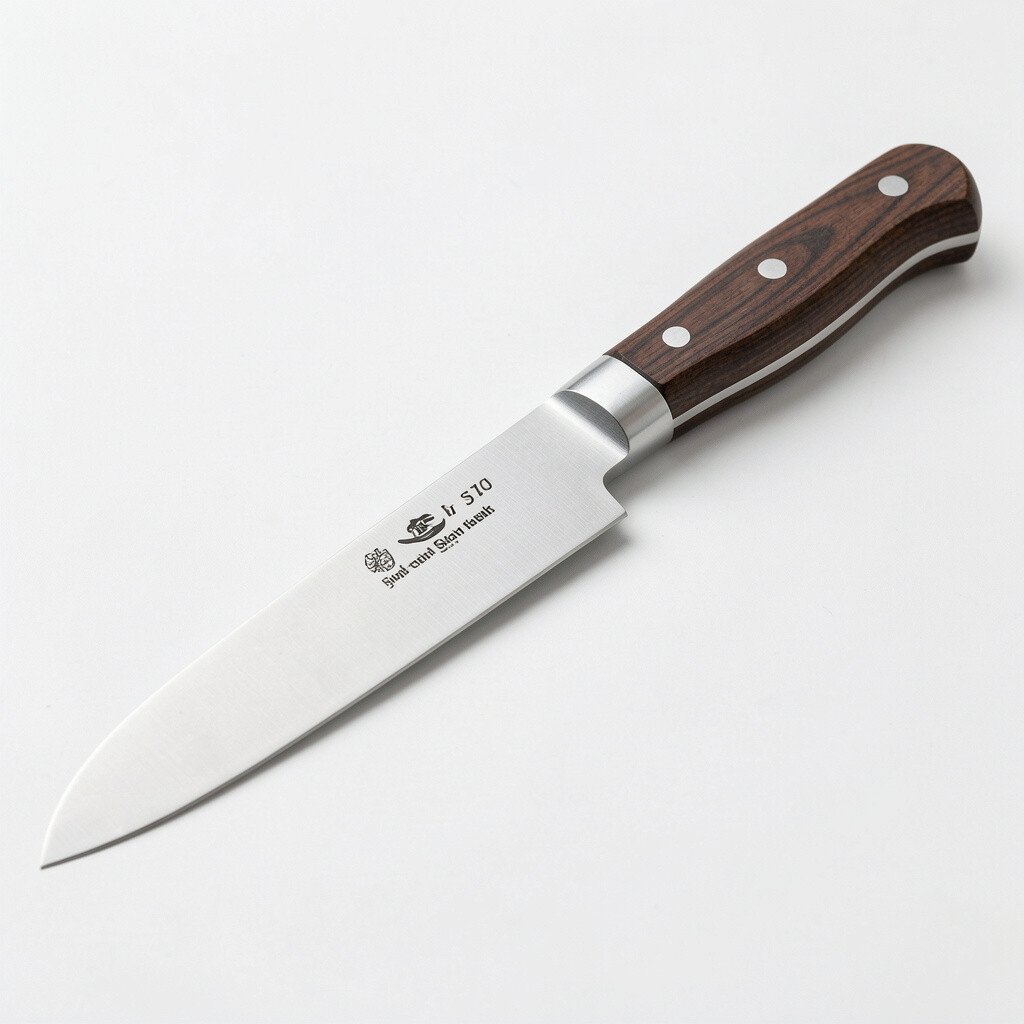
High-carbon steel chef knives often have a bright, clean look and a very sharp edge. They can cut with less pressure, which helps when you want neat tomato slices or fine onion dice.
This kind of steel does need a little more care, since it can stain if left wet too long. Many cooks still choose it because the edge performance feels worth it, and a simple wipe-dry habit keeps the blade looking nice while protecting your purchase.
Some newer versions mix carbon steel with better rust resistance, which fits today’s desire for easy care. That blend gives you a sharp tool with less worry, and it can be a good middle path if you want performance without a high-maintenance routine.
6. Add a Granton Edge for Less Sticking
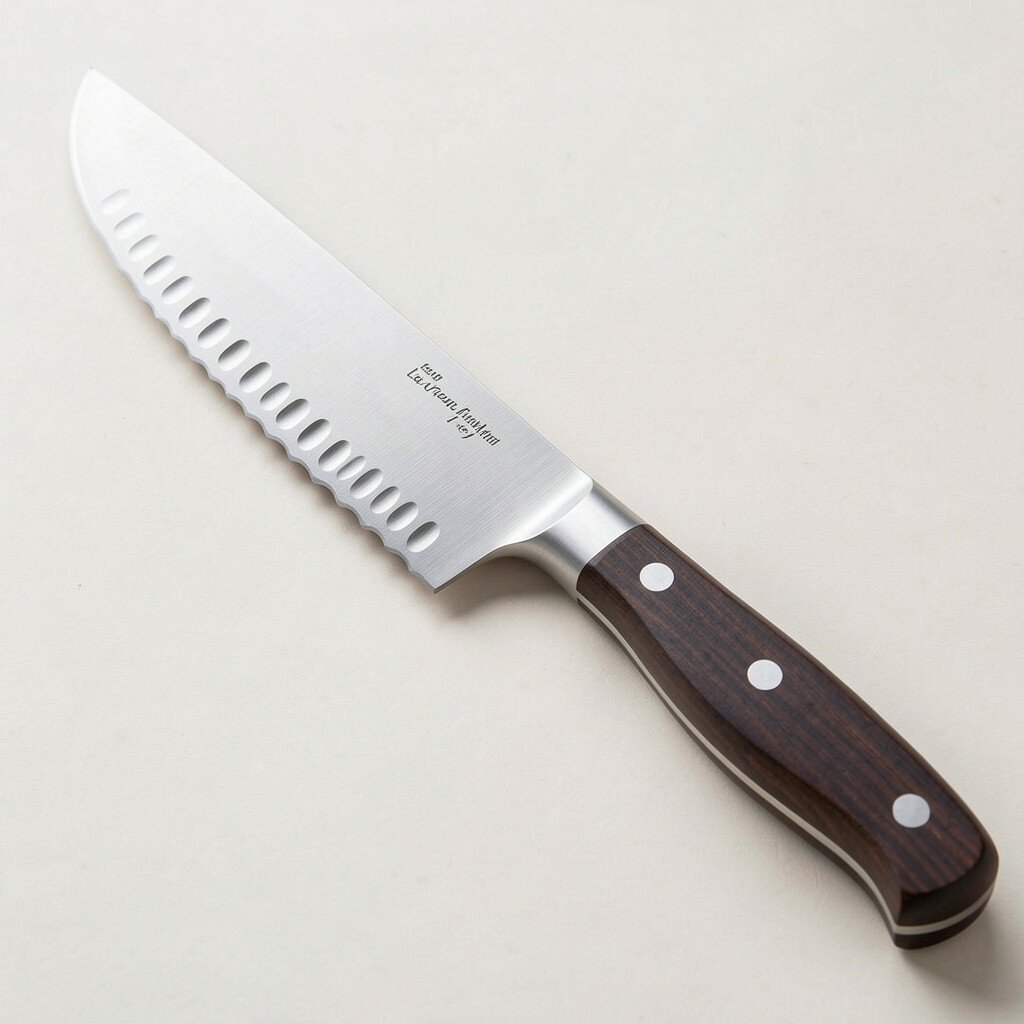
A Granton edge has small dimples along the blade that can help food slide off more easily. The blade often looks interesting and a little sporty, and that visual detail can make the knife feel special in your drawer.
This design is handy for potatoes, squash, cucumbers, and soft proteins because the slices do not cling as much. It can save time and keep your cuts neat, and the price is often close to a standard chef knife, so it is an easy upgrade for many cooks.
7. Choose a Forged Knife for a Stronger Feel
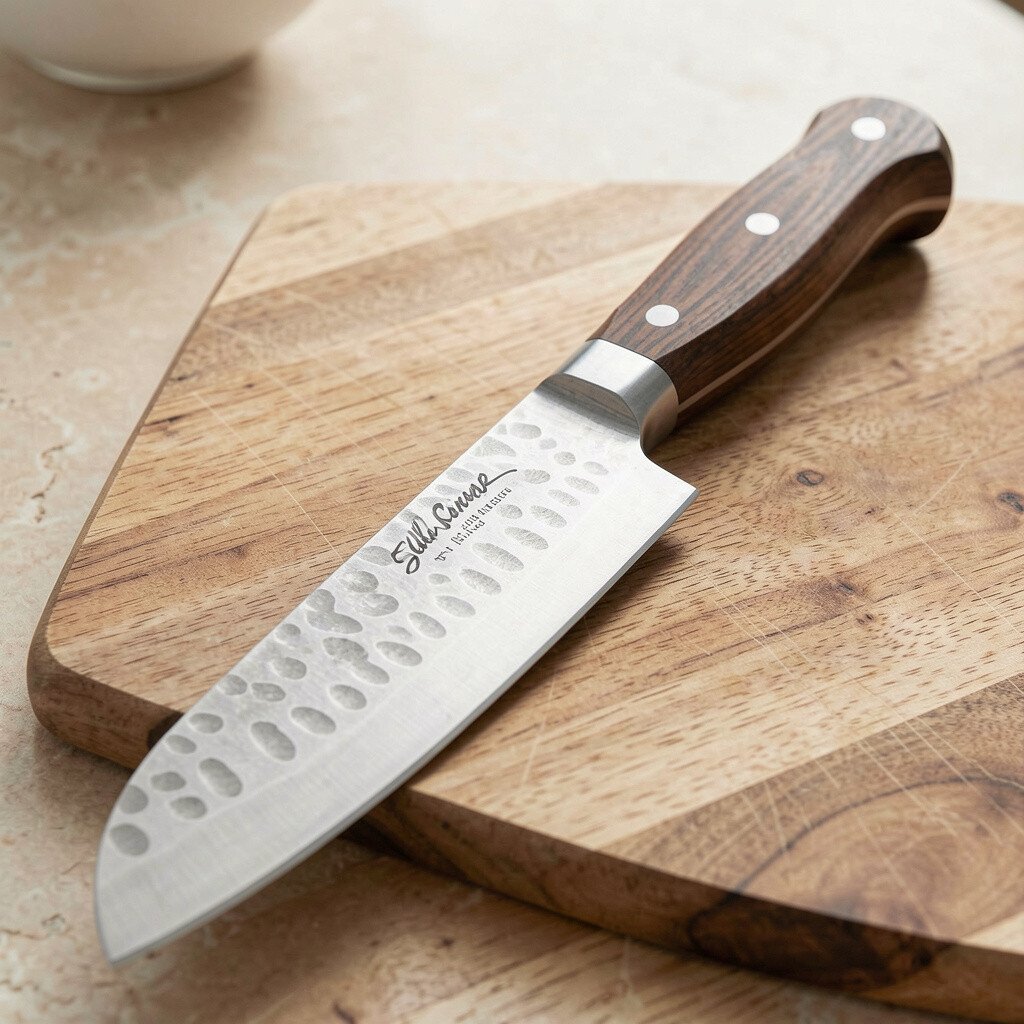
A forged chef knife usually has a thicker heel and a blade that feels solid from tip to handle. That heavier look can give a sense of confidence, especially when you work through dense foods like sweet potatoes or winter squash.
Forged knives often balance well in the hand, which can make cutting feel smooth and steady. If you want a personal touch, try one with a shaped bolster or a handle style that feels made for your grip, though you may pay more than for stamped models.
Many cooks like the old-school feel of a forged knife because it seems built to last. The trend now is toward tools that mix that strong look with lighter weight, so you can get power without feeling worn out.
8. Try a Lightweight Stamped Blade
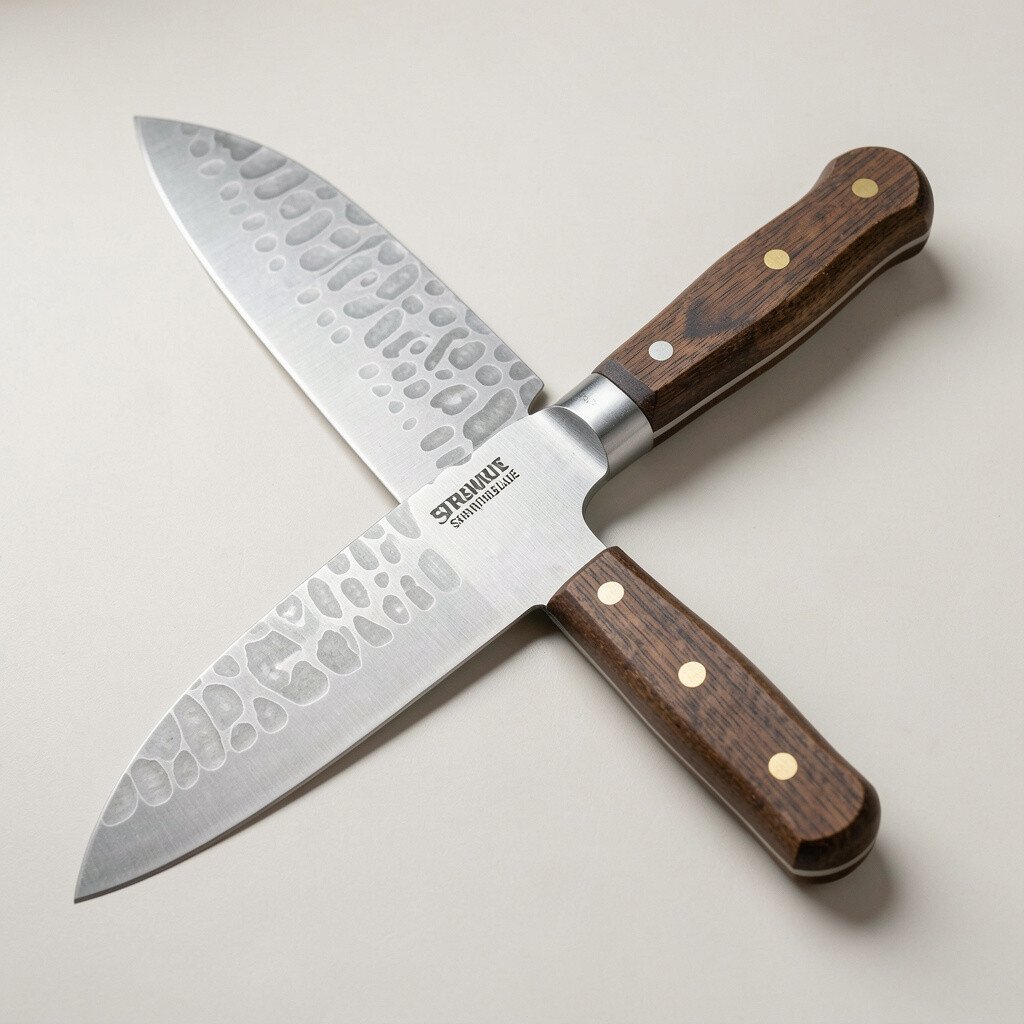
A stamped blade often looks simple and clean, with a thin shape that can feel easy to move around. The lighter weight may help if you cook for a long time or have smaller hands.
These knives are often more affordable, which makes them a smart choice for new cooks or busy families. You can make one feel more personal by pairing it with a colorful sheath or matching it with the rest of your kitchen tools, and the lower cost can leave room for a better cutting board or sharpener.
Even with a lower price, many stamped knives can still work very well for everyday meals. A good one can bring speed and comfort without asking for much from your wallet.
9. Select a Knife With a Thin, Flexible Tip
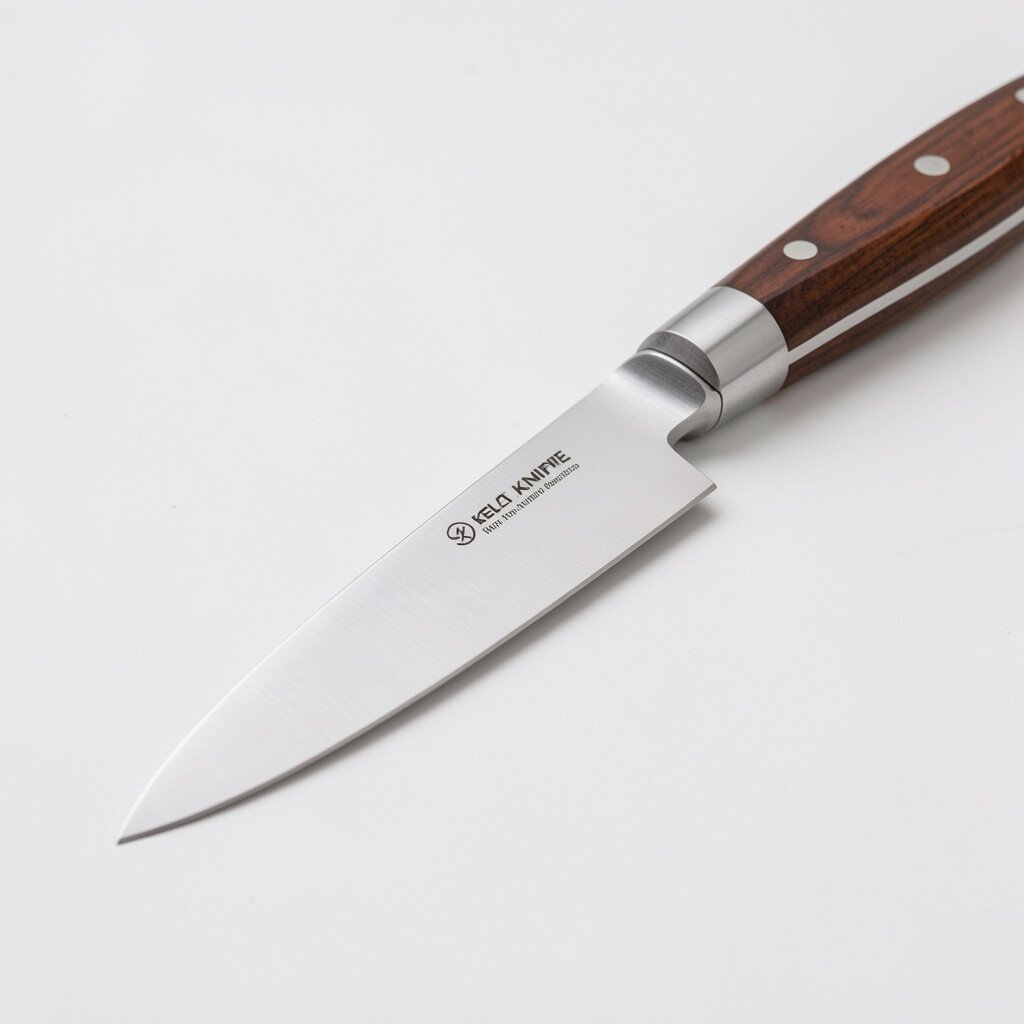
A thin tip can give your chef knife a graceful look and better control for fine work. It helps with trimming fat, removing seeds, and making tiny cuts that need a careful hand.
This kind of blade can feel unique because it moves almost like an extension of your fingers. It is useful to keep the tip sharp and protected, and if you want a custom feel, choose a knife with a slight curve that matches your style of rocking or slicing.
These finer blades fit well with current cooking trends that focus on neat plating and clean prep. They can cost more if the steel is premium, but many cooks enjoy the extra control and the pretty, delicate shape.
10. Pick a Chef Knife With a Dark Finish
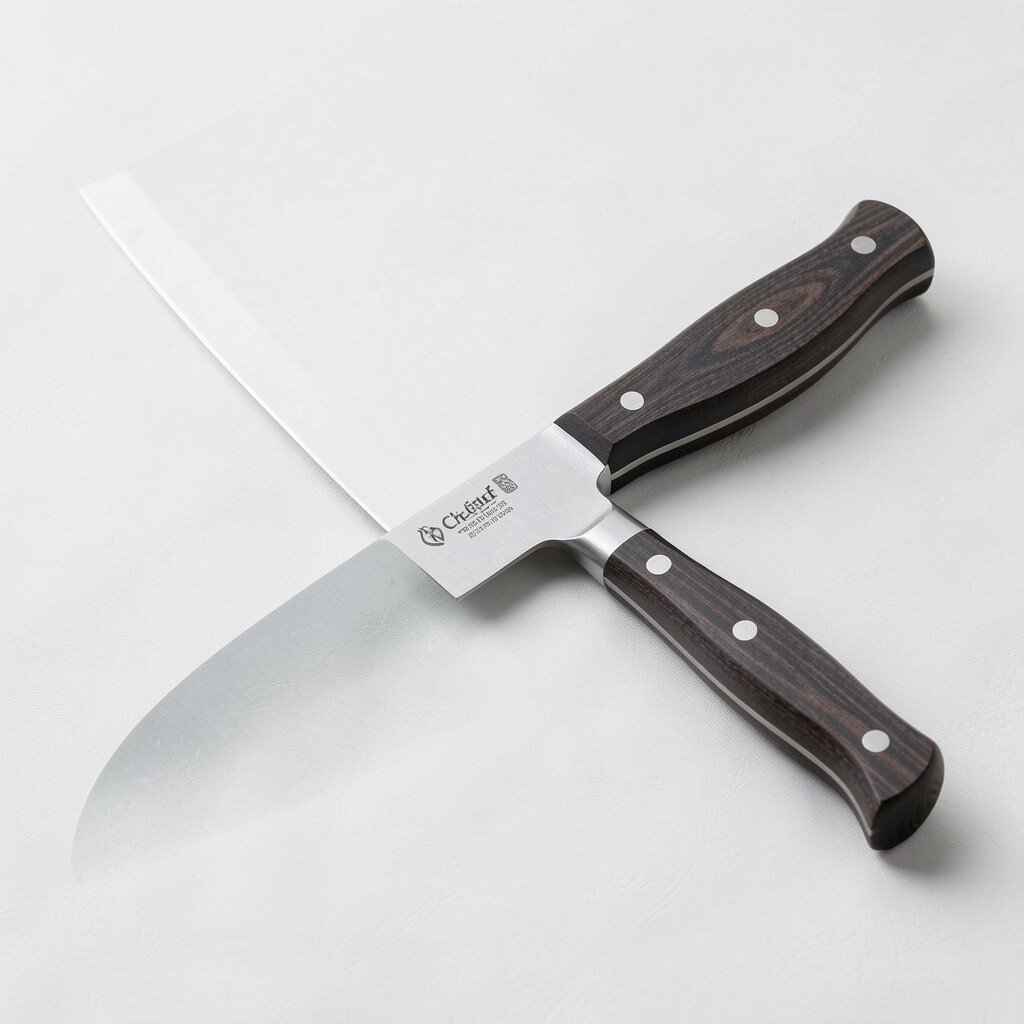
A dark finish can make a chef knife look bold and modern, almost like a tool from a professional kitchen. The dark blade stands out on the counter and can make your prep space feel more stylish.
Some dark-coated knives also help reduce food sticking and may hide scratches better than shiny steel. If you want to make the knife your own, look for a handle in a natural wood tone or a bright accent color, and compare prices because coated blades can range from budget-friendly to premium.
11. Look for a Well-Balanced Knife
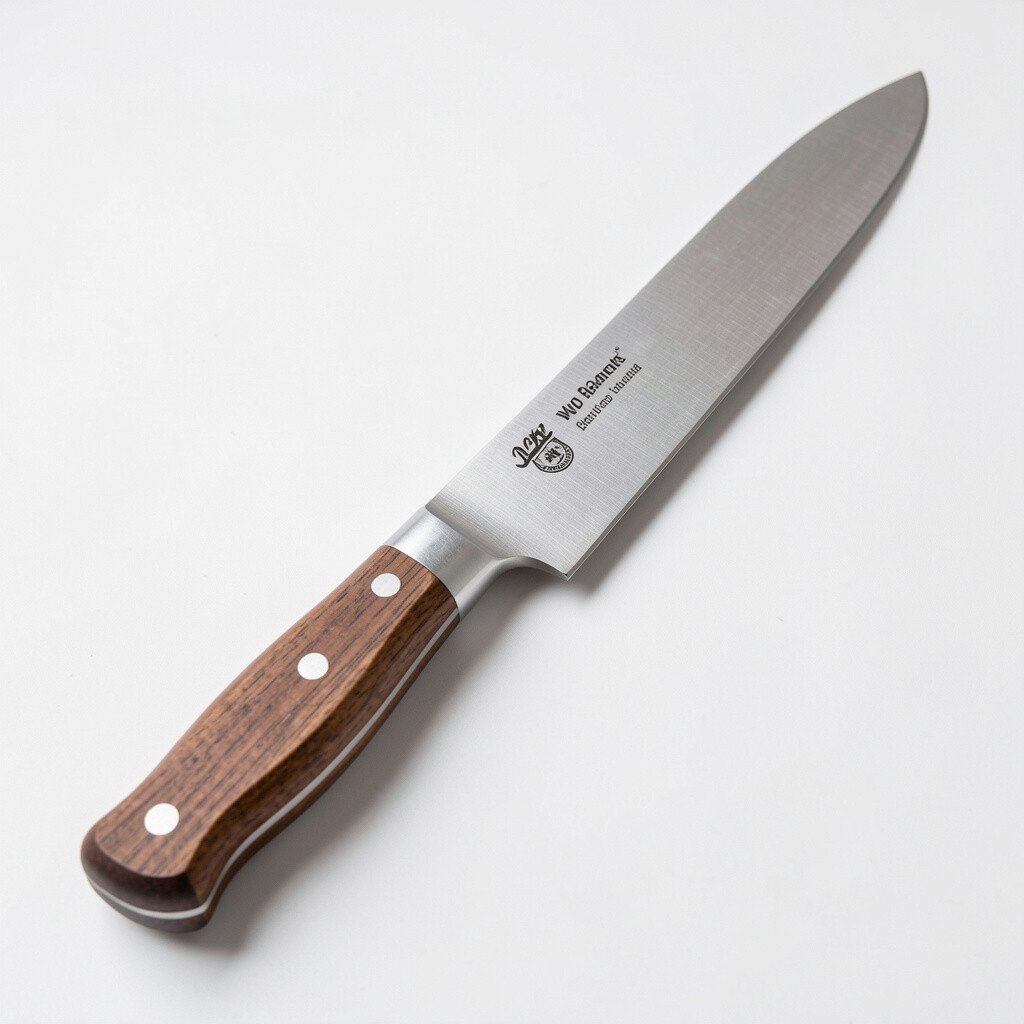
Balance is one of those things you feel right away, even before you make the first cut. A well-balanced chef knife can make chopping feel lighter, and that means less strain on your wrist and fingers.
The best way to test balance is to hold the knife near the handle and see if the blade feels controlled, not wobbly. This can save you money in the long run because a knife that feels right often gets used more often, and you may not feel the need to keep replacing it.
Balance also helps the knife look and feel calm in motion. When the weight sits in the right spot, the blade seems to glide, which is both useful and pleasing to watch.
12. Try a Knife Made for Left-Handed Use
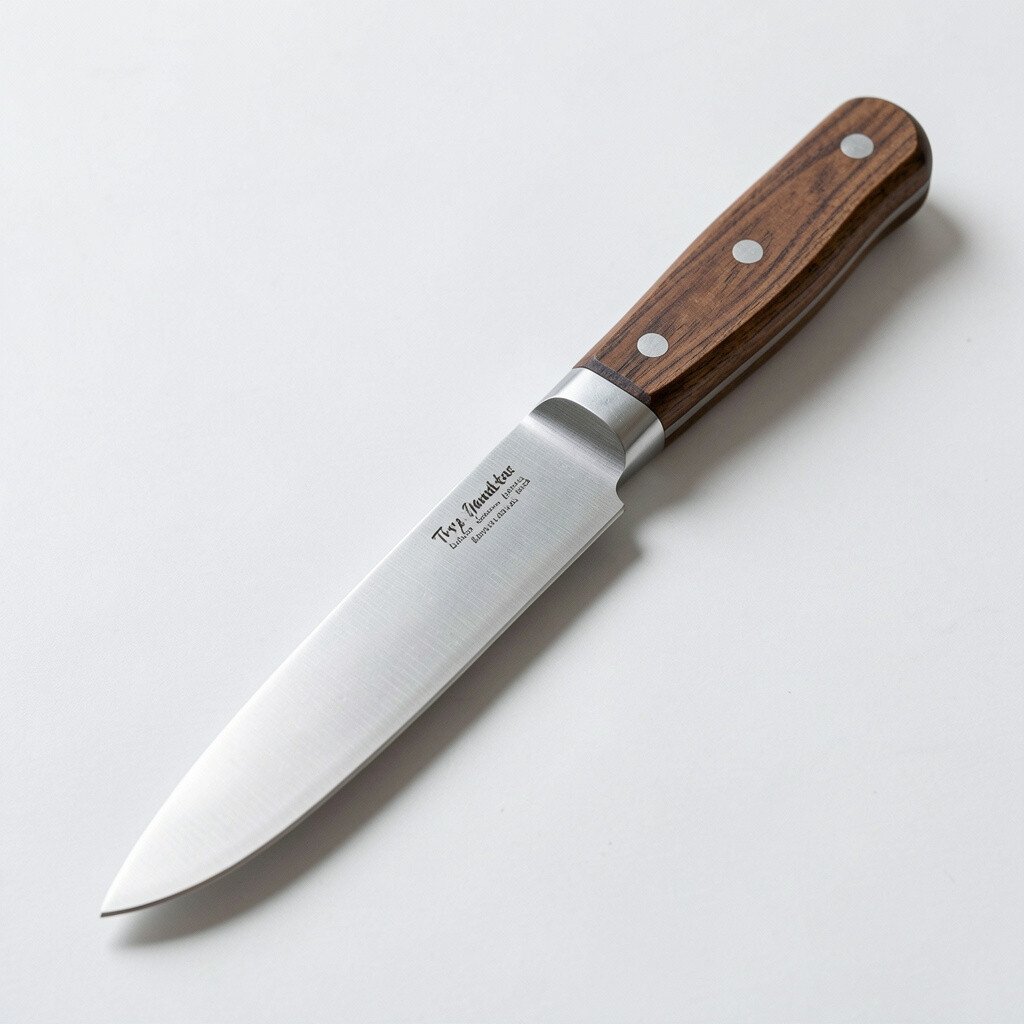
A left-handed chef knife can make a big difference if the standard shape has always felt awkward. The handle, edge, and blade angle may all feel more natural, which can lead to cleaner cuts and less hand strain.
These knives are still not as common, so they can feel special and more personal. They may cost a little more because of the smaller market, but many left-handed cooks say the comfort is worth it, especially for daily prep work.
13. Choose a Knife With a Rustic Handmade Look
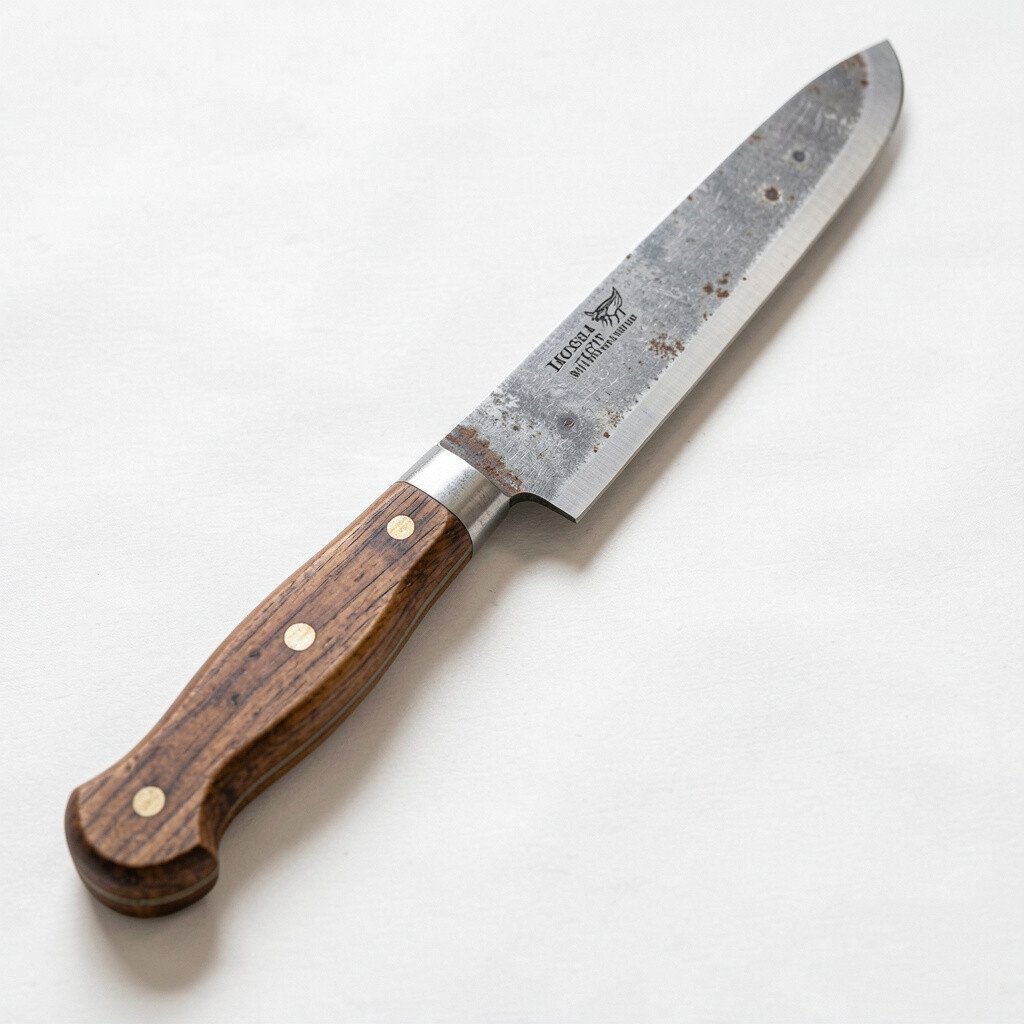
A handmade chef knife often has little marks that show the maker’s touch, and that gives it a warm, one-of-a-kind feel. The blade may have a soft hammer pattern, an uneven polish, or a handle with natural grain that looks beautiful on a kitchen board.
This style is great if you want your tools to feel personal instead of plain. Handmade knives can be more expensive, but they often offer unique character and careful craftsmanship, and some cooks love choosing one that matches their kitchen style or family traditions.
The rustic look also fits the current love for honest, simple design. A knife like this can make prep feel a little more special, even when you are just chopping parsley or slicing bread for dinner.
14. Pick a Chef Knife With a Slim Modern Profile
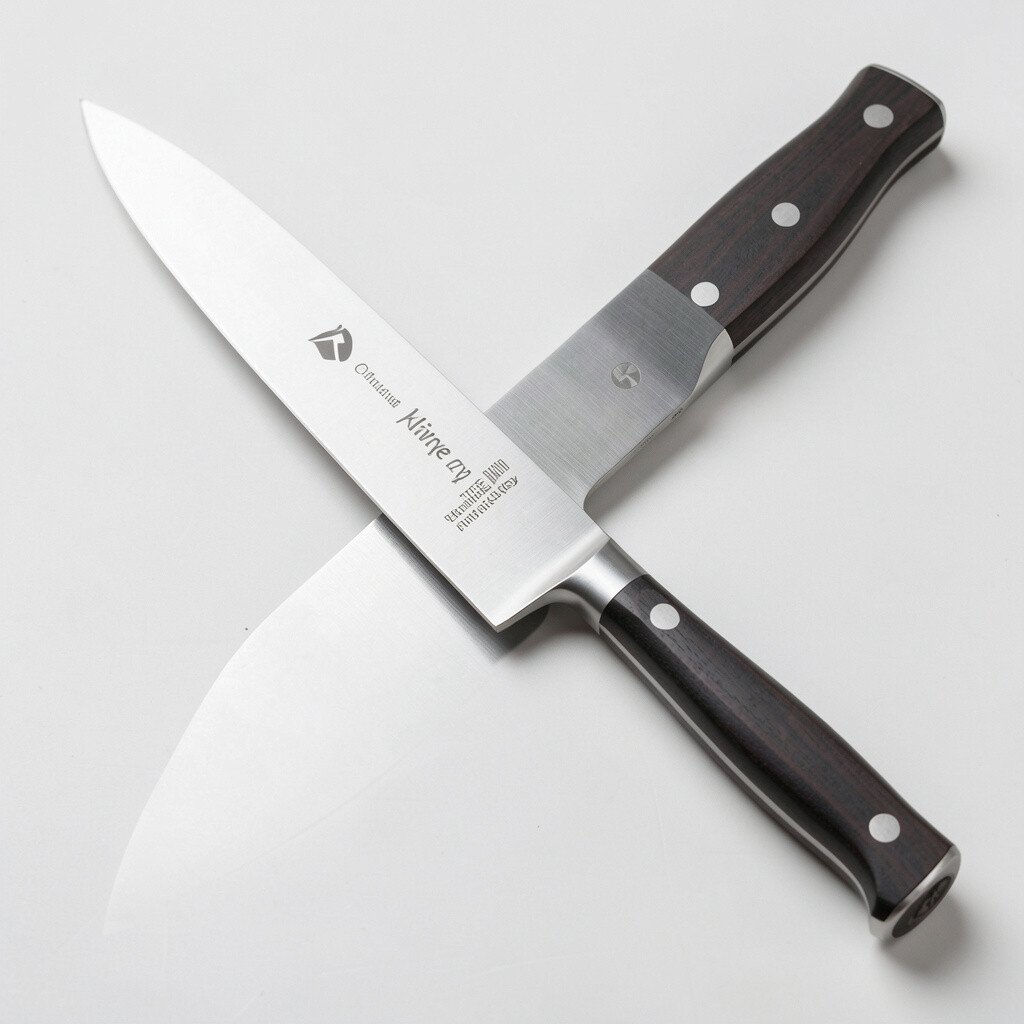
A slim modern chef knife often has clean lines and a very fresh look. It can make your kitchen feel neat and current, and the narrow blade may help when you want fast, precise cuts.
This shape is handy for cooks who like quick motion and easy storage. You can personalize the look with a sleek magnetic strip or a simple leather sheath, and if style matters to you, the price can be worth it because the knife doubles as a design piece.
Many new cooks like this style because it feels less heavy and more friendly. It works well in small spaces, and the polished shape can make even daily meal prep feel a little more exciting.
15. Invest in a Knife You Can Sharpen Easily
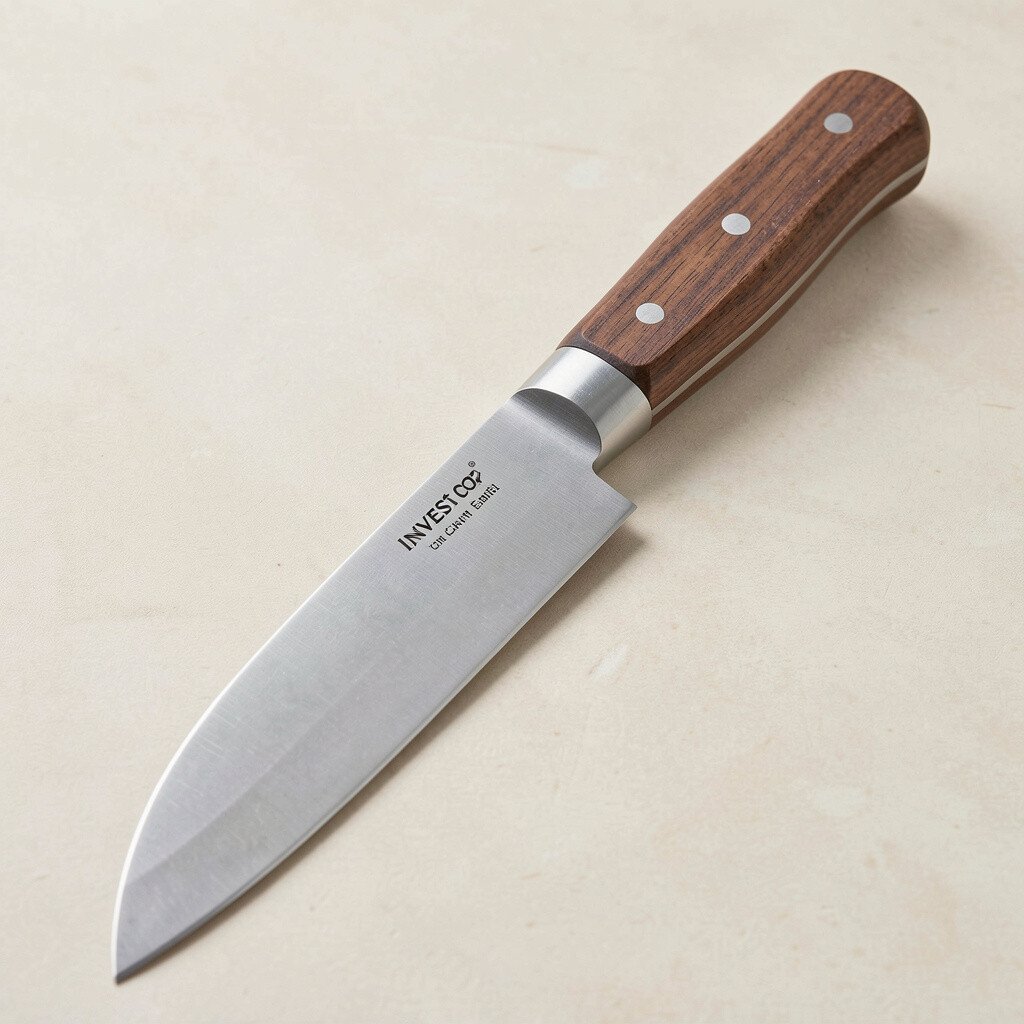
A chef knife becomes much more useful when it is easy to keep sharp. A blade that sharpens well can cut tomatoes neatly, reduce slips, and make prep feel smoother from the first chop to the last slice.
It helps to choose a knife that works well with a whetstone, honing rod, or pull-through sharpener, depending on your comfort level. This is one of the smartest money choices you can make because a sharpenable knife can stay useful for years, and you can pick one with a handle or finish that feels like yours.
Many cooks now care about long-lasting tools instead of disposable ones. That trend makes easy sharpening even more valuable, because a good knife can grow with your skills and keep helping you cook better every day.