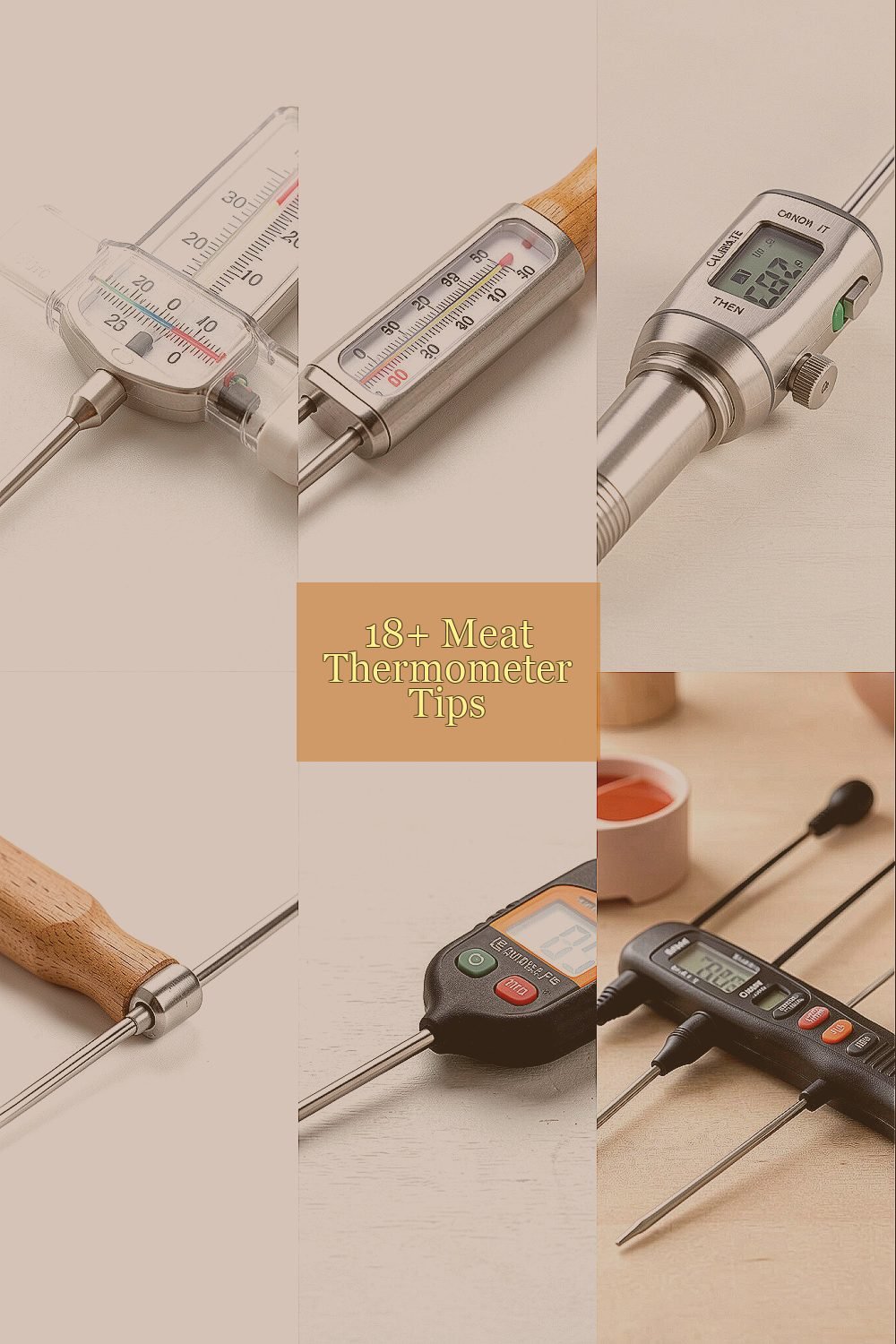
Great meat can turn amazing with the right temperature. A small tool can save a big dinner.
1. Start With a Thermometer You Trust
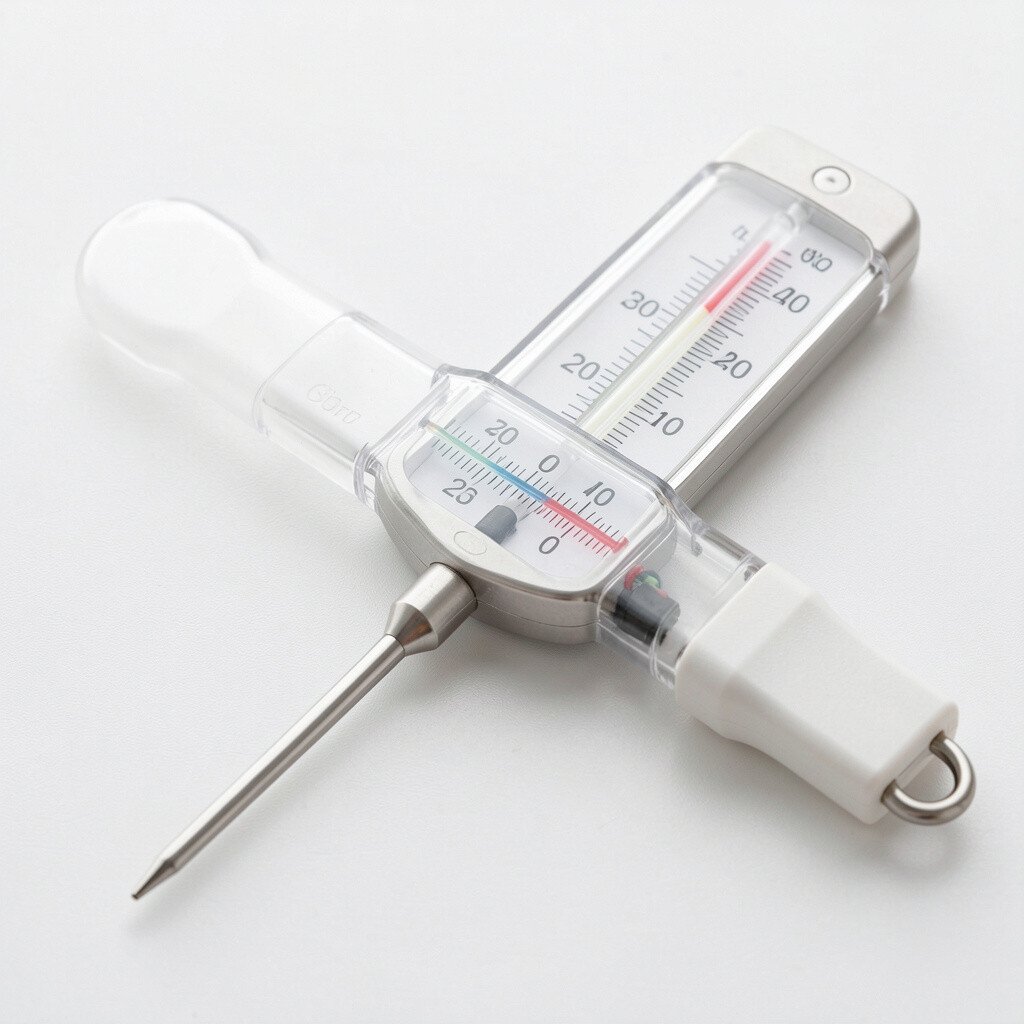
A meat thermometer should feel sturdy in your hand and show a clear reading on a bright screen or dial. When the tool looks clean and simple, it is easier to use during a busy cook and helps you feel calm instead of guessing.
Trust matters because a shaky thermometer can lead to dry chicken or a roast that is too pink in the middle. Many home cooks like digital models for speed, while others enjoy the old-school charm of a dial style, and each choice can fit a different budget and kitchen style.
2. Know the Right Spot to Check
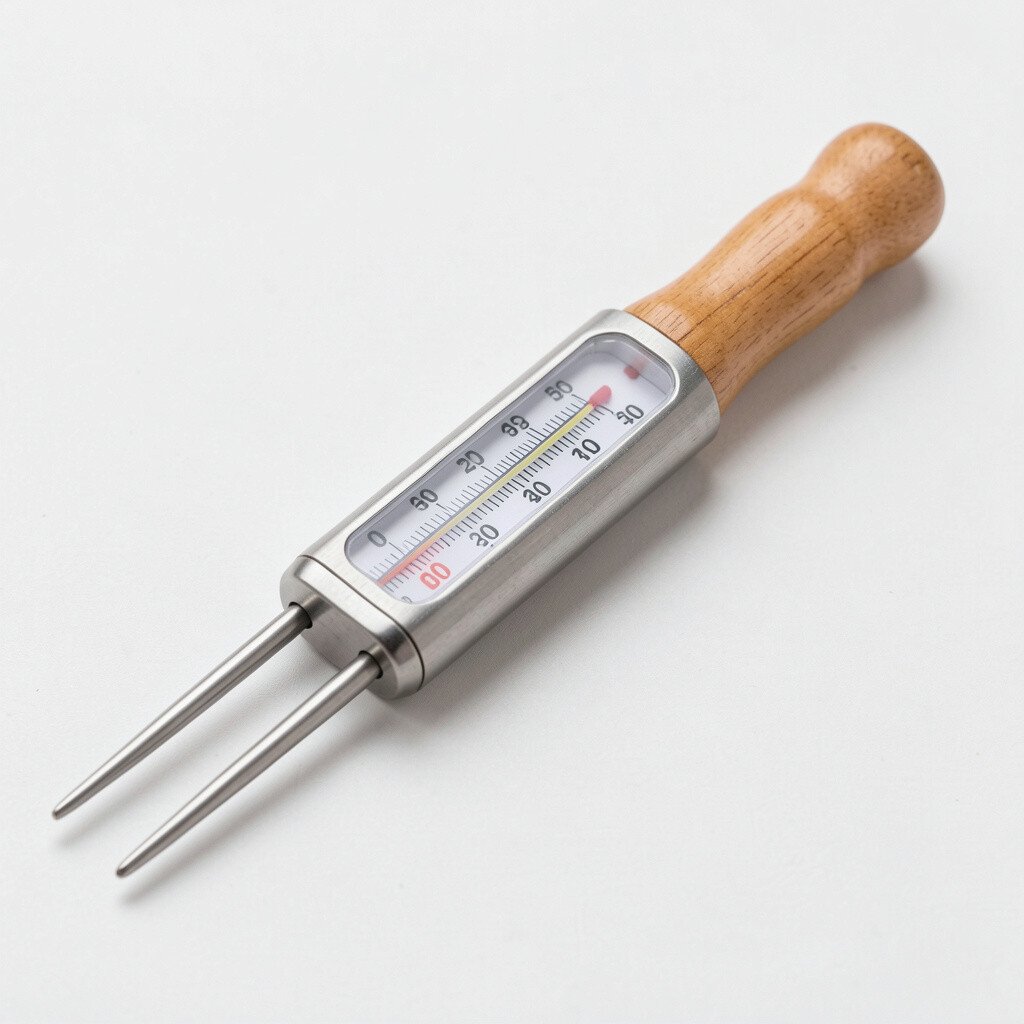
The best reading comes from the thickest part of the meat, away from bone, fat, and the hot pan. A quick glance at the right spot can make your food look juicy on the plate and taste much better.
Many cooks miss this and end up with a false number that looks fine but is not. Try sliding the probe in from the side for thinner cuts, and make it personal by learning the shape of the meats you cook most, since that small habit can save money by keeping dinner from going to waste.
It also helps to check more than one spot when the cut is uneven. That extra step is simple and gives you a better sense of the whole piece.
3. Calibrate It Now and Then
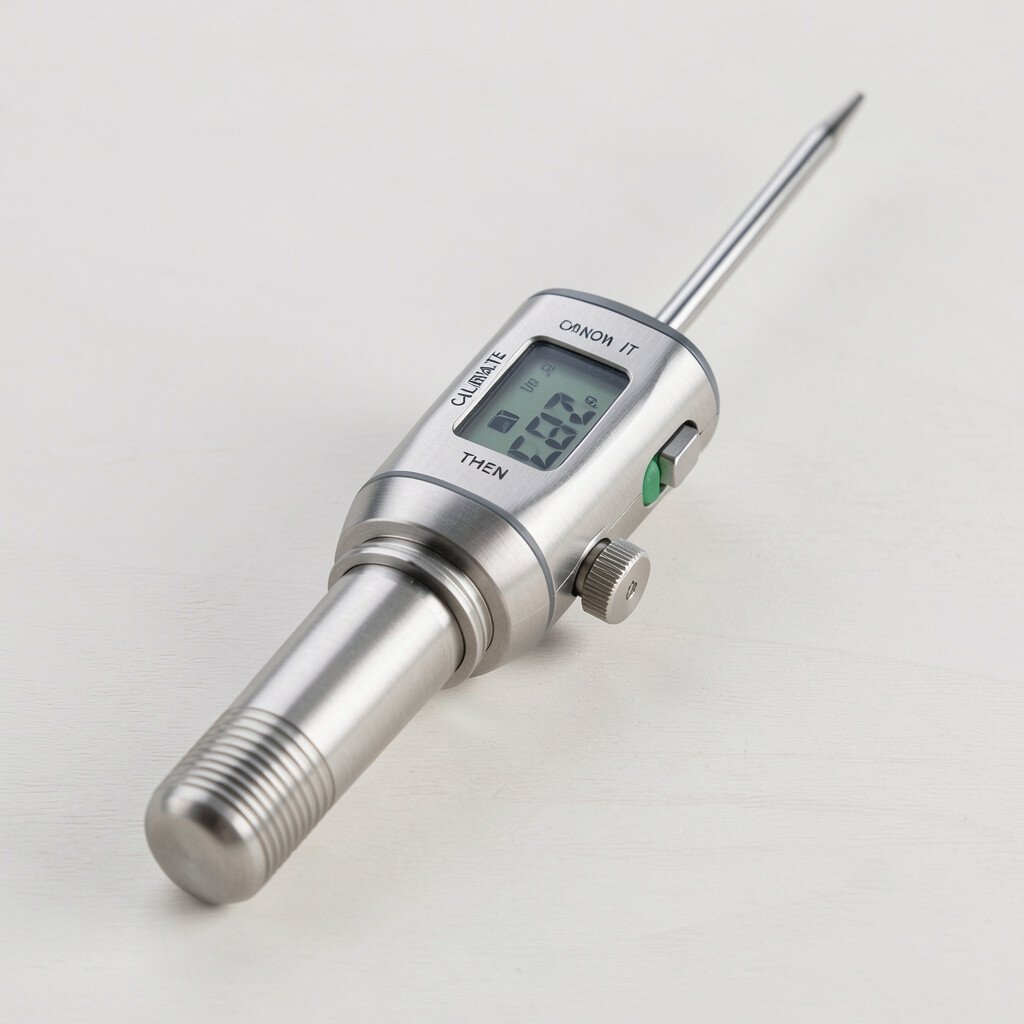
Even a good thermometer can drift over time, and a tiny error can change the result of a meal. Calibrating it keeps the numbers honest and gives you a neat kind of confidence when the oven door opens and steam rolls out.
Cold water with ice is a classic way to test accuracy, and many newer thermometers have easy reset buttons that make the job quick. This is a smart low-cost habit because it protects the value of a cheap tool and also helps pricier ones stay worth the price.
People who cook often tend to check calibration before holidays or weekend grilling. That small routine feels unique because it turns a simple gadget into a trusted kitchen helper.
4. Clean the Probe the Right Way
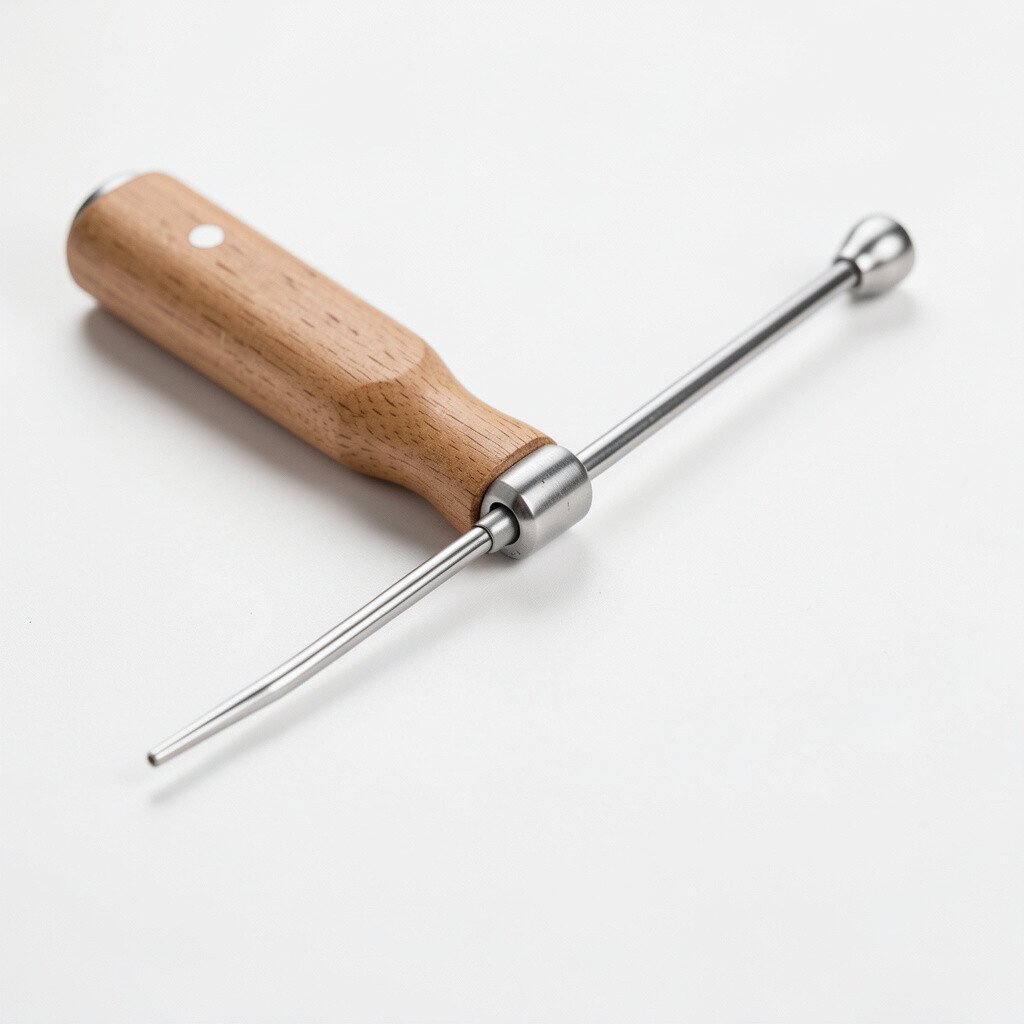
A shiny probe is not just pretty, it also helps keep flavors clean and food safe. After each use, a gentle wipe with warm soapy water can remove grease, sauce, and bits that cling after a roast or burger night.
Never soak the whole thermometer unless the maker says it is safe, since water can damage the inside parts. A quick cleanup takes almost no time, costs nothing extra, and keeps the tool ready for the next meal.
5. Use an Instant-Read for Speed
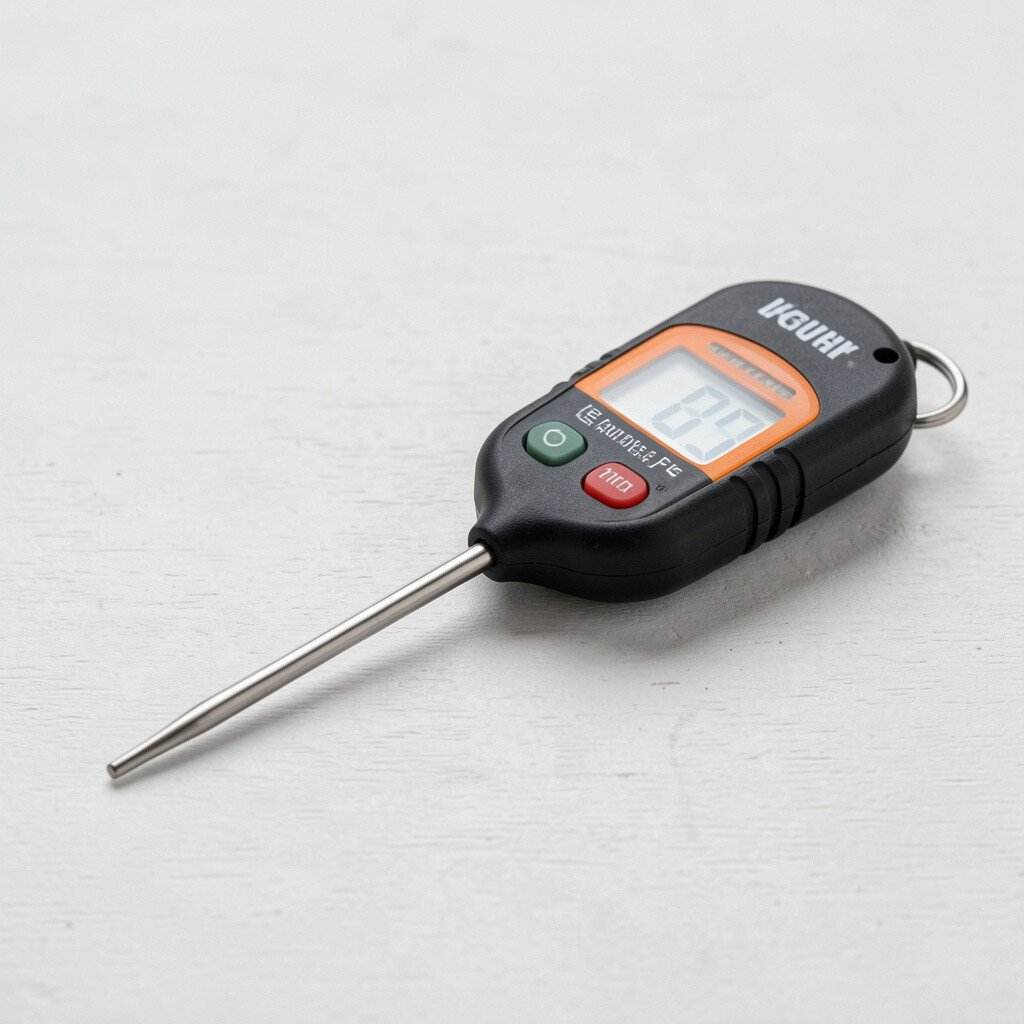
An instant-read thermometer is a favorite for cooks who want fast answers and less stress at the stove. The slim metal probe and bright screen make it easy to check a steak or chicken breast without waiting long enough to lose heat from the pan.
This style is popular in modern kitchens because it feels simple, neat, and very handy during weeknight cooking. Some models cost more than basic dial tools, but the quick reading can be worth it if you cook often or like to personalize doneness for each person at the table.
It also fits well with current home-cooking trends, where speed and accuracy matter more than fancy extras. The best part is that it can help both beginners and skilled cooks feel more in control.
6. Leave-In Probes Help With Slow Cooking
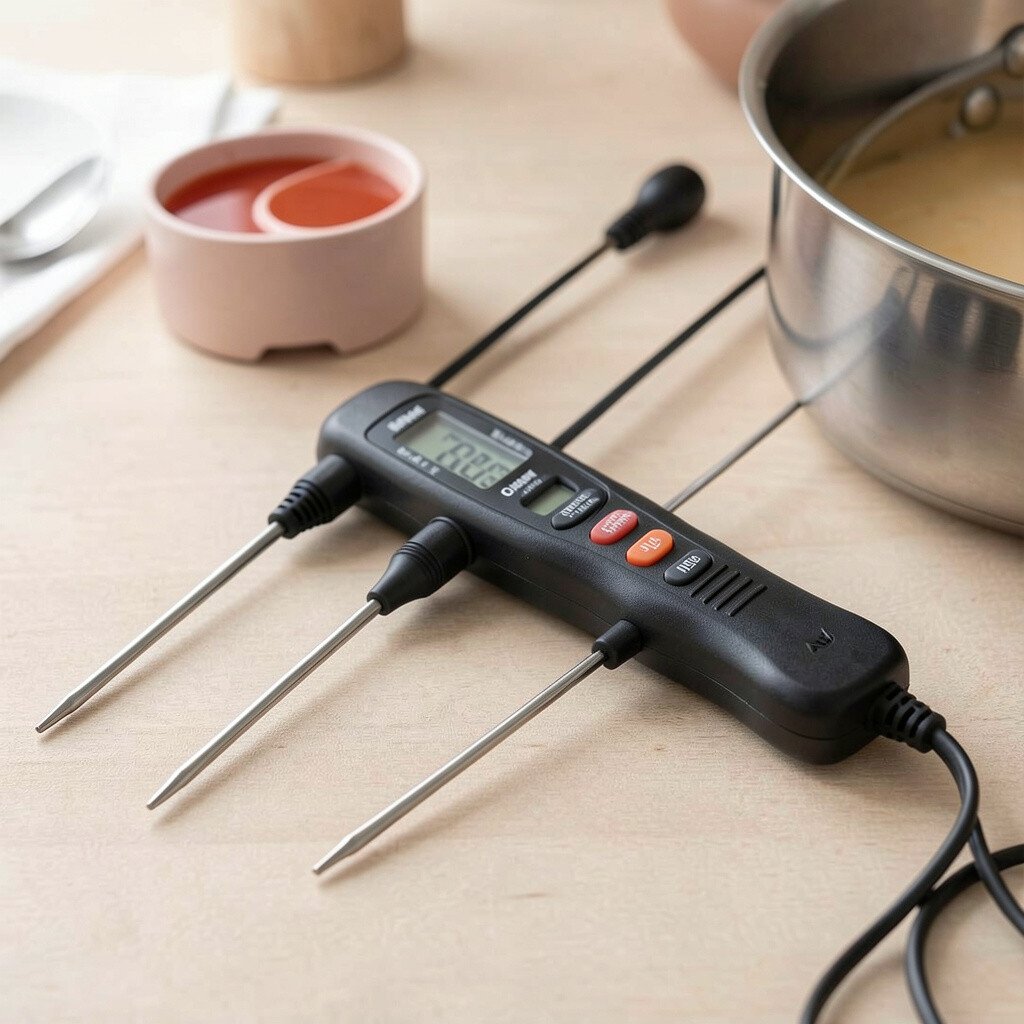
Leave-in probes stay in the meat while it roasts, smokes, or bakes, so you can watch the temperature without opening the oven. That can make a big difference for large cuts like brisket, turkey, or pork shoulder, where steady heat is part of the charm.
The display may sit on the counter and look bright and modern, which makes the whole setup feel a little high-tech. These thermometers are often pricier than basic ones, but the comfort of not guessing during a long cook can be well worth it.
If you enjoy personal touches, look for models with alarms or presets that match your favorite foods. That kind of flexibility makes the tool feel made for your kitchen rather than borrowed from someone else.
7. Let the Reading Settle
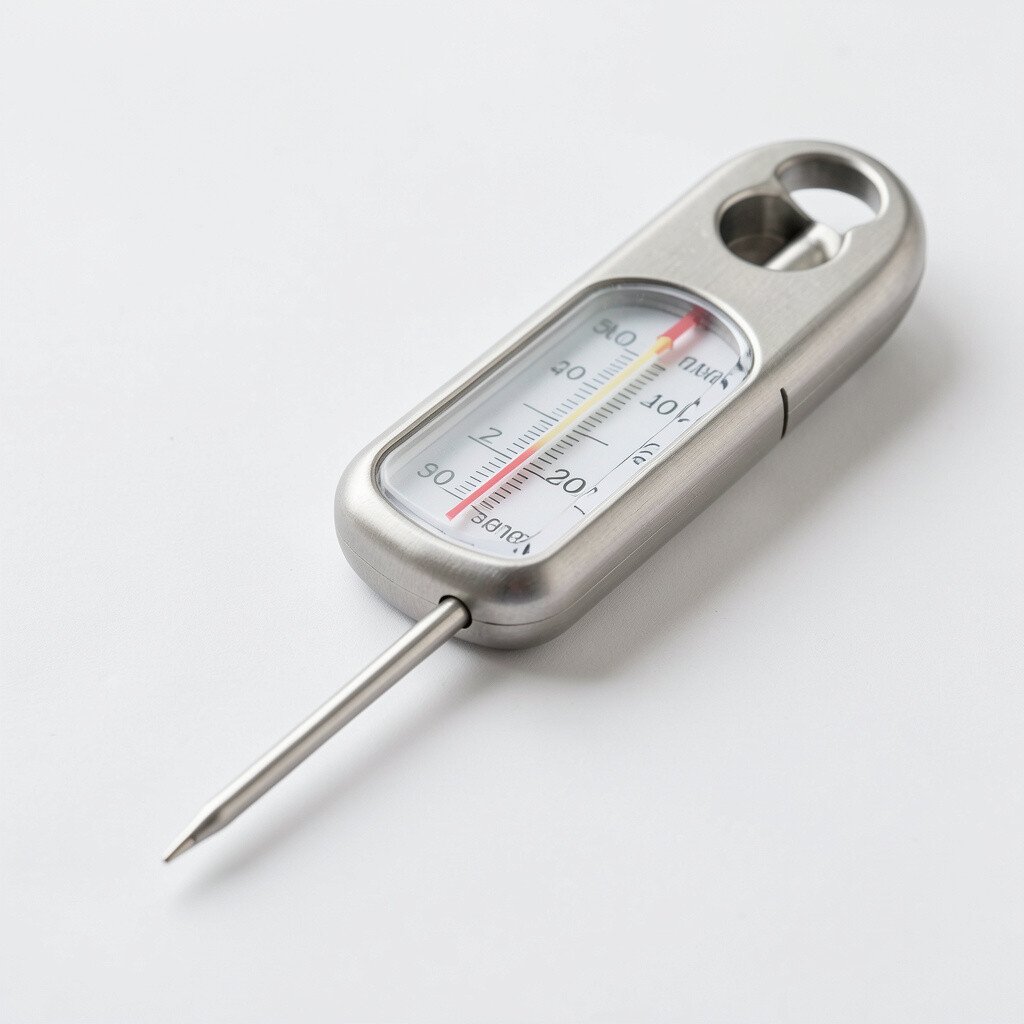
When you insert a thermometer, the number may jump around for a moment before it settles. Waiting for the reading to steady helps you avoid pulling meat too soon and ending up with a meal that is not as juicy as it could be.
This tip is small, but it can improve the final look of the food on the cutting board. A calm pause also helps you compare readings in different spots, which is useful for uneven cuts and can keep you from spending money on food that gets overcooked.
Some newer digital tools give a very fast result, while older ones may take longer and feel a bit more old-fashioned. Either way, a little patience gives you a more reliable answer.
8. Pull Meat a Little Early
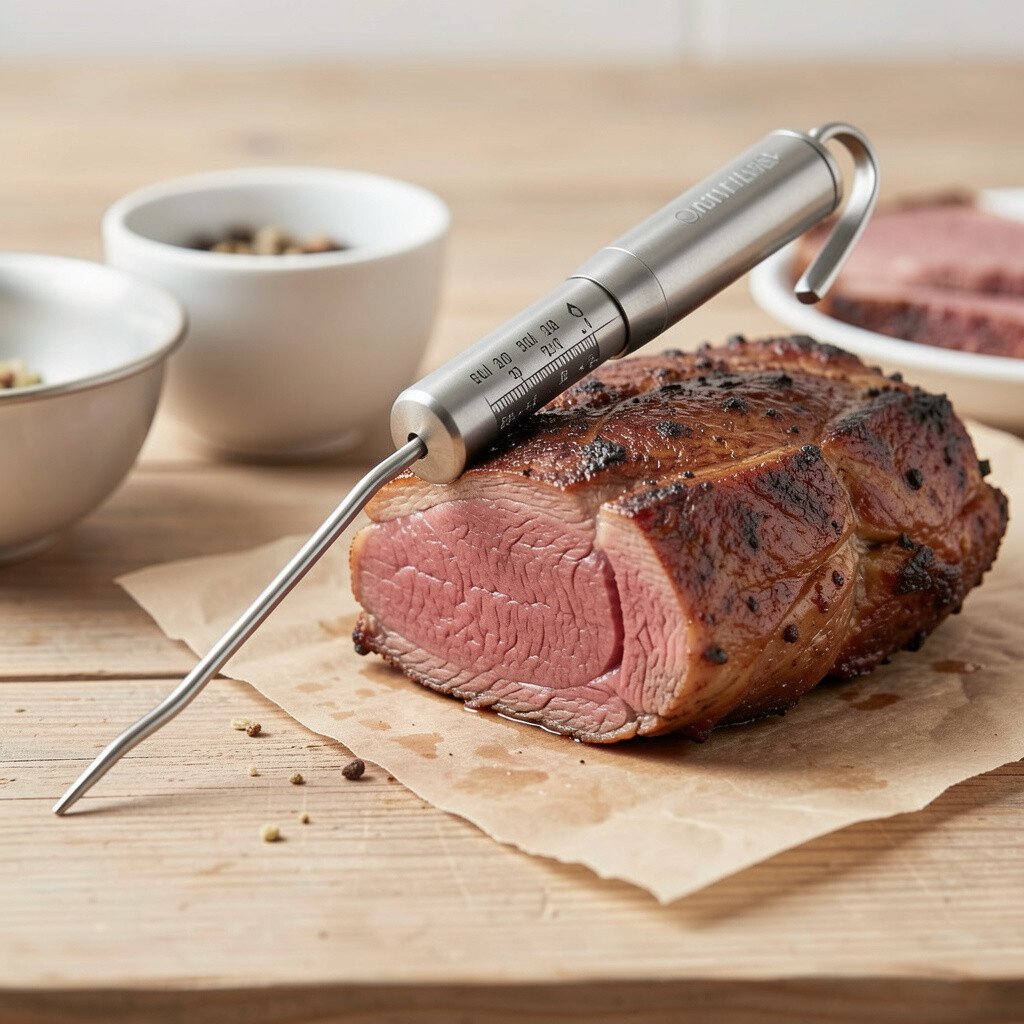
Meat keeps cooking after it leaves the heat, so the number on the screen can rise for a few minutes. Pulling it a bit early helps you land on the final temperature you want without crossing into dry or tough territory.
This is especially useful with steak, turkey, and chicken, where the last bit of heat can matter a lot. Many cooks learn their own timing over time, and that personal touch is one of the nicest parts of using a thermometer well.
It also helps you use your food budget wisely because better results mean fewer do-overs. When dinner lands just right, the whole meal feels more special.
9. Rest the Meat Before Slicing
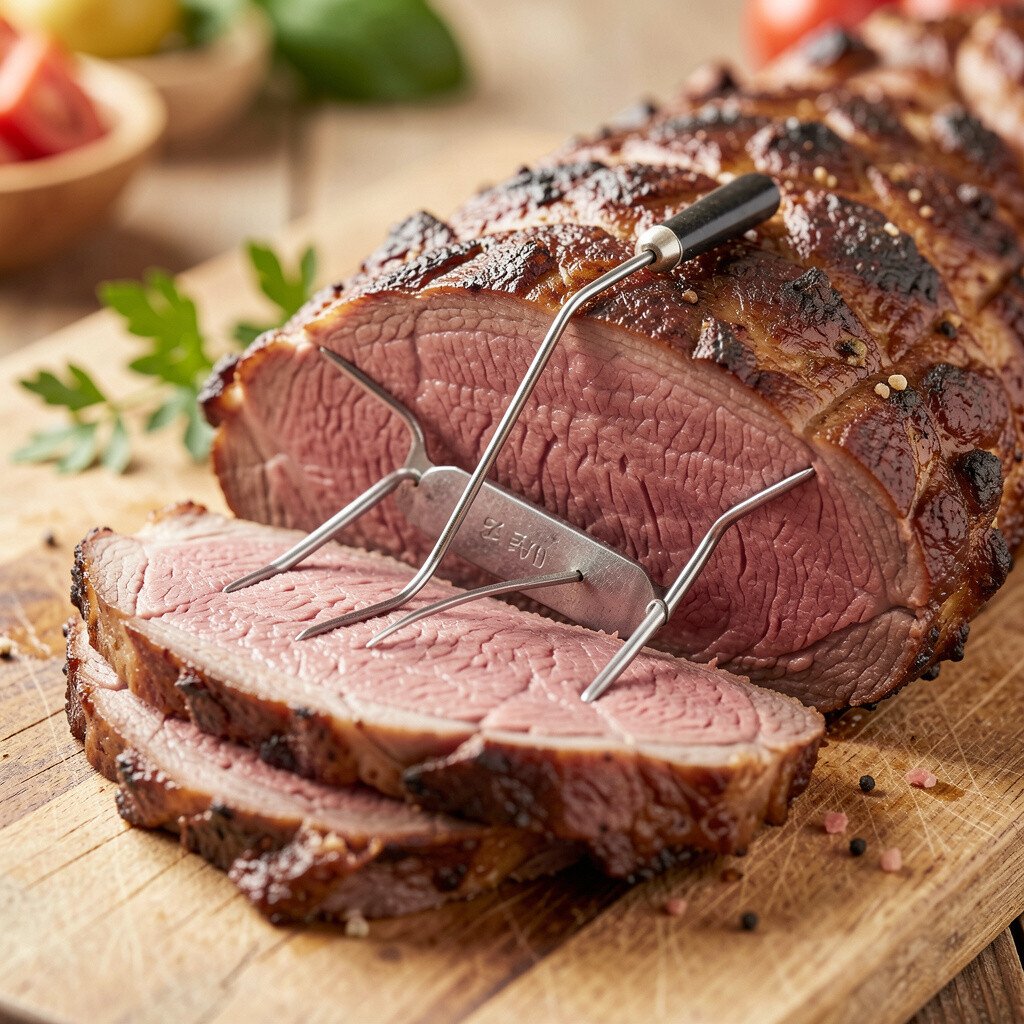
A rested roast or steak often looks richer and juicier when you cut into it. The juices settle back into the meat, and the thermometer’s steady reading helps you know the food is done without rushing the moment.
This waiting time is a good match for the clean, simple style of modern cooking. It takes no extra gear and costs nothing, yet it can improve the taste and texture in a big way.
Try covering the meat lightly with foil and using the rest time to finish sides or set the table. That small routine feels calm and makes dinner seem more polished.
10. Match the Tool to the Food
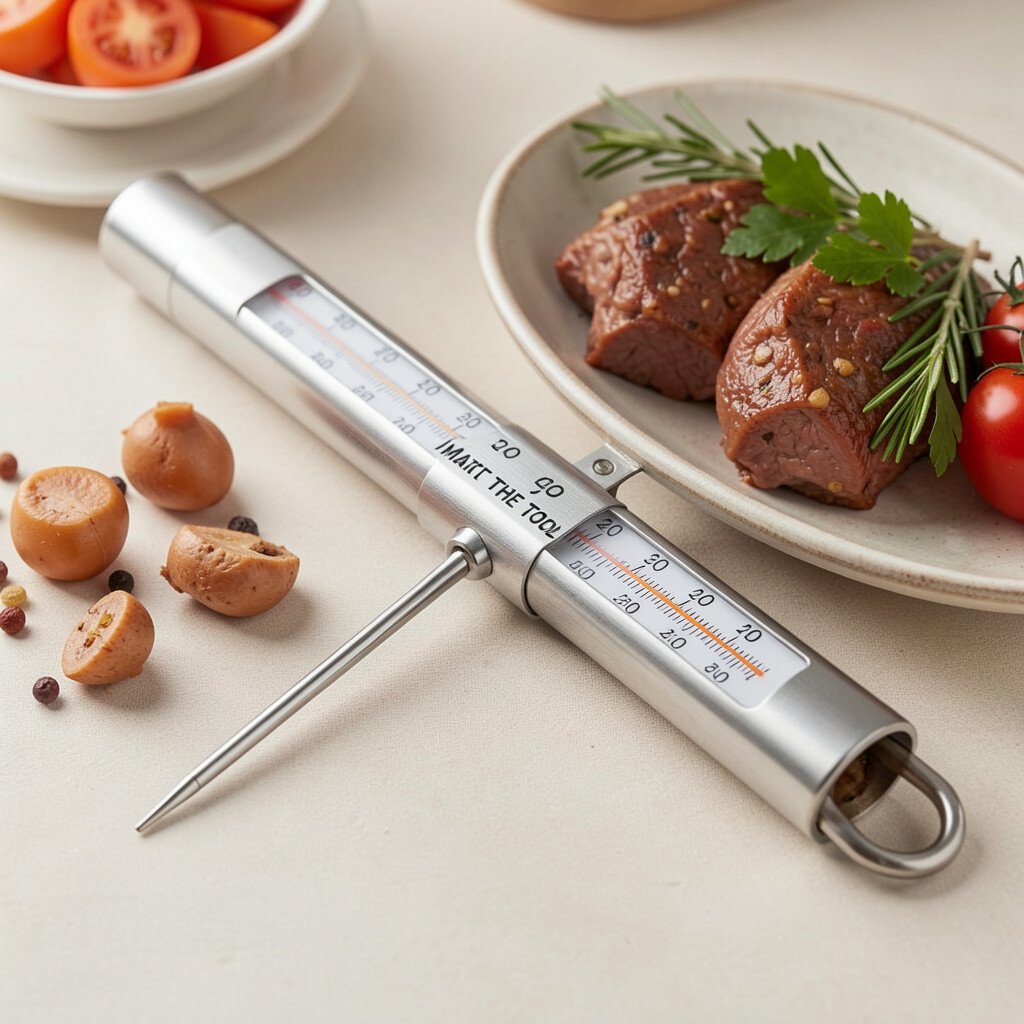
Not every cut needs the same kind of thermometer, and that is part of what makes cooking interesting. Thin fish, thick steaks, holiday turkeys, and smoked ribs each benefit from different probe shapes and reading speeds.
A small digital instant-read may be perfect for quick dinners, while a leave-in model is better for long oven work or outdoor smoking. This kind of choice can change the price, but it also lets you personalize your kitchen tools to fit your habits and favorite meals.
Many cooks even keep more than one thermometer so they can move between jobs with ease. That may sound like extra spending at first, yet it can save food and reduce stress over time.
11. Watch for Thin Cuts and Small Foods

Small pieces of meat can overcook fast, so the thermometer needs a gentle touch. A slim probe helps keep the food looking neat, which matters when you want burgers, chops, or chicken pieces to look as good as they taste.
For these cuts, a quick reading is helpful because there is less room for delay. The best approach is to test near the center and move fast, since a long pause can let heat escape and change the result.
Some cooks like colorful handles or magnetic storage for easy grab-and-go use. Those little details may seem minor, but they make the tool feel more personal and easier to keep close by.
12. Learn the Feel of Different Doneness Levels
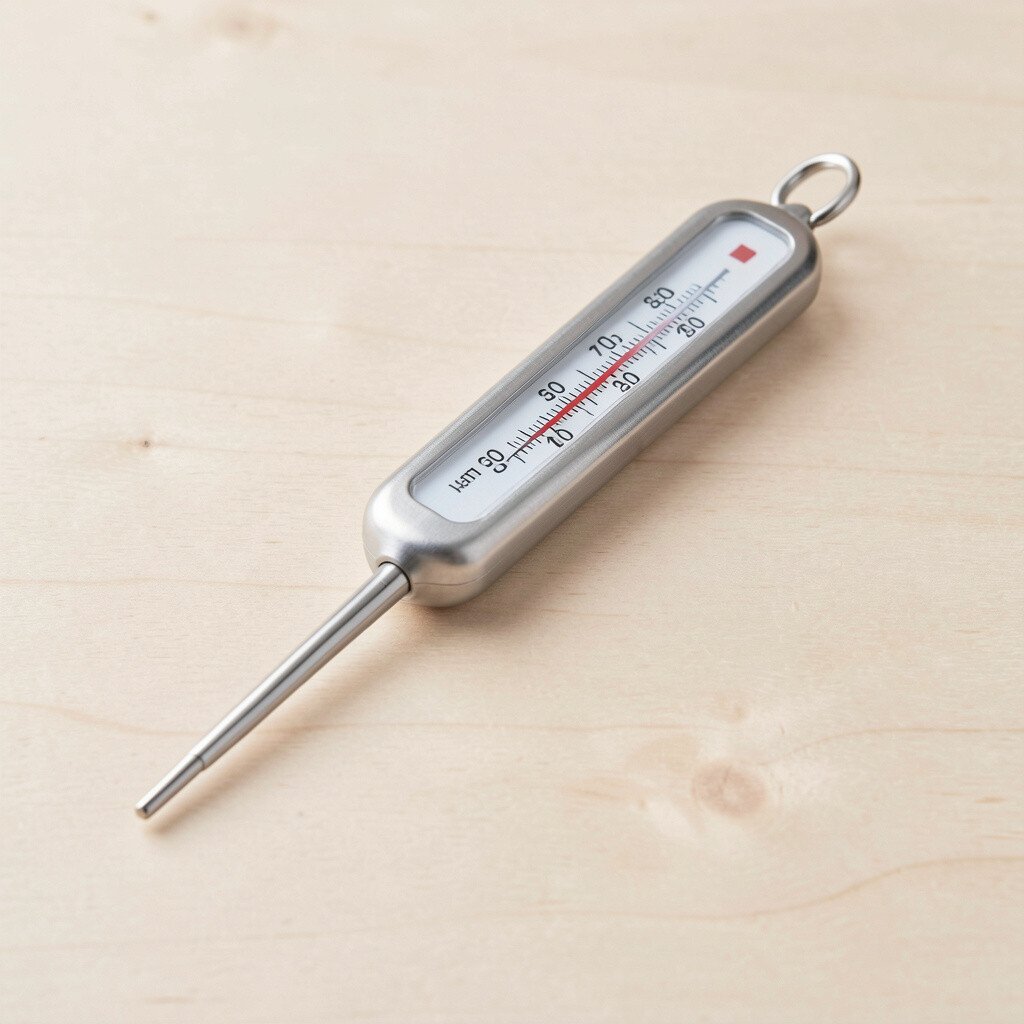
Thermometers help you learn what rare, medium, and well-done really mean in your own kitchen. Over time, you begin to connect the number on the display with the look, feel, and smell of the meat.
This builds skill in a way that is both practical and fun, because you start cooking with more confidence. Many people find that a thermometer is not just a measuring tool, but also a teacher that helps them cook better without wasting expensive cuts.
The trend in many home kitchens is less guesswork and more repeatable results. That is great for busy families, picky eaters, and anyone who wants dinner to come out the same way each time.
13. Keep It Handy Near the Stove
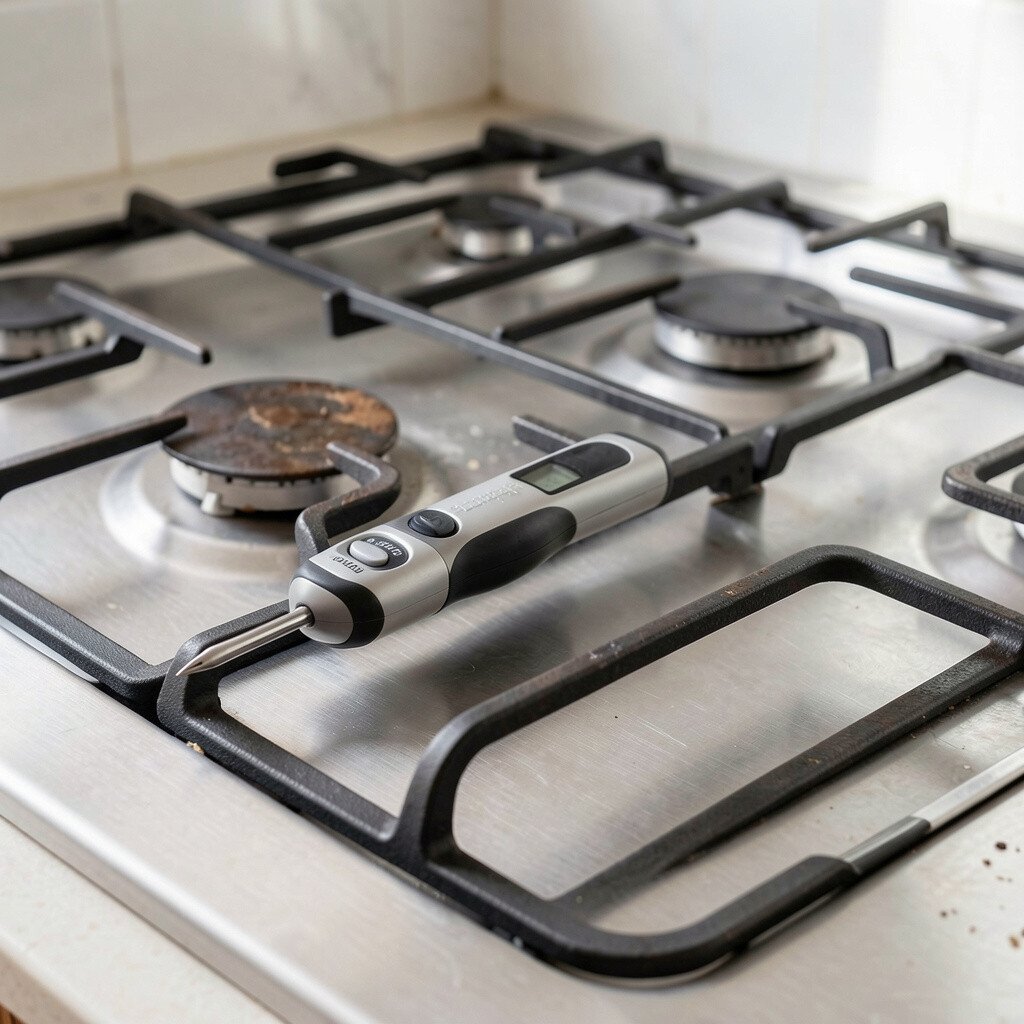
A thermometer that is easy to grab gets used more often, and that alone can improve your meals. If it sits in a drawer under a pile of tools, it is far more likely to stay forgotten while dinner is already cooking.
Many cooks keep theirs in a cup, on a magnetic strip, or clipped near the oven for quick reach. This kind of simple setup costs very little and can make your kitchen feel more organized and more modern at the same time.
You can also pick a model with a bright color or slim shape that fits your space. That little bit of personality makes the tool feel like part of the kitchen instead of just another gadget.
14. Check the Temperature in More Than One Place
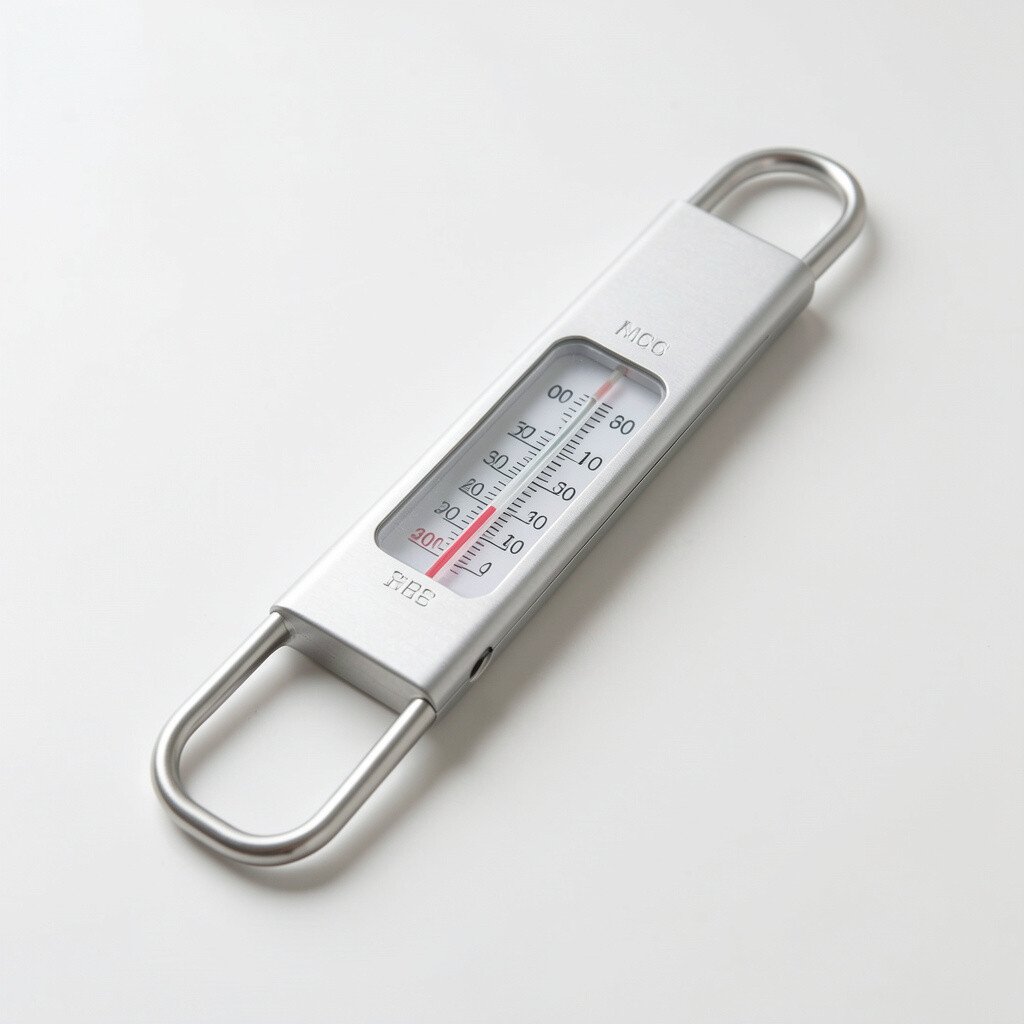
Large cuts can cook unevenly, with one side hotter than another. Checking in a few places helps you avoid a misleading reading and gives you a better picture of the full piece.
This is especially helpful for whole chickens, thick roasts, and irregular steaks. A few extra seconds can save dinner from being underdone in one spot and dry in another, which is a big benefit for both taste and food safety.
It also helps when you are using a thermometer with a very fast display, because the speed makes it easy to test several spots without much trouble. That quick work feels neat and modern, yet it still keeps the cooking process simple.
15. Protect the Probe From Heat Damage
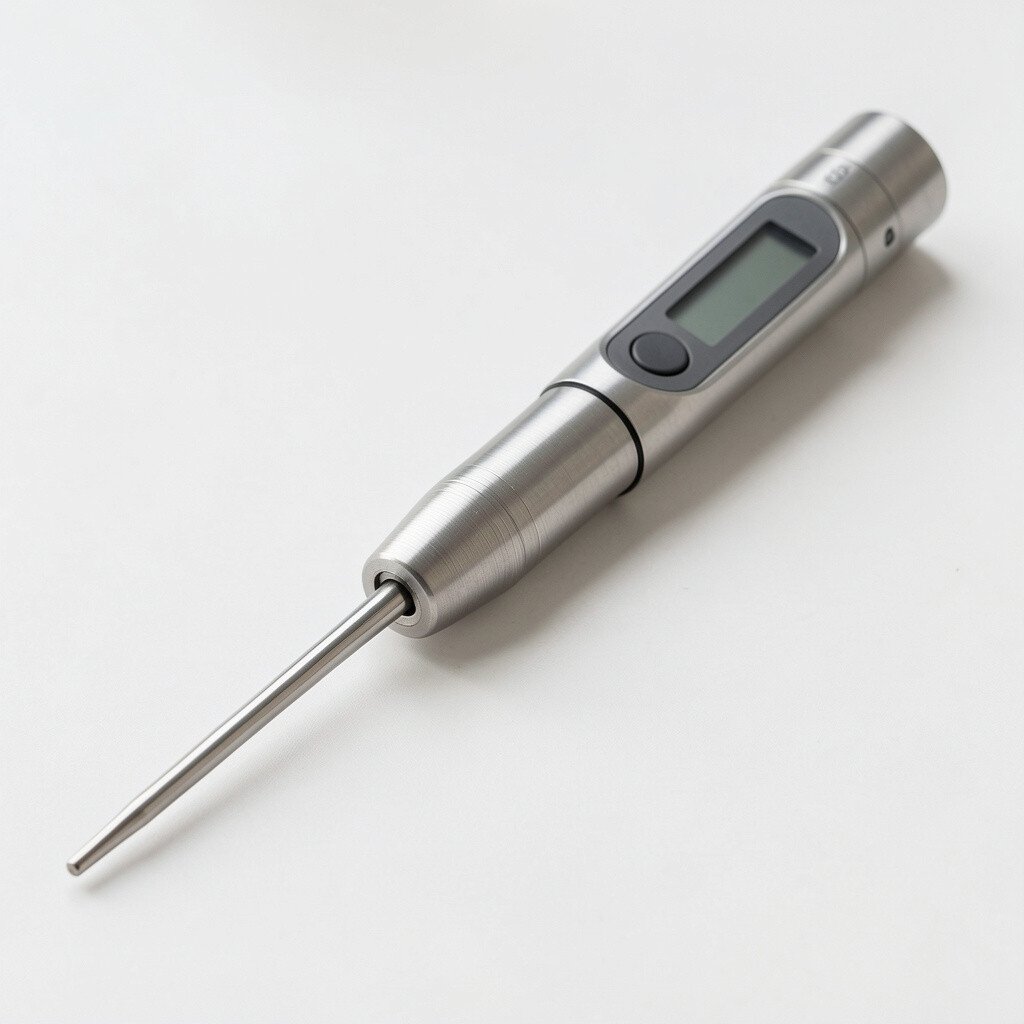
Thermometer probes are useful, but they are not always meant to stay in blazing heat for too long. If the maker says the probe is safe for oven use, follow the guide closely so the tip lasts longer and keeps reading well.
Many people learn this after a probe gets bent, darkened, or stopped by direct flame. Taking care of the tool saves money and avoids the hassle of buying a new one sooner than expected.
It can also help to store the probe neatly after it cools so it does not get twisted in a drawer. A little care keeps the tool looking clean and ready for the next meal.
16. Use Presets as Helpful Guides
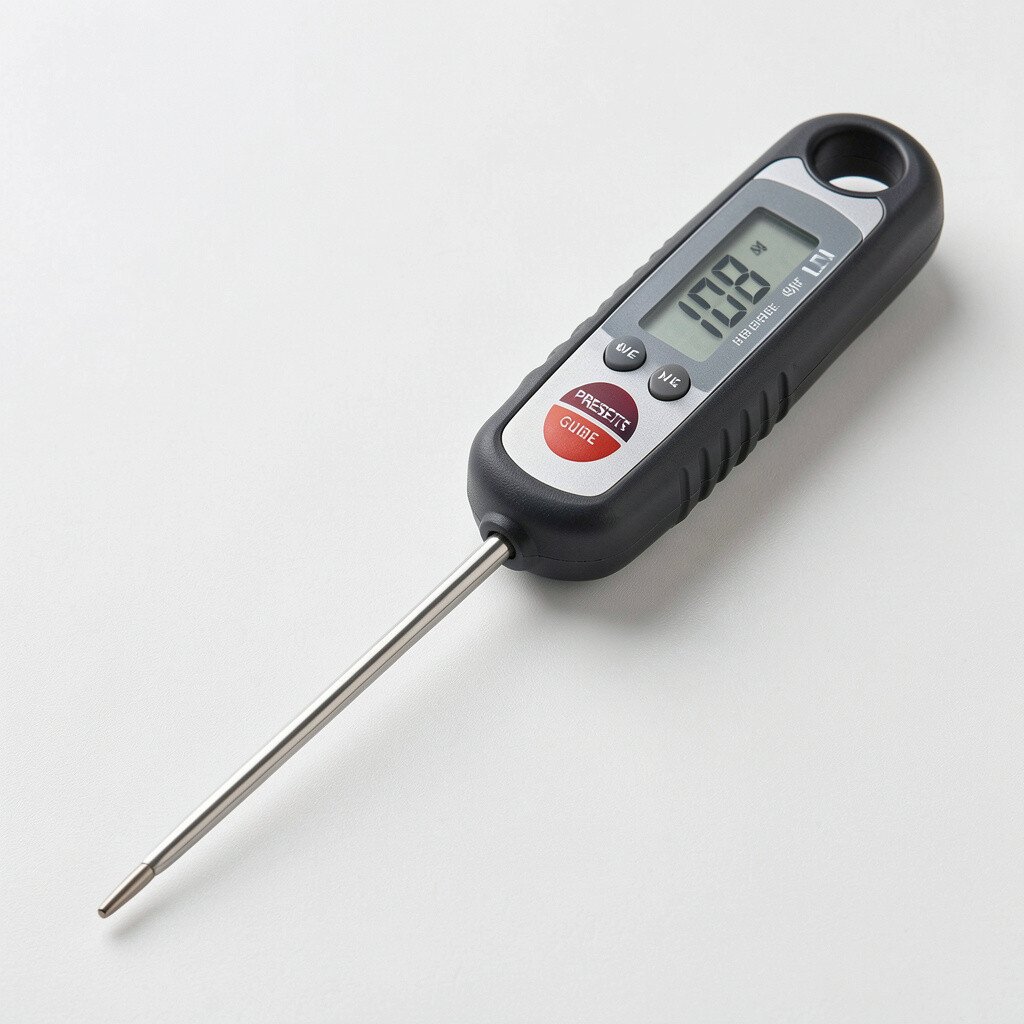
Some thermometers come with built-in temperature targets for beef, pork, chicken, fish, and more. These presets can make cooking feel easier because you do not have to memorize every number right away.
The bright screen and simple buttons on these models fit the current trend toward easy smart kitchen tools. They may cost a bit more than plain versions, but the extra help can be worth it if you cook many kinds of meat.
You can still use your own judgment and adjust for the way your family likes food. That mix of guidance and personal choice makes the process feel both safe and flexible.
17. Think About Battery Life
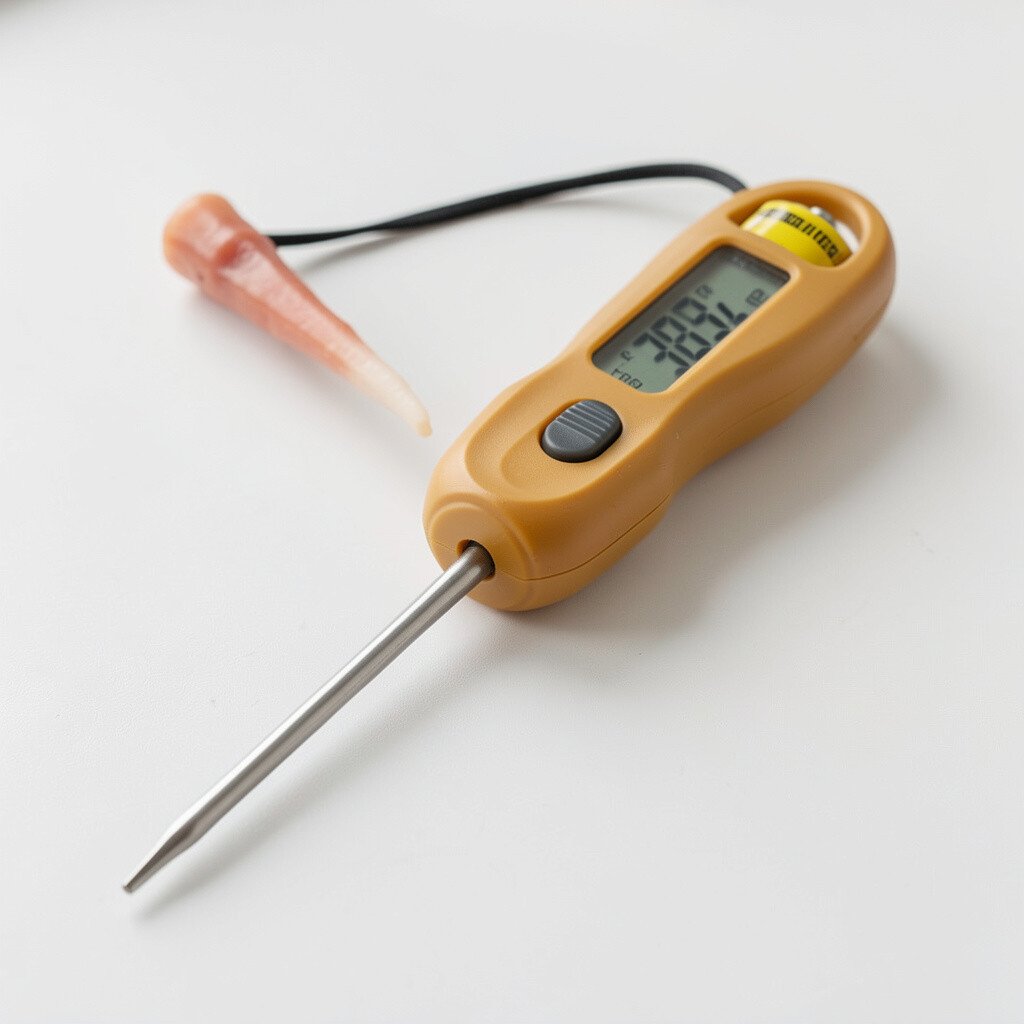
A thermometer with a weak battery can fail at the worst time, like when a roast is almost ready. Checking power before a big cook keeps surprises away and makes the whole experience smoother.
Some models use common batteries that are cheap and easy to replace, while others charge with a cable and feel more modern. The best choice depends on your kitchen habits, your budget, and how often you cook with temperature in mind.
If you like simple routines, keep spare batteries nearby or charge the unit with your other small gadgets. That small bit of planning can save a dinner and reduce stress.
18. Use It for More Than Meat
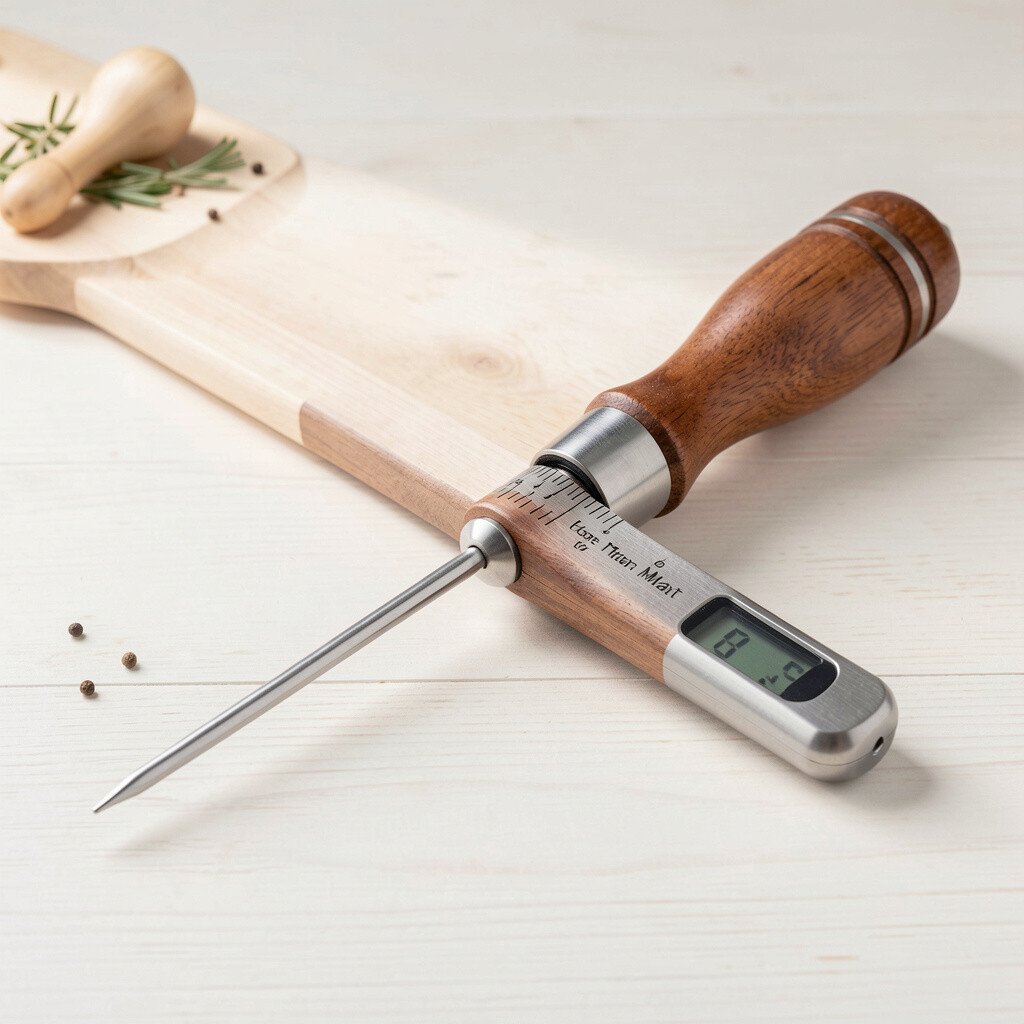
A meat thermometer can do much more than check steak or chicken. It can help with bread, casseroles, candy, casseroles, and even oil, which makes it a handy tool for a kitchen that likes variety.
That extra use adds value, since one tool can support many dishes instead of sitting in a drawer after one meal. The clean glassy screen or metal dial may look simple, but the usefulness behind it can be surprisingly wide.
People who enjoy trying new recipes often like tools that can move between sweet and savory jobs. This kind of flexibility feels current and smart, especially if you want quality without filling the kitchen with too many gadgets.
19. Build Your Own Cooking Habit Around It
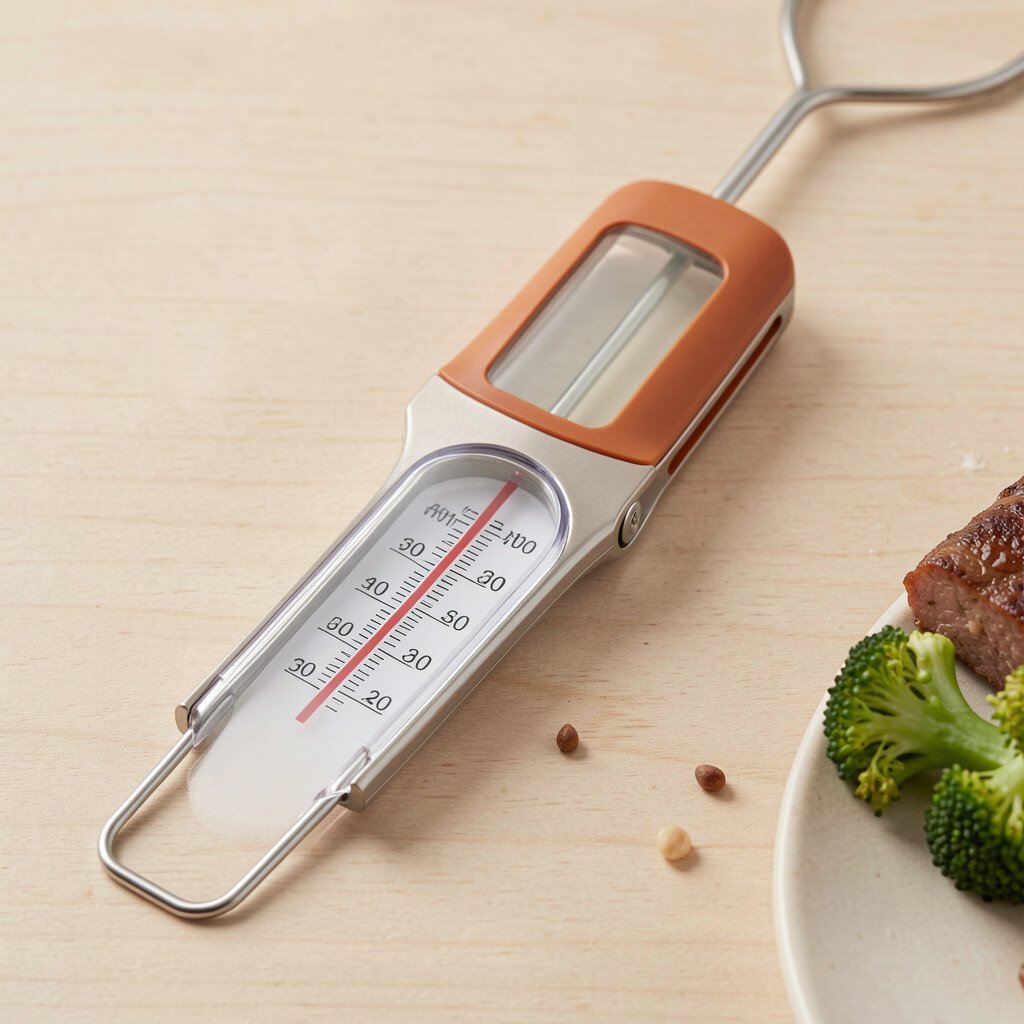
The best thermometer tip is to use it every time, not just on special meals. Once it becomes part of your cooking flow, you will start to notice patterns, trust your results more, and feel less nervous about serving dinner.
That habit can make even a simple weeknight meal feel a little more special, because the food comes out more consistent and more juicy. Over time, you may choose a model that fits your style, from a budget-friendly basic tool to a sleek modern one with extra features.
Personal touches matter here too, like keeping a favorite reading chart on the fridge or choosing a design that looks nice next to your pans. A thermometer that suits your life can become one of the most useful and unique tools in your kitchen.