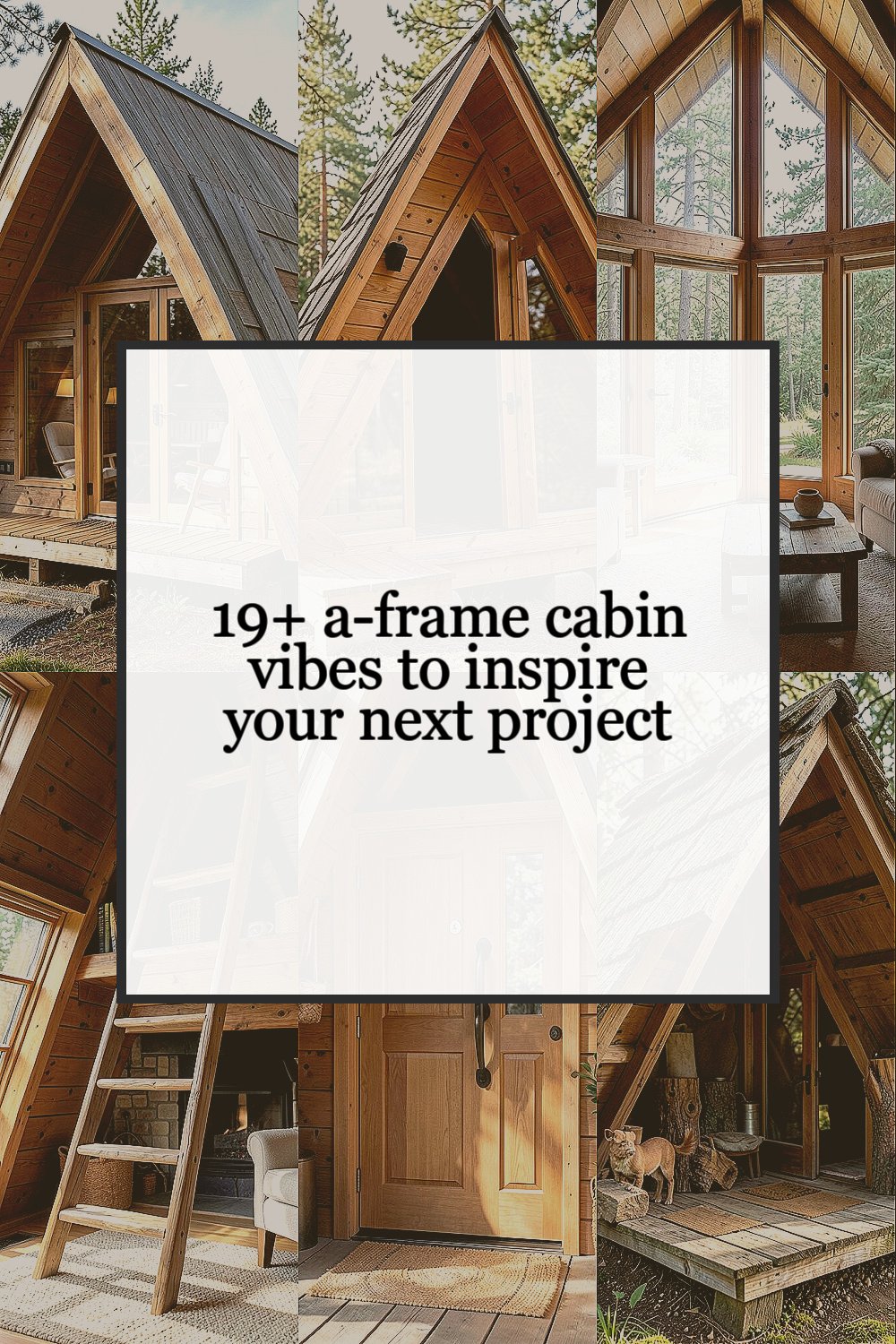
Something about an A-frame cabin feels like a warm breath of fresh air. It turns ordinary corners into places you want to linger.
From crisp roof lines to cozy light, these cabin vibes bring comfort with character. If you’re planning a project, the shape itself can be your starting spark.
1. The Iconic Roofline That Sets the Mood
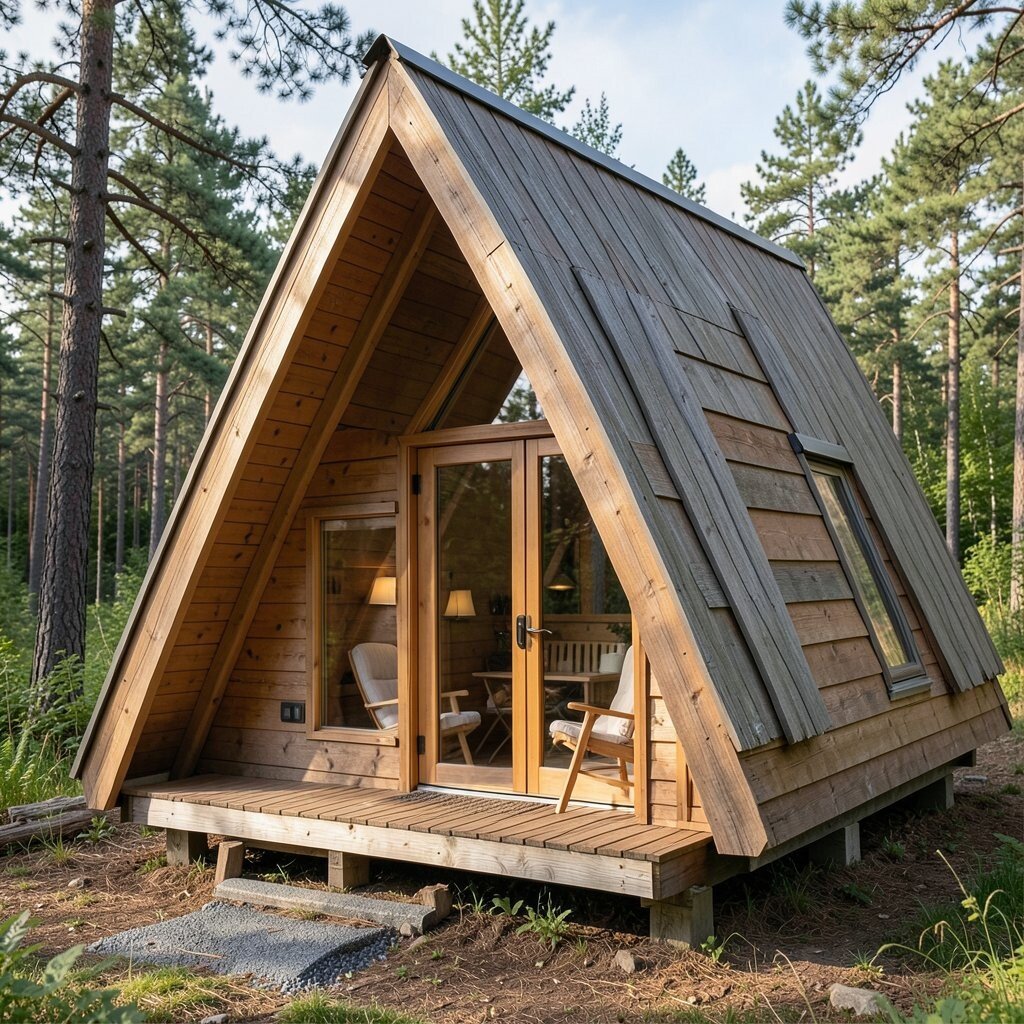
Picture the sharp A-frame roof rising like a confident triangle against the sky. From the inside, the slope of the ceiling makes spaces feel wrapped in warmth.
You get a clear visual identity right away, and that helps your project stand out. For practical planning, think about how the roofline will affect light placement and where you want the tallest feeling areas, like a living nook or loft zone.
2. Warm Wood Tones That Look Good in Any Season
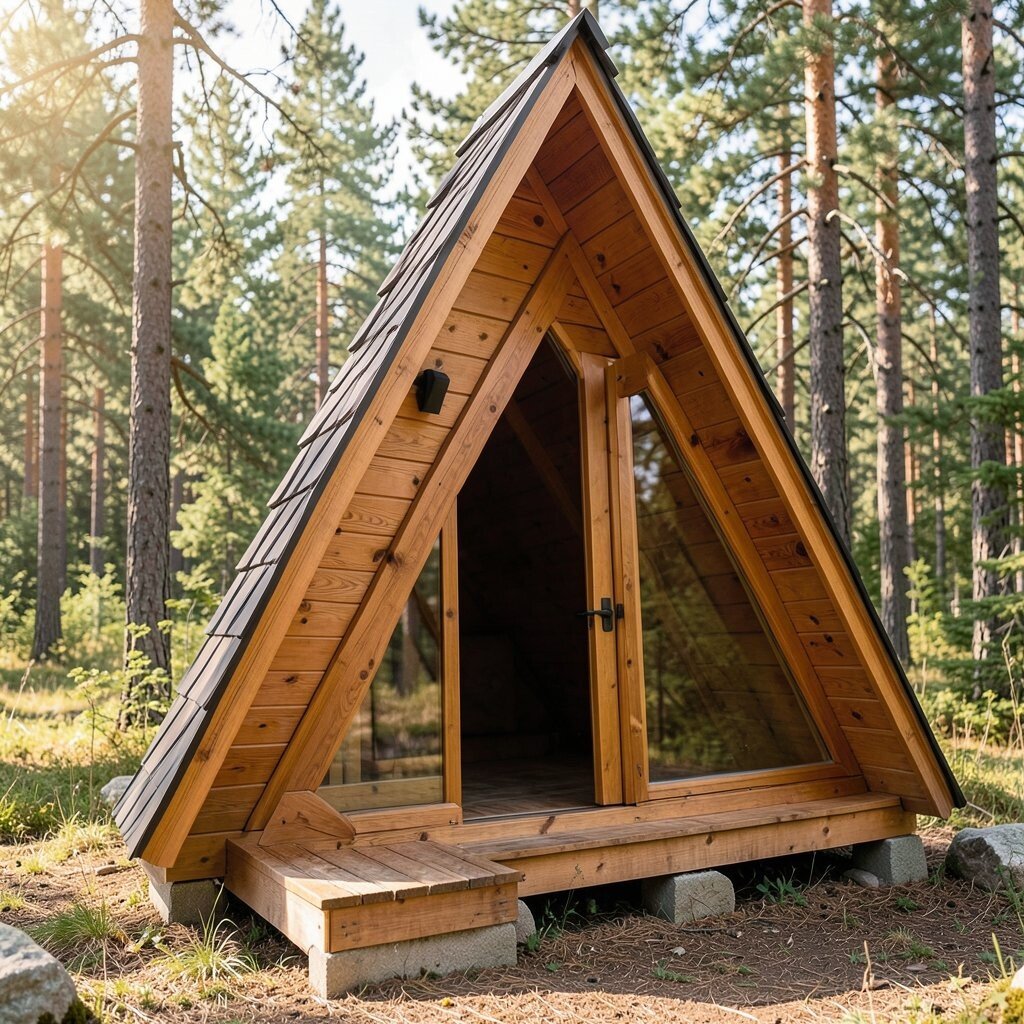
Imagine pale pine beams or honey oak walls catching golden afternoon light. Even on quiet mornings, the cabin interior looks inviting.
Wood tones offer a cozy benefit because they hide small scuffs and keep a lived-in feel. If you want easy upkeep, consider durable finishes with low sheen so dust and fingerprints don’t jump out.
To personalize, mix wood tones by using darker accents around doorways or window frames. Pairing wood with simple textiles, like a chunky knit throw, keeps the look soft instead of too polished.
3. Big Windows That Borrow the Outdoors
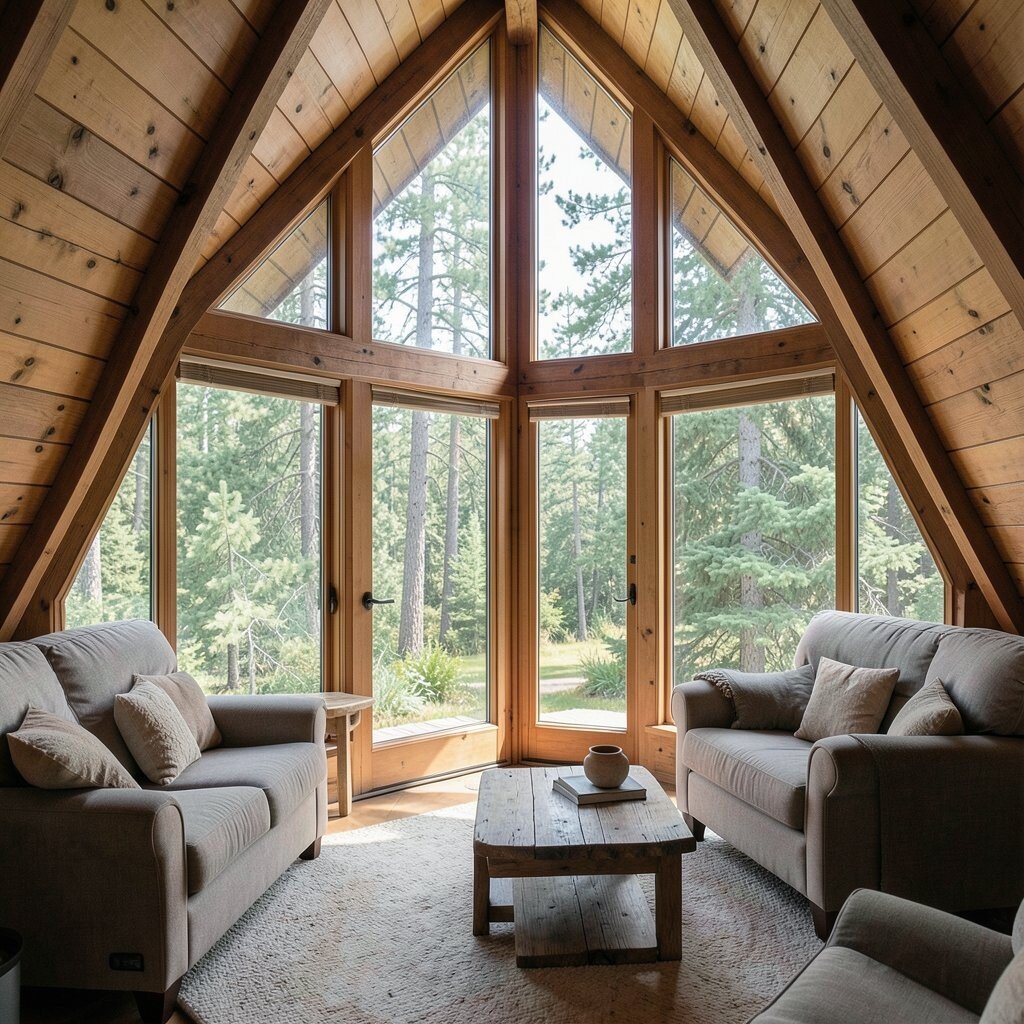
Think of tall glass panes that pull in ever-changing scenery like a living picture frame. Snowy branches, summer hills, or a backyard garden all become part of your daily view.
Large windows bring real comfort benefits by brightening the room and making it feel bigger. Keep practicality in mind by choosing energy-efficient glazing and planning overhangs to reduce summer heat.
For personalization, add a muntin pattern that matches your style, from rustic to modern. You can also select curtains in earthy colors that echo the landscape outside.
4. A Cozy Loft With Ladder Charm
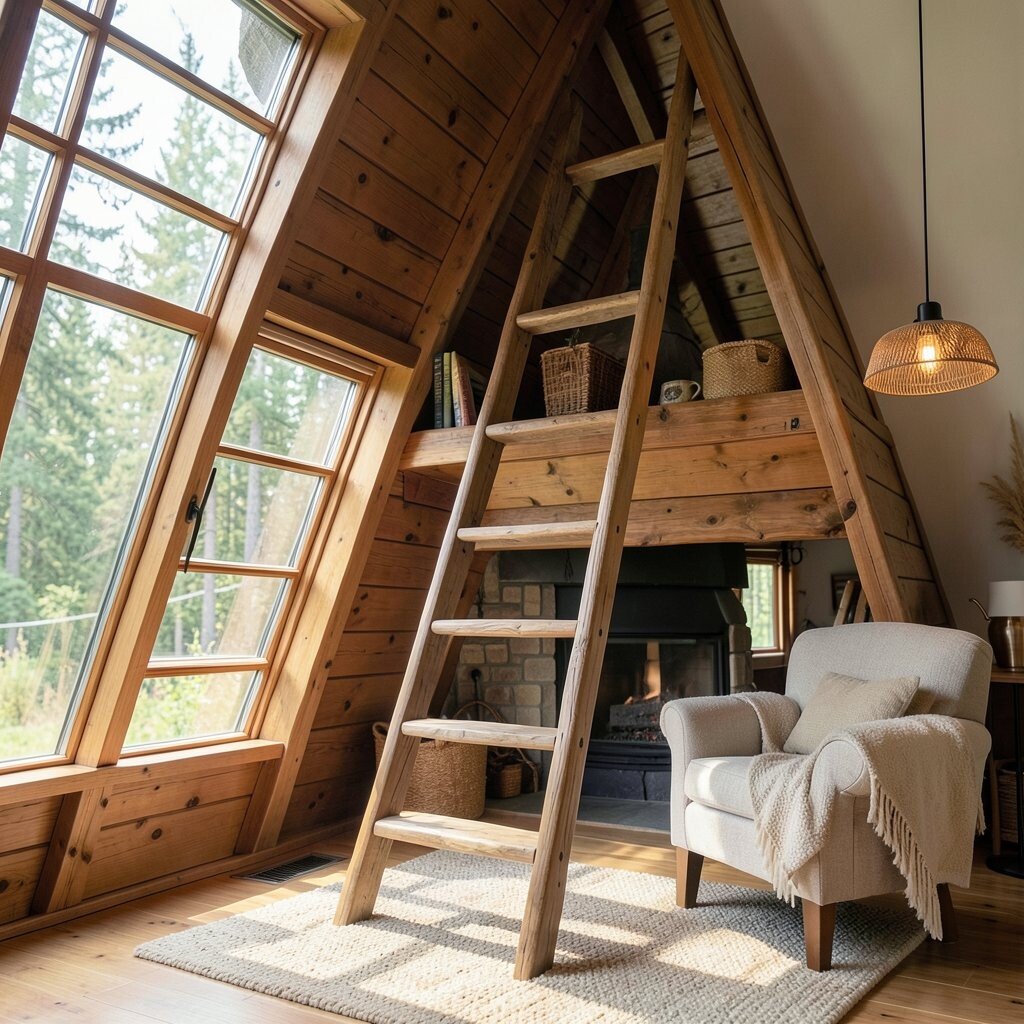
Picture a snug loft tucked under the roof peak, with a small ladder that feels like a secret passage. It’s the kind of space where you can read, sleep, or daydream without the main room feeling crowded.
This layout adds a uniqueness factor because it uses vertical space naturally. It’s also practical when you’re working with a compact footprint, since sleeping space can sit above the common area.
5. Statement Entry That Feels Like a Welcome Song
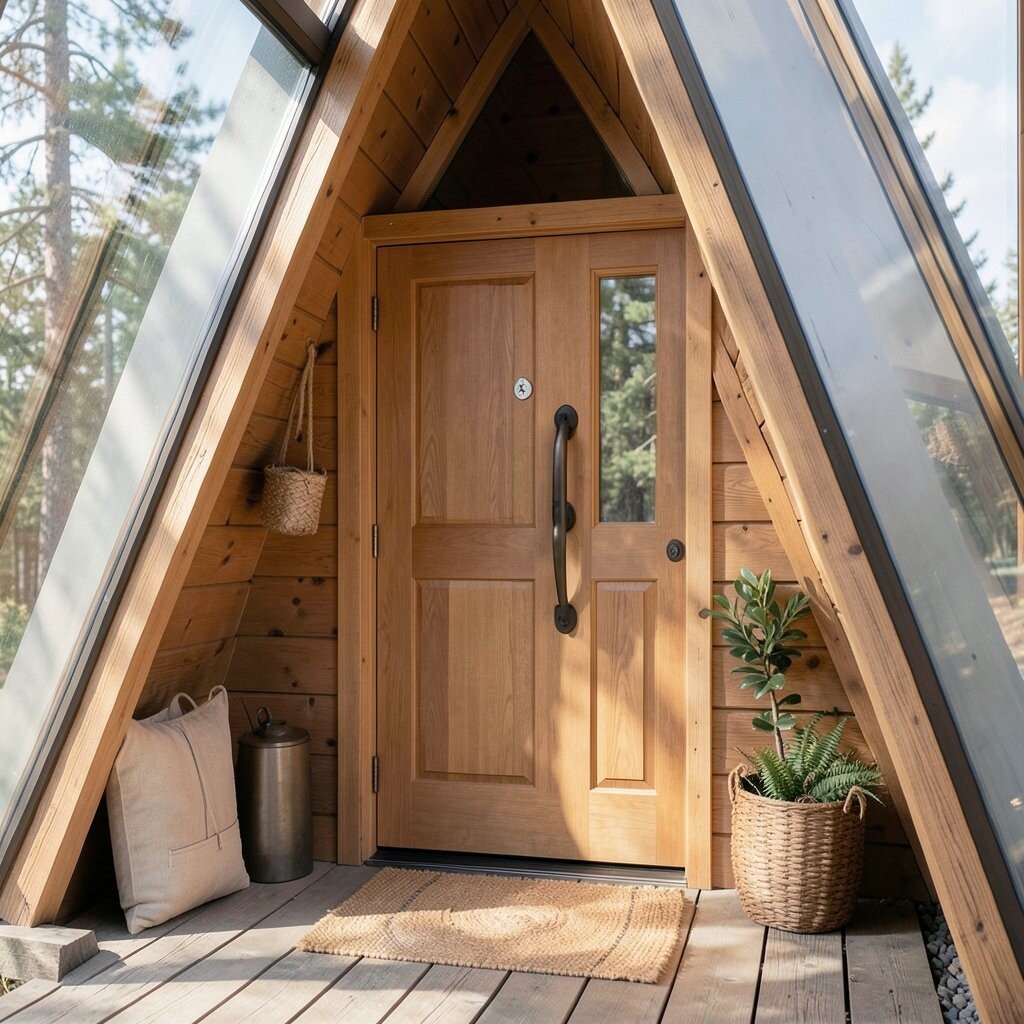
When you approach, the entry should feel inviting, not just functional. A small covered porch with a sturdy railing can make the whole cabin feel friendly.
Add a benefit by protecting your doorway from rain and snow, which means fewer messy mornings. For a practical upgrade, pick weather-resistant materials and a floor surface that won’t become slippery when the ground is wet.
Personalize with a front door color that matches your vibe, like deep green or warm black. A simple doormat and lantern-style lights can bring instant character without heavy spending.
6. Knotty Textures for Hands-On Visual Interest
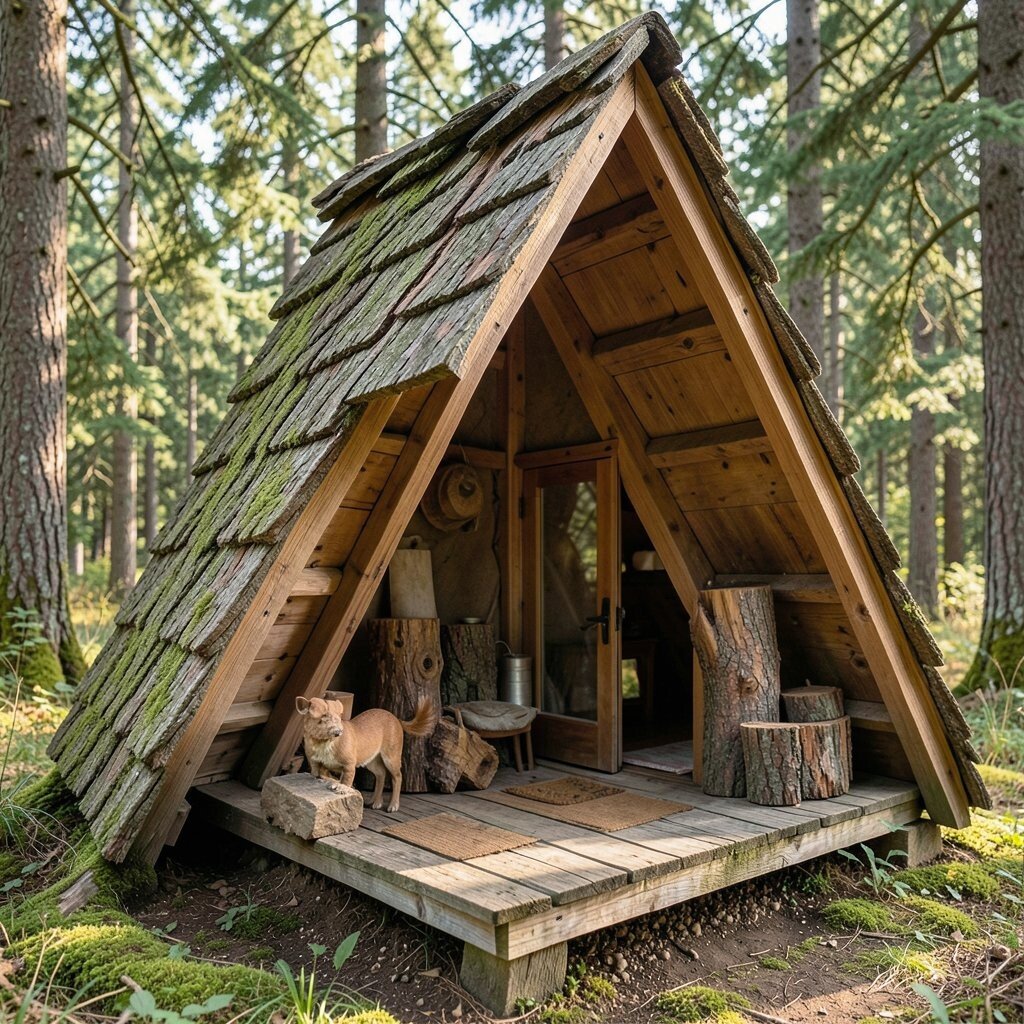
Look for walls, beams, or ceiling planks with natural knots and grain patterns. Those little details feel human, like the cabin has a story written into it.
Textured surfaces add uniqueness by preventing the space from looking flat or generic. They also help hide minor imperfections, which is a practical benefit during construction or later wear.
For personalization, keep the rest of the room clean and simple so the wood texture stays the star. Choose hardware finishes like brushed bronze or matte black to complement the organic look.
7. Hearth-Style Fireplaces That Make Winter Feel Easy
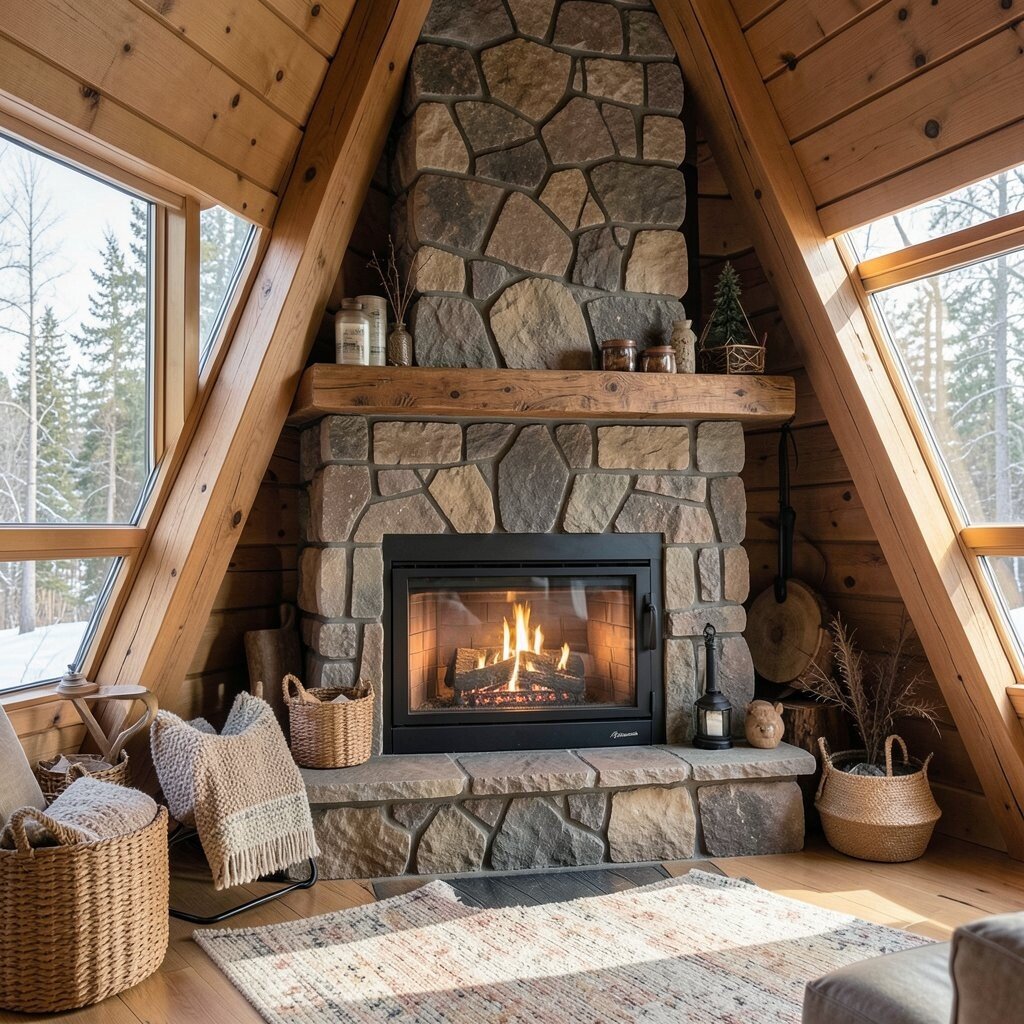
Imagine a stone or brick fireplace centered on the main wall, with a mantel for seasonal décor. When the fire glows, the whole cabin seems to soften and slow down.
A fireplace offers a real benefit by creating a natural gathering point and adding cozy heat. Plan ahead for safe clearances, proper venting, and materials that can handle high temperatures.
If you want a practical twist, consider a smaller wood stove or a modern gas insert for easier control. Personalize by adding a wood storage nook, a woven basket set, or framed photos above the mantel.
8. Ceiling Slopes That Guide the Eye Beautifully
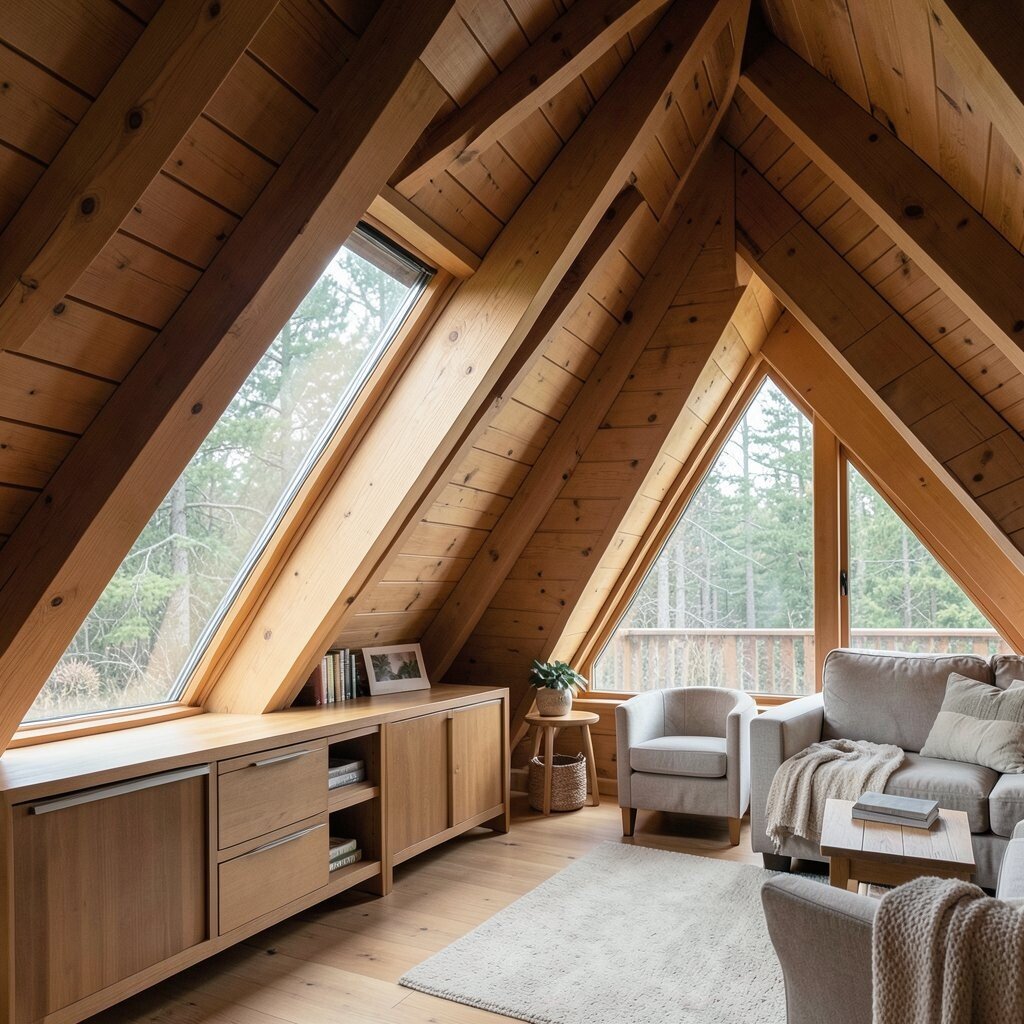
The slanted ceiling naturally directs your gaze upward and across the room. It can make a living area feel airy even if the cabin is small.
This feature brings uniqueness because it feels architectural, not like an afterthought. For practical tips, align your lighting with the slope so shadows don’t collect in corners.
9. Seating Nooks That Turn Empty Space Into Comfort
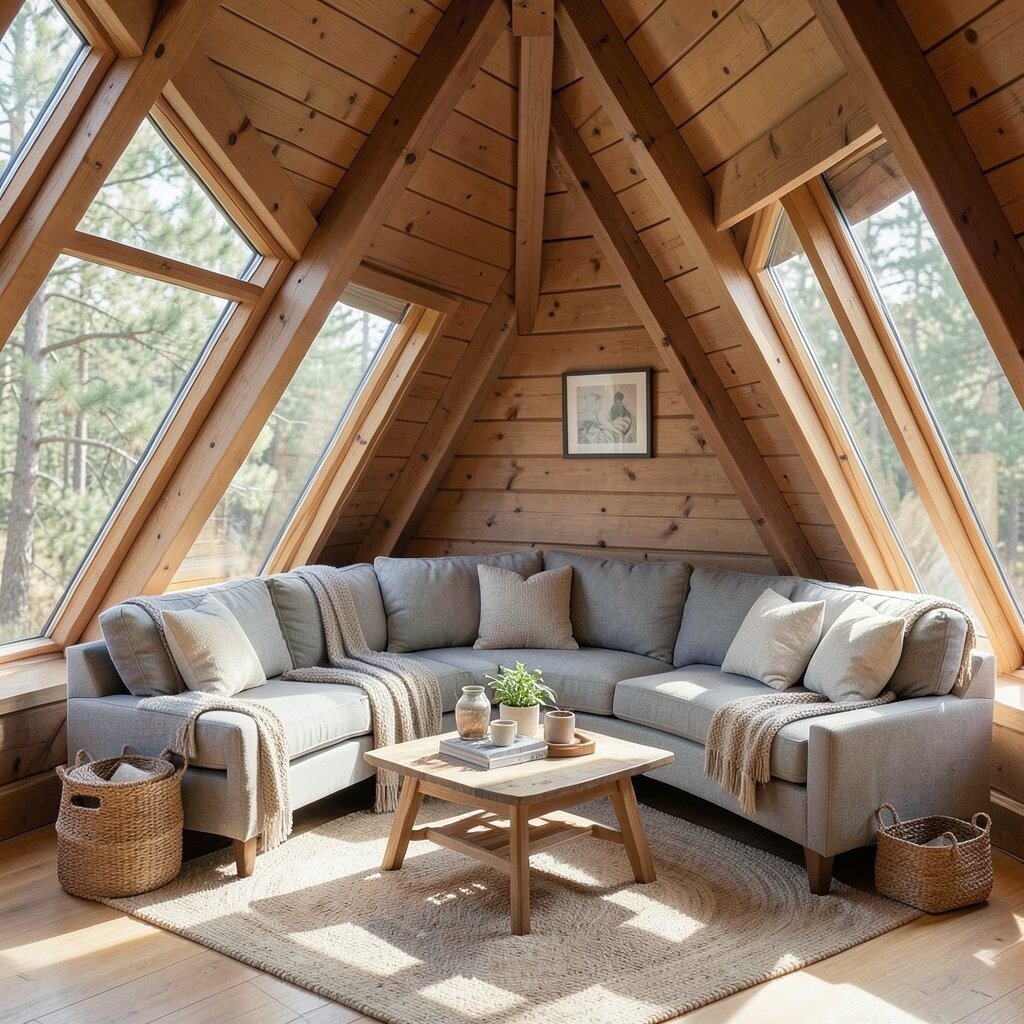
Think of a built-in bench or window seat tucked into a corner. With a couple of cushions, it becomes the best spot for morning tea or quiet conversation.
Seating nooks add a benefits-driven advantage because they reduce the need for extra furniture. They also help define zones in an open floor plan without walls.
Personalization ideas can be simple, like choosing cushion colors that match your outdoor landscape. Add a small side table or reading lamp so the nook feels complete, not temporary.
10. Color Palettes Inspired by Nature
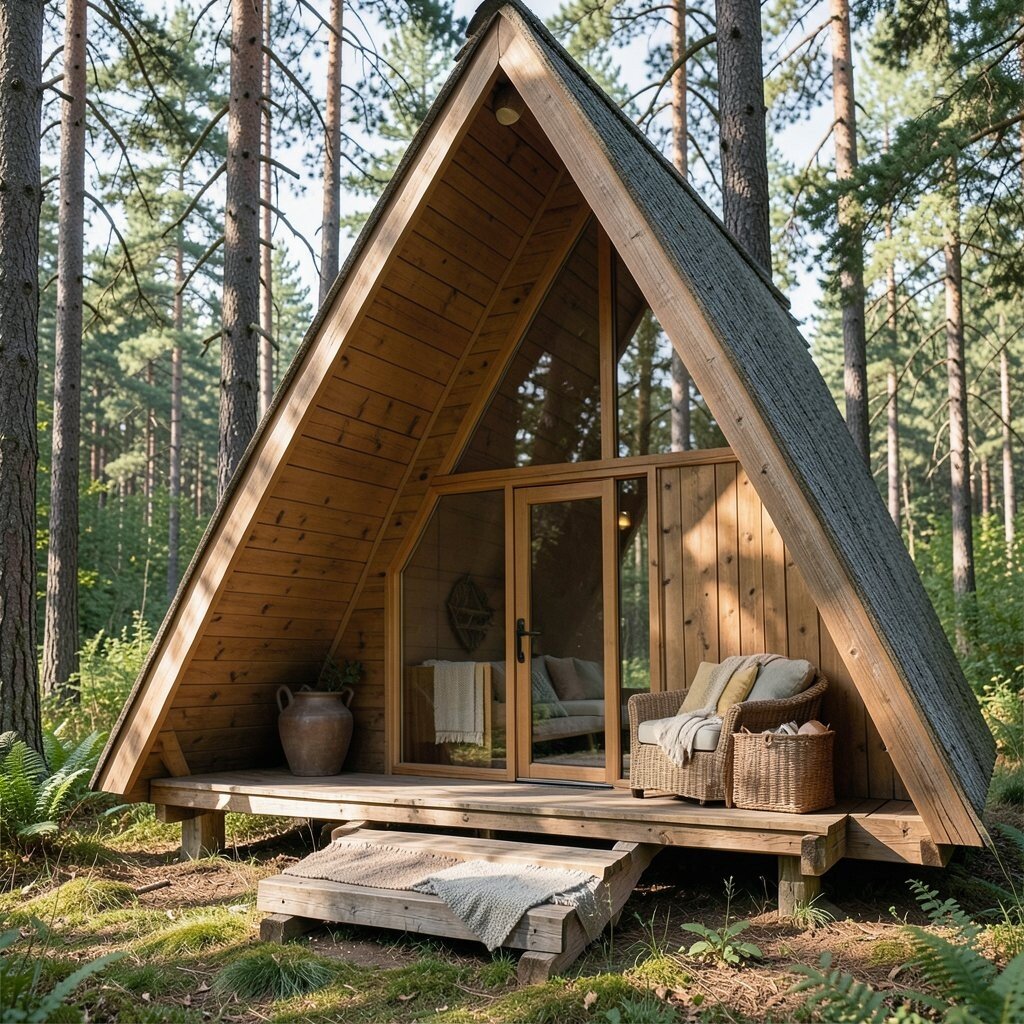
Choose colors like moss, clay, cream, and charcoal to echo the world around your cabin. These shades look calm together, even when you mix different textures.
Nature-inspired palettes bring a uniqueness factor because they feel grounded and timeless. They also help with practical decision-making since you can reuse the same tones across walls, fabrics, and décor.
If you want a personalization edge, pick one accent color for the details, like rust on pillows or deep blue on the door hardware. That small choice can make the space feel custom without overwhelming it.
11. Flooring Choices That Handle Life Well
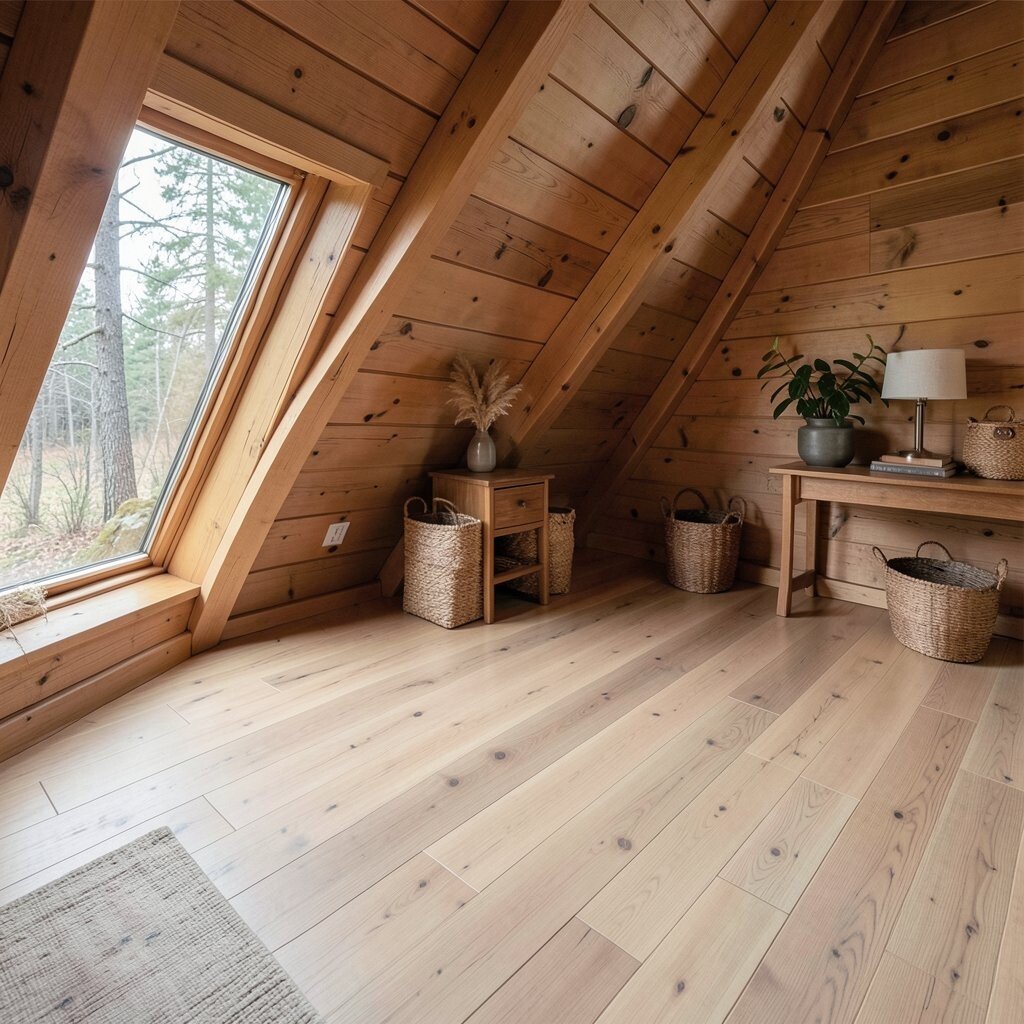
Picture durable floors that still feel cozy underfoot, like engineered wood or warm-toned vinyl. In an A-frame, the flooring has to look good from the doorway to the loft stairs.
Practical flooring helps with benefits because it stands up to moisture, boots, and daily wear. Consider areas near entry doors and plan mats or rugs that can be cleaned easily.
For personalization, choose a subtle pattern, like a herringbone look in a restrained tone. Pair it with a few larger rugs so the cabin feels layered and comfortable, not sparse.
12. Lighting Layers for Soft Evenings
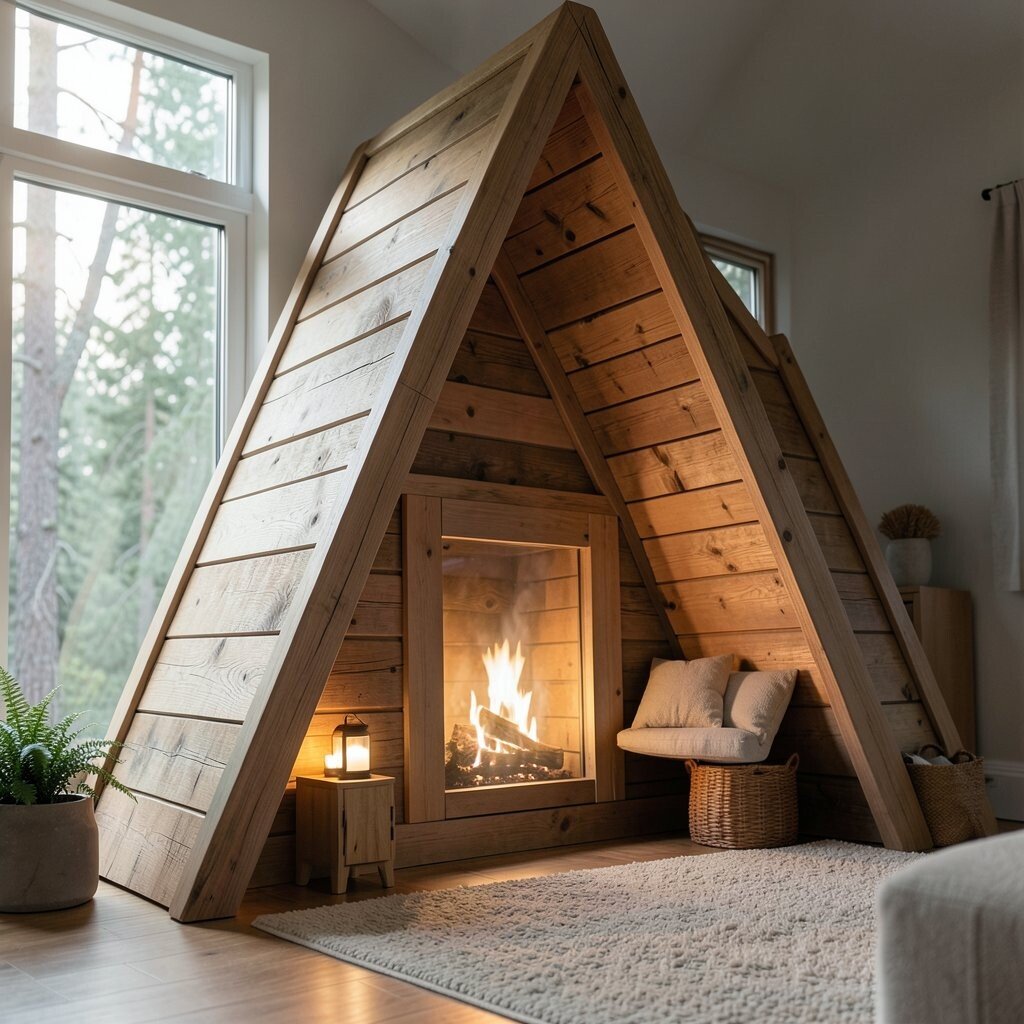
Instead of relying on one bright overhead light, use layered lighting. Warm wall sconces, a ceiling fixture with a soft shade, and table lamps can all work together.
Layered lighting is a benefit because it keeps your cabin cozy at night and reduces harsh shadows. It’s also practical since you can adjust brightness for different activities.
To personalize, select bulbs with a warm color temperature and use dimmers where possible. Add a string of small lanterns on the porch for a charming touch that fits the cabin vibe.
13. Storage Built Into the Architecture
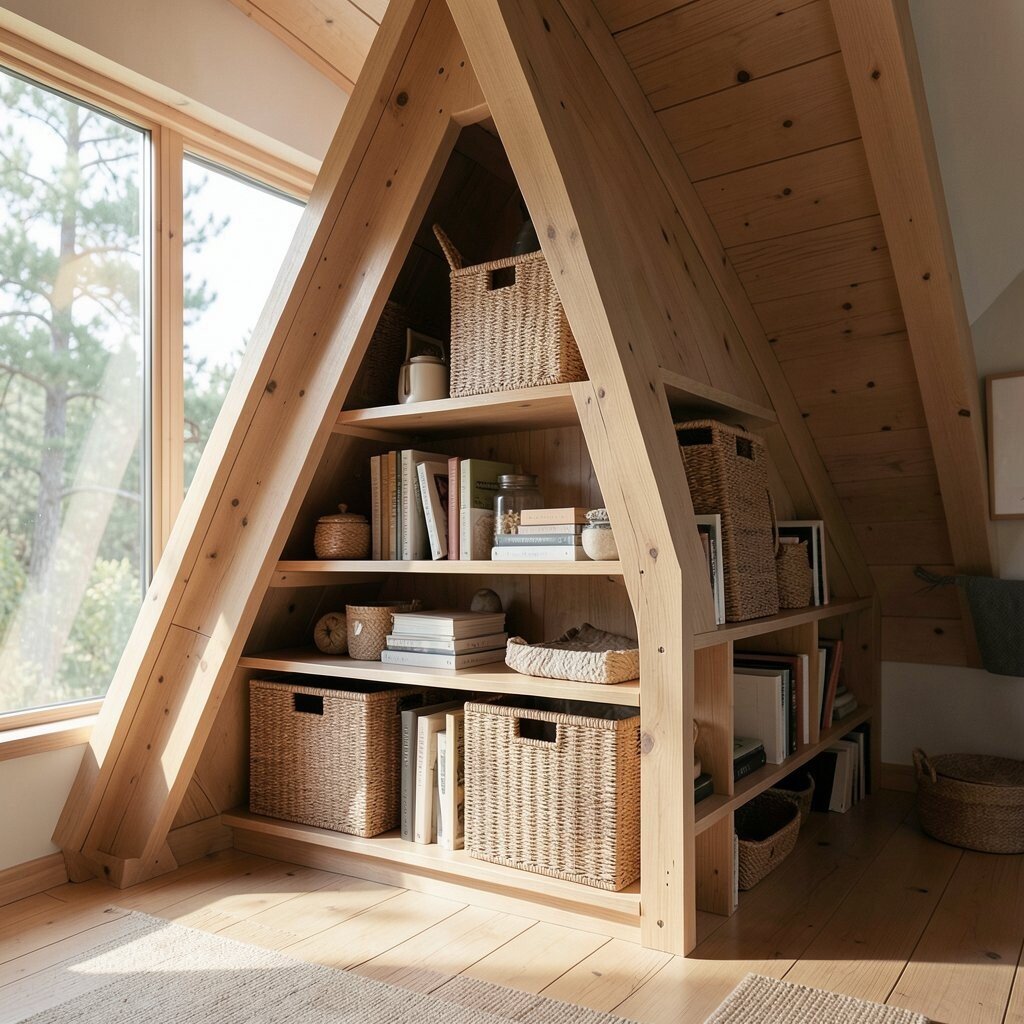
A-frame cabins often waste a little space unless you plan for it, so storage should follow the shape. Think of cabinets near the base of sloped walls and hooks by the entry.
This brings uniqueness because the storage looks like it belongs in the design, not glued on later. The benefit is huge in real life since gear, coats, and seasonal items stay organized.
For personalization, use labeled baskets or hidden drawers that match your color palette. If you love crafts, you can even build small cubbies for books or board games.
14. Kitchen Layouts Made for Gatherings
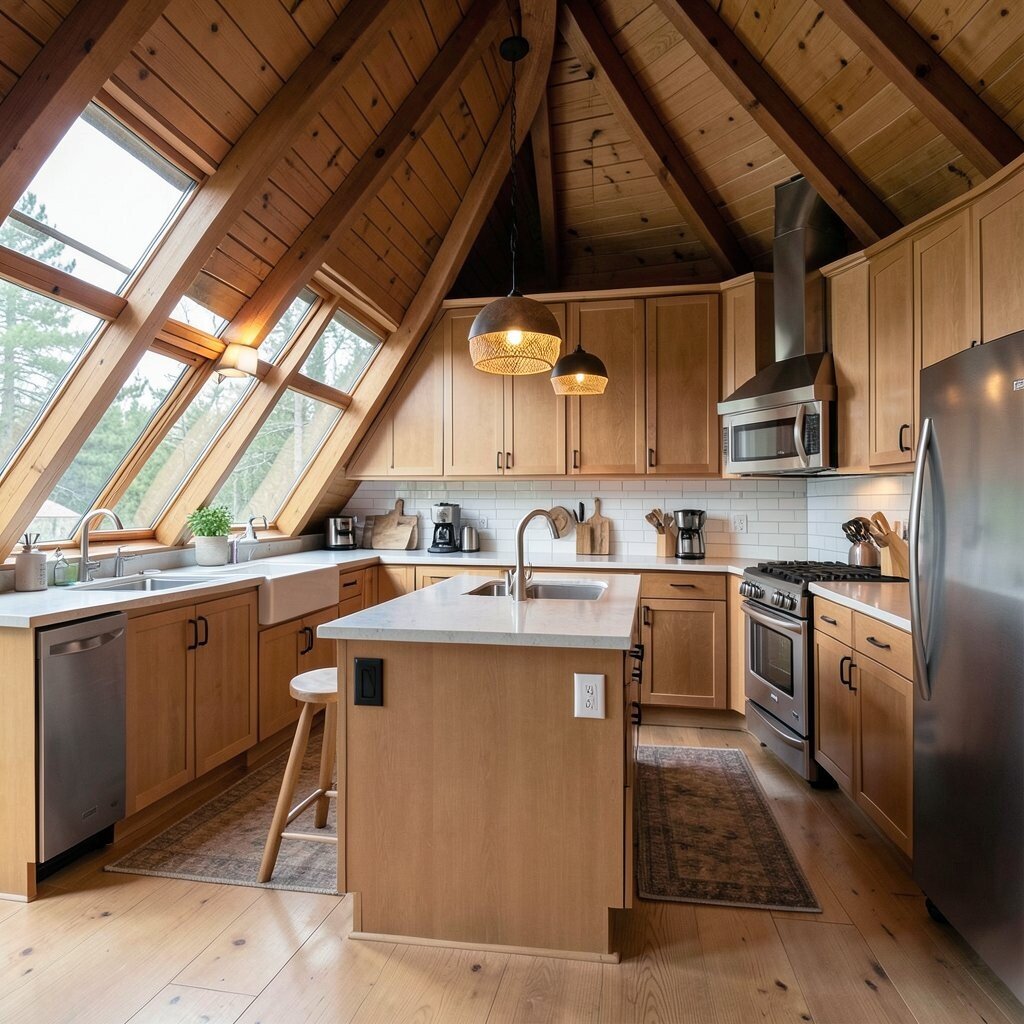
Imagine a compact kitchen where the cook can still join the conversation. An L-shaped counter with a simple island or breakfast bar can make the main room feel connected.
This setup offers practical benefits because it improves flow in a smaller footprint. It also helps guests stay comfortable while food happens right nearby.
Personalize by choosing open shelving for everyday items and keeping the rest in closed cabinets. You can also pick hardware styles that match your overall vibe, like simple bar pulls or rustic knobs.
15. Bathroom Comfort With Simple Spa Touches
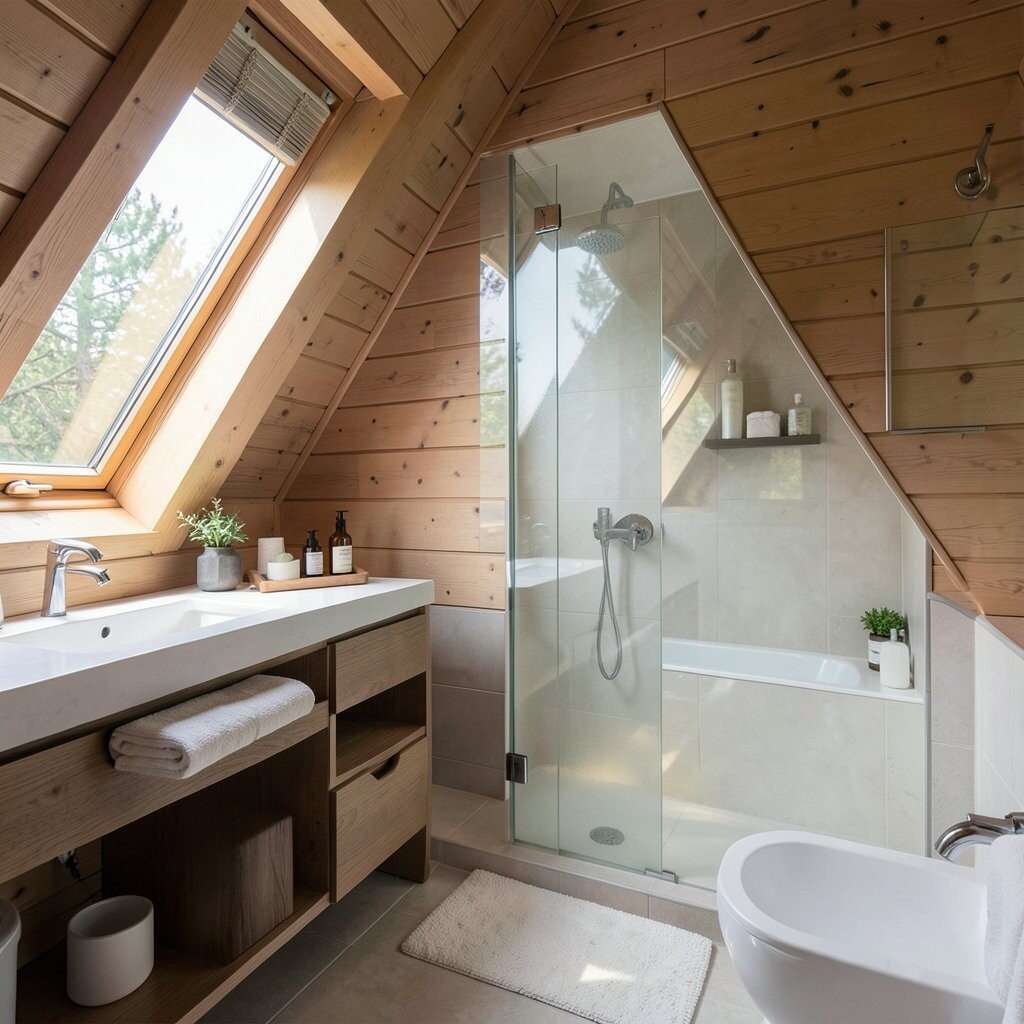
Even in a small cabin, a bathroom can feel like a spa when the details are right. Warm lighting, clean lines, and soft towels make a big difference.
A benefit of thoughtful bathrooms is that they keep the whole cabin feeling fresh and welcoming. Plan for moisture-smart materials, good ventilation, and easy-to-clean surfaces.
For uniqueness, consider a shower with a stone-look surround or a window with a subtle pattern. Personalize with a matching set of containers for soap and skincare so everything looks intentional.
16. Exterior Siding That Gives a “Stay a While” Feel
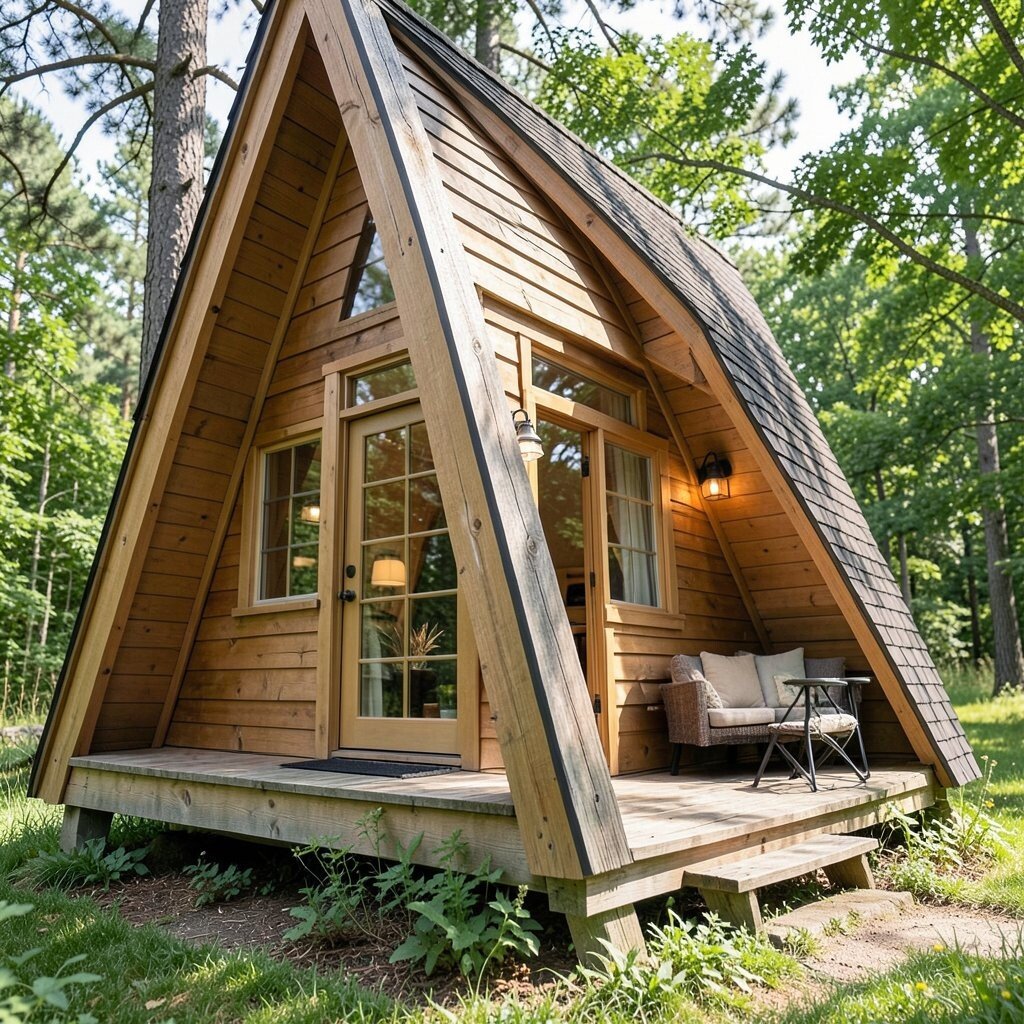
Think about siding choices like board-and-batten, shiplap, or textured panels that add visual depth. In daylight, the lines create shadow play that makes the cabin look alive.
Siding brings uniqueness because it defines your cabin’s personality from far away. For practicality, choose materials and sealants that fit your climate and can handle seasonal changes.
If you want cost considerations without sacrificing style, focus spending on the most visible sections like the front elevation. You can also keep secondary sides simple while still using consistent trim colors for a cohesive look.
17. Landscaping That Frames the Cabin Without Clutter
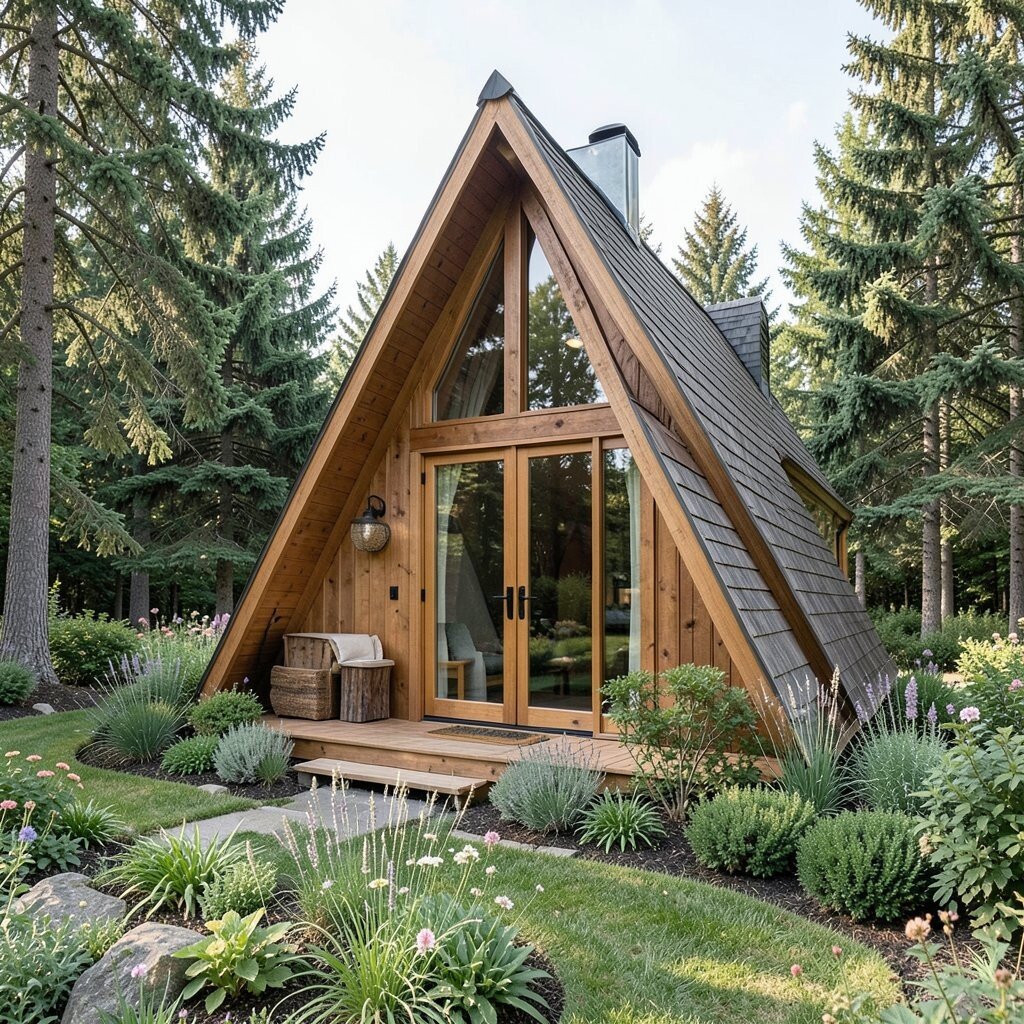
Picture pathways edged with small stones, native plants, and a few taller shrubs near the corners. The cabin should feel surrounded, not boxed in.
This framing adds benefits because it helps with drainage and keeps water from pooling near the foundation. It also boosts curb appeal, which is a real win for any project.
Personalize your landscaping with a mix of textures, like grasses plus flowering plants, so it changes through the seasons. If you’re cost-conscious, focus on planting in strategic areas and use mulch to keep maintenance simple.
18. Outdoor Deck Spaces Built for Real Use
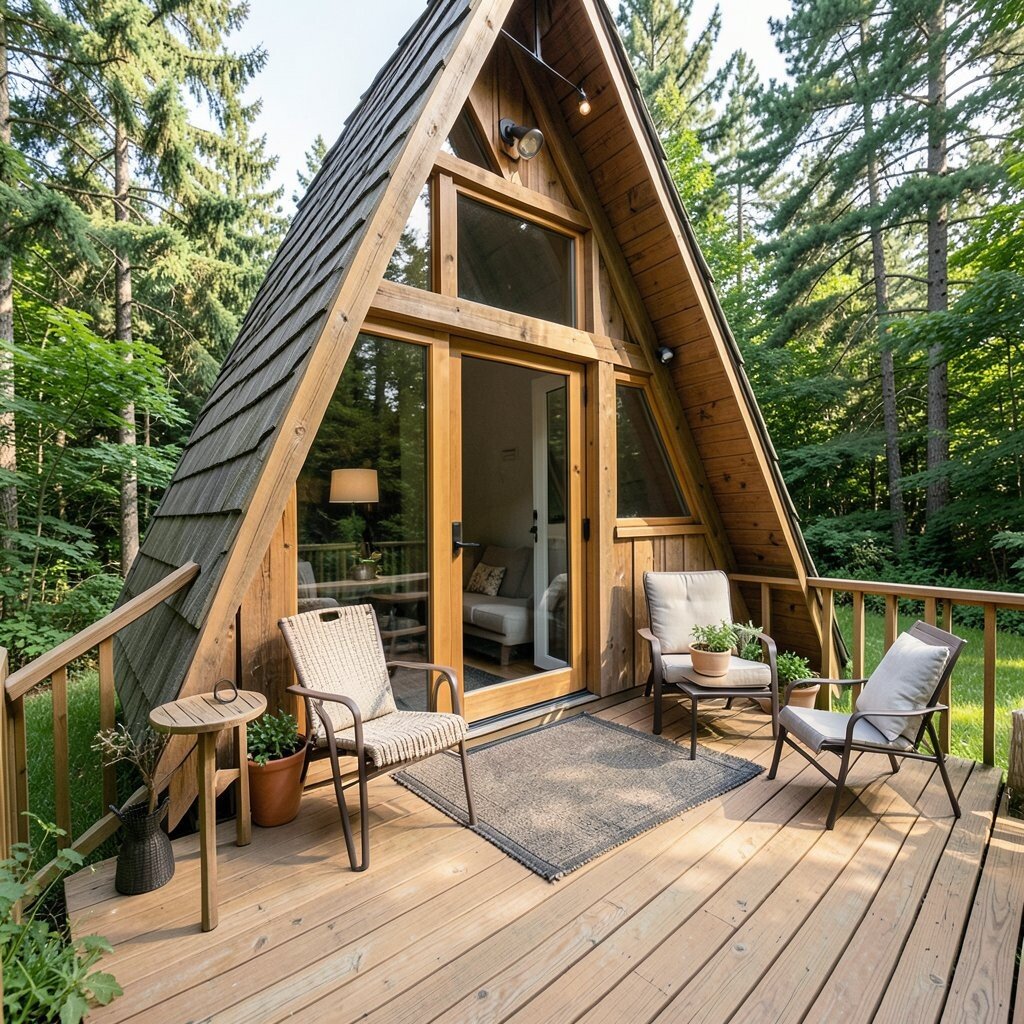
Imagine stepping out onto a deck that feels like an extra room, with a table for meals and seating for slow evenings. A deck that wraps partially around the cabin can make the layout feel expansive.
The benefit of outdoor living is that it expands your usable space without enlarging the interior. For practical tips, plan railings and lighting for safety and consider weather-resistant finishes.
Personalize with outdoor rugs, a cozy fire bowl, or a small herb planter box. If budget matters, start with the deck core layout and add décor later once you see how you actually use the space.
19. Storage-Friendly Paths and Utility Planning
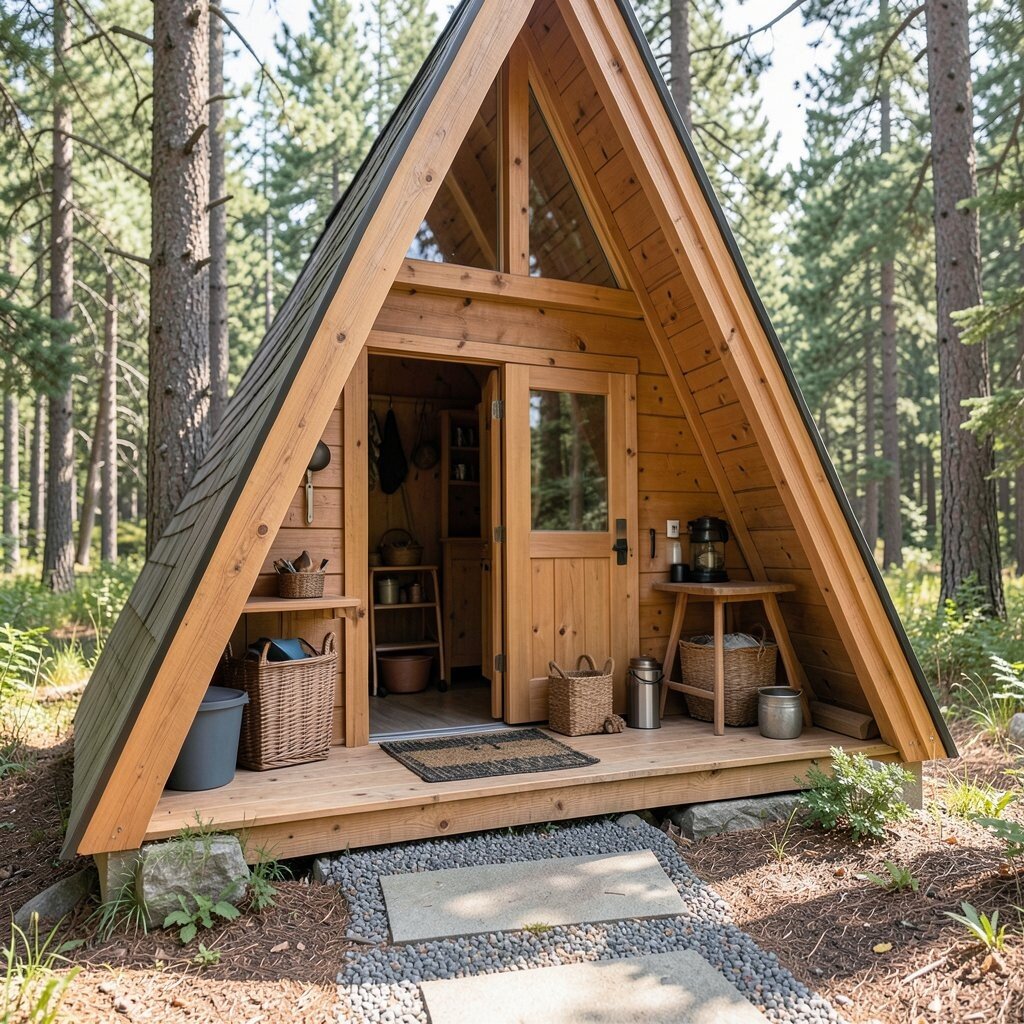
A-frame cabins often need space for daily routines like trash, firewood, and tool storage. Thinking about these paths early keeps the cabin vibe clean and calm.
This planning brings practical benefits because it reduces clutter and keeps weathered items out of sight. It also helps in emergencies since you can maintain clear access routes.
For personalization, hide utility in a shed that matches your siding color and trim style. Cost considerations can be managed by building compact storage structures first, then expanding later if your needs grow.
20. Modern Twists That Keep the Cabin Soul
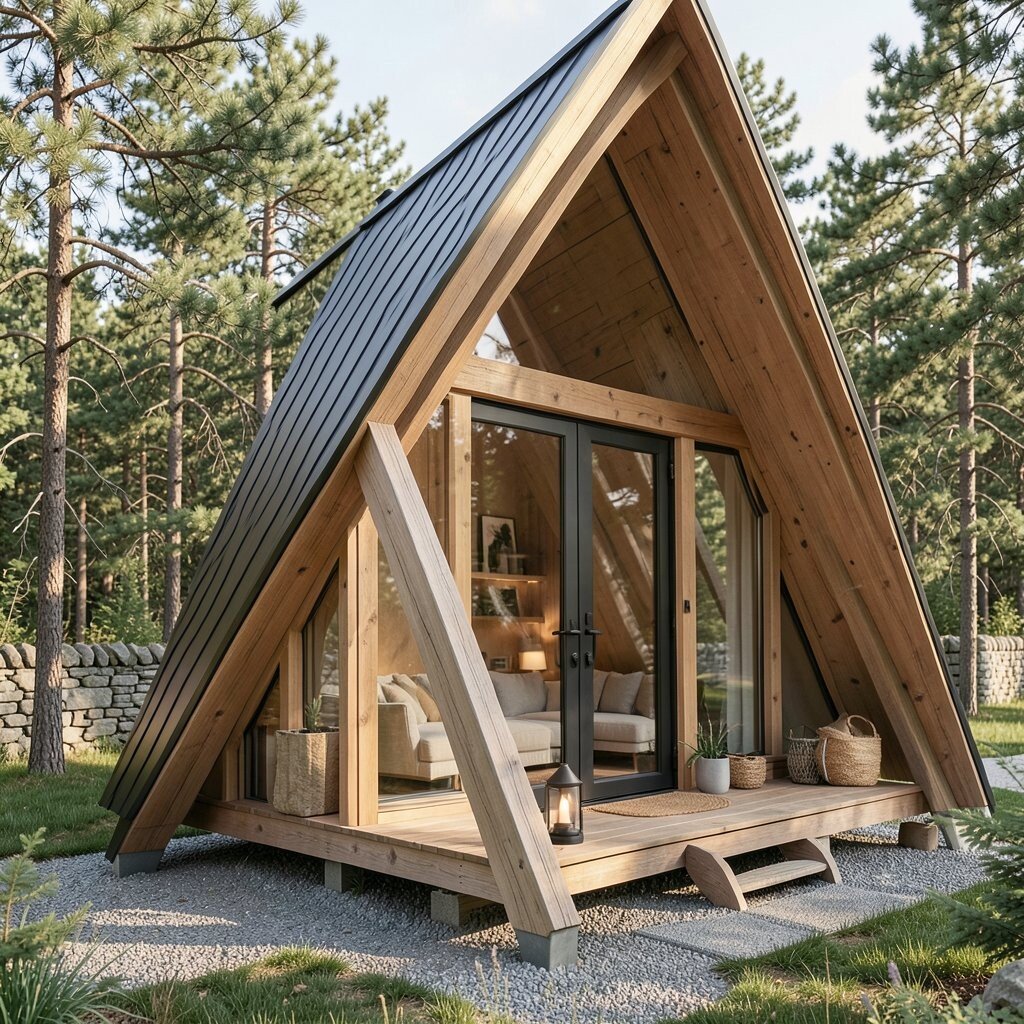
Even with modern finishes, an A-frame can still feel classic when key elements stay true. Sleek metal hardware, minimal pendant lights, and clean cabinetry lines can work alongside wood and stone.
This creates uniqueness by blending comfort with current trends, like large-format tiles and warm neutrals. The benefit is flexibility since modern choices often pair well with future décor updates.
To personalize, pick one trend-forward element as the star, like a matte black faucet or a geometric light fixture. For cost considerations, spend on the surfaces people touch most, like countertops and cabinet hardware, then keep the rest simple and durable.