A room can feel like a time machine without spending much. Small updates can make your home glow with old-world charm.
1. Paint Trim in a Soft Two-Tone Scheme
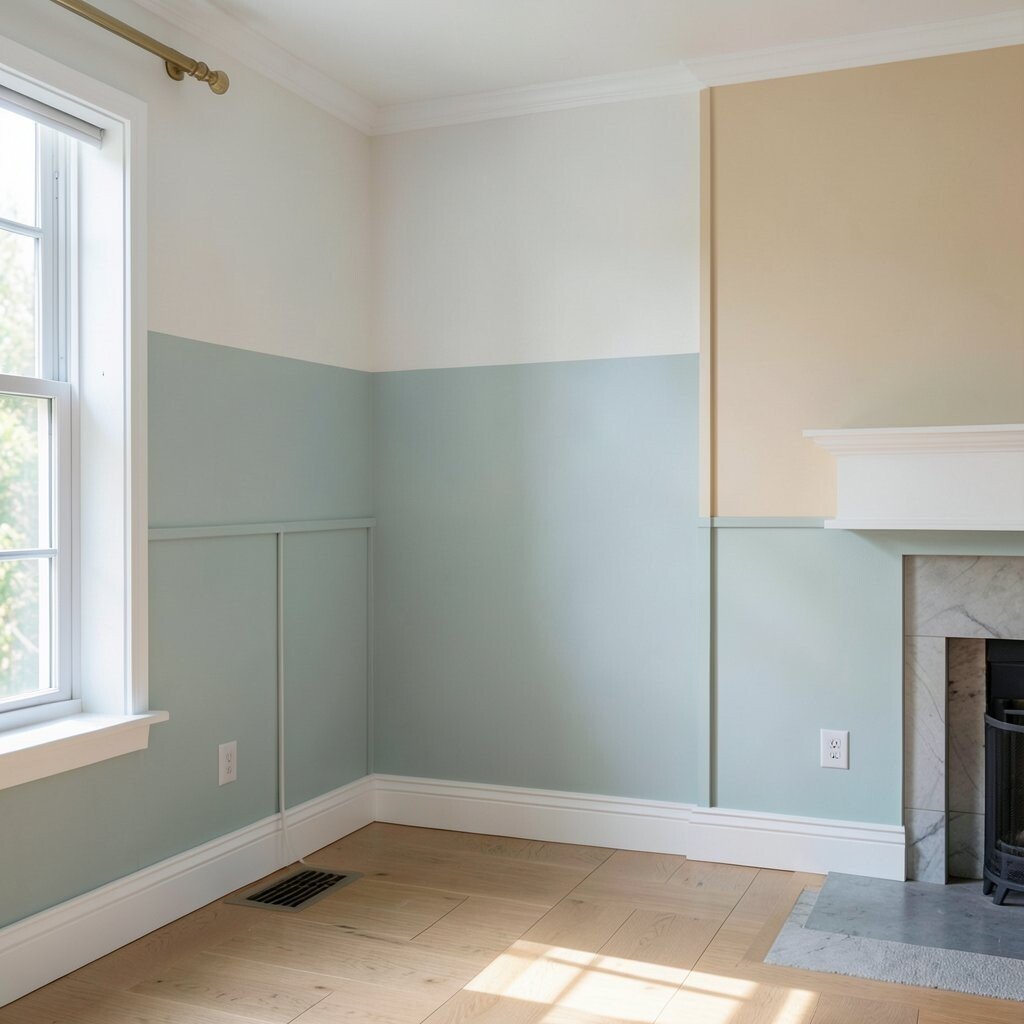
Pick a warm off-white for the walls and a slightly deeper muted shade for the trim. You will instantly see crisp lines that feel right for a 1920s home.
Visualize it like old-fashioned photographs where edges look clean and intentional. Use painter’s tape carefully and keep your brush strokes neat so the trim looks sharp. For a personal touch, match the trim color to something you already own, like a brass lamp or a dark wood frame.
2. Swap Out Basic Hardware for Brass-Looking Knobs
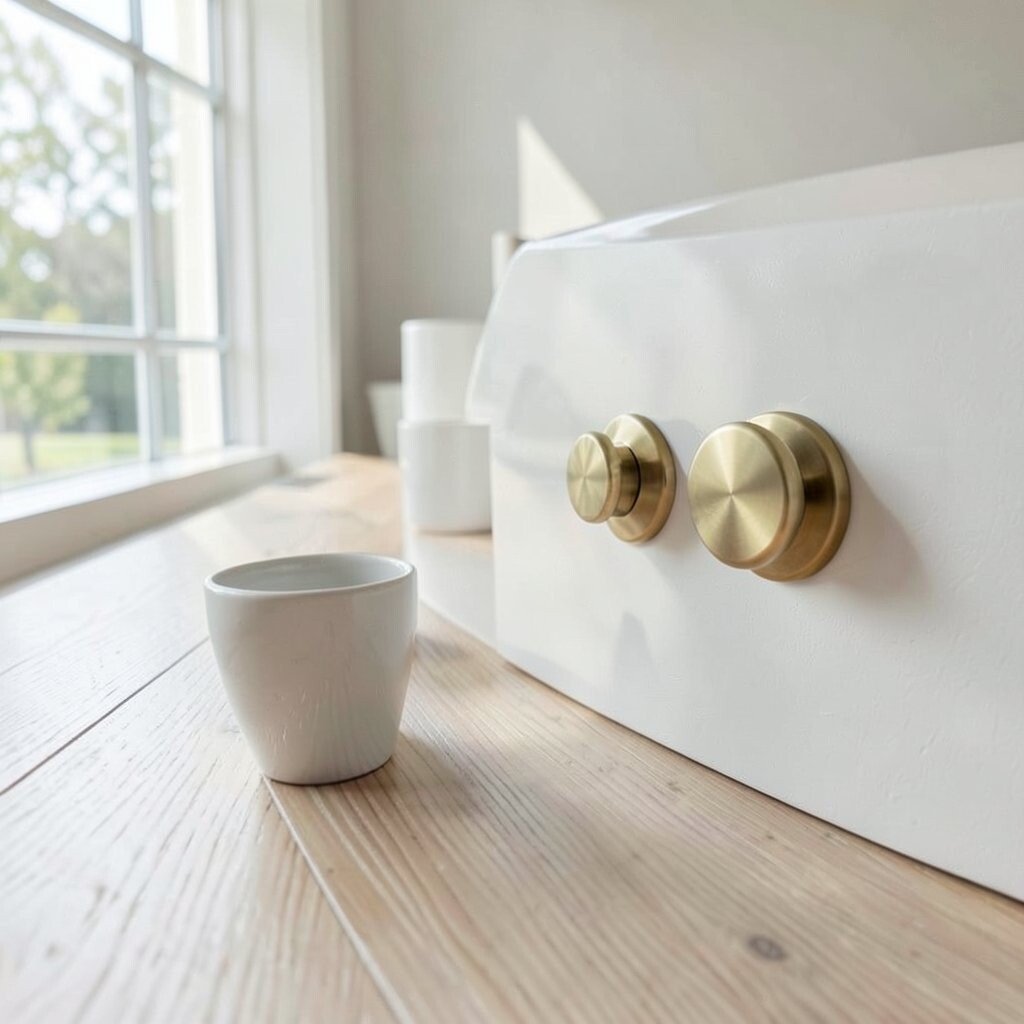
Replace drawer pulls and cabinet knobs with brass-looking options to add instant sparkle. The change is small, but your eyes catch it every time you open a door.
Choose shapes with gentle curves or simple geometric lines to match the 1920s vibe. Measure screw spacing and bring one old piece with you so the fit is accurate.
To keep costs friendly, focus on the most used drawers first, like the kitchen or bathroom vanity. A quick wipe-down before installing helps the new hardware sit securely and prevents a wobbly feel.
3. Add a Removable Art Deco Runner on the Floor
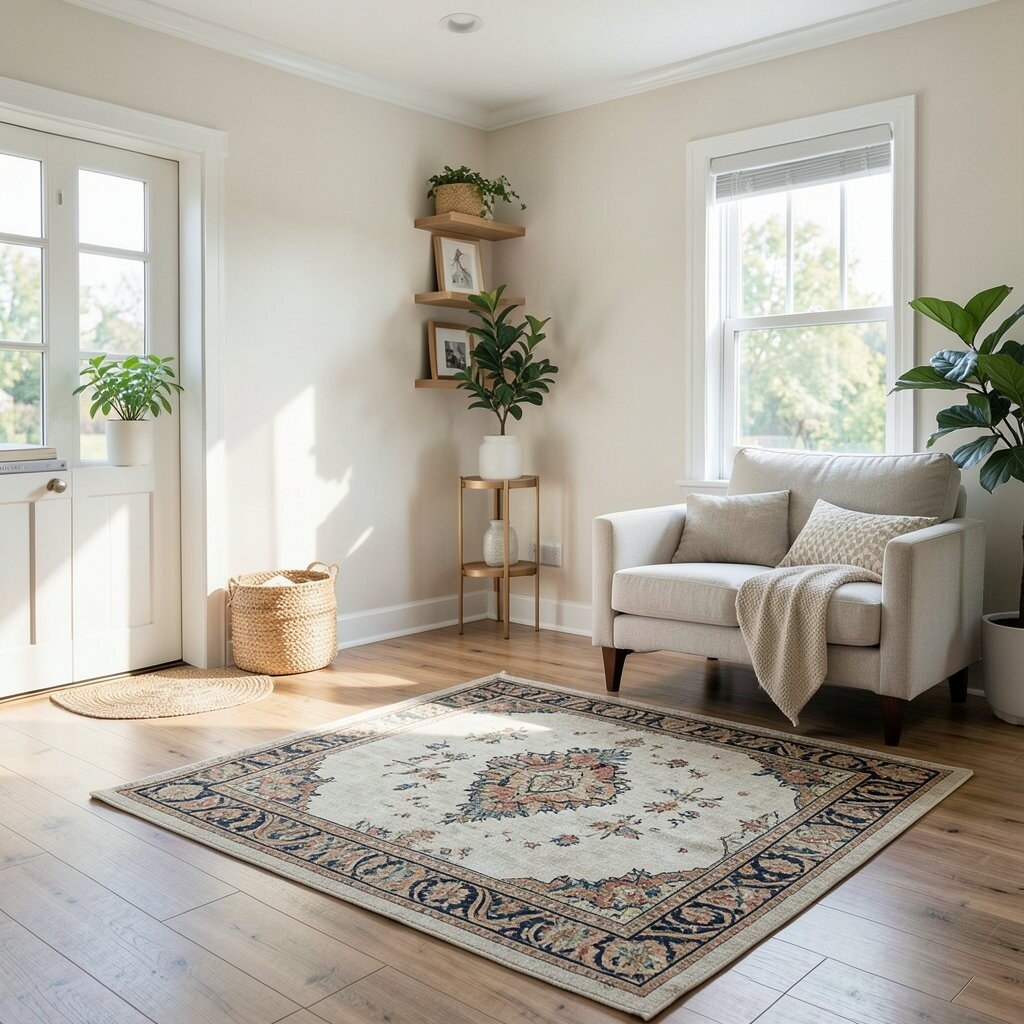
A patterned runner can turn a plain hallway into a stylish corridor. Look for designs with fan shapes, stepped lines, or repeating rays.
It creates a visual rhythm that feels like the era while still being practical for daily life. Vacuum often and use a non-slip pad to keep it from shifting as you walk.
Pick a size that fits snugly without crowding furniture. If you like variety, rotate seasonal decor by pairing different framed prints with the same runner.
4. Refresh Mirrors with New Trim or a Simple Frame
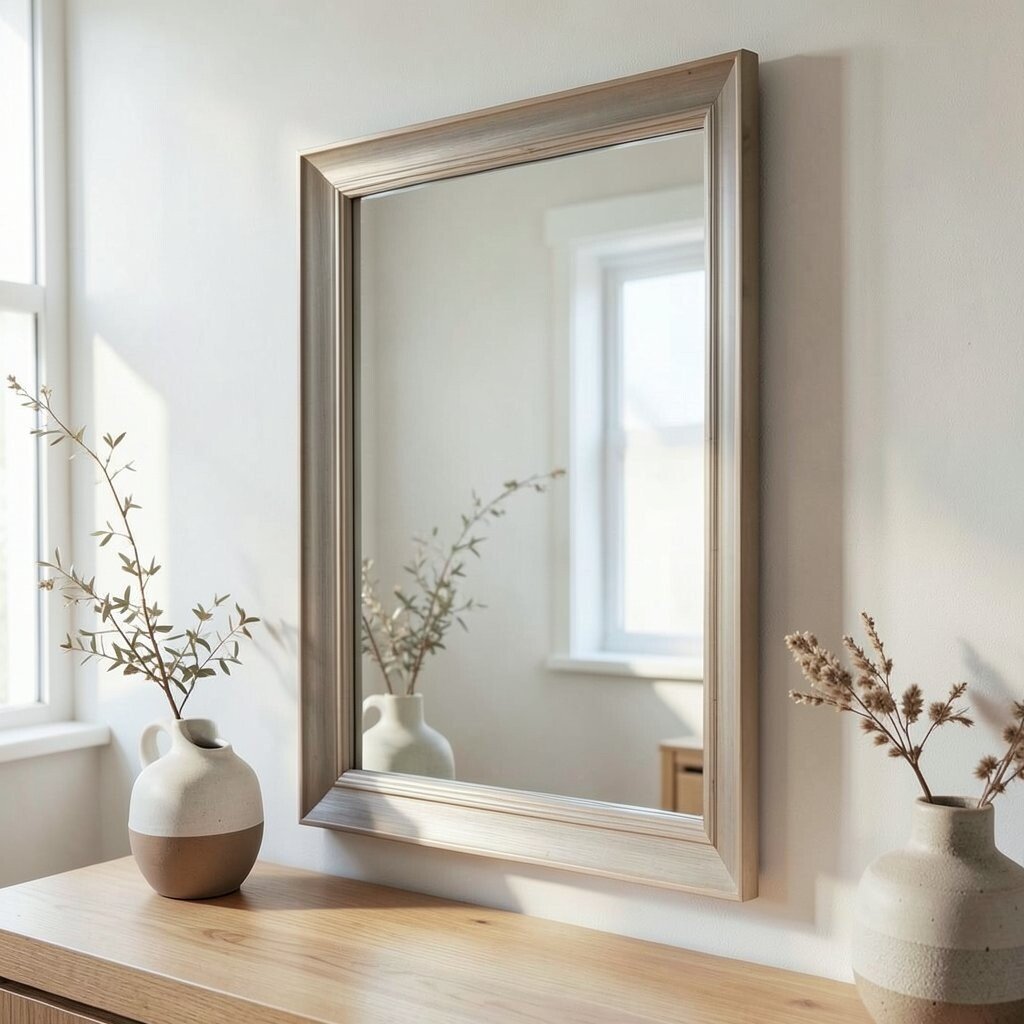
A mirror is one of the fastest ways to make a room feel bigger and brighter. Even if your mirror is plain, a fresh frame can bring that classic 1920s mood back.
Choose a frame color like smoked wood, soft black, or warm gold. Keep the glass clean for a clear reflection, and hang it at eye level so it feels welcoming, not awkward.
5. Create a Gallery Wall with Vintage-Style Frames
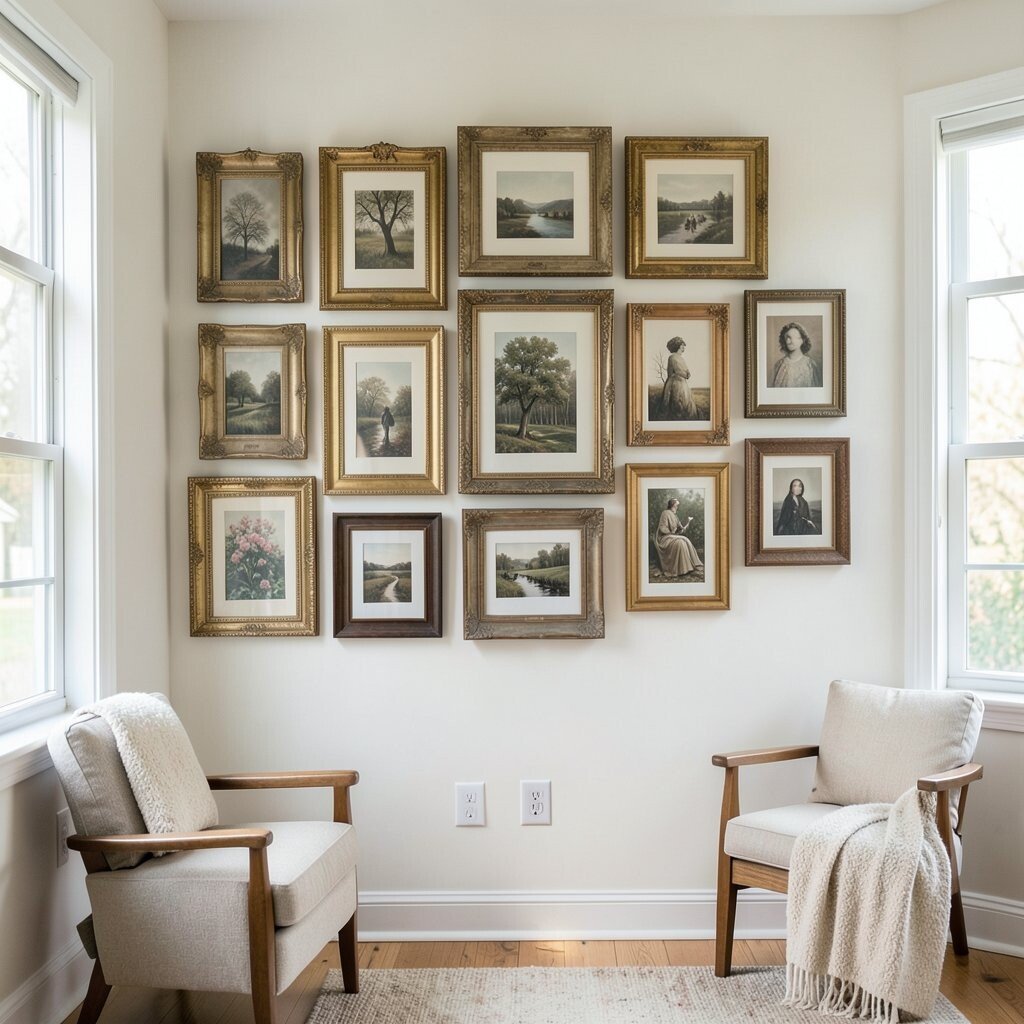
Gather several inexpensive frames in matching tones, then arrange them into a lively display. When you mix sizes lightly, it looks curated instead of random.
Print black-and-white city scenes or botanical images for an old magazine feel. To make it personal, swap in one family photo and apply a subtle sepia filter so everything matches.
Use painter’s tape on the wall to plan the layout before you nail anything. Center the arrangement over a sofa or console, and keep spacing consistent so the wall looks clean.
6. Upgrade Light Switch Plates for a Cleaner Look
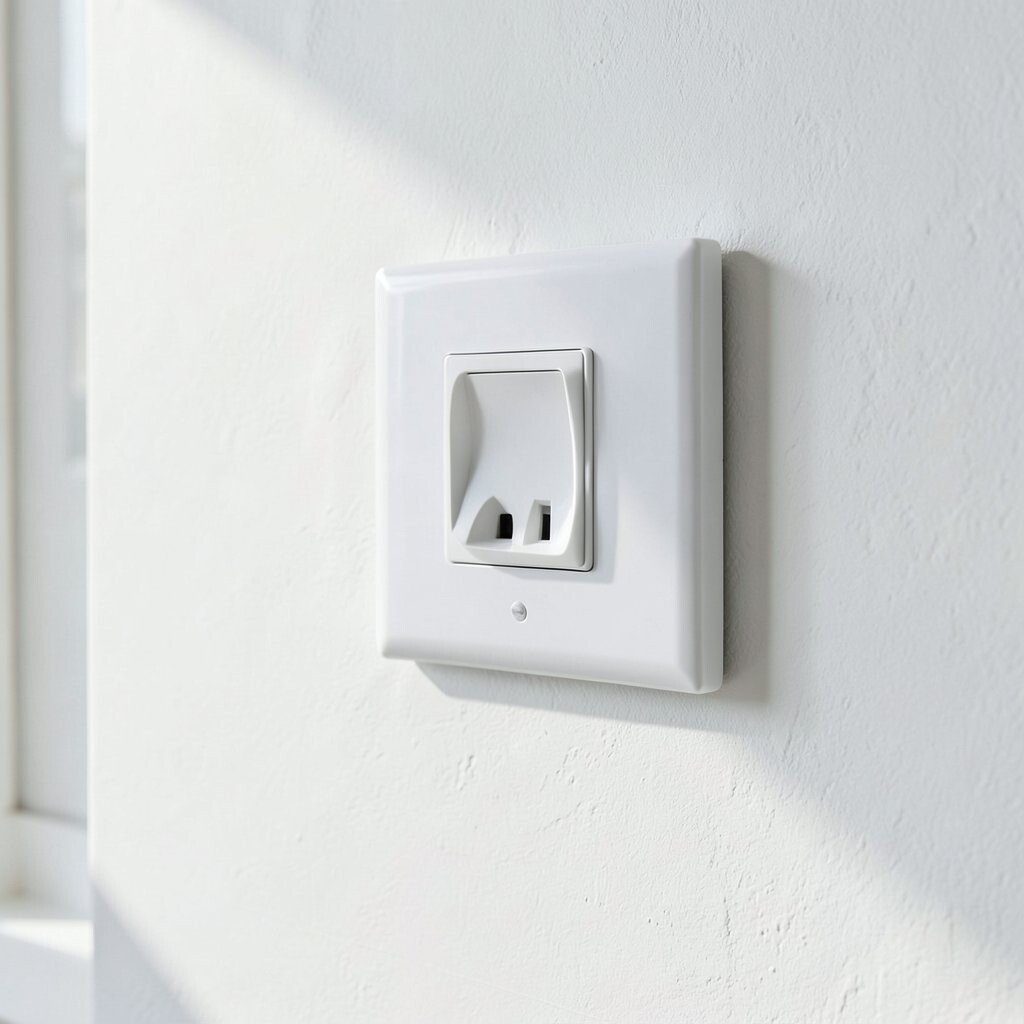
Small switch plate updates can make a room feel more finished. Swap worn plastic covers for simple metal or painted options that match your hardware.
Warming up the details matters because your hand touches these spots daily. Turn off the power at the breaker and replace screws carefully so installation looks straight and secure.
If you want a design nod to the era, choose plates with a classic shape rather than busy patterns. This keeps the look timeless and easy to keep up with as you change other decor.
7. Add Sheer Curtains with a Subtle Geometric Pattern
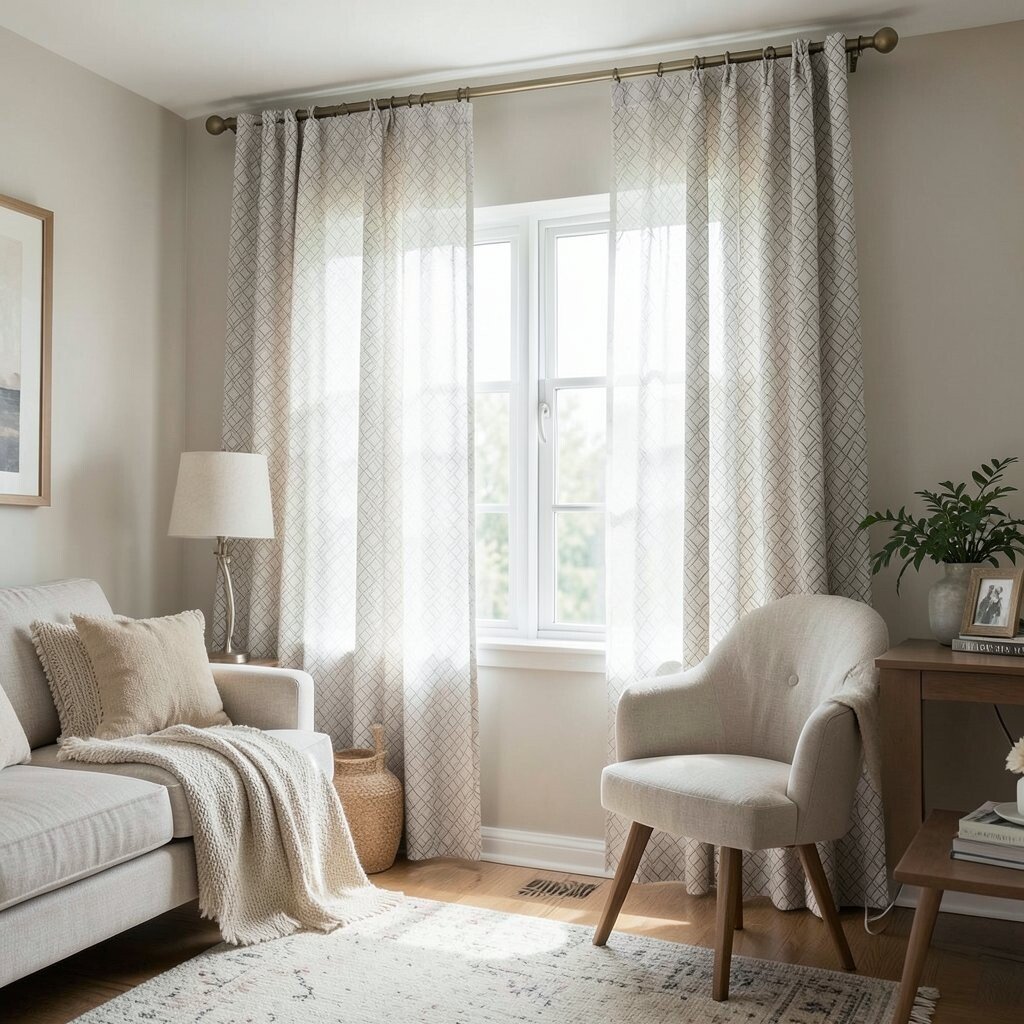
Hang airy sheers to soften daylight and make windows feel dressed. Look for patterns with faint lines or fan-like shapes that echo art deco design.
This gives you privacy while still letting light glow through the room. Go for a length that hits near the floor so the fabric drapes in a refined way.
To personalize it, match the pattern color to your trim or hardware, like warm gold or deep charcoal. Steam the curtains after hanging so they fall smoothly and avoid that wrinkled, rushed look.
8. Paint or Stain a Chair Seat in a Rich Accent Color
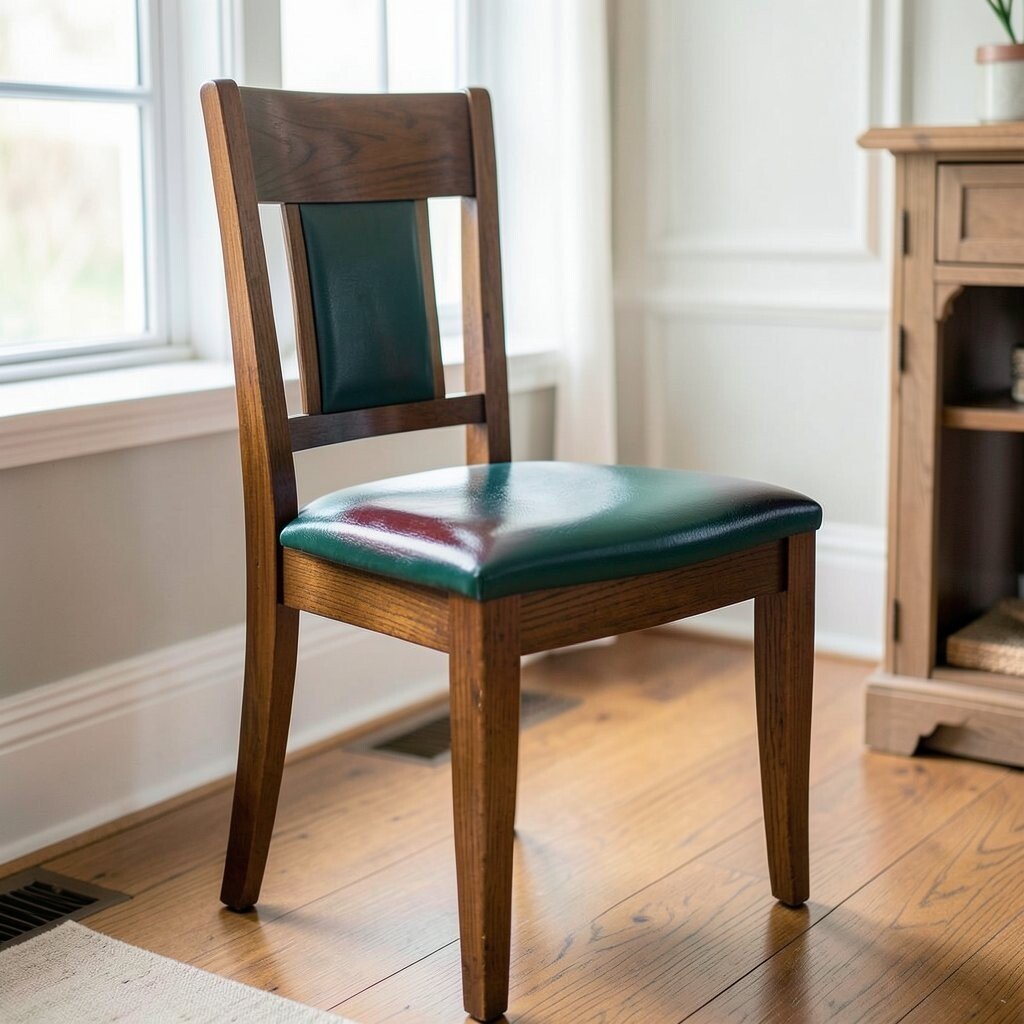
If you have a dining chair or desk chair with a tired seat, a quick refresh can change how the whole room feels. Choose a deep accent shade like espresso, walnut, or warm burgundy.
Sand lightly, wipe away dust, and then paint with a finish that resists scuffs. This kind of update also makes your furniture look more intentional, like it was chosen on purpose.
9. Reupholster Small Throw Pillows with Statement Fabric
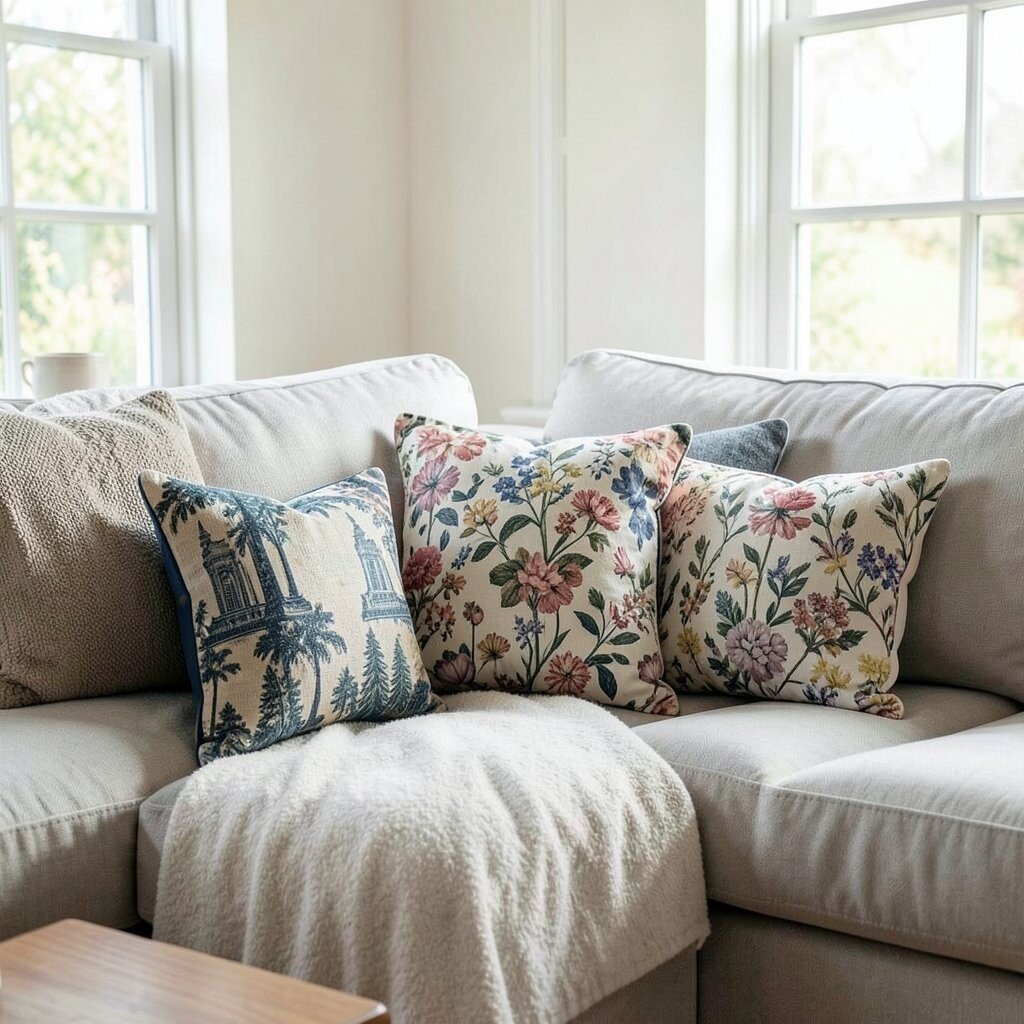
Small pillows are perfect for testing a bold look without committing to a whole sofa. Find fabric with clean lines or a low-contrast geometric pattern that suits the 1920s style.
Swap pillow covers regularly to keep your decor feeling fresh throughout the year. Use an easy closure or envelope style so future changes are simple.
For cost control, buy remnant fabric or use a clearance curtain panel. A personal touch is to match one accent color across pillows, lamp shades, or a small artwork print.
10. Lay Faux Marble Contact Paper on a Coffee Table Top
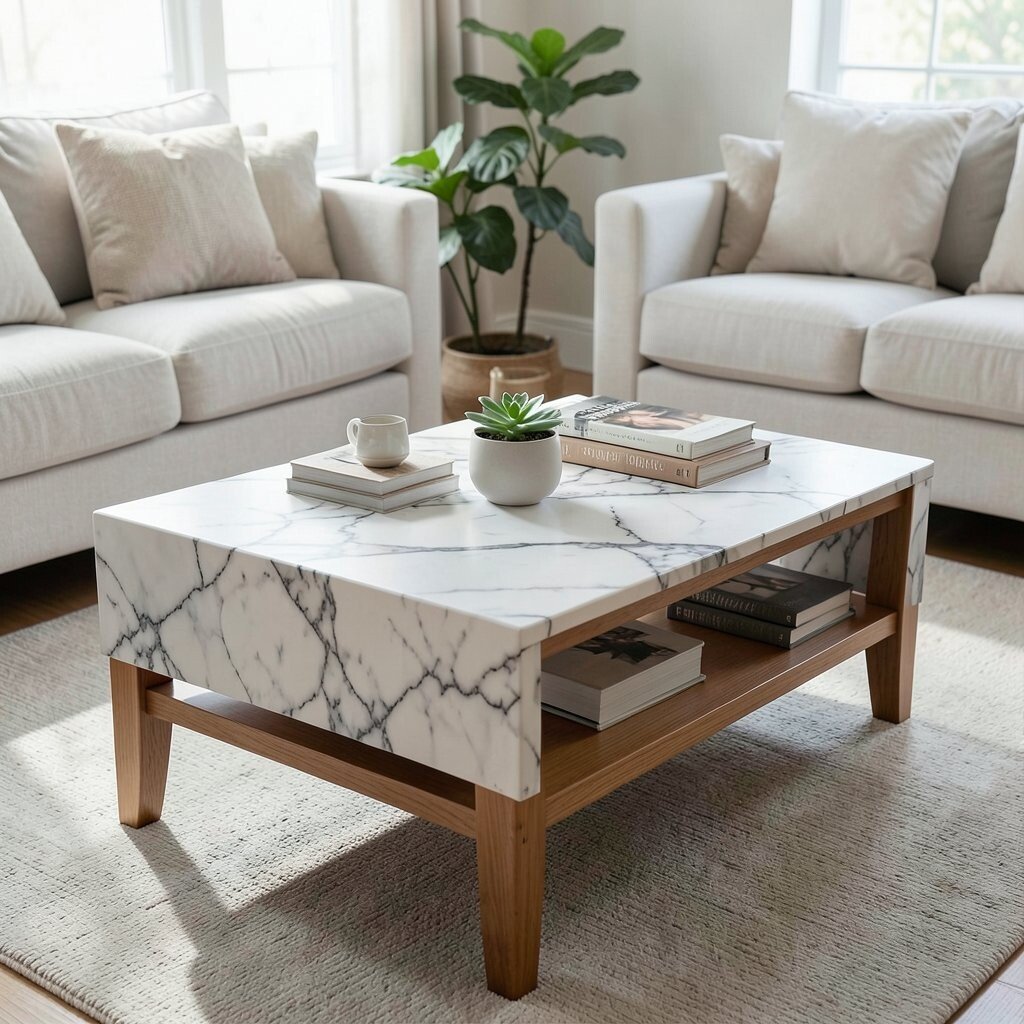
A plain table top can look stunning with a quick faux marble wrap. Choose contact paper with soft veining and a finish that feels smooth under your hands.
This gives the look of stone without the mess or heavy spending. Clean the surface well, measure twice, and apply slowly so you avoid bubbles.
11. Style a Bookshelf with Vertical Rows and Matching Spines
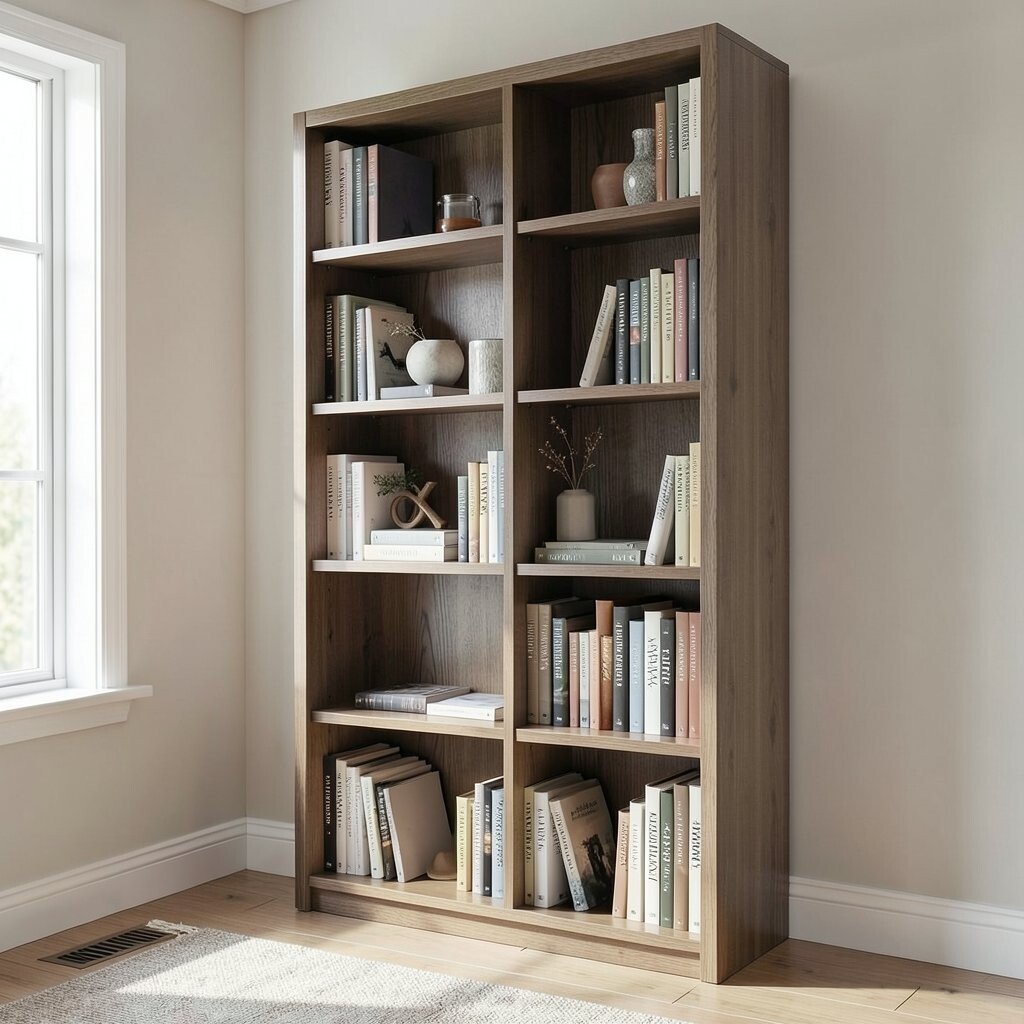
Rearranging books can make your space look styled, even when the furniture is the same. Create neat vertical groupings by color or height for a calm, organized feel.
Add a couple of small objects that fit the era, like framed photos, a tiny clock, or a brass-toned tray. That mix of books and objects gives your shelf a curated look instead of a cluttered one.
If you want personalization, include a hobby display like sheet music, vintage-style maps, or art prints. For best results, keep the back edge consistent and leave a little breathing space so it looks airy.
12. Use Removable Wallpaper on One Accent Wall Corner
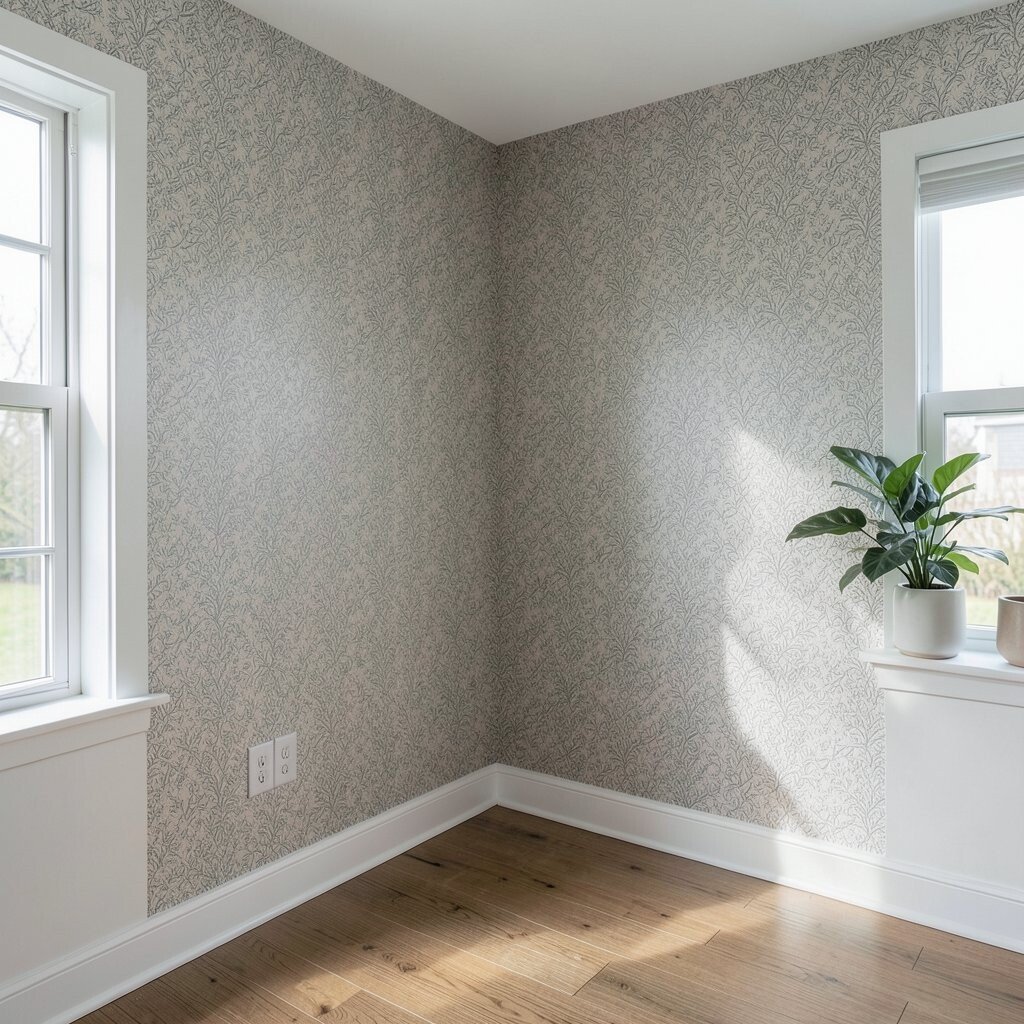
A small accent area can carry big visual power. Choose wallpaper with art deco lines, soft florals, or repeating patterns and apply it to one corner or behind a console.
The room gains a focal point without needing to paper the whole space. Use a sharp smoothing tool and trim edges cleanly so the seam looks tidy.
For personalization, pick a pattern scale that matches your room size, with larger shapes for bigger spaces and smaller shapes for tight rooms. Current trends favor peel-and-stick options, and this method also keeps your budget easy to manage.
13. Replace a Plain Rug with a Vintage-Inspired Pattern Runner
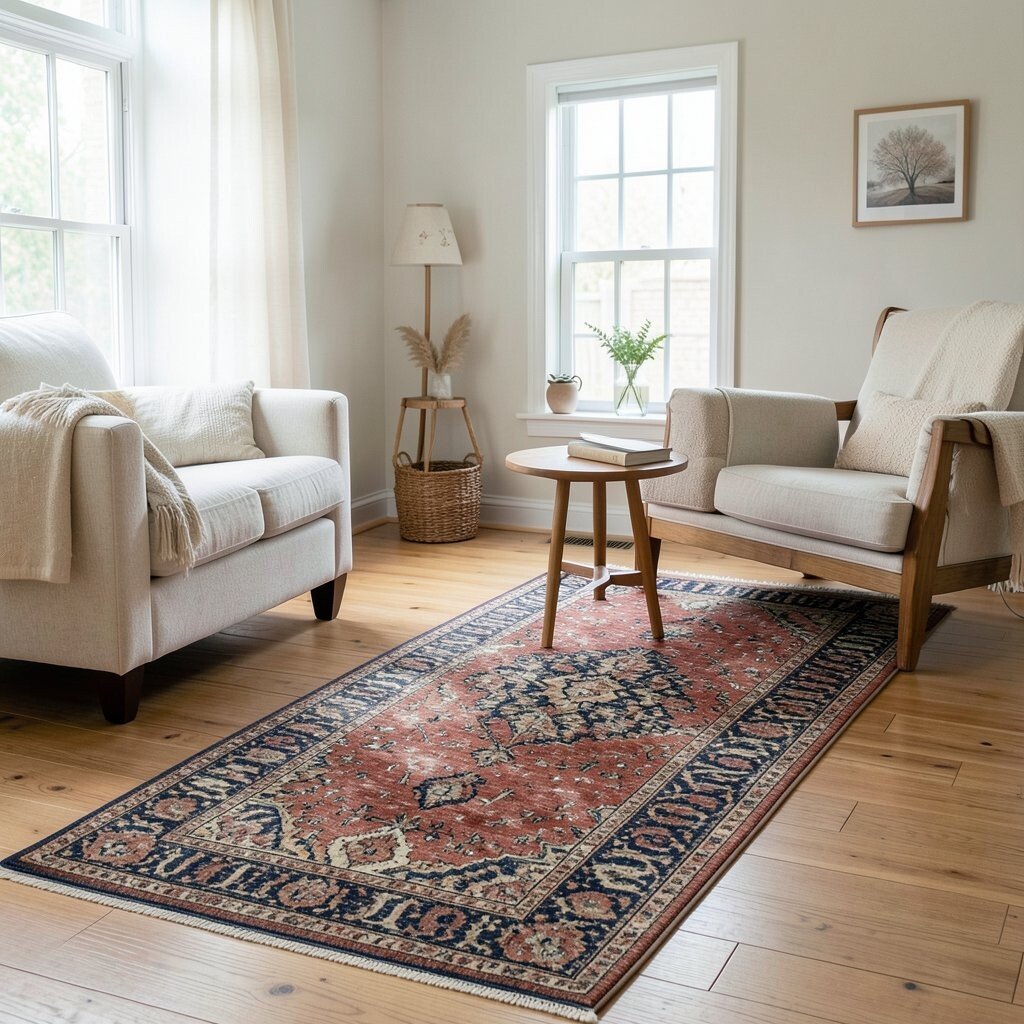
Your floors set the mood, and a patterned runner can shift the vibe fast. Look for vintage-inspired motifs, like medallions, borders, or subtle repeating arches.
Choose colors that match other accents such as warm wood, soft cream, or muted teal. This keeps everything working together and prevents the pattern from feeling random.
For practicality, add a rug pad so it stays flat and feels more comfortable. If you like flexibility, place the runner in different rooms as your decor changes, like from hallway to entry.
14. Paint a Simple Wooden Tray for Instant Styling
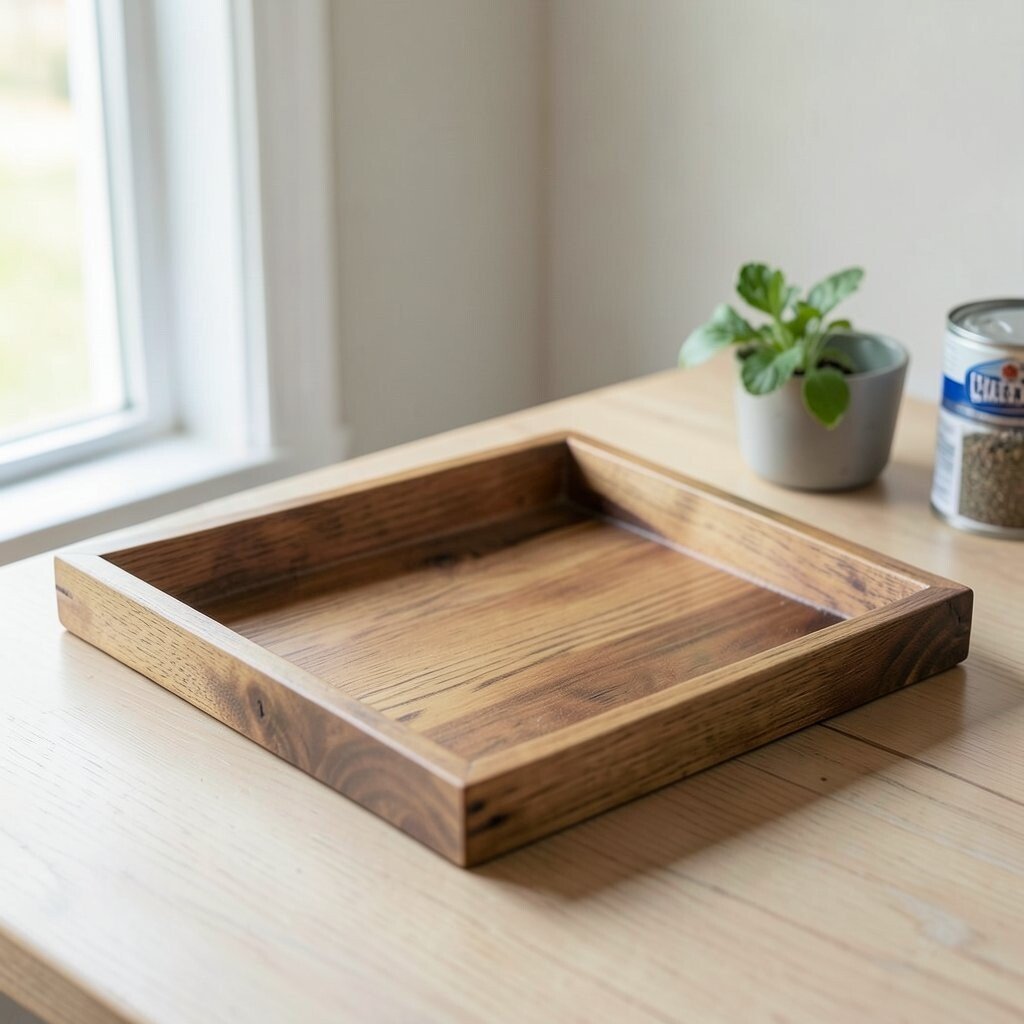
A wooden tray is small, but it helps you style shelves, tables, and counters. Painting one in glossy black, warm brass-look, or creamy white makes it feel like a design piece.
Use a dry brush technique for a vintage feel, letting a hint of original wood show at the edges. Then add a couple of items that match the era, like a small vase, a candle, or a framed postcard print.
This is a fun personalization tool because you can change what sits on the tray without changing the tray itself. If you’re following current trends, mixing sleek trays with soft natural textures looks modern while still feeling classic.