A strong portfolio can make your art feel alive before anyone meets you. The right pages can turn quiet pieces into a story people want to keep reading.
1. Curated Best-Of Portfolio
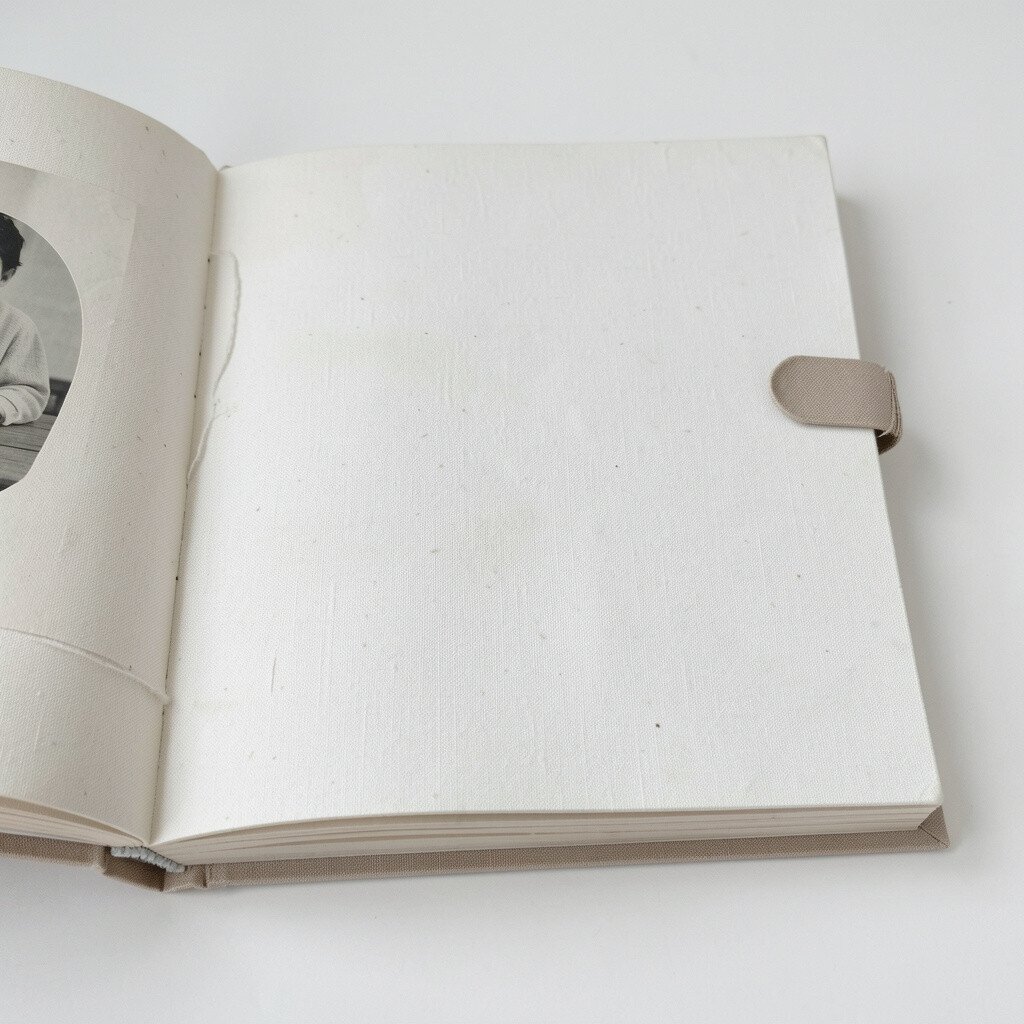
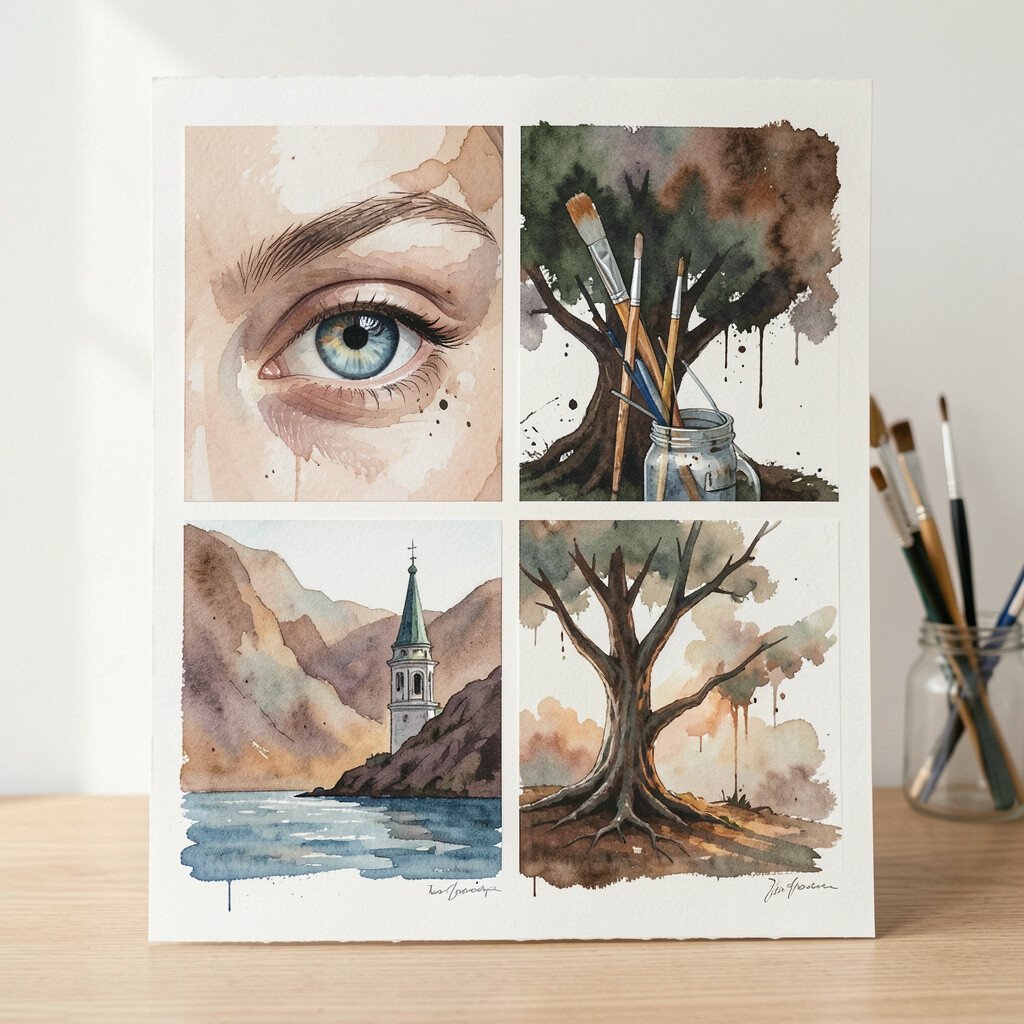
This kind of portfolio shows only your strongest pieces, so every page has visual power. It works well because viewers can quickly see your style, your range, and your skill without wading through extra work.
Try to choose pieces that look good together in color, shape, and mood, even if they came from different times in your life. A clean layout with white space can make the artwork feel more polished, and it often costs little if you use a simple binder, a basic website template, or printed sheets in clear sleeves.
2. Process-Based Portfolio
A process-based portfolio gives people a peek behind the curtain, which can feel very fresh and honest. Sketches, drafts, notes, and finished work create a visual path that helps others understand how your ideas grow.
This setup is unique because it shows thinking, not just final results. You can personalize it by adding short captions, paint tests, or rough thumbnails, and it is a smart way to stand out in a world where many artists only show polished images.
It also fits today’s interest in making work feel real and human, especially online where audiences enjoy seeing the making of a piece. You do not need fancy gear to build it, since phone photos, scanned pages, and a neat digital gallery can keep costs low.
3. Themed Portfolio Sections
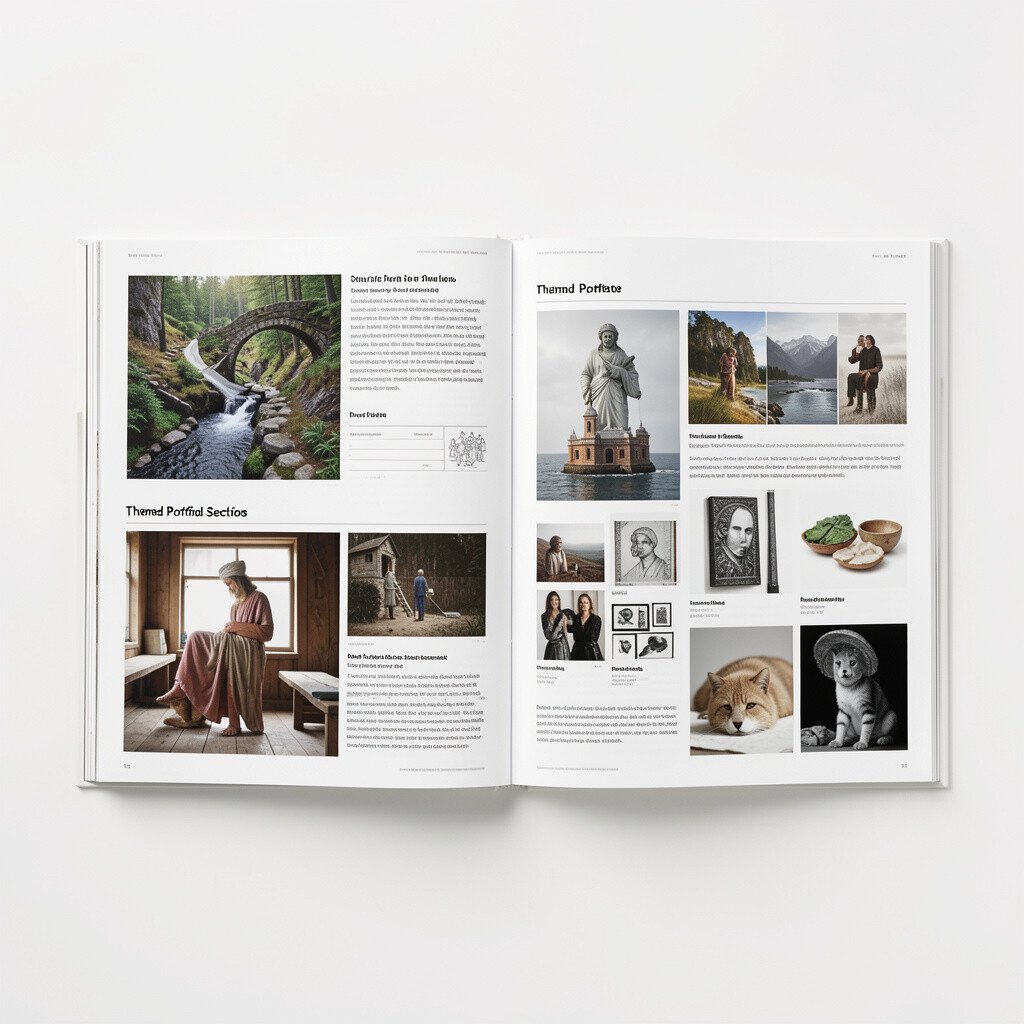
Grouping your work by theme can make a portfolio feel calm and easy to follow. A theme might be nature, identity, city life, fantasy, or any idea that shows up often in your art.
This method helps viewers see patterns in your work and understand what matters to you. You can make each section feel personal by using different background colors, short title cards, or a small artist note, and that kind of structure is especially useful if you have many pieces.
The look can be simple or bold, depending on your style, and it can fit printed books or websites. Since the main cost is usually time and organization, it is a good choice for artists who want a thoughtful presentation without spending much money.
4. Mixed-Media Showcase
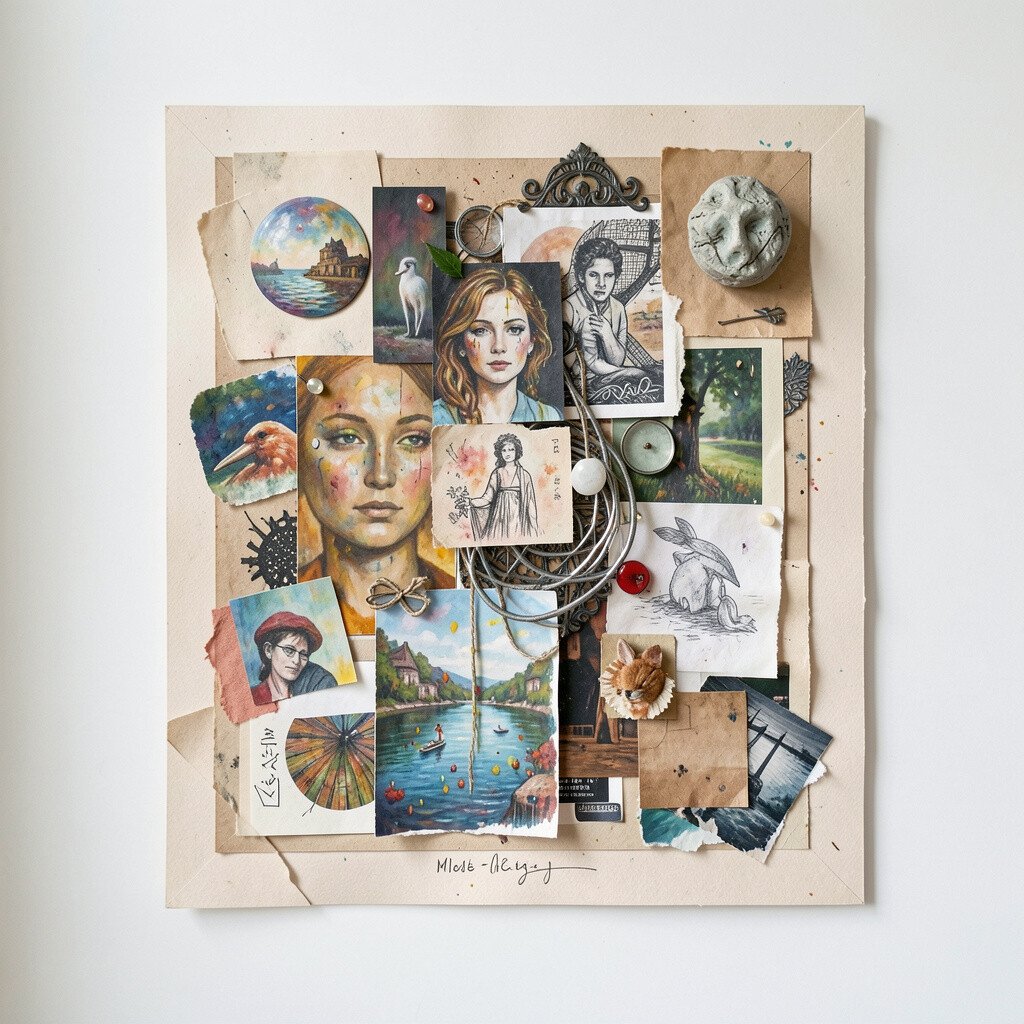
A mixed-media portfolio is perfect when your art uses more than one material, like ink, collage, paint, fabric, or digital edits. It gives a rich visual feel because the textures and layers can make each page more exciting.
This type of portfolio is special because it proves you can work in many ways and still keep your voice. A good tip is to photograph textured pieces in soft light so the details stay clear, and you can add small notes about materials if you want to help viewers understand the surface and construction.
5. Digital Portfolio Website
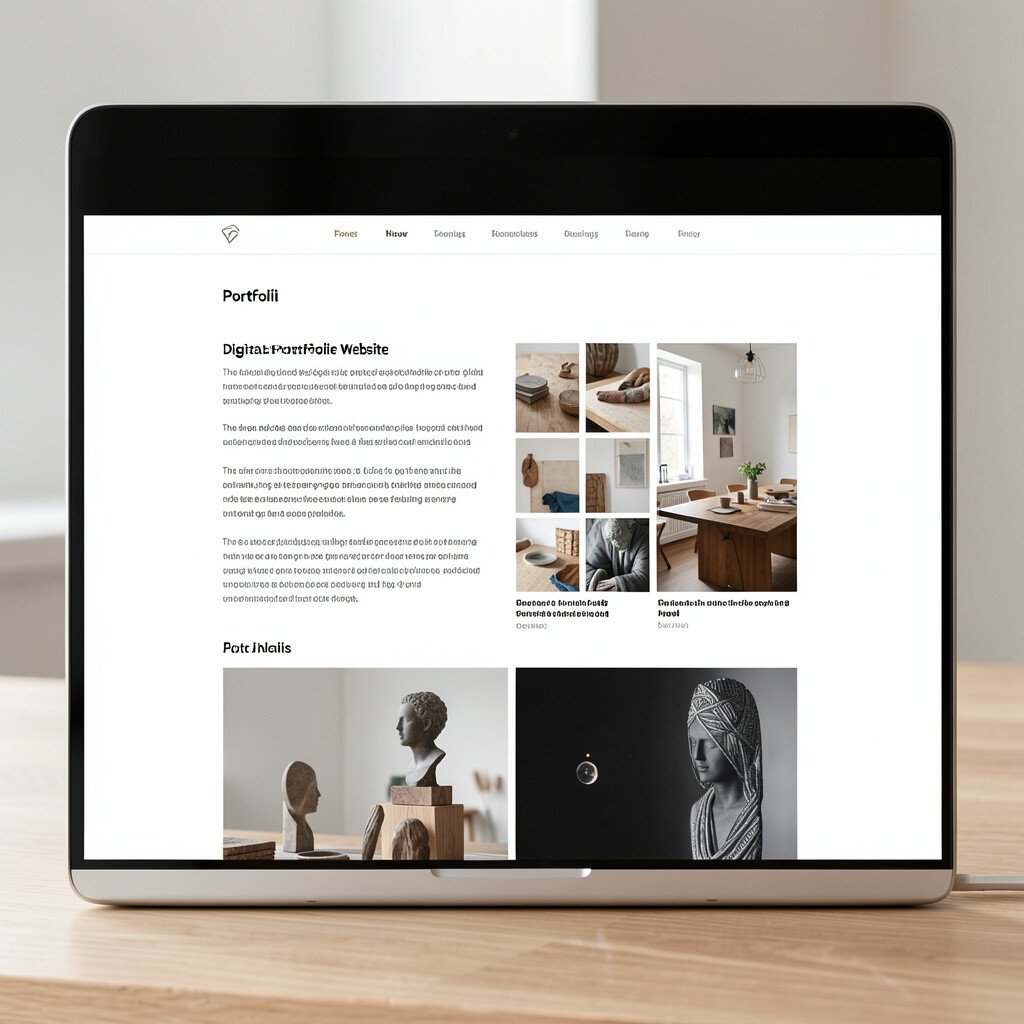
A portfolio website can make your work easy to share anywhere, which is very helpful for jobs, school, and client work. Big images, smooth navigation, and clean spacing can make your art look modern and professional.
This format is highly personal because you can choose the colors, fonts, and page order that match your style. It is also a strong fit for current trends since many people now expect artists to have an online home, and you can keep costs down by using free or low-cost website builders.
When you build it, keep the loading time fast and the menu simple so visitors do not get lost. A few well-sized images often work better than a crowded site, and that makes the viewing experience feel calm and easy.
6. Printed Book Portfolio
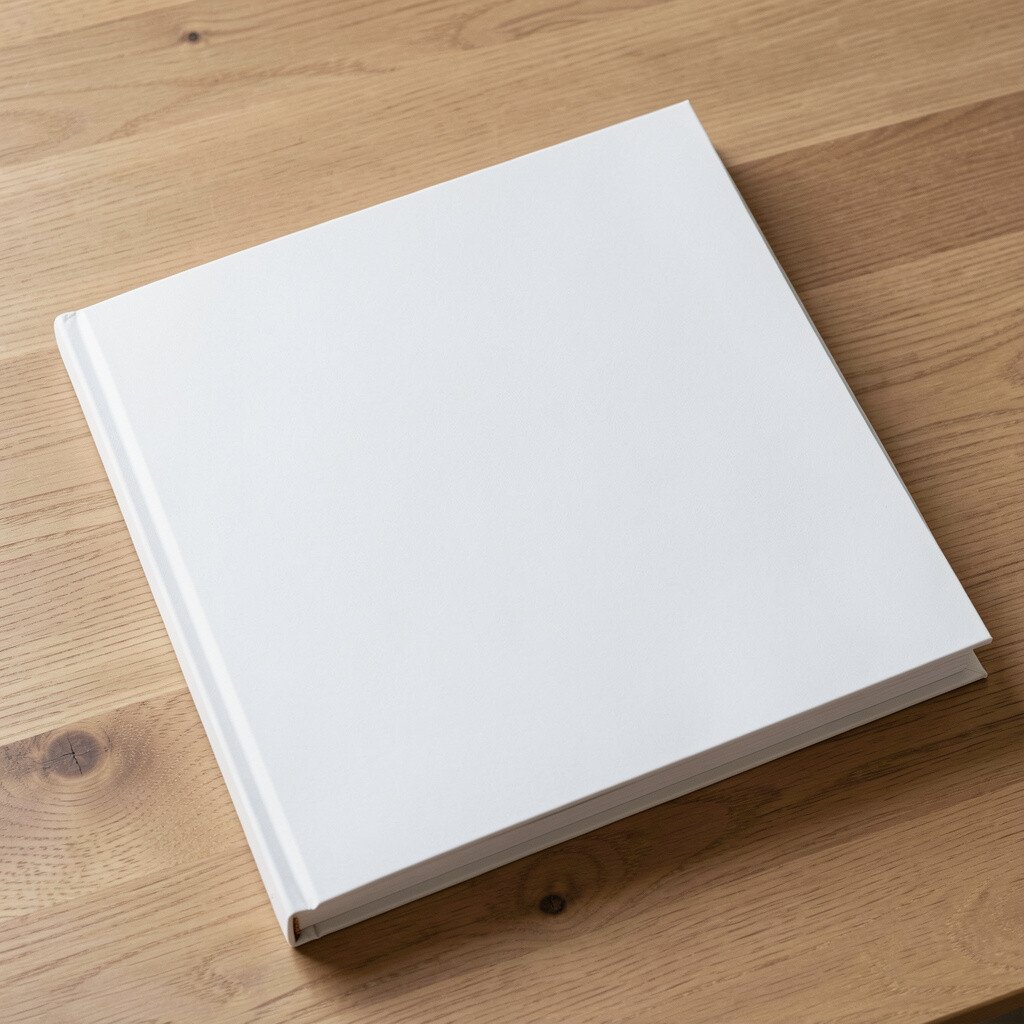
A printed book gives your art a real physical presence, and that can feel impressive in interviews or studio visits. Turning the pages lets people slow down and take in each image in a way that screens do not always allow.
You can make it look sleek with sturdy paper, a simple cover, and a thoughtful order of images. Personal touches like a title page, a short bio, or a color accent can make the book feel yours, and you can choose budget-friendly printing if you only need a small run.
This format works well for artists who want something dependable and easy to carry. It also feels timeless, which is a nice contrast to digital trends that change quickly, so it can help your work feel steady and memorable.
7. Sketchbook Highlights
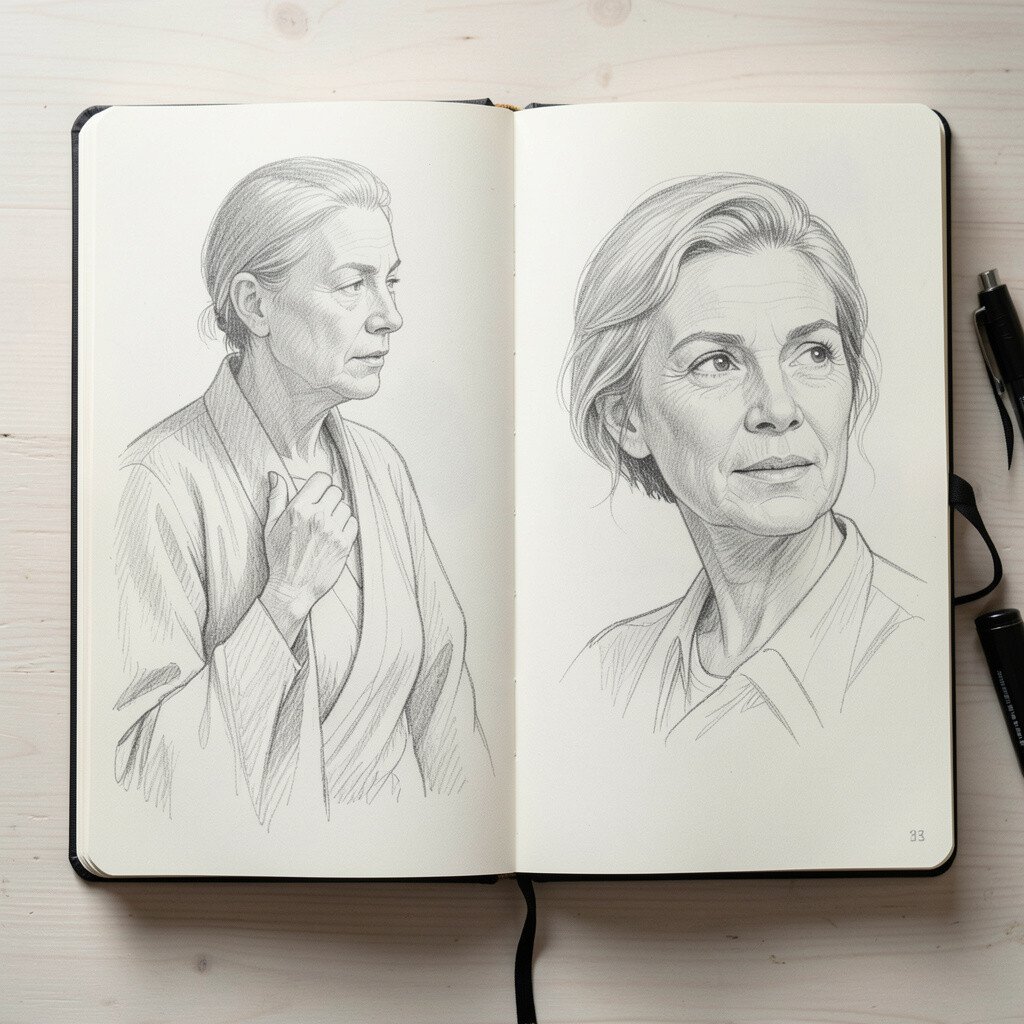
Sketchbook pages can show the raw side of your work, which many people find charming and honest. Loose drawings, experiments, and half-formed ideas give a view of your creative habits and can make your final pieces feel more interesting.
This kind of portfolio is unique because it captures the spark before the finished image. You can scan pages, photograph them, or display selected spreads in a printed book, and the cost is usually very low since the main material is work you already made.
For a better look, pick pages with strong lines, clear ideas, or a fun mix of notes and images. A little editing goes a long way here, so choosing only the most engaging pages keeps the portfolio from feeling messy.
8. Color-Driven Portfolio
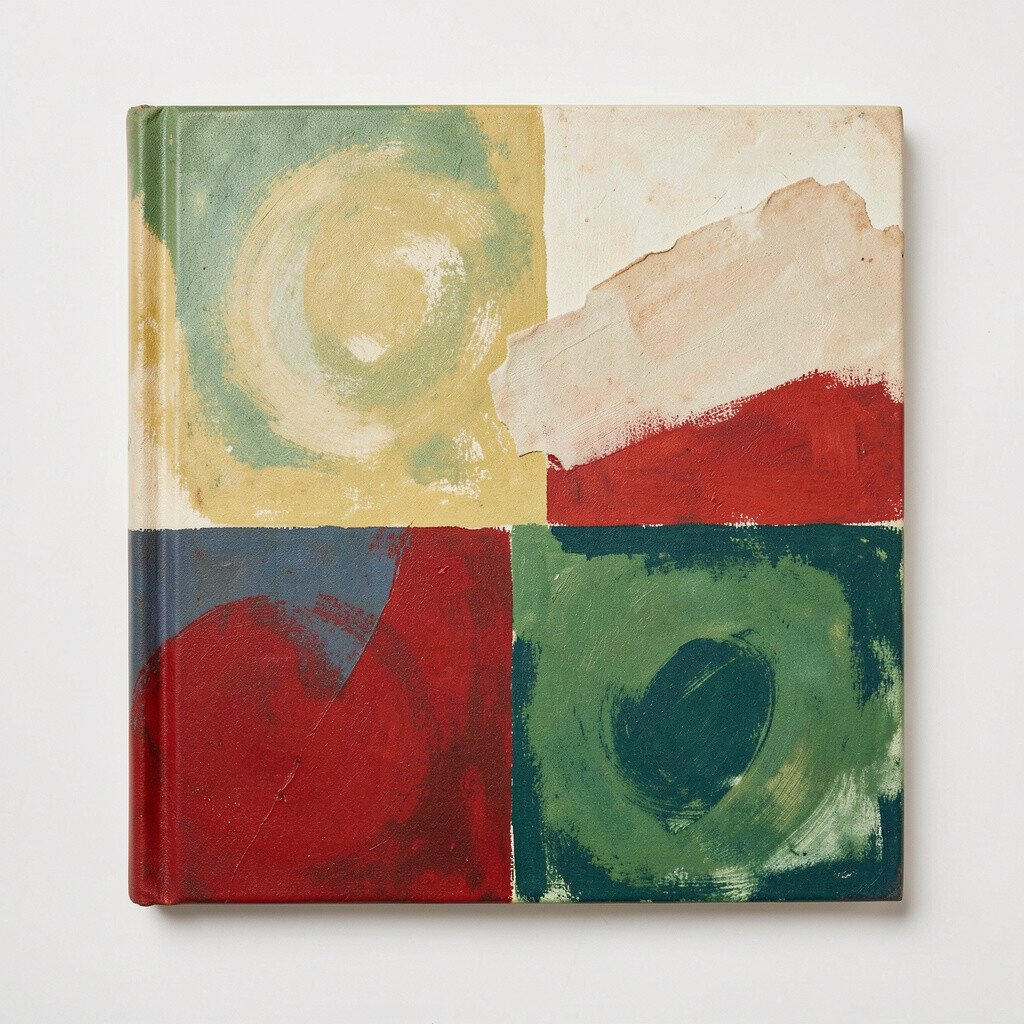
A color-driven portfolio organizes your work by color family, which can create a bold and stylish effect. Bright reds, soft blues, earthy browns, or a full rainbow can turn the whole collection into one strong visual story.
This idea is useful because color can guide the viewer’s eye and make even very different pieces feel connected. You can personalize it by adding matching page backgrounds or custom section dividers, and it is a smart way to follow current design trends that favor strong visual harmony.
If you have pieces from different series, color grouping can help them sit side by side without feeling random. The cost stays flexible too, since you can use free digital tools or simple printed pages and still get a polished result.
9. Series-Based Portfolio
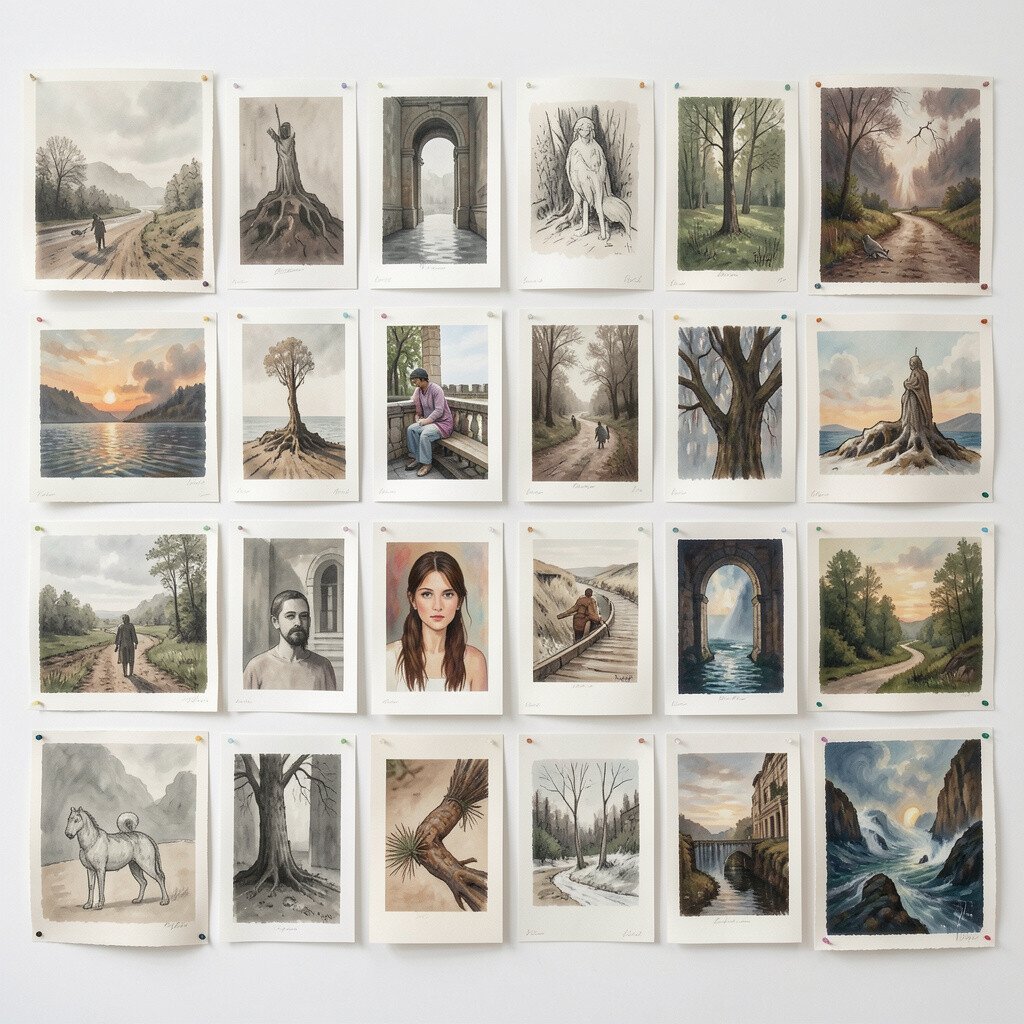
A series-based portfolio shows a body of work built around one idea, character, place, or visual rule. This gives viewers a deeper look at your thinking and makes your art feel more focused.
It is especially strong when each piece can stand alone but also feels linked to the others. You can make it personal by writing a short note about what sparked the series, and you can add small differences in layout so the pages feel lively without losing the main thread.
This setup is great for artists who want to prove they can develop an idea over time. It may take more planning than a simple image gallery, but it often costs less than it seems because the power comes from strong grouping rather than expensive extras.
10. Client-Focused Portfolio
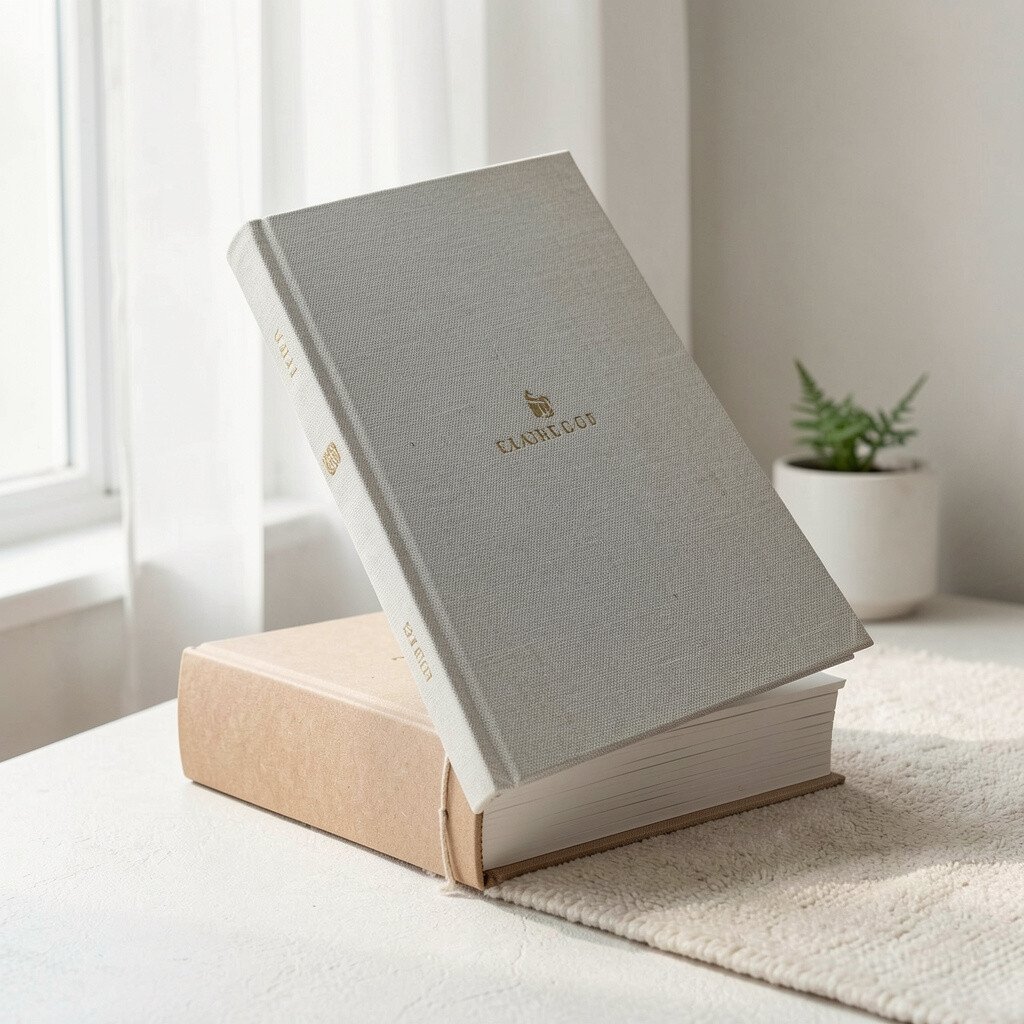
A client-focused portfolio puts your most relevant work front and center for the people you want to hire you. That might mean branding art, illustrations, murals, character design, editorial pieces, or anything that matches the jobs you want.
The visual style should feel clear and easy to scan, with each project showing the problem, the solution, and the final result. You can make it more useful by adding brief project notes, and this kind of tailored approach is very effective because it helps clients picture how you would work for them.
Personalization matters here, so make more than one version if you serve different kinds of clients. A focused portfolio can save money too, since a small set of strong images often does more than a huge file full of extras.
11. Nature-Inspired Portfolio
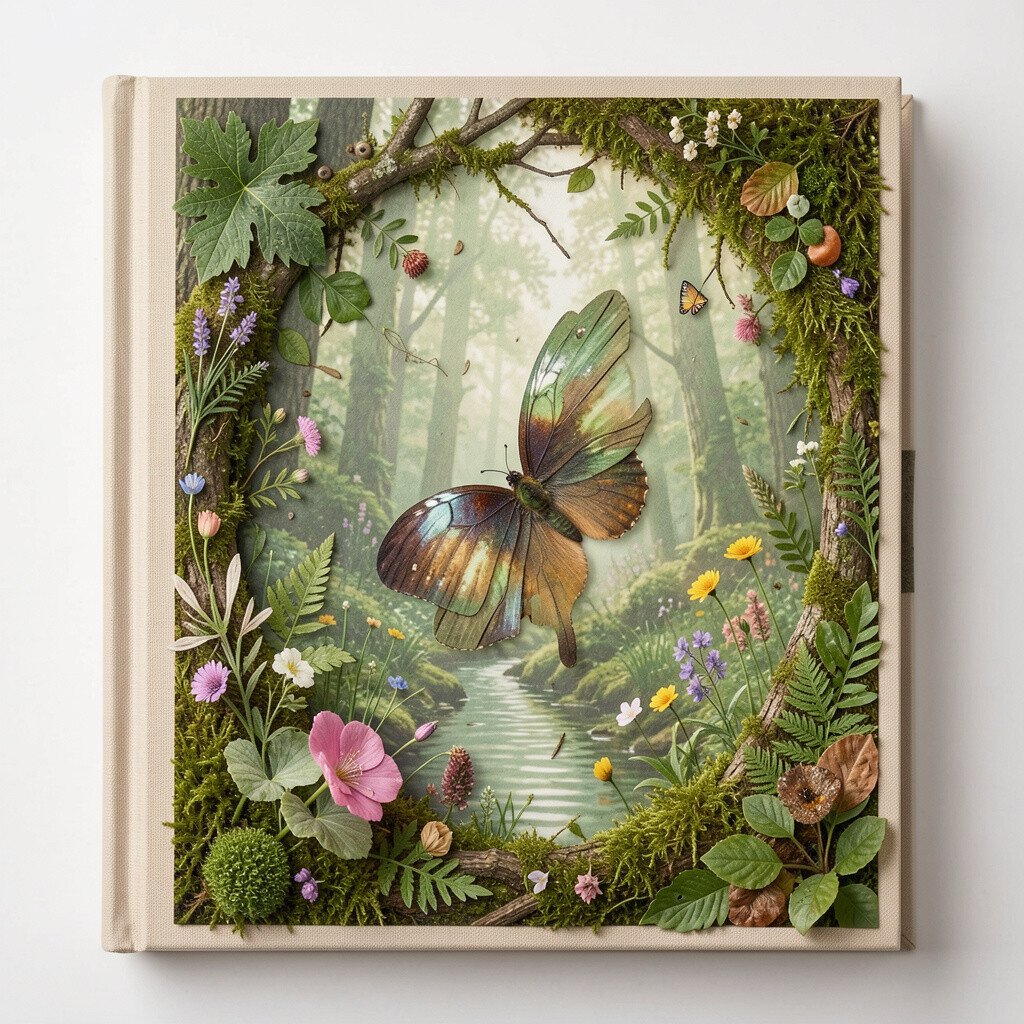
A nature-inspired portfolio can feel peaceful, fresh, and deeply visual. Leaves, animals, skies, water, stones, and organic shapes often bring a rich rhythm that works beautifully across prints, paintings, and digital art.
This style stands out because nature themes are timeless but never boring when you bring your own viewpoint. You can personalize it with natural textures, soft paper colors, or hand-drawn section art, and it fits a current love for calm, earthy design.
If you work outdoors or use nature as inspiration, this portfolio can tell that story in a clear way. It also does not need a big budget, since even simple scans, phone photos, and low-cost paper can support the mood if the images are chosen with care.
12. Experimental Portfolio
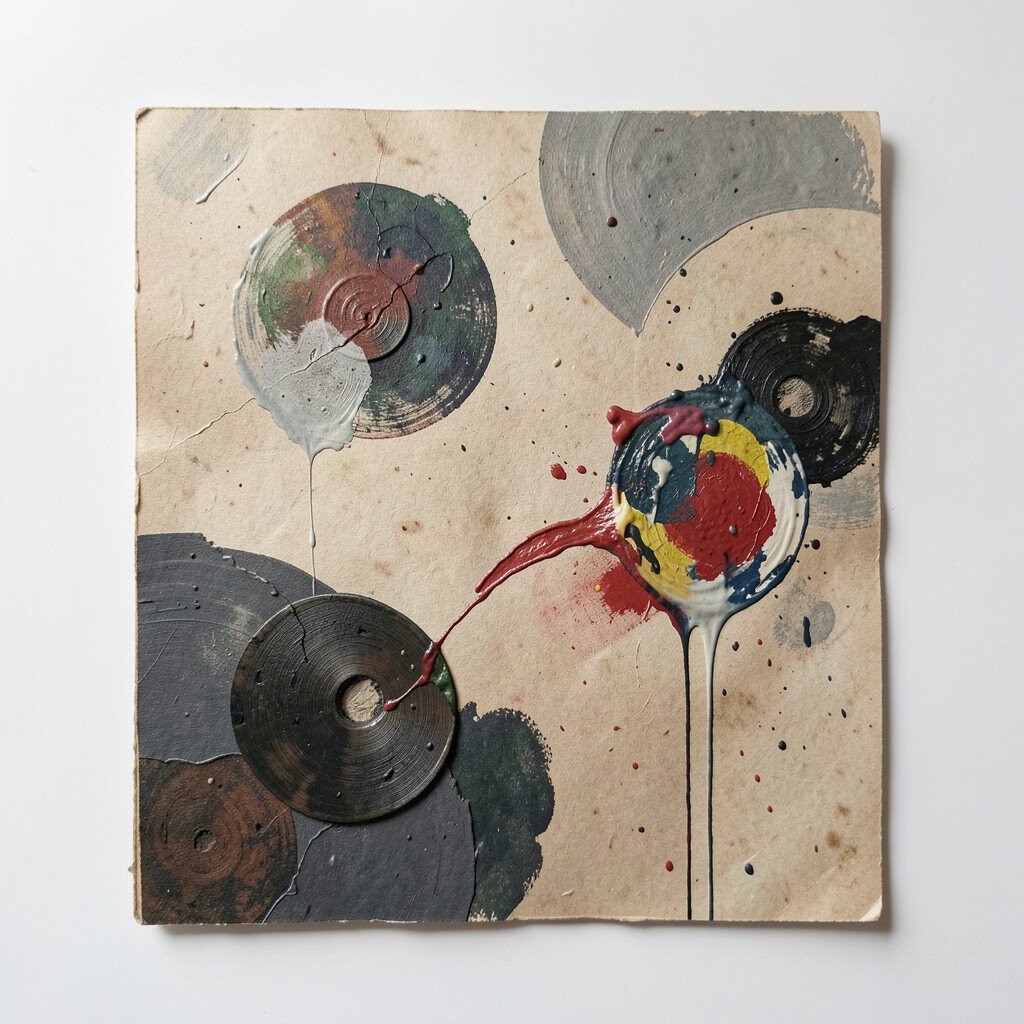
An experimental portfolio gives space to unusual shapes, wild colors, odd materials, and fresh ideas. It can feel daring and exciting because it shows you are willing to try new things instead of sticking to one safe path.
This kind of collection is unique by nature, and that is a big benefit if you want to be remembered. You can personalize it with unusual page sizes, cropped images, or layered digital layouts, though a good eye for balance is important so the work still feels thoughtful.
When done well, an experimental portfolio can tap into current trends that favor bold, playful design. It may take more trial and error than a standard portfolio, but you can keep costs modest by using digital mockups before printing anything.
13. Minimalist Portfolio
A minimalist portfolio uses fewer elements so the artwork can do the talking. Clean lines, open space, and a quiet layout can make each piece feel more serious and refined.
This approach is helpful if your work is detailed, delicate, or very strong on its own. You can still make it personal through small choices like font style, page order, or a tiny signature mark, and that restraint often feels modern and elegant.
Minimalism is popular because it makes viewing simple and avoids clutter. It can also be one of the cheapest ways to present art well, since you do not need many design extras to create a strong result.
14. Collaborative Portfolio
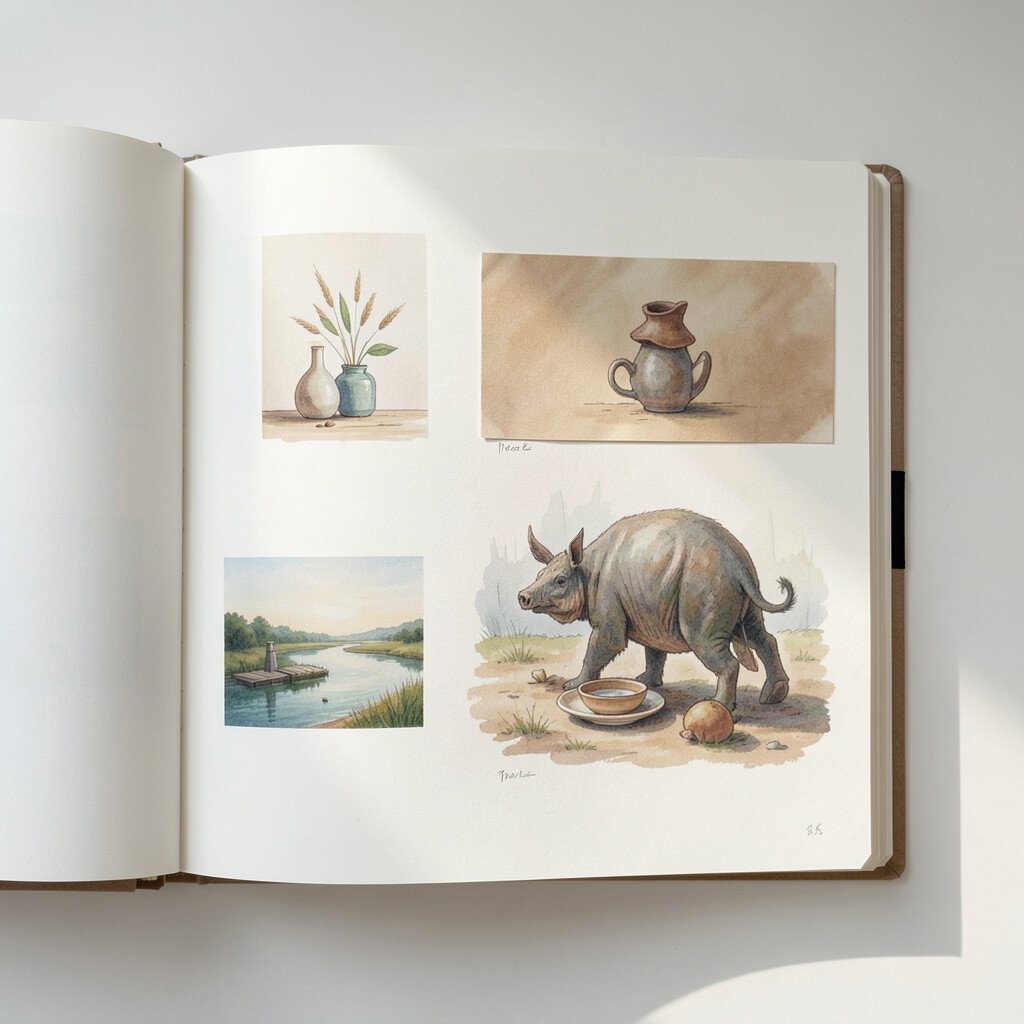
A collaborative portfolio highlights work you made with other artists, writers, designers, or makers. It can show teamwork, flexibility, and the ability to fit your style into a shared project.
This is a smart choice if you want to show range and a people-friendly working style. You can personalize it by explaining your role in each project, and that detail helps viewers understand what part of the result came from you.
The visuals might include group murals, shared books, team illustrations, or mixed creative projects, all of which can feel lively on the page. Since collaboration often brings shared tools and shared spaces, the cost can be lower than solo projects that need a lot of special materials.
15. Chronological Portfolio

A chronological portfolio shows your growth over time, which can be very powerful when your skills have changed a lot. Early work, middle work, and recent pieces create a clear path that tells a story of learning and progress.
This format is useful because it lets viewers see your journey and not just your latest finish. You can make it more personal with short date tags or small notes about what you learned at each stage, and the visual shift from page to page can be quite striking.
It is a good fit for students, new professionals, and anyone who wants to prove steady improvement. The setup is simple, and because you are using work you already have, the cost is often more about time than money.
16. Hybrid Portfolio
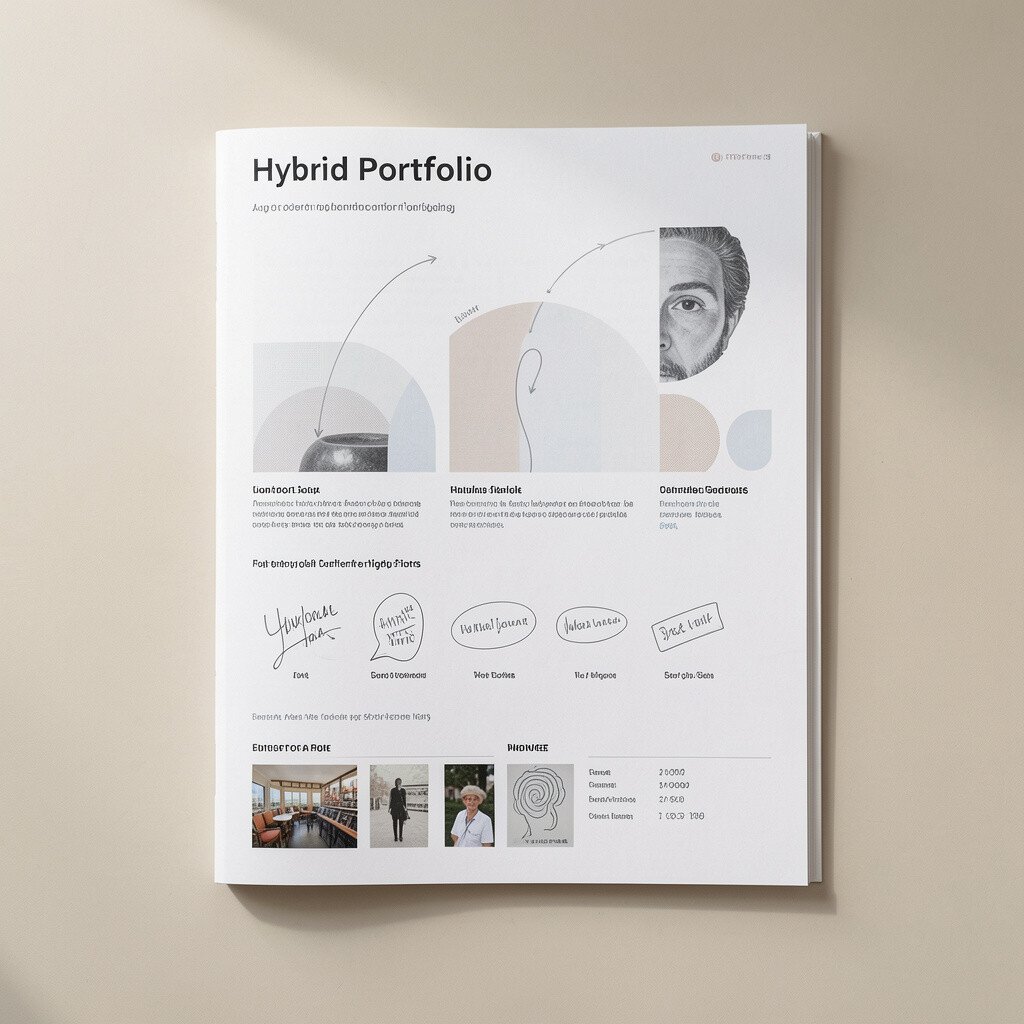
A hybrid portfolio mixes printed pages, digital links, process shots, and finished pieces in one flexible package. It gives you the best chance to show your art in more than one setting, which can be very handy for today’s fast-moving art world.
This format is strong because it can adapt to different viewers, from casual fans to serious clients. You can personalize it by choosing which parts are physical and which are online, and that balance often feels current since many artists now need both screen-friendly and hands-on presentation.
If you want a portfolio that feels practical and fresh, this is a great option. It can be low-cost if you use a simple printed packet with a QR code or a clean website paired with a few printed samples, and that mix makes your work easy to remember.