The table can feel like a small stage for everyday rituals. A few artisanal touches make it look thoughtful without making life harder.
1. Build a Linen-Forward Base
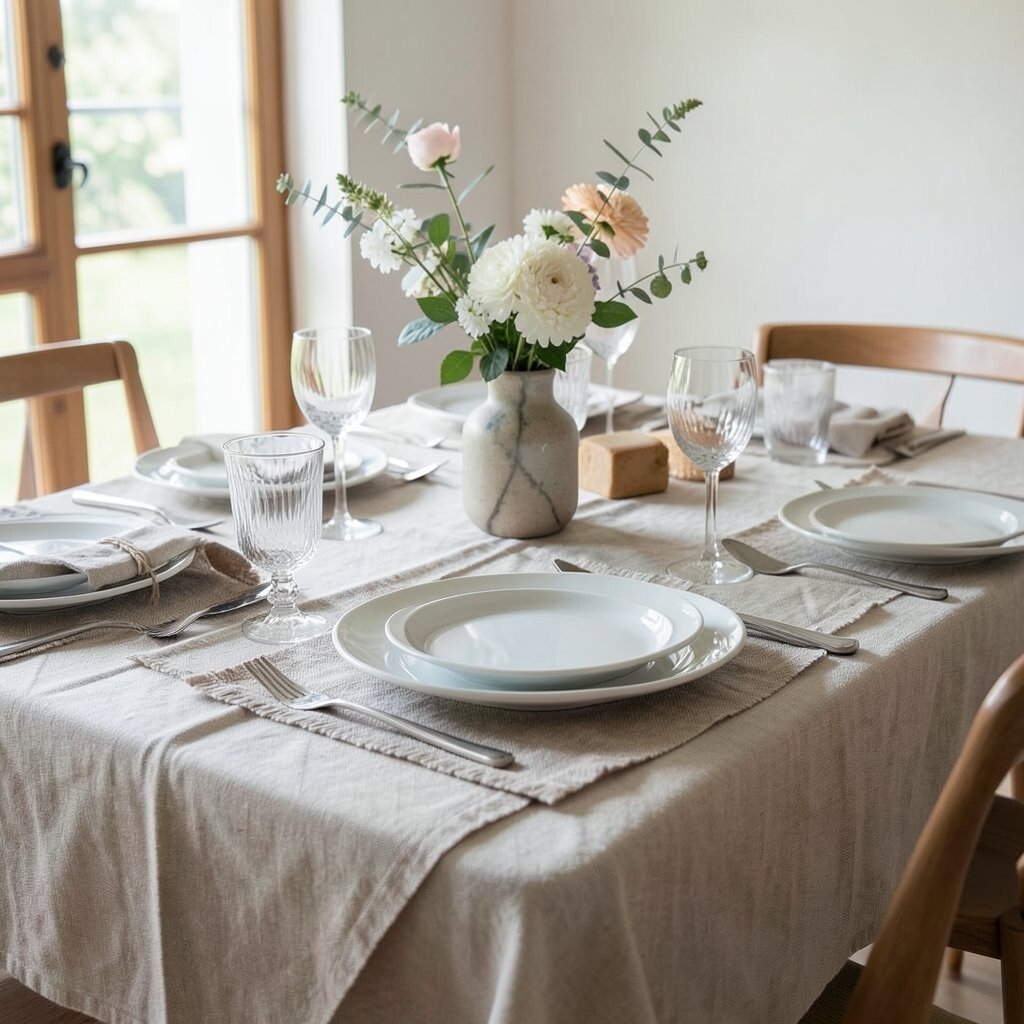
A muted linen tablecloth or runner instantly makes the setting feel calm and intentional. You can see the soft texture in the way light catches the weave, especially under warm bulbs.
Choose a neutral tone like oat, sand, or stone so your plates and glassware stand out. For a modern look, keep the fabric simple and let it be the backdrop, not the main act. Press small wrinkles out with a quick steam and you’ll get that “fresh from the shop” feel.
2. Hand-Stack Plates for a Casual Modern Look

Instead of lining everything up perfectly, stack plates in a gentle, relaxed way. A slightly offset plate edge creates an inviting look that still feels neat.
Use a larger charger or rimmed dinner plate as the base, then place a smaller plate centered on top. This trick helps your table look styled even when you’re serving something simple. Keep the stack height low so it stays practical for guests.
Try mixing one matte ceramic plate with one glossy one for contrast that feels current. If you’re watching your budget, use what you already own and add just one artisanal standout piece. This approach makes personalization easy because each stack can match the guest’s favorite color.
3. Pair Stoneware Mugs With Clean Glasses

Stoneware mugs add warmth with their speckled glazes and handmade feel. Clean, clear drinking glasses keep the look crisp and modern.
Place the mug slightly above the plate line, toward the dominant hand side. You’ll notice the visual balance right away, and guests won’t have to search for their drink. For drinks like tea or coffee, consider a saucer that matches the mug’s glaze tone.
If you want a cohesive set, pick one glaze color family like sage, charcoal, or honey. A small ceramic mug is often cheaper than a full tableware set, so it’s a smart cost choice. This combo also matches current trends that lean toward tactile pottery with minimal glass accents.
4. Use a Handmade Napkin Fold With One Sharp Angle

Skip fussy folds and choose one clean, confident shape. A simple fold with a single sharp angle looks intentional and modern.
Fold a linen napkin in thirds, then pinch one corner so it stands slightly higher. Place it near the plate, not buried under utensils. The result feels artisanal because it has texture, and it stays practical because it doesn’t take extra time at the table.
5. Add a Charcoal or Clay Place Mat Under Every Plate
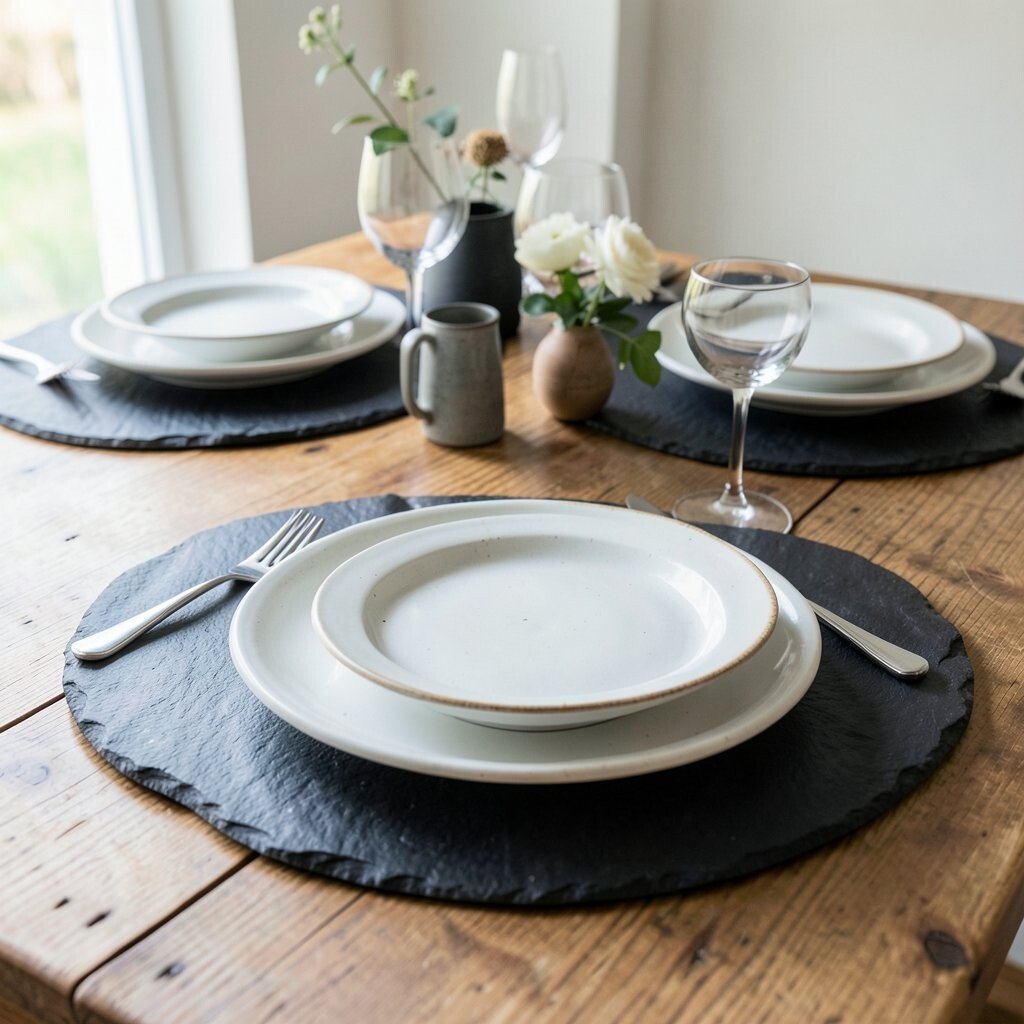
Textured place mats in charcoal, clay, or terracotta ground the whole setting. When guests look down, they feel the tabletop becomes warmer and more finished.
Use a slim mat that frames the plate instead of covering the entire table. A modern trick is to keep mats uniform but let the plate colors vary. If you’re buying new, choose durable materials like woven cotton or vegan leather with a matte finish.
To personalize, tie each mat to the meal with a color choice that matches your food. Cost stays reasonable because you can start with mats only for the main places. This also fits the current trend toward layered, grounded tablescapes.
6. Create a “Pocket” for Flatware Using Twine
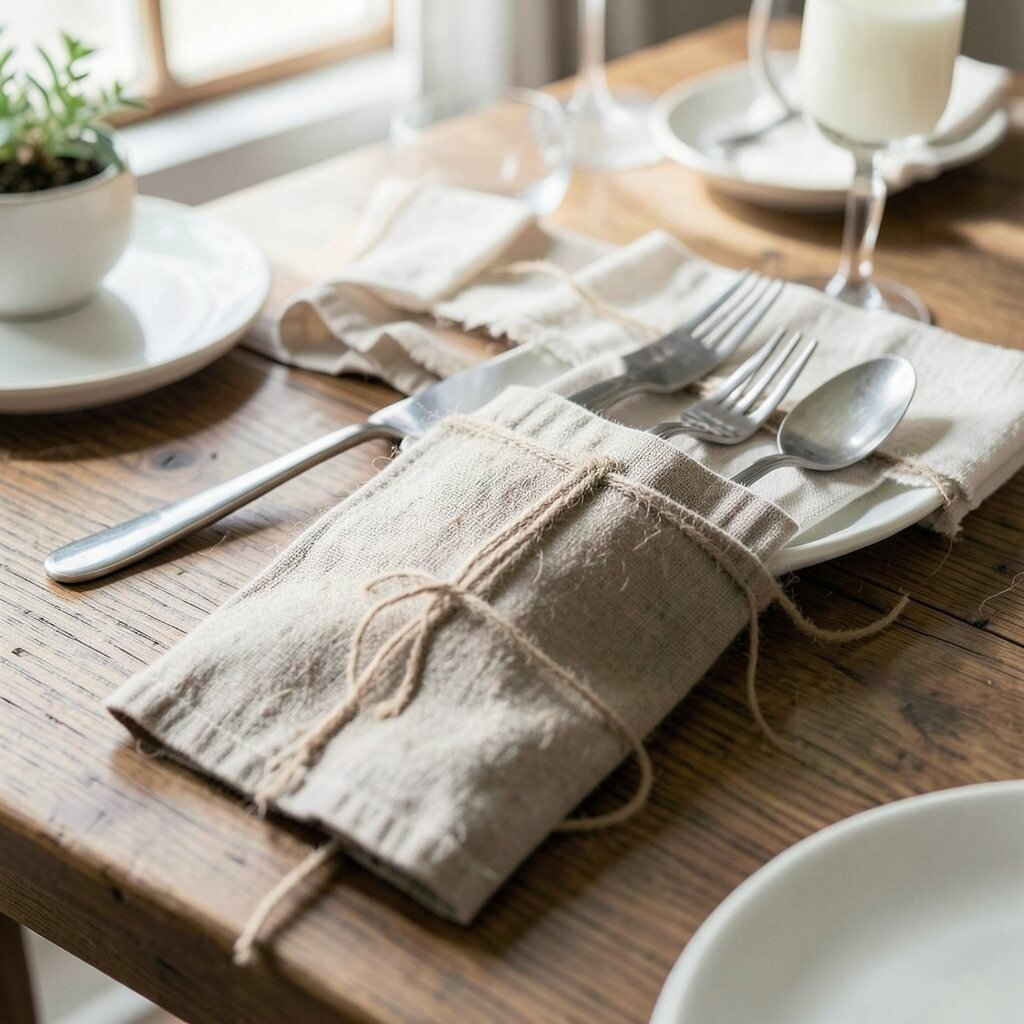
Wrapping flatware with soft twine or paper cord gives a handmade touch. It looks neat, and it helps guests quickly grab what they need.
Bundle the fork and spoon first, then tie with a short length of twine around the center. Leave the knot visible so the texture feels like part of the design. For a more modern feel, use black or natural twine instead of bulky ribbons.
If you like personalization, add a tiny charm or a stamped tag with each guest’s initial. This can be budget-friendly when you reuse small paper tags from craft supplies. Guests will remember the setting because it feels personal without being complicated.
7. Choose Utensils by Finish, Not by Matching
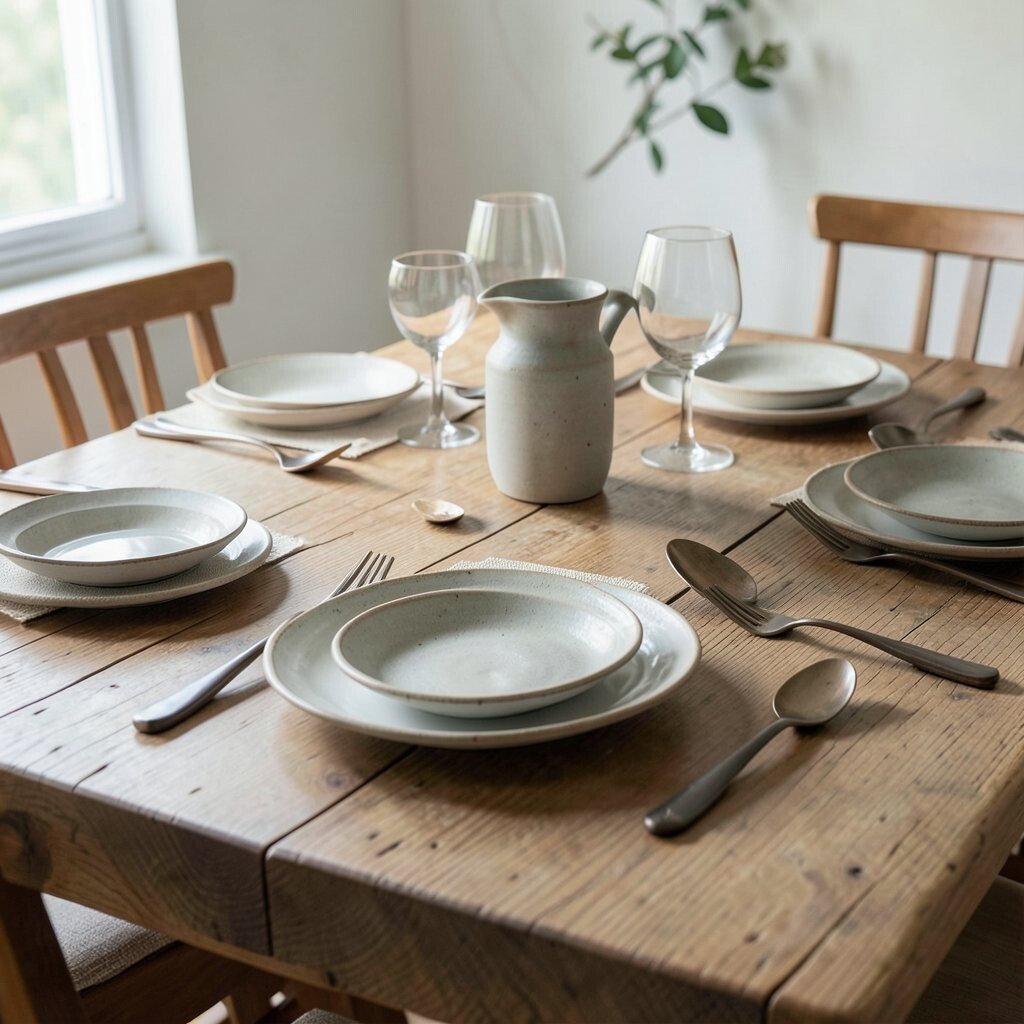
A modern artisanal table doesn’t require perfect matching silverware. Mixing finishes like brushed steel, warm brass, or matte black makes the setting feel styled.
Pair one “hero” finish like brass with simpler pieces in steel. You can place the hero piece at the outer edge, where it catches the eye first. Keep the shapes similar so it still looks cohesive and not random.
8. Set a Small Ceramic Bowl for Every Guest
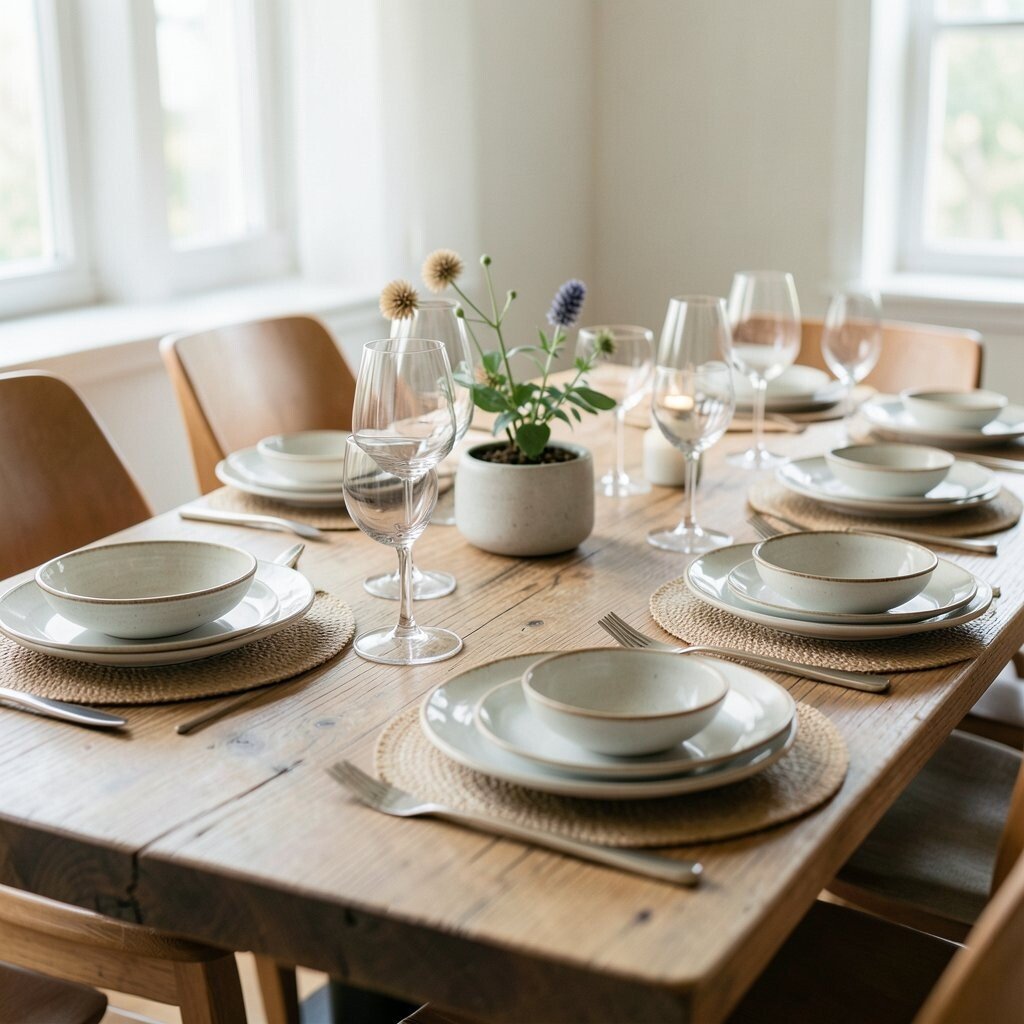
A tiny ceramic bowl tucked near the plate instantly upgrades the table feel. It can hold bread, olives, or a pinch of flavored salt, and it looks charming.
Place the bowl slightly above the fork line so it stays easy to reach. Choose a bowl with a distinct glaze or handmade rim to keep the artisanal vibe. If you’re concerned about cost, buy a small batch and repeat them across the table with one or two color variations.
Personalization is simple here because each bowl can match a specific snack. This also fits the current trend of adding “useful” decor that does more than look pretty. Guests will appreciate having a dedicated space that makes the meal feel special.
9. Build Height With a Single Wooden Riser
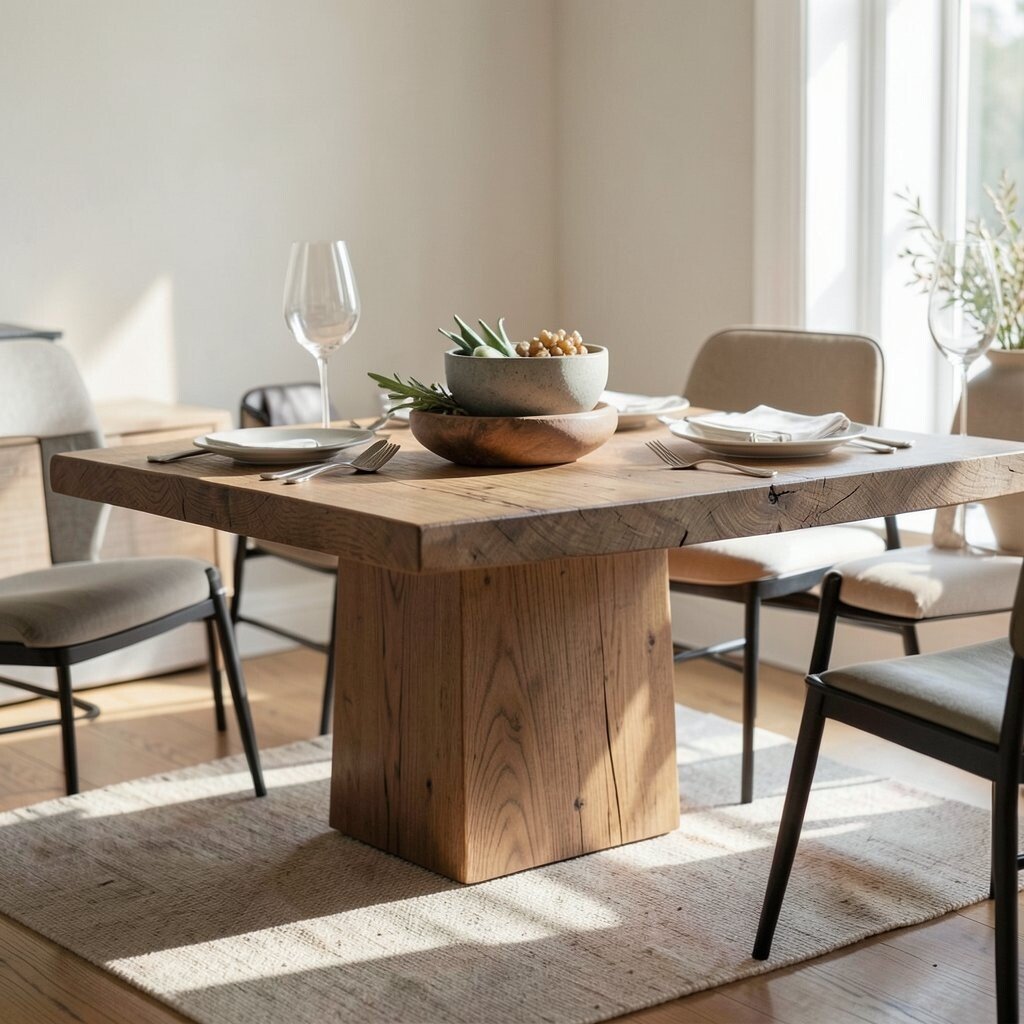
Height adds drama, and a wooden riser does it in an earthy, modern way. You can use it under a small candle, a bud vase, or a serving plate.
Keep the riser simple and use one per setting, not one for every item. When you raise the focal point, the table looks more layered and less flat. Use sandpaper lightly if the wood feels too rough, since smooth texture looks more refined.
For personalization, choose a riser color that matches your napkin or mat tones. Cost can stay under control because a single riser can be reused for years and for different seasons. This technique also feels on trend since warm wood is a popular material right now.
10. Place Candles in Reused Glasses for a Soft Glow
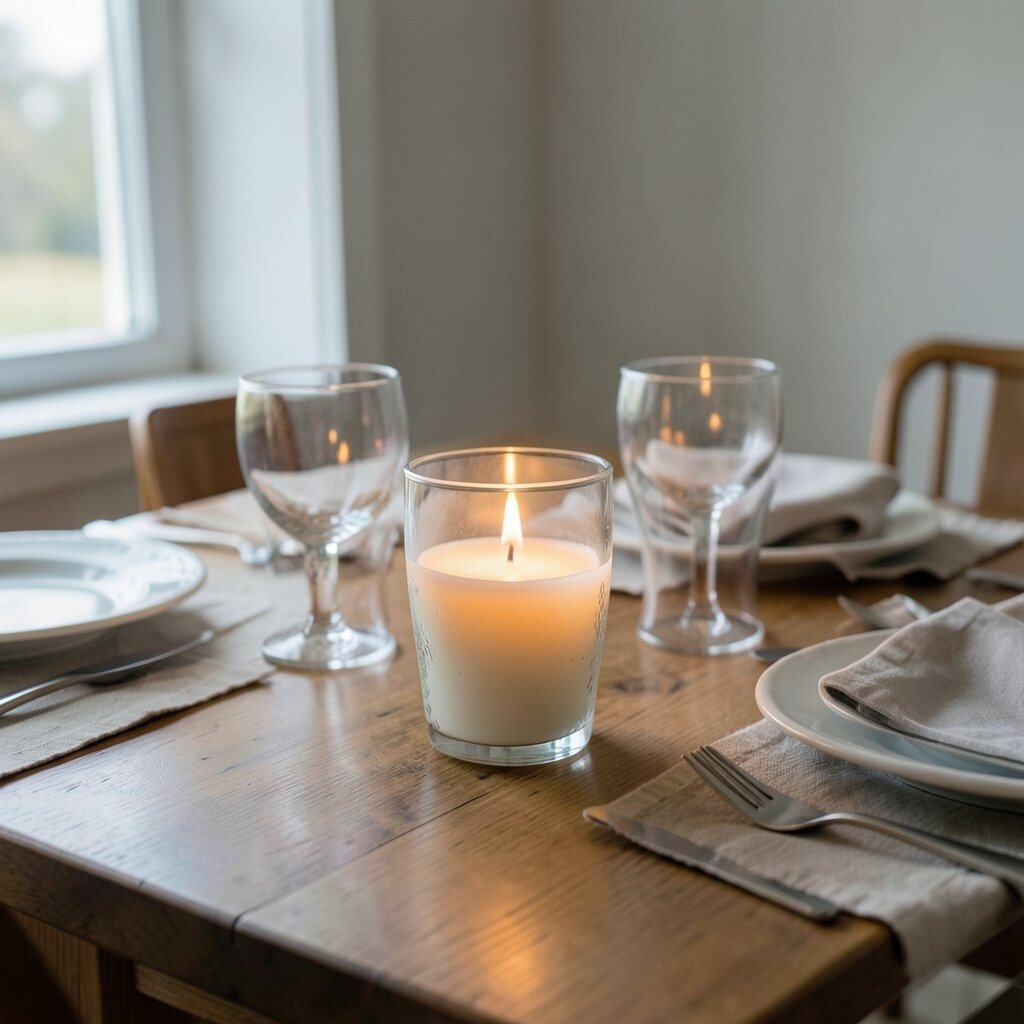
Candles make any table feel welcoming, and reused glass containers keep the look modern. The glow feels gentle, and the glass shows off a simple, artisanal sensibility.
Use jars, tumblers, or small bottles cleaned and polished before placing a candle inside. Set them at different distances rather than in a perfect line, so it looks natural. If safety matters, use holders designed for candles and keep wicks trimmed.
11. Add a Single Fresh Herb Instead of a Flower

Fresh herbs like rosemary, thyme, or mint can act as a stylish centerpiece. The scent adds charm, and the green color makes the setting look lively.
Lay one herb bundle next to the main dish or tuck a sprig into a small bottle. Choose a vase shape with clean lines so the herb looks intentional rather than accidental. This is a practical pick for people who want beauty without big bouquets.
To personalize, match the herb to the meal theme, like basil for Italian-inspired dinners. Herbs are usually cheaper than flowers, especially when you grow a small pot at home. This technique fits current trends that favor simple, edible styling over big arrangements.
12. Use a Runner With an Unexpected Edge Detail
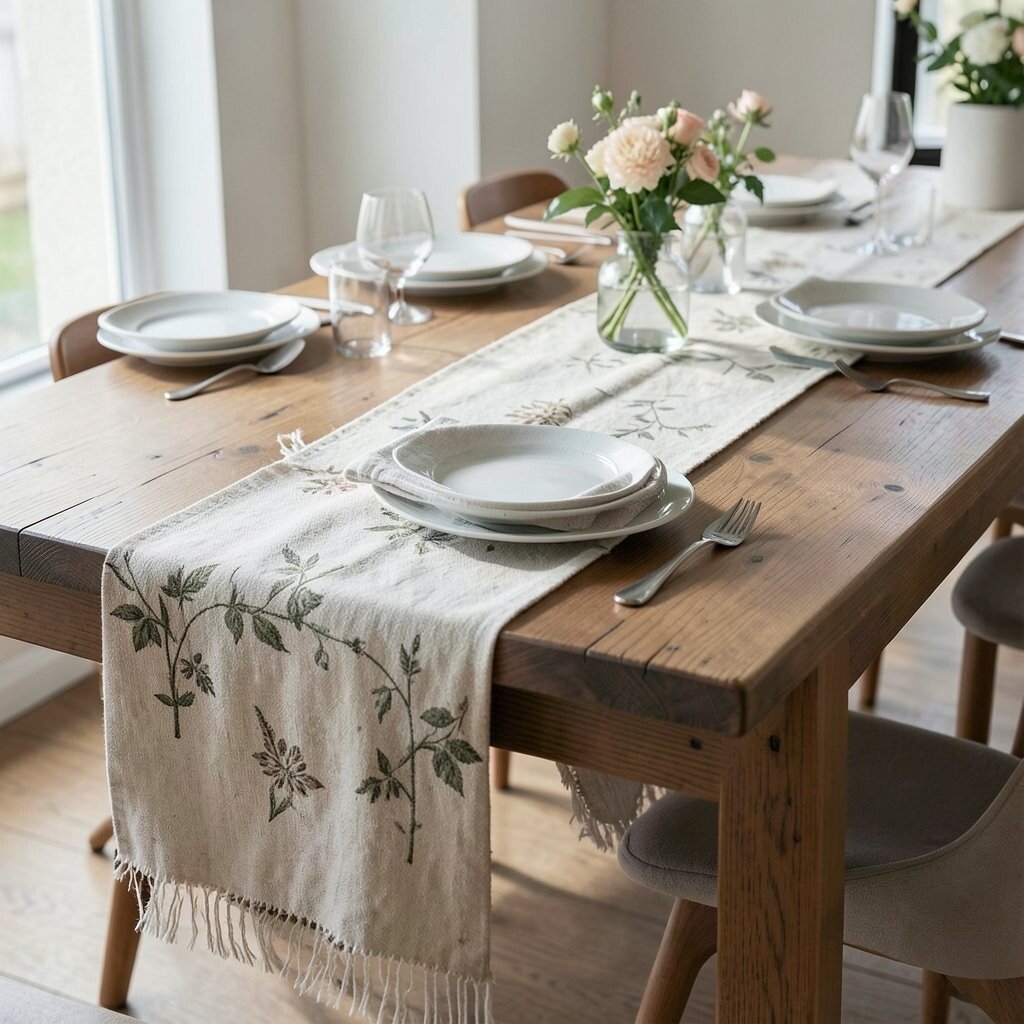
A table runner with hand-finished edging makes the entire setup look crafted. Look for fringed ends, stitched borders, or gentle color blocking.
Center the runner, then let the edge detail hang slightly off the table for a relaxed look. If your table is small, use a wider runner to avoid empty space that feels awkward. Keep the rest of the table clean so the edging becomes the visual anchor.
Personalization can be as easy as choosing a border color that matches your plates. Cost considerations vary, but you can often find artisanal runners at craft markets or thrift stores. The charm of a distinct edge is that it adds uniqueness without needing many items.
13. Style a “Broth Spot” With One Textured Bowl
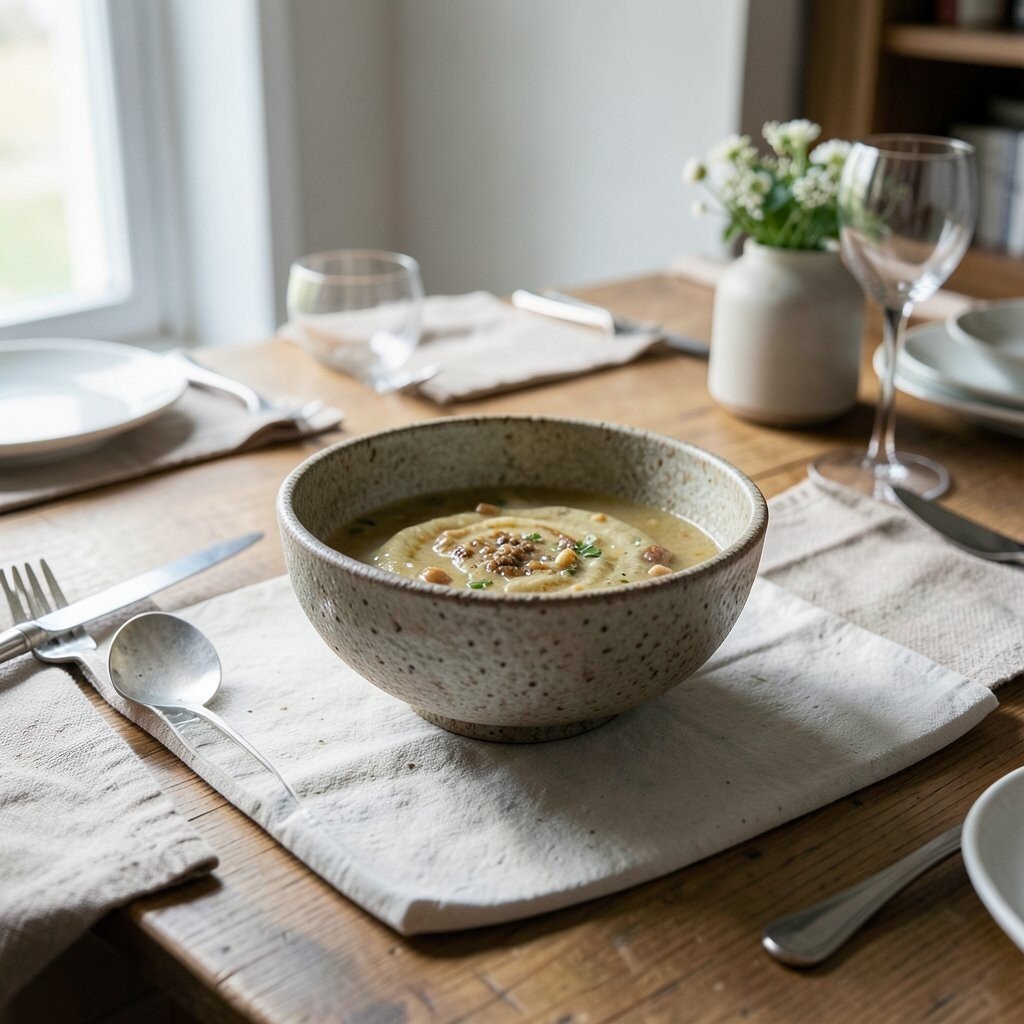
If you serve soup, make it part of the design with one textured bowl as a focal point. A handmade bowl with a ripple or speckled glaze looks like it belongs on a magazine page.
Set the bowl near the plate or replace the plate for the first course. You can also add a small spoon rest made from stone or ceramic for extra function. The benefit is clear since guests get a consistent, comfortable place for their meal.
Choose a bowl shape that matches your meal vibe, like a wider bowl for noodles or a deeper one for stew. Buying one standout bowl is often less expensive than replacing a whole set. This technique adds uniqueness and keeps up with the trend toward tactile, handmade tableware.
14. Coordinate Colors by Mood, Not by Theme
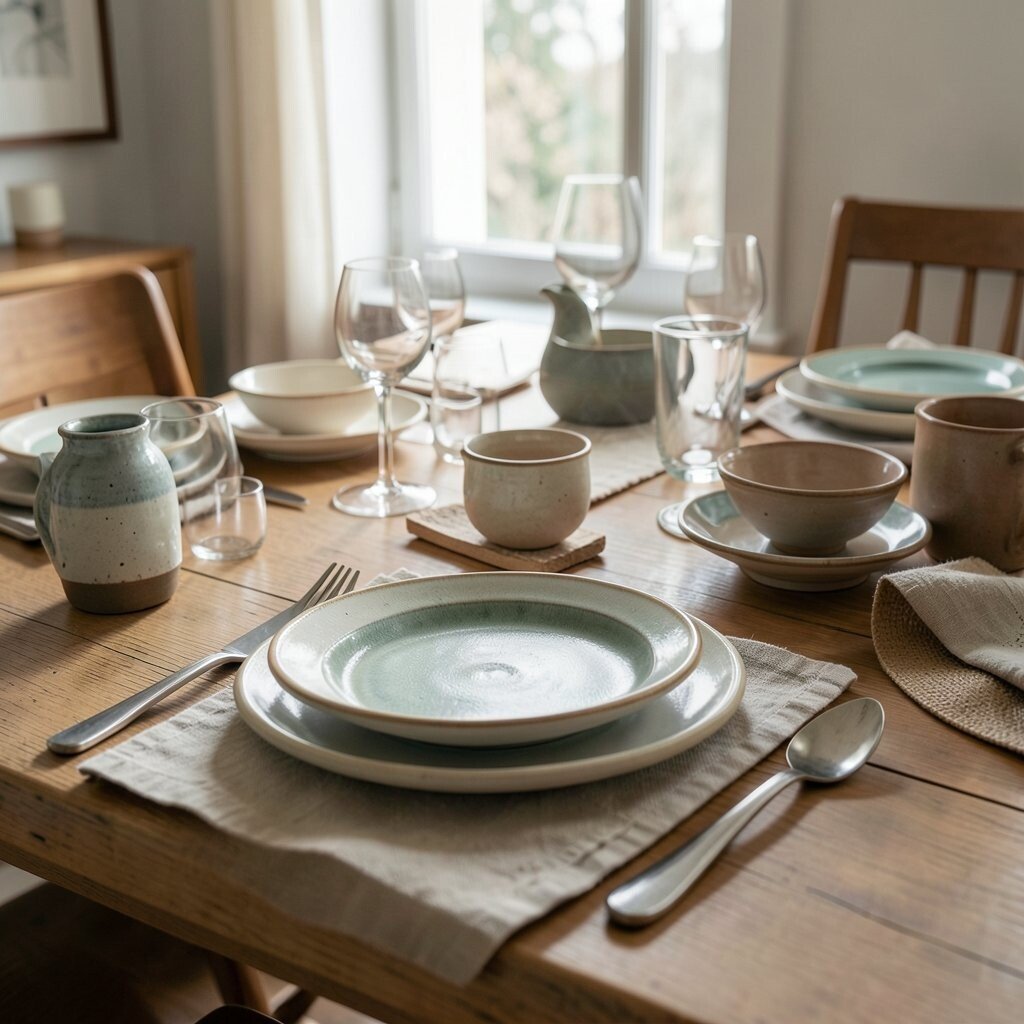
Color coordination can feel stressful, but mood-based choices make it easier. Think in terms of warm, cool, or earthy rather than matching every shade.
Pick one color family for textiles, one for ceramics, and one for small accents like napkins or candle jars. For example, warm neutrals plus sage greenery and touches of brass can feel modern and grounded. This method helps you personalize without overthinking.
If you’re working with a limited budget, use paintable items like small place cards or simple twine to bring the mood together. Trends right now favor earthy palettes and gentle contrasts, which this approach naturally supports. The result is visually calm, with enough variation to feel artisanal.
15. Fold Place Cards Like Tiny Art
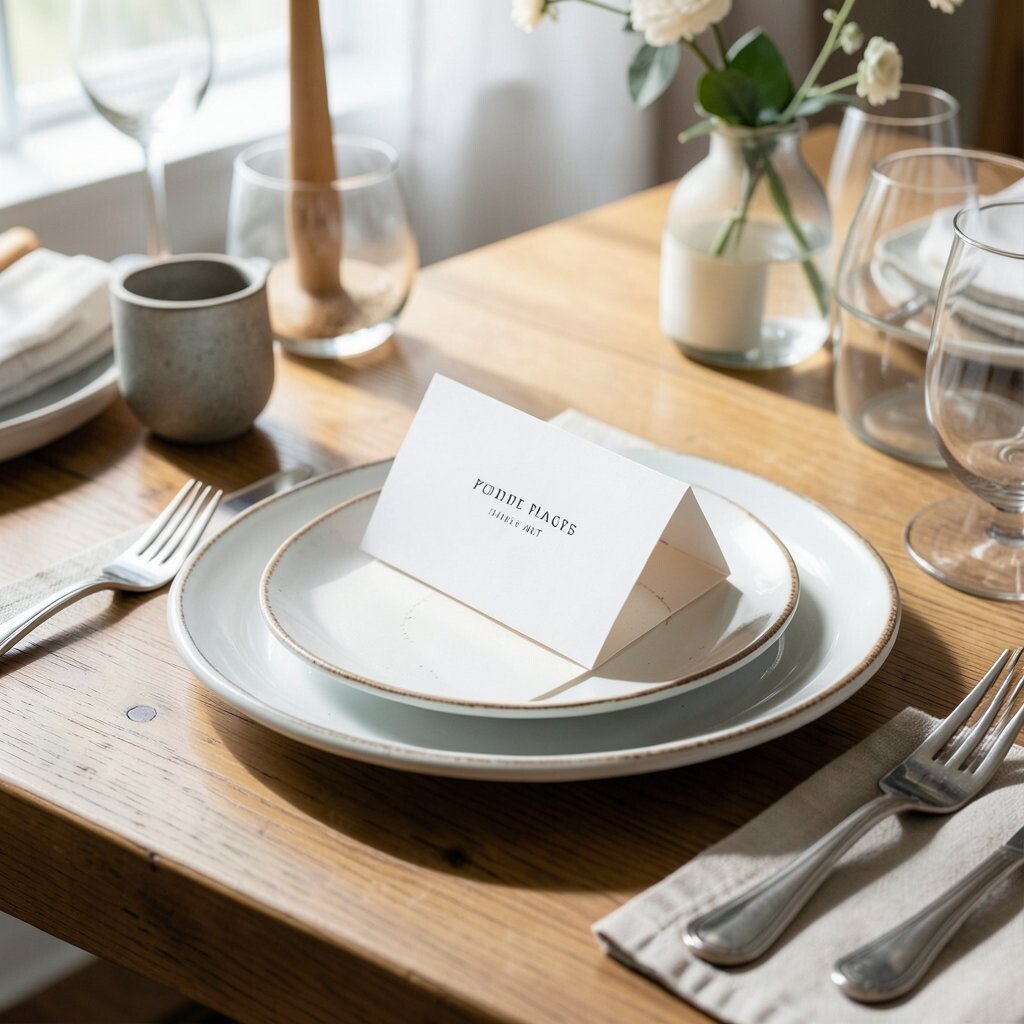
Place cards don’t need to be formal to feel special. A small fold made from handmade paper can look like a mini artwork at each seat.
Write names with a marker that matches your palette, like dark brown or muted black. Place the card upright beside the napkin or on the rim of the small bowl. The benefit is practical since it speeds up seating while still feeling creative.
Personalization is easy because you can tailor card styles to each guest, using different paper textures or colors. Handmade paper can cost a bit more, so if budget is tight, purchase one pack and reuse the same sheets with thoughtful cuts. This idea also matches current trends toward handcrafted stationery and tactile materials.
16. Use a Ceramic Tile Serving Board for Shared Dishes
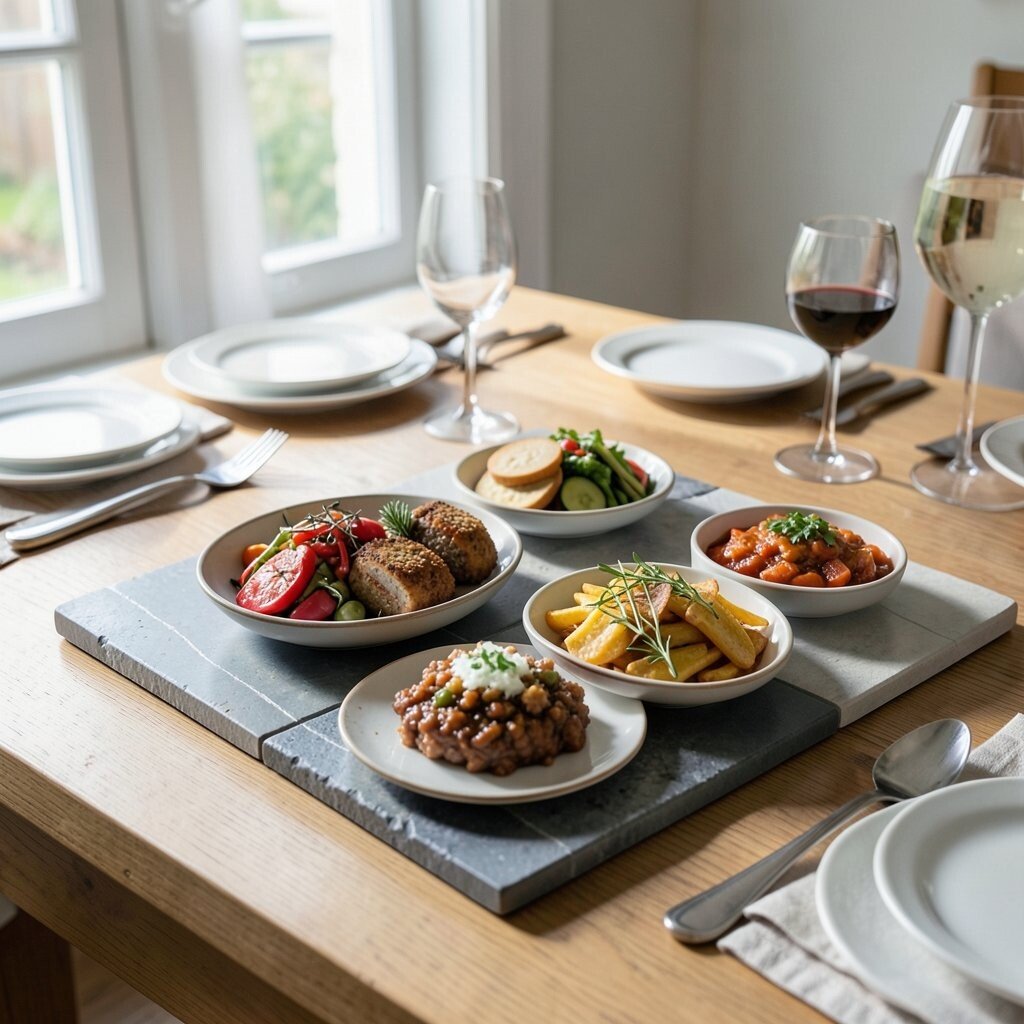
A ceramic tile serving board turns a simple dish into a centerpiece. The clean shape feels modern, and the glaze adds artisanal character.
Serve bread, charcuterie, or roasted vegetables on the tile board to keep flavors and presentation together. Place it at the center, then surround it with small bowls so the table stays balanced. The practical benefit is that shared items stay tidy and easy to grab.
To personalize, choose a tile with a pattern that echoes your napkin or plate color. You may find affordable boards at artisan shops, but thrift stores sometimes carry similar pieces too. This technique brings uniqueness and fits the current trend of using architectural forms for food presentation.
17. Add a Hand-Poured Candle Holder Moment
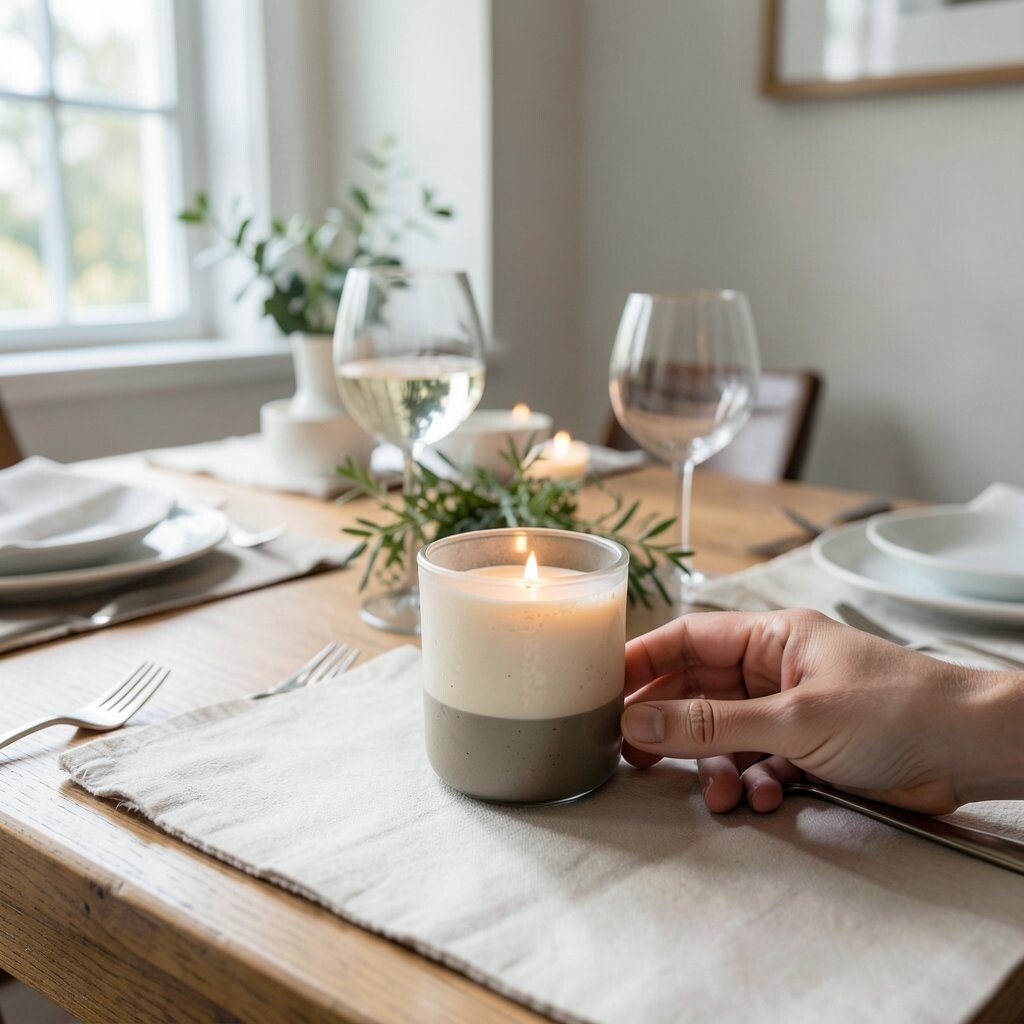
Even a simple candle feels more artisanal when it has a distinct holder. A hand-poured wax candle in a simple vessel creates a warm, modern focal point.
Place one candle near the center rather than scattering many across the table. Use holders with interesting textures like speckled ceramic or ribbed glass so the light looks rich. This choice helps the setting feel curated, not cluttered.
If you enjoy DIY, pour your own candle in a reusable container for a personal touch. Cost considerations can be favorable when you make small batches and reuse containers. It’s also aligned with current trends that celebrate slow-made goods and cozy, glow-first atmospheres.
18. Finish With a Dusting of Something Textured

A final touch can make the table feel styled without adding more clutter. Think of a light dusting of flaky salt, ground spice, or even edible dried petals in small places.
Sprinkle just a little over the food or around the centerpiece for a subtle texture shift. This gives a sensory benefit because guests notice aroma and visual detail at the same time. Keep it minimal so it doesn’t overwhelm flavors or look messy.
Personalization is natural here since you can tailor the dusting to the meal, like smoked paprika for savory dishes or citrus zest for lighter plates. Cost is usually low because a small jar lasts many dinners. This technique also feels unique and current because modern tables lean into sensory styling, not just decoration.