A window display can stop a person in their tracks. The right designer can make that happen with style and purpose.
1. Know What Your Window Must Do
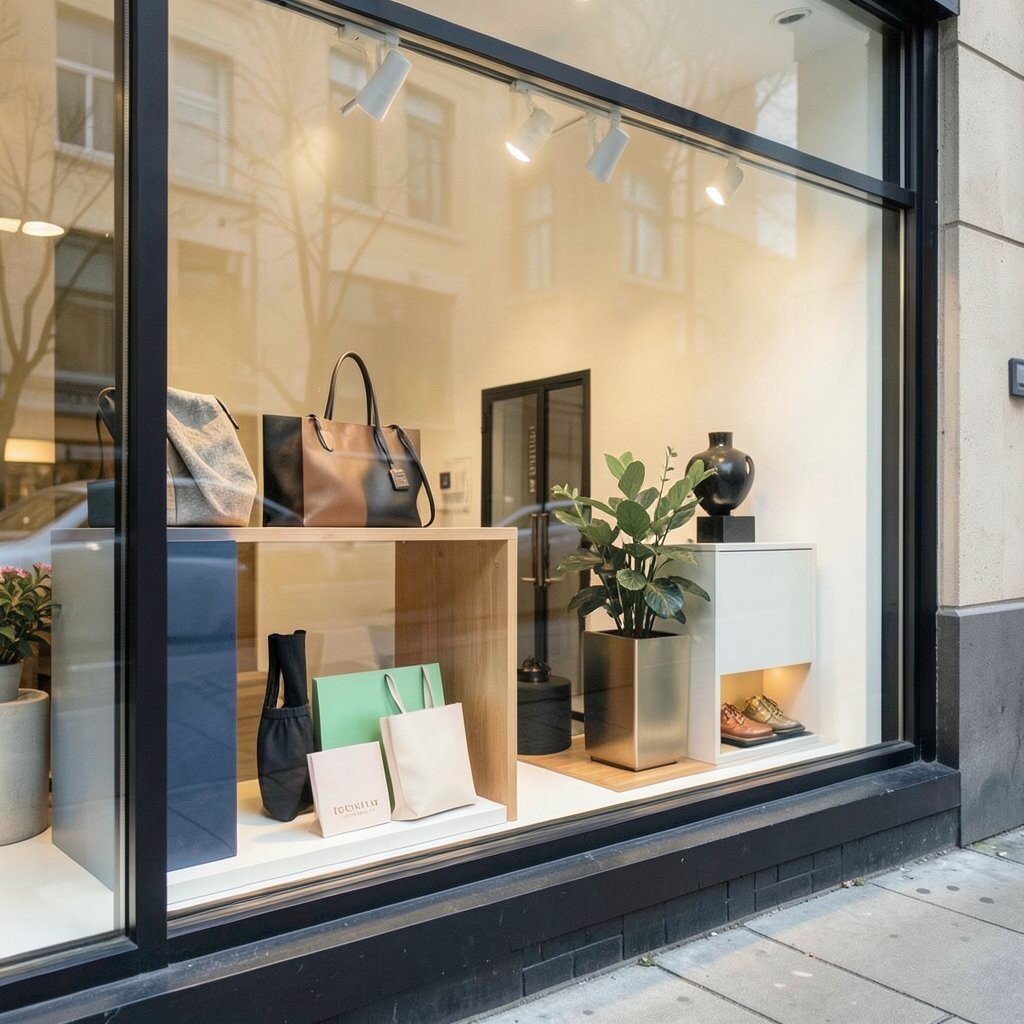
Before you hire anyone, be clear about the job of the window. Some displays need to bring in foot traffic, while others need to show off a new product or a fresh brand look.
A strong designer will ask about your goal right away. That goal shapes the colors, props, lighting, and message, so the window does not just look pretty but also works hard for your business.
2. Check Their Style Fit
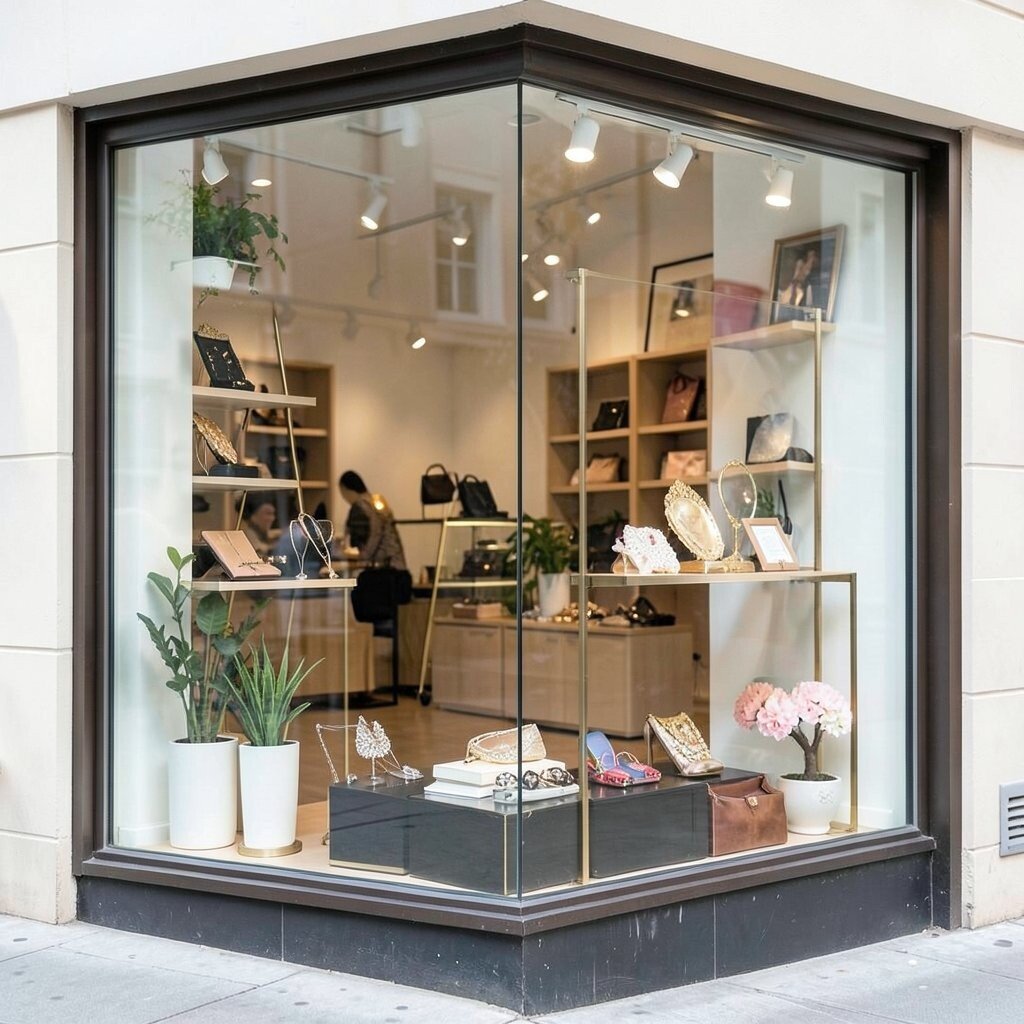
Every designer has a style, even if they say they can do it all. You want to see if their look matches your store, your products, and the mood you want people to feel.
Look at past windows and notice the details. Are they bright, clean, bold, soft, fancy, or playful? A good match saves time and helps the final display feel natural.
Ask for examples that feel close to your own space. If you sell luxury items, a designer who works with neat lines and rich textures may be a better fit than one who uses a very busy look. If your shop is fun and young, a fresh and colorful style may work best.
3. Ask About Their Process
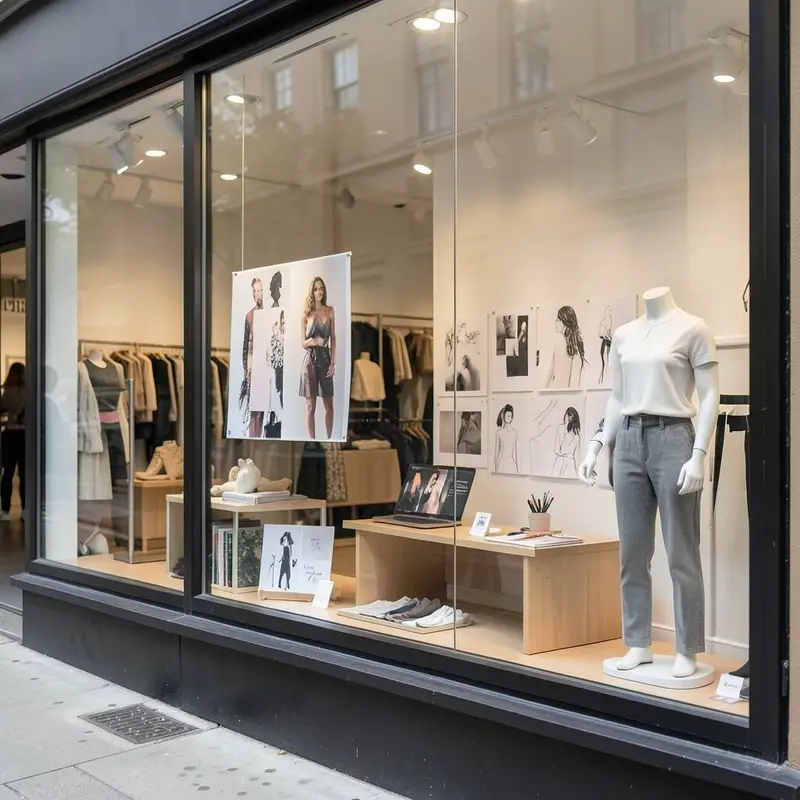
A good window display takes more than a quick sketch. You should know how the designer plans, builds, installs, and changes the display.
Some designers start with mood boards, while others begin with a site visit. Clear steps help you stay calm and keep the project on track.
Ask how they handle ideas, approvals, and final setup. This also helps you see if they are organized enough for your budget and timeline, which can save you from surprise costs later.
It is also smart to ask how often they update the display. Seasonal changes and new promotions can keep the window fresh and help your store stay current.
4. Look at Real Results
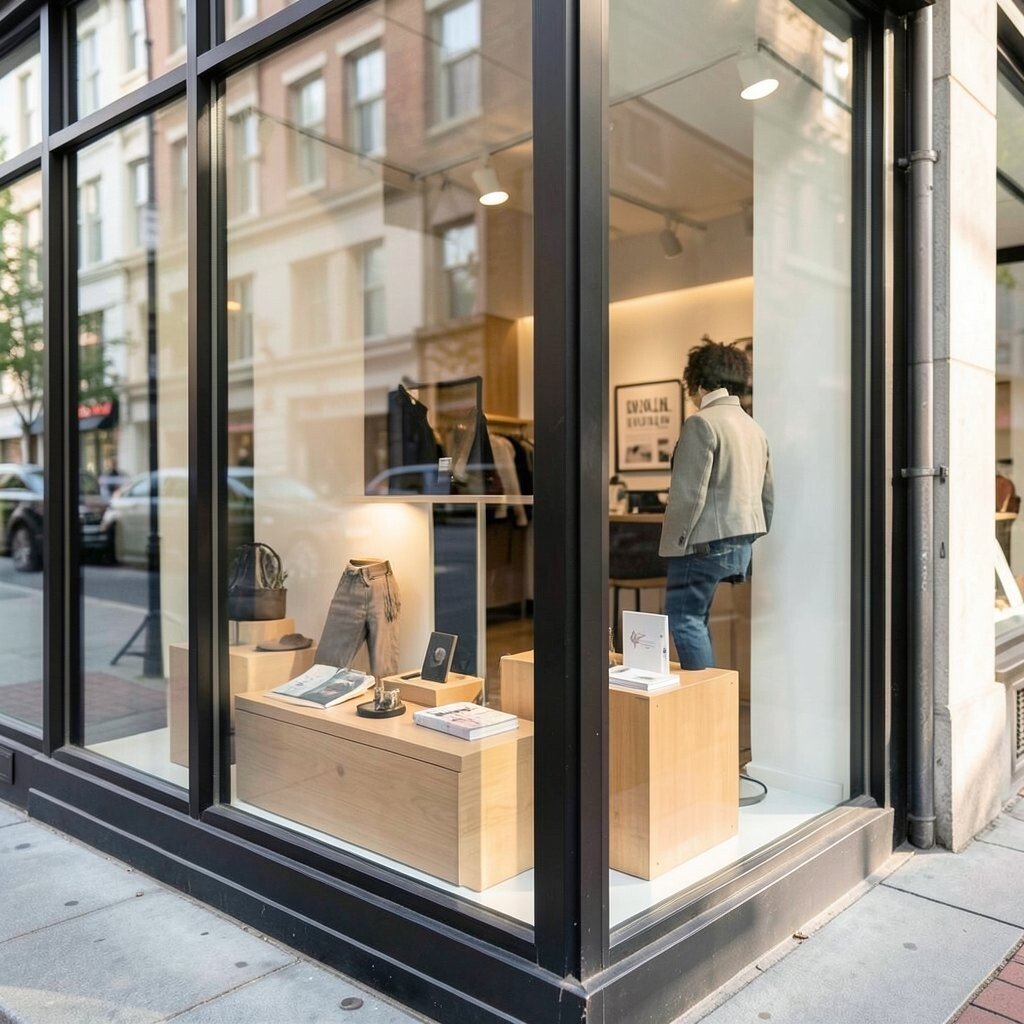
Pretty pictures are nice, but results matter more. Ask what kind of business gains they have helped before, like more visits, more sales, or more social media attention.
Good designers can point to real wins. They may also explain how a display helped shoppers understand a product faster or feel more excited to come inside.
5. Think About Your Budget Early
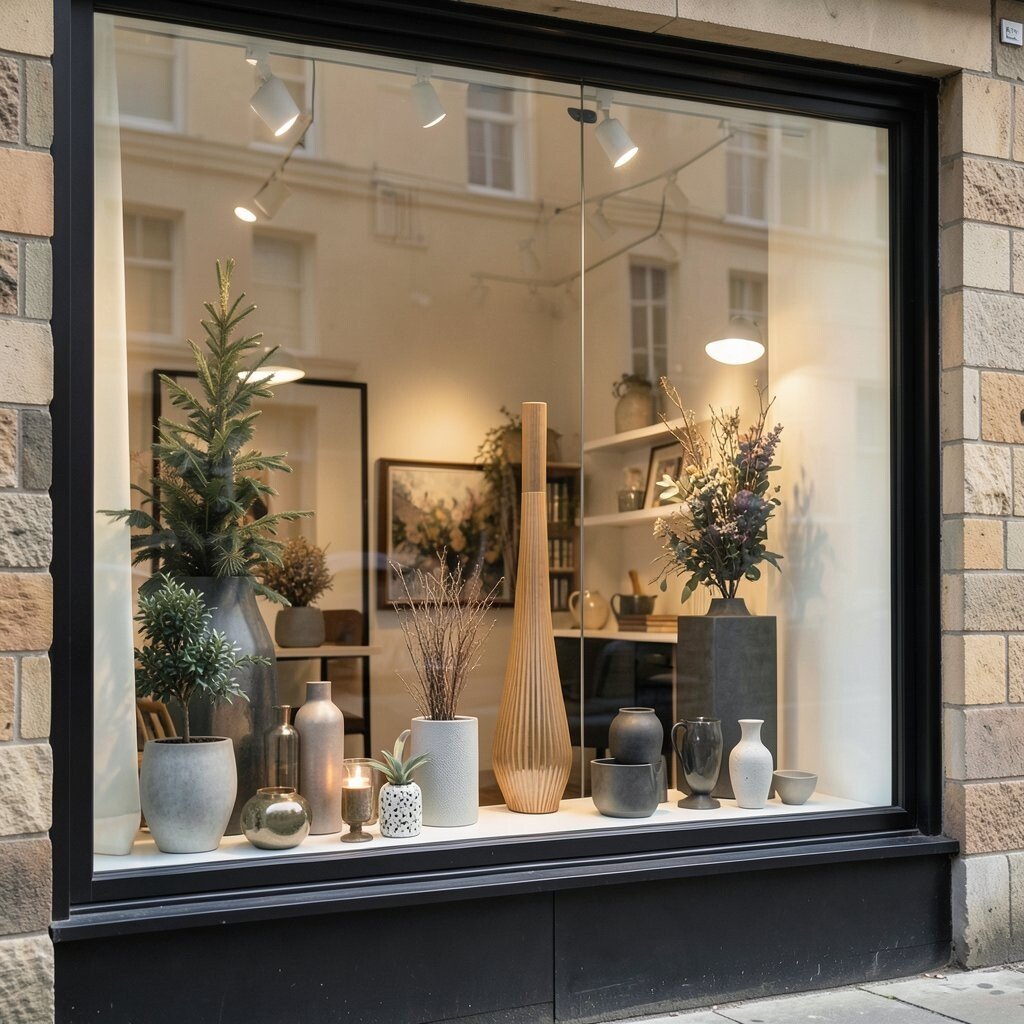
Window display design can range from simple to very fancy. Your budget should guide the size of the idea, the materials, and the amount of labor involved.
Be honest about what you can spend. A smart designer can build a great look at many price points by using clever shapes, reusable props, and strong lighting.
Ask what is included in the price and what costs extra. Things like custom pieces, rush work, shipping, storage, and installation fees can add up fast, so clear money talk helps everyone.
6. Know the Space They Are Designing For
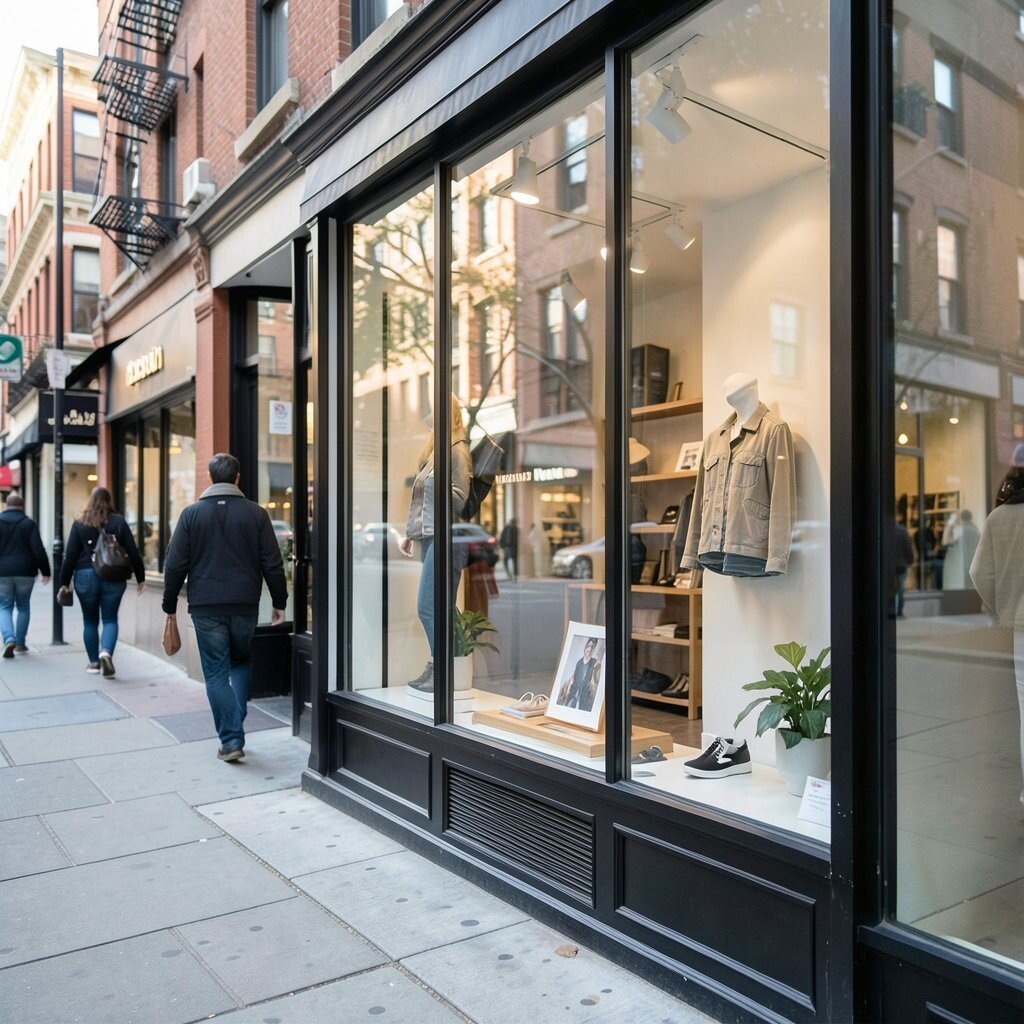
Not every window is the same shape, size, or depth. A designer needs to understand the exact space so the display fits well and does not feel crowded or empty.
Take measurements and share photos from inside and outside. Good planning helps the designer use the window in a way that feels balanced and easy to see.
Pay attention to how people walk by your store. A display that looks great from far away may need bigger shapes or bolder colors if the street is busy. A display for a quiet shopping area may work better with finer details and closer storytelling.
7. Ask How They Use Light
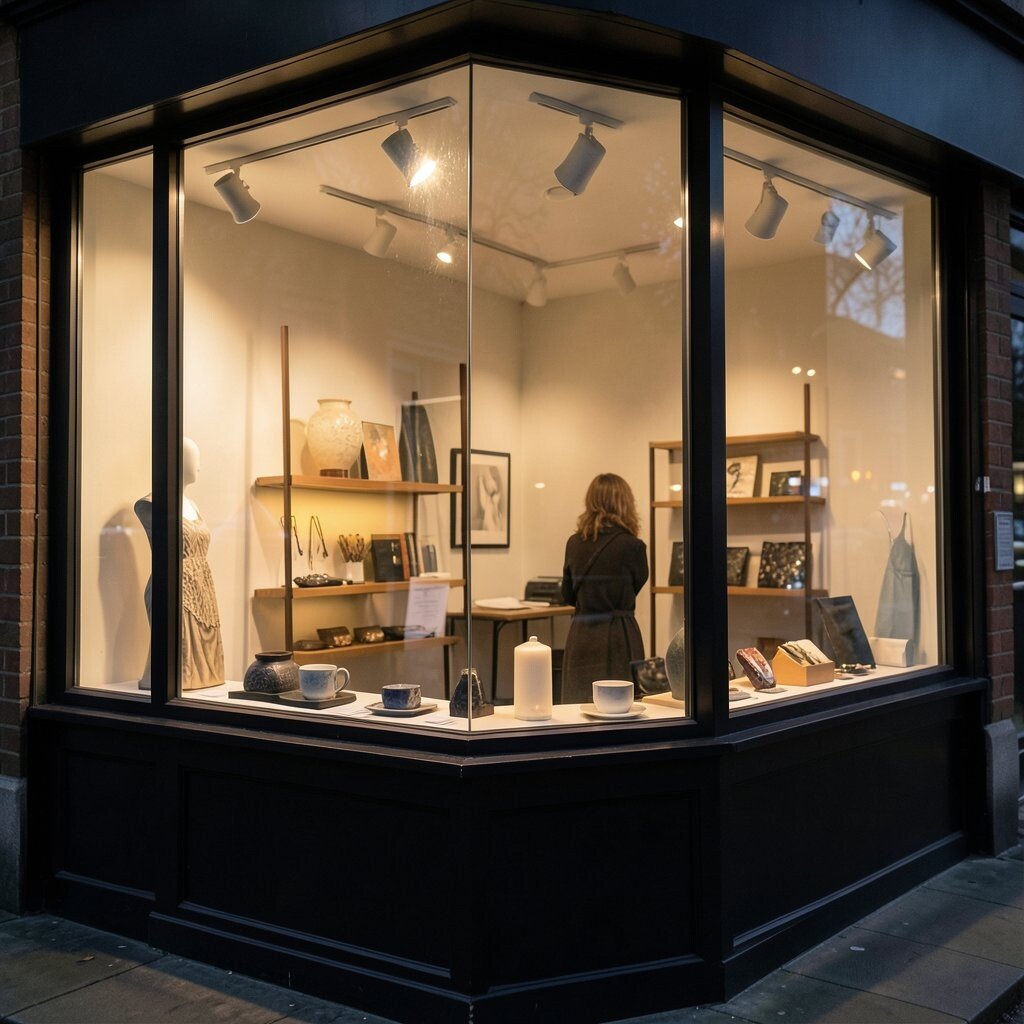
Light can make a window glow, or it can make it fall flat. The best designers know how to use spotlights, soft light, and shadow to guide the eye.
Lighting also helps products stand out at night and during cloudy days. It can make a display feel warm, modern, dramatic, or calm.
Ask if they plan for natural light, store lights, and evening views. A designer who understands light can make simple pieces look richer and more eye-catching without spending too much on extras.
8. See How They Handle Brand Story
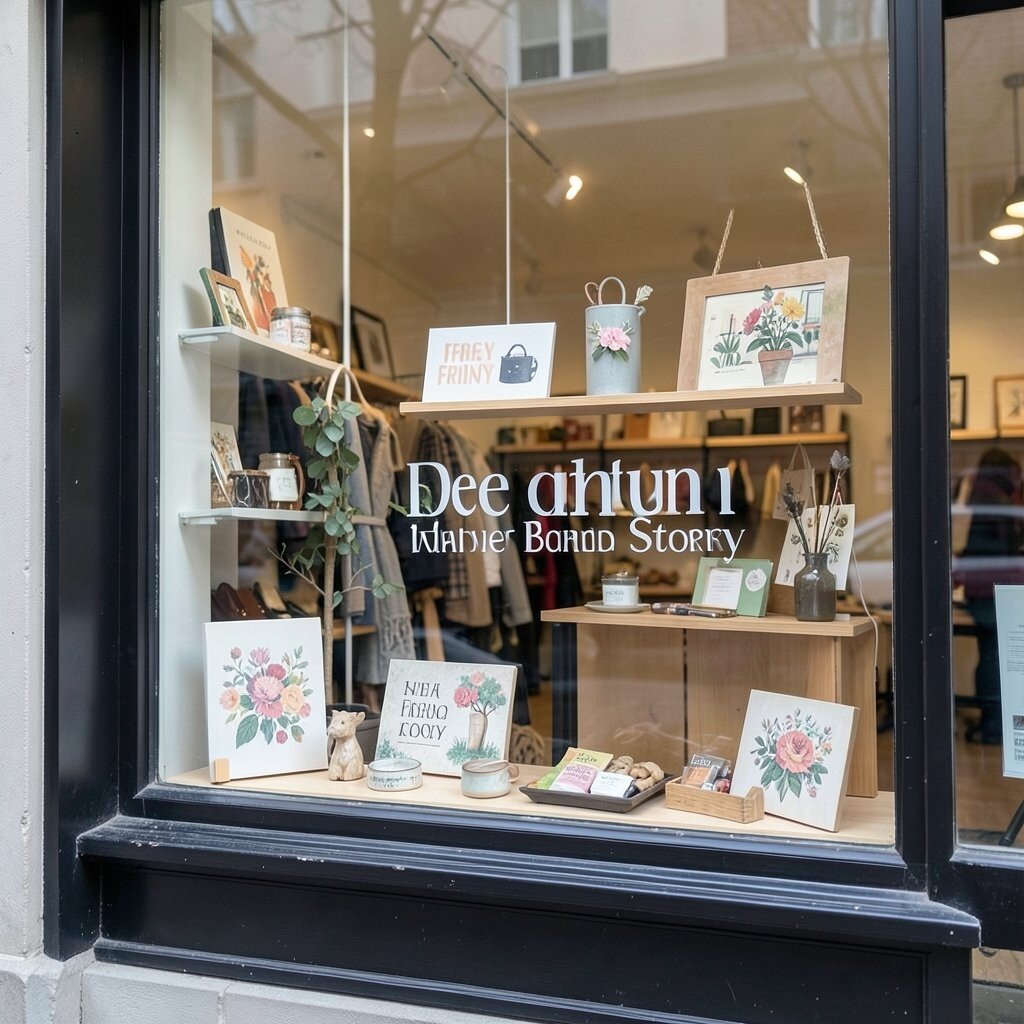
A window display should say something about your brand right away. It should give shoppers a quick taste of who you are and what you sell.
That story can be simple, like fresh and friendly, or more detailed, like handmade and local. The best displays make people feel the brand before they even step inside.
Ask the designer how they turn a brand story into shapes, colors, and props. If your shop has a special voice, the display should carry that same feel in a clear and easy way.
Personal touches can make the story stronger, such as using local art, custom signs, or items tied to your shop’s history. These details help the window feel one of a kind.
9. Check Their Material Choices
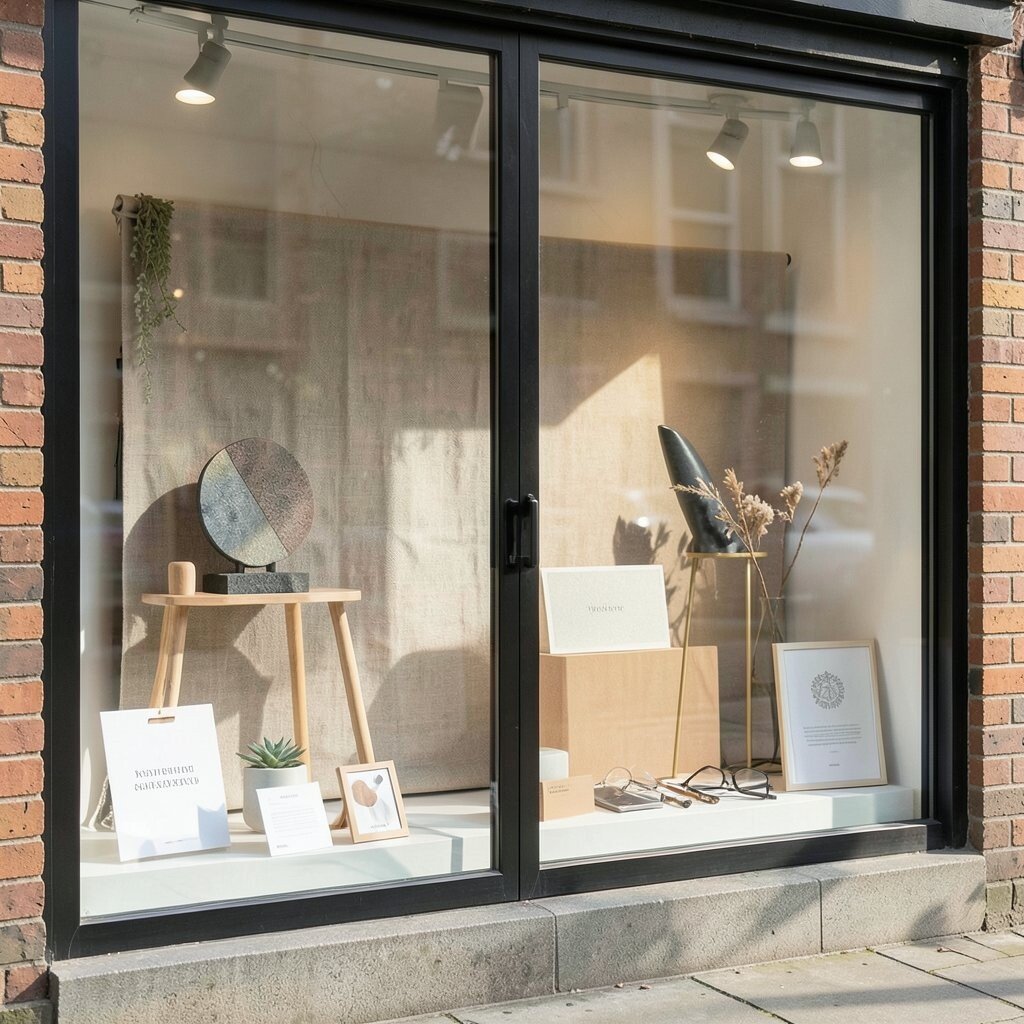
The best window displays are not only beautiful, but also practical. Materials need to be safe, sturdy, and right for the look you want.
Ask what they use for backdrops, props, and printed pieces. Foam board, fabric, wood, acrylic, and paper all have different costs and effects.
A thoughtful designer will know where to save money and where to spend more. For example, one bold custom piece can carry the whole display, while other parts stay simple and affordable.
10. Ask About Reuse and Storage
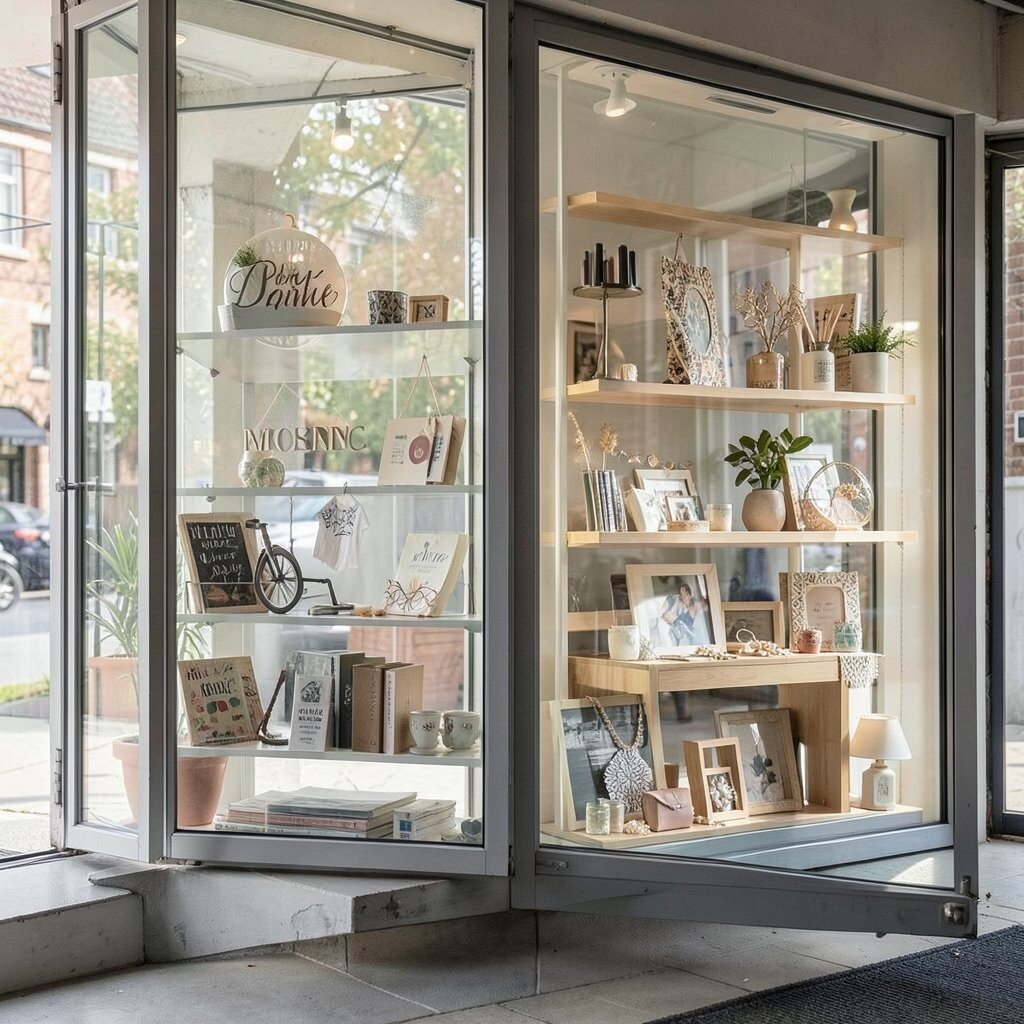
Some displays are made for one short season, while others can live longer with small changes. Reusable pieces can help you get more value from your budget.
Good storage also matters, especially if you plan to use props again. Ask if the designer builds items that can be packed away safely and used later.
This is a smart place to think about cost and waste at the same time. Reusable signs, modular shelves, and changeable decor can lower future spending while keeping your windows fresh.
11. Find Out How They Handle Trends
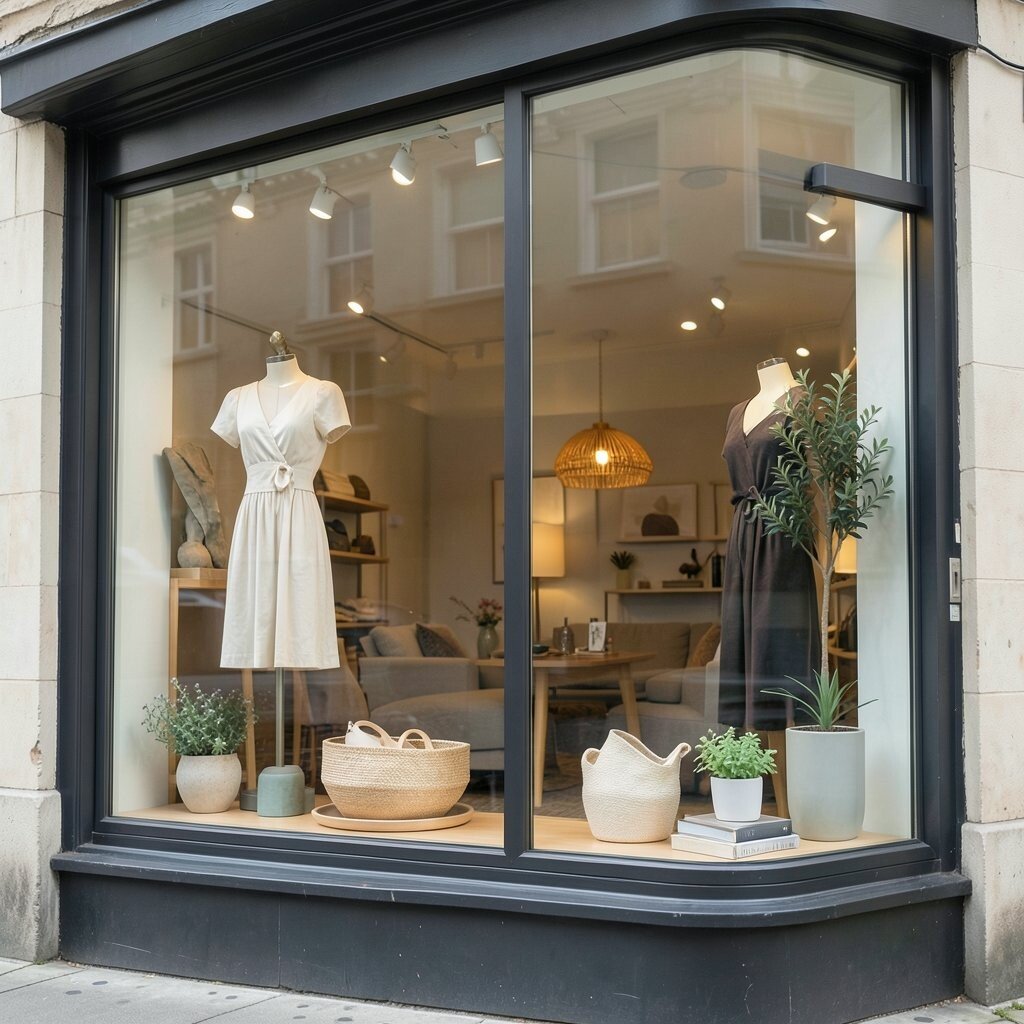
Window displays change with the times, just like fashion and home decor. Right now, many stores use bold color blocks, simple shapes, natural textures, and photo-friendly scenes.
Trends can help your store feel current, but they should not hide your brand. A good designer knows how to use a trend in a way that still feels true to your shop.
Ask which trends make sense for your audience. A playful social-media-friendly setup may work well for a young crowd, while a refined and calm look may fit a more classic store.
12. Ask How They Make Things Unique
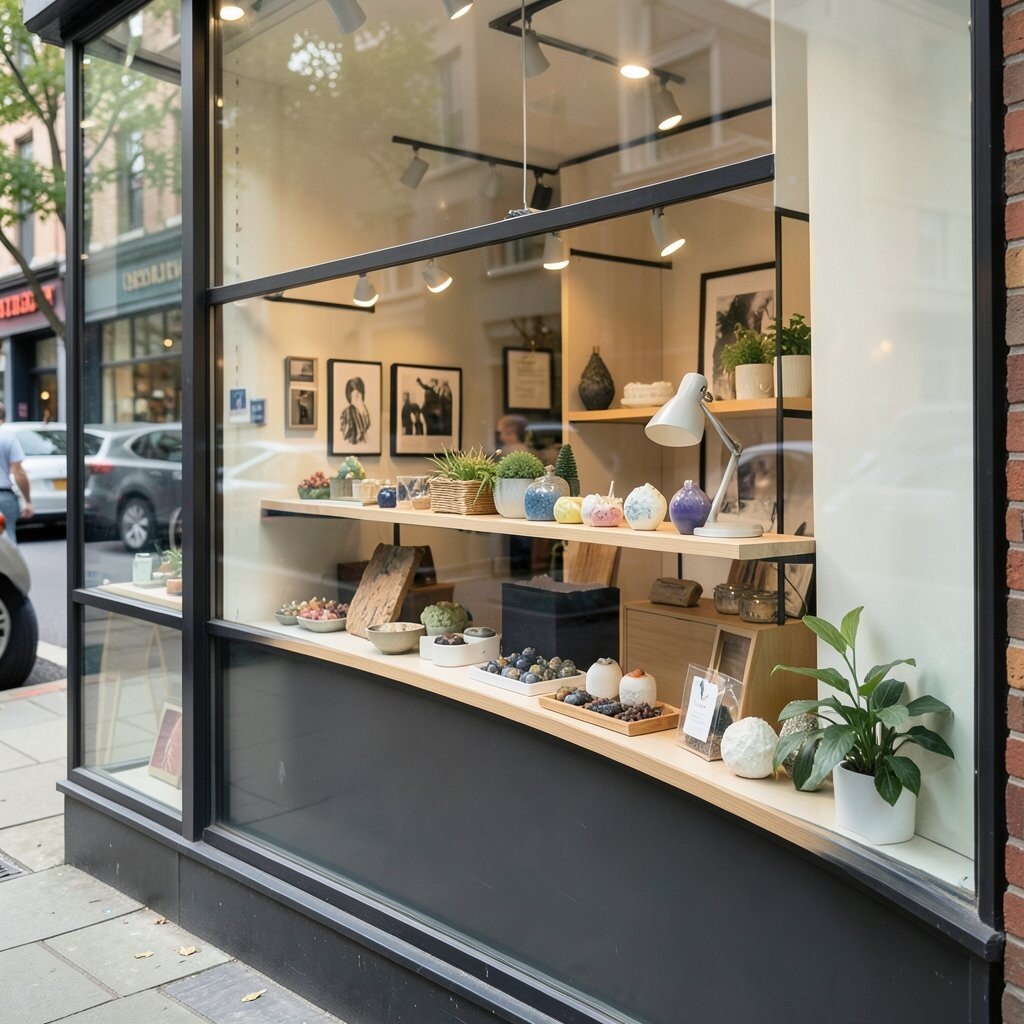
Your window should not look like every other shop on the street. A designer with fresh ideas can help your store stand out in a busy crowd.
Uniqueness can come from color, scale, texture, humor, or a smart theme. Even a simple display can feel special if the idea is strong and the details are well chosen.
Ask what makes their work different from others. The answer may show how they think, how they solve problems, and how they bring a new twist to common retail ideas.
Personalization can be small but powerful, like using your product shapes in a custom pattern or matching the display to a local event. These touches help people remember your shop.
13. Review Their Timelines
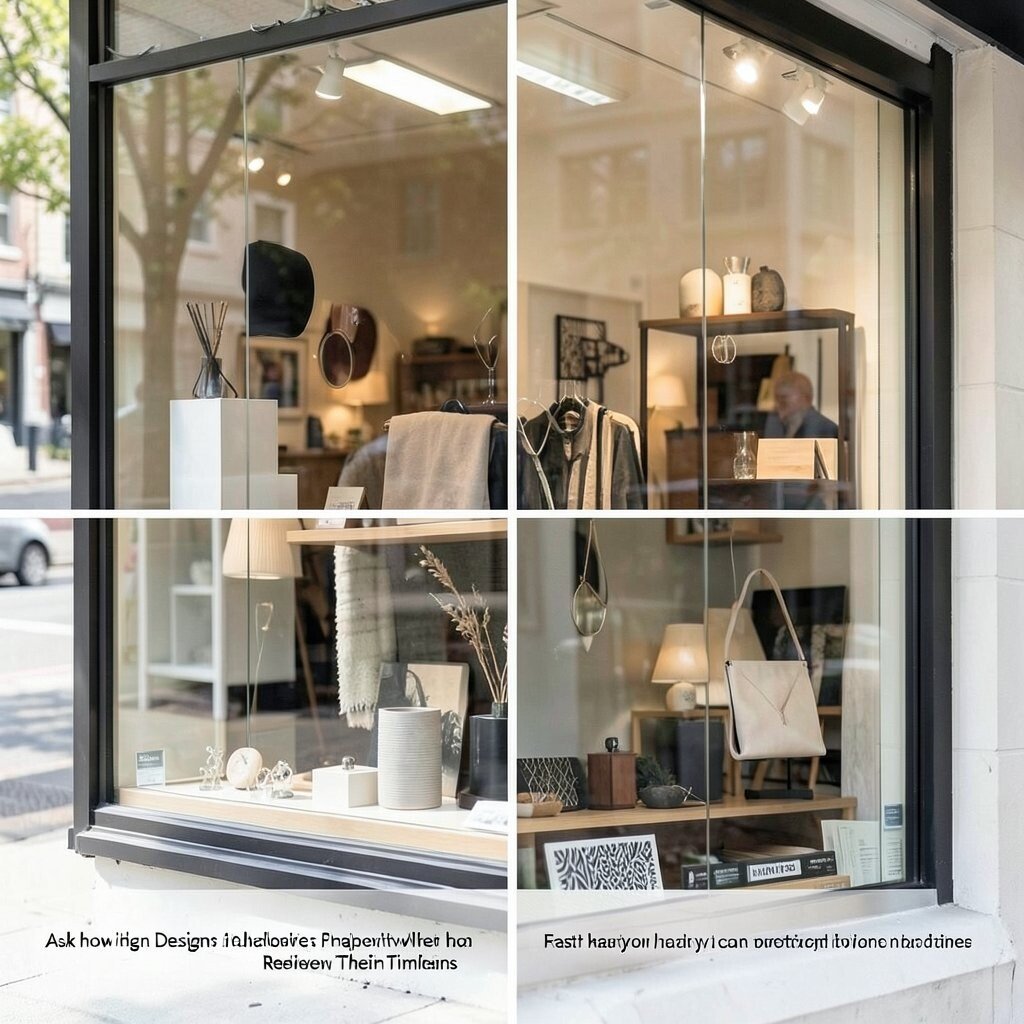
Window displays often have deadlines tied to seasons, sales, and product drops. A designer must be able to work on time without rushing the quality.
Ask how long each phase takes, from first idea to final install. This helps you plan promotions and avoid last-minute stress.
It is wise to ask what happens if a delivery is late or a piece needs to be rebuilt. A calm backup plan can protect both your time and your money.
Fast work can cost more, so talk about speed and budget together. When everyone understands the schedule, the project has a better chance of going smoothly.
14. Learn How They Work With Your Team
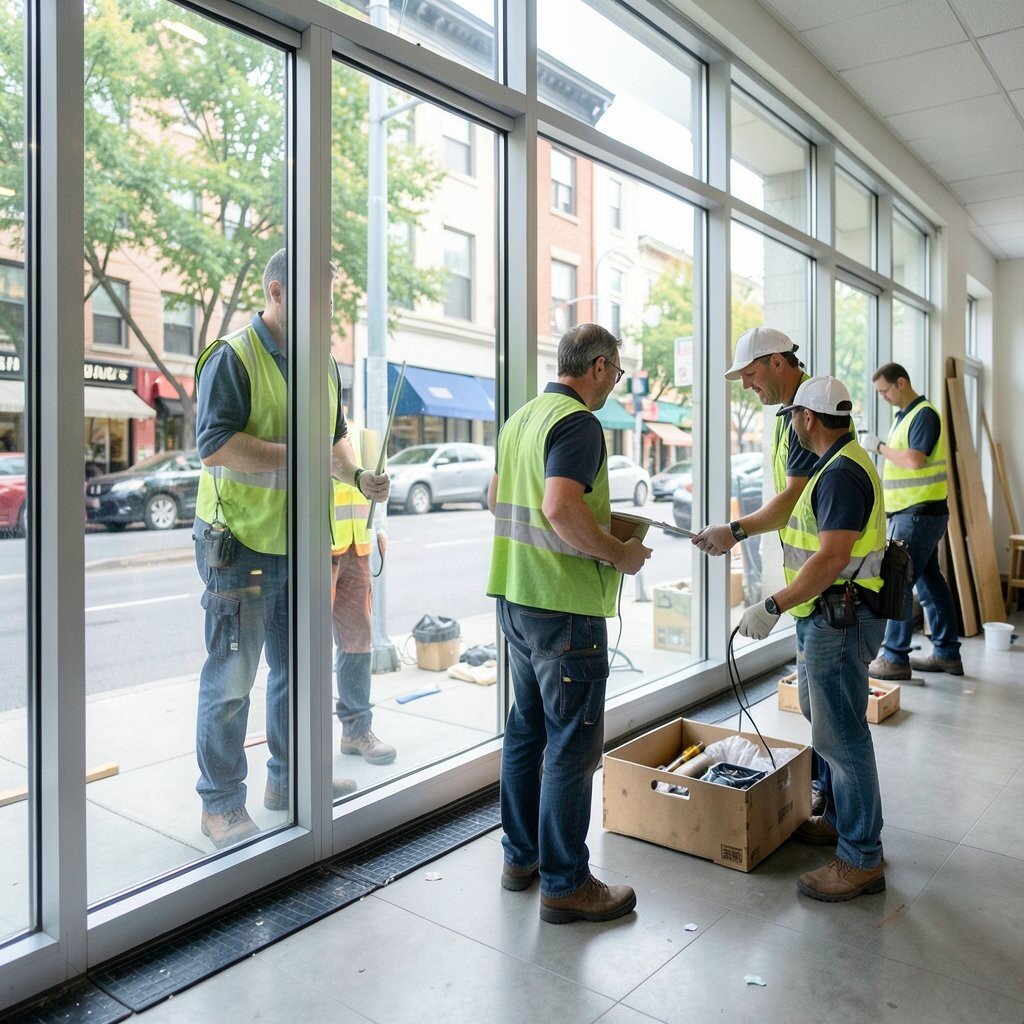
Some designers work alone, while others use a crew for building and setup. Either way, they need to fit well with your staff and your store rules.
Ask who will be on site and who will answer questions. A clear line of contact makes the whole job easier.
This also helps with safety and store flow. If your team needs to keep the shop open during setup, the designer should know how to work neatly and with care.
15. Ask About Maintenance
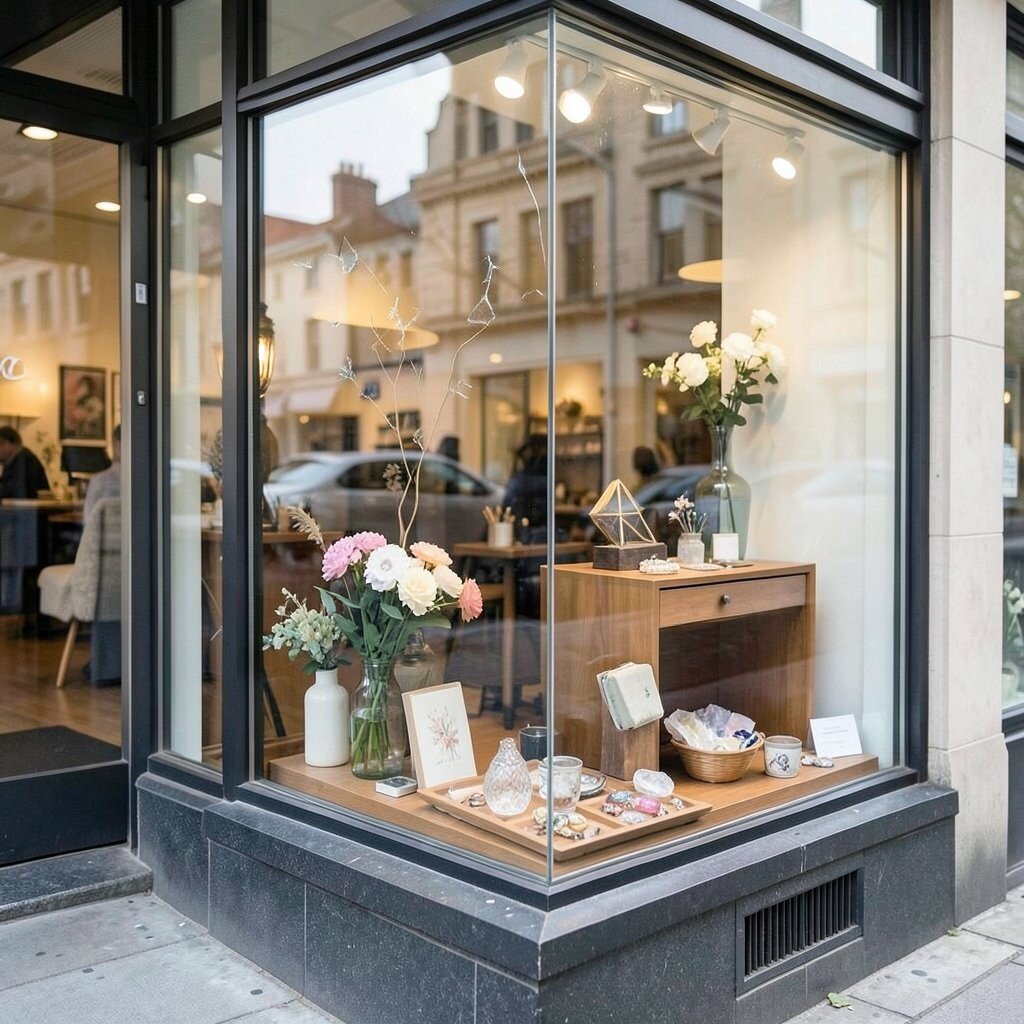
A display does not end the day it is installed. Dust, broken pieces, and faded colors can show up fast, especially in busy stores.
Ask how much care the window needs after setup. Some designs need simple dusting, while others may need quick fixes or daily checks.
Maintenance affects both appearance and cost, so it is worth planning ahead. If a display uses delicate items, make sure someone on your team knows how to handle them with care.
Good maintenance also keeps the window looking fresh longer. That helps your store stay polished and gives shoppers a better first impression every day.
16. Check Their Use of Color
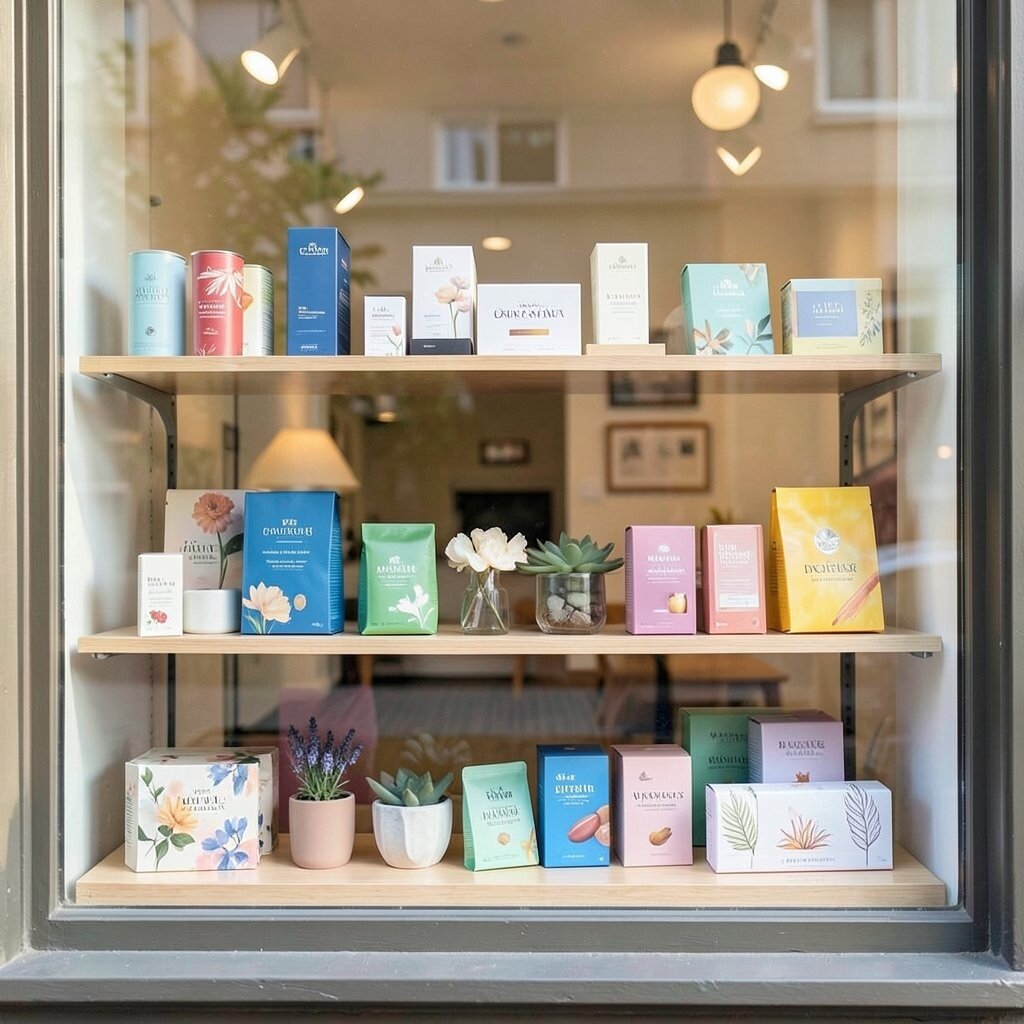
Color can change the whole feeling of a window. Bright shades can feel lively, while soft tones can feel calm and elegant.
Ask how the designer picks colors for your brand and your products. The best choices make items easier to see and help the whole window feel linked together.
Color can also guide the eye to your best-selling products or your newest items. A smart mix of tones can make the display feel rich without making it messy.
If your brand already has set colors, ask how they will use them in a fresh way. Small changes in shade, pattern, or contrast can keep the look familiar but still exciting.
17. Think About Shoppers Taking Photos
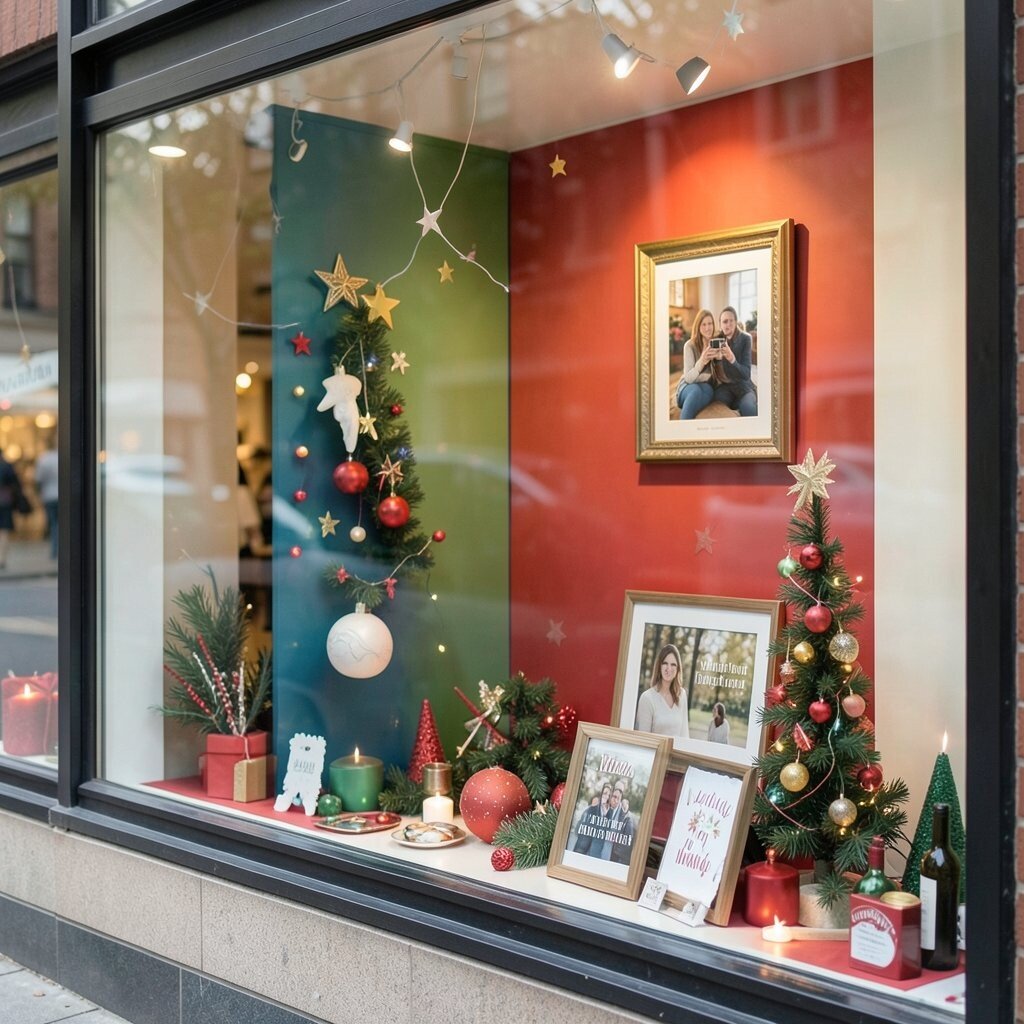
Many people like to snap photos of a fun window display. That means your design can do double duty by drawing people in and giving them something worth sharing.
Ask if the designer knows how to create photo-friendly moments. A strong focal point, a bold backdrop, or a clever sign can help your window get attention online too.
This trend can be a big benefit for small shops. A display that looks great in pictures may bring more eyes to your brand without extra ad spending.
Personalized photo spots can work well, such as a custom message, a branded frame, or a scene tied to a local holiday. These touches make the window feel fun and memorable.
18. Ask How They Handle Seasonal Changes
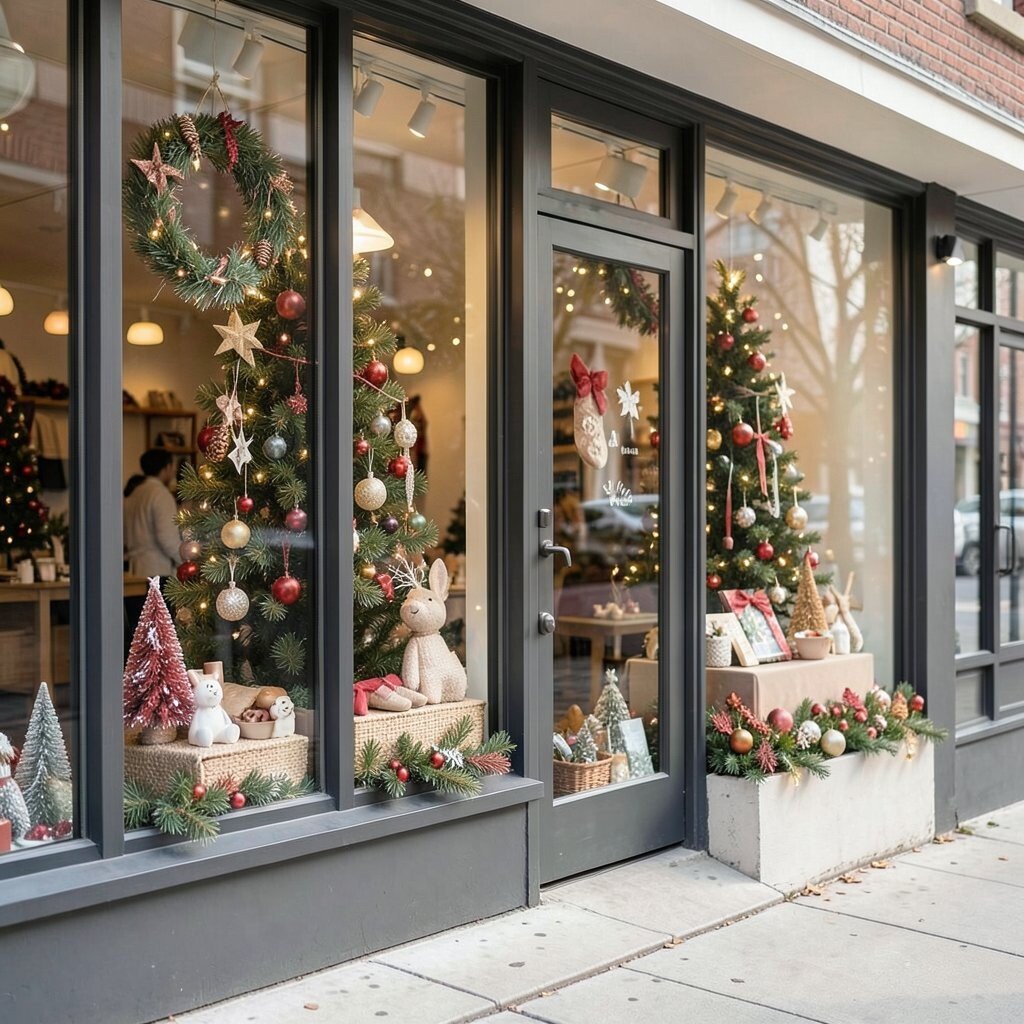
Seasonal windows are a big part of retail life. Holiday themes, spring refreshes, summer colors, and fall textures all give shoppers a reason to look again.
A good designer should know how to make each season feel new without starting from zero. That can save time and money while keeping the store feeling active.
Ask if they can build a system for easy swaps. Reusable bases with changeable accents are a smart way to keep costs under control and still stay current.
Seasonal work also gives you room for personality. You can add local events, special product launches, or playful details that fit the time of year and your brand voice.
19. Look for Strong Communication
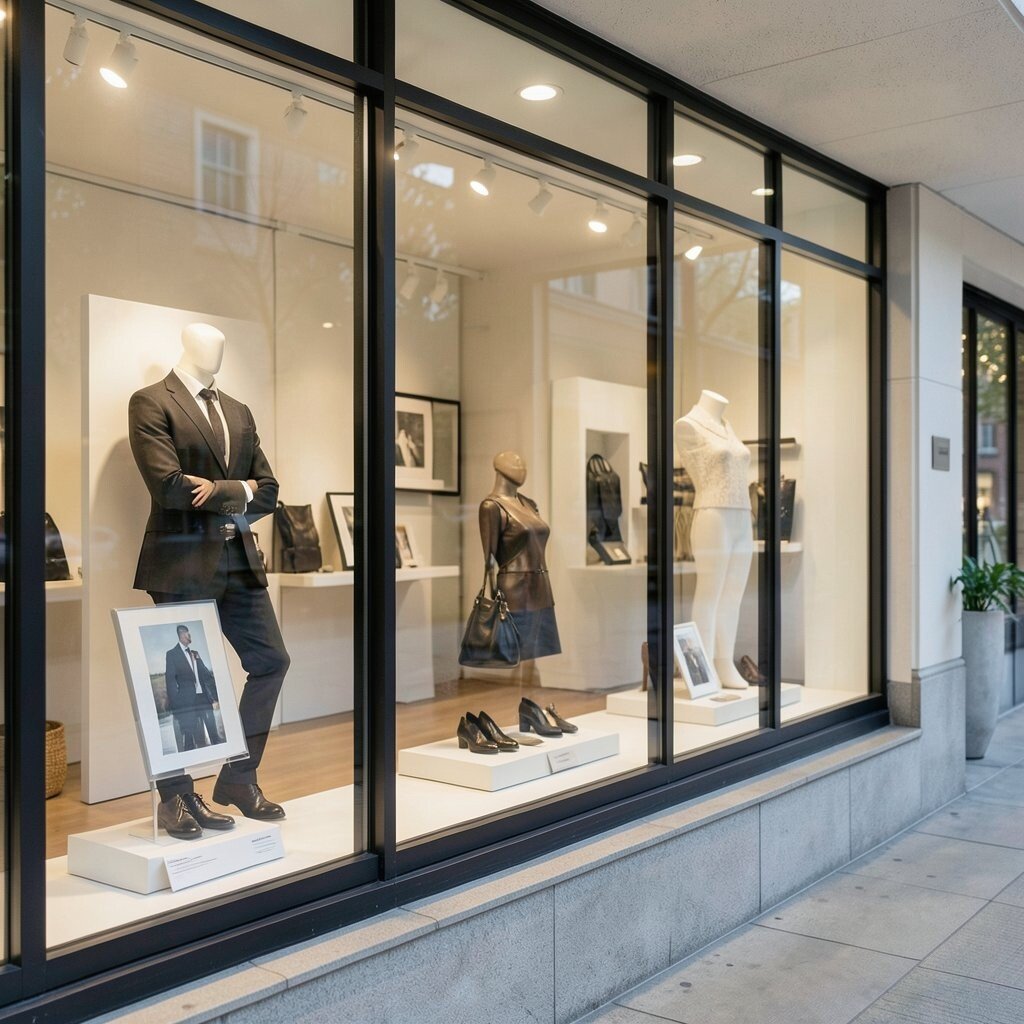
Good design needs good communication. If the designer listens well, asks smart questions, and explains ideas clearly, the project will be easier from the start.
You should feel comfortable sharing your thoughts and concerns. Clear talk helps avoid confusion about style, budget, and timing.
Ask how often they send updates and who will keep you informed. A designer who checks in often can help you feel confident and ready for each step.
It is also helpful if they can explain design choices in simple words. That makes it easier for you to approve ideas and guide the project without stress.
20. Ask About Safety
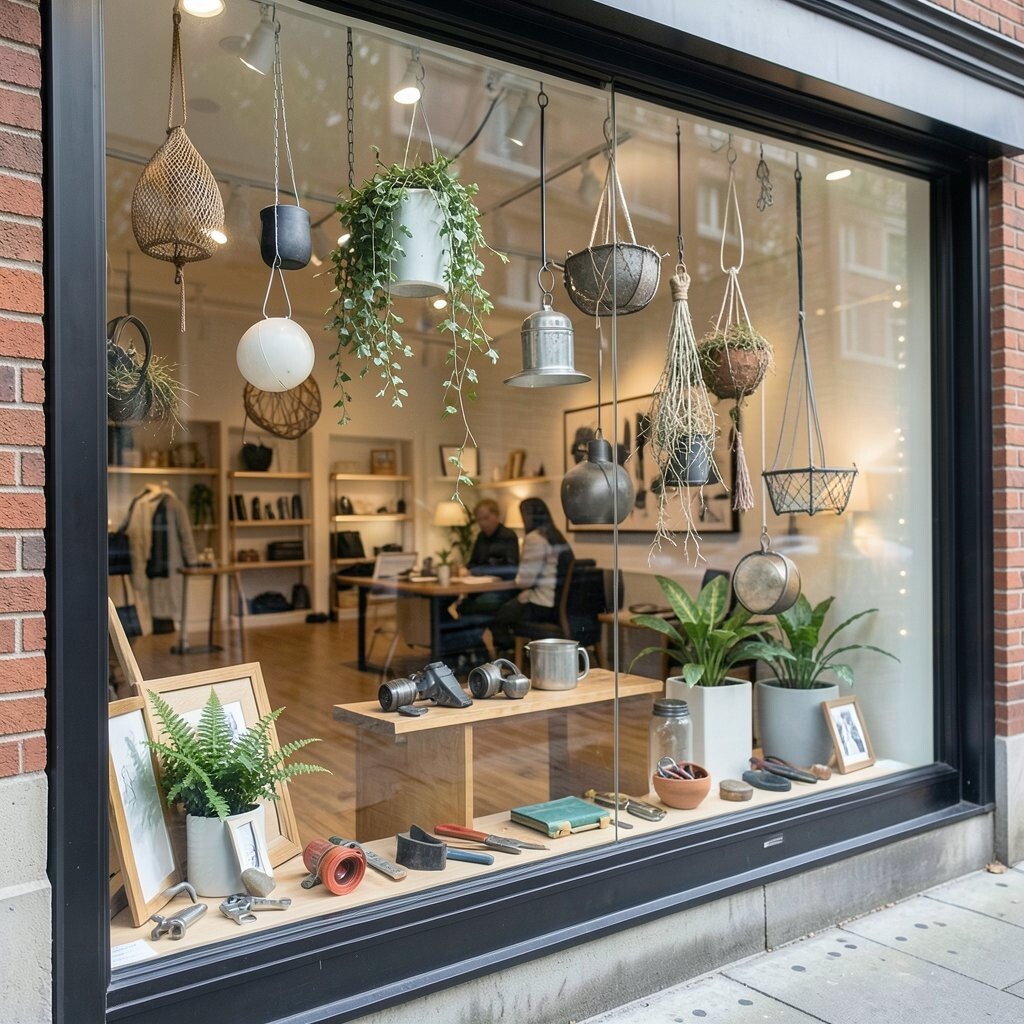
Window displays must look good, but they also need to be safe. Heavy props, sharp edges, and loose pieces can cause problems if they are not planned well.
Ask how the designer handles safety for staff and shoppers. This matters even more if the display uses hanging items, glass, or electrical parts.
A skilled designer will think about stability, fire rules, and safe setup. That protects your store and helps the display last longer without trouble.
Safety can affect cost, too, because stronger materials or special hardware may be needed. Still, it is worth it when the result is both beautiful and secure.
21. Know How They Measure Success
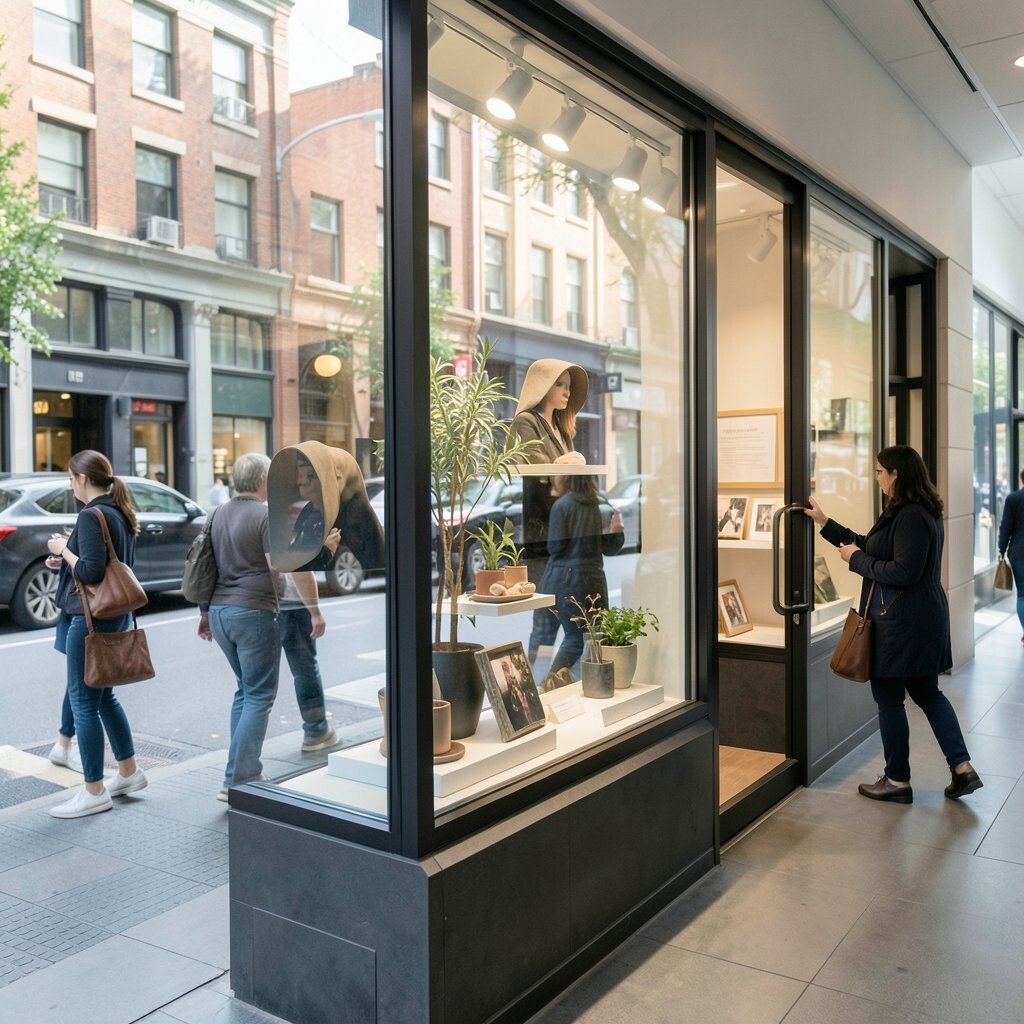
Before the work begins, ask how the designer will know the display did its job. Success may mean more visitors, more sales, more photos, or better brand recognition.
Having a clear measure helps you judge the value of the project. It also gives the designer a target to work toward.
You can track simple signs like foot traffic, how long people stop at the window, or how often shoppers mention the display. These clues can show what worked well and what could be better next time.
When success is clear, it is easier to decide where to spend more and where to save. That kind of planning helps each new display get smarter over time.
22. Ask for Ideas That Fit Your Audience
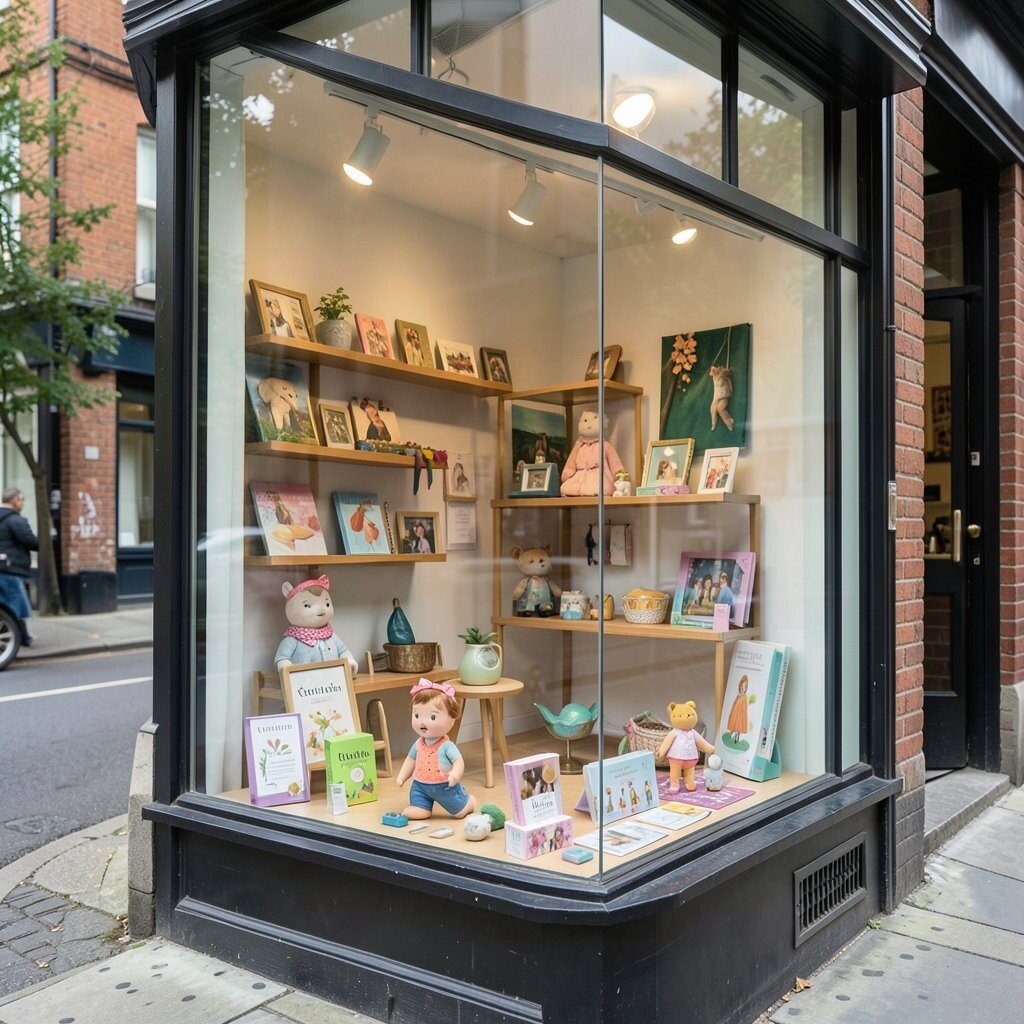
A display for kids should feel different from one for luxury buyers or busy commuters. The designer should understand who walks by and what will catch their eye.
Ask how they tailor ideas for your shoppers. A good match can make the window feel personal and useful, not random.
This is where personalization really shines. A designer might use local colors, familiar shapes, or product stories that speak to your exact crowd.
Audience fit can also affect cost and materials. A simple, clear message may work better than a crowded scene, and that can keep the project smart and focused.
23. Check Their Flexibility
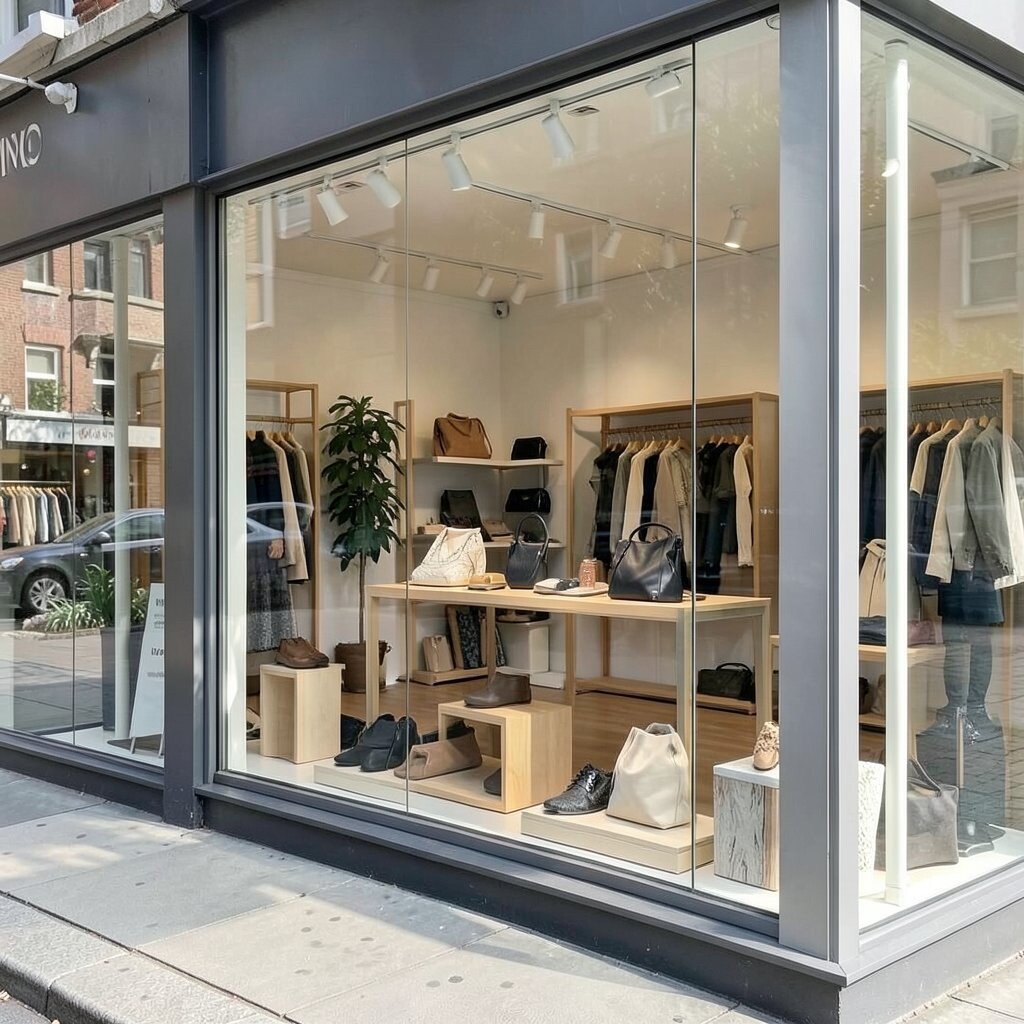
Plans can change, and a good designer should be ready for that. Products may arrive late, a sale may shift, or the store may need a new idea fast.
Ask how they handle changes without making the project messy. Flexibility can save time, money, and stress.
Some designers build windows in parts so changes are easier. That can be a big help if you want to adjust the look for a new campaign or a surprise event.
Flexible design also supports current retail trends, since stores often need fresh looks more often than before. A designer who can adapt is a strong partner for the long run.
24. Make Sure the Final Look Feels Like You
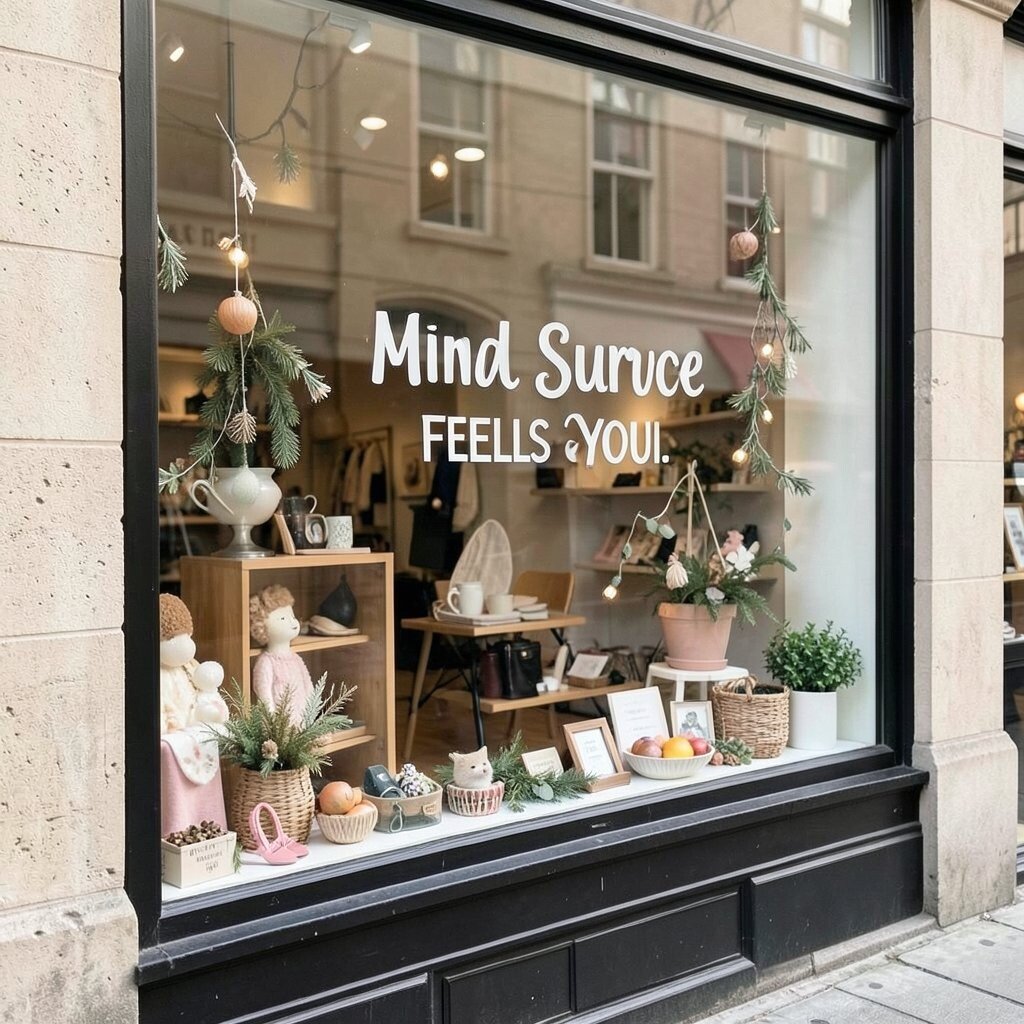
The best window display should feel true to your store from the first glance. It can be stylish, bold, soft, or playful, but it should still sound like your brand in visual form.
Ask the designer how they will keep your voice in the mix. The final result should fit your products, your customers, and your goals without feeling copied from somewhere else.
Small personal touches can make the biggest difference, such as custom lettering, local references, or props tied to your story. These details add heart and help the window stand apart.