Chalkboard walls can turn plain rooms into lively places. They invite ideas, color, and movement every day.
1. Full-Height Chalkboard Wall For Daily Ideas

A full-height chalkboard wall makes a room feel bold and ready for action. The dark surface gives bright chalk marks a strong pop, so notes, sketches, and class goals stand out right away.
This style works well in classrooms, tutoring rooms, and home study corners. It gives learners a place to share thoughts, solve problems, and keep track of tasks in one easy spot. For a low-cost upgrade, use chalkboard paint on one smooth wall and add simple trim for a clean finish.
2. Chalkboard Mural With Learning Zones
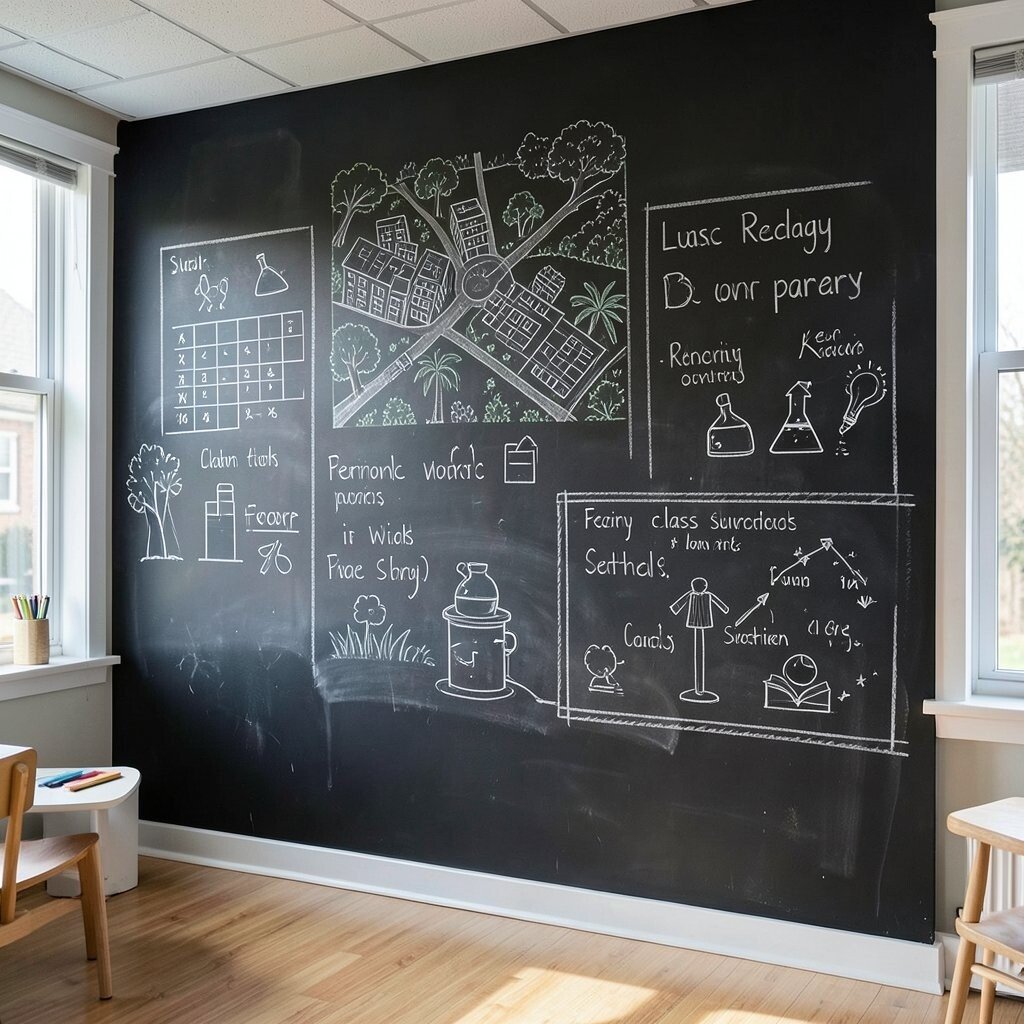
A chalkboard mural can bring life to a blank wall with shapes, borders, and theme art. It can look like a city map, a garden, a science lab, or a storybook scene.
This design helps separate space into learning zones without using heavy dividers. One part can hold math work, another can show reading words, and another can keep class reminders. If you want a personal touch, add student names, favorite subjects, or hand-drawn icons that match the room’s theme.
Many schools now like murals because they feel fresh and playful. They also cost less than large printed wall graphics, and they can change over time with new chalk drawings.
3. Chalkboard Growth Wall For Student Progress
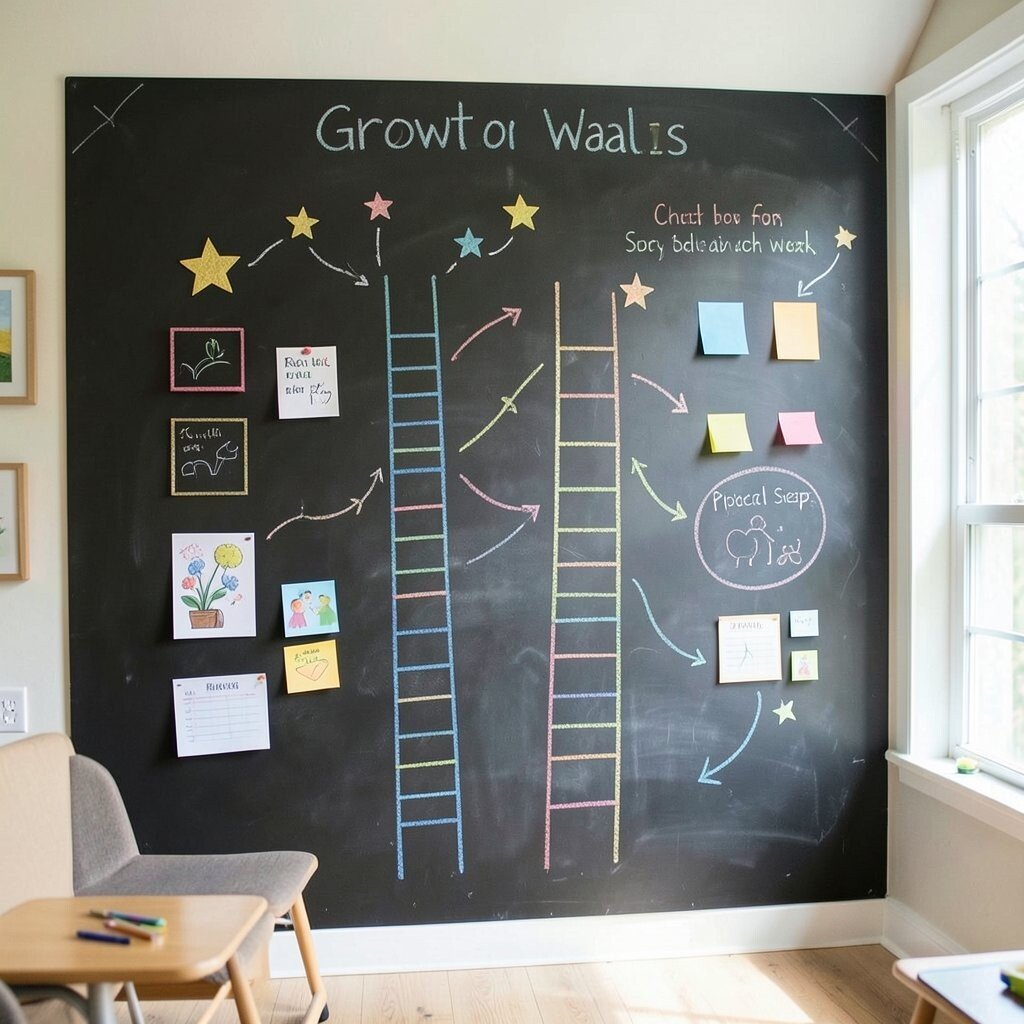
A growth wall gives students a clear place to see how far they have come. It can show goals, skill levels, reading steps, or project check-ins in a fun and visual way.
The wall can use stars, ladders, arrows, or simple boxes to mark progress. This helps children feel proud and keeps them moving forward with small wins. To make it feel special, let each learner decorate a small section with their own style and favorite colors.
This idea is useful in classrooms that want a calm, encouraging mood. It is also budget-friendly because the main tools are paint, chalk, and a little planning.
Teachers often add sticky notes, tape labels, or colored chalk lines for extra order. That mix keeps the wall neat while still feeling warm and friendly.
4. Framed Chalkboard Panels For Flexible Use
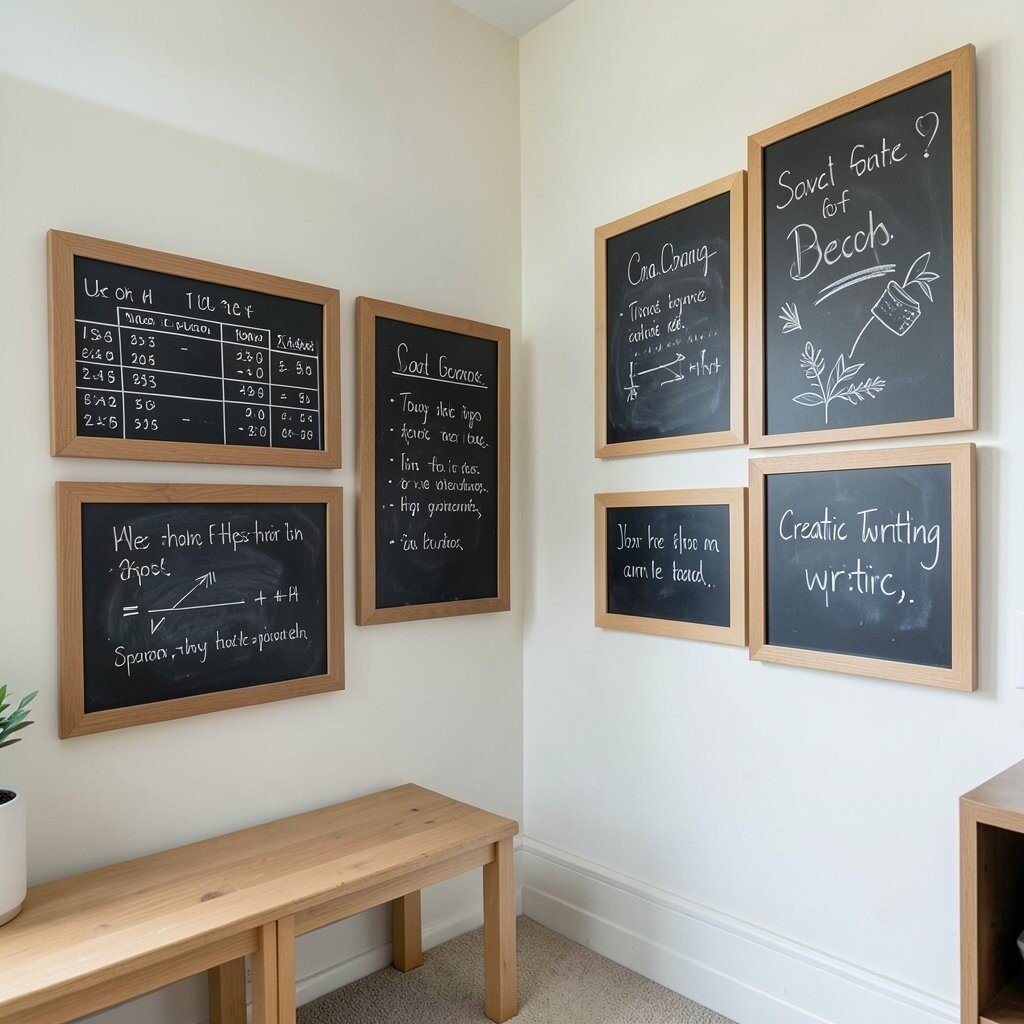
Framed chalkboard panels bring a tidy look to any learning space. They feel a bit like picture frames, but they hold words, drawings, and lesson notes instead of art prints.
You can hang several panels in a row or place them in different corners. This makes it easy to use one for schedules, one for math, and one for creative writing. If you want a polished look on a smaller budget, buy ready-made boards and paint the frames to match the room.
5. Chalkboard Wall With Magnetic Touches

A chalkboard wall with magnetic spots adds extra function without crowding the room. It lets you write with chalk and also pin up cards, photos, and learning tools.
This design is great for lessons that change often. Teachers can move alphabet cards, number strips, or word families around with ease. For a personal feel, choose magnets in fun shapes or make your own with class photos and bright paper.
Many learning spaces now use mixed-surface walls because they save space and support active learning. They can cost a little more than plain paint, but the added use often makes them worth it.
Keep the board surface smooth and strong so magnets hold well. A clear layout also helps students find what they need fast.
6. Chalkboard Ceiling-To-Desk Note Strip
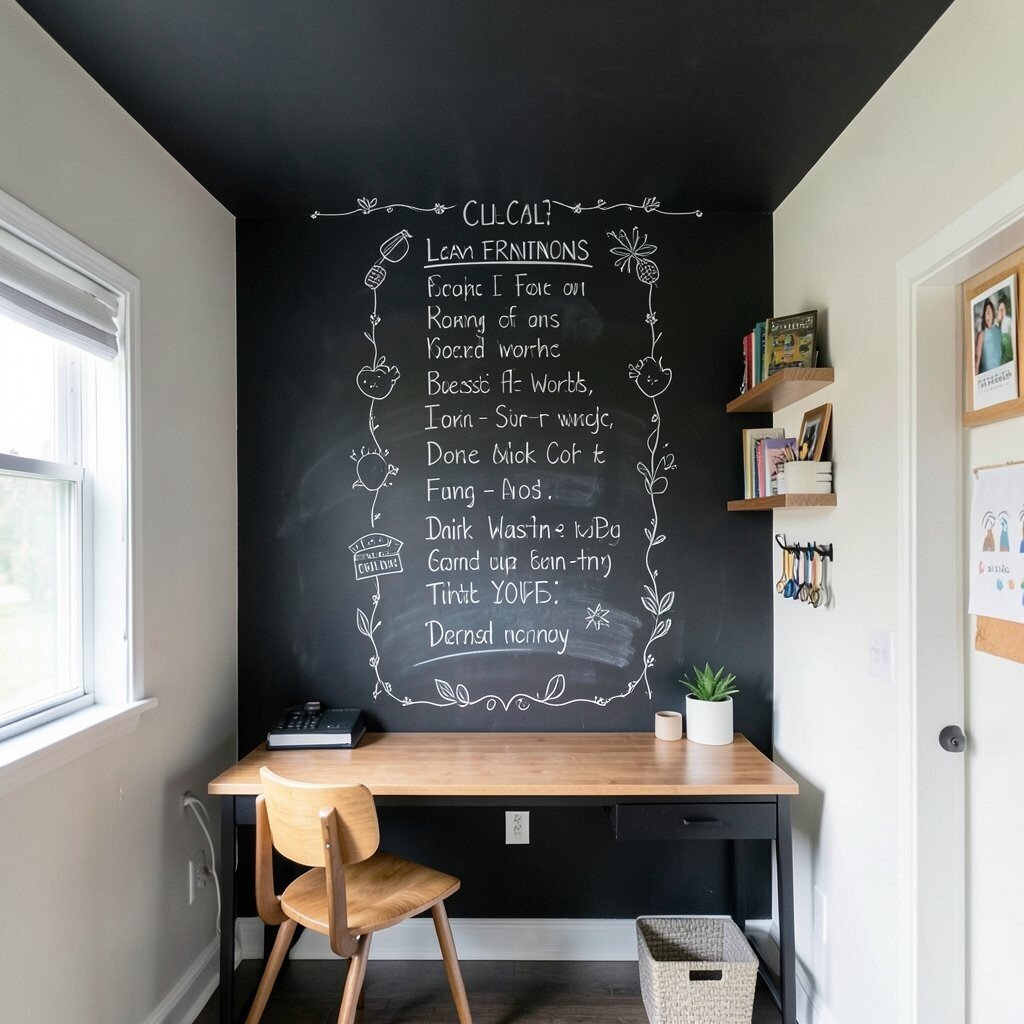
A tall note strip running from near the ceiling down toward the desk area creates a striking look. It draws the eye and gives a narrow space a useful job.
This design works well for spelling words, quick reminders, or daily warm-up questions. It can also make a hallway nook or side wall feel more active and less empty. To make it yours, add border doodles, class slogans, or a favorite quote in big chalk letters.
Because it uses only a small section of wall, it is a smart choice for tight budgets. It also leaves room for shelves, hooks, or display bins nearby.
7. Chalkboard World Map For Global Learning
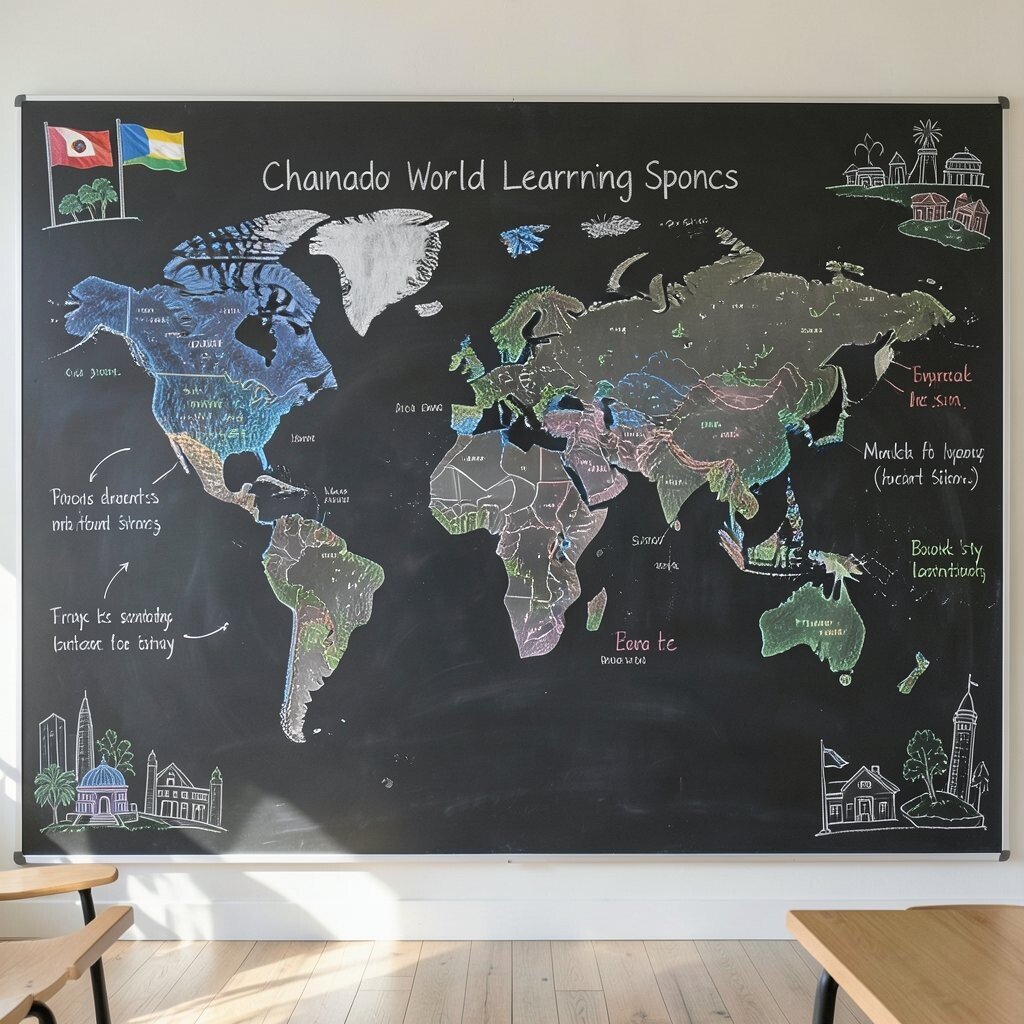
A chalkboard world map brings geography to life in a big and playful way. The dark background makes continents, oceans, and labels easy to see with white or colored chalk.
Students can mark travel stories, weather patterns, or places linked to books and history lessons. This makes the wall useful all year, not just during one unit. You can personalize it by adding flags, student travel dreams, or local landmarks in the corners.
This trend works well in modern classrooms that want hands-on learning. It also keeps costs lower than printed maps because the design can be drawn by hand and updated often.
Try using colored chalk for different topics, such as blue for water and green for land notes. That simple trick keeps the map clear and fun to read.
8. Chalkboard Calendar Wall For Planning

A chalkboard calendar wall helps a room stay organized and calm. It gives everyone a shared place to see class events, due dates, and special days.
The grid can be simple or detailed, depending on the age group. Younger students may like large boxes with icons, while older learners can use smaller spaces for assignments and reminders. To make it feel personal, add class birthdays, weekly goals, or a weather corner.
This idea is popular because it supports routine and time awareness. It is also easy on the budget since chalk and tape can do most of the work.
For a neat look, use rulers or painter’s tape before drawing the lines. Clear labels help the wall stay useful even when the room gets busy.
9. Chalkboard Reading Nook Wall

A chalkboard wall in a reading nook can make quiet time feel extra special. The dark surface pairs nicely with soft lights, beanbags, and shelves full of books.
You can write book titles, reading goals, or fun prompts like “What will happen next?” This keeps children thinking while also making the nook feel cozy and inviting. Add a few personal touches such as favorite character sketches, student book reviews, or a reading tree with leaf-shaped notes.
This design fits current classroom trends that focus on comfort and choice. It does not need a large budget, and even a small wall section can make a big difference.
Use warm colors nearby so the space does not feel too dark. A few bright pillows or a soft rug can balance the strong chalkboard look.
10. Chalkboard Science Lab Wall For Hands-On Thinking

A science lab wall can turn ideas into visible steps. It gives students room to write predictions, draw diagrams, and list materials before they begin an experiment.
This style works well for labs, makerspaces, and project corners. It supports teamwork because learners can share notes and compare ideas right on the wall. For a unique touch, add labeled sections for “question,” “guess,” “test,” and “what happened.”
Many teachers like this setup because it keeps thinking visible. It also saves paper and makes cleanup easier after lessons.
To keep costs reasonable, use one wall panel or a painted section instead of covering the whole room. A few clipboards or shelves nearby can hold supplies without making the wall feel crowded.
11. Chalkboard Art Gallery Wall

A chalkboard art gallery wall gives students a place to show off drawings, lettering, and creative work. The black surface makes every line stand out, even simple sketches.
This idea can change often, which keeps the room fresh and exciting. One week it may hold portraits, and the next it may show pattern art or poetry. To make it more personal, let each student sign their work or add a small symbol that means something to them.
Art gallery walls are on trend because they celebrate student voice. They also cost less than framed displays and can be updated with little effort.
Try mixing white chalk with soft pastel chalk for a more polished look. That adds depth and makes the wall feel like a real exhibit.
12. Chalkboard Wall With Built-In Learning Prompts

A prompt wall gives students a fresh idea to start each day. It can hold writing starters, math riddles, science questions, or discussion topics.
This design keeps the room active and helps learners warm up their brains fast. It also works well for group work because everyone can see the same prompt at once. If you want a custom feel, use themes that match the season, class unit, or student interests.
Teachers often choose this style because it encourages quick thinking without needing extra printed pages. It is simple to maintain, and the cost stays low because prompts can be changed with chalk.
Adding a small border or header can make the wall easier to read. Bright chalk colors can also help key words stand out.
13. Chalkboard Schedule Wall For Smooth Transitions
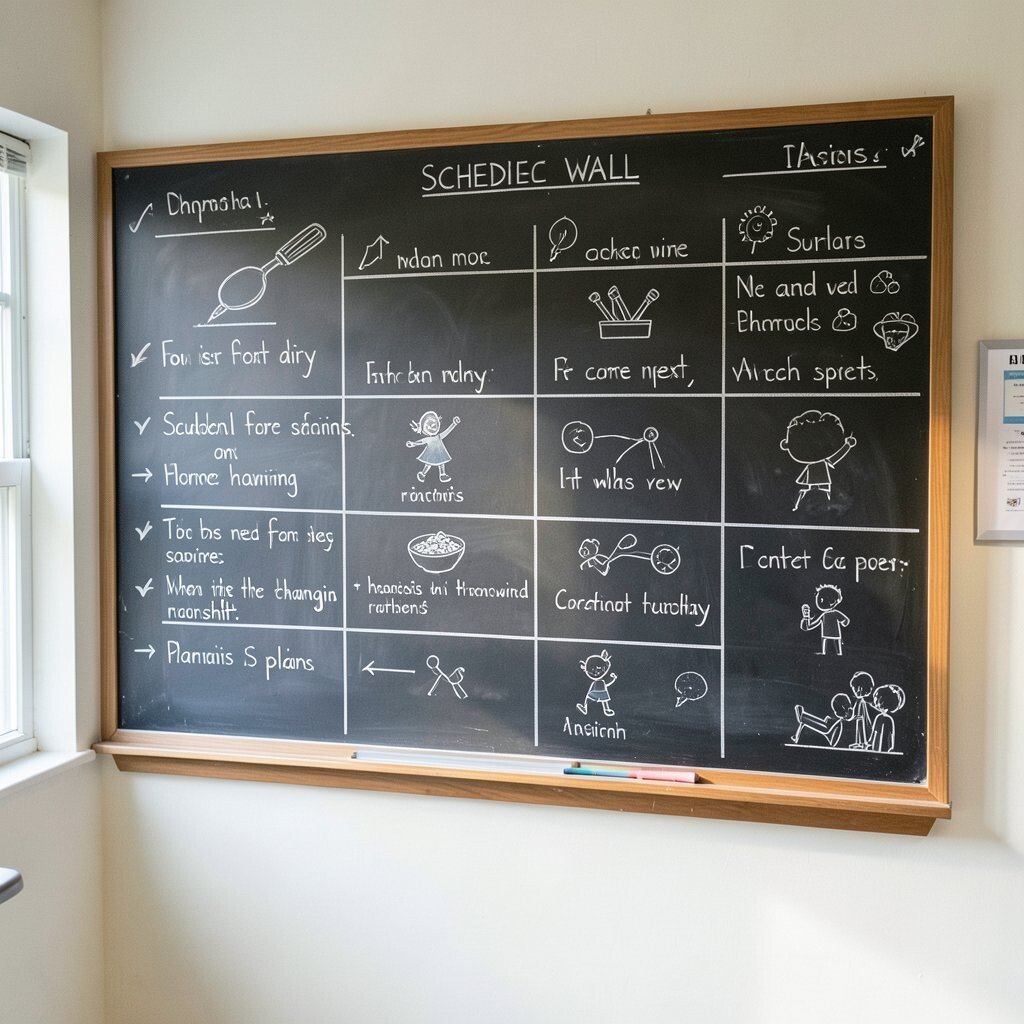
A schedule wall helps the day move with less stress. It shows what is happening now and what comes next in a clear, friendly way.
This is useful for classrooms with many subject changes or special activities. Students feel more secure when they can see the plan and follow along. For a personal touch, use icons, student helpers, or small chalk doodles that match each part of the day.
This kind of wall is a smart pick for busy learning spaces. It does not need fancy tools, and it can be changed in minutes when plans shift.
Many schools like this trend because it supports calm routines. A neat layout also helps younger learners read the day more easily.
14. Chalkboard Collaboration Wall For Group Work
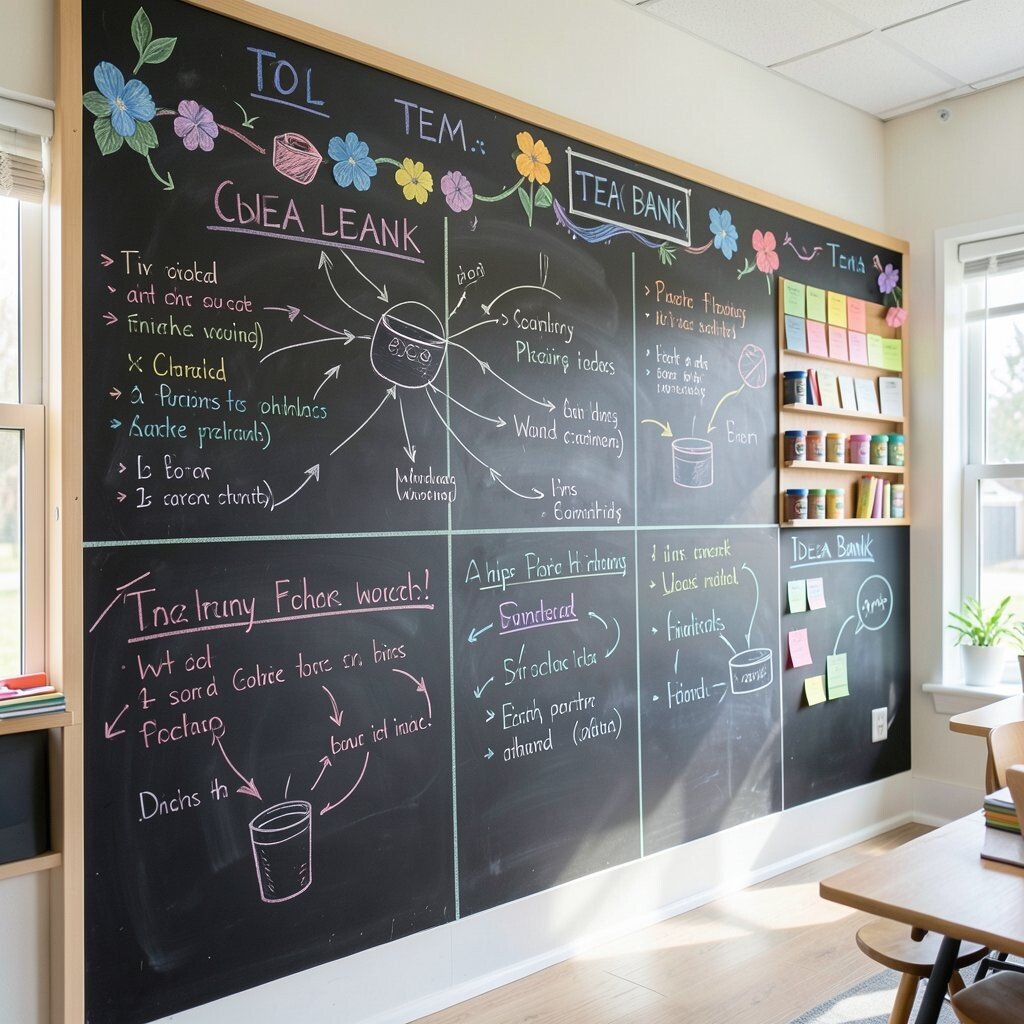
A collaboration wall gives teams a shared place to think out loud. It invites ideas, arrows, lists, and quick sketches that help groups solve problems together.
This design feels lively because everyone can add something at once. It works well for planning projects, sorting ideas, or building a class mind map. To make it unique, divide the wall into sections for each group or use colored chalk to show different voices.
Personal touches can make the space feel welcoming and fair. Let students decorate the top edge, add team names, or create a small “idea bank” area for extra notes.
This setup is popular in modern learning spaces because it supports teamwork and active thinking. It can be done on a modest budget with paint, tape, and a few chalk sets, while still giving the room a fresh, energetic look.