
A daybed can look like a couch, feel like a bed, and change how your room works in a single move. The trick is placing it the right way so it feels cozy, useful, and truly yours.
1. Understand What a Daybed Really Does
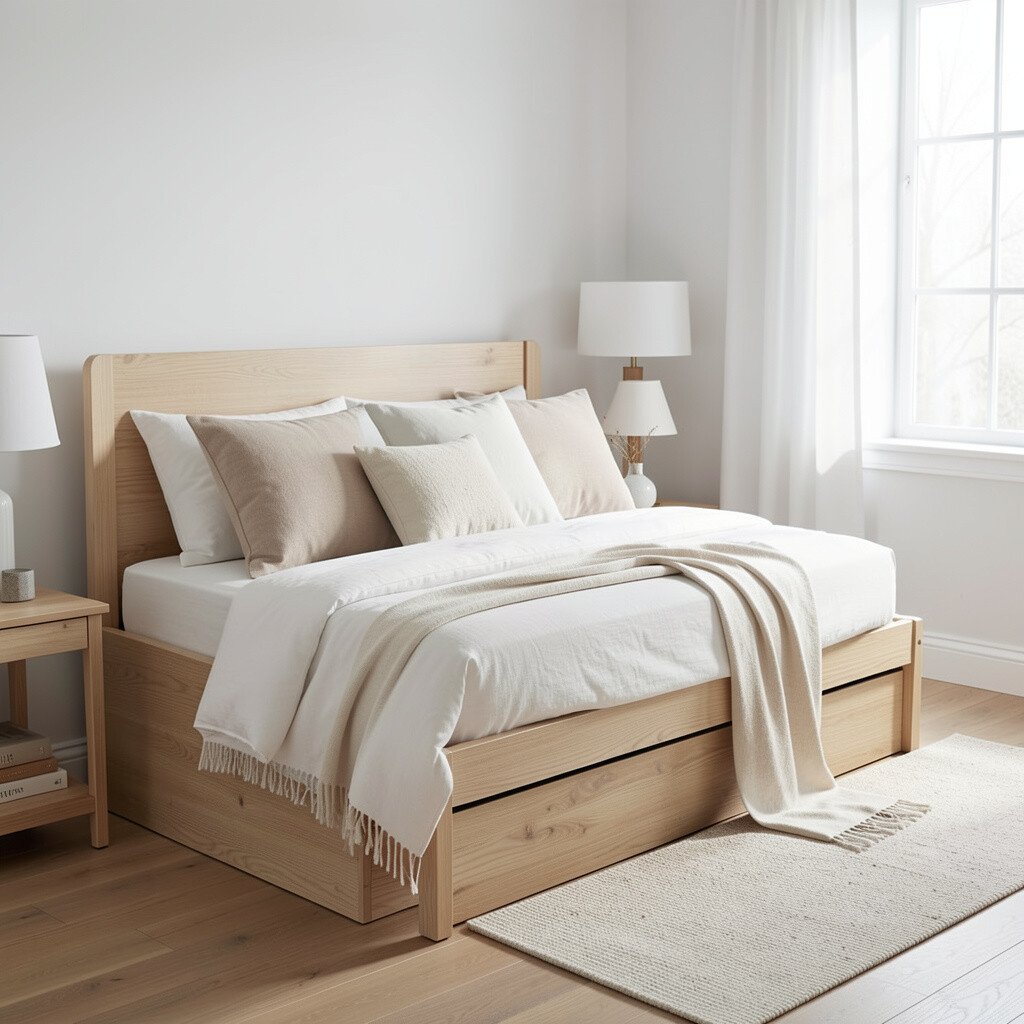
A daybed is not just extra seating and it’s not just a bed. It sits in that sweet spot where you can lounge, nap, read, and host a friend with comfort that feels effortless.
When you picture your room, imagine how your daybed will be used most days. A daybed works especially well in spaces that need flexible flow, like a guest room that doubles as a hangout spot or a living area where sleep might happen rarely but matters when it does. If you choose a style that looks light and open, the piece can feel like part of the room rather than a heavy object.
2. Measure the Space Like a Pro
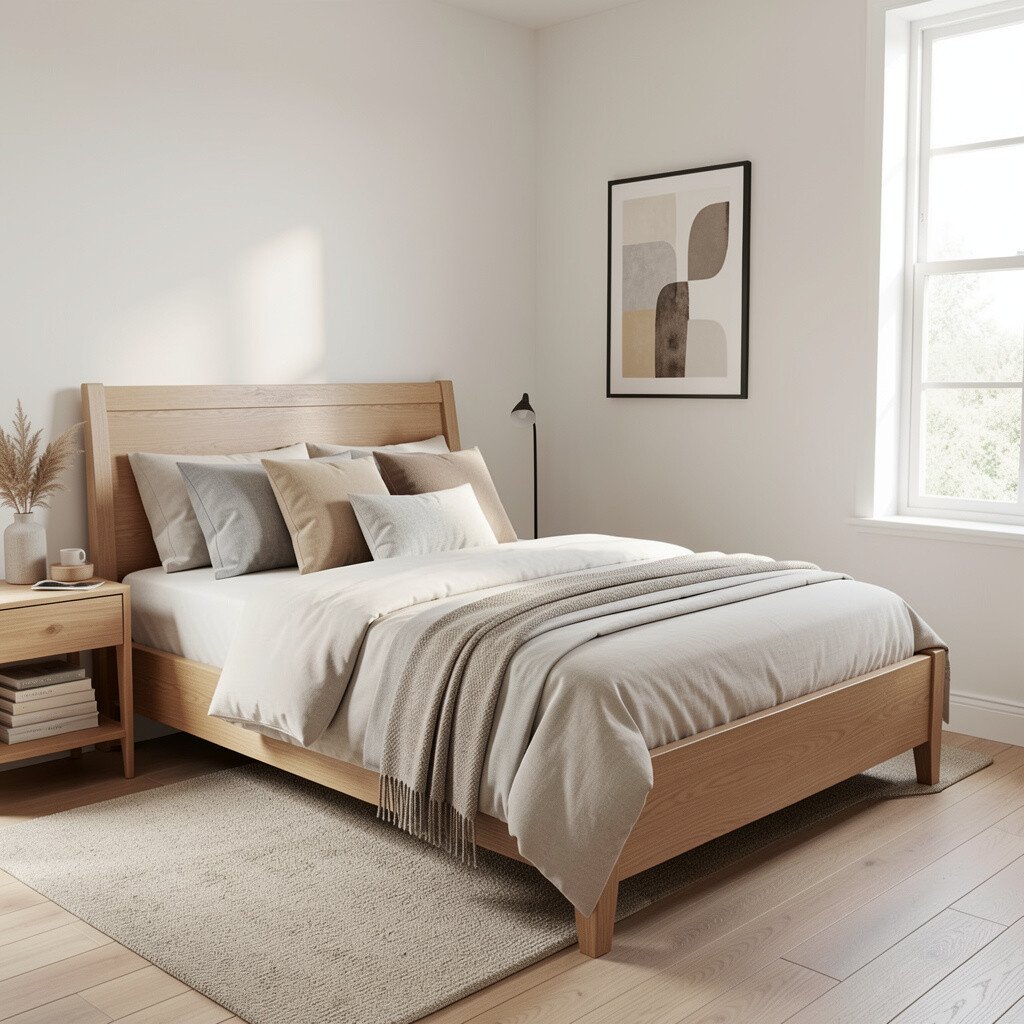
Before you fall in love with a specific frame, measure the room where the daybed will live. Measure the wall space, the path to the door, and the area where you want to sit without bumping into furniture.
Daybeds come in different widths and depths, so even a small difference can change how the room feels. Leave a little breathing room around the frame so chairs or a side table can still fit, and so opening a trundle or pulling bedding is easy. If possible, tape off the exact footprint on the floor for a day so you can judge sight lines in real life.
Look closely at how light moves across the room too. A daybed placed under a window can look bright and inviting, but a frame that blocks curtains might make the whole setup feel awkward. Plan for power outlets if you like reading at night, and check that any overhead fixtures won’t cast strange shadows across the bed area.
3. Pick the Best Mattress Setup for Your Lifestyle

Your daybed experience depends on the mattress you choose. A daybed with a comfortable top layer turns quick naps into real rest, and it changes how your room feels when the sun goes down.
Many people use a standard twin mattress, but some daybeds are designed for trundle inserts or specific mattress thicknesses. If you want a firm feel for posture or back support, choose a mattress that matches how you sleep at home. If you like to lounge, consider a medium or plush option and add a supportive topper for extra comfort.
Think about how you’ll style the surface during the day. A stack of pillows and a neatly folded blanket can make the top feel like a couch, while a fitted sheet and proper bedding make it ready for overnight guests. The best setup is the one that helps you keep the daybed looking good without extra daily work.
4. Choose a Style That Fits the Mood of Your Room
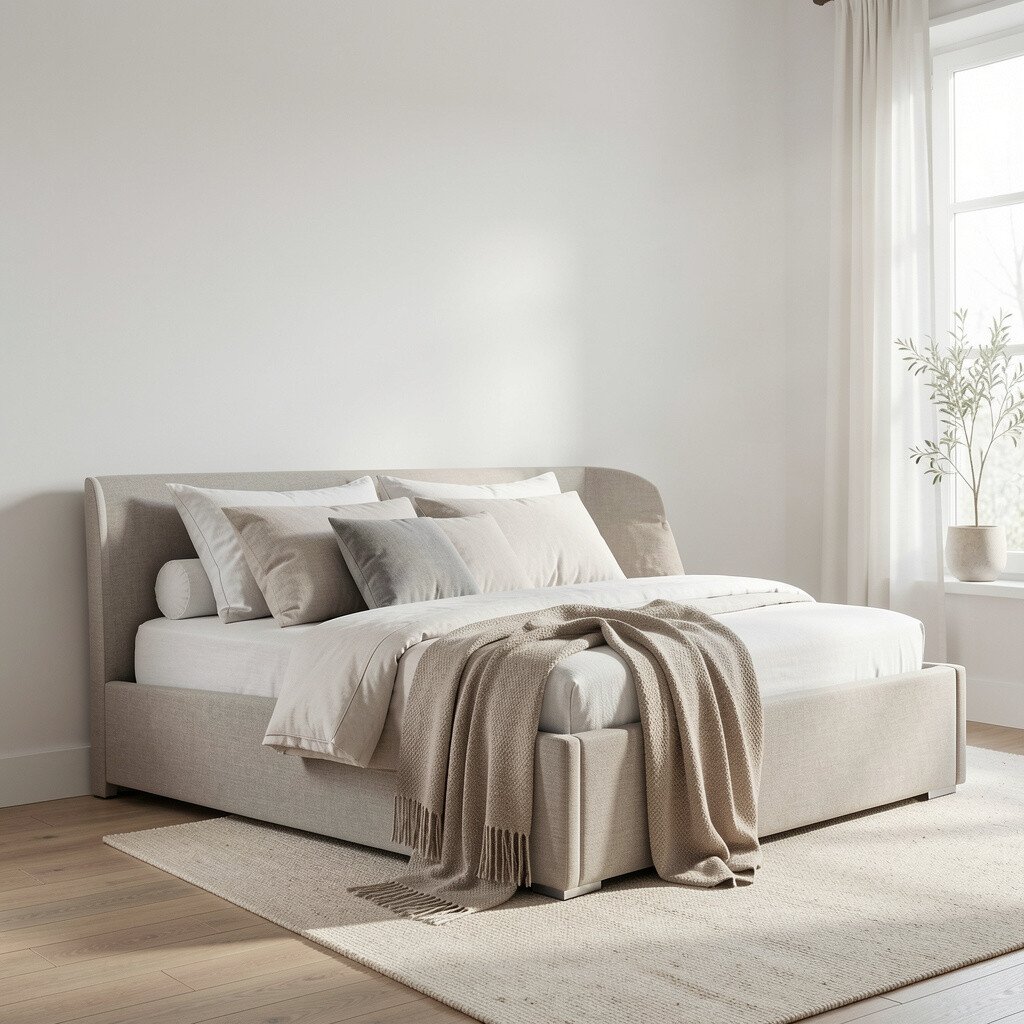
A daybed can look airy and casual or elegant and structured, depending on the frame. If your room is calm and minimal, choose clean lines and light finishes that blend with your existing furniture.
For rooms with classic décor, look for scrollwork, curved edges, or a traditional silhouette that feels warm and familiar. If your space leans modern, pick a simple frame in a solid color so the daybed becomes a smooth focal point instead of visual noise. Visual harmony matters because a daybed sits where you notice it most, like near a window, in a corner, or against a main wall.
5. Plan for Foot Traffic and Clear Pathways
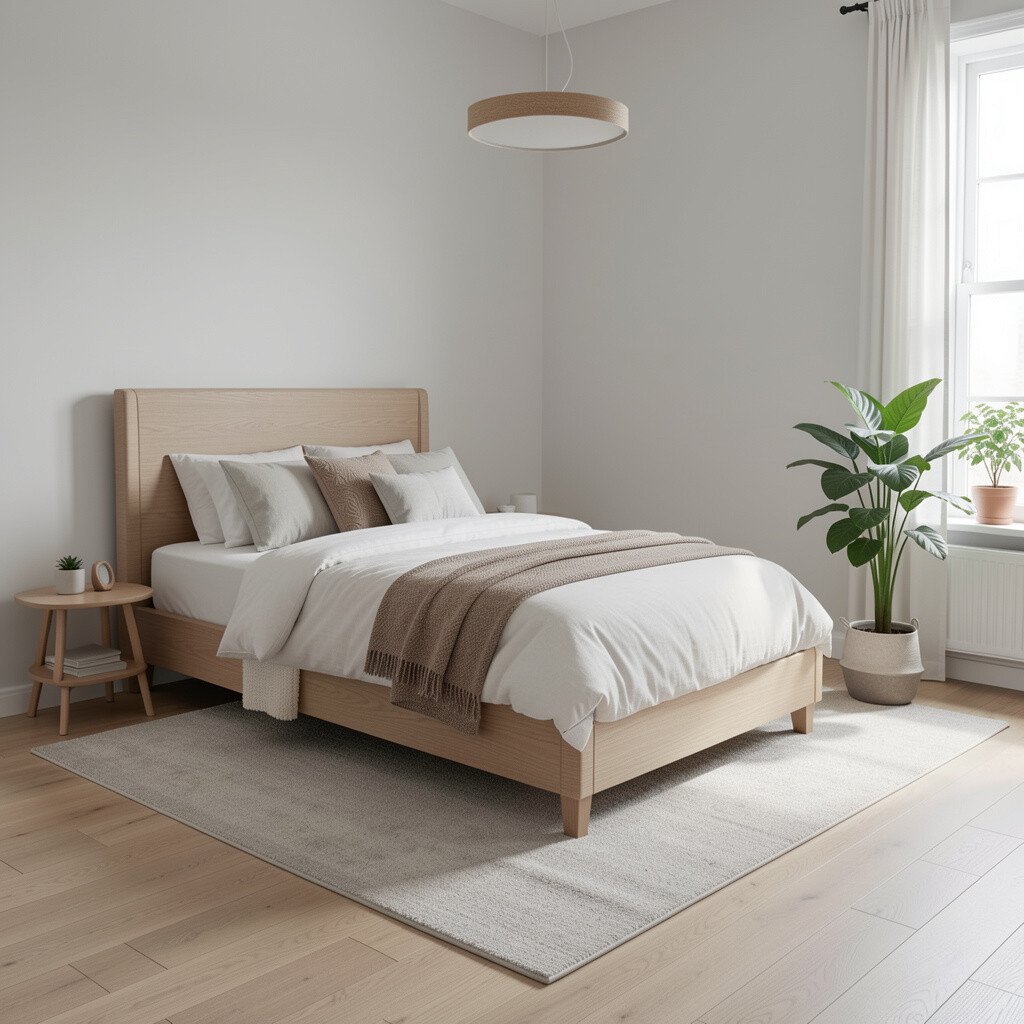
Daybeds are often placed against a wall, but they still affect how people move through the room. If the walkway is tight, the room can feel annoying even when it looks pretty.
Try to keep a clear route from the entrance to the areas you use most, like a closet, desk, or reading chair. When the daybed sits where feet naturally pass, you may end up shifting it slightly every time you walk by. A small change in placement can prevent that frustration and keep the whole room feeling smooth.
If you love a statement rug, coordinate the daybed with it so the rug doesn’t trap the frame in a way that makes movement harder. Also check how far drawers open on nearby furniture, and remember that bedding can add bulk around the edges. Your goal is a setup that looks intentional and feels effortless during real daily life.
6. Understand How the Daybed Will Handle Guests
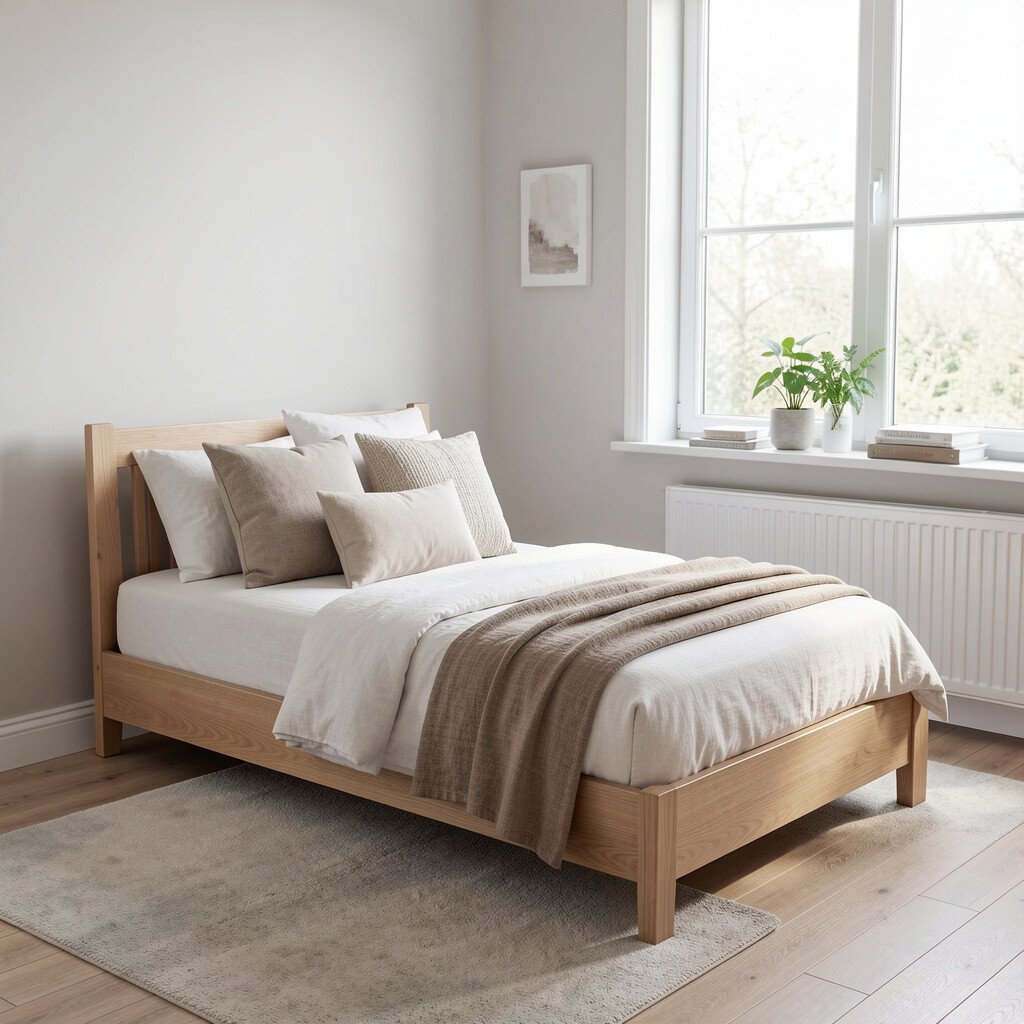
A daybed can be a cozy guest bed, but it should be ready for visitors in a practical way. Think about where extra blankets go, how pillows are stored, and how quickly the space can look “guest-ready.”
When friends visit, you want the bed to feel inviting, not like a compromise. Choose bedding in layers that are easy to pull together, such as a fitted sheet plus a top blanket that can be tucked for a tidy look. Consider using a mattress protector for peace of mind, especially in a room that sees frequent use.
7. Make Room for a Side Table and Lighting
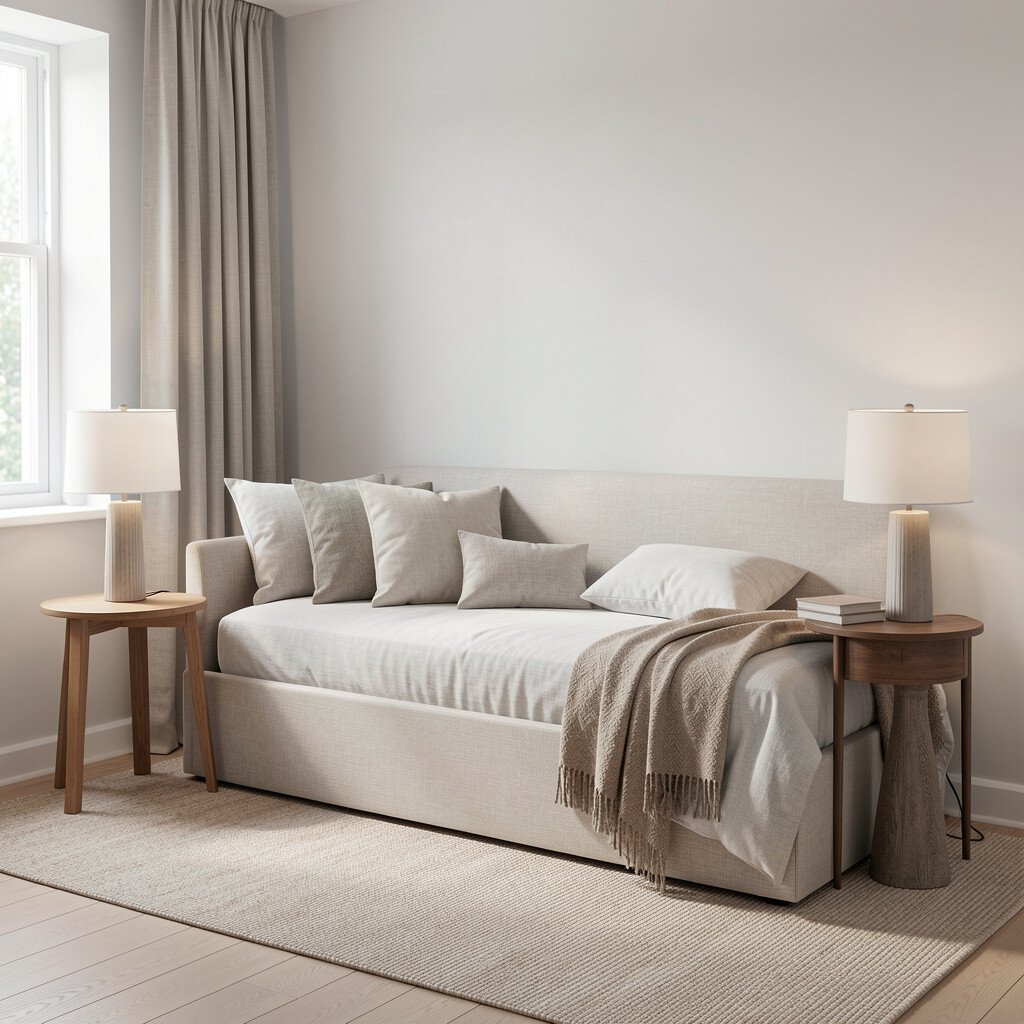
A daybed becomes truly relaxing when you can set a book, a drink, or a phone nearby. Side tables help a lot, and the best ones match how you already furnish your room.
Pick a table height that lets you comfortably reach from the bed position. If the frame has posts or rails, choose a side table that won’t look crowded next to those details. For lighting, table lamps add warmth, while a wall sconce can save space and keep the look clean.
Try a small lamp with a dimmable bulb if you enjoy winding down at night. Warm light can make the daybed feel like a calm retreat even in a busy home. Matching finishes across lamp, frame, and any hardware in the room can make the whole setup feel styled, not random.
8. Use Storage Strategically Without Crowding
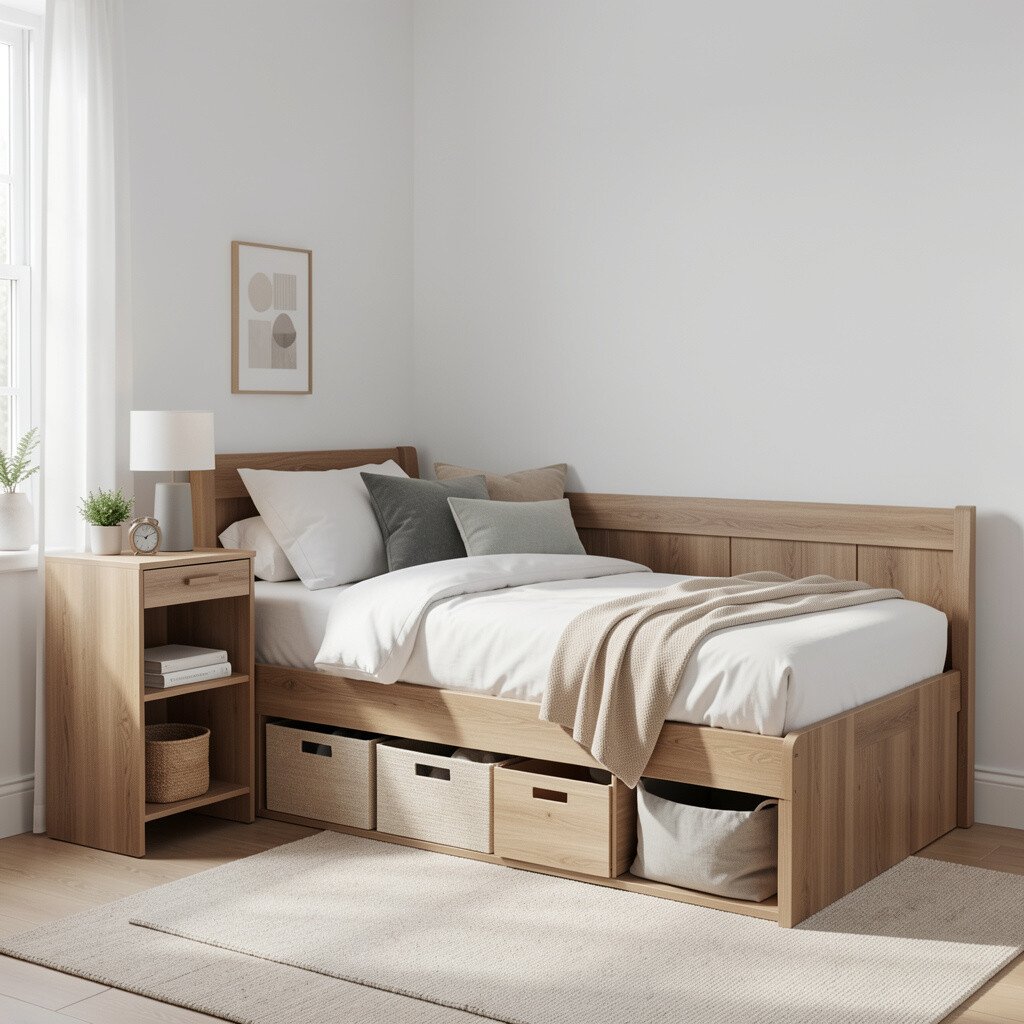
Many daybeds offer storage options, and those details can make everyday life easier. A trundle is great for extra bedding or guest sleep, and it can also hide clutter when the room needs to look neat.
If you prefer a cleaner look, consider storage baskets that slide under the daybed or a small cabinet nearby. Storing extra pillows, throws, and sheets keeps the room looking calm and helps you reset fast after a guest stays. Even if your daybed frame is simple, you can add practical storage through décor that still feels pretty.
9. Treat the Daybed Like a Design Focal Point
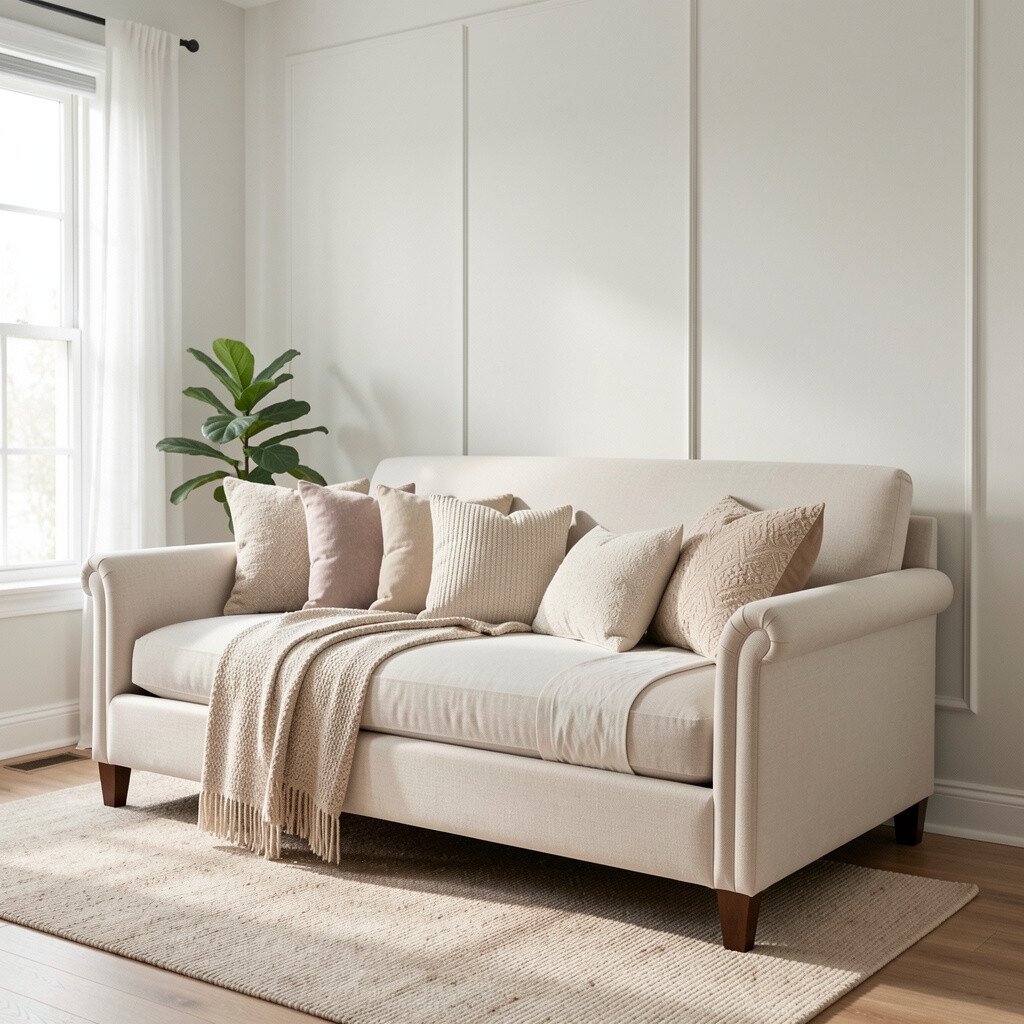
Because it sits front and center, a daybed can become the “main character” of the room. A tasteful focal point makes the rest of the décor easier, since you can build the style around it.
Hang art or a mirror above the daybed to frame it visually and add depth to the wall. A soft headboard back panel also helps, especially if you want a more bed-like feel rather than an open bench look. If you like bold style, choose a patterned throw or accent pillows that bring color without overwhelming the room.
When you style the top, aim for balance. Tossing too many pillows can make the surface look messy, while too few can make it feel unfinished. Pick a few sizes and repeat colors so the daybed looks curated and inviting.
10. Match Curtains, Rugs, and Wall Color for a Seamless Look
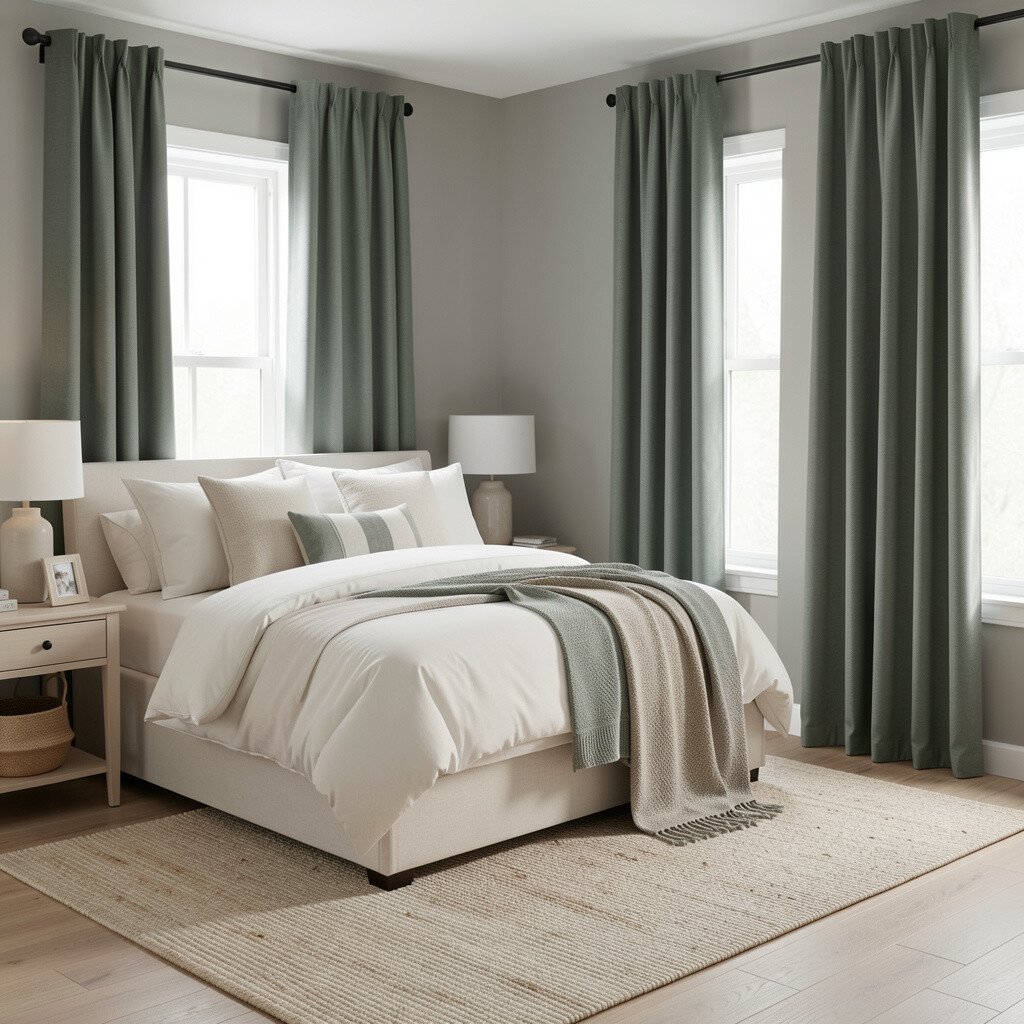
Placement isn’t the only factor; the background around the daybed matters too. A daybed near a window looks best when curtains and flooring colors work together instead of fighting for attention.
A rug can anchor the daybed and make it feel grounded, but size matters. Choose a rug that extends beyond the daybed’s footprint so the frame doesn’t look like it’s floating. If your room has warm wood tones, try textiles in similar undertones for a cozy effect.
Wall color can also change the mood fast. A soft neutral wall makes the daybed feel calm, while a deeper color can make the frame pop. Pay attention to how the frame finish looks in both daylight and evening light, because the same color can look different at different times.
11. Plan for Cleaning and Maintenance
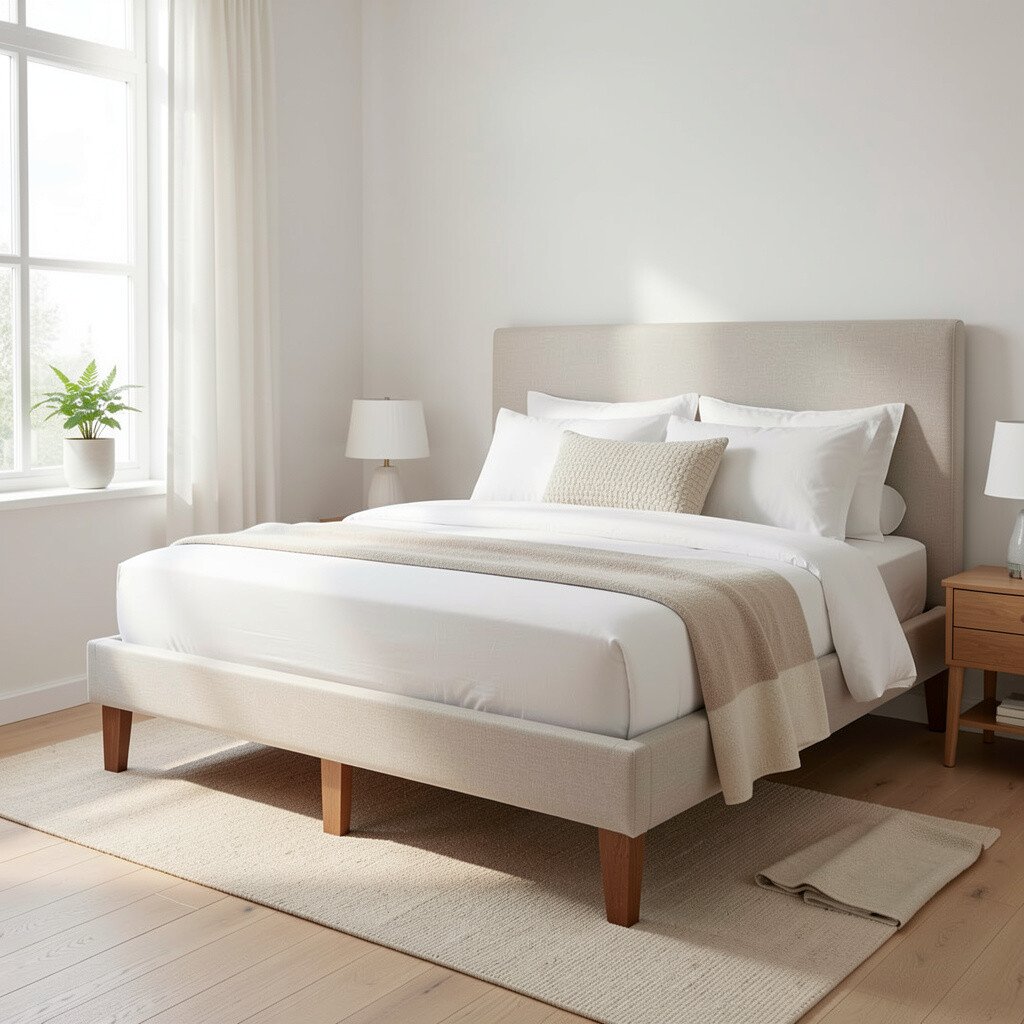
Daybeds collect dust like any other furniture, and the fabric choices can make cleaning easier or harder. If you love the look of upholstered frames, pick removable covers when possible.
For frames with metal or wood, regular dusting keeps them looking fresh and prevents grime from building up. If you use patterned bedding, it can hide small stains better than solid colors, which is helpful in busy homes. A washable pillow cover and a durable throw can keep the daybed looking styled even after everyday use.
12. Budget for the Real Total, Not Just the Frame
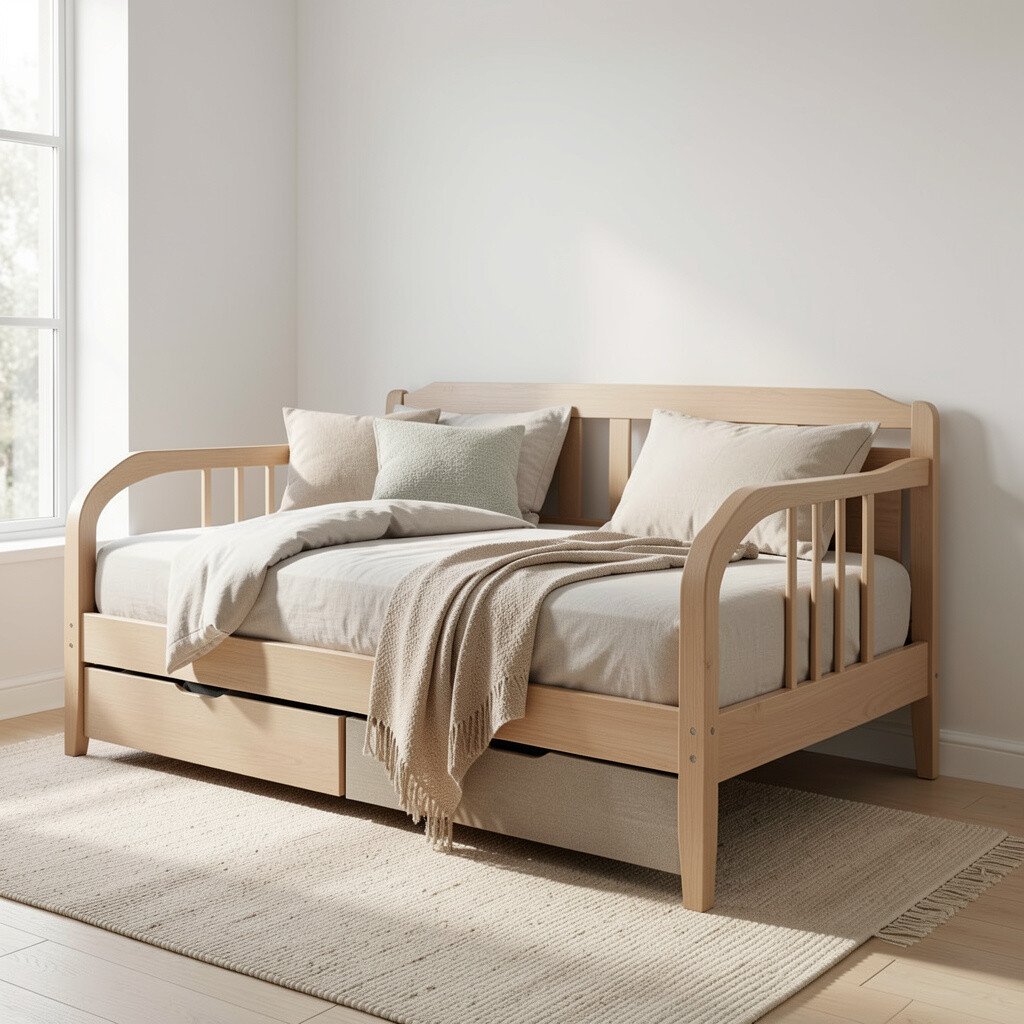
The frame price is only part of the story, and it’s easy to forget the rest. Your total cost can change a lot once you add the mattress, bedding, and any extra pieces like trundles or storage accessories.
Cost varies based on materials, and you can often get a similar look at different price points by mixing priorities. If you love the design, you might spend a bit more on the frame for long-term stability, then choose a mattress that fits your sleep needs without overspending. Accessories like pillows and throws can be upgraded later, so start with what you need for comfort right away.
Keep an eye out for current trends that can affect pricing, such as popular natural wood finishes and timeless neutral fabrics that retailers restock often. Shopping at the right time can also help, like when seasonal bedding changes make mattress deals more common. Set a comfortable target budget before you browse so you can make choices that feel good now and still work later.
13. Personalize the Surface With Styling That Matches Your Routine
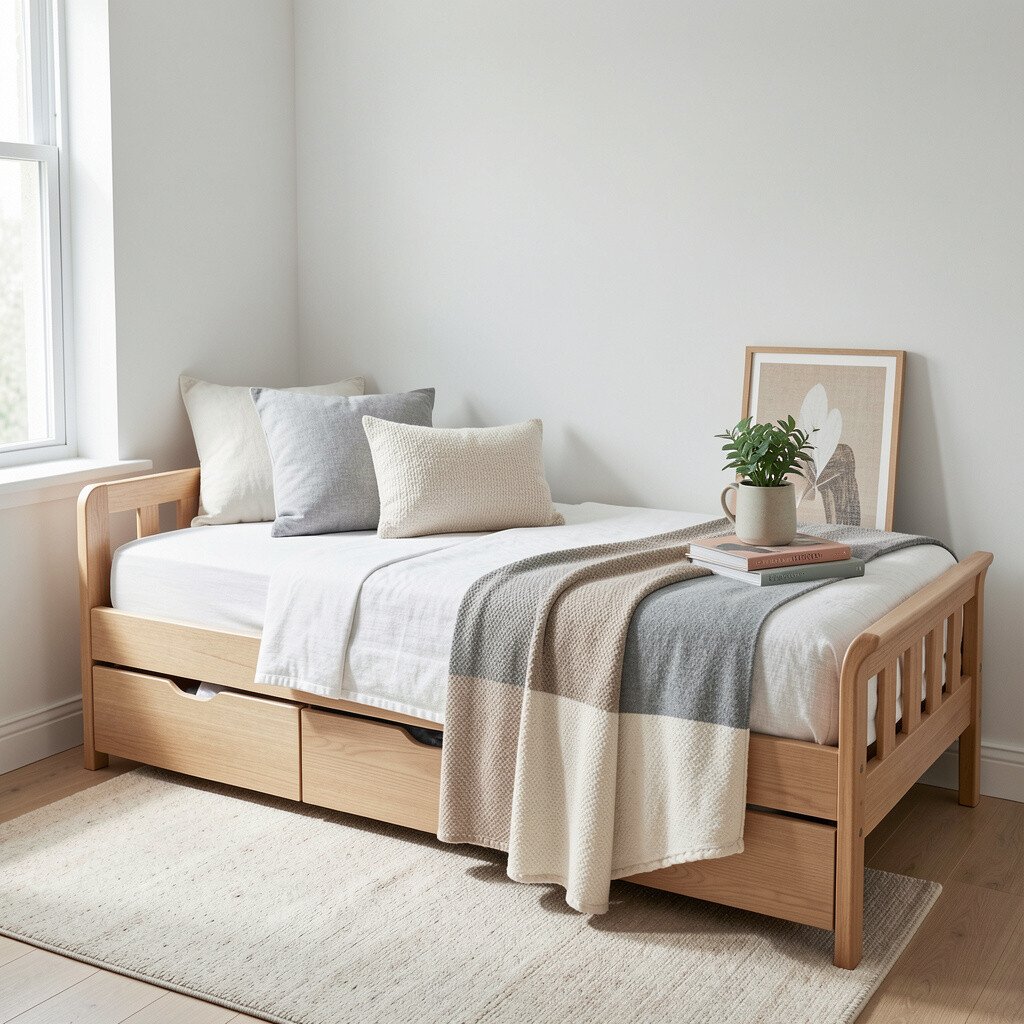
The best daybed setups match your daily habits, not just a photo online. If you like reading in the morning, keep a cozy throw and a couple of supportive pillows ready near the head area.
To make the daybed feel intentional, use a simple layering method. Start with a fitted sheet and breathable top layer, then add a coverlet that can be folded down for that sofa vibe. Finish with pillows that let you adjust easily, so your lounging feels comfortable and not awkward.
Personalization can also be seasonal. Swap out pillow covers and throws in fall and winter, then switch to lighter textures in warmer months. This keeps the daybed from feeling like it never changes and helps it stay part of your home’s style, not a one-time purchase.
14. Use Color and Patterns Without Overwhelming the Room
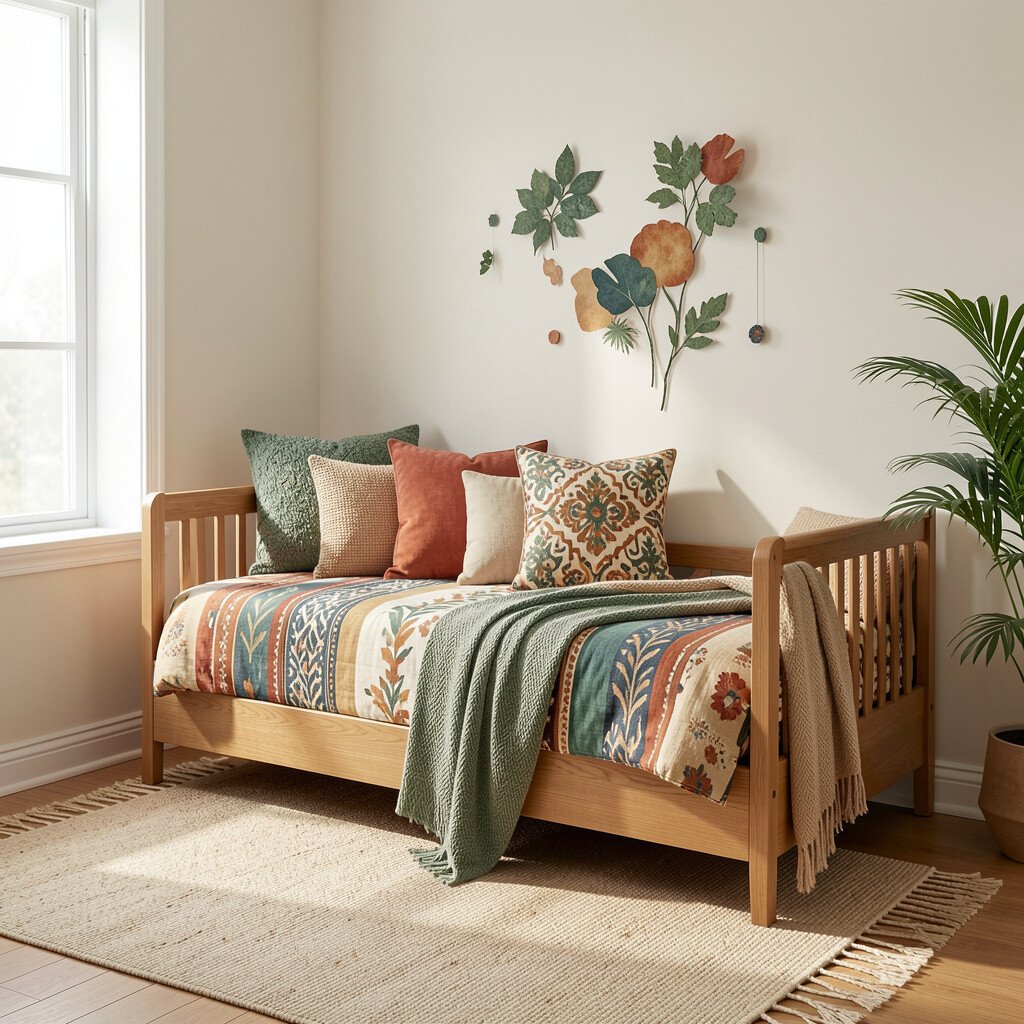
It’s tempting to go bold with upholstery, but the daybed doesn’t need to shout to look impressive. The easiest approach is to keep the frame neutral and let textiles carry the personality.
Try a mix of textures instead of only patterns. A solid cover with a patterned pillow adds life without turning the whole room into a busy print festival. If your room already has strong colors, choose calm bedding shades and add one accent color that ties into nearby décor like a rug or curtains.
15. Plan for Long-Term Placement as Your Room Changes
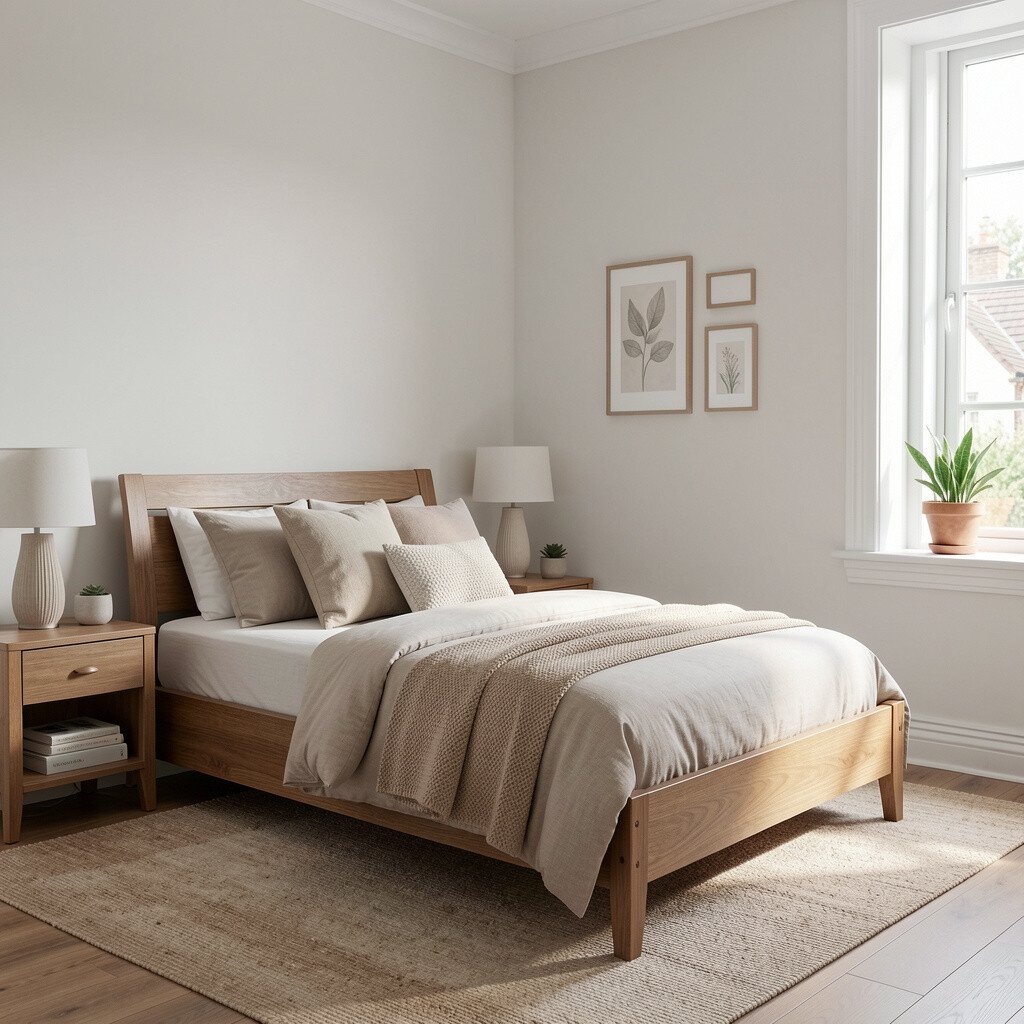
Rooms rarely stay the same, and a daybed should still work when your life shifts. Maybe you move your desk, add a new chair, or change how often guests visit, and the daybed should still fit.
Think ahead about where you’ll want it later. If you might rearrange the room, choose a daybed frame that matches multiple styles and doesn’t depend on a single specific background. Flexible styling is your friend, so keep a neutral foundation and update pillows or throws when you want a new mood.
You can also adjust how you use it over time. Some people start the daybed as a reading nook, then later turn it into a full guest sleeping spot, and that shift feels natural when the mattress and bedding are chosen with care. When you plan for that future, the daybed stays a favorite piece instead of becoming a difficult fixture.