Small spaces can feel oddly magical when every corner works hard. You can make a tiny home smarter without spending like crazy.
Here are practical, budget-friendly upgrades that fit real life and real budgets.
1. Maximize Wall Space With Stick-On Hooks
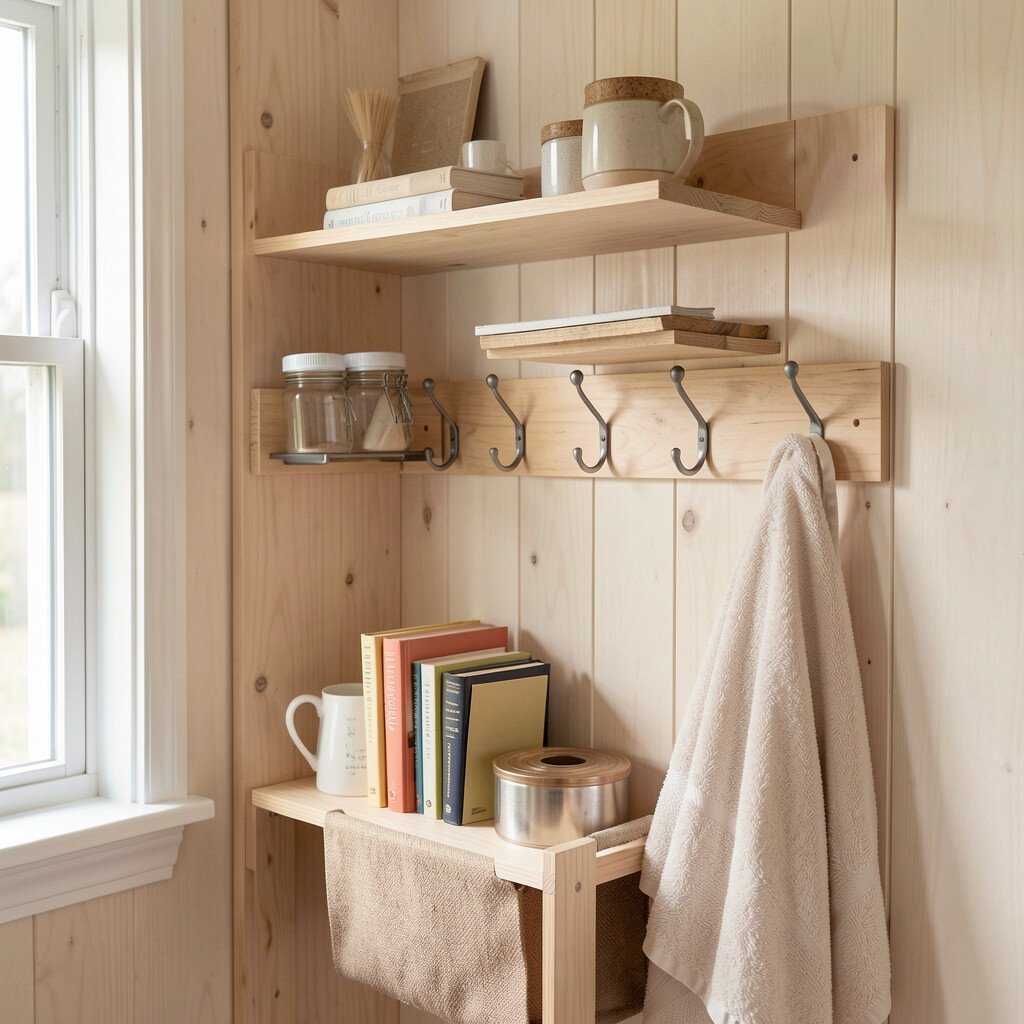
You can make your entryway feel bigger by pulling daily items off the floor. Picture a bright row of hooks holding keys, a light jacket, and a tote, all within arm’s reach.
Stick-on hooks work well for bags, hats, and even small kitchen tools, so clutter has less chance to pile up. Choose removable hooks that match your wall type so you do not damage paint. For personalization, group items by color or by who uses them most.
2. Create a Rolling Storage Cart for Every Room
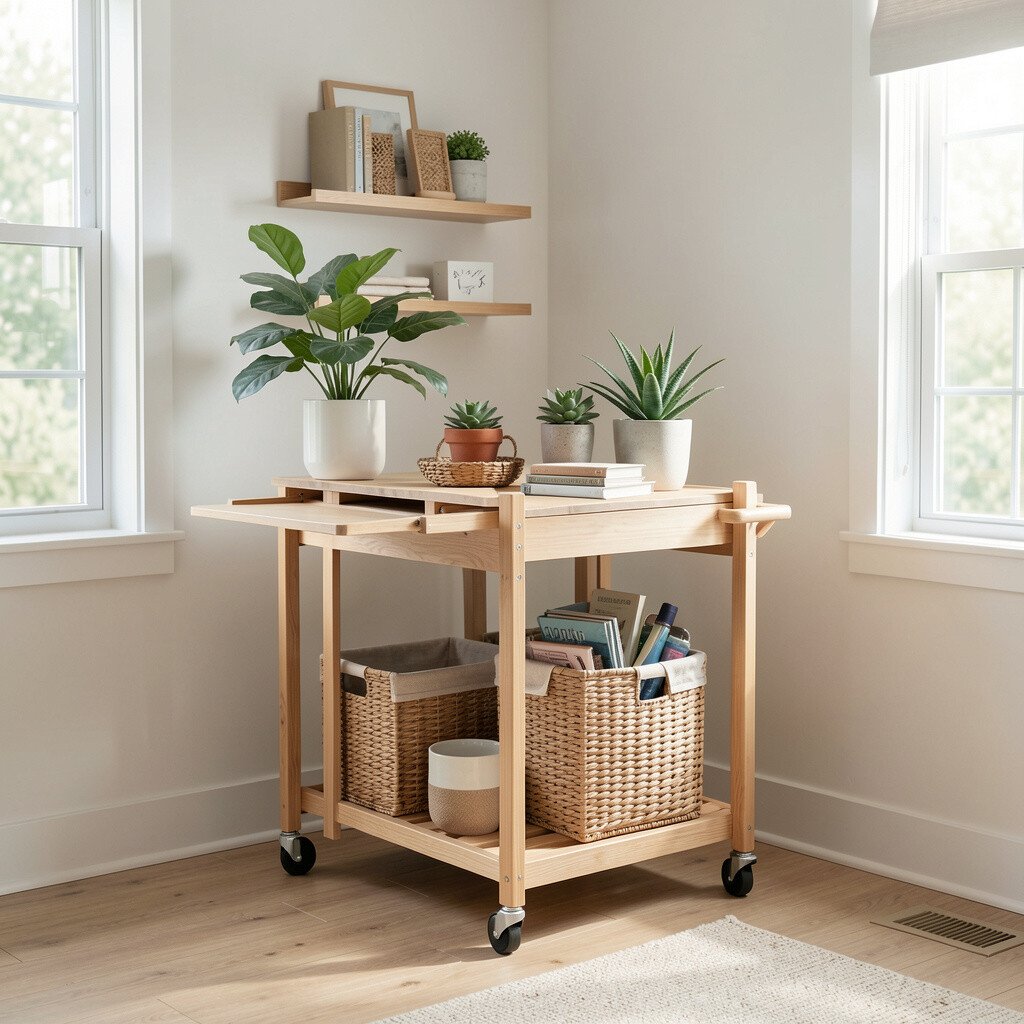
A compact cart with wheels instantly adds “extra surfaces” wherever you need them. Imagine a narrow cart tucked beside a couch, then rolling smoothly to the bed for charging and reading.
Use it for cleaning supplies, snacks, or craft items, and you can keep one cart per purpose instead of spreading things everywhere. Look for budget-friendly options with sturdy shelves, and add small baskets to keep lids, cables, or socks from mixing together.
To make it unique, paint the cart frame a fun accent color and wrap the shelves with adhesive liners for easy wiping. When trends shift toward multifunction furniture, rolling carts fit right in because they move with your routines.
3. Swap Bulky Curtains for Smart Tension Rods
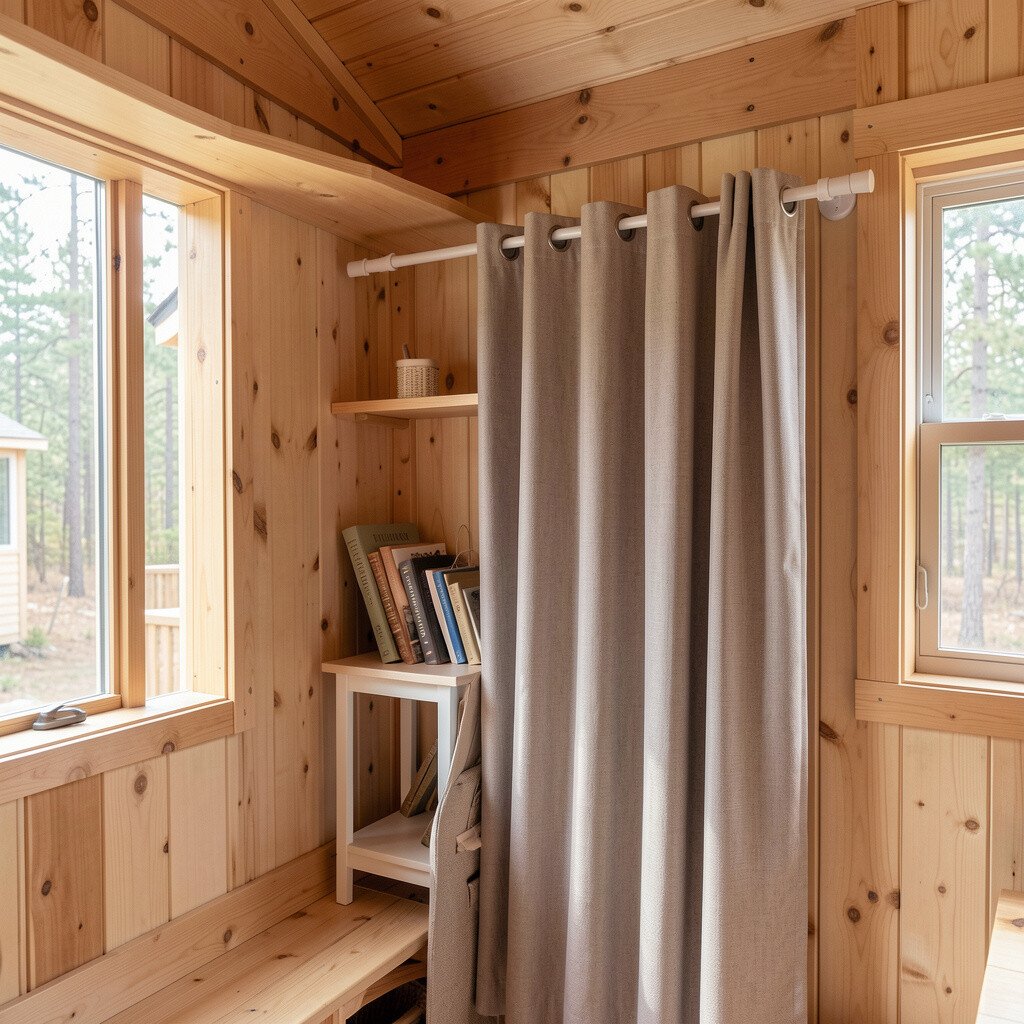
Window treatments can make a tiny space feel cozy instead of cramped. You might see soft fabric hanging from ceiling height, letting light bounce around while still giving privacy.
Tension rods are usually cheaper than custom hardware, and they install quickly. Choose blackout or semi-sheer layers depending on your sun exposure. For practical use, hang sheer curtains on the inside for daytime softness and keep a thicker layer for nighttime comfort.
If you like smart living trends, combine curtains with a simple home “light schedule” by opening them in the morning and closing them at sunset. Add a small tie-back or magnet clip so the fabric stays neat when you want a wide view.
4. Turn a Door Into a Storage Station
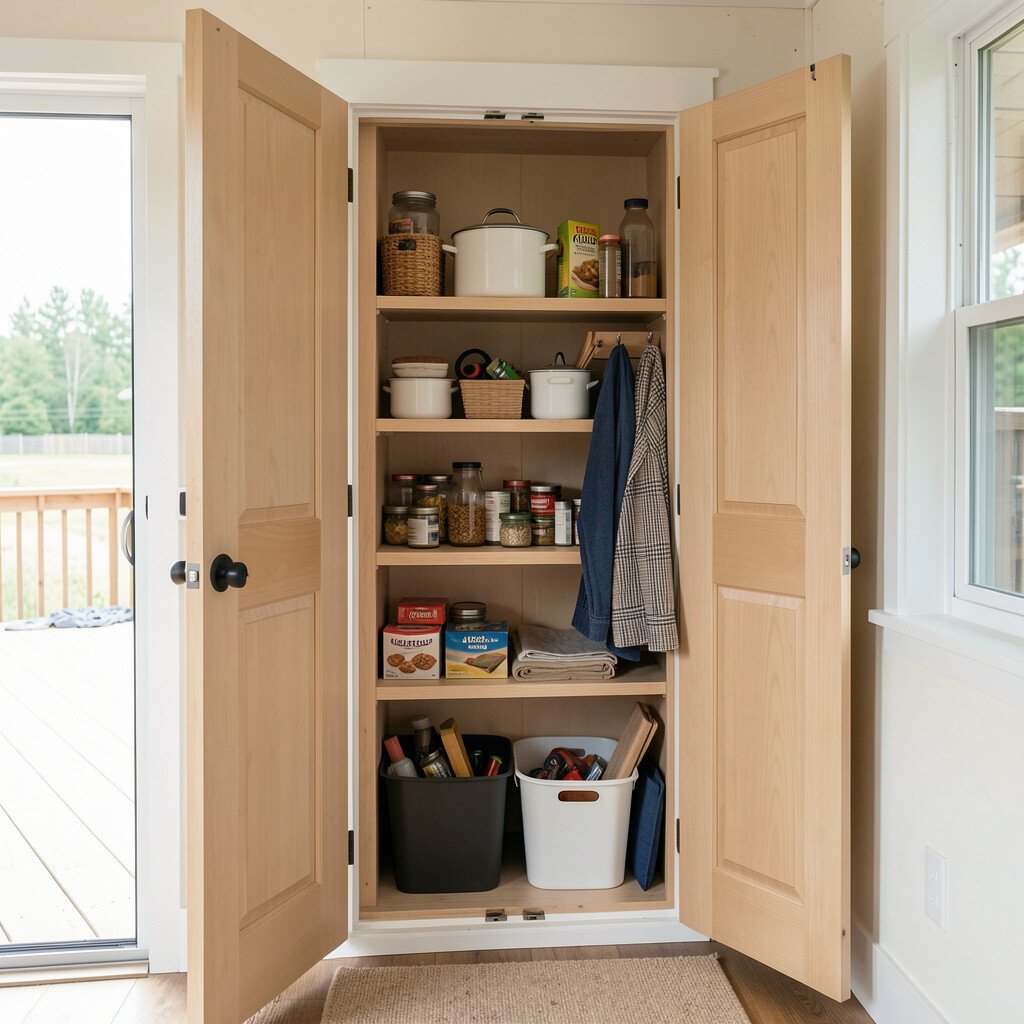
Your doors can do more than close rooms. Visualize a slim organizer on the inside of a door holding spices, toiletries, or folded cleaning cloths while the rest of the floor stays clear.
Back-of-door racks and hanging pouches keep items visible, which makes daily tasks faster. Pick options that fit the thickness of your door, and measure first so you do not waste money. Personalize the setup by using labels made from plain tape and marker, then switch them when your needs change.
5. Use Magnetic Strips Instead of Counter Clutter
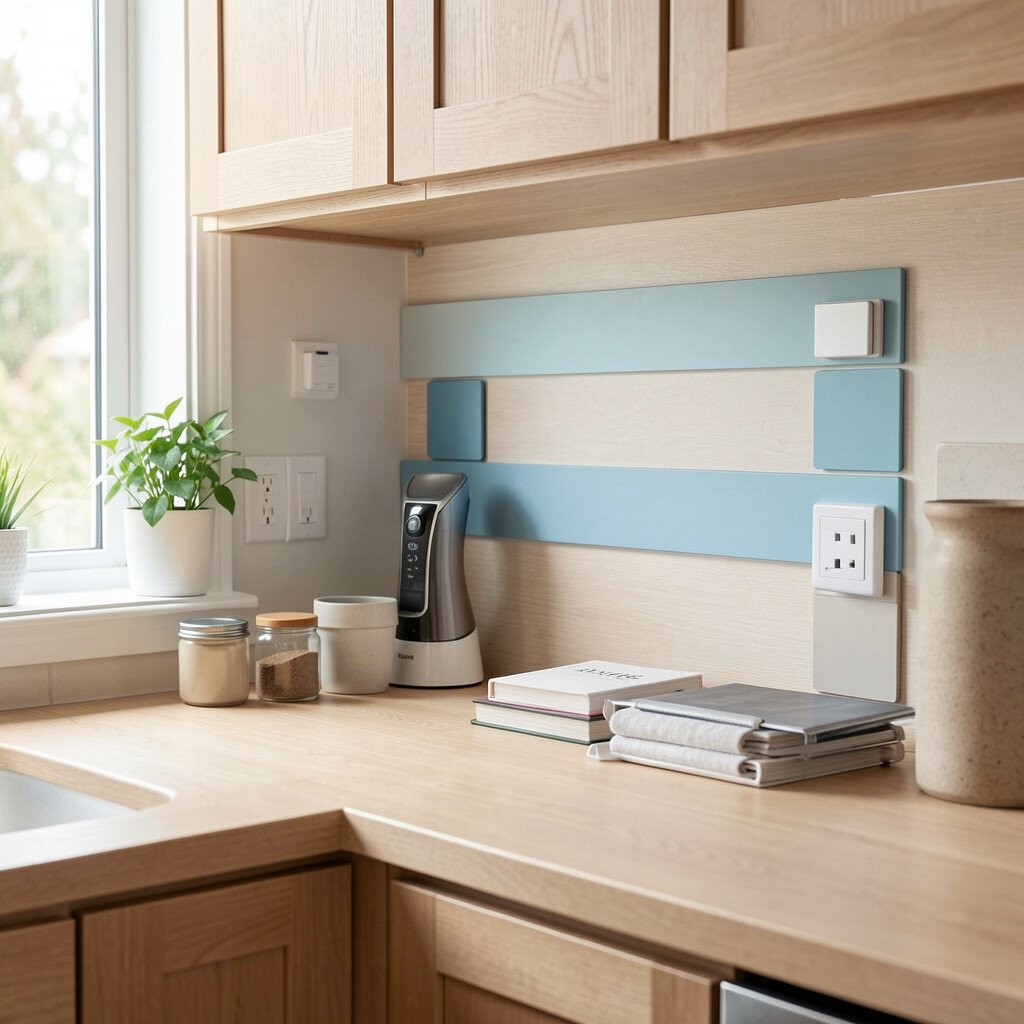
Magnetic strips look clean and feel modern, like a tidy command center. You can picture a wall near the kitchen sink with small knives, scissors, or metal tools lined up neatly.
They free up counter space, which helps tiny homes feel open and breathable. Choose a strip that matches the weight of your items, and mount it securely using the included hardware when possible. For personalization, group tools by job so cooking feels smoother.
If you follow current trends, wall-mounted organization is big right now because it reduces mess and saves time. Budget-wise, a single strip can replace several cluttery containers and keep the most-used tools ready.
6. Add Shelf Liners for Instant Cleanability
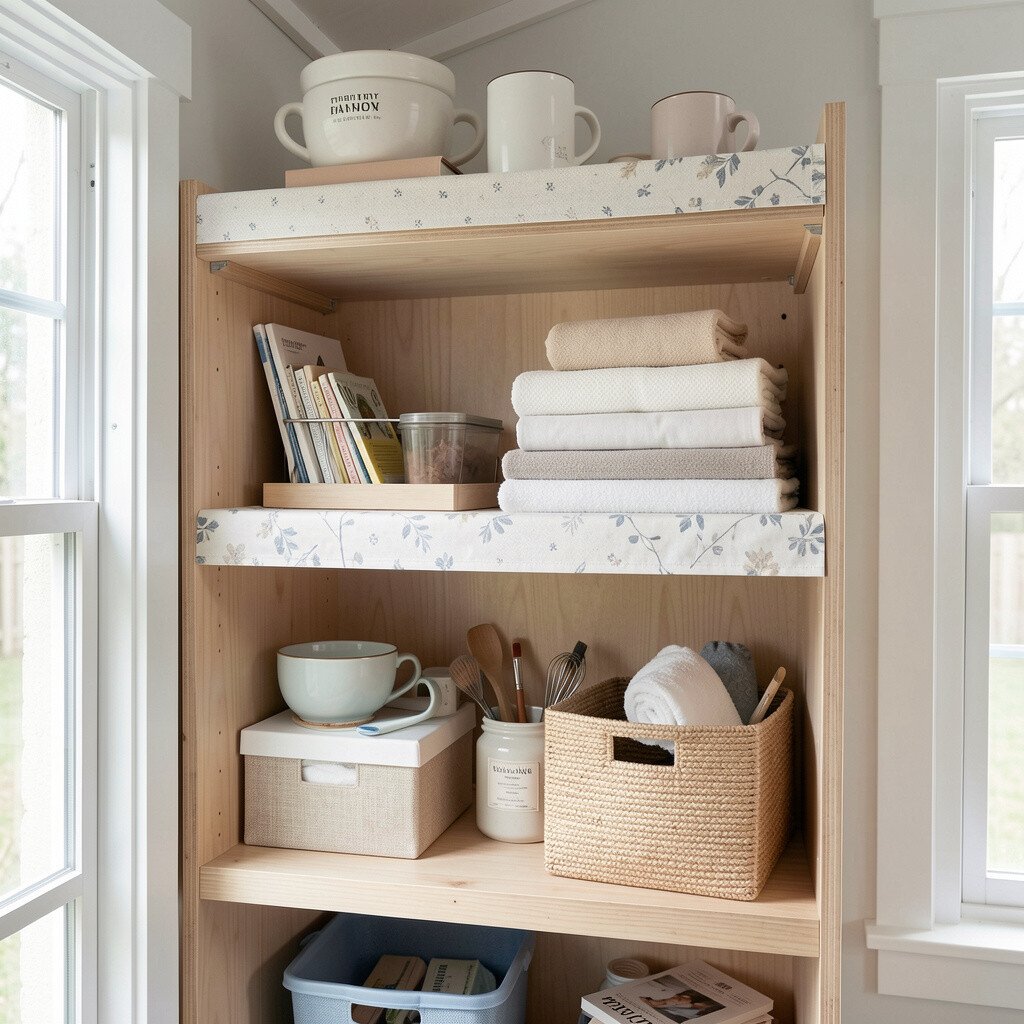
Shelf liners make small surfaces easier to wipe and less likely to stain. Imagine sliding out a drawer and seeing a fresh-looking liner instead of sticky residue.
They also help prevent items from sliding around, which is especially helpful on tiny countertops. Use liners in cabinets, drawers, and even under small appliances. Keep it practical by cutting liners to size and trimming clean edges with a sharp pair of scissors.
7. Build a DIY Cable-Management “Nest”
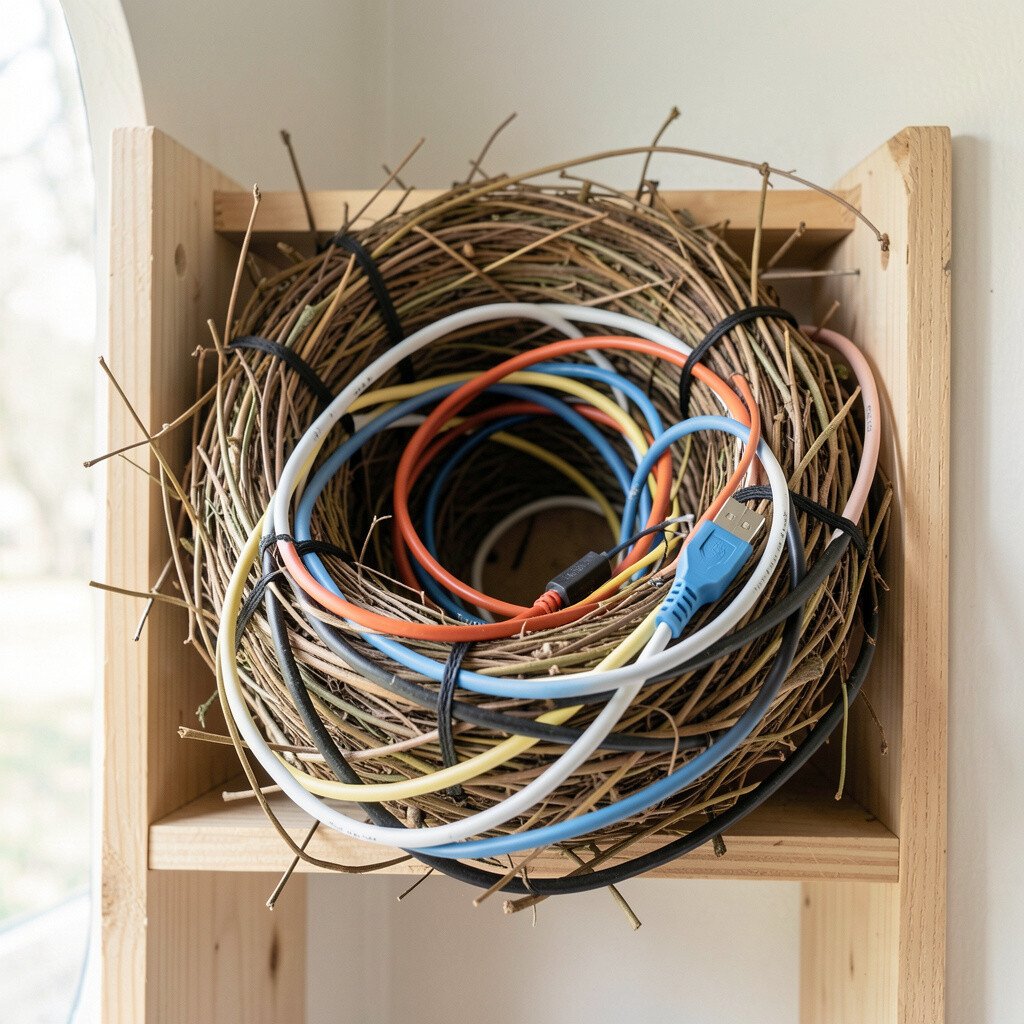
Loose cords can turn a calm room into a tangle fast. You might picture a small bin with a lid tucked under a table, catching chargers and cables so they stay off sight.
Use Velcro straps, cable clips, or a simple box to gather cords in one place. This keeps your charging routine organized and reduces wear on cords from pulling and twisting. Personalize by using fabric wraps on the cords that match your home’s color vibe.
Many smart living habits today focus on reducing friction, and cable control makes daily life feel easier. It can also be cheaper than replacing items that break due to constant yanking.
8. Use Under-Bed Bins With Labels and Lids
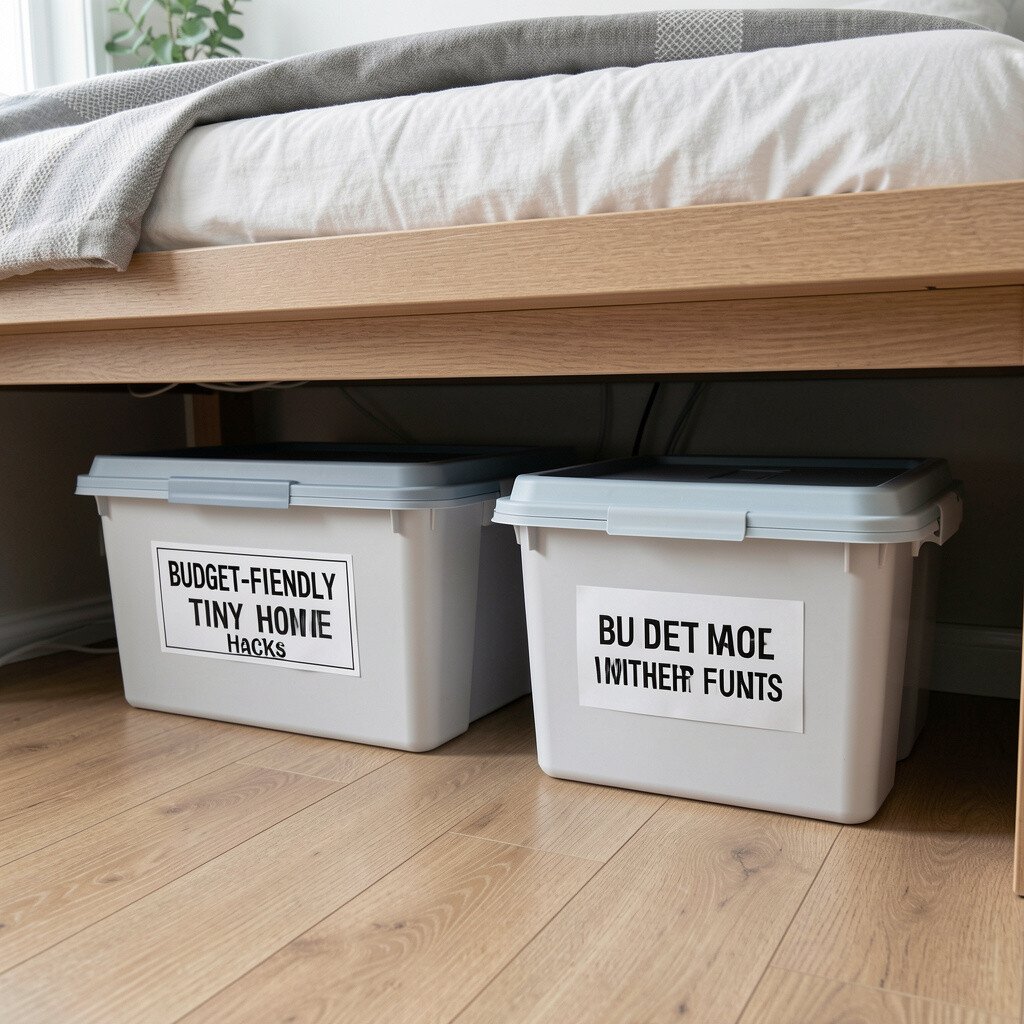
If you can see the floor, your home feels bigger, and under-bed storage helps a lot. Picture neat bins sliding in beneath the bed, with lids that hide seasonal items and keep dust down.
Choose bins that fit your height and measure the space before buying anything. Lidded bins protect fragile items and make it easier to store bulky items without visual mess. Add labels with simple tape so you can find things quickly, even on busy mornings.
9. Upgrade One Light With a Smart Bulb
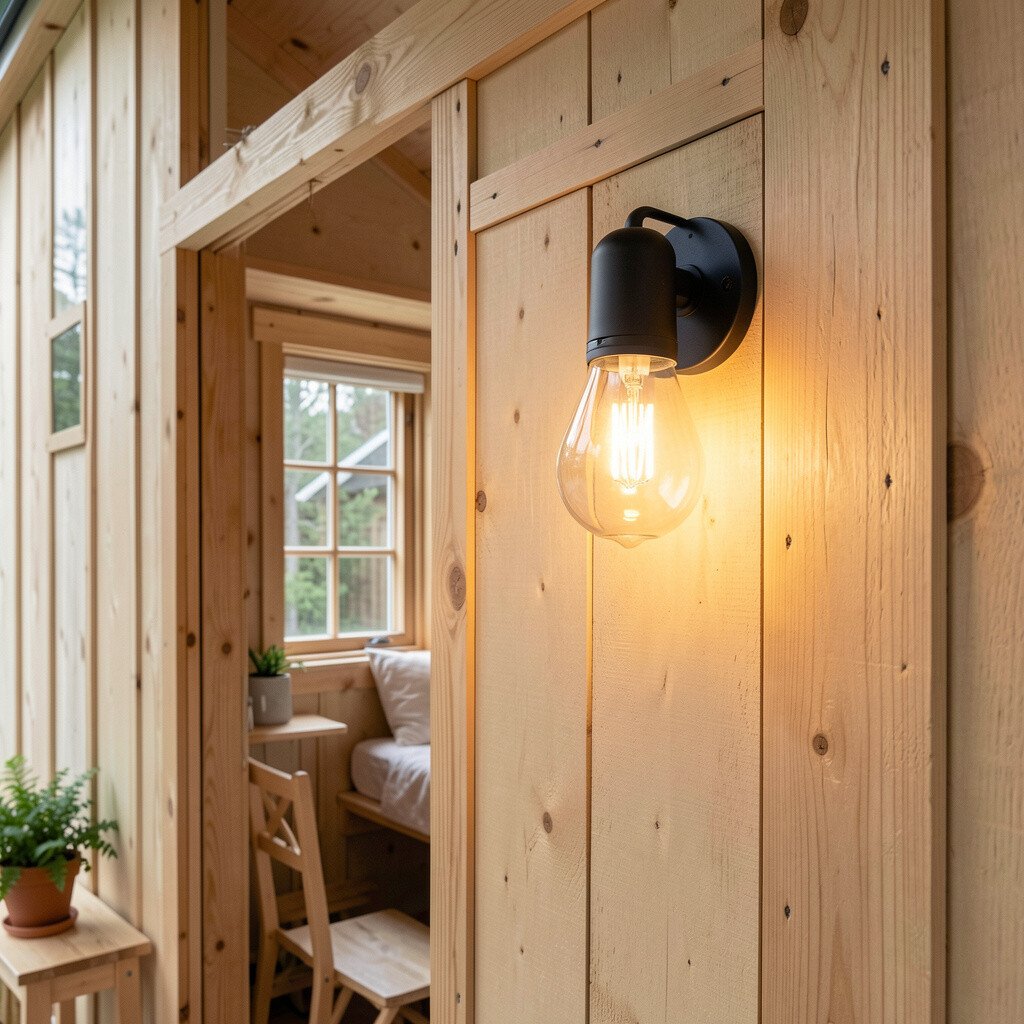
Lighting sets the mood, even in a small home. Think about changing the feel of a room from bright and active to warm and calm with a tap on your phone.
A smart bulb can be a budget-friendly way to try automation without redoing your whole electrical system. Use it in one key area like a reading corner or kitchen spot to get the biggest effect. For personalization, pick a warm white for evenings and a cooler tone for mornings.
Current trends lean toward simple, gradual upgrades rather than full renovations, and one bulb fits that mindset. You can also save energy by setting an easy schedule that matches your daily habits.
10. Add a Fold-Down Desk for Multitasking
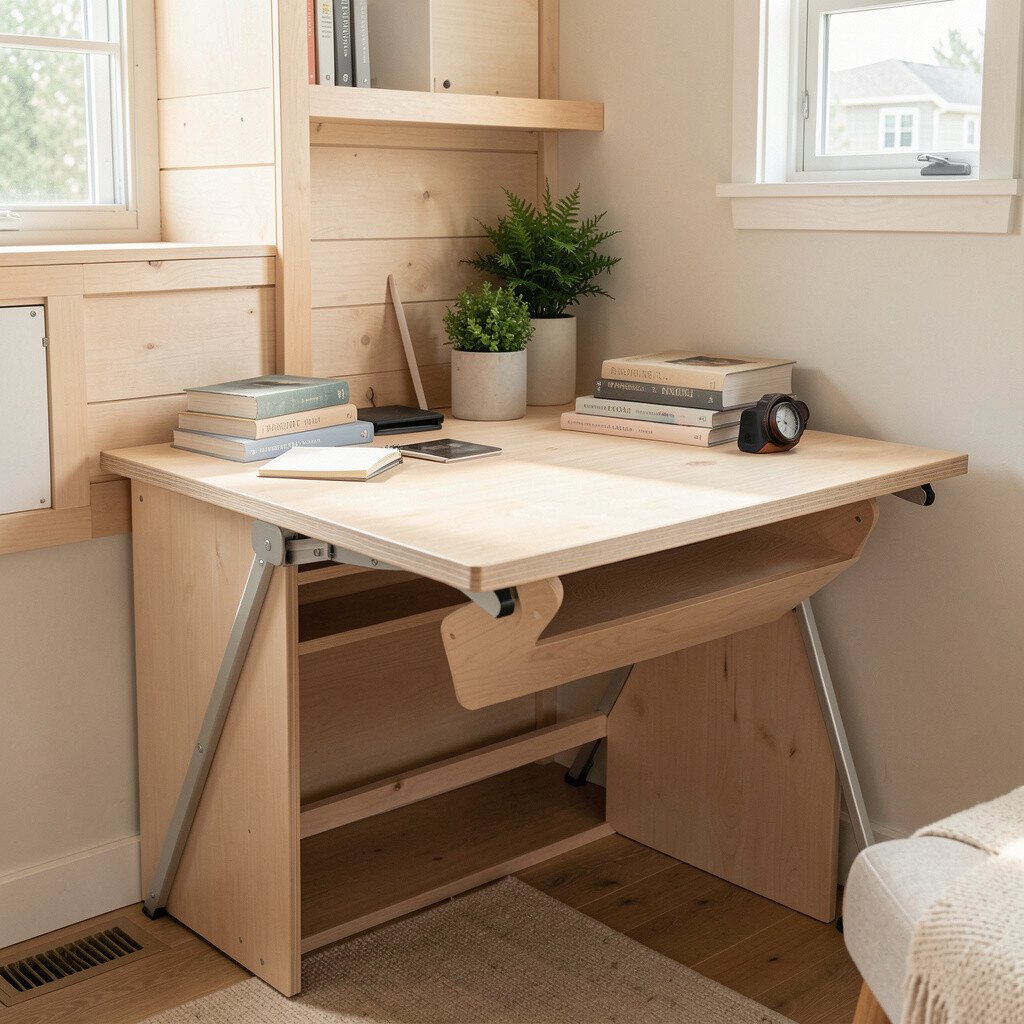
A fold-down desk turns a wall into a workspace, and it saves precious floor area. Imagine opening a compact panel to reveal a small writing surface, then folding it shut to free up movement.
Look for options that install with simple brackets, or build one using plywood and sturdy hinges. Make it practical by adding a small tray for pens and a hook for your bag. For personalization, paint the panel a fun shade so work feels less like “stuff you must do.”
11. Use Transparent Storage for Quick Finding

When you can see what’s inside, you waste less time searching. Picture clear bins stacked in a closet, with everyday items grouped by color and size.
Transparent containers help you notice what is running low and what you truly use. Choose sizes that match your shelves so nothing looks bulky or awkward. Add small labels using plain paper so the look stays tidy and easy to refresh.
12. Create a Small Plant Corner With Repotted Cuttings
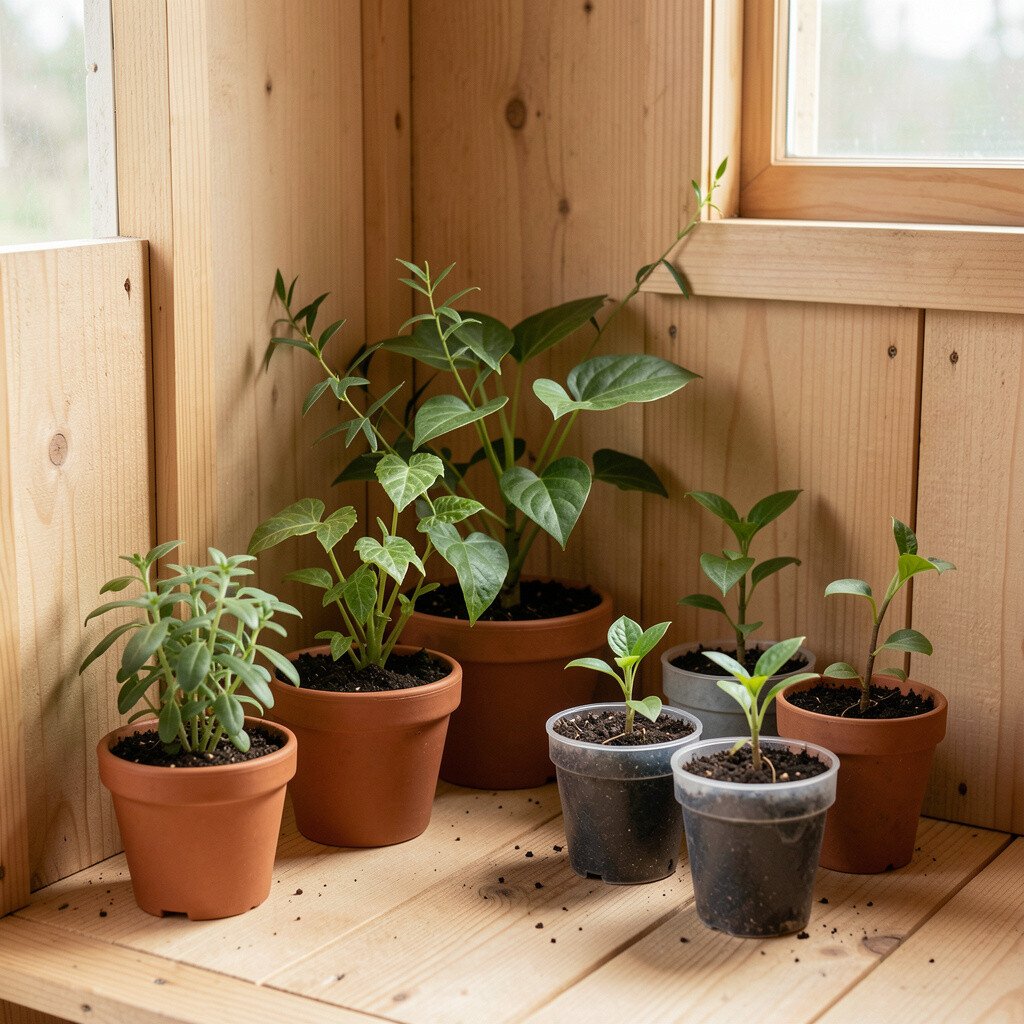
Green plants make tiny homes feel alive, and they can fit small spaces beautifully. Picture a sunny window ledge with a few small pots and one plant growing slightly toward the light.
Growing from cuttings or using low-cost seedlings can keep expenses down while still giving you that fresh, personal touch. A small plant corner also encourages better air habits and offers a calming routine for watering. Pick plants that match your light, and use saucers so spills do not damage shelves.
13. Make a Breakfast Nook Using a Single Bench
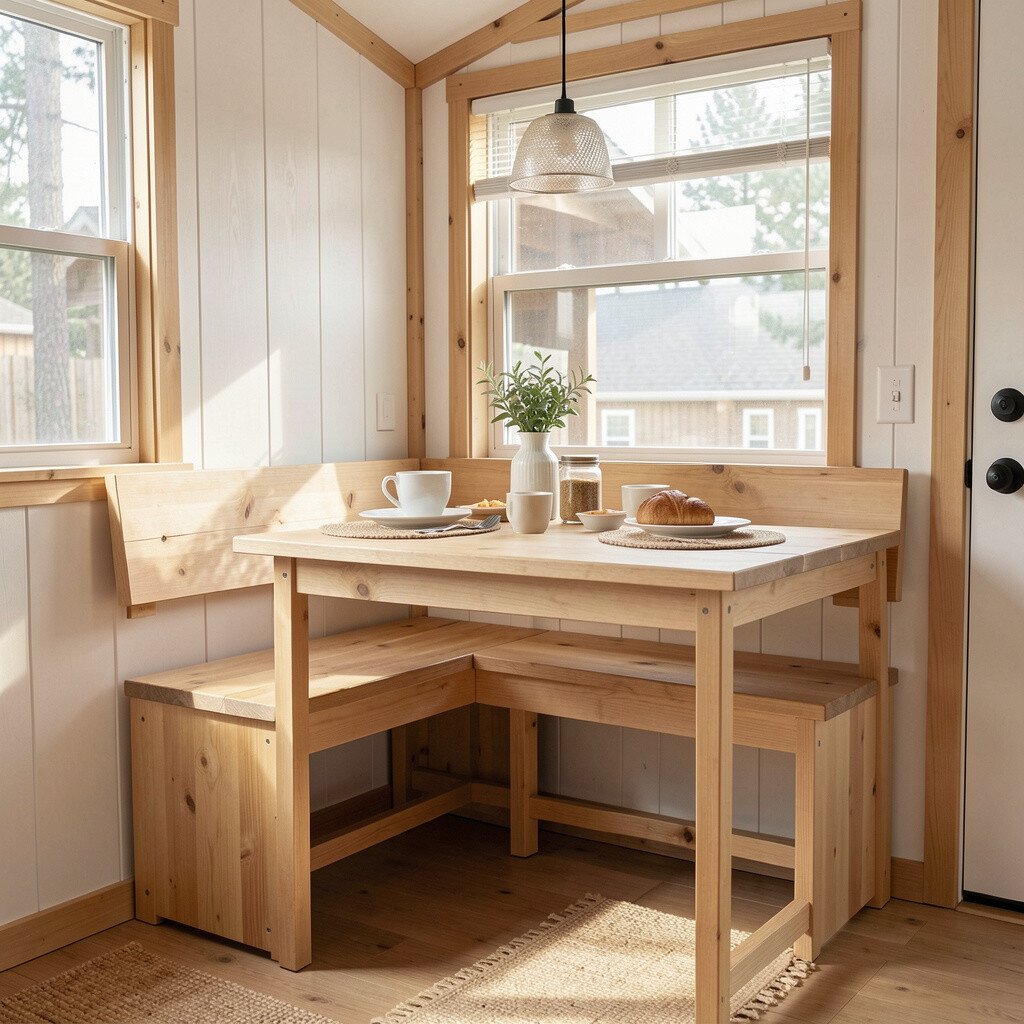
A compact bench can turn an unused corner into a cozy eating spot. Visualize a narrow bench beneath a small window, with a cushion that adds warmth and a place to set a mug.
Choose a bench with storage underneath if you want extra space for linens or board games. This helps your home stay functional without adding extra furniture. Personalize the nook with a small tray that holds everyday items like salt, napkins, or a mini plant.
It also matches current tiny home trends that focus on multipurpose zones. Instead of buying a full dining set, the bench approach helps you spend less and use the area more often.
14. Cover Sharp Edges With Foam Guarding
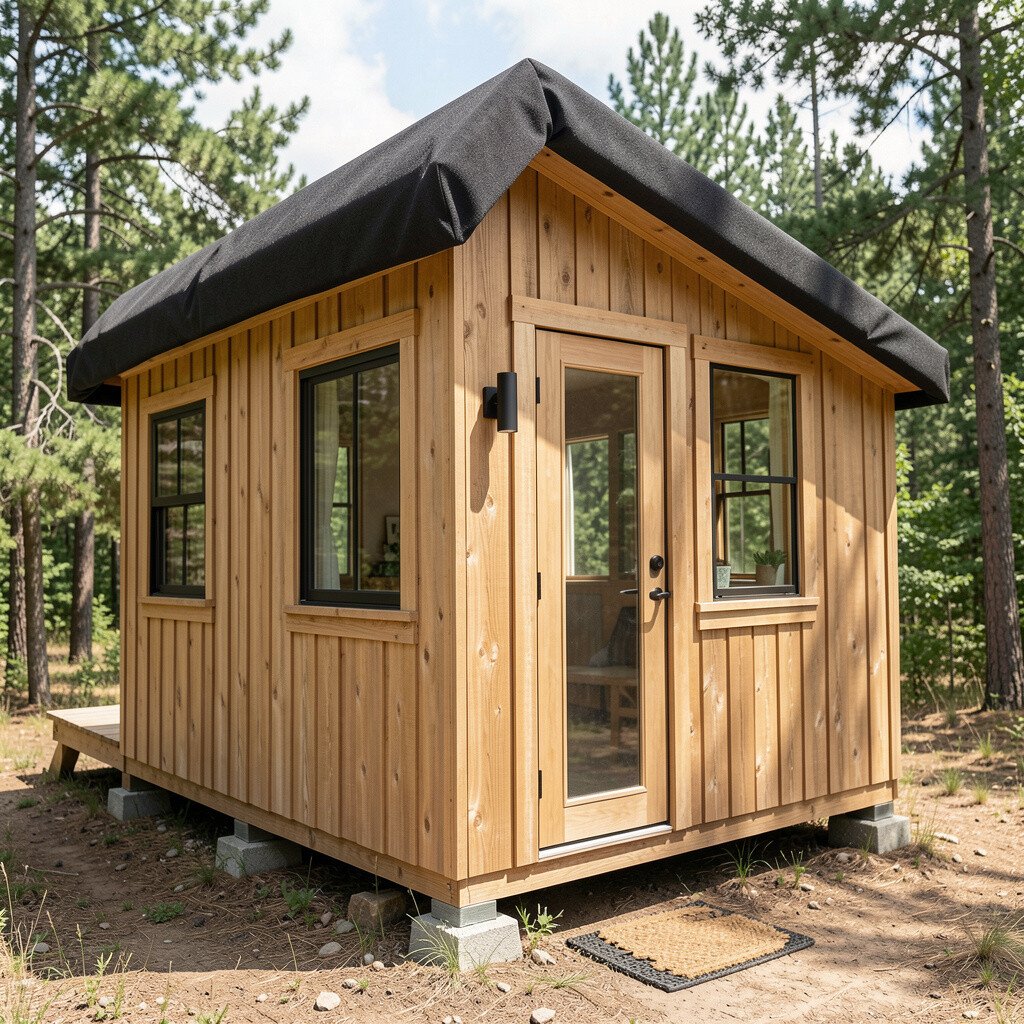
Safety upgrades can be simple and budget-friendly, especially in small spaces. Imagine soft foam edging around a corner near a walkway, blending into the room so it feels comfortable.
Foam guards prevent bumps and scratches, and they also make cleaning less stressful since you avoid scuffed surfaces. Look for washable covers or adhesive guards that hold well. Personalize by choosing a color that matches your walls or furniture for a clean look.
15. Organize Towels With a Repurposed Ladder
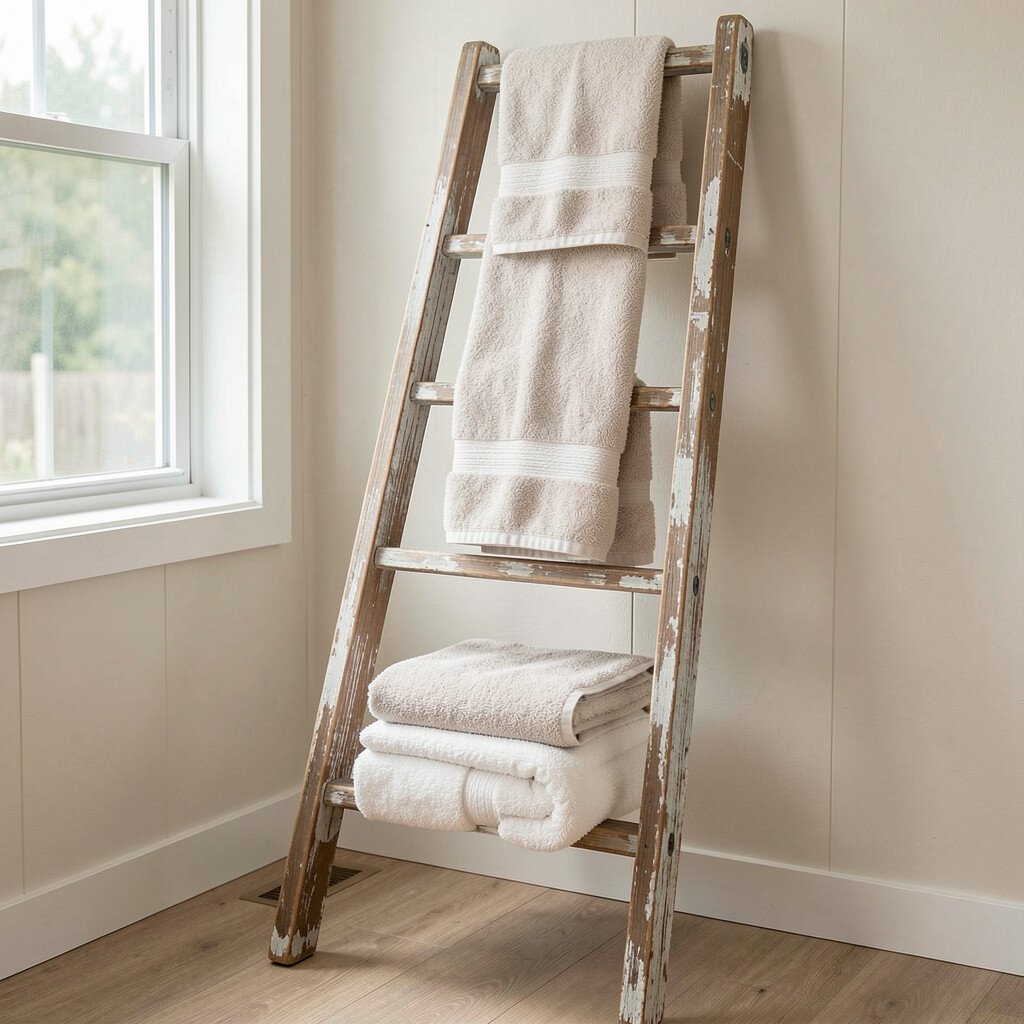
A ladder used for towels adds charm and keeps linens easy to reach. Picture a slim wooden ladder in a bathroom nook, holding folded towels and a small basket for washcloths.
Repurposed ladders can be cheaper than built-in shelving and they give the space a unique, personal character. Use hooks and clips to prevent items from slipping, especially if the ladder is slightly angled. For practical use, add a small basket shelf at the bottom for laundry or extra soap.
This kind of style fits today’s trend for warm, handmade looks while staying low-cost. Just measure your space so the ladder does not block doorways or create awkward movement.
16. Build a Compact Pantry Using Clear Baskets
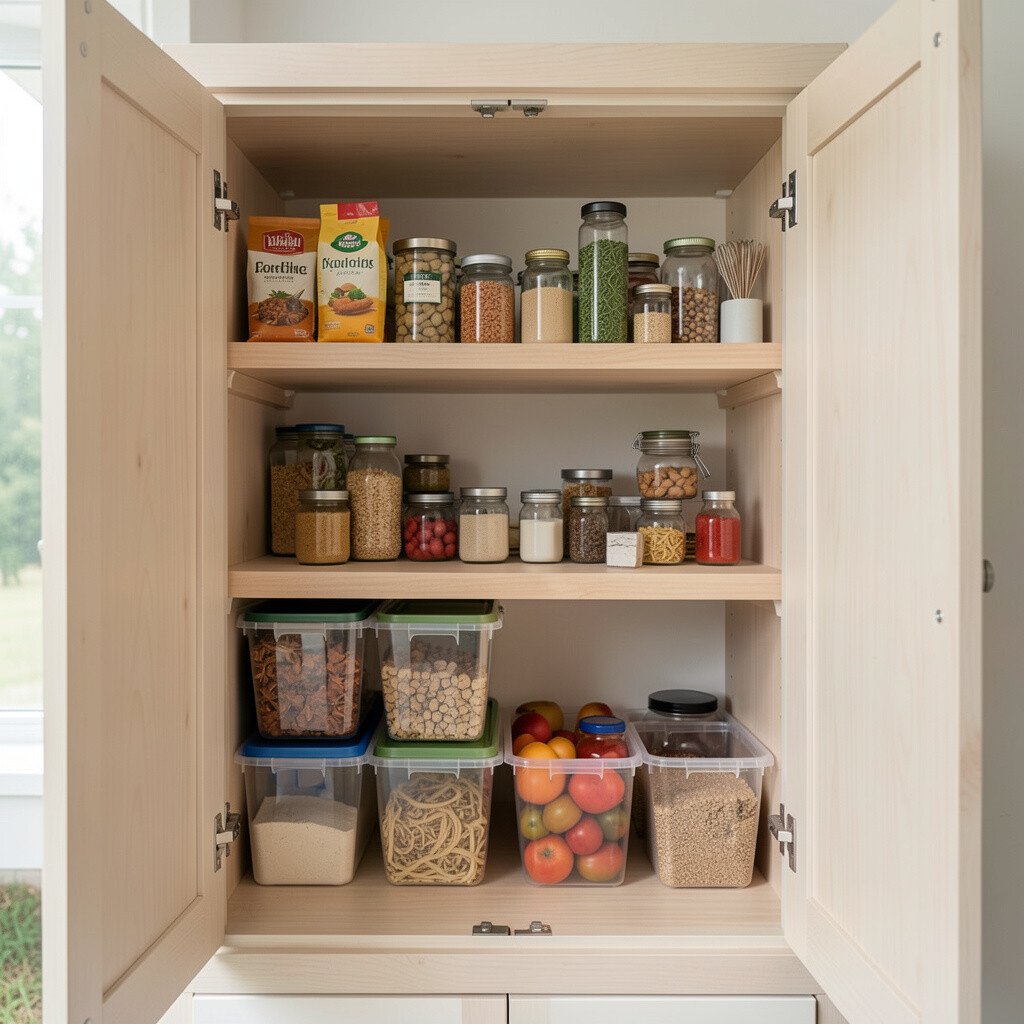
Pantry confusion is common in tiny homes, but baskets fix it fast. Picture a small shelf lined with clear baskets, each holding a category like snacks, baking supplies, or breakfast items.
Clear baskets keep you from opening ten containers to find one ingredient, which makes cooking smoother. Choose sturdy baskets that stack neatly so you do not waste vertical space. Personalize by arranging labels that match your routine, like a “morning basket” you can grab first.
For cost considerations, using what you already own plus a few basket upgrades is usually cheaper than buying a full set of furniture. This also aligns with the current trend toward visual organization and easy restocking.
17. Add a Magnetic Whiteboard for Daily Reminders
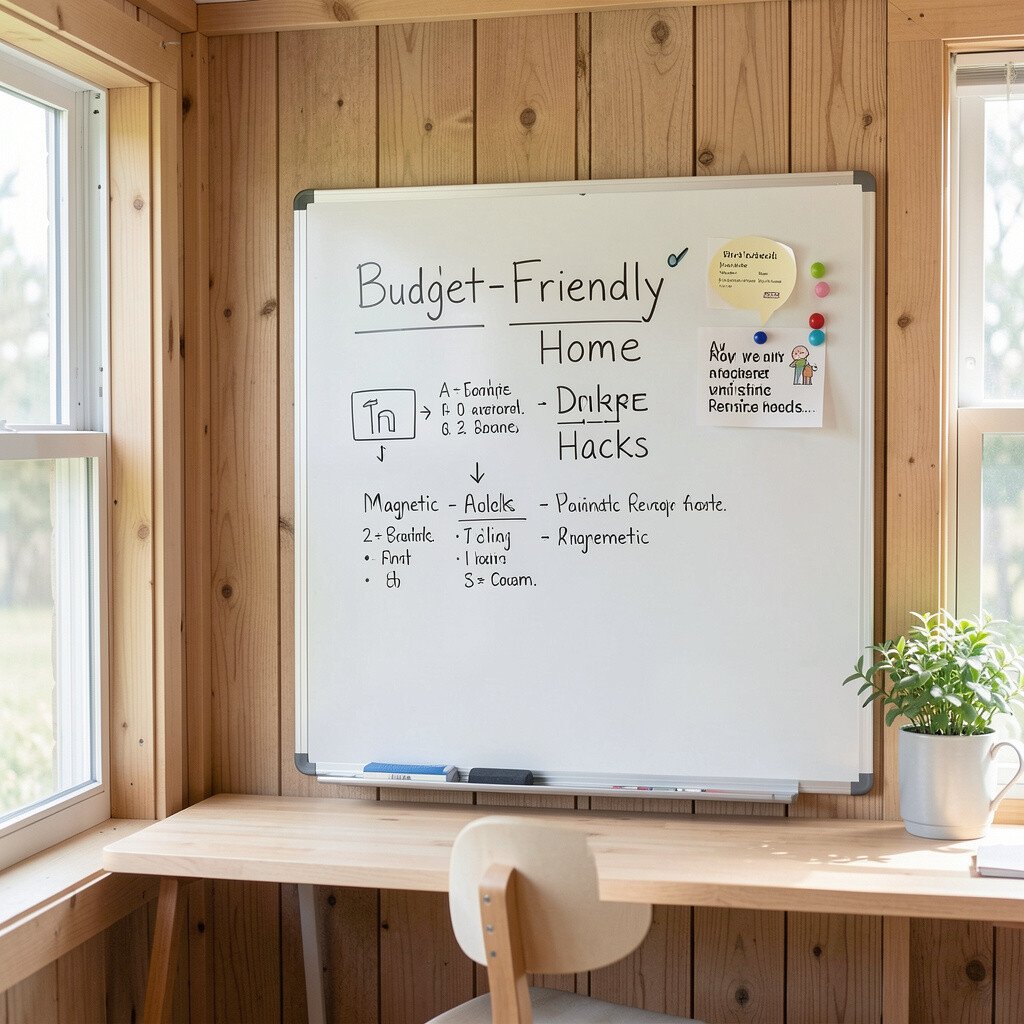
A magnetic whiteboard makes tiny living feel calm because your brain can rest. Imagine a small board near the kitchen holding meal notes, a chore checklist, and a few magnets that add personality.
Use it for reminders, schedules, and quick shopping lists so you do not rely on memory. Pick a size that fits your wall space and use magnets for notes instead of sticky paper. For personalization, write in your own handwriting style and add a small decorative magnet collection that feels fun.
18. Make Space Feel Larger With Light Colors and Reflective Surfaces
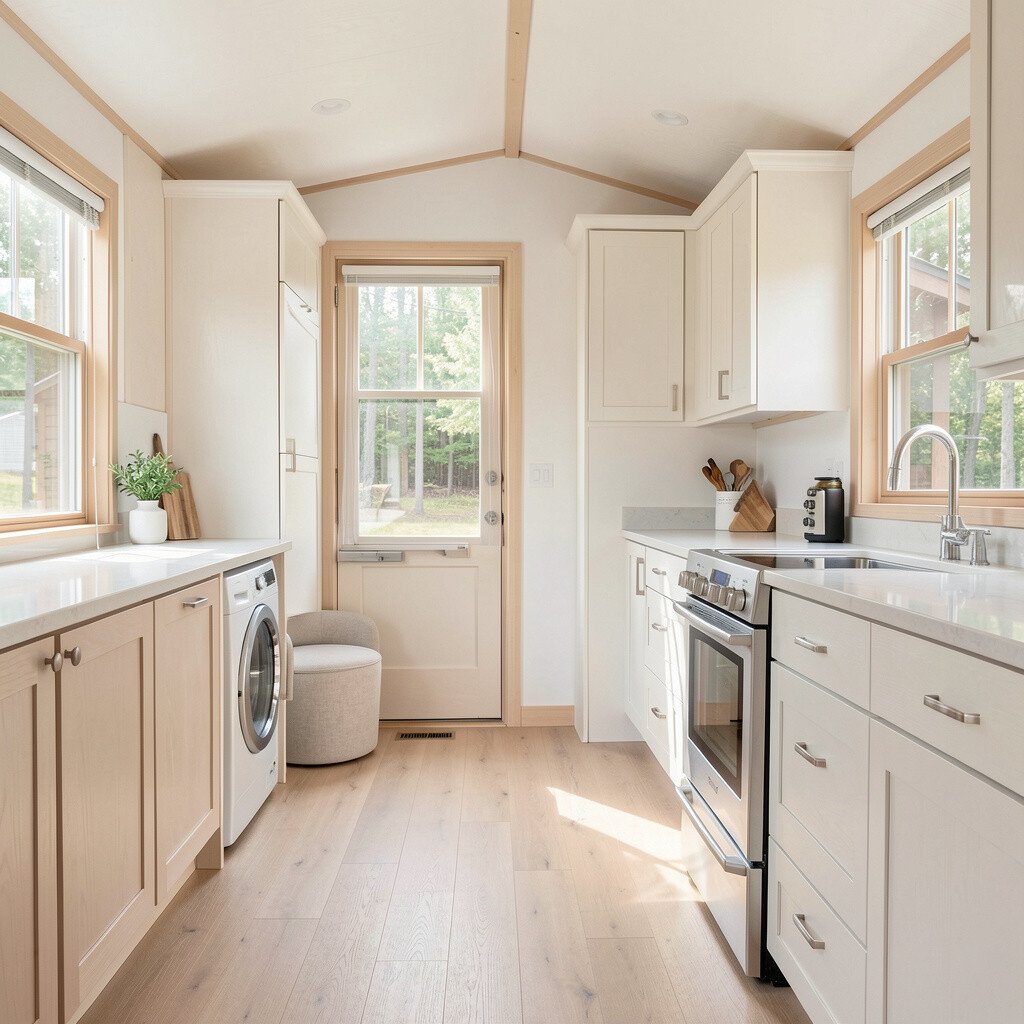
Light colors can brighten the whole home, even if the square footage stays the same. Picture pale walls, a glossy cabinet face, and a small reflective tray that bounces light around the room.
Budget-friendly swaps like painting, adding a light rug, or using reflective trays can change the look without major work. Consider using a mirror in a hallway or near a window to spread light and make movement feel easier. For uniqueness, choose textures you enjoy, like woven baskets or a linen-like throw that adds depth.
This approach matches smart living trends because it reduces visual clutter and supports a calmer daily routine. It can also be more affordable than buying new furniture since color and reflective accents often deliver big results fast.