Work-life balance doesn’t have to be expensive. Small routines, cozy spaces, and smart choices can make your days feel lighter.
When you budget your time and energy, you also protect what matters most. The result can look and feel like a calm corner you actually want to visit.
1. Create a “No-Phone” Reset Nook
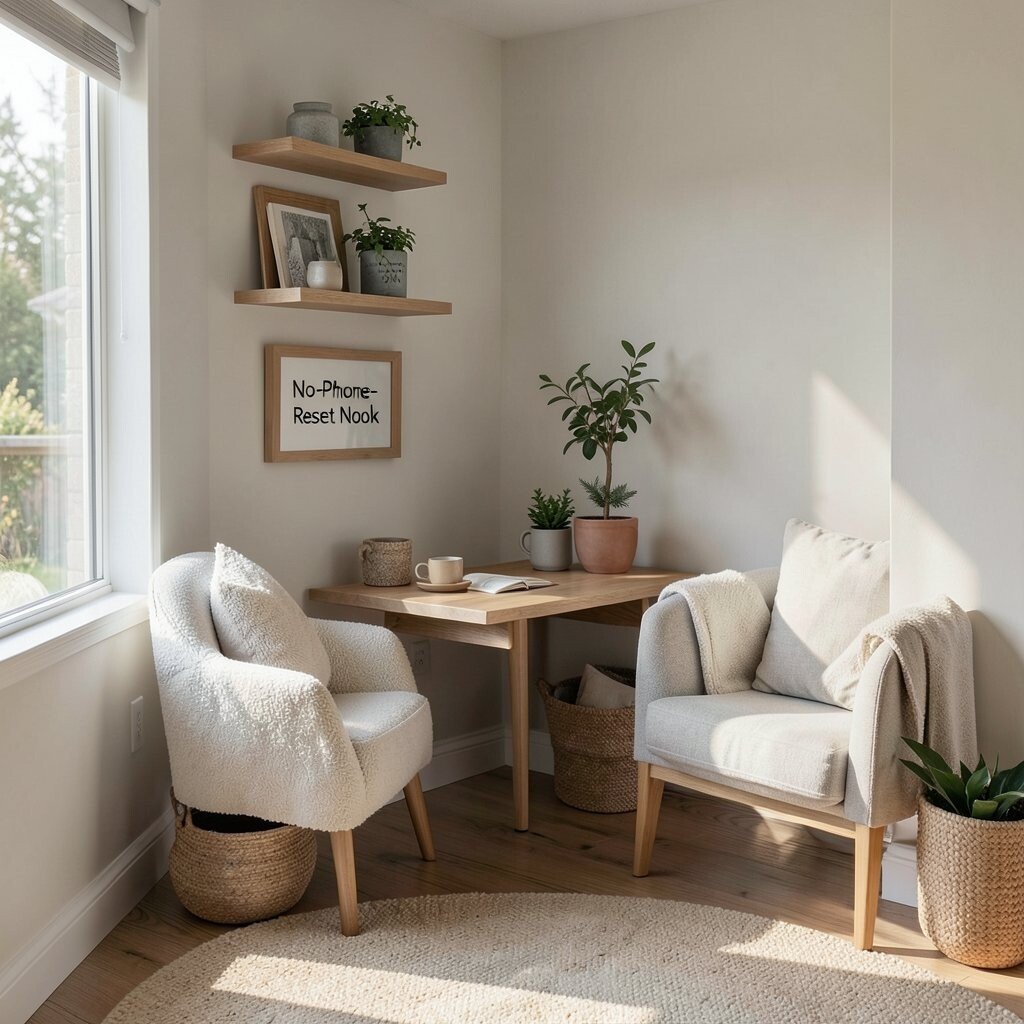
Pick a tiny spot in your home where your phone stays out of reach during breaks. Add a soft lamp, a comfy chair cushion, and something that smells good like citrus or lavender.
This nook becomes your quick reset zone when your mind feels crowded. Aim for a short, consistent habit so your brain starts expecting relief. Turn on a playlist with gentle beats and take slow breaths while your to-do list waits.
2. Time-Block With a Visual Weekend Plan
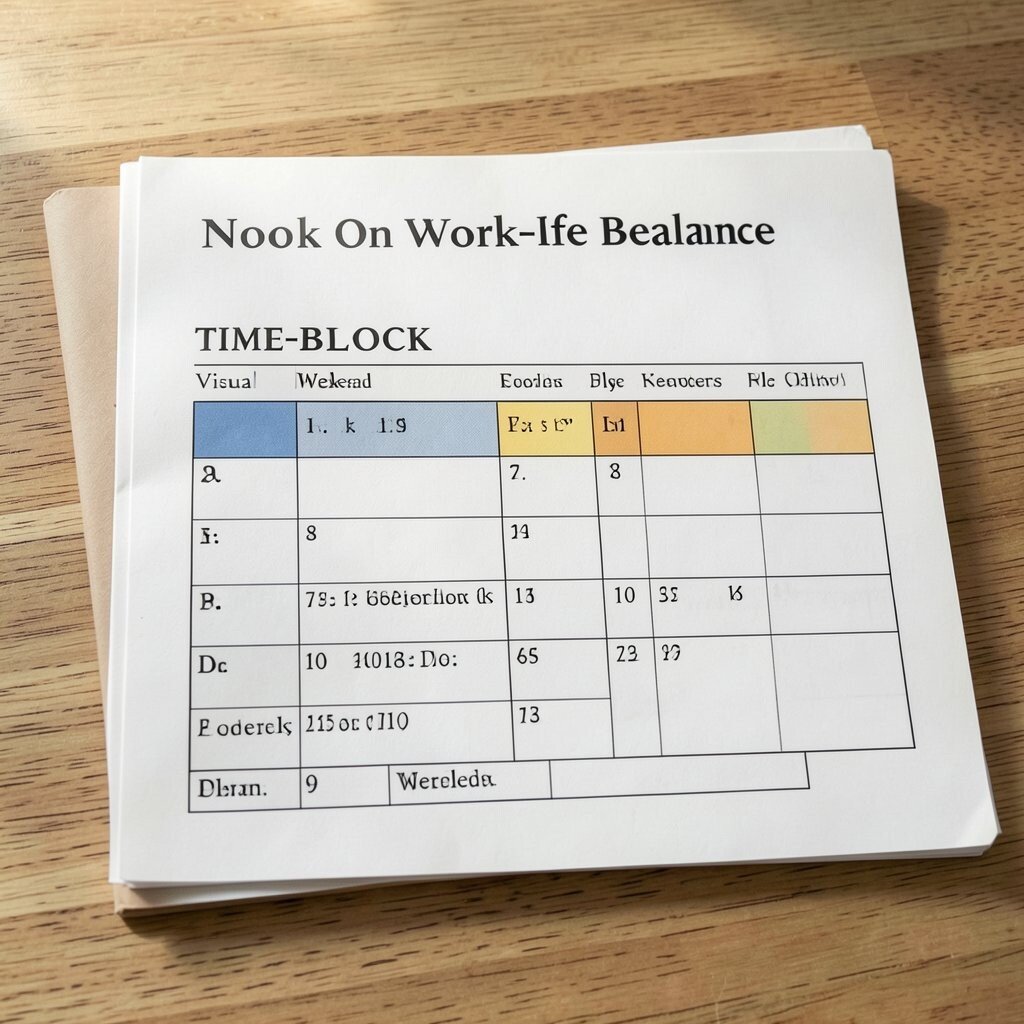
Use a paper calendar, a cork board, or even a simple white sheet to map your weekend. Write the must-dos in darker ink and leave space for small joys in lighter ink.
Seeing everything in one view makes your choices feel calmer and more certain. Keep your plan realistic by using fewer, bigger blocks instead of many tiny tasks.
Try adding one “flex block” for surprises like a walk, a friend call, or a movie snack. You can also set a gentle start time for chores so you are not rushing. This fits current routines where people love quick visual planning and low-stress checklists.
3. Upgrade Your Commute With a Cheaper Ritual
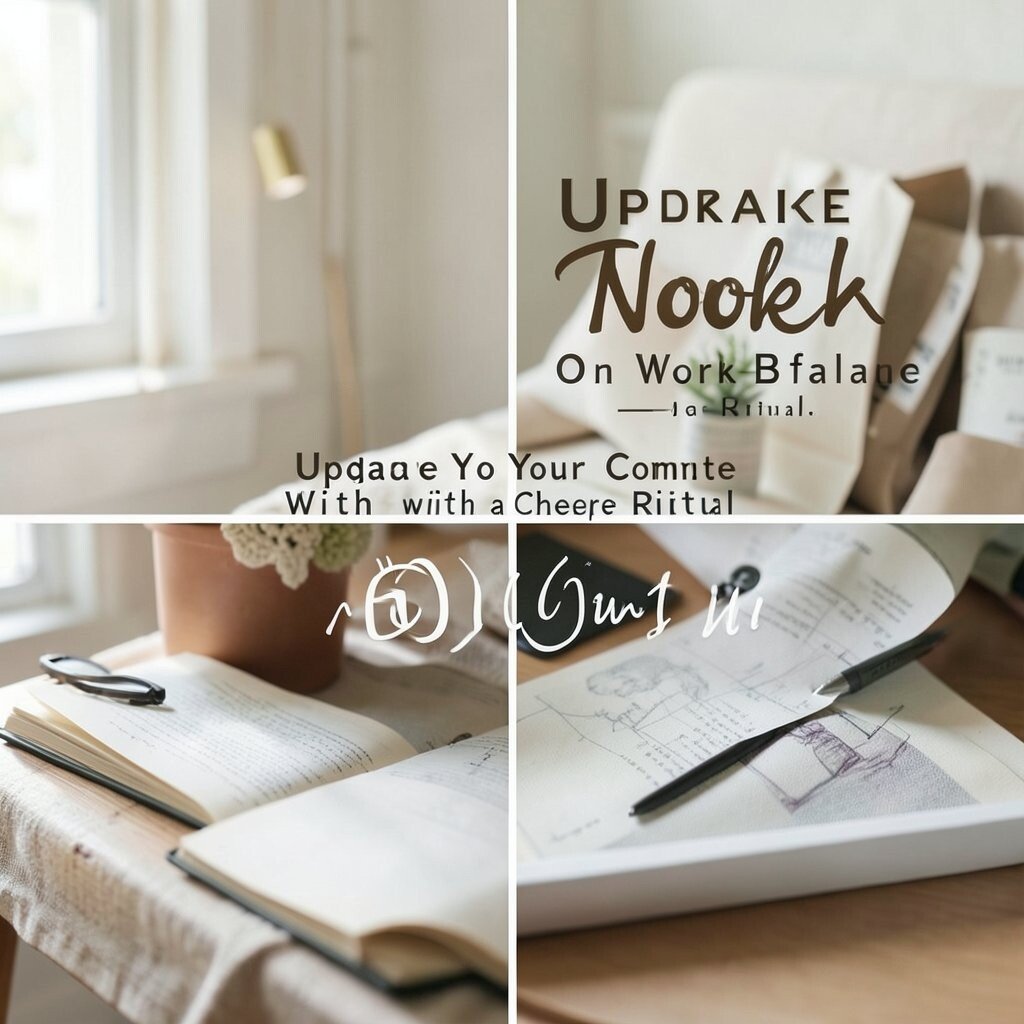
If you commute, make it feel like a mini break instead of wasted time. Bring a tote with a book, a notebook, or a simple audio playlist you enjoy.
When you treat the trip as your personal calm window, your day feels smoother. A practical trick is to prepare one “commute theme” each week, like learning Spanish phrases or journaling one thought.
Choose free or low-cost content so the ritual stays budget-friendly. You can also set a no-messaging rule during the first ten minutes after you arrive. That boundary keeps your workday from spilling into every moment.
For personalization, pick a ritual that matches your mood, such as quiet breathing, stretching, or sketching a doodle. The visual of your route outside the window can become part of the comfort. It is a simple way to create uniqueness without spending more money.
4. Build a Weekly “Laundry-to-Leisure” Swap

Many people do laundry as a task and then feel tired all evening. Instead, set a day where laundry happens near your leisure window, like late morning or early afternoon.
Choose clothes scents you love, fold with music, and keep the room tidy so the space feels bright. When your mind sees progress, you often feel more ready to relax.
If you can, set a timer for the load and pair it with one fun activity, like a short walk or a snack break. This turns chores into a rhythm, not a drain. Budget-wise, you use what you already own and simply change the timing.
5. Use a “Three-Choice” Daily To-Do System
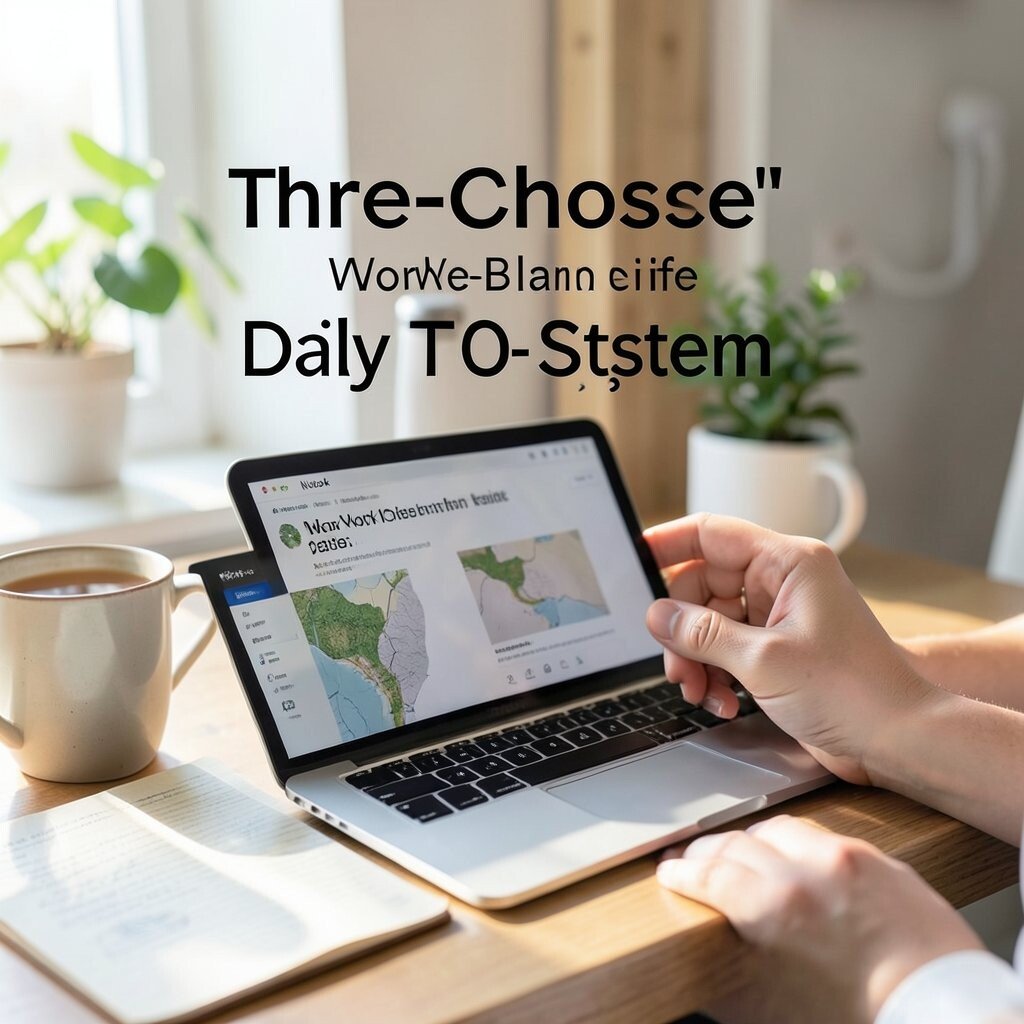
Start each morning with just three tasks that truly matter. Write them on a sticky note or in a small notebook, and place it where you can see it.
This makes your day feel manageable and helps you stop chasing endless lists. Keep one task work-focused, one task health-focused, and one task life-focused so balance stays real.
When the day runs long, you still finish something meaningful and your mood stays steady. Personalize the choices to your schedule, such as admin work, meal prep, or a short tidy. It also matches a current trend toward smaller goals and less overwhelm.
6. Turn Your Kitchen Into a Quick Recharge Station
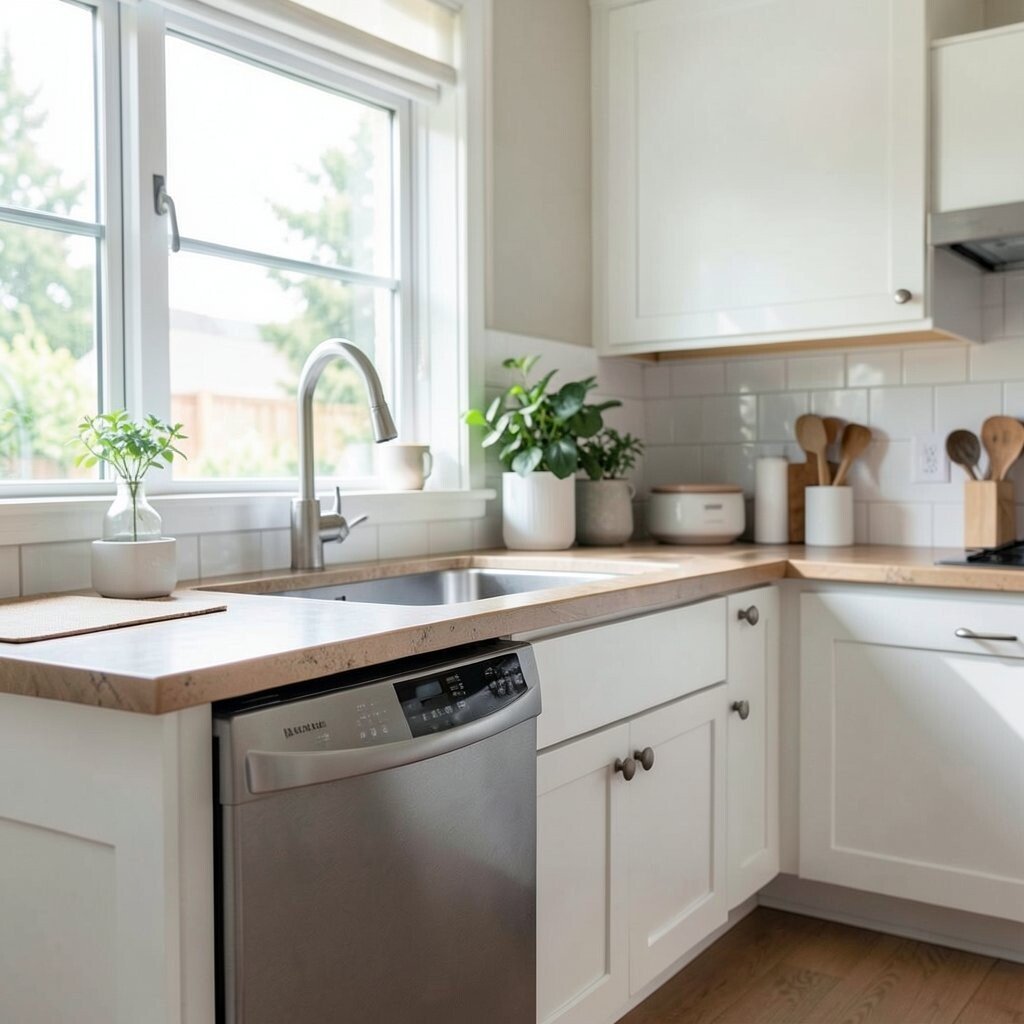
Your kitchen can be a calm command center without any big upgrades. Place a water bottle, a few healthy snacks, and a small bowl for fruit on the counter where you can spot it fast.
The look of clean surfaces and ready-to-grab items cuts down decision stress. When you can grab food quickly, you waste less time and avoid feeling cranky later.
Add a habit like making one warm drink in the afternoon, such as tea or cocoa, even on busy days. Try a “reset snack” rule where you eat before hunger turns into stress. Cost considerations are easy here because pantry items and seasonal fruit usually fit tight budgets.
7. Make a Boundary-Friendly Home Entrance
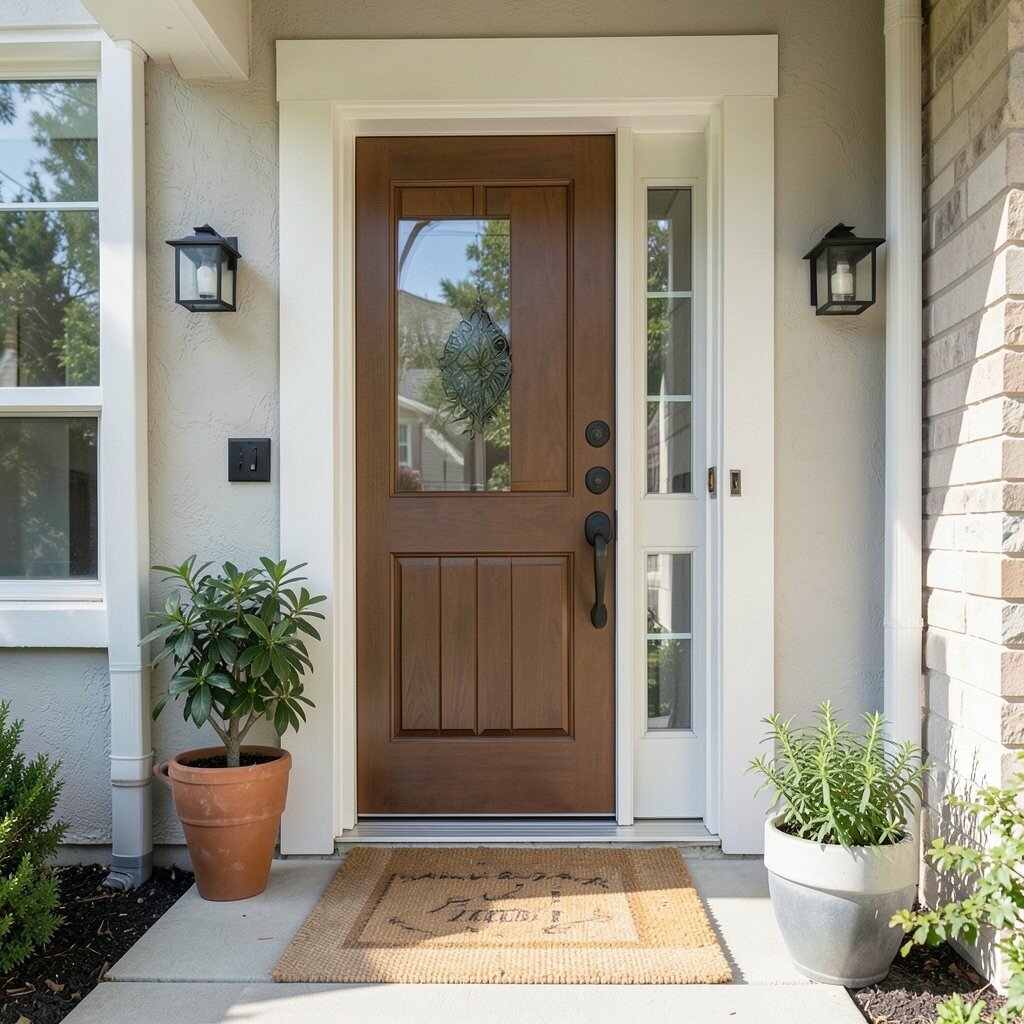
Give your home a clear transition point so you do not carry work energy inside. Place a small tray near the door with keys, a mail pouch, and a pair of shoes you love wearing at home.
This tiny setup helps you mentally switch gears the moment you walk in. Add a visual cue like a calming photo, a small plant, or a simple candle holder.
If you share space, you can personalize it by adding labels on baskets for each person’s mail. It feels welcoming but also keeps clutter from taking over. The uniqueness comes from making your entryway look like your mood, not someone else’s idea of success.
8. Practice Micro-Stretches During Real-Life Moments
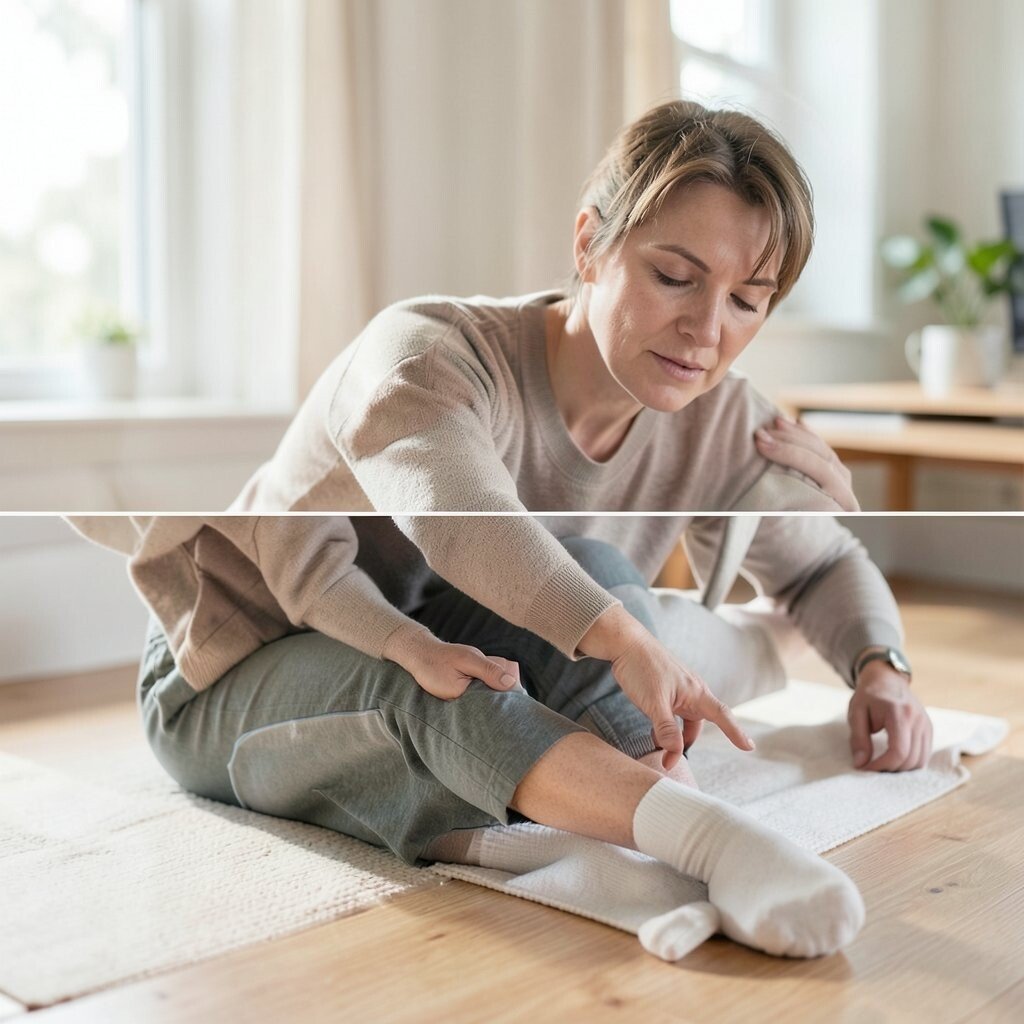
Look for natural pauses in your day, like waiting for a kettle, standing in line, or after you send an email. Use that time for gentle stretches, shoulder rolls, or a quick calf raise.
Your body feels less tense and your brain often clears up right after. This is budget-smart because you use your own space and your own body.
To make it more actionable, set a simple cue like “after the second cup” or “after the door closes.” You can personalize stretches based on what hurts most, such as neck relief if you sit a lot. Current wellness routines highlight these micro-breaks because they fit modern busy schedules.
Even a five-breath reset can help you return to tasks with better focus. The visual of you moving slowly instead of rushing creates a calming difference. Over time, your stress response can feel less loud.
9. Swap One Expensive Treat for a DIY Experience
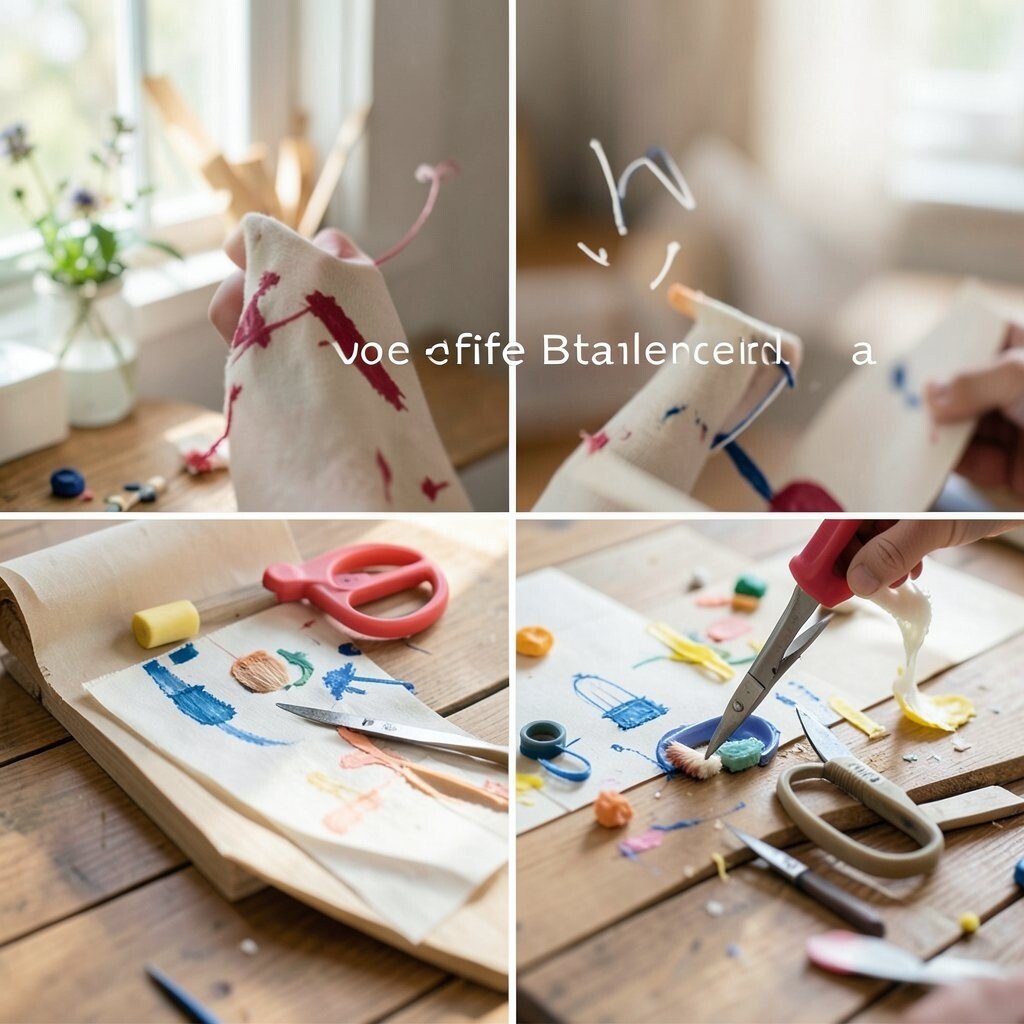
When you crave a break, choose a DIY experience that feels special without a big price tag. For instance, set up a “movie at home” night with fresh popcorn and a cozy blanket fort feeling.
DIY plans bring a unique touch because you design the details. You can personalize by picking a theme, like a color palette for snacks or a mood playlist for the evening.
Budget-wise, shop for one or two affordable upgrades like fancy tea, a dessert topping, or fun cups. The benefit is that you get the joy of planning plus the comfort of staying home. This matches a popular shift toward low-spend leisure that still feels rich.
10. Keep a “Brag List” for Work Wins
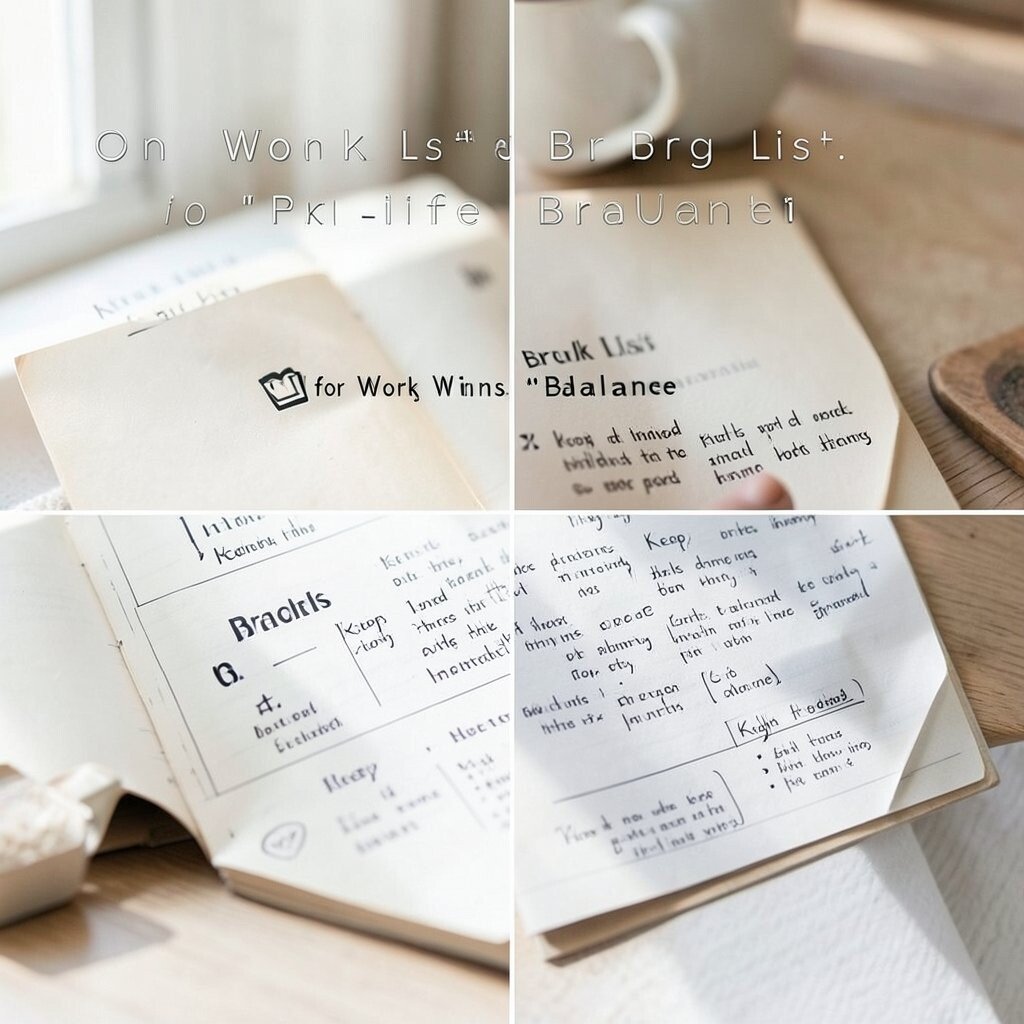
Write a short list of wins, even small ones, in a note on your phone or a notebook page. It can include finishing a tough task, helping someone, or handling a stressful moment well.
When you look at it later, you remind your brain that you are capable and moving forward. This supports work-life balance by reducing self-pressure and boosting confidence.
Try a weekly check where you choose one win to celebrate with something simple, like a quiet walk or an early shower. Personalize it by matching the tone to your style, such as playful wording or very short phrases. Cost stays low because you only need paper and time.
11. Set a Cooling-Off Routine for After Work
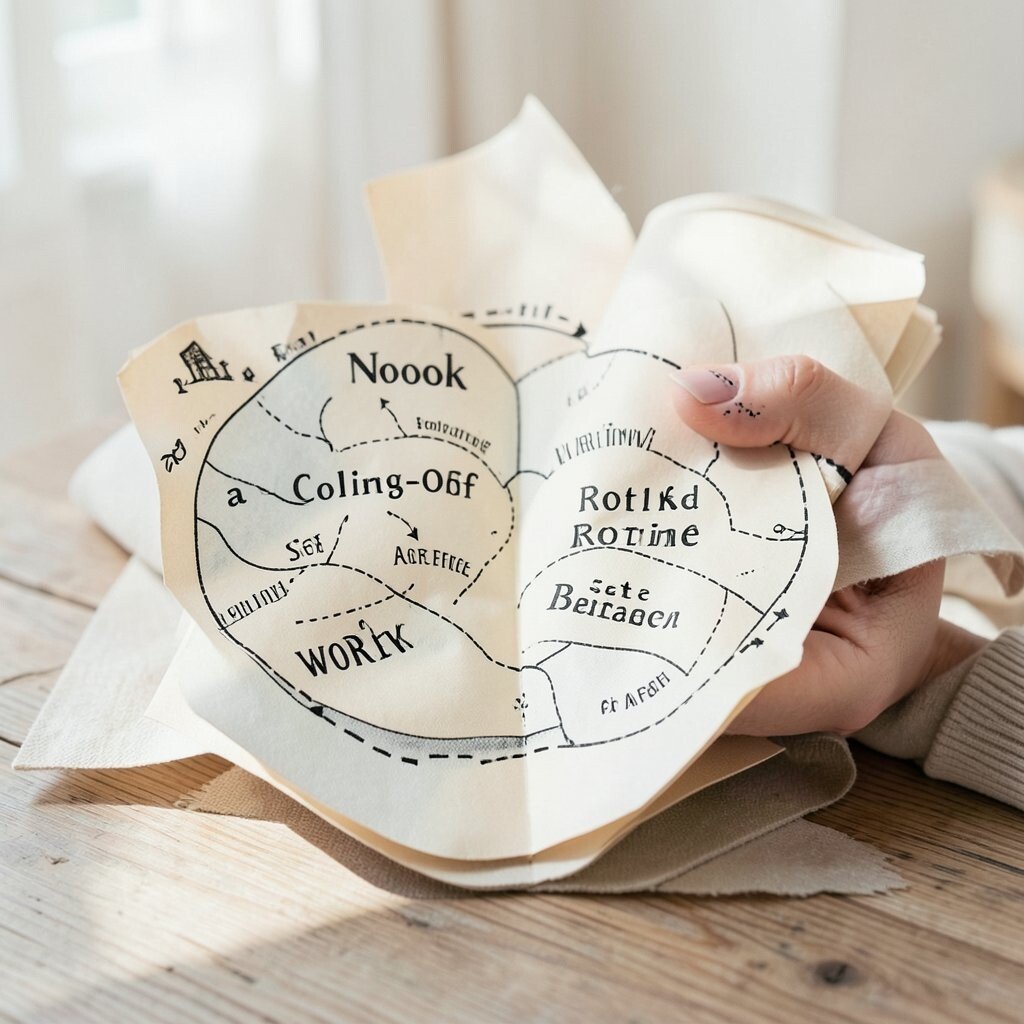
After the workday ends, add a cooling-off ritual so your mind stops sprinting. Walk around the room, change clothes, or do a quick tidy of your desk space.
This creates a clear separation between “work brain” and “home brain.” When your eyes land on a calm, organized area, it becomes easier to relax.
To make it practical, set a five-step routine you can repeat, like wash your face, drink water, open a window, stretch, and start a low-energy activity. Personalize based on your energy, such as journaling for a thinker or music for someone who needs movement. This idea fits current habits where many people use “transition rituals” to protect evenings.
The visual of a freshly reset space can feel like a breath of air. Your uniqueness shines because you build a routine that matches your body and your home. Over time, you may notice fewer late-night spirals and calmer conversations.
12. Create a Small “Future Self” Wish Drawer
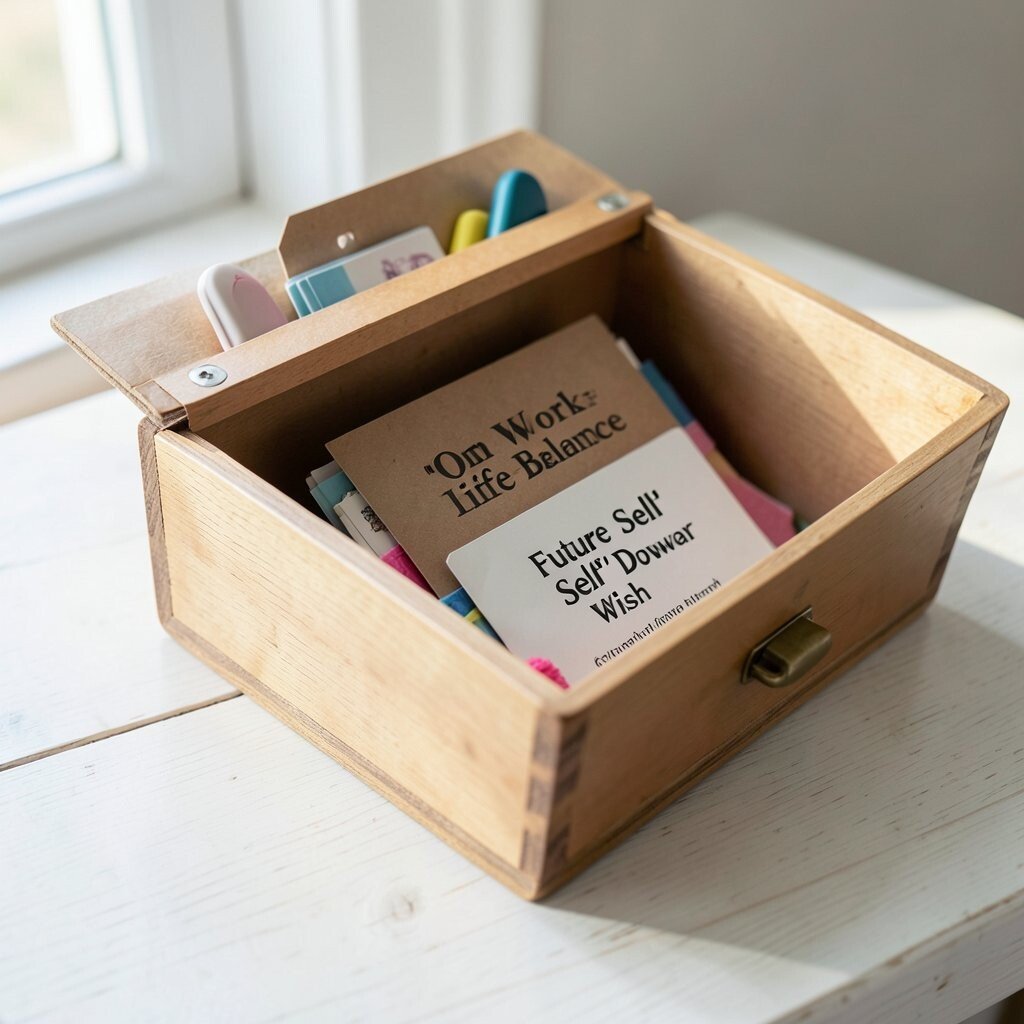
Make a drawer or box where you store ideas for what you want next, big or small. Add ticket stubs, printed photos, and little notes about trips, hobbies, or cozy upgrades you enjoy.
This gives your mind hope without needing to act on everything right away. When you glance at it during stressful days, you shift from pressure to possibility.
Keep it budget-friendly by choosing items you already have or can print free. You can personalize it with colors that match your personality or with tiny drawings that make you smile. The uniqueness comes from turning your hopes into a physical place you can touch.
For practical balance, set one “wish day” each month where you pick one small step toward a goal. It might be checking a local event, planning a free outing, or learning a new recipe. This supports modern slow-living trends where people value intention over spending.
As the drawer fills, your home feels more like your life, not just a waiting room. You earn that comfort by building a simple space that holds your future dreams close.