Calendars can do more than mark days and weeks. They can turn math into something children can see, touch, and enjoy.
1. Calendar Counting Rings
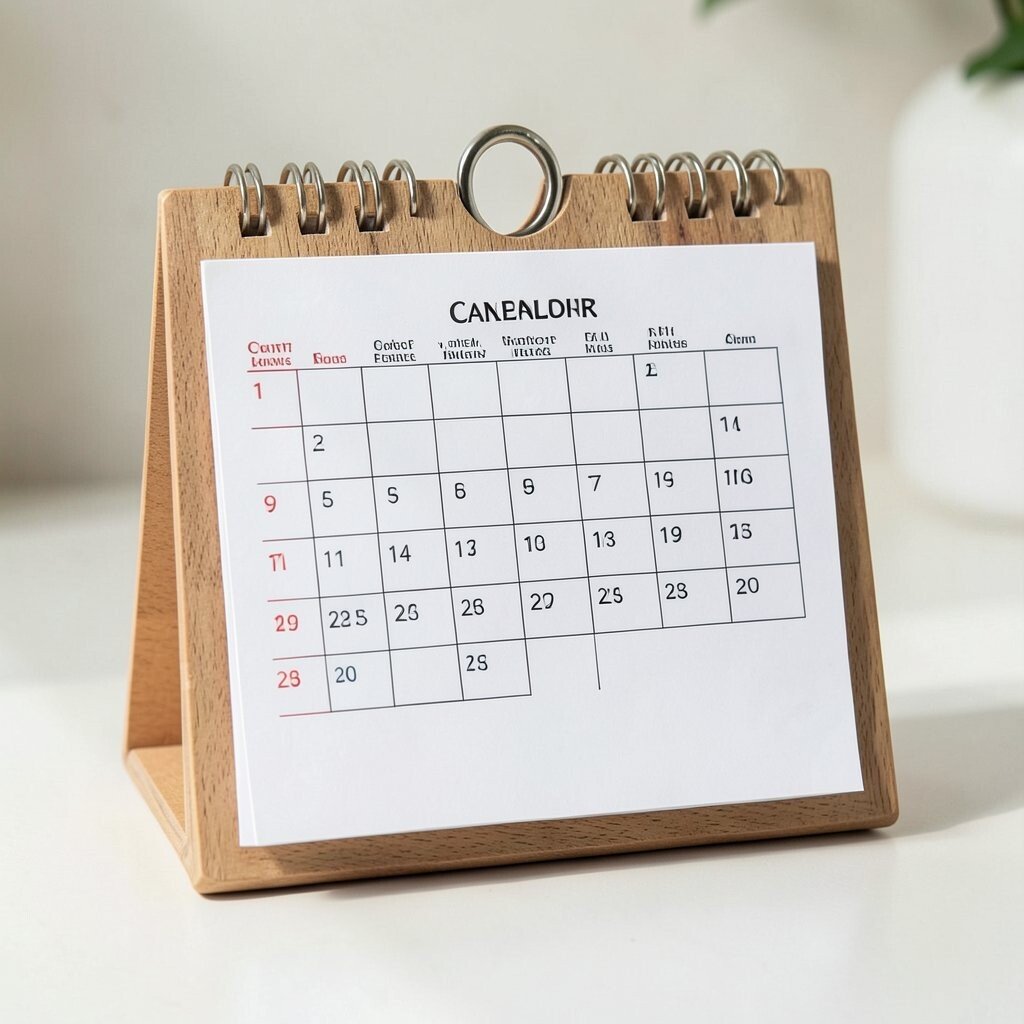
A bright calendar with paper rings around each date makes counting feel playful and clear. The rings give a strong visual path, so children can see how one day links to the next.
This idea helps with early number sense, and it works well in a classroom or at home. You can make it with plain paper and a basic wall calendar, which keeps the cost low, and kids can color the rings in their favorite shades to make it feel personal.
2. Month Pattern Paths
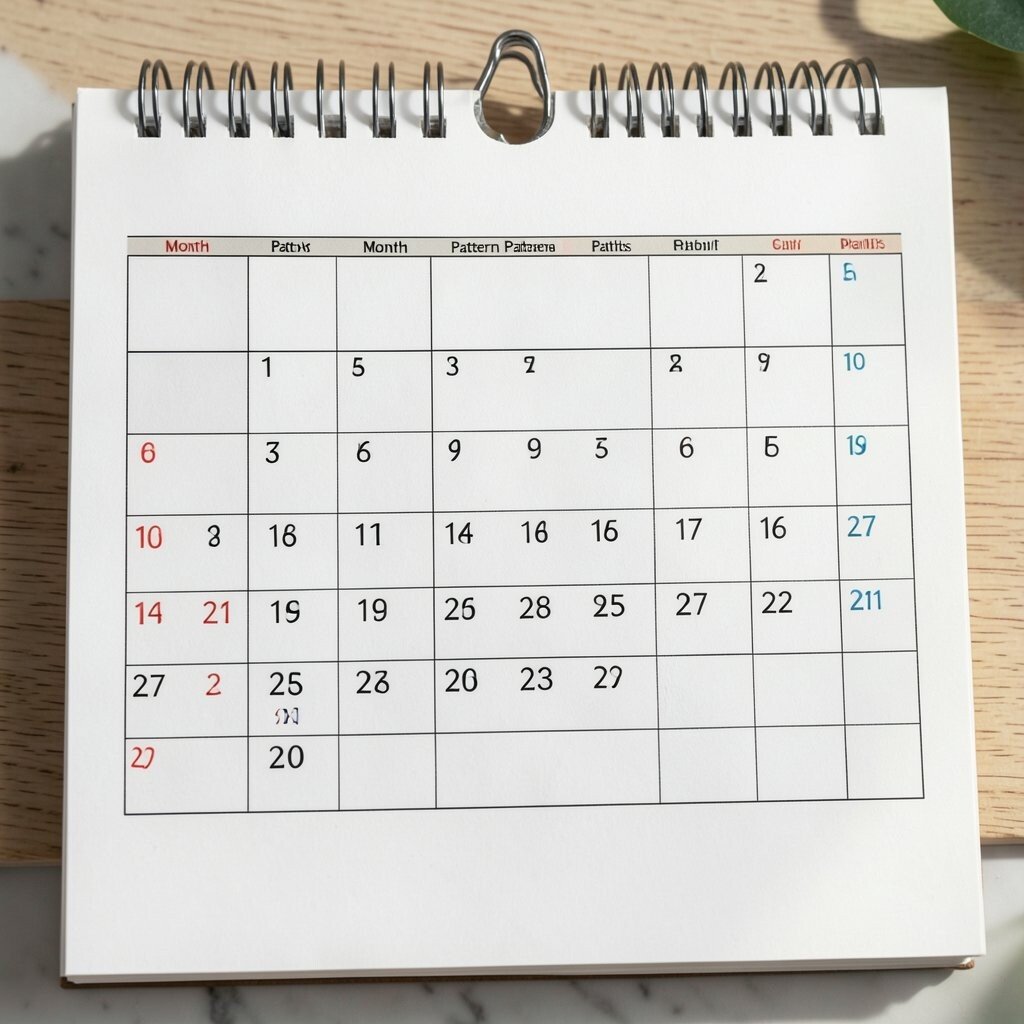
A simple path of colored boxes across the month helps children spot repeating patterns right away. When the colors move across the calendar, the page starts to look like a tiny math art piece.
This supports pattern skills and helps children predict what comes next. It is easy to change for holidays, seasons, or a child’s favorite colors, and it fits well with the current love for hands-on learning displays.
Using stickers or markers keeps the setup cheap and fast. You can also let children design their own path, which makes the calendar feel like their own creation.
3. Days-In-A-Month Bar Chart
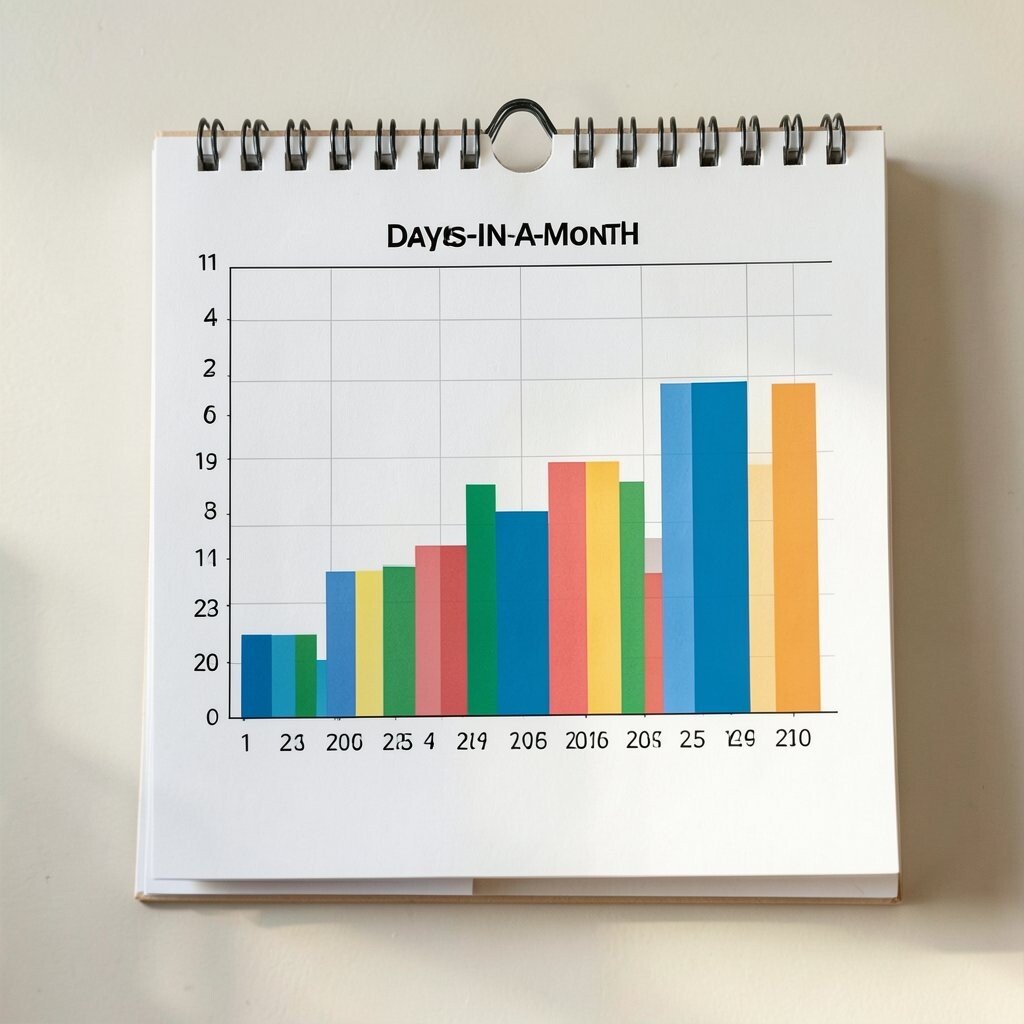
A bar chart built right beside the calendar makes the number of days feel real and easy to compare. Tall bars for long months and shorter bars for short months create a strong visual story.
This helps children compare lengths, count by fives and tens, and notice month changes. You can use graph paper, crayons, or sticky notes, so the materials stay simple and affordable.
Some families like to use bright theme colors for each season, which gives the chart a fresh look. A child can also label the bars with sports, animals, or storybook themes to make the chart more fun.
4. Weather and Calendar Graph
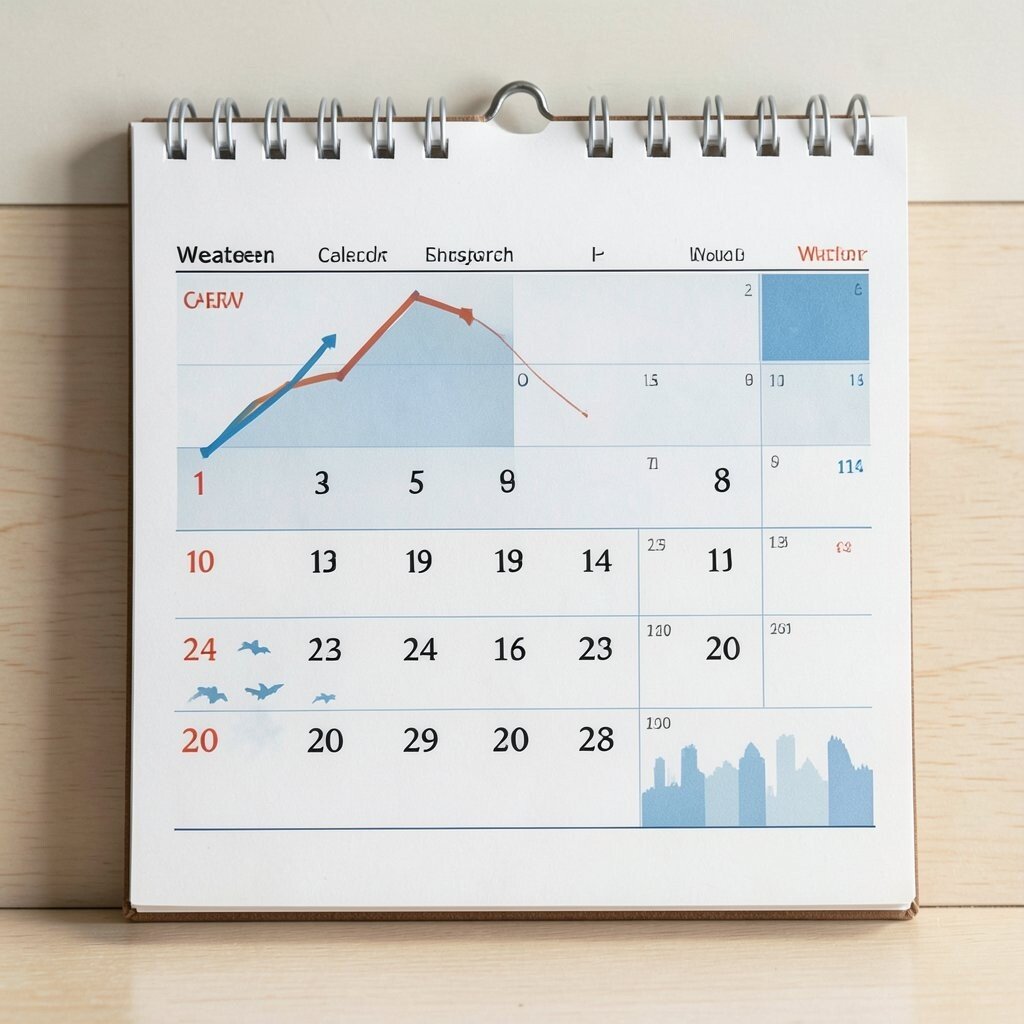
A weather graph beside the calendar turns daily check-ins into a math habit. Sunny, cloudy, rainy, and snowy symbols make the page feel lively and easy to read.
Children can count weather types, compare days, and talk about change over time. The setup is budget friendly because it can be made with paper icons, crayons, or small reusable magnets.
This idea feels extra current because many teachers now use simple data talks every morning. Let children pick the icons or colors so the graph matches their own style and interests.
5. Birthday Number Line Calendar
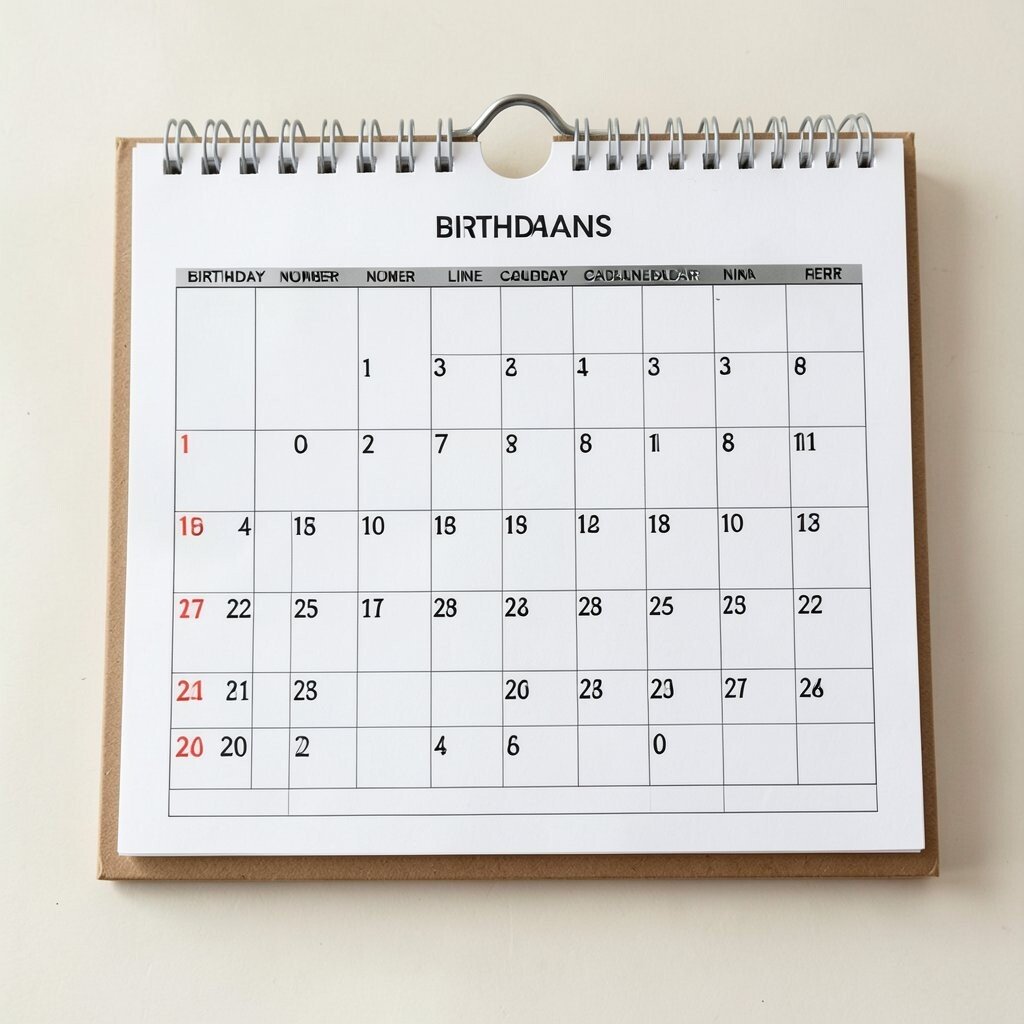
A birthday number line placed under the calendar helps children see where special dates land in the year. It creates a long visual map that makes time feel less fuzzy and more concrete.
This supports counting, ordering, and date comparison in a very natural way. You can make it with a strip of paper, and it costs very little, especially if you reuse the same base each year.
Children often enjoy adding photos, small drawings, or name cards for family and friends. That personal touch helps them connect math with real life moments they care about.
6. Ten-Frame Date Cards
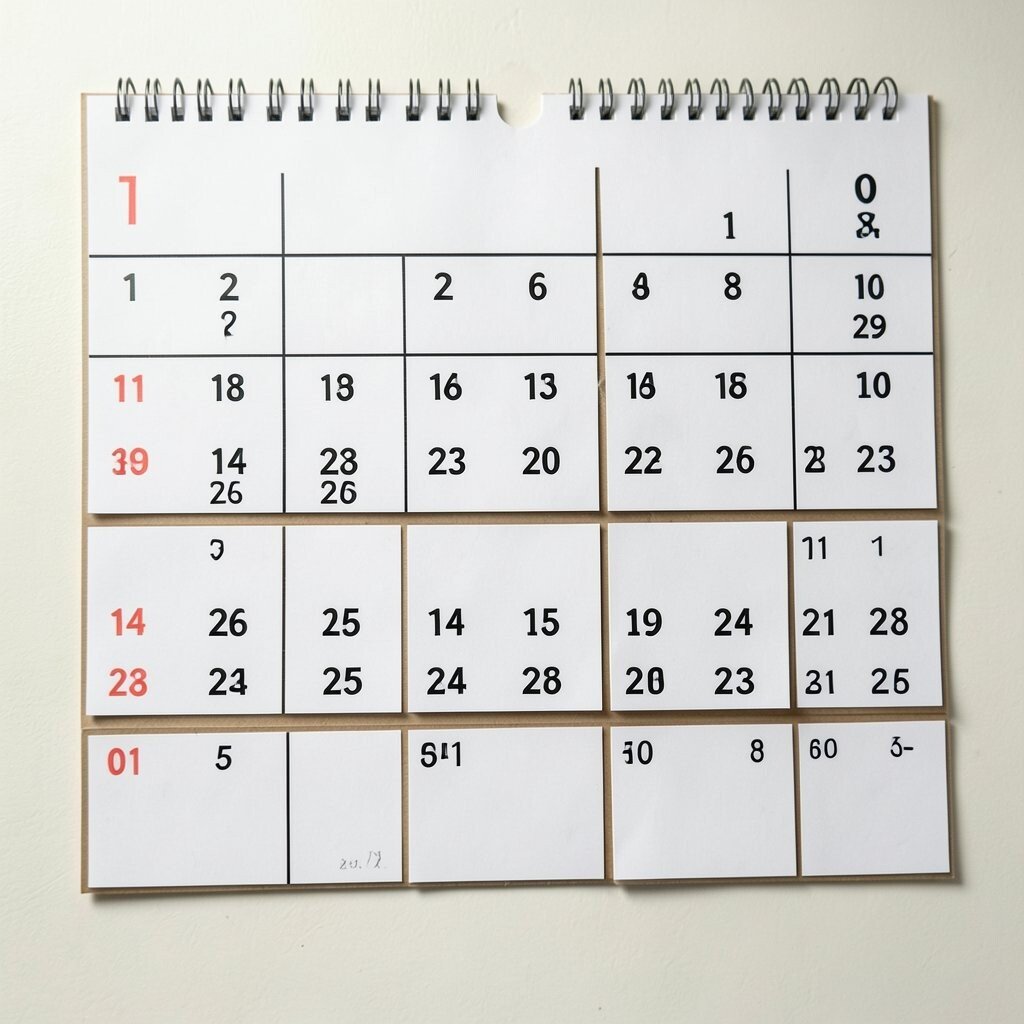
Ten-frame date cards give children a neat way to build each day’s number. The boxes make the number shape clear, and the calendar page starts to feel organized and calm.
This supports counting to ten, making groups, and seeing number value at a glance. It works well with simple cut paper, so the cost stays low and the activity is easy to repeat.
Many teachers now like clean, uncluttered visuals, and this idea fits that look very well. You can use different colors for weekends, school days, or favorite events to make the cards more personal.
7. Skip-Count Calendar Steps
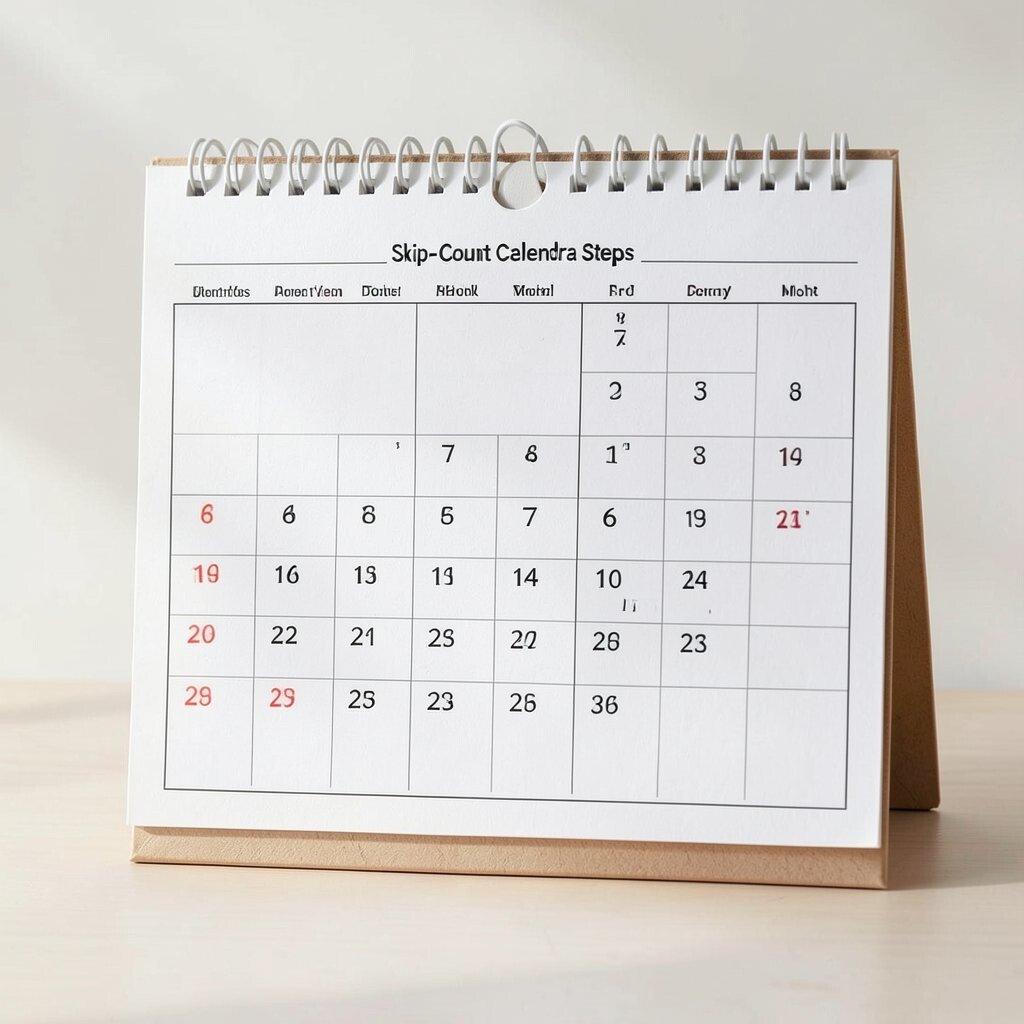
A staircase style calendar display can show counting by twos, fives, or tens in a strong visual way. The steps help children see the jump pattern instead of only hearing the numbers.
This is useful for multiplication readiness and for building confidence with repeated counting. It can be made with cut paper strips, so it stays low cost and easy to adjust for different ages.
Children can decorate each step with tiny icons like stars, leaves, or sports balls. That small choice adds uniqueness and makes the math feel less like a worksheet and more like a game.
8. Shape-Sort Calendar Borders
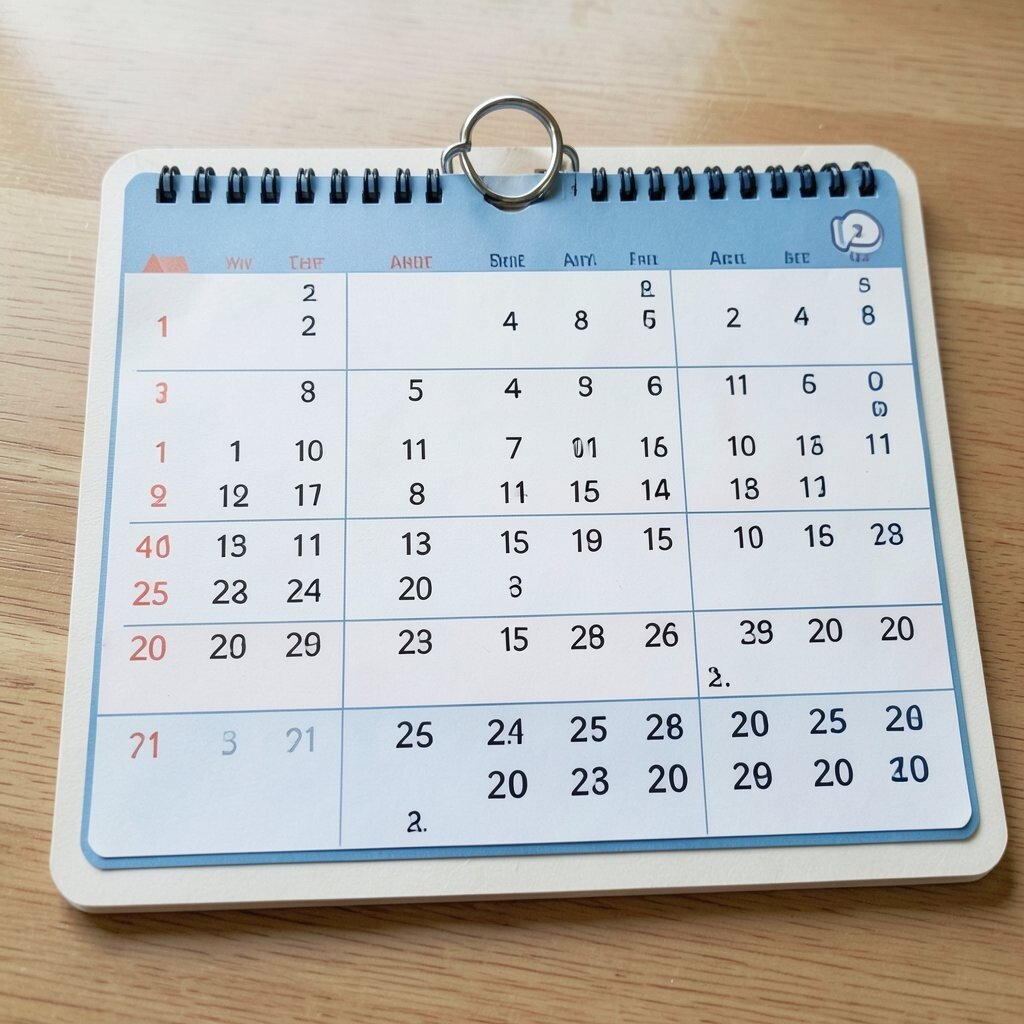
A calendar border made of circles, squares, triangles, and rectangles gives children a lot to look at. The repeating shapes turn the page into a lively visual frame.
This helps shape recognition and sorting skills while also making the calendar more beautiful. You can use stickers, cut paper, or even recycled magazine pieces, which keeps the cost small.
It is easy to match the shapes to a theme such as space, flowers, or animals. That kind of personal choice makes the display feel special and keeps children interested day after day.
9. Weekly Schedule Color Bands
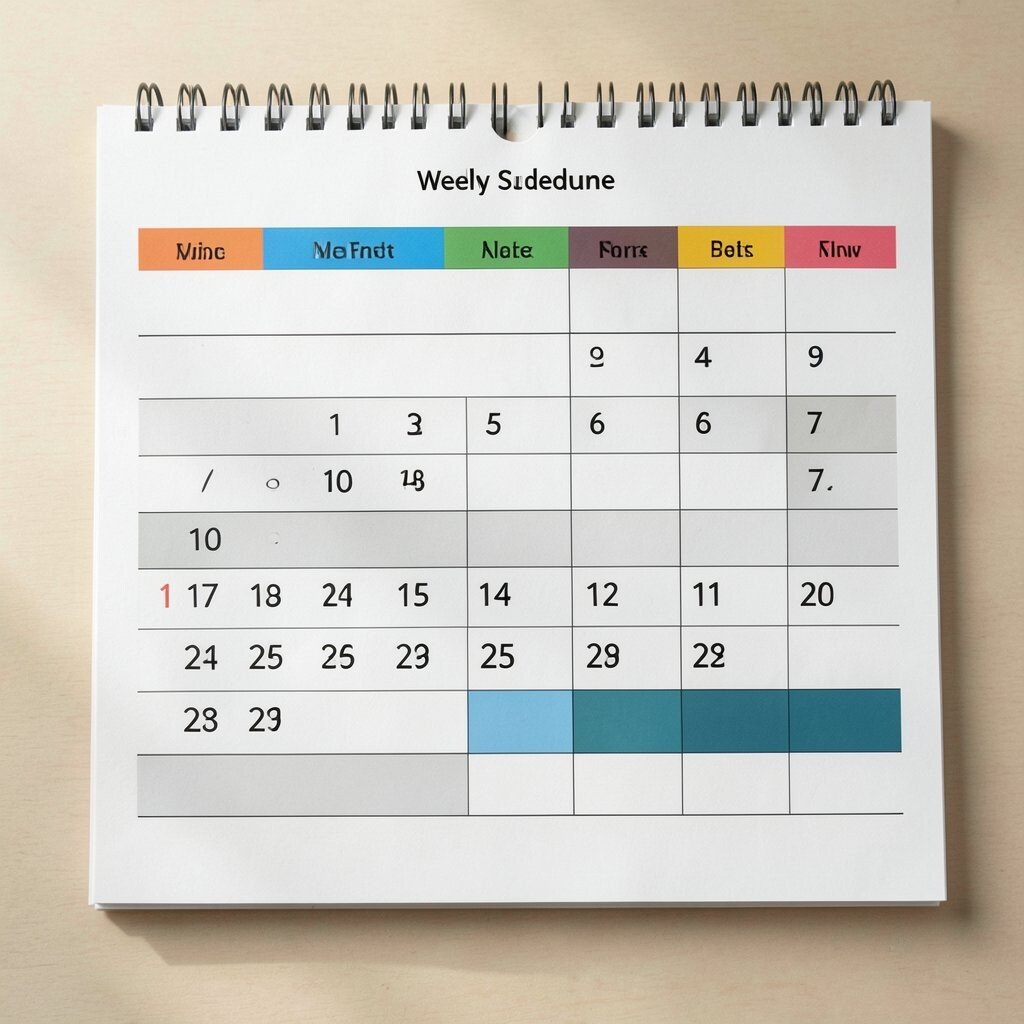
Color bands across the top of a calendar can show each day’s routine in a simple way. The page becomes easier to read because each block of time has its own color.
This supports planning, sequencing, and time talk in a child-friendly format. It is a good fit for busy homes and classrooms, and it can be made with colored tape or markers for very little money.
Families often like this style because it looks neat and modern. Children can choose colors for clubs, chores, or after-school fun, which gives them a sense of ownership.
10. Pocket Calendar Place Value Cards
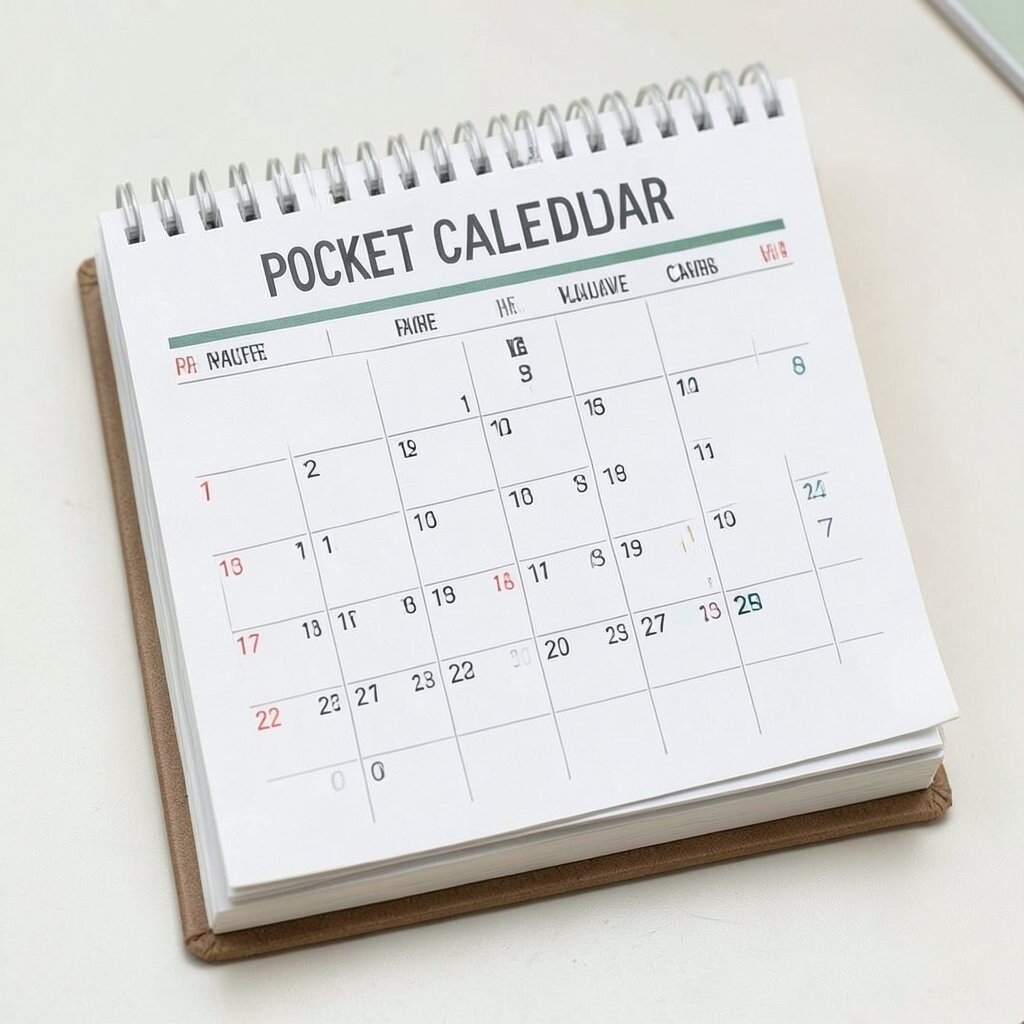
Small pocket cards on a calendar board can show ones, tens, and hundreds in a clear visual stack. Each new card adds to the picture, so number growth feels easy to understand.
This idea helps with place value, counting, and number building in a hands-on way. It can be made from envelopes or folded paper, so the setup is very affordable.
Children may enjoy using themed cards with animals, stars, or sports symbols. That makes the board feel unique and gives them a reason to keep checking the numbers.
11. Season Change Timeline
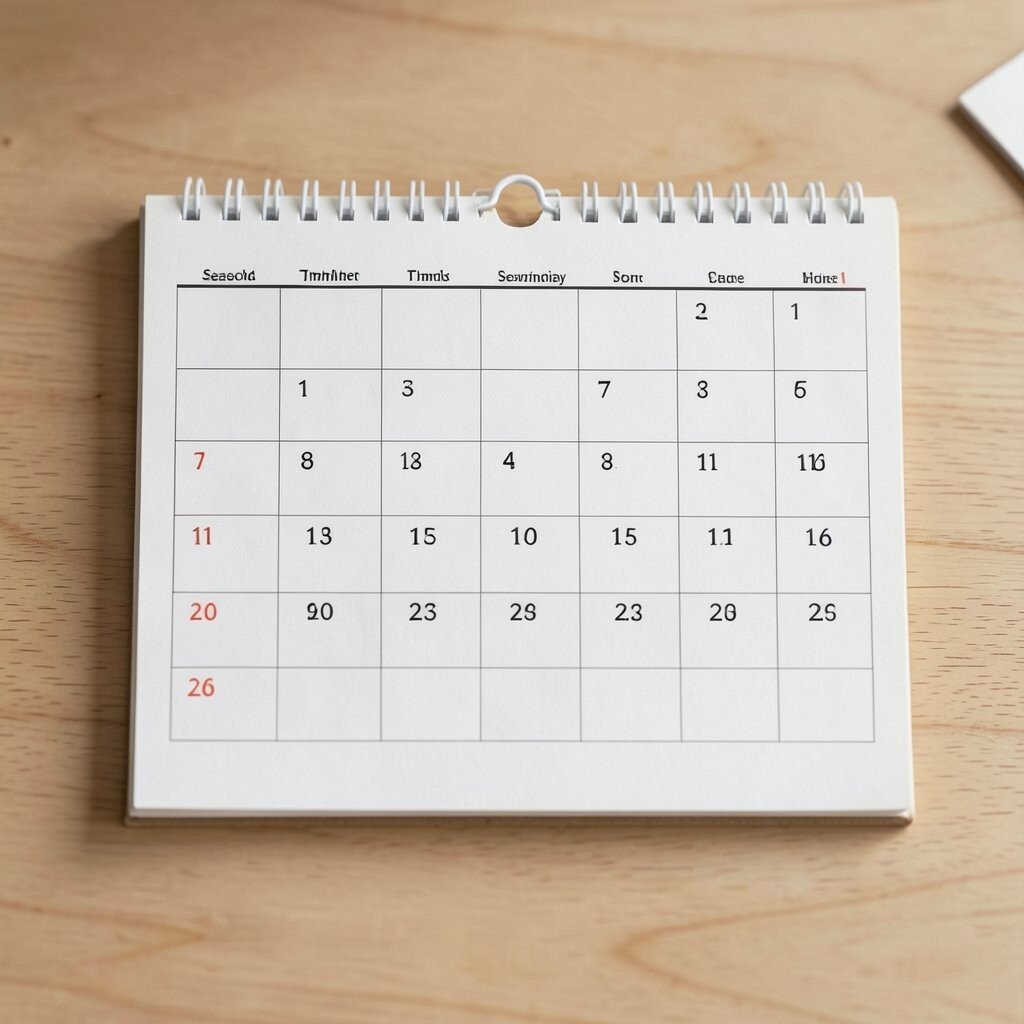
A season timeline running beside the calendar gives children a steady picture of how the year moves. Simple symbols like snowflakes, flowers, suns, and leaves make the changes easy to see.
This helps with ordering, time concepts, and comparing long spans of time. A paper strip and a few crayons are often enough, so the cost stays low and the idea is simple to start.
Current classroom trends often include nature-based learning, and this fits right in. Children can add weather notes, holiday icons, or family events to make the timeline feel personal and alive.
12. Calendar Tally Marks Board
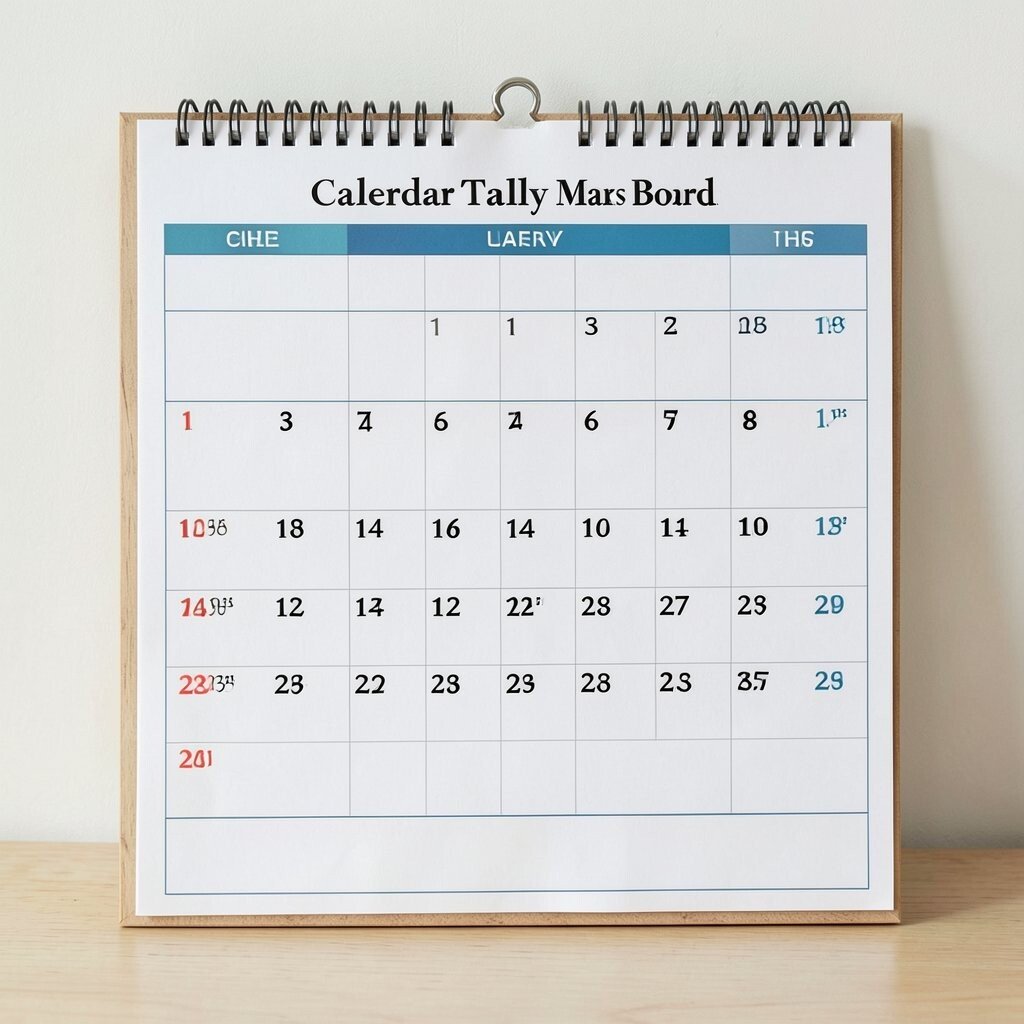
Tally marks on a calendar board give children a clean way to record daily events. The marks are quick to add, and the rows create a strong visual pattern.
This supports counting groups, making sets, and seeing totals grow over time. It is easy to do with a pencil and paper, which keeps the cost low and the routine simple.
You can tally reading time, outdoor play, or even how many days until a trip. Letting children choose the event to track adds interest and makes the display feel more meaningful.
13. Dot Sticker Number Build
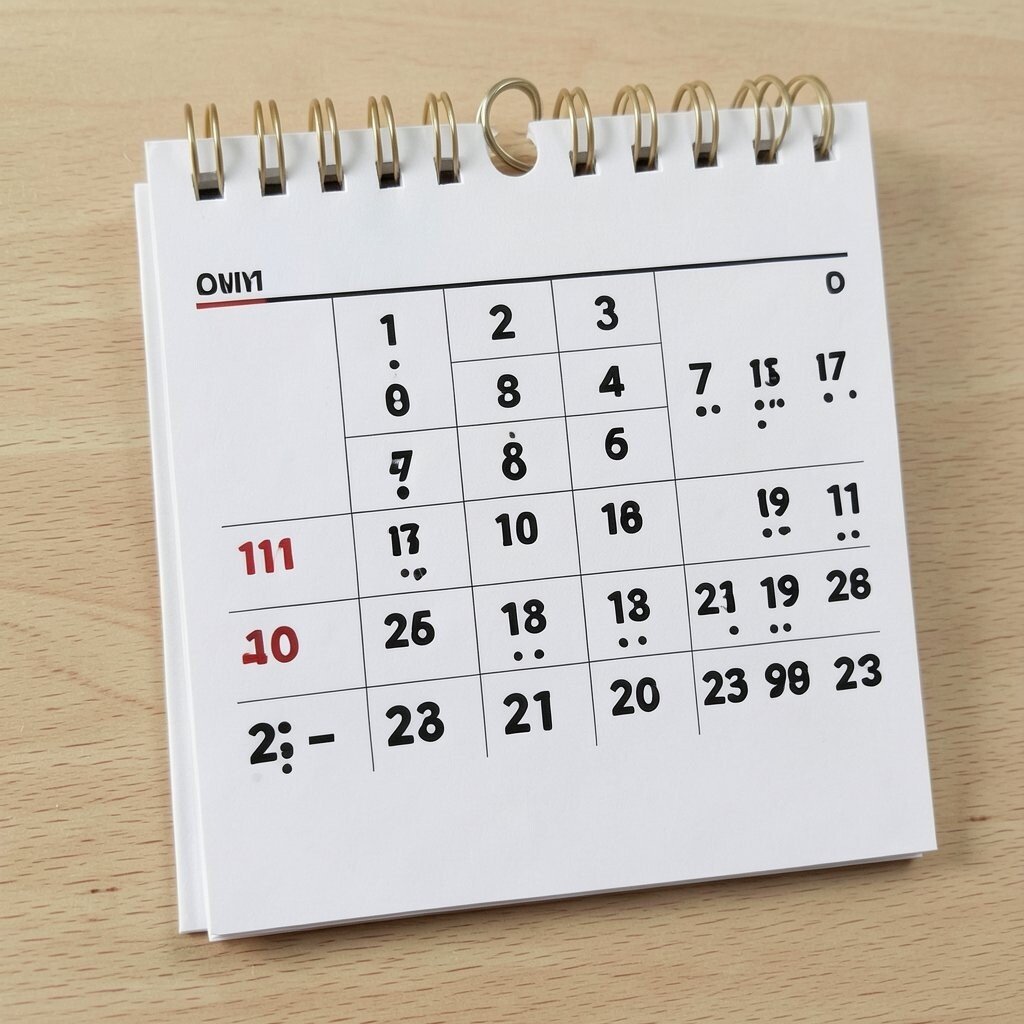
Dot stickers placed on calendar dates can help children build numbers in a bright and tidy way. The dots make each number look fuller and easier to notice.
This supports fine motor skills, counting, and number recognition in a very playful style. Dot stickers are inexpensive and easy to find, so this idea works well for homes, classrooms, and clubs.
Many kids enjoy picking sticker colors that match a holiday or season. That small bit of personalization helps the calendar feel fresh without adding much work.
14. Calendar Fraction Slices
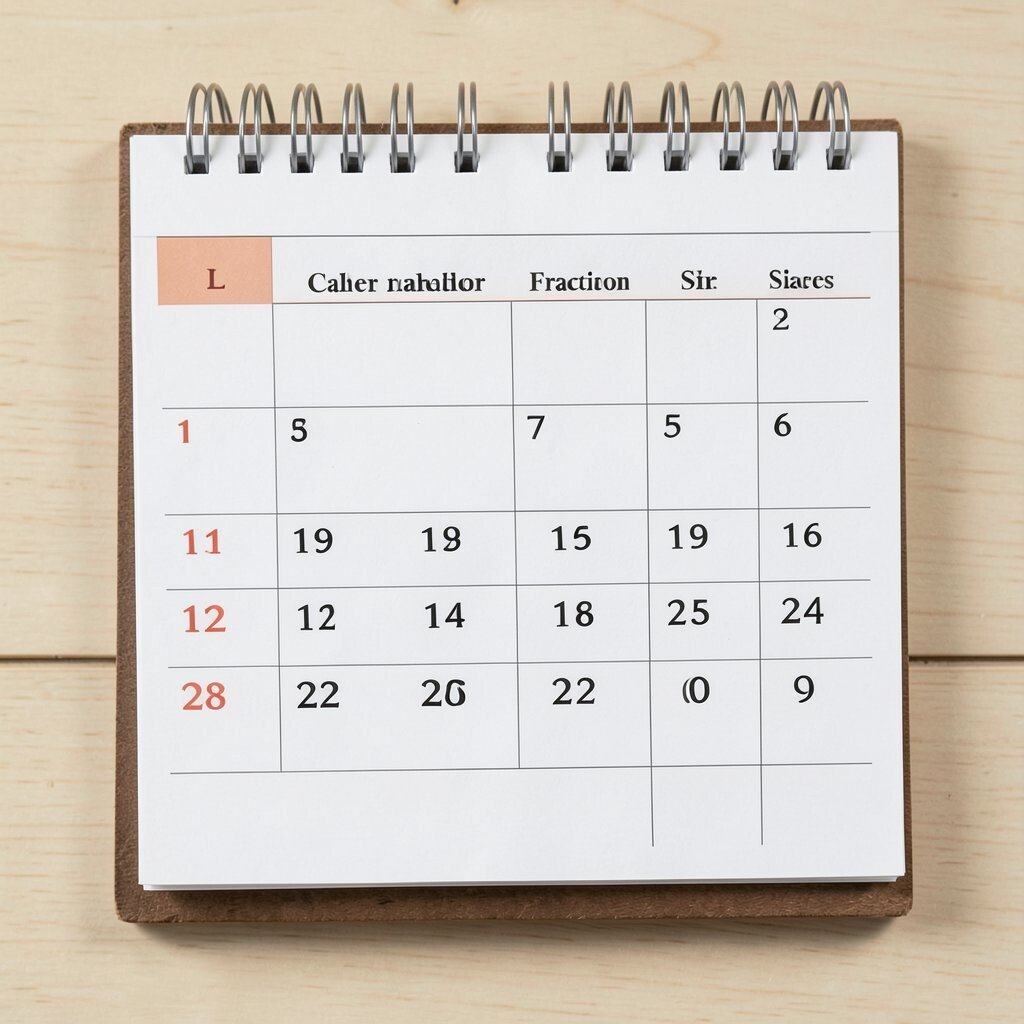
A circle calendar that is split into slices can help children see parts of a month in a new way. The pie-like design gives a strong picture of whole and part.
This supports early fraction thinking and makes math feel connected to shapes they already know. It can be made with cardboard and markers, so it is a low-cost choice that still looks polished.
The design can be changed with food themes, sports themes, or rainbow colors for a more fun look. Children often enjoy choosing the slice colors, which gives the calendar a personal touch.
15. Countdown Chain Calendar
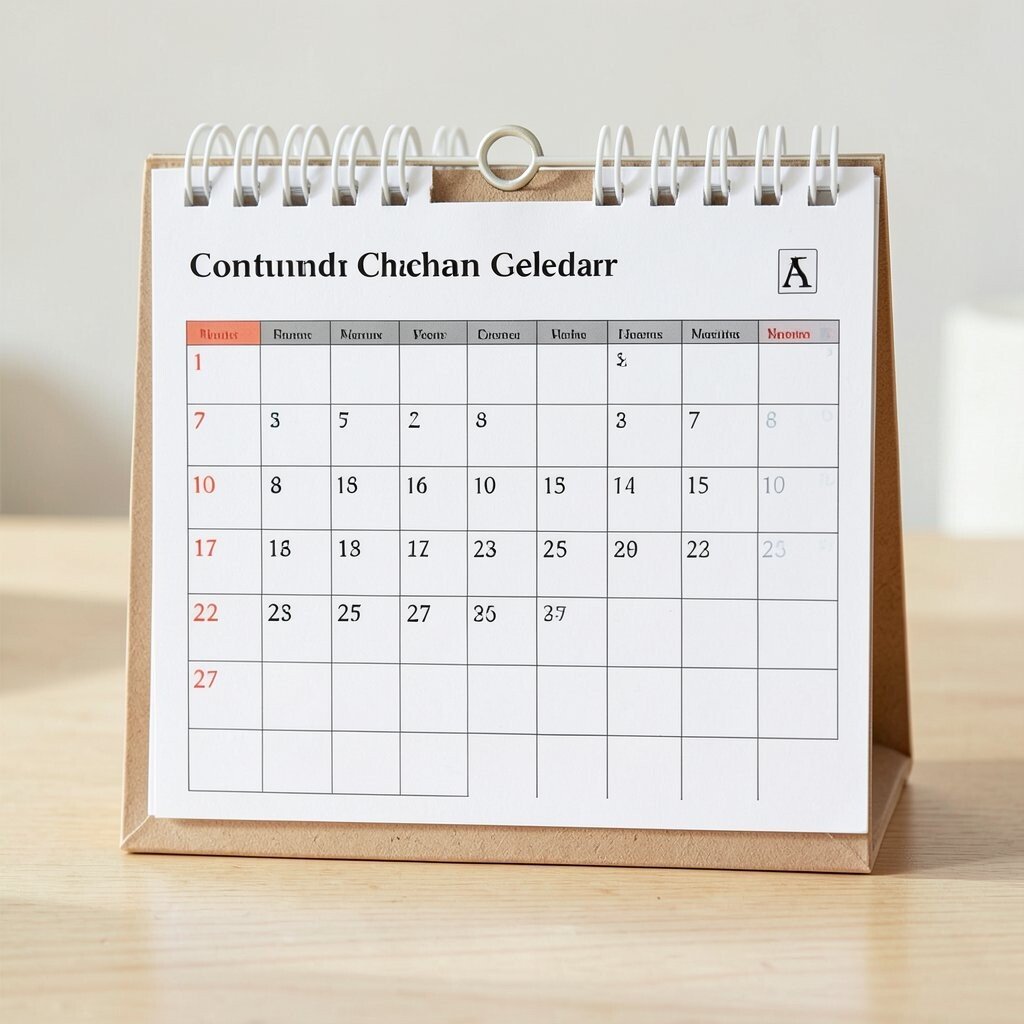
A paper chain hanging from the calendar turns waiting into something children can see shrink each day. The chain makes time feel real because every removed loop shows progress.
This supports counting backward, planning ahead, and understanding how long events are away. Paper strips are cheap and easy to replace, so the idea works even when you need a fresh chain for a new event.
It is especially popular for birthdays, school breaks, and family trips. Children can write words or draw tiny pictures on each loop to make the chain more unique.
16. Number Hunt Calendar Grid
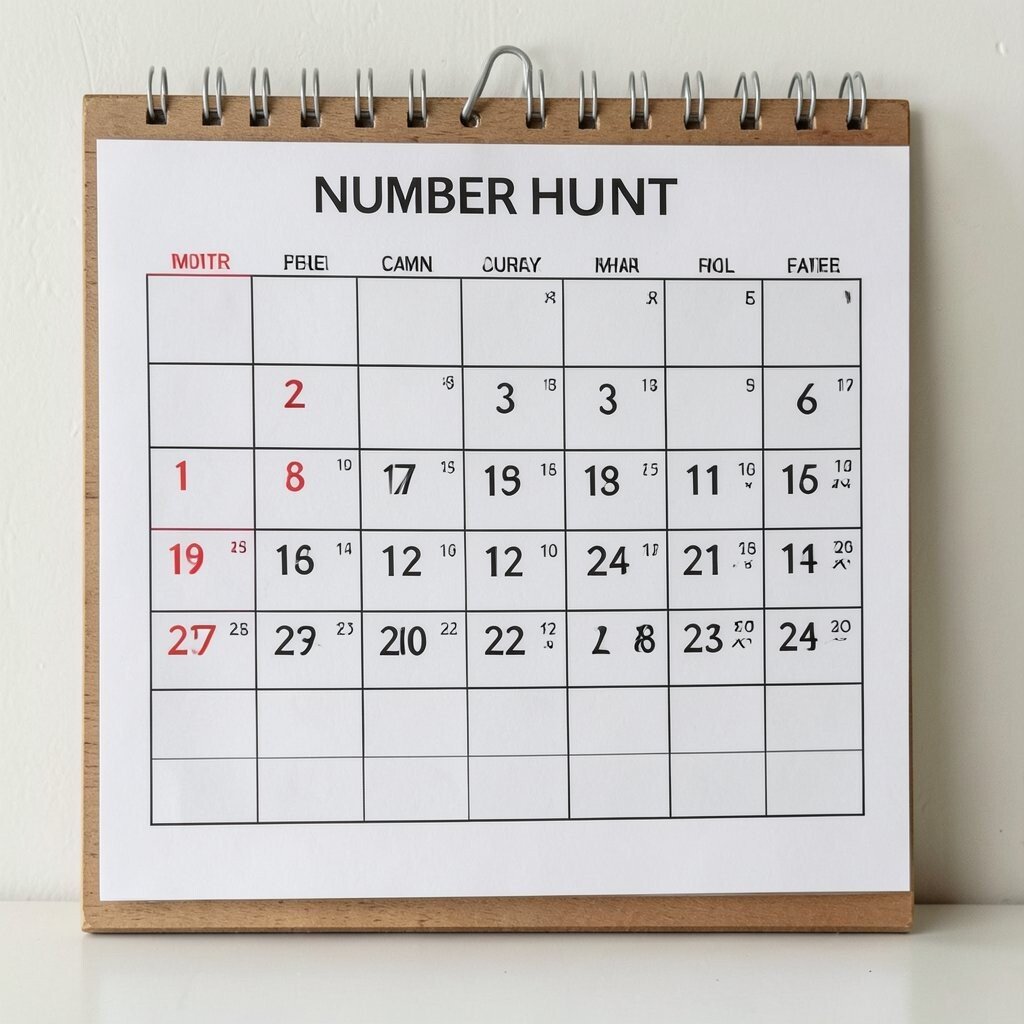
A number hunt calendar grid invites children to search for special dates, patterns, or number families. The hunt adds energy, and the grid gives the page a neat visual structure.
This helps with number recognition, scanning, and comparing values. You can make it with printed paper or draw it by hand, which keeps the price low and the setup simple.
Current learning spaces often use game-like tasks, and this fits that trend well. Children can hunt for even numbers, birthdays, or favorite class days, which makes the activity feel personal and fun.
17. Calendar Graph Stories
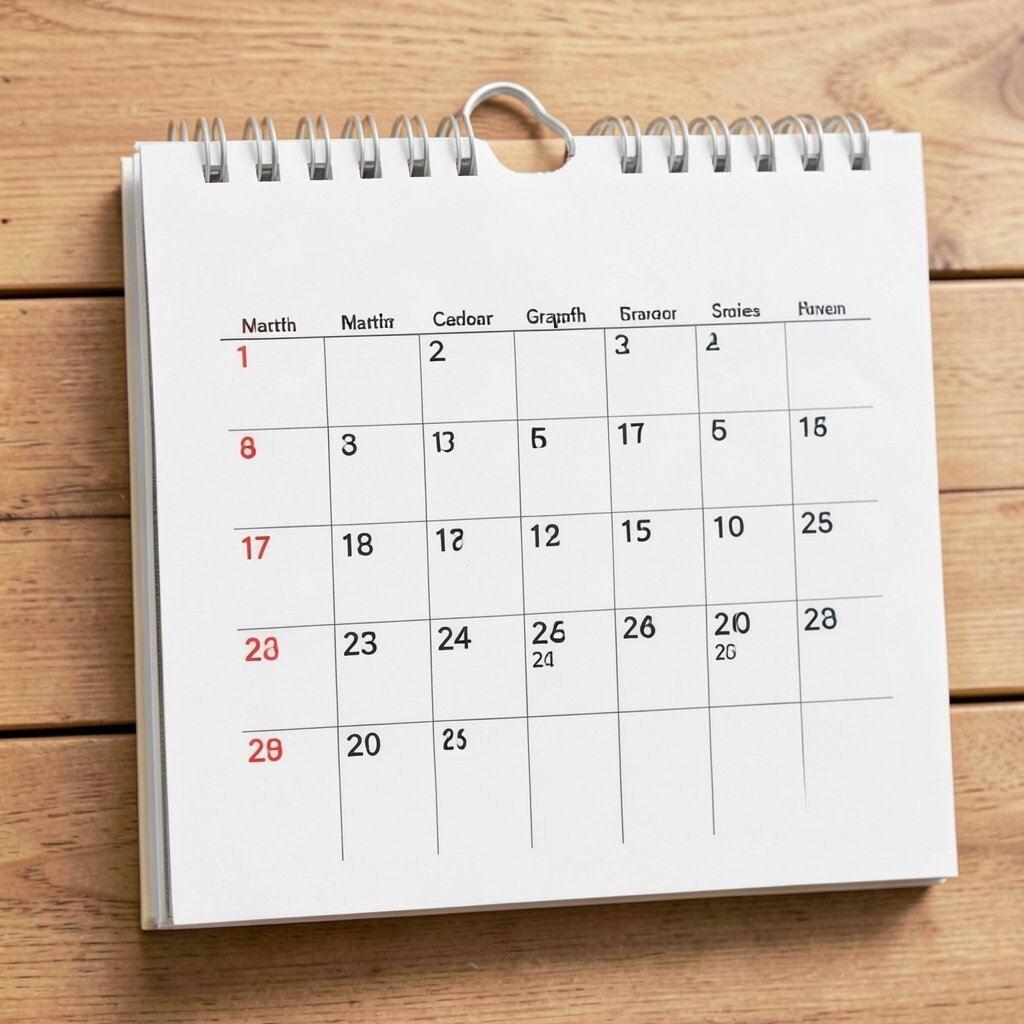
A calendar graph story uses pictures or icons to tell a math story over time. The visual pieces line up across the month and help children notice change in a clear way.
This builds early data skills and supports talking, sorting, and comparing. It can be done with cutouts, drawings, or printable icons, so the cost stays low and flexible.
You can make the story about pets, rain, books, or lunch choices to match a child’s interests. That kind of personalization keeps the calendar fresh and makes math feel close to daily life.
18. Month Puzzle Calendar
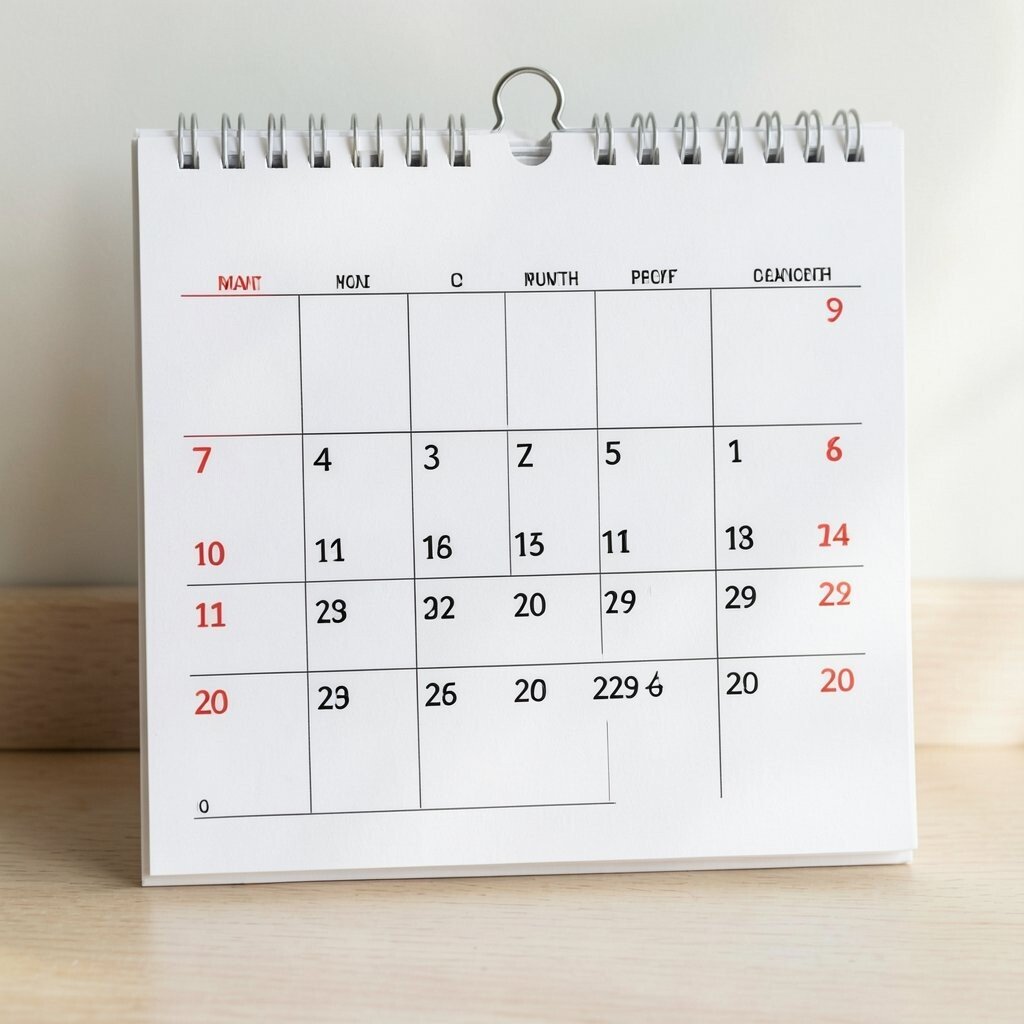
A puzzle style calendar breaks the month into movable parts that children can arrange and re-arrange. The pieces create a strong visual puzzle, which makes the calendar feel hands-on and fun.
This supports sequencing, memory, and fine motor practice. It can be made from cardboard or cardstock, so it is an affordable option that still looks special.
Children can decorate the puzzle pieces with their own drawings or favorite colors. The result is unique and easy to update when a new month begins or a new school theme starts.
19. Calendar Reflection Wall
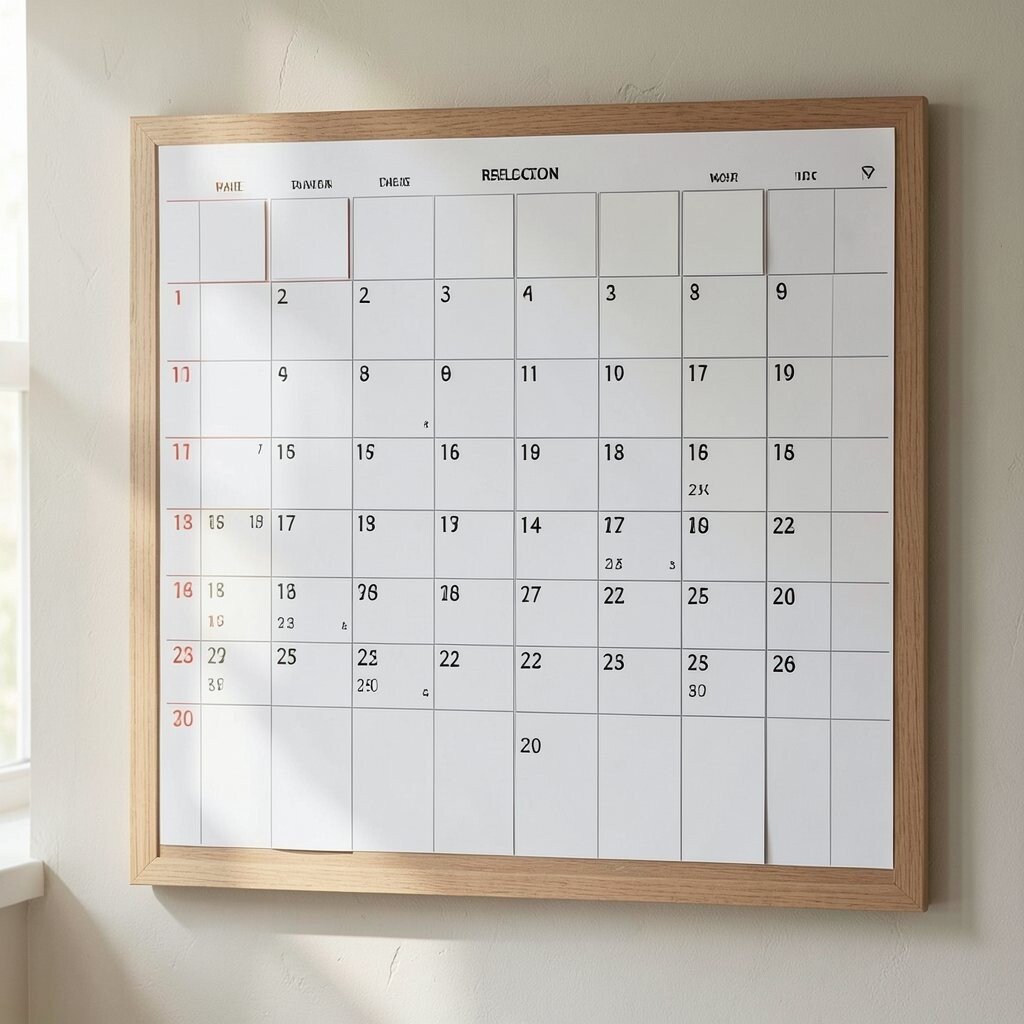
A reflection wall beside the calendar gives children space to show what they noticed in the month. Pictures, small notes, and simple number facts turn the wall into a bright memory board.
This helps children review math ideas, build language, and remember patterns they saw along the way. It costs very little to make because paper, tape, and a few markers are often enough.
Many families and teachers like this kind of display because it feels warm and current without being hard to maintain. Children can add their own photos, drawings, and favorite dates, which makes the wall feel deeply personal and unique.