
Carpet runners can make a home feel finished without needing a big renovation. They guide the eye, soften footsteps, and add comfort in the places you use most.
From hallways to entryways, the right runner brings warmth, style, and a little personality to every step.
1. Classic Woven Stripe Hallway Runner
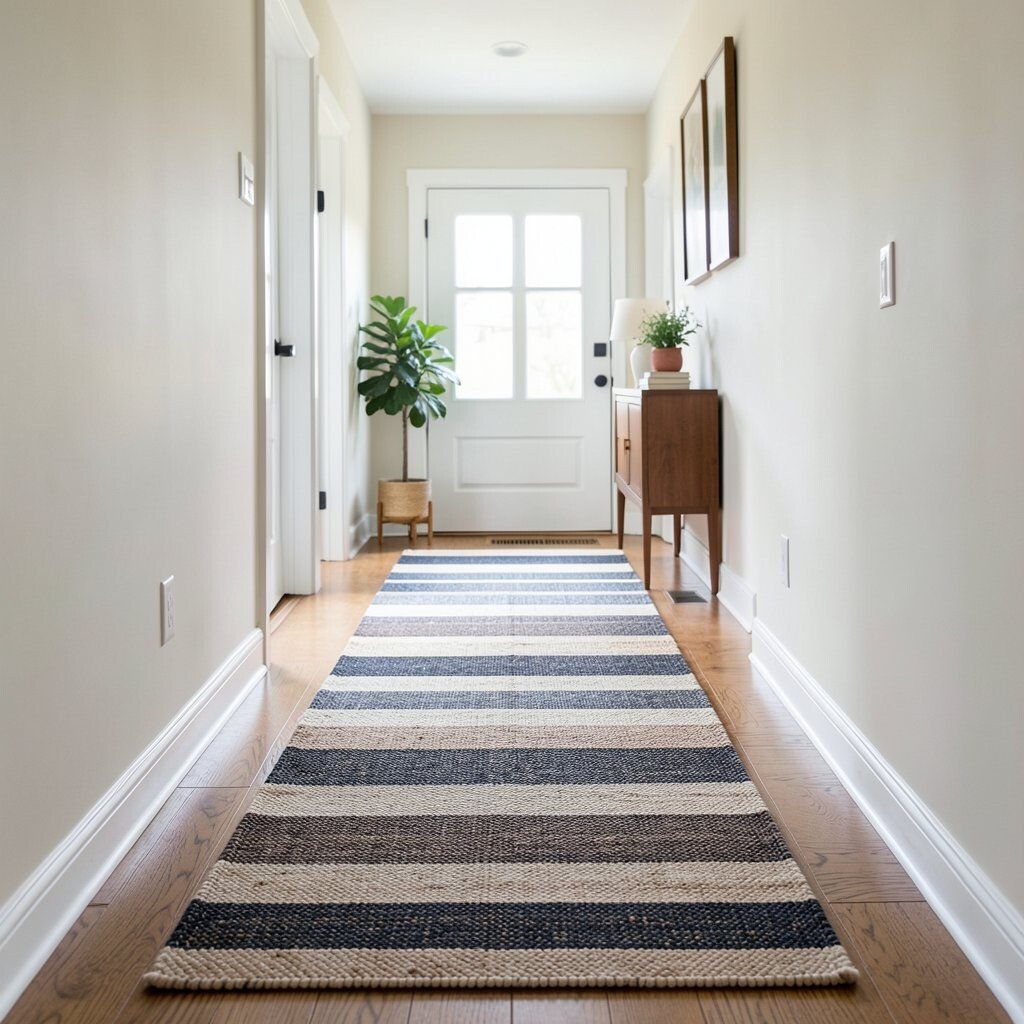
A woven stripe runner adds an orderly, timeless look to a hallway. I love how the pattern quietly frames the space and makes it feel longer.
Choose stripes that match your room tones, like warm beige with cocoa lines or cool gray with crisp white. The texture helps hide small scuffs, and it feels cozy underfoot. For personalization, rotate the stripe colors using the shades from your curtains, sofa, or rug corner accents.
2. Bold Geometric Runner For High-Traffic Areas
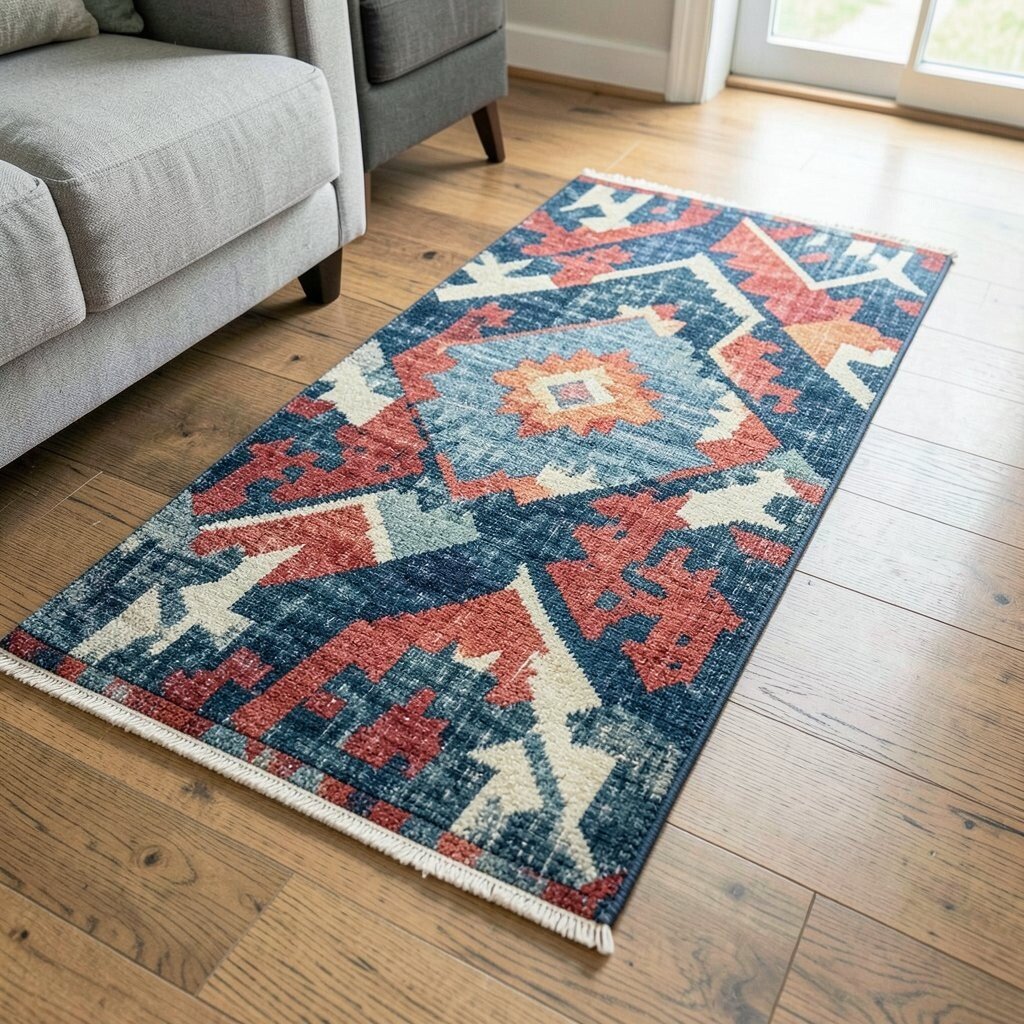
If you want energy in your home, go for a geometric runner. Big shapes look great along stair landings and in front of rooms where people gather.
Pick a design with strong contrast so it stays visually clear even when furniture shifts. The practical win is that the pattern hides dirt and wear better than solid styles. To keep the look balanced, choose colors already present in throw pillows or artwork frames.
When you measure, include a little extra length so you can trim or tuck at the ends. If you rent or move often, consider a non-slip rug pad to reduce sliding without major fuss. Budget-wise, geometric synthetic blends often cost less than handcrafted wool while still looking sharp.
3. Soft Neutral Runner With Subtle Texture
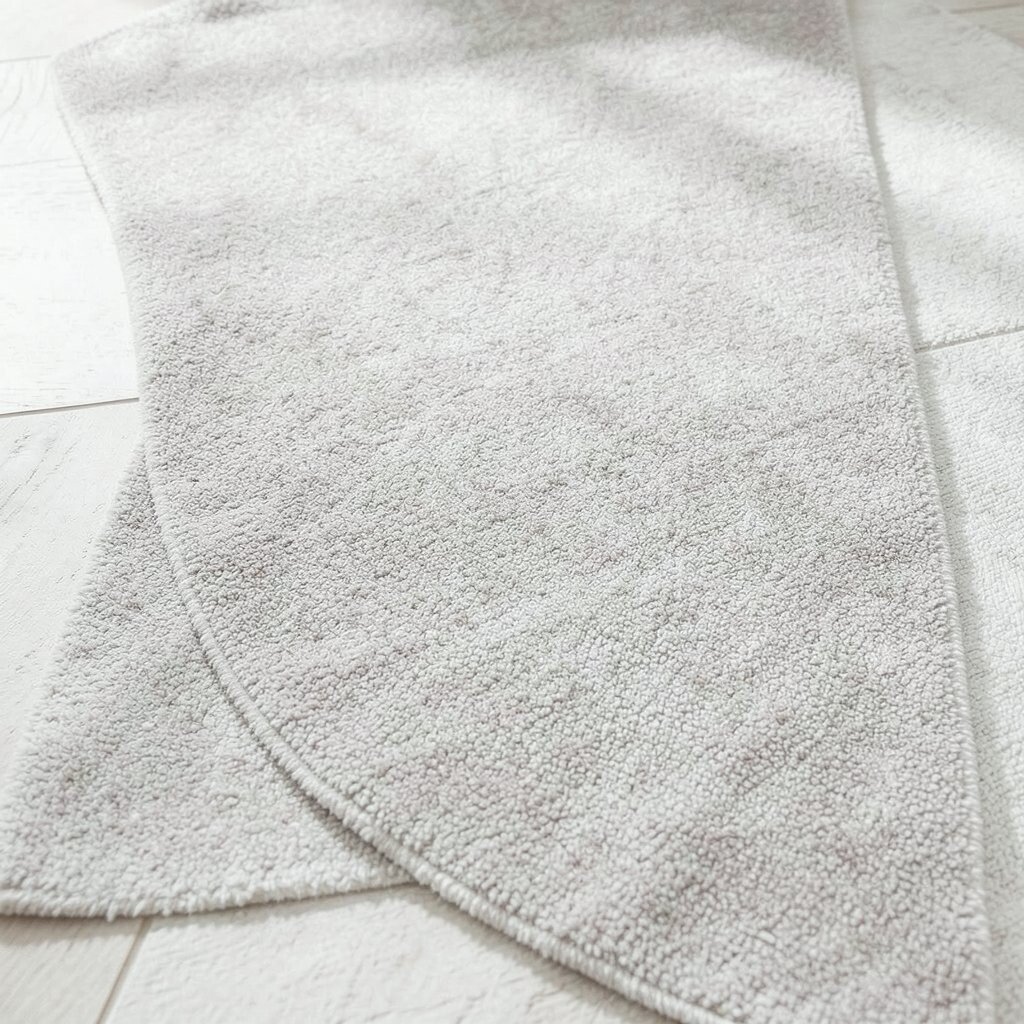
A neutral runner with subtle texture feels calm and welcoming. It looks like it belongs anywhere, from a modern condo to a cozy farmhouse.
Look for options with looped fibers, low-pile depth changes, or a gentle raised weave. This kind of surface adds visual interest without shouting, and it cushions footsteps better than a very flat weave. Pair it with warm wood, natural baskets, and simple lamps for an easy, lived-in look.
For practical styling, keep the runner width consistent down the hall to avoid visual “waves.” You can also swap bedding or curtain colors over time while the runner stays steady. If you’re cost-conscious, neutral runners tend to be easier to match and may let you spend more on better rug padding.
4. Vintage-Inspired Persian Runner Look

There’s something special about a vintage-inspired Persian runner. The ornate feel brings warmth and personality, even in a plain hallway.
Choose a color palette that fits your home, such as muted rust, olive, and dusty navy. The classic motif helps a space feel layered and styled rather than empty. For uniqueness, look for runners with slightly imperfect pattern aging so it feels authentic instead of too perfect.
5. Coastal Rope Pattern Runner For Casual Charm

A rope-inspired runner gives coastal charm without needing beach clutter. You’ll notice the way the rope-like lines create movement, like a gentle breeze across the floor.
Go for light sand tones or soft navy so it feels fresh and bright. This style also works well for mudroom entries because it naturally breaks up visible marks. If you like personalization, add a matching woven basket, and keep a small tray near the door for keys.
For practical tips, ensure the runner ends are secured so shoes don’t catch on loose edges. A low-shed fiber is ideal for households with pets or busy foot traffic. Costs can vary, but polyester rope-look designs usually offer a budget-friendly way to get the look.
6. Color-Blocking Runner With Friendly Contrast
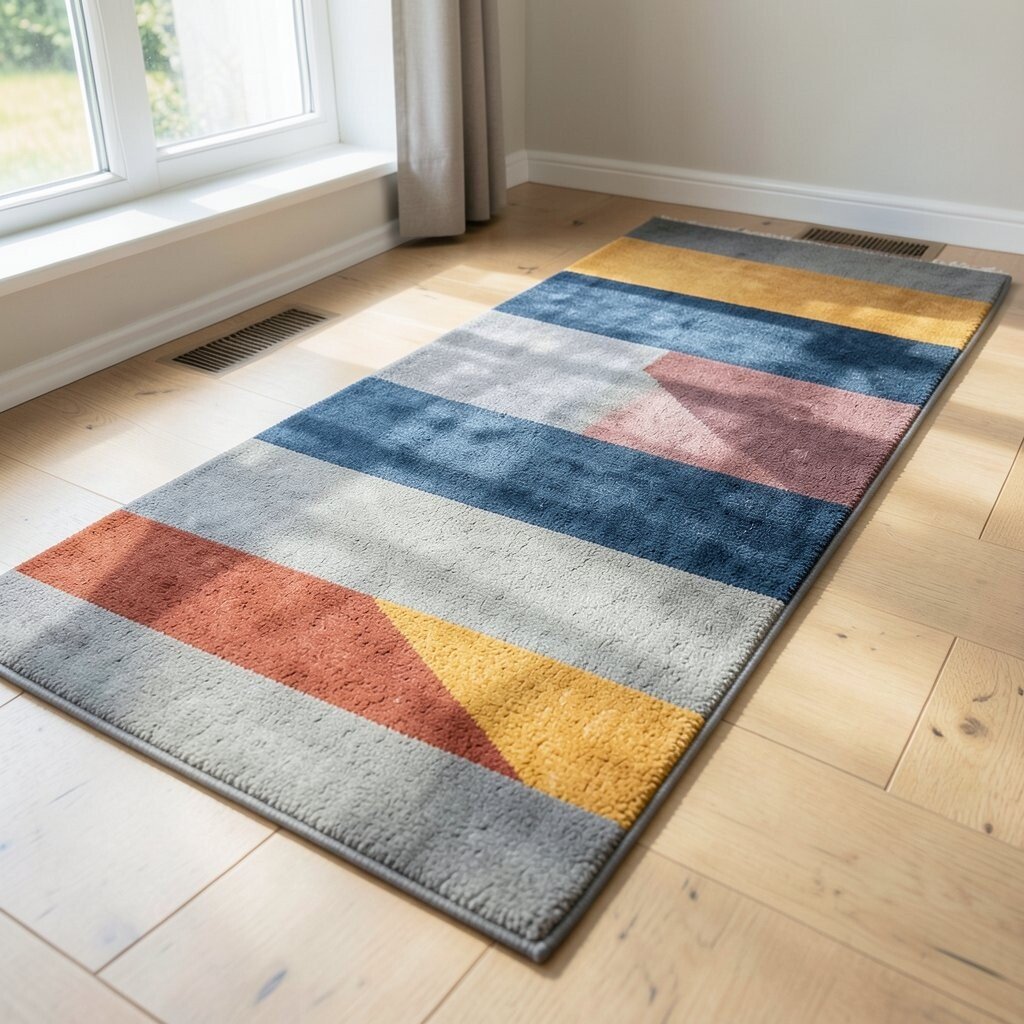
Color-blocking runners make a hallway feel playful and modern. Think of bold blocks in two or three shades that you already enjoy in your decor.
Choose colors that echo your walls, artwork, or accent furniture so the runner looks intentional. The benefit is clear: these blocks can hide stains and scuffs better than a single pale color. For personalization, align the strongest color block with a light switch or doorway so it feels neatly “composed.”
7. Floral Runner For Dining Paths And Entryways
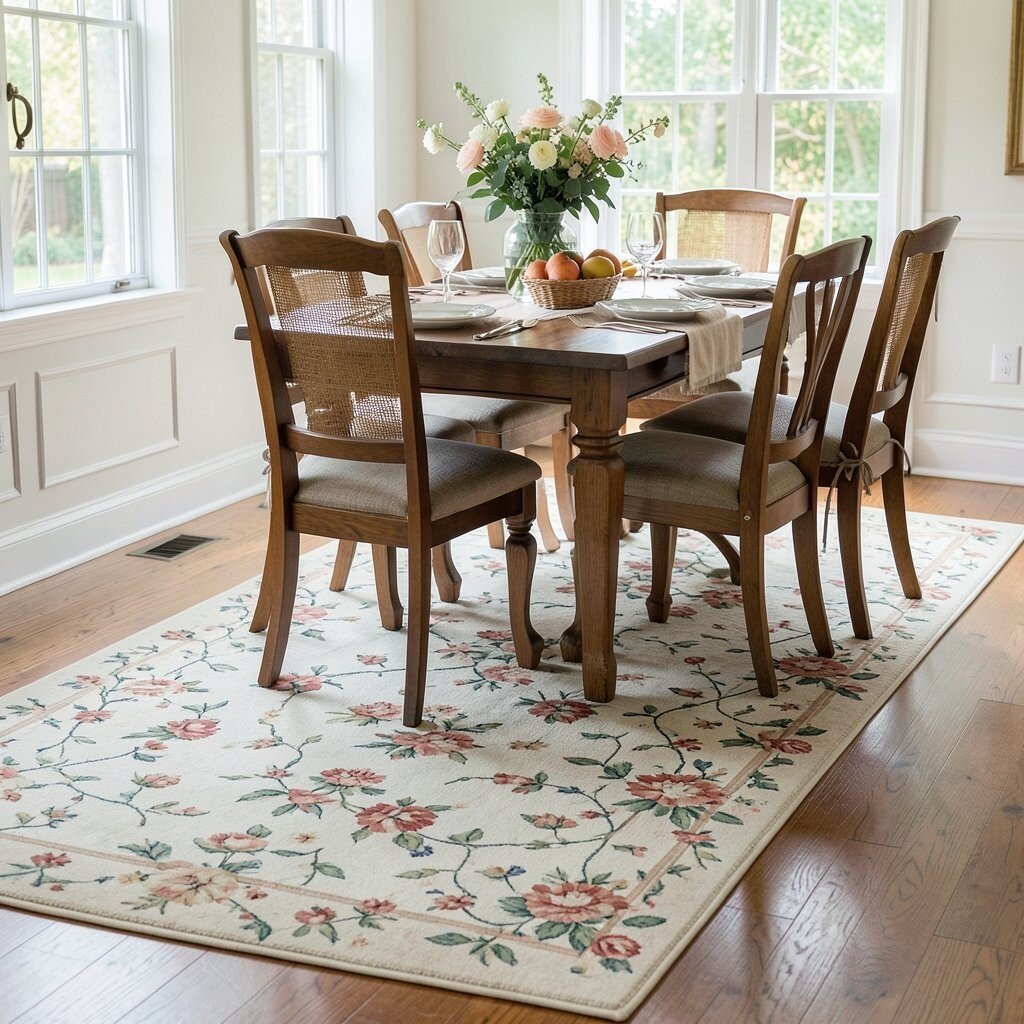
A floral runner adds a soft, welcoming vibe where people often pause. It’s especially charming in the path between the entry and the dining area.
Pick floral patterns with not-too-dark backgrounds if you want the space to feel airy. The visual benefit is that the design brings warmth to both bright and moody rooms. To personalize, match a color from the runner to your napkins, vase, or seasonal greenery.
If you have small kids, consider a runner with a tighter pattern since it makes tiny spills less noticeable. For cost, machine-printed styles are often more affordable than hand-tufted or hand-knotted rugs. Add a quality non-slip pad so the runner stays flat during everyday traffic.
8. Monochrome Charcoal Runner For Sleek Modern Homes

A monochrome charcoal runner creates a sleek, grounded feel. It looks especially striking against light floors and white walls.
Choose a runner with either a subtle pattern or a gentle gradient so it doesn’t look flat. The benefit is that dark tones add stain forgiveness while still feeling refined. For personalization, pair it with black-and-white framed art and a simple runner runner alternative like a modern bench at the entry.
9. Transitional Border Runner With Frame-Like Edges

A border runner frames your floor the way a picture frame shapes art. It gives hallways a neat, finished look without needing loud patterns.
Look for borders that echo the size of your hallway, such as thin lines for tight spaces and wider borders for longer sections. This style helps define transitions between rooms and makes the path feel intentional. To personalize, choose a border color that matches one accent, like brass hardware, green plants, or warm oak furniture.
Practical choice matters here, because border patterns can show wear if the runner is too thin. A medium thickness can feel better underfoot and also helps the border look steady. If you want to keep costs reasonable, shop for remnants in popular widths and cut them to size for a custom look.
10. Low-Pile Solid Runner For Minimalist Spaces

If your home style is clean and simple, a low-pile solid runner can feel perfect. It adds comfort without competing with your furniture.
Pick a color that matches the undertone of your floor, like warm taupe for yellow oak or cool gray for slate tones. The practical benefit is easy maintenance since solid surfaces are straightforward to vacuum. For personalization, you can play with texture elsewhere, such as boucle chairs, knit throws, or matte ceramic decor.
11. Shaggy Cozy Runner For Bedrooms And Reading Nooks
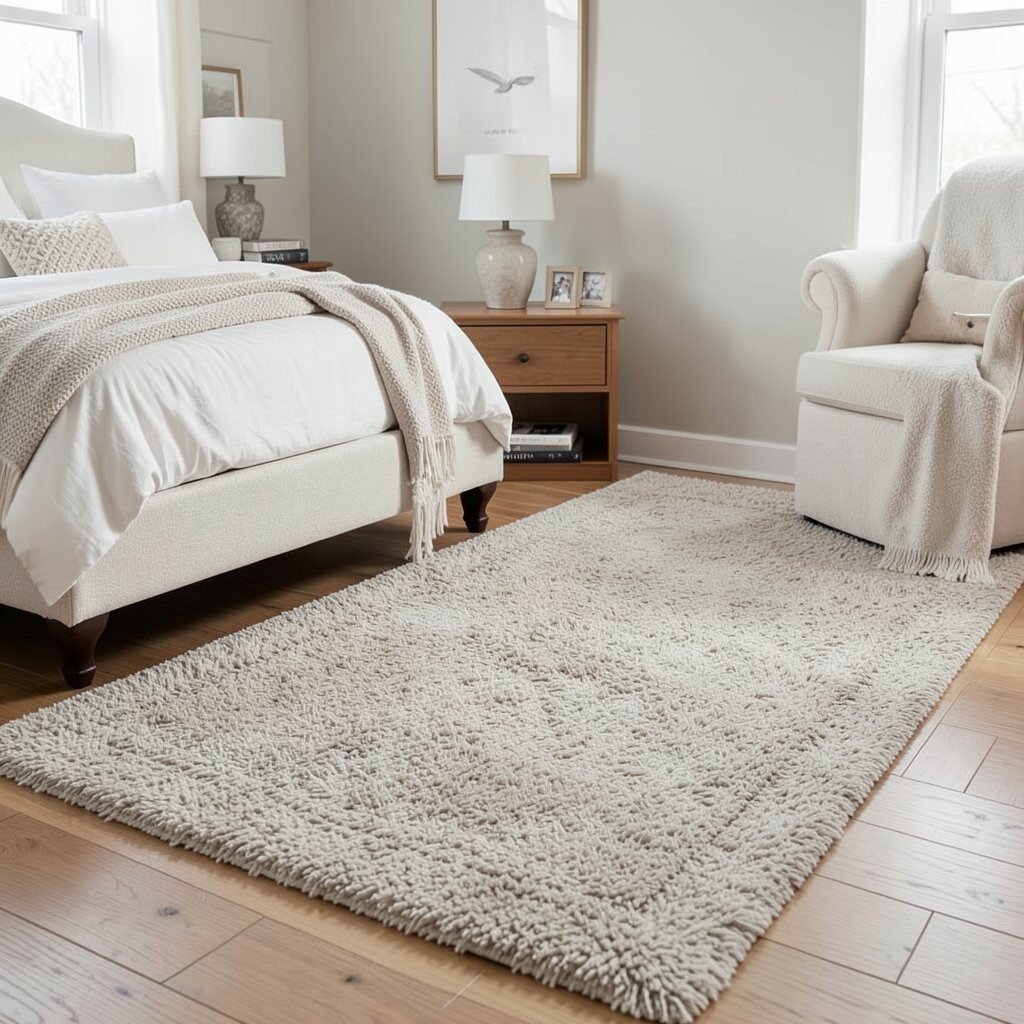
A shaggy runner feels like a soft welcome in places you want extra comfort. It’s ideal near a bedroom doorway or beside a cozy reading chair.
Choose shag with a manageable height so it looks plush but doesn’t tangle easily. The benefit is obvious when you step out of bed or put on slippers; your feet feel cushioned. For personalization, match the runner’s tone to your bedding, then use a lamp and small side table to complete the cozy corner.
Practical tip: vacuum gently and more often, especially in high-traffic areas. Costs can be higher for plush natural fibers, but there are budget-friendly synthetic shags that still look great. A rug pad can also help the runner feel thicker without spending more on a heavier rug.
12. Two-Tone Runner With Easy-To-Style Contrast

A two-tone runner is a simple way to add style while keeping things easy. You get visual interest without a full pattern takeover.
Try pairing a lighter main color with a darker stripe or edge so it feels crisp and intentional. This helps define the walkway and makes the space look organized. For personalization, mirror the runner’s contrast in your drawer pulls, picture frames, or a single accent chair.
13. Ombre Runner For A Soft, Modern Glow
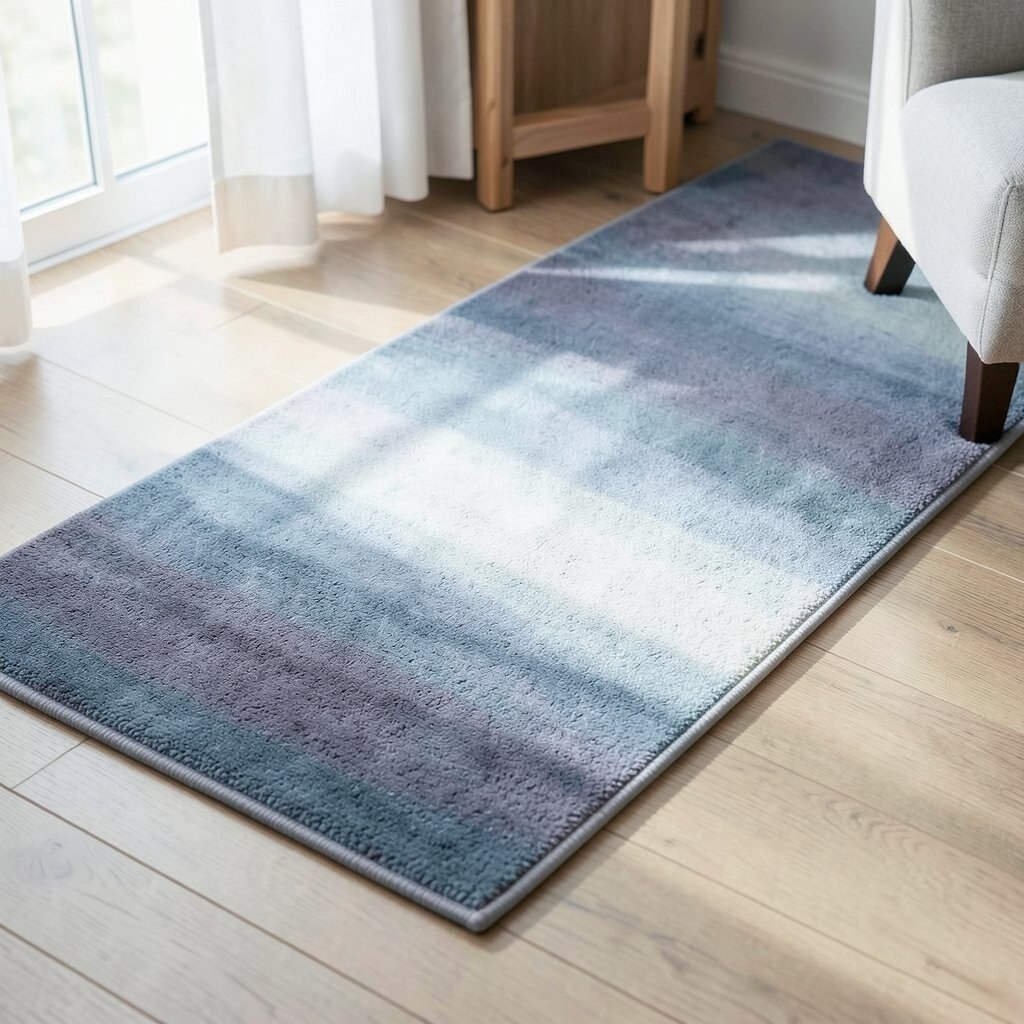
An ombre runner creates a gentle visual fade that feels modern and calm. It’s a great choice when you want the floor to feel like it has depth.
Pick an ombre that flows from your doorway color toward a deeper tone, like cream to tan or light gray to charcoal. The benefit is that the gradation hides everyday scuffs because the color changes along the length. For practical tips, keep the runner aligned so the gradient looks steady and not skewed.
If you have neutral walls, ombre can give your hallway a “designed” look without adding busy shapes. Budget-wise, ombre runners are often available in multiple price tiers, including affordable machine-made options. Pair it with simple lighting and a few layered mats at the entrance for a cohesive feel.
14. Animal Print Runner With Confident But Controlled Flair
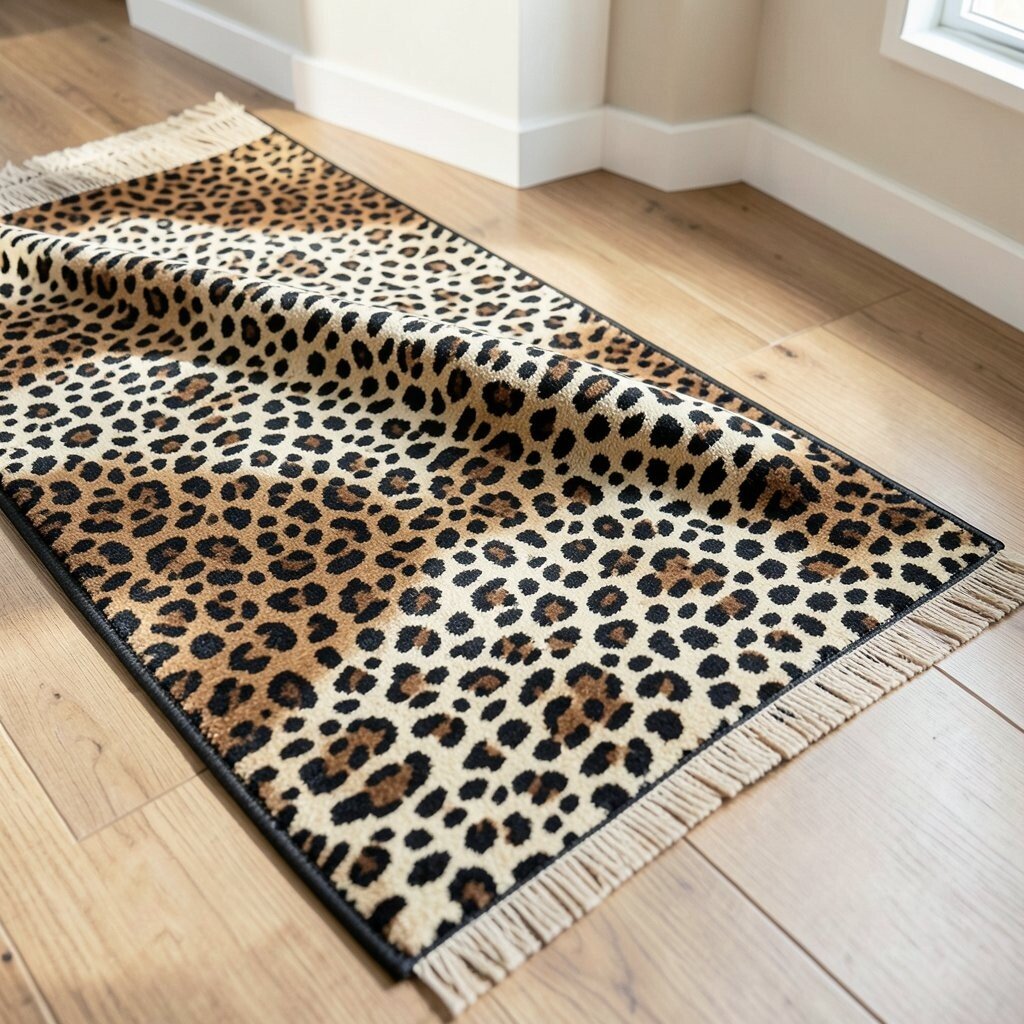
An animal print runner can add bold charm when used in a focused way. It works best when the rest of the space stays fairly simple so the print feels like a highlight.
Choose patterns that are muted, like soft leopard spots or subtle zebra lines in neutral colors. The uniqueness comes from the way the motif adds movement, even in long hallways. For personalization, match one color from the print to your pillows or a throw blanket so it feels curated, not random.
Practical tip: animal prints can hide stains well, but they still need regular vacuuming to prevent buildup. If pets are part of the household, consider a low-shed option for easier cleaning. Costs vary widely, so you can often find stylish synthetic versions that look great for less.
15. Patchwork Runner For A Creative, Collected Look

A patchwork runner looks like a thoughtful mix of textures and colors. It feels handmade and creative, especially in eclectic living spaces.
Pick patchwork blocks that share similar undertones so the runner looks cohesive rather than chaotic. The benefit is that the varied pieces help camouflage wear in different spots. For personalization, choose small-scale patterns that repeat colors you already own, like rust, navy, and cream.
16. Patterned Runner With Borderless Look For Wide Open Hallways

A borderless runner gives a wide hallway a smooth, uninterrupted feel. Instead of framing, the pattern flows across the length like fabric.
Look for designs with repeating motifs, such as small medallions, tiny stars, or delicate lines that keep moving forward. This style is visually helpful because it can make long hallways feel less segmented. For practical tips, use a rug pad that matches your floor type, especially on hardwood, to prevent slipping and bunching.
If you like current trends, borderless patterns are popular because they feel lighter and more modern than heavy framed designs. Cost considerations are usually favorable since many borderless styles are produced in a range of materials and price points. Choose a color that either matches your wall trim or complements a nearby accent rug.
17. Customized Runner With Trim And Monogram Edge
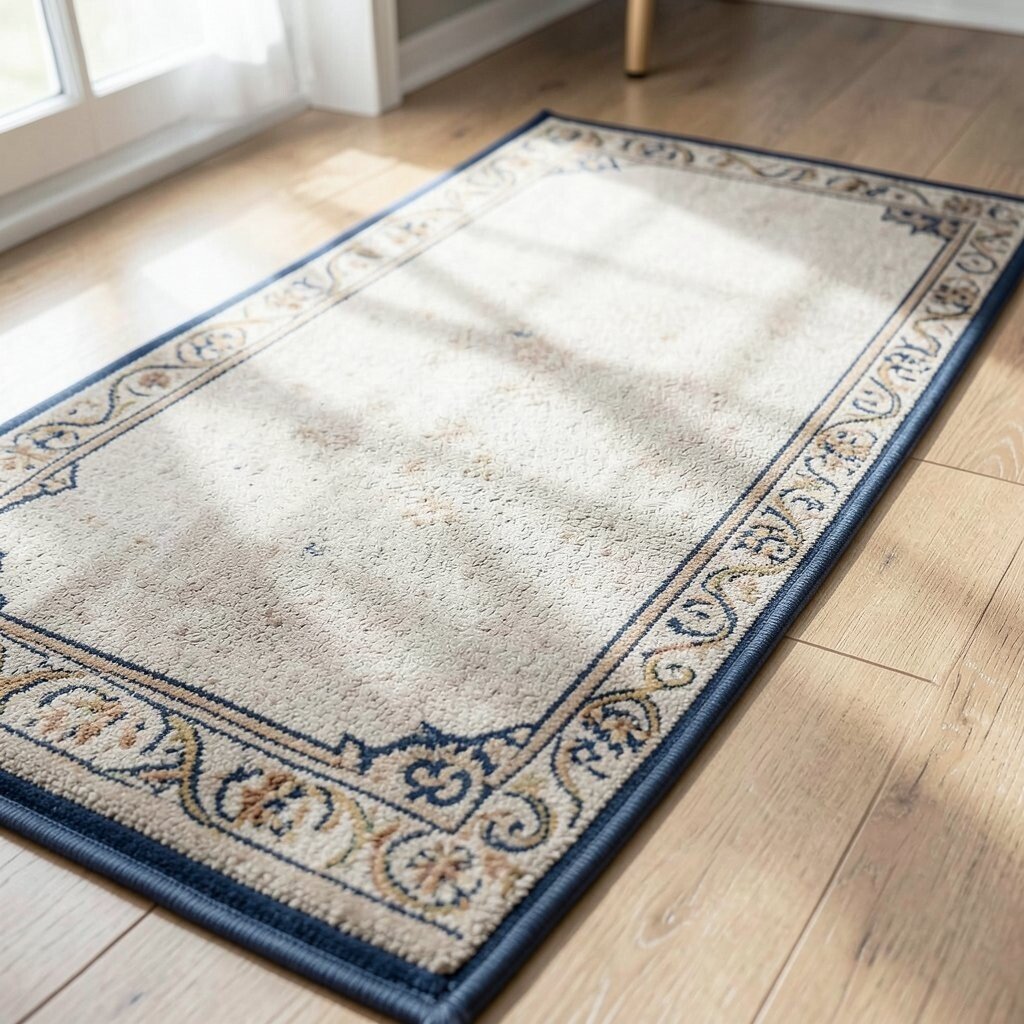
A customized runner can make your home feel truly personal. Even a small trim detail can elevate a simple design into something special.
Consider adding a contrasting edge binding, like navy trim on a cream runner or warm leather-toned edging. The uniqueness comes from how the trim draws the eye to the path without overwhelming the room. For personalization, add a monogram or small emblem near the entry end so it feels like a welcome sign made of fabric.
Practical tip: if you’re DIYing the trim, measure carefully and use fabric-safe adhesive or stitching that won’t snag. For cost, customization can raise the price, but it often costs less than replacing larger flooring or wall features. If you want a middle ground, buy a simple runner and add removable trim accents or a small personalized patch.