Designing a home that feels just right can seem tricky, especially when on a budget. The magic lies in knowing what to steer clear of so your space can shine without breaking the bank.
1. Overcrowding the Space
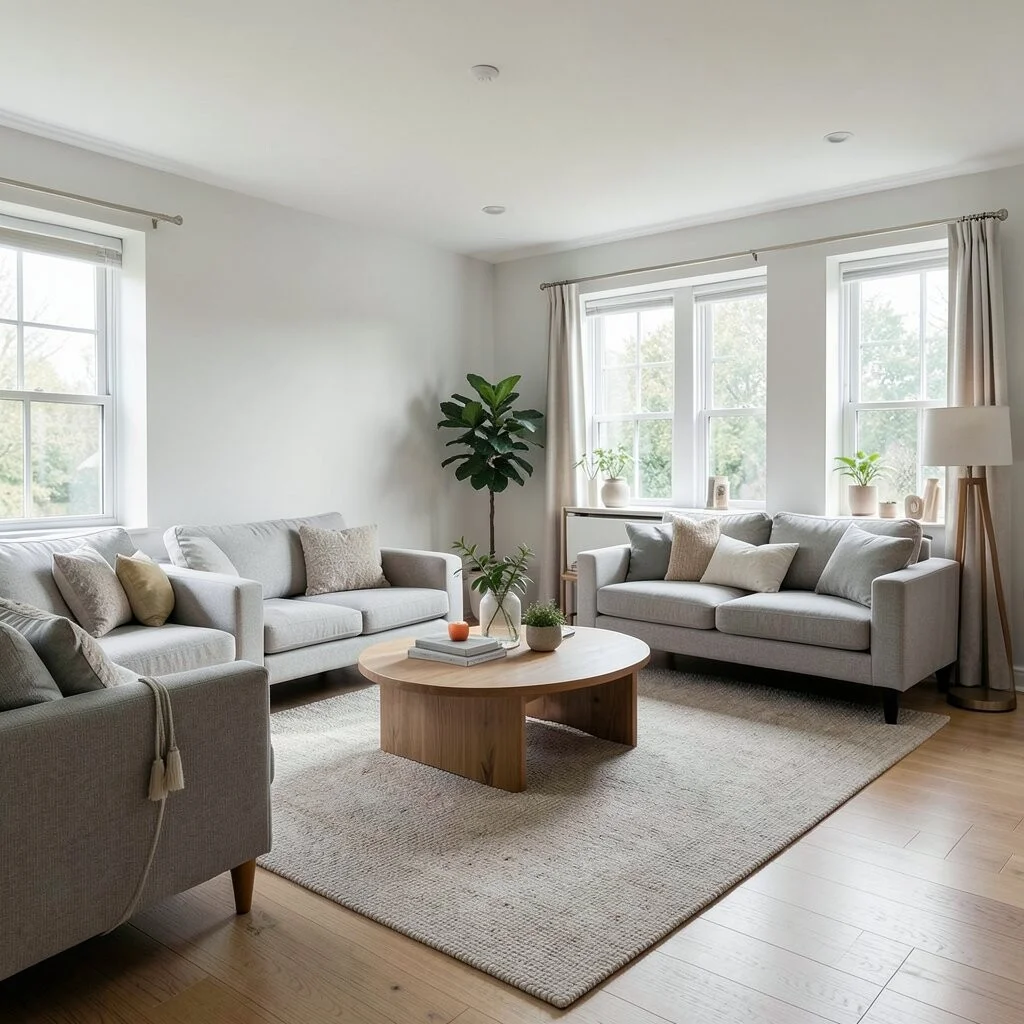
Too much furniture or decor can make a room feel cramped and chaotic. It’s important to allow each piece to breathe. By choosing fewer, more meaningful pieces, you create a sense of openness.
A decluttered room can feel larger and more inviting. Try using multi-functional furniture to save space while still being practical. Less really is more!
2. Ignoring Lighting
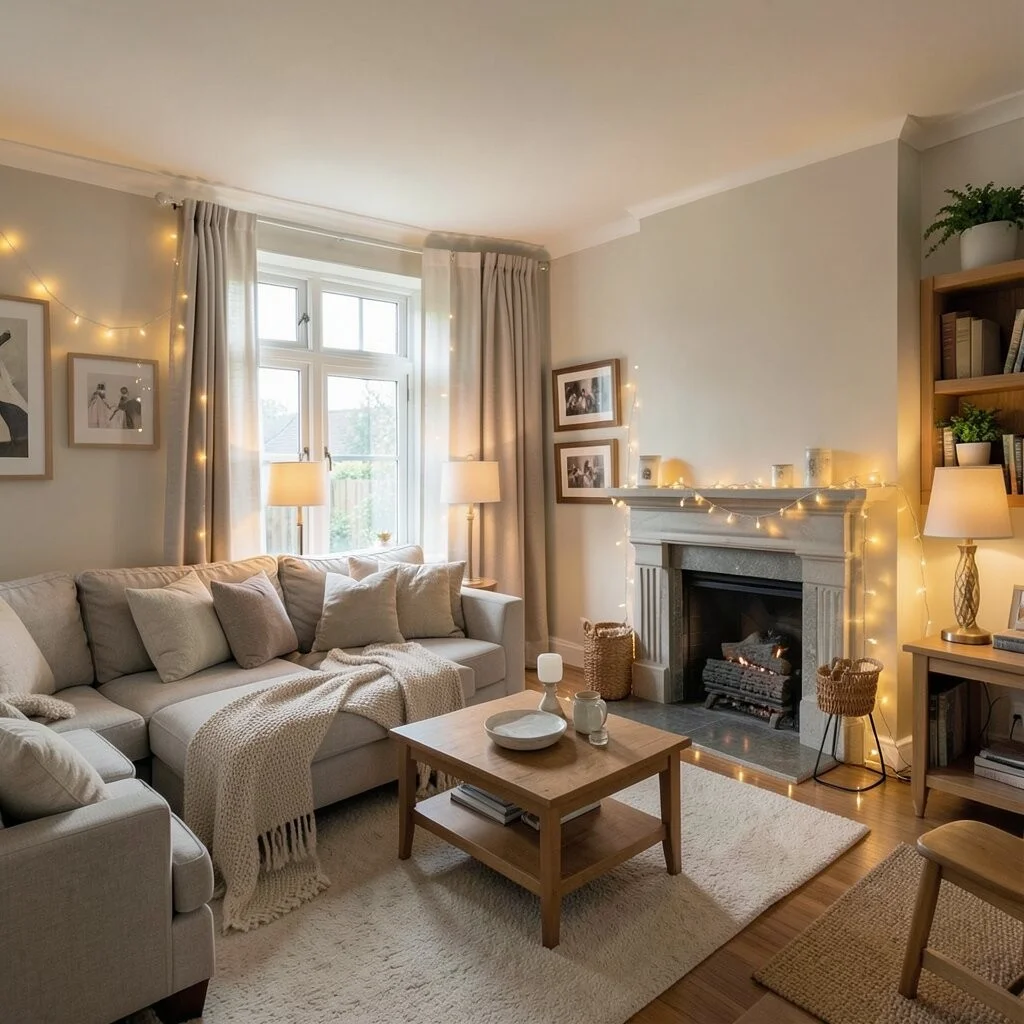
Lighting can change everything. Relying solely on overhead lights can make a room feel flat and uninviting. Mixing different light sources, like lamps and fairy lights, can create a cozy atmosphere.
Consider dimmers or smart bulbs for flexibility. Lighting can be an inexpensive yet transformative addition to your home.
3. Choosing the Wrong Color Palette
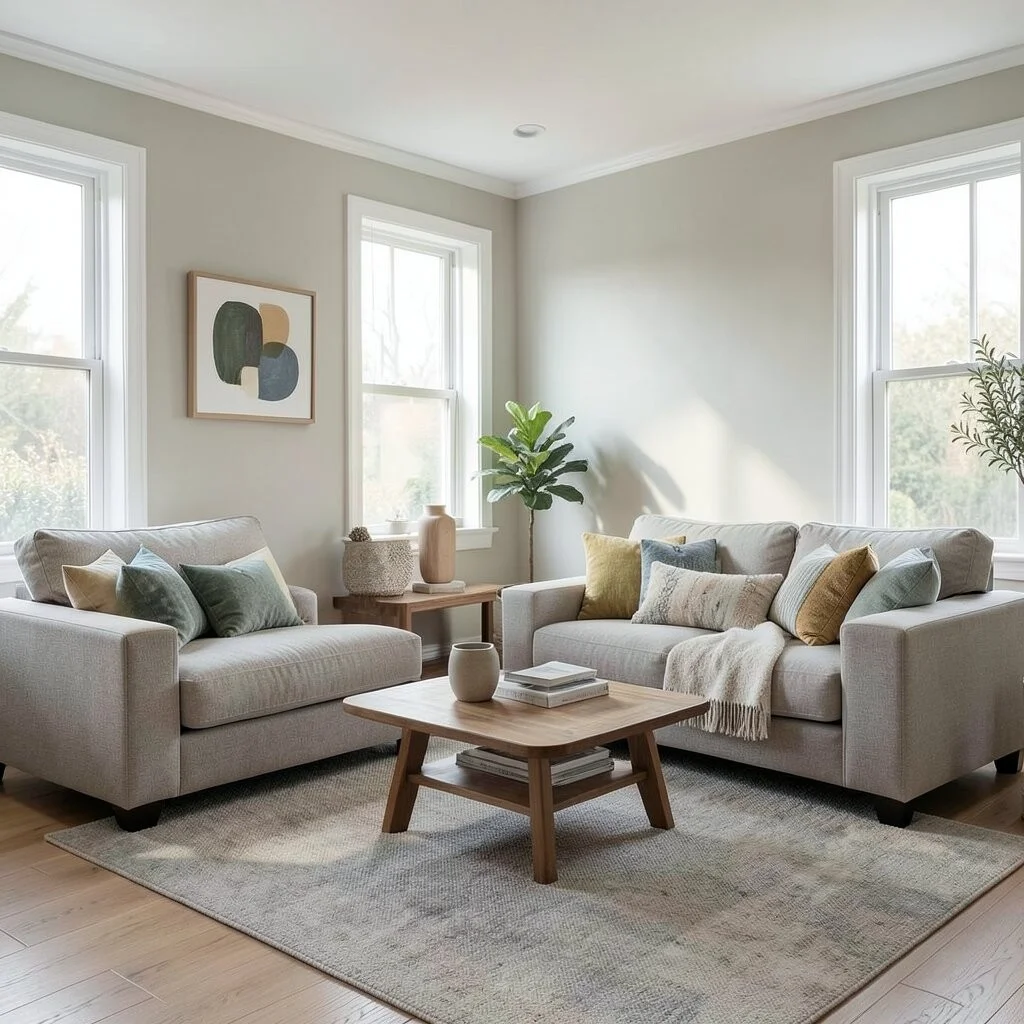
A mismatched color scheme can disrupt the flow of your home. Stick to a cohesive palette that reflects your personality and the mood you want to create.
Neutral tones with pops of color can be both timeless and trendy. Paint is a cost-effective way to refresh a room, so don’t be afraid to experiment!
4. Skimping on Textiles
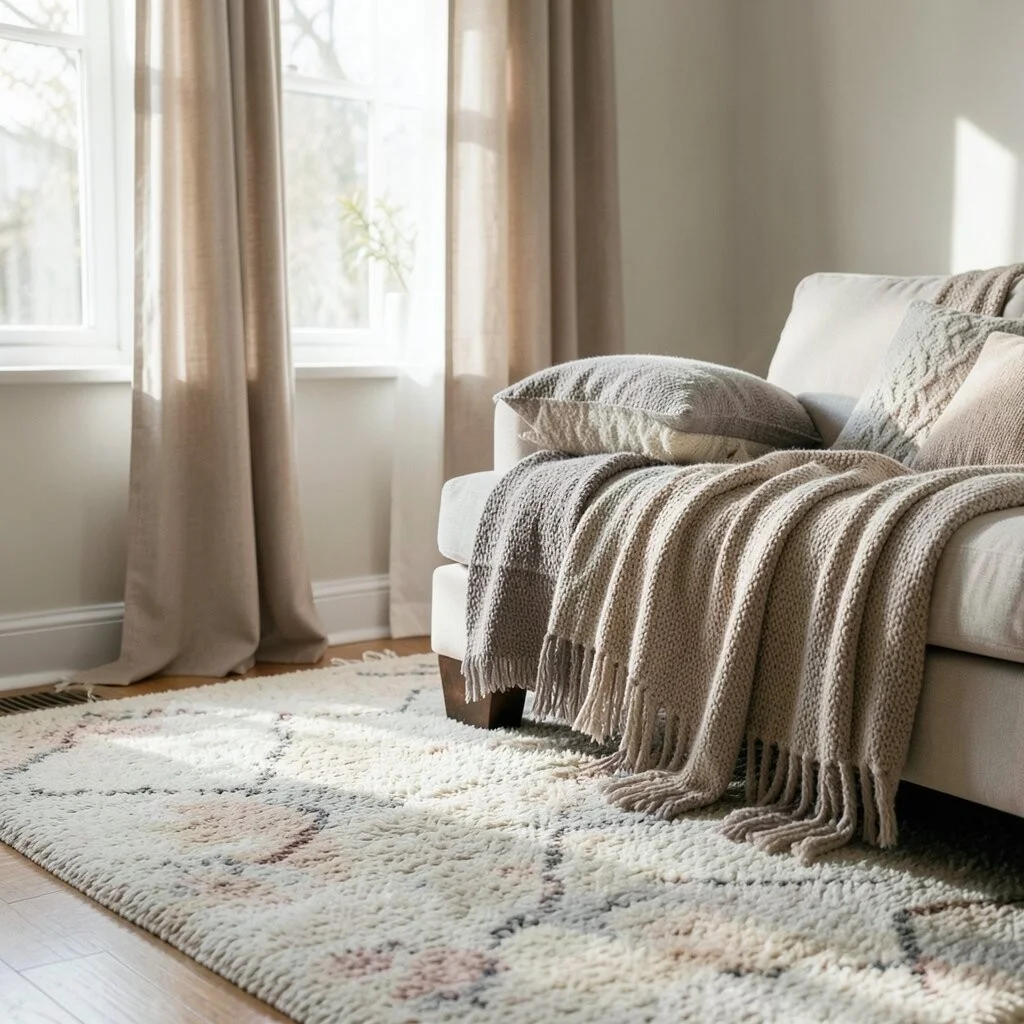
Textiles like curtains, rugs, and throws can add warmth and texture. Cheap fabrics can make a space feel less luxurious.
Invest in quality where it counts, like a plush rug or soft throw. You can find beautiful textiles at second-hand stores or during sales.
5. Forgetting About Wall Art
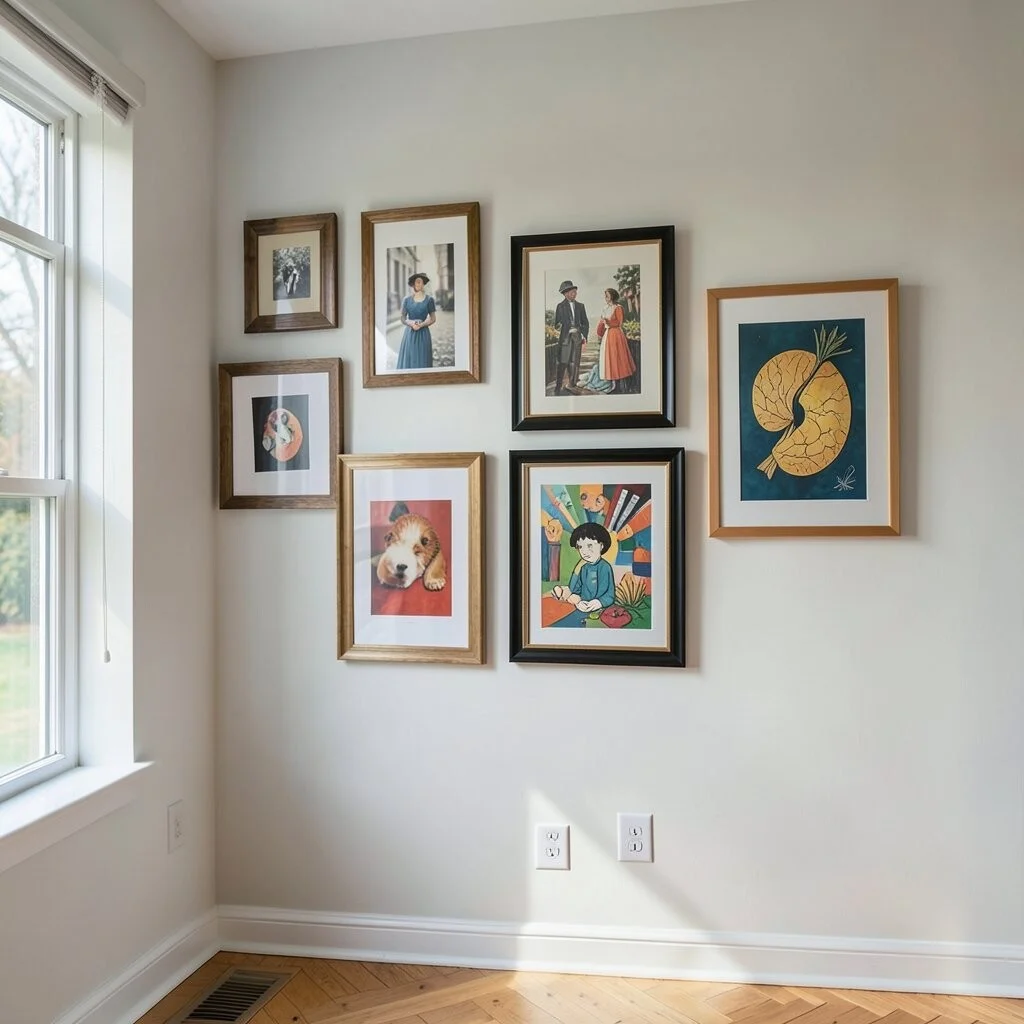
Bare walls can feel unfinished. Art adds personality and interest to a room. Choose pieces that speak to you or create your own for a personal touch.
Gallery walls are a popular trend and can be done on a budget. Use frames from thrift stores, and mix art styles for an eclectic look.
6. Overlooking Storage Solutions
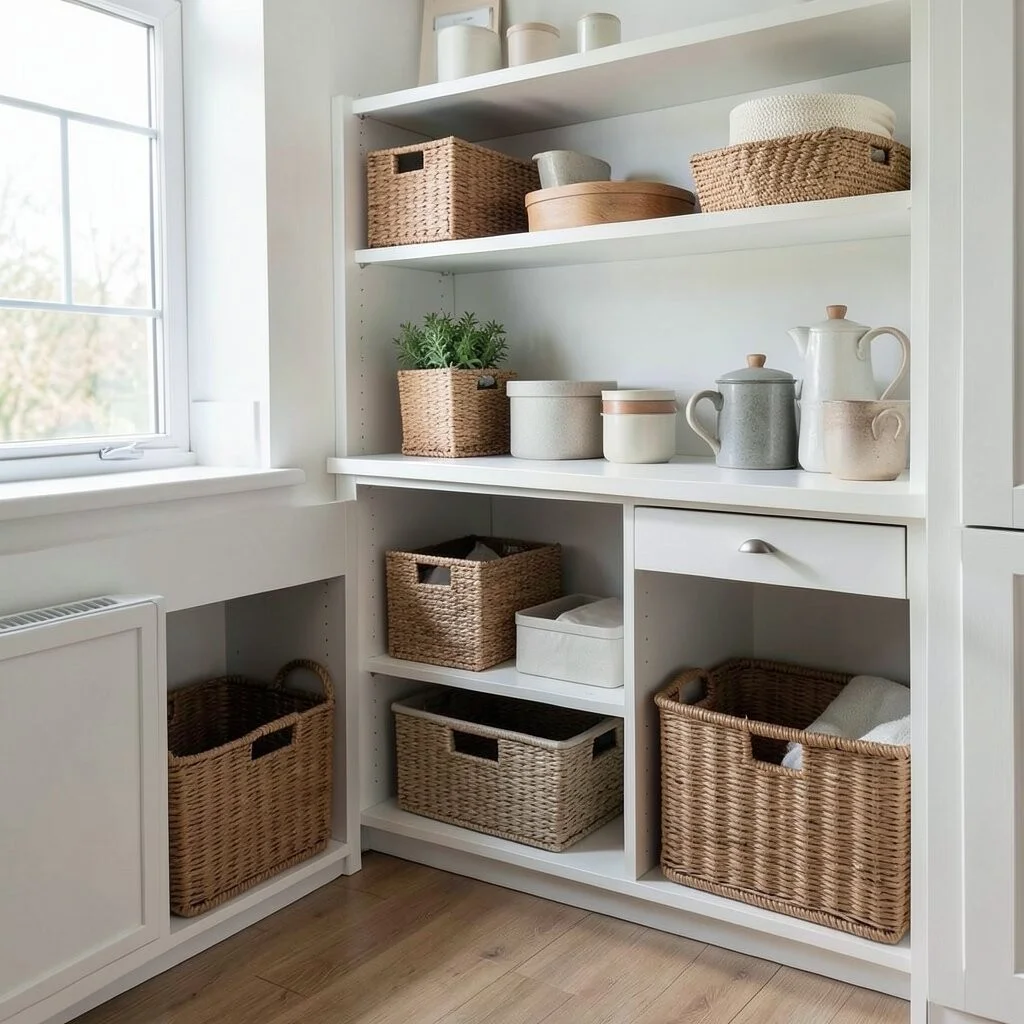
Clutter can quickly take over, so smart storage is key. Avoid cheap plastic bins that can look unsightly.
Opt for stylish baskets or built-in storage. This keeps things tidy and also adds an element of design to your space.
7. Neglecting the Power of Plants
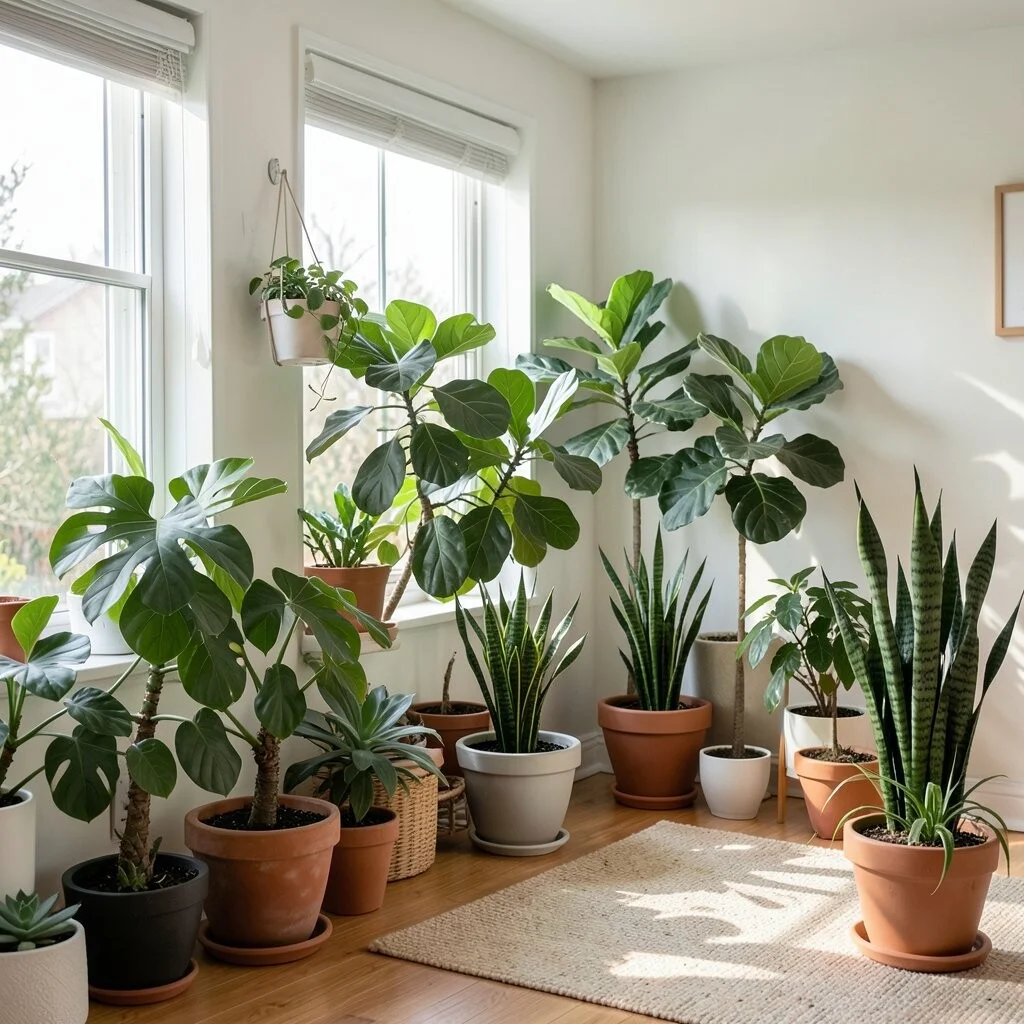
Plants can breathe life into a room. They add color, texture, and even improve air quality.
Don’t worry if you’re not a plant expert; there are plenty of low-maintenance options. Try succulents or snake plants for easy care.
8. Choosing Furniture That Doesn’t Fit
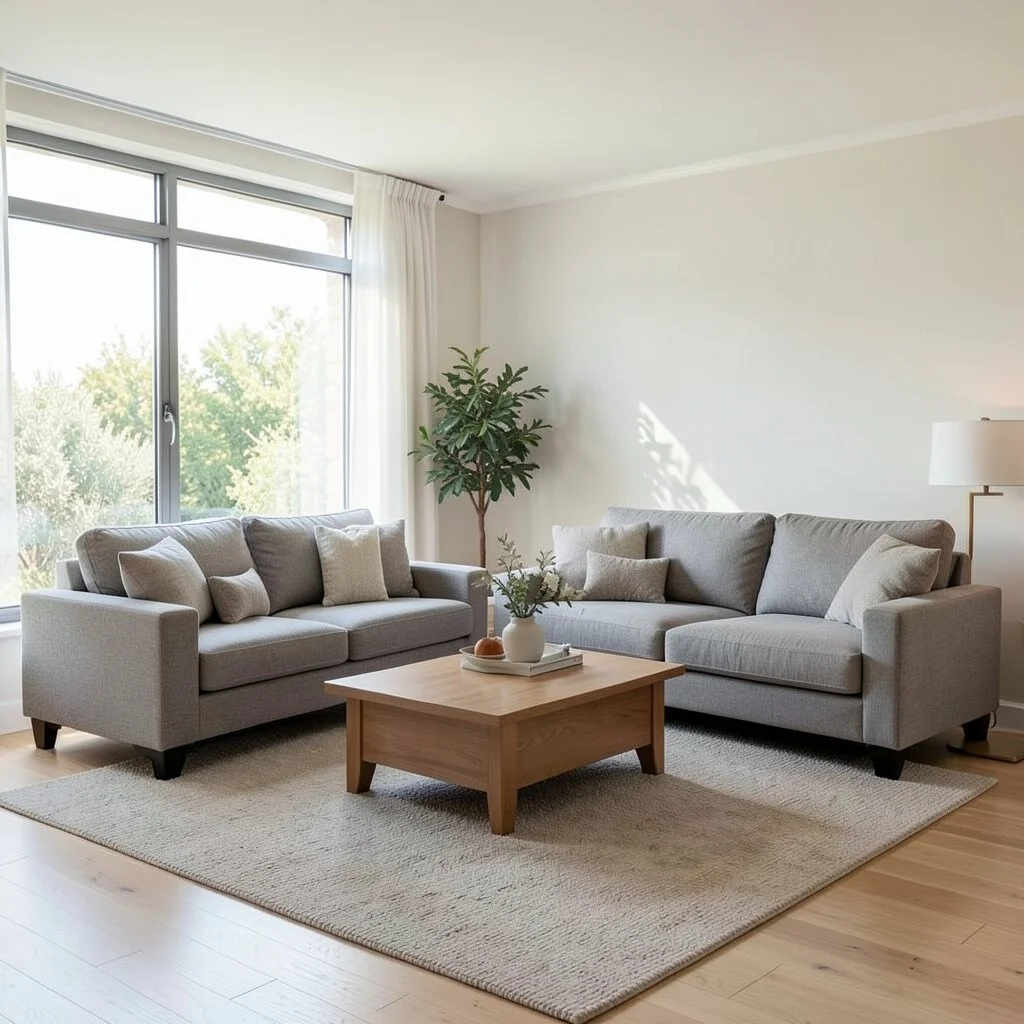
Furniture that’s too large or too small can throw off the balance of a room. Measure your space before making any purchases.
Consider modular furniture that can adapt to your needs. It’s a practical way to furnish a room without overspending.
9. Ignoring the Importance of Scale
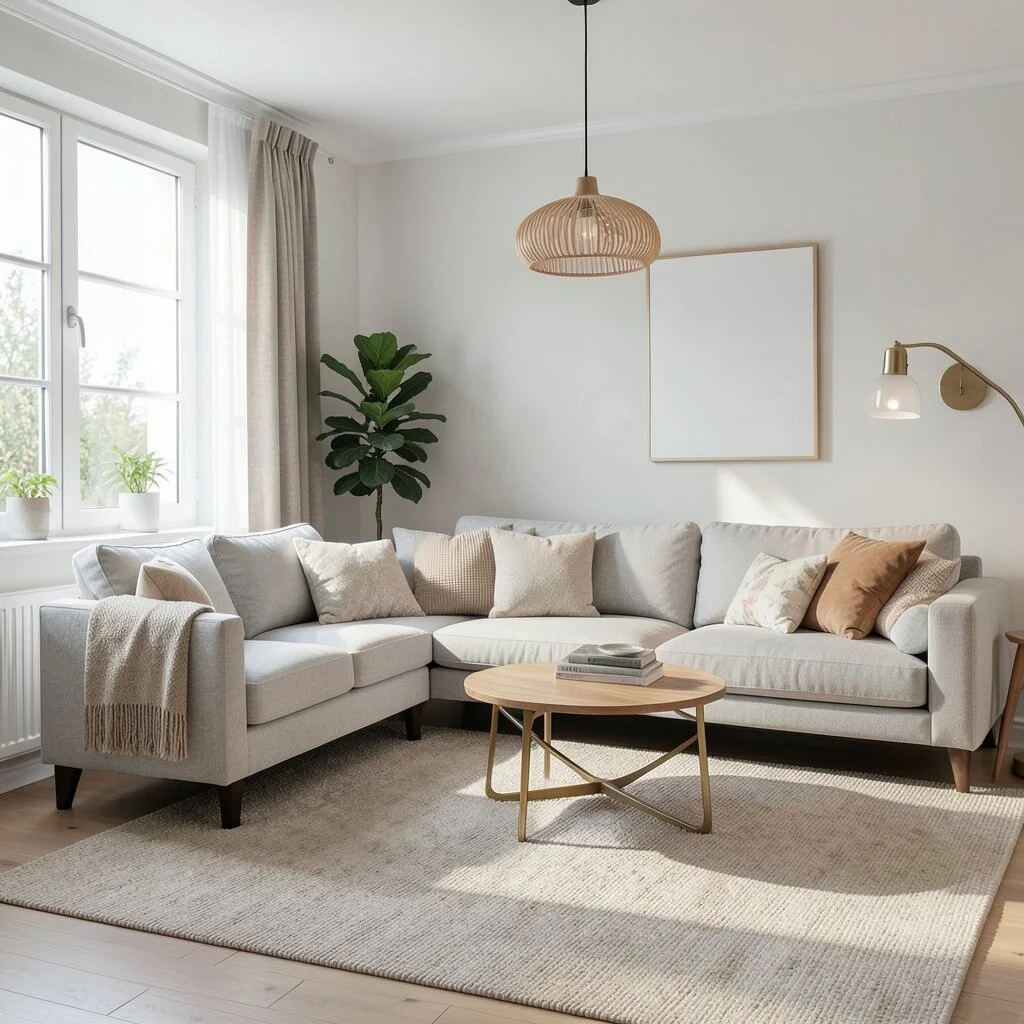
Everything in a room should work together harmoniously. Too much variation in scale can make a space feel disjointed.
Mix and match sizes, but keep a common theme or color to tie it all together. This creates a balanced and thoughtful design.
10. Using Too Many Patterns
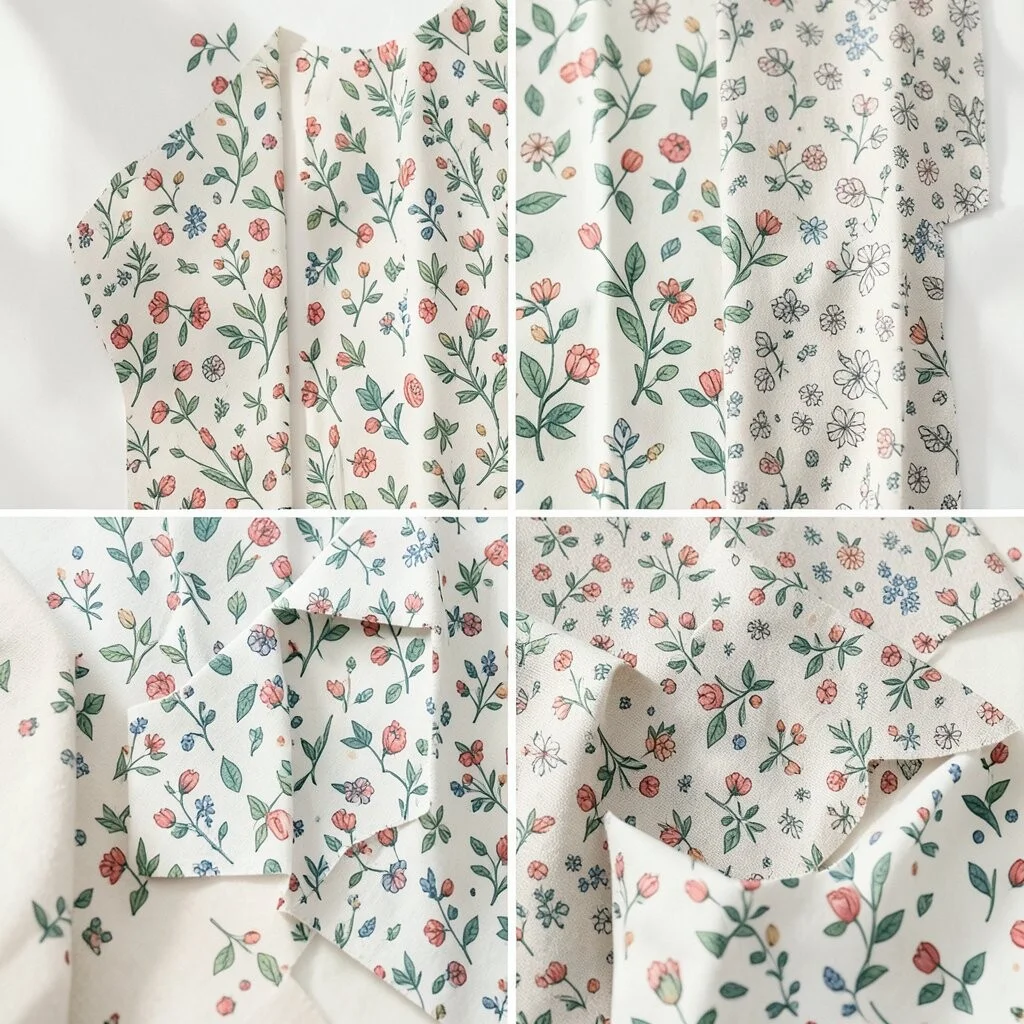
Patterns can add interest, but too many can clash. Stick to a few key patterns to avoid visual chaos.
Mix patterns of different scales and keep a cohesive color palette. This allows patterns to complement rather than compete.
11. Disregarding the Entryway
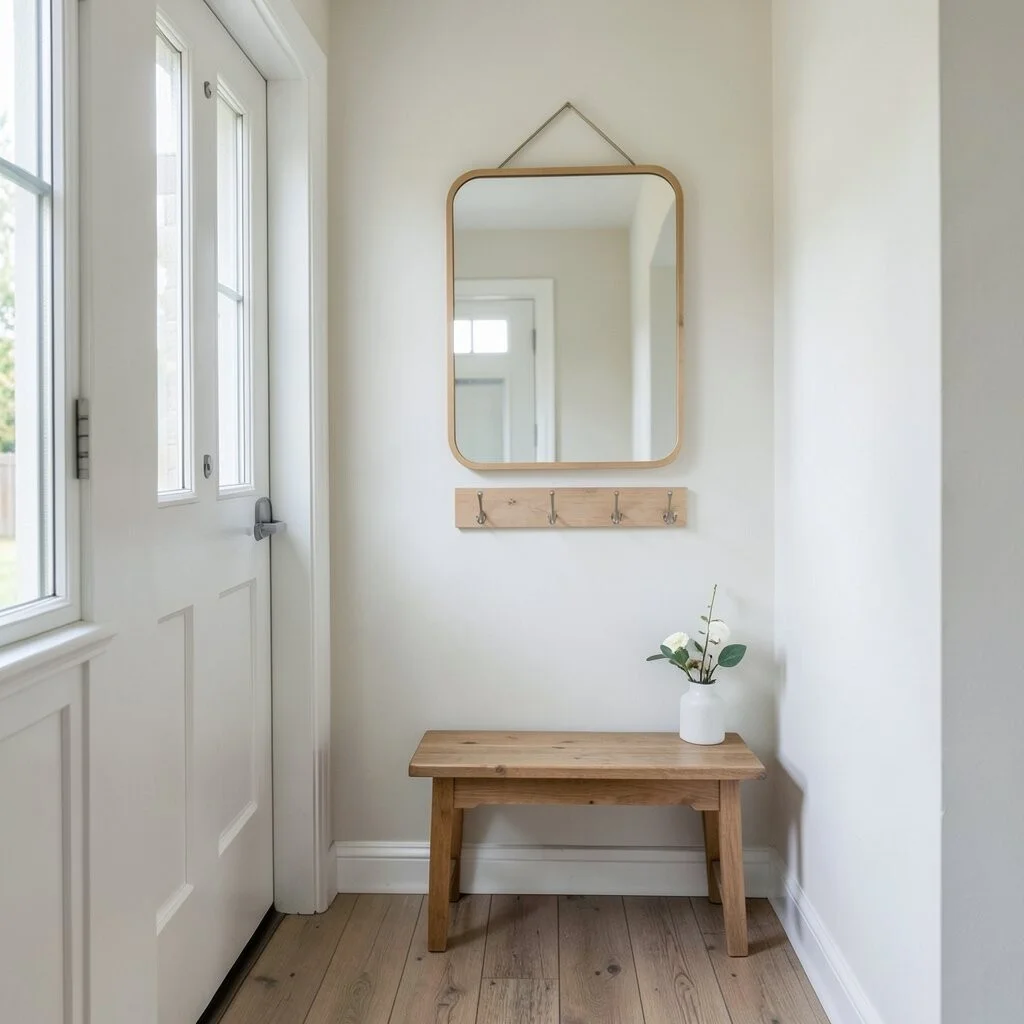
The entryway is the first impression of your home. Leaving it bare or cluttered can set the wrong tone.
Use a small table or bench with hooks for organization. Add a mirror to give the illusion of more space.
12. Not Layering Textures
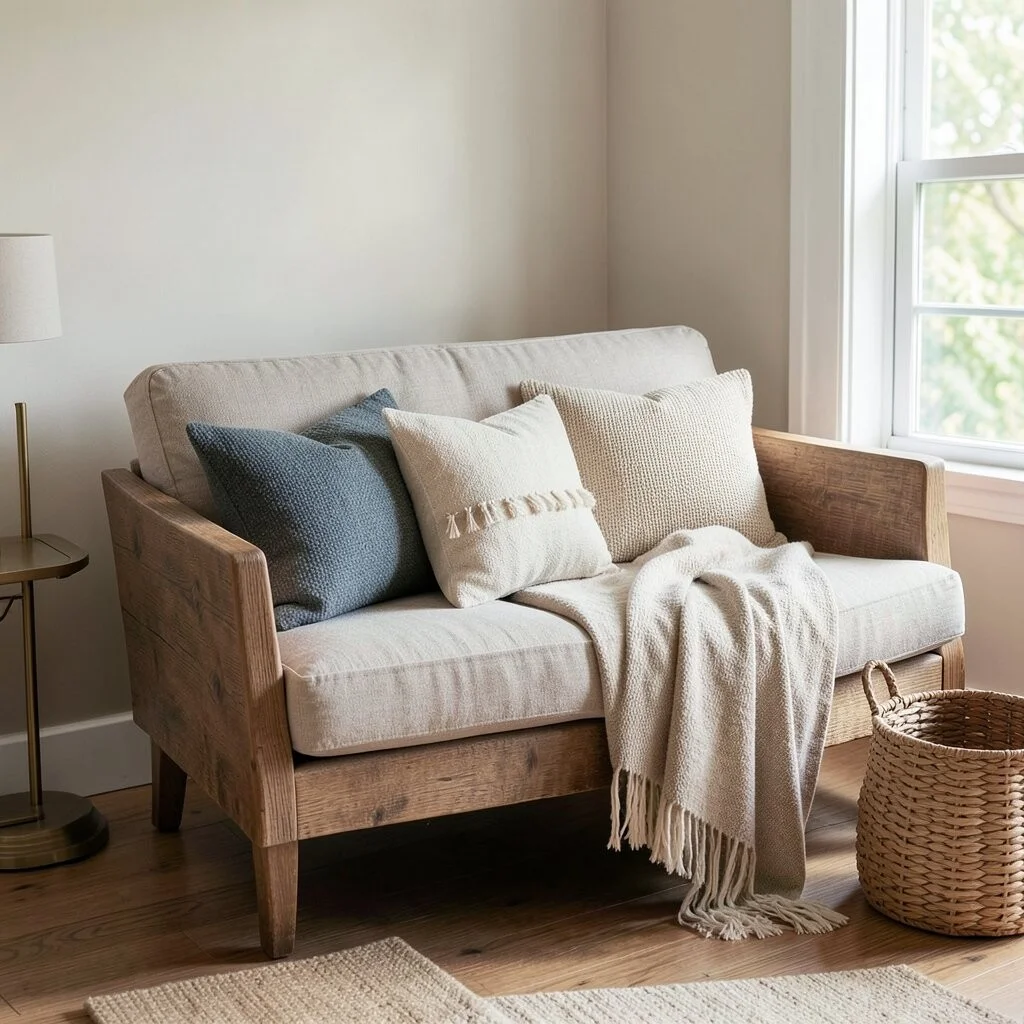
A room with flat textures can feel lifeless. Incorporate a variety of textures to add depth and interest.
Mix materials like wood, metal, and fabric. Textured pillows or a woven basket can make a big difference.
13. Forgetting About Ceiling Height
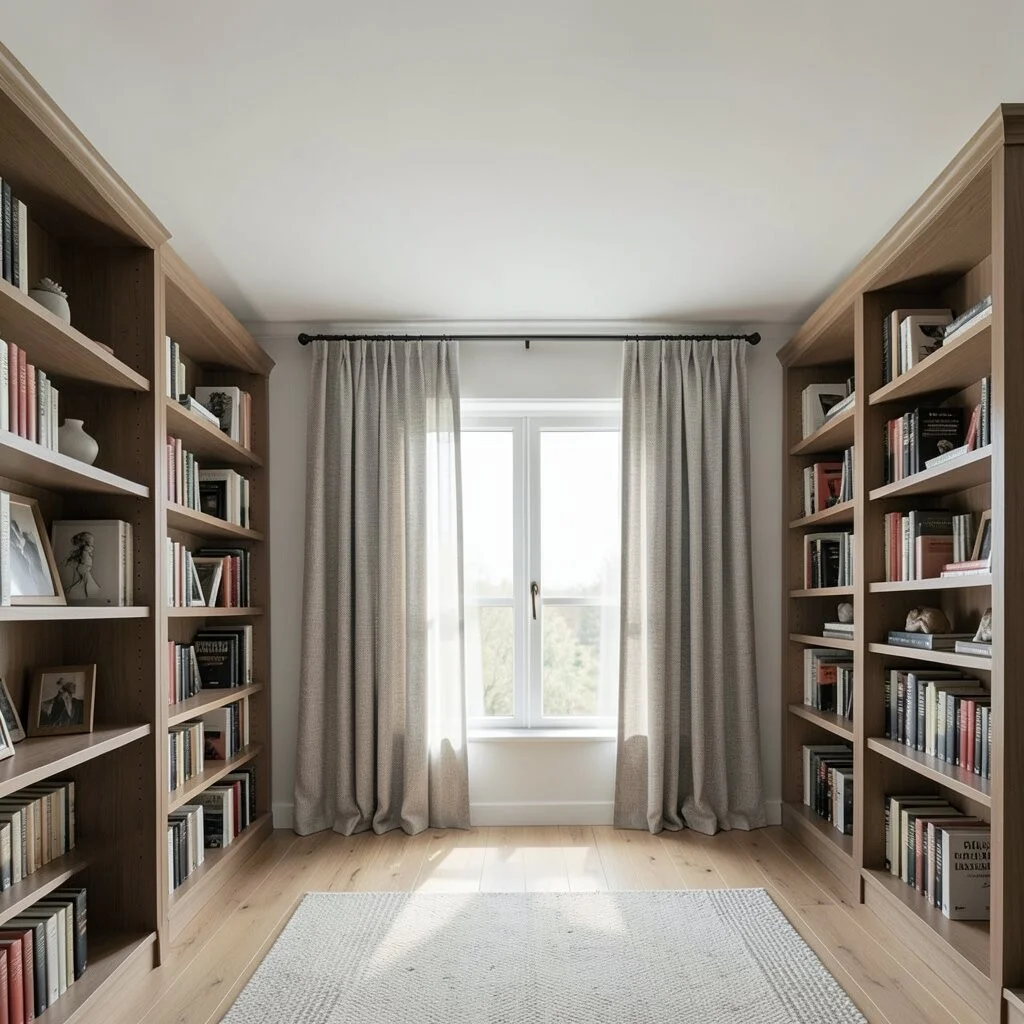
Ignoring ceiling height can make a room feel off. Use vertical space to your advantage.
Hang curtains high and use tall bookcases to draw the eye up. This makes the room feel more spacious.
14. Overusing Matching Furniture Sets
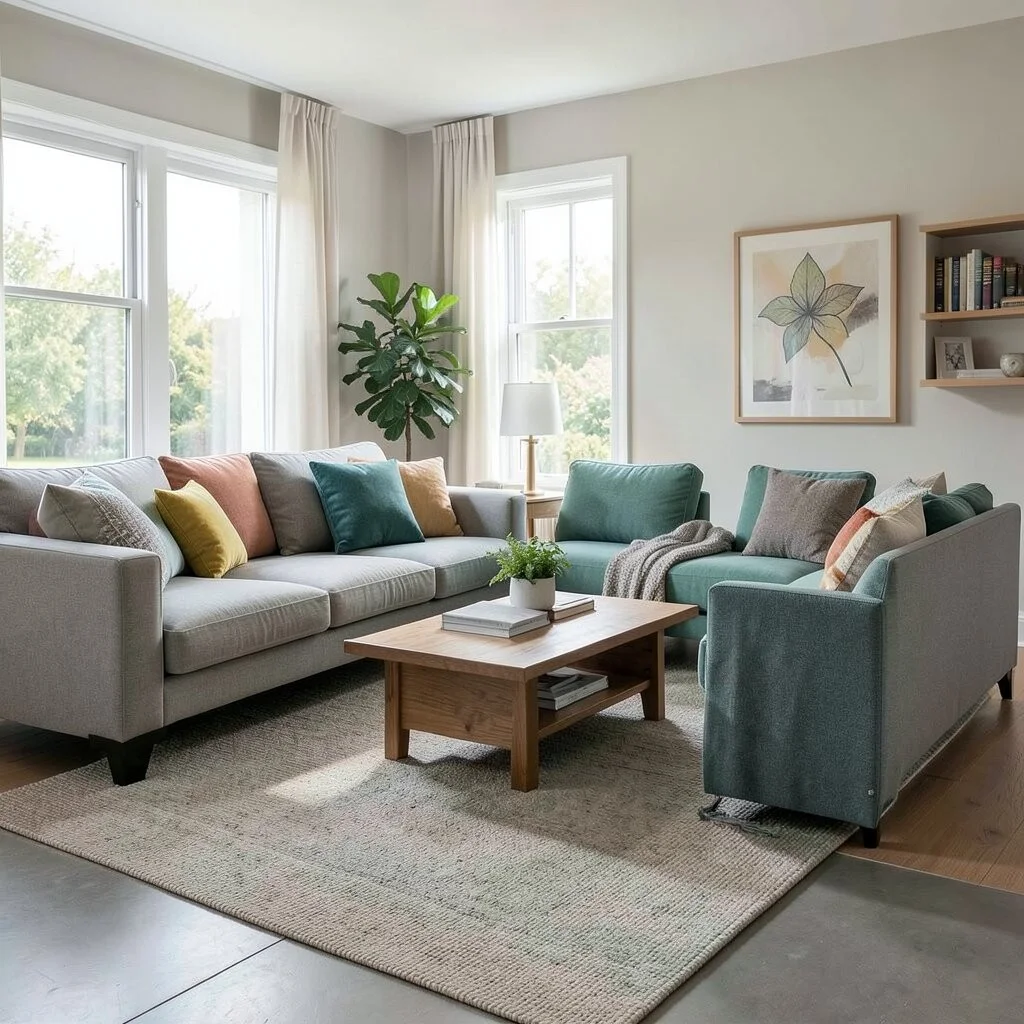
Matching sets can make a room feel stale. Mix and match pieces for a more dynamic look.
Choose complementary colors or styles to create a curated vibe. This adds character and interest to your space.
15. Not Considering Functionality
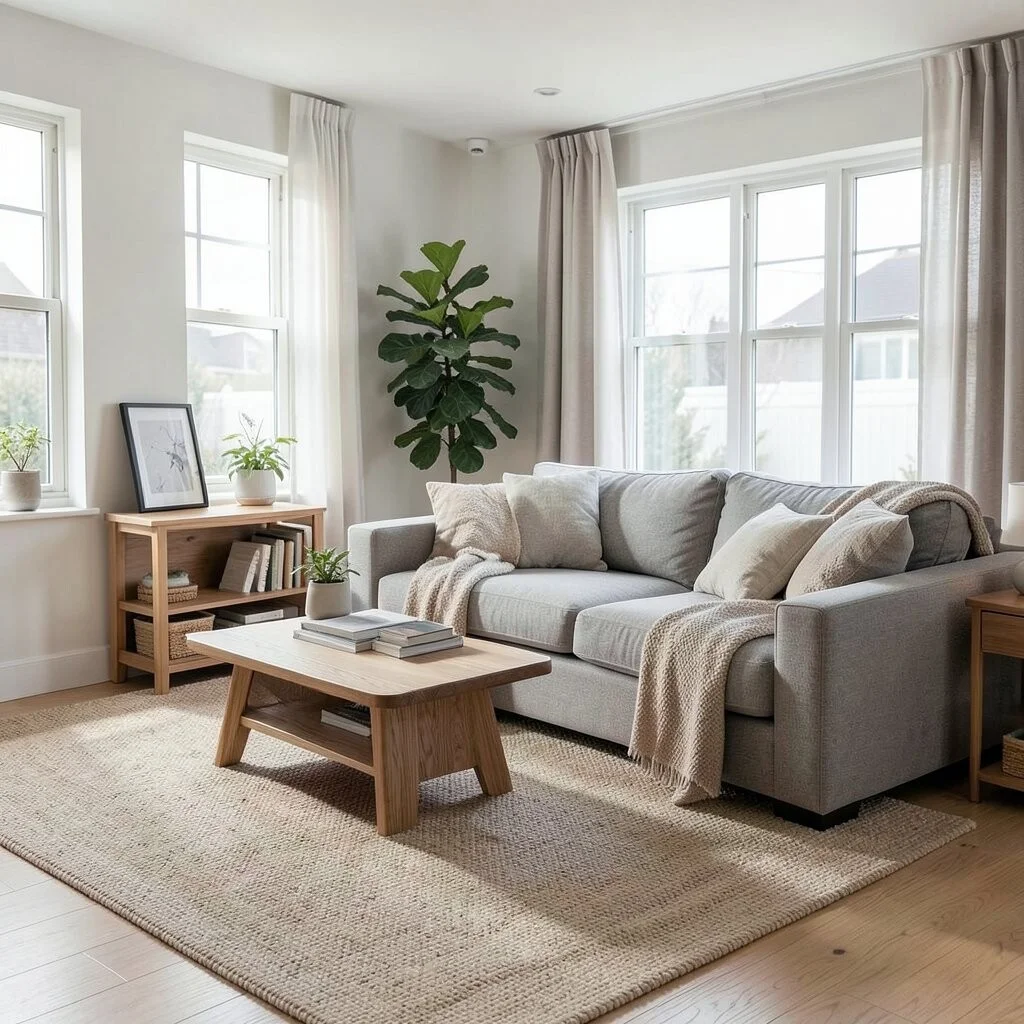
Design should always consider how a space is used. A beautiful room that isn’t functional can be frustrating.
Think about your daily routine and needs. Prioritize comfort and practicality in your design choices.
16. Overlooking the Power of Mirrors
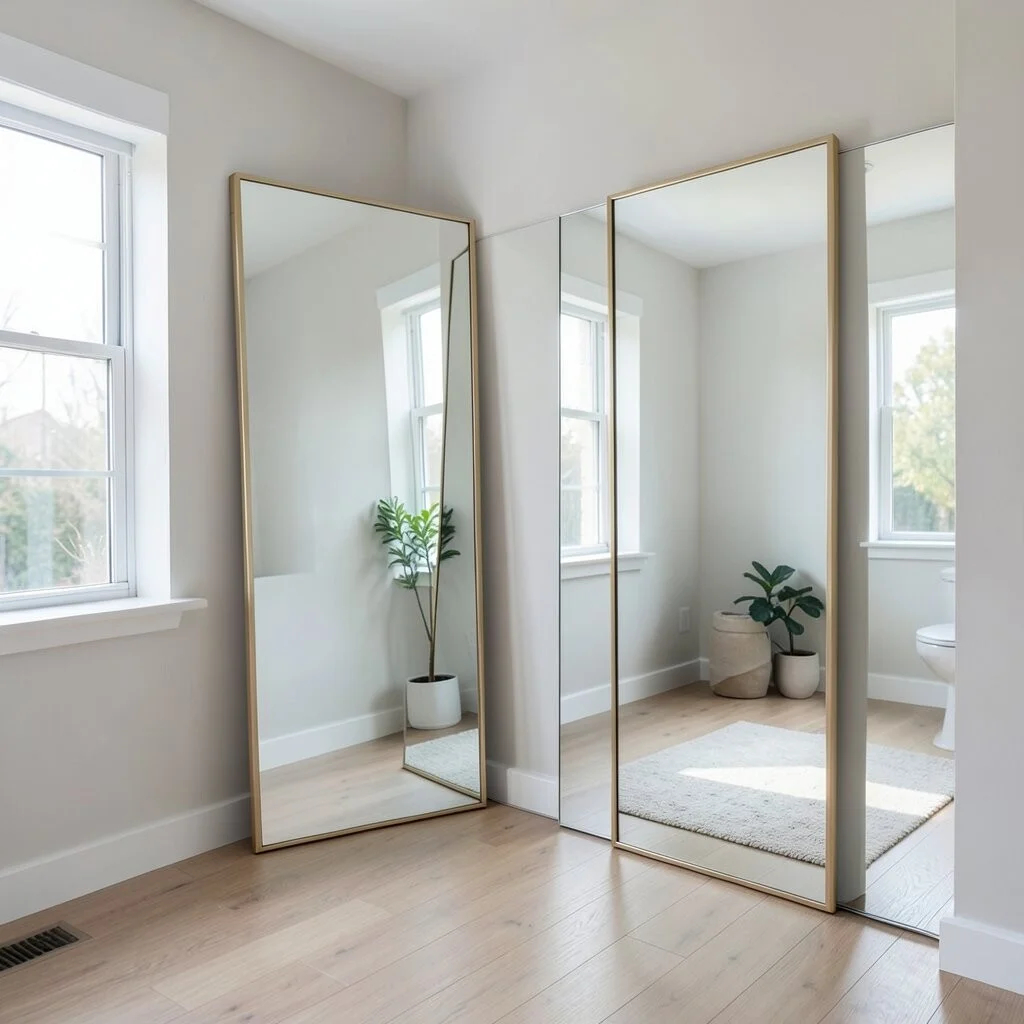
Mirrors can make a room feel larger and brighter. Don’t limit them to just the bathroom.
Place mirrors strategically to reflect light and open up tight spaces. They’re an affordable way to enhance a room.
17. Underestimating Small Details
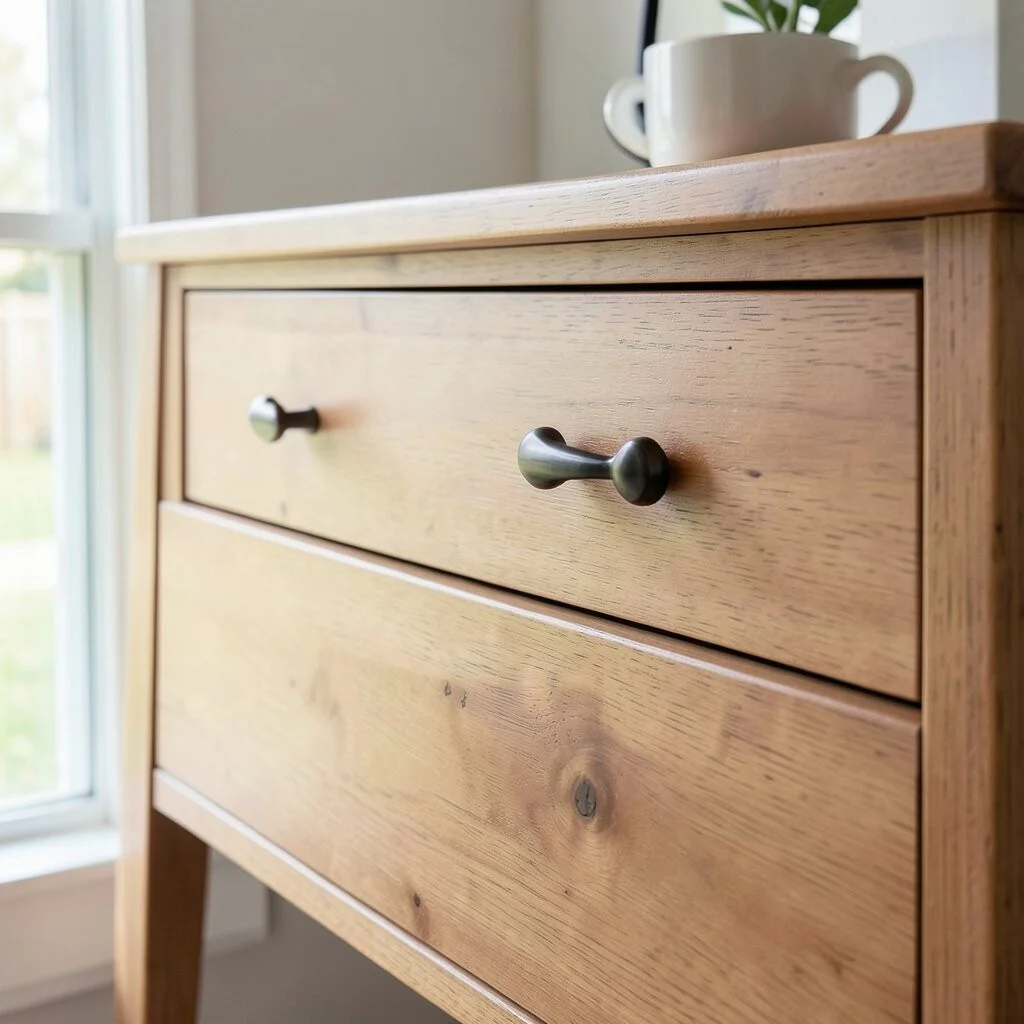
Small details can have a big impact. Things like hardware, knobs, and handles can elevate the look of a room.
Swap out old hardware for new to give furniture a fresh look. It’s a simple and inexpensive update.
18. Ignoring Personal Touches
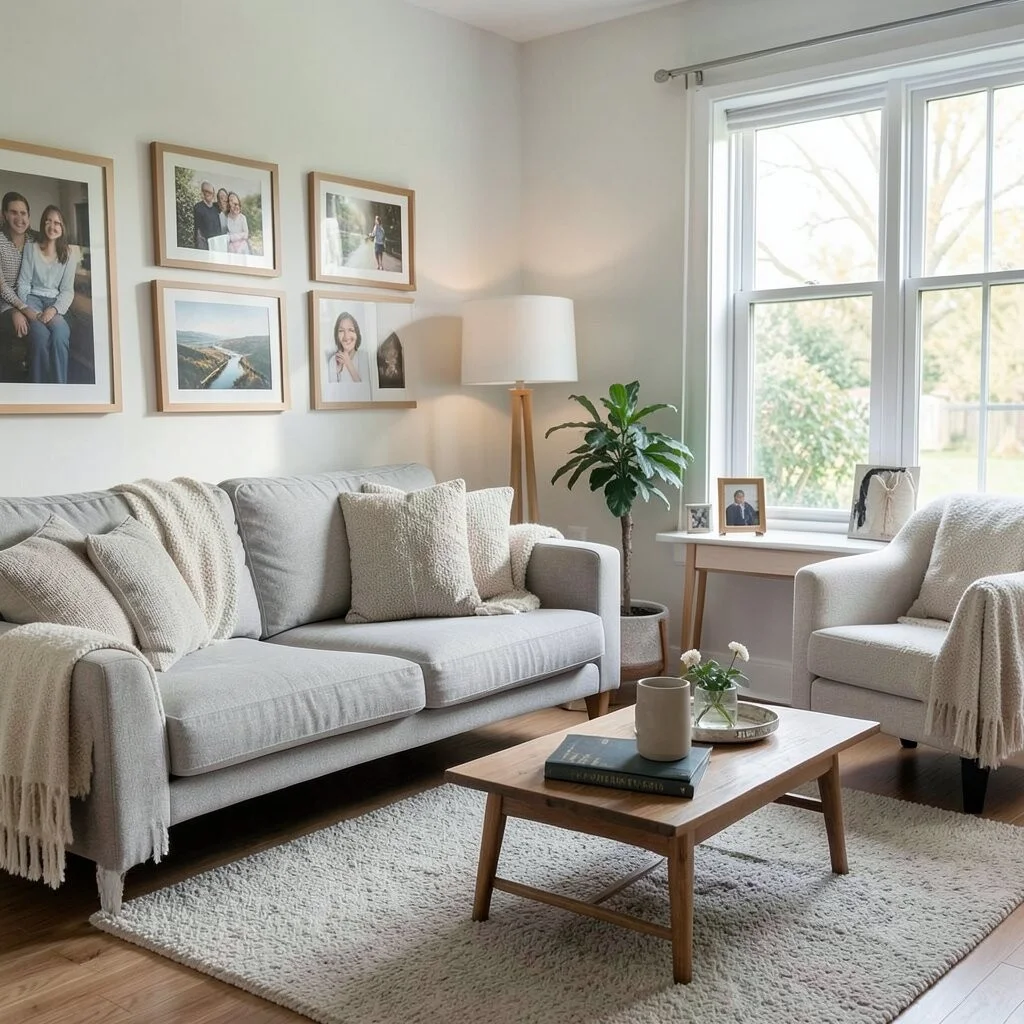
Your home should reflect who you are. Not incorporating personal touches can make a space feel generic.
Add items that have meaning to you, like family photos or travel souvenirs. These touches make a house feel like a home.