The right roof can make a simple house feel warm and timeless. When you choose shapes and details that match real farm life, your home starts to tell a better story.
Here are classic farmhouse roof ideas with practical ways to picture them on your own property.
1. Standing Seam Metal With Barn-Style Lines
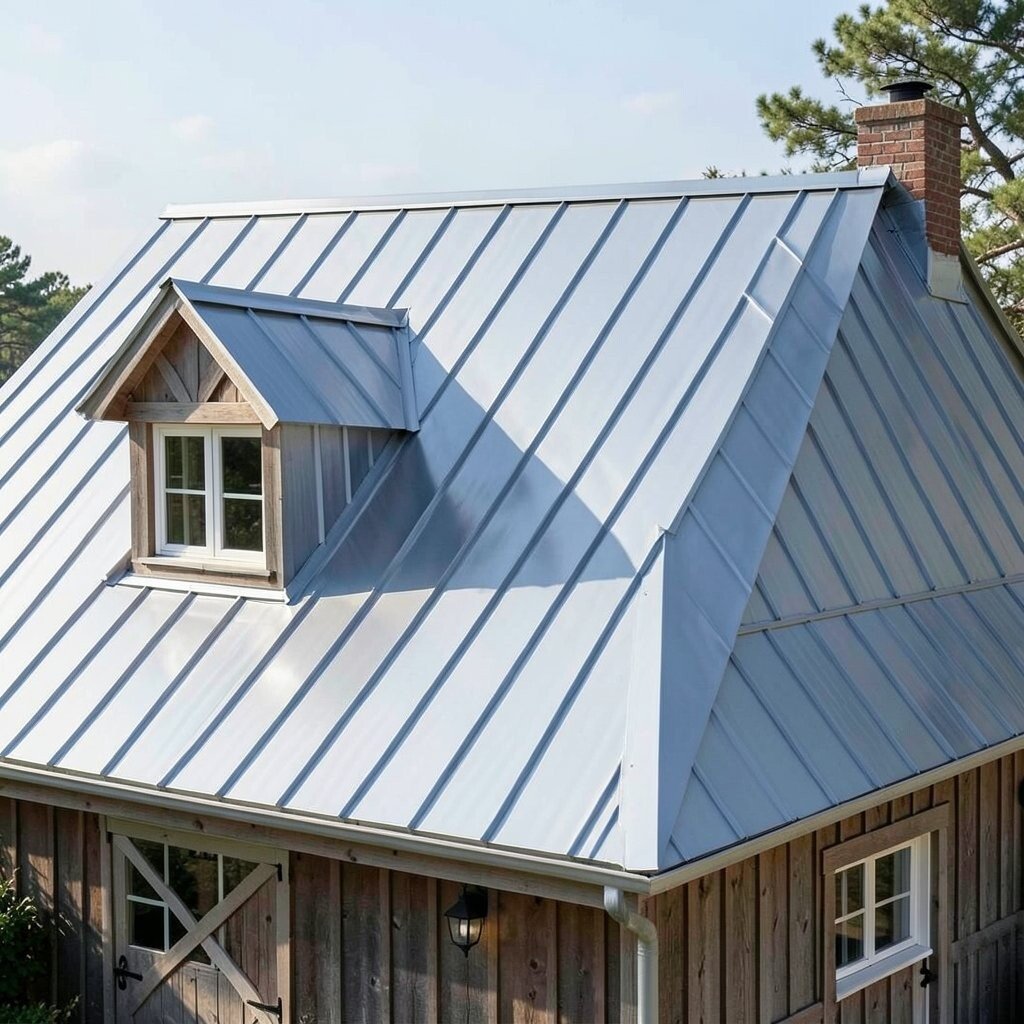
Picture a roof that looks like it could belong on an old barn, but it snaps into place with crisp, straight seams. The long, raised panels catch the sun and create a clean rhythm from ridge to eave.
Metal standing seam is great at handling rain and heavy weather because the seams are built to shed water. It also holds up well to wind and heat, so you can plan less maintenance. For a farmhouse look, choose a color like charcoal, deep bronze, or muted green and keep the trim simple.
2. Classic Gable Roof With Deep Overhangs
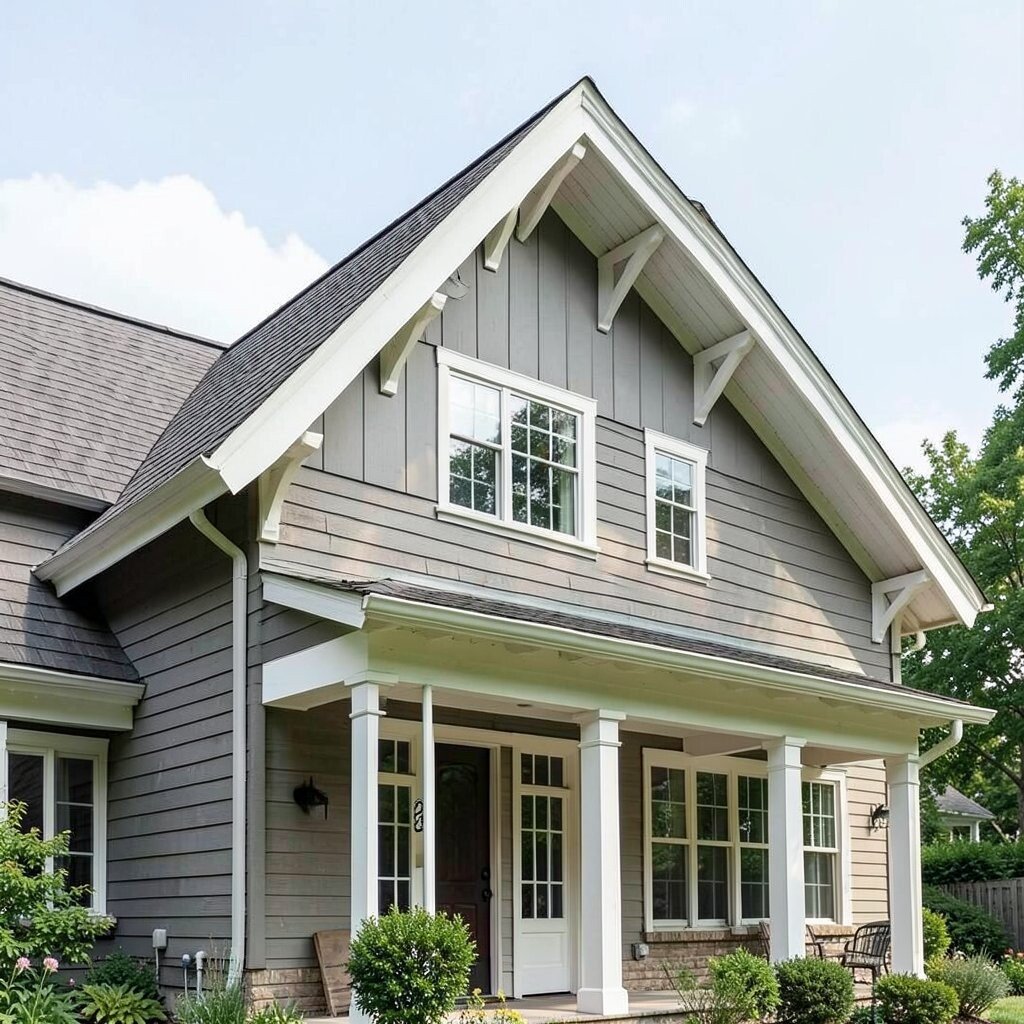
A gable roof is the farmhouse classic that never seems to go out of style. When the overhangs are deep, the shadow lines make the whole front elevation feel extra cozy.
Longer eaves help protect siding and windows from driving rain, which can reduce wear over time. They also give you a practical spot for covered entry areas and porch comfort.
To personalize it, match the roof pitch and ridge height to your existing foundation shape, then add gutters that blend with your fascia. If you want a current touch, consider pairing the gables with a wider front porch roof for a more layered look.
3. Warm-Weather Hip Roof With Farmhouse Charm
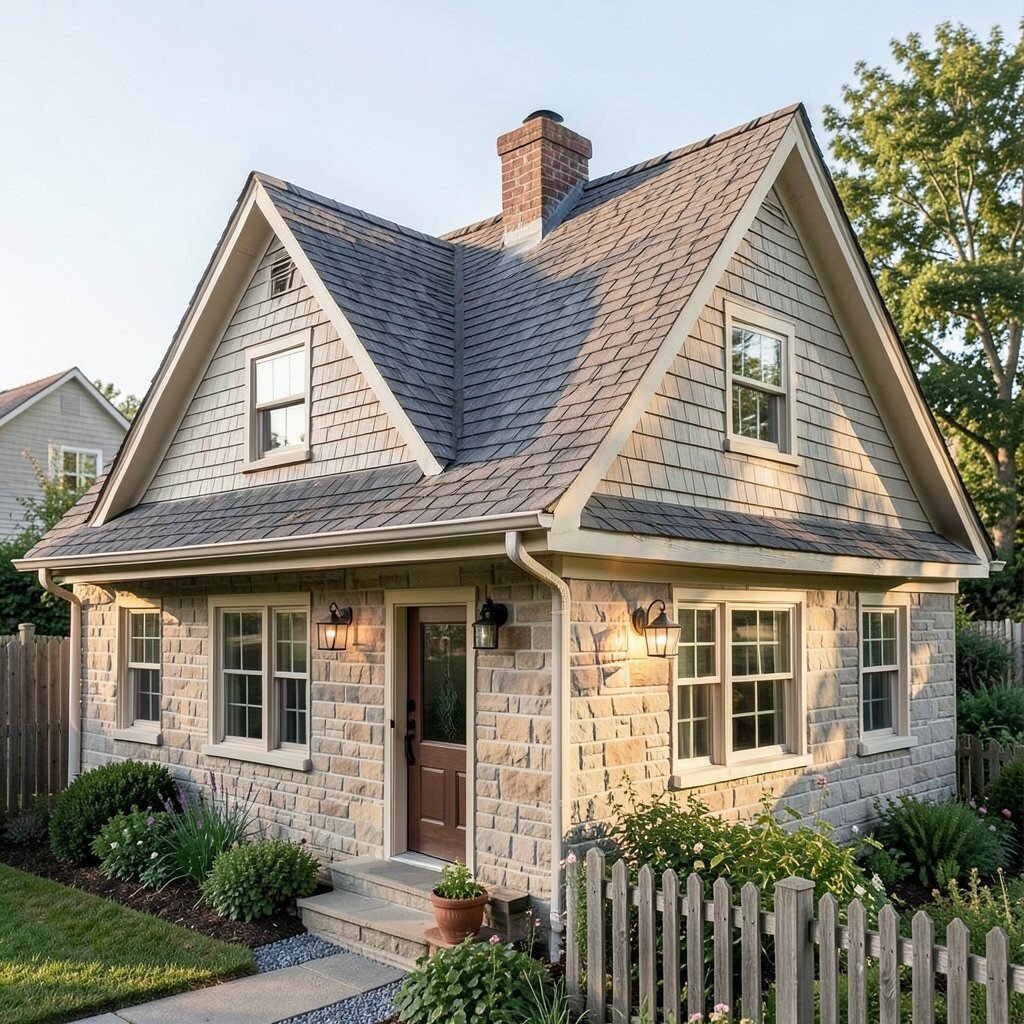
A hip roof slopes on all sides, so it feels steady and balanced from every viewing angle. On a farmhouse, the gentle lines look especially inviting when the siding has warm wood tones.
This roof style is also helpful in windy areas because there are fewer exposed vertical planes for gusts to hit. It can last a long time and typically supports good attic ventilation when you plan the vents carefully.
For a practical upgrade, keep soffit vents clear and consider a ridge vent system. Choose shingles in a weathered look, or use metal for a slightly more modern farmhouse vibe.
Adding a simple cupola or small vent housing near the ridge can boost the “farm” feel without making the roof too busy.
4. Asphalt Shingles That Imitate Wood Shake
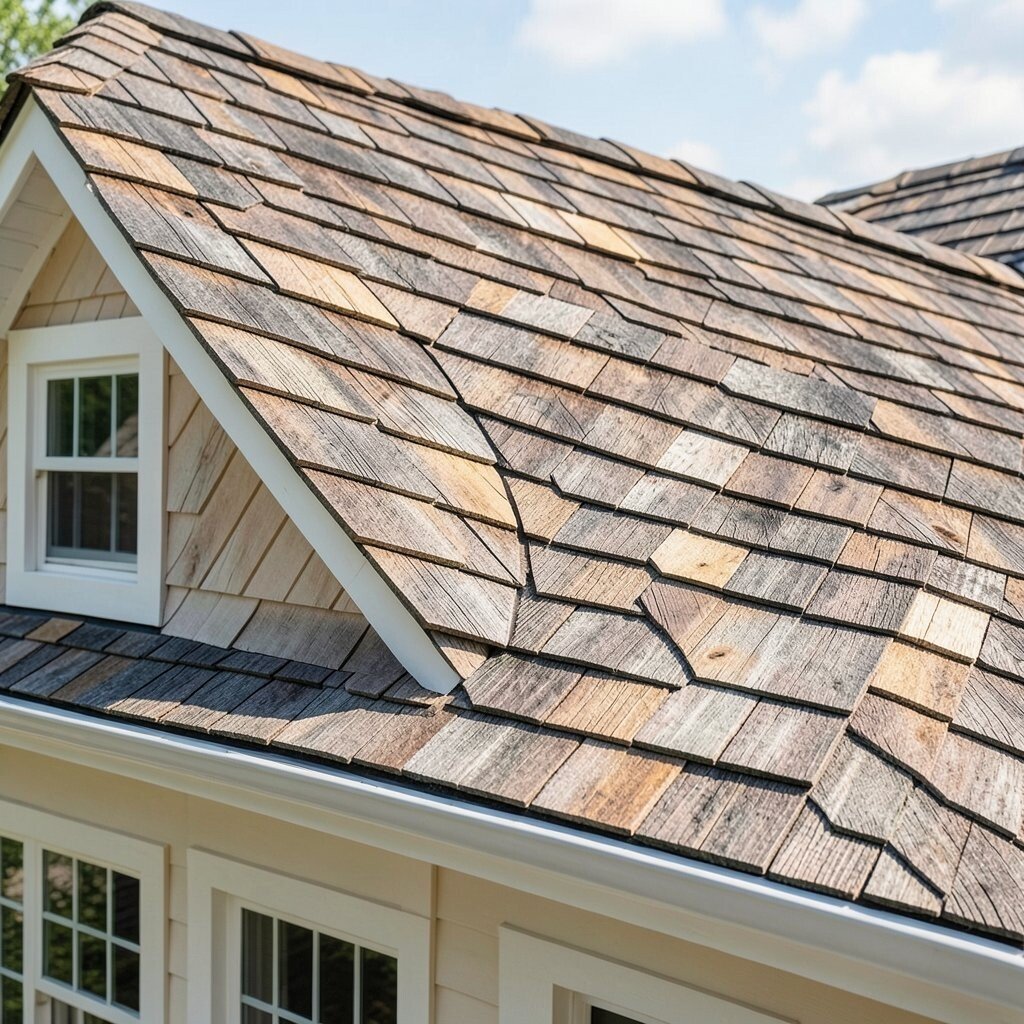
If you want the rustic look without the constant upkeep, wood-shake style asphalt can be a smart choice. The texture gives visual depth, and the color variations can mimic old timber from a distance.
This option is popular because it’s easier to install than real shake and tends to be more budget-friendly. It can also handle typical storms well when you select a quality underlayment.
5. Weathered Wood Shingles on a Smaller Pitch
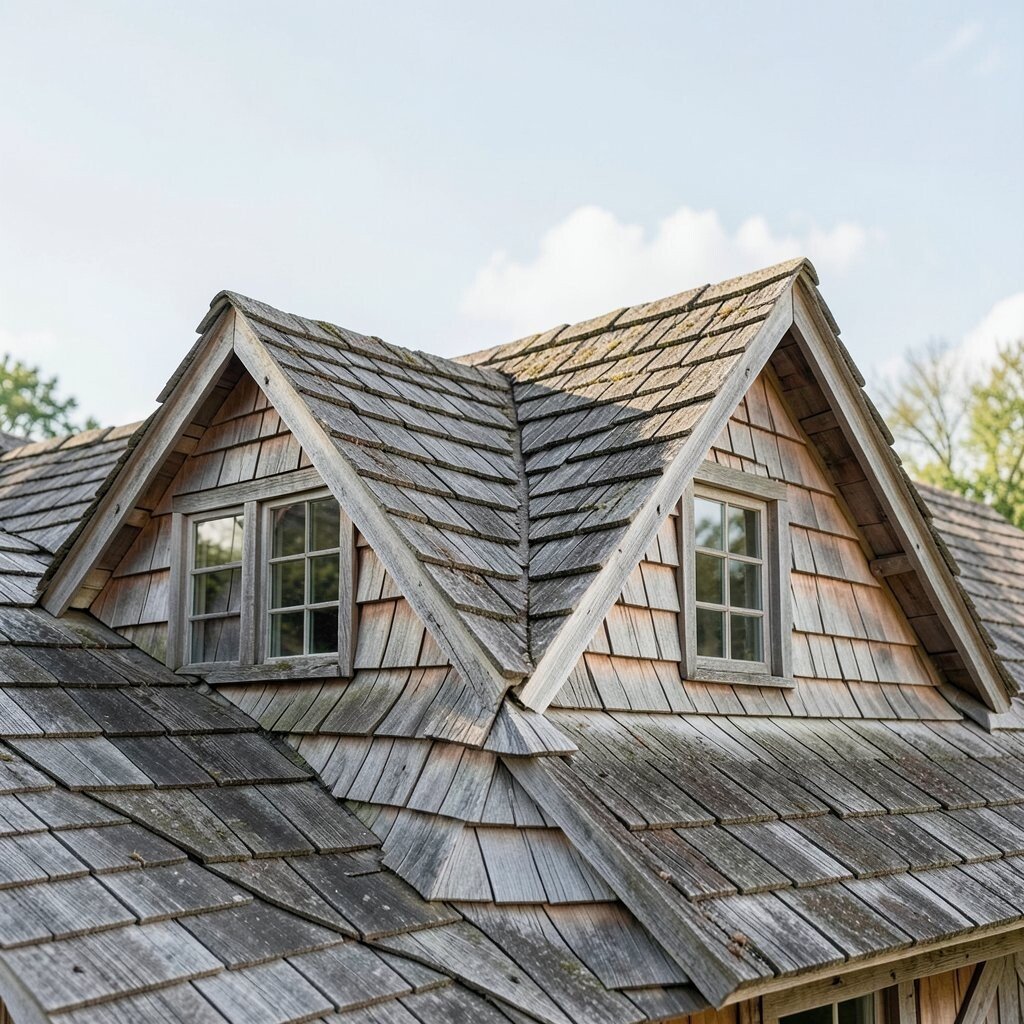
Wood shingles can create a truly authentic farmhouse mood, like a cozy cabin tucked into the countryside. When the roof has a gentle pitch, the texture looks natural rather than sharp.
The beauty is obvious, but so is the craftsmanship, since good installation matters for water flow. You can also get a nice covered porch feel by extending the roofline and keeping the shingles consistent across the front.
Think about longevity before you commit, because wood needs periodic care and may require treatment in wet climates. If cost matters, consider using wood shingles only on a front-facing section while using a durable alternative elsewhere.
6. Overlapping Dutch Gable Roof With Character

A Dutch gable combines a classic gable shape with a smaller top section, and that extra layer adds instant character. From the street, it looks like your home has more “history” even if it’s new construction.
This style brings strong curb appeal because the silhouette stands out against the sky. It also gives you a natural place for windows, adding light to the upper story or attic space.
To keep it practical, plan proper flashing around the angled sections and make sure gutters can handle the added runoff. For personalization, choose trim that matches your door color and add shutters that look handcrafted.
If you’re following current farmhouse trends, a slightly taller Dutch gable with simple window grids can look clean and modern while still feeling timeless.
7. Cross Gable Roof For a Courtyard Feel
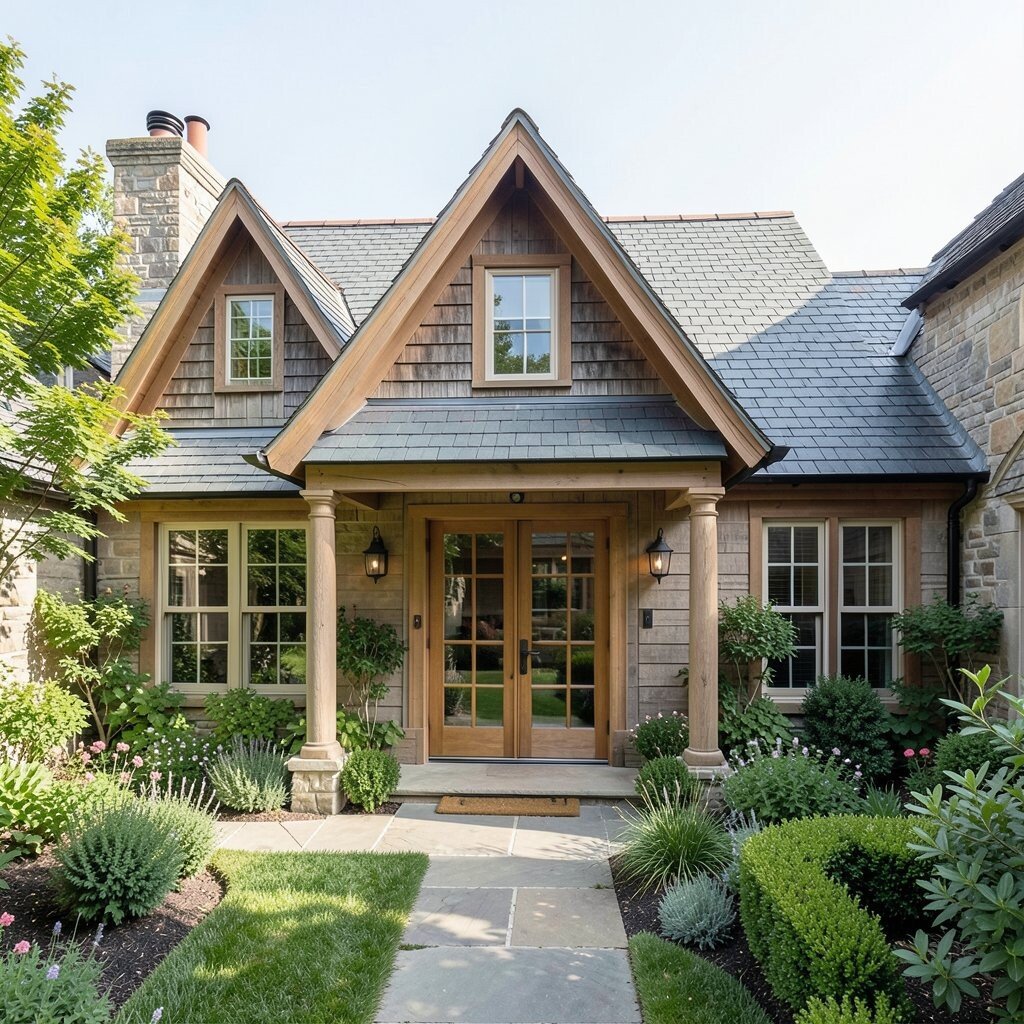
Cross gables create a lively roofline that helps a home feel like it has separate “rooms” outside the walls. Even a modest footprint can look more interesting when the gables meet in an elegant intersection.
This layout often works well for farmhouse plans with an entry side porch or a small side courtyard. It can also make it easier to tuck windows under the angles for a bright interior.
For practical planning, confirm that drainage at the valleys is designed carefully, since the intersection areas handle most of the water. Use proper underlayment and choose valley flashing materials that fit your climate.
8. Mansard Roof With Farmhouse Texture

A mansard roof gives you a dramatic, storybook silhouette that still pairs nicely with farmhouse details. The curved lower portion creates a richer profile than a straight roofline, especially on wider homes.
This style can add usable space in the upper level, which may make your attic feel more functional. It also allows you to add dormer windows that bring extra light and a vintage charm.
To keep it from feeling too heavy, use a lighter shingle color and keep dormers proportionate. If you want a cost-smart approach, consider limiting the mansard shape to an addition or one wing rather than the whole house.
9. Dormer-Focused Roof With Window-Like Warmth
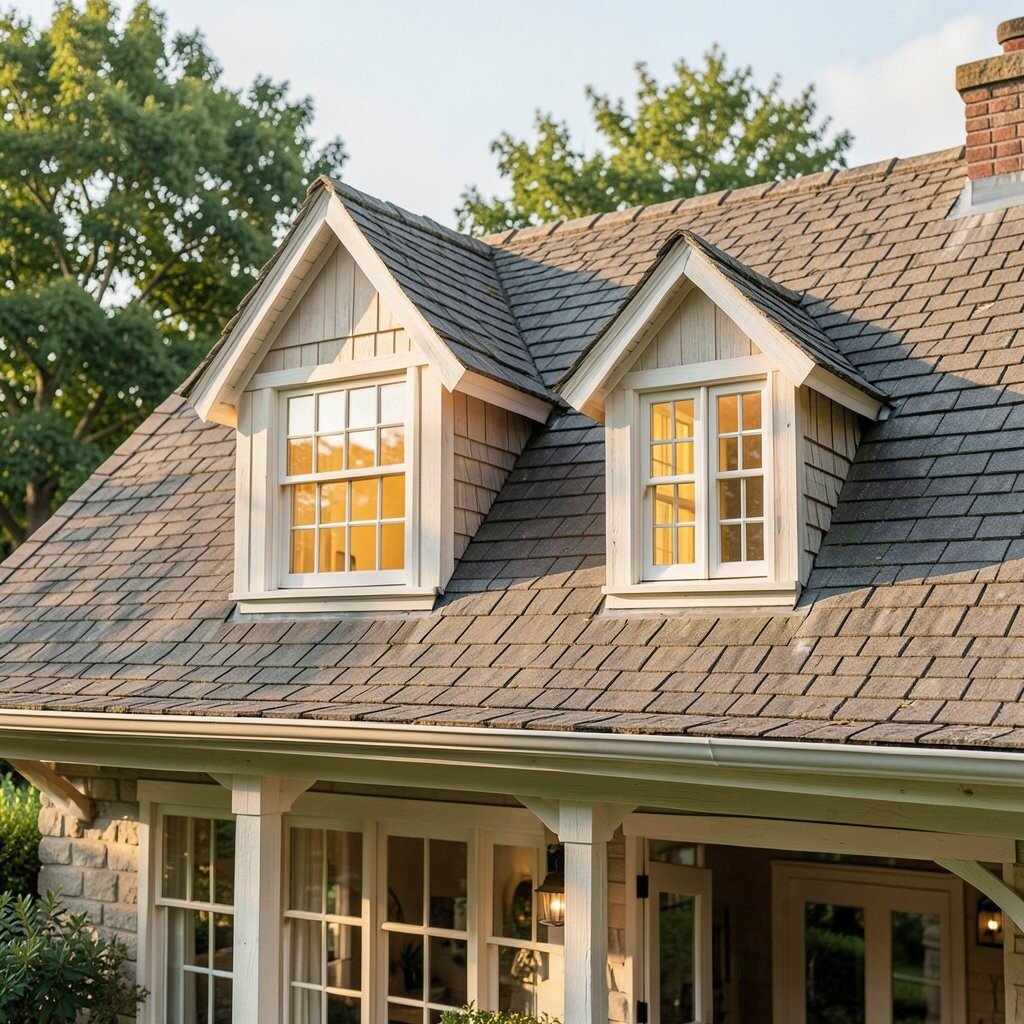
Dormers turn a flat roofline into a welcoming scene, like a farmhouse greeting you with windows. They make upper stories feel less boxed in and give the exterior a friendly, lived-in look.
Beyond looks, dormers can improve attic usability and airflow when ventilation is planned correctly. They also help with natural light, which can make spaces feel bigger and brighter.
For personalization, match dormer windows to your main window style and use consistent trim thickness. A current trend is adding metal roof sections or darker dormer caps for contrast, so the roof feels intentional rather than uniform.
10. Simple Shed Roof With Farmhouse Minimalism
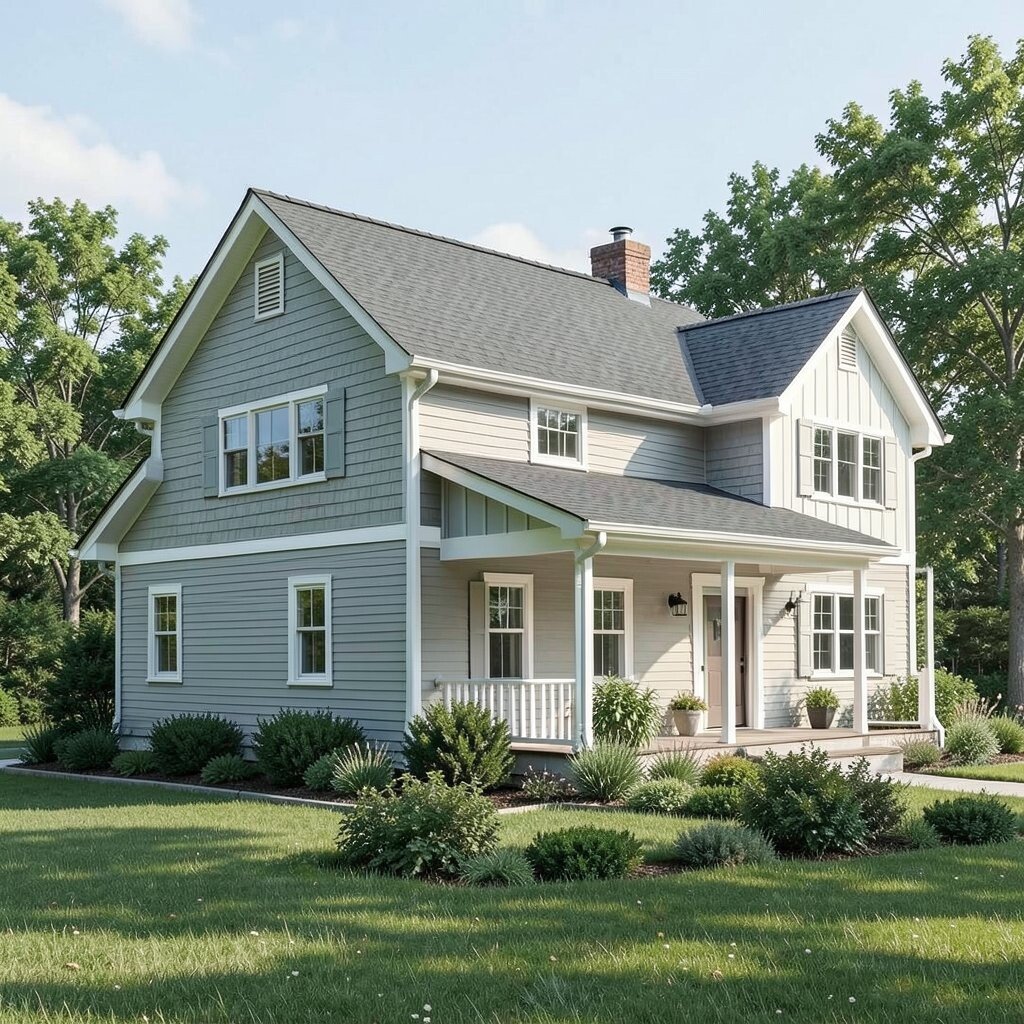
A shed roof can look surprisingly charming when you keep lines neat and proportions right. On a farmhouse-style home, it creates a modern twist that still feels calm and practical.
This can be a smart choice for additions like garages, porches, or back wings where you want a clean, streamlined look. It also helps with water runoff control when gutters are installed properly along the full length.
To make it feel more farmhouse, pair the roof with board-and-batten siding, natural wood accents, and classic shutters. Choose roofing material that matches your main roof colors to avoid visual clutter.
11. Roofline With Cupola For Classic Farm Signatures
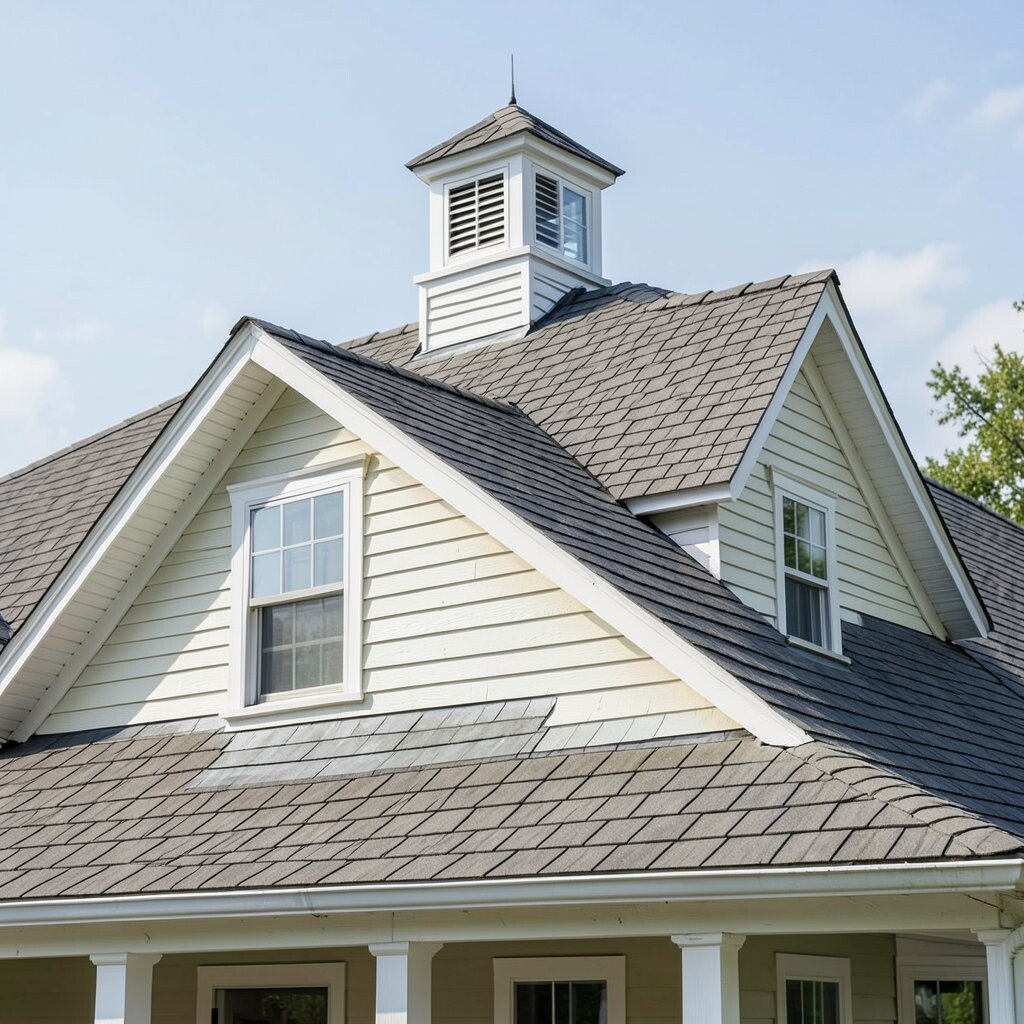
A cupola is like the finishing touch on a farmhouse, adding height and personality right at the center of the roofline. Even if your home is simple, the cupola gives it a barn-inspired wink.
It can also improve attic ventilation, especially when the design includes louvers or vent openings. That means the roof space stays drier and can help protect insulation over time.
For practical installation, talk with a contractor about wind load and how the cupola anchors to the framing. Personalize it by matching the cupola trim to your fascia and choosing a shingle or metal top that fits the roof theme.
12. Reclaimed-Look Slate Style for Elegant Farmhouse Contrast

Slate-style roofing instantly adds an elegant feel, and it can still fit a farmhouse when you keep the rest of the exterior warm. The texture looks refined, like the home has strong character under the surface.
This roofing choice is also known for long life when installed correctly, which can help you plan for fewer replacements. It’s a strong option if you want a quiet, timeless look that ages beautifully.
For cost considerations, slate itself can be expensive, but many modern products imitate the look with lighter weight. Choose a system designed for your roof structure and make sure the underlayment and flashing details are top quality.
To keep it farmhouse, pair slate tones with stone steps and classic wood doors, and avoid overly bright accents.
13. Plain Ridge Cap and Minimal Trim for Clean Farmhouse Lines
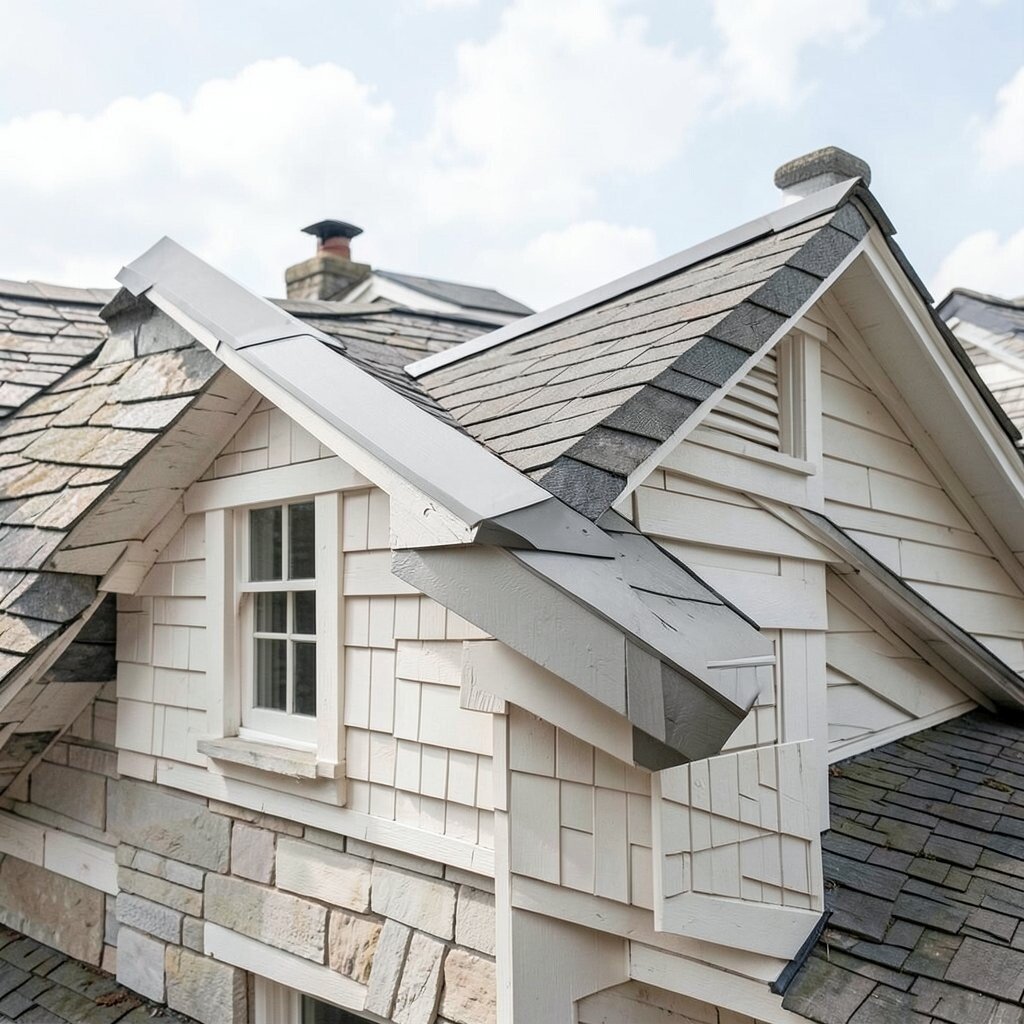
Sometimes the best farmhouse roof idea is restraint, letting the main roof materials shine without extra frills. A well-fitted ridge cap and simple flashing give a clean, honest look that feels sturdy.
This approach helps you avoid visual noise, which is especially helpful if your siding already has texture like shiplap. It can also keep installation details simpler, which can help manage labor costs.
If you want personalization, choose a ridge color that slightly contrasts with the main roof so the roofline reads clearly. This is a great option if you’re going for current farmhouse minimalism while still keeping classic proportions.
14. Standing Seam With Walnut-Tone Gutters and Fascia
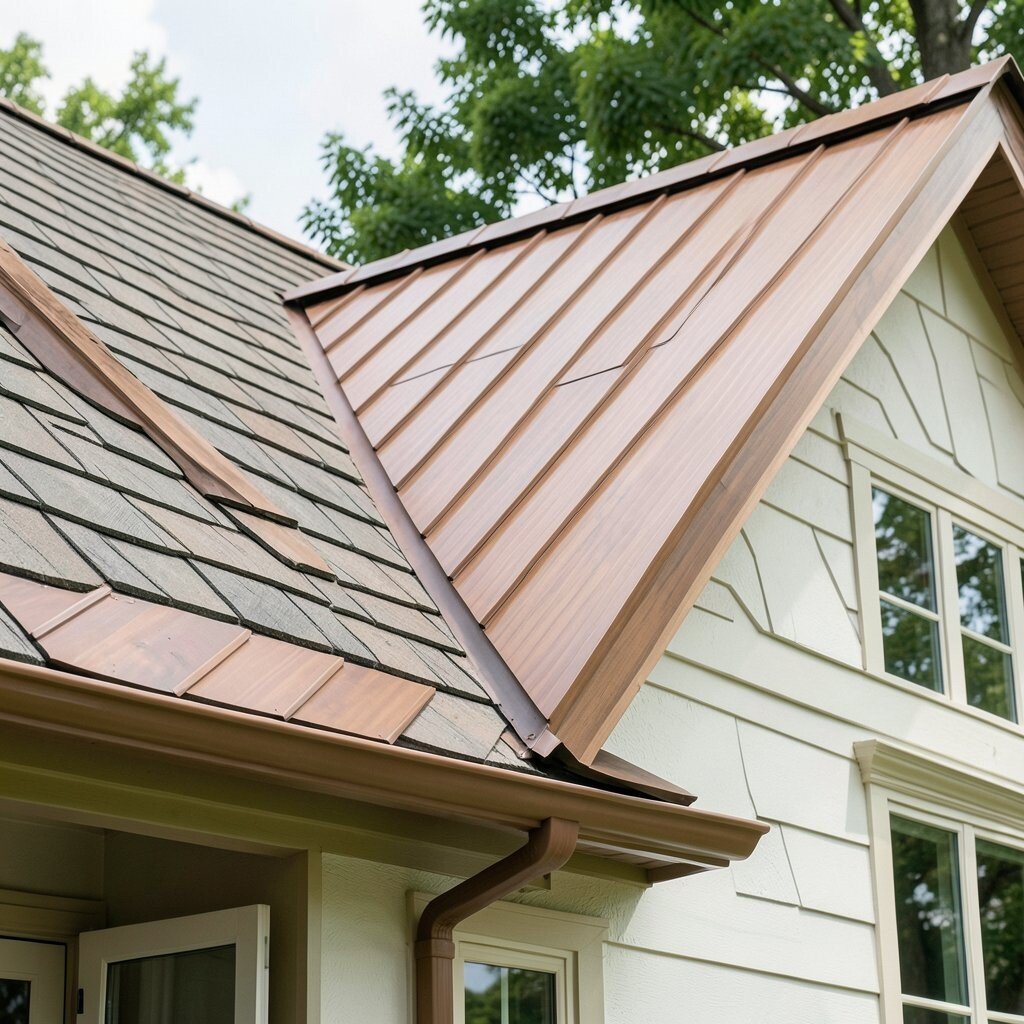
Metal roofing looks even better when the accessories match the farmhouse palette. Imagine standing seam panels paired with walnut-stained gutters that warm up the whole front view.
This combination makes the roof feel integrated, not just installed on top. Gutters also protect your landscaping and help prevent staining on siding, especially around downspouts.
For practical tips, choose gutter sizes and hangers sized to your rainfall patterns and keep downspouts placed where water won’t hit foundations. Personalize it by matching gutter colors to handrails, porch posts, or window trim.
If budget matters, consider prioritizing the front elevation materials first since that’s what people notice daily.
15. Roof With Traditional Box Corners and Wainscot-Like Details
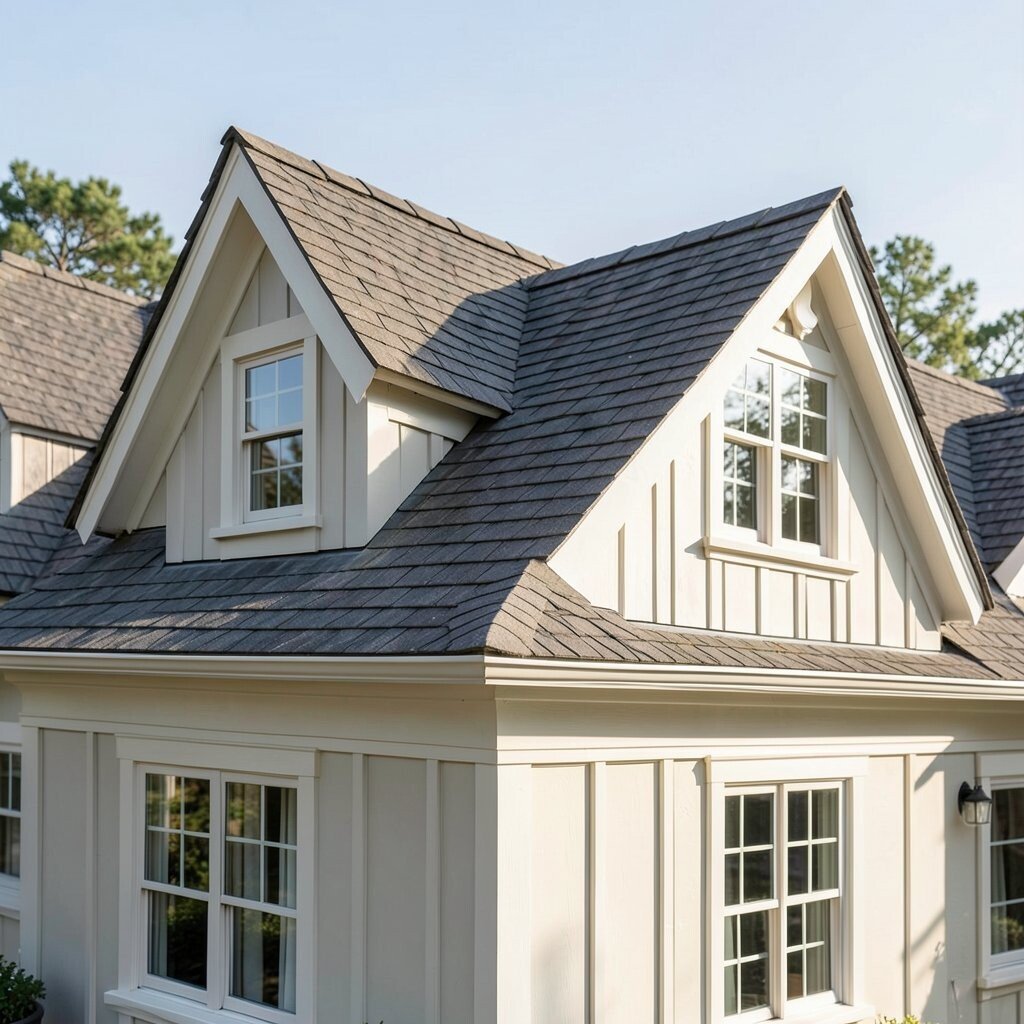
Farmhouse roofs look extra grounded when cornice lines are detailed well, like the edges are carefully framed. Box corners and classic trim add a small but meaningful layer of craftsmanship.
These details can reduce wind-driven water issues by giving the design a cleaner path for drainage. They also help your exterior look finished, especially when the fascia boards are painted or stained to match.
For a practical personalization plan, decide on a trim width that balances your home height and window size. You can keep the roof itself simple, then add character through the edge treatments and consistent color choices.
16. Cross-Hatched Patterned Metal Panels for Rustic Depth
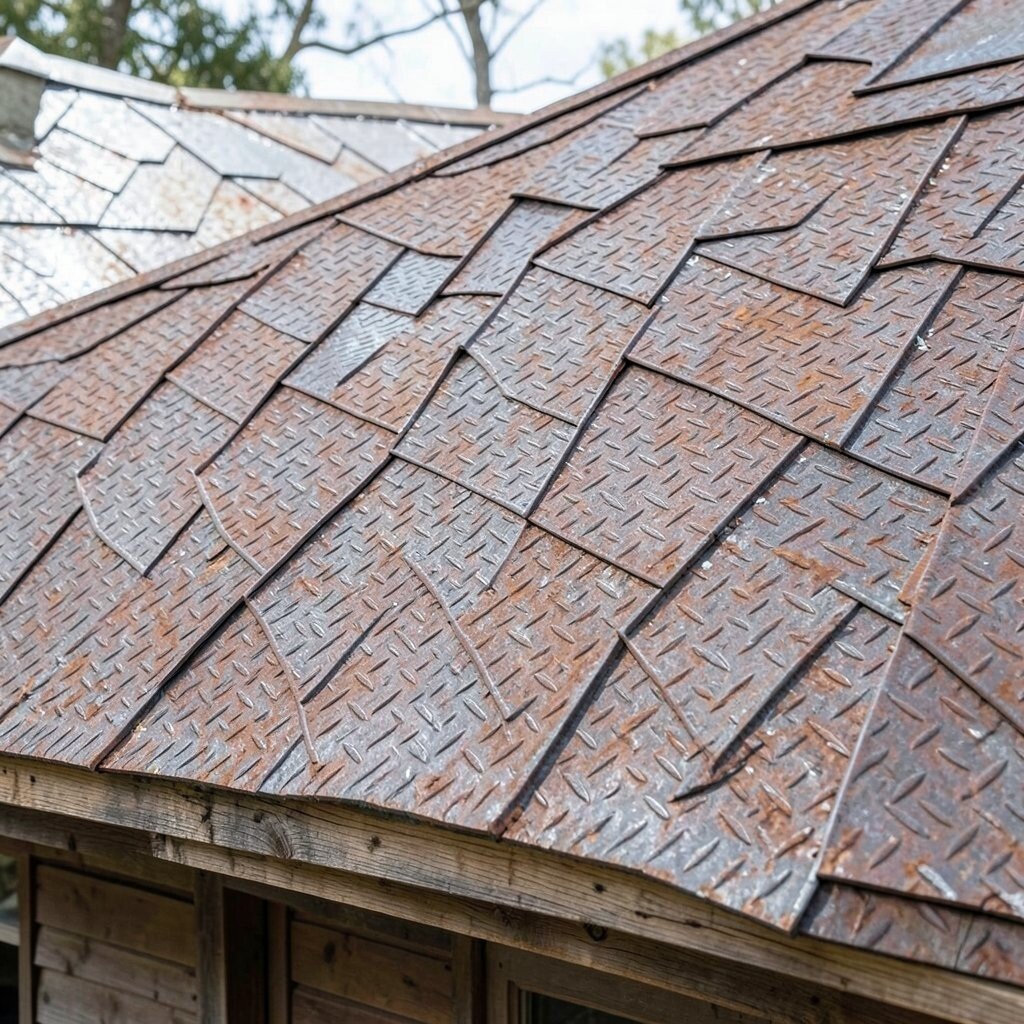
Some metal roofing systems come with patterning that adds depth, similar to the way older barns show variation in age. When light hits at an angle, the roof surface looks richer and less flat.
This kind of roof can stand out while still feeling compatible with farmhouse styling, especially if your siding is natural and your trim is warm. It can also offer long-lasting performance, which helps with long-term cost planning.
To personalize, keep colors earthy and matte rather than glossy, since matte looks closer to traditional farm materials. Ask about panel width, fastening method, and warranty coverage so you know what you’re paying for.
If you’re building on a budget, use patterned metal on the most visible roof faces and keep other sections simpler.
17. Low-Profile Farmhouse Roof With Architectural Shingle Texture
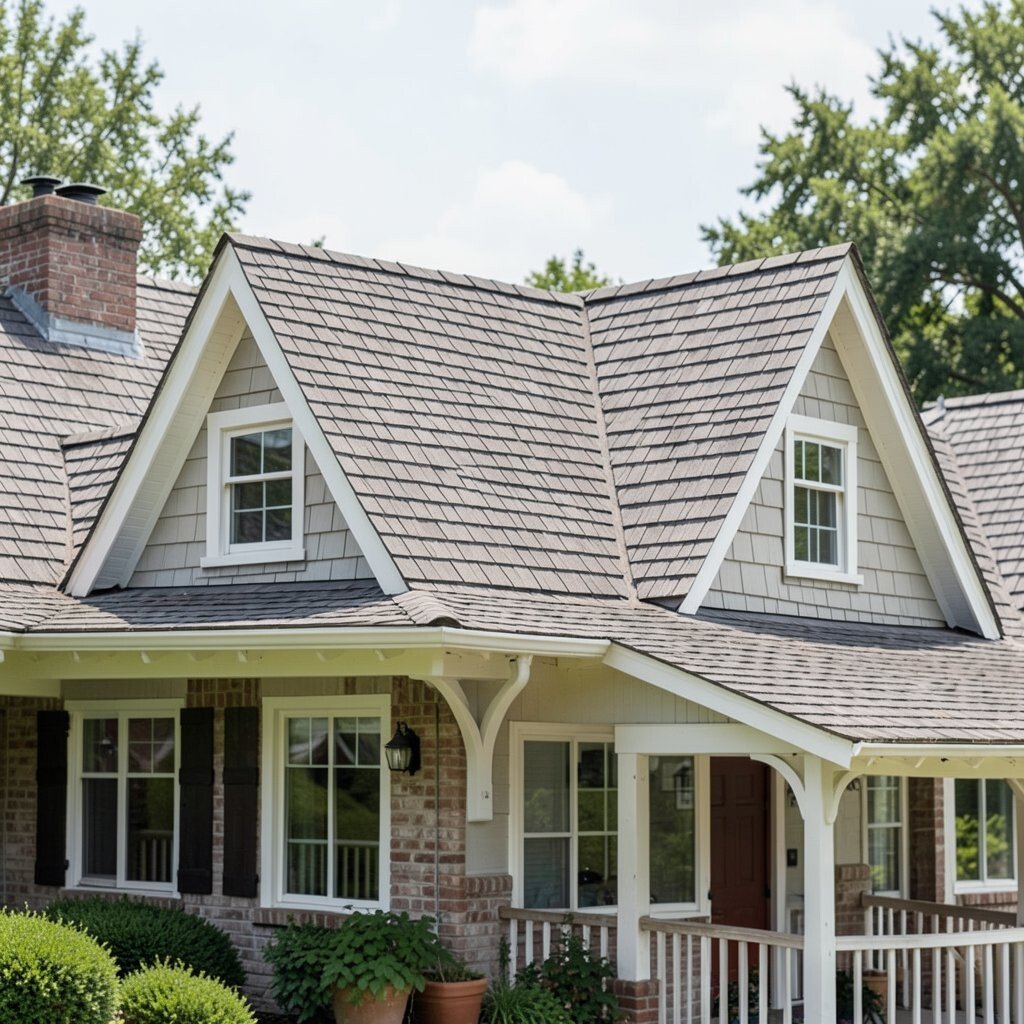
An architectural shingle roof can still give you that farmhouse feel when you choose the right texture and thickness. The multi-layer look creates subtle shadows, making the roof feel dimensional from the road.
This option is popular because it’s relatively affordable and easier to replace later if needed. It also tends to hold its appearance well, especially when you select colors inspired by weathered wood and stone.
For practical tips, use strong underlayment and pay attention to ventilation so heat and moisture don’t get trapped. Personalization is easy by selecting a slightly irregular color blending, which helps the roof look more natural over the years.
18. Farmhouse Porch Roof With Matching Pitch and Material

A porch roof can make the whole exterior feel “together,” especially when it matches the pitch and material of the main house roof. When the lines align, your home looks intentional rather than assembled from separate parts.
This small roof element brings real benefits because it protects your entry, helps reduce sun fade on doors, and keeps rain away from steps. It can also extend your usable outdoor space, which is a big deal for day-to-day comfort.
To personalize, add classic columns or simple tapered posts, then finish the porch ceiling with wood planks for warmth. Keep current style in mind by using lantern-style lighting and a clean gutter line so the porch roof looks neat and modern while still farmhouse-inspired.
Cost considerations are easier here because porch roofs are usually smaller than main roofs, so you can upgrade the materials without paying for a full-house change.