Gabled roofs have a way of making homes feel steady and full of charm. The right style can also help your house handle weather with grace.
From timeless shingles to bold dormers, there are many classic directions you can take without losing that familiar look.
1. Timeless Asphalt Shingles in Warm Heritage Tones
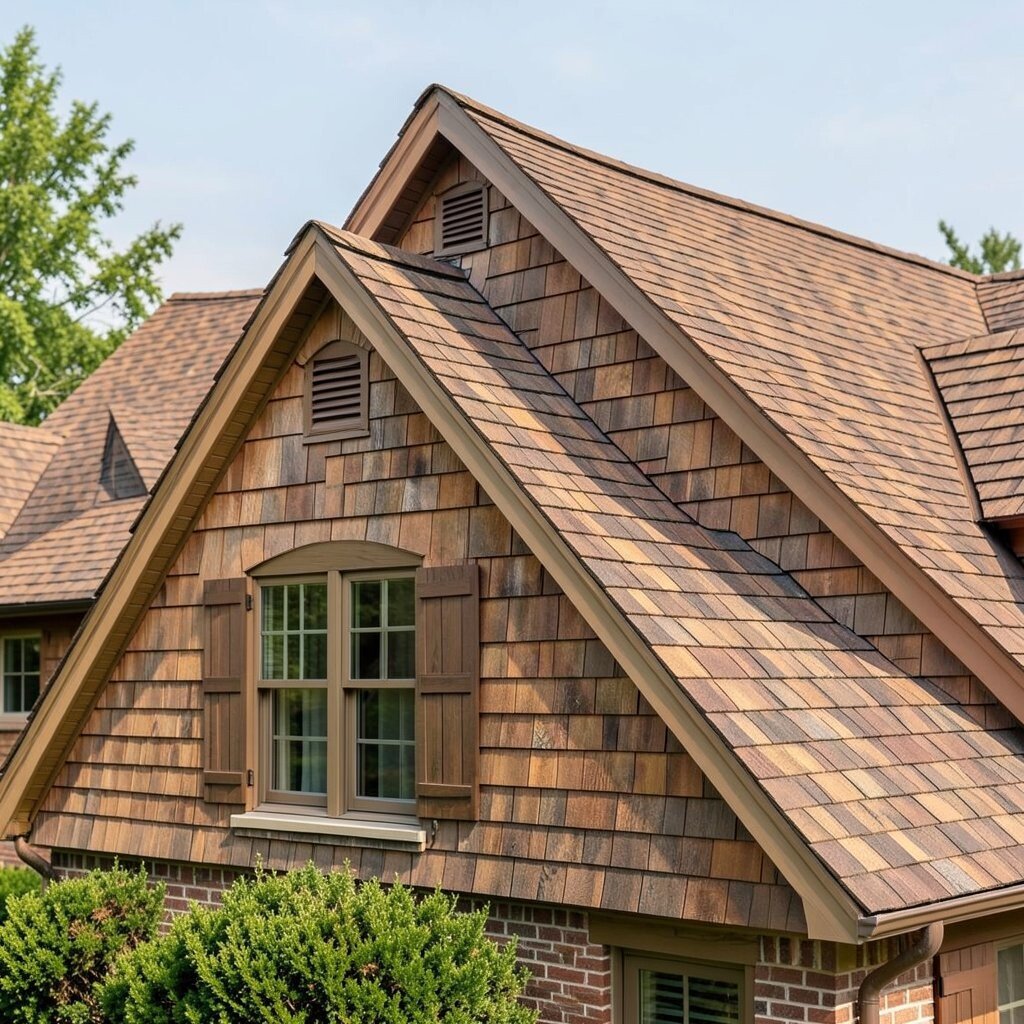
Choose asphalt shingles in warm heritage tones like earthy browns, deep slate gray, or soft charcoal. When the sun hits, the roof surface shows gentle texture that looks lived-in yet neat.
They install smoothly, usually with quick repairs compared to harder roofing materials. You can match trim and siding colors by picking a shingle shade that sits between your main wall color and your darkest accent. For personalization, vary the color slightly by using a darker ridge cap and lighter field shingles.
If you plan for maintenance, clean the gutters often and keep an eye on flashing around vents. In many neighborhoods, this classic look also fits local rules and buyer expectations, which can help your home feel “easy to love.”
2. Natural Slate Look for a Refined, Old-World Feel
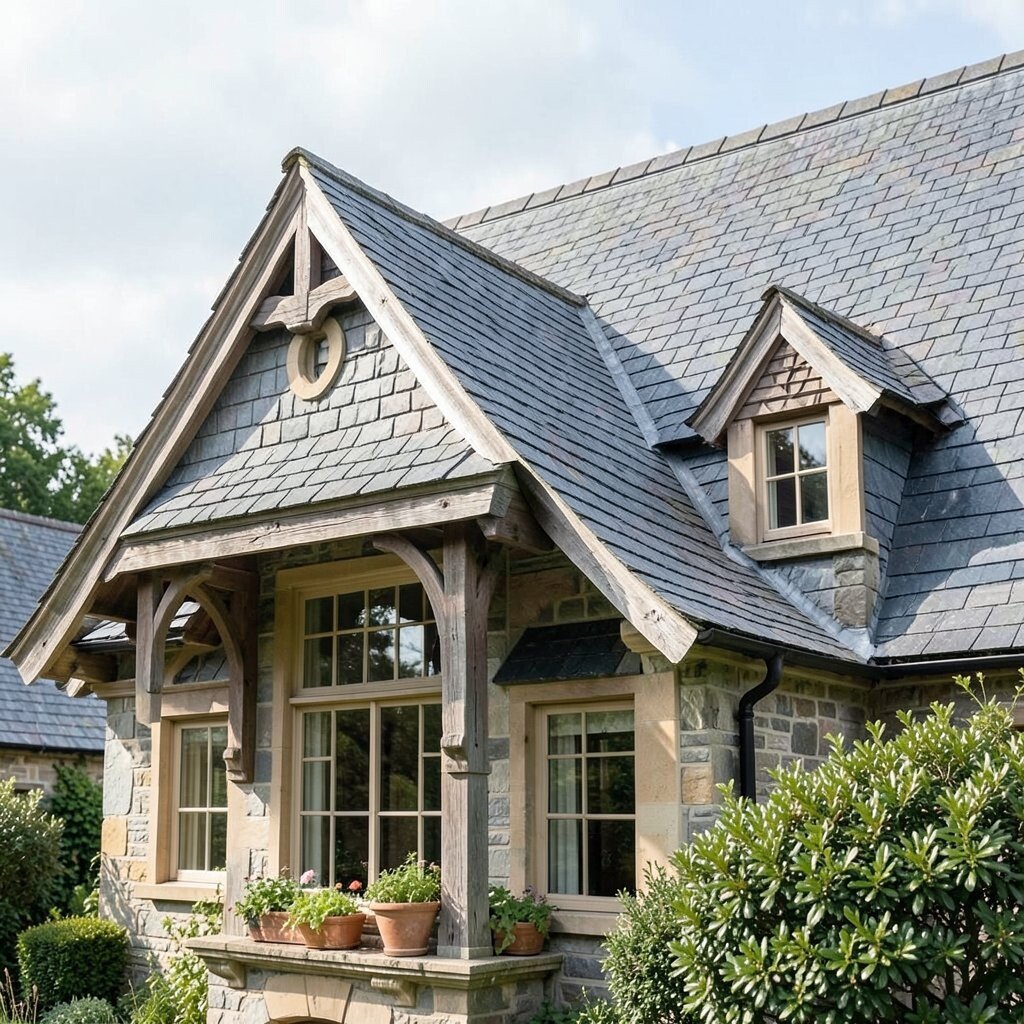
Slate look roofing brings an instant storybook vibe, with cool tones and crisp edges. Even from the street, the roofline feels more architectural because the color reads deeper and more complex.
It pairs beautifully with arched windows, stone steps, and timber-style accents. Many homeowners like that it feels timeless without forcing a dramatic color change across the rest of the facade.
For practical results, ask your contractor about underlayment, ventilation, and proper flashing so the roof holds up in real weather. Budget-wise, slate look options often cost less than true slate while still giving that classic, elevated impression. If you want to keep it authentic, choose a shade that resembles aged stone rather than an overly uniform gray.
3. Crisp Standing Seam Metal with Traditional Lines

Standing seam metal can look surprisingly classic when you keep the profile simple and the color muted. A gray or charcoal finish gives sharp contrast to white trim and makes the gable silhouette feel extra clean.
The upside is durability and energy friendliness, since metal roofs tend to last a long time and can reflect sunlight. It also handles wind-driven rain well when installed with careful flashing.
For uniqueness, choose a finish that leans slightly warm instead of pure blue-gray, which helps the roof blend with brick tones. To make it feel more “homey,” match metal color to your gutters and downspouts so the whole top edge looks intentional. Plan for sound management too by using the right insulation and underlayment in your attic.
When budgeting, metal often costs more upfront, but the long lifespan can reduce long-term replacement worries.
4. Wooden Shake Style for Cozy Rustic Character

Wooden shake style roofing gives a warm, rustic presence that feels welcoming. From a distance, it creates soft shadow lines across the gables, especially in early morning light.
Homeowners love the natural look, and the roof can make even simple siding feel special. It also pairs well with dormers, porch roofs, and landscaping with textured mulch.
For practical tips, select shakes or shake-look materials suited to your climate and confirm fire ratings where required. You’ll also want regular inspections, since wood detail work depends on good flashing and proper ventilation. If cost matters, ask about composite shake options that mimic wood while reducing upkeep.
5. Architectural Shingles with Deep Shadow Layers

Architectural shingles add depth, so the roof looks fuller and more dimensional. When a gable catches the light, the shadow effect makes the roofline feel like it was designed, not just installed.
They can also improve wind and water resistance compared to basic three-tab shingles, depending on the product. This kind of roof tends to hold color well and looks great on both traditional and slightly modern homes.
Try choosing a shingle pattern that works with your roof pitch and keeping the ridge cap in the same tone family for a clean finish. For personalization, match your venting color to the trim so it disappears into the design. If you’re watching costs, compare warranties and installation requirements, because labor changes can affect the final price.
6. Front Gable Porch Roofs with Statement Proportions

A front porch with a gable roof feels instantly classic and friendly. The roof peak can visually frame your entry and make the walkway feel more inviting.
When you choose porch proportions that feel balanced, the rest of the home often looks more polished too. Pairing the gable with sidelights, a simple door, and warm lighting can turn a plain entry into a focal point.
For a practical approach, plan roof overhangs so rain drips away from the door and stairs. Ventilation matters here, especially if your porch ceiling is tied into attic space. Keep the materials aligned with the main roof for a unified look, and you may save money by using the same shingle type and color.
7. Gable Dormers with Matching Shingle Runs

Dormers add usable space and classic charm, and gable dormers feel especially traditional. They also break up a long roof plane so the whole facade looks more lively.
Visually, they frame windows like small portraits, which helps your upper story feel designed. In terms of benefits, dormers often add headroom for an office, hobby room, or bedroom while bringing in more light.
For personalization, pick window trim styles that echo your main house details, like simple casing boards or a subtle crown. Practical planning includes correct flashing and water management where the dormer meets the main roof. Cost can vary a lot, so get a clear quote for framing, roofing, and window installation before you choose the size.
Current trends lean toward wider, lower dormers with clean lines, so consider a shape that looks bold without being too tall.
8. Stone Veneer Accents at Gable Ends
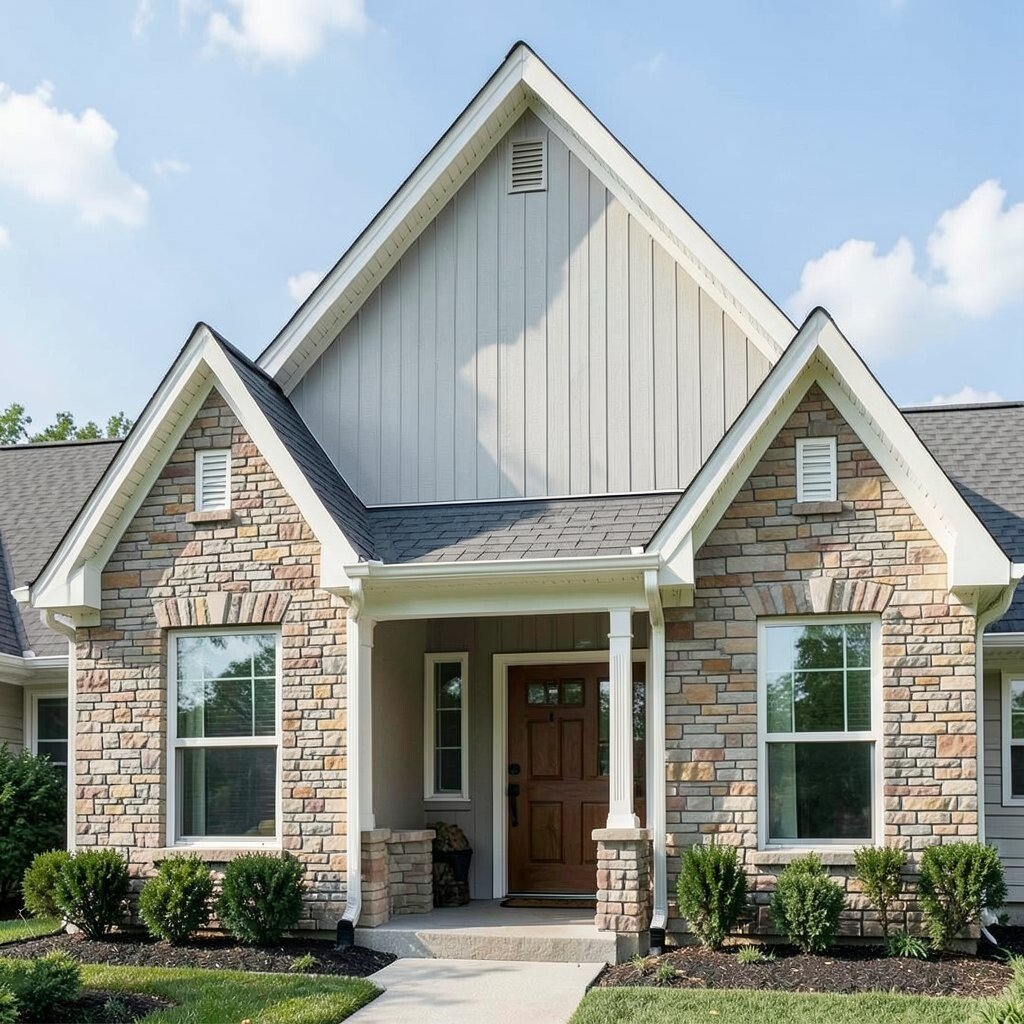
Accent stone at the ends of gables can make your home feel grounded. The texture and color contrast with siding adds a “heritage” look that holds up year after year.
This style works well because gable ends are naturally visible from the street. It can also help hide small imperfections, since stone texture disguises surface changes over time.
For a practical tip, confirm that your wall system supports the extra weight and that your builder uses proper moisture barriers. Personalization is easy by choosing stone tones that echo your walkway or front steps. Cost considerations matter here, because stone work can add up quickly, but focusing on gable ends instead of the whole facade keeps it more manageable.
9. Curved Gable Profiles with Subtle Decorative Trim
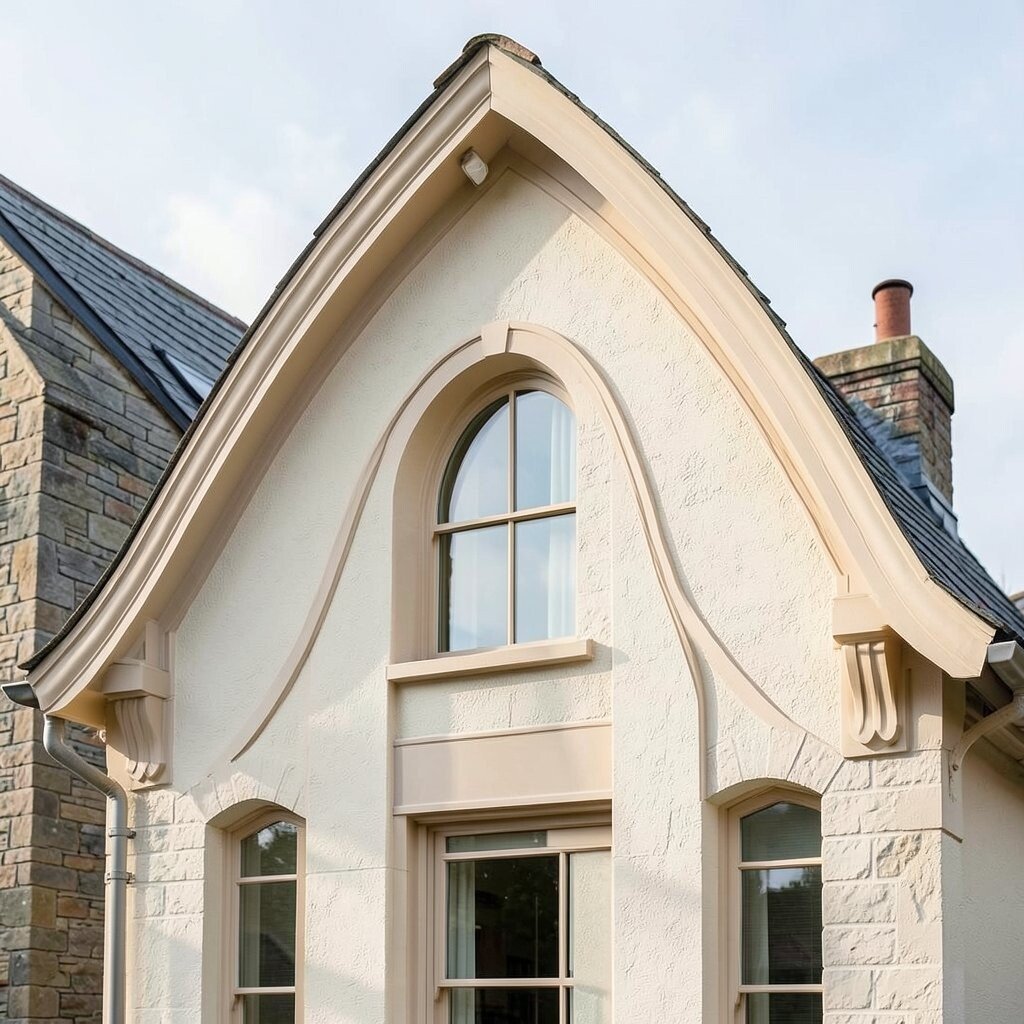
A gentle curve at the gable edge can soften a classic roofline without changing the whole look. When you add trim boards or a simple fascia detail, the roof feels custom and still traditional.
This idea is unique because it blends familiar symmetry with a small flourish. It can also improve curb appeal by giving the top of the home a focal point that feels friendly rather than strict.
For practical results, keep the curve modest so the roof stays easy for flashing and shingle layout. Choose trim materials that resist moisture and paint fade, and plan on repainting on a routine schedule. When budgeting, decorative trim adds labor, but it often costs less than changing the roof structure itself.
Trend-wise, homeowners have been leaning into small architectural details that look handcrafted, so this is a great way to do that tastefully.
10. Open-Frame Gables with Exposed Rafter Tails

Exposed rafter tails bring a cozy, craftsman-like mood to a gabled roof. You’ll notice the shadow gaps beneath the roof edge, which makes the entry feel deeper and more welcoming.
The visual benefit is big, even when the rest of the facade is simple. It can also help you show off porch ceiling beams, which creates a unified look across the front of the house.
For a practical tip, make sure all wood parts are properly sealed and ventilated. If you live in a wet area, choose durable finishes and check them each season. Personalize by staining the rafters a shade darker than your fascia so the contrast looks crisp.
Costs can vary depending on how much framing work is required, but this style can be relatively budget-friendly if you’re building new rather than retrofitting.
11. Gable Roof with Classic Box Gutters and Matching Downspouts

Gutters don’t sound exciting, but the right style makes a gabled roof look complete. Box gutters and traditional downspouts add an old-fashioned rhythm along the edges.
They also help protect siding and foundation by guiding water away from walls and windows. When gutters match the roof color palette, the home looks more intentional and less patched.
For personalization, choose downspout placements that align with porch columns, so the whole front reads as a design. Practical planning includes making sure the gutter slope is correct and the roof edge is properly prepared for the system. Cost-wise, upgraded gutter materials and seamless construction can add to the budget, but they often prevent expensive water damage later.
12. Two-Tone Roof Colors for a Balanced, Traditional Contrast

A two-tone roof can still feel classic when the contrast is calm and carefully matched. For example, use one shade for shingles and a slightly darker tone for the ridge and around dormers.
This approach creates a subtle focal point, especially on complex rooflines with gables and hips nearby. It also helps hide imperfections, since different tones visually soften irregularities.
For practical tips, keep the color difference within the same family and follow manufacturer recommendations for color pairing. Personalize by coordinating metal flashings, vent covers, and chimney caps so the palette looks cohesive. Budget considerations are usually modest because you’re often choosing one additional accessory color rather than replacing the whole roof.
Current design trends favor restrained contrast, so aim for elegant rather than bold.
13. Chimney-Focused Gable Styling with Warm Surrounds

A prominent chimney rising through the roof ridge adds strong classic character. When you style the gable around it, the whole roofline feels more historic and stable.
Chimneys can also support real or decorative fireplaces, which may add comfort and curb appeal. Even if you don’t use it often, the chimney brings vertical texture that balances wide gable walls.
For personalization, match the chimney surround to your walkway stone or porch railing finish. Practical planning includes correct flashing and chimney caps to prevent leaks and keep moisture from pooling. Cost can rise depending on whether you need structural work, but upgrading flashing and caps is often a smarter investment than waiting for water damage.
14. Gable Roof Venting with Traditional-Style Turbines or Louvers
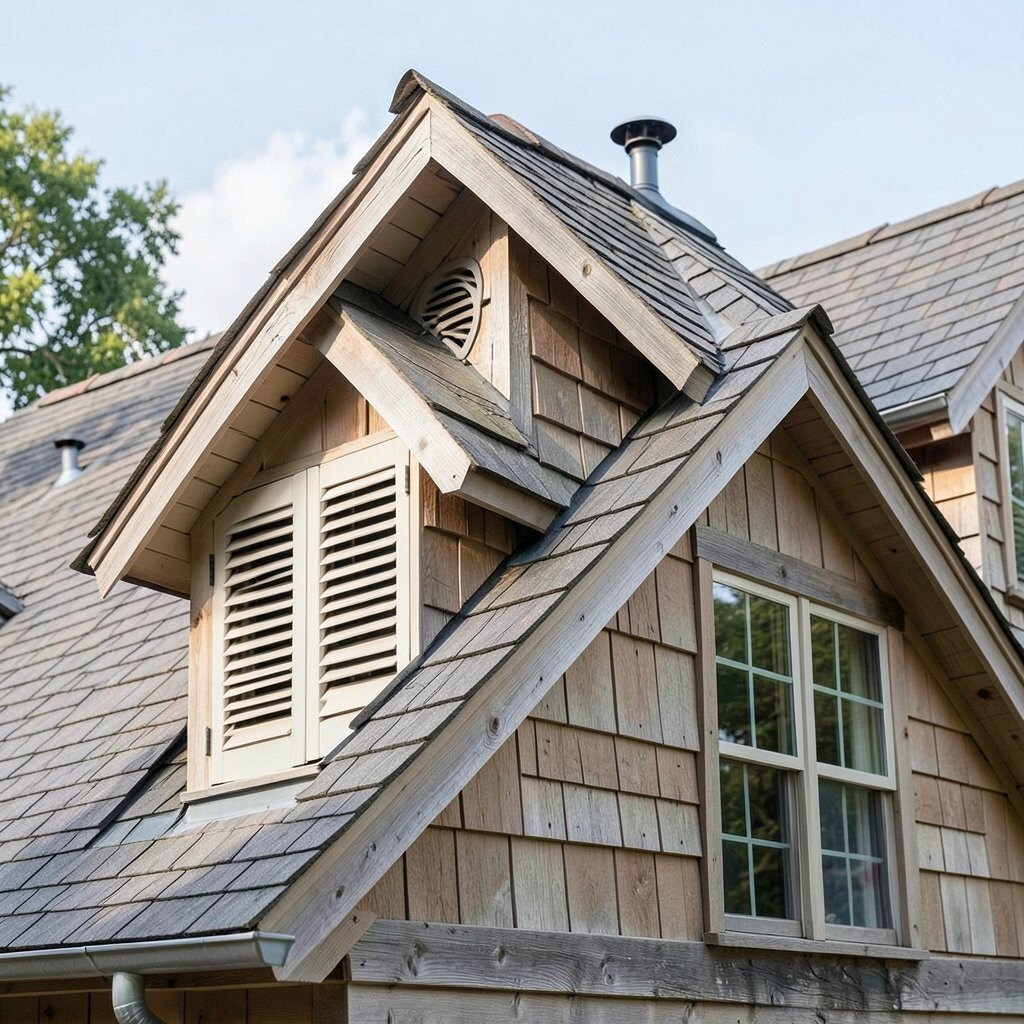
Vent covers can make a roof feel more finished when they look like classic hardware. Ridge vents with traditional louvers or styled turbine vents can add charm without harming airflow.
Proper ventilation benefits the whole attic by reducing heat buildup and moisture issues. When ventilation is done right, you protect insulation and extend roof life.
For practical results, choose vent designs that match the material type, whether you’re using metal accents or shingle-friendly vents. Personalize by selecting a vent color that matches gutters, downspouts, or trim. Budget-wise, decorative vents are usually a manageable line item compared to roof replacement, and they can add visible value.
Trends show a steady interest in “functional but pretty” roof details, so this idea fits right in.
15. Traditional Overhangs with Board-and-Batten Fascia Lines

Classic overhangs give your roofline a gentle, protected look. When you pair them with fascia boards and simple trim lines, the gables feel crisp and tidy.
This style helps visually anchor the roof edge, making the home feel taller and more structured. It also protects windows and doors by letting rain and snow fall off farther from the walls.
For personalization, consider board-and-batten siding that echoes the fascia texture so the roof and walls feel like one complete system. Practical tips include ensuring the soffit area is vented and the fascia is sealed against moisture. Cost considerations are usually predictable since trim work is often less expensive than changing roofing materials.
16. Reclaimed-Look Roofing for a Historic, Weathered Atmosphere
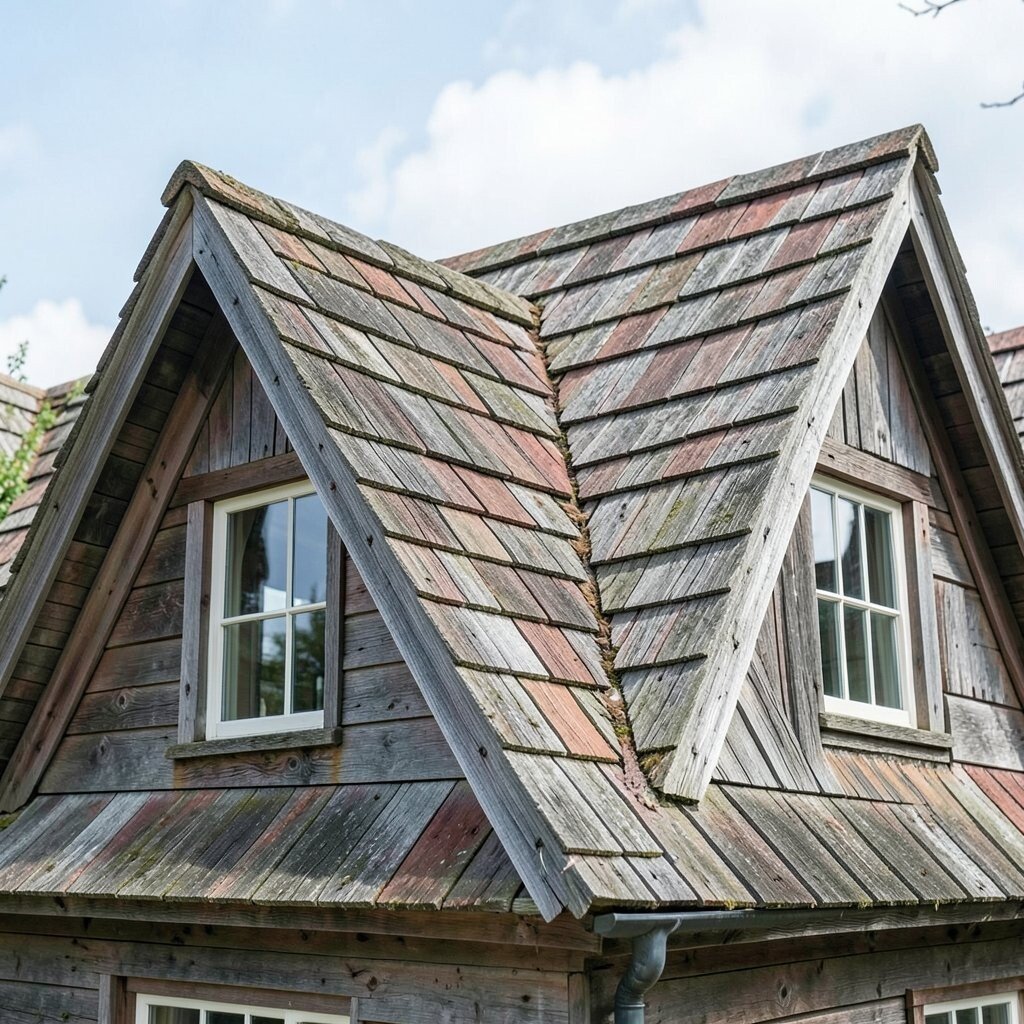
Reclaimed-look roofing gives a timeworn character that can make a newer home feel like it has history. The color variation and subtle texture mimic older materials while still offering modern performance.
This is a unique option because it’s about the mood as much as the material. Your gable roof becomes a backdrop for landscaping and porch details, and the whole exterior can feel warmer and more inviting.
For practical planning, confirm how the reclaimed-look product handles wind uplift, impact, and installation fasteners. Personalize the effect by pairing the roof with complementary trim colors, like cream or soft gray, that let the weathered tones shine. Budget-wise, some reclaimed-look products may cost more than basic options, but they can help you avoid expensive styling changes later because the roof does so much of the heavy lifting.
If you want a trending feel, choose a slightly muted color palette and avoid overly dramatic patina.
17. Decorative Ridge Cap and Gable Finials for Extra Detail

Ridge caps and finials can make a gabled roof feel like it has “finishing touches.” Even small metal details can catch light at the peak and make your home stand out in a good way.
This idea adds uniqueness without changing the roof’s core structure. It also gives you a chance to match your home’s style, whether you prefer simple lines or slightly ornate shapes.
For practical tips, keep the finial size proportional to the roof scale so it doesn’t look like an add-on. Confirm that your installer secures all peak details properly to handle wind. Cost is usually moderate since you’re improving hardware rather than replacing the whole roof, but always budget for quality fasteners and skilled installation.
18. Gable Roofing with Cross-Section Patterns and Clean Hip Transitions
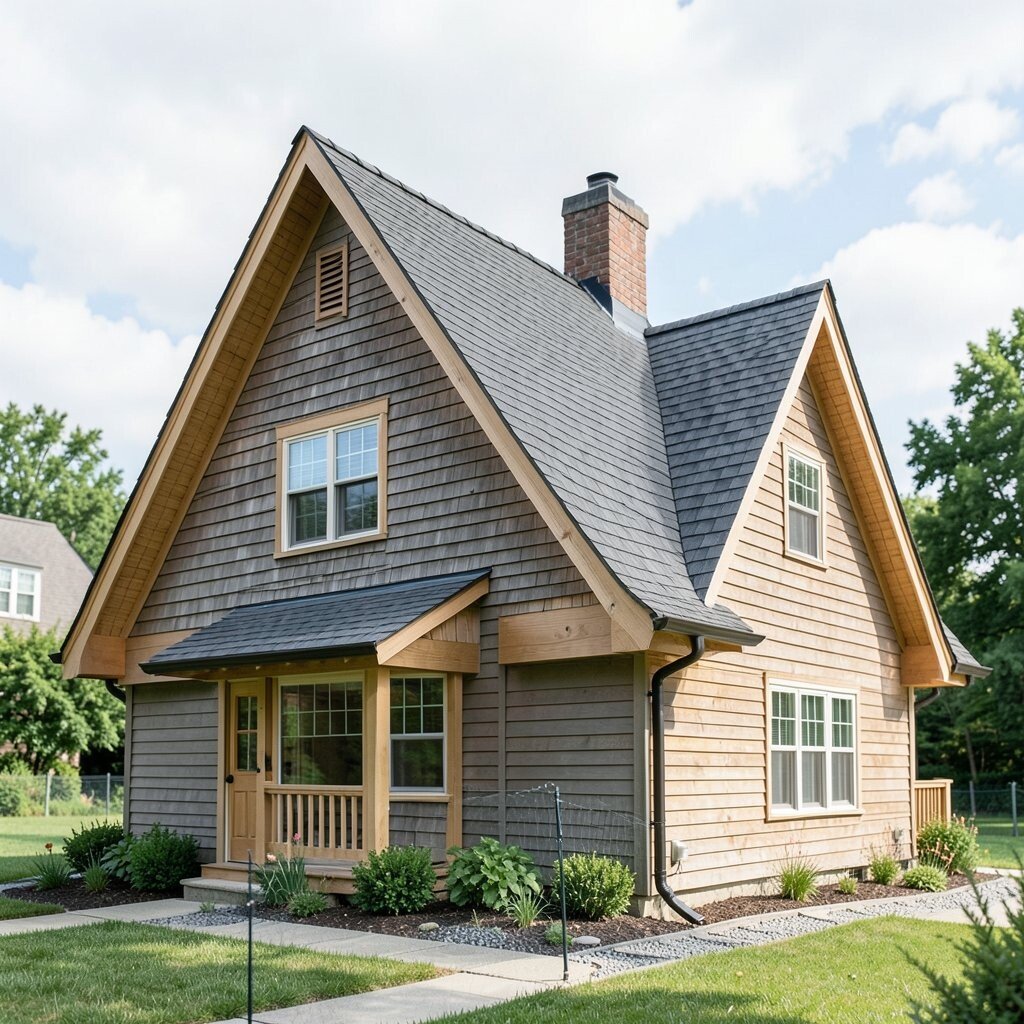
When your home includes different roof planes, classic gables can still look organized. Clean transitions between gables and hips create a sense of order that makes complex rooflines feel intentional.
The visual benefit is clarity, especially at the corners where many homes look cluttered. You can also use consistent shingle direction to help the roof read smoothly from every angle.
For practical results, plan your layout carefully so valleys and intersections get proper flashing and underlayment. Personalize by aligning window placement with the major roof lines, which helps the whole facade feel designed. Budget considerations matter because more intersections usually mean more labor, but careful planning can prevent leaks and future repairs.
Current trends favor crisp roof geometry, so this is a strong choice if you love clean lines.
19. Monochrome Gables with Matching Siding Trim for a Modern-Classic Blend

Monochrome exterior styling looks sleek while still keeping the gable roof classic. When your roof, fascia, and trim share a similar color family, the roofline becomes one smooth silhouette.
This approach is uniquely calming and can make your home look larger, especially if your siding is lighter. It also helps hide visual seams, which can be a big win on older homes with uneven paint history.
For practical personalization, choose roof materials that can handle the same color temperature across seasons so the tones stay consistent in sun and shade. You can also add subtle contrast with a slightly darker gutter color or a warmer shingle shade to prevent everything from looking flat. Cost considerations are usually centered on repainting or replacing trim finishes, but the unified look can reduce how many other exterior elements you feel you need to change.
This is a popular direction right now because it feels polished, yet it still honors traditional roof shape.