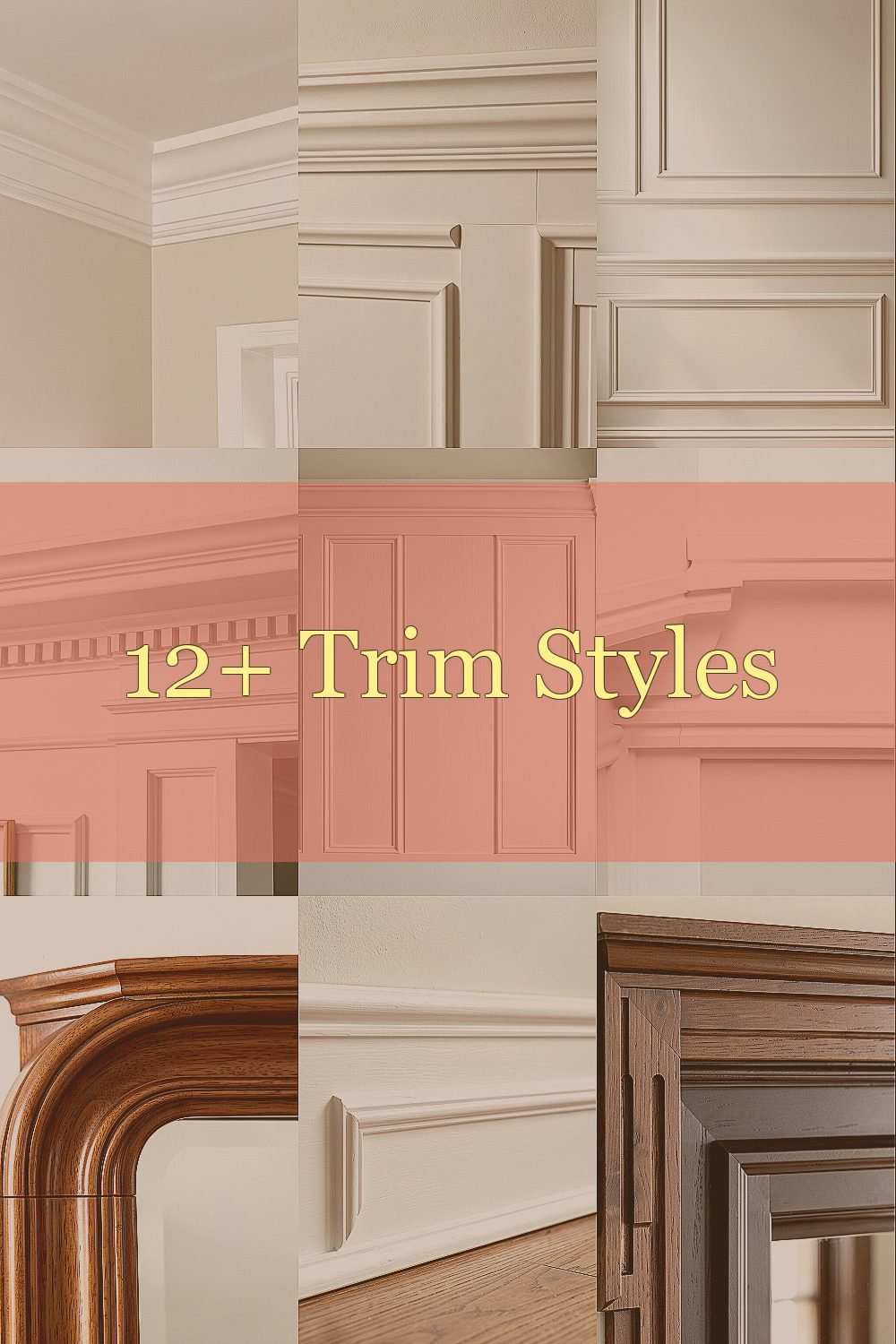
Trim can quietly change the feel of every room. Small details, big mood.
When you choose the right classic trim style, your home starts to look more finished, more intentional, and more you.
1. Crown Molding With Soft Cove Profiles
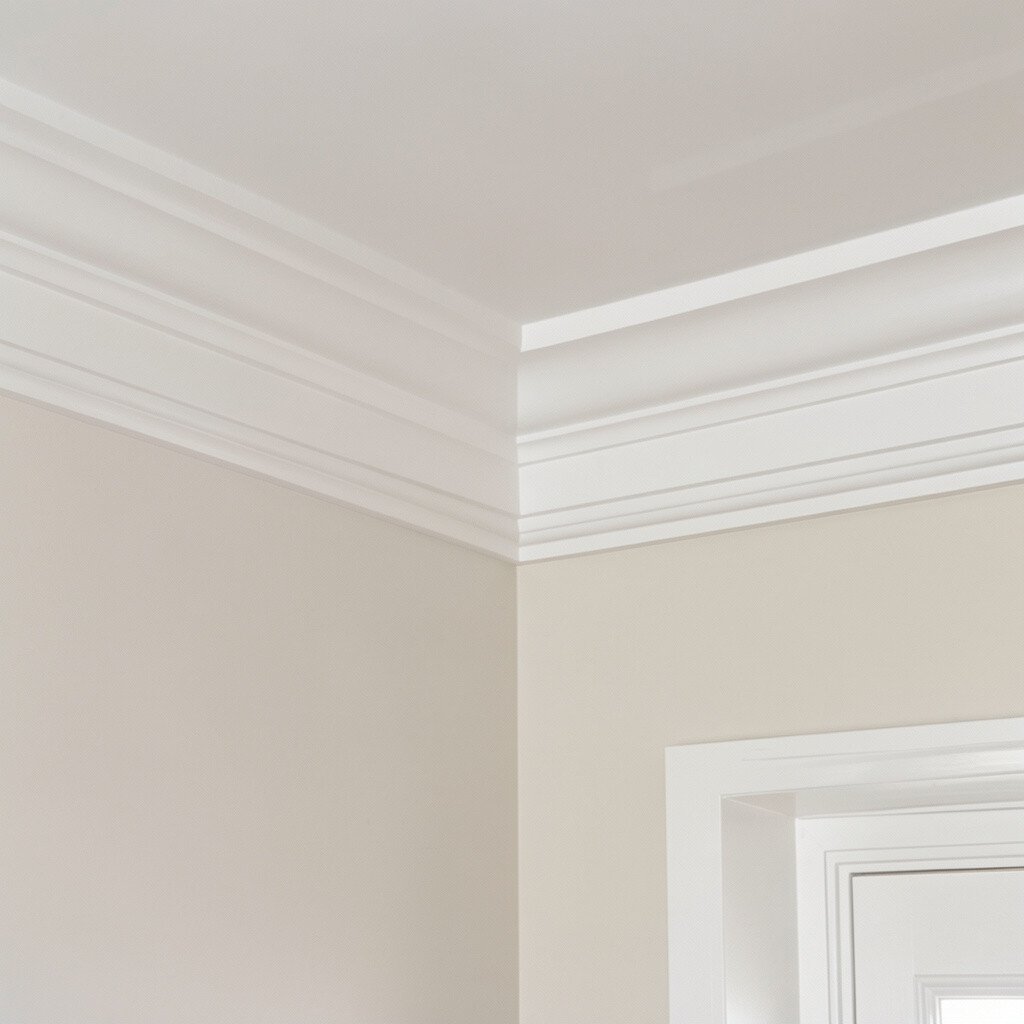
Think of a smooth, curved ledge that runs along the ceiling line, like a gentle handshake between walls and sky. Light catches the shadow line and makes the room feel taller without any extra work.
A soft cove profile is especially classic because it looks calm and timeless. It helps hide tiny gaps where paint meets the ceiling, so the finish looks cleaner. For personalization, match the curve size to your ceiling height and keep the paint finish bright for an open feel.
To make it practical, choose a material that fits your daily life, like primed MDF or solid wood where you can maintain it easily. Installing it with careful miter cuts prevents the common “jagged corner” look that throws off the whole design. If you want an easy update later, paint the trim the same color as the ceiling for a seamless glow.
2. Traditional Chair Rail With Raised Panels
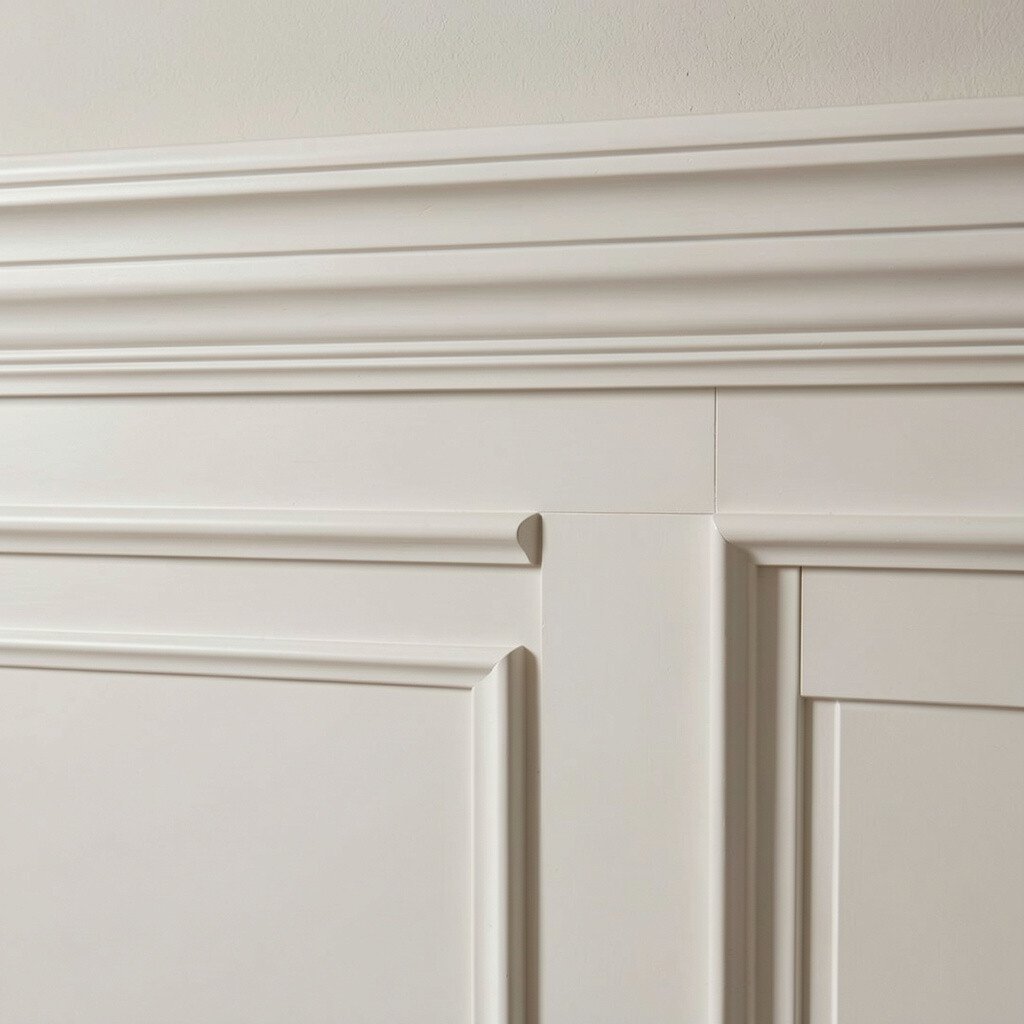
Picture a horizontal band around the room, usually at about chair height, with subtle raised details that add depth. It makes walls look styled even when you keep furniture simple.
A chair rail breaks up large wall surfaces and can protect paint from everyday scuffs. Many homeowners love how it works in dining rooms, hallways, and bedrooms where walls take a lot of use. Uniqueness comes from choosing a rail that has panel-like molding or a profile that feels more “old-world” than plain.
For practical tips, pair the chair rail with a slightly contrasting paint color so the shadow line stays crisp. Use caulk sparingly and wipe it smooth for a neat edge that doesn’t look messy. If you’re working on a budget, opt for pre-primed boards and do the finishing coats yourself.
3. Picture Frame Wall Molding With Gallery-Worthy Sections
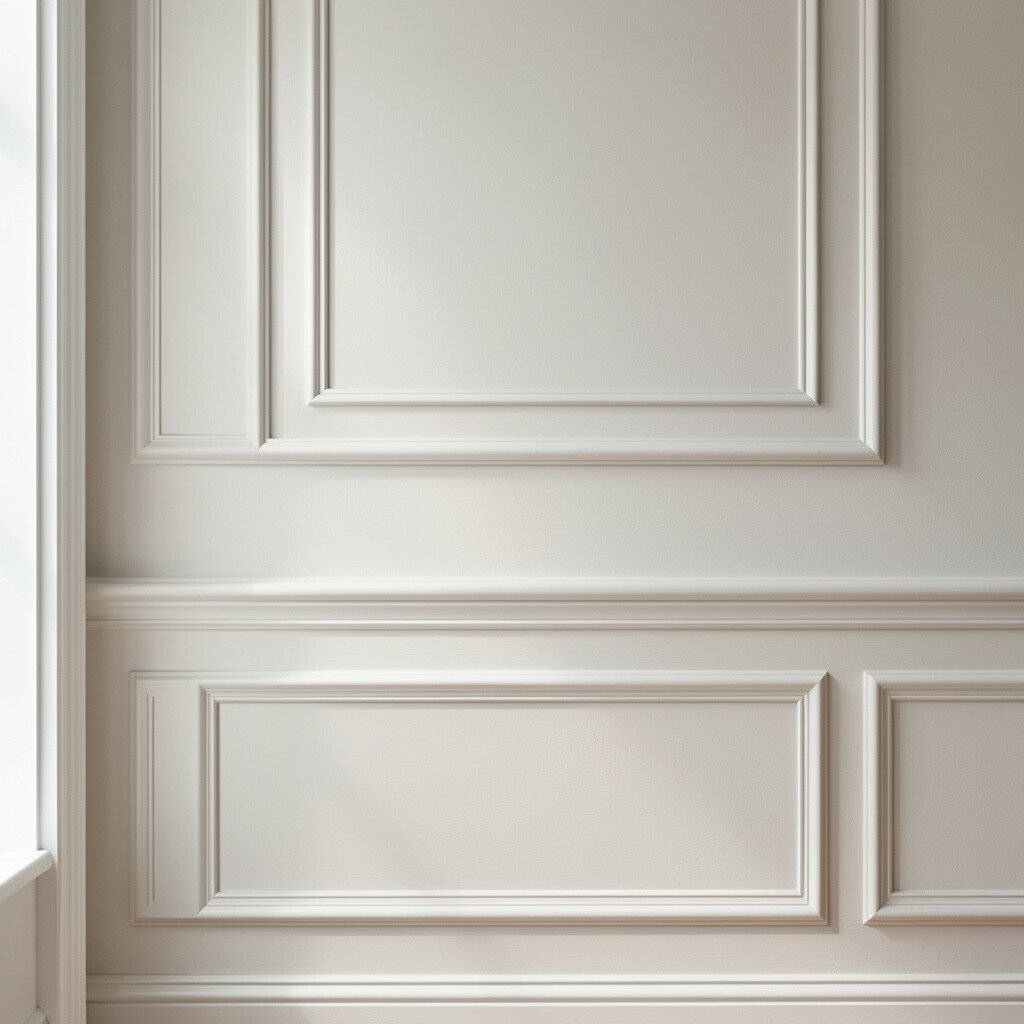
Imagine flat and raised strips forming neat squares or rectangles across a wall, like a room dressed for a show. The pattern draws the eye and gives even a blank wall personality.
This trim style looks polished because it creates a grid that frames art, mirrors, and family photos. It’s also great for hiding small wall imperfections since the molding gives structure to the surface. For personalization, you can choose wider borders for a bold look or thinner lines for a lighter feel.
To keep it practical, measure carefully and plan your layout around doors, windows, and any furniture that must sit flush against the wall. Use a level guide so the frames stay straight from one end to the other. In terms of cost, using pre-cut molding kits can be cheaper than custom work, while still giving that designer finish.
Right now, many homes lean into cozy, tailored interiors, and picture frame molding fits that trend without feeling too modern. Pair it with warm paint colors and classic hardware for a look that feels inviting and lived-in. When you want a quick update, switch the wall color first and let the trim keep its elegant shape.
4. Victorian-Style Dentil Molding Under Cornices
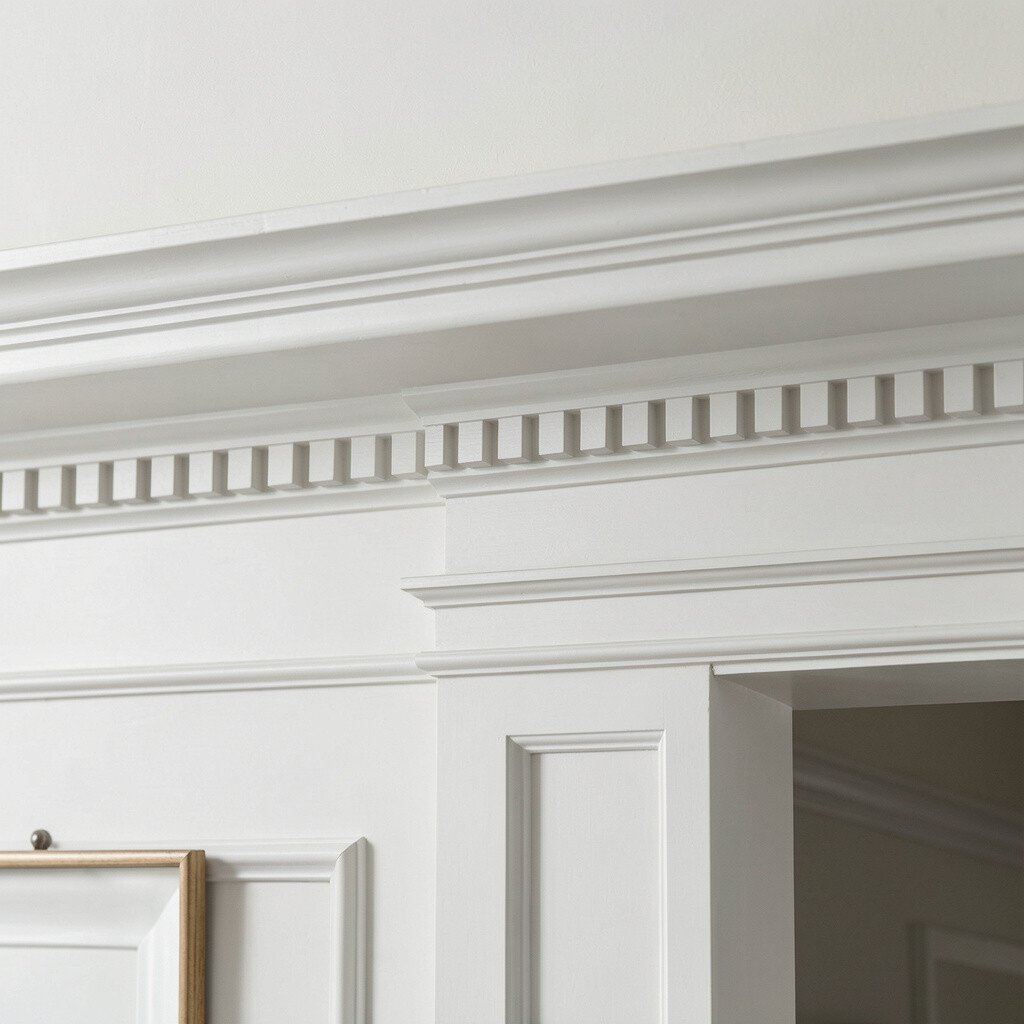
Picture a repeating row of small blocks under a decorative cornice, like tiny teeth that cast crisp shadows. It instantly reads “classic” and adds drama to entryways, dining rooms, and mantel surrounds.
Dentil molding works because it creates rhythm and texture along the top edge of a room. It can also help a space feel more grand, especially when your ceiling is a bit lower and needs visual lift. For personalization, choose a dentil scale that fits the room, since larger patterns can feel heavy in small spaces.
To install well, take your time marking the line and test fit pieces before final fastening. Prime and paint thoroughly so the grooves look sharp and not chalky. If cost is a concern, consider using it in one “hero” area like the living room entry or a dining alcove rather than wrapping the whole house.
5. Board and Batten With Crisp Vertical Lines
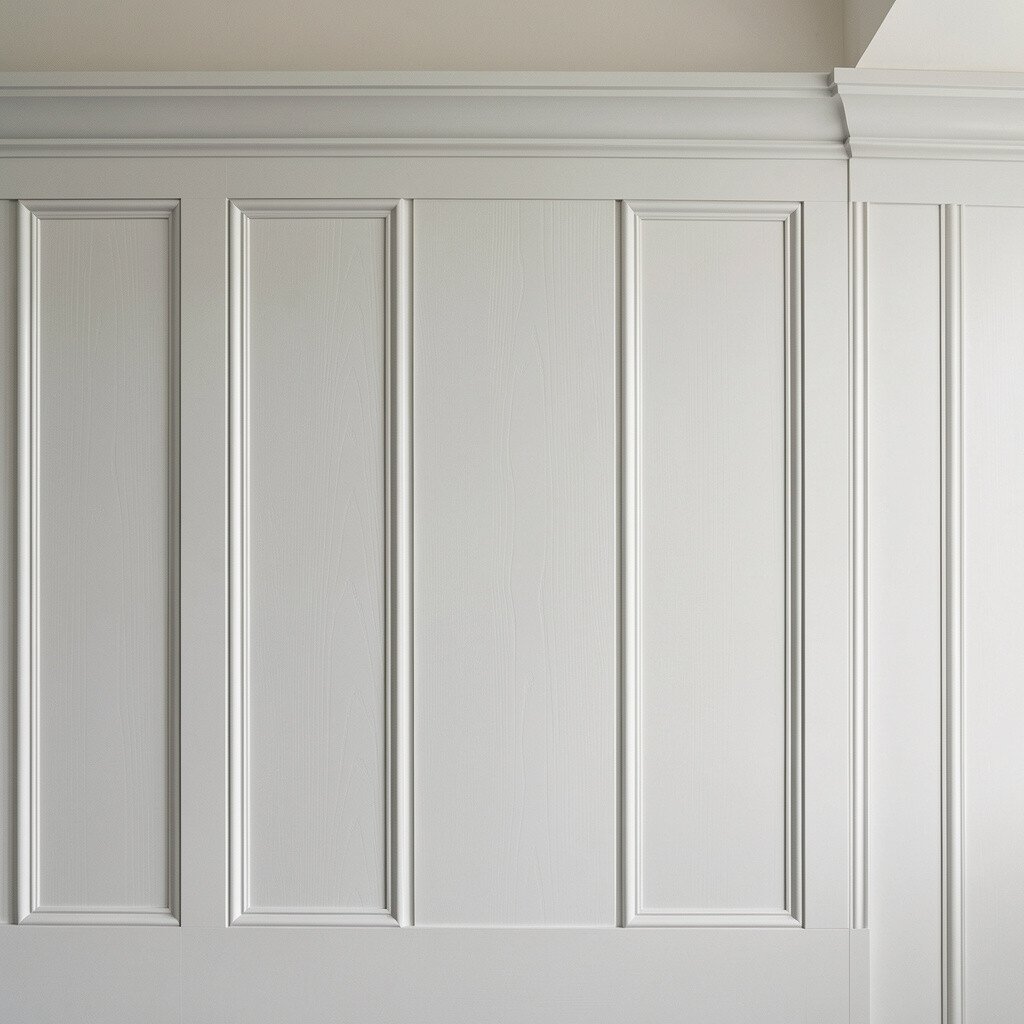
Think of vertical boards separated by narrow battens, creating clean stripes from floor to chair rail height or all the way up. The look feels sturdy, fresh, and full of character even in simple spaces.
Board and batten is unique because it blends traditional structure with a cozy, farmhouse-like warmth. It can make a room feel taller since the lines pull the eye upward. Practical benefits include hiding uneven wall areas and adding a little extra texture that’s forgiving with everyday wear.
For personalization, you can keep the battens narrow for a refined look or widen them for a bolder rhythm. Paint it a crisp white for classic charm, or try a muted green or soft blue for a calmer mood. If you want to control cost, use it on the lower half of walls in busy rooms like mudrooms where you’ll appreciate the durability.
6. Flat Trim With Simple Shadow Gaps
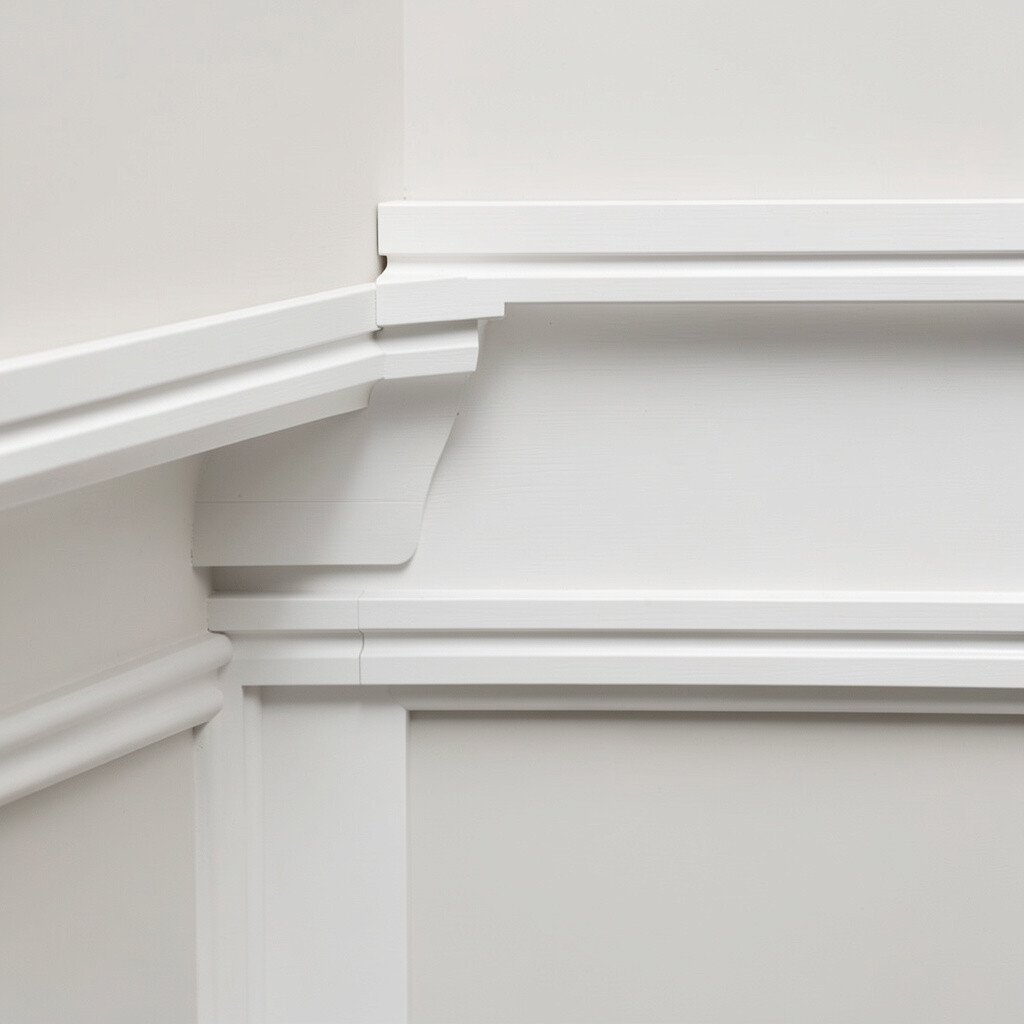
Some of the most timeless rooms feature plain trim lines with a tiny shadow gap that makes edges look intentional. The walls and ceiling feel separated in a clean, modern-classic way, even though the style stays rooted in tradition.
This approach is practical because flat trim is faster to cut and easier to match across rooms. It also works with many budgets since the profiles are straightforward and materials are often easier to source. Uniqueness comes from how you paint and finish, especially when you keep the trim slightly darker or lighter than the walls.
To personalize, choose a consistent reveal size and repeat it from one space to another for a “designed” flow. Use painter’s tape with a careful edge so paint stays neat along the gap. For a current trend, many homeowners are leaning into clean lines that look tailored, and shadow-gap styling fits that quietly sophisticated vibe.
7. Rounded Ogee Trim for Rich, Elegant Curves
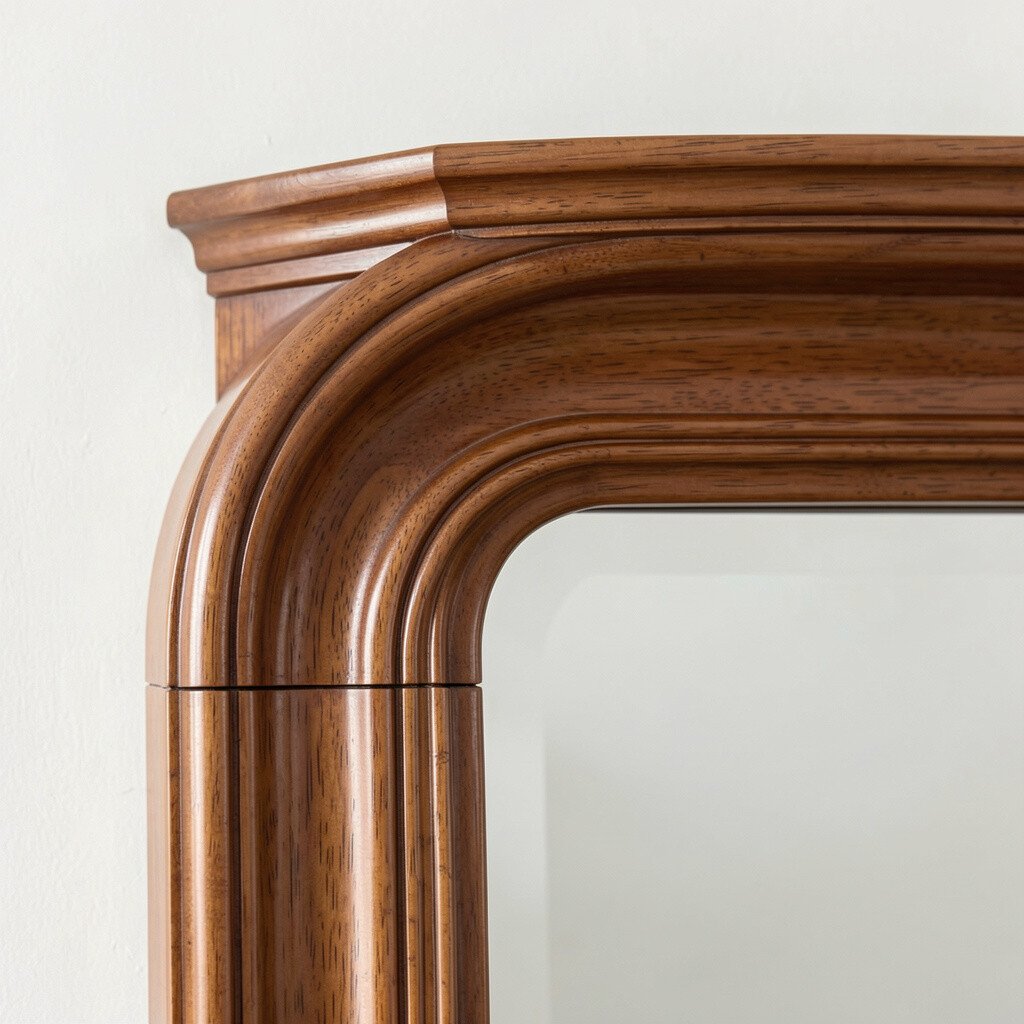
Ogee trim has a graceful S-curve that feels fancy without being loud. When it runs around doorways or windows, the edges look framed and polished, like the room is wearing jewelry.
Because of its curve, this trim style adds depth and makes light bounce in a flattering way. It’s especially beneficial in rooms where you want an old-world touch, such as libraries, formal dining rooms, or cozy bedrooms. The uniqueness comes from selecting an ogee profile that matches your home’s overall ornament level.
For practical tips, keep the design consistent on all similar openings so the house feels cohesive. If you’re worried about cost, use ogee trim in key places and keep other trim simpler, like baseboards or door casings. Painting it in a high-quality satin finish helps the curve look crisp and keeps it easy to clean.
8. Traditional Baseboards With Stepped Profiles
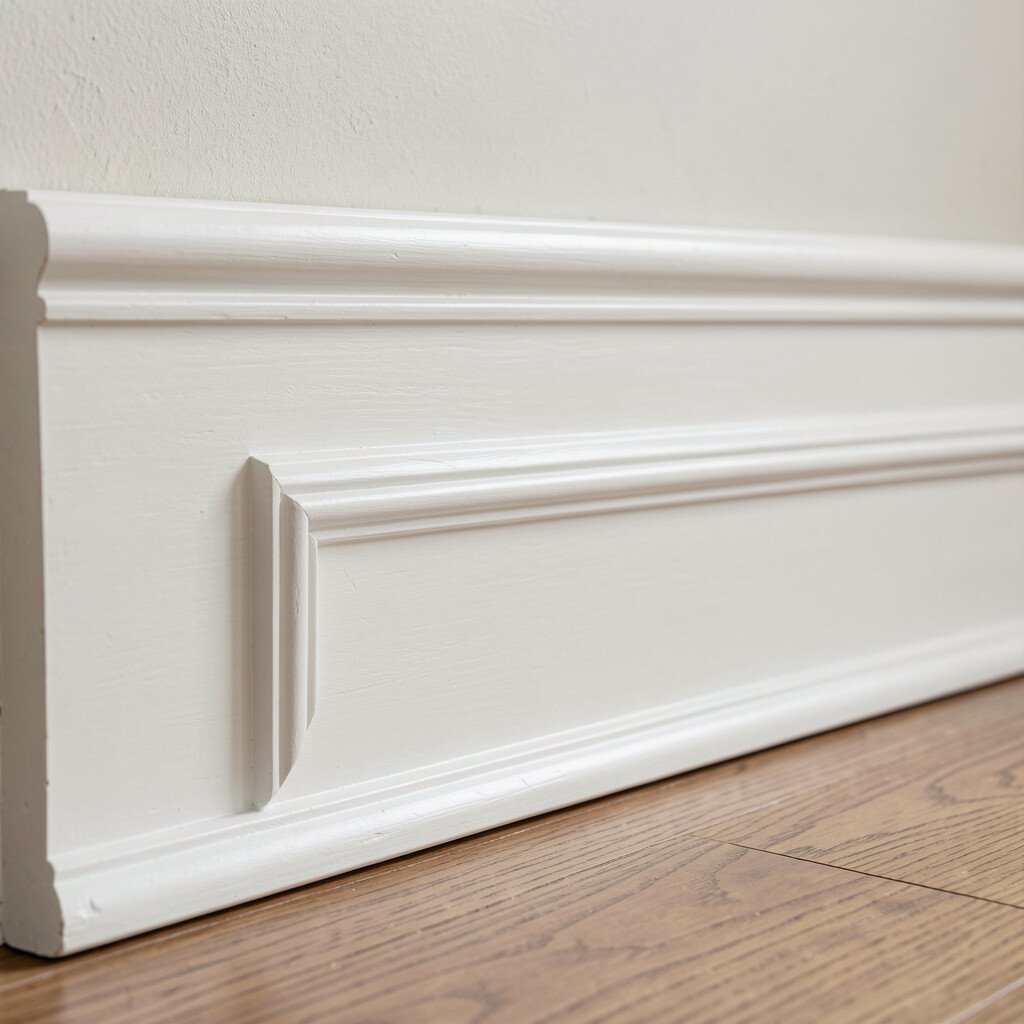
Baseboards are more important than people think, because they sit at the line where walls meet floors. A stepped baseboard adds character through layered edges that catch shadows along the bottom.
This style benefits your home by making the room look finished and by covering small gaps that can show up over time. It also helps the flooring line look intentional, especially with newer floors that may not perfectly align with older walls. For personalization, choose a step height that feels right for your room size, then pair it with matching door trim for a balanced look.
To keep it practical, install on a solid line and check for uneven floors, since older homes can have subtle dips. Caulk the top edge carefully and avoid overfilling so the profile stays sharp. Cost-wise, you can often get a similar look using composite materials that resist warping in humid areas.
9. Craftsman-Style Trim With Wide Casings
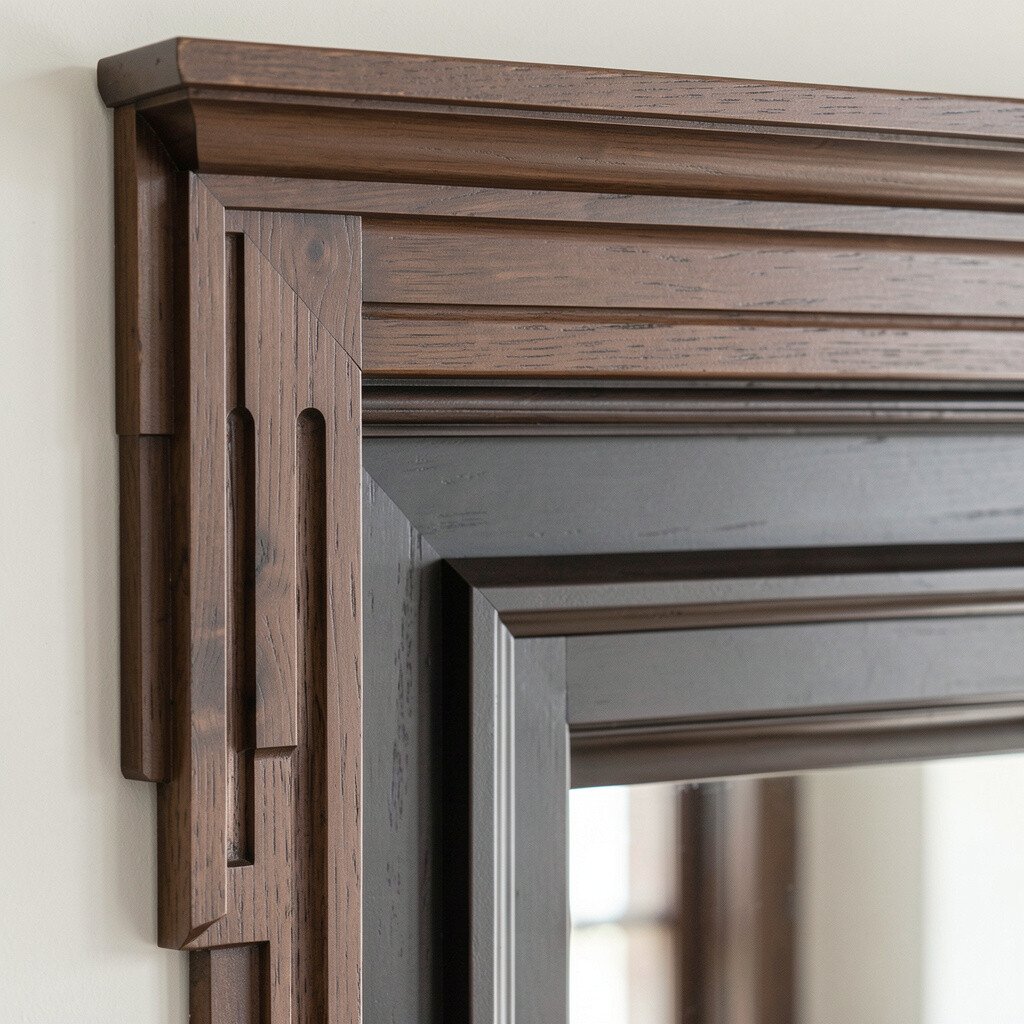
Craftsman trim often feels warm and grounded, with wider casings and strong lines around doors and windows. It gives a room that “built to last” feeling that suits everything from bungalows to newer homes.
One of the biggest benefits is how forgiving it can be, since wider trim visually covers imperfect wall edges. It also makes your home feel cohesive, because the style naturally looks coordinated across openings. For uniqueness, you can pair wide casings with simple craftsman details like thicker baseboards and sturdy mantel accents.
Practical tips include measuring door frames carefully so the trim sits evenly and doesn’t look lopsided when you step back. If you want to save money, consider using ready-to-install casings in common sizes and save custom work for one or two standout features. Painting in a warm neutral, like soft cream or greige, keeps the look current without losing the classic charm.
10. Panelled Door Surrounds With Classical Corner Blocks
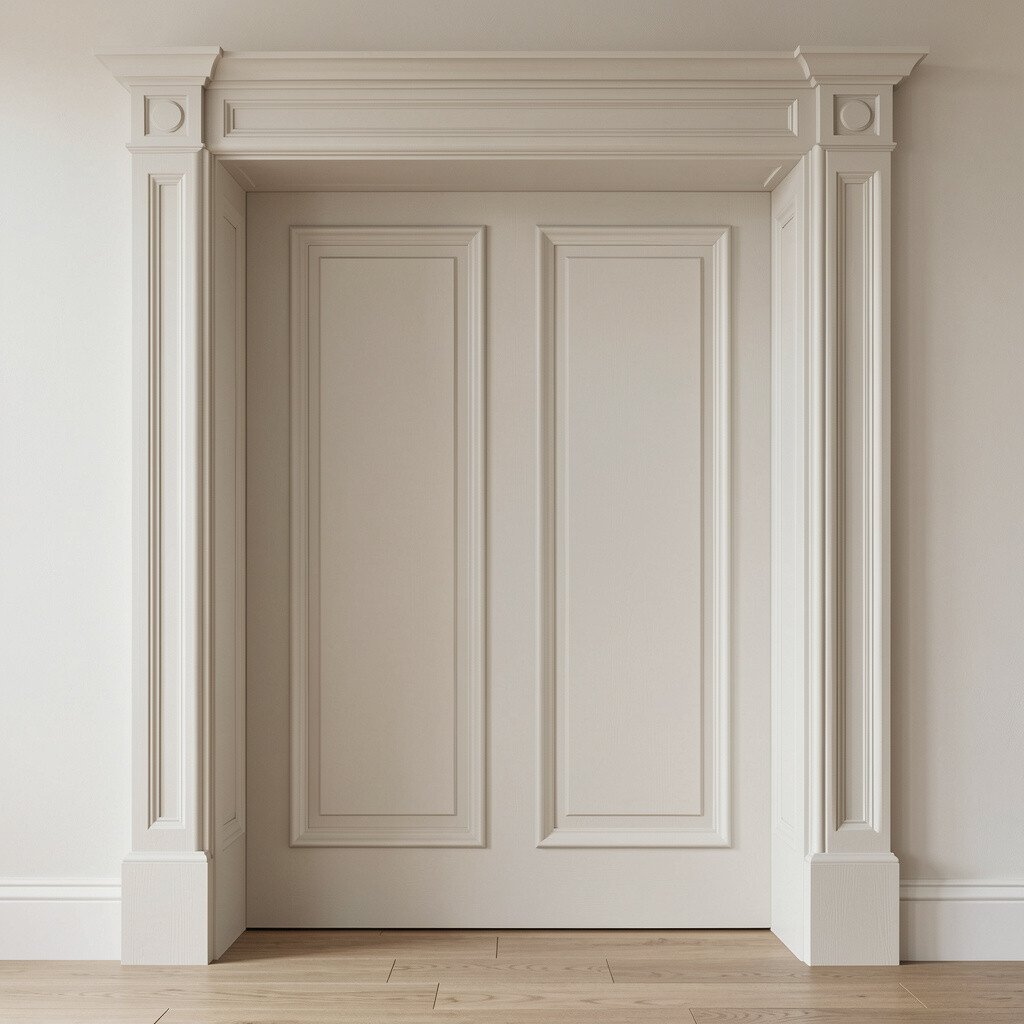
Picture doors framed by trim pieces that create a structured border, often with small corner blocks that add a touch of ceremony. Even a plain door suddenly looks important when it’s surrounded by classic shapes.
This trim style brings elegance because it sets off the doorway as a focal point. It also has a practical side since corner blocks and panelled casings cover gaps and uneven plaster or drywall edges. Uniqueness shows up when you vary the panel size or choose blocks with slight curves instead of plain squares.
To personalize, match the style to nearby details, like whether your crown molding is simple or ornate. For cost considerations, build the door surround in stages, adding richer features around the rooms you use most. In current home design, many people are leaning into “quiet luxury,” and panelled surrounds are a great way to get that effect without going overboard.
11. Dentil and Modillion Mix for Mantel Drama
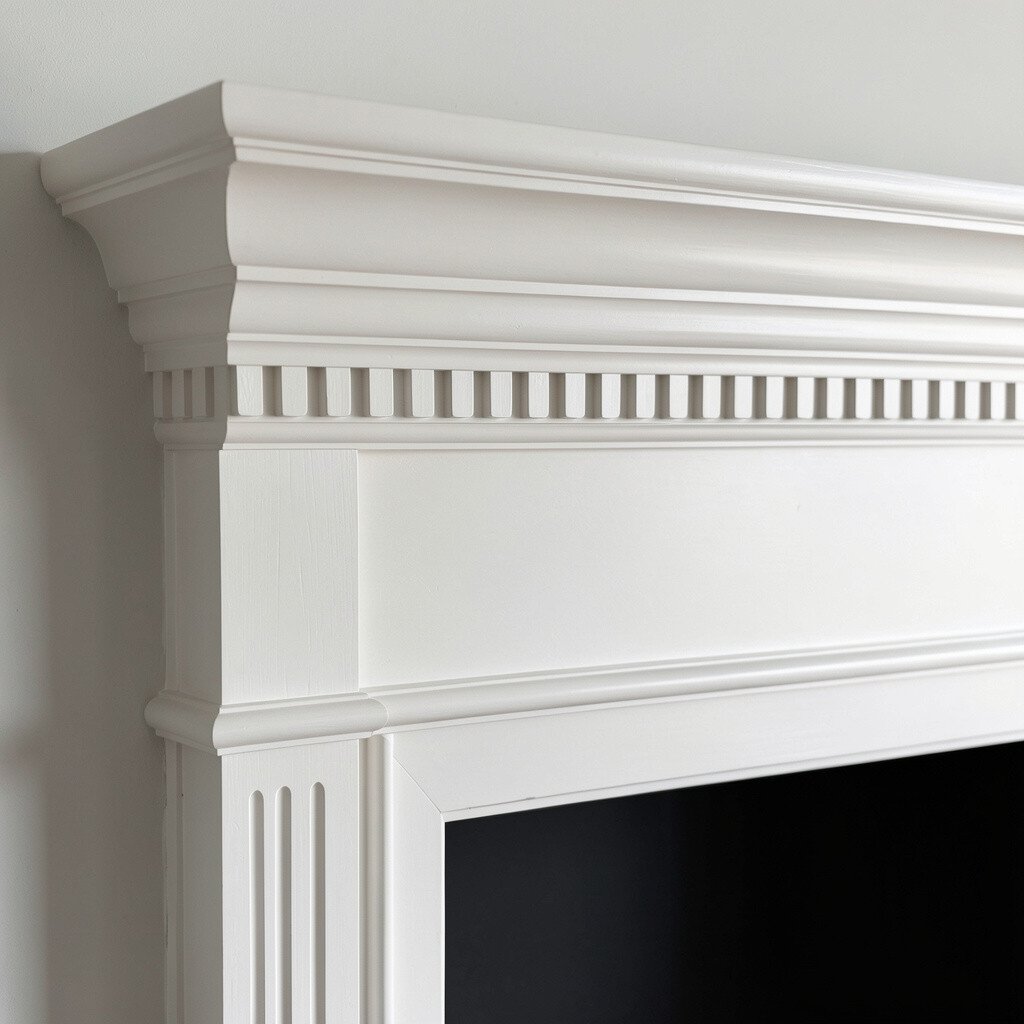
Some trim styles shine most where you can see them up close, and a mantel is the perfect stage. Modillions are like small brackets, and when they pair with dentils, the whole mantel reads as elegant and substantial.
This choice benefits your room by turning the fireplace or mantel wall into a real centerpiece. It also gives you a unique style signature that feels traditional even if your furniture is more modern. For personalization, you can keep the mantel open and simple in the center, then let the trim do the talking at the edges.
To install practically, make sure the mantel surface is flat so brackets sit evenly and don’t wobble. Use a paint system that resists scuffs, since mantels get touched and decorated often. Cost can climb with elaborate profiles, so consider limiting the high-detail trim to the mantel and using simpler baseboards elsewhere.
12. Wainscoting With Classic Upper Rail and Lower Panels
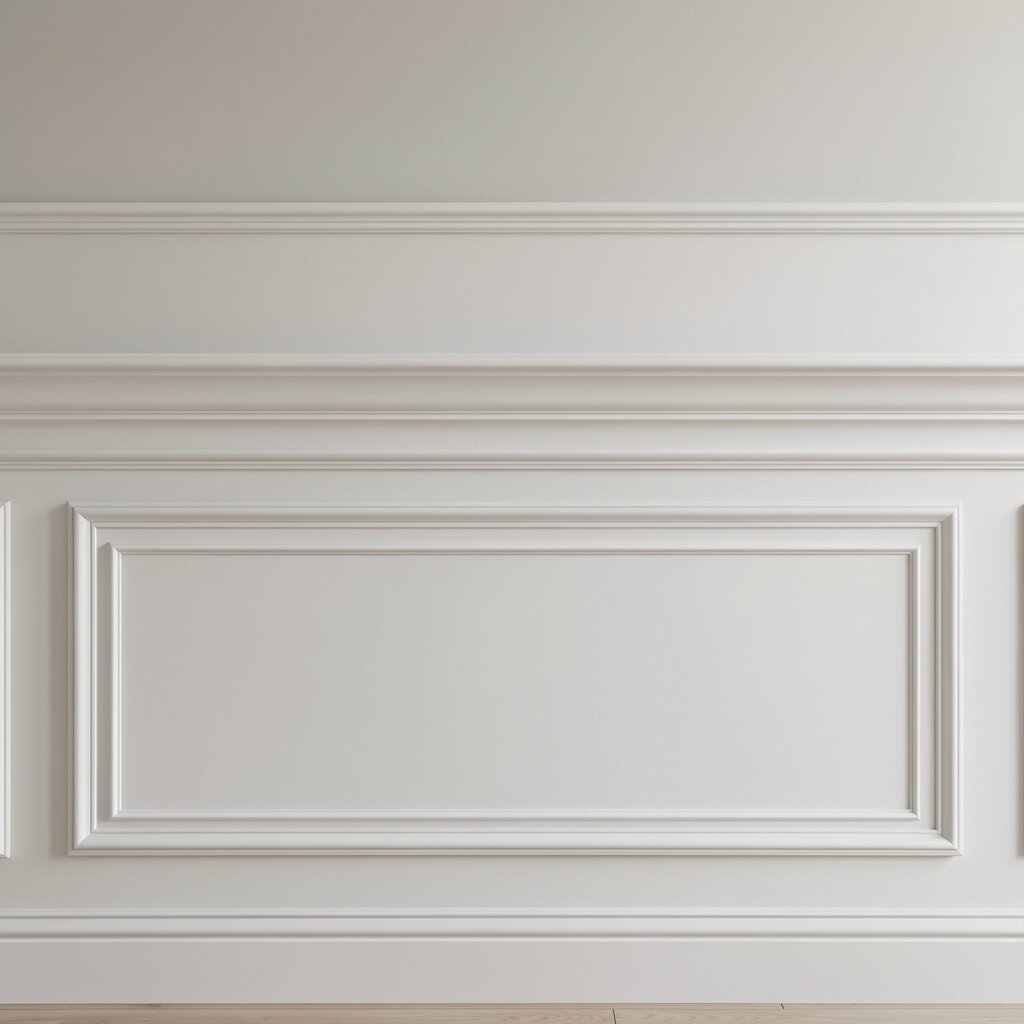
Wainscoting creates a cozy, structured look by adding panelled sections to the lower portion of walls. When you add a neat upper rail, the room feels balanced and dressed.
It’s beneficial because paneling can protect walls in high-traffic spots and makes repainting less stressful when scuffs happen. The uniqueness comes from how you choose the panel shape, such as squared edges for crisp structure or softer curves for a calmer feel. For personalization, consider painting the panels in a slightly different tone than the upper wall so the trim has room to stand out.
Practical tips include planning your panel height around outlets, baseboards, and furniture so nothing looks cut off. Use proper blocking behind the panels so the installation feels solid and sturdy. For cost considerations, you can choose simpler panel profiles in larger rooms and save decorative details for a foyer or dining space where guests will notice.
13. Window Sash Trim With Decorative Aprons
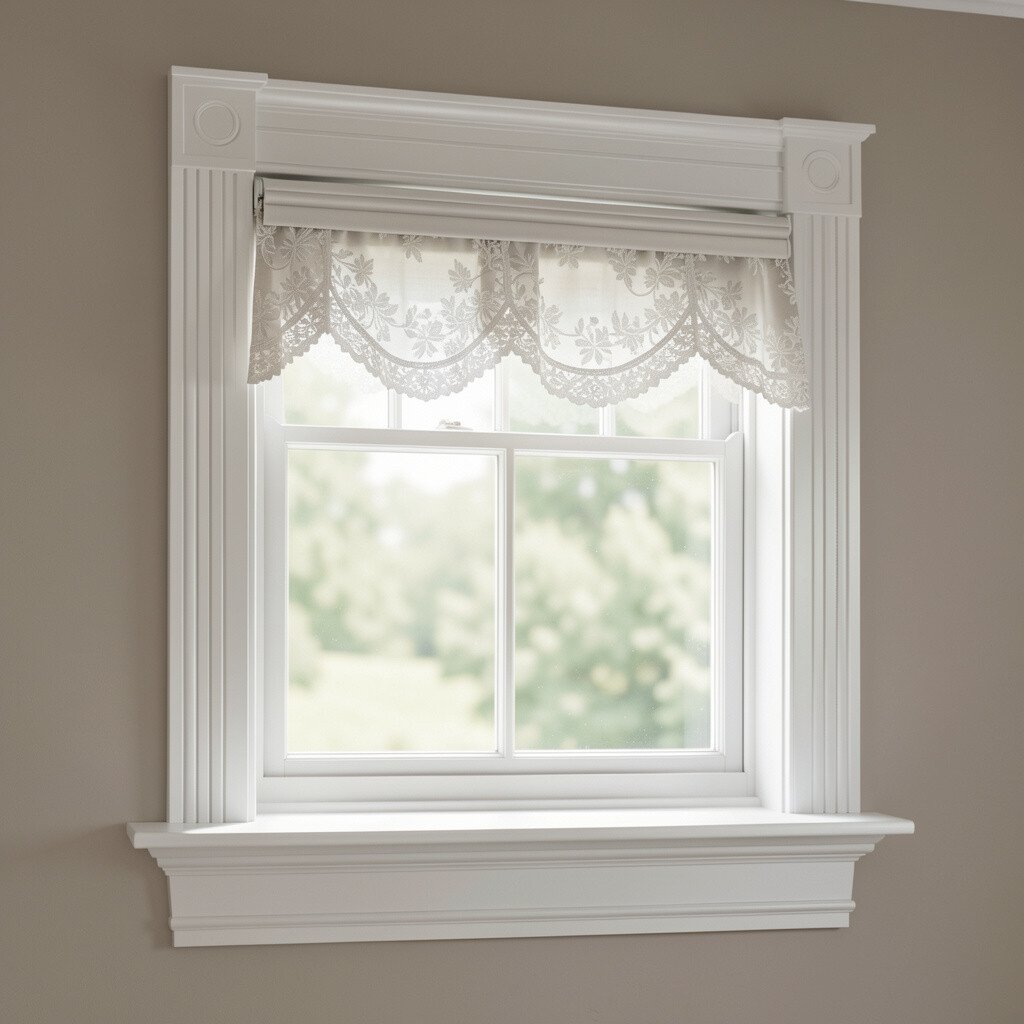
Windows look more elegant when you treat them like framed artwork, not just openings in the wall. Decorative apron trim underneath can make the view feel grounded and intentional.
This style benefits your home because it adds symmetry and visual weight around the window, especially when your wall color is plain. It’s also unique since it highlights both function and style, making the window area a natural focal point. For personalization, choose an apron profile that matches your door casings so the entire home feels coordinated.
To keep it practical, measure the window openings carefully and plan how the trim will interact with blinds, curtains, or built-in shelves. If you’re working in a rental or you want less work, use removable trim pieces where possible and focus on paint for a big refresh. Cost-wise, window trim can be manageable when you use standard profiles and concentrate detail on the windows you see most from common areas.
Right now, many homeowners are creating a “framed view” look, and this style fits that trend nicely. Pair it with warm, classic hardware and balanced paint tones for a result that feels timeless from every angle.