The room can feel like a blank canvas when students know they have choices. A few smart moments can turn everyday lessons into something bright and memorable.
Creativity grows when students feel safe to try, share, and improve. These classroom ideas are built for real days, real supplies, and real personalities.
1. Choice Boards That Feel Like Menus
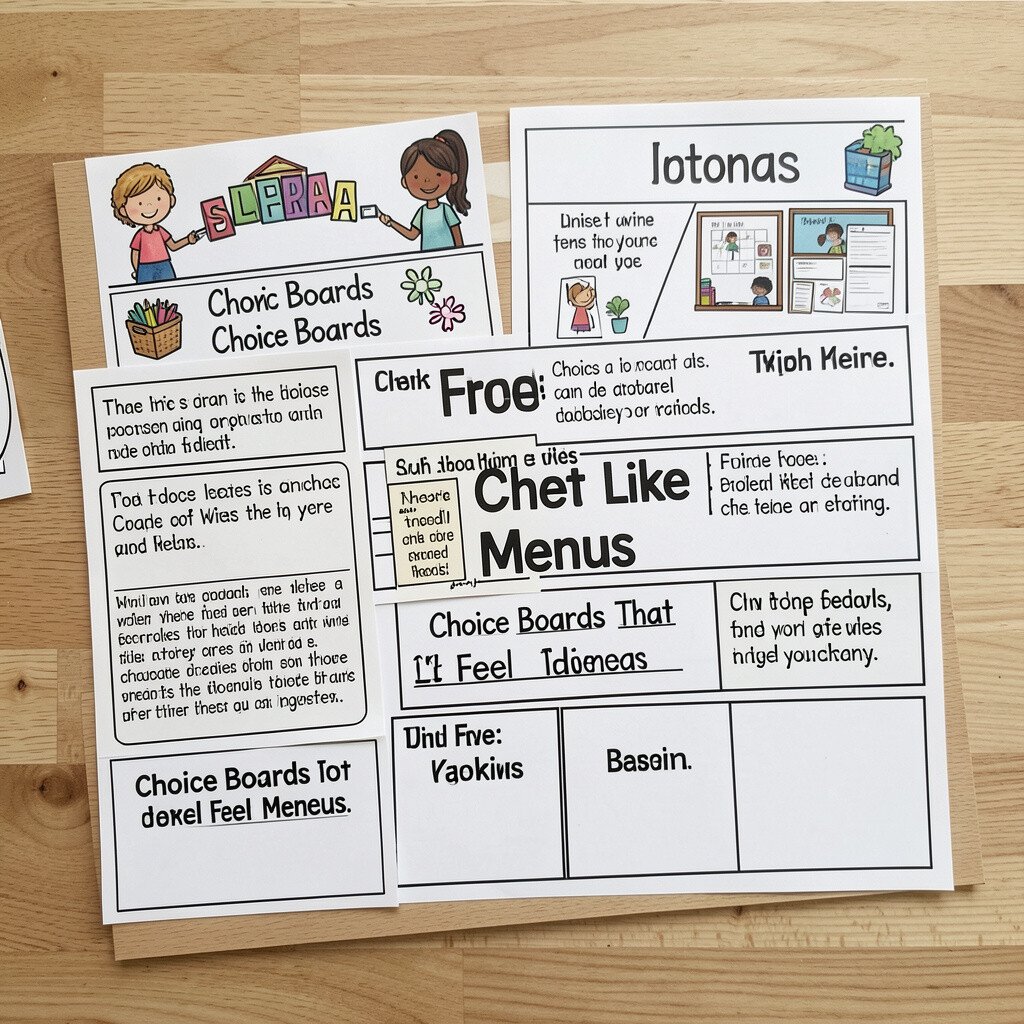
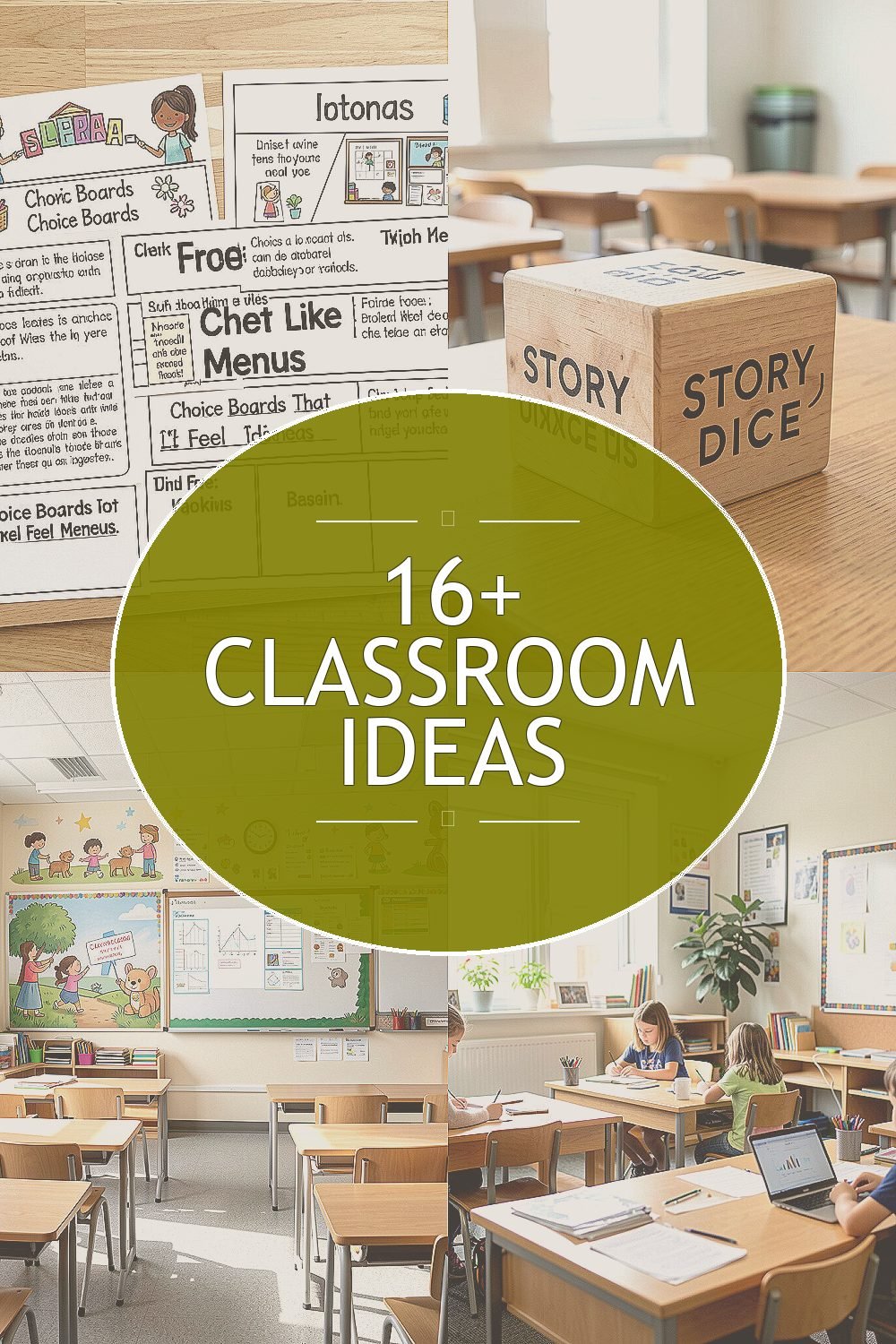
Set out a simple choice board so students pick tasks that match their energy. You can picture bright card squares on a clipboard, with options like sketching, writing, recording, or building.
Students stay engaged because they own the path, not just the outcome. Try keeping directions short, then model one example so everyone starts with confidence. Let students swap tasks mid-workday if their focus changes.
2. Story Dice With Unexpected Plots
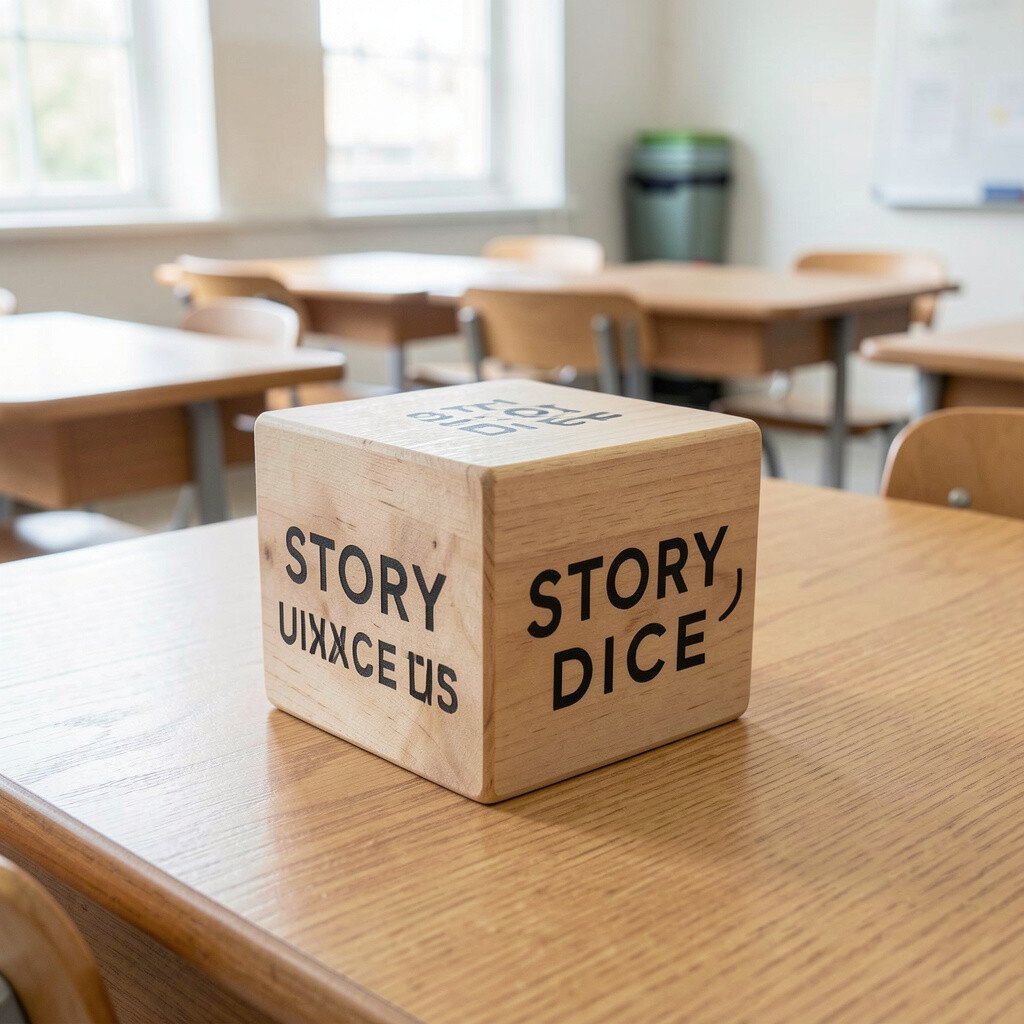
Give students a set of dice or a digital spinner to shape stories. Each roll can pair a character with a setting, and the classroom wall can fill with colorful “plot tracks” students draw.
This activity supports writing stamina and builds flexible thinking. For a practical start, use three dice prompts such as character, place, and problem, then require a beginning, a twist, and an ending.
Make it personal by letting groups choose a genre they love, like mystery, sports drama, or funny sci-fi. Keep costs low by using old packaging boxes for blank dice faces or printing prompts for a wheel.
3. Classroom Murals in Micro-Sessions
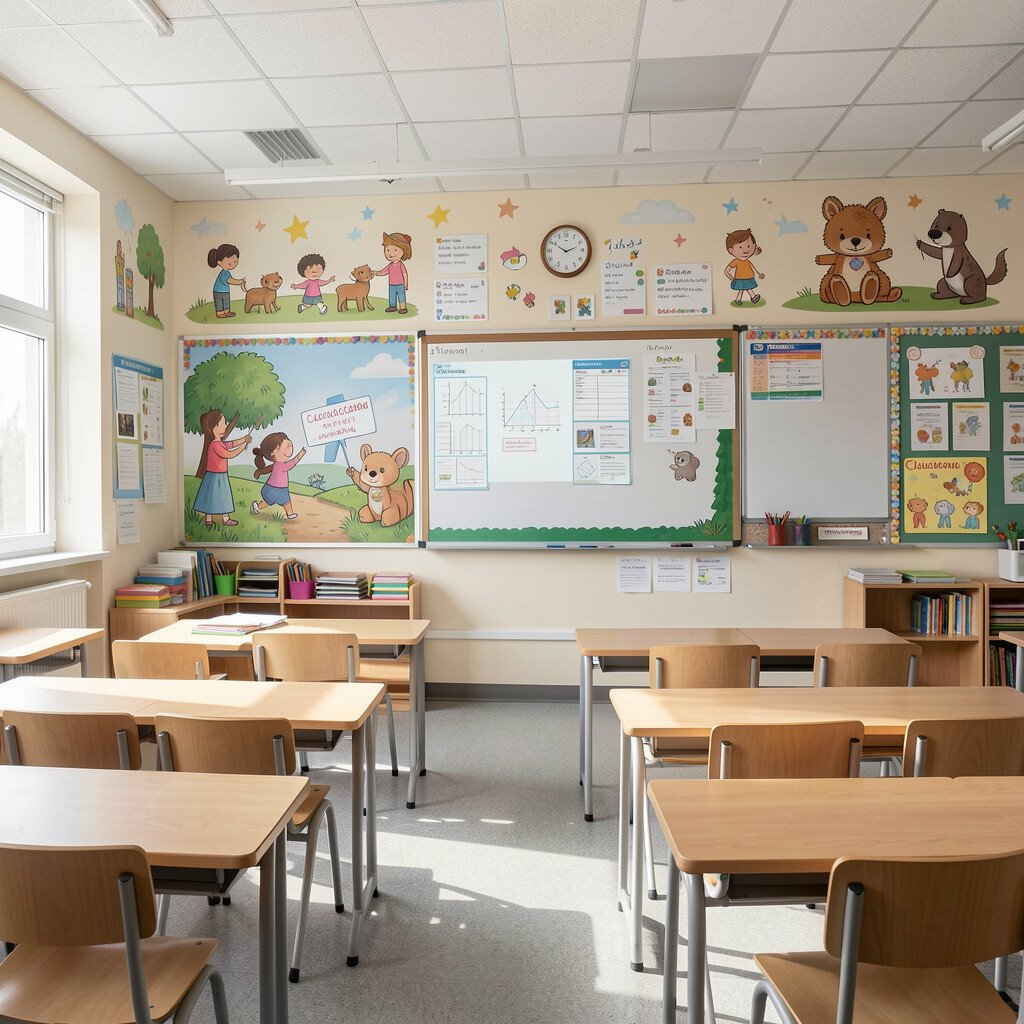
Instead of a big art project that drags for weeks, run short mural sessions. Students might add neat sections to a growing wall mural, layer by layer, like a living quilt.
These bursts help students practice teamwork and show progress quickly. Choose a theme tied to class content, such as habitats, historical scenes, or “math in the world.”
Personalize the mural by allowing each student to pick a style, like collage, doodles, or stenciled shapes. Consider using washable markers and paint chips, since they are easy on budgets and tidy up fast.
To match current trends, encourage “process sharing,” where students take quick photos of their additions and post them on a class page.
4. Soundtrack Learning With Mood Stations
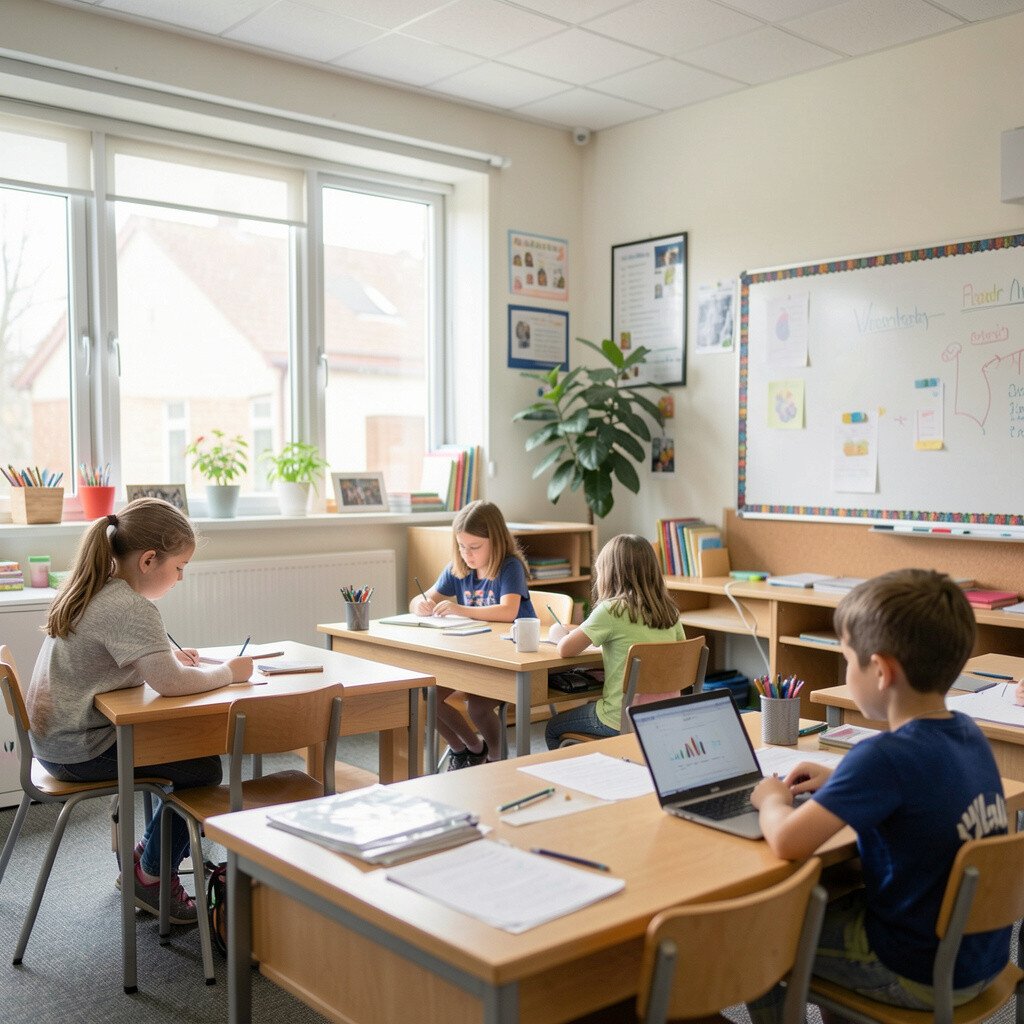
Play short, instrumental playlists that match lesson moods and let students choose their own station. Imagine small desk signs with different icons, like a wave for focus or a heartbeat for energizing work.
This approach boosts concentration and helps students manage emotions during independent tasks. Keep expectations clear by using a volume rule and offering an alternative for students who prefer quiet.
5. Rapid Prototyping With Recycled Materials
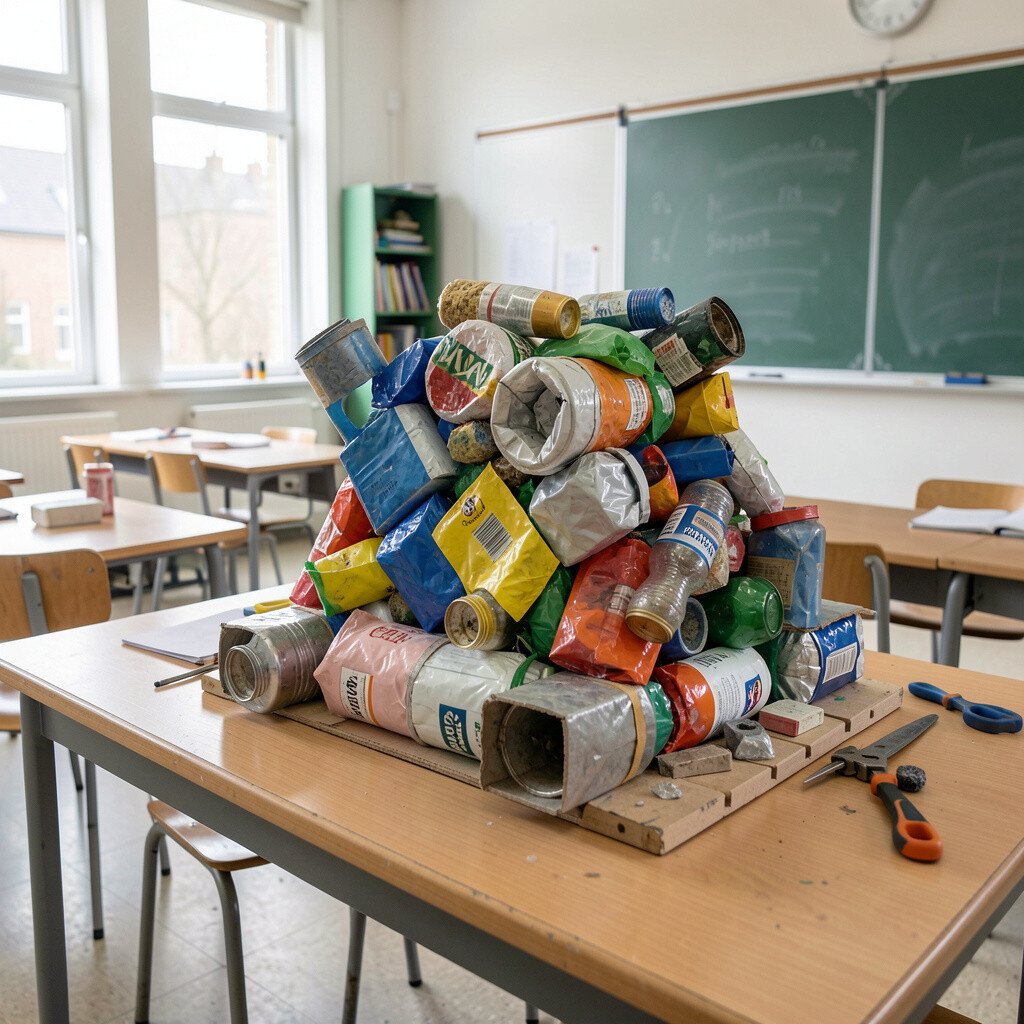
Challenge students to build a small prototype using items headed for recycling. You can see trays of bottle caps, cardboard strips, and foil sheets on tables, all turning into mini inventions.
This builds creative problem solving and strengthens hands-on learning. Set a tight time window so ideas appear fast, then require one quick test like “Will it hold weight?”
Personalize projects by letting students choose the audience, such as a toy for younger kids or a tool for a classroom need. Keep cost low by collecting clean recyclables at home, then sorting them into labeled bins.
6. Gallery Walks That Use “Kind Questions”
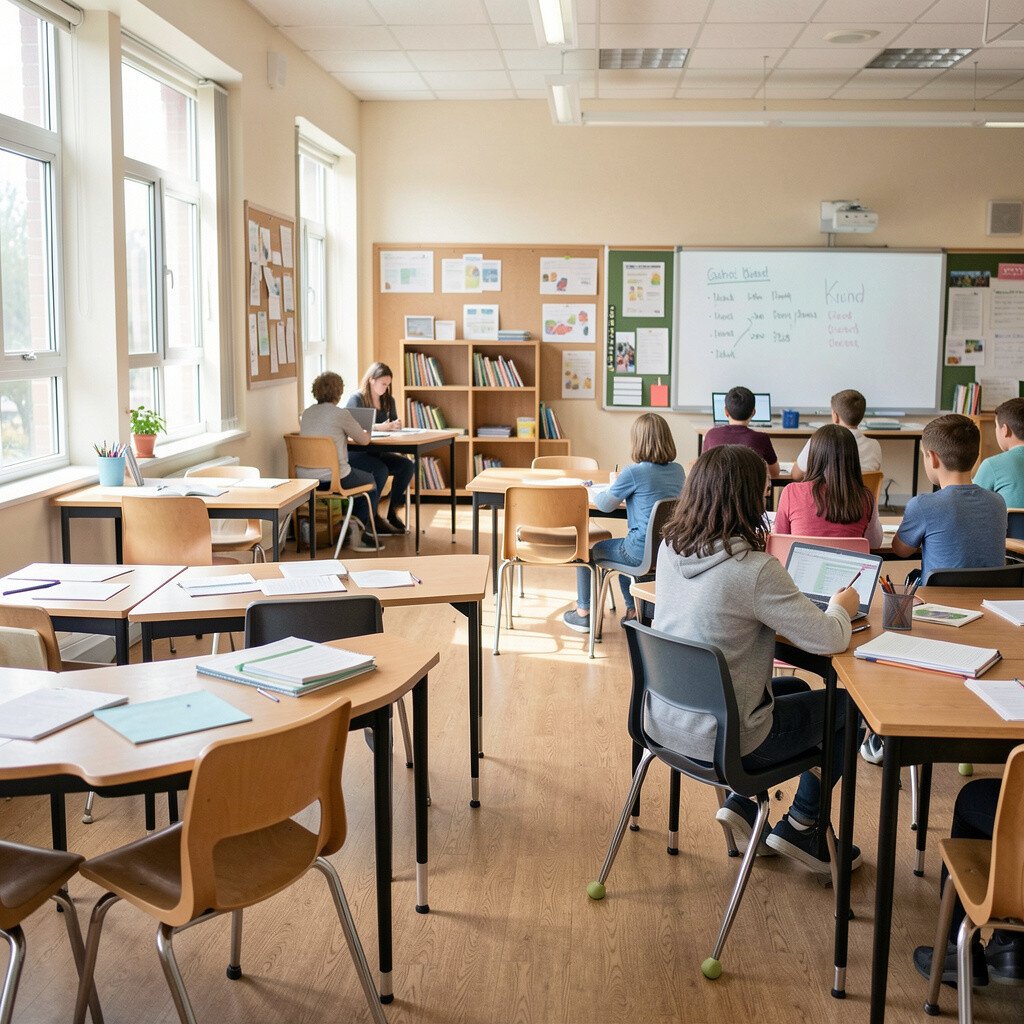
Create a gallery walk where students view classmates’ work and leave kind, specific questions. Think of sticky notes arranged like constellations beside drawings, posters, and models.
Students learn how to give feedback that helps, not hurts, which improves revision skills. Ask them to focus on one thing they notice and one thing they wonder, then give time for the creator to respond.
7. Mystery Bag Lessons With Buildable Clues
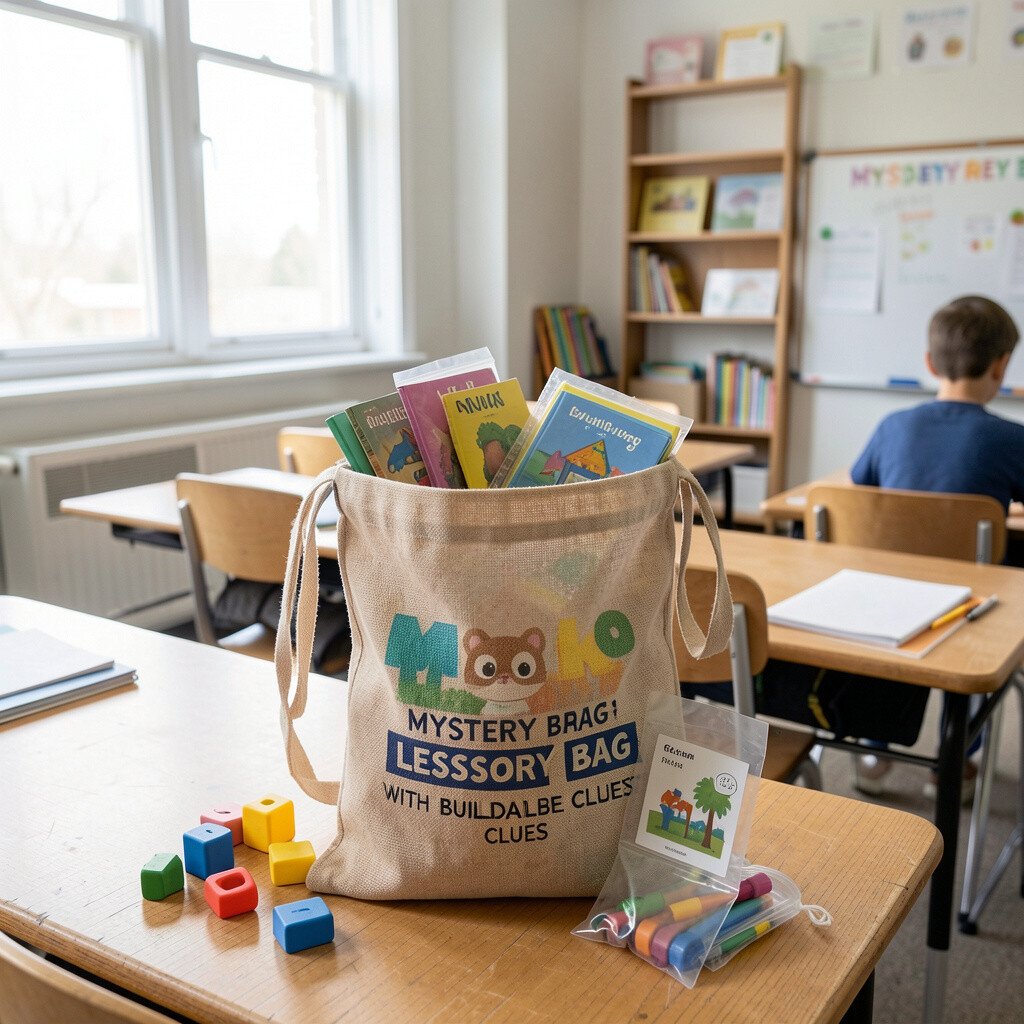
Place an assortment of objects in a “mystery bag” tied to the day’s topic. Students reach in for clues, and the classroom feels like a science show when the objects appear.
This method supports observation skills and makes concepts feel real. Start by choosing objects that connect to a lesson skill, such as measuring tools, seeds for life science, or letter tiles for language study.
Let students personalize by creating a mini presentation for the class, using the objects as evidence. Keep costs down by using items you already have, like buttons, keys, shells, or safe kitchen tools.
8. Human Graphs With Real-Time Choices
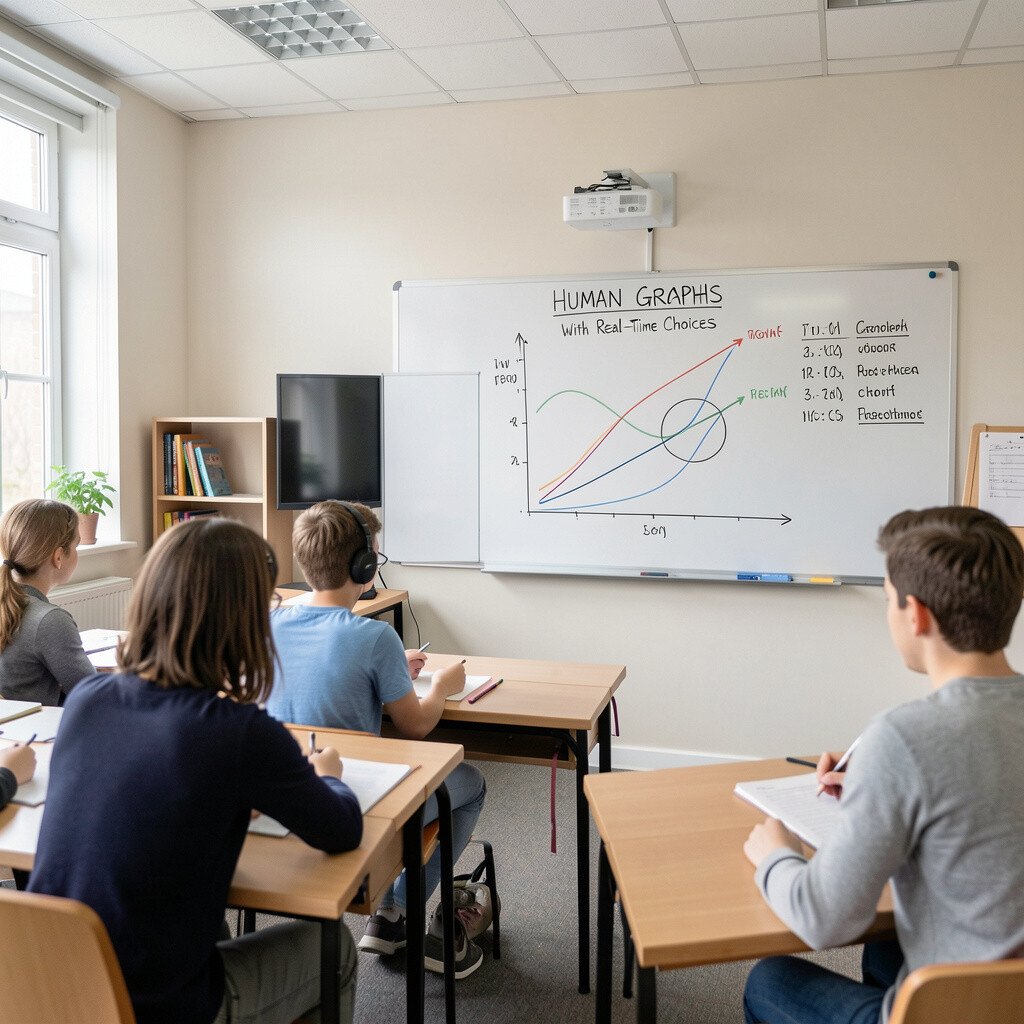
Turn data practice into a moving activity by using a human graph. Students stand along a line labeled with categories, and you can see a wave of bodies shift when new questions appear.
This helps students understand patterns through physical movement and shared conversation. Use it during math, reading preferences, or science predictions, then follow up with short notes students write about what changed.
9. “If I Could…” Letters to Future Readers
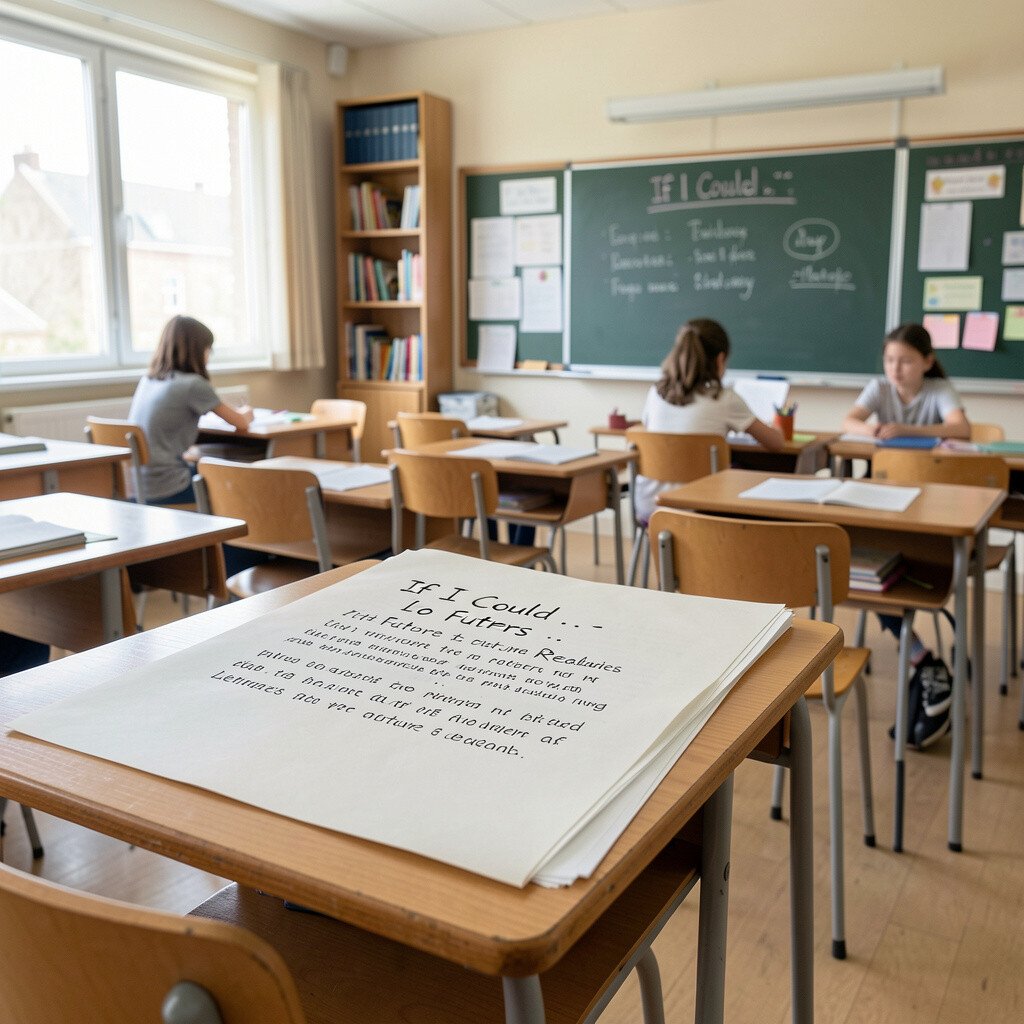
Have students write letters that begin with “If I could…” and end with advice for a future reader. Picture envelopes on a shelf, each one decorated with symbols that match the student’s topic.
This strengthens writing voice and builds purpose, because students imagine a real audience. Provide sentence starters for support, but encourage original phrasing once students get going.
Make it unique by letting students choose delivery, like classroom mailboxes, a shared digital folder, or reading letters aloud in small circles. Costs stay minimal since paper and envelopes are easy to find, and older folders can become letter organizers.
To keep it current, offer an option for students to format letters as short audio messages for families.
10. Problem-Solving Escape Rooms With No Locks Needed
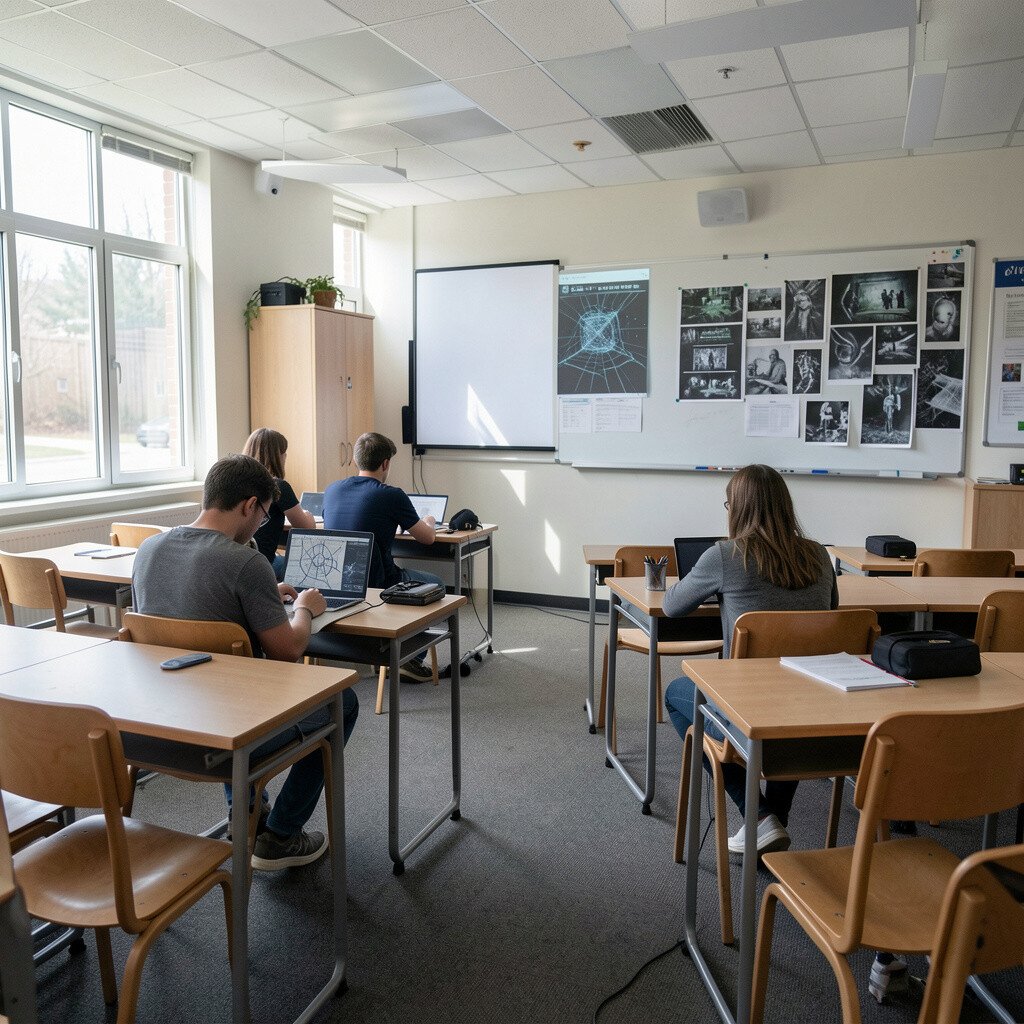
Design an escape-room style challenge using clues instead of heavy equipment. You might use simple clue cards tucked into folders, with students hopping from station to station like a team in a puzzle game.
This builds persistence and strengthens collaborative skills while practicing key standards. Keep it practical by using only a few stations and reusing materials year to year with fresh clue wording.
11. Makerspace Corners With Rotating Roles
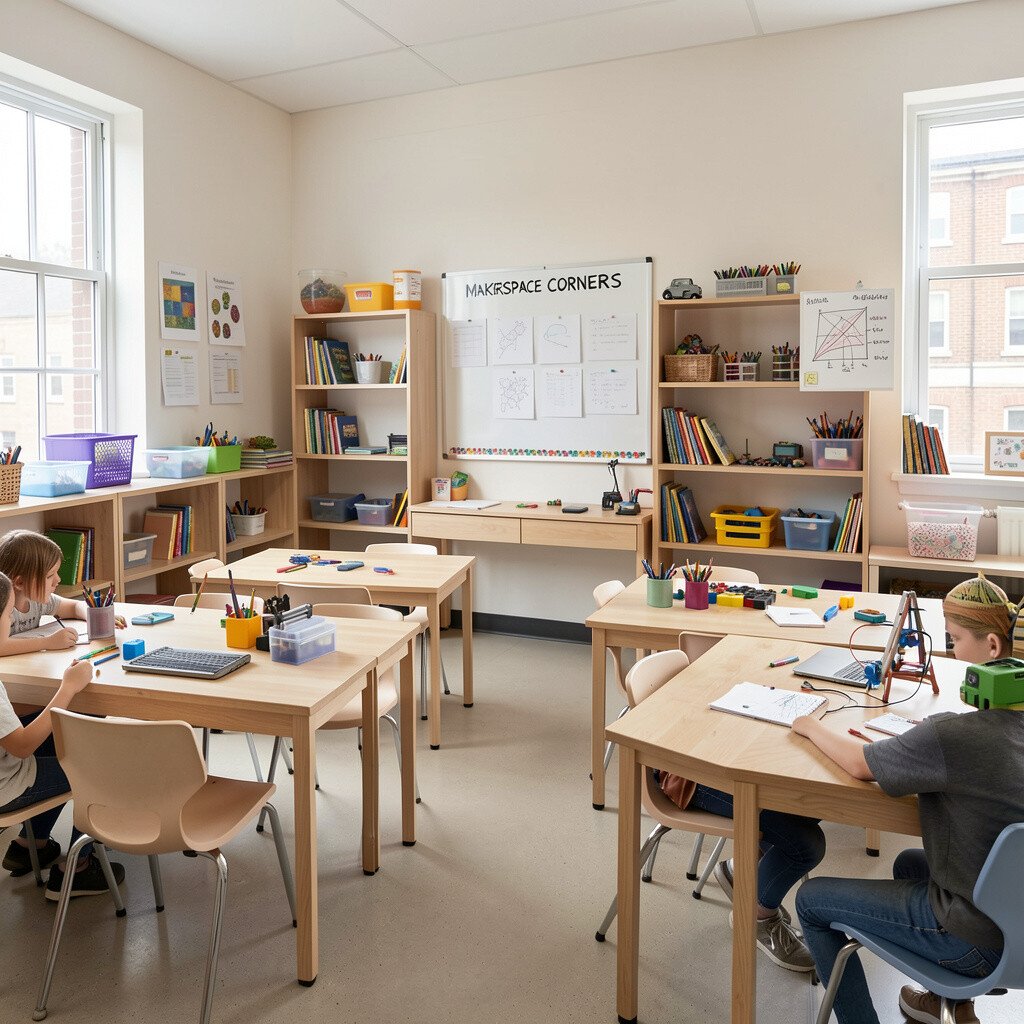
Set up a makerspace corner where students can create small objects, art, or models. Visualize a cart with paper, string, foam sheets, and safe tools, arranged like a mini shop at the back of the room.
Students gain independence and learn to manage materials responsibly. Give rotating roles such as builder, measurer, artist, and documenter so the group works smoothly.
Personalize the space by adding seasonal themes, like “space week” or “rainy day designs,” and let students choose which materials fit the theme. Costs can stay low by using craft supplies you already own and adding items only when you find good deals.
12. Book Trailers That Make Reading Feel Like a Movie
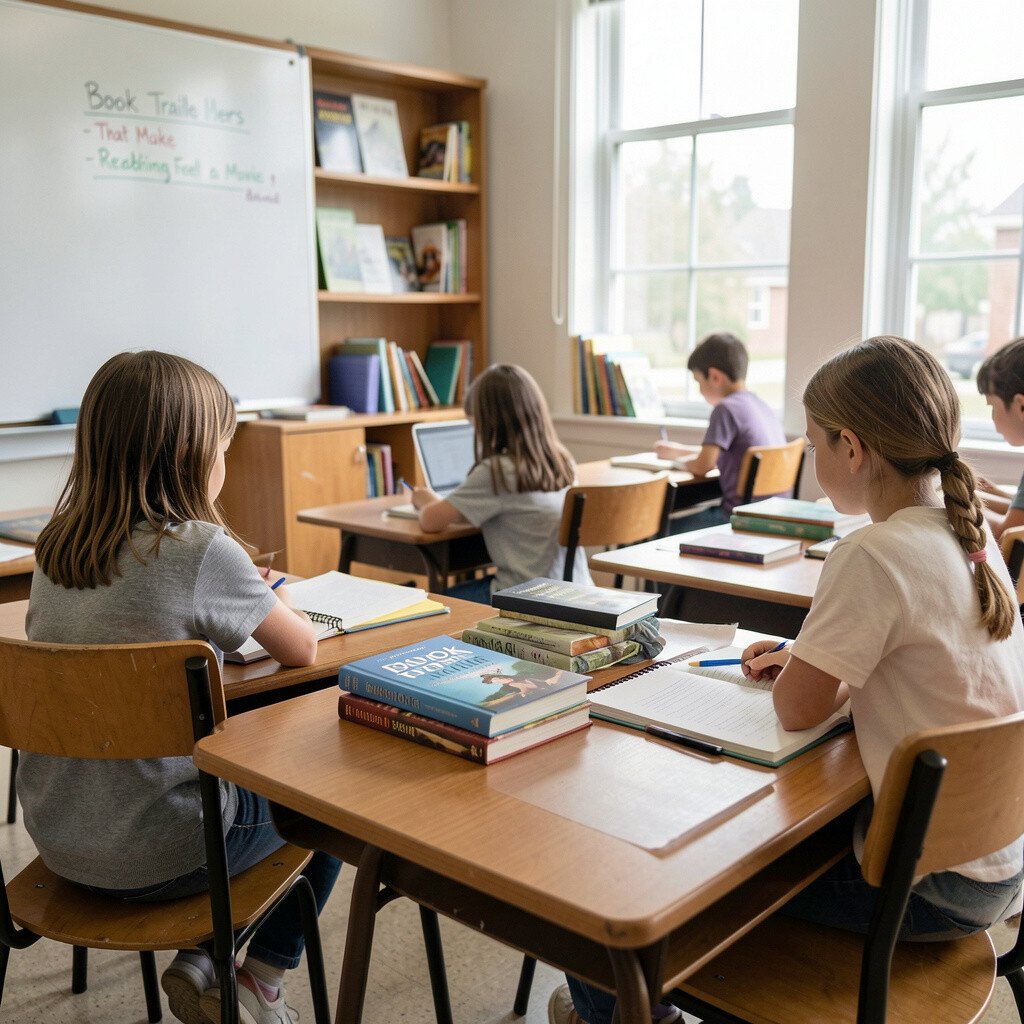
Ask students to create short book trailers with sketches, photos, and voiceover. In the classroom, you’ll see students storyboarding scenes on index cards, like tiny movie posters.
This increases reading motivation and improves planning and speaking skills. Provide a simple structure such as hook line, main character, problem, and why it’s worth reading.
13. Art From Shadows Using a Single Light Source
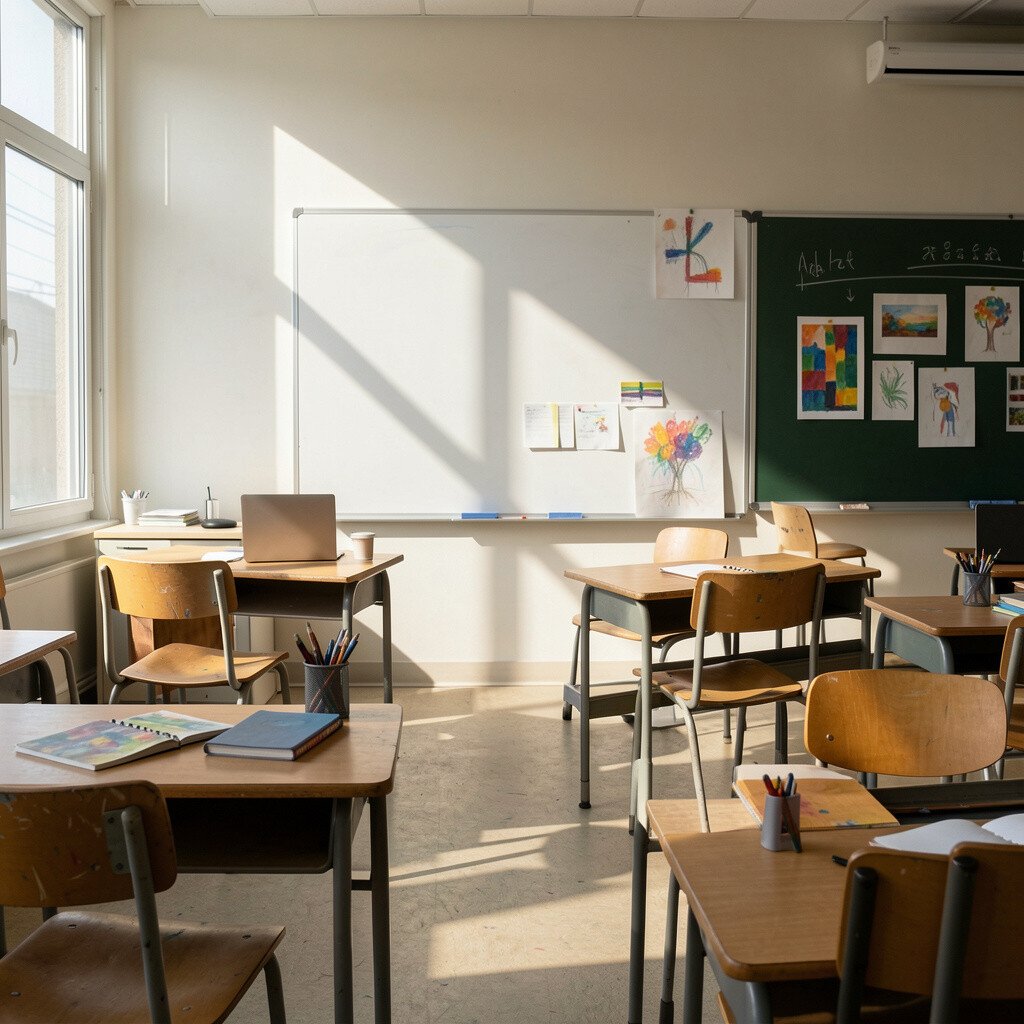
Use a flashlight or desk lamp to create shadow art. Students can trace shapes onto paper, then fill them with patterns, turning plain silhouettes into bold designs.
This activity builds observation skills and encourages experimentation. Keep it practical by using thick paper and masking tape so shadows are easy to trace and cleanup stays simple.
Make it unique by letting students choose a theme like animals, city skylines, or friendly monsters, then combine shadows into a class “shadow story.” For cost, you only need lamps, tape, and paper, which makes it budget-friendly.
14. Class Podcasts With Student-Driven Topics
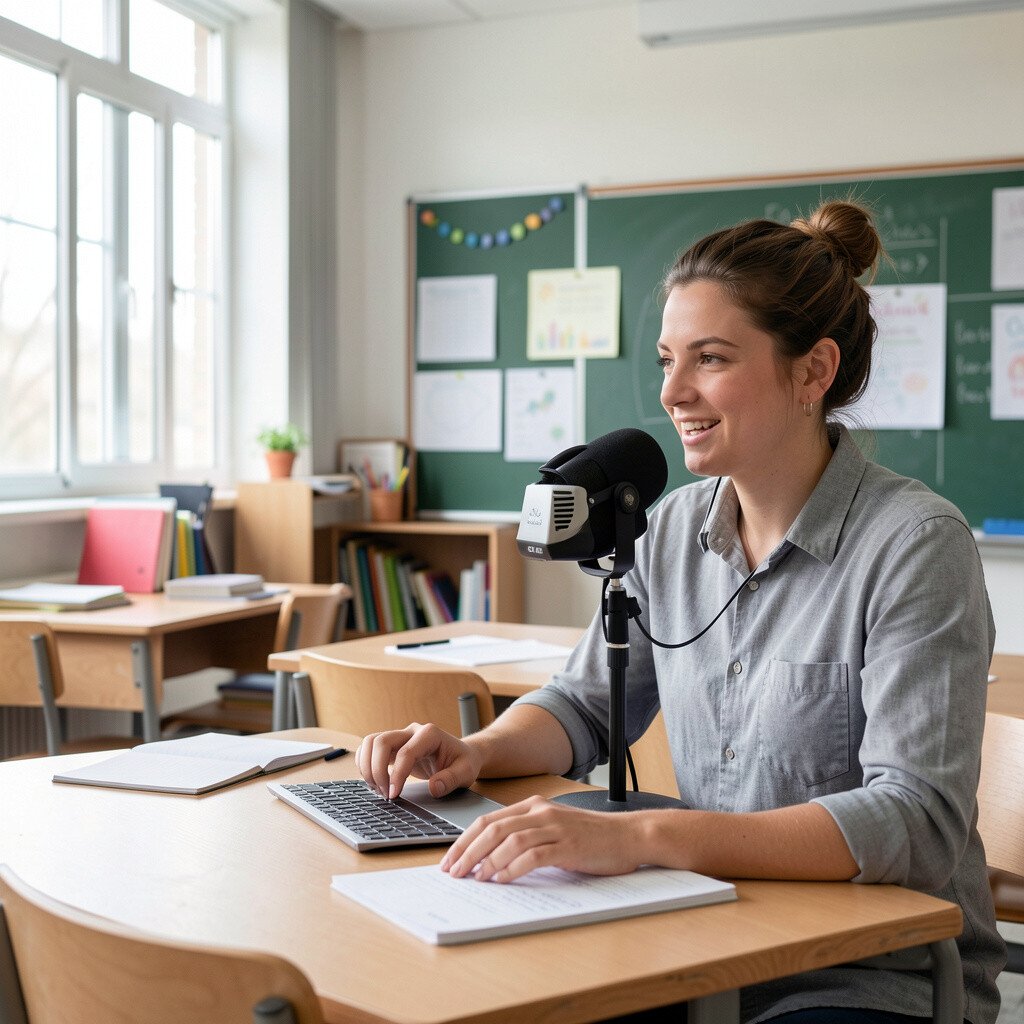
Start a classroom podcast where students choose topics and interview classmates. You can picture a microphone stand made from a simple stand and a phone, while students speak into the room with big energy.
This supports speaking, writing, and listening skills while giving a real audience. For practical steps, have students draft a short script, then record in pairs with one person as host and one as editor.
Personalize by offering theme days such as “science in the hallway” or “book talk after lunch.” To keep costs low, use free recording apps and reuse headphones if you already have them.
15. Think-Aloud Models With Student Choice of Strategy
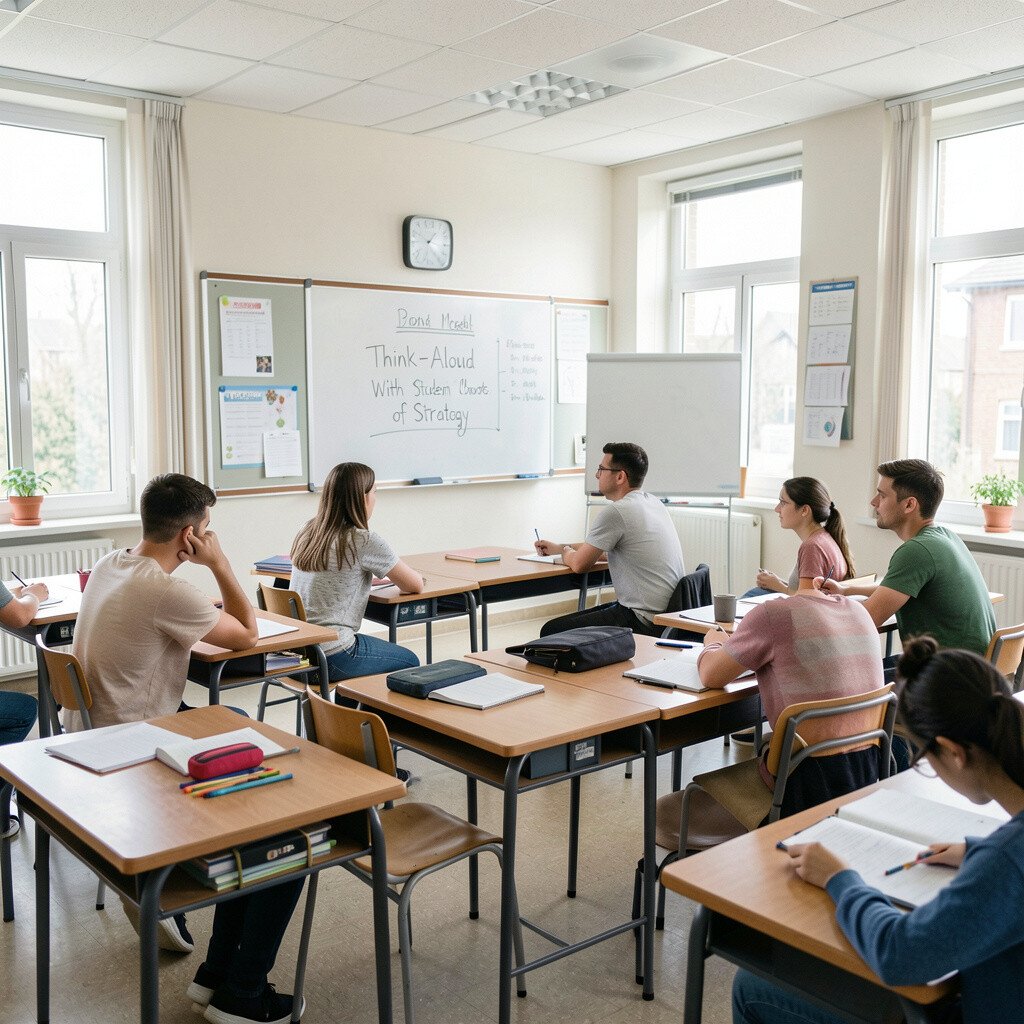
When you model a task, invite students to choose which strategy to watch next. Picture you writing two different solution paths on the board, then letting students vote on which one to try for the next problem.
This makes thinking visible and reduces fear of mistakes because students know multiple routes work. Use short modeling rounds so students can copy the process without feeling overwhelmed.
16. Pattern Music Projects With Body Sounds
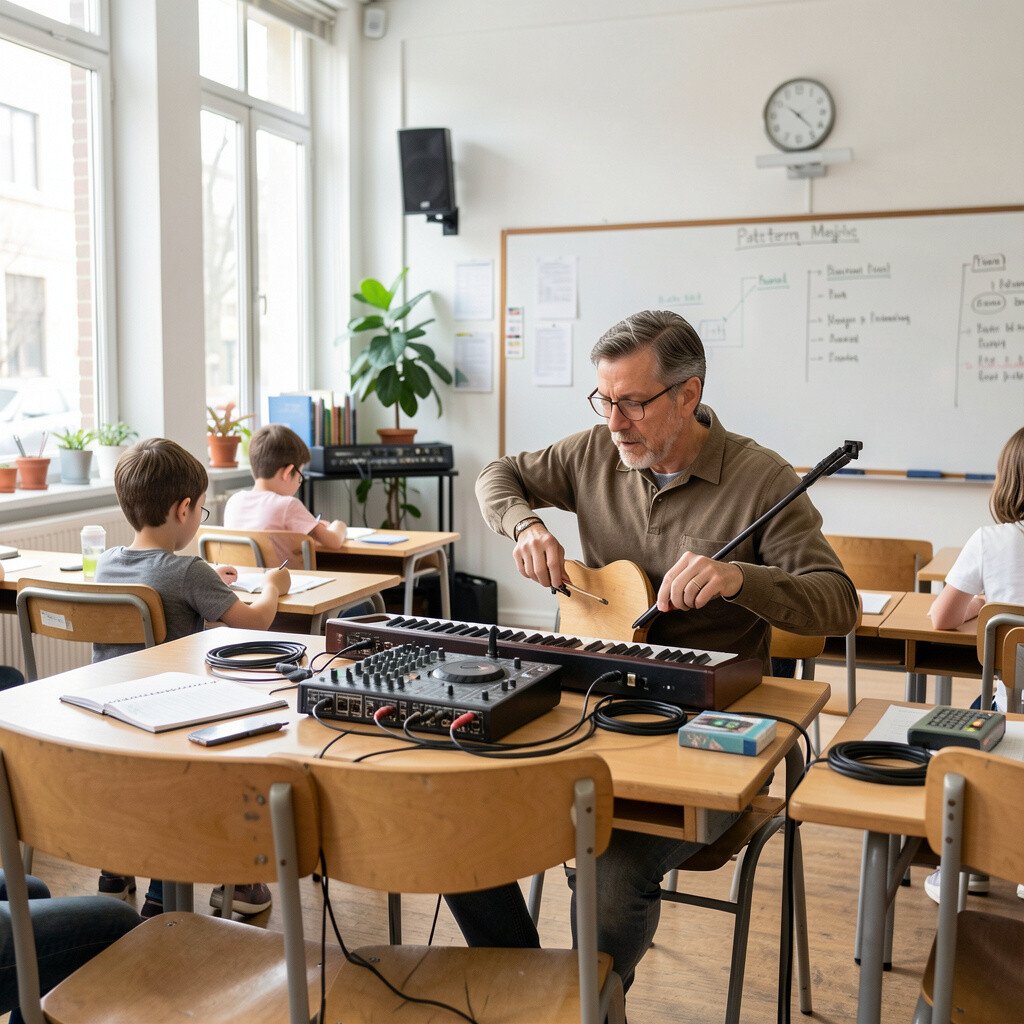
Turn rhythm into creativity by making “pattern music” with body sounds. Students can clap, stomp, and tap desks to layer a beat, and the room becomes a lively studio.
This supports memory, timing, and language skills when students describe what they hear. Start with simple call-and-response, then ask groups to build their own eight-beat pattern using a given theme like “rain” or “busy city.”
Personalize the project by letting students choose instruments made from paper cups, pencils, or rhythms from spoken phrases. Keep cost considerations light by using what the classroom already provides and by storing materials in small bins for reuse.
17. Question Walls That Turn Curiosity Into Action
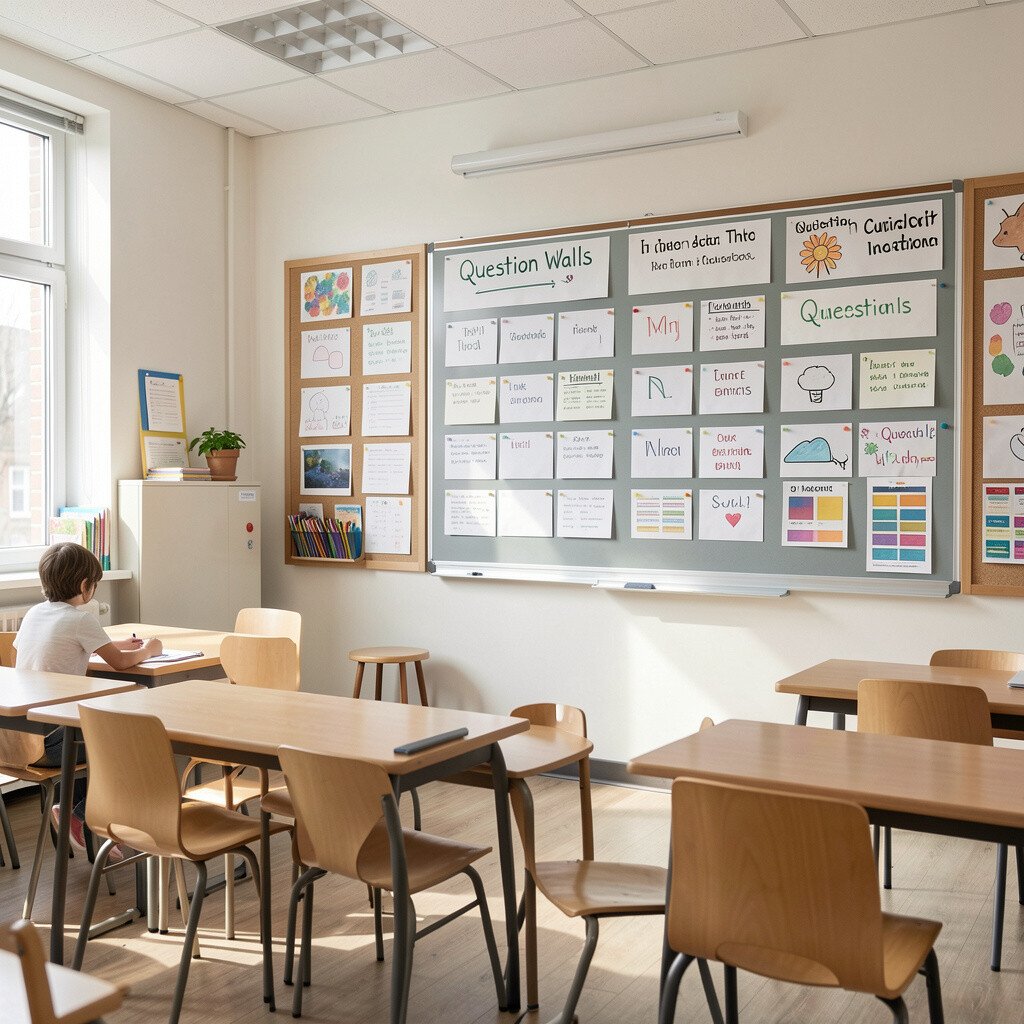
Build a “question wall” where students post curiosities during lessons and later pick one to work on. You can picture colorful question strips on a corkboard, each one fluttering slightly like bookmarks in the classroom.
This encourages ownership, strengthens inquiry skills, and makes learning feel connected to real life. Set a weekly routine where students vote, form teams, and plan a small product such as a poster, model, or short explanation.
Make it unique by letting each group choose their final format, like a comic strip, a mini demonstration, or a one-minute video. Costs can stay near zero with paper, markers, and basic props, and if you want a trend-friendly option, students can share their work through a class slideshow.
Allow personalization by letting students write questions in their own words, then revisit the wall after each unit to see which curiosities grew into lessons.