
A classroom with mixed grades can feel like a busy kitchen. With the right systems, it can also feel calm, friendly, and ready to learn.
When spaces, materials, and routines match the needs of different learners, you gain more time for teaching. You also build an environment where kids can predict what happens next and feel confident finding what they need.
1. Set Up Learning Zones That Match Real Life
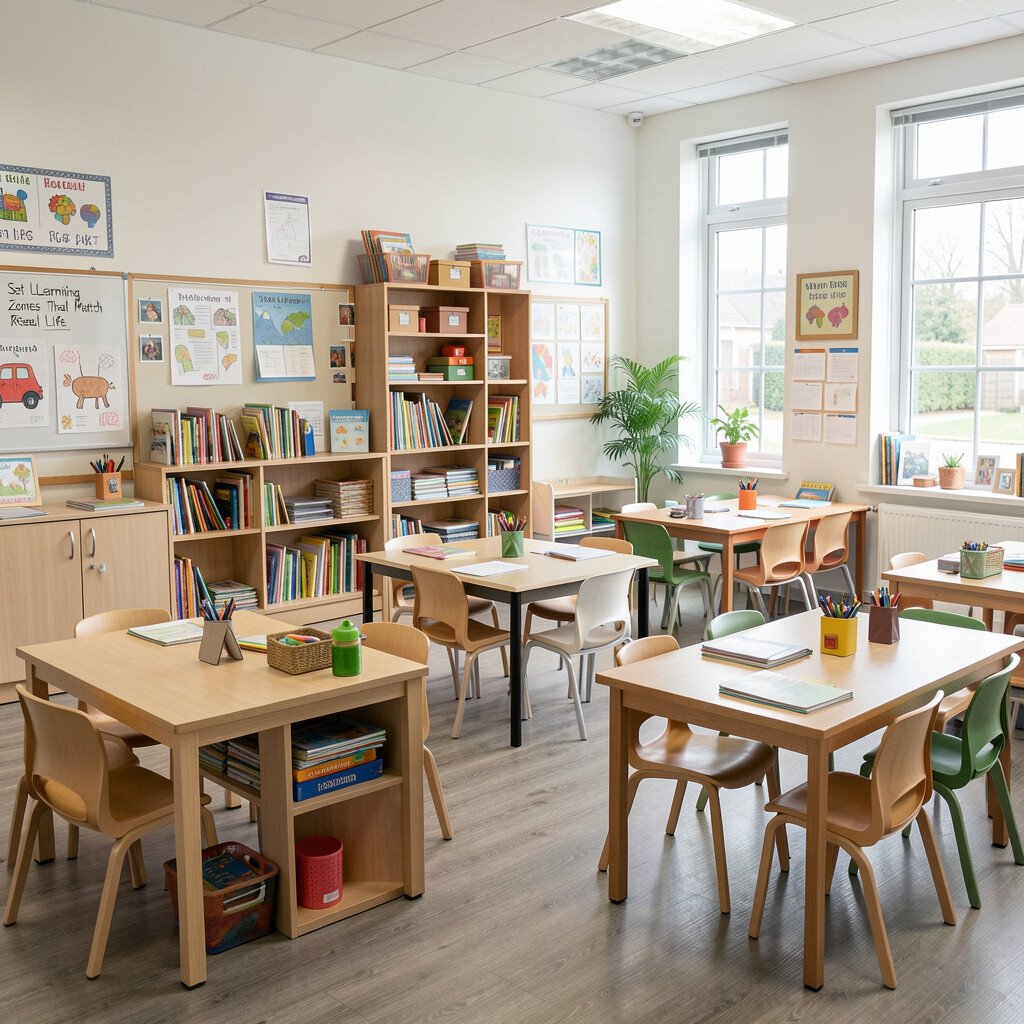
Walk around your room and notice how people naturally move. If one corner is for reading and another is for building, kids start treating each space like it has a job.
Use clear visual cues like rug squares, color-coded signs on the walls, or floor tape showing where each grade group sits. Place supplies near the zone where they will be used, so students don’t wander across the room searching for pencils or books.
2. Build Color-Coded Supply Stations
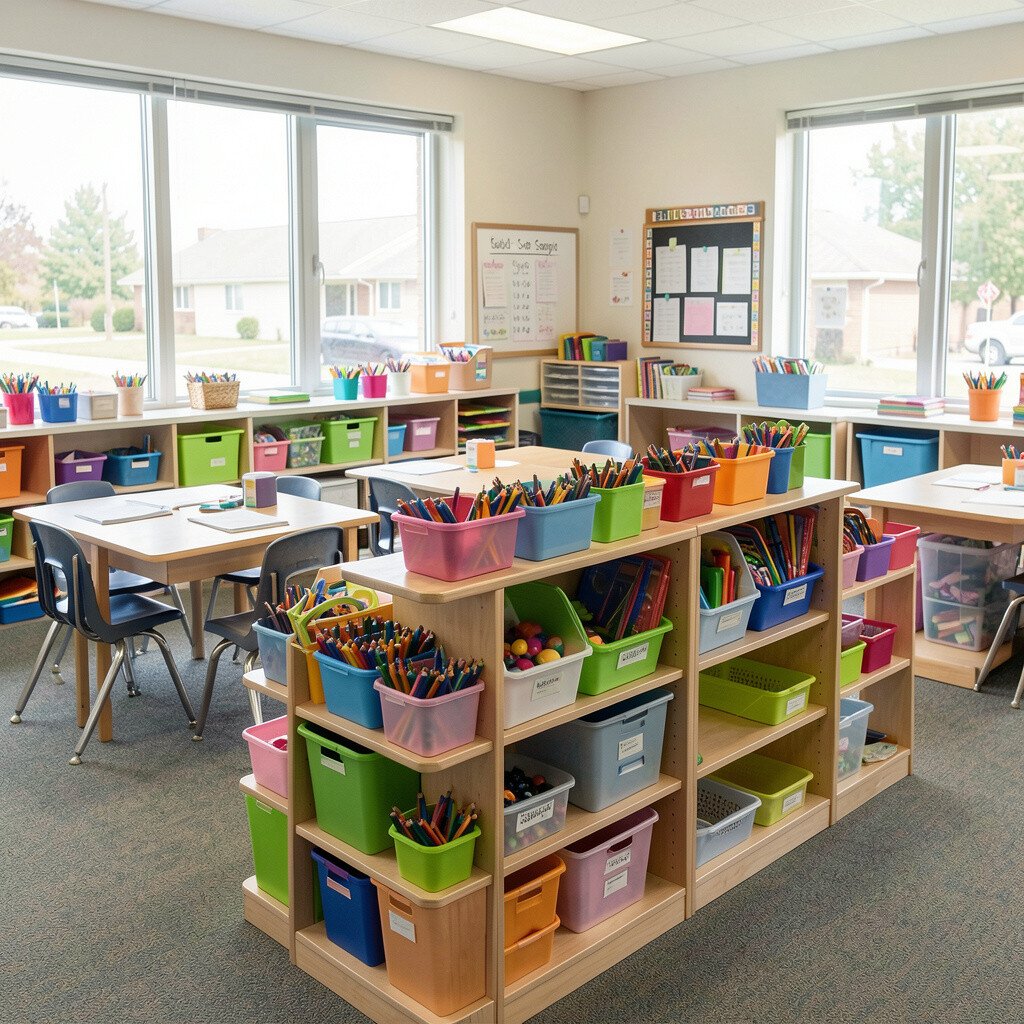
When students can spot their materials instantly, transitions get easier. A kid who grabs the right folder without asking saves everyone time.
Choose a small set of colors tied to grades or tasks, then label bins with pictures plus simple words. Keep frequently used items at student height, and store backup supplies in lidded containers underneath or behind a shelf.
Color-coding also supports early independence for younger learners and quick starts for older ones. If you want a budget-friendly plan, use old shoeboxes, paper folders, and colored binder clips from a sale rack.
3. Use A Visible Daily Flow Board For Every Group
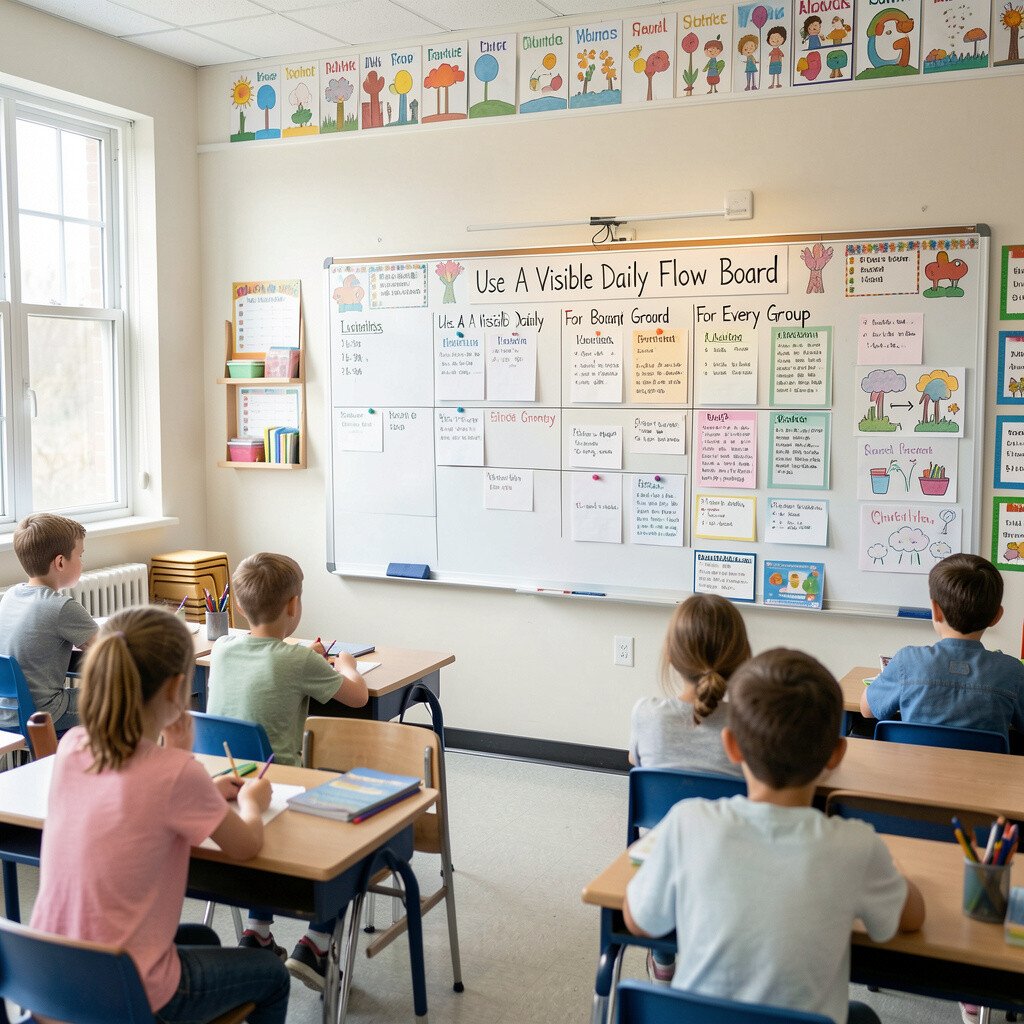
Multi-grade classrooms work best when the day has a rhythm students can see. A flow board turns busy moments into something predictable.
Post icons for each part of the schedule, such as morning work, teacher lesson, partner practice, and independent reading. Include a simple tracker showing where each grade group is right now, and update it before students settle into their spots.
Try using magnets, Velcro, or laminated cards so changes happen fast. This also reduces stress during common disruptions, because everyone can glance up and adjust.
4. Create Folder Systems That Students Can Handle
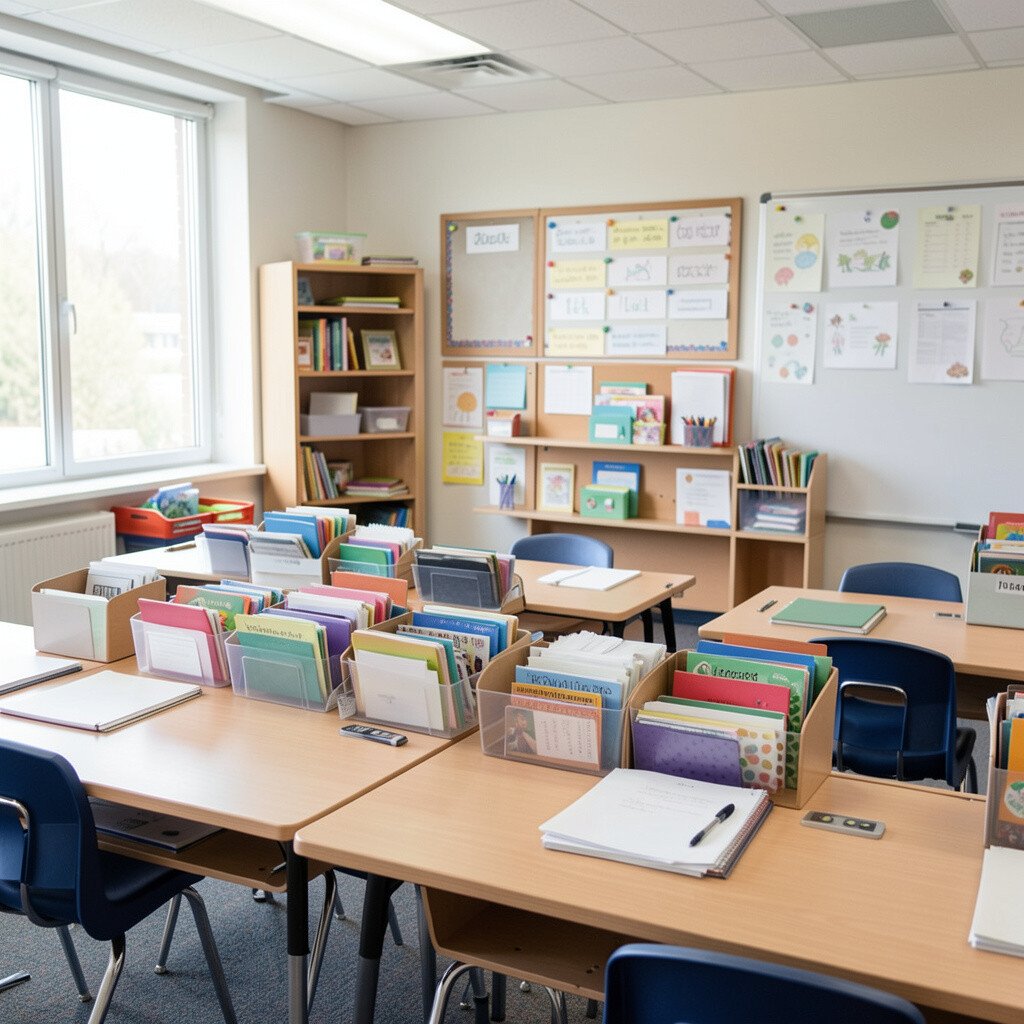
Paper can turn messy fast when different grades are working side by side. Folder routines help students keep work together and make grading smoother.
Use one folder per subject per grade and add a clear label with a matching color. Put a “finished” spot near the teacher table and a “to practice” spot near the independent area.
5. Design Seating That Supports Rotation Without Chaos
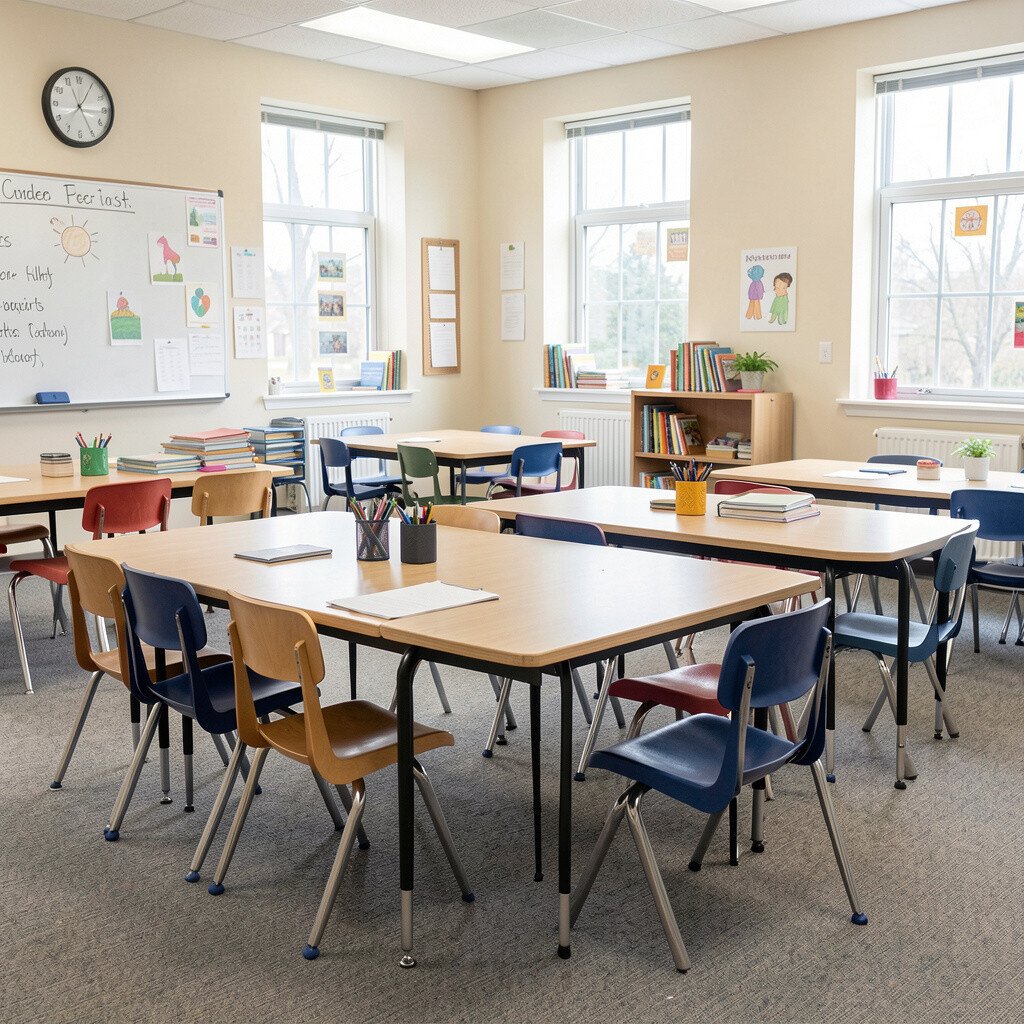
Seating choices can make group work run more smoothly. When desks are arranged with clear pathways, students move without bumping supplies.
Plan where each grade group will sit during teacher instruction, then set nearby seats for partner work. If you use flexible seating, add floor markers so students return to the right chair when it’s time to switch.
Consider pairing students so that a strong reader helps a new reader, but still keep tasks leveled. This kind of structure builds community and makes rotation feel like a game, not a scramble.
6. Keep Small Manipulatives Organized In Clear Containers
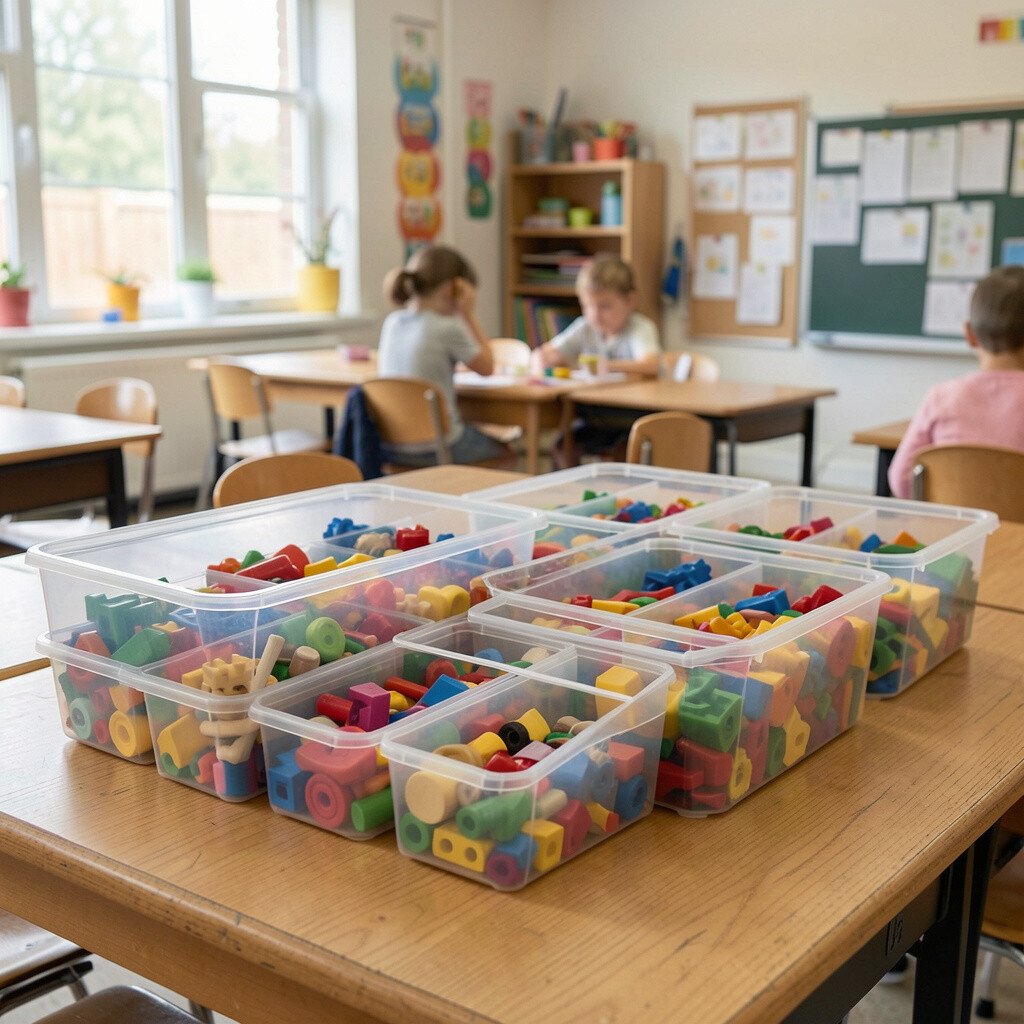
Little items like counters, tiles, or fraction strips can vanish in an instant. Clear containers make them visible, countable, and easier to replace.
Sort manipulatives by size and label with picture icons that match what students see. Add a quick-check routine where students put everything back using the same order each day.
7. Plan For Teacher Time With Timers And Targets
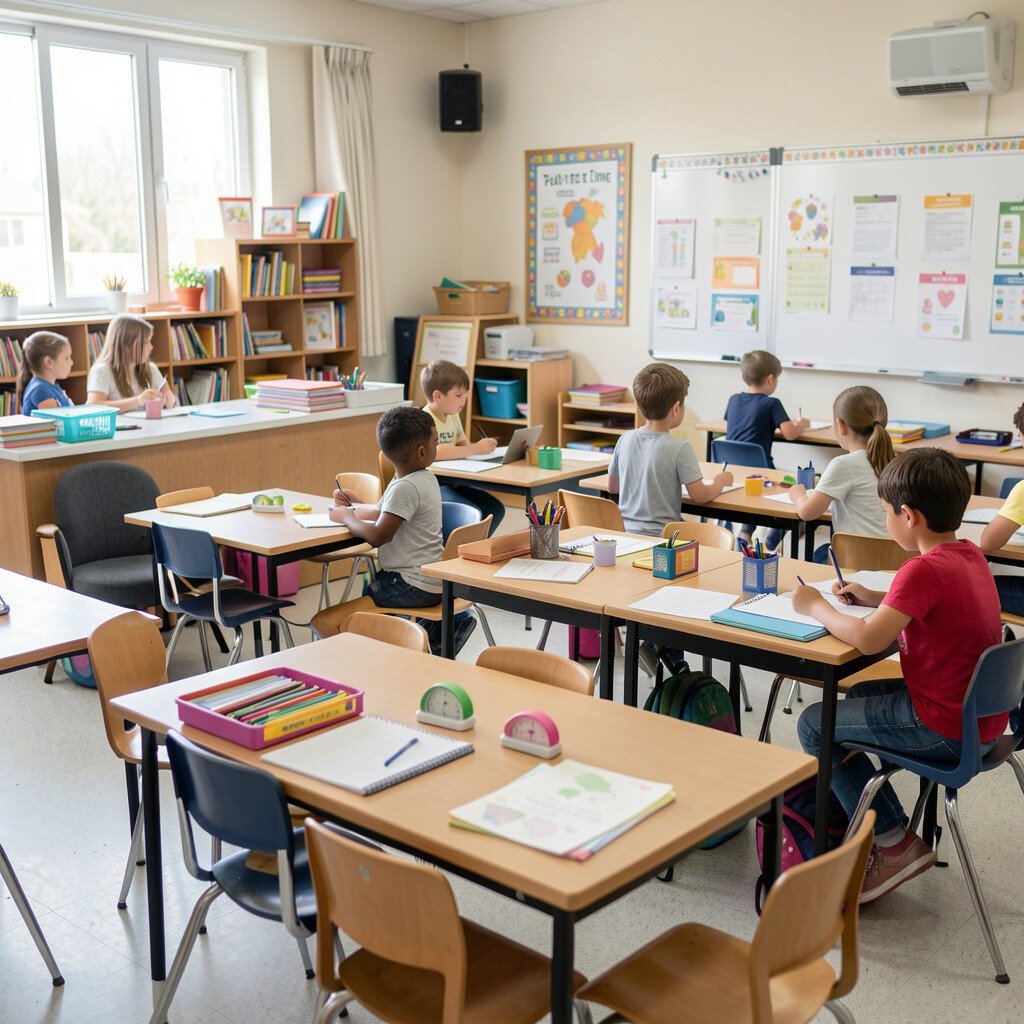
Multi-grade teaching often means you teach one group while another group works independently. That only works well when independent work feels guided.
Set a timer for each rotation and display it so students know how long they will be working. Include short targets for the independent block, like writing a complete answer or completing a reading response.
Try bundling tasks into ready-to-go packs that match each grade’s level. This keeps older students engaged while younger students still get a clear starting point.
8. Make Independent Work Packs That Feel Personalized
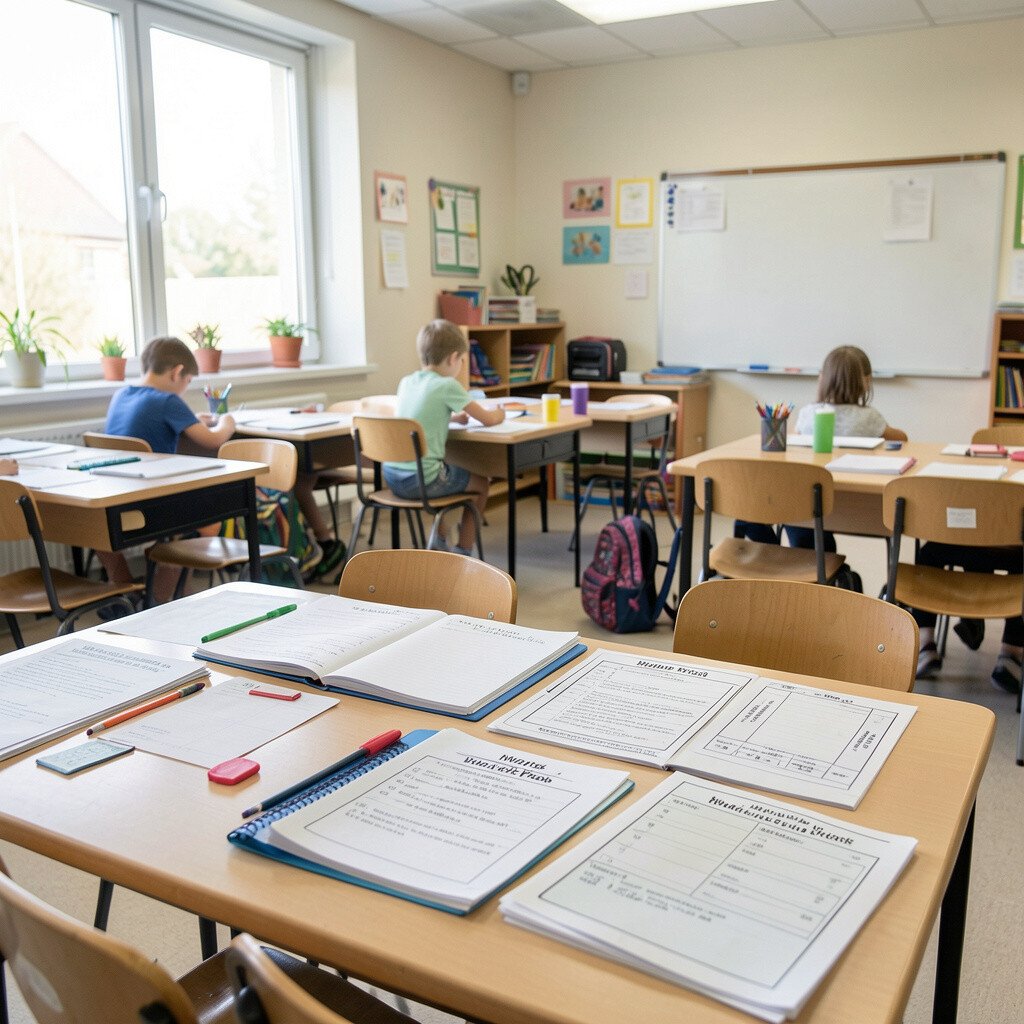
Independent time should not mean “busy time.” When students have tasks that match their level, they stay focused and proud.
Create packs with choices that still follow the same lesson goal, such as two writing prompts or three reading materials. Add a checklist page that shows steps in kid-friendly language, and include a place to check off each completed task.
9. Use Anchor Charts That Don’t Overwhelm The Wall
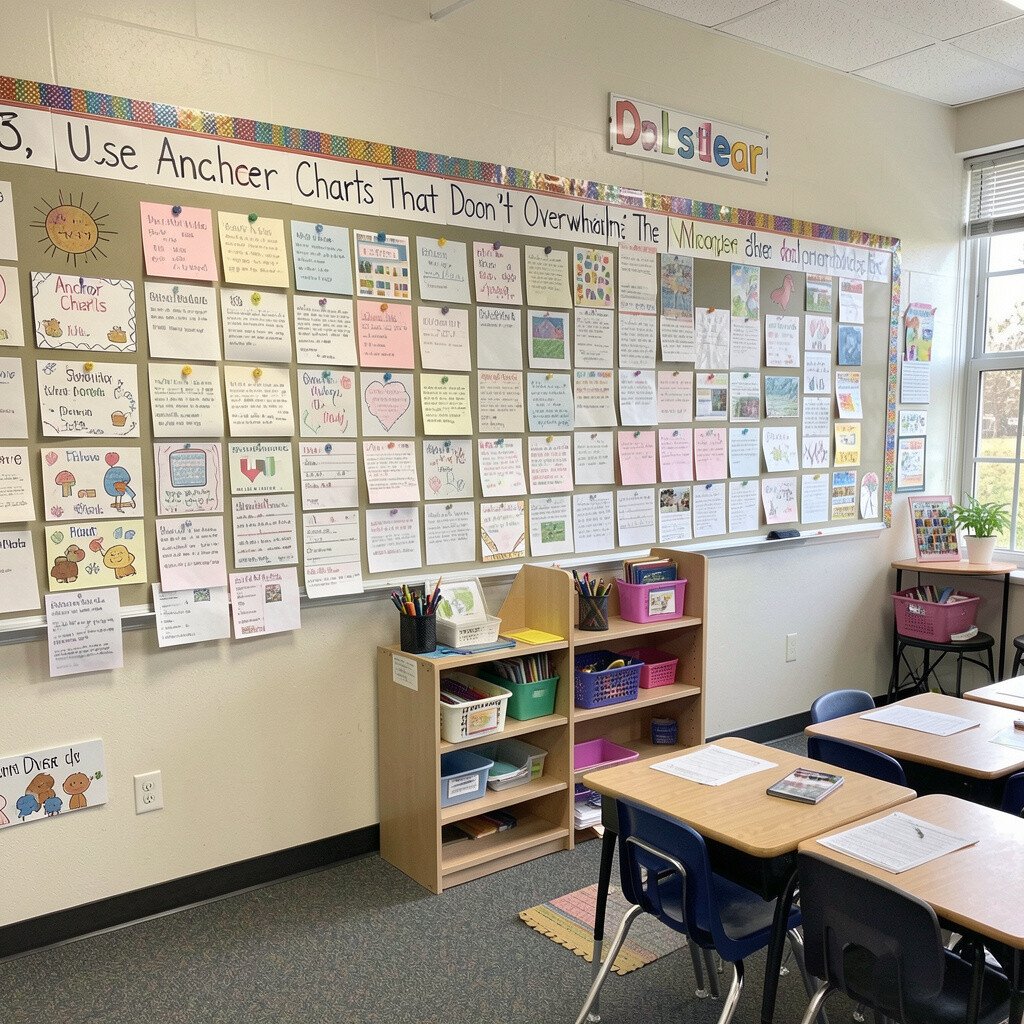
Walls can become clutter when too many charts stay up all year. Thoughtful design makes anchor charts useful instead of distracting.
Pick a small number of charts that support current learning, and swap them as topics change. Use colorful headings, simple diagrams, and examples that match student work so kids trust what they see.
To make the space even calmer, store extra charts in a folder behind a shelf and post only what fits the week. This helps your room stay fresh while keeping your teaching tools ready.
10. Build A “Help Queue” Instead Of Constant Interruptions
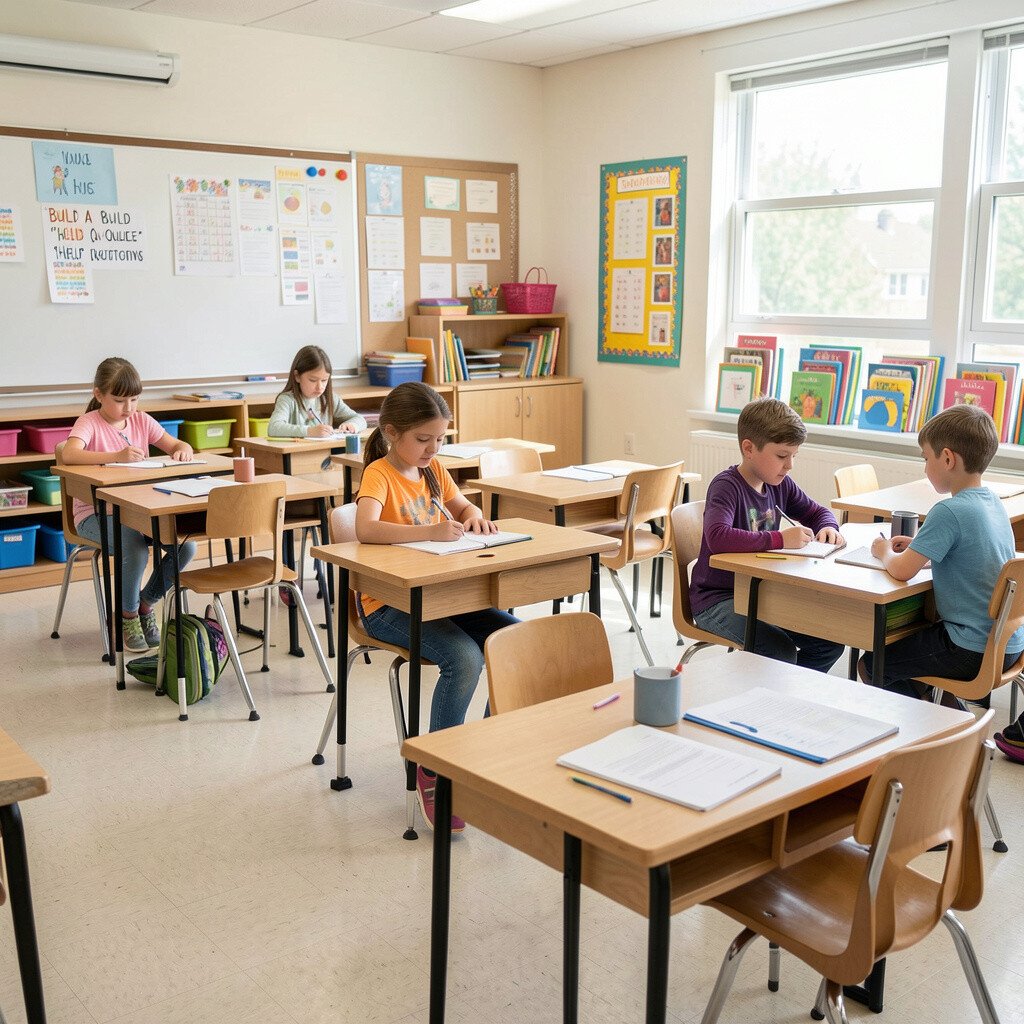
Students will need help, but constant calls can pull you away from the lesson. A clear help routine keeps learning moving.
Set up a help queue using a card system, where students who need support place a card in a designated spot. When you finish helping one group, you pull the next card and return to the work area with a calm plan.
This also gives younger students a safe way to ask for help without feeling embarrassed. If your budget is tight, use index cards and a simple tray or shoe organizer.
11. Organize Reading Materials By Interest And Level
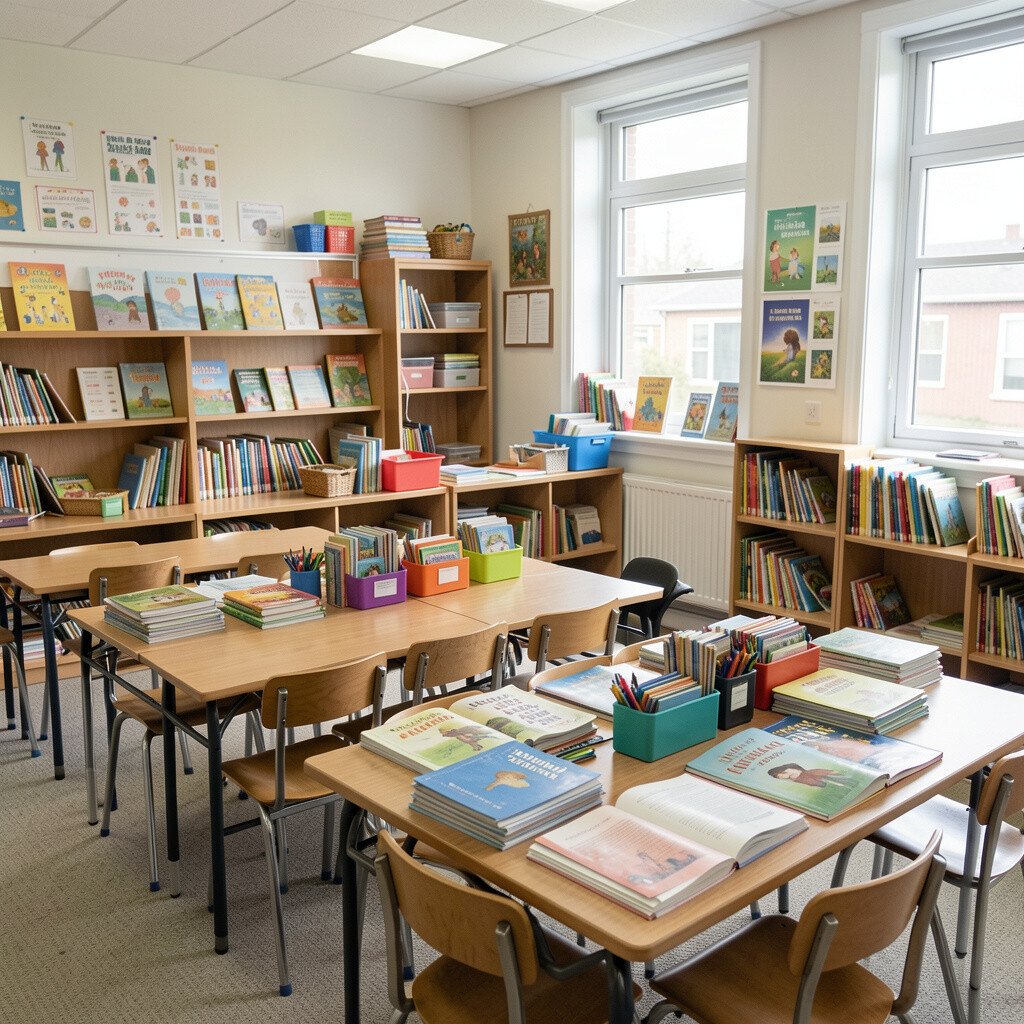
Reading bins work best when students can find books that match both skill and curiosity. That balance makes students more likely to read for longer stretches.
Sort books into categories such as favorite topics, graphic novels, or books about science and nature. Add a few texts at different reading levels inside each bin so students can choose without losing the lesson connection.
Pair the system with quick visual markers like book jackets with color stickers and short topic labels. For a low-cost option, use library draws, community book swaps, and donation shelves from local groups.
12. Stage Technology Like A Learning Tool, Not A Headache
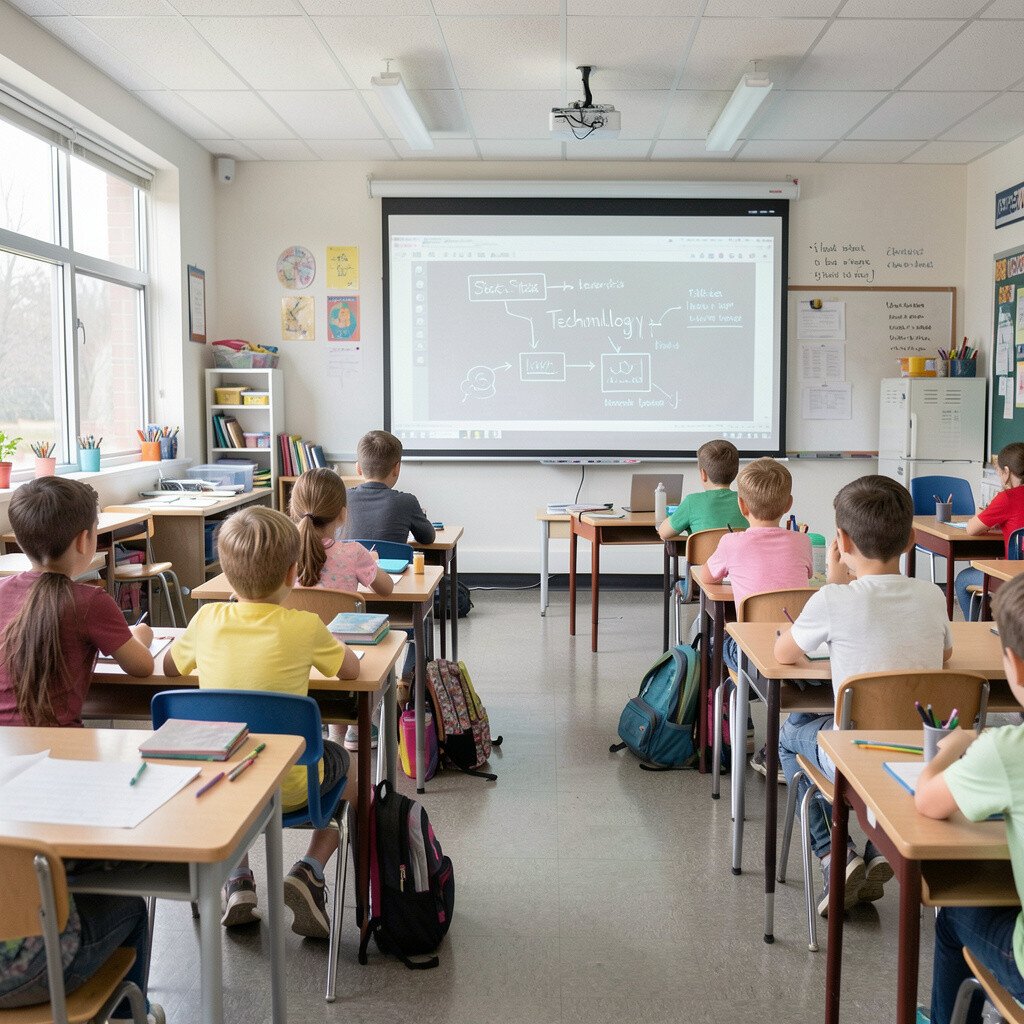
Devices can be helpful, but only when they have a home. Technology organization reduces missing chargers and saves precious class minutes.
Create a charging station with a labeled spot for each device, then store headphones in small labeled bags. Keep a printed “how to start” card at the device station so students can begin without waiting for you.
If you use online learning, set up saved bookmarks for common pages. This matches a current trend toward fewer logins and faster access, which helps multi-grade rooms stay on task.
13. Use A Supply Checkout Routine That Builds Responsibility
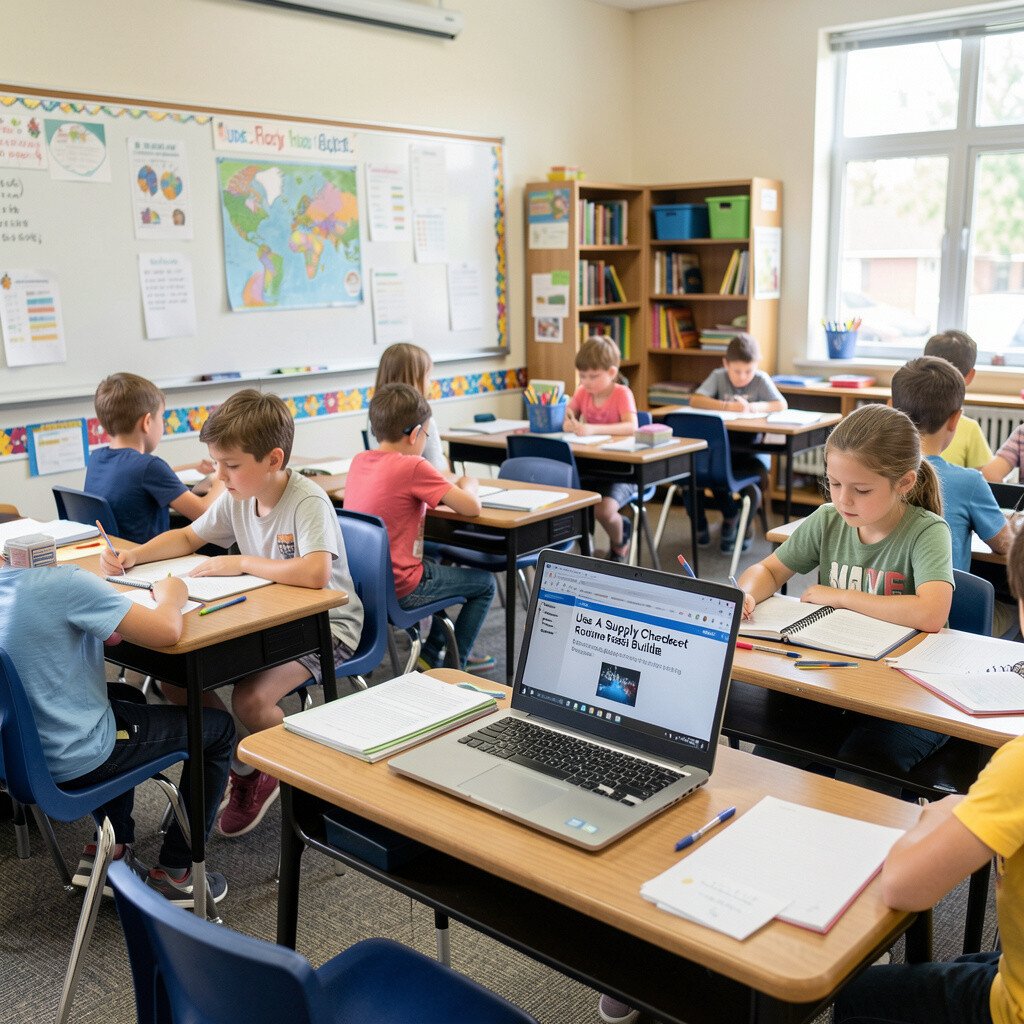
When students know how to borrow and return materials, the classroom runs smoother. They also learn accountability in a way that feels fair and consistent.
Create a simple checkout system for items like scissors, rulers, and lab tools. Use a small clipboard or a pocket chart to record what was taken and by whom, then add a return deadline for each rotation.
For younger students, use picture cards and attach them to the tools’ bins. This makes the routine visible and reduces frustration, especially during busy days.
14. Make Your Board Work Accessible At Multiple Heights
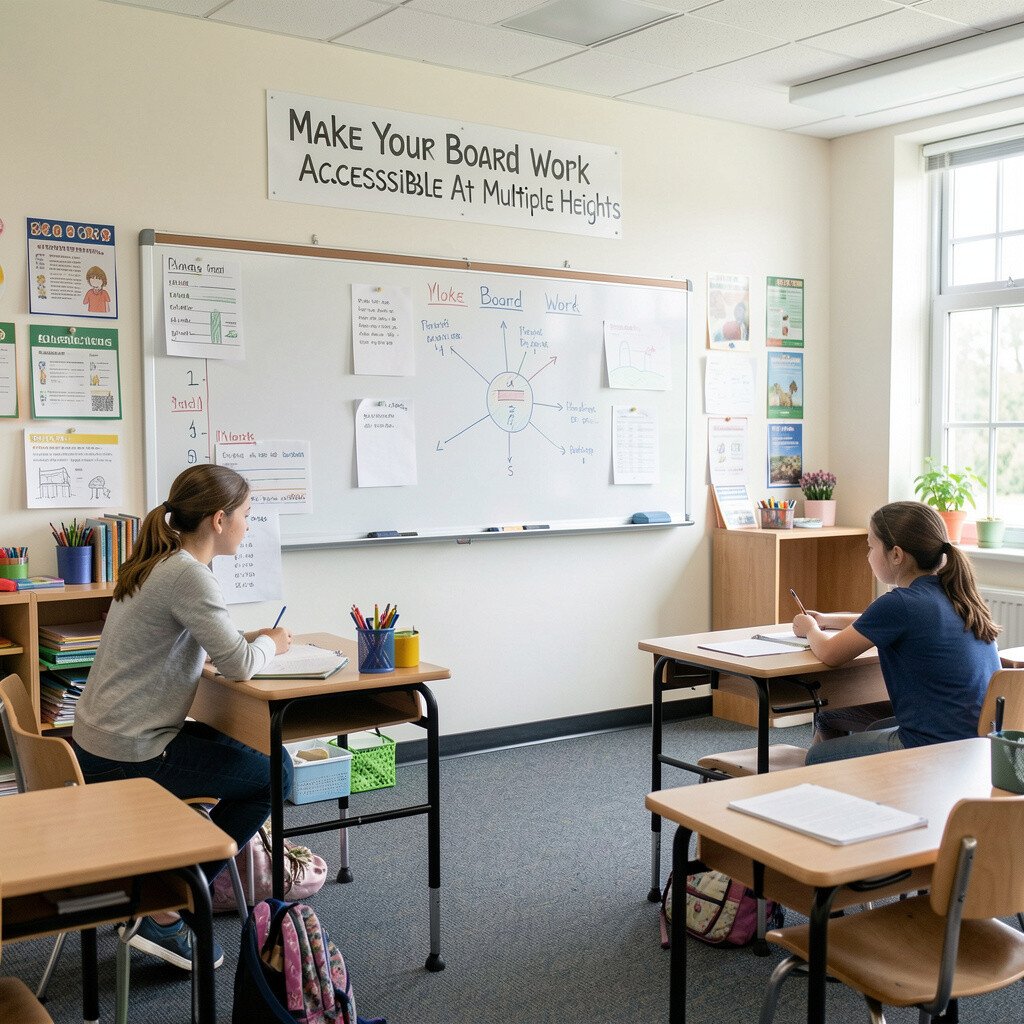
In multi-grade rooms, different learners need to access instructions quickly. If materials are too high or too far, students lose time and confidence.
Place frequently used tools like markers, erasers, and student exemplars in reachable areas. Consider two sets of student-facing examples, one at a lower height for younger learners and another near the board for older groups.
Use clear handwriting or printed slides for key directions, and keep them short. This supports today’s focus on clarity and accessibility, while also helping students during independent work.
15. Review Your Systems Weekly And Keep What Works
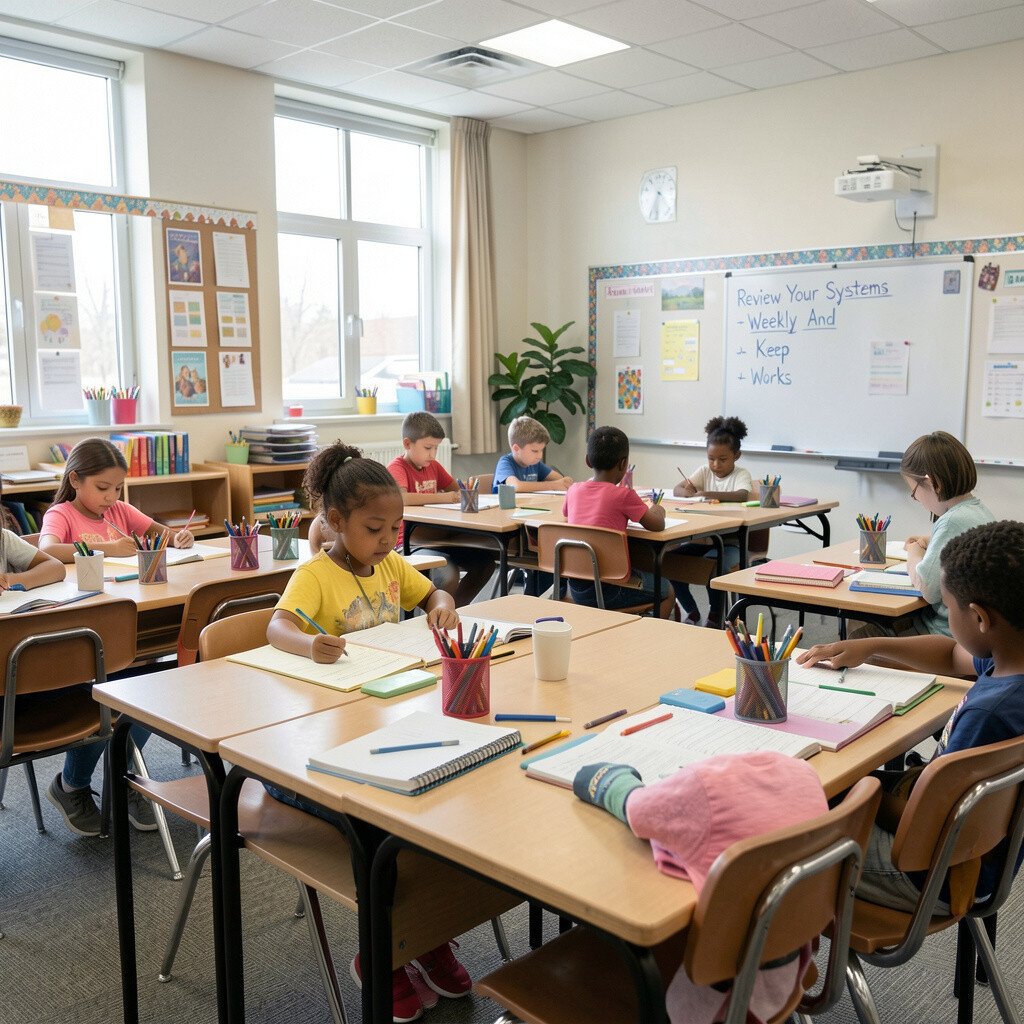
Organization is not a one-time job, especially in a multi-grade setting. When you review what happened this week, you can fix small problems before they grow.
Choose one area to adjust, like moving a bin, changing a label style, or updating the rotation sequence. Ask students for friendly feedback using sentence starters, such as what felt easy and what felt confusing.
This approach keeps your classroom unique because it reflects your learners and your teaching style. If you want a low-cost upgrade, try swapping labels with free template printouts, reusing cardboard dividers, and making small tweaks based on patterns you notice.