Your classroom can feel like a friendly place where learning clicks fast. When the theme fits the day, students participate more naturally.
These classroom themes bring structure, imagination, and real hands-on practice into everyday lessons. Pick a few ideas, adjust them to your style, and watch your students lean in.
1. Space Station Scholars
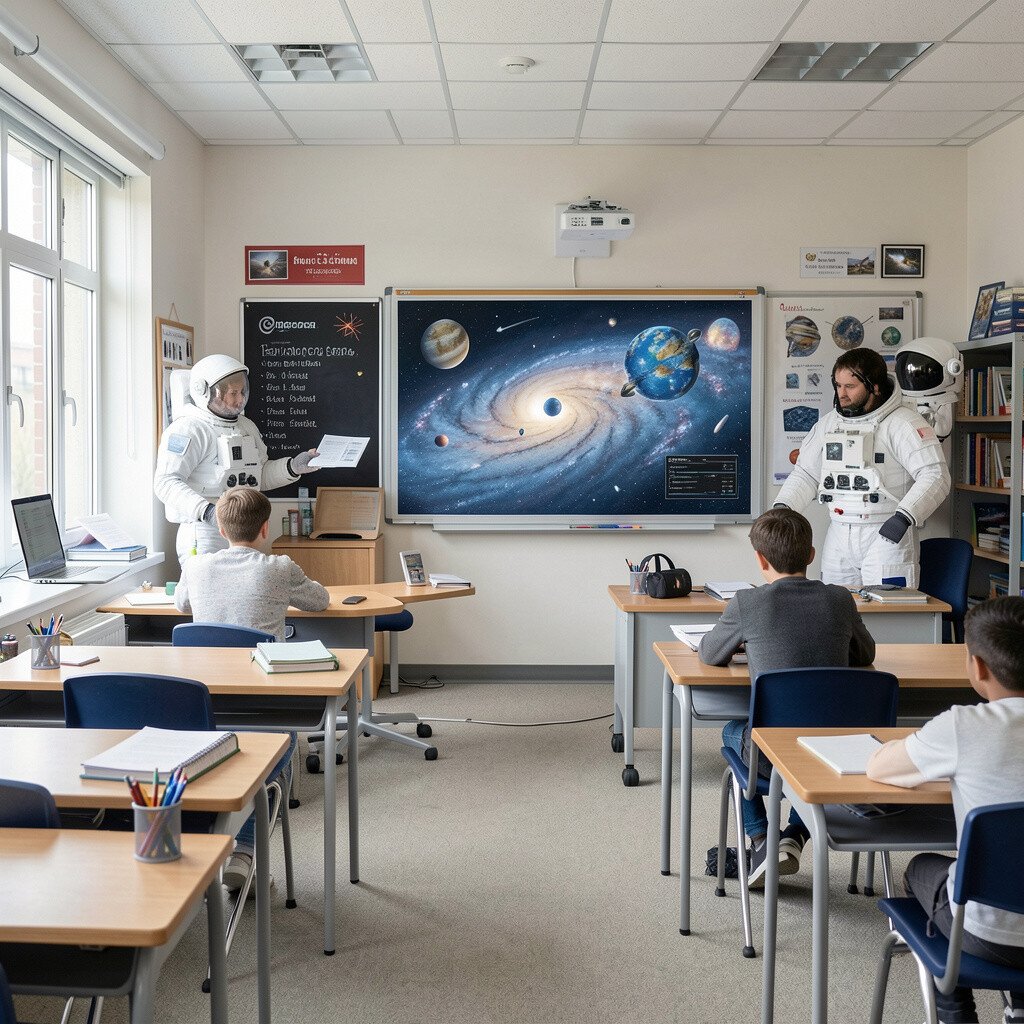
Paint the room in cool blues and dark accents like a quiet space station. Hang paper stars, add a “mission board,” and keep labeled stations for different skills.
Students love visual variety, and you get a simple way to organize centers. Try a daily “mission” question on the board, then have groups tackle tasks like reading, writing, or problem-solving at their station.
2. Storybook Kingdom Reading Road
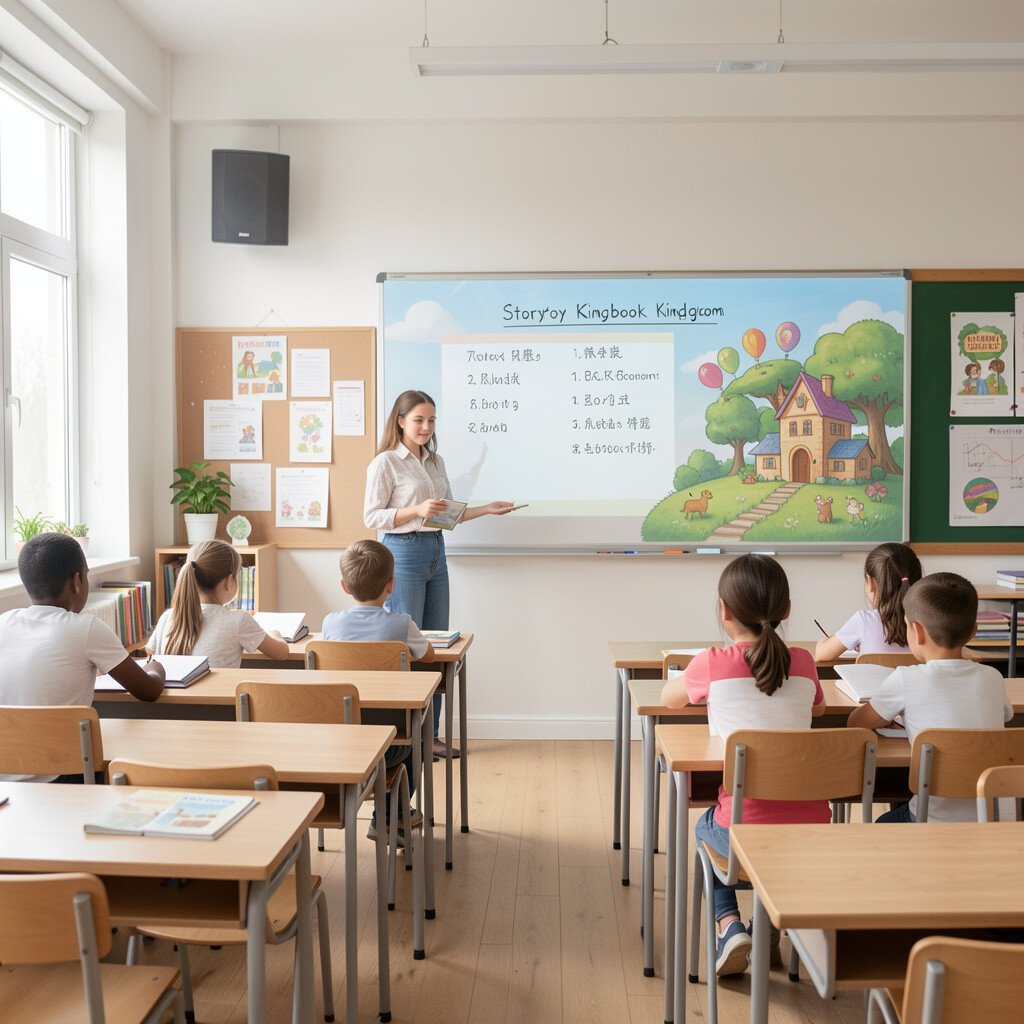
Create a cozy kingdom look with paper crowns, “castle” book displays, and a hallway path of story tiles. Every corner can show a genre poster and a few student book recommendations.
This theme supports strong reading habits because it makes books feel like treasures. Personalize it by letting students choose a character role for the week, then use that role for journal prompts and partner talks.
For costs, use mostly paper crafts, recycled cardboard, and printed bookmarks. For a current trend, weave in audio options by letting students record short story retells on simple phones or classroom tablets.
3. Makers Workshop for Problem Solving
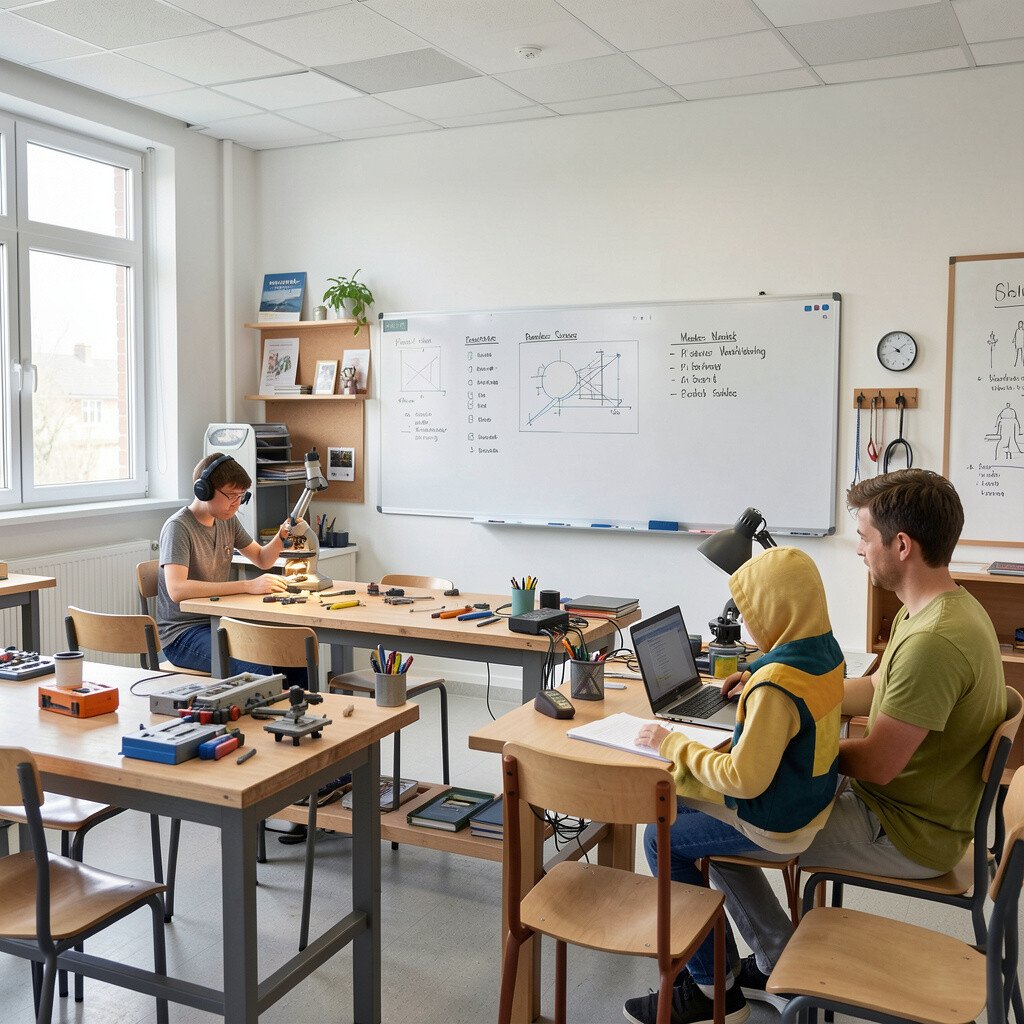
Set up your space like a mini workshop with bins for supplies and clear labels for tools. Use a bright “build area” where students can test ideas with paper, string, tape, and simple building materials.
When students design and revise, confidence grows and deeper thinking follows. Use a cycle where students plan, build, share, and improve, even if the project is small like a model bridge or a folding geometry demo.
Keep it practical by rotating materials and reusing what you already have. Personalize choices by offering two difficulty levels for the same challenge so every learner can succeed.
To fit today’s classroom culture, include quick photo sharing so students can show progress. You can also display “inventor notes” on sticky notes, which helps students talk about their thinking.
4. Ocean Journey and Calm Minds
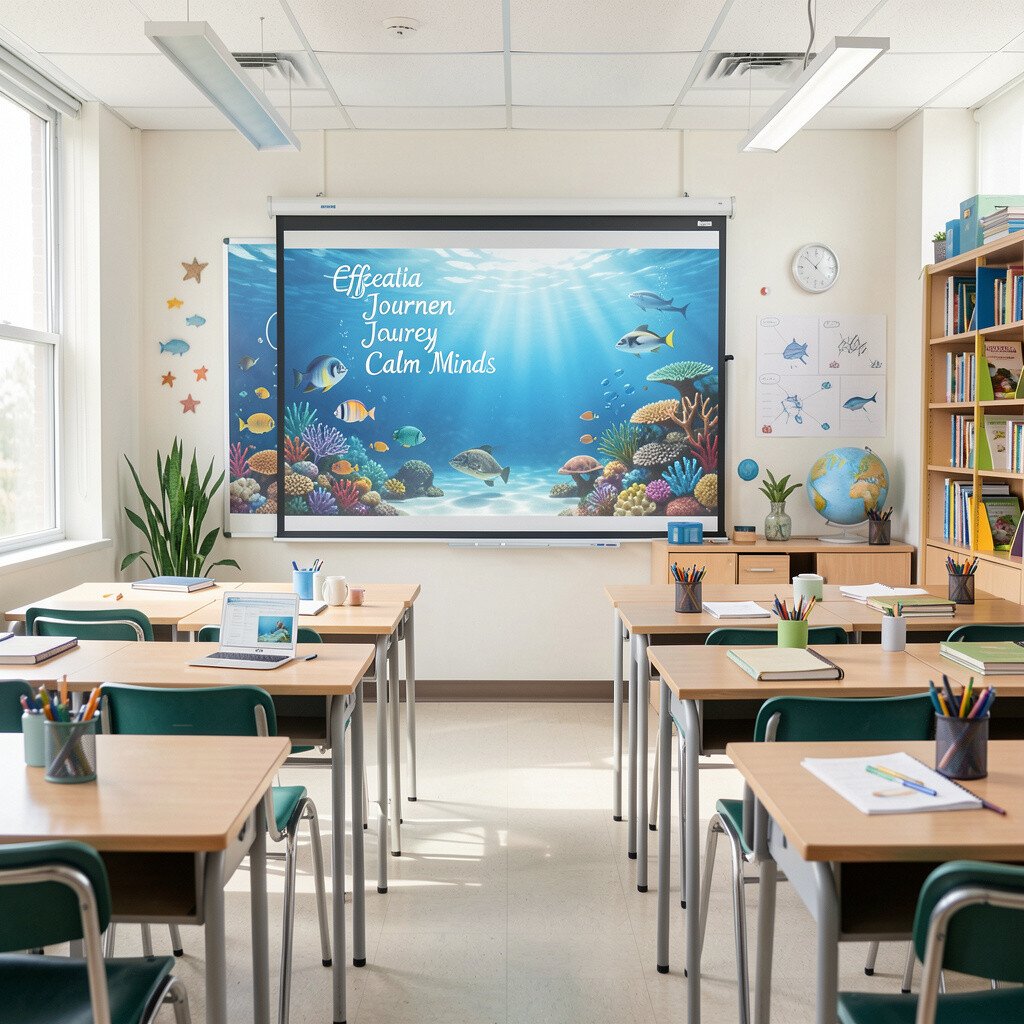
Use waves made from paper strips along bulletin boards and keep a soft color palette of sea greens and blues. Add a “calm corner” with breathing cards and a small wall banner that looks like a gentle shoreline.
This theme is great for self-regulation because the visuals naturally slow students down. Use it during transitions by asking students to follow the wave cards while they move to their next activity.
Make it unique by letting students create a “species wall” where each student shares one fact from a lesson. For practical tips, pair science learning with reading passages and short writing reflections about habitats.
Costs can stay low since you can cut wave shapes from leftover craft paper and use free printable breathing cards. If you want a current trend, include mindfulness moments before quizzes so students feel ready instead of rushed.
5. Detective Office of Evidence
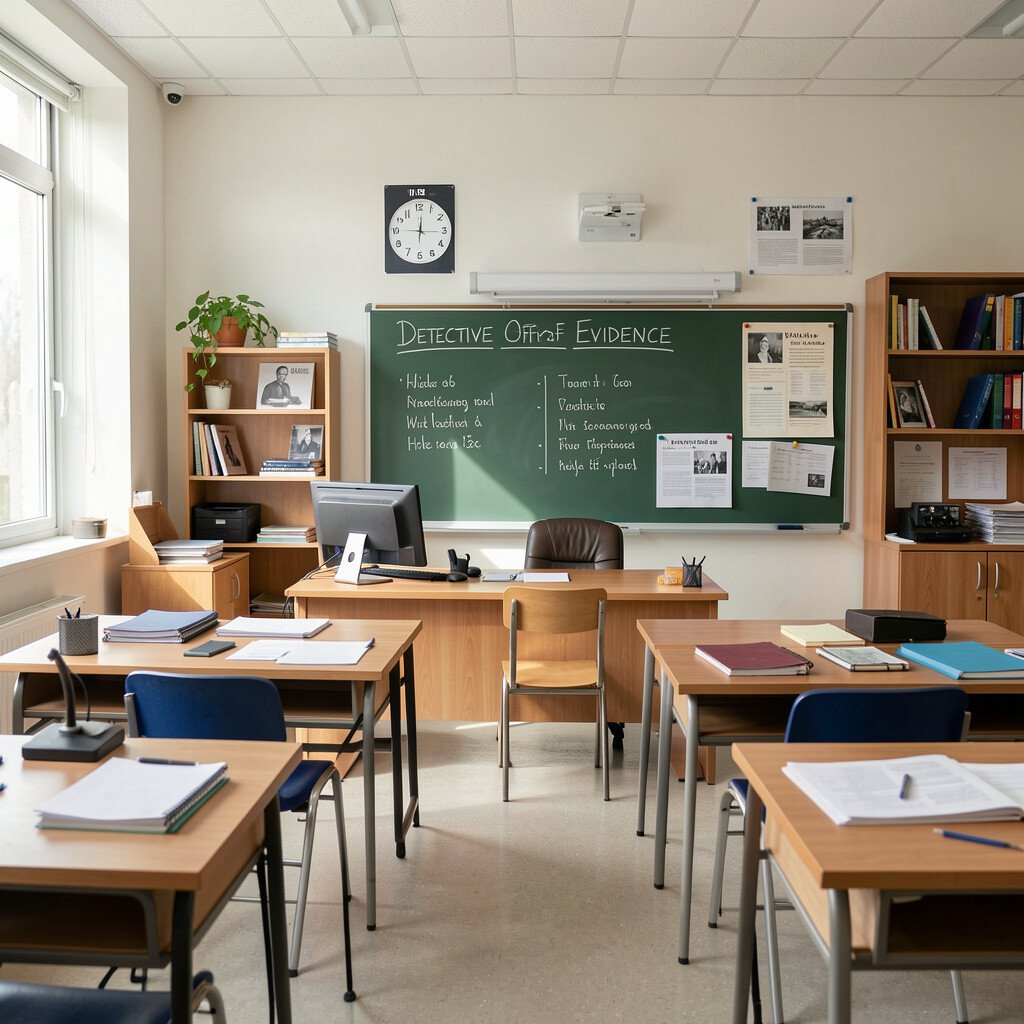
Turn your classroom into a detective agency with file folders, evidence bags, and a board that says “case of the day.” Draw simple magnifying glasses on cardstock and place them near places where students gather clues.
This theme boosts close reading and careful reasoning because students learn to justify answers. Give students a short text, then ask them to highlight evidence and explain how it supports a claim.
For practical tips, use a “clue routine” where students must include a quote, a word meaning, or a data point. Personalize it by letting students choose whether their evidence comes from a paragraph, a chart, or a character choice.
Keep costs reasonable by reusing envelopes and manila folders and printing only the key documents. A current trend in classrooms is teaching argument writing, and this theme makes that feel like real investigation.
6. Athletics Training for Growth Mindset
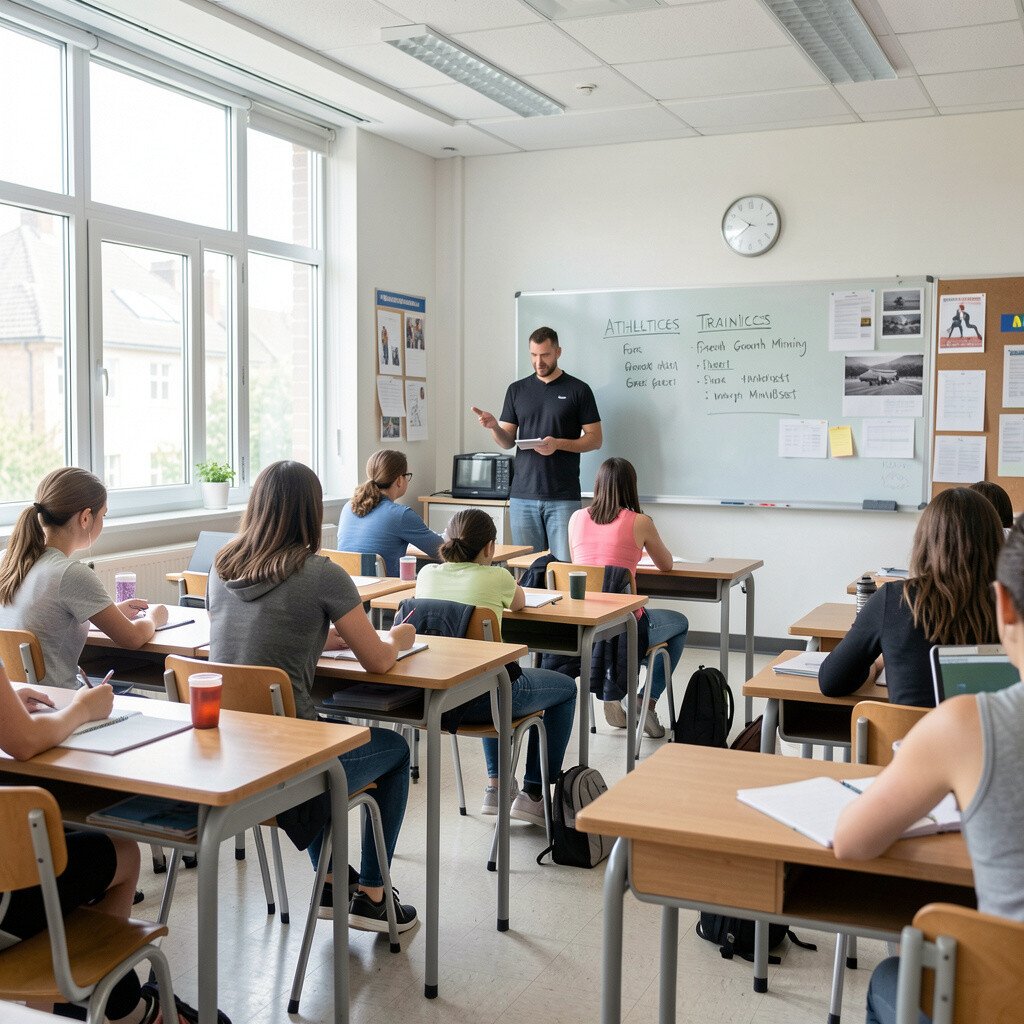
Use sports colors and simple posters of warm-up routines so learning feels like practice. Create a “training scoreboard” where students track goals like effort, accuracy, and teamwork.
This theme encourages resilience because it celebrates improvement instead of only correct answers. Start lessons with a quick warm-up task, then “train” with guided practice and independent work.
Personalize by offering different goal types, like reading minutes, math streaks, or vocabulary wins. Keep students motivated by letting them earn small checkmarks that lead to classroom privileges like choosing a music playlist during work time.
7. City of Collaboration and Community
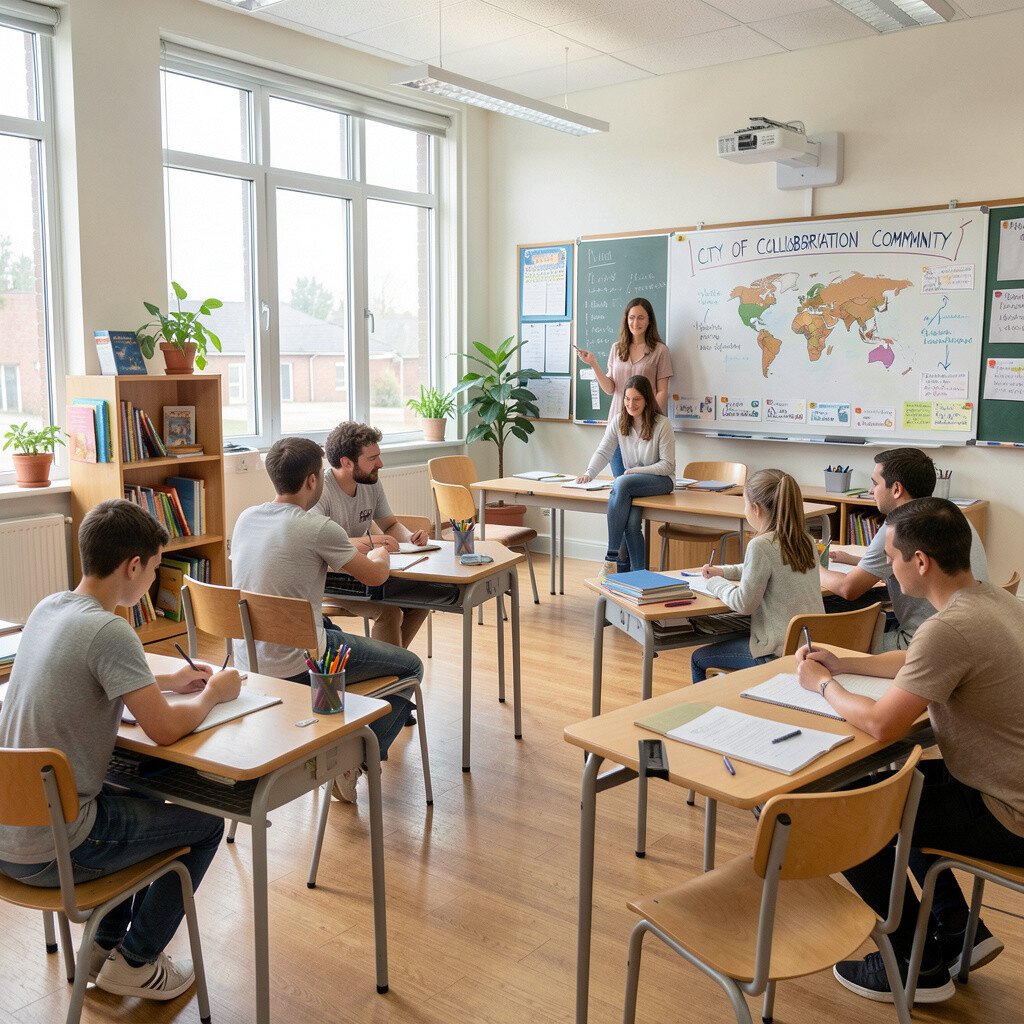
Make a classroom street map on one wall, with “stores” for different learning centers. Label corners as places like Book Café, Science Garage, and Math Market, each with a clear task.
Students benefit from routines because every center feels purposeful and predictable. Use practical tips like color-coded directions so students can start quickly without lots of teacher reminders.
Uniqueness comes from letting students design their “neighborhood” each month with paper signs and student-created rules. Consider cost by using leftover materials and encouraging students to trade unused craft items for displays.
8. Art Studio of Bold Colors
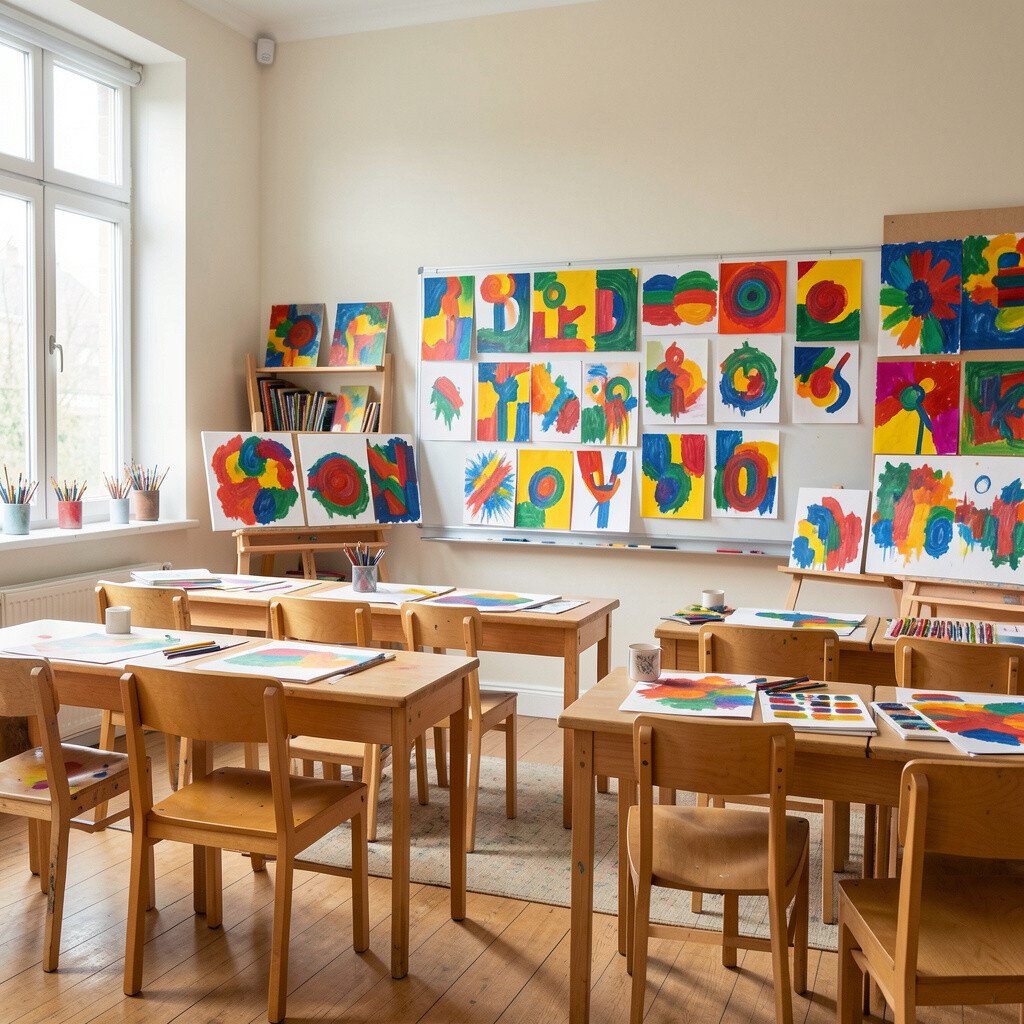
Fill the classroom with creative visuals like paint-splash borders and gallery-style student work. Use clipboards or frames so students can display drafts, final pieces, and reflection notes.
This theme supports student expression and strengthens skills like writing, observation, and creative problem solving. Try pairing lessons with short art challenges, such as using line, shape, or color to represent a math concept.
Personalize student choices by letting them choose media, like markers, crayons, or collage materials. Keep costs low by leaning on paper-based projects and using washable supplies already in many classrooms.
For current trends, add a “process journal” approach where students show steps, not just finished products. That mindset helps students learn faster and feel proud of their growth.
9. Weather Watchers and Data Stories
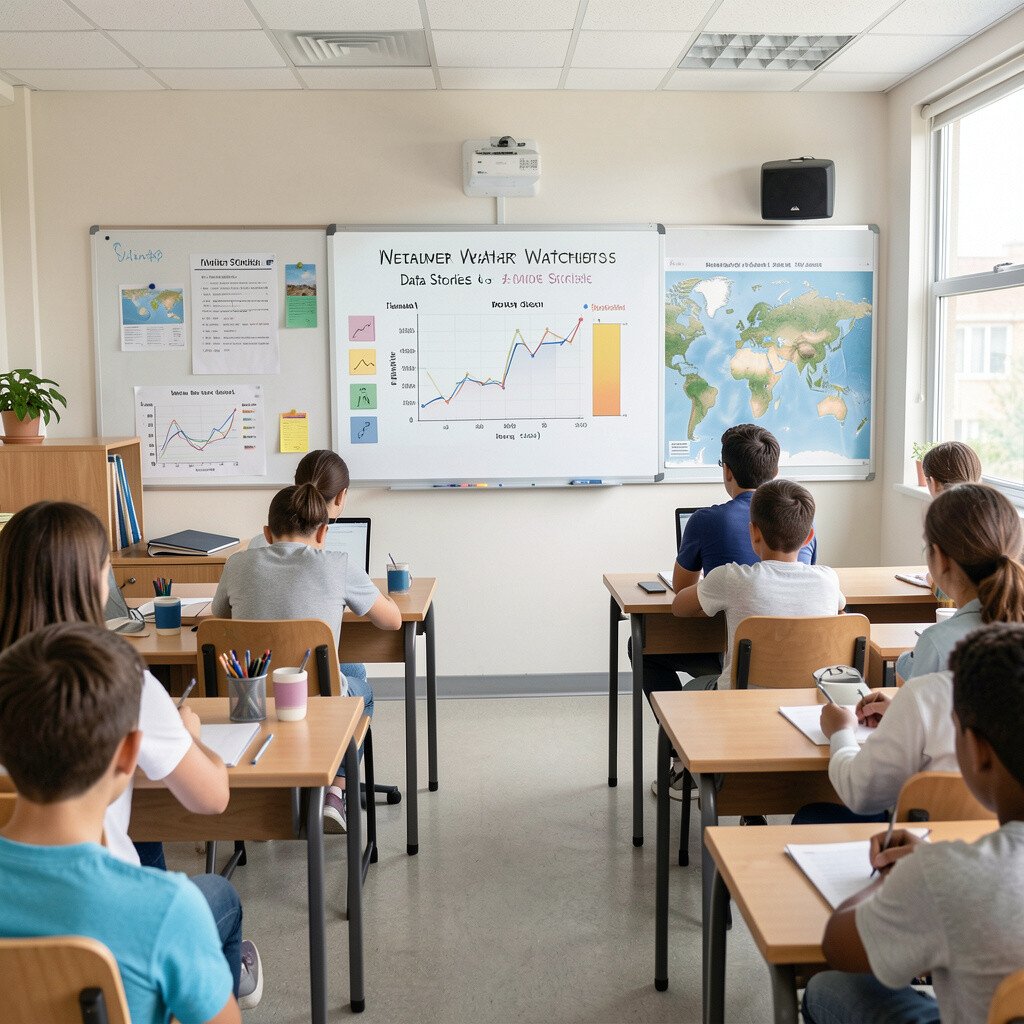
Turn your classroom into a mini forecast station with a bulletin board chart and daily “weather stories.” Students can write observations like cloud type, temperature estimates, and how the day feels.
This theme builds strong data habits because students practice recording, comparing, and drawing conclusions. Use practical tips like having a consistent time for observations so routines stick.
Make it unique by tying lessons to weather patterns and real-life decisions, such as clothing choices and safety planning. Personalize tasks by giving students different roles like recorder, illustrator, or reporter.
For cost considerations, use printed thermometers, free weather images, and simple measuring tools. A current trend is data literacy, and this theme supports it with stories students can actually relate to.
10. Haunted History Hallways
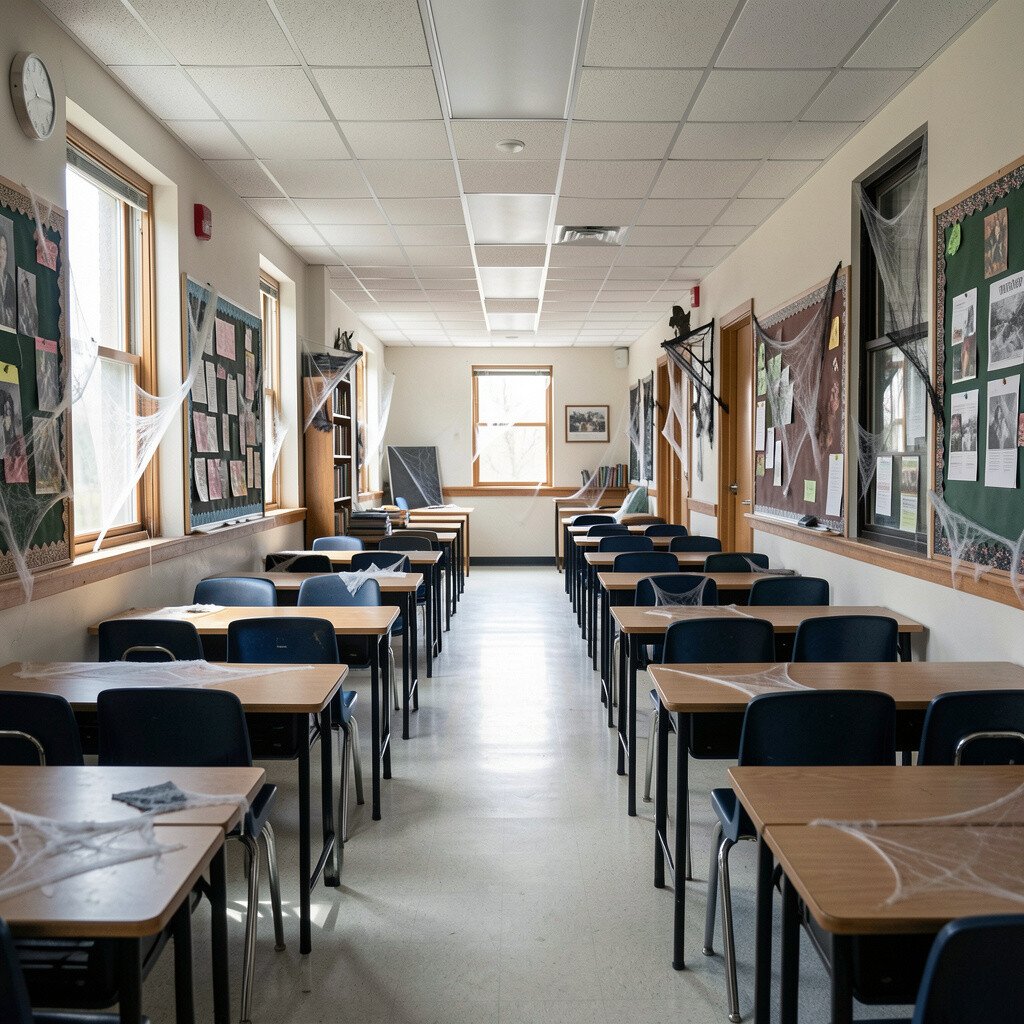
Give your classroom an eerie-but-friendly vibe with muted colors, old map posters, and safe “treasure chest” storage. Students love the suspense, but the focus stays on history facts and respectful discussion.
This theme boosts engagement in social studies by making lessons feel like they are part of a story. Try a “time traveler question” each day, then have students read short sources and answer in their own words.
Personalize learning by letting students choose a “historian lens,” such as economics, culture, or daily life. Keep practical tips front and center by using sentence starters for discussion so everyone can join in.
For cost, you can make decorations from paper and reuse old picture frames. To match current trends, bring in primary source snippets and short video clips so students practice modern research skills.
11. Music Studio Beats for Learning
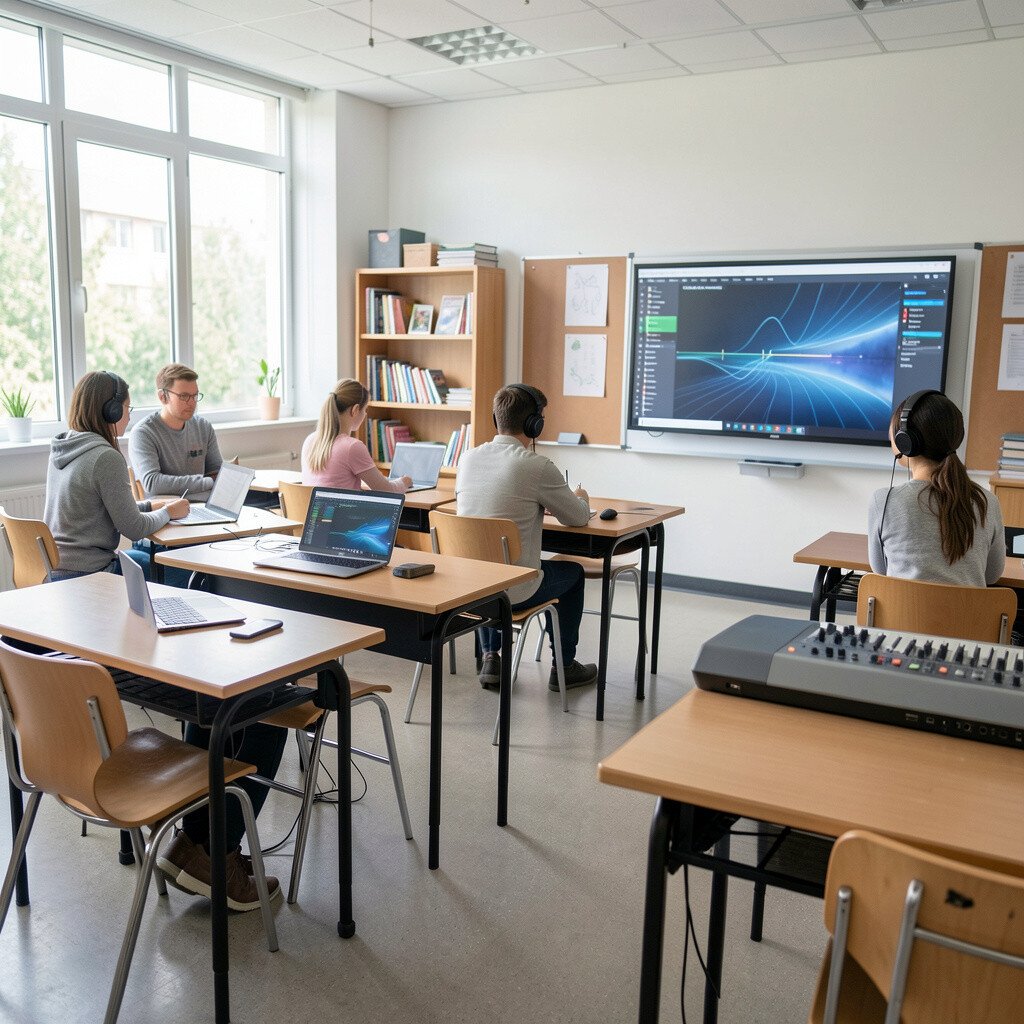
Set up a classroom stage look with rhythm cards, simple instrument visuals, and a bright “warm-up beat” board. Use claps, taps, and movement breaks that connect to syllables, math facts, or vocabulary practice.
Students benefit because music supports memory and focus when used with clear routines. Keep it practical by choosing the same rhythm each time you signal a transition or attention moment.
Uniqueness can come from creating student-composed “classroom jingles” for spelling patterns or historical timelines. Personalize by letting students pick their role, like conductor, rhythm leader, or lyric helper.
Cost considerations are easy because many activities can be done with body percussion and inexpensive rhythm tools. For a current trend, use short student recordings to build confidence and show progress over time.
12. Jungle Habitat of Inquiry
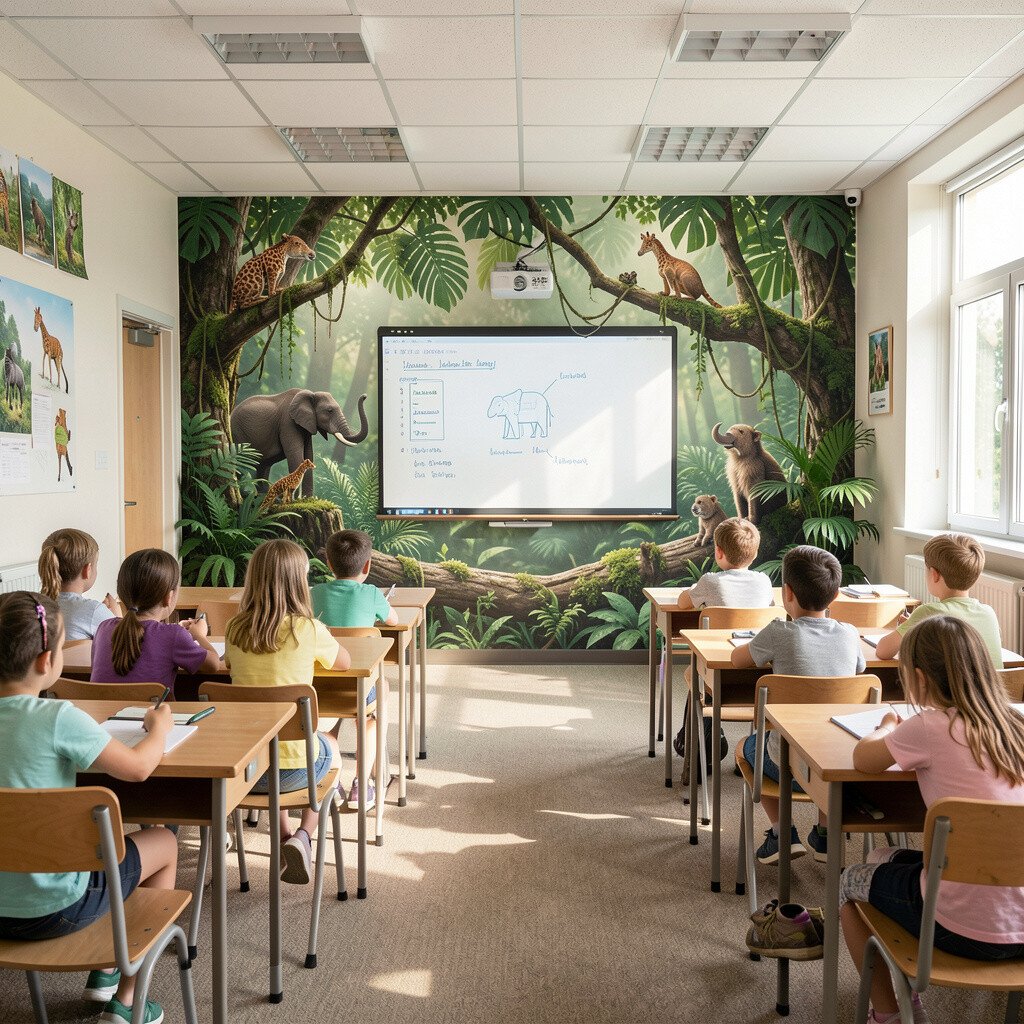
Bring in leafy paper vines, animal fact cards, and a calm lighting look to create a jungle feel. Put inquiry stations around the room so students can ask questions, test ideas, and record observations.
This theme helps students learn how to think like scientists, not just memorize facts. Use practical tips like “question first” prompts, where students brainstorm what they wonder before reading content.
Personalize learning by letting students pick an animal or plant topic for short research projects. Keep costs low by using printables, craft paper, and simple observation tools like magnifying glasses from household sets.
To match current trends, encourage student-led mini presentations where they explain findings and connect them to real world choices. The classroom becomes a community of learners, not just listeners.
13. Time Travelers and Calendar Math
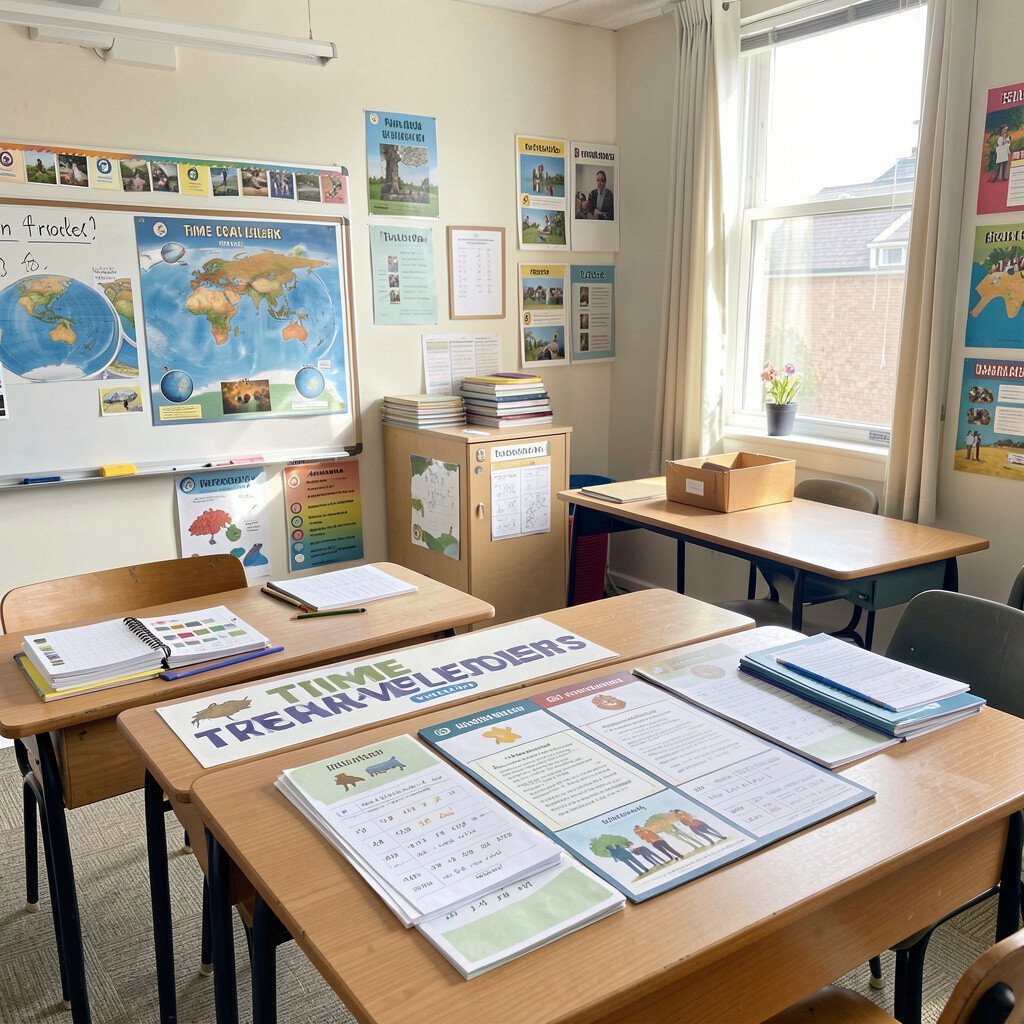
Decorate your board like a calendar portal with paper clocks, time lines, and rotating cards for daily dates. Students can practice writing, math, and science through “time travel” tasks tied to real dates and events.
Students benefit because the theme makes abstract skills feel meaningful and connected to daily life. Use practical tips like short conversion games and journaling that asks students to compare “then and now.”
Make it unique by adding a “timeline wall” where students place events from lessons and daily life. Personalize by letting students pick whether they represent time using pictures, numbers, or both.
Cost considerations are minimal since many pieces are printable or made from paper. A current trend is using real-world math, and this theme fits that by using schedules, history dates, and measurement stories.
14. Baking Lab for Fractions and Following Steps
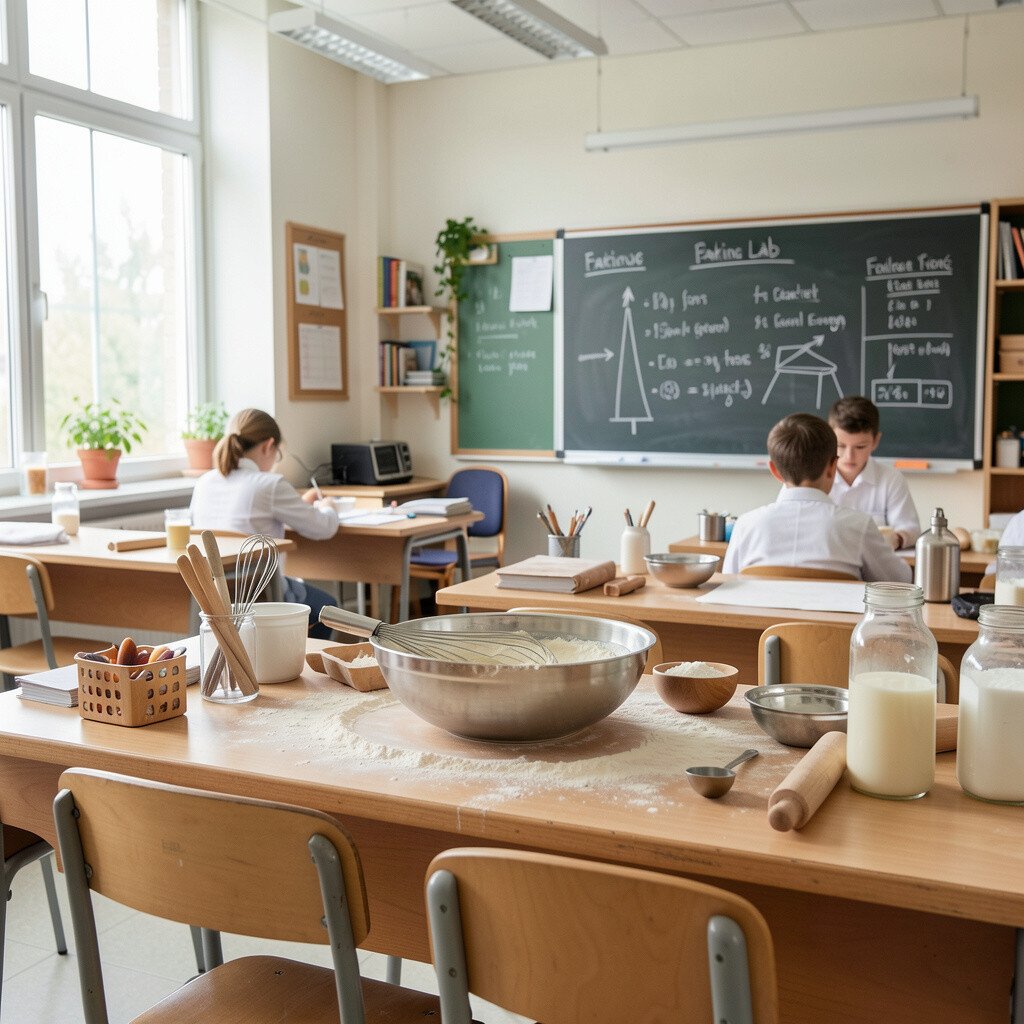
Create a cheerful “baking lab” with recipe cards, measuring tools visuals, and bright ingredient color themes. Students love the idea of mixing, and you can connect it directly to fractions, ratios, and sequencing.
This theme supports procedural writing and math understanding because students must follow steps carefully. Try a class “recipe” for a science experiment or an art project, then ask students to convert measurements together.
Personalize by offering ingredient cards that represent different skill levels, such as easier whole-number steps or harder fraction conversions. Keep practical tips in place by modeling how to read a recipe and check for missing information.
For cost considerations, use paper-based measuring mats and pretend ingredients if you do not want real food. To match current trends, incorporate nutrition discussions and healthy choices that connect school learning to life.
15. Garden Planters for Growth and Patience
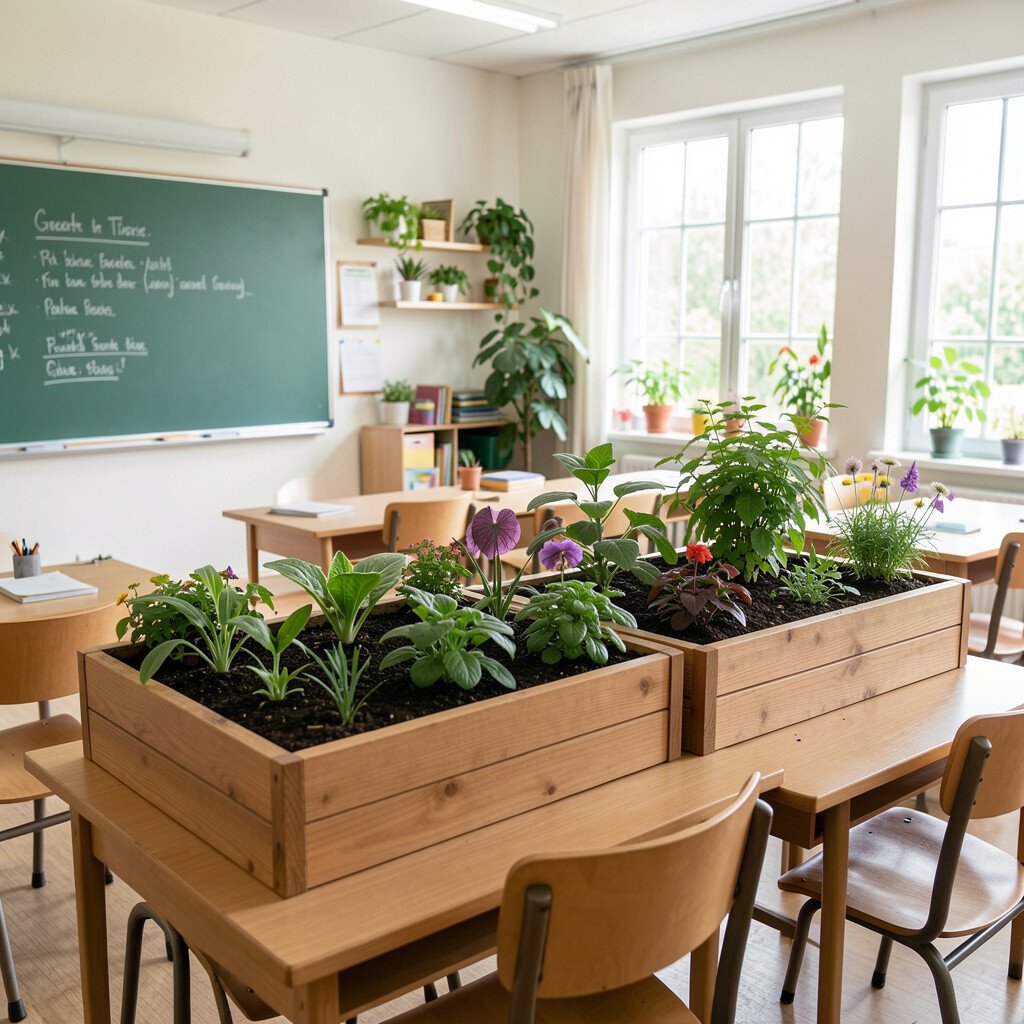
Design a classroom garden theme with seed packets, growth charts, and a corner for small plants or paper leaves. Students can add to the garden wall after each lesson, showing what they grew in understanding.
This theme supports long-term thinking because many learning goals need time and practice. Use practical tips by scheduling “check-in days” where students review their strategies and set a new goal.
Uniqueness comes from student-created “plant labels” that explain their learning process in simple language. Personalize by letting students pick a garden track, like reading growth, writing growth, or math growth.
Cost considerations can be light because you can start with small seedlings, recycled containers, or even paper plant crafts. A current trend is teaching well-being, and a garden vibe naturally supports patience and calm routines.
16. Robotics and Coding Playground
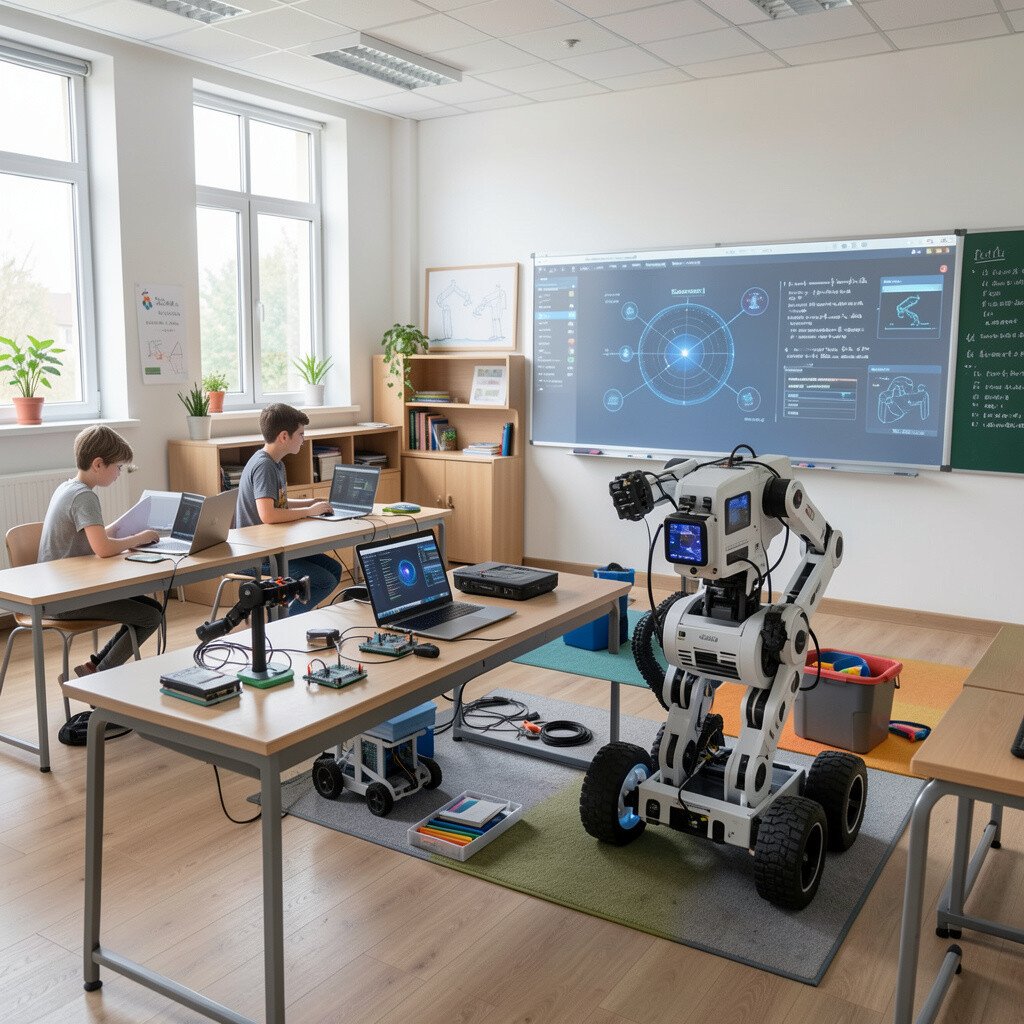
Make a tech-ready look with grid mats, simple robot cutouts, and a “code challenge” board. Even without expensive kits, you can use movement coding with colored cards that students arrange into step sequences.
Students benefit because coding strengthens logic, sequencing, and problem-solving. Use practical tips like pair work with roles so one student reads instructions while another tests and records results.
Personalize learning by offering challenges at different levels, such as short loops for beginners and longer multi-step pathways for advanced students. Keep costs manageable by relying on paper, reusable cards, and free online coding demos when devices are available.
To align with current trends, connect coding to real-life projects like designing a delivery route or planning an energy-saving schedule. This makes technology feel useful, not random.
17. Cultural Market of Languages and Traditions
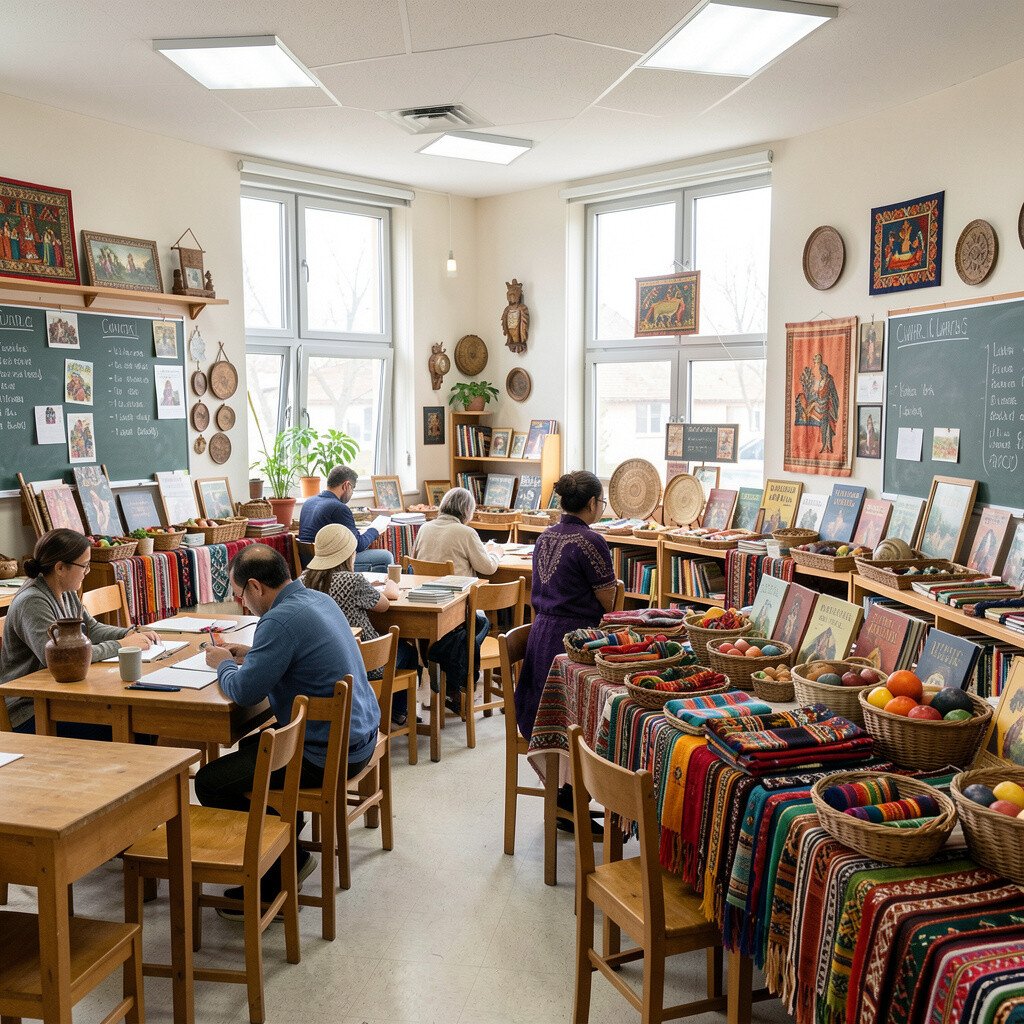
Turn your classroom into a friendly market with signs, cultural artifacts visuals, and rotating “stalls” for different topics. Students can bring in small items from home or use photos and drawings to share stories.
This theme improves communication skills because students practice respectful questions and active listening. Use practical tips like short dialogues and vocabulary scavenger tasks that match what students already know.
Uniqueness grows when students co-create the market map and decide which traditions get represented. Personalize by letting learners choose how they show knowledge, such as a short paragraph, a poster, or a spoken explanation.
For cost considerations, focus on paper visuals, student contributions, and library resources rather than buying expensive props. A current trend is celebrating multiple perspectives, and this theme supports that through careful classroom norms.
18. Fantasy Quest for Reading Comprehension
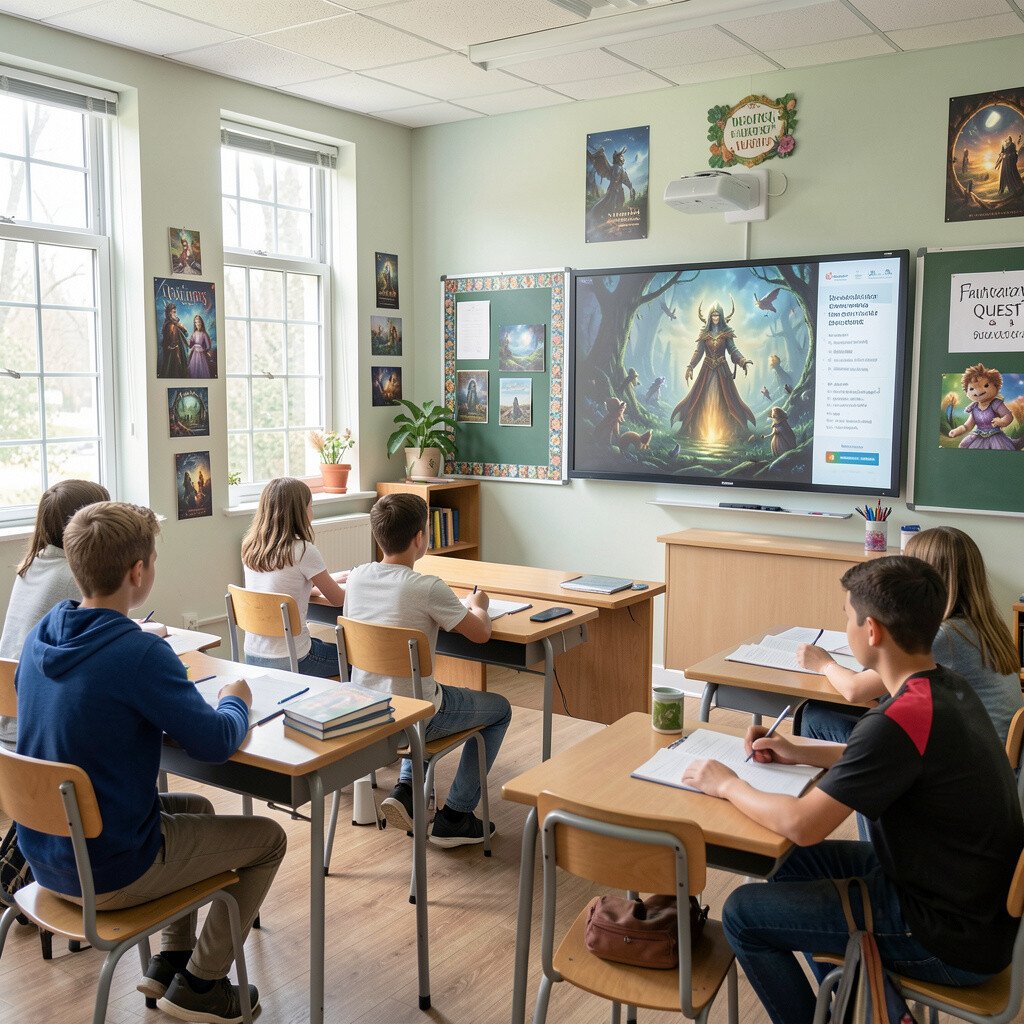
Set up a quest map on the wall with “levels” tied to comprehension skills like main idea, inference, and character traits. Students can collect “quest stamps” when they complete reading tasks and show evidence in writing.
This theme makes literacy feel like action, which often increases motivation. Use practical tips like guided reading “chapters” where students summarize, ask questions, and connect clues to answers.
Personalize the quest by letting students choose a fantasy path, such as mystery, adventure, or magic, then pair texts to match interests. Keep costs low by using printables for maps and stamps and saving old boxes for game storage.
To reflect current trends, incorporate student choice and multimodal responses, like drawing a scene or recording a short retell. The classroom becomes a place where reading feels powerful and personal.
19. Future City Lab of Sustainability
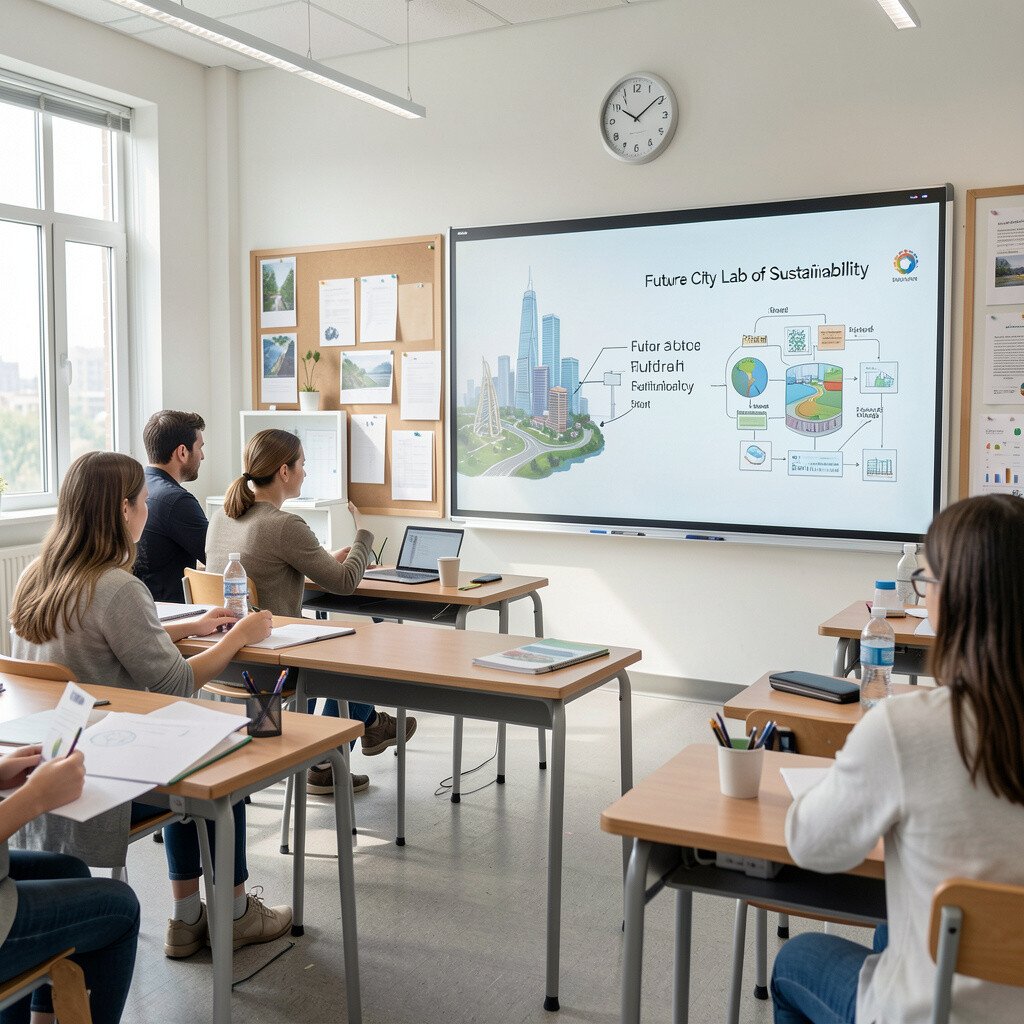
Make a bright “future city” display with building silhouettes, green symbols, and a wall for student design plans. You can include a sustainability corner with waste-sorting visuals and simple classroom ecology routines.
Students benefit because they learn decision-making, writing, and scientific thinking through real problems. Use practical tips like asking students to redesign one classroom habit, such as reducing paper waste or organizing recycling steps.
Personalize by letting each group focus on a different “city system,” like water, energy, or transportation. Keep cost considerations in mind by using recycled materials for models and printing only the key planning sheets you need.
To match current trends, bring in project-based learning by having students present their city solutions and reflect on what could improve. This theme feels modern, meaningful, and ready for students who want to make a difference.