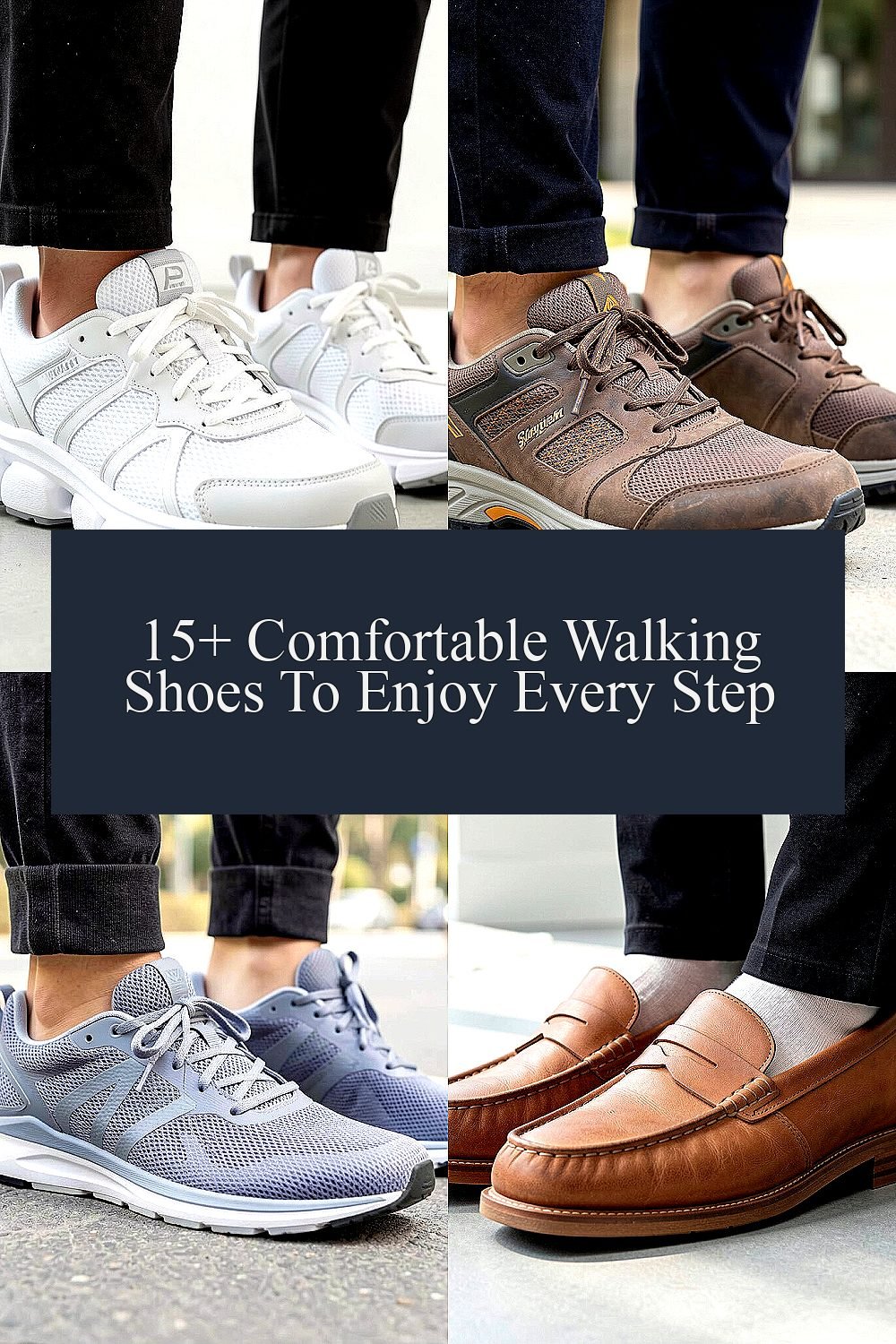
Your feet deserve a better kind of comfort. Great walking shoes feel like they quietly say, “I’ve got you.”
When you choose well, every sidewalk, path, and errand run becomes easier to enjoy. The right pair can also protect your joints and make your day feel lighter.
1. Cloud-Soft Memory Foam Sneakers
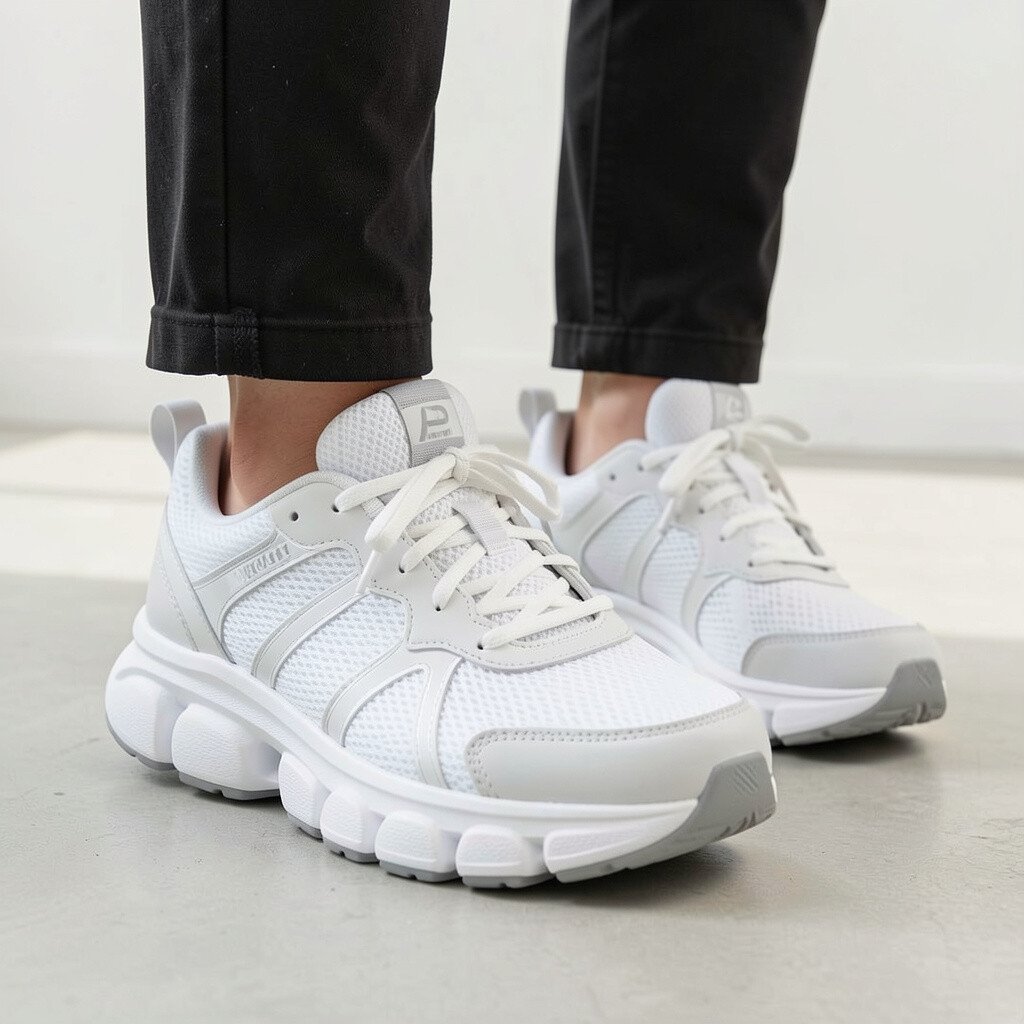
These shoes look like they belong in a cozy movie scene, with a smooth upper and a cushioned midsole that seems to hug the ground. When you step, you can feel the bounce without the wobble, and your feet stay calmer for longer walks.
Memory foam can reduce pressure on the heel and forefoot, which helps if you often stop and start. For personalization, choose a version with a removable insole so you can switch it for better arch support. If you walk on mixed surfaces, pair them with socks that have a little padding and moisture control so the shoe stays comfortable all day.
2. Supportive Walking Shoes With Arch Control
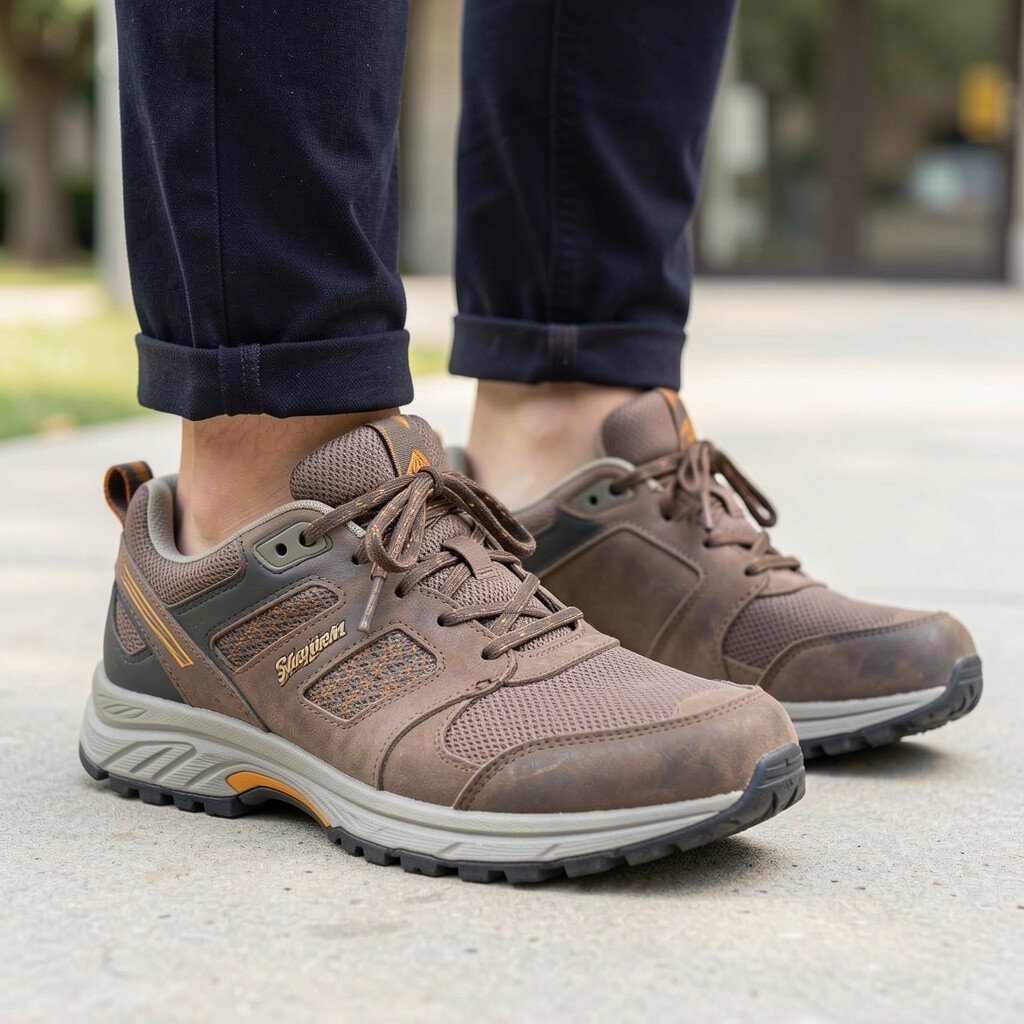
Picture a shoe that holds its shape, with structured lines and a firm platform that feels steady right away. The upper usually wraps your foot gently, while the midsole does the heavy work of keeping you aligned.
Arch control is great for comfort because it can help reduce strain as your foot rolls forward. If you want an easy win, try them on and walk a few steps around the store while checking for heel stability and toe room.
Cost can vary a lot, but mid-range pairs often give you the “right enough” support without being too stiff. For a personal fit, pick the width that matches you rather than forcing your foot into a narrower size. Pair them with a supportive insole if your arches feel tired by evening.
3. Lightweight Mesh Trainers for All-Day Movement
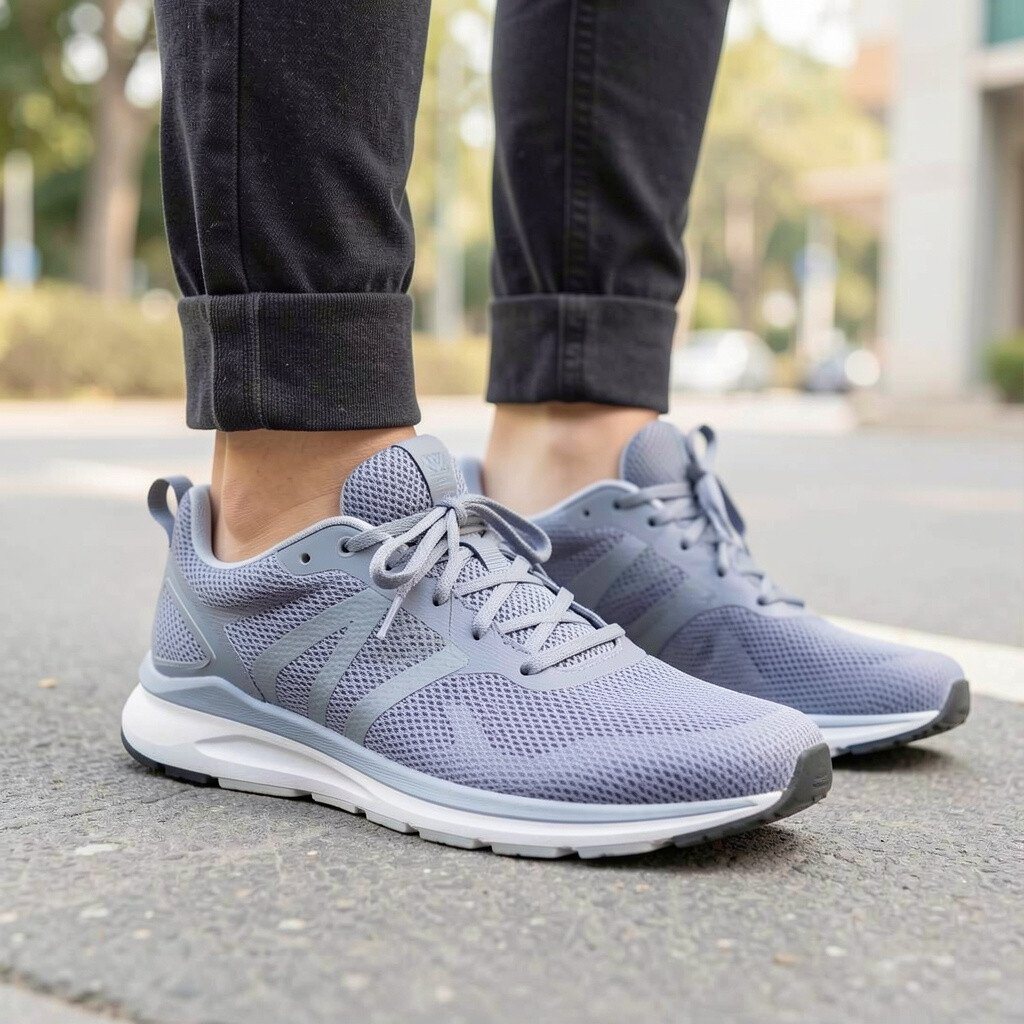
These shoes often feature airy mesh that looks like it can breathe, plus a flexible sole that moves with you. The design tends to be clean and modern, so they work well with casual outfits.
Breathable uppers help keep sweat under control, which can make long walks feel more pleasant. They’re also lighter than many traditional walking shoes, so you may feel less fatigue in your calves.
If you’re shopping on a budget, look for sales on last season’s colors while keeping the same cushioning style. Try them with your usual socks and make sure your toes don’t brush the front. For personalization, choose a lace style that lets you fine-tune the fit at the midfoot.
4. Wide-Toe Box Comfort Loafers
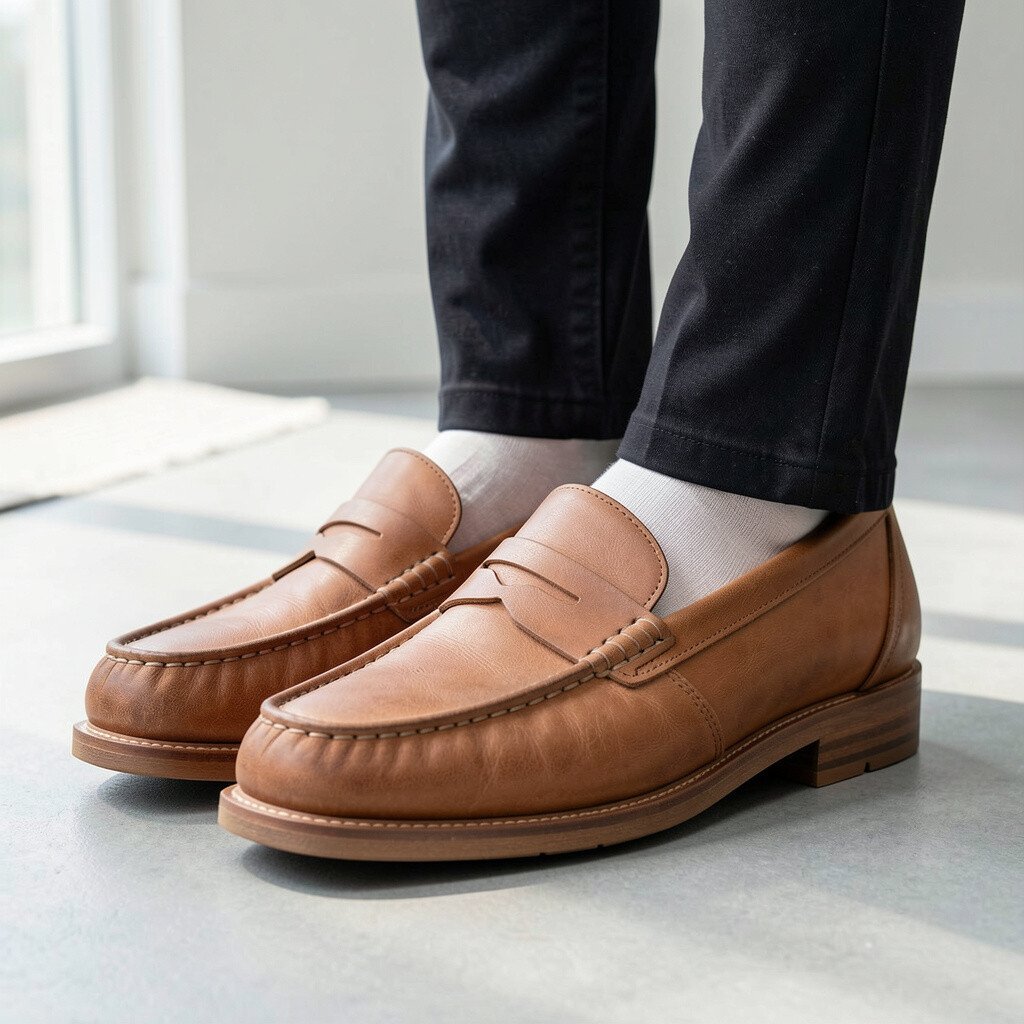
Some walking shoes look like dressy loafers, yet still give you foot-friendly space. The wide-toe box is easy to spot, and it helps your toes spread naturally instead of crowding together.
This style can feel especially comfy if you hate tight shoes or deal with bunion-friendly needs. A practical approach is to check that the heel doesn’t slip when you walk, since slip can cause friction.
For personalization, choose materials that soften after a few wears, like flexible leather or quality faux leather. When it comes to cost, loafers can range from affordable to premium, but mid-range options often balance comfort and durability well. Current trends show more people choosing “smart casual” footwear for walking, and these fit right in.
5. Water-Resistant Trail-Ready Walkers
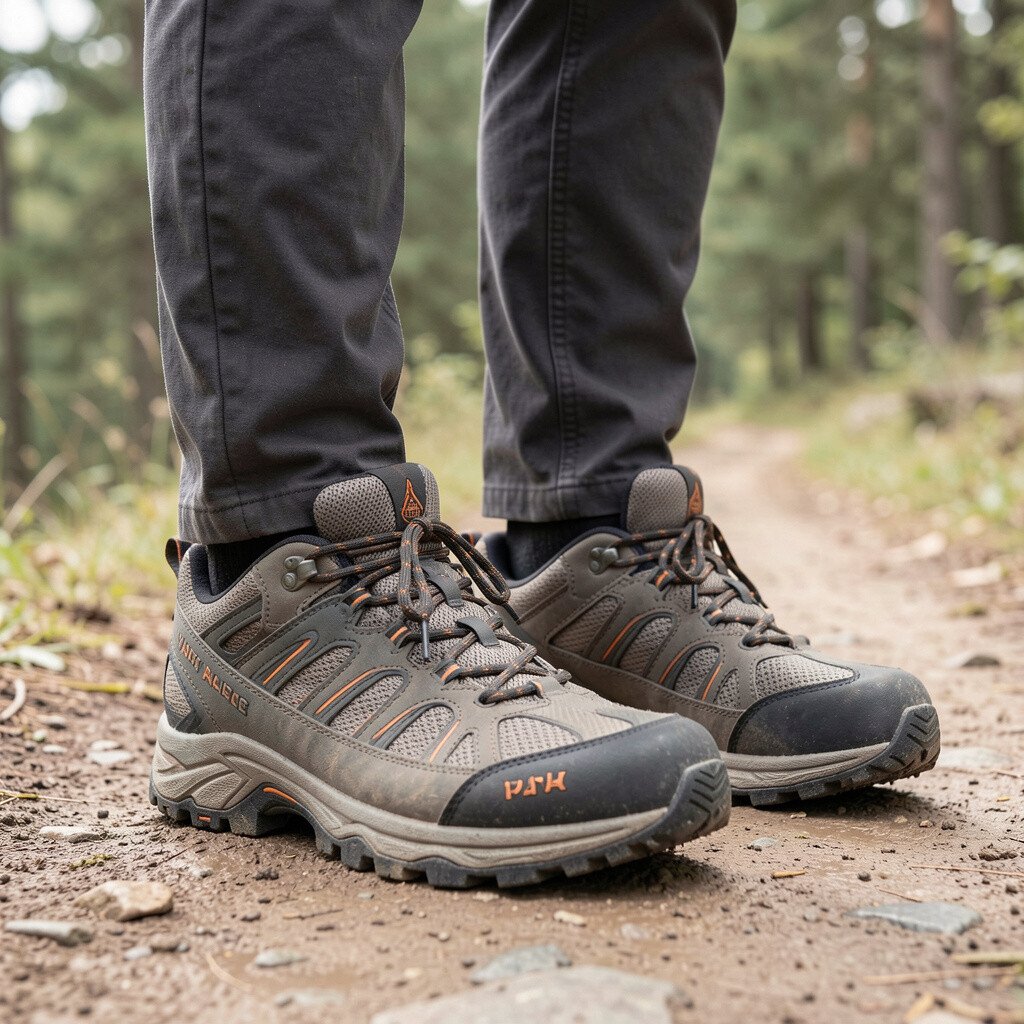
If you like paths, parks, or rainy sidewalks, these shoes bring a rugged look with a grippy outsole. You can almost see the tread pattern promising traction, even when the ground is slick.
Water resistance helps protect your feet from damp puddles and wet grass, which can prevent the uncomfortable soggy feeling. It also means you can keep walking without constantly changing plans due to weather.
For personalization, pick the height that matches your activity, such as a slightly higher collar for extra ankle comfort. To keep them performing, wipe mud off the soles and let them dry naturally. Cost-wise, trail-ready shoes may cost more, but they often last longer outdoors when cared for well.
6. Retro-Inspired Leather Walkers With Soft Linings
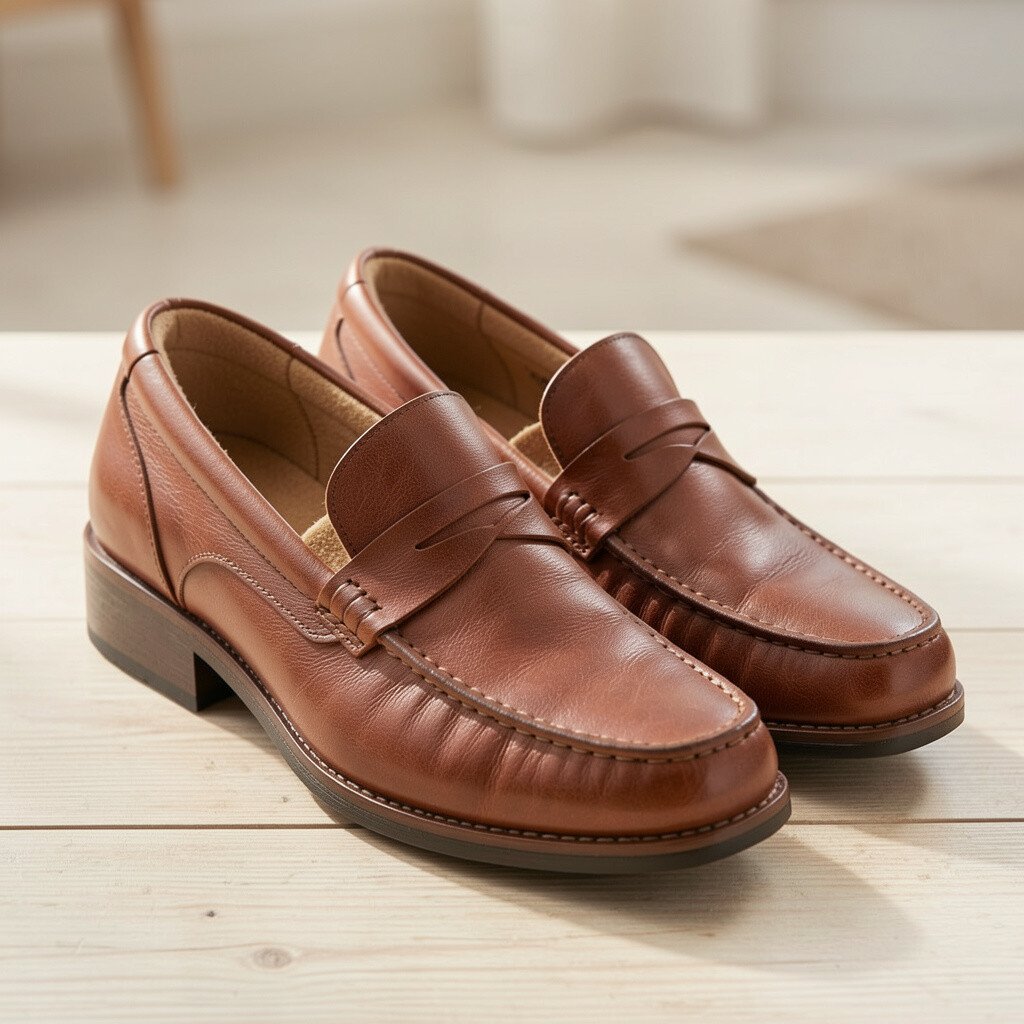
These shoes have a classic vibe, with smooth leather panels and a timeless silhouette that looks good anywhere. Underneath the style, soft linings can make each step feel cushier and less scratchy.
Leather can mold gradually to your foot, creating a more personalized fit over time. If you want comfort without fuss, choose a pair with padded tongues and gentle arch support.
A practical tip is to break them in on shorter errands first, especially if the leather feels snug at first. When you think about cost, consider durability as part of the price, since leather often lasts longer than some lightweight uppers. For trends, people are leaning into heritage styles, so these can pair with modern outfits while still feeling comfortable.
7. Step-Absorbing Gel Sole Shoes
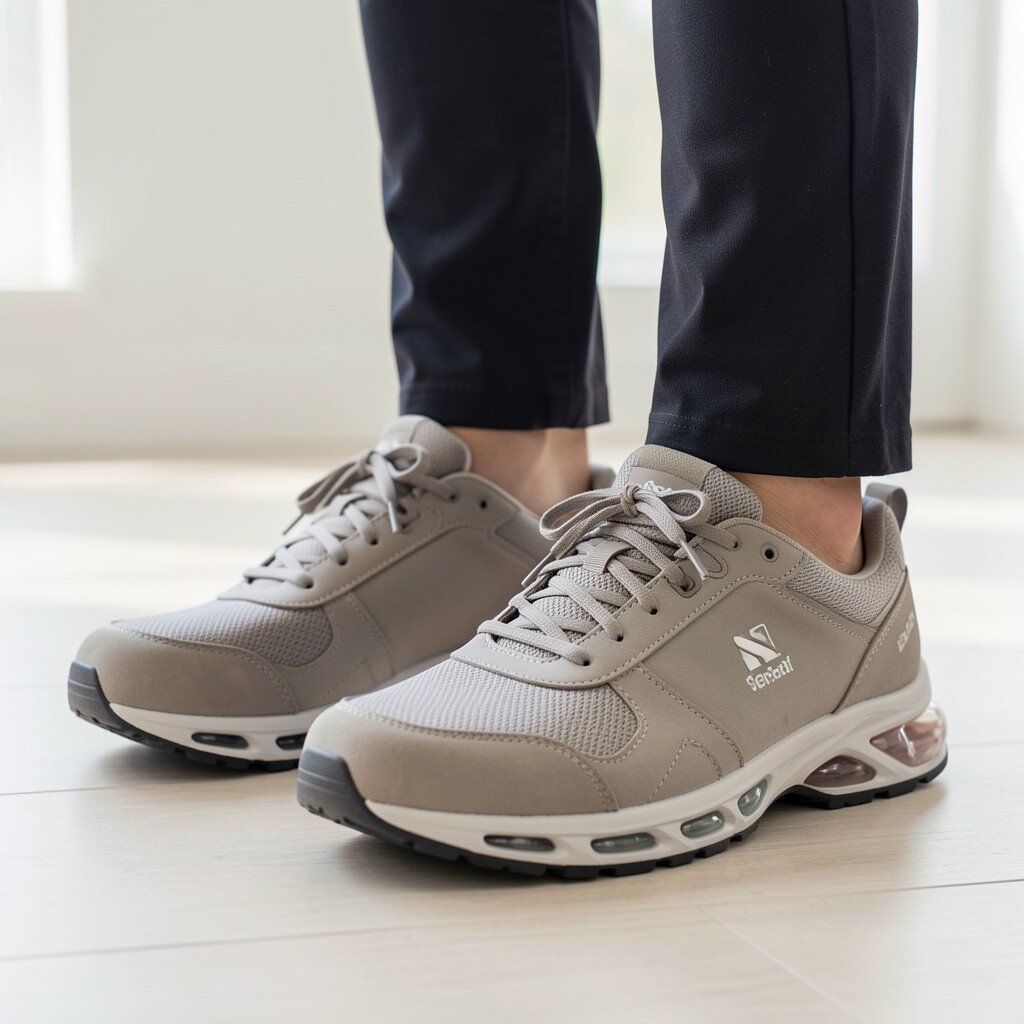
You’ll notice the comfort right away, because the sole often looks slightly sculpted with a cushioned center. The result is a soft landing that reduces the “thud” you may feel in harder shoes.
Gel cushioning can help absorb shock, which is helpful for longer walks and busy days. It may also feel kinder on knees, especially if you spend time on concrete or hard pavement.
To personalize, pay attention to how firm the surrounding sole feels, not just the gel area. If the shoe feels too soft, your foot may sink and cause fatigue, so try a couple sizes if needed. Cost considerations matter too, because gel styles often sit in the mid to higher range, but sales can bring them into reach.
8. Everyday Slip-On Sneakers With Secure Fit
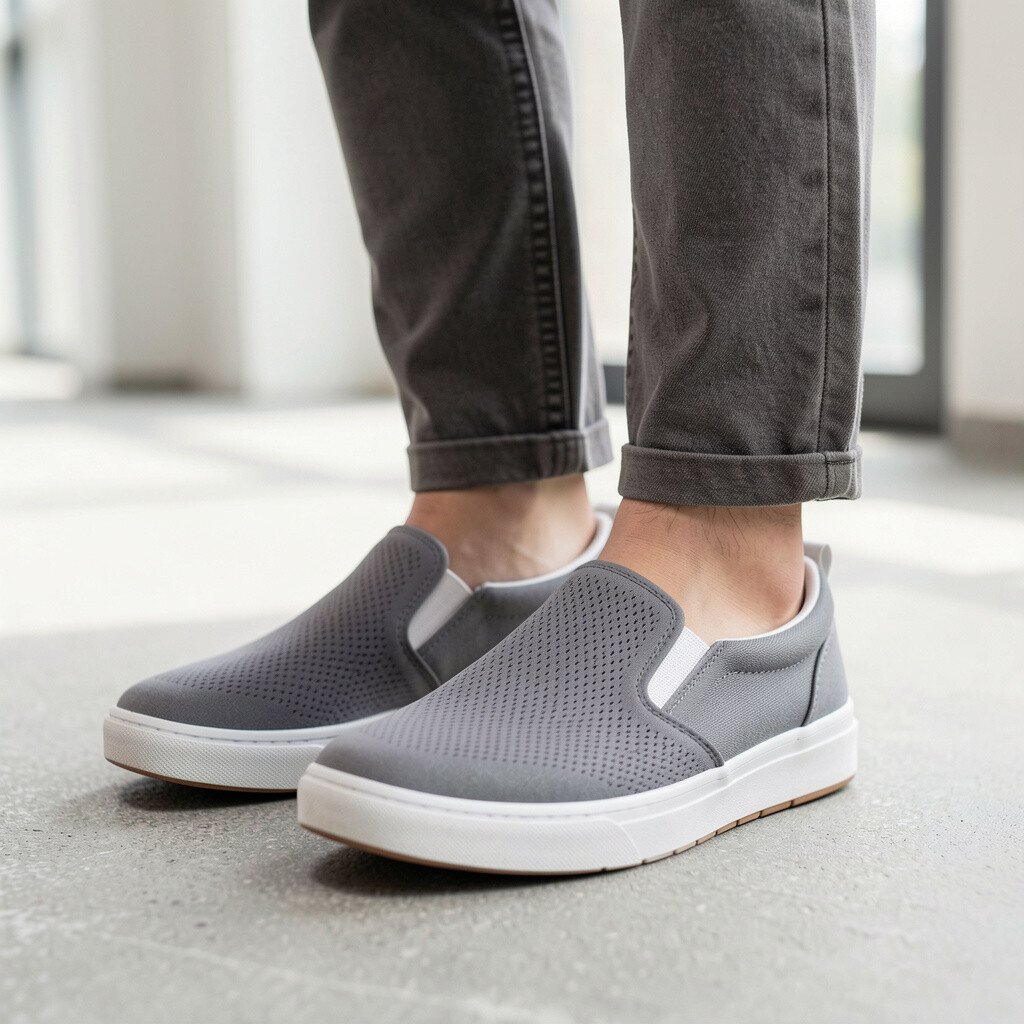
Slip-ons have an easy, breezy look, often with stretchy panels and a pull-tab that makes getting ready fast. The best ones look simple but feel locked in once your foot is inside.
They’re great for comfort because you can put them on quickly and keep walking without fussing with laces. For practical use, choose a slip-on with a firm heel cup so your foot doesn’t slide when you turn.
If you wear them for errands, look for soles that handle indoor floors as well as outdoor sidewalks. Many slip-ons come in trendy colors, and that makes it fun to personalize your wardrobe. Cost-wise, they range widely, so you can often find a friendly price without giving up cushioning.
9. Breathable Slip-Resistant Shoes for City Walks
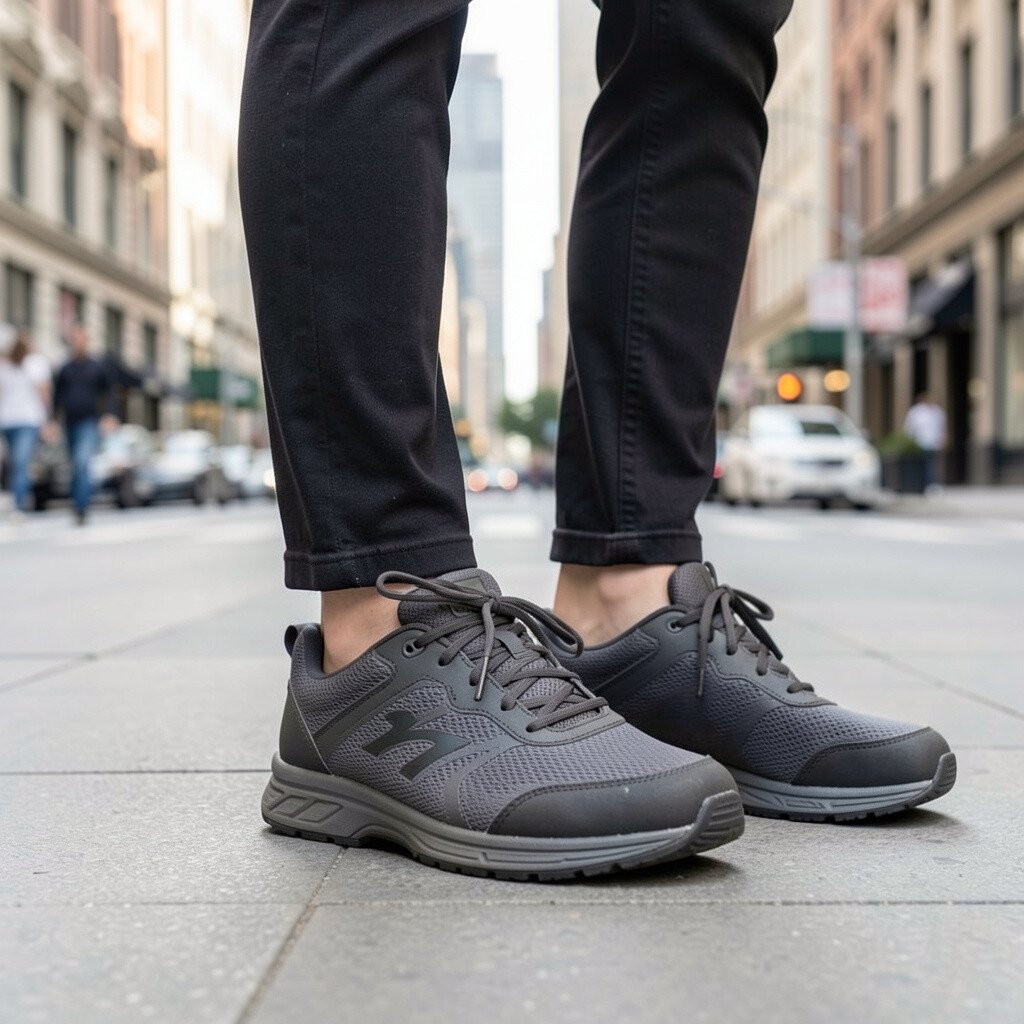
These shoes often look purposeful, with a grippy outsole and a clean, breathable upper. You may notice they sit a bit sturdier, which helps you feel secure when the city gets busy.
Slip resistance supports confidence on wet sidewalks, polished floors, and sudden rain. That confidence can be a comfort benefit by itself, because you walk more relaxed.
For personalization, choose a shoe with enough toe room for natural movement, especially if you do lots of stairs. A smart tip is to check the outsole pattern, since deeper grooves tend to handle slick spots better. Current trends lean toward functional footwear that still looks stylish, so you’ll often find these in modern neutral colors.
10. Ultra-Flexible Walking Sandals With Arch Support
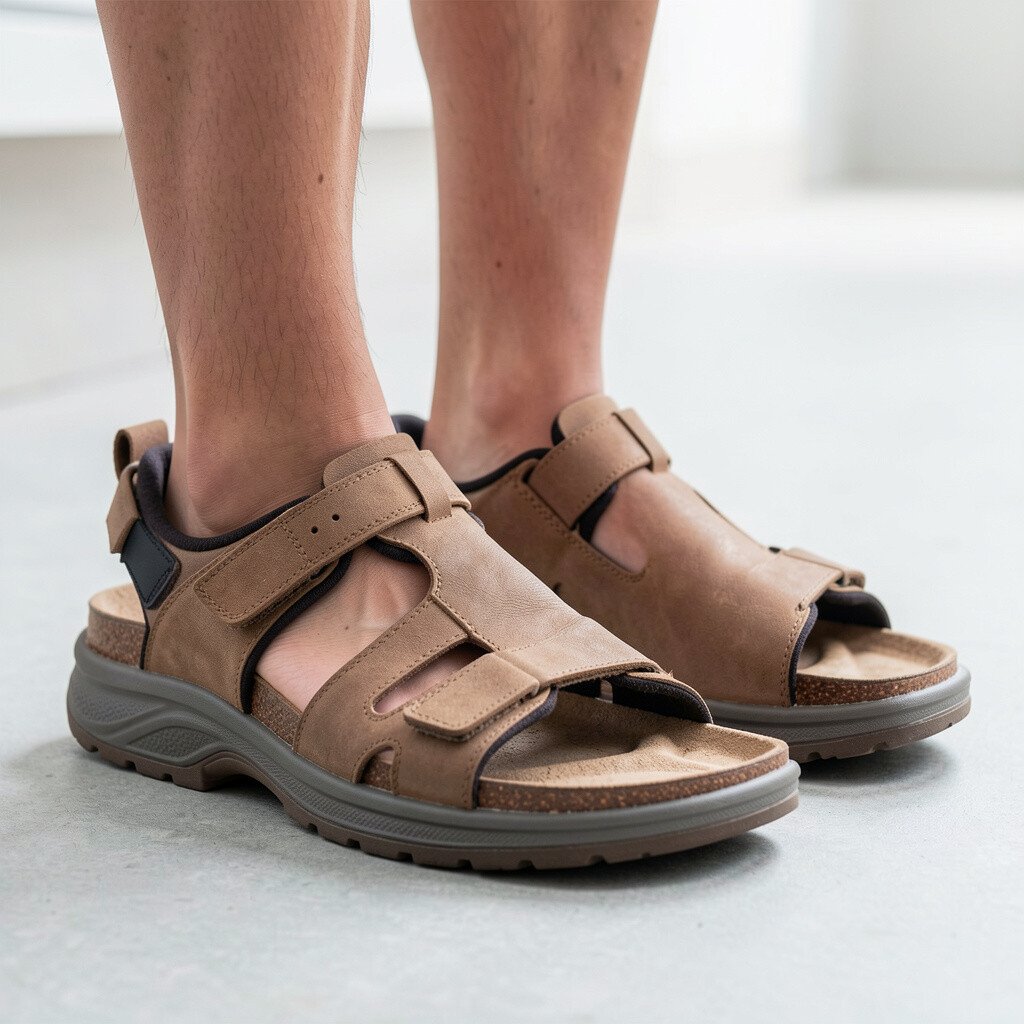
Walking sandals can look light and breezy, with straps that show off your style while still supporting each step. The best pairs feel like they bend where your foot bends, not at the wrong places.
Comfort comes from combining flexibility with arch support, so your foot stays supported without feeling trapped. This style can be ideal for warm weather, travel days, and casual walks.
For personalization, adjust the straps until your heel feels secure but your toes can spread comfortably. If you walk a lot on sidewalks, pick a sole with good cushioning so you don’t feel every tiny bump. Cost varies, but investing a bit more in quality straps and a supportive footbed can be worth it for summer comfort.
11. Padded Collar Walking Shoes for Ankle Comfort
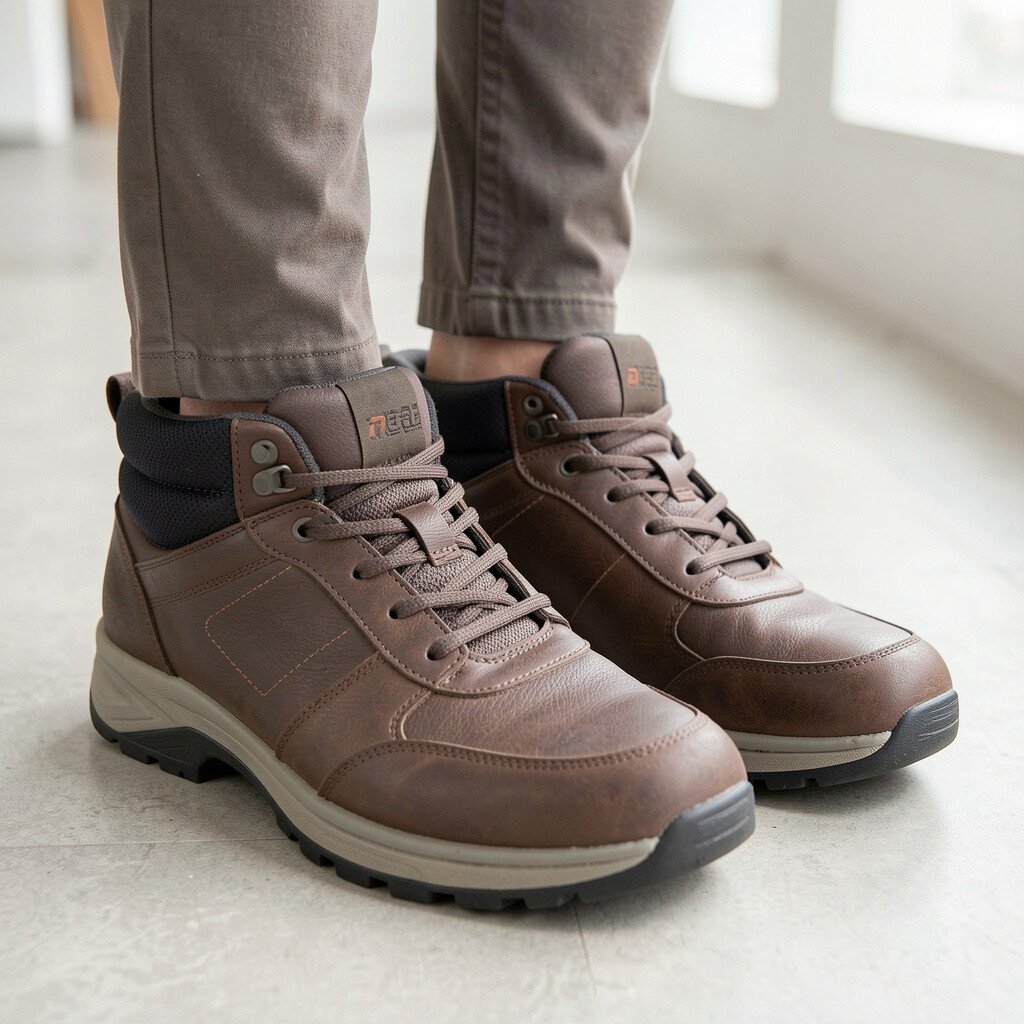
These shoes often have a higher, softer collar that looks plush around the ankle. The design can feel like a gentle frame, especially on days when your ankles feel tired.
Extra padding helps reduce rubbing and can make the shoe feel kinder to sensitive skin. It also supports a smoother stride when your ankle needs a little more comfort.
A practical tip is to lace them in a way that locks the midfoot, not just the top. For personalization, choose a collar height that feels right for your comfort level, since taller collars can feel supportive or slightly warm depending on the person. Cost-wise, padded-collar styles can be similar to standard walking shoes, so look for sales and check reviews for long-walk comfort.
12. Air-Cushion Running-Inspired Walkers
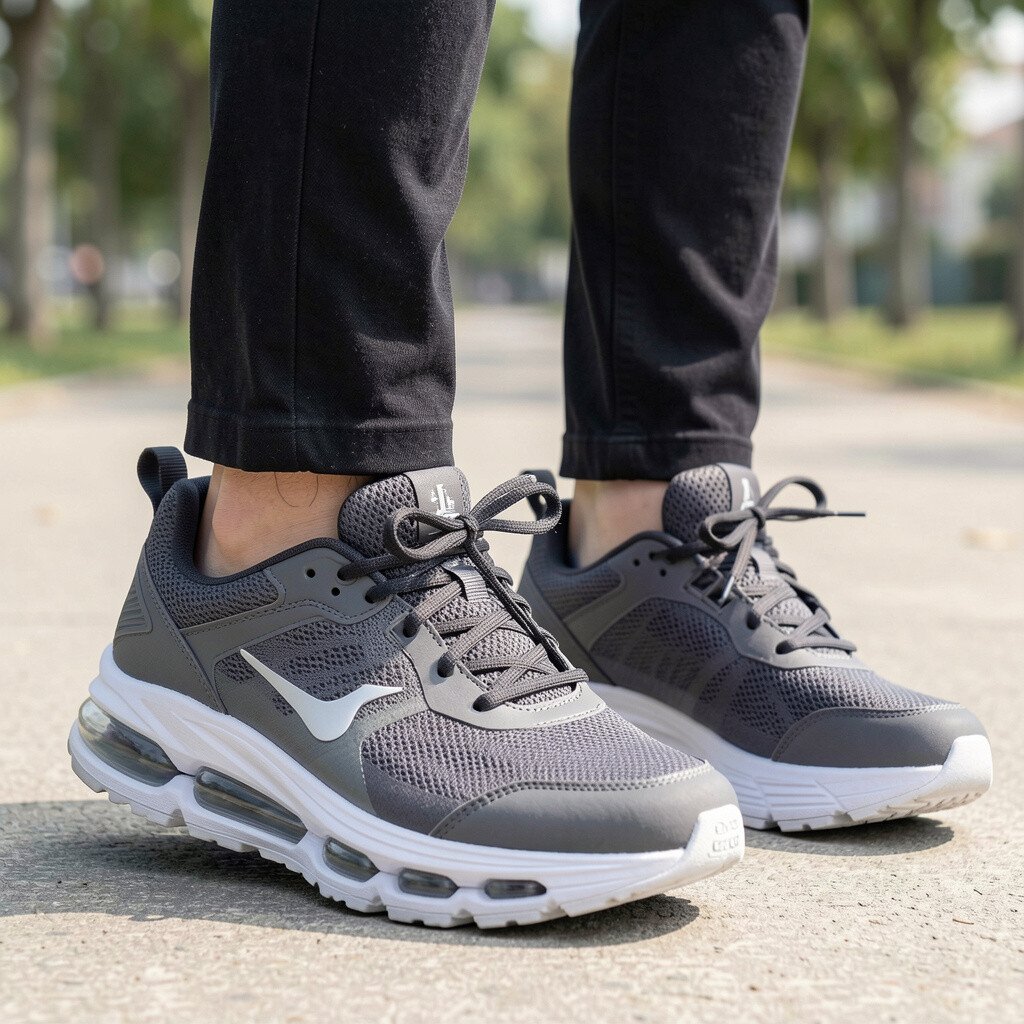
Air-cushion shoes often have a sporty look, with a sleek upper and a visible or subtle air pocket feel. They can look fast while still giving you that everyday walking comfort.
Air cushioning helps with impact feel, making steps feel less jarring. Many people like this style because it can feel springy without being unstable.
To personalize, pair them with insoles if you prefer more arch height or want a flatter feel. Check the fit at the heel and midfoot, since a small slip can ruin comfort over time. For cost considerations, these shoes may be priced higher, but they sometimes go on sale often, especially after new models appear.
13. Durable Work-Style Walking Shoes With Toe Protection
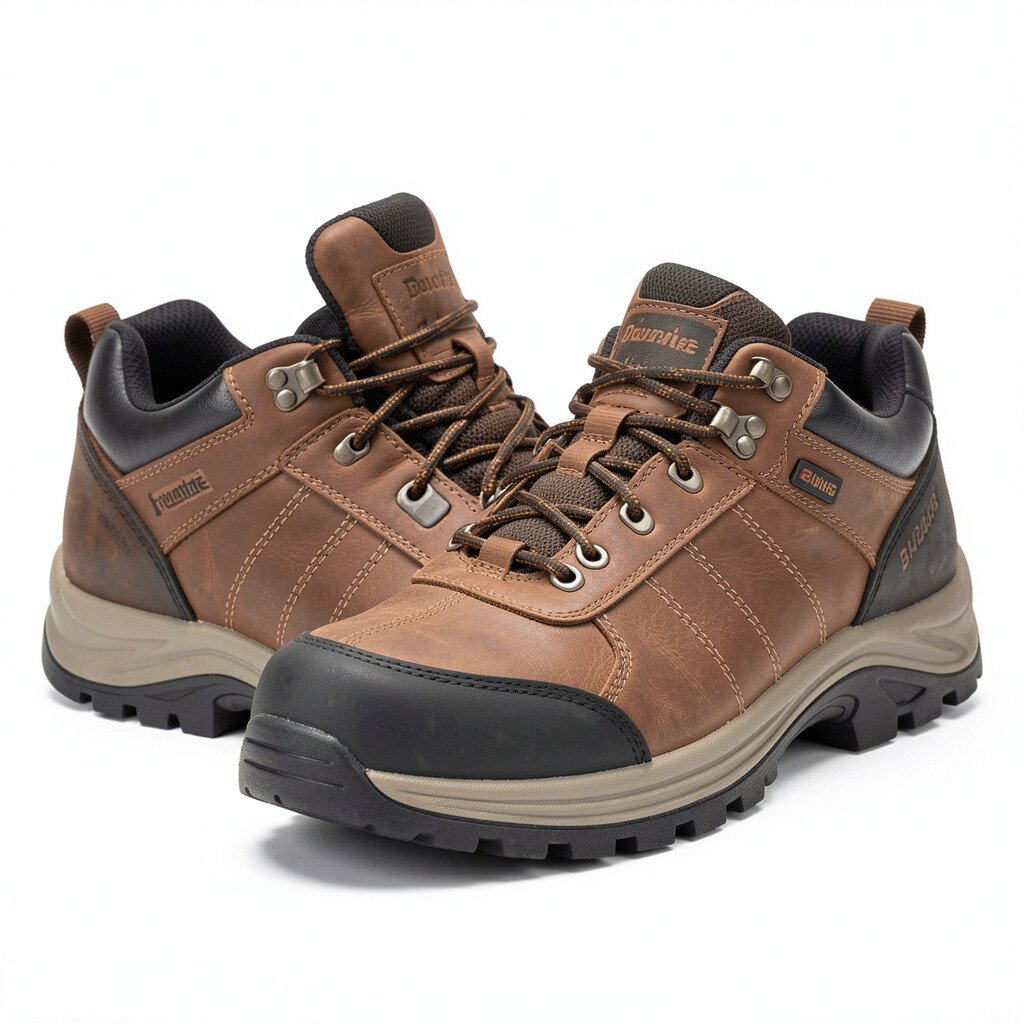
These shoes look built for action, often with tougher materials and a sturdy profile. You’ll usually notice a reinforced toe area that signals protection right away.
Toe protection can be a big comfort advantage if you walk around job sites, move around stores, or work in environments where accidents can happen. A stable sole also helps keep your posture steadier during long standing periods.
For practical tips, check the weight of the shoe, since heavier styles can tire you out if you’re not used to them. If you want personalization, choose breathable panels so you don’t overheat. Cost can be higher, but the added durability and protection can make the value feel fair over time.
14. Orthotic-Friendly Shoes With Removable Insoles
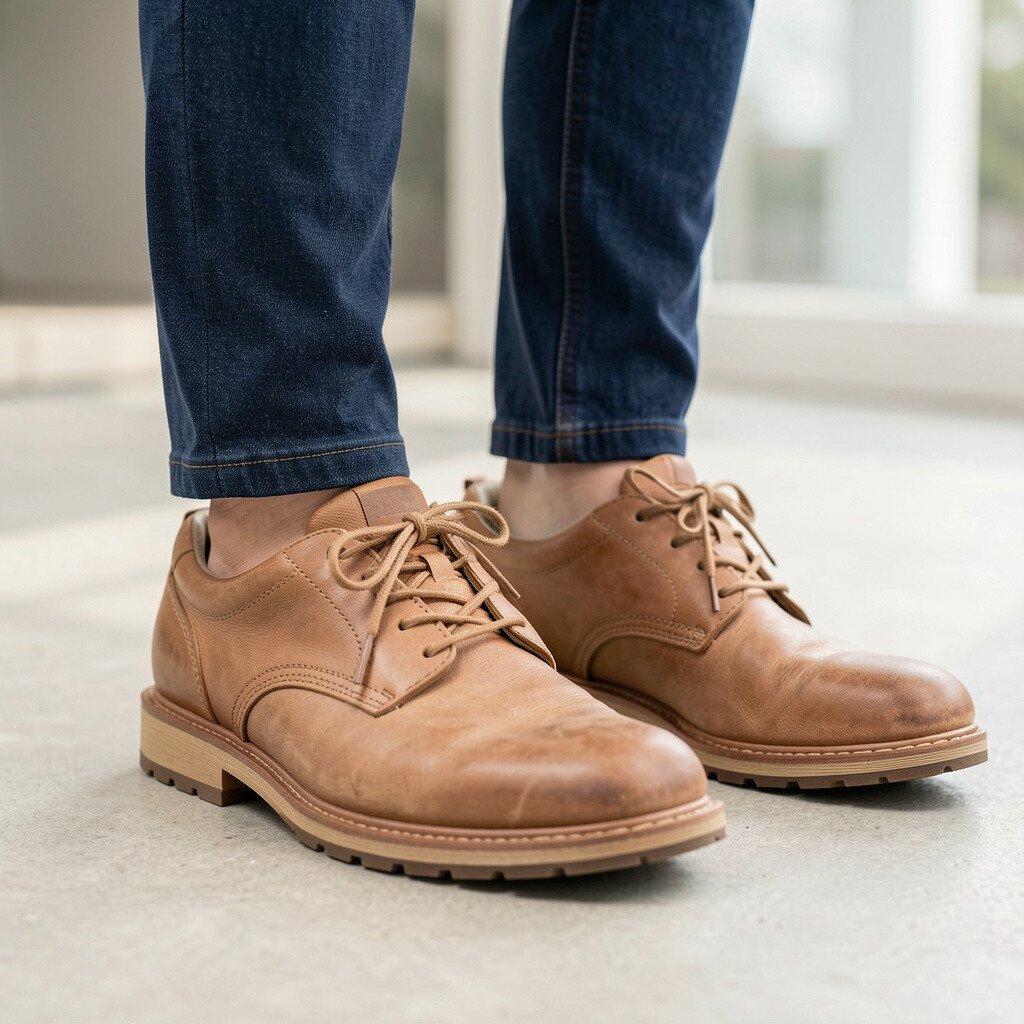
Orthotic-friendly walking shoes often look simple and clean, with insoles that can be pulled out easily. The interior space feels made for customization, and the outsole usually stays supportive.
Removable insoles are helpful because you can use your own orthotics or comfort inserts. That means better fit for your feet, not just the average foot.
A practical approach is to measure your insole thickness and compare it with the shoe depth so your custom setup fits well. For personalization, look for a roomy midfoot so your orthotic sits comfortably without pinching. Cost considerations matter too, because orthotic-ready shoes can be a smart long-term buy, especially if you already have inserts you trust.
15. Cozy Knit-Uppers With Stretch for Natural Movement
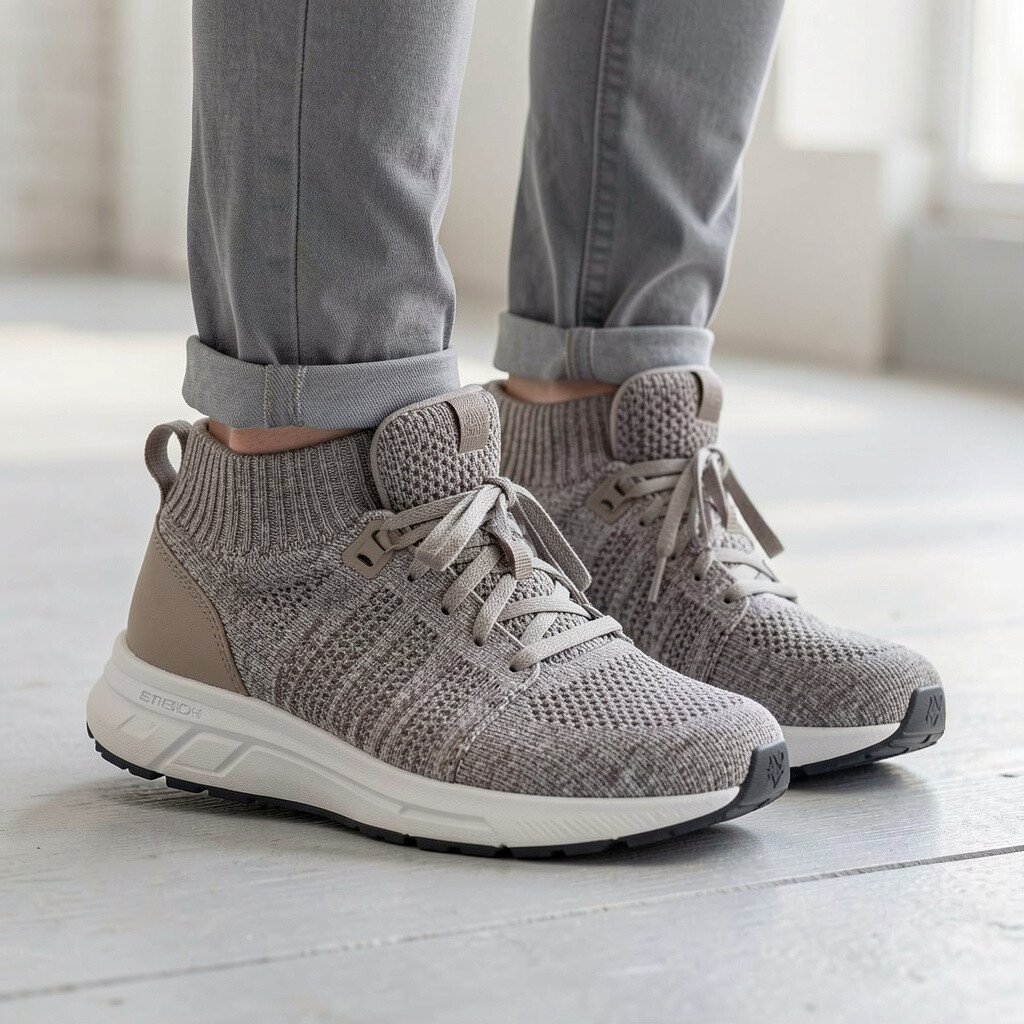
Knit walking shoes look like socks that learned how to support you, with flexible fabric that conforms to your foot. The texture can look cozy and stylish, and the overall shape often feels seamless.
Stretch knit uppers help reduce pressure points and can feel gentle on sensitive feet. They also tend to improve comfort for people who want an easy fit that adjusts as feet swell during the day.
For practical tips, make sure the knit doesn’t feel loose around the heel, since too much stretch can lead to slipping. Personalize the fit by using laces to fine-tune the midfoot tension even if the upper is stretchy. Cost can range from budget to premium, and higher-priced knit shoes often feature better structure and longer-lasting fabric.
16. Balanced Walking Shoes With Firm Heel Counters
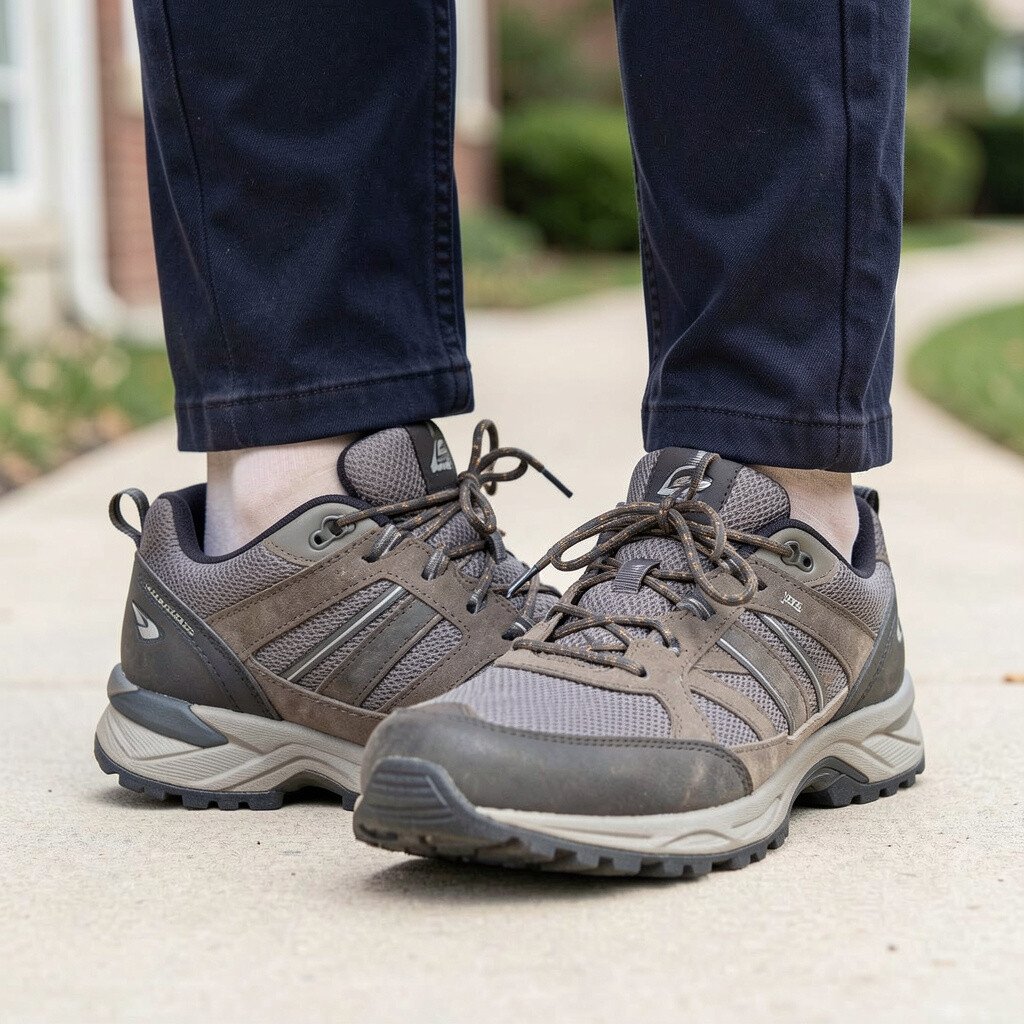
These shoes give a calm, confident look, with a solid heel section that holds its shape. When you wear them, the heel feels guided, not floppy, and that can make your stride smoother.
A firm heel counter helps with stability, which supports comfort when you’re walking on uneven ground or turning corners. It can also reduce the feeling of your foot sliding around inside the shoe.
For personalization, test the heel by gently lifting your foot in place and checking for minimal movement. Choose a sole that feels flexible enough at the forefoot but firm enough under the heel, so you get both ease and control. Cost-wise, you can often find excellent stability features in mid-range shoes, so focus on fit and materials rather than only brand name.