Your balcony can turn into a mini garden with big charm and fresh air. Small care errors, though, can make plants look tired fast.
Once you spot the patterns, everything feels easier and more rewarding. Keep reading to get practical fixes that suit real balconies and real schedules.
1. Overwatering When the Top Soil Feels Dry
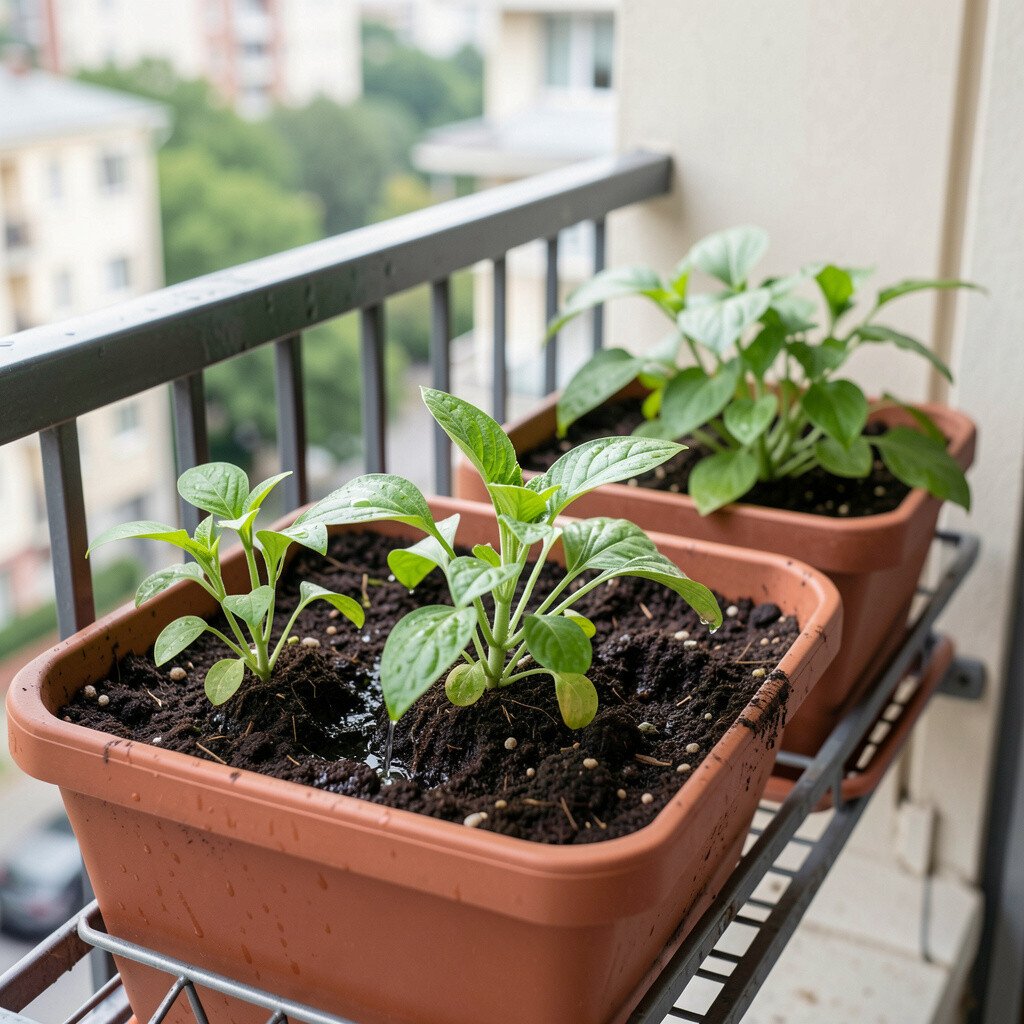
You might think plants need water every time the weather changes, but soggy roots cause problems. Watch what the soil actually does, not just what you assume.
Stick a finger into the soil near the pot edge to check moisture. If it feels cool and wet, hold off and wait a little. When the top layer is dry and the soil beneath is light, watering becomes much safer.
2. Ignoring Drainage Holes and Letting Pots Sit in Water
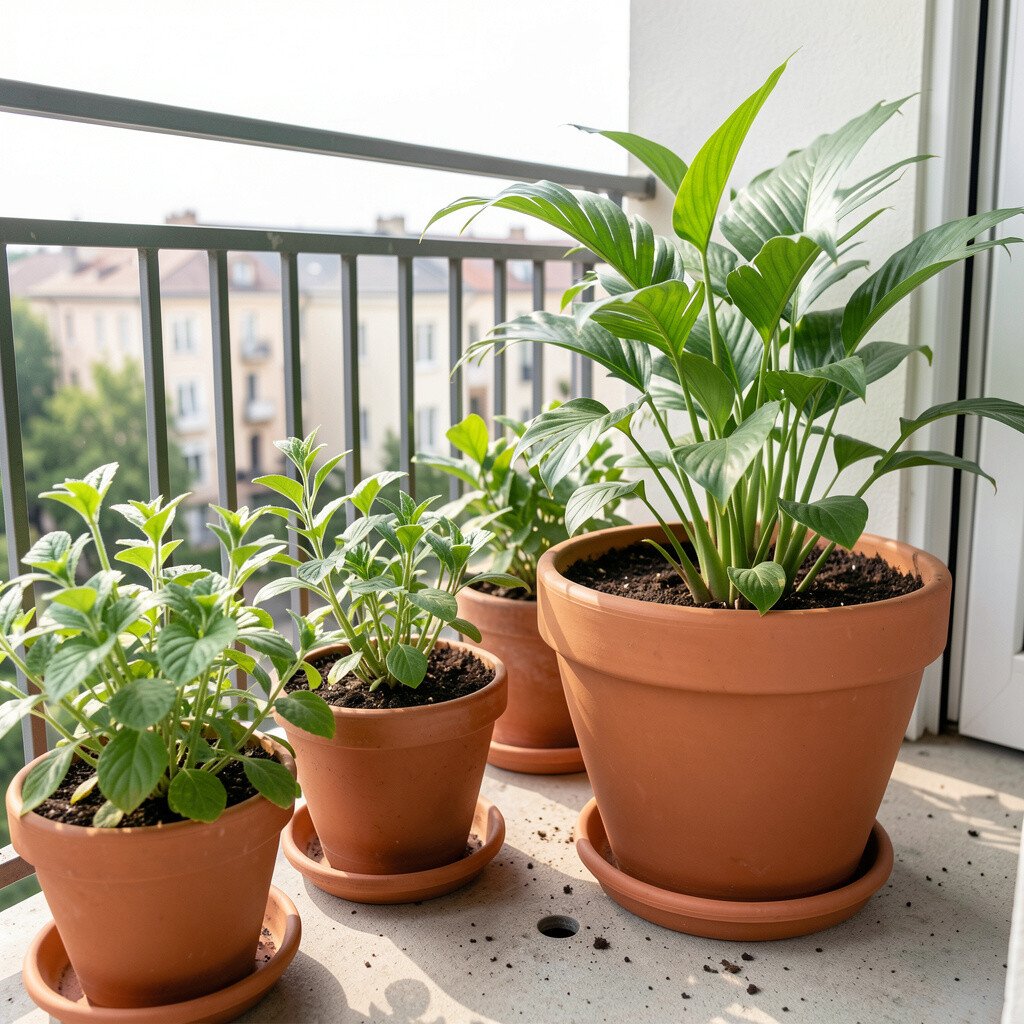
It looks neat when a pot sits in a saucer, but that trapped water can slowly suffocate roots. You may notice yellow leaves or a musty smell, especially after rainy weeks.
Choose containers with drainage holes and empty the saucer after watering. If you have decorative cachepots, lift the inner pot out before the water cools. This small habit keeps the soil airy and helps plants bounce back faster.
Many gardeners like using breathable fabric pots on windy balconies because they dry more evenly. That also reduces the risk of standing water during storms. Pairing this with a simple schedule makes your care routine feel steady instead of stressful.
3. Placing Every Plant in the Same Light
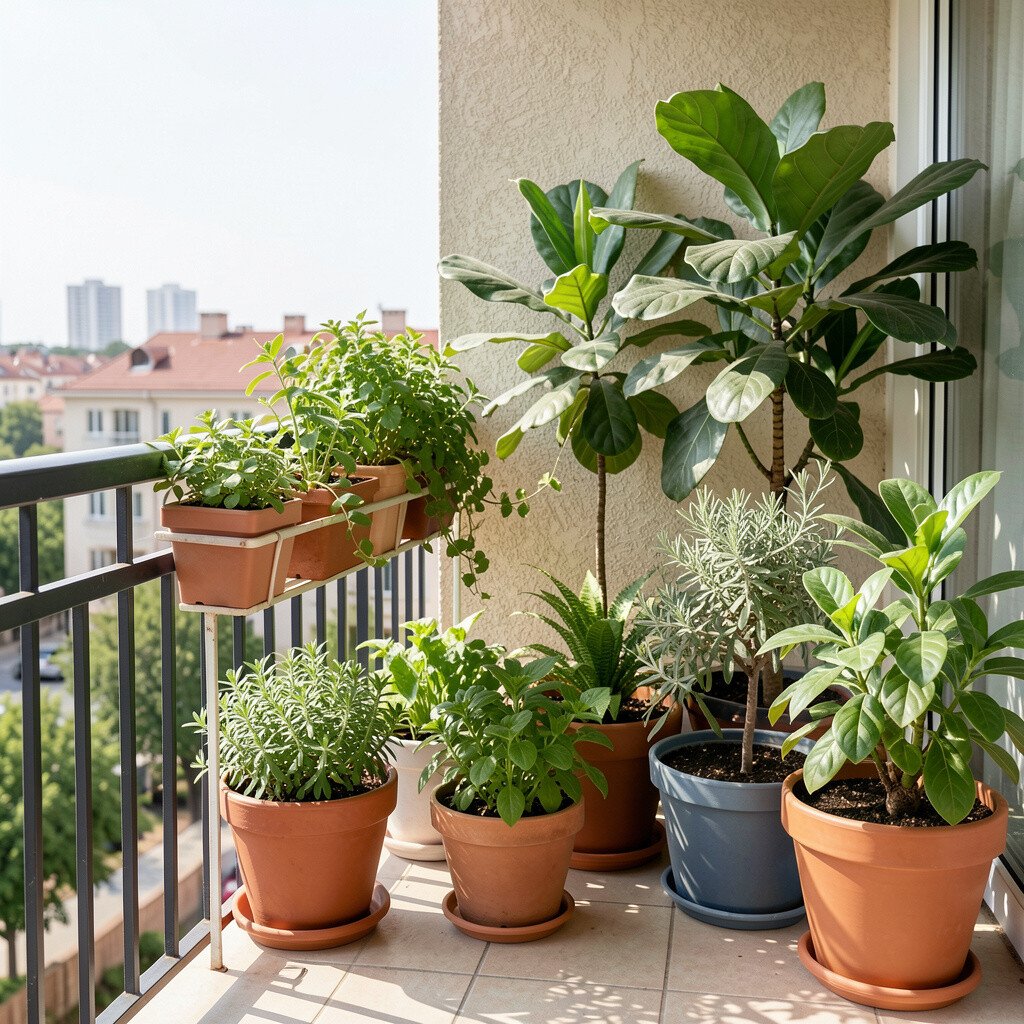
Balconies have microclimates, and each corner can act like a different season. One side may glow with sun, while the other stays shaded all afternoon.
Observe how long each area stays bright and warm. Move sun-loving plants to the brightest spot and put shade-tolerant plants where the light is softer. Even adjusting by a foot or two can change leaf color and growth speed.
Try rotating pots every week during the growth season so plants stay balanced. This prevents one-sided stretching and helps stems stand strong. Many current trends lean toward mixing textures in the same planter, but light needs to match the highest plant demand.
4. Choosing Plants That Don’t Fit Your Balcony’s Weather
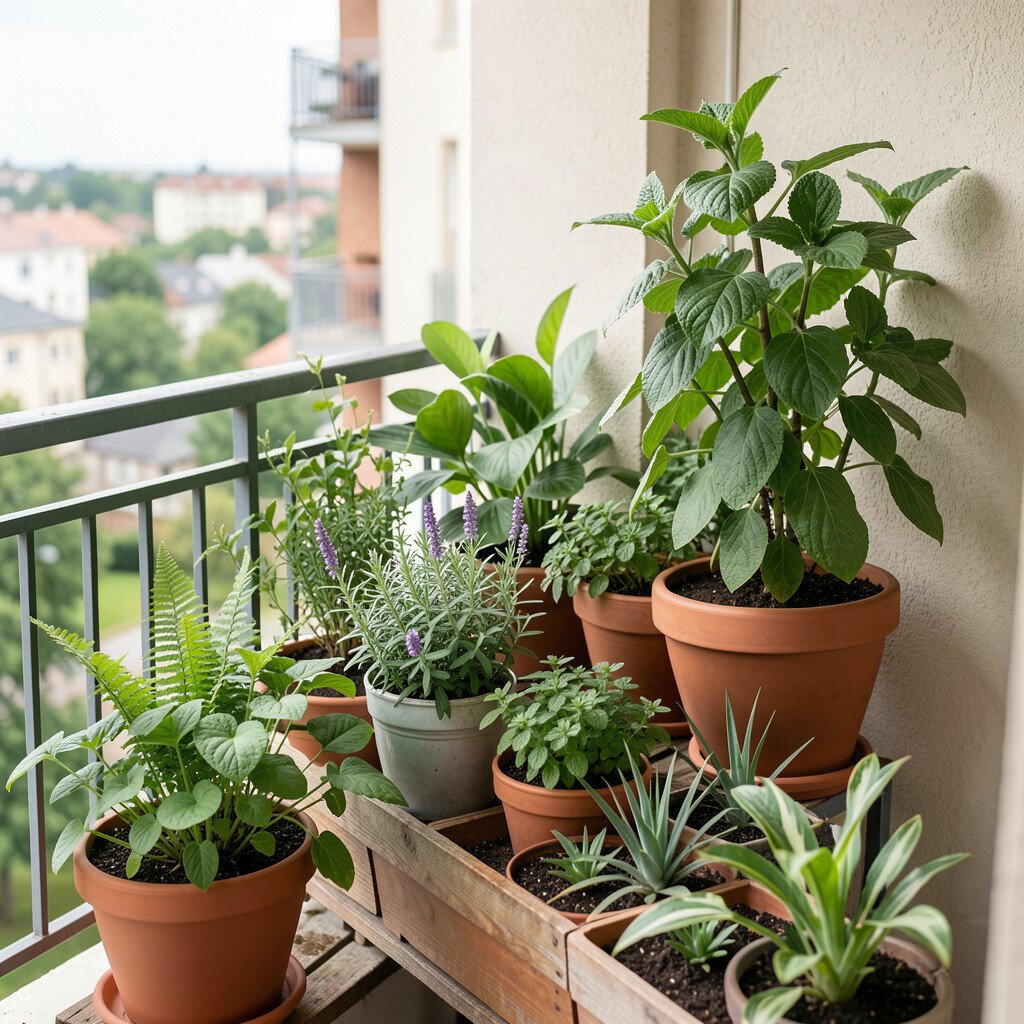
Wind, heat, and cold can hit balconies harder than people expect. A plant that thrives on a calm patio might struggle on a breezy railing.
Check your usual conditions and pick species that handle them. If your balcony gets strong gusts, choose sturdy growers and consider wind guards. During winter, protect pots from freezing air by grouping them and adding simple insulation around the container walls.
5. Fertilizing Too Often or Using the Wrong Type
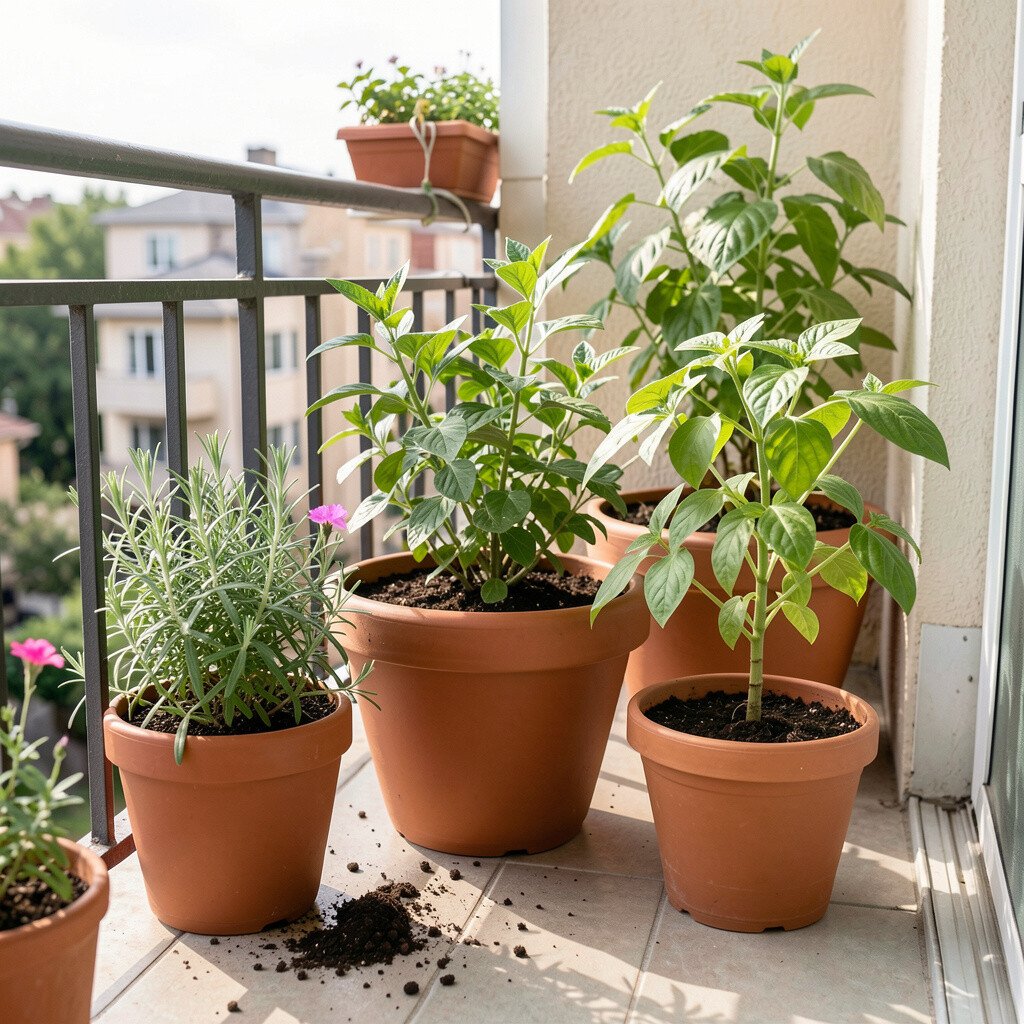
More fertilizer can sound helpful, but it often pushes weak growth and salty buildup. You may see leaf burn at the edges or a pale, watery look.
Use a fertilizer that matches your plant type and follow the label rate. For many balcony plants, feeding lightly but consistently works better than heavy doses. If you’ve been using tap water, occasionally flush the soil with plain water to wash out extra minerals.
Gardeners today often favor slow-release pellets or gentle liquid feeds for calmer results. Slow release can make your routine easier and reduce the chance of mistakes. Pair the feed with fresh compost so the soil stays lively and full of helpful microbes.
6. Waiting Too Long to Deal With Pests
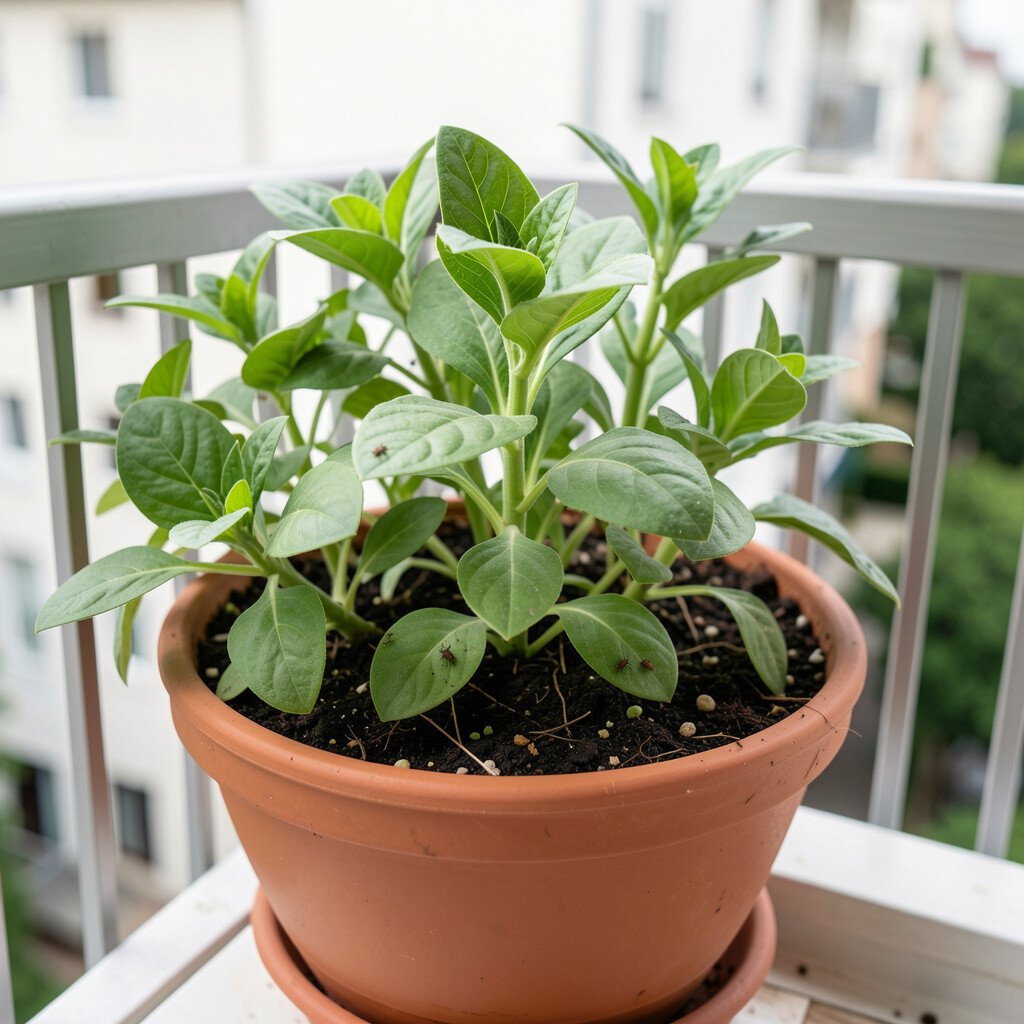
Spots, sticky leaves, or tiny specks can appear quietly before you feel alarm. If you ignore the first signs, pests multiply faster than you want.
Check leaves, stems, and undersides every few days, especially after new plants come home. Rinse plants with a gentle stream of water to knock off early trouble. For stubborn issues, use safe soap sprays or neem products and apply carefully so you don’t harm beneficial insects.
7. Letting Plants Dry Out Completely Between Waterings
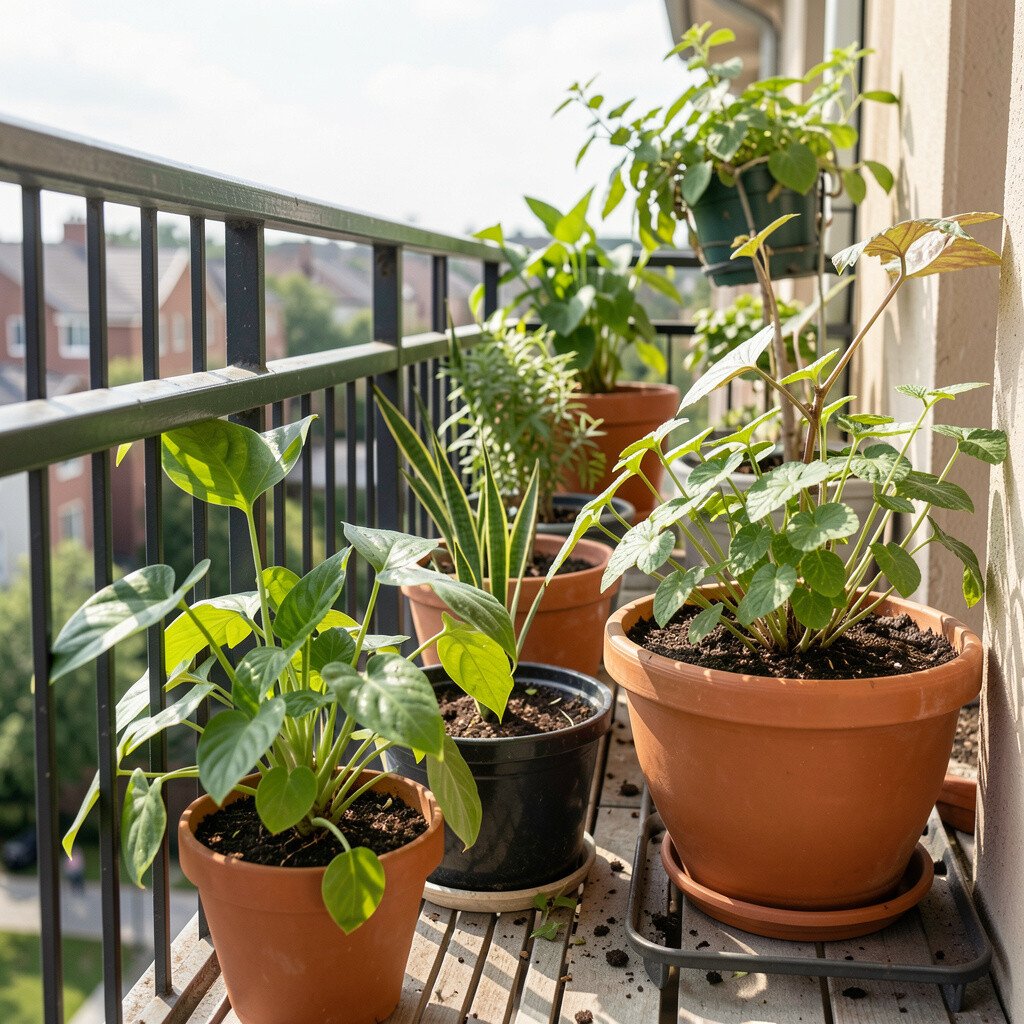
On a sunny balcony, containers can dry fast, and fully dried soil can become stubborn. Leaves may wilt and curl, and re-wetting sometimes takes longer than you expect.
Set a routine that matches your climate, and water before the wilting point. Mulching the soil surface with small bark chips or coco coir helps slow evaporation. Self-watering planters or water-storing spikes can also offer peace of mind when your schedule gets busy.
8. Overcrowding Pots Until Air Can’t Move
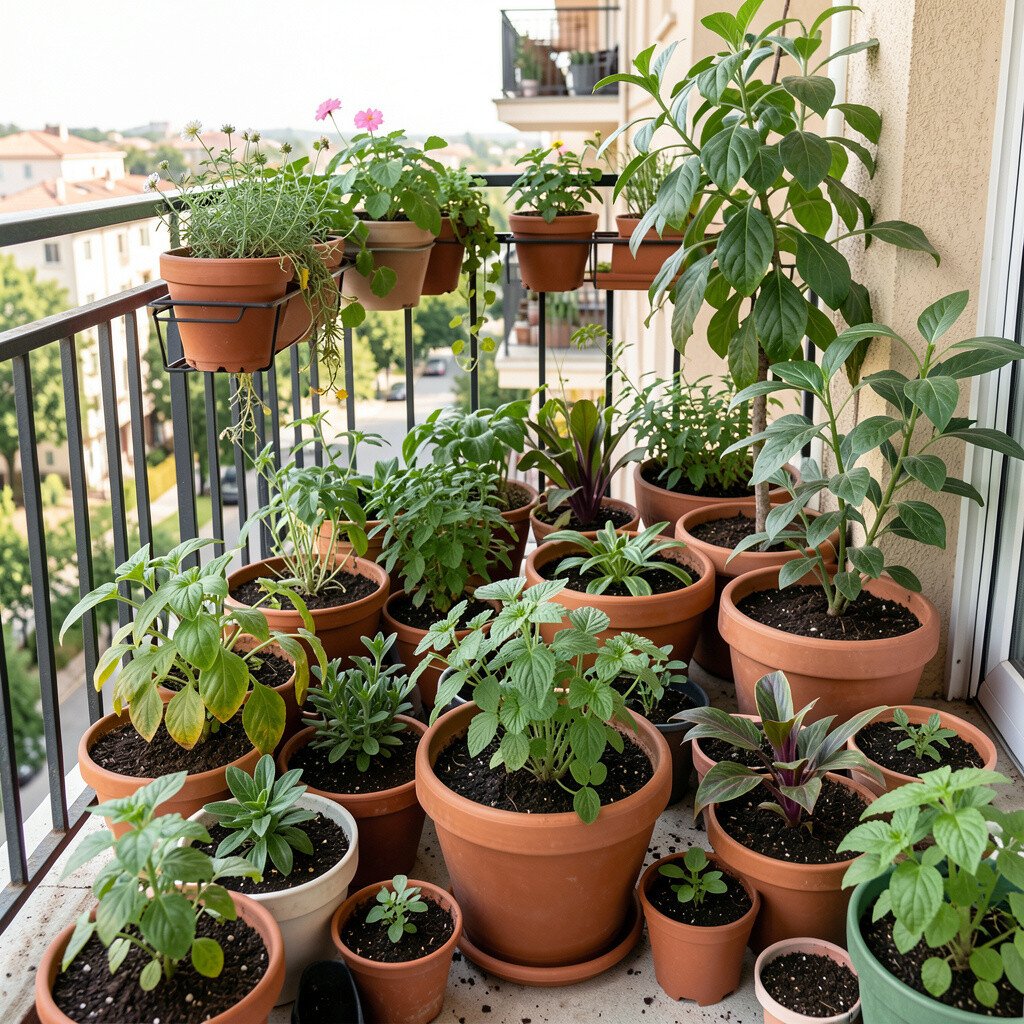
When too many plants share a small space, they compete for water, nutrients, and airflow. You may notice more mildew, softer stems, or leaves that stay damp after watering.
Give each plant enough room to breathe and grow. Follow the plant’s mature size rather than the tiny size you bring home. If you want a lush look, group pots with spacing between containers, not plants jammed into one tight mass.
9. Using Soil That Drains Poorly or Stays Too Dense
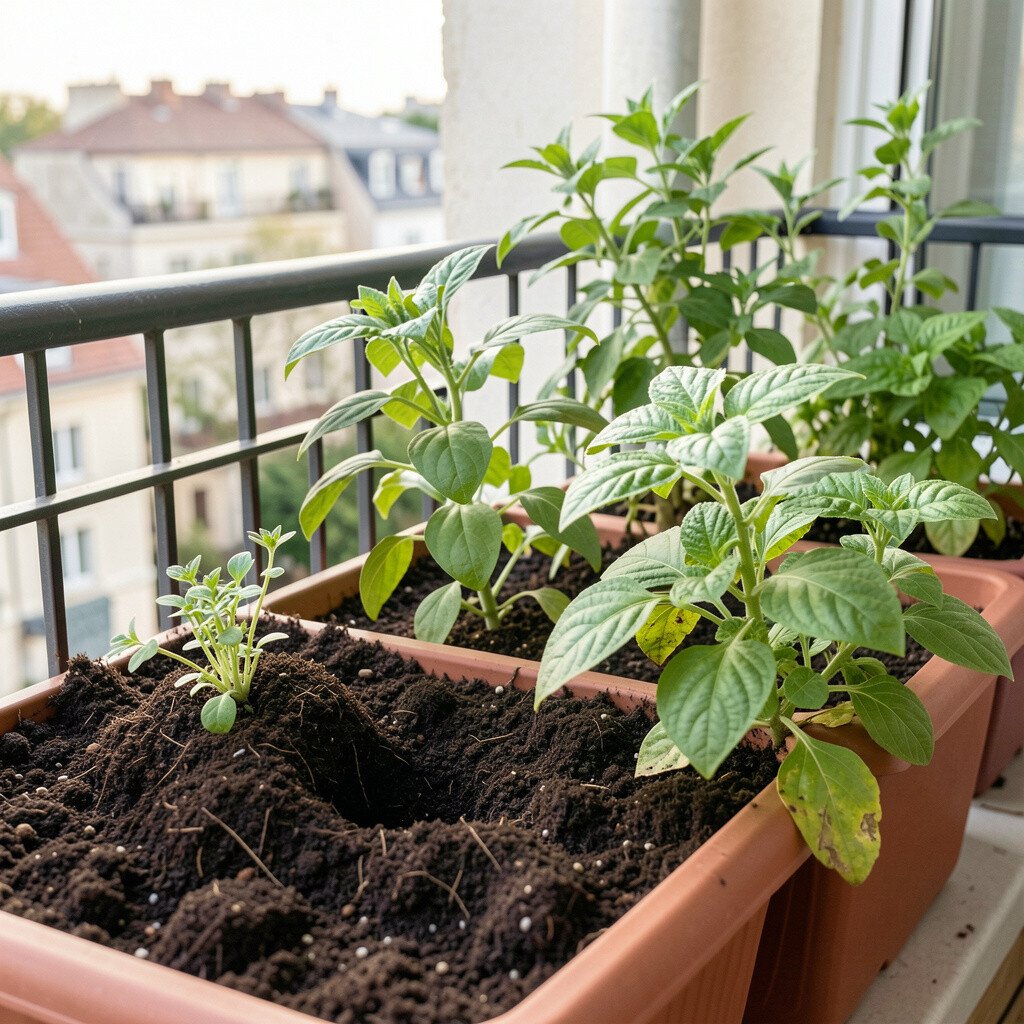
Balcony containers need soil that holds moisture but still drains well. Garden soil scooped from the ground can become heavy in pots and lead to root issues.
Choose a quality potting mix made for containers and mix in perlite or coarse material if your area stays wet. Fresh mix each season or whenever compaction appears keeps roots happy. People who like current trends often choose airy blends because they support healthier growth with fewer water struggles.
10. Forgetting to Repot When Roots Fill the Container
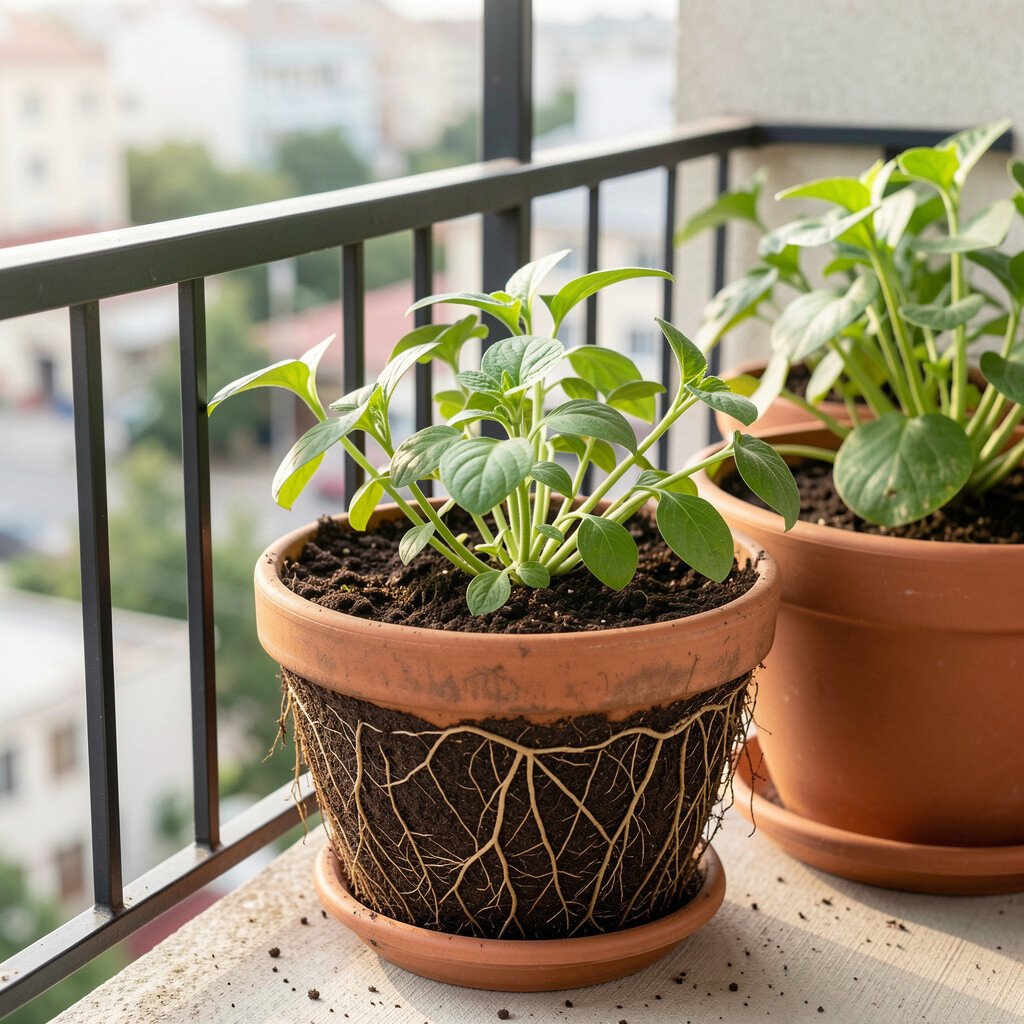
Plants become root-bound, and you might not notice until watering seems to disappear instantly. The pot can feel lighter, and roots may circle around the inside.
Repot when you see roots pushing out of drainage holes or when growth slows down despite good care. Move up one pot size at a time so the root system can settle comfortably. Using a slightly larger container also gives you more soil volume, which helps keep moisture steady in summer.
This is a great moment to personalize your setup with different pot styles and colors. Many people now enjoy matching pot shapes to plant textures for a tidy, modern balcony look. While repotting costs a bit, it often saves money later by preventing repeated plant loss.
11. Pruning Blindly or Never Pruning At All
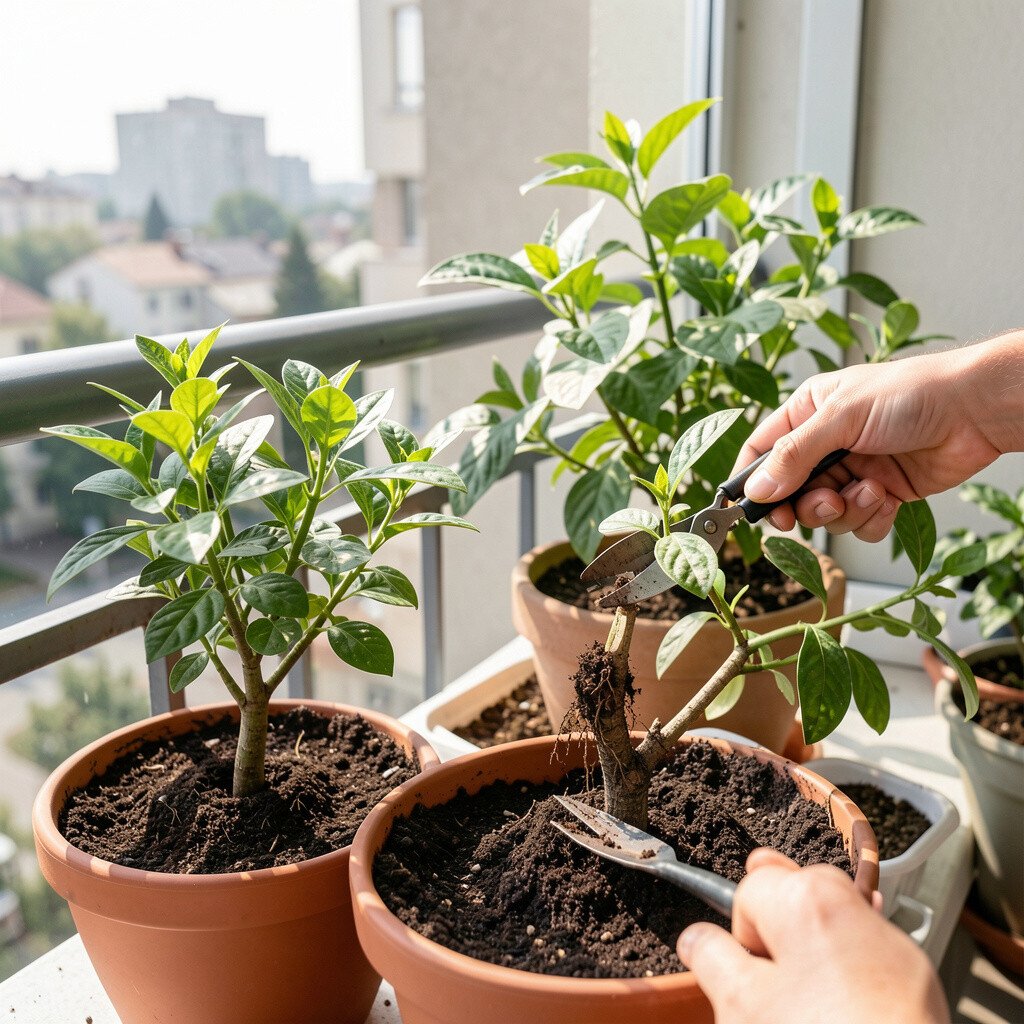
Untended plants can become leggy, messy, and harder to water evenly. On the flip side, cutting too much can shock a plant that’s still trying to recover.
Trim dead leaves and spent blooms to keep growth neat and encourage new buds. Use clean scissors and make cuts just above healthy nodes. For trailing plants, light trimming can also shape a fuller canopy that looks great along railings.
12. Skipping Seasonal Adjustments for Light, Temperature, and Water
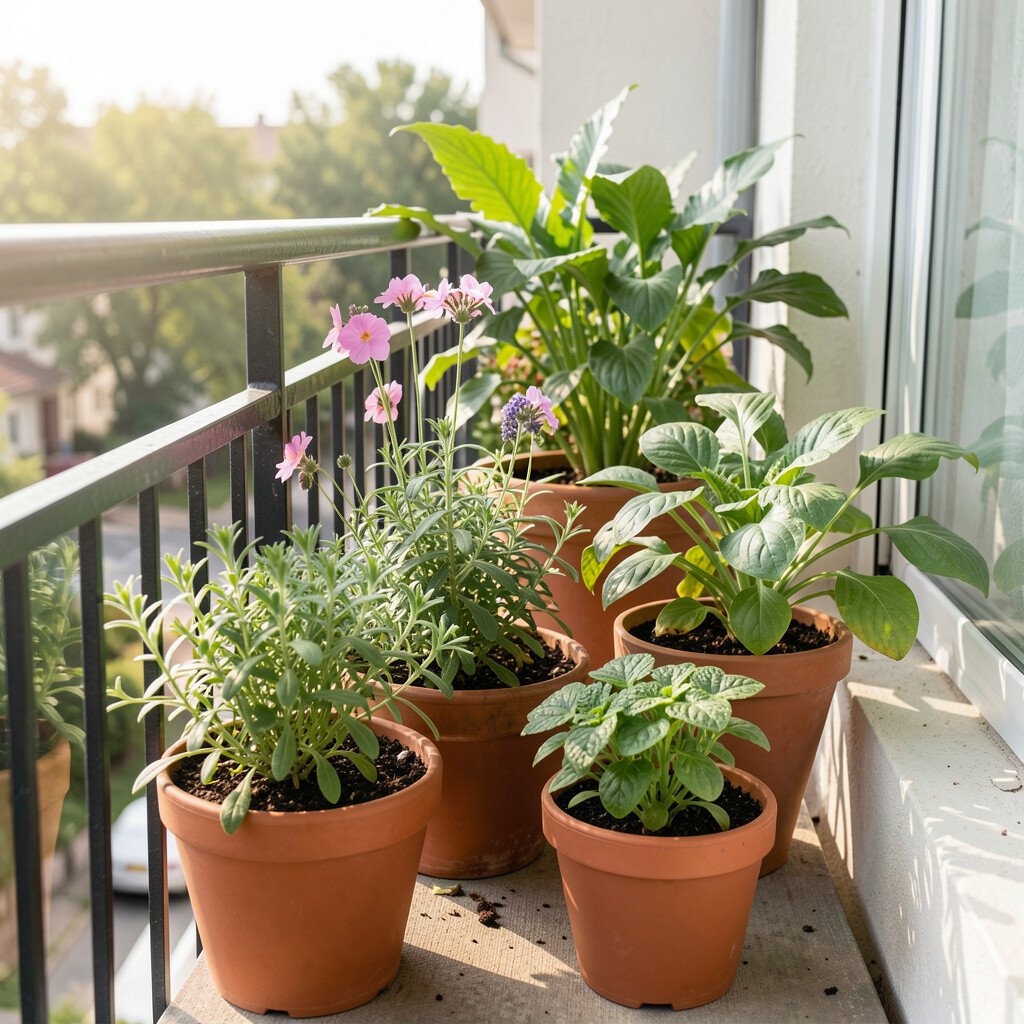
Balconies change with the seasons, and your care plan should change too. Plants that thrive in warm months can struggle when nights cool down suddenly.
In cooler weather, reduce watering and protect pots from freezing winds. In hot weather, water earlier in the day and watch for leaf scorch from intense sun. Many balcony gardeners track the sun path and adjust pot positions as months shift, which helps plants stay comfortable without guesswork.
13. Not Monitoring Water and Weather Patterns Together
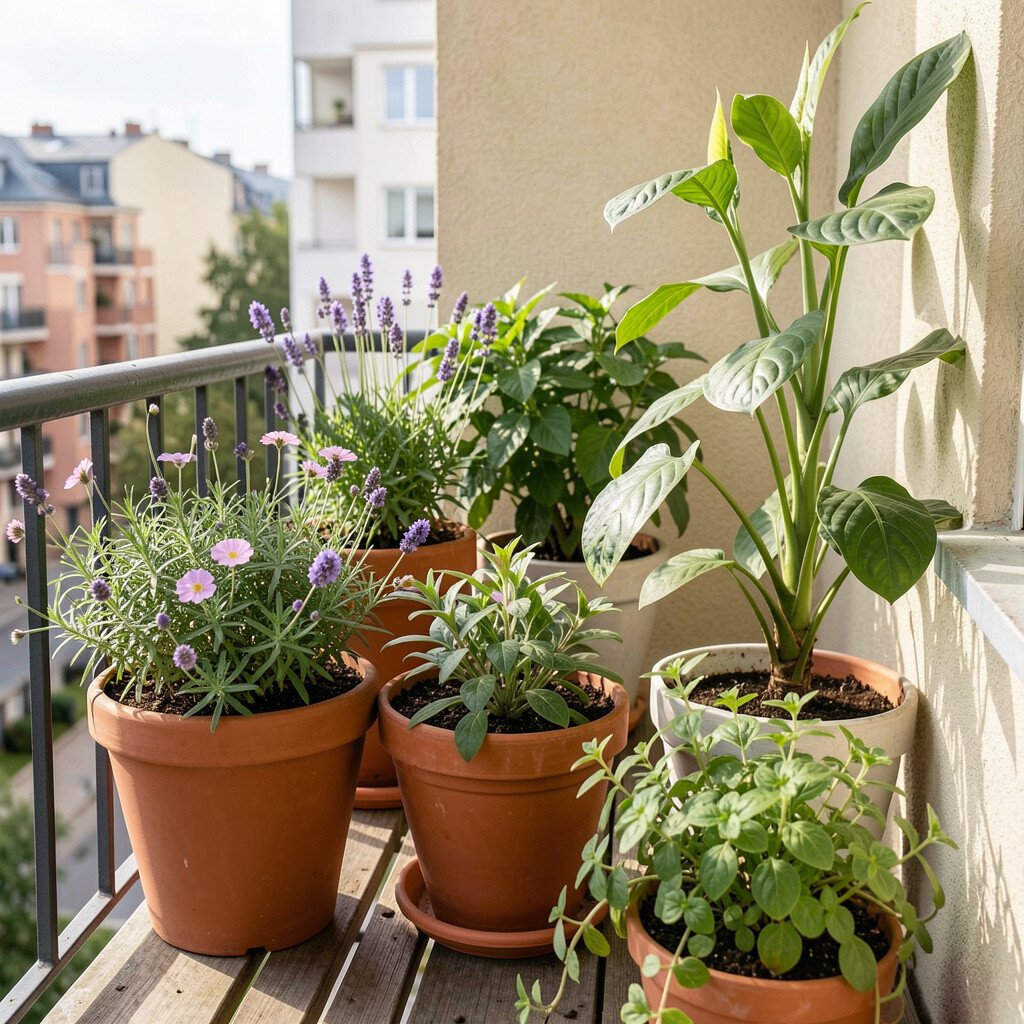
Rain can trick you into thinking plants are getting enough water, while wind can dry them out between storms. If you only follow a calendar, you might miss these fast swings.
Check your soil after heavy rain and before irrigation days. Windy days can call for quicker dry checks, even when clouds look promising. A simple weather-aware habit reduces waste and helps you avoid both drowning and dehydration.
14. Treating Your Balcony Like a “Set It and Forget It” Space
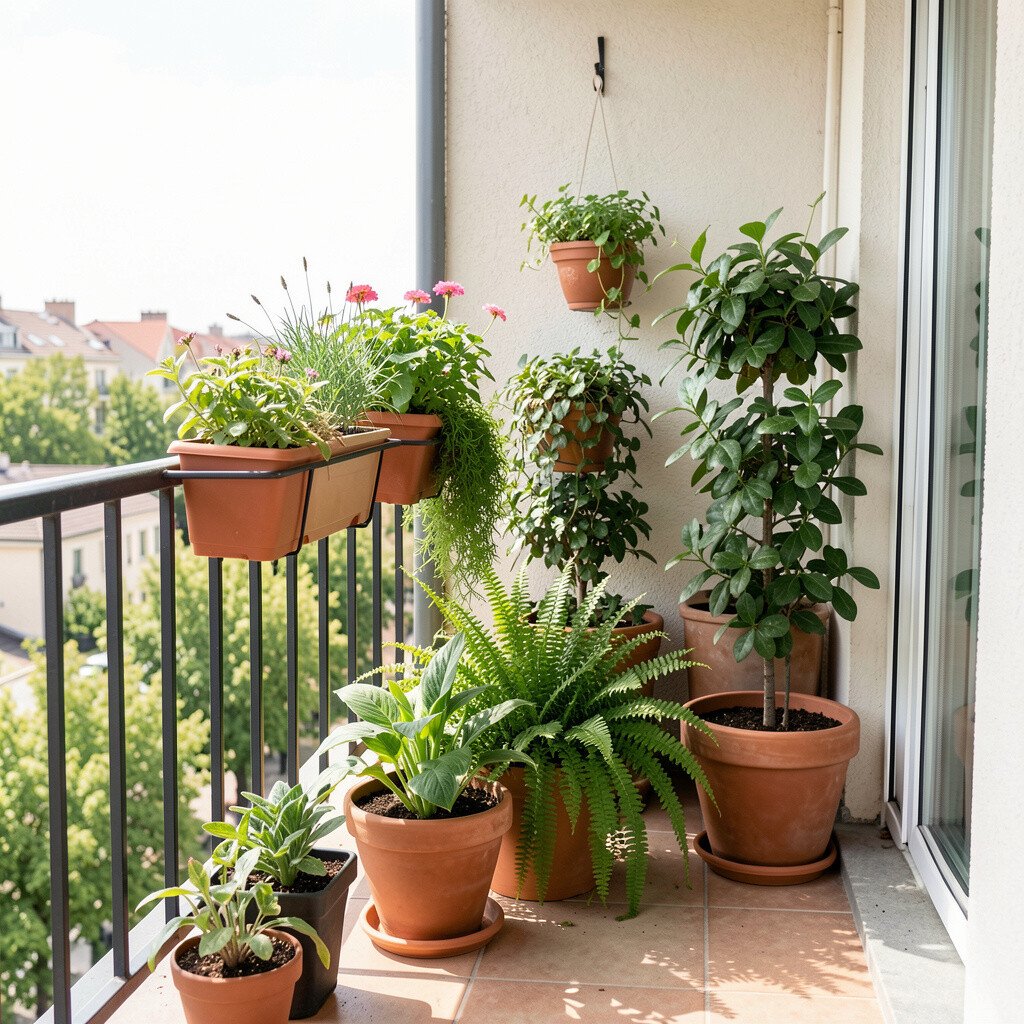
Plants are alive, and your balcony environment will keep changing day by day. That means your attention matters more than perfection.
Spend a few minutes regularly to observe leaf color, soil moisture, and overall shape. When something looks off, respond early with small fixes like adjusting light, changing watering timing, or checking for pests. This kind of mindful care builds a unique garden that fits your style, your sunlight, and your time.
You can also personalize with planters that match your decor and seasonal colors, like soft terracotta tones in spring and deeper hues in winter. While buying new items costs money, it can be worth it when you choose durable pots and reuse them for many plants over time. Current balcony trends often focus on layered planting with rails, shelves, and a mix of heights, and careful monitoring is what makes those looks succeed.