Fancy doors can make a home feel special fast.
But a pretty door can cause trouble if it is chosen or used the wrong way.
1. Picking a Door That Looks Great but Fits Poorly
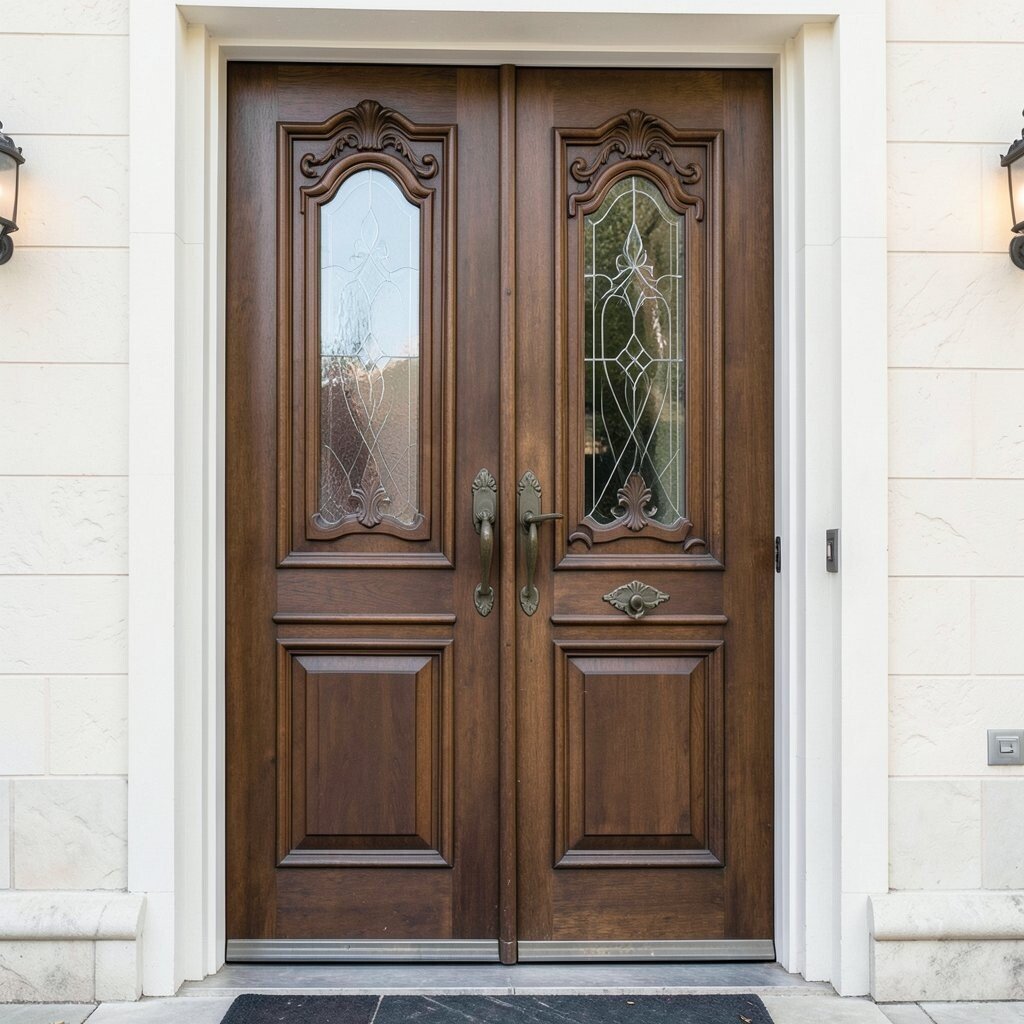
A fancy door with rich wood grain, glass panels, or bold metal details can look amazing from the street. If it does not fit the opening well, though, it may drag, stick, or leave gaps that spoil the whole effect.
That can waste heat, raise bills, and make the door feel cheap instead of special. Measure with care, check the frame, and ask for help before you buy, because a custom size may cost more but often saves trouble later.
2. Ignoring the Style of the House
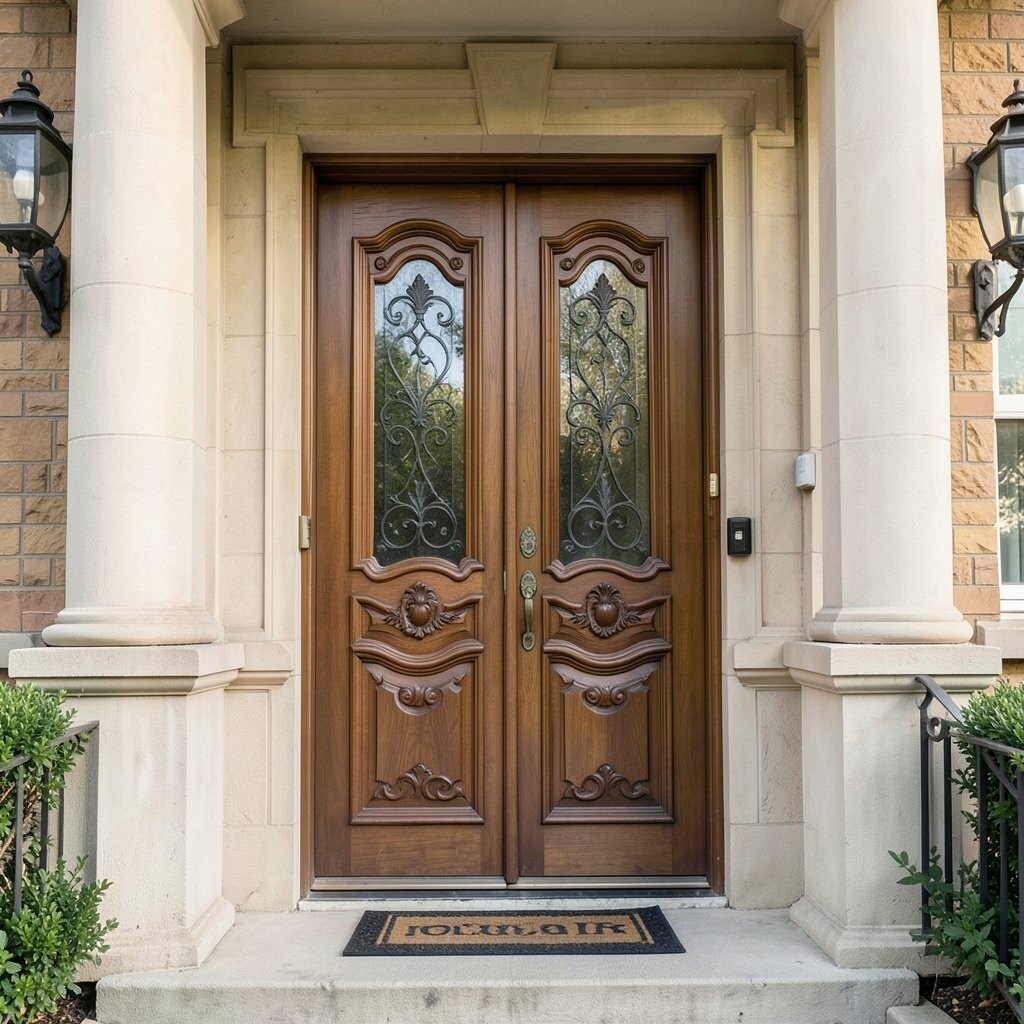
A carved double door can look lovely, yet it may clash with a small cottage or a plain modern front. The best fancy doors match the shape, color, and mood of the home so the entry feels calm and well planned.
Try to echo details already in the house, like window lines, porch rails, or roof colors. This makes the door feel unique in a good way, and even a simple update with new paint or hardware can be kinder to the budget than a full replacement.
Many current looks lean toward clean shapes with one strong feature, such as a tall handle or frosted glass. That kind of balance can keep the door stylish now and still pleasing years from today.
3. Choosing Too Much Decoration
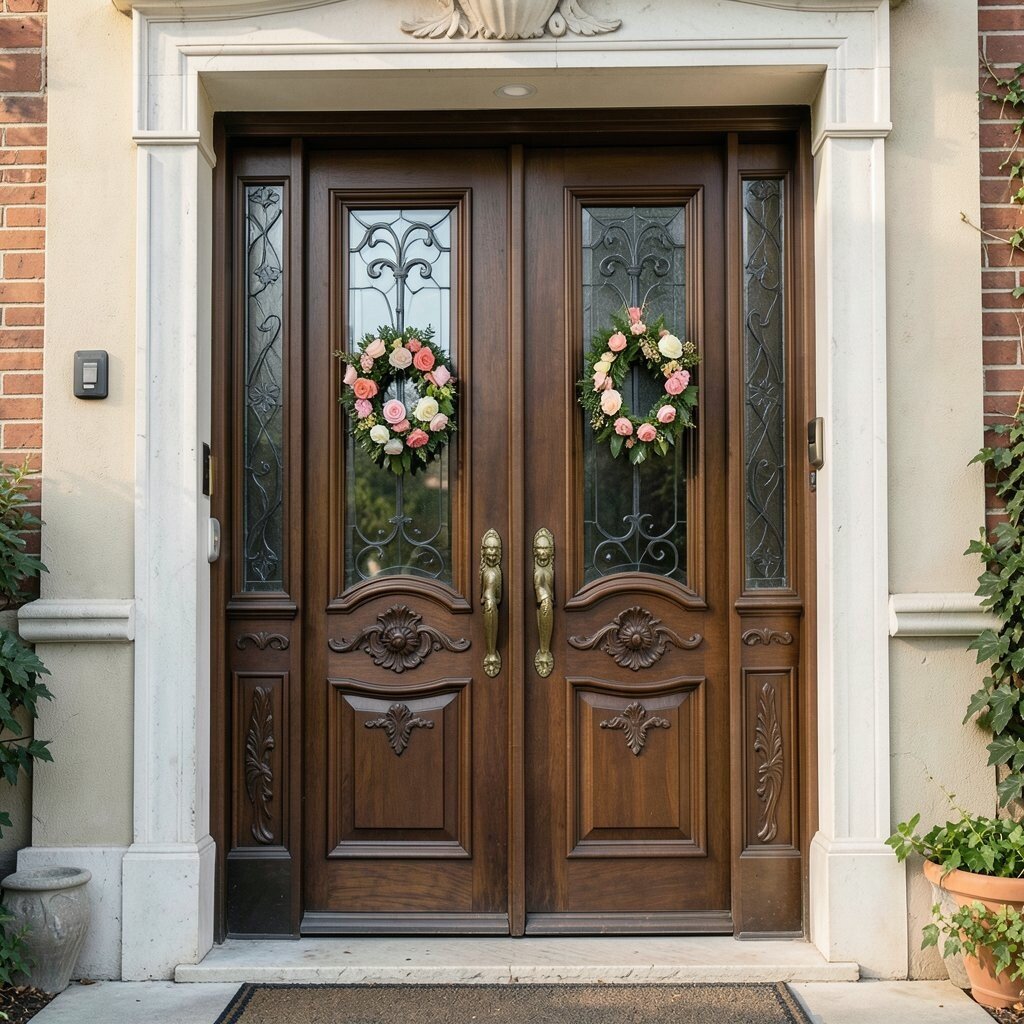
Some fancy doors pack in carvings, glass, metal trim, and bright color all at once. That can make the entry look busy instead of elegant, and it may hide the best parts of the design.
A door with one or two strong details often feels more costly in a good way than a door crowded with extras. Keep the rest of the entry calm, and use simple plants, a neat mat, or matching lights so the door gets the spotlight it deserves.
Many people now like a bold center panel or a single artful handle rather than many small decorations. That cleaner look is also easier to keep polished and can save money on repairs over time.
4. Forgetting About Security
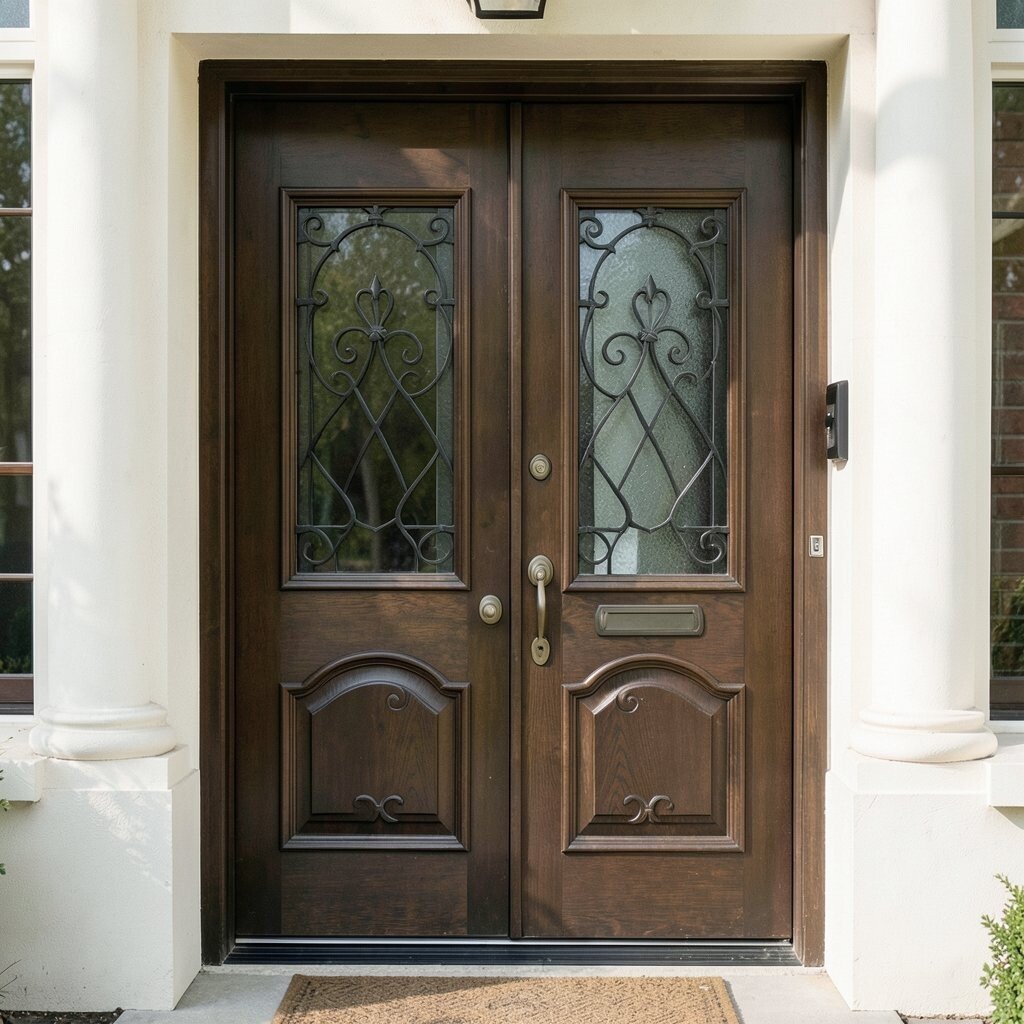
A door can be beautiful and still be weak if the lock, frame, or glass is not strong enough. Shiny glass inserts and slim handles may look graceful, but they should never make the home feel less safe.
Choose sturdy locks, good hinges, and strong materials that fit the style you want. A smart lock or reinforced strike plate can blend in well, and the extra cost often feels worth it when the door is both lovely and secure.
Frosted or textured glass can give privacy while still bringing in light. That gives the door a fresh, current feel without making your home feel open to strangers.
5. Skipping Weather Protection
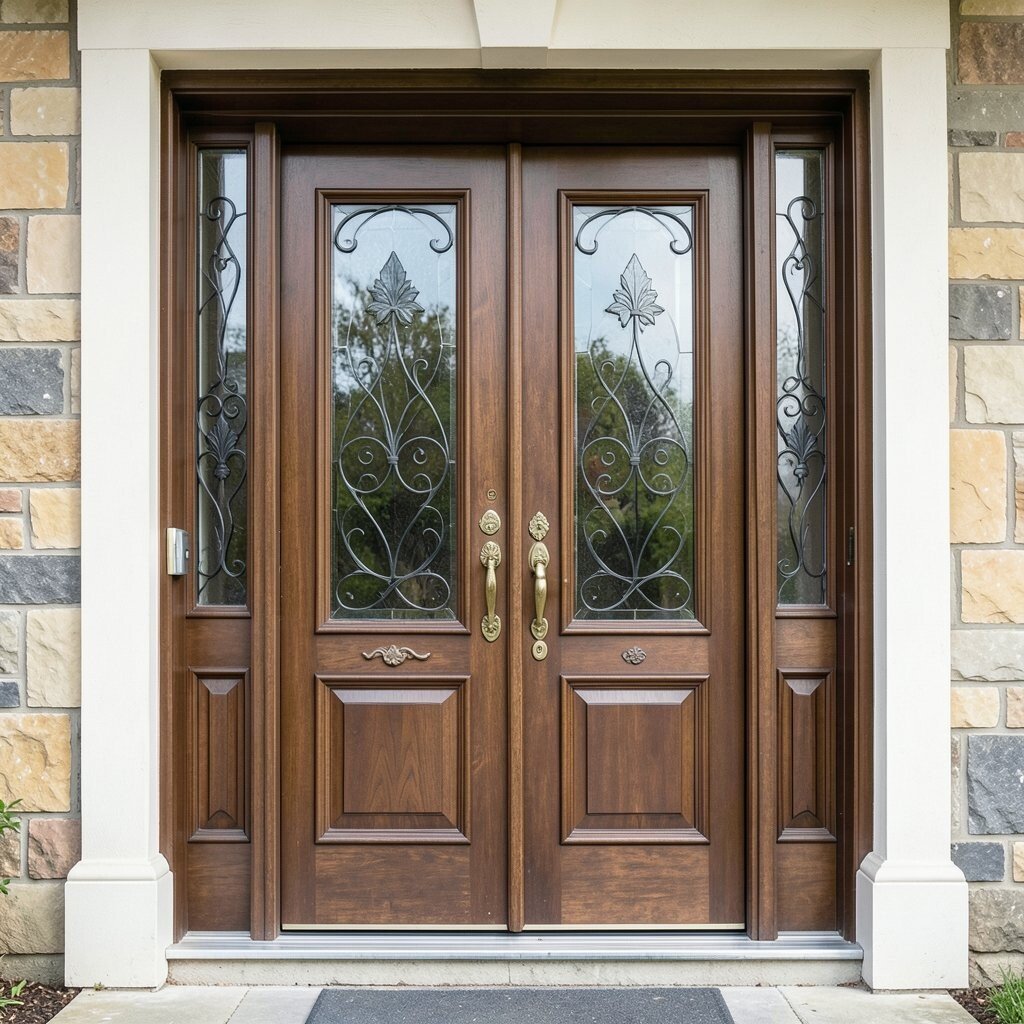
Fancy doors can suffer when rain, sun, and wind are ignored. Wood may swell, paint may peel, and metal parts may fade, which can turn a nice entrance into a tired one.
Look for seals, strong finish coats, and a good overhang if the door faces rough weather. These details keep the door looking rich longer, and they may lower repair costs by cutting down on warping and water damage.
Think about the climate before you fall for a style. A door that handles heat or wet air well can still be stylish, and it will often stay useful far longer than a door chosen for looks alone.
6. Forgetting Daily Use
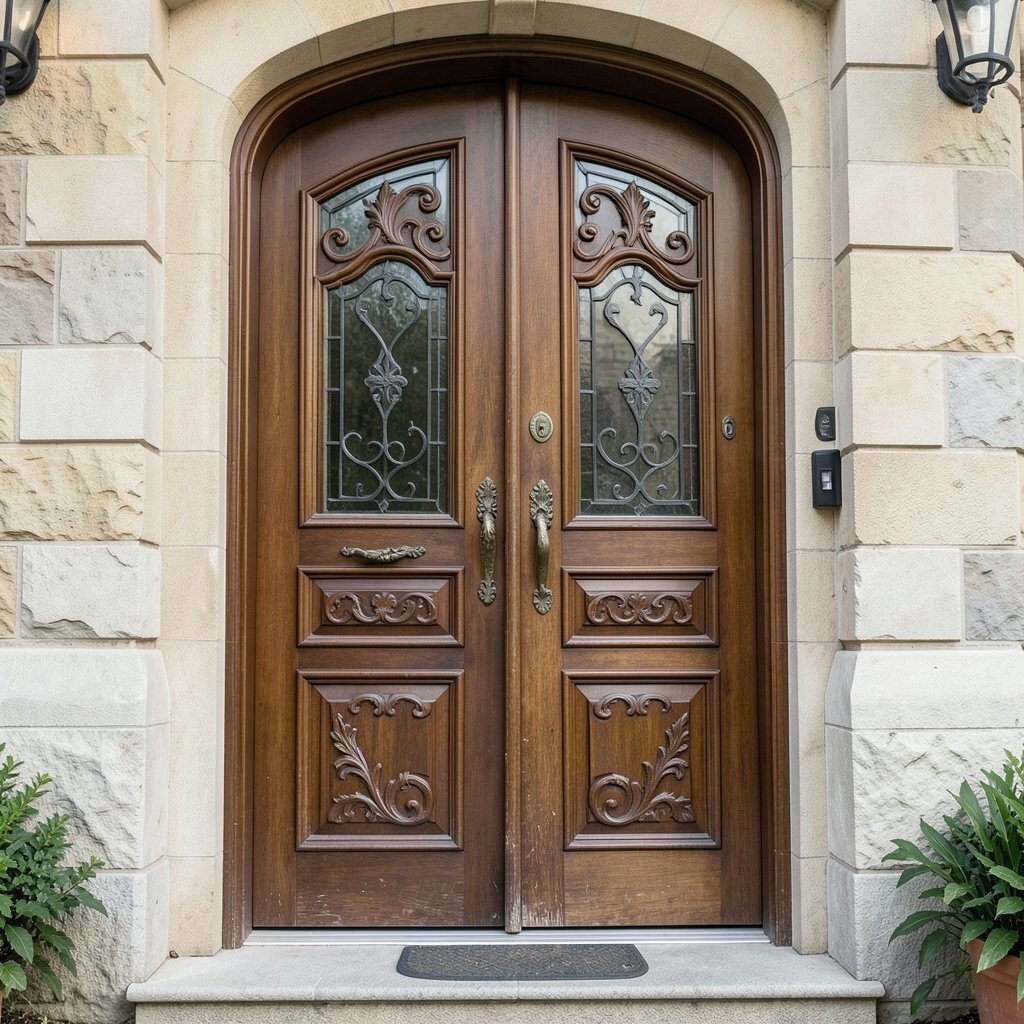
A door that looks like art may not work well for real life if it is too heavy or hard to open. If family members have to wrestle with it each day, the charm wears off quickly.
Test the swing, handle height, and latch before you buy, and think about who uses the door most. A smooth-open design can feel fancy in a quiet way, and it may cost less to maintain than a very heavy custom build.
Good design should make life easier, not harder. A door that opens with ease and still looks special can become one of the nicest parts of the home.
7. Using the Wrong Color
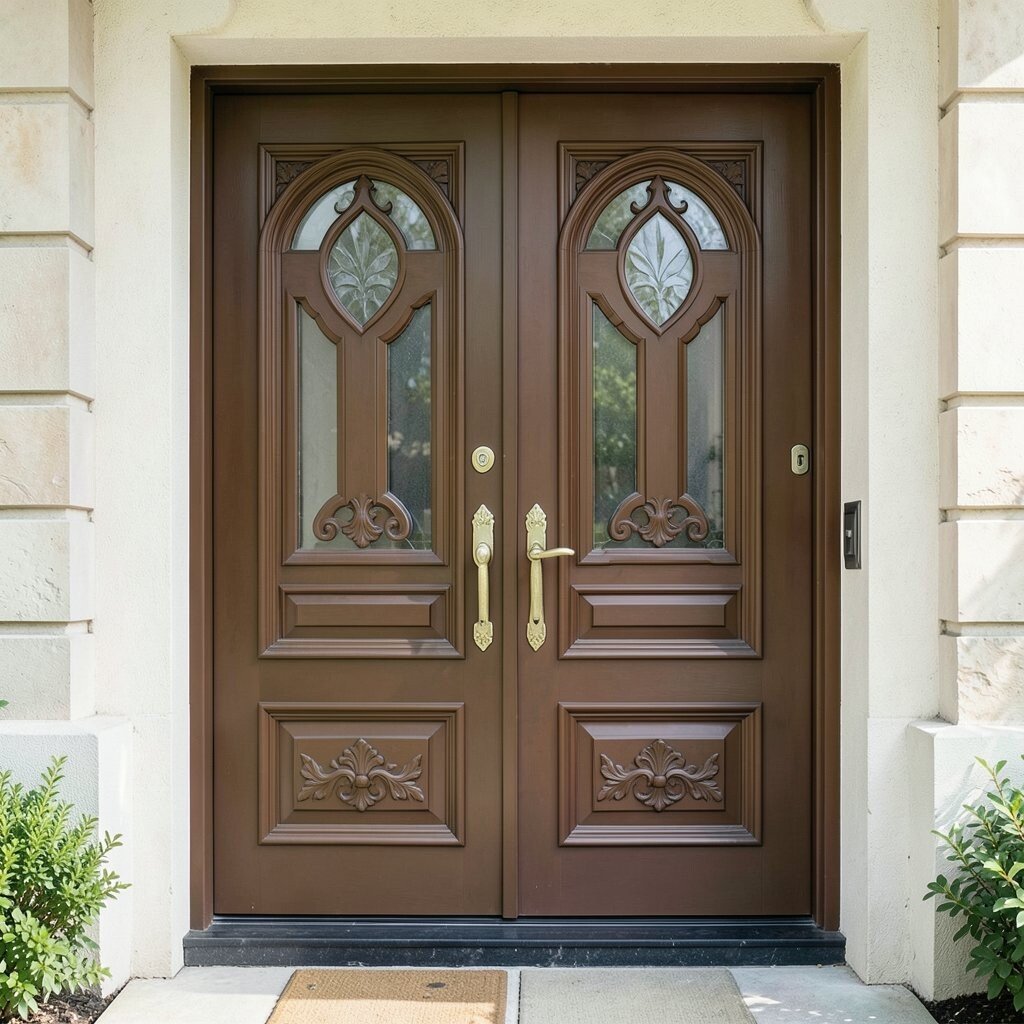
The wrong color can flatten a fancy door that should stand out. A bright tone may look fun in the sample, but it can fight with brick, siding, or stone once it is on the house.
Try paint swatches in daylight and shade before making a final choice. Deep greens, warm blacks, and soft blues are popular now because they feel fresh, and repainting later is usually cheaper than replacing the whole door.
If you want a more personal look, match the color to a favorite chair, vase, or front porch cushion. Small ties like that can make the entry feel planned and welcoming without adding much cost.
8. Overlooking the Hardware
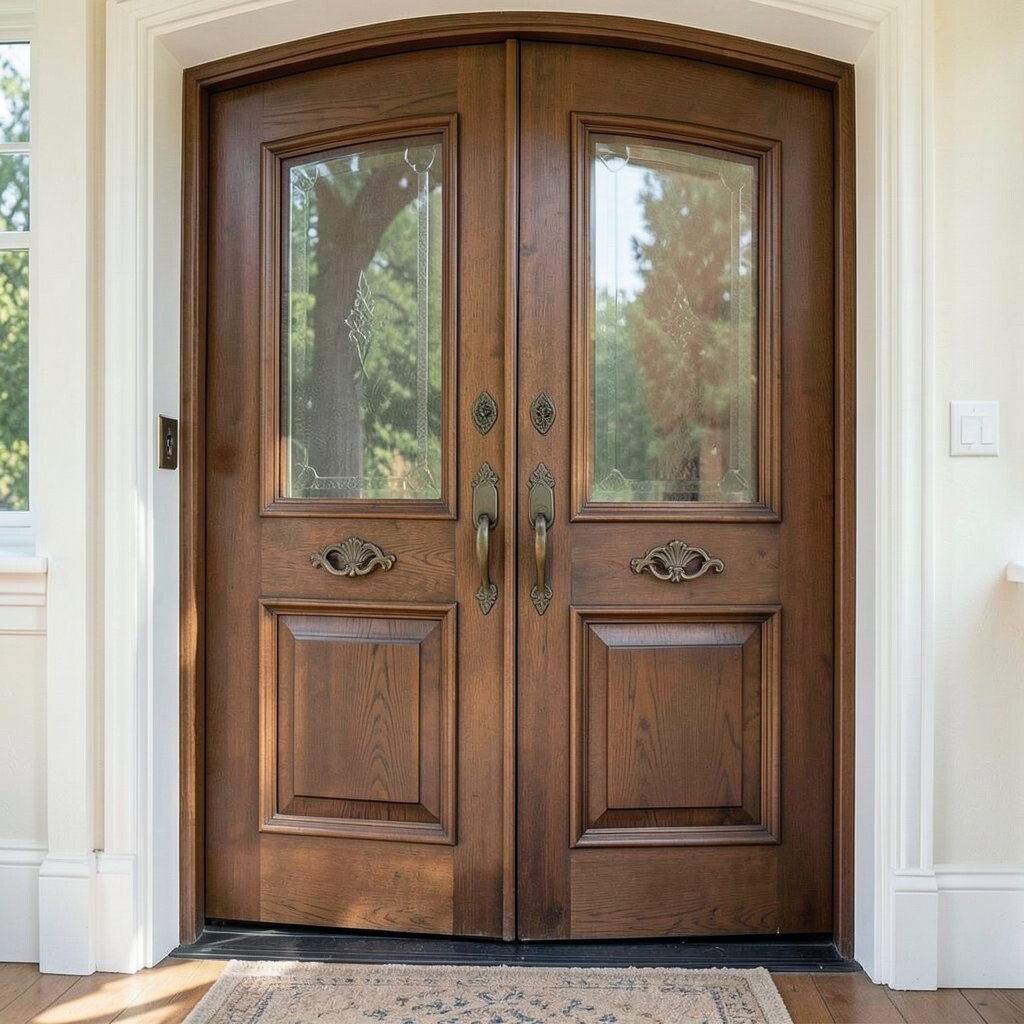
Handles, knockers, hinges, and plates can make a fancy door feel finished or leave it looking plain. Cheap hardware on a rich door can stand out in the worst way, especially when the finish does not match the style.
Pick hardware that fits the door’s mood, such as brass for warmth or matte black for a clean modern look. Good hardware can last longer, and spending a little more there often gives a bigger style boost than adding another layer of decoration.
Many homes now use long vertical handles because they feel sleek and current. That simple shape can also be easier to grip, which is a nice practical win.
9. Letting Glass Reduce Privacy
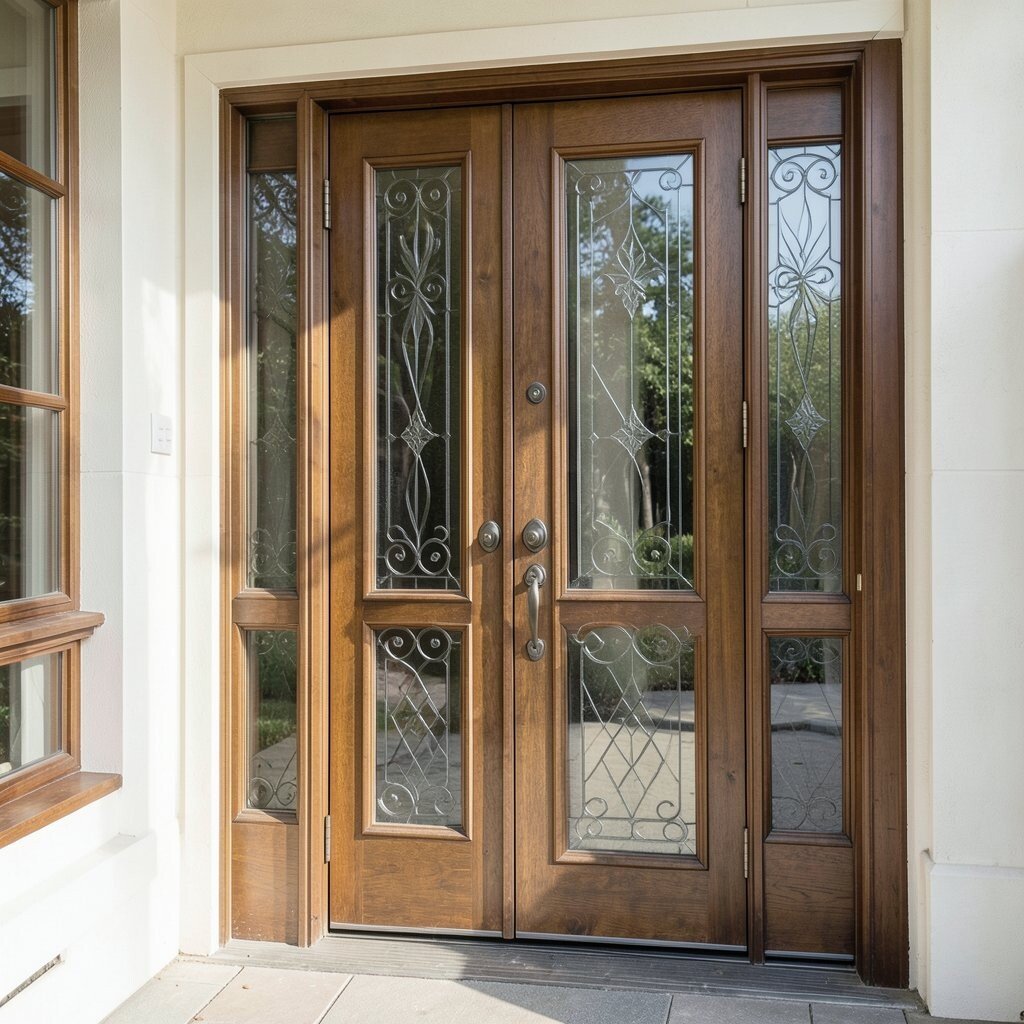
Glass can make a fancy door glow with light, but clear panes can also put your home on display. If people can see straight in, the door may feel less comfortable even when it looks lovely from outside.
Use frosted, ribbed, seeded, or patterned glass to keep the bright look while softening the view. These styles can feel unique and expensive, and they often cost less than filling a whole door with heavy custom materials.
Many homeowners like glass with a soft blur because it feels modern and still warm. That choice gives you natural light, curb appeal, and a better sense of privacy all at once.
10. Forgetting the Interior Side
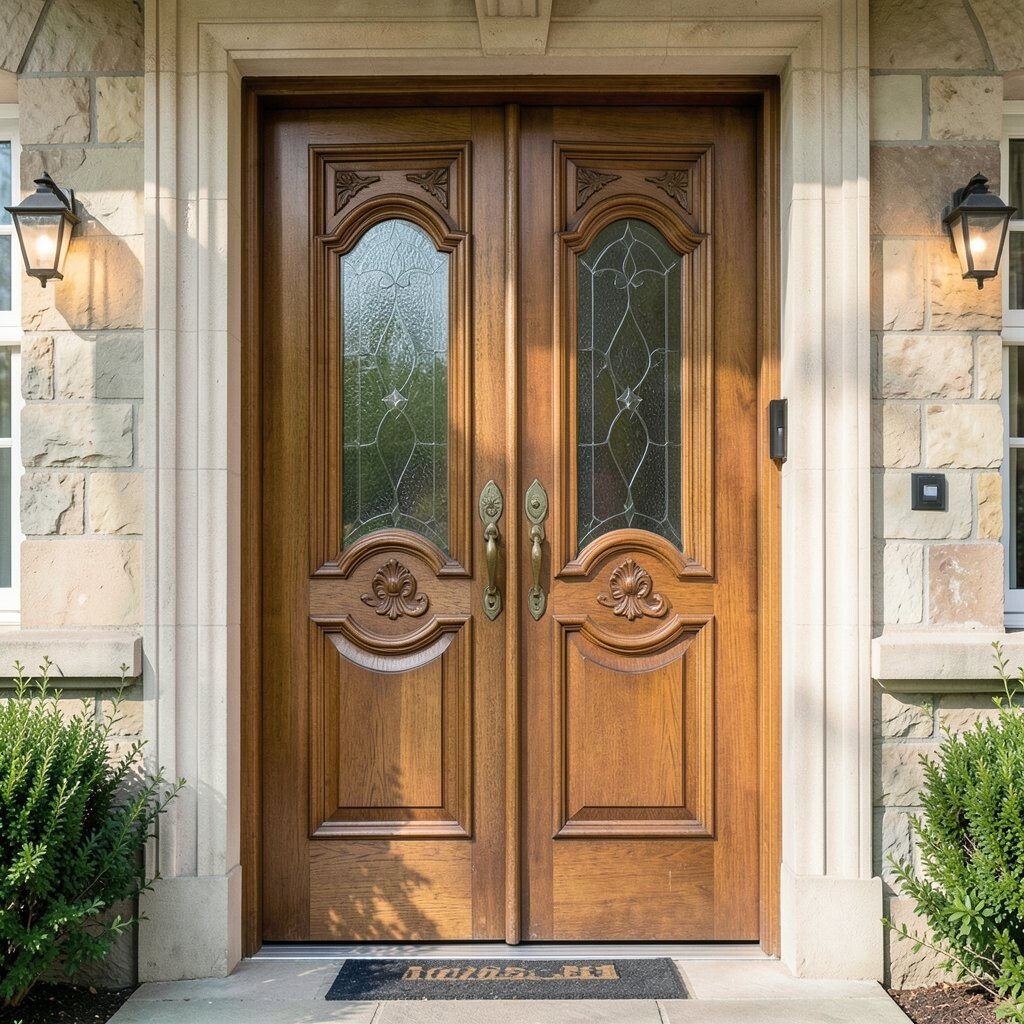
The outside may be stunning, yet the inside of the door matters just as much. A fancy front door that feels plain, rough, or mismatched indoors can break the charm every time you walk in.
Think about both sides when you choose the finish, panel style, and trim. A cleaner inside surface can make the home feel calmer, and sometimes a two-tone design gives you style without a big extra cost.
You can also add a mirror, art, or a slim bench near the entry to tie the indoor view together. That small touch can make the whole space feel more personal and polished.
11. Choosing Hard-to-Clean Details
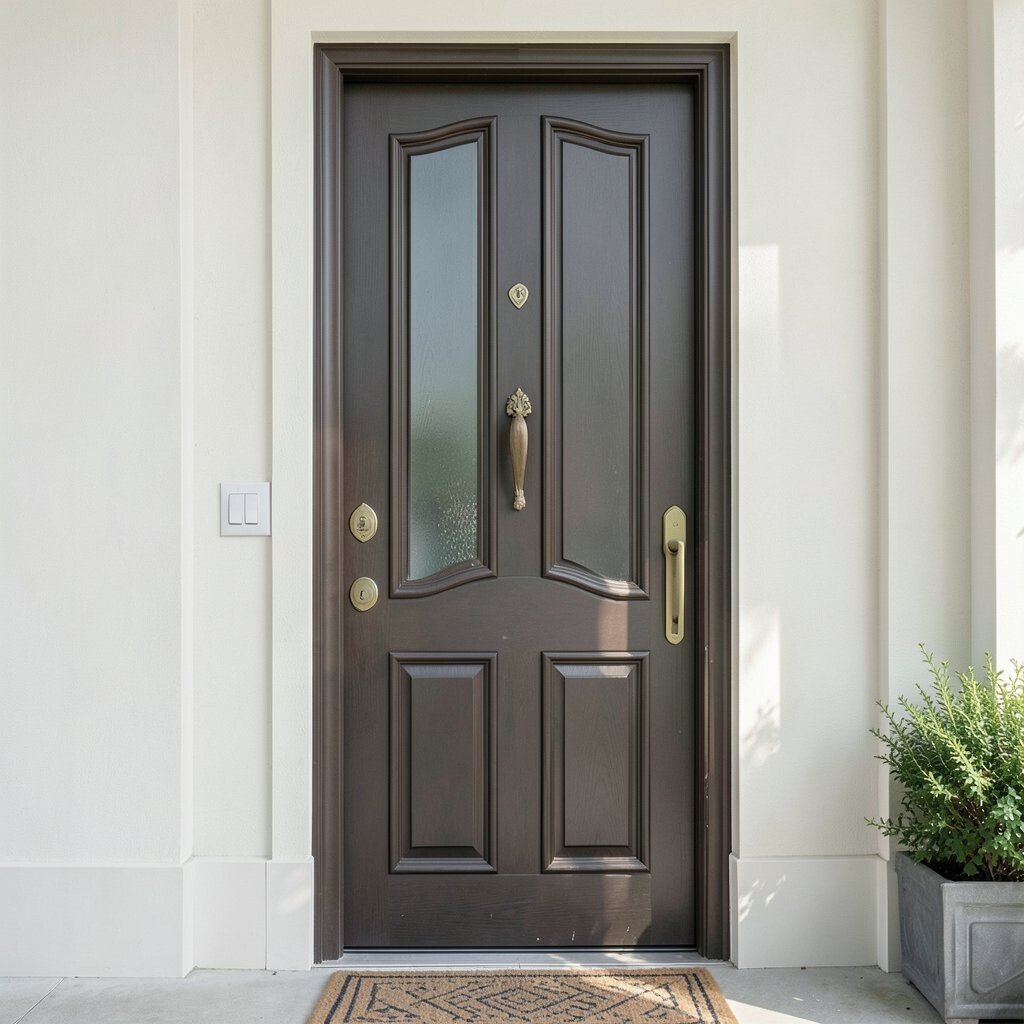
Deep grooves, tiny cuts, and lots of little metal parts can look amazing in photos. In daily life, though, they can trap dust, water spots, and dirt that make the door harder to enjoy.
Pick details that suit your cleaning habits, not just your eyes. A smooth finish or a design with fewer tight corners may cost about the same as a fussy one, and it can save a lot of time later.
Many current door styles lean toward simple textures that still feel rich. That kind of look keeps the fancy feel while making weekend cleaning much easier.
12. Forgetting Light and Shadow
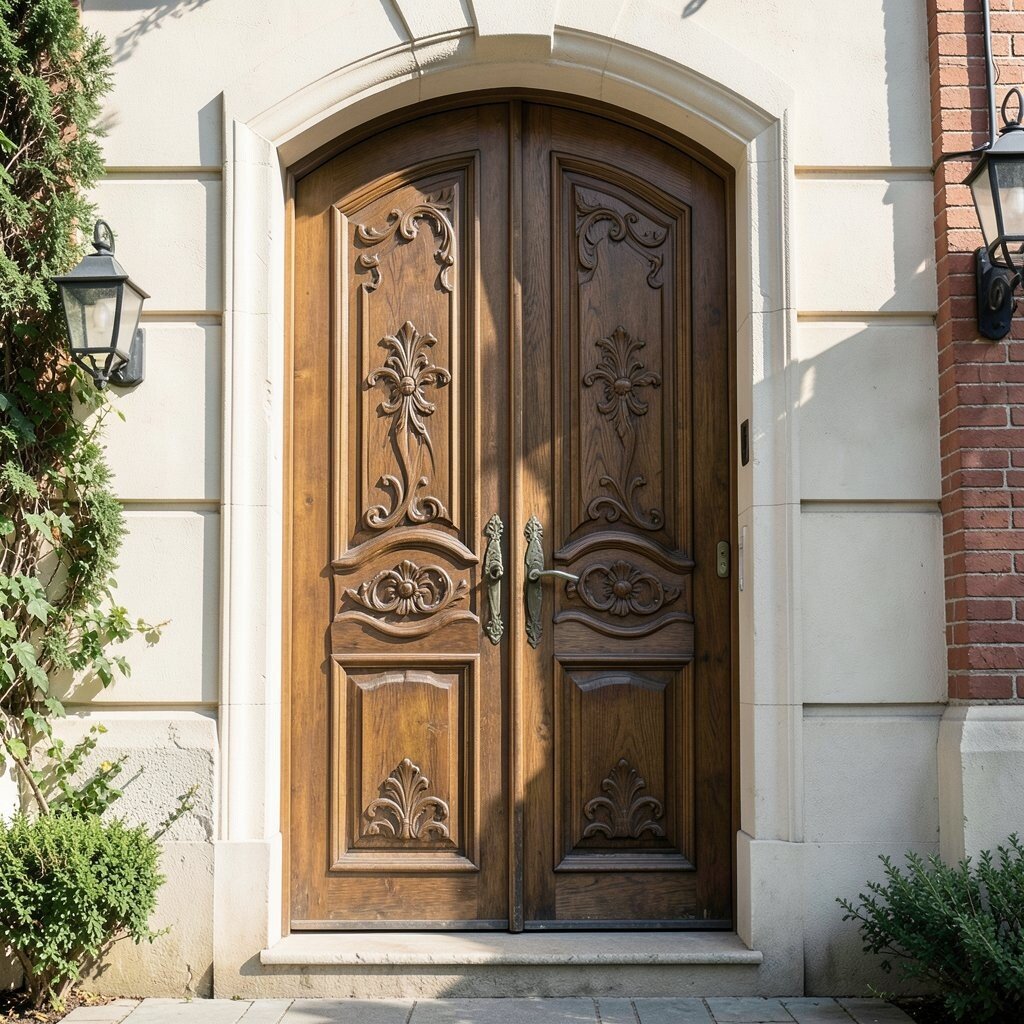
A fancy door changes a lot during the day as sun and shade move across it. A color that looks rich in the showroom may look flat, too bright, or even muddy on your front porch.
Watch how the doorway looks in morning light, afternoon sun, and evening shade before you choose. This helps you pick a finish that always looks good, and it can keep you from spending extra money on a second paint job later.
Doors with raised panels or slim glass inserts often look best when they catch natural light. That play of shadow can make a simple door feel special without adding more parts.
13. Making the Entry Too Dark
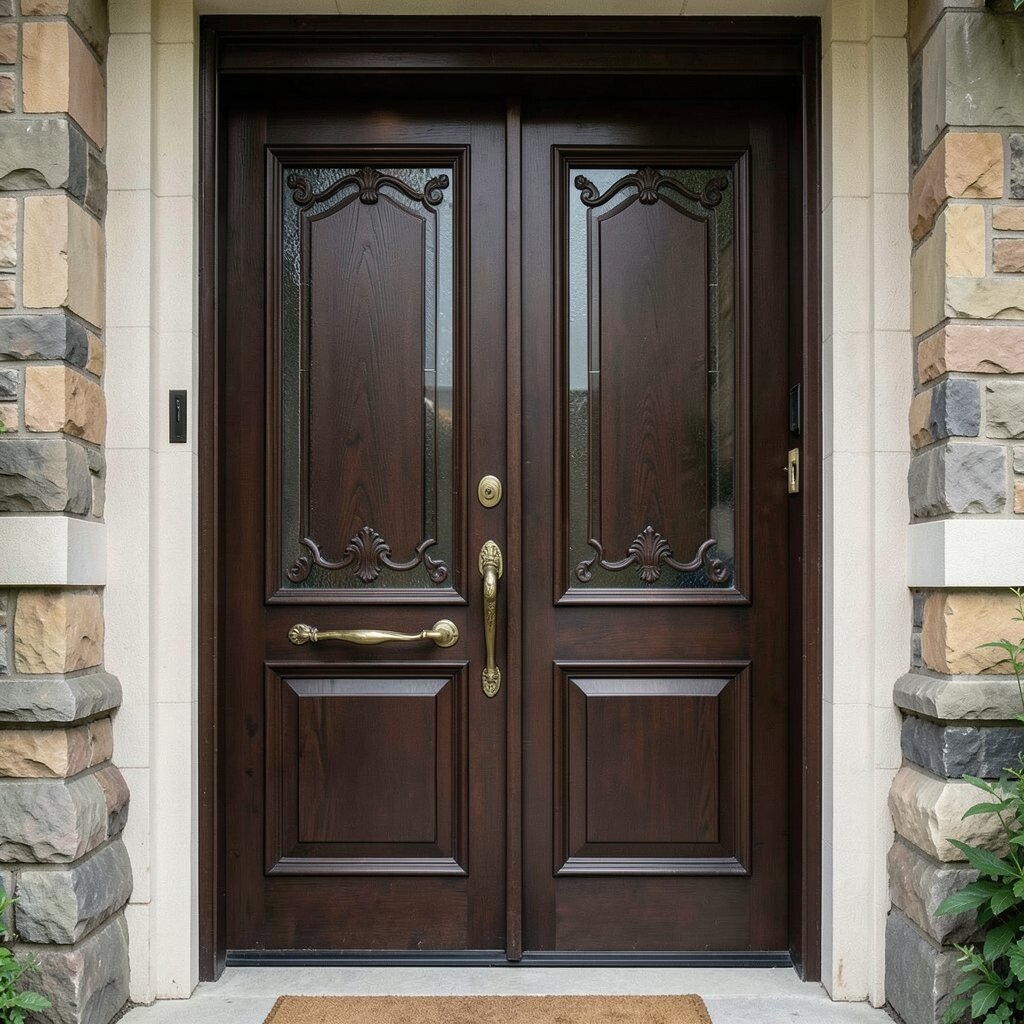
Some fancy doors are so solid and dark that the entry feels closed in. Even a beautiful door can make a home feel smaller if it blocks too much light.
Use sidelights, a top window, or lighter tones if the porch needs more brightness. These touches can make the doorway feel open and friendly, and they may be a smarter use of money than choosing a heavier door that gives no light at all.
Glass with a soft pattern can be a good middle road. It keeps the entrance bright while still holding onto a private, custom feel.
14. Matching Everything Too Closely
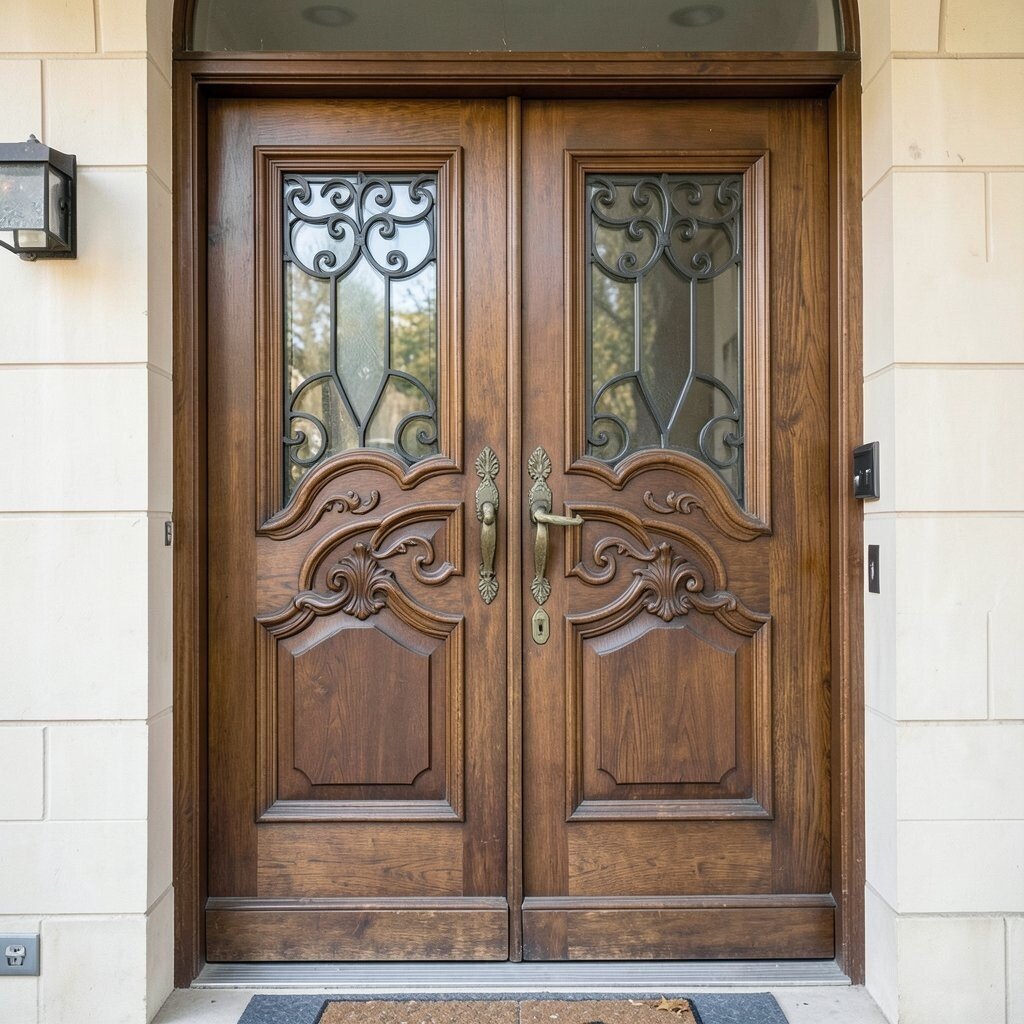
A fancy door does not need to copy every other part of the home. If the trim, shutters, mat, and door all match too closely, the entry can look stiff and flat.
It is often better to let one piece lead and use the rest as quiet support. A door with its own color or texture can feel more unique, and you can usually keep the budget in line by using simple accessories around it.
Many stylish homes now mix soft contrast with clean lines. That gives the eye something fun to see without making the front feel crowded.
15. Buying Without Thinking About Climate
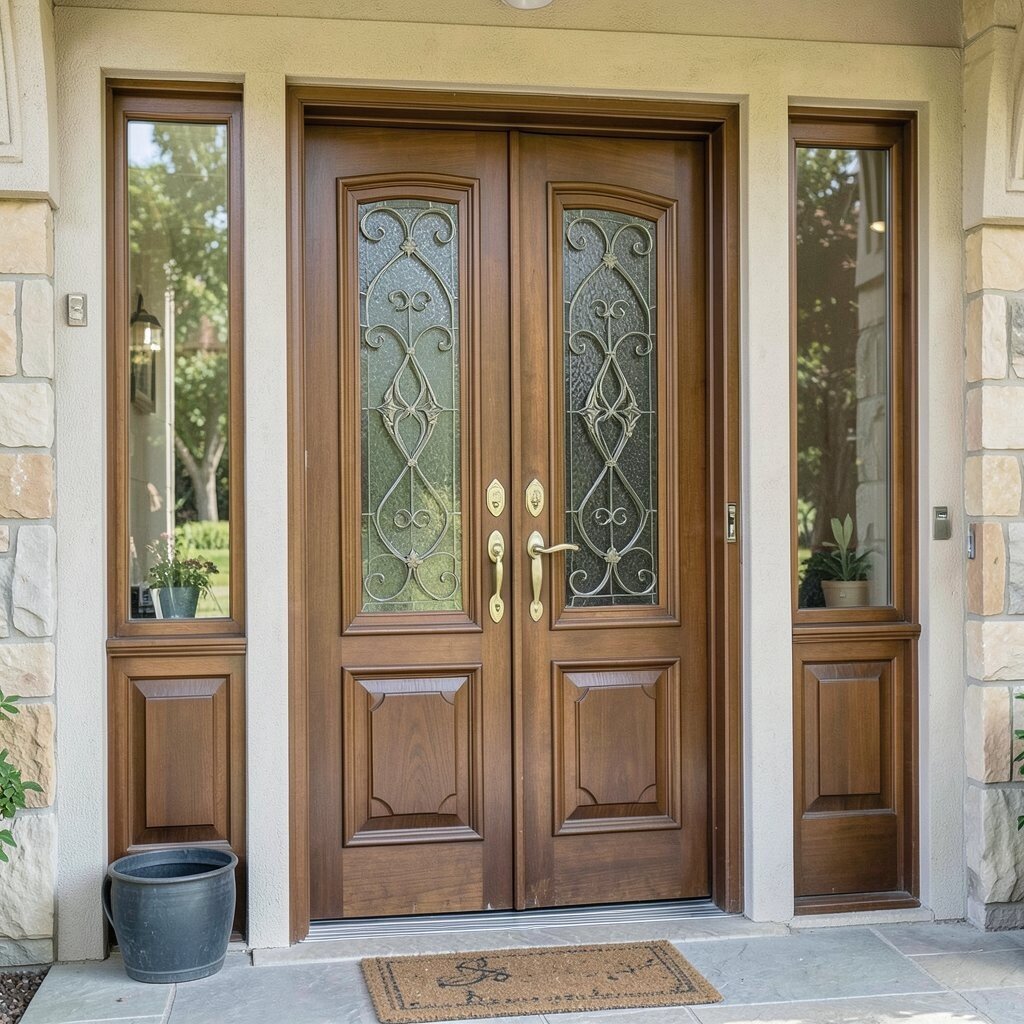
A door that works well in one place may fail fast in another. Hot sun, salty air, cold winters, or heavy rain can all affect wood, metal, and finish in different ways.
Choose materials that fit your weather, and ask how much care each one needs. A door that suits the climate can hold its beauty longer, and the right choice can save on future repair costs that sneak up over time.
Some current finishes are made to fight fading and moisture, which helps a lot in tough weather. That kind of smart pick can still look luxurious while being practical for daily life.
16. Going Too Trendy
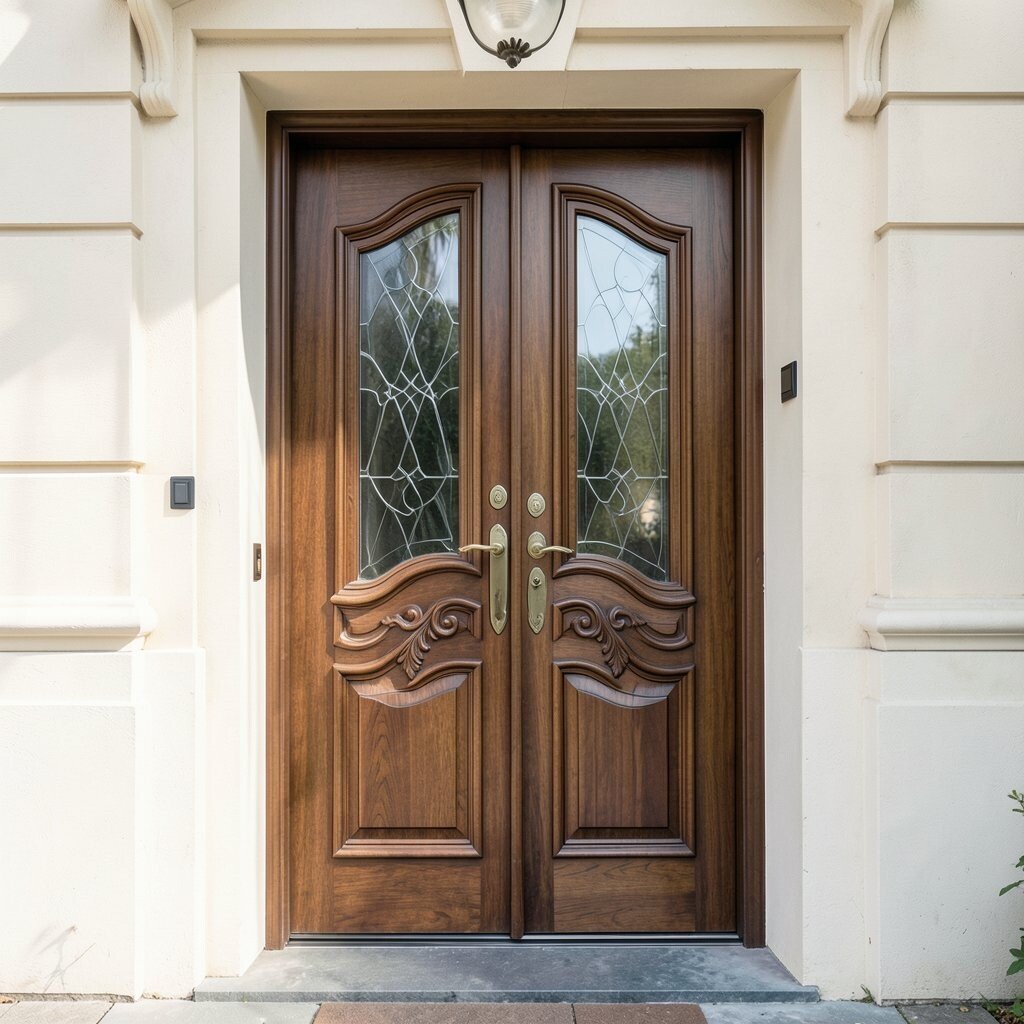
A bold color or unusual shape may feel exciting right now. The problem is that very strong trends can age quickly, leaving the door looking dated before you expected.
Use trends in small ways, like on the handle, glass pattern, or paint shade, while keeping the main structure classic. This makes it easier to update later without a huge bill, and it keeps the door feeling special instead of rushed.
Simple forms with one modern touch are popular because they hold up well over time. That balance gives you a fresh look today and less regret tomorrow.
17. Overpaying for Looks Alone
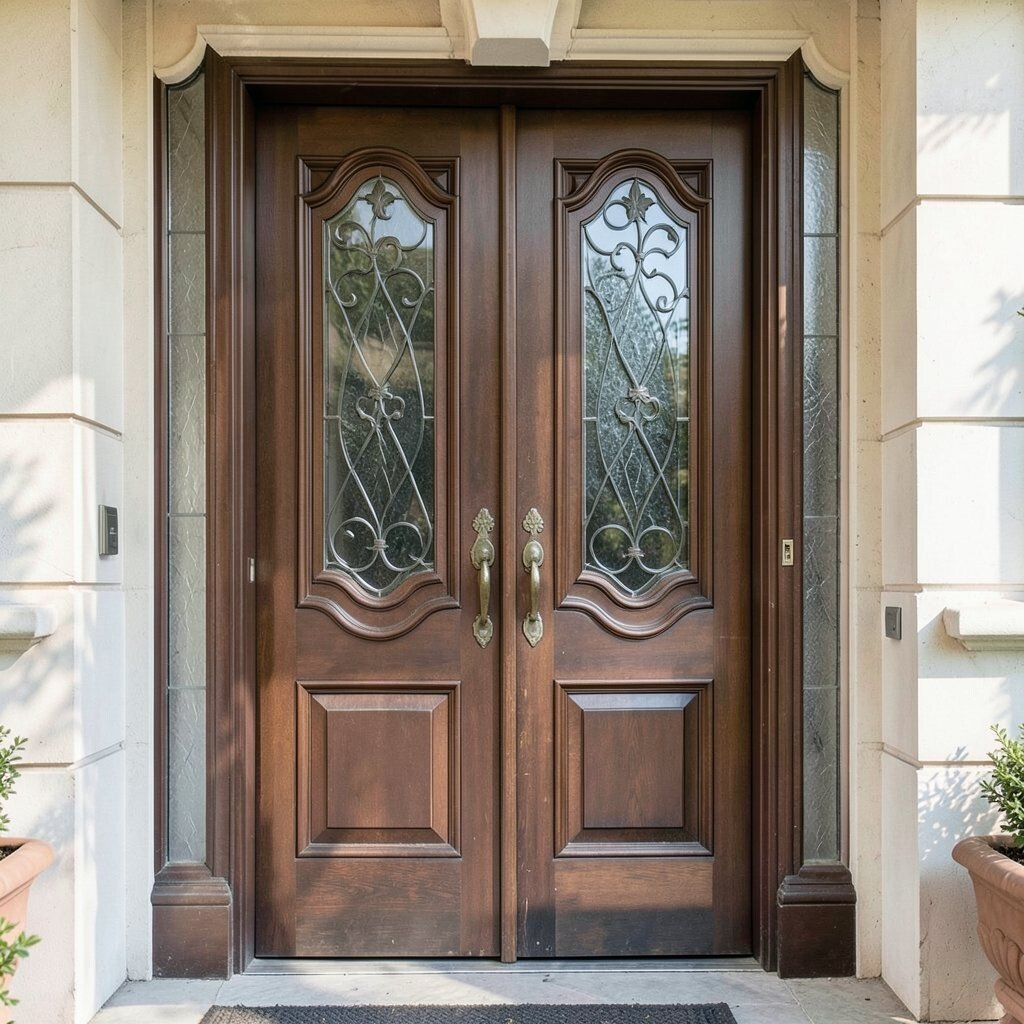
It is easy to fall for a stunning door without asking what you are really getting. A high price does not always mean better wood, stronger glass, or longer life.
Compare materials, finish quality, and warranty before you buy. Sometimes a midrange door with good details gives you the same rich look for less money, which leaves room in the budget for better lights, paint, or a smart lock.
The best fancy doors often feel thoughtful rather than loud. That kind of value can be just as impressive as a big price tag.
18. Ignoring the Threshold and Frame
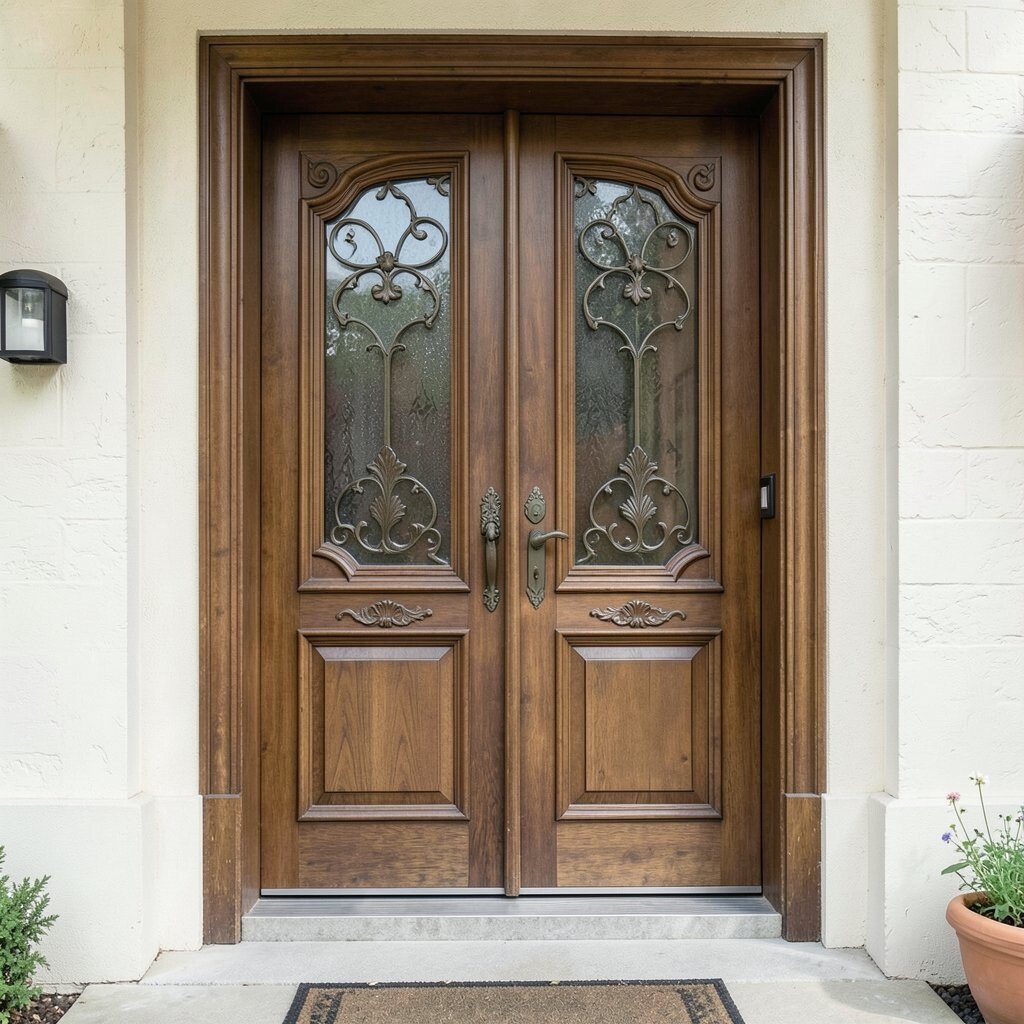
A fancy door can look complete on its own, but the frame and threshold must also be in good shape. If those parts are worn, the door may leak air, squeak, or feel crooked even when it is brand new.
Check the whole opening, not just the door slab. Fixing the frame early can protect your investment, and it is often cheaper than dealing with water damage or a second install later.
When the trim lines are neat and the threshold is solid, the whole entry feels more polished. That clean finish helps the door look more custom and well loved.
19. Forgetting Personal Style
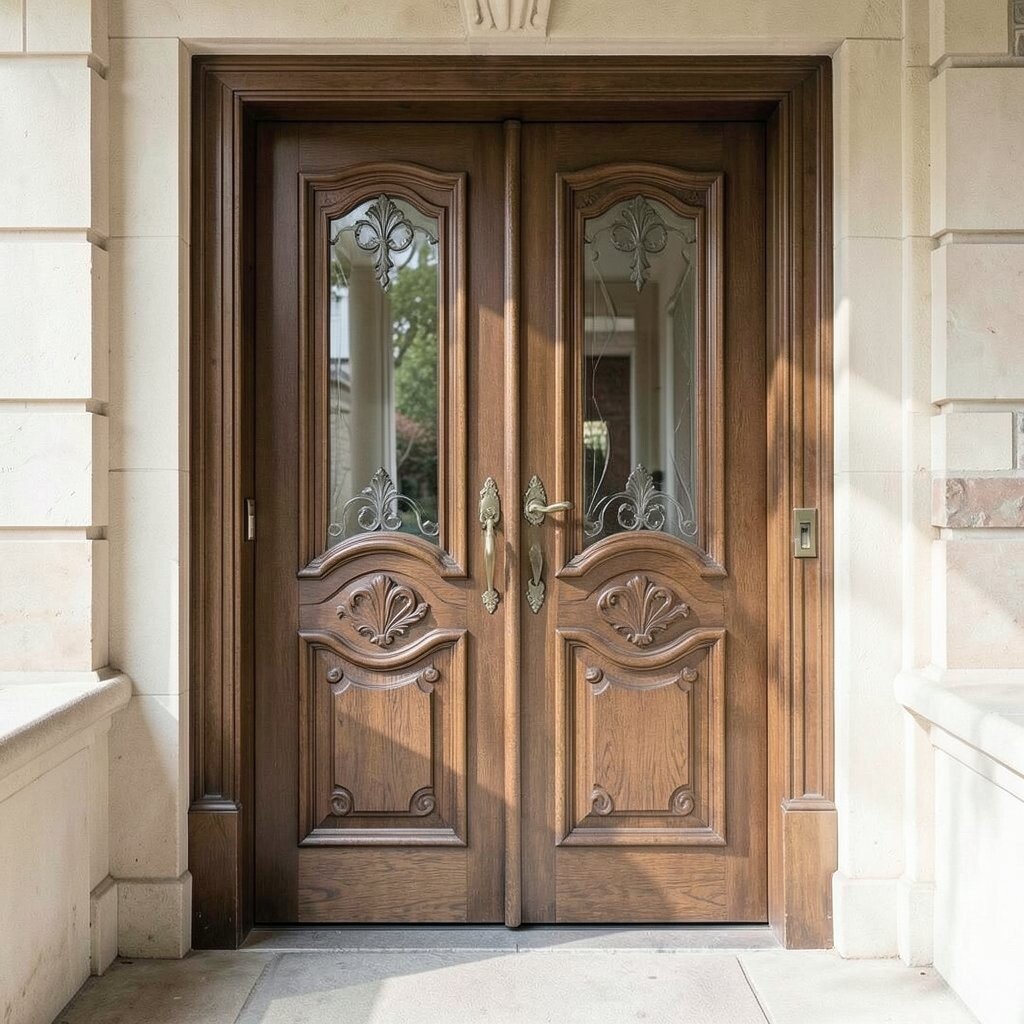
Some people choose a fancy door because it looks expensive, not because it feels like home. The result can be lovely but a little cold, as if the door belongs to a photo instead of a real family.
Add small personal touches through color, glass shape, or hardware that fits your taste. Those details can make the door feel warm and one of a kind, and they often cost far less than a full custom design.
A front door should greet people with a bit of your story. When it reflects your style, the whole house feels more inviting from the first glance.
20. Skipping Professional Help When Needed
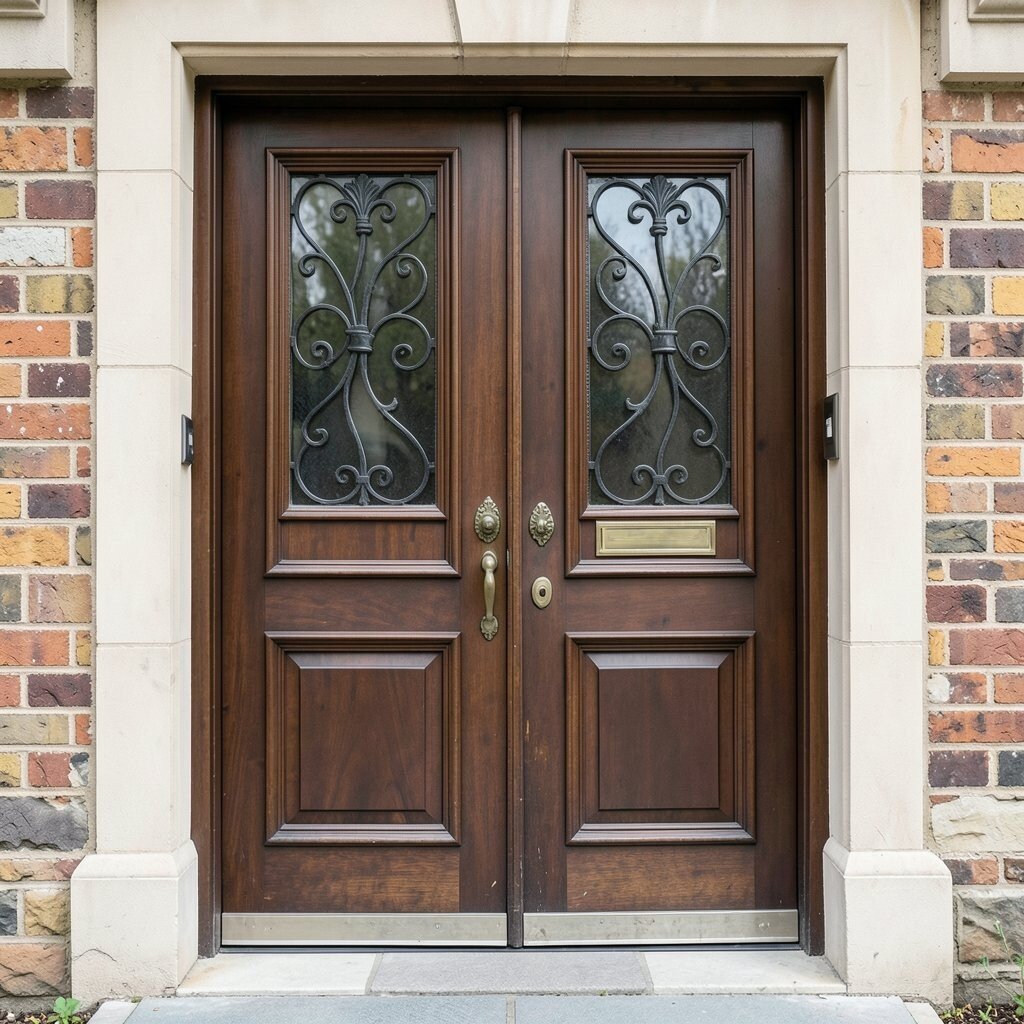
Fancy doors can be tricky, especially when they are heavy, custom sized, or full of special glass. Trying to force the job on your own can lead to gaps, damage, or a door that never works right.
Hiring a skilled installer can protect the door’s look and make it last longer. That service adds to the cost, but it often saves money by preventing mistakes that are hard to fix later.
It is also a good way to get advice on fit, finish, and current design ideas. With the right help, your door can stay beautiful, work smoothly, and feel like a smart choice every day.