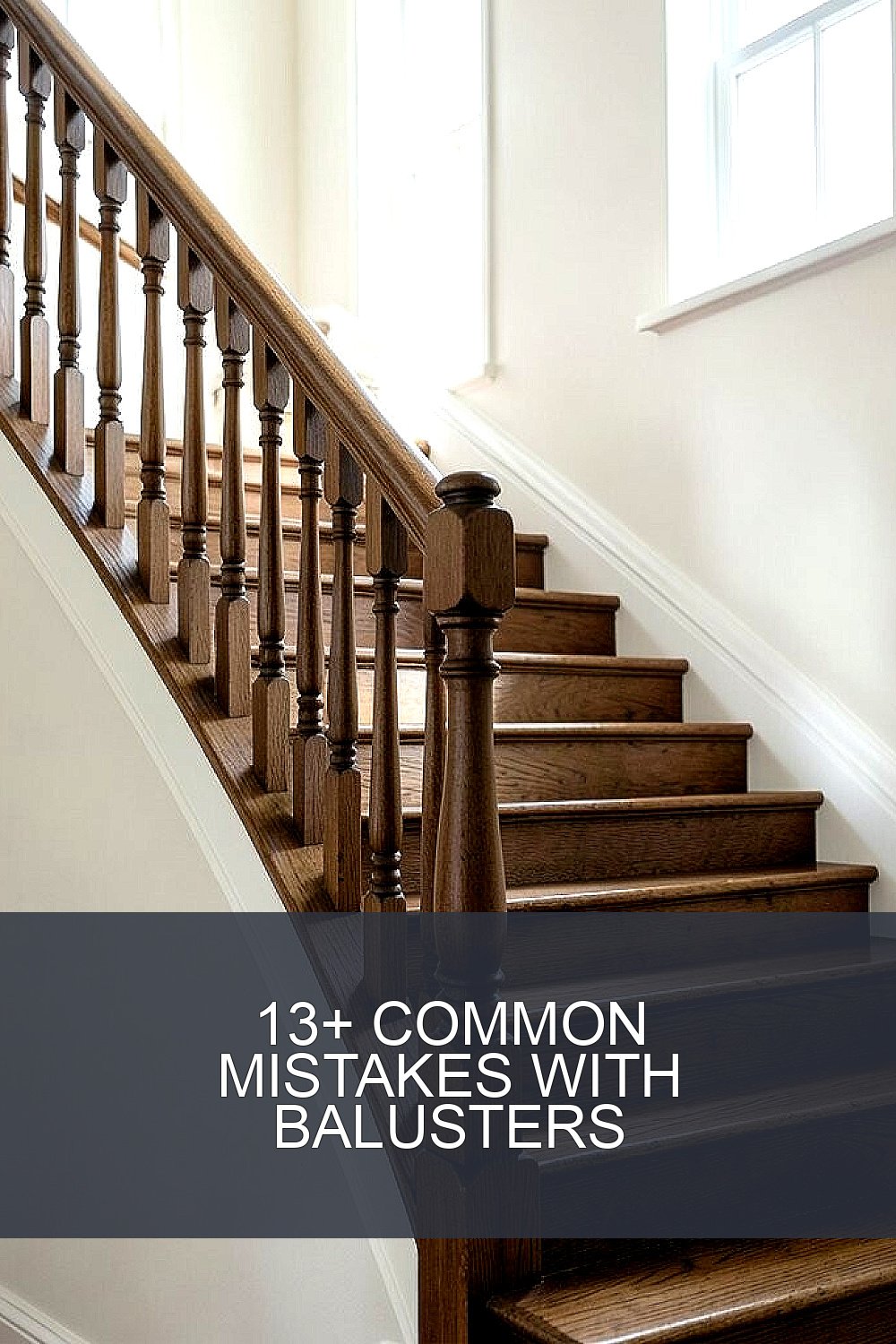
Timeless balusters can make a stairway feel elegant right away. But a few small mistakes can make them look plain, awkward, or costly.
1. Choosing a Style That Fights the Home
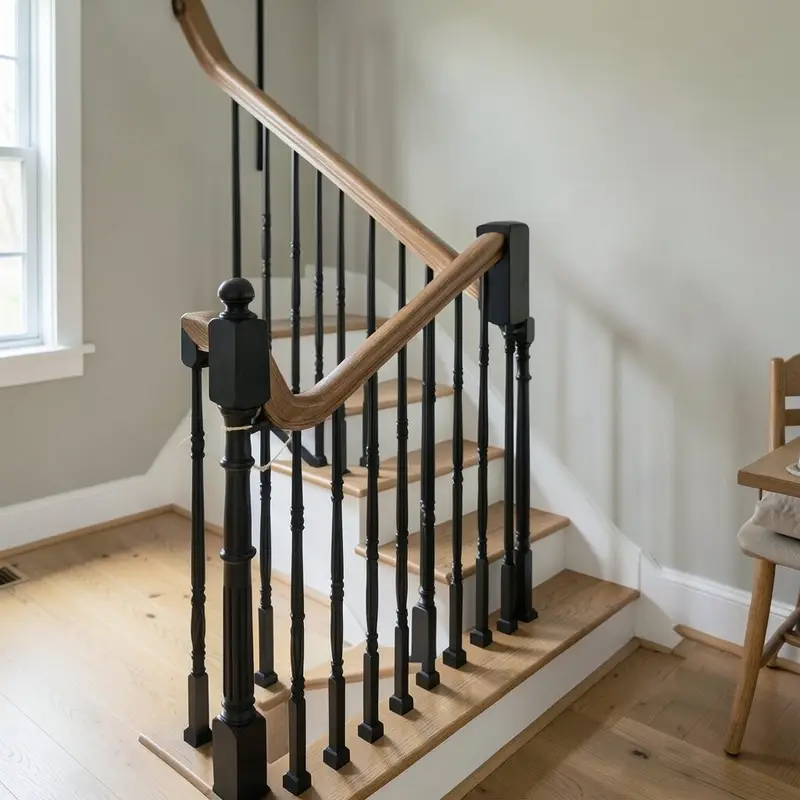
Some balusters look lovely in a showroom but feel out of place at home. A sleek black metal set may clash with a warm cottage, while a carved wood design can feel too heavy in a clean modern room.
Timeless balusters work best when they echo the home’s shape, color, and mood. Try holding up samples near the stair rail, wall paint, and floor so you can see the full picture. This simple step can save money and help the stairway feel calm, balanced, and truly personal.
2. Ignoring the Scale of the Staircase
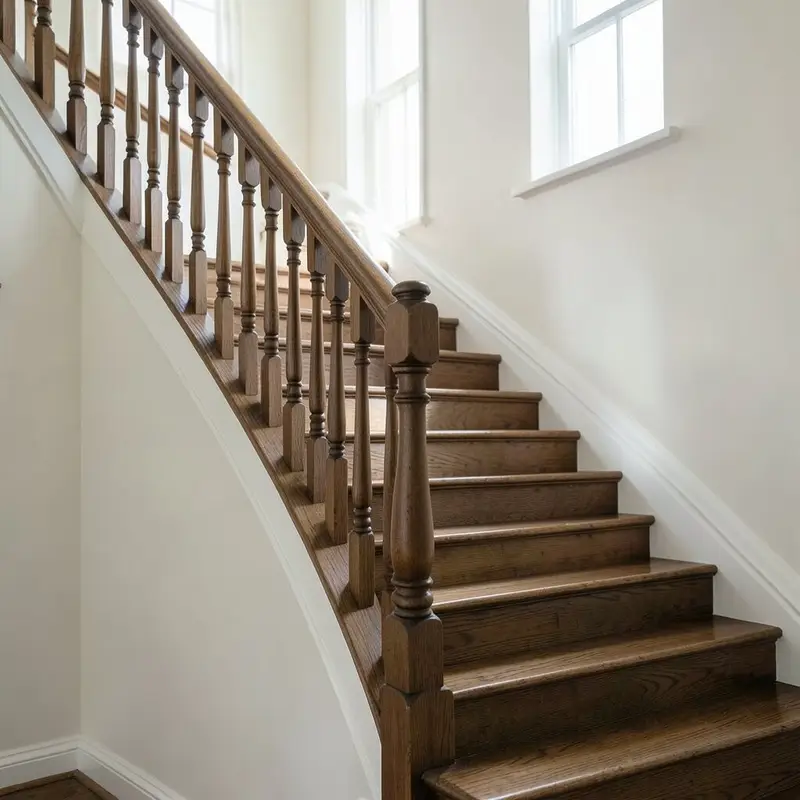
A baluster can be beautiful and still look wrong if it is too thick or too slim. A narrow stairway may feel crowded with chunky posts, while a wide grand staircase can make tiny balusters seem weak.
Scale matters because it affects both looks and comfort. Measure the space, then compare the width of the rail, the tread size, and the open area between posts before you buy. If you want a custom feel without a huge price tag, mix standard parts with a few upgraded details at key spots.
Good scale also helps the eye move smoothly up the stairs. That creates a polished look that feels timeless instead of forced.
3. Forgetting About Safety and Code Rules
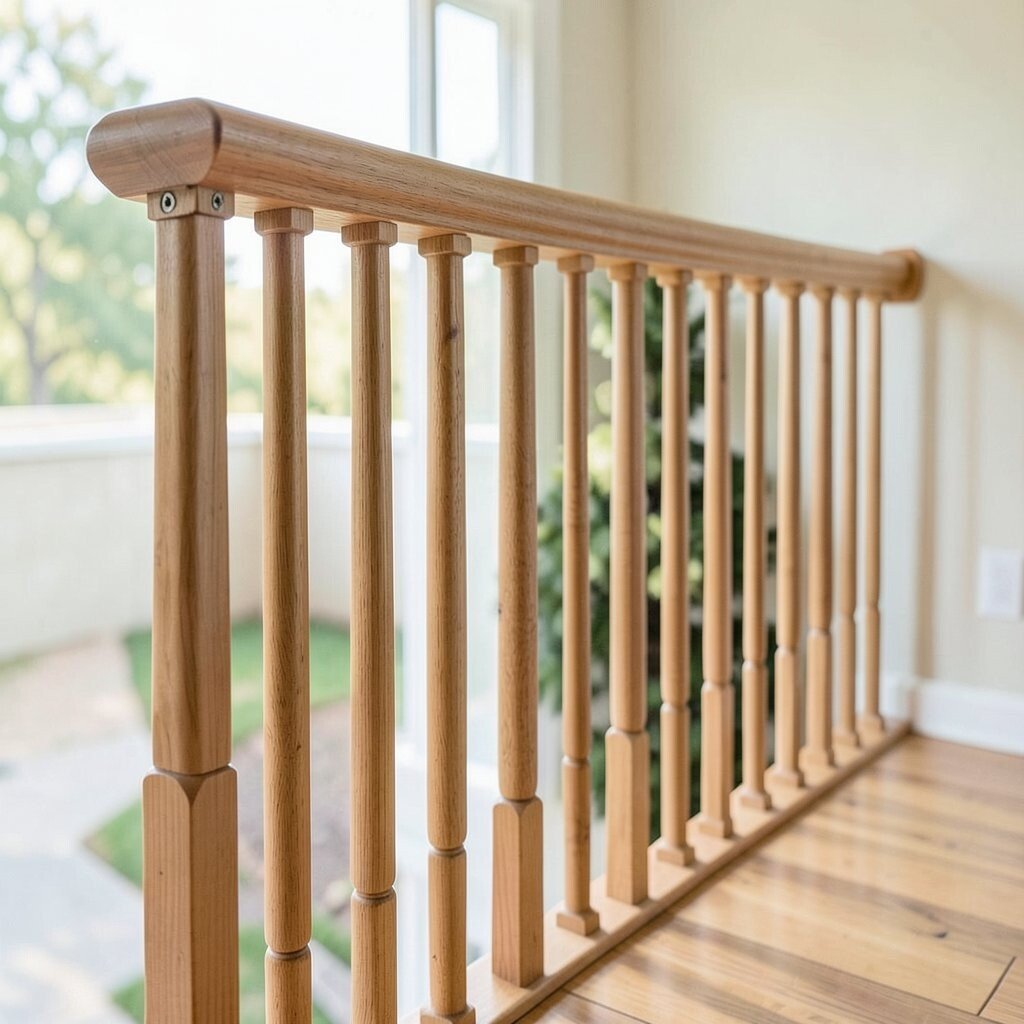
Pretty balusters are not enough if the spacing is unsafe. Small gaps can keep children and pets safer, and strong fastening helps the whole railing feel solid under daily use.
Local code rules may seem dull, but they protect your home and your family. Check the needed height, spacing, and fastening method before you order anything, because fixing a mistake later can cost much more. If you are unsure, ask a pro to review the plan so your design stays attractive and safe at the same time.
Safety can still look stylish. Many current trends use simple vertical lines that feel fresh while still meeting the rules.
4. Picking the Wrong Finish
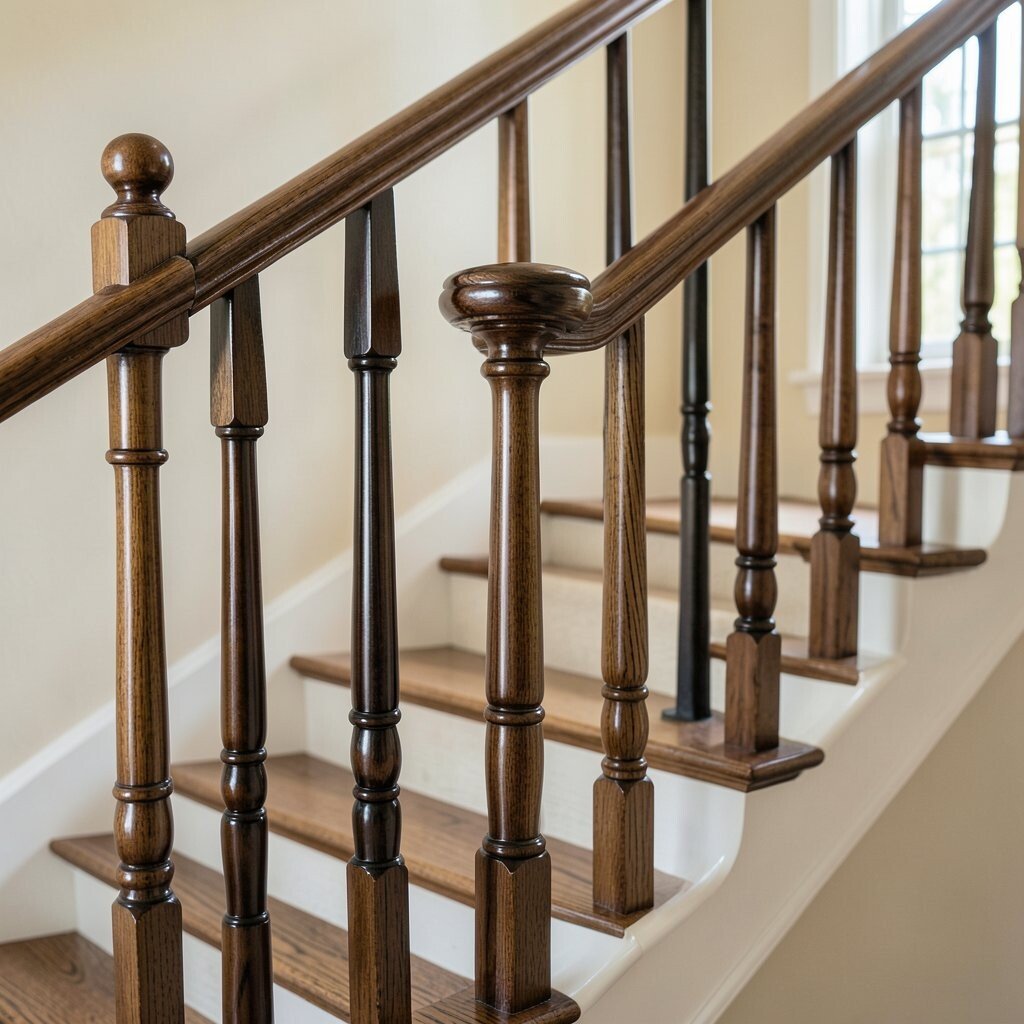
The finish can make timeless balusters glow or make them look flat. Glossy paint may show every fingerprint, while a dull stain can hide the grain that gives wood its charm.
Think about light, traffic, and cleaning before you choose. A family stairway often does better with a finish that wipes clean and hides small marks, while a formal entry may handle a richer, more delicate look. Matching the finish to your life helps the balusters stay beautiful longer and can lower upkeep costs.
5. Skipping the Rest of the Stair Details
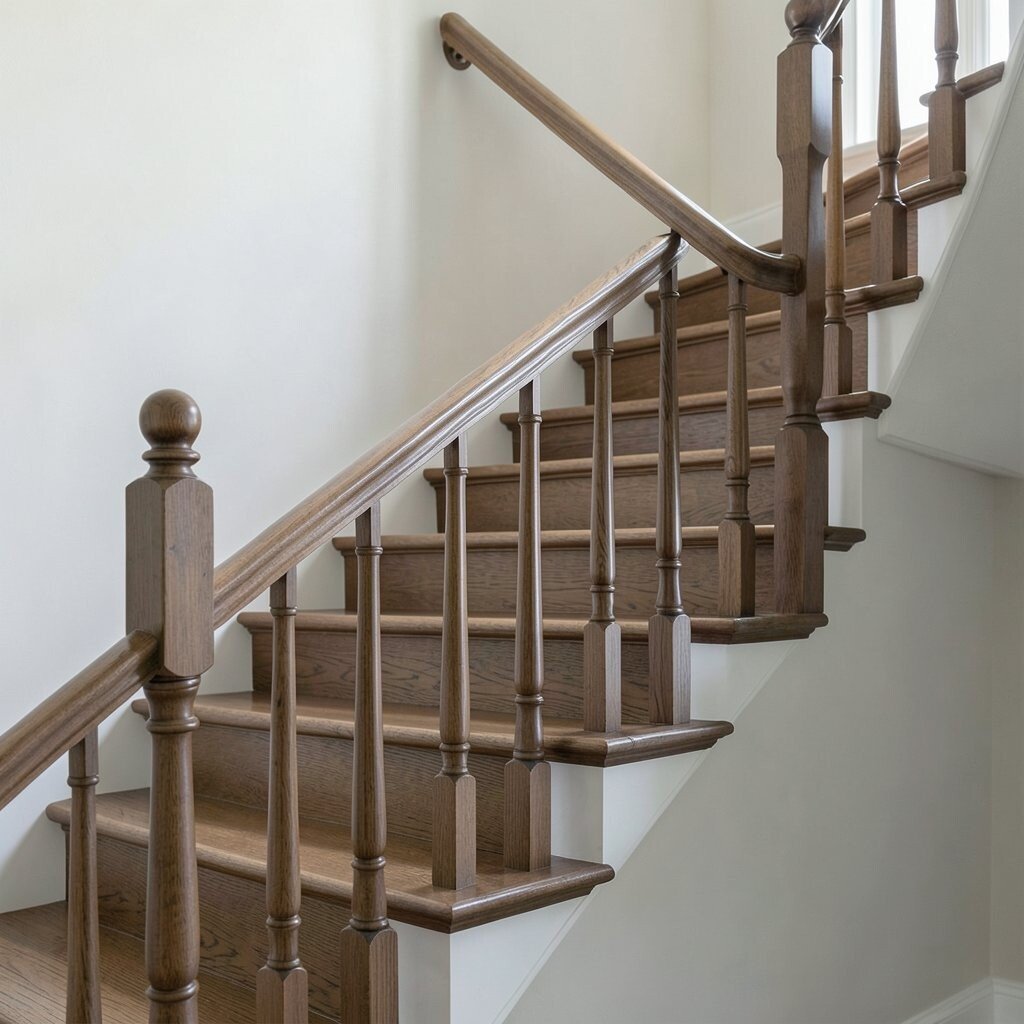
Balusters do not stand alone, even if they are the star of the show. The rail, newel posts, treads, and wall color all shape the final look.
When one part feels off, the whole stairway can seem unfinished. Try to repeat one or two details, like a wood tone or a metal color, so the design feels connected. This is also a smart way to personalize the space without buying a fully custom system.
Small matching touches can make a big difference. Even a simple handrail profile can help timeless balusters feel planned and special.
6. Overlooking Maintenance Needs
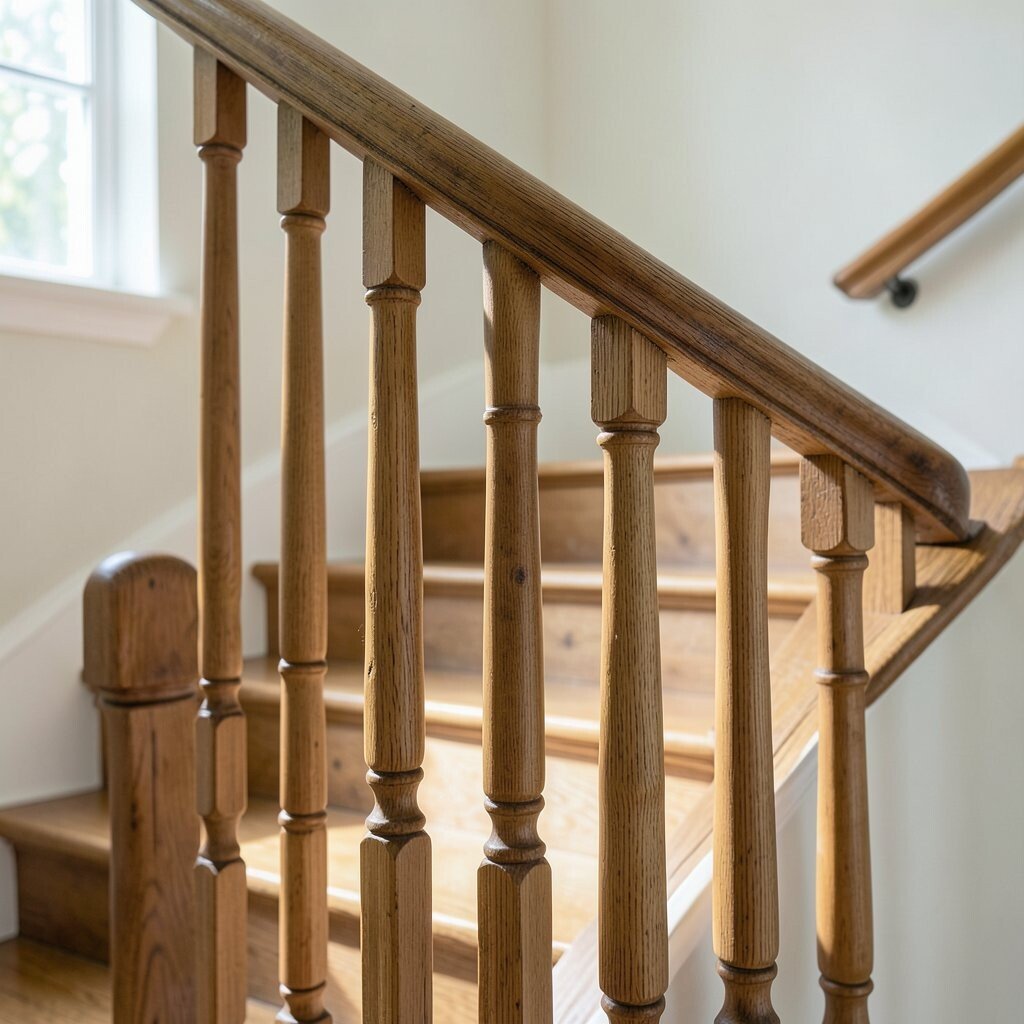
Some balusters need more care than people expect. Painted wood may chip, iron may need rust control, and detailed shapes can collect dust in tiny corners.
If you want a low-stress choice, ask how much cleaning and touch-up work each material needs. Smooth surfaces are often easier to keep neat, which can save time and money over the years. For busy homes, simple forms are often the best blend of charm and ease.
Maintenance also affects how fresh the stairway feels. A well-kept set of balusters can look crisp for a long time.
7. Using Too Many Fancy Details
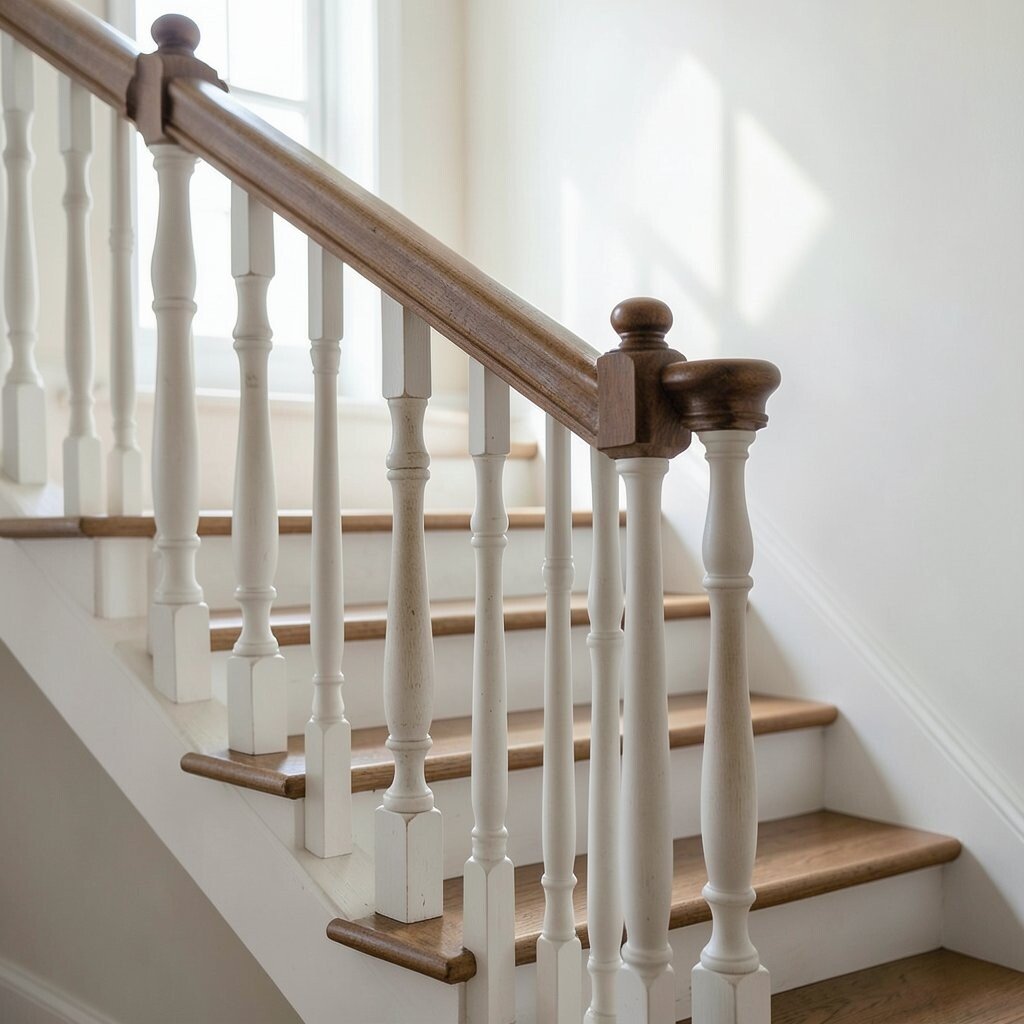
It is easy to fall in love with scrolls, twists, and ornate cutouts. Yet too many extras can make the stairway feel busy instead of timeless.
Classic balusters often shine because they are calm and steady. A clean shape with one special detail can feel richer than a crowded design full of competing parts. If you want a custom touch, choose one accent and let the rest stay simple so the style feels balanced and easy on the eyes.
Less can also be more affordable. Simpler designs often cost less to buy and install.
8. Forgetting the Color Story
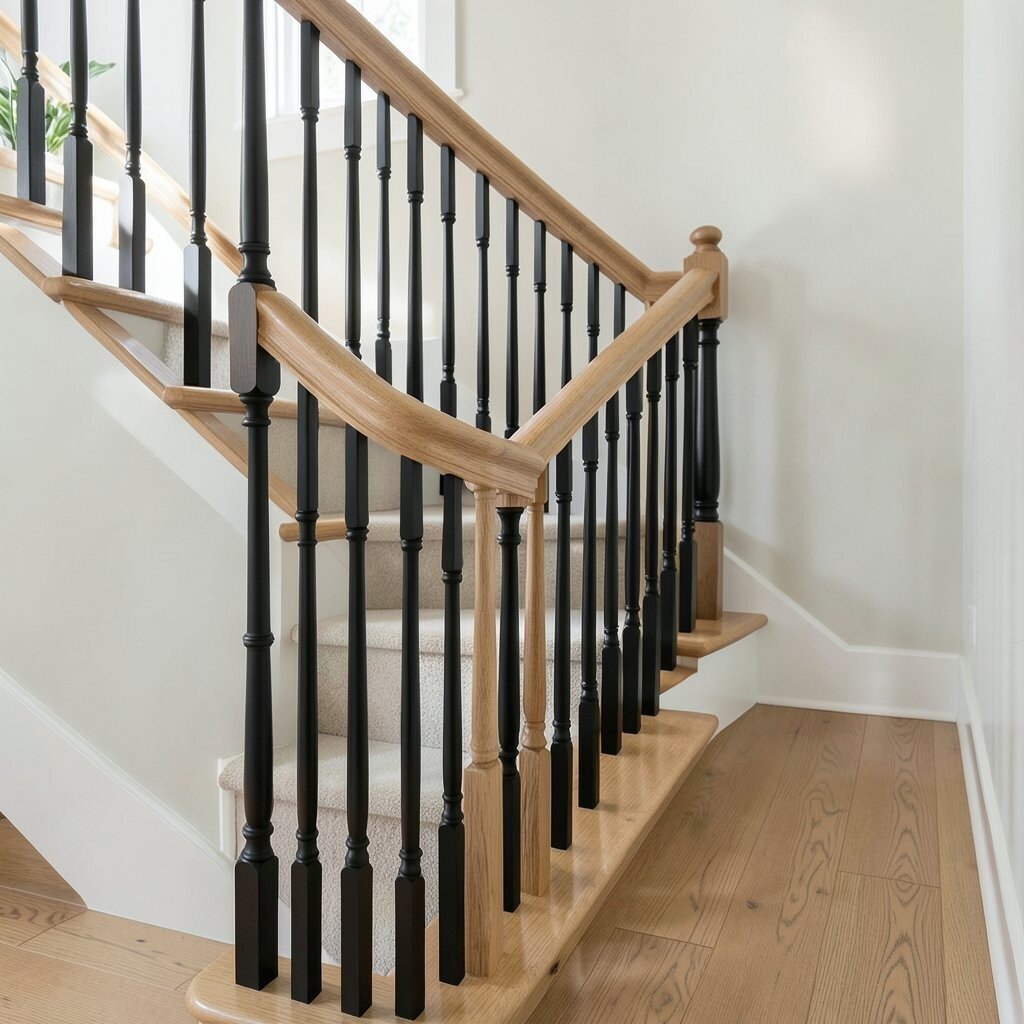
Color can make balusters feel warm, cool, bold, or quiet. If the shade clashes with the floor or wall, the whole stairway may feel disconnected.
Look at the room in daylight and at night before deciding. A soft white can brighten a dark hall, while a deep bronze can add depth near pale walls. Current trends often mix black balusters with light wood rails, but the best choice is the one that fits your home and your taste.
9. Installing Them Without Care
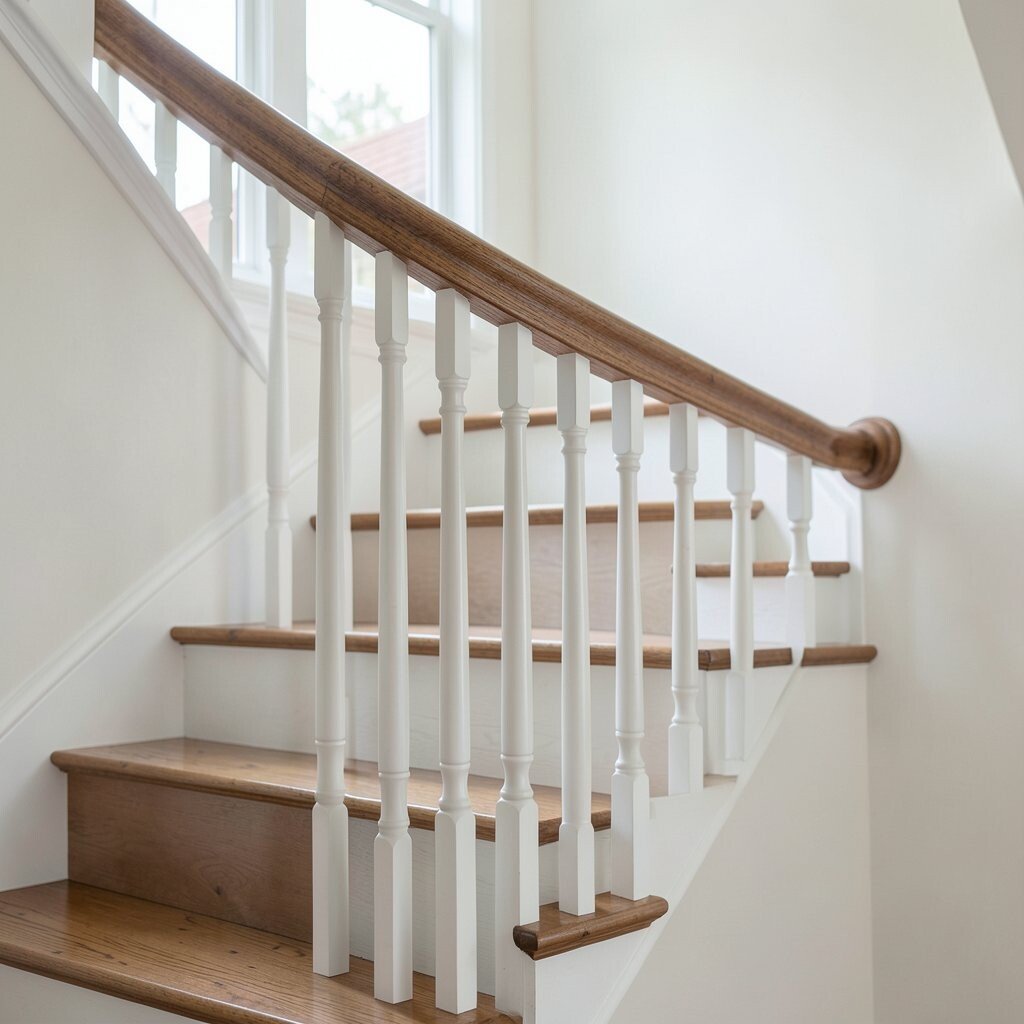
Even the nicest balusters can look sloppy if they are not set straight. Uneven lines, loose joints, and wobbly spacing are easy to spot once the eye reaches the staircase.
Careful installation gives the design its clean, finished feel. Use a level, check spacing again and again, and make sure each piece sits tight before moving on. If the job feels tricky, hiring help can be worth the cost because it protects both the look and the safety of the stairway.
A neat install also helps the balusters last longer. Strong placement means fewer repairs later.
10. Buying Without Seeing Samples
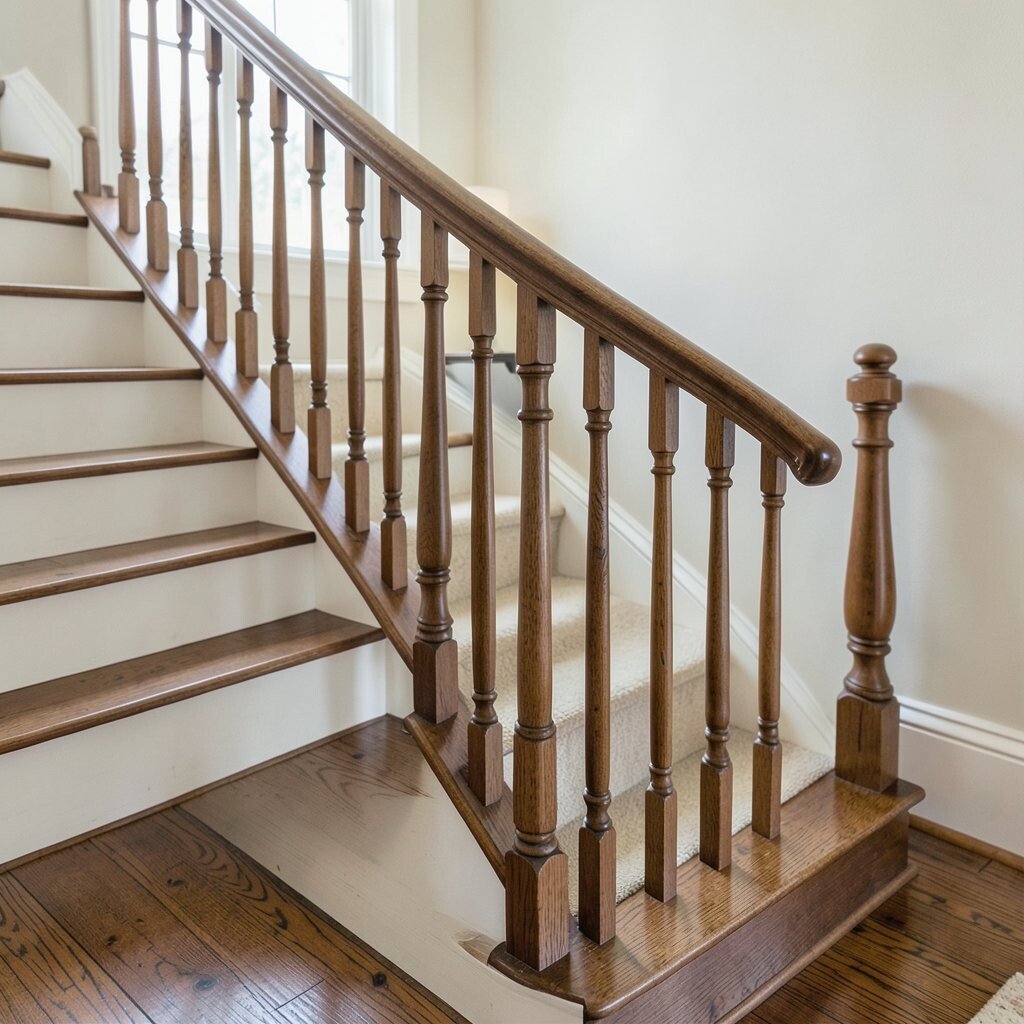
Photos can be tricky, and balusters often look different in real light. A finish that seems warm online may appear cold in your entryway, and a smooth texture may feel rough in person.
Whenever possible, see a sample before you commit. Place it near your stairs, your trim, and your flooring so you can judge the true match. This small step can prevent waste, reduce returns, and help you feel confident about the final style.
Samples also help with personalization. You can compare options and choose the one that feels most like your home.
11. Chasing Trends Too Hard
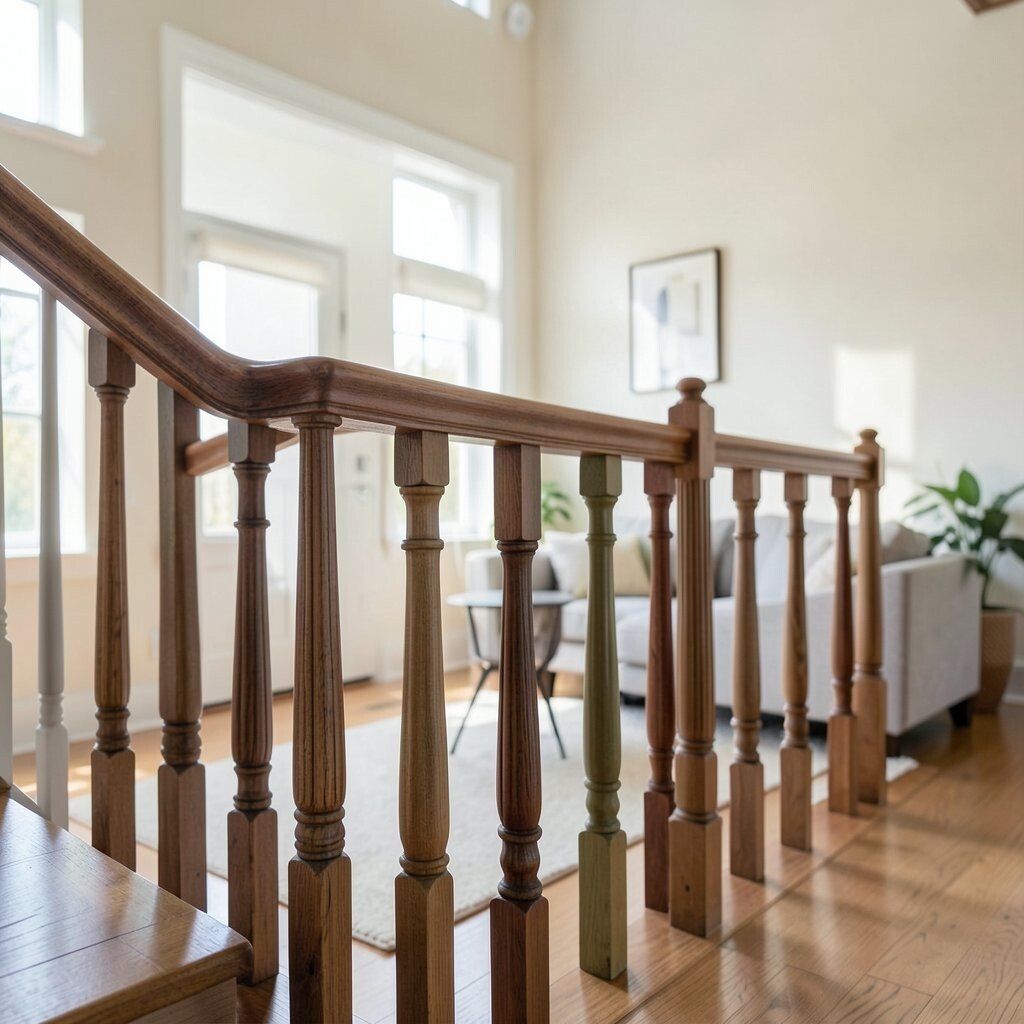
Trendy balusters can look exciting now but feel dated later. A style that is too bold may take over the room and make it harder to enjoy the rest of the house.
Timeless design works because it stays steady through changing tastes. You can still add a modern note with a slim profile, a mixed material, or a fresh color while keeping the main shape classic. That approach gives you a look that feels current without forcing a full redo in a few years.
This is a smart way to spend money, too. A balanced style often holds value better than a loud fad.
12. Forgetting the View From Far Away
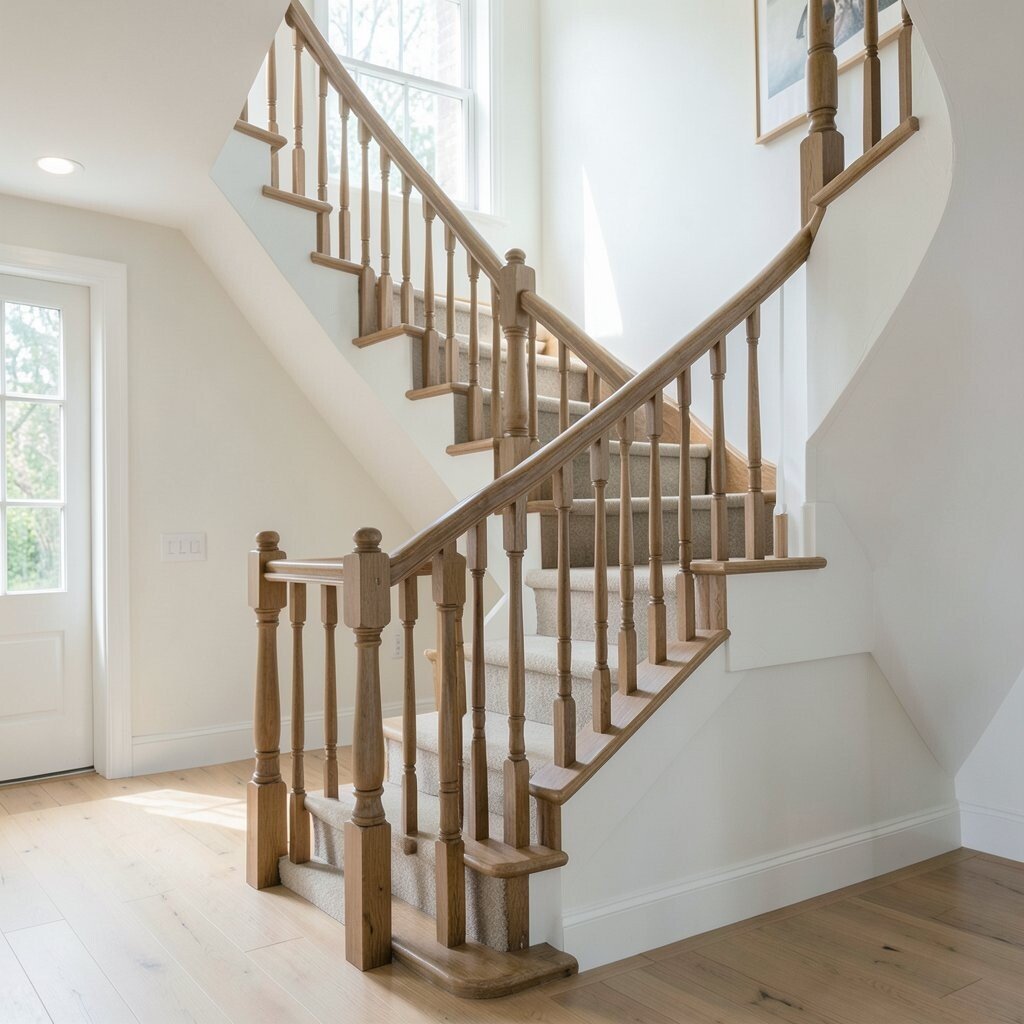
Balusters may look great up close and still fail from across the room. If the pattern is too busy or too plain, the staircase may not read well from the entry, living room, or hallway.
Step back and look at the full scene before you decide. The right balusters should add rhythm, shape, and a gentle visual line that helps the stairs stand out in a good way. If the room needs more interest, a repeated shape or a slight contrast can give the staircase a stronger presence without making it loud.
13. Not Thinking About the Whole Home
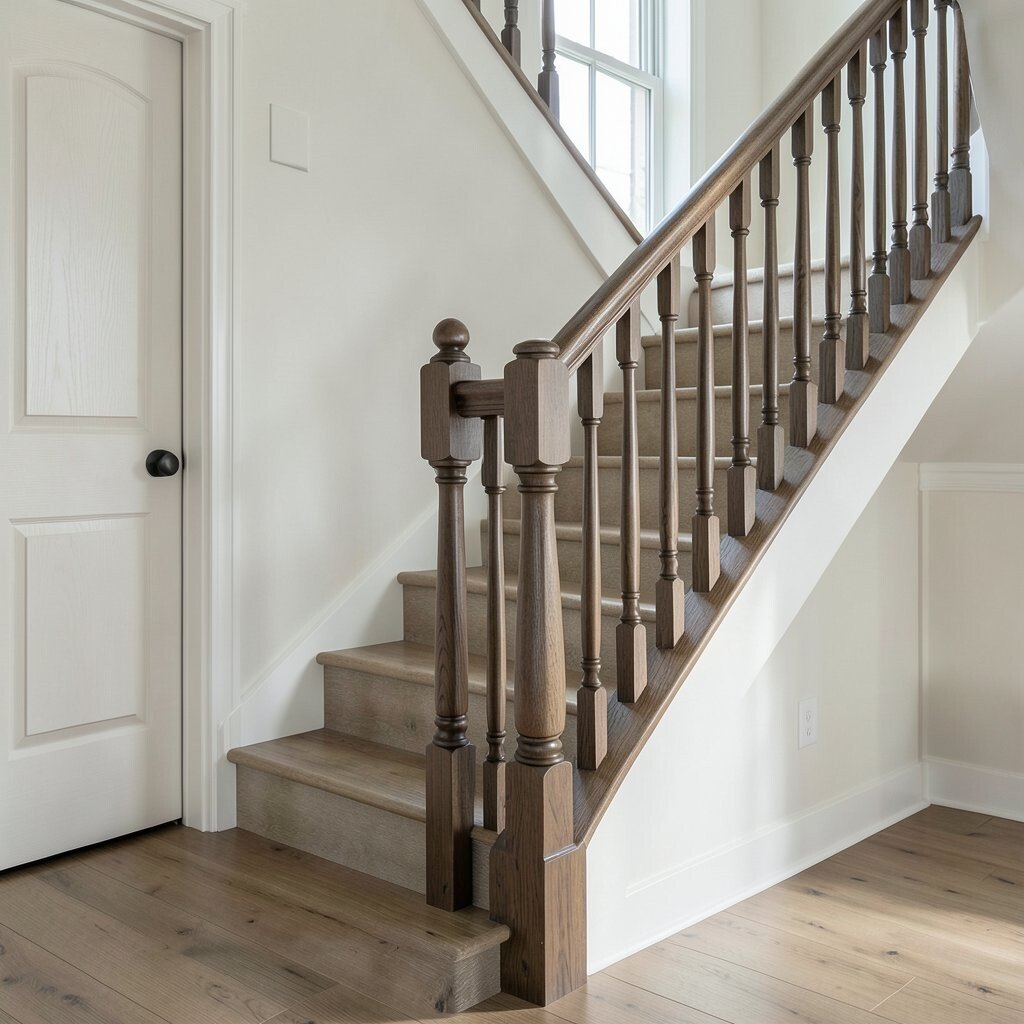
A stairway is part of a larger story, not a separate island. When the balusters ignore nearby doors, floors, furniture, and trim, the home can feel pieced together instead of smooth.
Try to repeat one detail from another room, such as a wood tone, metal finish, or clean line. That small connection can make the stairs feel like they belong to the house from the first glance. It also gives you room to personalize the design in a way that feels natural rather than forced.
14. Choosing the Cheapest Option Without Looking Deeper
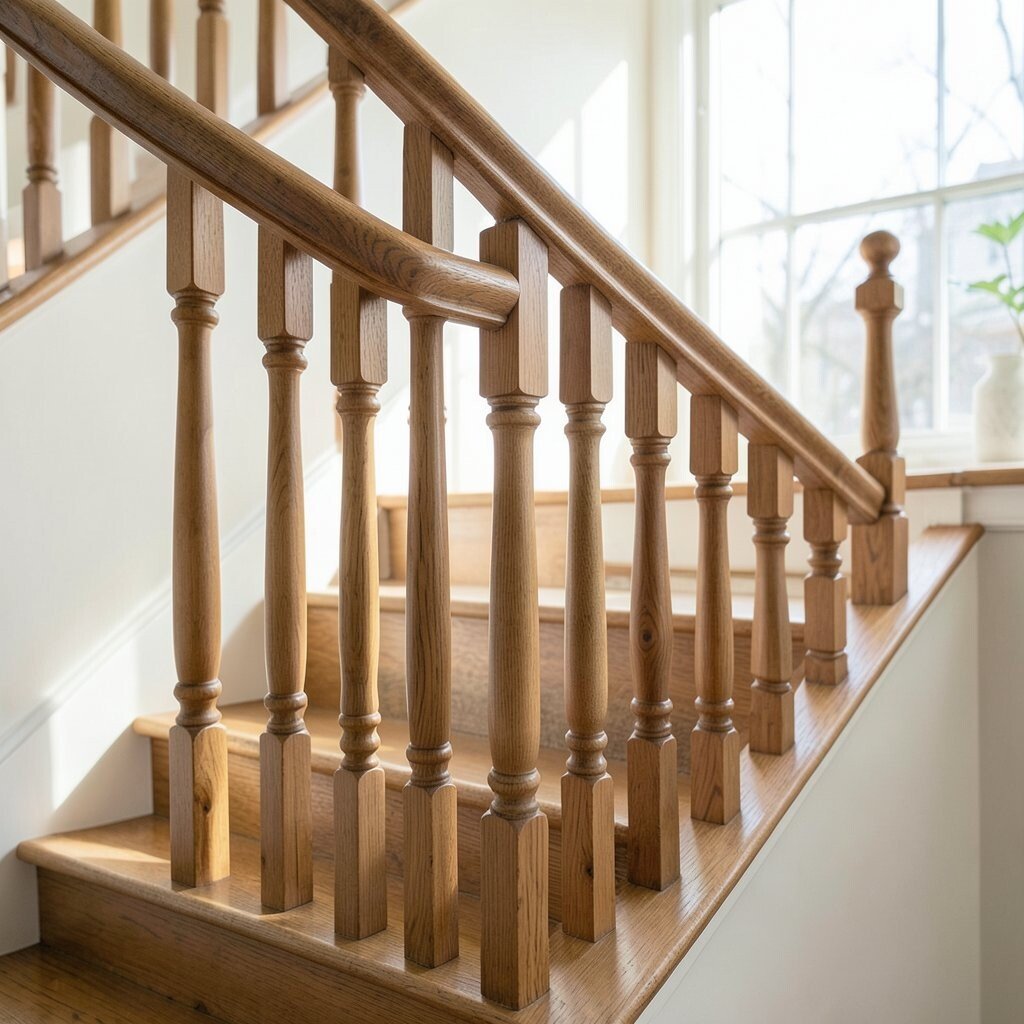
Low price can be tempting, especially when a big project already feels expensive. But the cheapest balusters may bend, chip, or wear out faster, which can lead to more cost later.
Instead of looking only at the sticker price, think about strength, finish, upkeep, and how long the style will stay appealing. A well-made set can bring beauty, safety, and a quiet sense of quality every day. If your budget is tight, focus spending on the parts people see most and choose simpler pieces where the eye will not linger as much.
That kind of smart planning often gives the best result. You get a stairway that feels special now and still feels right years from now.