The little square of fabric can make a big meal feel special. Small folding errors quietly steal the neat, guest-ready vibe.
When you fix them, your table looks more polished and your hosting feels effortless. You also save time because you stop redoing the same fold again and again.
1. Folding While the Napkin Is Still Wrinkled

You set the napkin on the table and it instantly fights back with creases. Those lines show up in every shape, even the simple ones, like a map of yesterday’s mess.
Pressing the fabric gently helps it hold the fold with less effort. Steam from an iron or a quick spritz of water can relax stubborn wrinkles before you start folding. If you use cloth napkins, a light press makes them look crisp without feeling stiff.
2. Using the Wrong Napkin for the Style
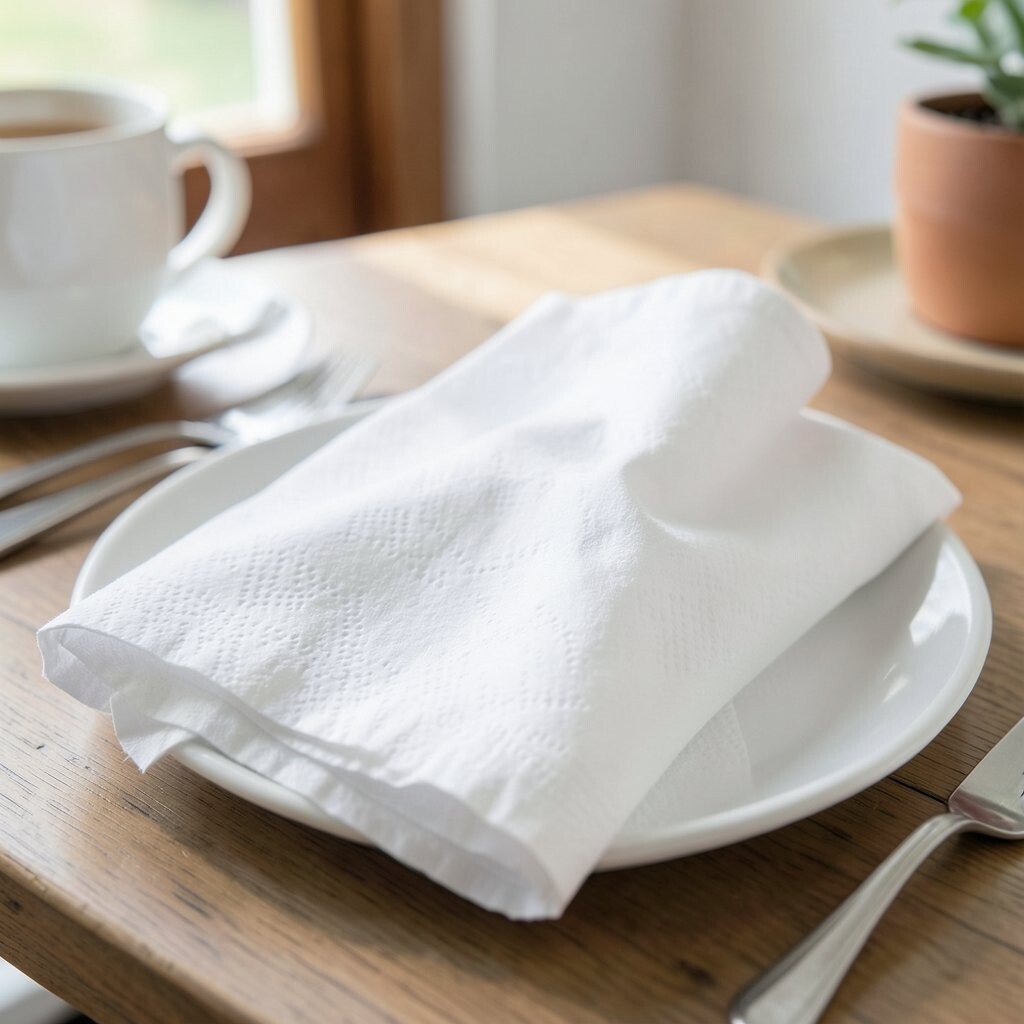
Some napkins are soft and flowy, while others feel crisp and structured. The wrong match makes your folds sag, twist, or look lumpy.
Try pairing heavier, thicker fabrics with fancier folds that need shape, like a layered fan. For lightweight paper napkins, choose flatter folds that still look tidy. Picking the right fabric gives a clean silhouette and keeps the fold from collapsing mid-meal.
You can also match napkin type to the vibe, like casual linen for weeknight dinners. For modern parties, consider sleek solid colors that look sharp in photos. Today’s trend favors natural textures and warm neutrals, so you can keep your look on point without spending a lot.
3. Skipping a Quick Smoothing Step
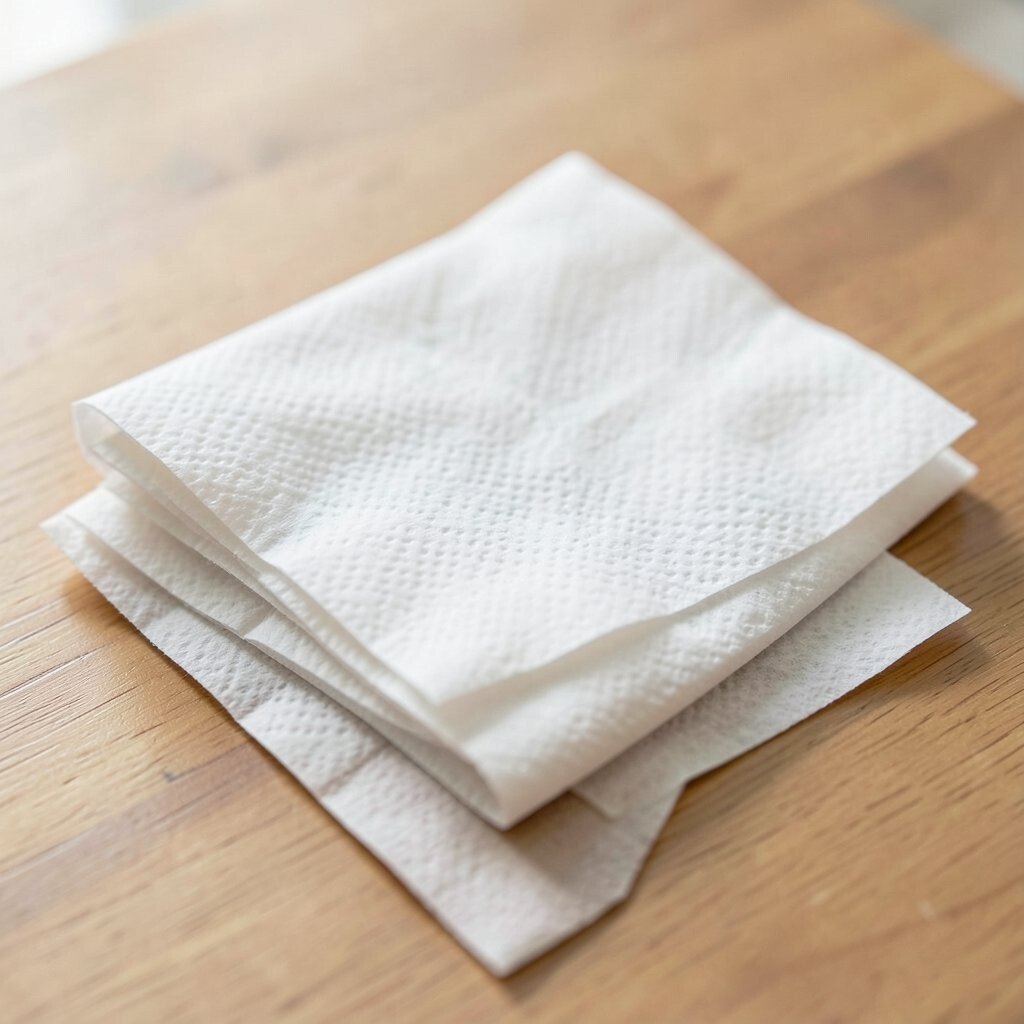
Even if the napkin looks fine, tiny twists hide along the edges. When you fold over them, the final shape looks slightly crooked.
Run your hands flat across the fabric before you begin, smoothing in one direction. This small habit helps your edges line up and makes your folds tighter. It also saves time because you are less likely to redo the fold later.
If you’re using paper napkins, unfold them once and press lightly so they lay flat. For cloth, tugging gently on a corner can straighten a misaligned seam. Choose a folding spot with good lighting so you can spot uneven edges right away.
4. Overstuffing Decorative Centers or Pockets
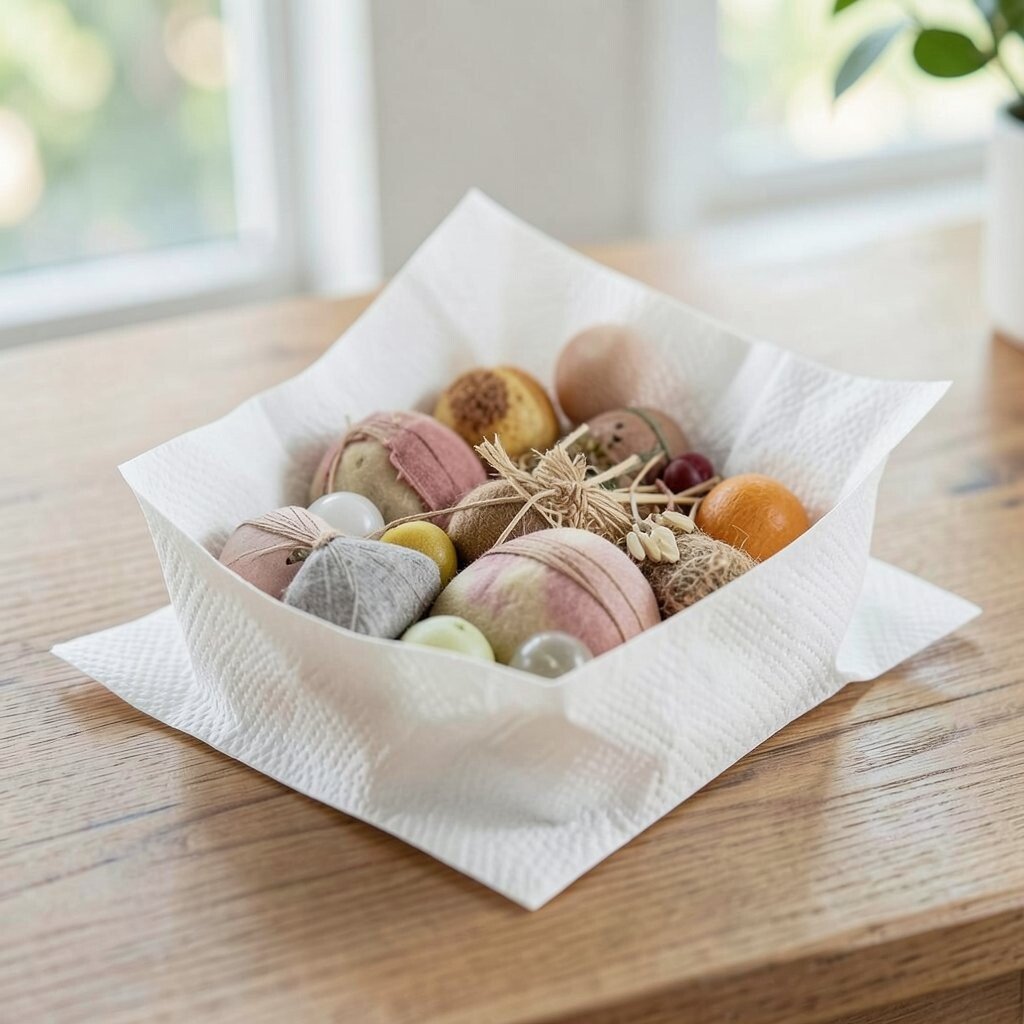
It feels fun to tuck in a card, a sprig, or a ring of ribbon. But too much bulk can distort the fold and cause the napkin to flare open.
Keep additions small and slim so the fabric can still close smoothly. Use thin items like a folded place card or a narrow sprig that won’t push out the layers. When the napkin stays closed, it looks more elegant and it behaves better at the table.
For a cost-friendly approach, write the guest’s name on lightweight cardstock instead of buying bulky holders. You can personalize with color-matched twine or a simple stamped icon. This way, your napkin styling feels special without requiring expensive extras.
5. Making the Fold Too Tight or Too Loose
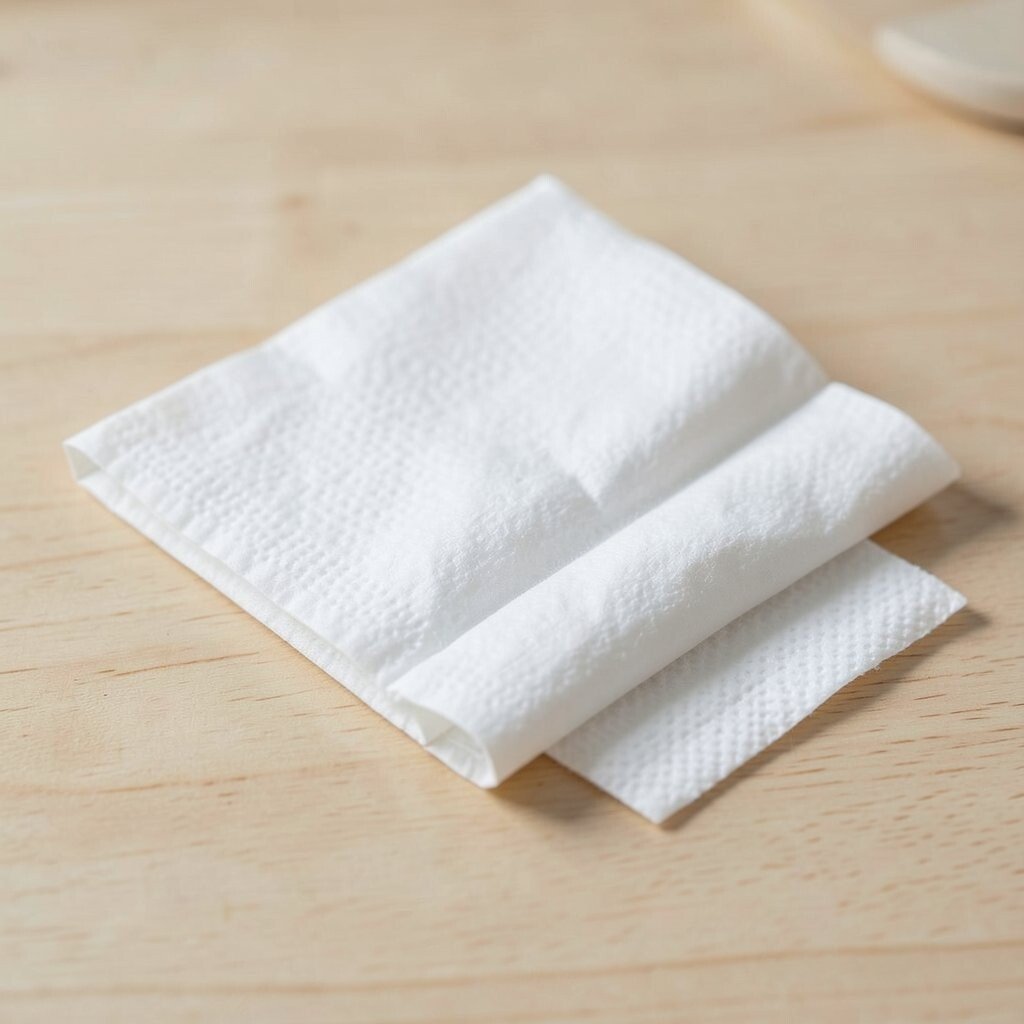
A fold that’s too tight creates strain and wrinkles, like fabric trying to fold back on itself. A fold that’s too loose looks floppy and messy when someone sets down a plate.
Aim for “snug but calm,” meaning it holds its shape without pulling. If your napkin fights your fingers, ease up and try again. Consistent pressure gives you repeatable results.
For paper napkins, creasing firmly once is better than repeatedly pressing. Cloth can benefit from holding the fold in place for a few seconds so it sets. You’ll get a more uniform look, and your guests will notice the tidy edges.
6. Ignoring How Guests Will Handle the Napkin
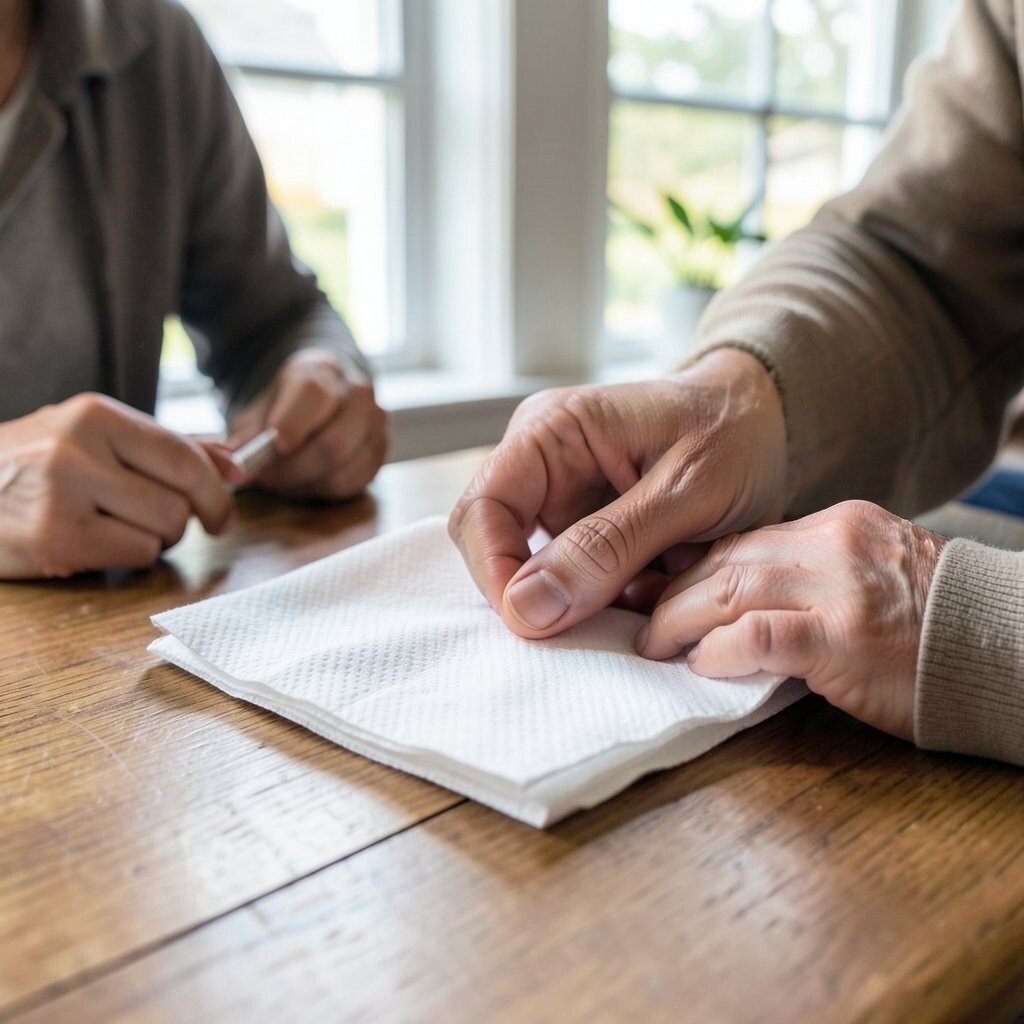
Guests don’t unfold slowly like a tutorial video. They grab the napkin quickly, and that’s when weak folds can pop open.
Choose folds that open naturally, with no hidden knots or hard corners. A good test is imagining one hand pulling from the outside edge. If the napkin releases easily, you keep the experience pleasant and frustration-free.
You can personalize by selecting folds that fit your hosting style, like an easy fan for casual meals. For formal dinners, consider more structured styles that stay neat until the first bite. Current trends also lean toward effortless elegance, where the napkin looks beautiful but still practical.
7. Aligning Corners Slightly Off
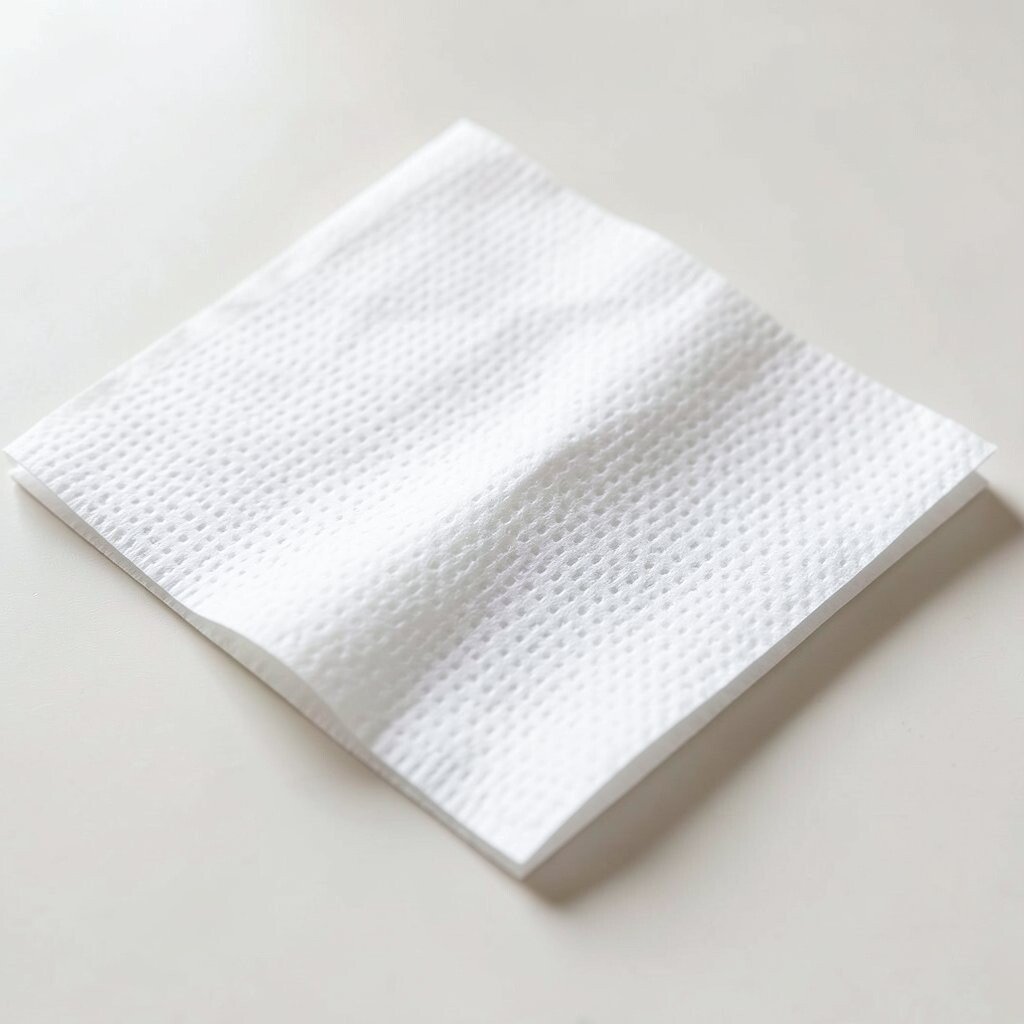
Two corners that don’t meet create a small gap that the eye catches right away. Even a tiny misalignment can make a crisp fold look sloppy.
Line up the edges carefully before pressing anything down. A helpful method is to “check the border” by comparing all sides at once. When everything matches, the fold looks intentional and clean.
8. Pressing With a Clumsy Hand or Dirty Fingers
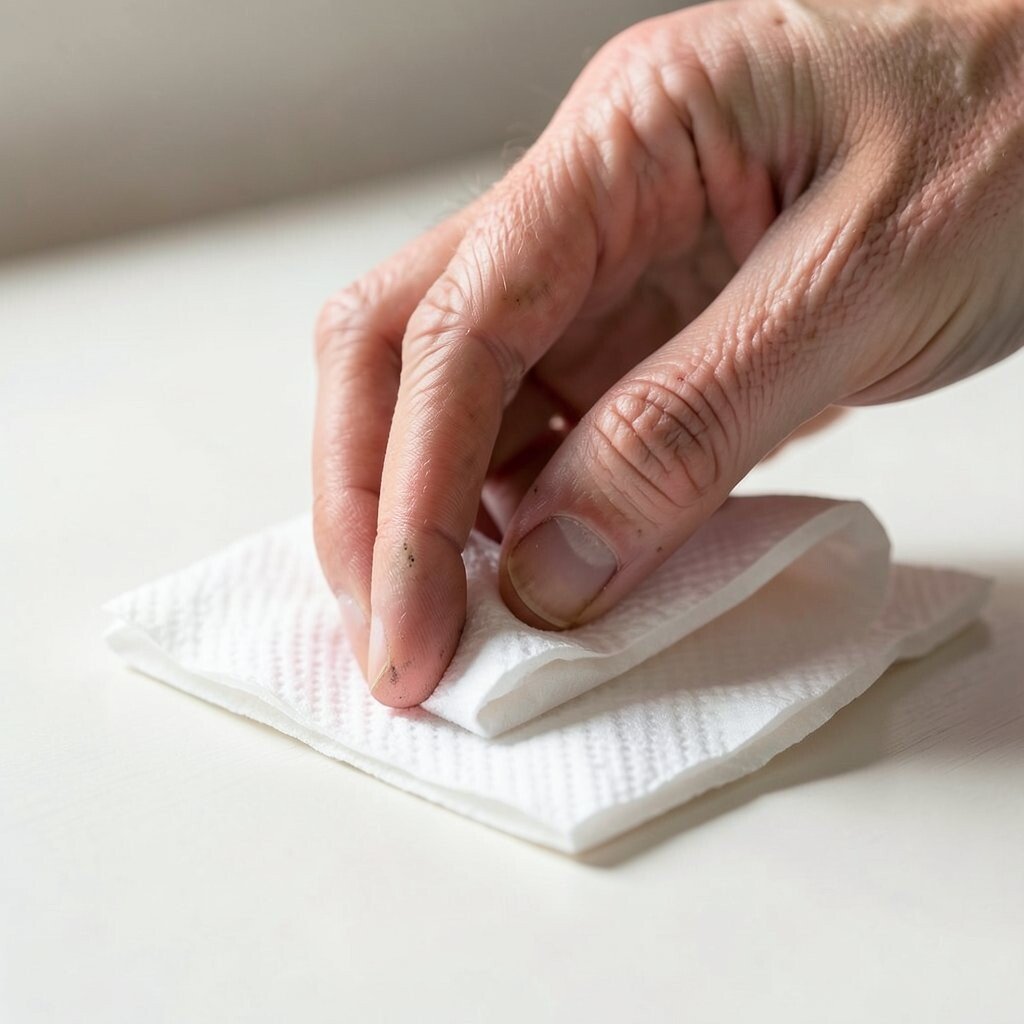
Fingerprints and smudges can happen fast, especially on lighter fabrics. Rubbing too hard can also leave shine marks on some materials.
Use clean, dry hands and press with the flat of your palm instead of pinching. If you have lotion on, wash or wipe your hands before styling. Gentle pressure keeps the napkin looking fresh and photo-ready.
For a budget-friendly upgrade, use simple cotton gloves for special dinners or keep a small towel nearby. This makes it easier to handle satin-like fabrics without leaving marks. Your table setup stays crisp without extra tools.
9. Folding on a Slick or Uneven Surface
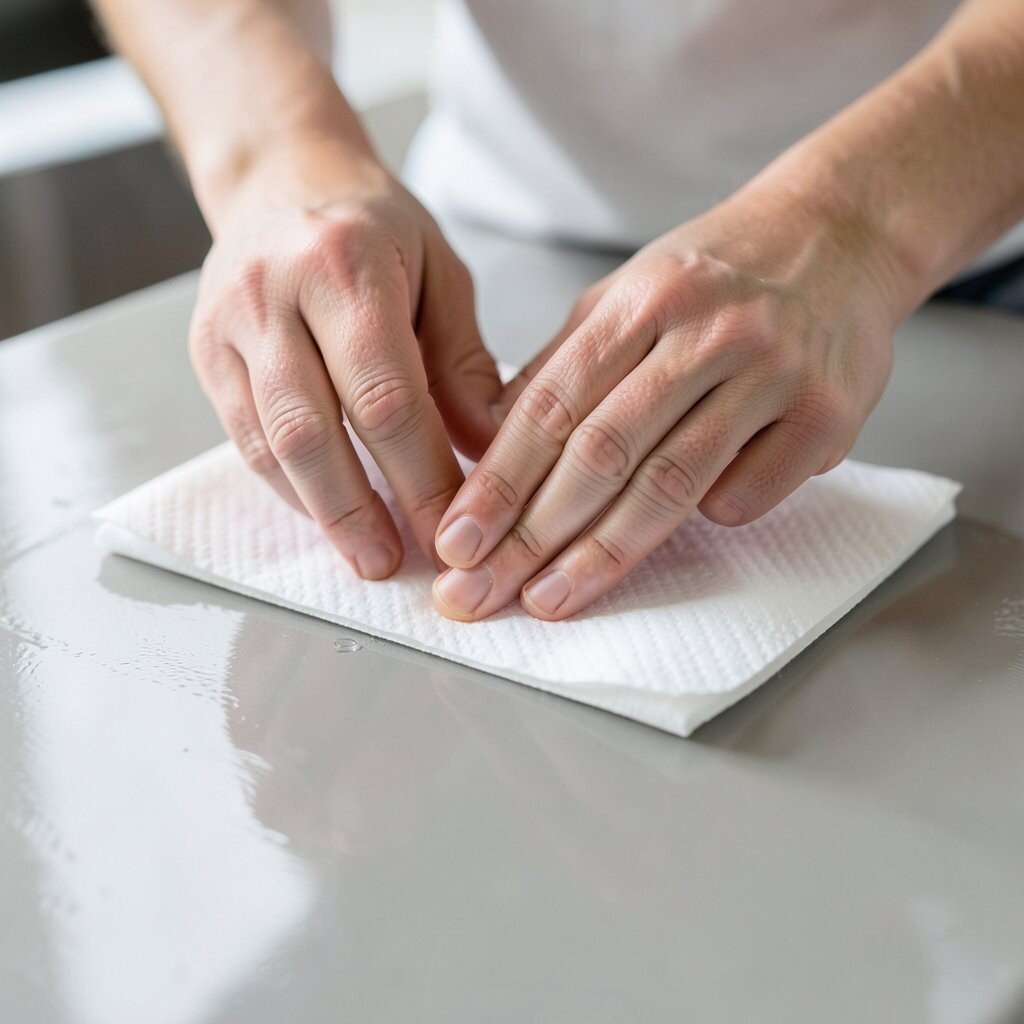
A table that’s too glossy or wobbly makes your napkin slide while you work. That movement can blur your edges and ruin the alignment.
Pick a stable spot like a cutting board lined with a clean cloth. A textured surface helps fabric grip just enough for accurate folds. Your napkin will stay where you put it, which makes the process calmer.
10. Making the Fold Face the Wrong Direction

Sometimes the fold looks perfect close up, but it’s turned away from the guest. From the dining chair, the “pretty side” can disappear.
Place the folded napkin so the main design faces outward toward where people sit. If you’re unsure, stand at the host position and check the view from that angle. Good presentation makes the setup feel thoughtful, even if the fold itself is simple.
You can personalize by choosing napkin colors that contrast with the plate and tablecloth. In modern styling, bright napkins over neutral linens are a popular way to make each place setting pop. This small choice keeps your table lively without major spending.
11. Choosing Colors That Fight the Table Setting
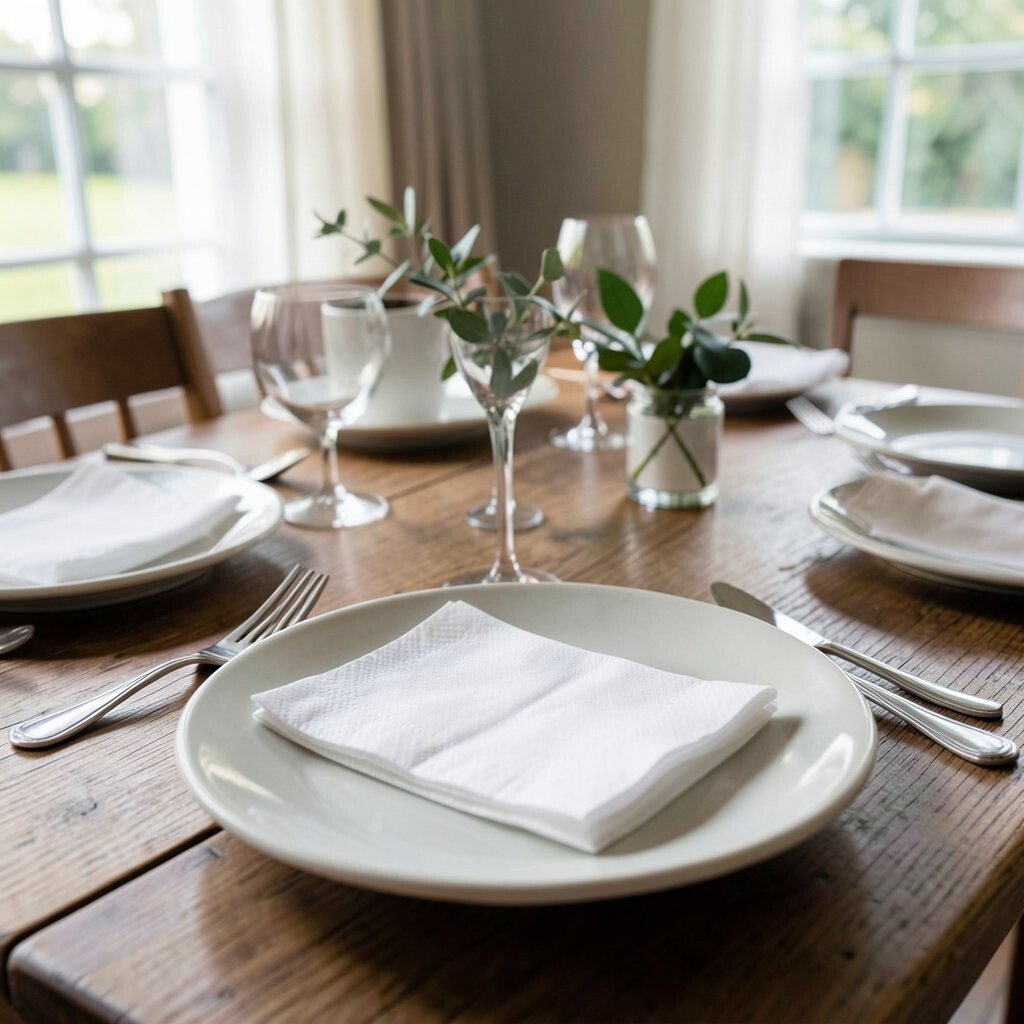
A busy pattern may look cute in the package, but it can clash with plates, glassware, and centerpieces. The result is visual noise instead of polished charm.
Pick napkin colors that either match a small detail from your décor or provide a gentle contrast. Solid colors often look elegant, especially for folded styles with clear edges. If you love prints, choose one main pattern and keep the rest simple.
For cost control, use napkins you already own and style around them with minimal extra touches. A fresh ribbon, a plain charger plate, or matching cutlery can help your napkin stand out. This keeps the look upscale without buying an entire new set.
12. Using Too Many Steps Before You Practice

Some folds look complex, and it’s tempting to jump in without trying them first. When you practice at the last minute, you end up rushing and skipping details.
Practice once with an old or extra napkin so your hands learn the motion. Start with simple folds that you can repeat quickly. Once you feel comfortable, you can add personality with colors, rings, or small accents.
13. Not Keeping a Backup Plan for Messy Moments
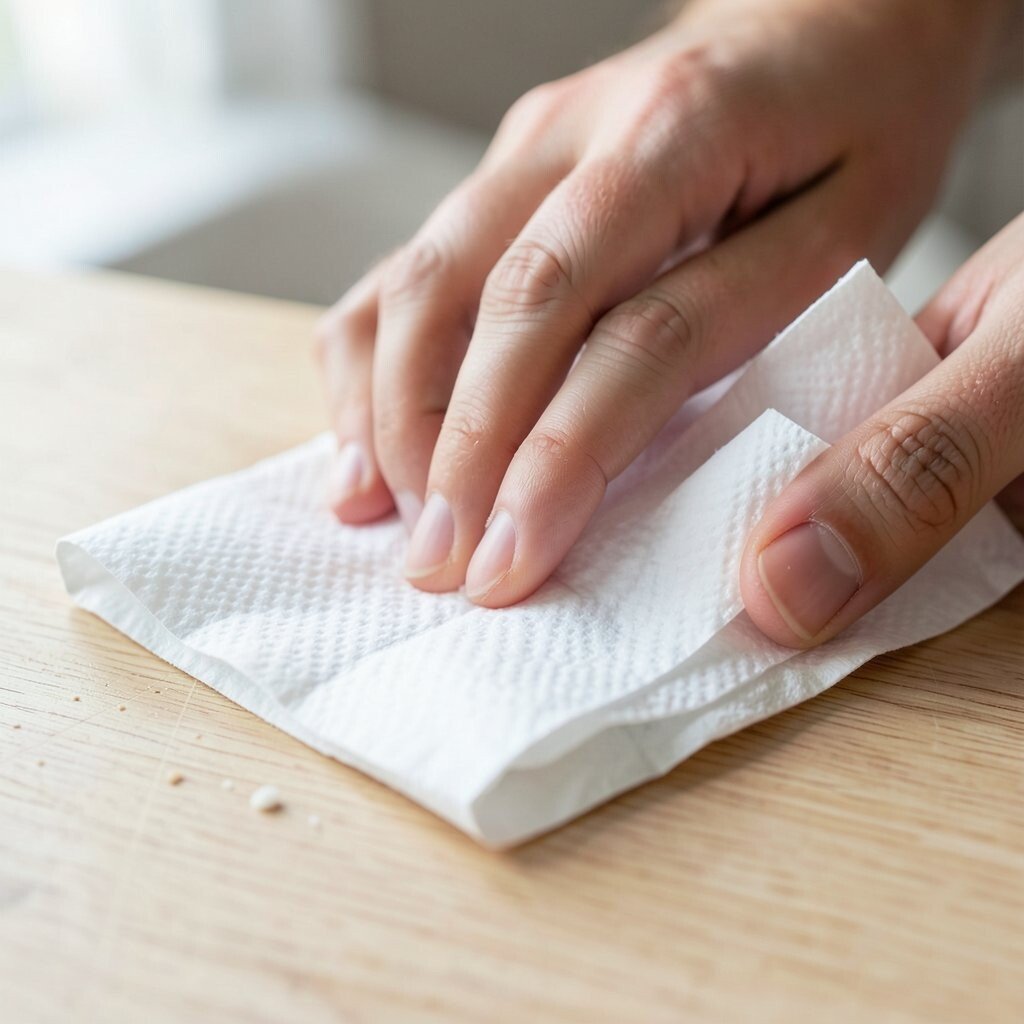
Even careful hosts run into an accident, like a napkin tearing or a fold unfolding. Guests don’t need perfection, but they do need you to recover gracefully.
Keep a few extra napkins flat and ready in case you need a quick reset. If something goes wrong, swap in a simpler fold that still looks neat. Having options makes you feel confident, and your table keeps its charm.
You can also save time by choosing napkin styles that hold up well under handling. Cloth napkins with firm presses usually survive better than very delicate fabric. This is a practical way to enjoy hosting without stress.
14. Forgetting Seasonal Touches and Everyday Preferences
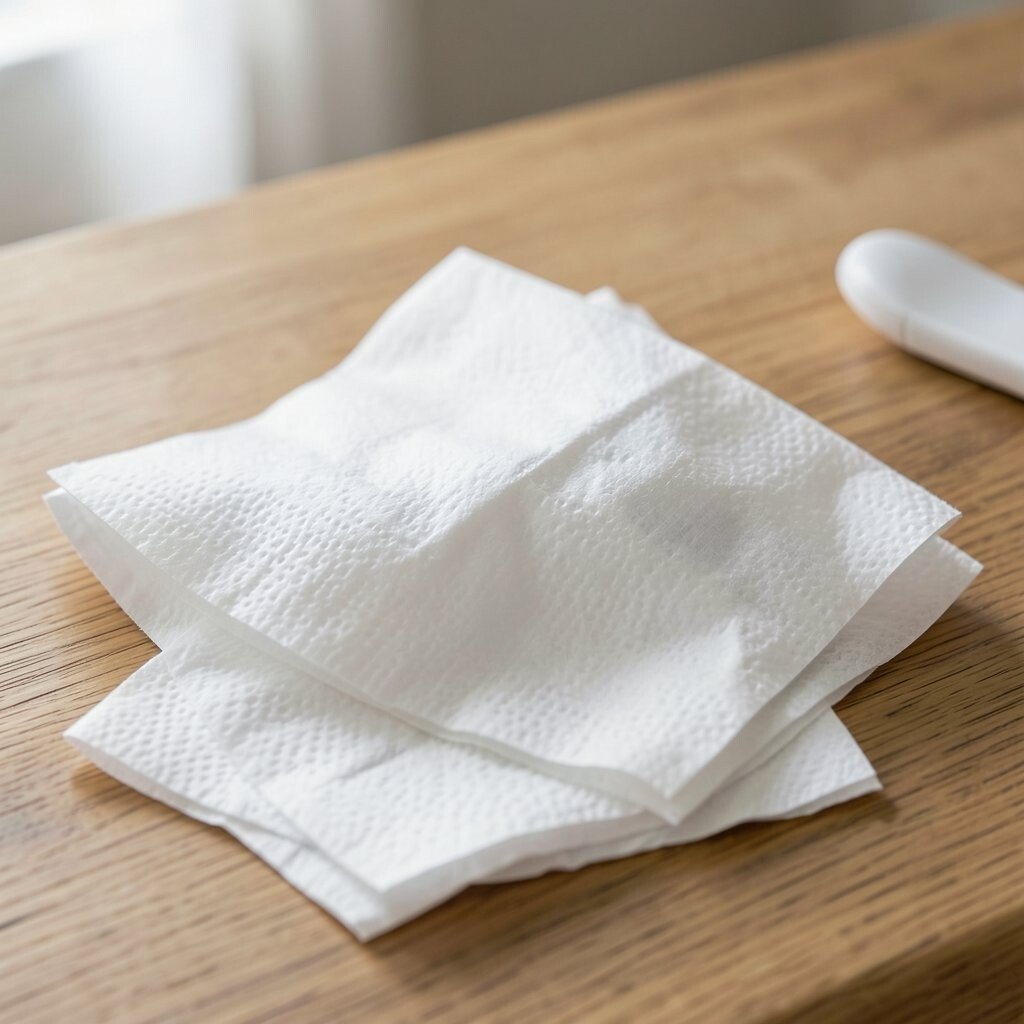
A fold that suits winter might not match a bright summer table. When the style doesn’t match the season, it can feel out of sync.
Think about the mood you want, like cozy warm tones for fall or crisp cool shades for spring. Napkin color, texture, and even the fold shape can work together to set the tone. When everything matches, the table feels intentional and welcoming.
For personalization, add a tiny seasonal charm like a leaf-shaped place card or a small ribbon in a matching color. You can make this with affordable craft supplies and reuse it for future gatherings. Current trends often blend cozy textures with clean, minimal folding, so you get a modern look while staying seasonal.
15. Making Tall Folds That Block Plates or Seating
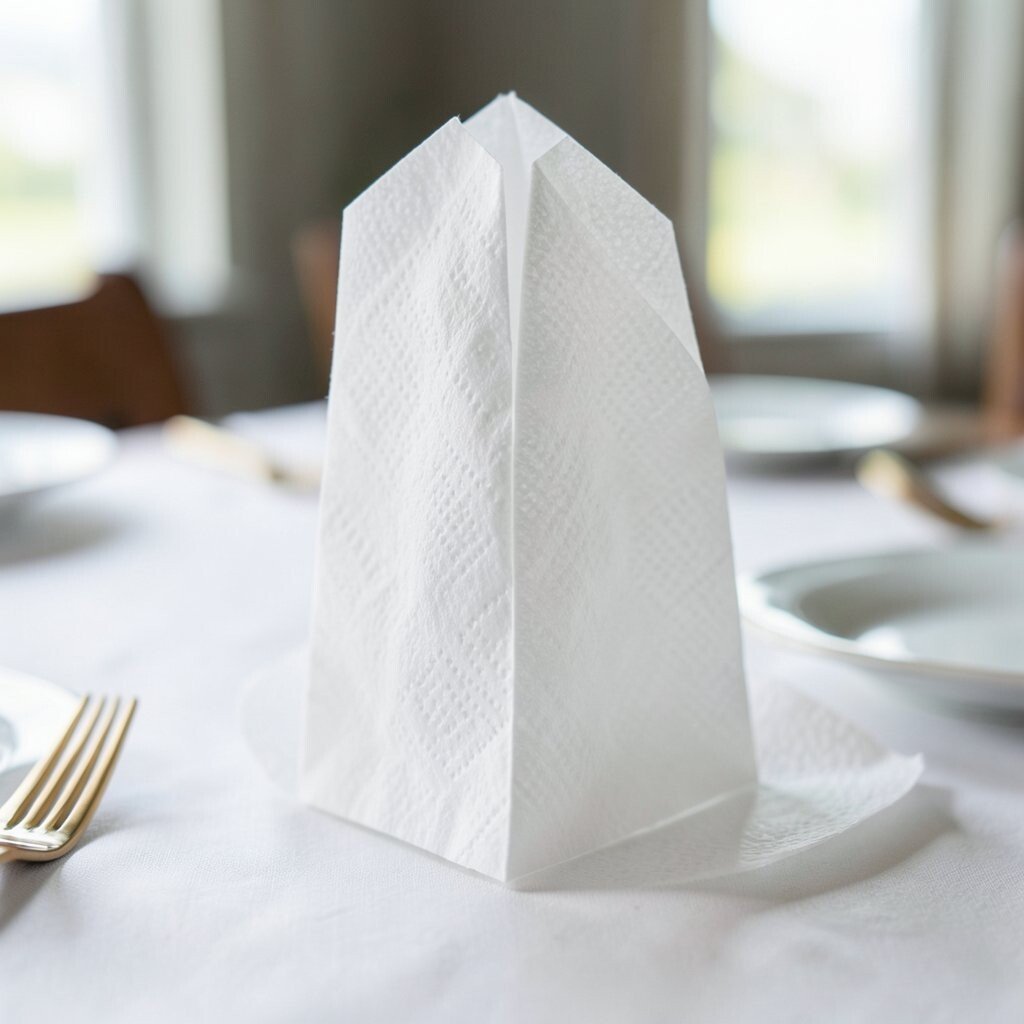
If your napkin stands too high, it can crowd the plate area. Guests may also knock it when they reach for cutlery.
Keep folded napkins compact and centered so they don’t interfere with dining. A fold that sits low looks neat and stays put longer. This is especially helpful for larger groups where everyone moves at different speeds.
Try placing it slightly under the rim of the plate area so it feels integrated. For a practical upgrade, choose folding styles that lay flat and secure well. Your setup will look tidy and you’ll avoid constant readjusting.
16. Overcomplicating When Simple Looks Best
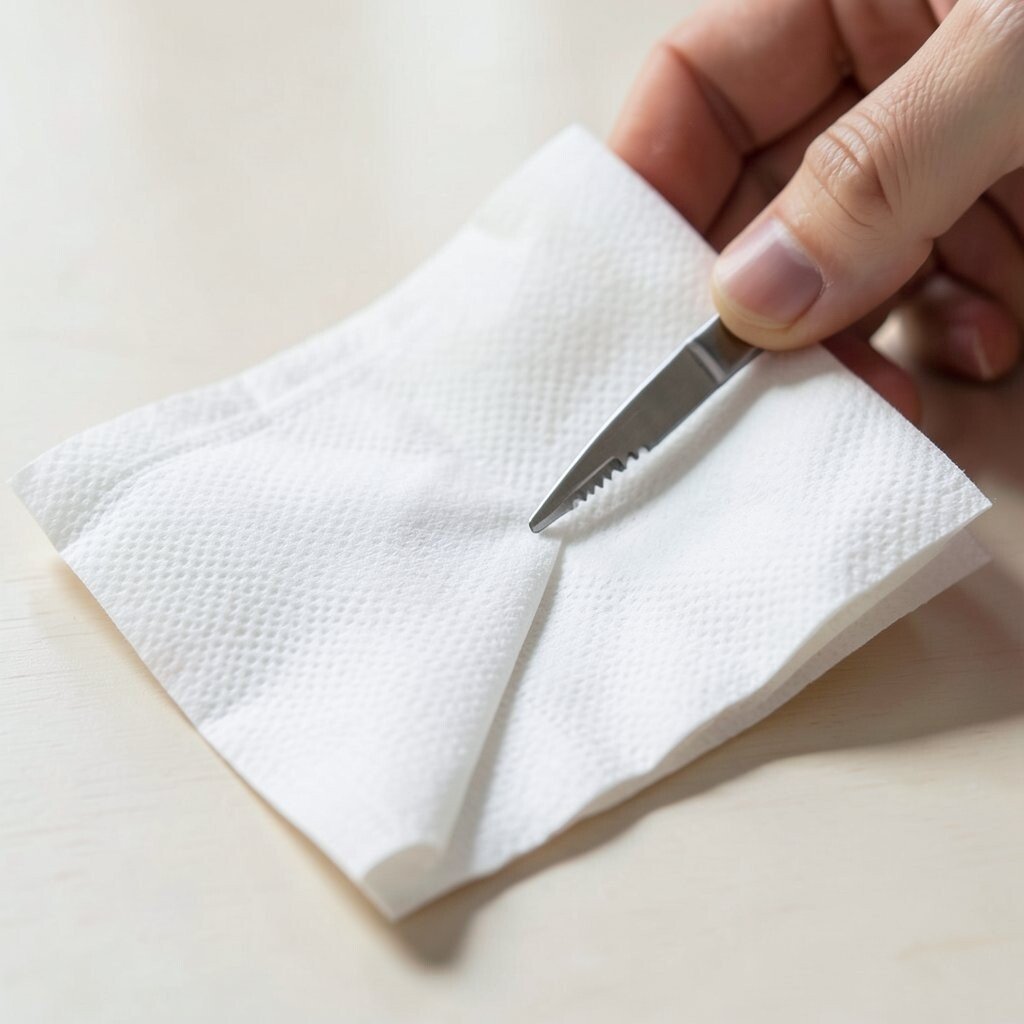
Some table settings already have plenty happening, like bold centerpieces or patterned tablecloths. In those cases, a complicated napkin fold can steal attention instead of adding beauty.
Choose a clean, simple fold that frames the place setting nicely. A basic fold with crisp edges can look more elegant than an elaborate shape. This also reduces cost because you waste less time and fewer napkins go to practice.
You can personalize simply by selecting a standout color or adding a small name tag. Many modern tables use minimal styling with one focal detail, and napkins are a perfect place for that. Keep it easy so you can focus on the conversation.
17. Not Considering Fabric Care Before Styling
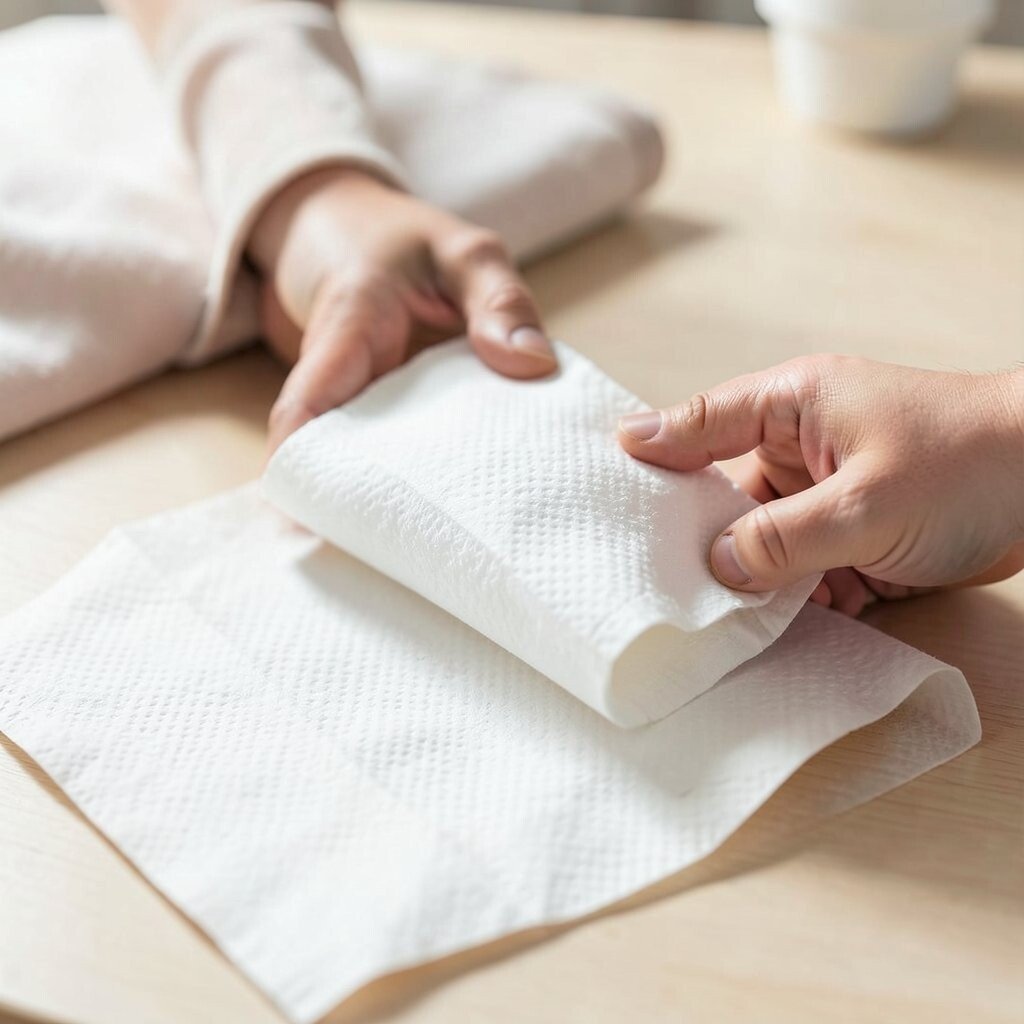
Some napkins hold creases well, while others resist ironing and flatten in strange ways. If you ignore fabric type, your fold may not last through dinner.
Check care instructions and decide how much heat or moisture you can use safely. Linen often responds well to gentle pressing, while certain blends may need a lighter touch. When you treat fabric correctly, the fold stays sharp longer and looks better.
For cost considerations, you can refresh older napkins by laundering and drying them properly before your event. Using fabric spray designed for the material can also reduce wrinkles without constant ironing. The better your fabric starts, the easier your folding becomes.
18. Folding in a Way That Creates Bulk at the Wrong Spot

Sometimes the thickest part ends up where it should be flat, like under the guest’s plate. That can make the place setting feel lopsided or awkward.
Distribute bulk by shifting layers so the napkin’s weight stays centered and smooth. As you fold, pause to check how it looks when placed on the table. If one spot stands out, adjust before the crease locks in.
You can personalize by using color blocks, like layering two napkins with coordinated tones for a subtle effect. For trends, layered textures and tidy edges are popular because they photograph well. This approach can still stay budget-friendly if you repurpose napkins you already have.
19. Leaving the Napkins Unsecured When You Need Them to Stay Closed
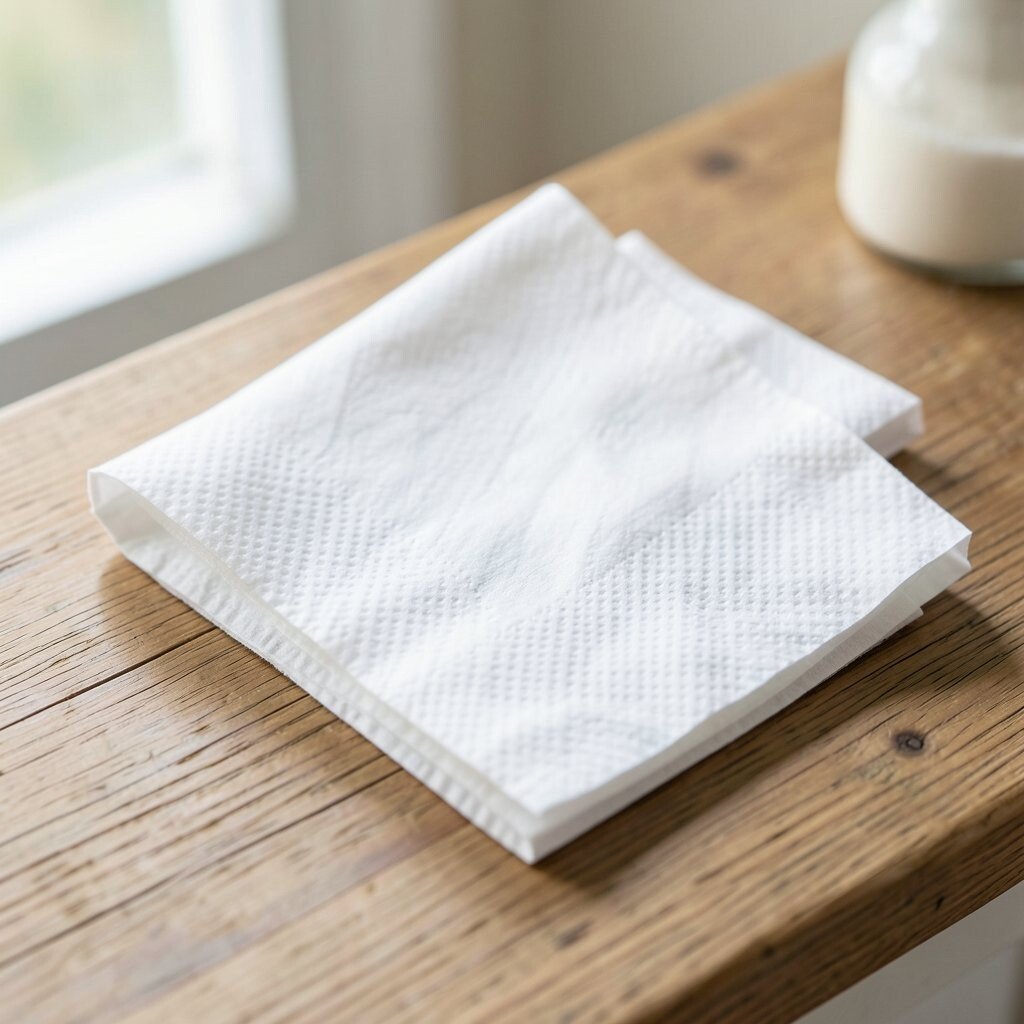
Some folds pop open when the dining room gets busy or when someone bumps the setting. Loose napkin folds can turn into a messy moment fast.
Secure the fold with a slim ring, a matching ribbon, or a small clip made for napkins. Keep the fastening minimal so it looks neat, not bulky. When it stays closed, your design remains intact from arrival to the first sip of water.
If you want a low-cost option, use twine or a thin strip of fabric you can tie easily. Personalize by tying it in a color that matches the theme or guest’s place card. This adds charm without buying fancy accessories for every event.
20. Rushing the Final Placement and Quick Check

Even after a great fold, placement can still ruin the look. If the napkin leans or sits crooked, it tells guests the table isn’t cared for.
After you set the napkin, take one second to straighten it and check symmetry. Look from the side and then from the front, because angles can trick you. A quick final adjustment makes the entire setting feel intentional.
For personalization, rotate napkins slightly so patterns or colors align across the table. This small detail creates a cohesive look that feels designed, not random. And it’s budget-friendly because you’re using time and attention, not extra purchases.