
Bad office design can feel dull, tight, and forgettable. Yet those same mistakes can spark fresh ideas for a better room.
1. Too Much Clutter On Every Surface
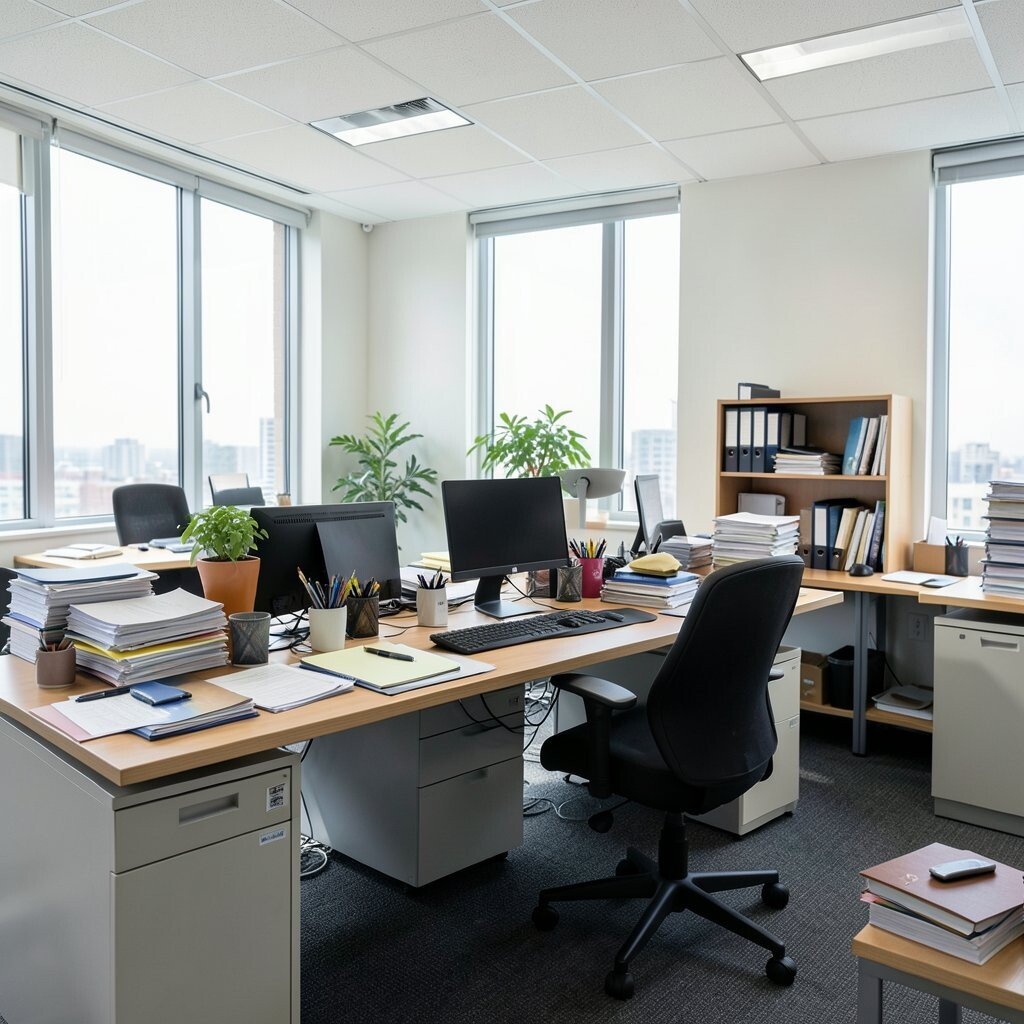
A desk covered in papers, cords, and random gear makes the whole room look busy and tired. A cleaner setup feels calm, helps people focus, and gives the space a more open look.
Try using a few simple storage boxes, slim trays, and hidden cable paths to keep the view neat without making the room cold. Personal touches like one framed photo, a small plant, or a favorite mug can still shine when the background is tidy, and that usually costs less than filling the room with extra decor.
2. Harsh Lighting That Feels Flat
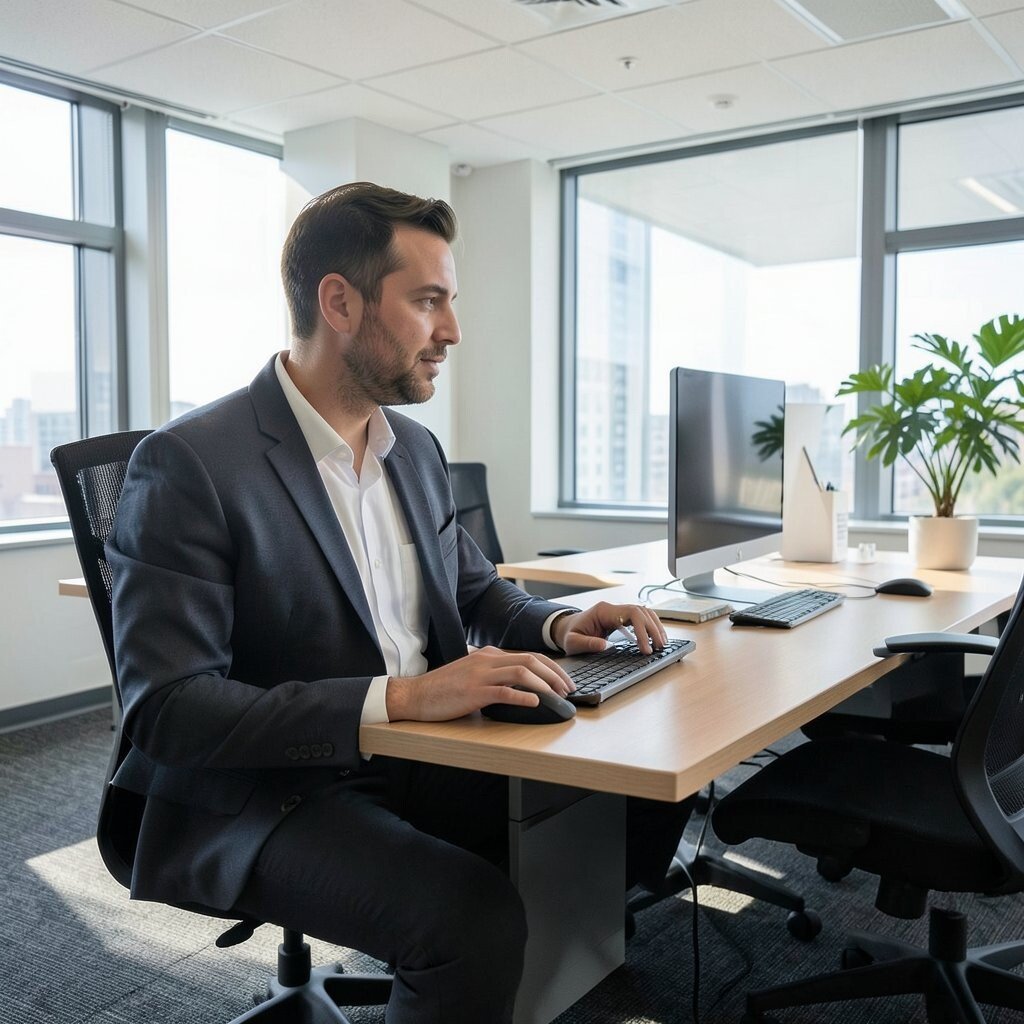
Strong overhead lights can make an office look pale and stiff. Softer light with a warm glow can make faces look better and the room feel more welcoming.
Mix a desk lamp, ceiling light, and natural light if you can, because layers of light give the room more depth. Many offices now use simple LED fixtures with better color quality, and that trend can save money over time while also making the space easier on the eyes.
You can also place lights near walls or shelves to create a gentle shine that feels more polished. If the room has a style of its own, such as modern, cozy, or bold, the lighting should match that mood instead of fighting it.
3. Furniture That Feels Too Big
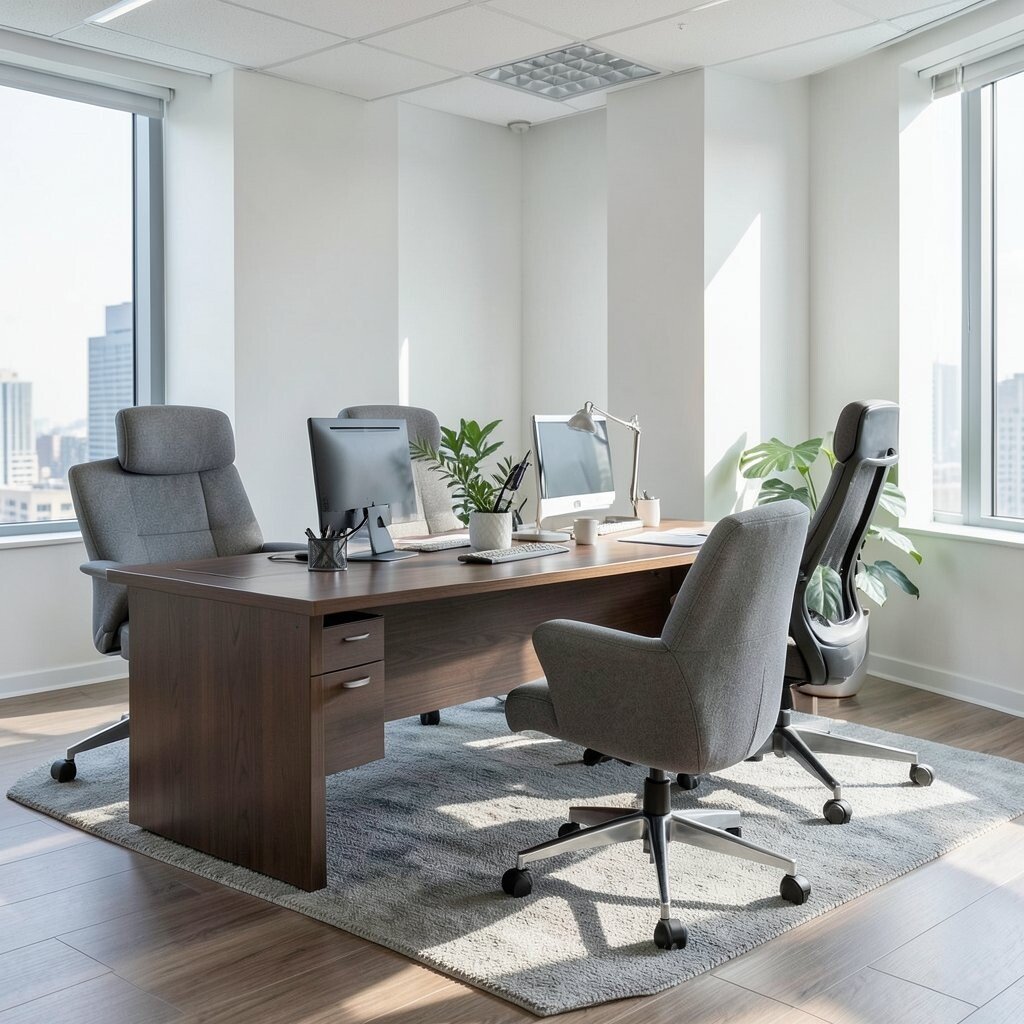
Oversized desks and chairs can crowd a room fast, especially when the floor plan is small. A slimmer layout can make the office feel airy, easier to move through, and more pleasant to sit in for long hours.
Look for pieces with narrow legs, light colors, and clean lines so the room does not feel packed. Adjustable furniture is popular right now, and while it may cost more at first, it often lasts longer and fits more than one kind of work style.
Adding one small accent chair or side table can bring in personality without taking over the room. When the scale feels right, the whole office looks more balanced and much more intentional.
4. Ignoring The Power Of Color
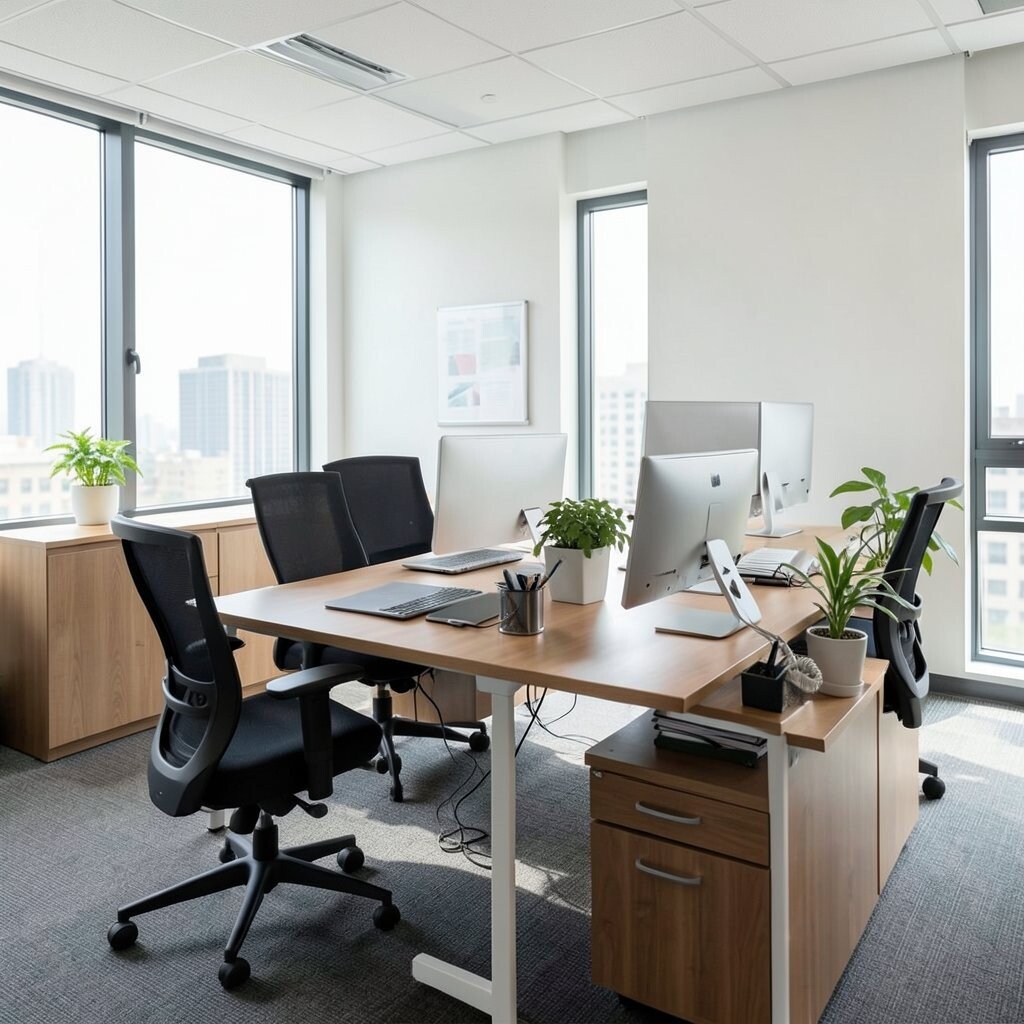
Plain beige walls can make an office feel sleepy and bland. A smart use of color can wake up the room and give it a clear mood.
Soft blues, warm greens, or even one bold accent wall can change the feel without making the place loud. Paint is still one of the cheapest ways to update a space, and you can repeat the same color in art, pillows, or storage bins for a more personal look.
Many current office styles use muted colors with one bright detail, which feels fresh and easy to live with. If a full repaint is too much, even a colorful rug or chair can give the room a stronger point of view.
5. Too Many Matching Pieces
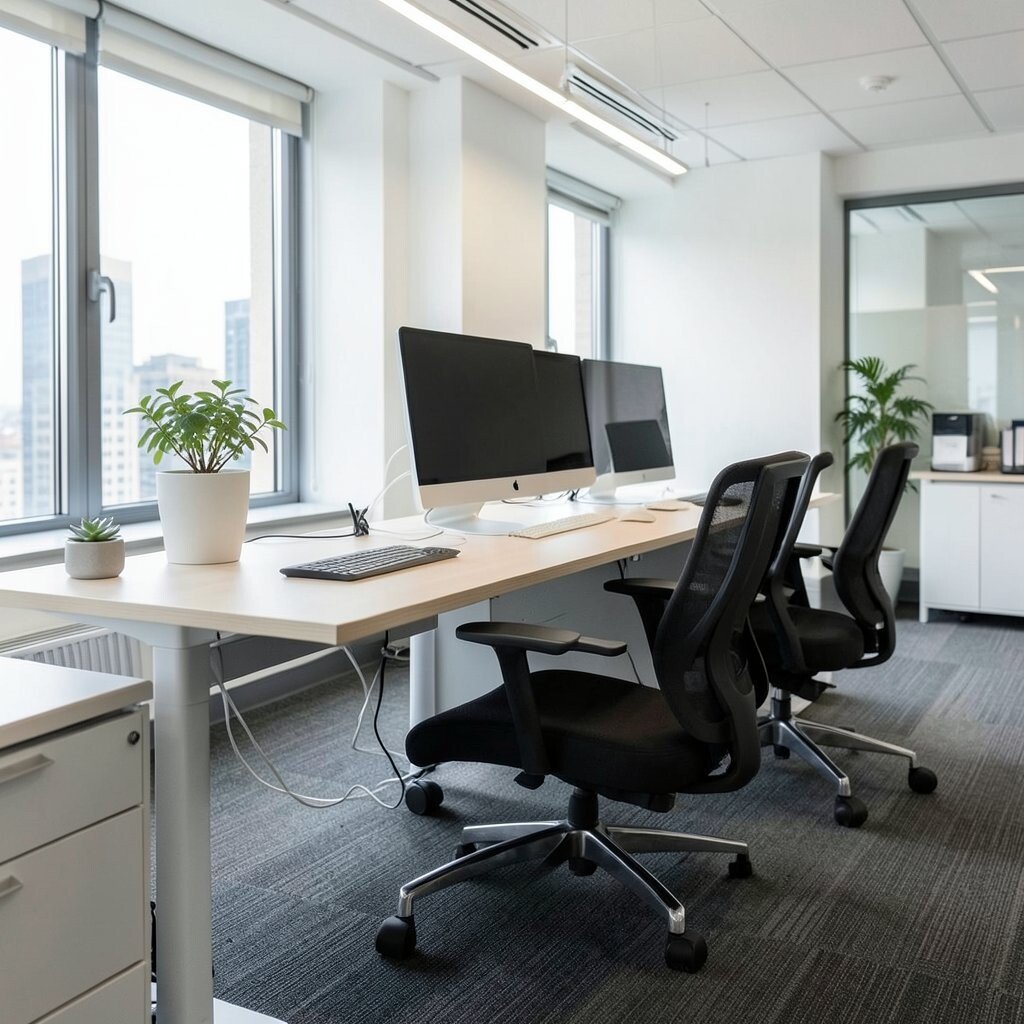
A room filled with the same desk, same chair, and same shelf can look safe but boring. A little mix of shapes, textures, and finishes helps the office feel more human and less like a display room.
Pair wood with metal, soft fabric with smooth surfaces, or old with new to make the space feel richer. This approach can also save money because you do not need to buy a full matching set, and one special piece can give the room its own story.
Mixing in a unique lamp, art print, or vintage cabinet can make the office feel more personal. The trick is to keep one or two parts repeated so the room still feels calm and not messy.
6. Poor Cable Control
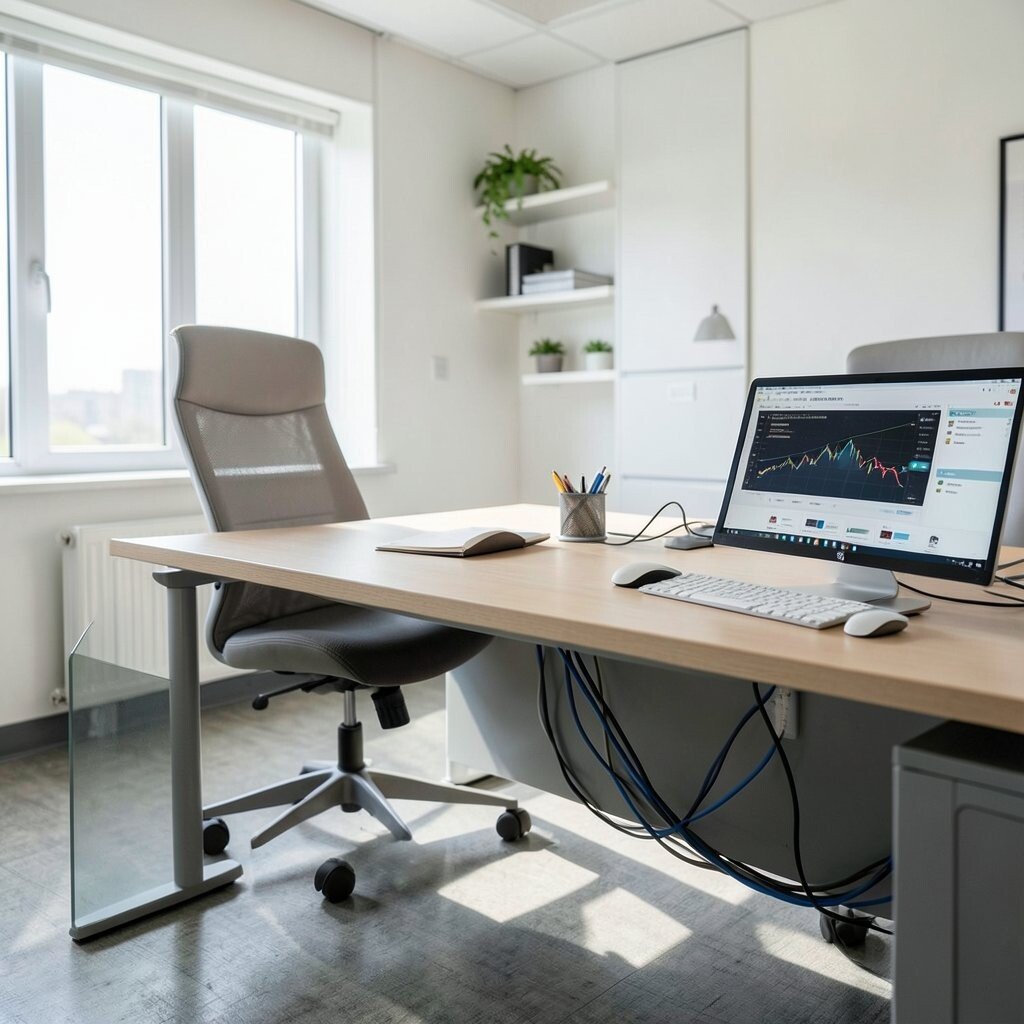
Loose cords on the floor or hanging behind a desk can ruin an otherwise good-looking office. They also make cleaning harder and can create a room that feels unfinished.
Cable clips, under-desk trays, and simple ties can hide the mess without much effort. These fixes are usually low cost, and they make the room look more polished right away, especially in spaces with open shelving or glass desks.
When cords are managed well, the desk seems lighter and the whole area feels more current. A neat cable setup also leaves room for personal items to stand out instead of getting lost in visual noise.
7. No Clear Work Zones
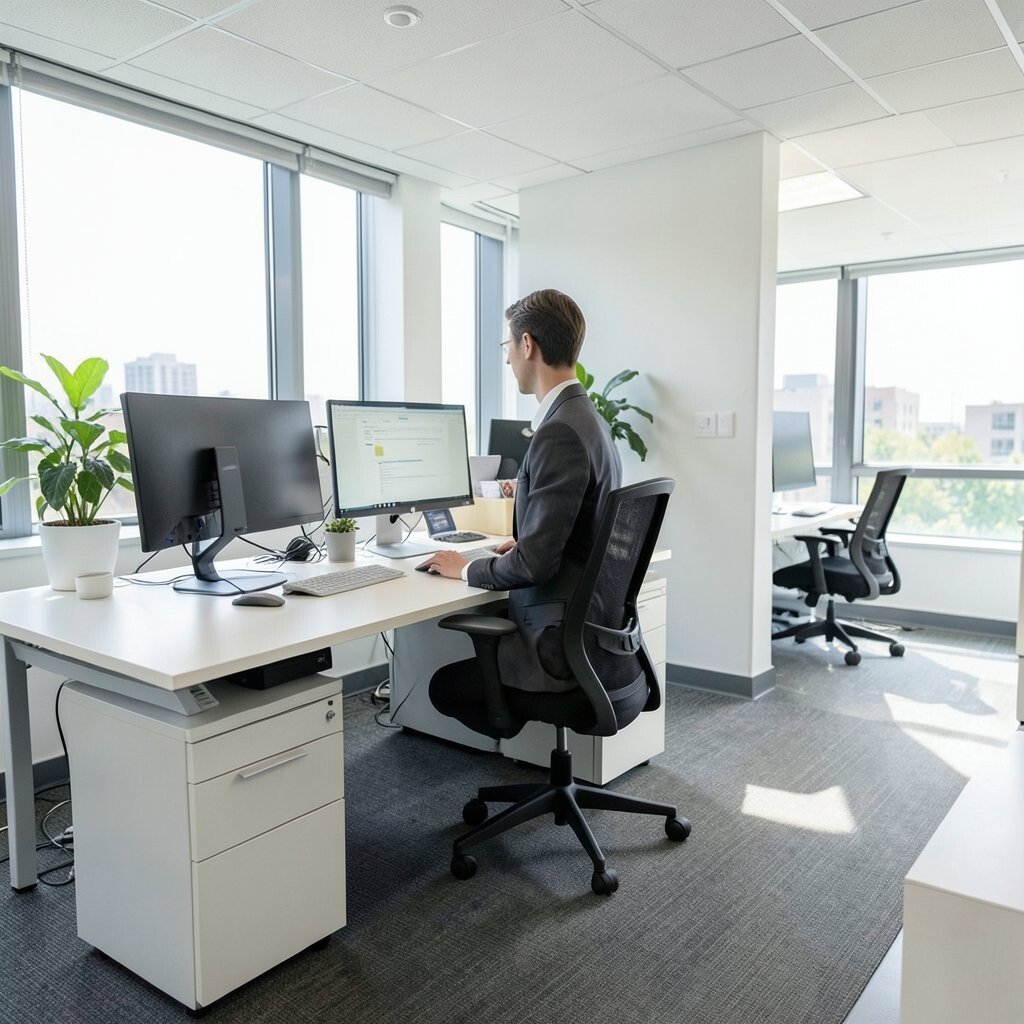
An office with no real zones can feel confusing and slow. When work, storage, and meeting spots blur together, the room loses focus and people may struggle to settle in.
Use rugs, furniture placement, or small screen dividers to show where each task belongs. This can make the office feel larger and more useful, and it often costs less than building walls or making bigger changes.
Even a tiny reading corner or phone nook can make the space feel more thoughtful. Zoning also gives you room to add different styles, so one area can feel calm while another feels lively.
8. Empty Walls With No Story
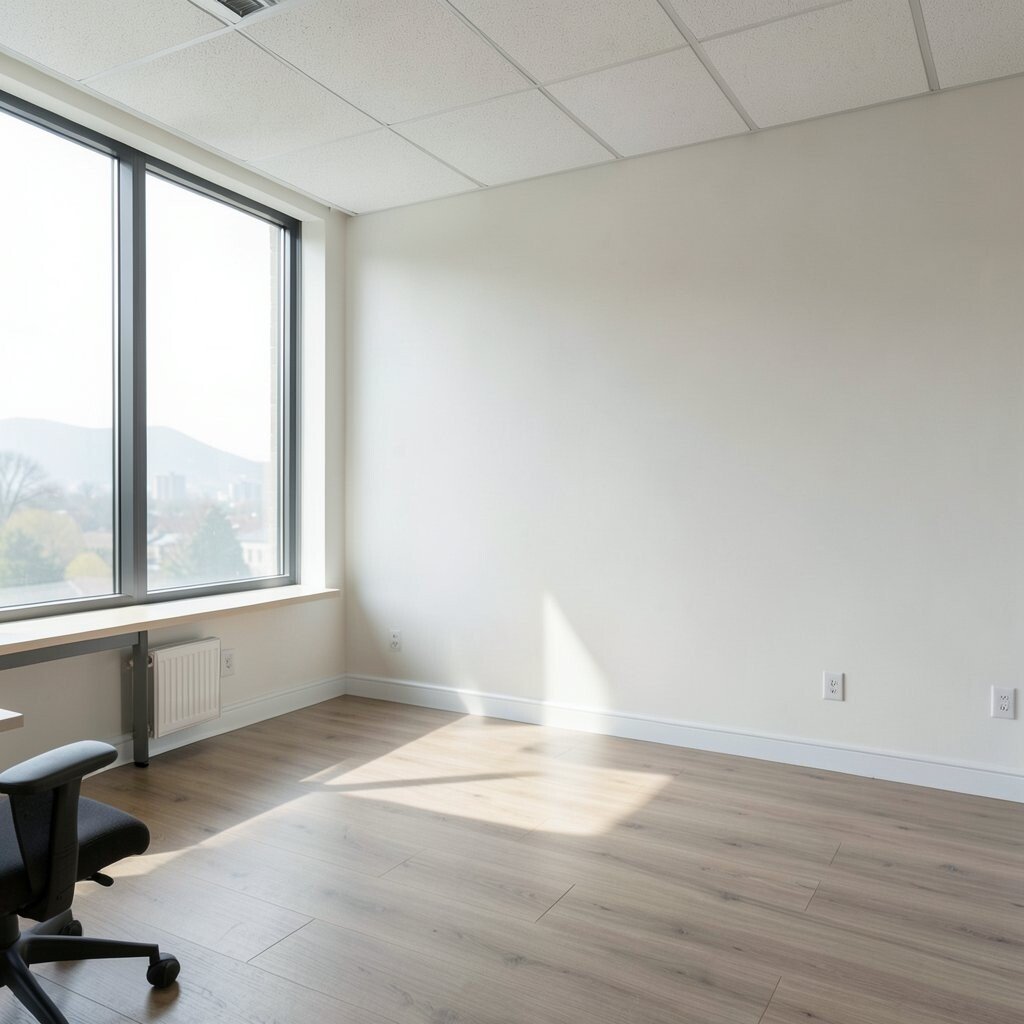
Blank walls can make a room feel cold and unfinished. A few well chosen pieces can bring warmth, color, and a sense of life to the office.
Art, shelves, framed notes, or even a fabric wall hanging can add visual interest without crowding the room. Personal items work well here, and they are often inexpensive, which makes this one of the easiest ways to give the office a stronger identity.
Gallery walls and large simple prints are both popular right now because they feel clean and easy to update. If you want the room to feel unique, choose pieces that say something about the team or the person using the space.
9. Relying Only On One Type Of Chair
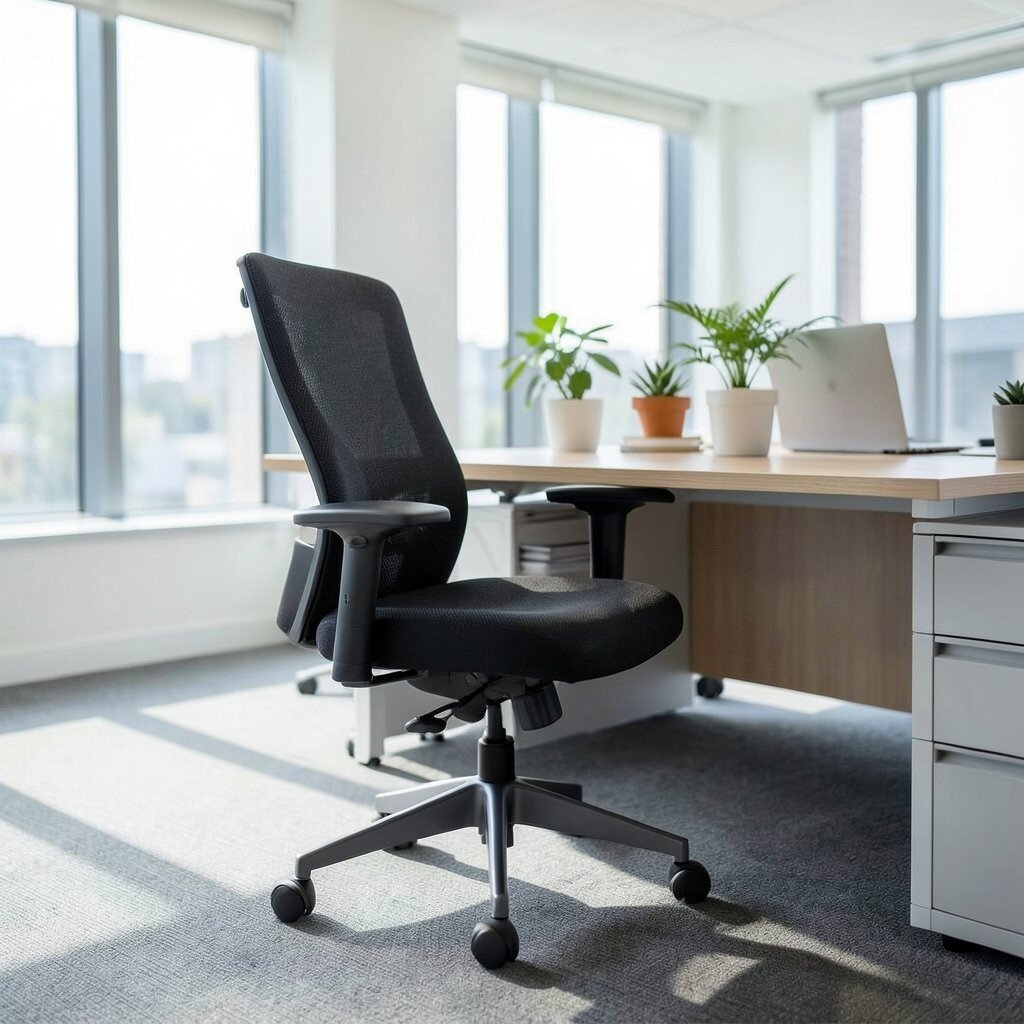
A single chair style throughout the office can make the room feel stiff and one-note. Comfort also matters, because people work better when they have a seat that fits the task.
Mix task chairs, lounge chairs, and a few casual seats to give the room more variety and use. This can raise costs if you choose designer pieces, but a smart mix of budget and statement chairs can keep the room stylish without going overboard.
Different chair styles can help the office feel more friendly and less formal. You can make the look personal by choosing one chair in a bold fabric or a fun color that sets it apart.
10. Forgetting About Storage Style
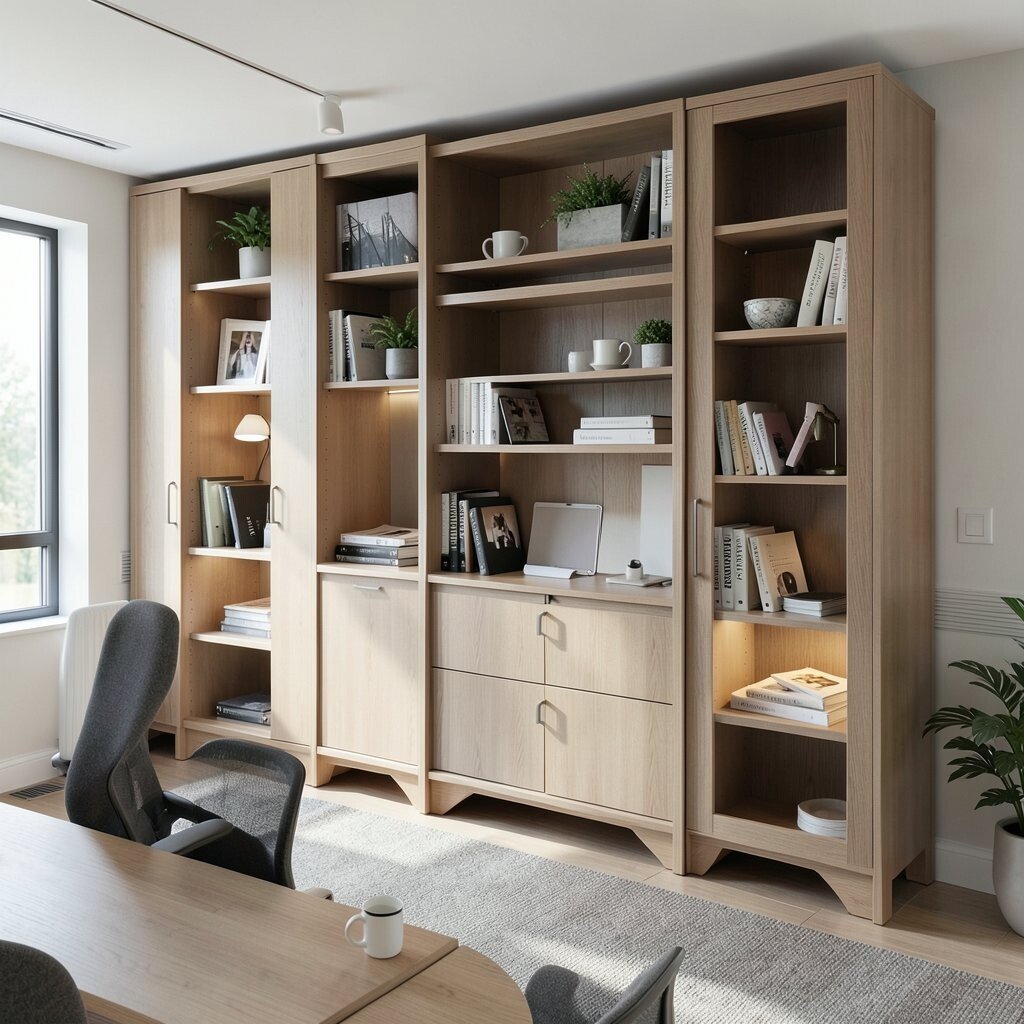
Storage that is hidden but ugly can still drag down a room. The best storage looks neat and fits the rest of the office, so it feels like part of the design instead of a fix-up.
Closed cabinets, woven baskets, and shelving with clean lines can keep clutter out of sight while still looking good. Simple storage upgrades can be affordable, and when you match finishes and colors, the room starts to feel much more planned.
Open shelves are popular in many modern offices, but they work best when the items on them are edited with care. A few books, a plant, and a meaningful object can make storage feel personal and stylish at the same time.
11. Too Little Natural Light
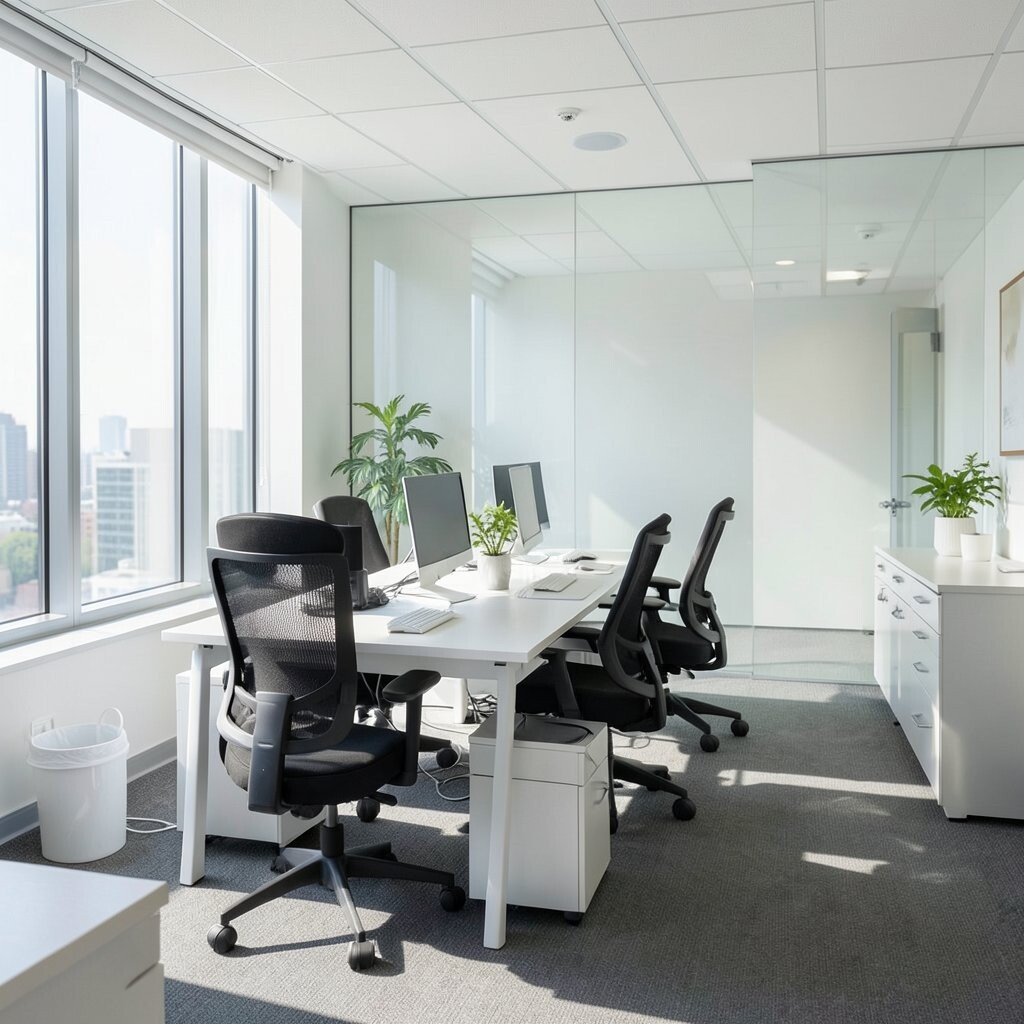
A dark office can feel heavy and slow, even when the furniture is nice. Sunlight brings energy into the room and makes colors look richer and more alive.
If windows are small, use mirrors, glass details, and lighter finishes to help bounce light around. That can be a smart low cost move, and it often makes the room seem bigger without changing the whole layout.
Sheer curtains are a simple current favorite because they soften glare while keeping the space bright. You can also place desks near the best light and use plants or light art to make the room feel fresh and personal.
12. A Reception Area With No Welcome
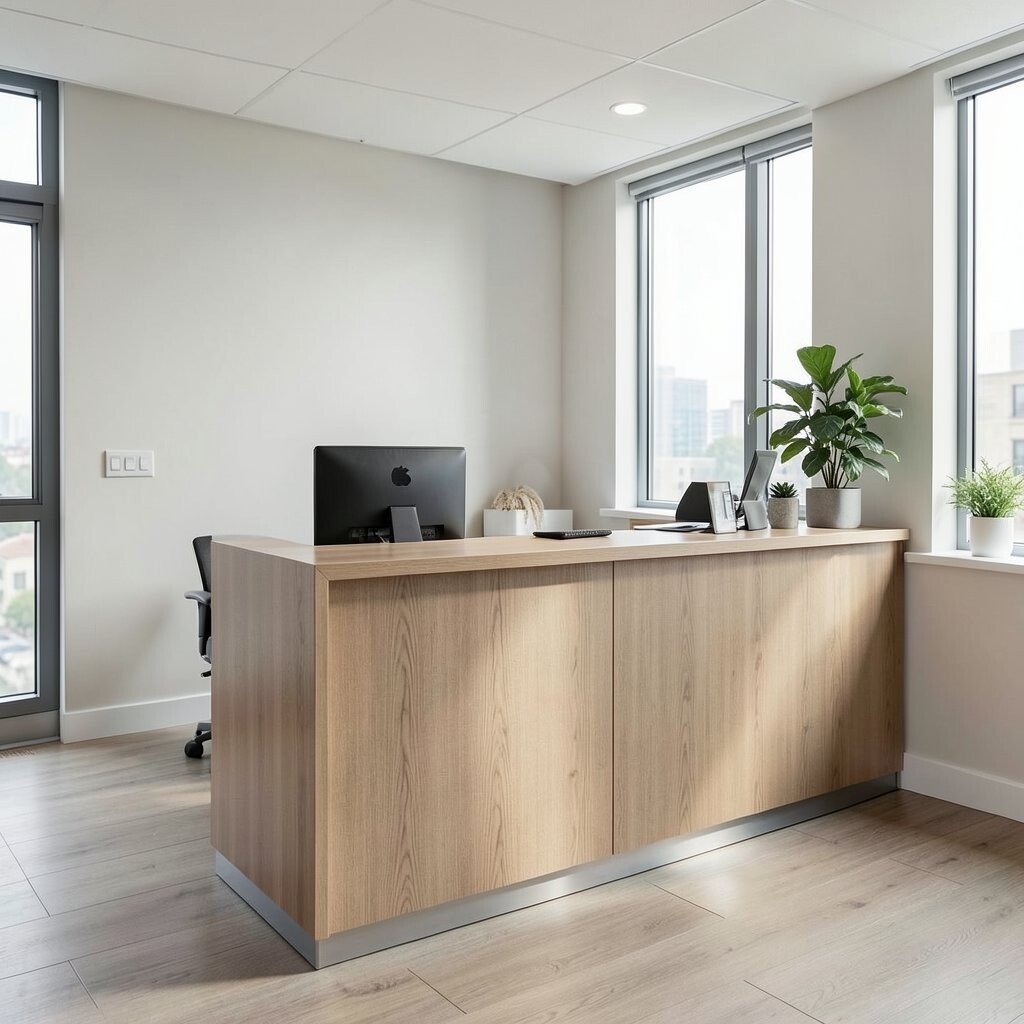
When guests walk in and see a plain front area, the office can feel chilly fast. A warm reception space sets the tone and makes the whole place feel more thoughtful.
A comfortable chair, a small table, soft art, and one clear focal point can make a big difference. These items do not need to be expensive, and a few thoughtful details can create a unique first impression that feels friendly and calm.
Many modern offices use simple waiting areas that feel more like a lounge than a lobby. That trend works well because it helps visitors relax and gives the space a more human feel right away.
13. Loud Decor With No Balance
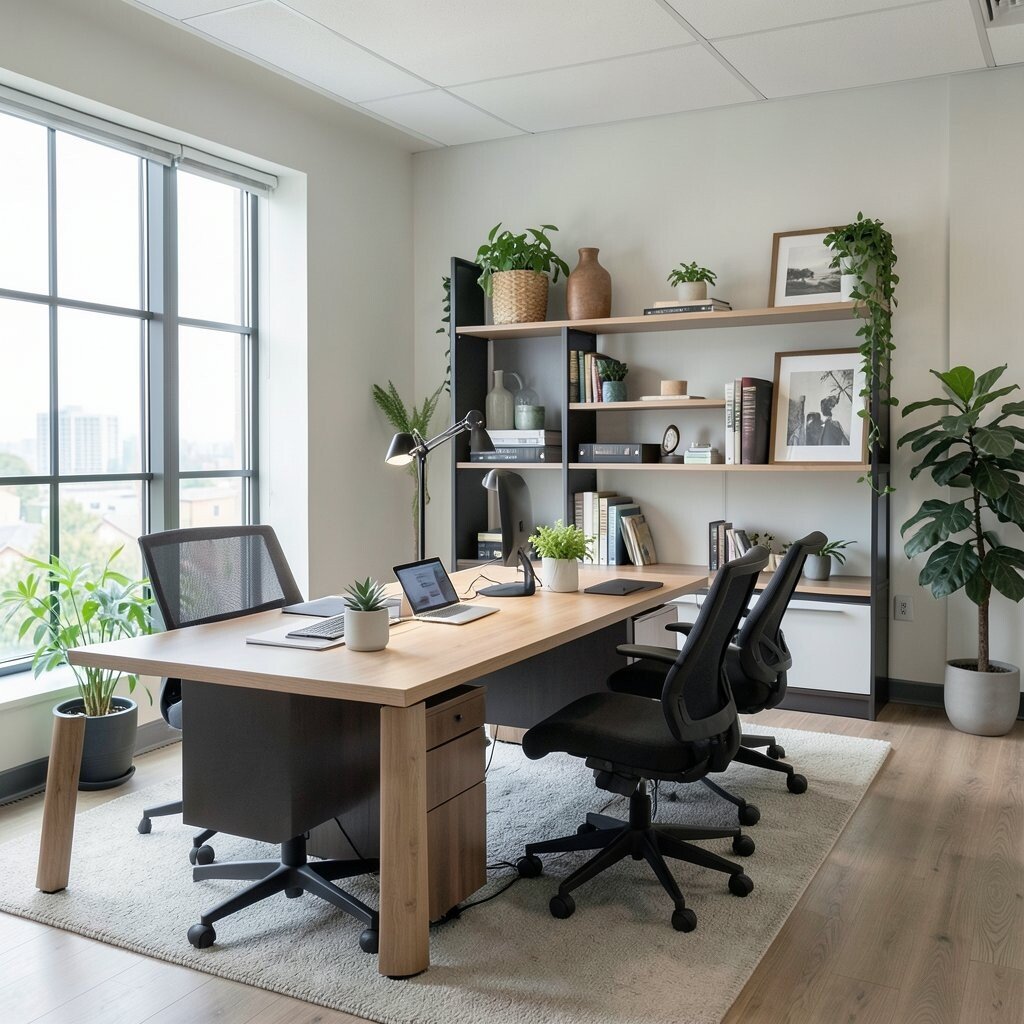
Very bright patterns and too many bold objects can make an office feel noisy. A balanced room feels easier on the eyes and gives each piece room to stand out.
Pick one strong feature, such as a statement rug or a colorful chair, and let the rest of the room support it. This keeps costs under control too, since you only need a few special items to create a clear look.
If the office needs more personality, use texture instead of more color, like wood grain, soft fabric, or matte finishes. That approach can feel more unique and modern without making the room seem busy.
14. Bad Flow Between Work Areas
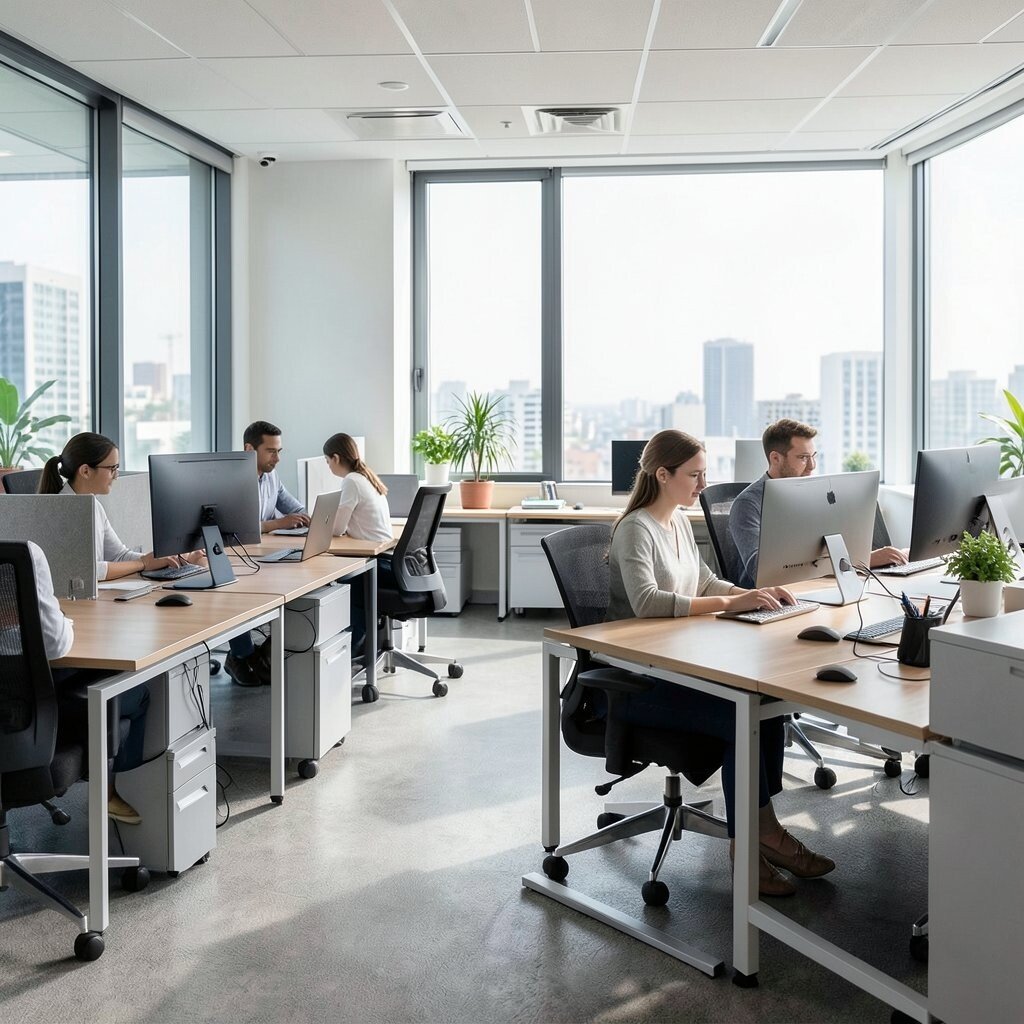
When people bump into furniture or cross paths too often, the office starts to feel frustrating. Smooth flow makes the space easier to use and helps it look more open at the same time.
Leave clear walking paths and keep large pieces out of tight corners so movement feels natural. This kind of planning does not always cost much, but it can make the room feel far more polished and easy to use every day.
Flow also matters for how the room looks from every angle, not just when you are sitting down. A well planned path lets you show off the best parts of the office, like art, lighting, or a unique table.
15. No Greenery At All
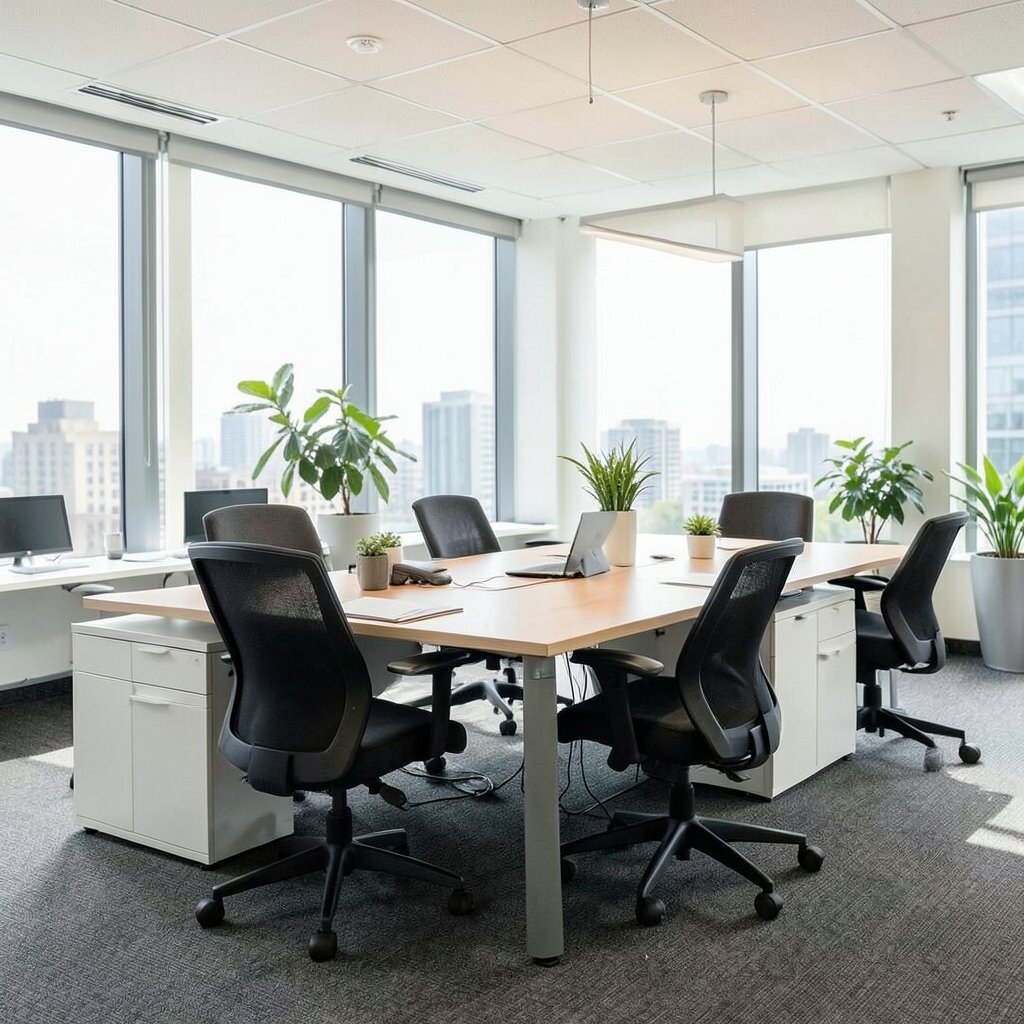
An office without plants can feel a little dry and lifeless. Greenery brings soft color, a fresh look, and a sense of calm that people often notice right away.
Choose easy plants if the room has little sun, or use a mix of real and faux plants for a fuller look. Small planters are usually affordable, and they are an easy way to add personality without changing the whole design.
Plant trends keep leaning toward simple pots, grouped stems, and natural shapes that feel relaxed. You can place one plant on a desk or several in a corner to make the room feel more alive and unique.
16. Designing For Looks Only
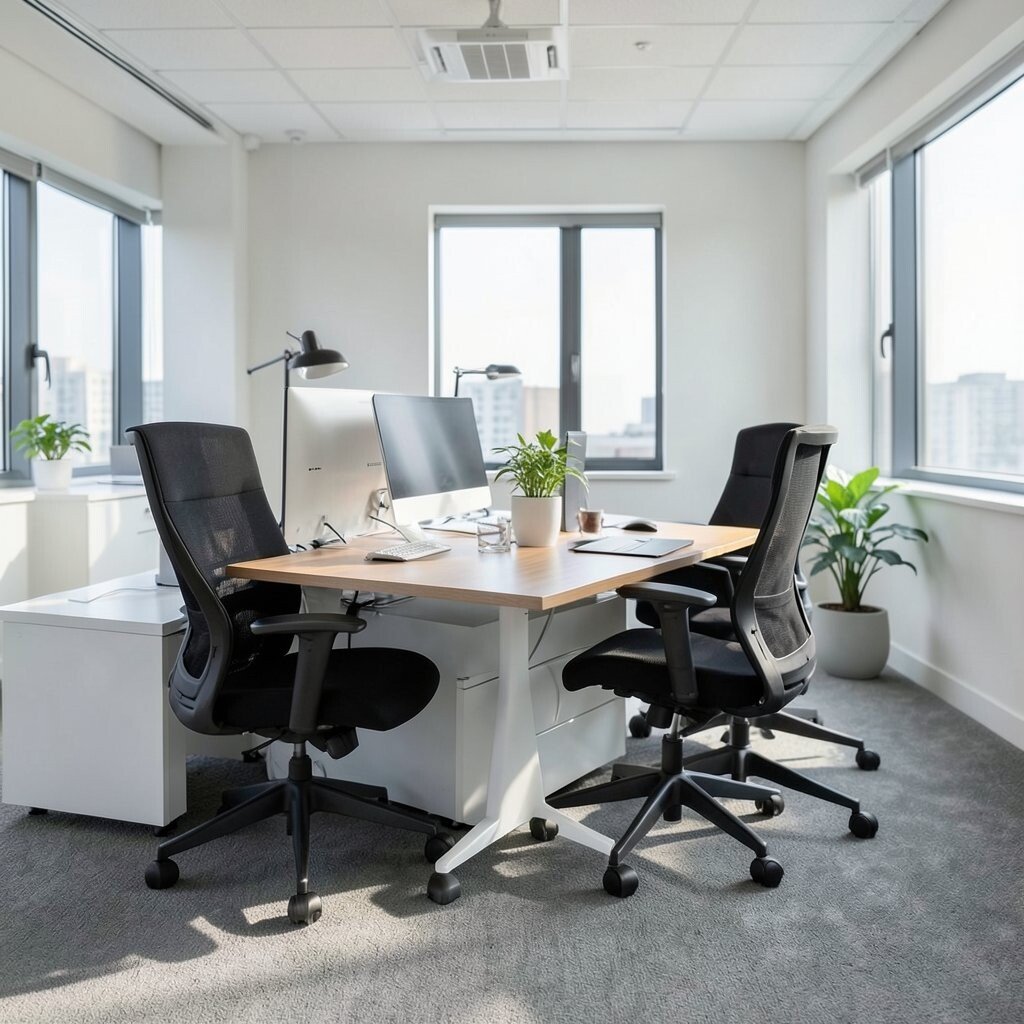
An office that looks pretty but does not work well will soon feel like a mistake. Good design should help people sit, move, think, and meet with ease.
Comfort, storage, sound control, and easy cleaning all matter just as much as style. Some of the best updates are not costly at all, and a smart mix of useful pieces and personal details can make the room feel both beautiful and practical.
Current office design leans toward spaces that feel warm, flexible, and real instead of stiff and perfect. When a room supports the way people work and still shows a bit of character, it becomes a place that people want to use every day.