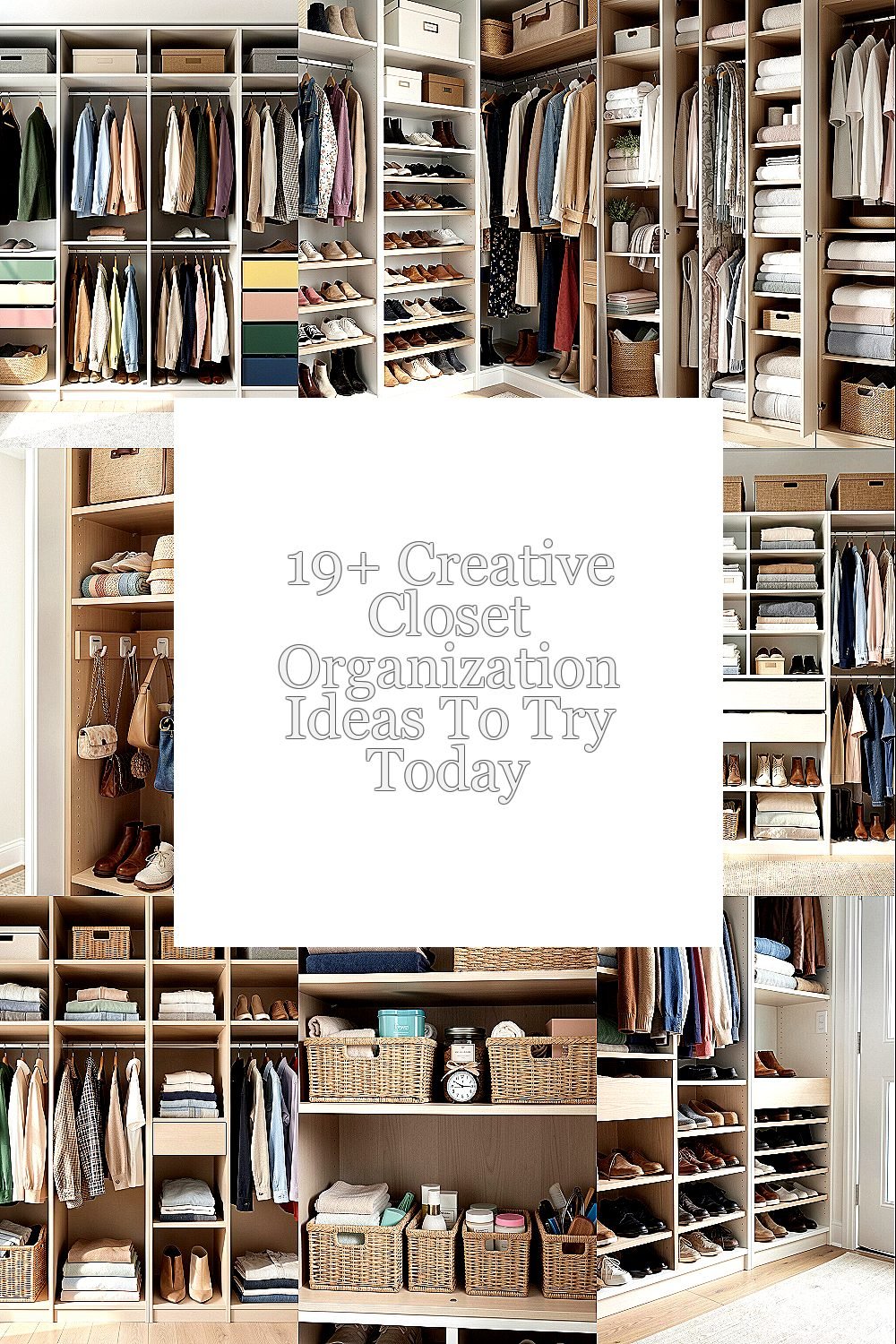
Your closet can feel calmer in a single weekend with the right system. Small changes can make everyday choices feel easier and more fun.
Instead of shoving things into drawers, try methods that keep your space visible, flexible, and friendly to your routine. You’ll also reduce clutter because you’ll know exactly where everything belongs.
1. Color-Blocked Hanging Zones
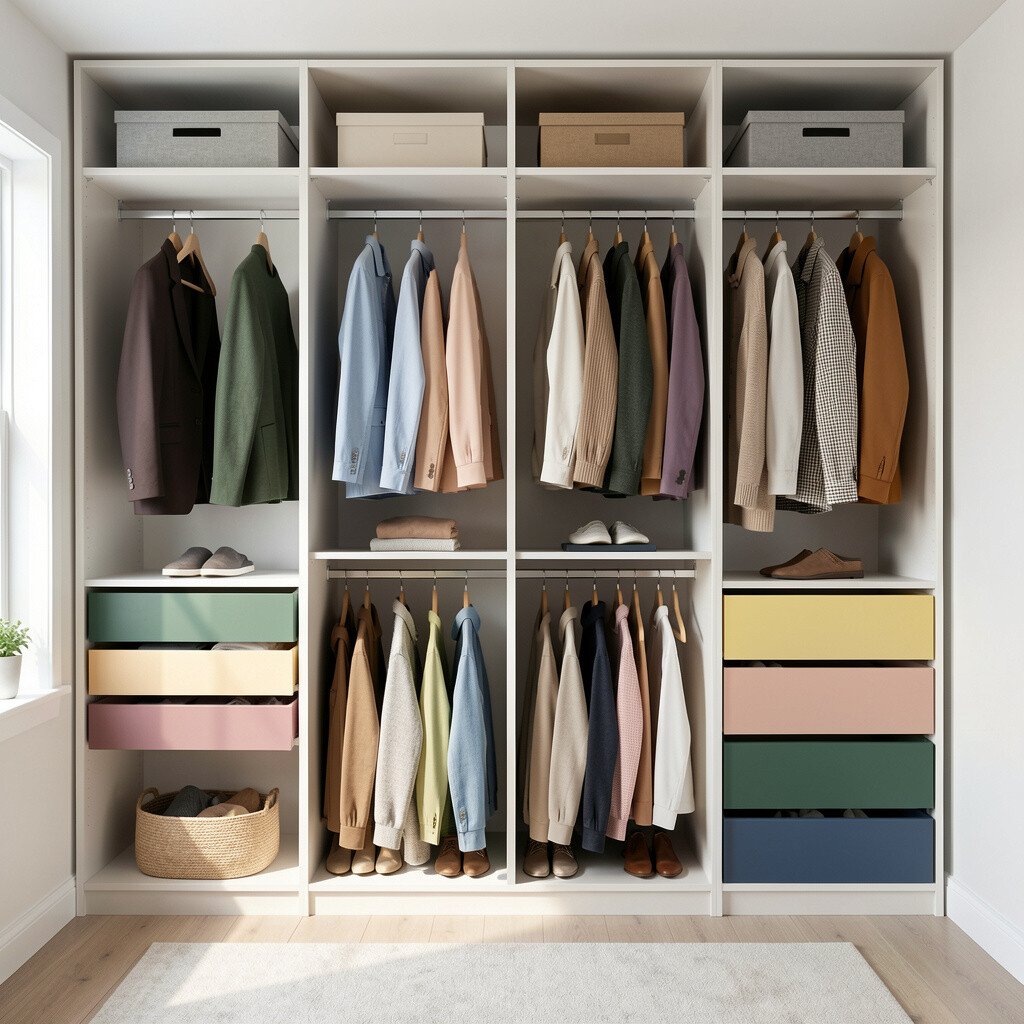
Start by grouping similar items by color on the hangers, then create clear zones from one side of the closet to the other. Visually, the closet will look like a neat rainbow or a calm gradient, which makes mornings feel less stressful.
When everything in a zone matches, you won’t have to dig or guess, and you’ll grab outfits faster. Use budget-friendly wooden or plastic hangers in a few consistent colors so the look stays tidy and personal.
2. Shoe Ledges With Clear Front Visibility
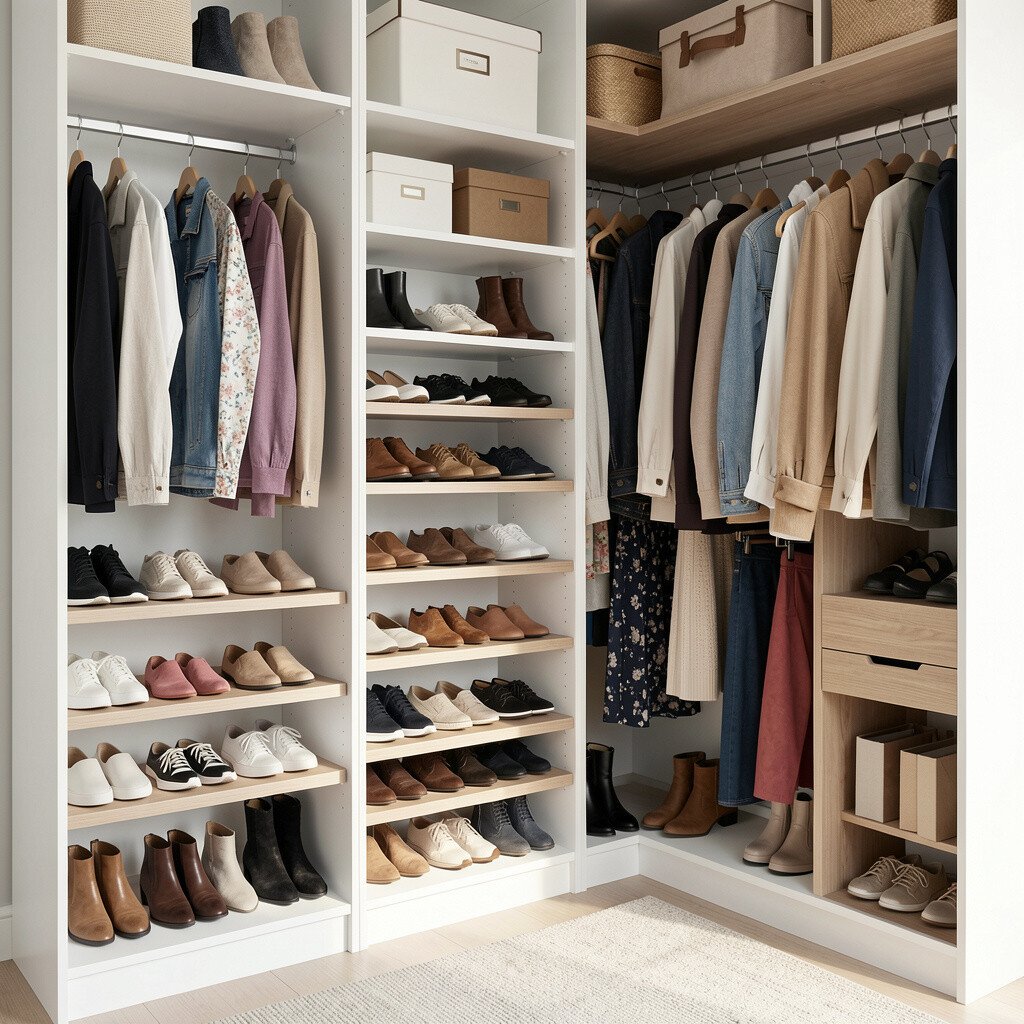
Install shallow ledges or a shoe shelf system that keeps pairs facing outward, so you can see them at a glance. The visual payoff is huge because each pair looks like a little display on a tidy stage.
Choose adjustable spacing so sneakers, flats, and boots each fit comfortably without becoming crushed. This helps you keep shoes in shape, reduces mess on the floor, and makes it simpler to keep up with rotation.
For a practical approach, use clear bins or transparent shelf dividers so you can spot your size quickly. If you’re cost-conscious, measure first and buy only what you need, then add a few ledges at a time as your budget allows.
3. Vertical File-Style Storage for Towels and Scarves
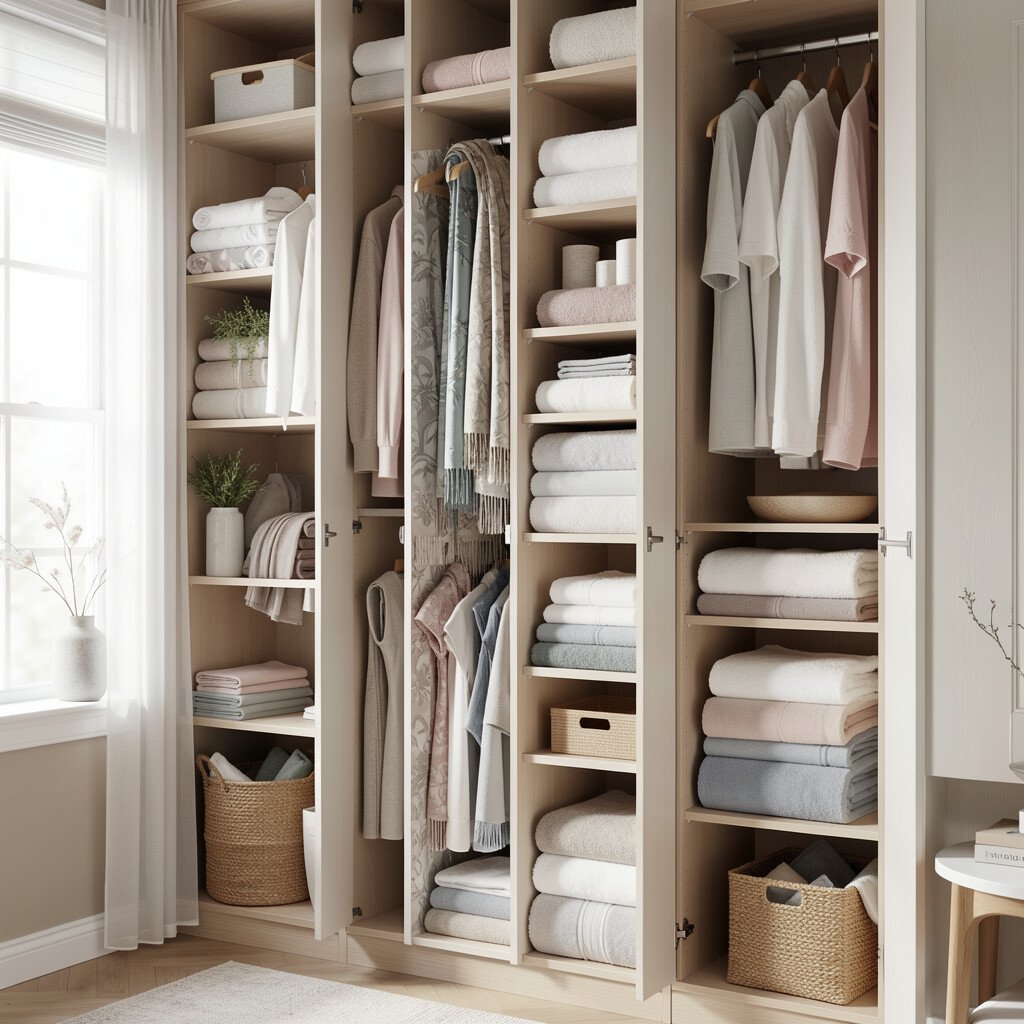
Roll or fold towels, scarves, and bandanas into uniform rectangles and store them upright like files. You’ll immediately notice how much easier it is to find the right pattern without rummaging.
This method prevents the “pile collapse” that happens when soft items get stacked the wrong way. It also keeps fabric from wrinkling and makes it easier to keep shelves looking clean.
Use a few inexpensive dividers, magazine holders, or thrifted bookends to keep everything standing. Personalize by sorting by color, season, or texture, then label with small fabric tags that match the vibe of your room.
4. Command-Strip Hooks for Everyday Accessories
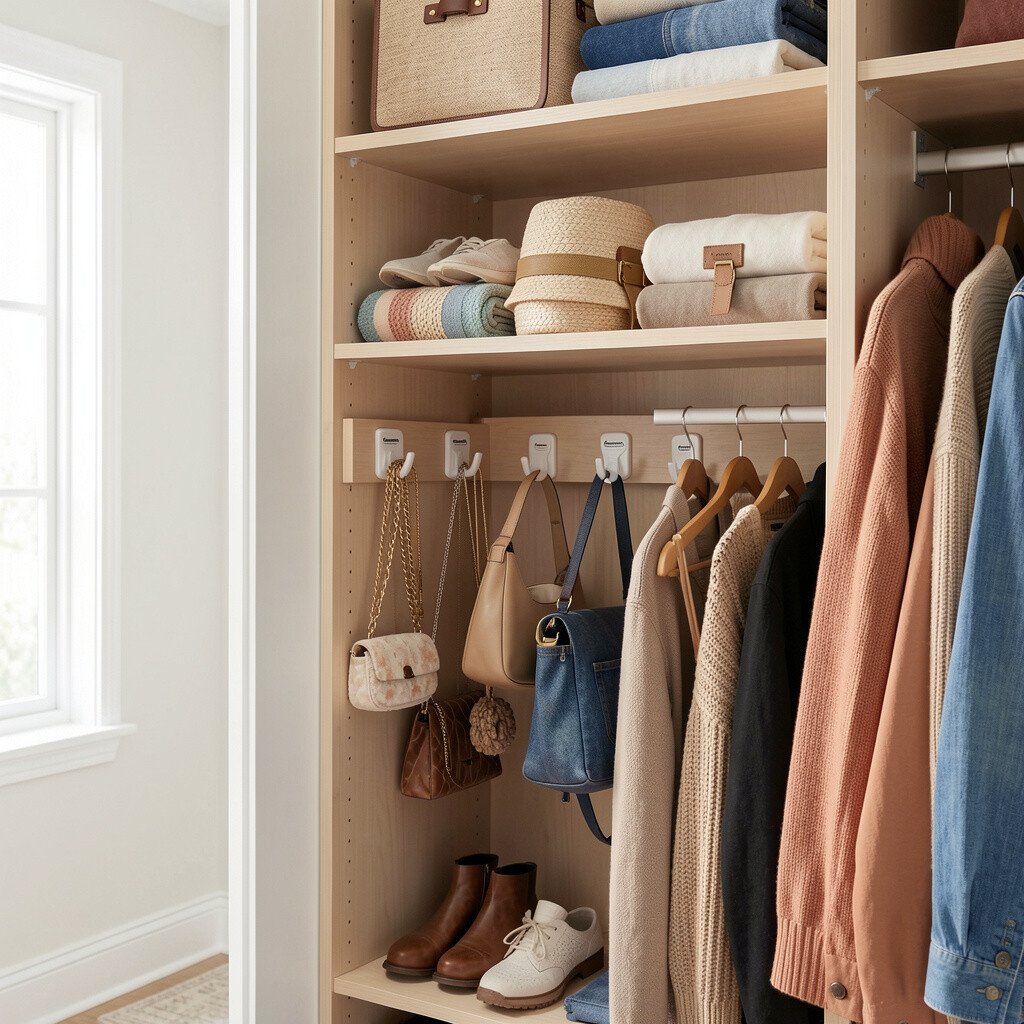
Mount small hooks and hanging organizers with strong adhesive strips for belts, hats, and bags you reach for often. When you look in the closet, these items will be visible and ready, like they’re waiting for you instead of hidden behind clutter.
This saves time and protects delicate accessories from getting tangled or buried. Use a mix of hook sizes so items don’t slide, and place the hooks at eye level for the most convenient daily grab.
5. Drawer Inserts Built From Cardboard and Fabric
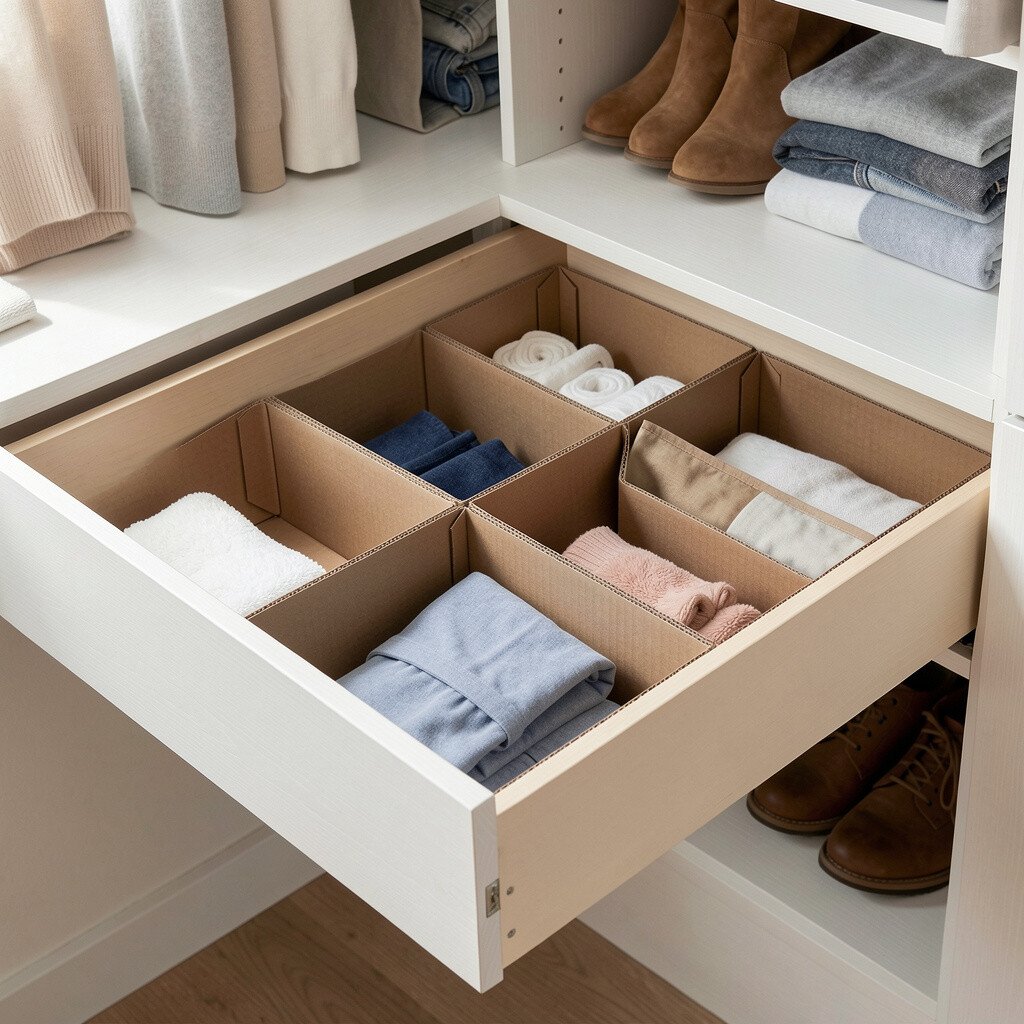
Create simple dividers using sturdy cardboard wrapped in fabric or contact paper. The look is surprisingly neat, and you’ll love how each drawer becomes its own tidy mini-world.
Dividing small items like socks, ties, and hair supplies stops everything from mixing together. Keep it flexible by making the dividers movable so you can adjust as your collection changes.
If you want a low-cost start, cut one set that fits your current drawer, then upgrade later with nicer organizers. Personalize by choosing fabric patterns that match your bedroom, so the closet feels like part of your home style.
6. Seasonal Rotation With a Two-Bin Rule
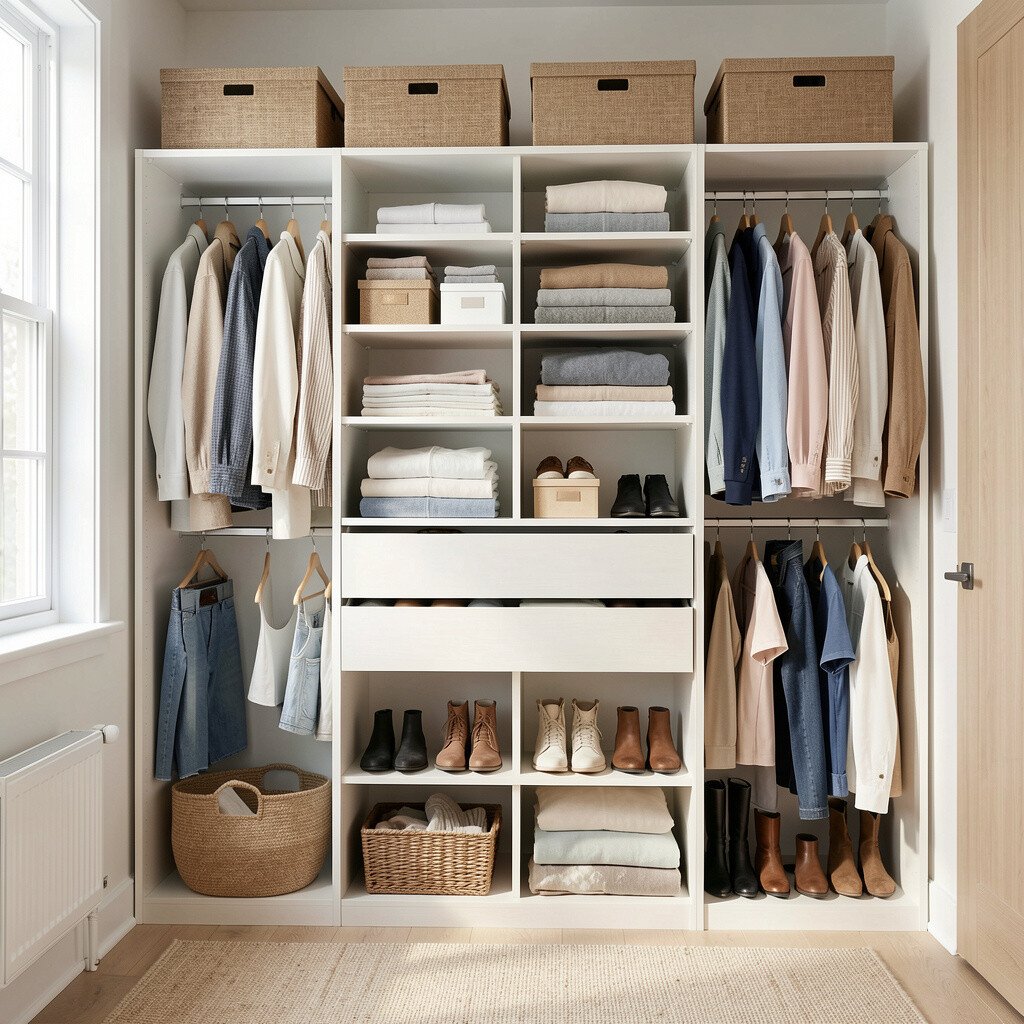
Set aside two labeled bins on a higher shelf for out-of-season clothes and rotate them when the weather shifts. The closet stays light and usable, and your current favorites feel easier to reach.
Keeping only the right season in easy sight reduces decision fatigue and helps you avoid wearing items that have been forgotten. A smart trick is to store seasonal pieces in clear bags so you can spot sizes and styles quickly.
7. The “Hang-Then-Fold” System for Wrinkle-Friendly Clothes
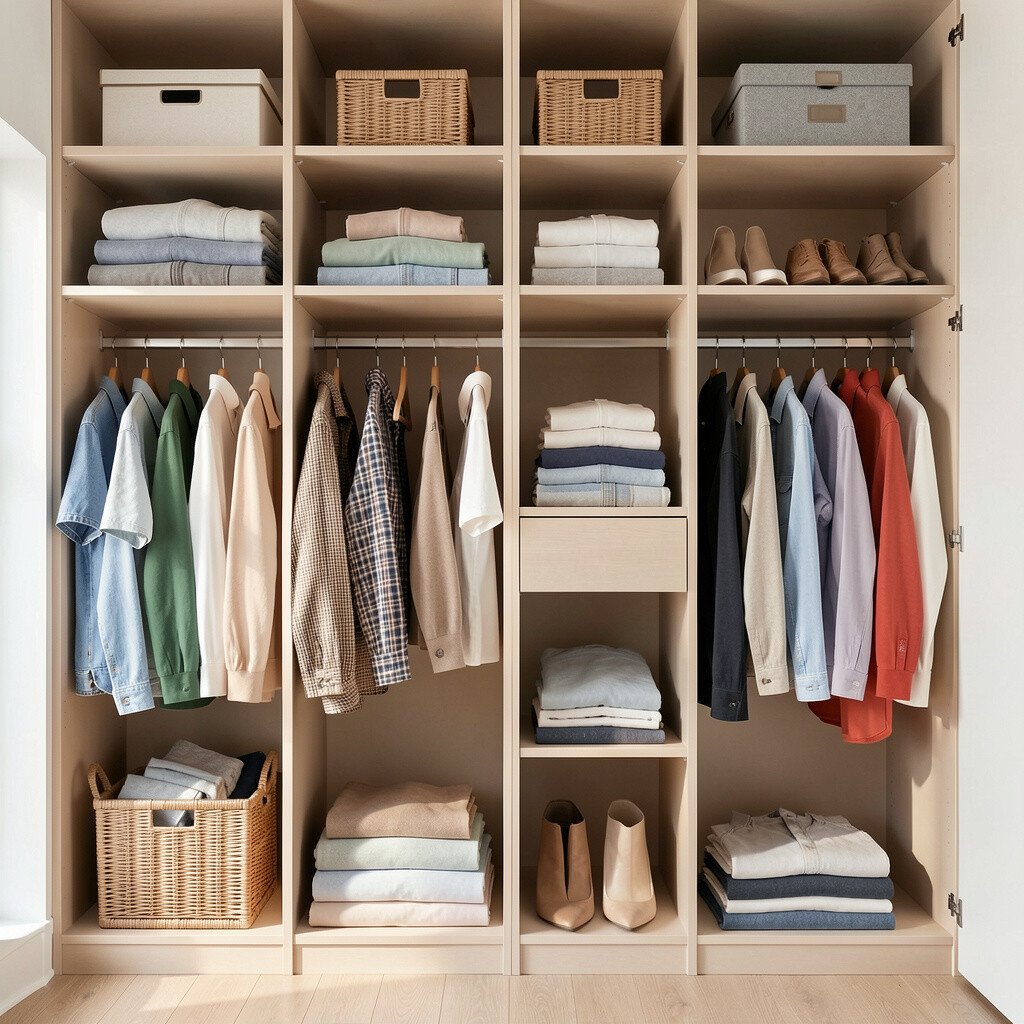
Hang items that crease easily, and fold the rest into stacked sections that stay flat. You’ll notice the visual rhythm right away when the closet alternates between smooth hangers and clean stacks.
This reduces wrinkling and makes outfit planning simpler because each category is predictable. Use lightweight shelf paper or a small lip on shelves so folded items don’t slide forward.
Personalize by grouping by fabric type, like denim, knitwear, and casual cotton, so you can match outfits based on feel. Cost stays reasonable because this plan mostly uses existing space and a couple of small organizers.
8. Under-Shelf Basket Sets for Small Daily Items
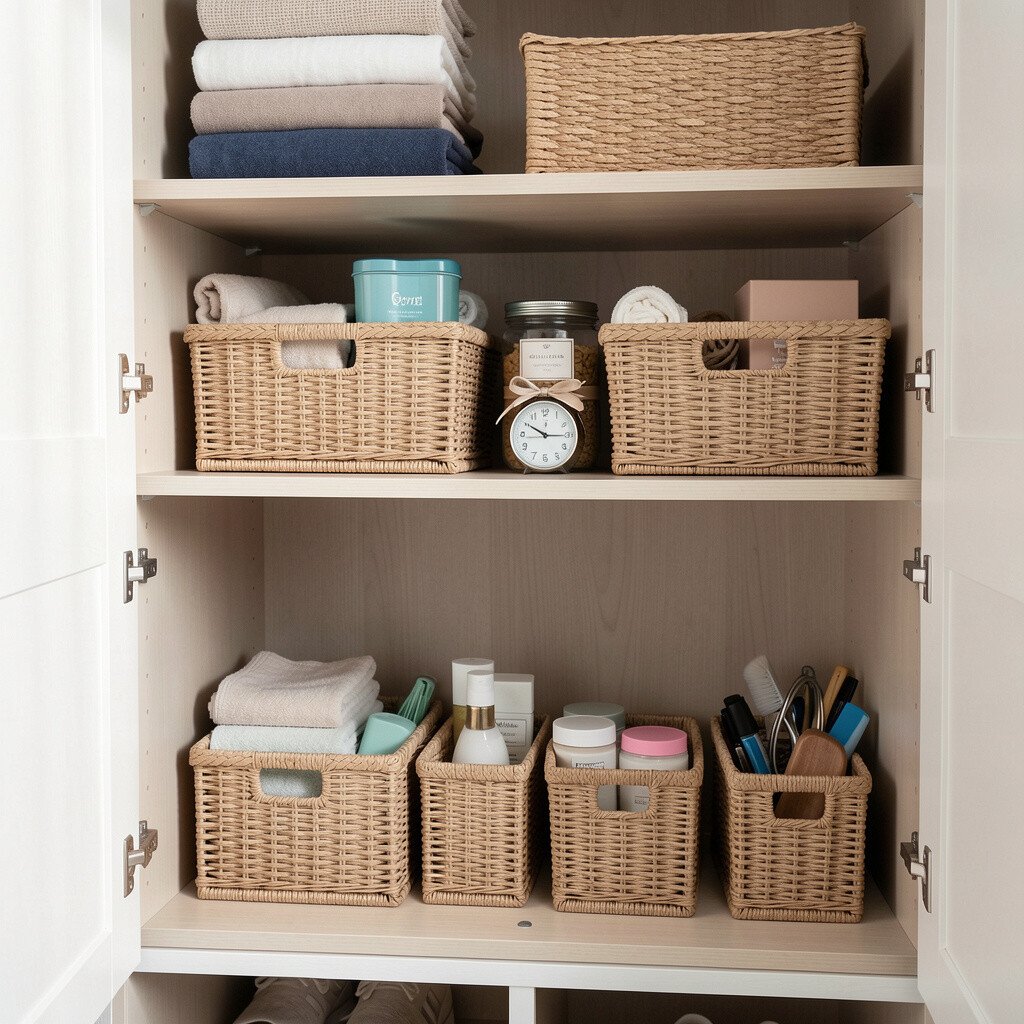
Add baskets under a hanging section to catch small essentials like leggings, gym socks, and tote bags. The closet looks cleaner because little items don’t end up on the floor or shoved into random corners.
These baskets make it easier to keep routines on track, especially if you change outfits quickly before work or school. Choose baskets with handles so you can lift them out to restock without making a mess.
9. A Shoe “Landing Zone” Near the Door
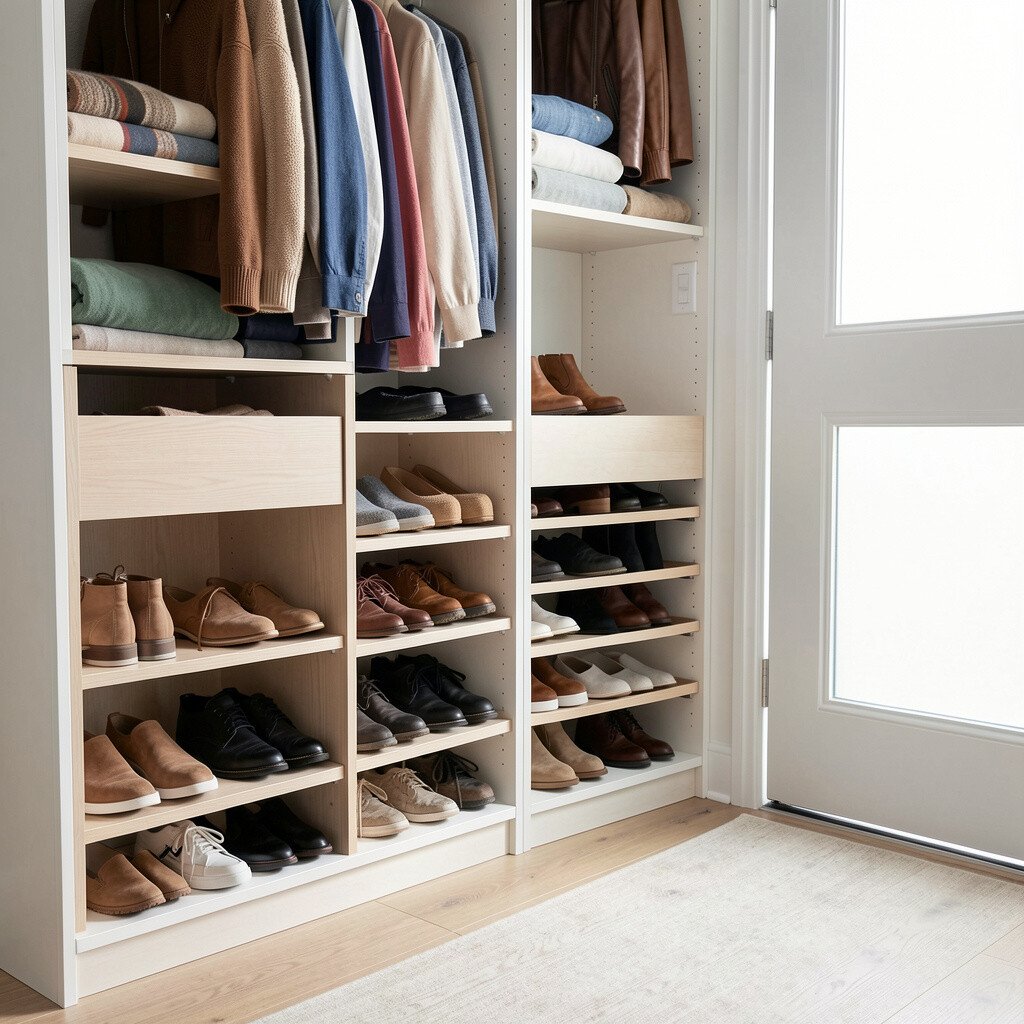
Create a landing area with a bench, small rack, or two-tier shoe organizer near the place you take off and put on shoes. It will look welcoming and tidy, and you’ll feel the difference every time you walk in.
Having a dedicated spot reduces shoe chaos and prevents crumbs, scuffs, and stray pairs from spreading across the floor. Personalize the style with a favorite color tray or a small fabric runner that matches your home.
For costs, you can start with a simple rack, then add a bin for shoe care later. Consider current trends like minimal, open storage with simple trays because they keep spaces visually light.
10. Belt and Tie Organizer With Adjustable Spacing
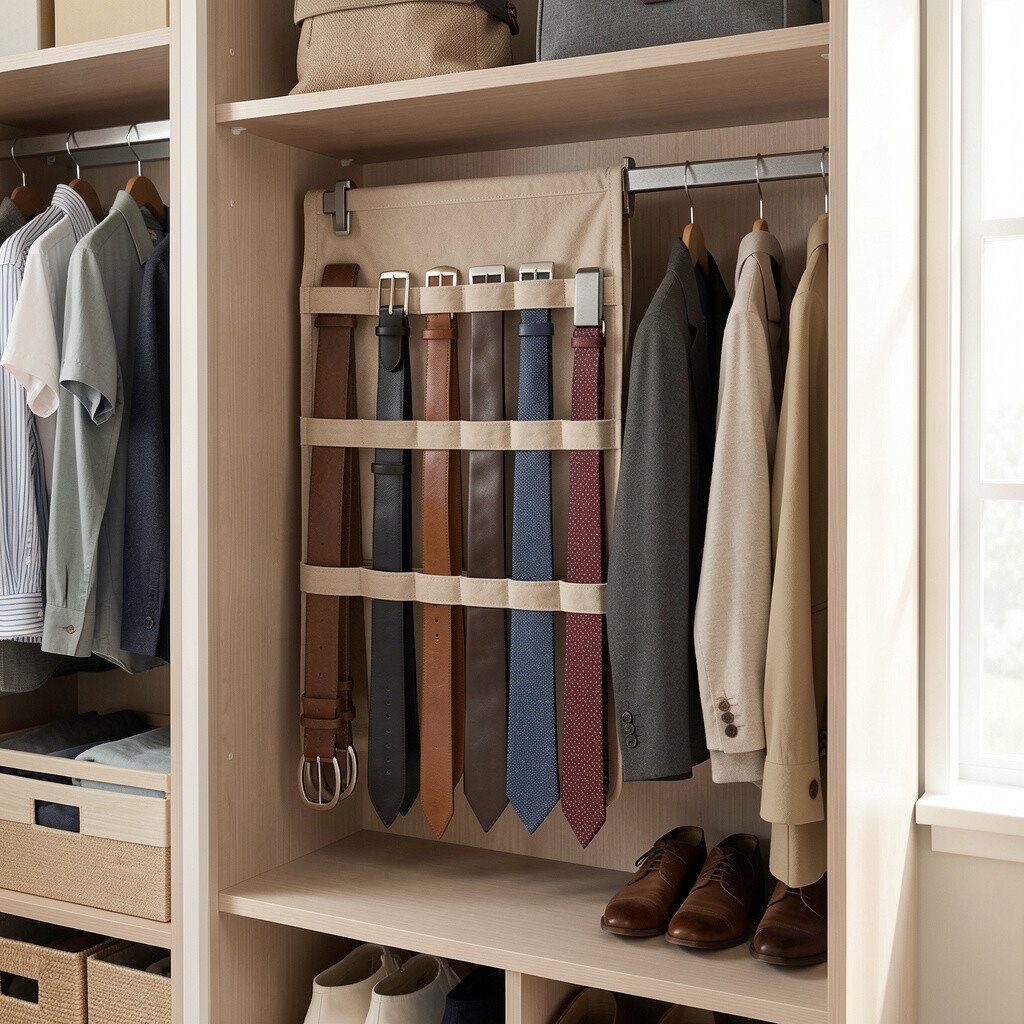
Use a belt and tie rack with adjustable pegs or a tiered organizer so every strap hangs neatly and doesn’t curl. Visually, your closet gains a clean line instead of a tangled rope mess.
This helps you keep accessories in good shape and makes it easy to match outfits without digging. Choose organizers that fit your closet width so you don’t waste space, and consider a few removable rows if you change your accessories often.
11. Hanging Fabric Pockets for Clean and Dirty Categories
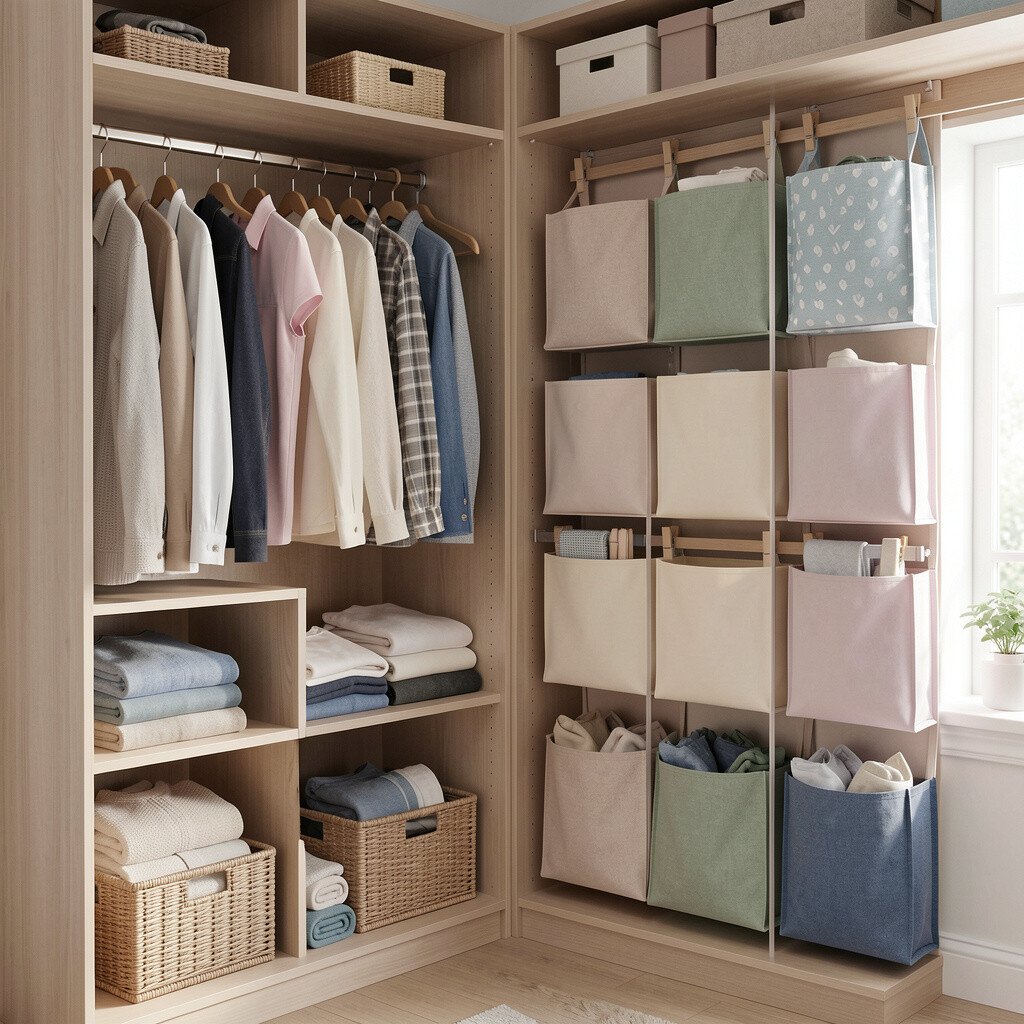
Install hanging fabric pockets behind a door or on a closet rod to separate “fresh for wear” from “ready to launder.” The visual is simple, and it instantly makes the closet feel more organized and helpful.
You’ll cut down on the time you spend sorting laundry later, and your clothes stay cleaner between washes. Use pockets of different sizes so socks, delicates, and small items all fit without cramming.
For personalization, pick a color or pattern that matches your room and keep one pocket for special items like workout tops. Cost is usually low because many versions are inexpensive, but you can also sew your own for a custom touch.
12. Use a Closet “Dock” for Bags and Backpacks
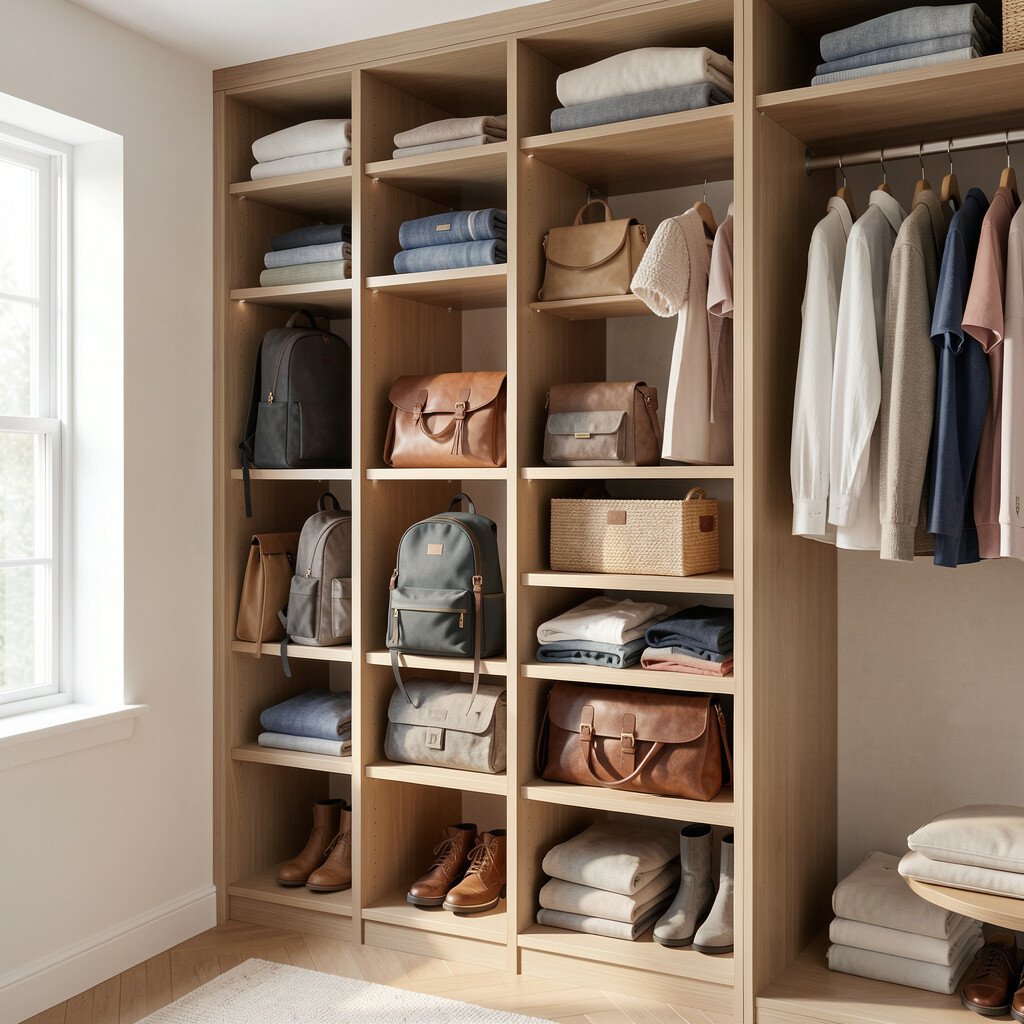
Set up a small shelf or hooks specifically for bags, backpacks, and purses that you use frequently. You’ll see everything neatly grouped, and the closet won’t become a landing spot for random items.
This keeps daily life smoother because you can grab your bag without checking five places. Choose a dock height that protects straps from dragging, and add a small tray for keys so nothing gets lost.
13. Create a “One-Move Outfit Lane” for Busy Mornings
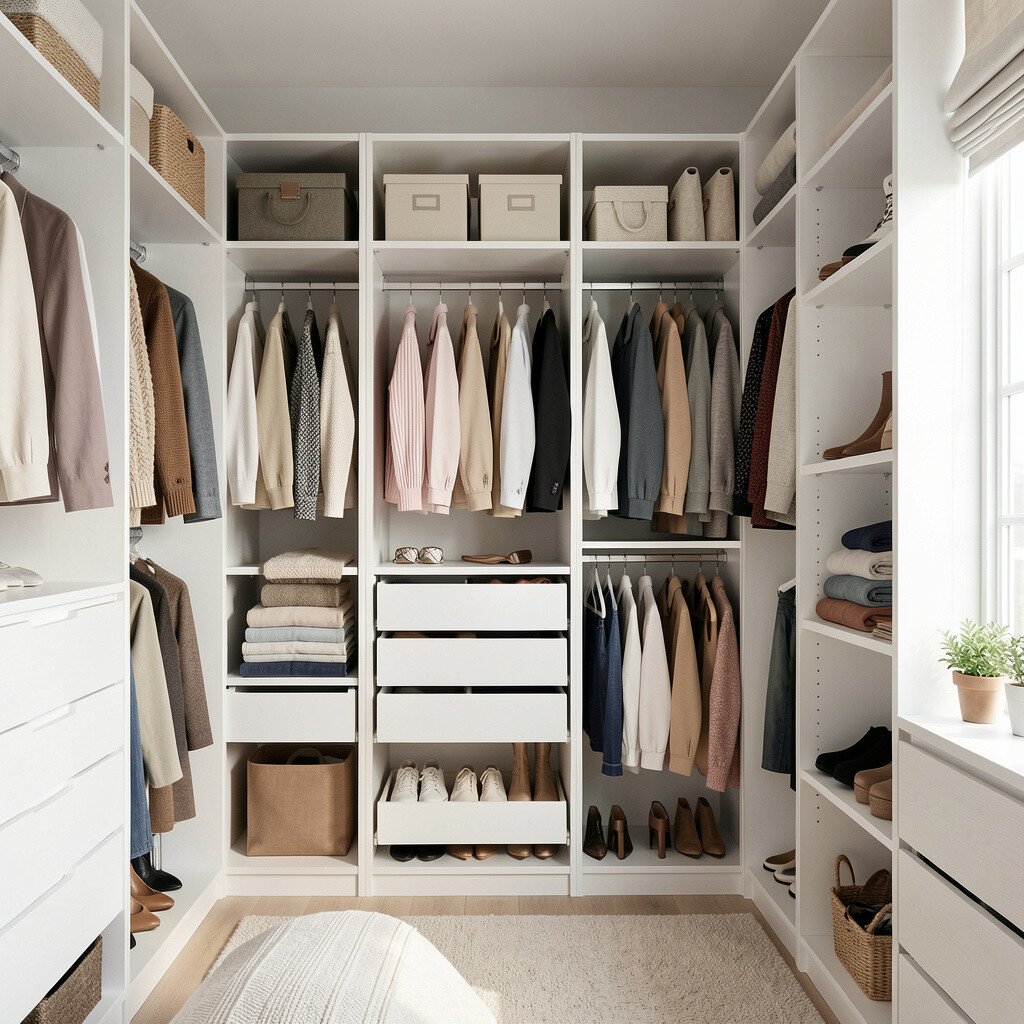
Dedicate one section of closet space to a few outfit sets you can grab quickly, like a top, bottom, and accessory in one place. Visually, it becomes a tidy row of ready-to-go choices, not a pile of maybes.
This system reduces time and helps you dress with confidence, especially on hectic days. Use clear garment bags or fabric dividers to separate sets while still keeping them visible.
Personalize it by using your own routine, such as school days, work days, or weekend looks. The cost can be kept low by using dividers you already own and adding only a few clear bags or hangers.
14. Closet Shelves With Foam Lining for Slippery Items
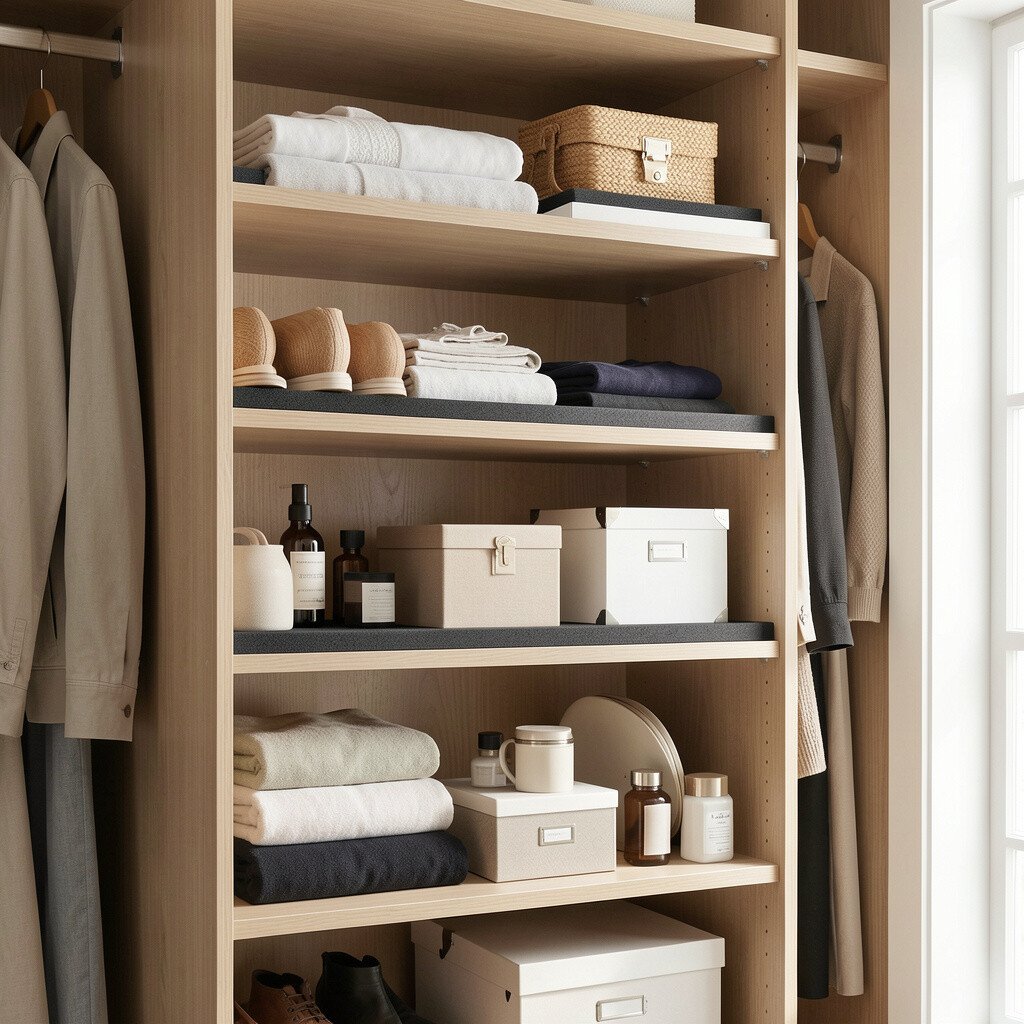
Line shelves with non-slip foam or grippy shelf paper so folded items, shoes, and boxes don’t slide. The visual effect is subtle, but the change feels huge when everything stays put.
Staying in place means less mess and fewer re-folding moments, which helps you keep the closet looking good. Choose a liner that’s easy to cut so it fits your shelf size exactly.
This is a practical choice for items like sweaters, scarves, and shoes that tend to shift. You can personalize by choosing a neutral liner for calm or a patterned liner for a pop of personality.
15. Foldable Vertical Dividers for Kids or Guest Closets
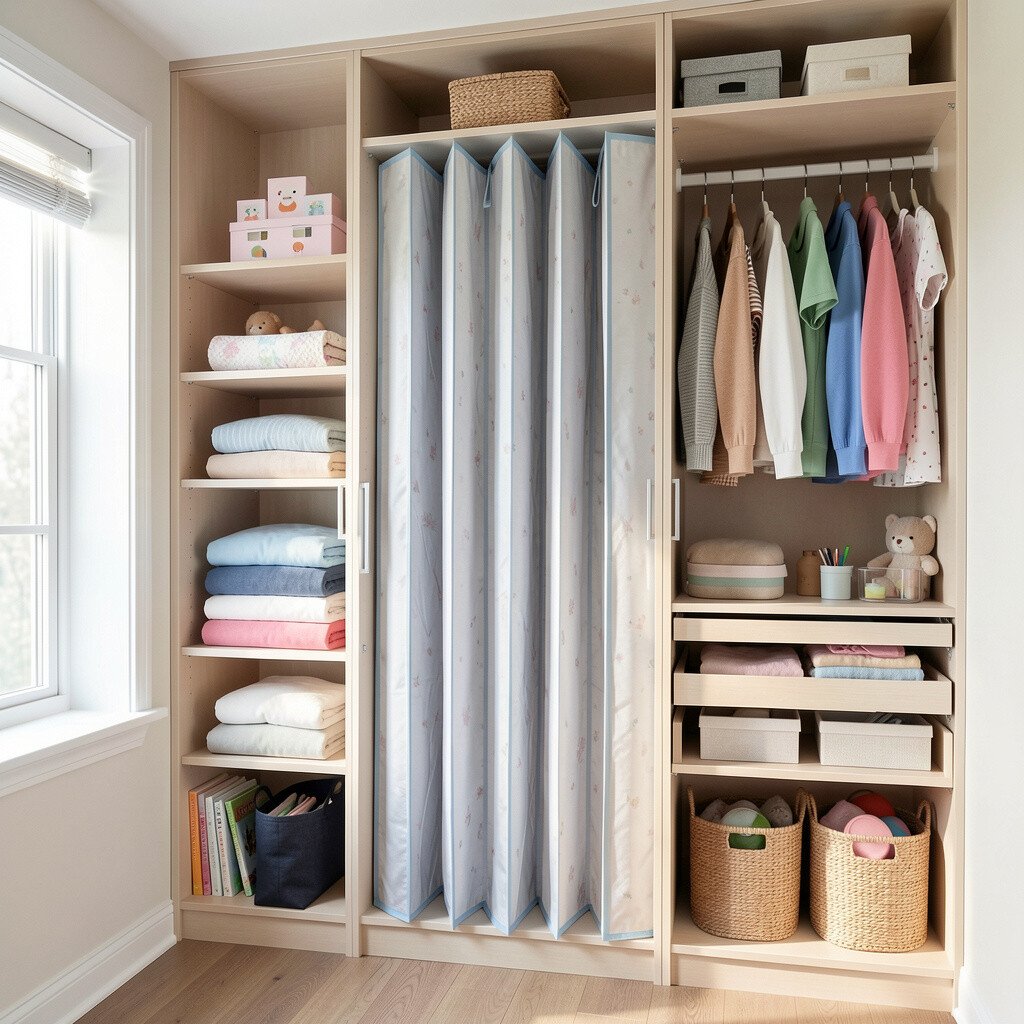
Use foldable dividers that create small “rooms” inside shelves, especially for children’s clothes or guest storage. The closet looks organized because each area stays separated, even when things get busy.
This makes cleanup easier since items have obvious homes, and it teaches better habits without extra stress. Choose dividers that can be resized as sizes change, so the system grows with your needs.
For cost, you can start with a few dividers and expand based on what you use most. Personalize the colors to match the room theme, so the closet feels cheerful instead of strict.
16. Rotate Hangers to Use the “Reverse Hanger” Check
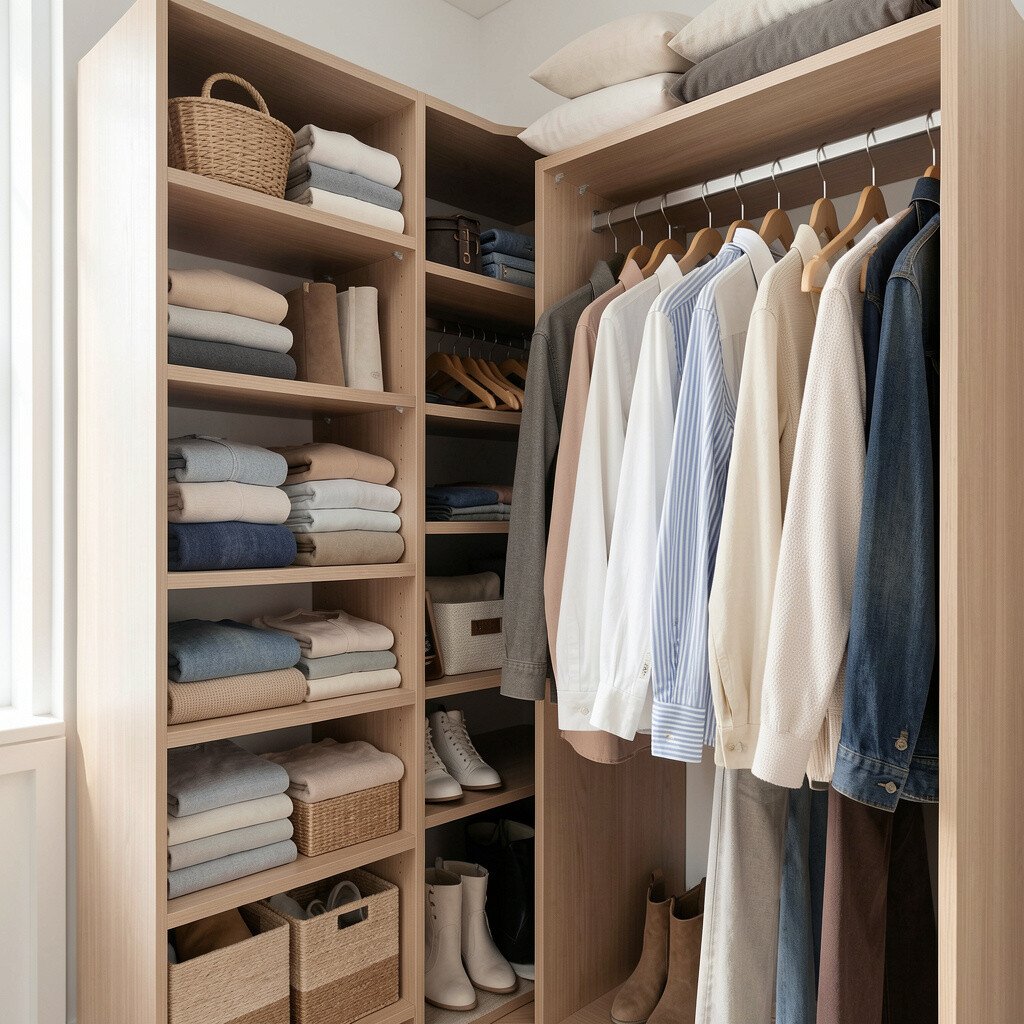
Put hangers in one direction and flip them as you wear items, so you can quickly tell what you haven’t used. Visually, you’ll see patterns in the closet, which makes decision-making feel less emotional.
This helps you plan a cleaner wardrobe by seeing what truly gets worn, not what just takes up space. Keep it practical by choosing one season window and tracking only your main clothing section.
Personalize your method by focusing on tops first, then moving to bottoms, so the process feels manageable. The cost is near zero since the main change is how you set the hangers, and the trend of “data-based decluttering” is popular right now.
17. Built-In Look With Matching Bins and Labels You Can Remove
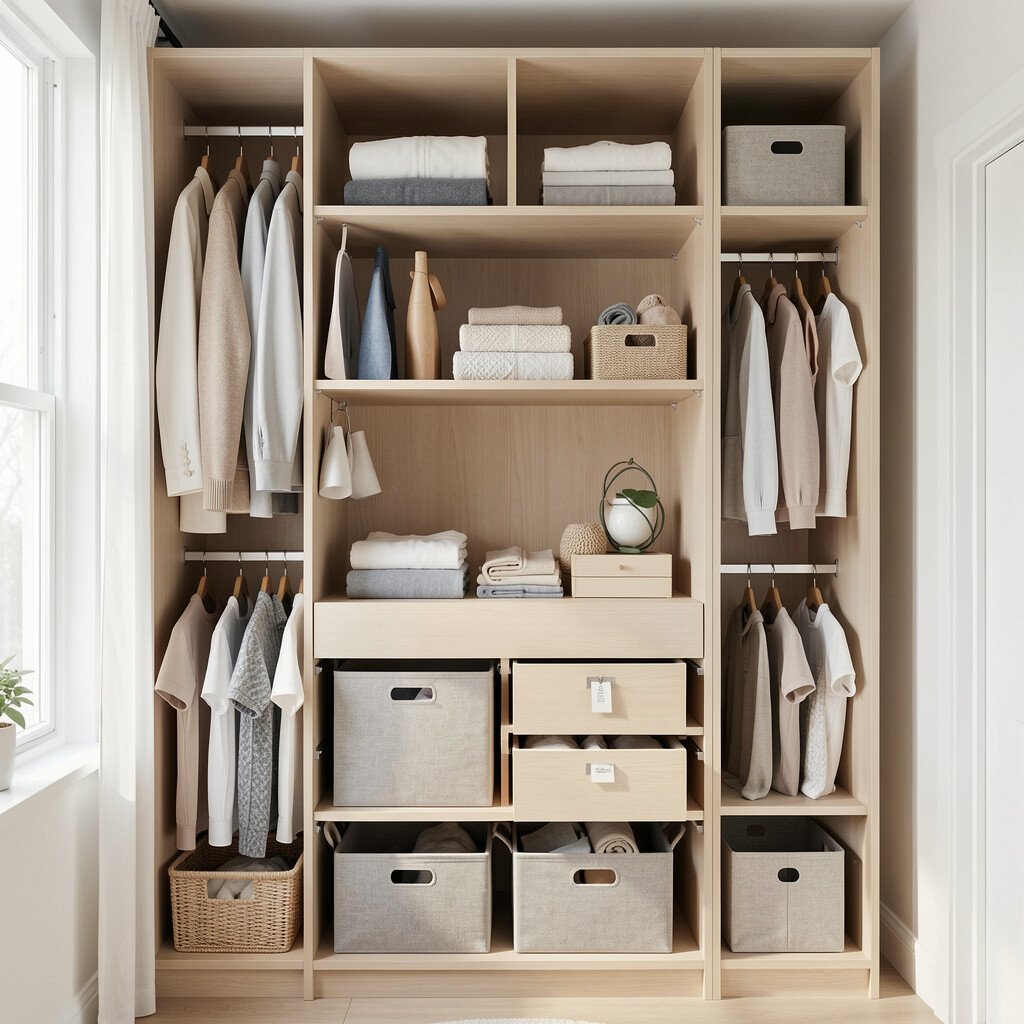
Choose matching storage bins for shelves so the closet looks consistent, then add removable labels. The visual calm comes from repeating shapes and colors, and your brain relaxes when everything aligns.
Labels help you put things back correctly, which keeps clutter from returning. Use removable labels or label strips so you can update them as you change seasons or reorganize.
For personalization, pick bin colors that match your room palette and mix sizes for a balanced look. Costs vary, so you can start with a few bins for the most messy zones, then build gradually.
18. A Clothes-Tag System for Matching Outfits Faster
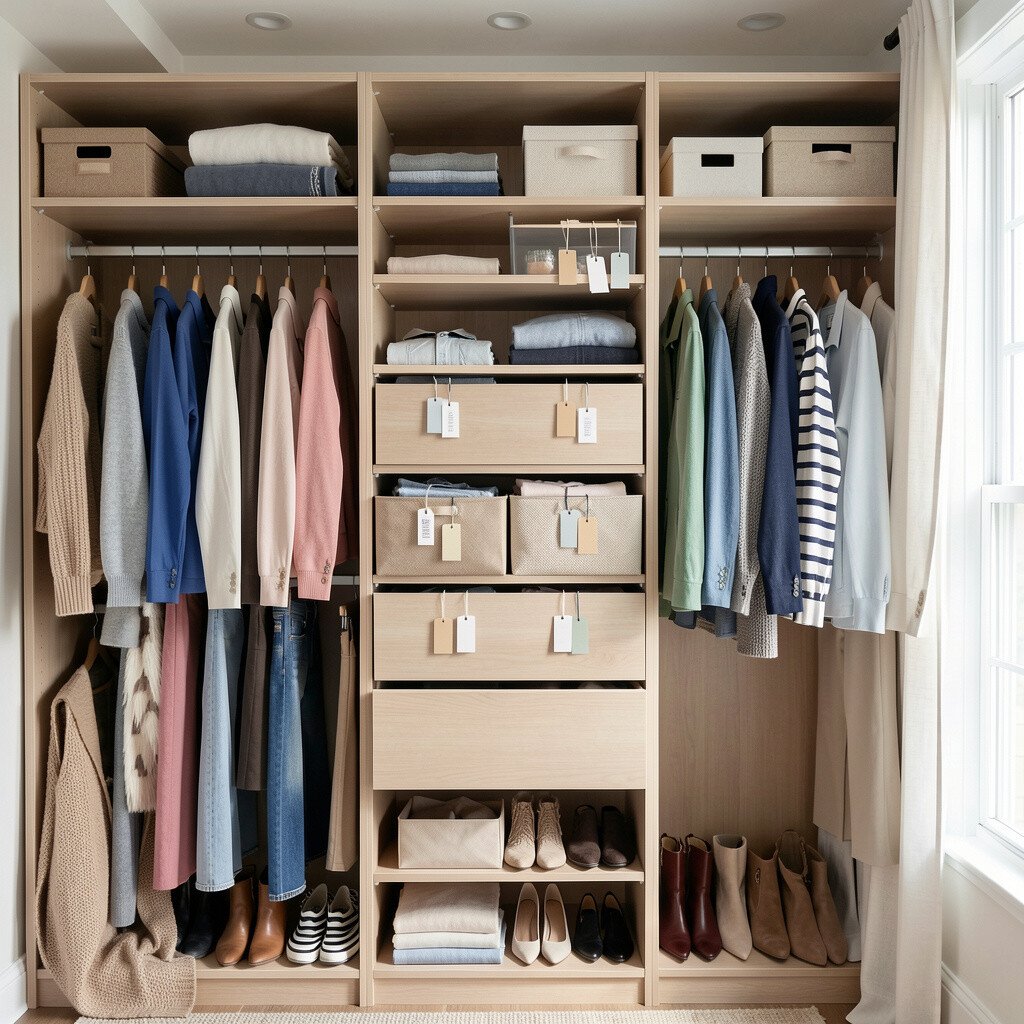
Create a small tag method that groups items by outfit vibe, like “work,” “weekend,” or “special,” then keep the tags visible inside hangers or drawers. The closet becomes easier to read, and you’ll feel more confident picking clothes quickly.
This reduces time spent pairing items and keeps your wardrobe from becoming random. Use simple materials like fabric ribbon or small clips, and avoid anything that damages delicate fabric.
Personalize by using your own wording or color-coding, such as light colors for daytime and dark colors for evenings. It’s usually inexpensive, and the current trend toward “style systems” makes this idea feel very modern.
19. Clear Sorting Cubes for Laundry, Donations, and Keep
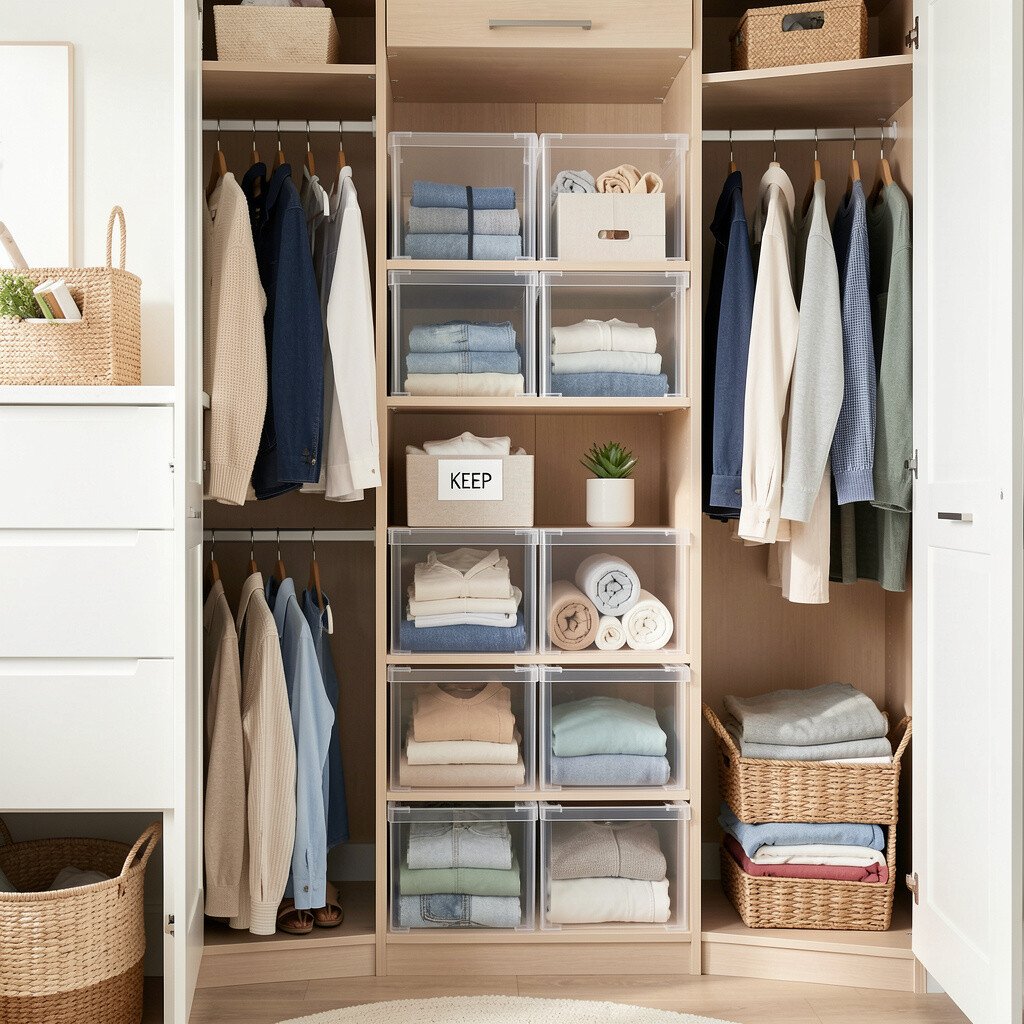
Set up cube storage for three categories, so sorting becomes a routine rather than a big scary chore. You’ll see progress immediately when keep items stay neat, and the donation pile looks contained.
This helps you maintain organization because you’re not guessing what to do next with extra clothes. Choose clear cubes so you can spot sizes and avoid re-checking everything twice.
For practical success, place the cubes in a location you can reach easily, like near the closet entrance or inside the door. Cost can stay low by using inexpensive bins, then upgrading when you find sturdy sizes that last.
20. Custom Drawer Track for Everyday Socks and Underwear
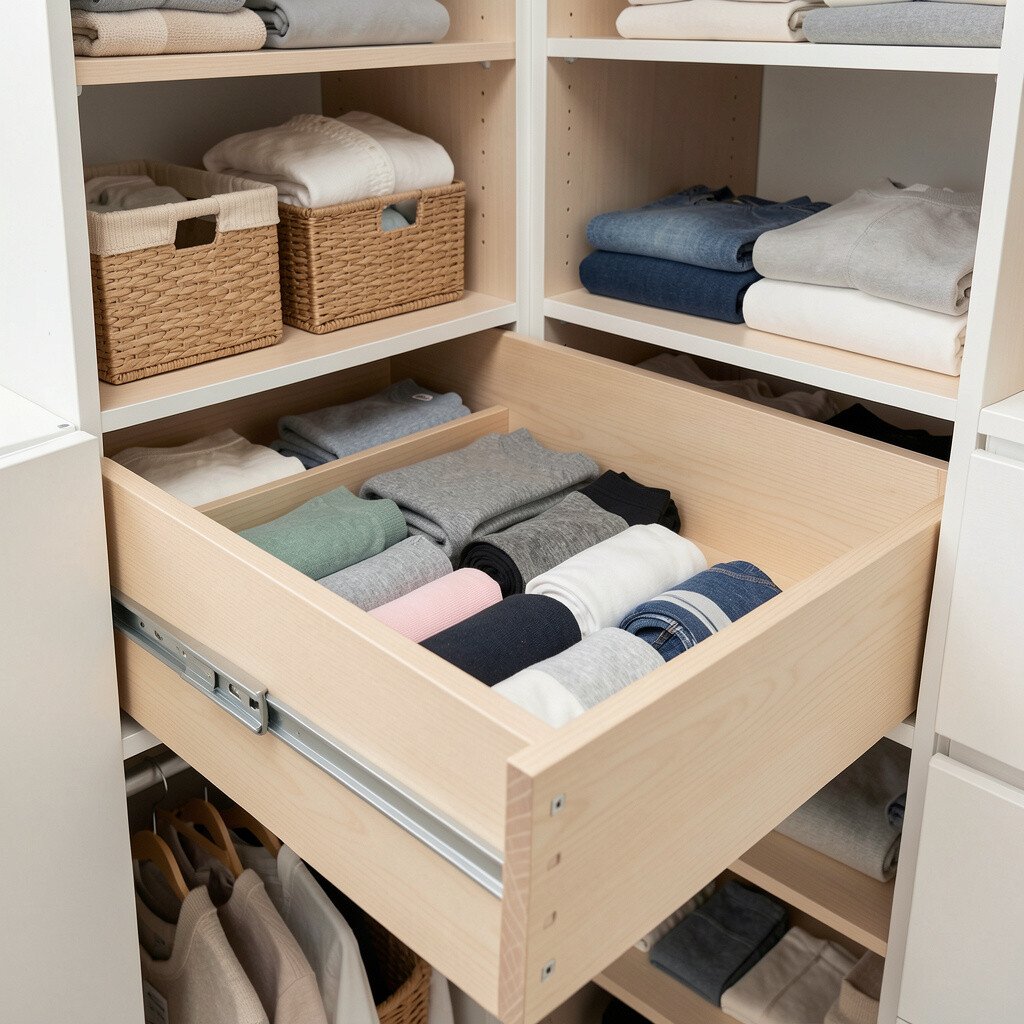
Build a tidy drawer track by separating socks and underwear into consistent sections with dividers that fit snugly. The visual is clean because everything has a lane, and your drawer stops looking messy after one morning.
This makes it easier to maintain hygiene and prevents small items from disappearing into the back of the drawer. Use breathable storage if you live in a humid area, and pick dividers that don’t trap moisture.
Personalize by sorting by color, material, or comfort level, like “soft” or “sports,” so you can choose quickly. Costs are usually manageable because it mostly uses a few dividers and careful measuring, which also ensures a perfect fit.