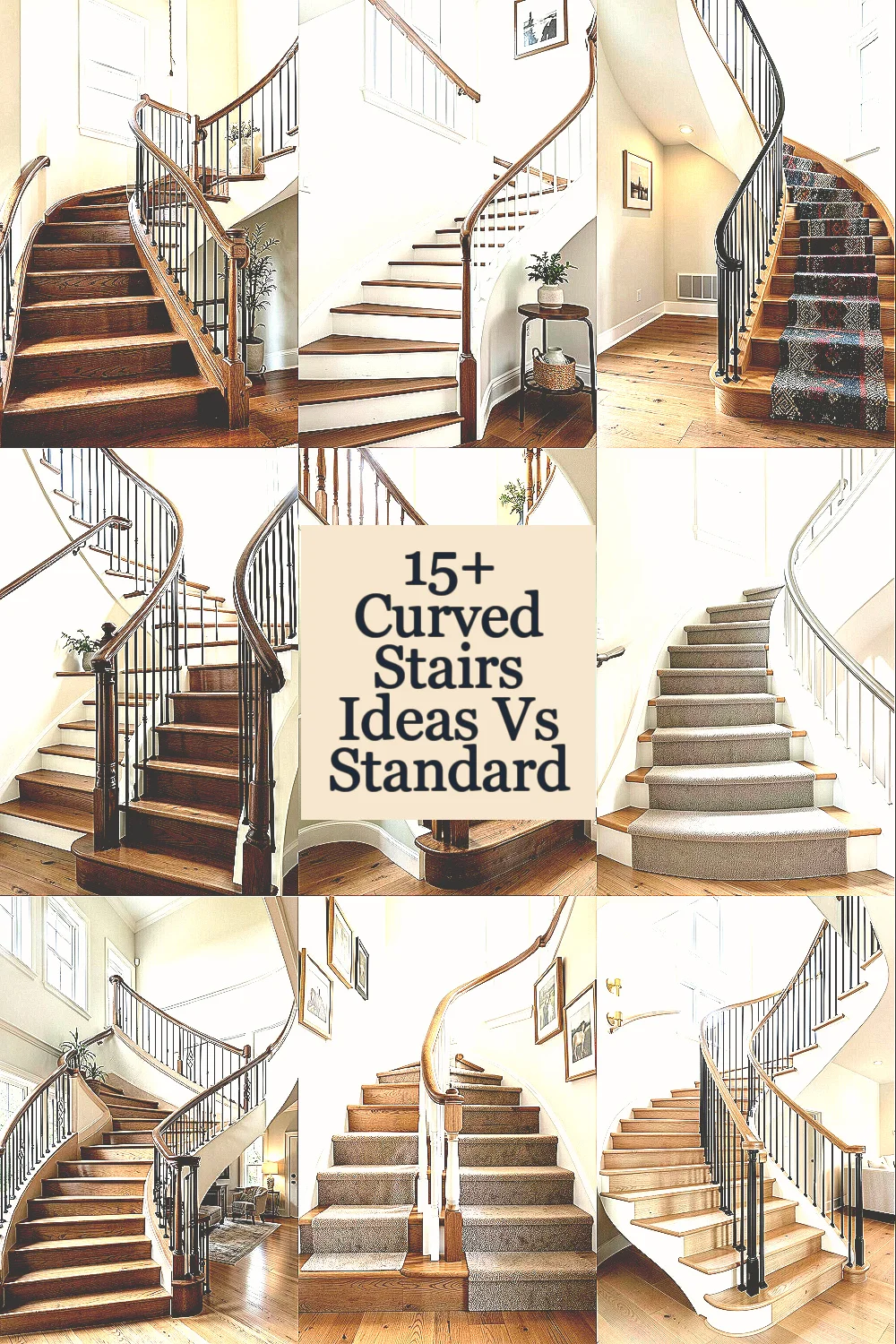
Stairs can change the whole mood of a home. One shape feels graceful, while another feels simple and steady.
1. Curved Stairs Make a Grand First Impression
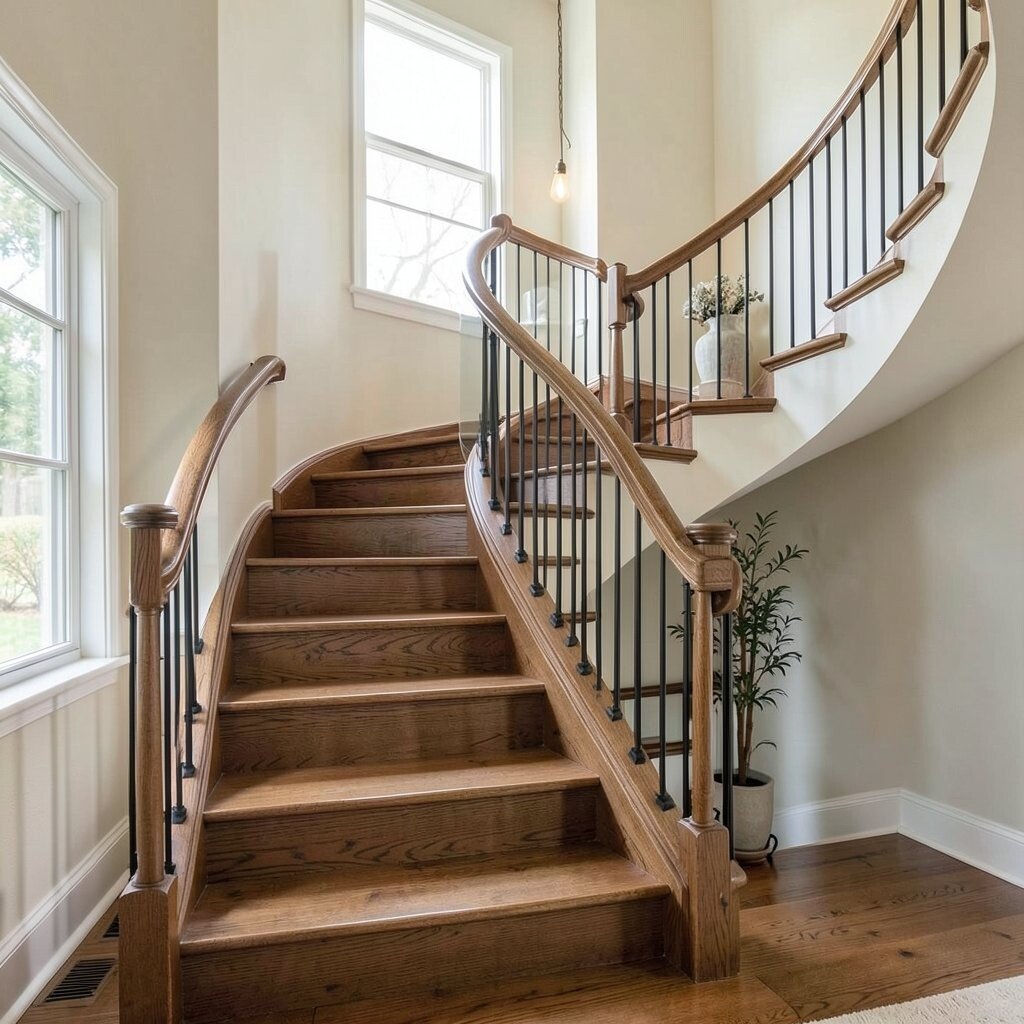
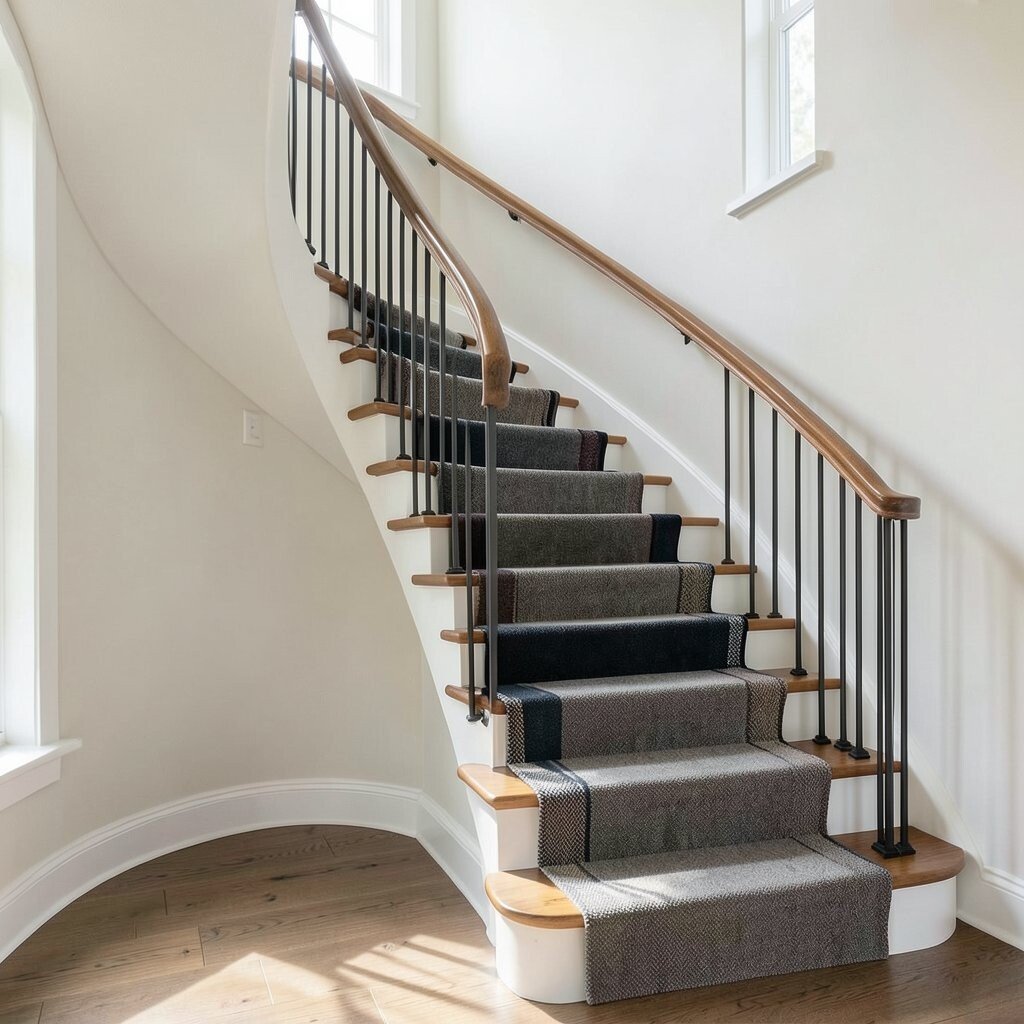
Curved stairs often feel like a piece of art in the middle of the home. Their soft sweep can make an entryway look rich, warm, and full of style.
Standard stairs are easier to place and usually cost less to build. They work well in many homes, especially when the goal is clean lines and simple function. If you want a more dramatic look, a curved design can shine with wood, glass, or metal railings.
2. Standard Stairs Fit Tight Spaces Better
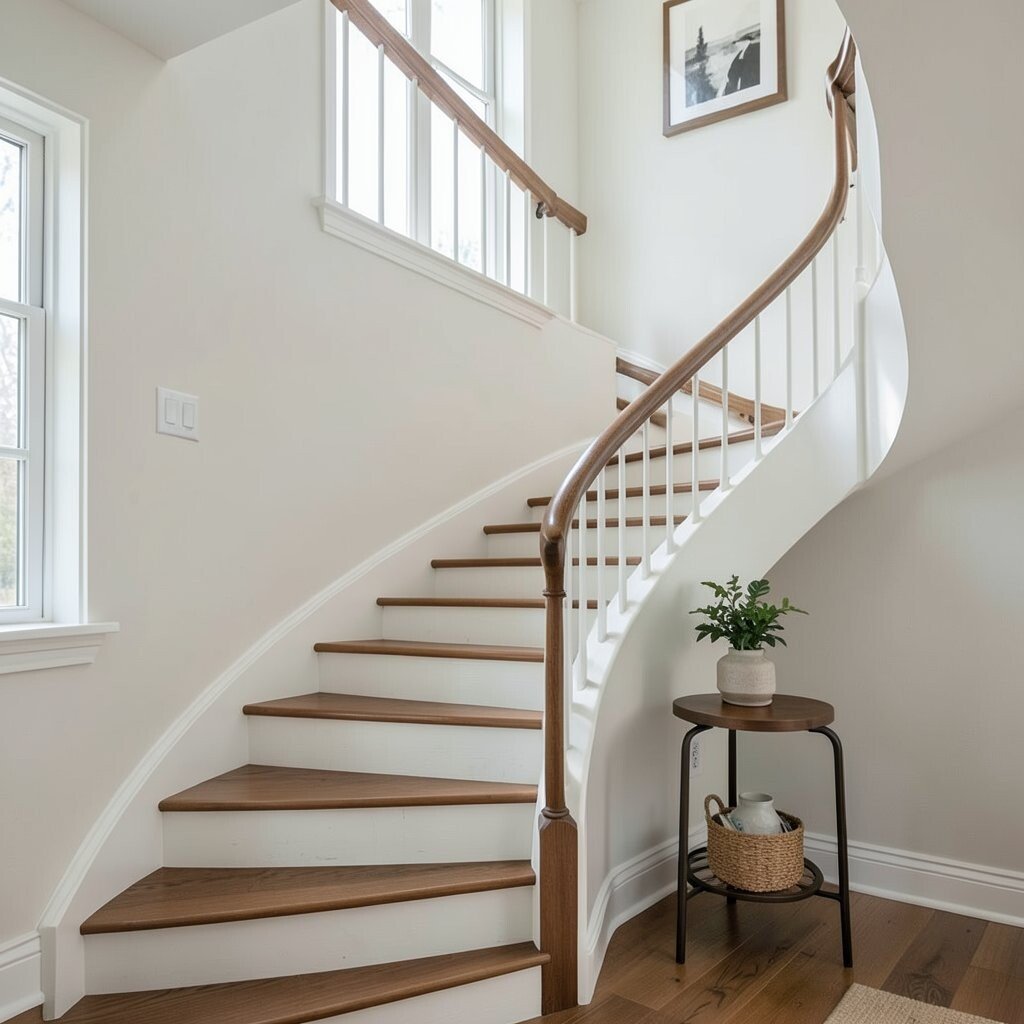
Standard stairs are a smart pick when space is limited. Their straight shape makes planning easier and keeps the floor layout neat.
Curved stairs need more room to show off their shape. That extra space can raise the price, but it can also make the home feel open and elegant. For smaller homes, a standard stairway may be the better match unless you want a bold focal point.
Many homeowners like standard stairs because they are simple to furnish around. A small table, plant, or art piece near the base can still add charm without crowding the area.
3. Curved Stairs Bring a Soft, Flowing Look
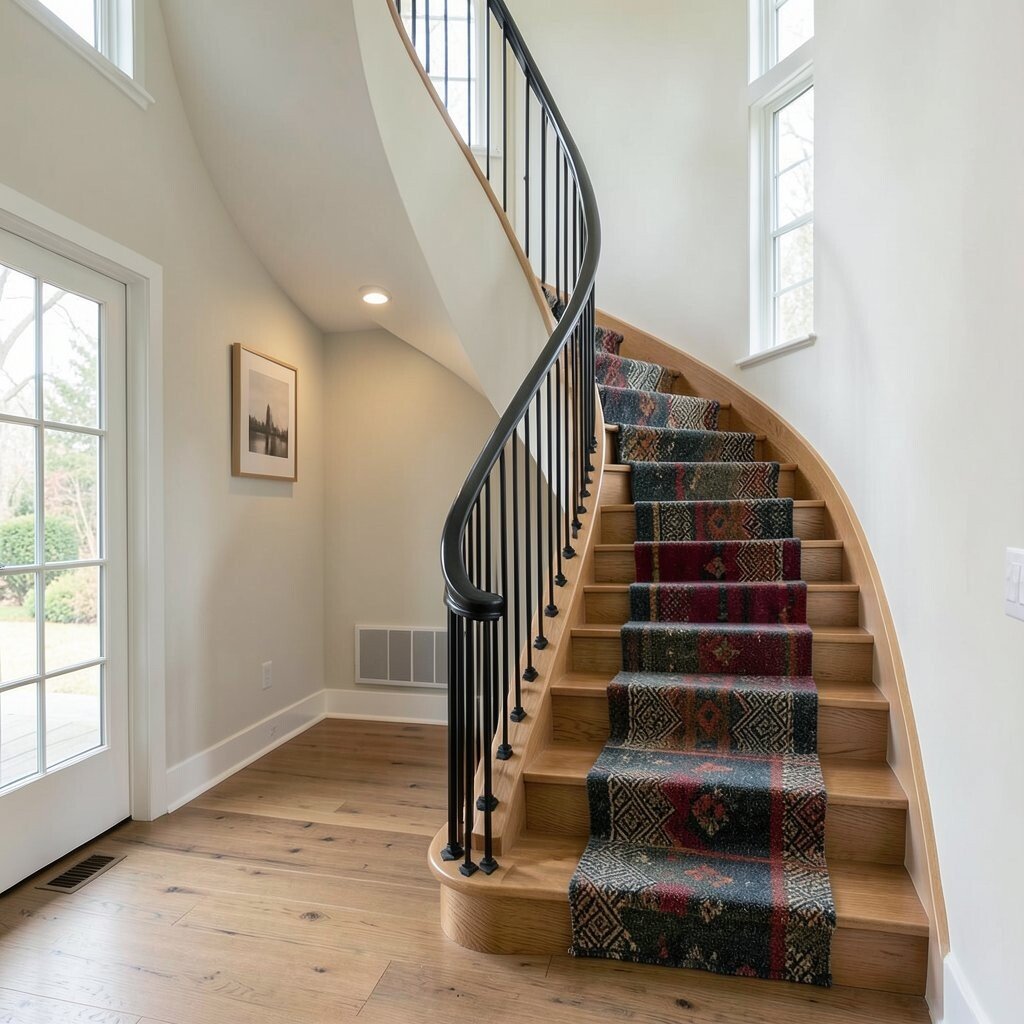
Curved stairs have a gentle motion that feels smooth and calm. The shape can soften hard corners and make a room feel more welcoming.
This style works well in homes with open layouts or tall ceilings. It can pair nicely with modern trends like warm wood tones, black rails, and light walls. If you want a personal touch, try adding a runner in a bold color or a patterned finish on the steps.
Standard stairs have a more direct path, which gives them a practical feel. They are often easier to match with simple decor, and that can keep the whole space looking tidy.
When choosing materials, think about both style and upkeep. Curved stairs may need more custom work, while standard stairs can be easier to repair or update later.
4. Standard Stairs Often Cost Less Up Front
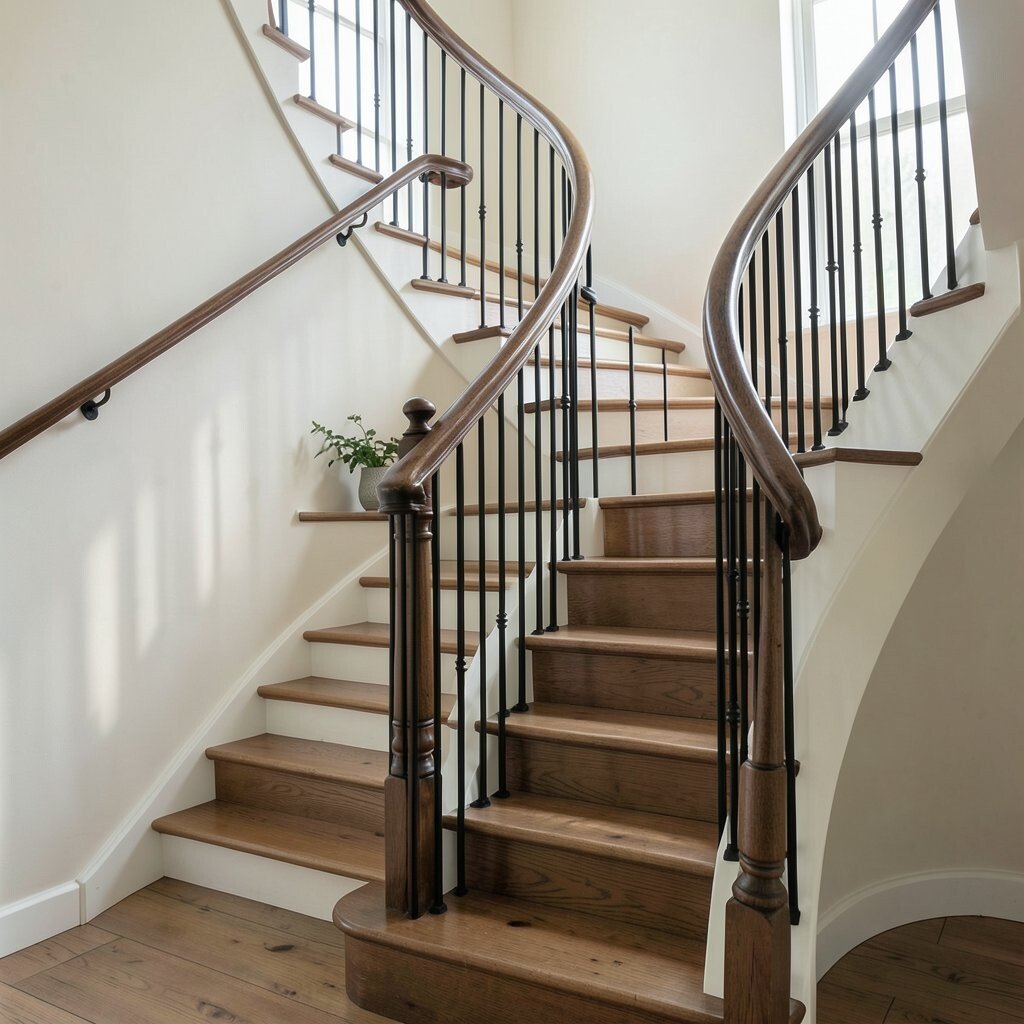
Budget matters in almost every home project, and standard stairs usually win here. Their straight shape is simpler to build, so labor and materials can stay lower.
Curved stairs often need custom parts and skilled work. That can raise the price fast, but many people feel the wow factor is worth it. If you want a stylish look without a huge bill, a standard stairway with nice railings can still feel polished.
5. Curved Stairs Can Make a Home Feel Custom
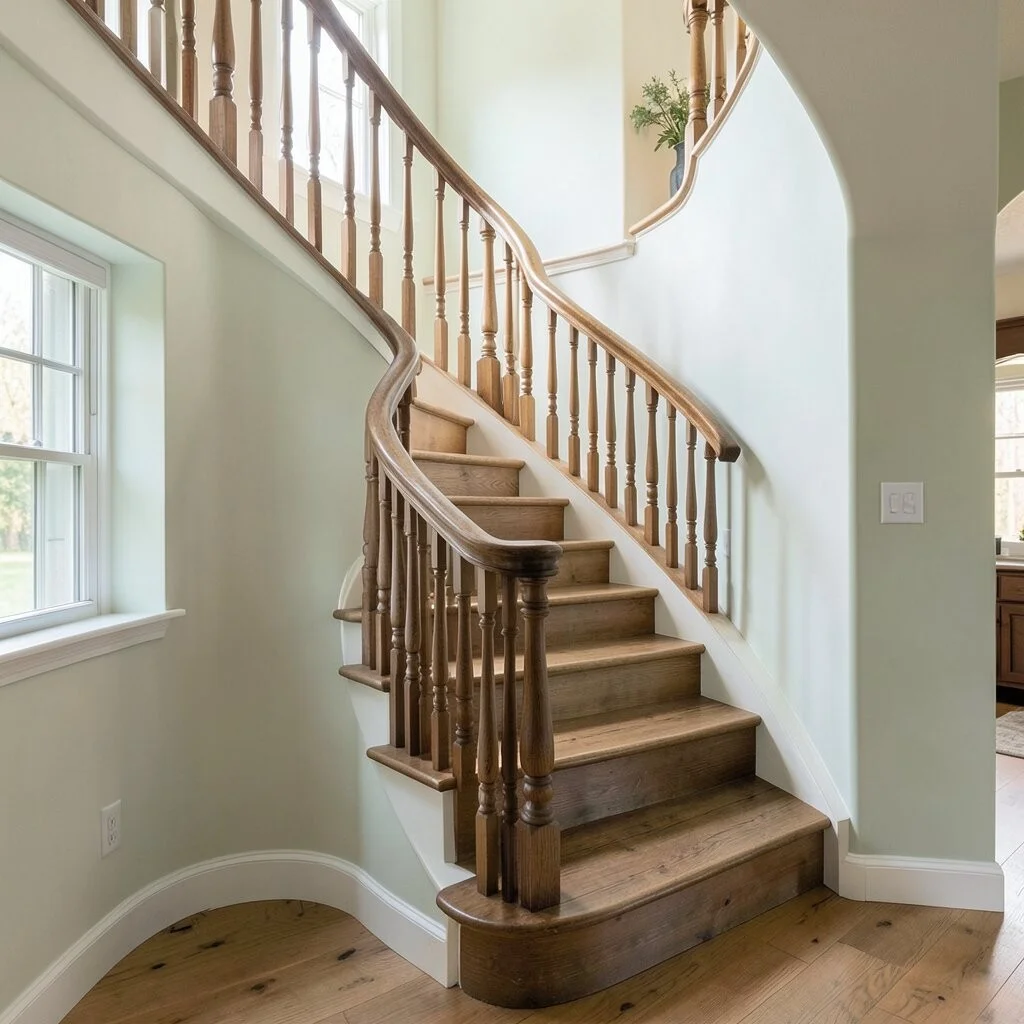
A curved stairway often gives a home a one-of-a-kind look. It can feel special in a way that straight stairs rarely do.
Many current design trends favor shapes that feel soft and organic. Curved stairs fit that mood well, especially in homes with open spaces and natural finishes. You can make them even more personal with carved rails, mixed materials, or a painted underside.
Standard stairs can still feel custom with the right details. A bold handrail, stylish balusters, or a bright wall color nearby can give them a fresh personality.
For families, think about daily use too. A stairway should look good, but it should also feel safe and easy to walk on every day.
6. Standard Stairs Are Easier to Build and Update
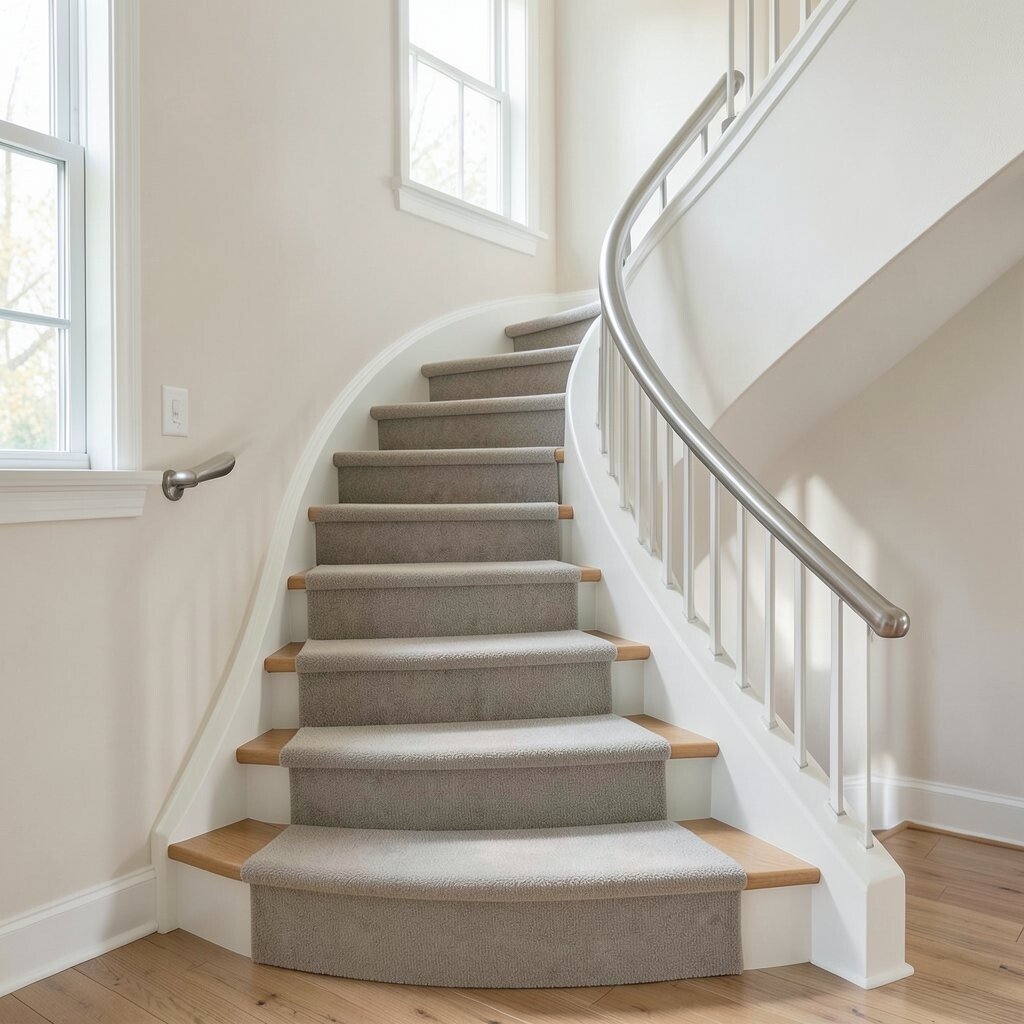
Builders often like standard stairs because the design is straightforward. That can mean faster work and fewer surprises during the project.
They are also easier to repaint, re-carpet, or refinish later. If your taste changes, the simple shape gives you more freedom to update the look without major work. Curved stairs can be beautiful, but they may take more time and care when changes are needed.
For a fresh style, try adding a runner, new riser paint, or a sleek metal rail. Small changes can make standard stairs feel much more special.
7. Curved Stairs Help Create a Showpiece Moment
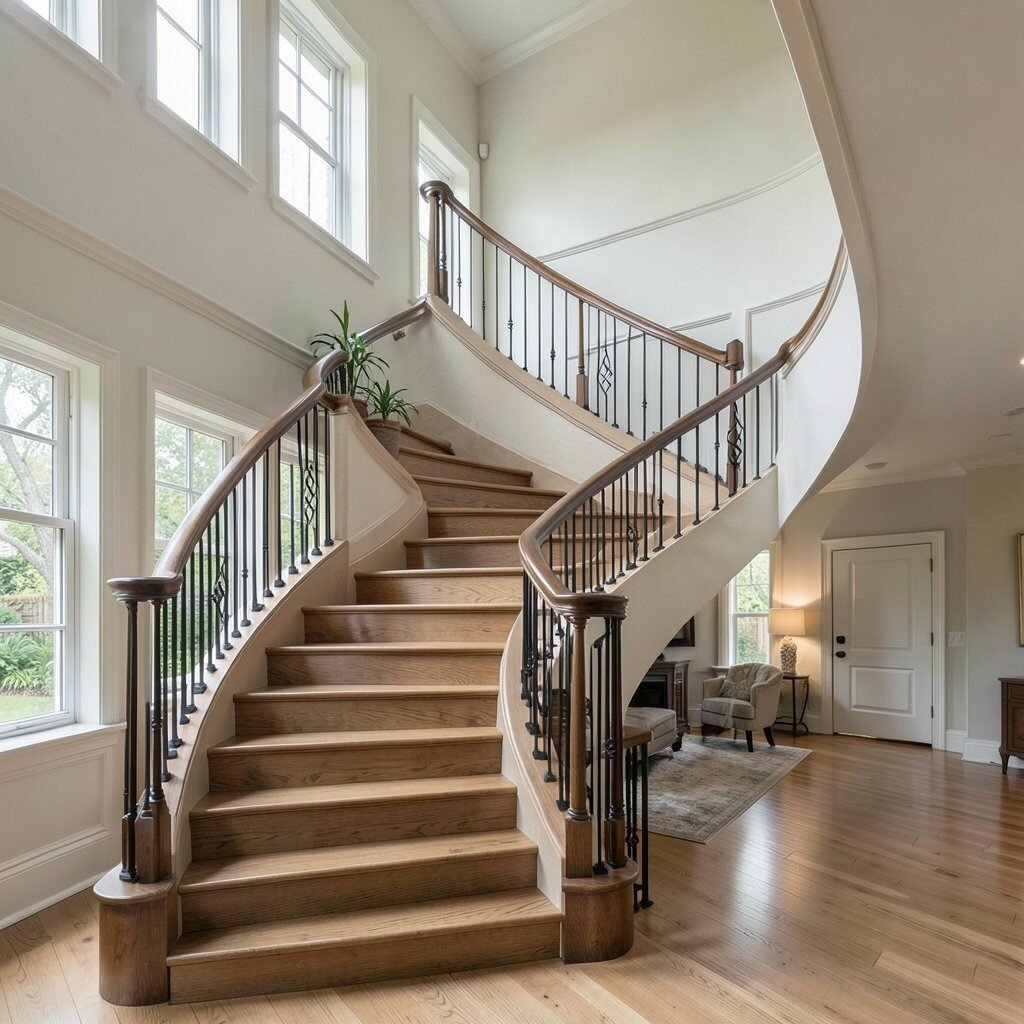
Some homes need a feature that makes guests stop and look. Curved stairs can do that with ease.
The sweeping shape draws the eye and makes the room feel larger and more dramatic. This works especially well in foyers, grand living rooms, and homes with high ceilings. If you want a luxury feel, curved stairs can deliver it without needing a lot of extra decor.
Standard stairs are more modest, but that can be a good thing. They keep attention on the rest of the room and support a calm, simple style.
Think about how the stairway will look from both the front and the side. A beautiful profile can matter just as much as the steps themselves.
8. Standard Stairs Offer Simple, Clear Movement
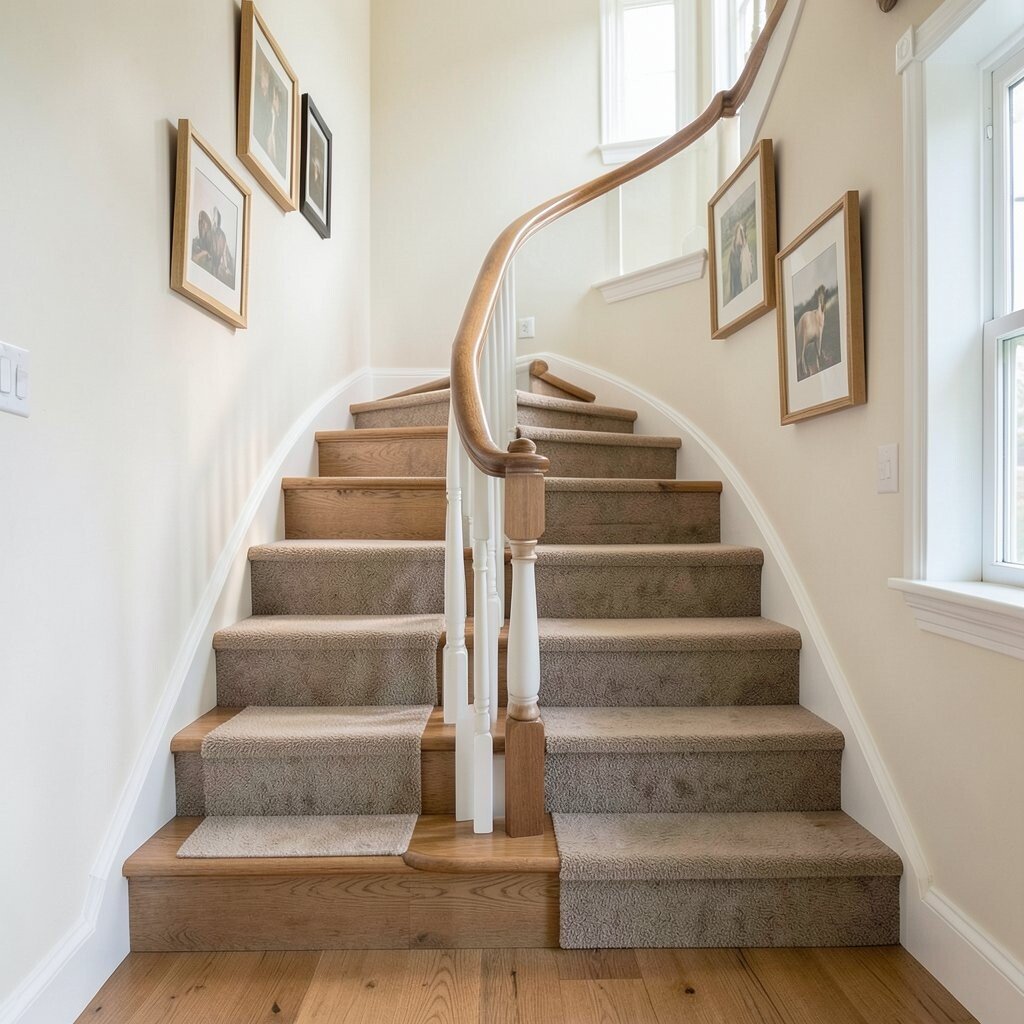
People often like standard stairs because they are easy to understand at a glance. The straight path makes movement feel direct and familiar.
That can be helpful in busy homes where kids, guests, and pets all use the stairs. The shape also makes it easier to plan lighting and wall art along the sides. Curved stairs can feel elegant, but standard stairs often feel more practical for everyday life.
If you want a warmer look, use wood treads or a soft carpet runner. These touches can make a plain stairway feel cozy without changing the basic shape.
9. Curved Stairs Work Well With Open Floor Plans
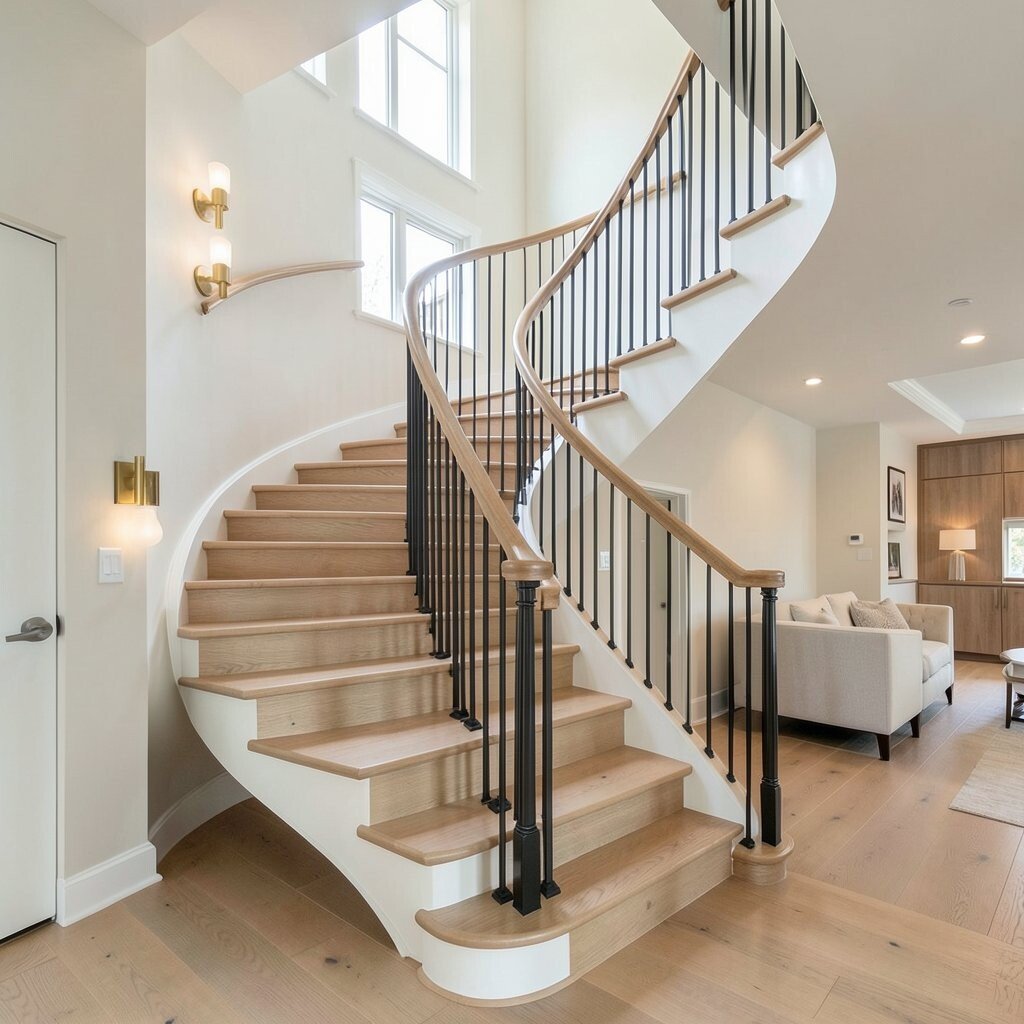
Open floor plans often need one strong visual anchor. Curved stairs can fill that role with style and grace.
Their shape helps guide the eye from one area to another without hard stops. That flow can make the whole home feel connected and airy. Many modern homes use this idea to keep big spaces from feeling empty or flat.
For a personal touch, match the stair rail to your light fixtures or cabinet hardware. Small repeats like that can make the design feel thoughtful and complete.
Standard stairs can still work in open plans, especially when tucked along a wall. They are a good choice if you want the room to stay simple and uncluttered.
10. Standard Stairs Are Often Easier to Keep Safe
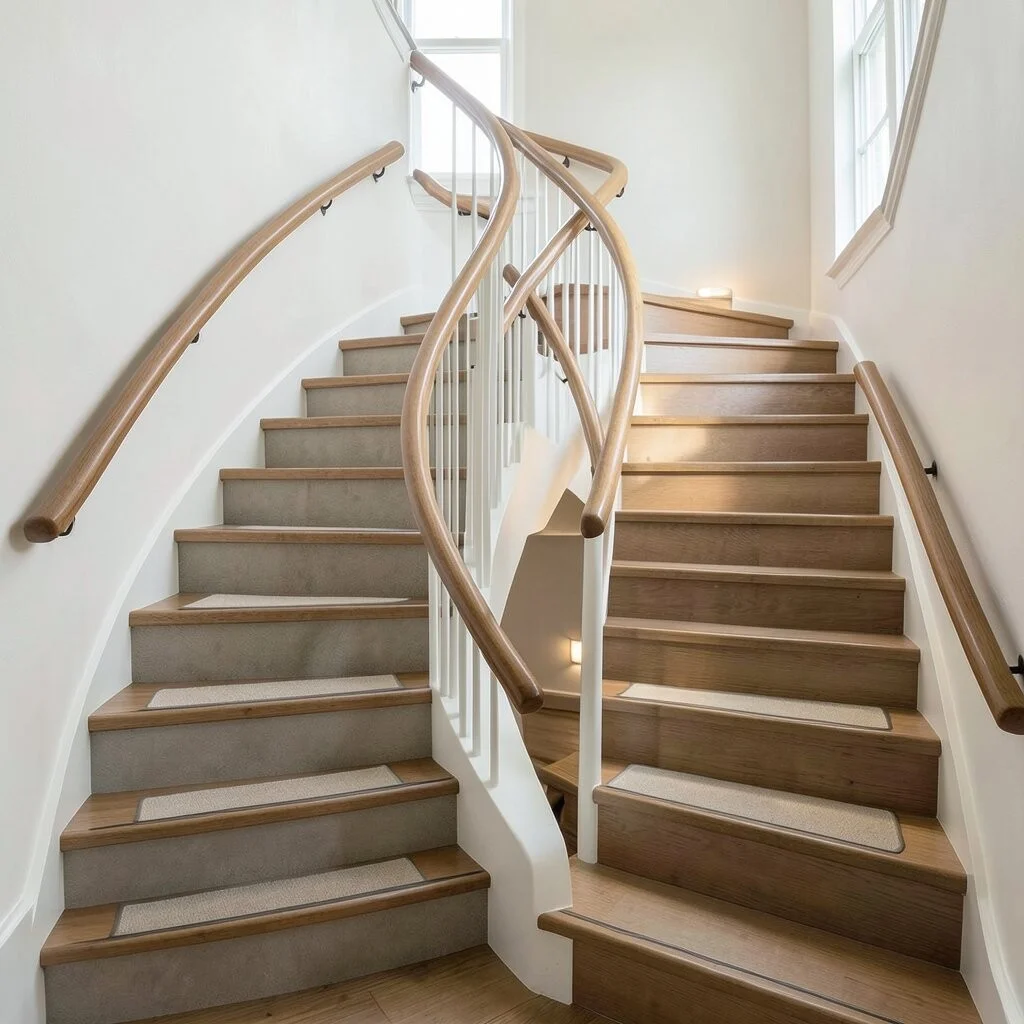
Safety is a big reason many families choose standard stairs. Their straight shape is familiar, and it can be easier to add clear handrails and lighting.
Curved stairs can be safe too, but they may need extra care in the design stage. The turn in the stairway can make each step feel a little different, so good lighting and sturdy rails matter a lot. If older adults or young children use the stairs often, a standard layout may feel more comfortable.
Good grip, even step height, and bright lights help both styles. A non-slip finish can be a smart add-on for either choice.
11. Curved Stairs Add Gentle Movement to the Room
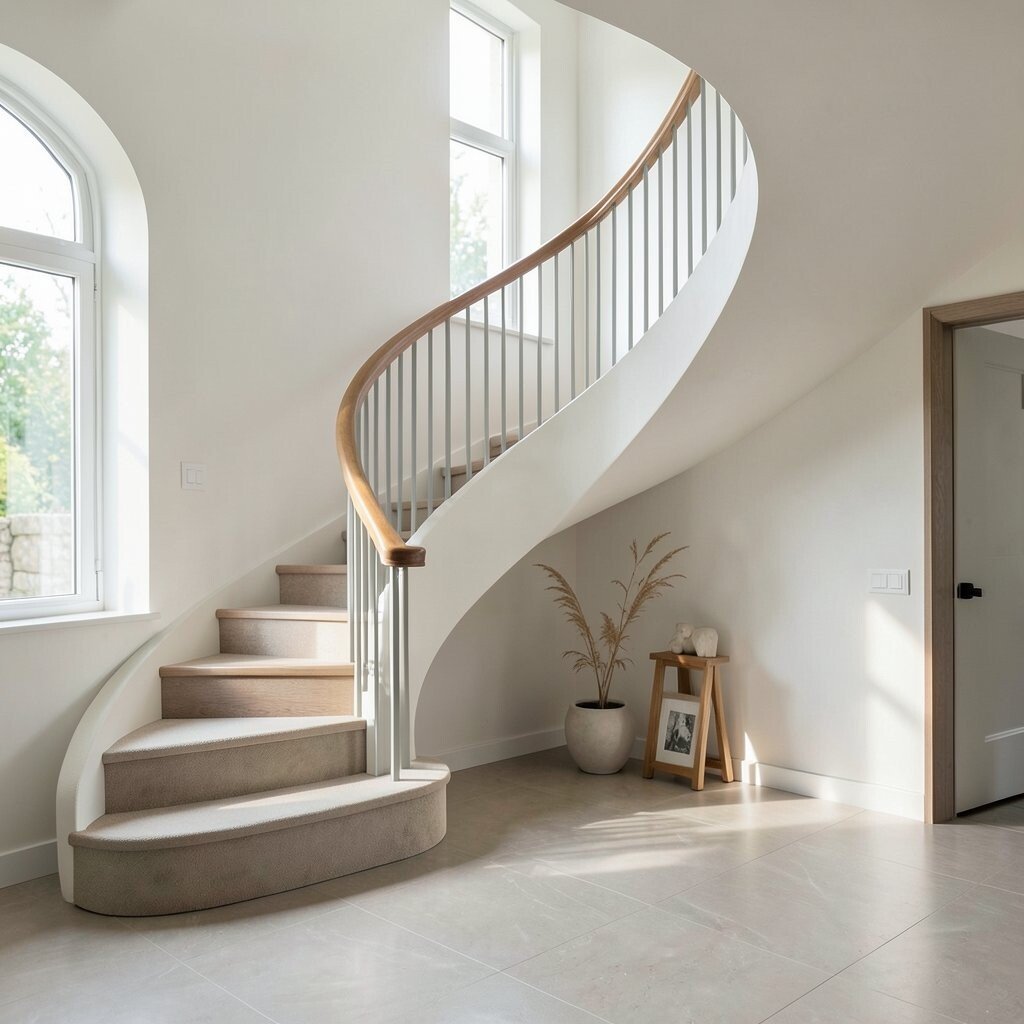
There is something calming about a stairway that bends instead of stops hard. Curved stairs can make a home feel softer and more graceful.
This shape works well with rounded furniture, arched doorways, and other soft design details. It can also help a large room feel less boxy. If you like a relaxed, high-end look, this style can be a lovely fit.
Standard stairs have a sharper, more direct feel. That can be great for modern homes that value clean edges and simple forms.
When planning a curved design, think about how the stairs meet the floor below and the landing above. Those small details shape the whole look.
12. Standard Stairs Give You More Room for Storage Ideas
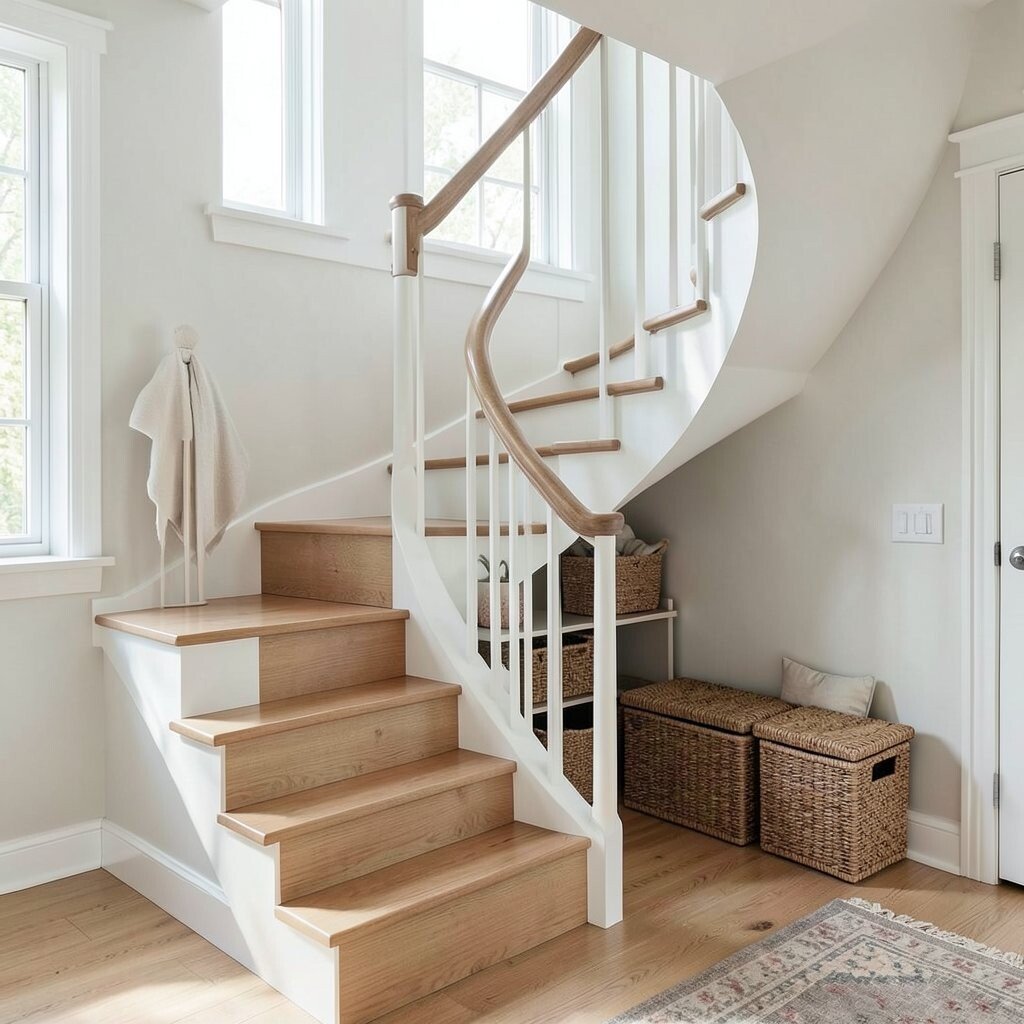
Because standard stairs follow a straight line, they often leave space underneath for smart storage. That area can hold drawers, cabinets, or a small reading nook.
This is a big plus in homes that need every inch to work hard. Curved stairs usually use the space below in a more complex way, which can make storage harder to plan. If you want a tidy home with hidden function, a standard stairway can be a very practical choice.
You can still make the area look pretty with baskets, shelves, or a built-in bench. Good design can be both useful and attractive.
13. Curved Stairs Feel Elegant in Traditional Homes
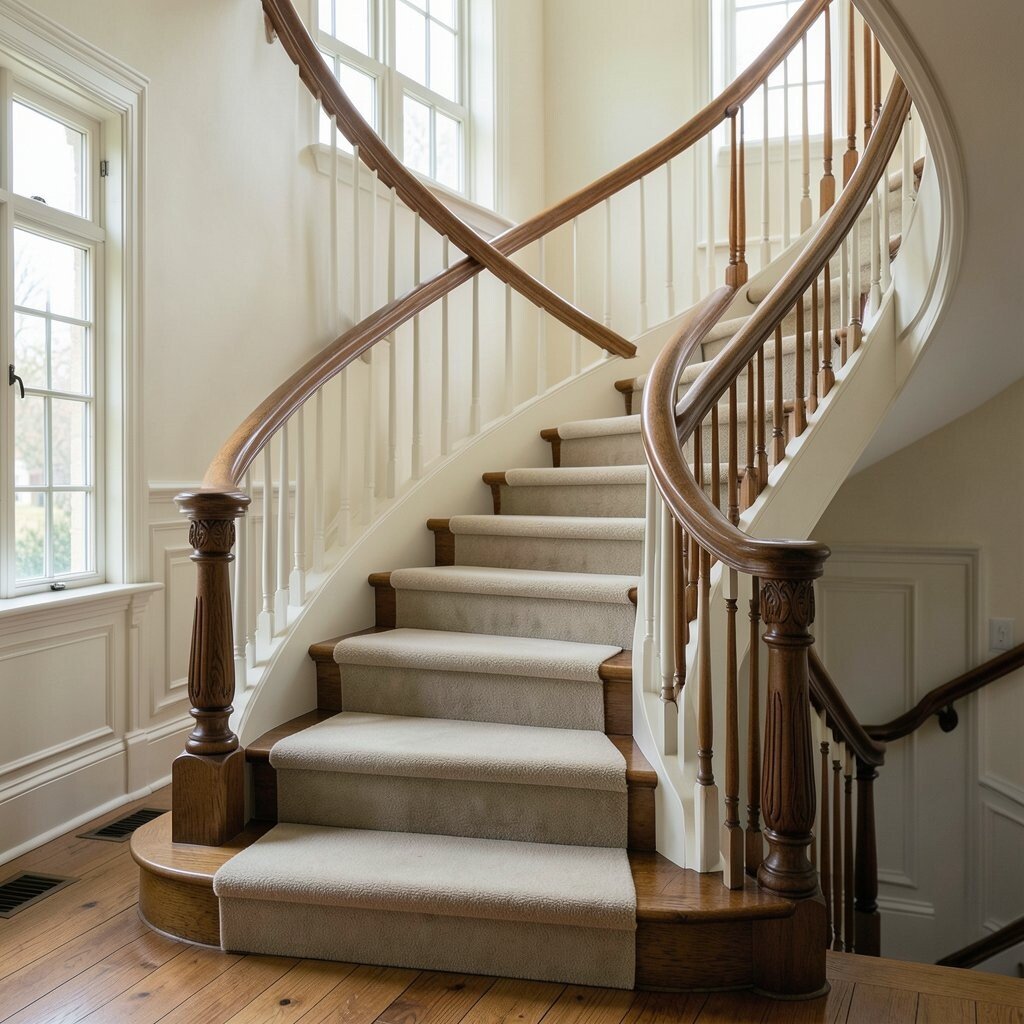
Classic homes often look wonderful with curved stairs. The shape can echo old-world charm and make the space feel rich and timeless.
Details like wood rails, carved posts, and soft carpet runners can make the style even better. Curved stairs also fit well with current trends that bring back warm, classic design. If you want a home that feels polished and welcoming, this option can be a strong match.
Standard stairs can also suit traditional homes, especially when finished with detailed trim. They may not have the same drama, but they can still feel sturdy and graceful.
When choosing colors, warm neutrals often work well. Cream, honey wood, and soft gray can help the stairway feel balanced.
14. Standard Stairs Make Remodeling Simpler
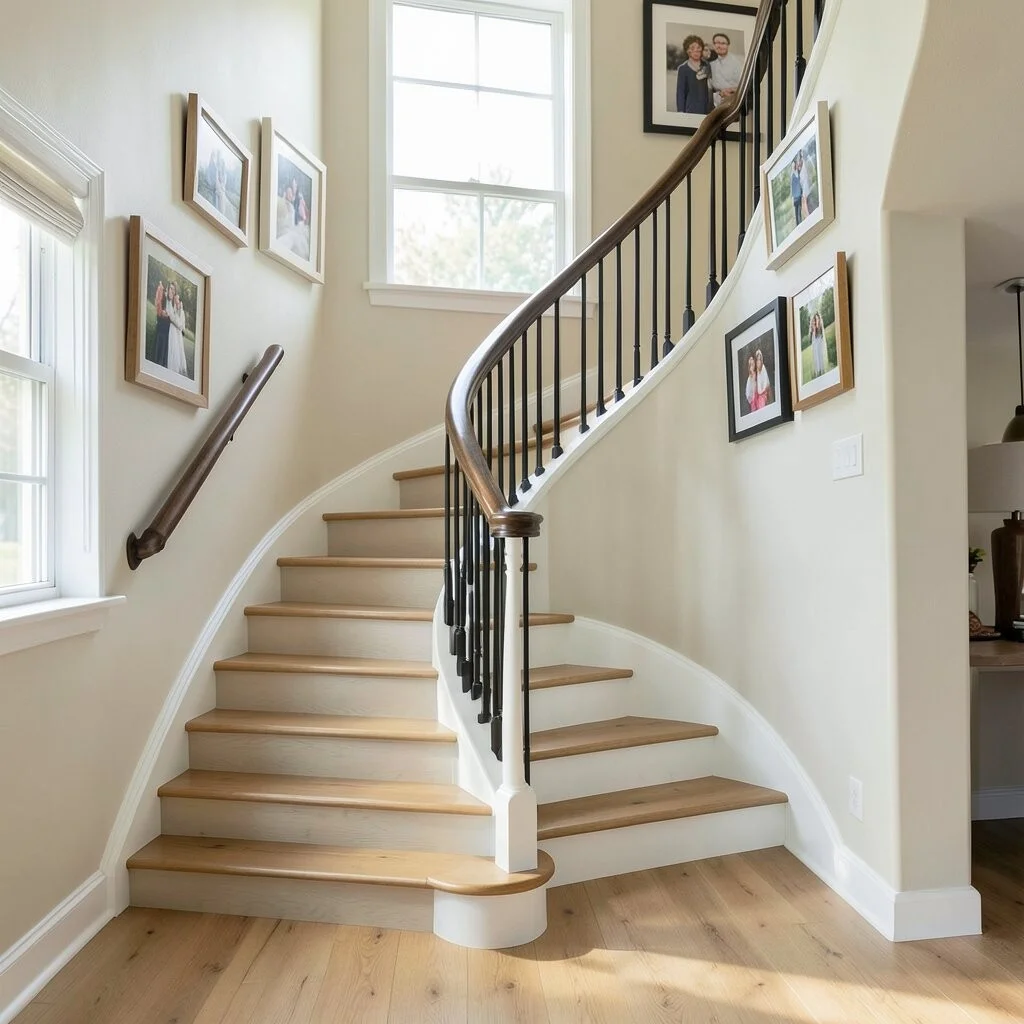
Home updates can be easier when the stair shape is simple. Standard stairs are often less tricky to change during a remodel.
That can save time and money if you plan to replace flooring, railings, or wall finishes later. Curved stairs may need custom pieces, which can add cost and slow the work. If you like to refresh your home often, a standard stairway may give you more flexibility.
Still, even a basic stairway can look stylish with the right details. A fresh paint color or a modern handrail can make a big difference.
For a personal touch, add family photos or framed art along the wall. That helps the stair area feel warm and lived in.
15. Curved Stairs Can Boost the Feeling of Luxury
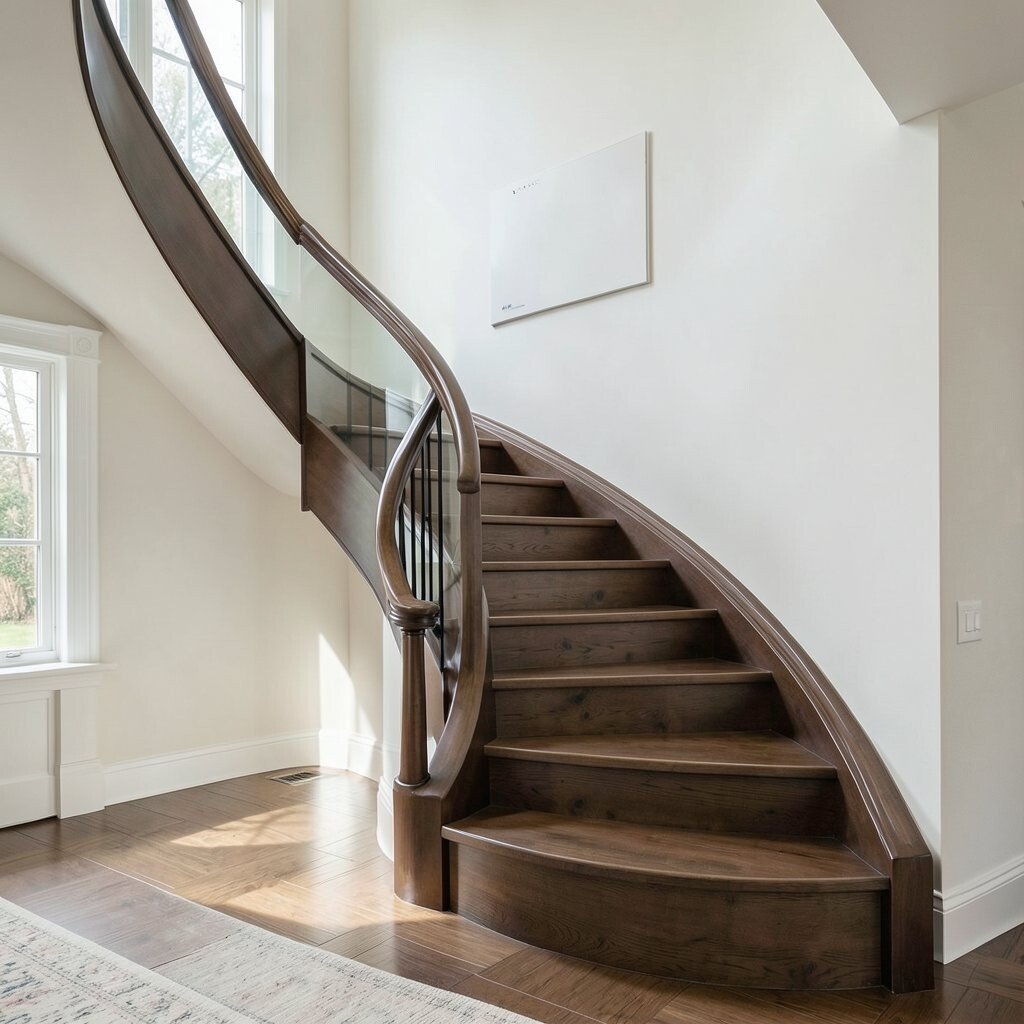
Many people link curved stairs with high-end homes, and it is easy to see why. The shape feels special and often makes the whole house seem more refined.
Luxury does not always mean flashy. Sometimes it is just the feeling of smooth lines, careful craftsmanship, and a design that looks made just for the home. Curved stairs can bring that feeling in a very strong way.
Of course, they usually cost more than standard stairs, so planning matters. If the budget is tight, you may want to save on other parts of the project and spend more on the stairway itself.
16. Standard Stairs Stay Timeless and Easy to Love
There is a reason standard stairs remain so popular. Their simple shape works in many homes and rarely feels out of place.
They can fit modern, classic, farmhouse, or simple family homes with ease. That makes them a safe choice if you want style that lasts. Curved stairs may steal the show, but standard stairs often win on comfort, cost, and ease of use.
To make them stand out, choose finishes that match your home’s personality. A bold runner, slim metal rails, or warm wood treads can turn a plain stairway into a favorite part of the house.