
Paper can be a calm place for a busy mind. A planner can feel like a friend that waits patiently.
1. Color-Coded Weekly Planner
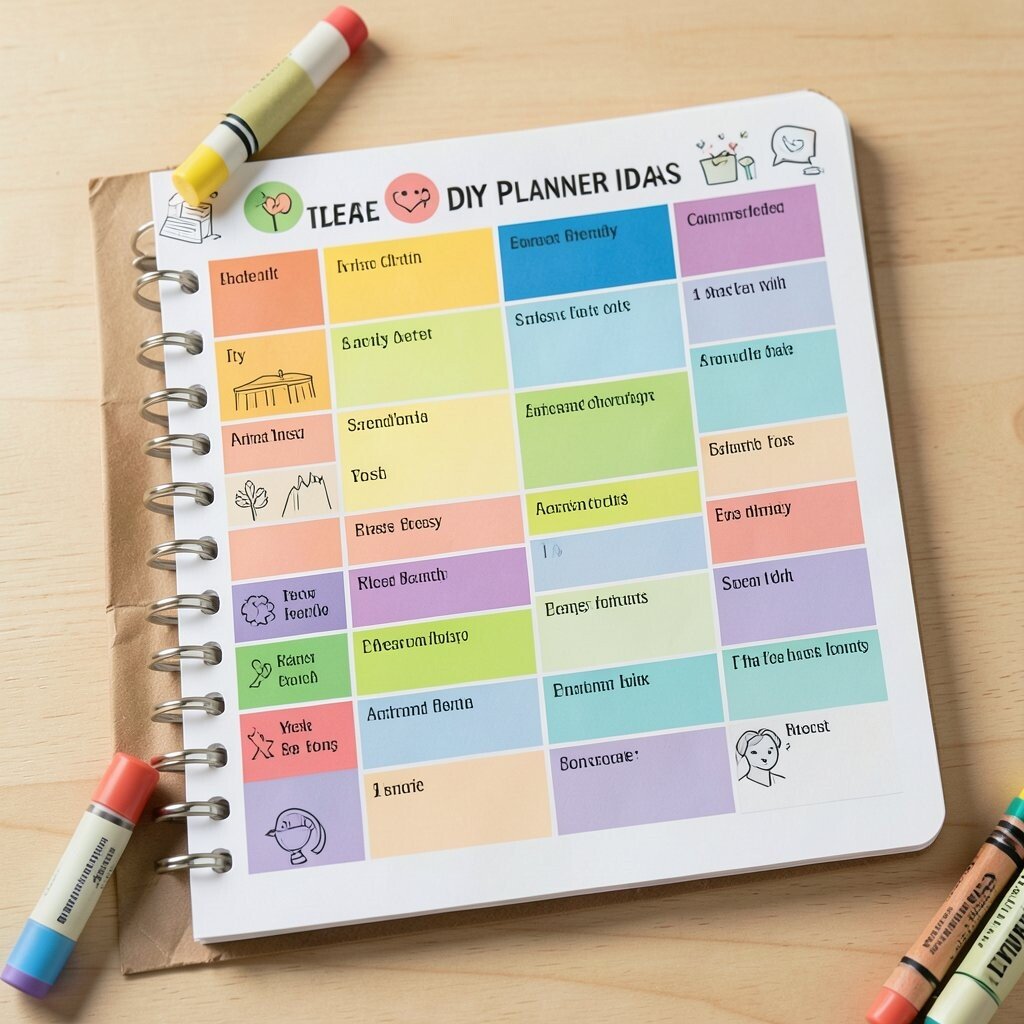
A color-coded weekly planner uses bright blocks, soft shades, or bold markers to make each subject and task easy to spot. It works well for students who like instant visual clues and clear patterns.
Try giving each class, activity, or task type its own color so your brain does not have to work so hard. You can use cheap highlighters, washi tape, or even crayons if that feels more fun. This idea is easy to personalize with stickers, symbols, or tiny doodles, and it can stay budget-friendly because you only need a simple notebook or printed pages.
2. Time-Block Planner With Big Boxes
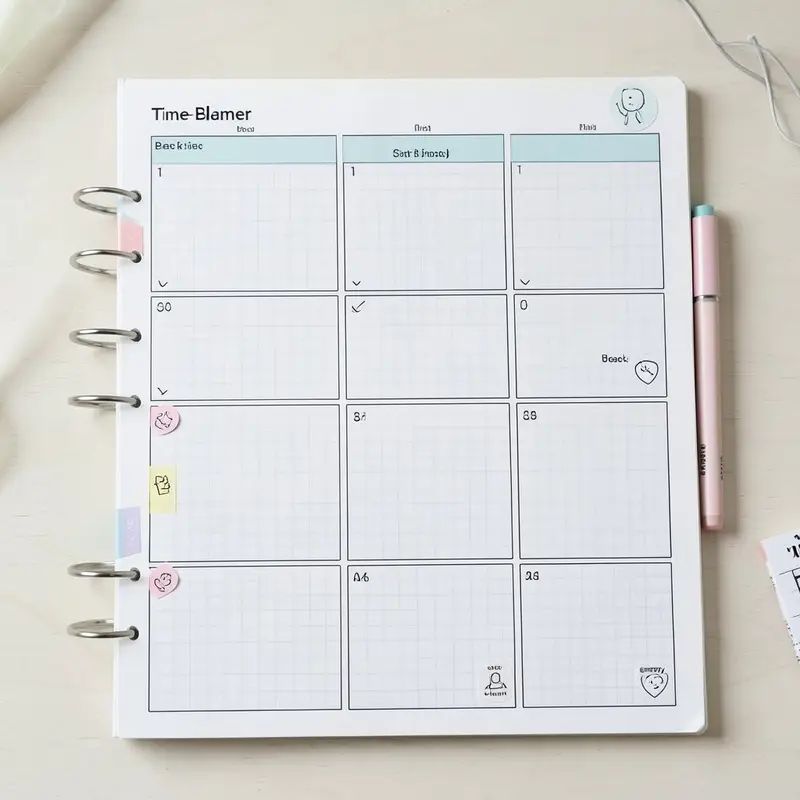
A time-block planner turns the day into roomy sections that are easy to read at a glance. The big boxes can reduce stress because they show what comes next without too much clutter.
This style is great for students who need help with starting tasks and moving from one thing to another. You can make the boxes wider for study time and smaller for breaks, meals, or travel. Many students like adding gentle trend touches such as pastel pens, minimalist lines, or sticker tabs, and the cost can stay low if you draw the grid yourself.
For a personal touch, add a small “energy check” icon in each block so you can see how you feel during the day. That makes the planner more useful and more honest. It can also help you notice which times of day work best for homework, reading, or rest.
3. Visual Checklist Planner
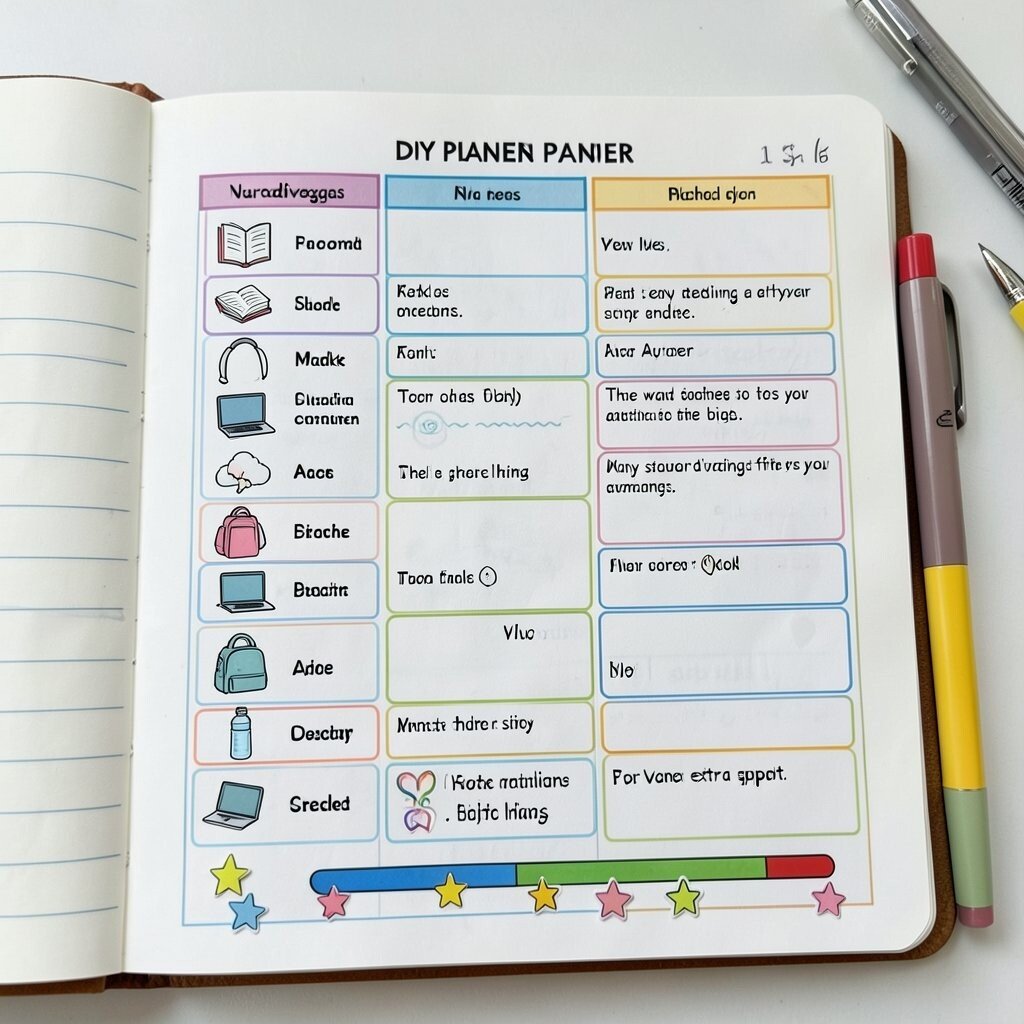
A visual checklist planner uses boxes, icons, and simple words to make tasks feel less scary. It is easy on the eyes and gives a clear sense of progress.
Use tiny drawings like a book, backpack, water bottle, or laptop to match each task. You can make the pages more unique with colored borders or a different icon for each subject. This is a low-cost idea because a plain notebook and a pen are enough, and it can be adjusted anytime if your routine changes.
Many students enjoy making the checklist feel playful with star stickers or a progress bar at the bottom. That small reward feeling can make a hard day seem lighter. If you want extra support, keep the checklist short and focused so it does not become another big job.
4. Sticky-Note Planning Board
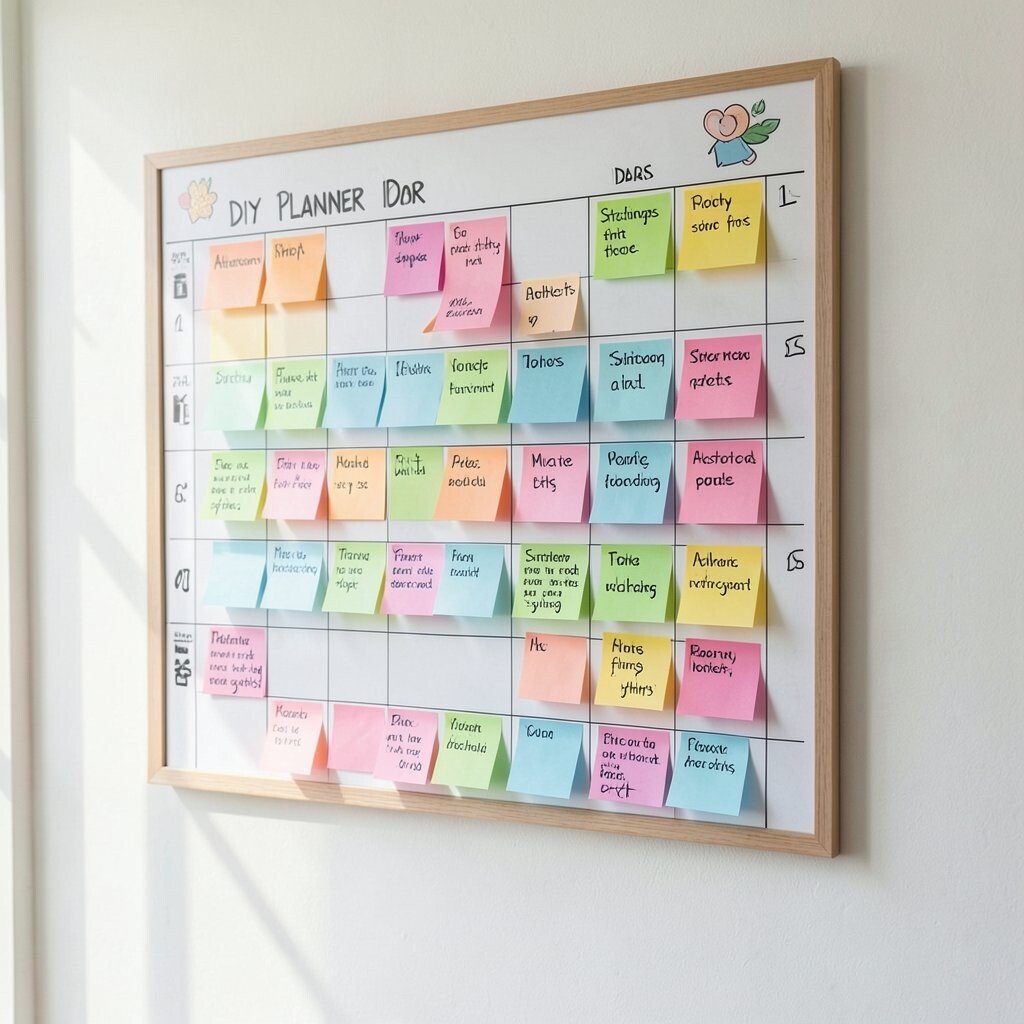
A sticky-note planning board brings your tasks into full view on a wall, mirror, or binder cover. It feels bright, movable, and easy to change when plans shift.
You can place one sticky note for each assignment and move it as you finish steps. This helps students who need a system that feels flexible instead of fixed. It is also a fun way to add personality with different note shapes, colors, and sizes, and the cost can be tiny if you use one pad of notes for everything.
5. Habit Tracker With Picture Symbols
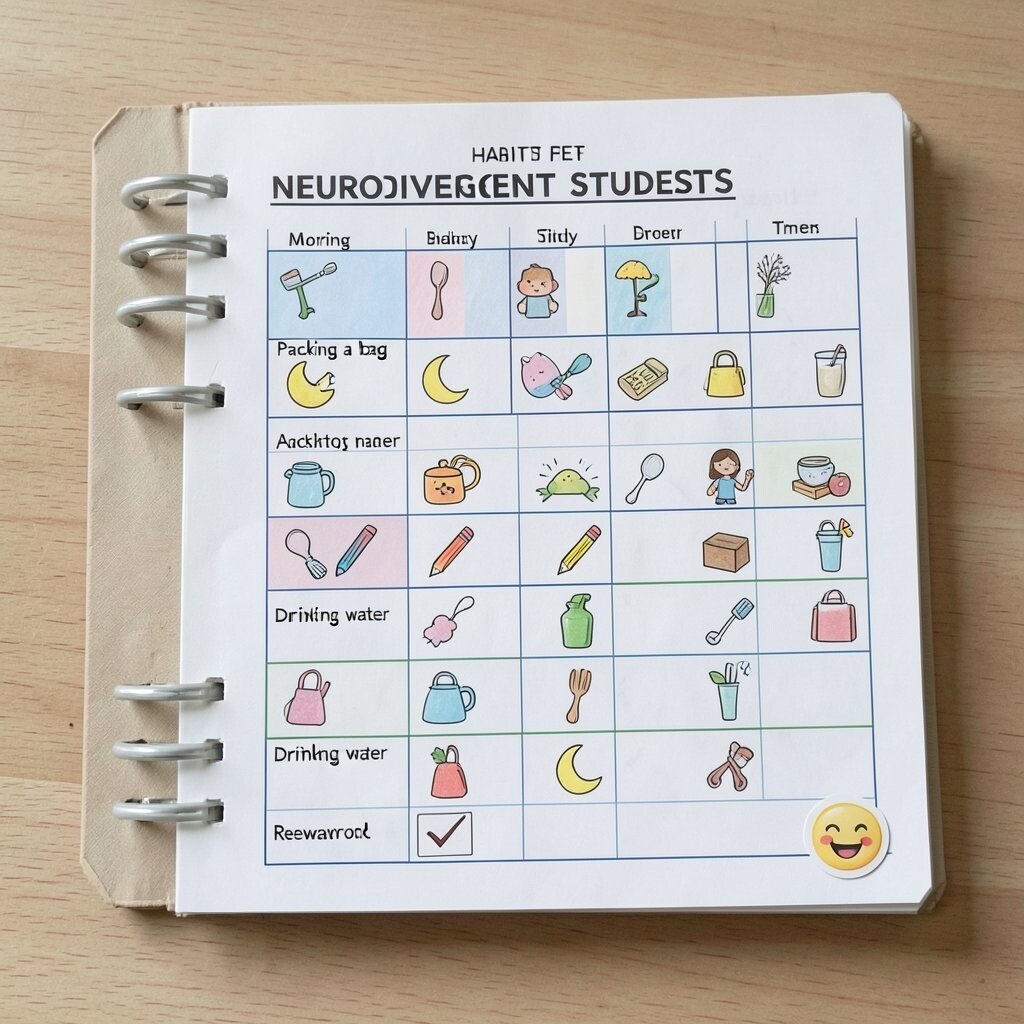
A habit tracker with picture symbols turns daily routines into simple visual cues. It can make brushing teeth, packing a bag, or drinking water feel easier to remember.
Use small icons instead of long words if that helps your brain stay calm. You can draw or print symbols that match your life, like a moon for bedtime or a pencil for study time. This idea feels fresh because many planners now mix cute art with simple tracking, and it can be made with very little money.
Add a tiny reward space at the end of the week for a sticker, check mark, or happy face. That gives the page a cheerful finish without making it too busy. If you like, use different colors for morning, afternoon, and evening habits so the page stays clear.
6. Binder Planner With Refillable Pages
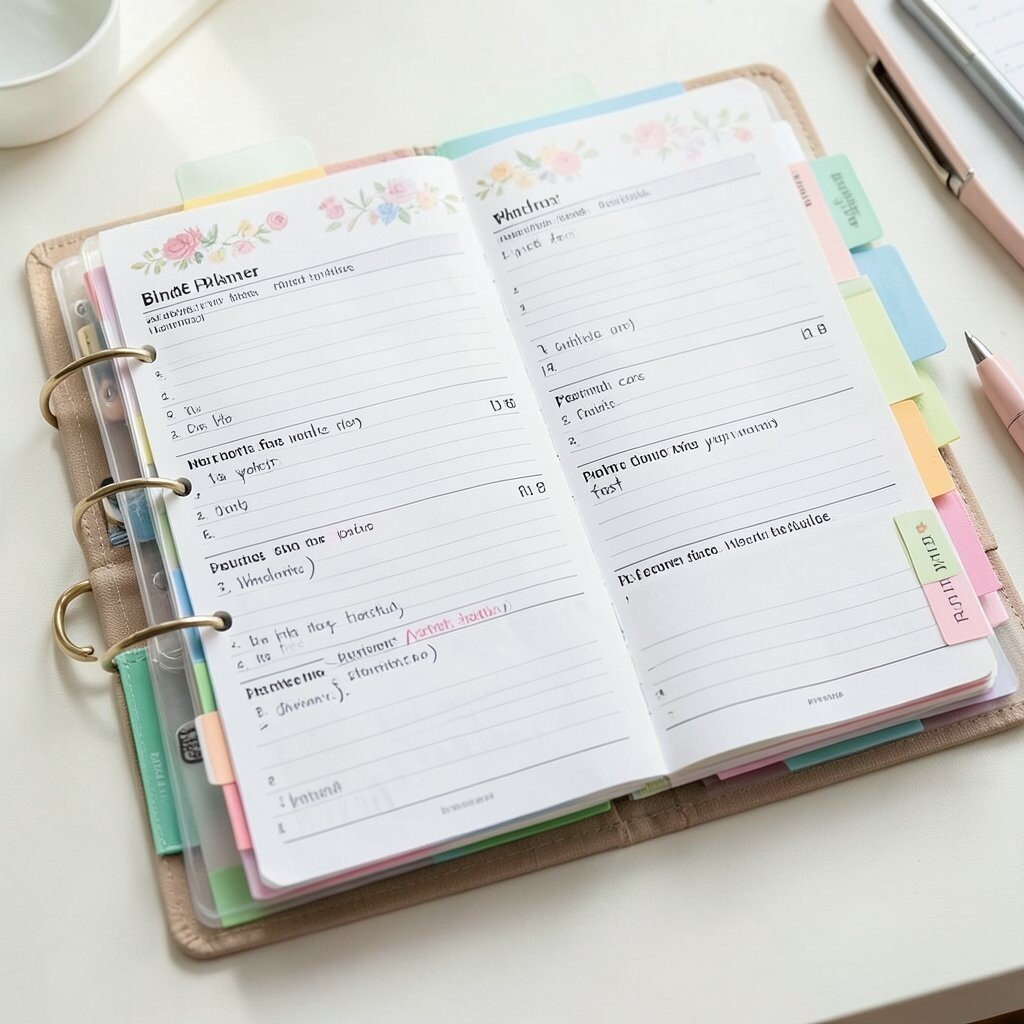
A binder planner lets you swap pages in and out whenever you need a new setup. It is a smart choice for students whose needs change during the school year.
You can add dividers for classes, notes, deadlines, and personal care. The clear pockets and tabs make it easy to find what matters fast. This planner style can be as fancy or as cheap as you want, since a basic binder can work just as well as a decorated one.
Many students like this format because it feels sturdy and flexible at the same time. You can also print fresh pages at home instead of buying a whole new planner. If you want a more current look, try transparent pockets, pastel dividers, or simple label stickers.
7. ADHD-Friendly Brain Dump Pages
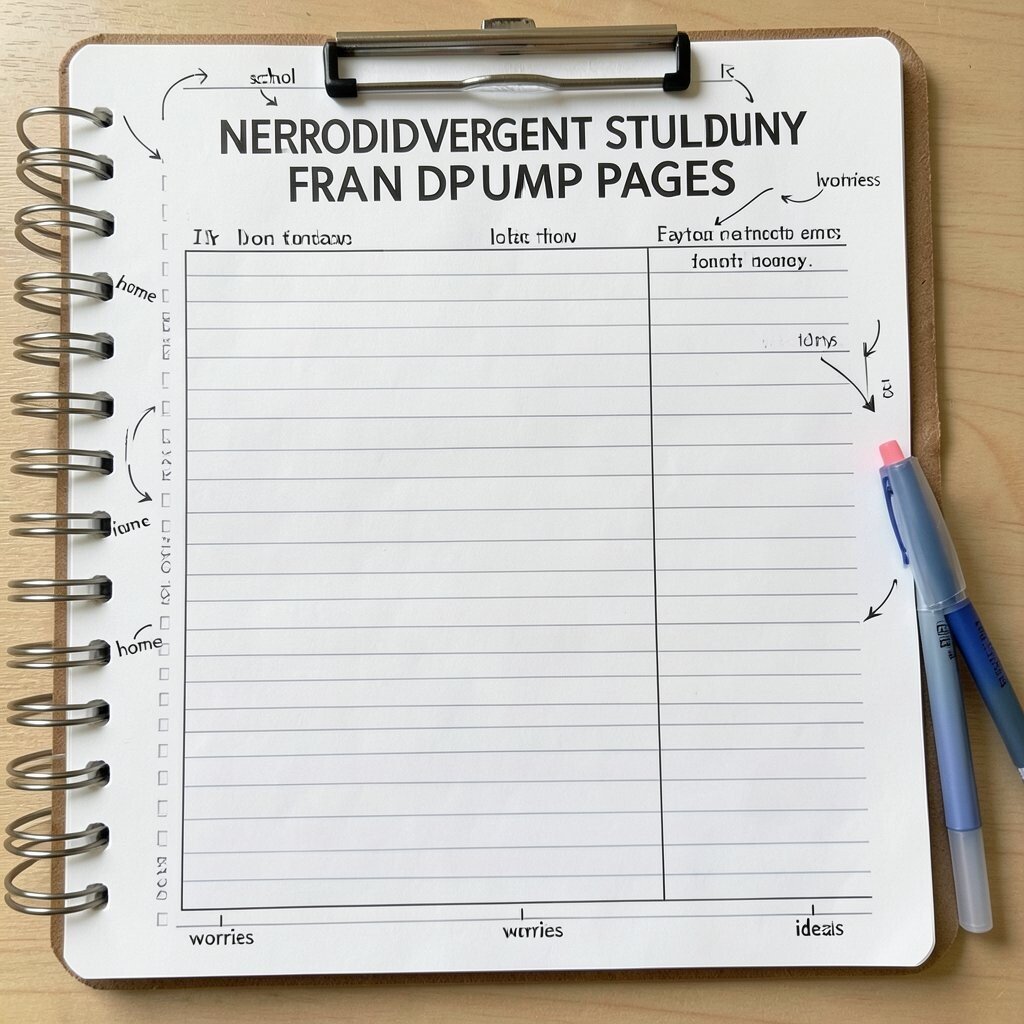
Brain dump pages give your thoughts a safe place to land. They are great for moments when your head feels crowded or jumpy.
Make one page with a big title and lots of open space so you can write anything without worrying about order. You might use a spiral notebook, a clipboard, or a printable sheet with soft lines. This idea is unique because it is less about being neat and more about getting thoughts out of your head, and it costs almost nothing.
To personalize it, add small prompts like “school,” “home,” “worries,” or “ideas” around the edge. That can help your mind sort the mess without pressure. Some students also like keeping a colored pen nearby so the page feels friendly instead of plain.
8. Assignment Tracker With Status Flags
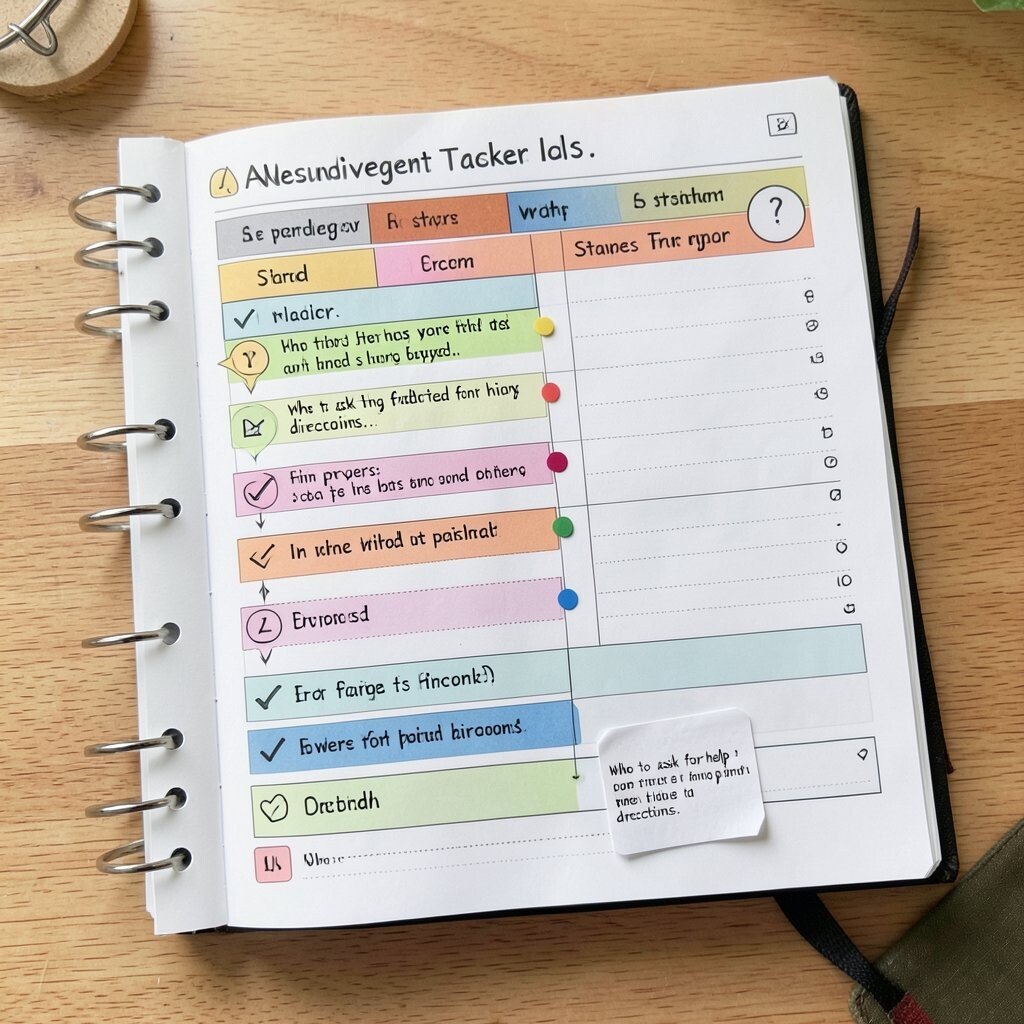
An assignment tracker with status flags helps you see what is not started, in progress, or finished. It can stop tasks from hiding in the background.
You can use tabs, arrows, or tiny colored dots to show each stage. This makes the page feel active and easy to scan, which is helpful when your brain gets overwhelmed by long lists. The setup can be very low cost if you make the flags from paper scraps or use simple stickers.
For a personal twist, add a small space to note who to ask for help or where to find the directions. That can save time and reduce panic later. This style also matches a current trend in student planning where pages are designed like mini dashboards.
9. Soft-Theme Planner With Calm Colors
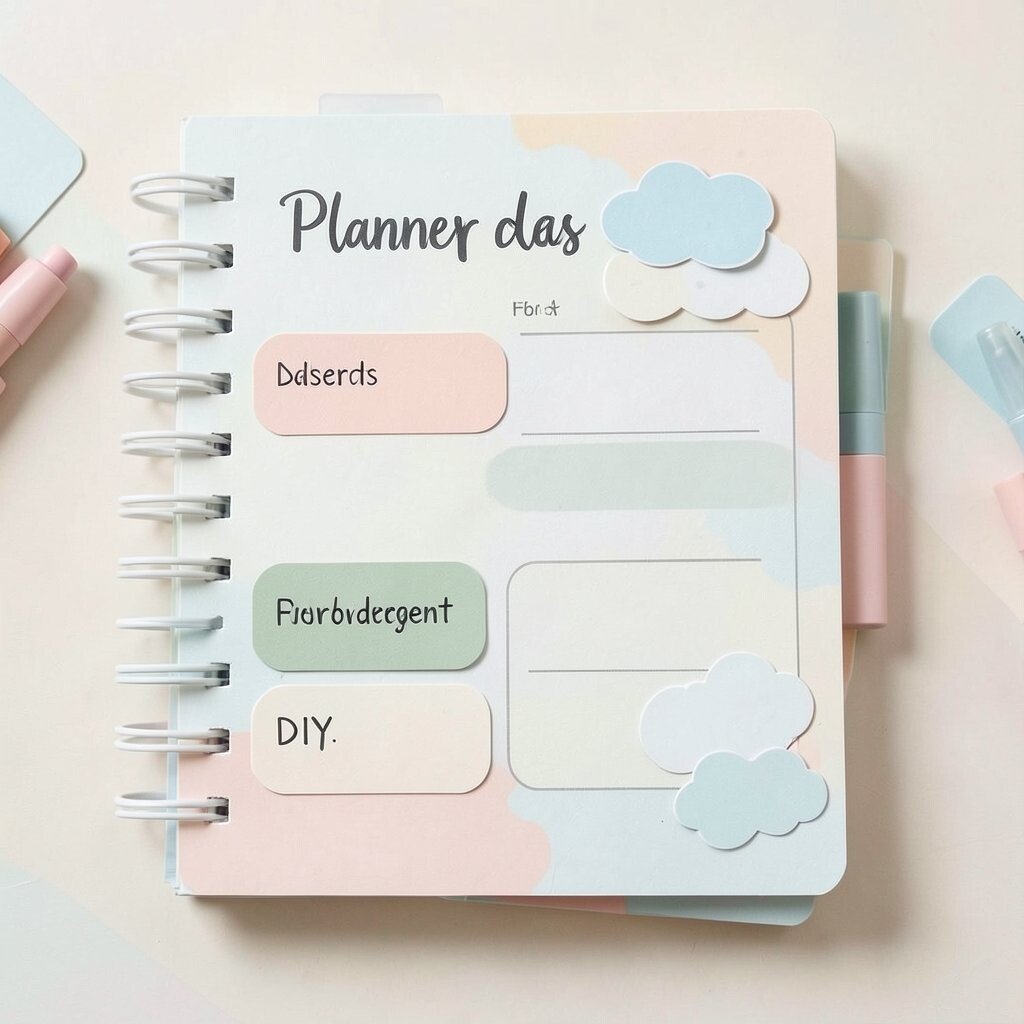
A soft-theme planner uses gentle colors like blush, sky blue, cream, and sage. The look can feel soothing when school life feels loud.
Choose light shades for the background and darker shades only for important words. This keeps the page readable while still looking pretty. You can make it unique with cloud stickers, rounded boxes, or handwritten titles, and the cost stays low if you use a few markers and a plain notebook.
Many students enjoy this style because it feels less harsh than a crowded page. It can also make planning feel like a quiet routine instead of a chore. If you like current stationery trends, add translucent tabs or a soft pastel pen set.
10. High-Contrast Planner for Fast Reading
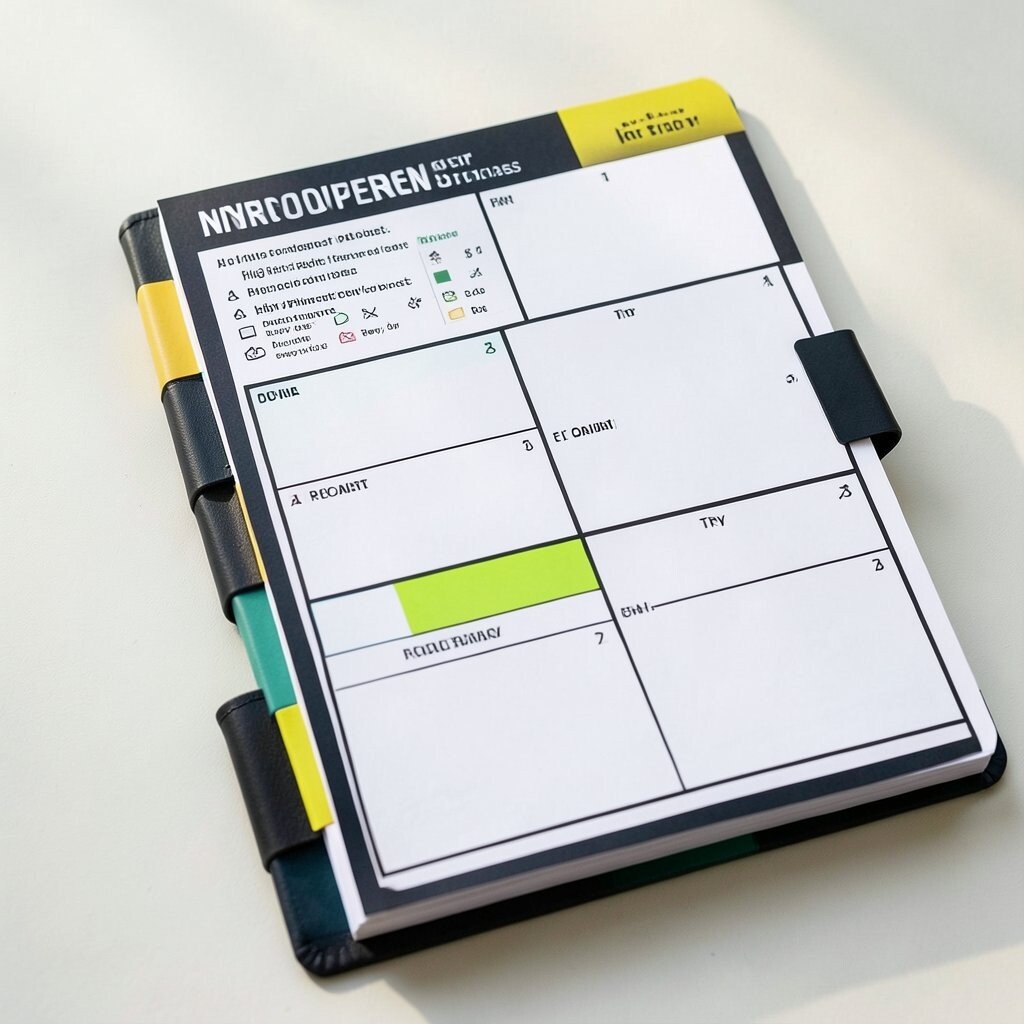
A high-contrast planner uses dark writing on light paper or bright labels on dark sections. It is made for quick reading and strong visual clarity.
This can help students who get tired by busy pages or have trouble finding key details. Use bold black lines, white space, and one strong accent color to keep things simple. The design is easy to customize with large fonts, thick tabs, or a favorite color, and it can be built with basic supplies.
Try making important dates extra large so they stand out right away. You can also add a tiny legend on the first page for symbols and colors. That small step can make the whole planner feel easier to use every day.
11. Mini Pocket Planner Insert
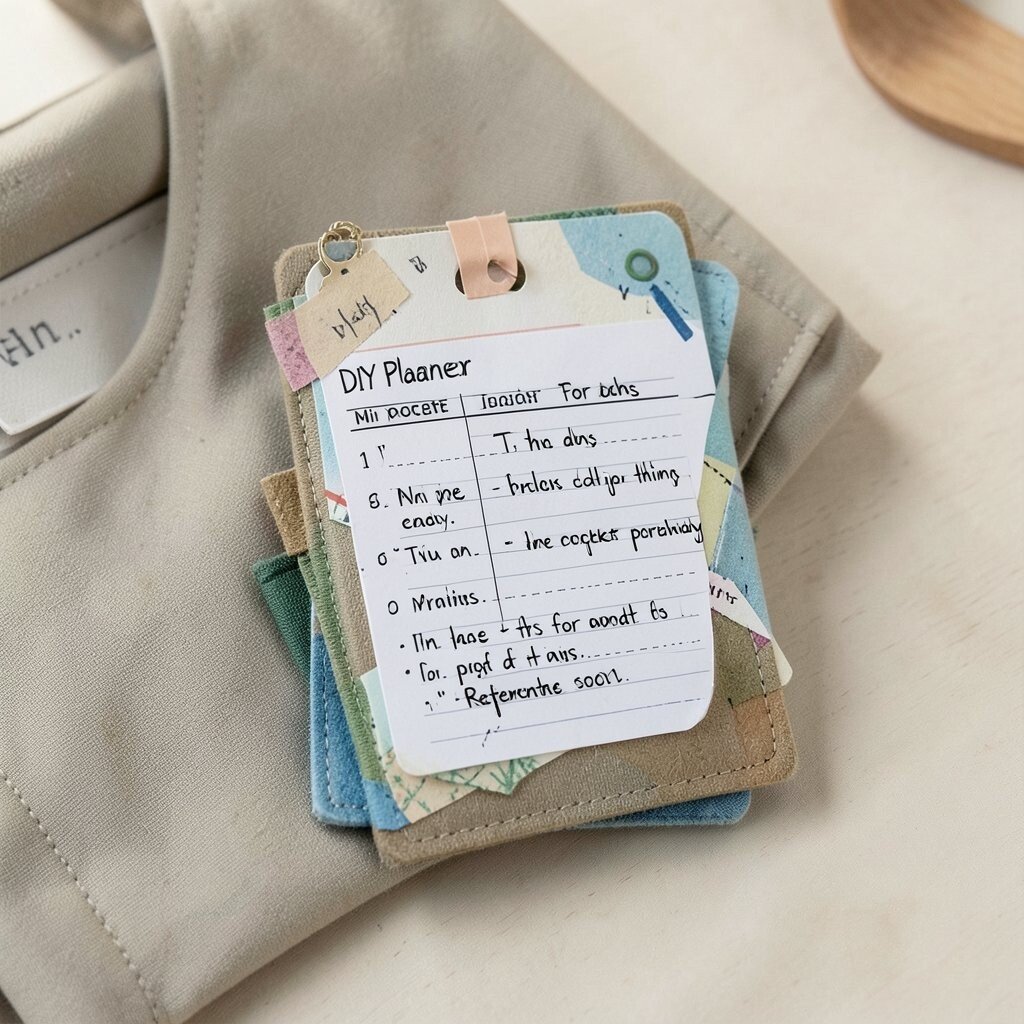
A mini pocket planner insert is small enough to carry anywhere. It can fit in a backpack pocket, jacket pocket, or pencil case.
This is useful for students who want quick notes without opening a big binder. You can keep one page for the day, one page for errands, or one page for reminders. It is unique because it feels light and portable, and it can be very cheap if you fold paper or print tiny templates at home.
Decorate the cover with tape, a charm, or a simple name label so it feels special. Some students like using mini planners as a backup system for sudden thoughts. That way, important ideas do not get lost between classes.
12. Study Session Planner With Break Prompts
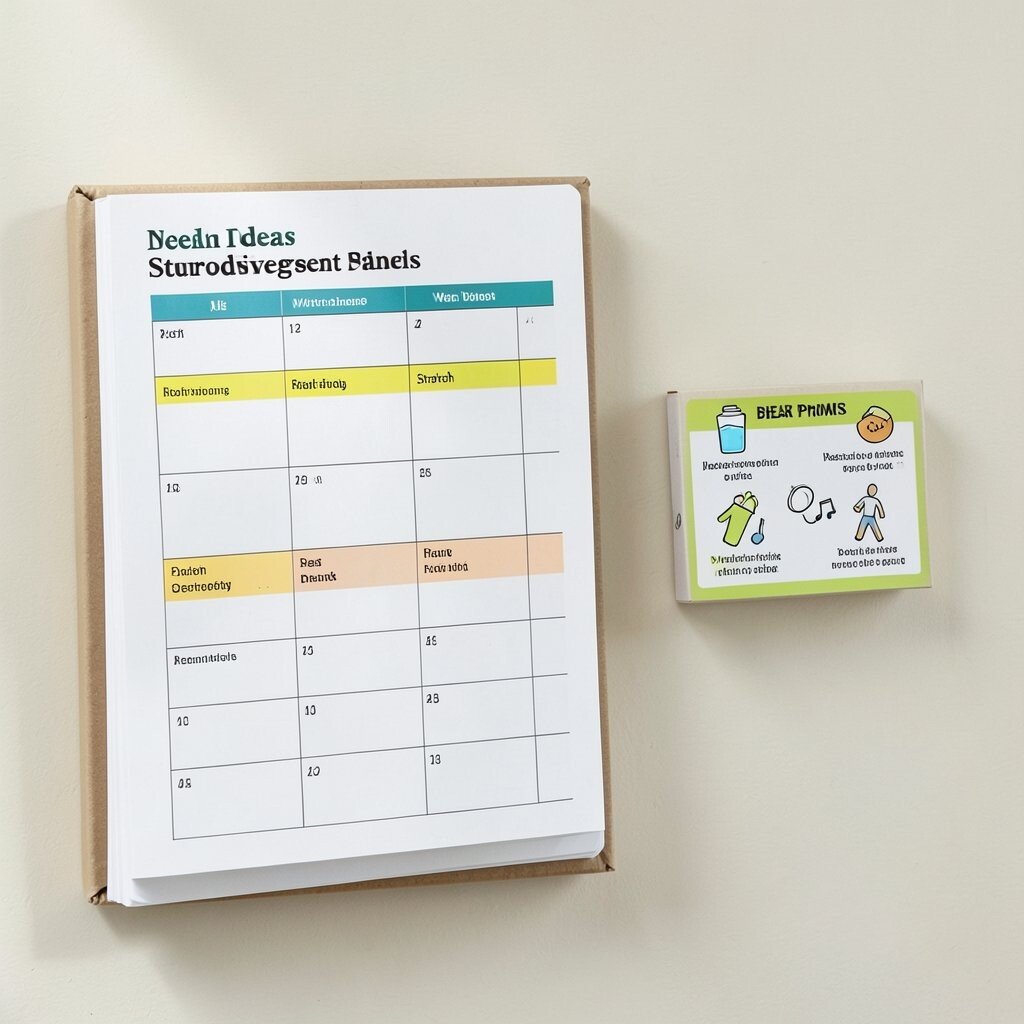
A study session planner with break prompts helps your brain remember to pause. It can make homework time feel more balanced and less draining.
Draw a study box, then add a small break box right after it so the page shows both work and rest. You might include water, stretch, snack, or walk prompts in the break space. This is a helpful and unique format because it supports focus without asking for nonstop effort, and it costs very little to make.
Personalize it with icons that match your favorite reset activities, like music or doodling. If you like current planning styles, use a clean grid with one bright highlight color. The result can feel simple, kind, and easy to follow.
13. Goal Ladder Planner
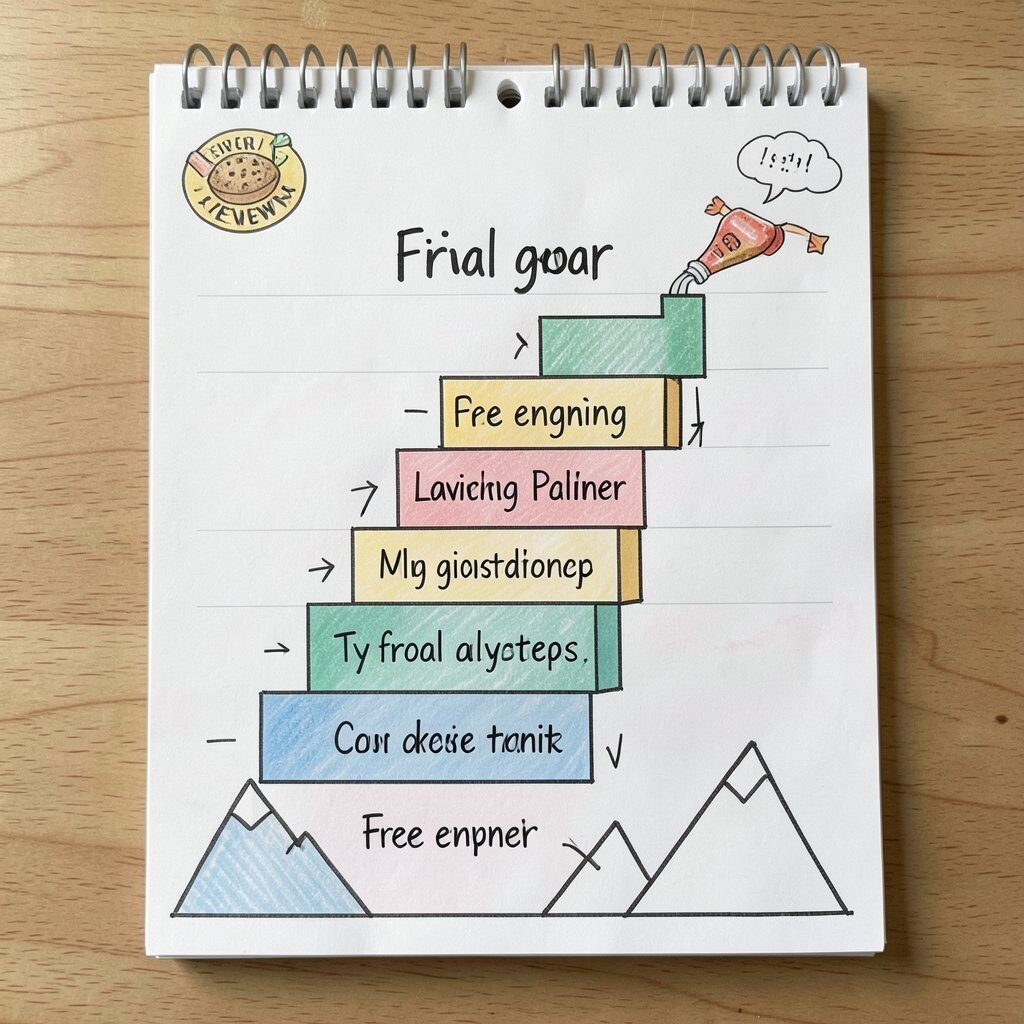
A goal ladder planner breaks a big goal into smaller steps that climb upward. The visual shape can make progress feel more real and less scary.
Write the final goal at the top and the smaller steps on each rung below it. This helps students see that big assignments are really a series of tiny moves. You can make it look unique with stair shapes, arrows, or mountain art, and the cost is almost nothing if you draw it by hand.
Try using one color for each step so the page stays clear. You can also add a reward at the top for finishing, like a favorite snack or a free evening. Many students like this format because it feels motivating without being too crowded.
14. Deadline Dashboard Planner
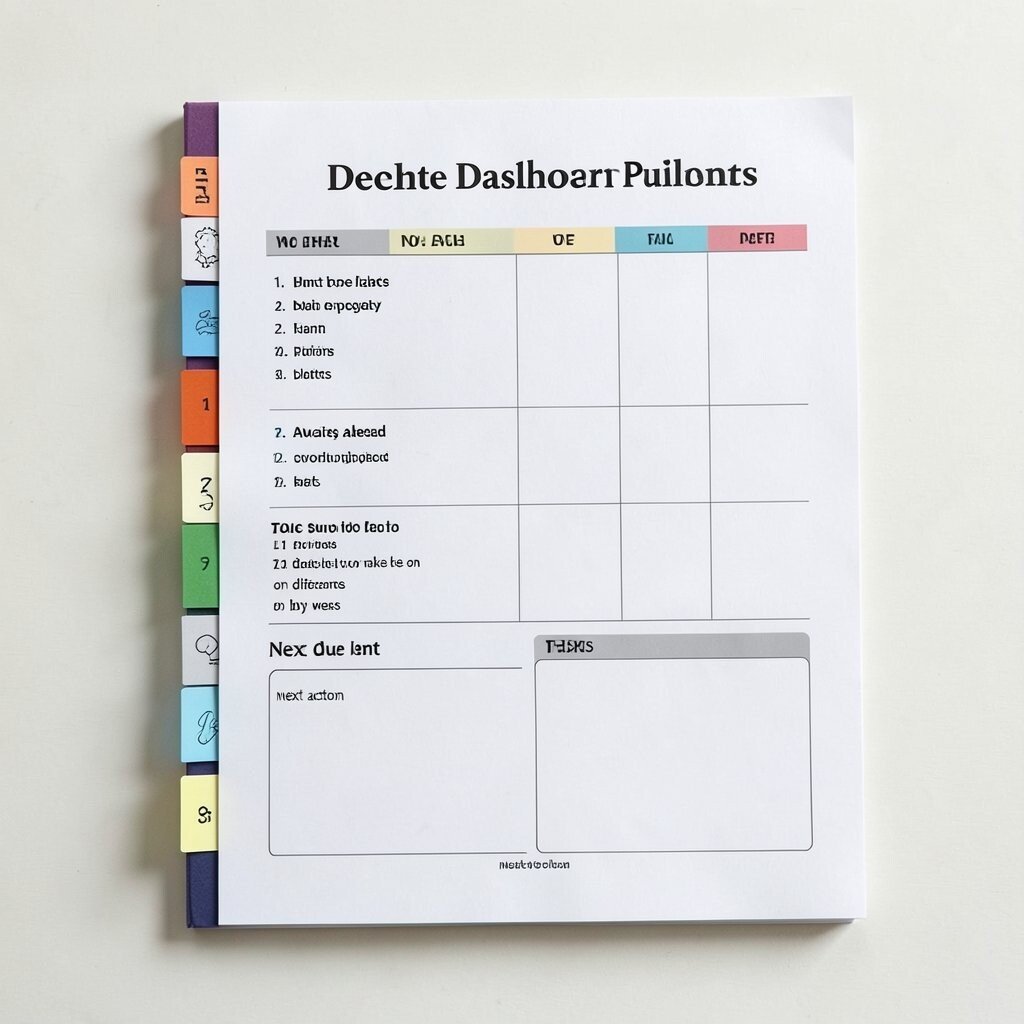
A deadline dashboard planner puts all important due dates in one bold spot. It keeps school pressure from hiding in random corners of your notebook.
Use a front page with a simple month view, a list of tasks, and a space for the next due item. This makes it easier to plan ahead and avoid surprise stress. You can personalize it with tabs, stickers, or a favorite school color, and it can be built with a cheap printable page or a plain sheet of paper.
Many students now like dashboard layouts because they feel modern and organized. Add a small “next action” line under each deadline so you always know what to do first. That tiny detail can make a big difference on busy weeks.
15. Energy-Based Planner
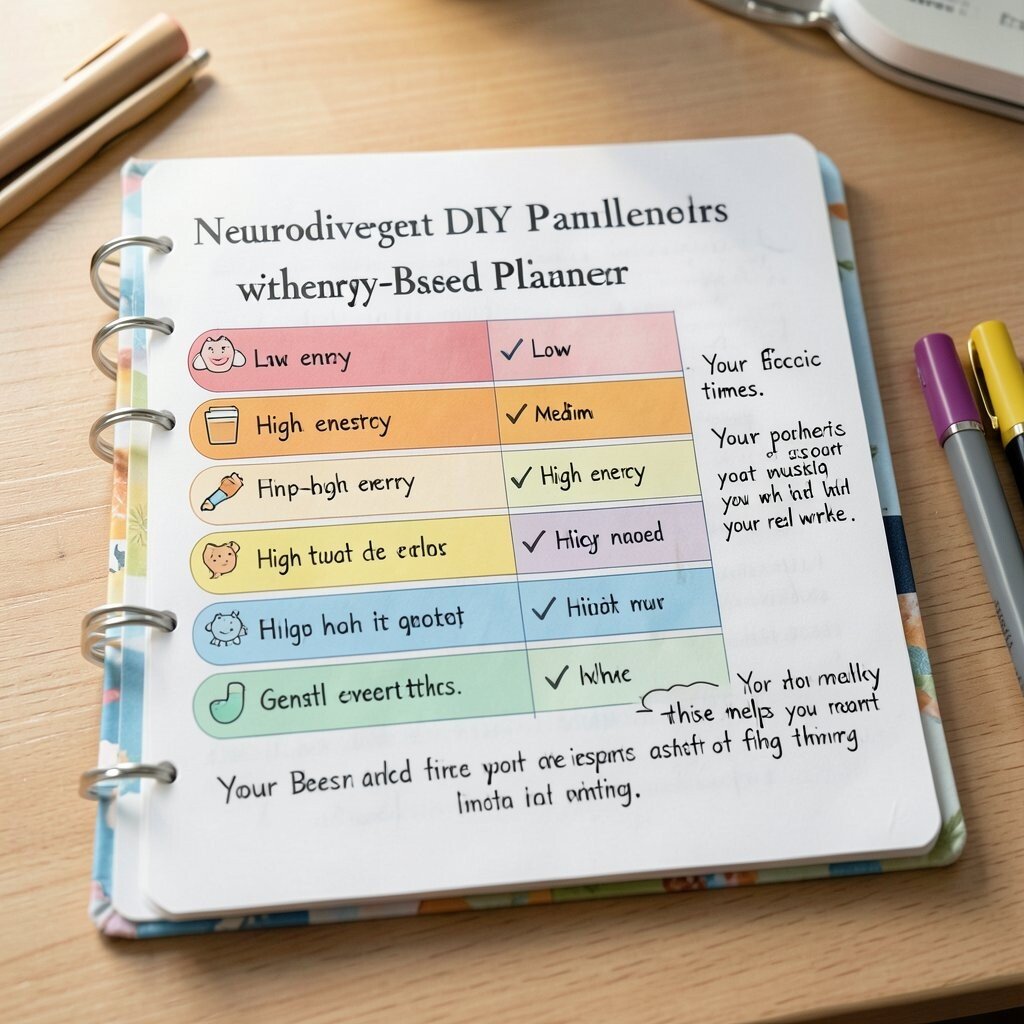
An energy-based planner matches tasks to how much focus you have. It can help you stop pushing hard jobs into low-energy moments.
Use symbols like low, medium, and high energy instead of a full hour-by-hour plan. That gives you more room to work with your real day. You can make it unique by using warm colors for high-energy tasks and cool colors for gentle tasks, and it costs almost nothing to create.
For personalization, write your best focus times on the side of the page. You can also add a note about what helps you recharge, like quiet music or a short walk. This planner style feels especially kind because it respects your limits instead of fighting them.
16. Subject Tab Planner
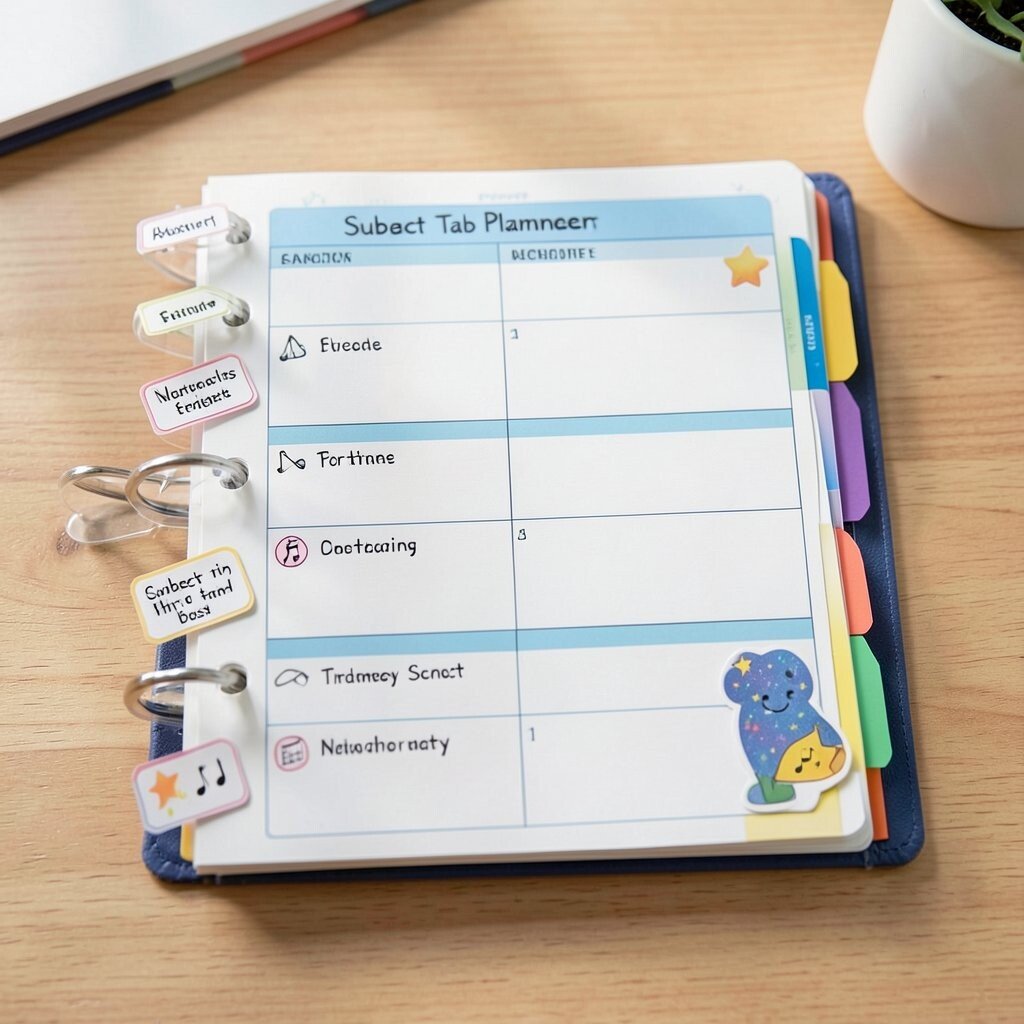
A subject tab planner keeps each class in its own clear section. It is a neat choice for students who like separate spaces for separate topics.
Use tabs, dividers, or colored page edges so each subject is easy to find fast. This can reduce the stress of flipping through mixed notes. The style is easy to customize with label stickers, subject icons, or a different page color for each class, and the cost can stay low with simple cardstock.
Some students enjoy giving each subject a tiny theme, like stars for science or music notes for art. That makes the planner feel more personal and less boring. If you want a current look, try clear tabs with handwritten labels for a clean school aesthetic.
17. Routine Flow Planner
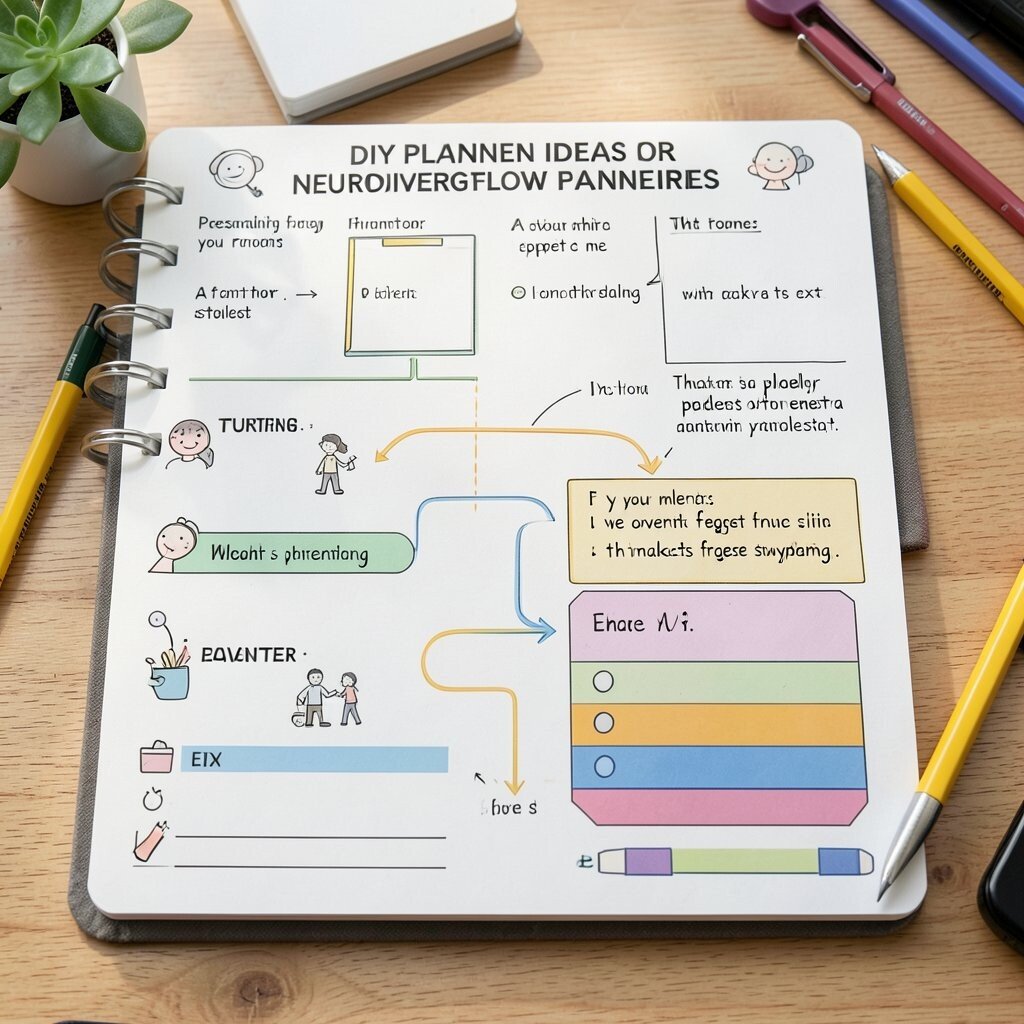
A routine flow planner shows the order of your morning, afternoon, or evening steps. It works like a visual path that helps you move from one task to the next.
Use arrows, boxes, or a simple line to show what comes first and what comes after. This can be very helpful for students who need a little extra support with transitions. You can make it unique with small drawings, color bands, or a checklist at the end, and it can be made from a single sheet of paper.
Personalize the flow with your real routine instead of a perfect one. If you often forget something, place it on the page in a bigger box. That makes the planner practical, friendly, and easier to trust.
18. Sticker Reward Planner
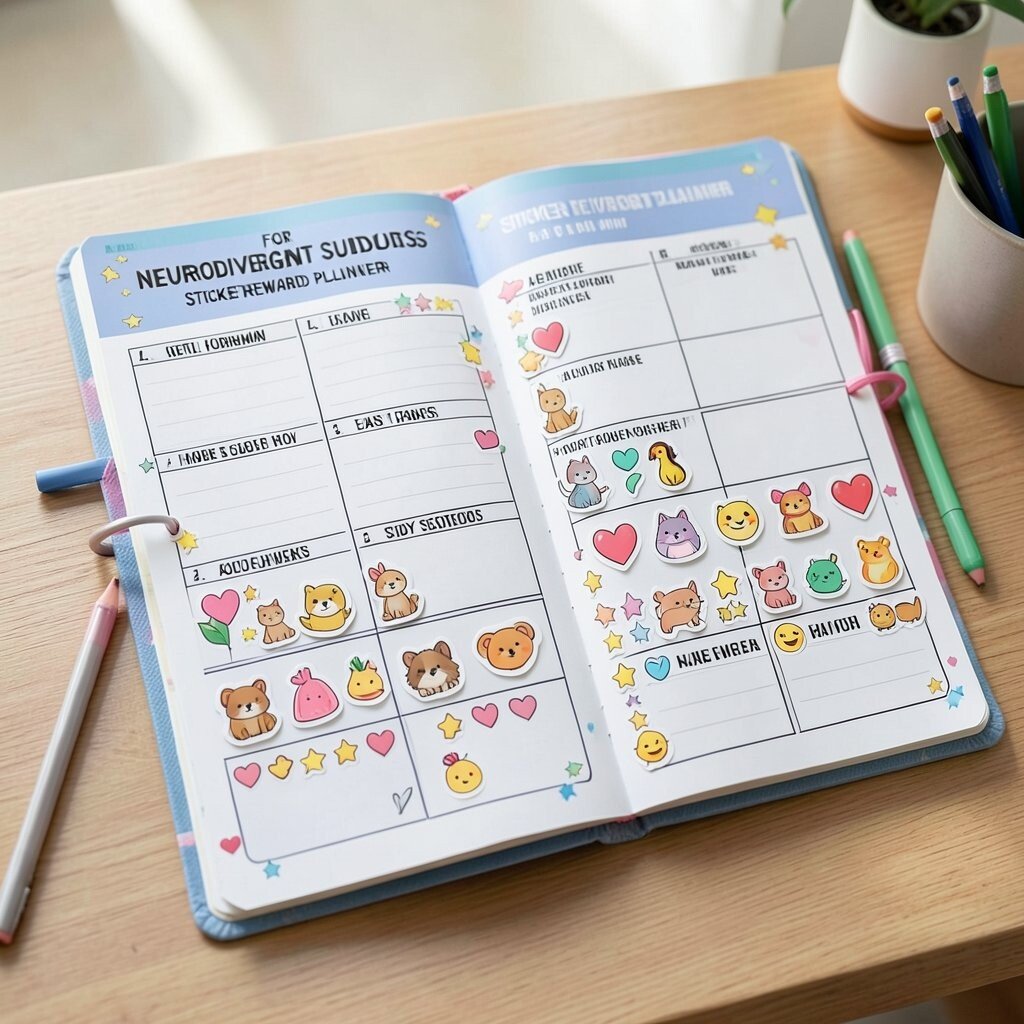
A sticker reward planner turns completed tasks into a visual win. It can make school work feel more fun and less heavy.
Leave open spaces for stickers after homework, chores, or study sessions. The page becomes a bright record of effort instead of just chores. You can keep it low cost by using one sticker sheet for many weeks, and you can personalize the style with stars, hearts, animals, or even tiny emojis.
This idea fits well with current planner trends that mix function and joy. Some students use one sticker color for hard tasks and another for easy tasks. That helps the planner show both progress and effort in a way that feels encouraging.
19. Notebook Planner With Fold-Out Tabs
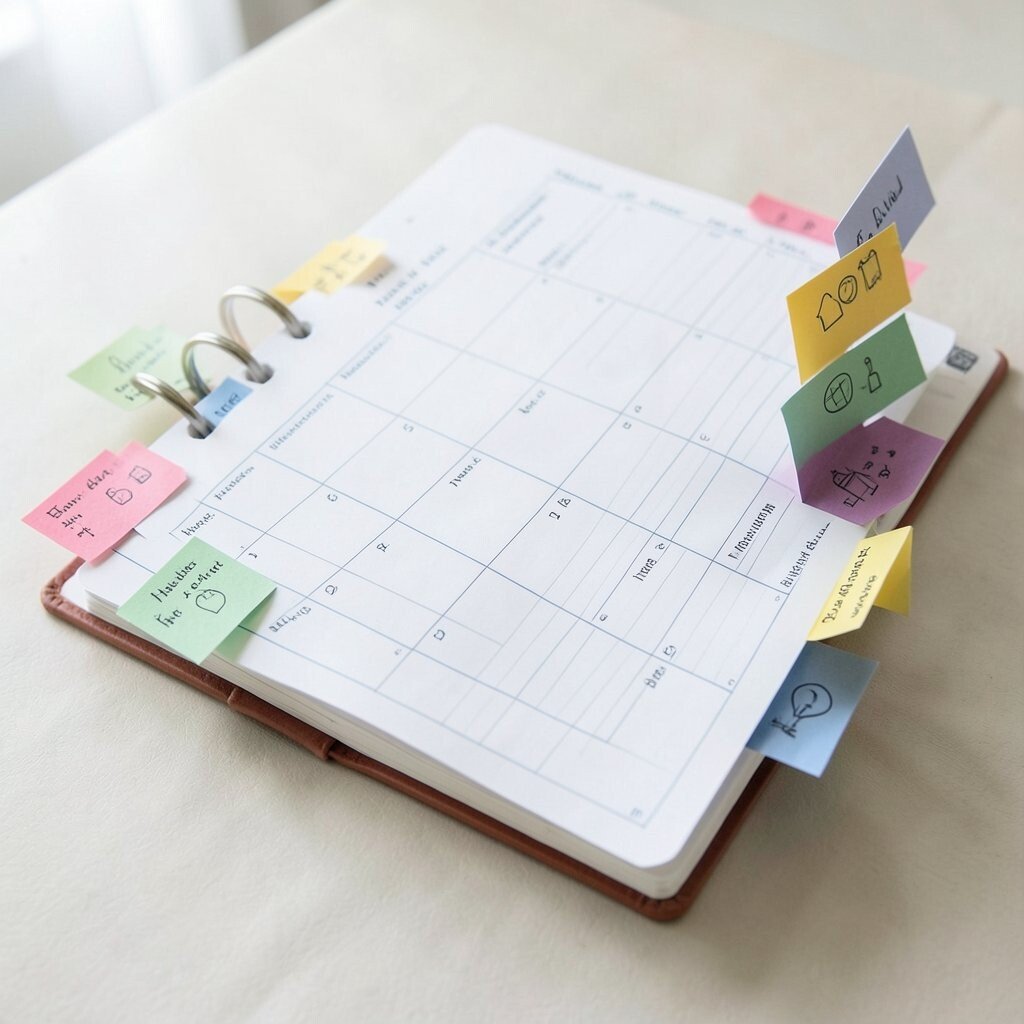
A notebook planner with fold-out tabs gives you quick access to important pages. The tabs can stick out like little flags that guide your eyes.
Make tabs for homework, tests, ideas, and personal care so the layout stays simple. This is useful when you need answers fast and do not want to search through many pages. It is also a creative and unique setup because the tabs can be made from paper scraps, and that keeps the cost very low.
Add a different shape or color to each tab for extra clarity. You can even write tiny icons on them for a faster visual cue. Students who like hands-on planning often enjoy this style because it feels active and easy to use.
20. Focus-Friendly One-Page Daily Planner
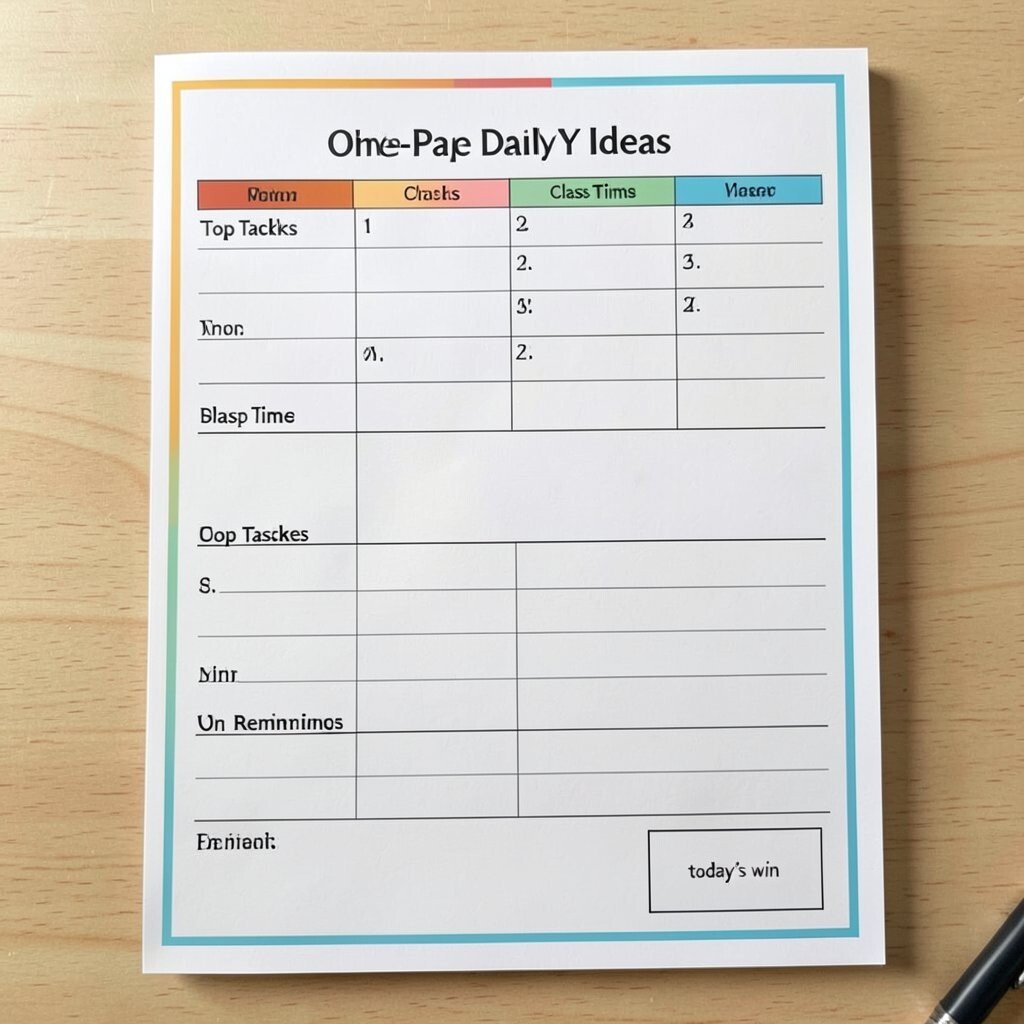
A focus-friendly one-page daily planner keeps the whole day on a single sheet. It cuts down on clutter and helps your brain stay on task.
Put only the most important items on the page, like top tasks, class times, and one reminder area. This can make the day feel more manageable right away. You can personalize it with a favorite border, a color bar, or a simple title, and the cost is very small if you print one page at a time.
Many students like this plan because it does not ask for lots of writing. It is easy to remake every morning if your schedule changes. If you want a current design, use clean lines and a small box for “today’s win.”
21. Mood-and-Task Planner
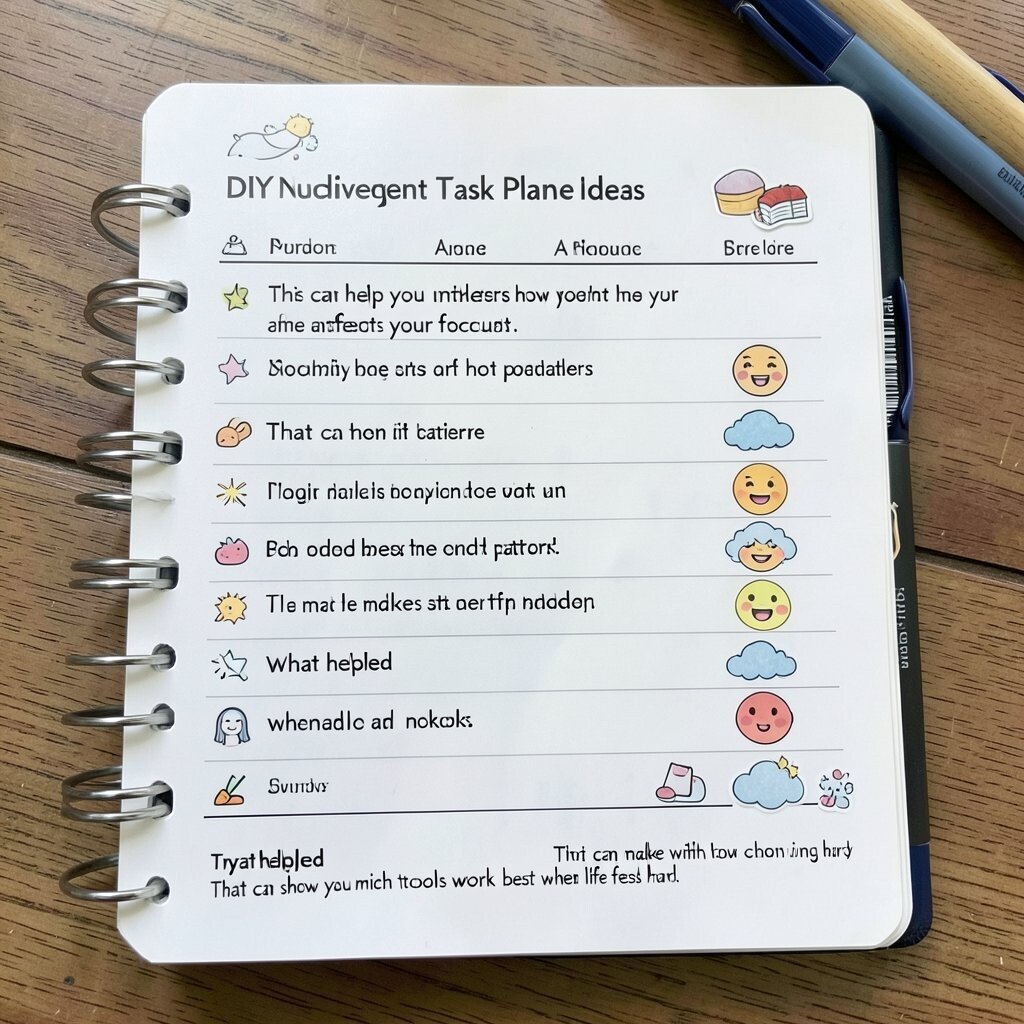
A mood-and-task planner lets you track feelings and schoolwork on the same page. That can help you understand how your mood affects your focus.
Use a small mood scale with faces, colors, or weather symbols next to your tasks. This makes it easier to notice patterns without writing a long note. The planner is unique because it cares about both emotions and work, and it can be made with low-cost supplies like pens and a notebook.
Try adding a short “what helped” line at the bottom of each day. That can show you which tools work best when life feels hard. Personal touches like stickers or doodles can make the page feel safe and honest.
22. Exam Prep Countdown Planner
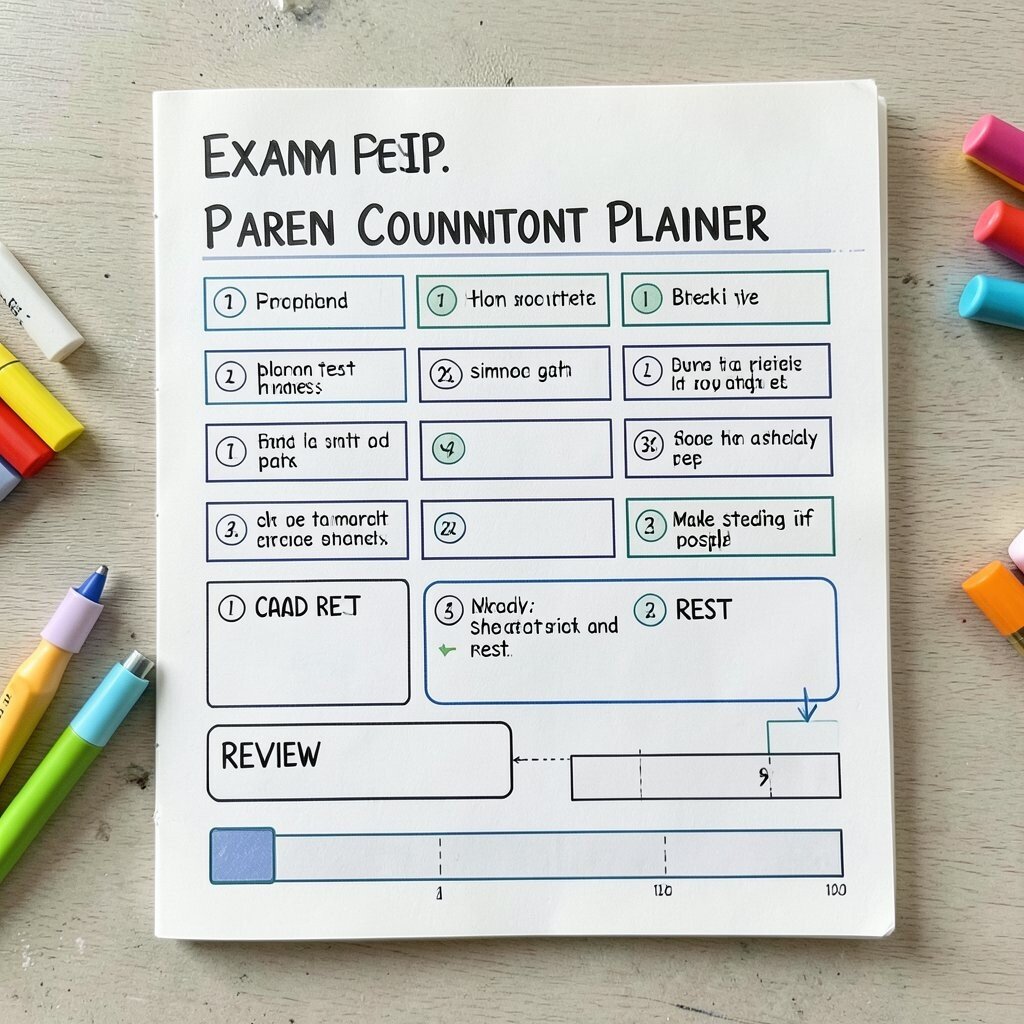
An exam prep countdown planner shows how much time is left before a test. It can turn a scary deadline into a clear plan.
Write the exam date at the top and break study tasks into small boxes below it. This helps students who need a simple path instead of a giant study pile. You can make it look unique with countdown bubbles, bold numbers, or a progress bar, and it can be very affordable if you draw it by hand.
Some students like using a fresh, current look with bright markers and neat spacing. Add a box for review, practice, and rest so the plan feels balanced. That small mix of structure and calm can make studying feel more possible.
23. Creative Doodle Planner
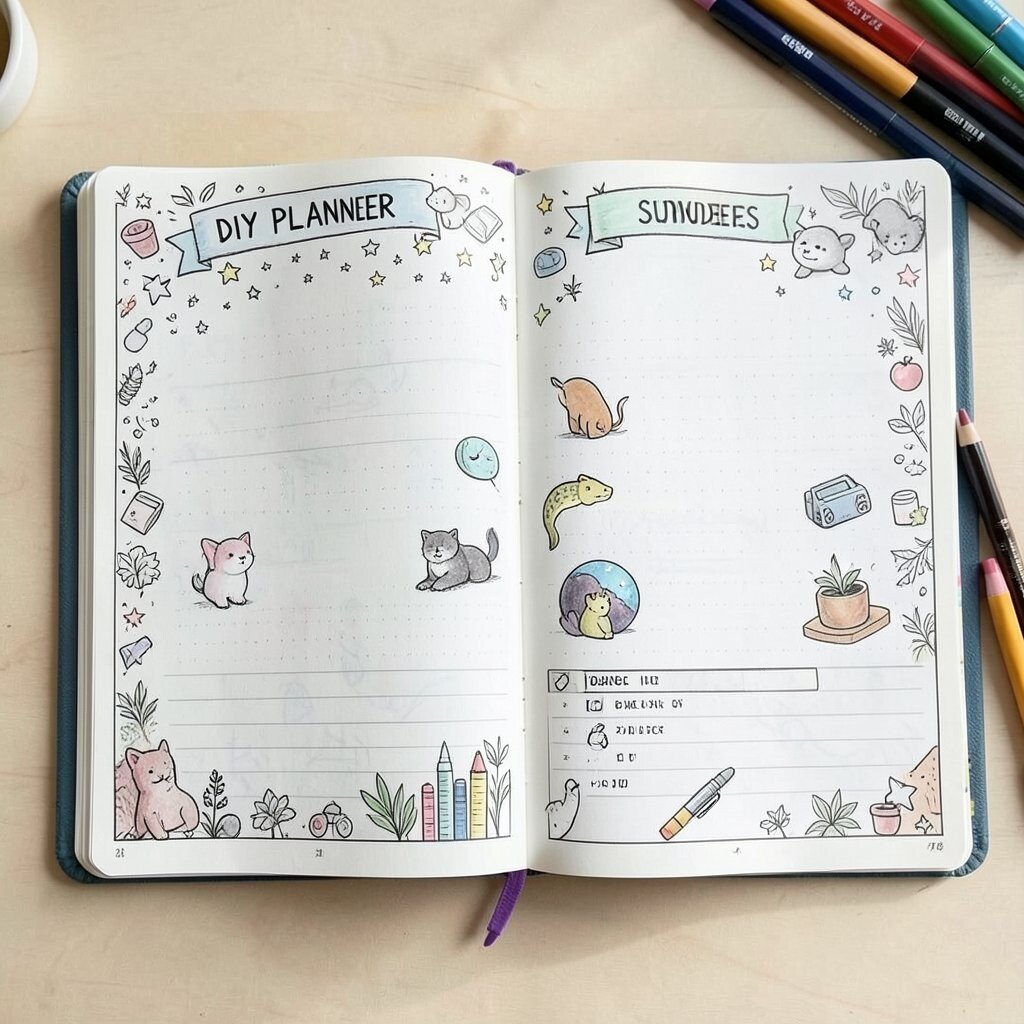
A creative doodle planner gives your hands something fun to do while you plan. The drawings can make the page feel more alive and less serious.
Use borders, tiny icons, or corner sketches to decorate each section without taking up too much space. This can help students who focus better when their planner feels playful. It is unique because no two pages need to look the same, and you can keep the cost low by using simple pens or colored pencils you already own.
Personalize the doodles to match your interests, like animals, stars, games, or plants. That makes the planner feel like yours right away. If you like current stationery trends, add hand-drawn headers and soft marker shading for a friendly look.
24. Minimalist Grid Planner
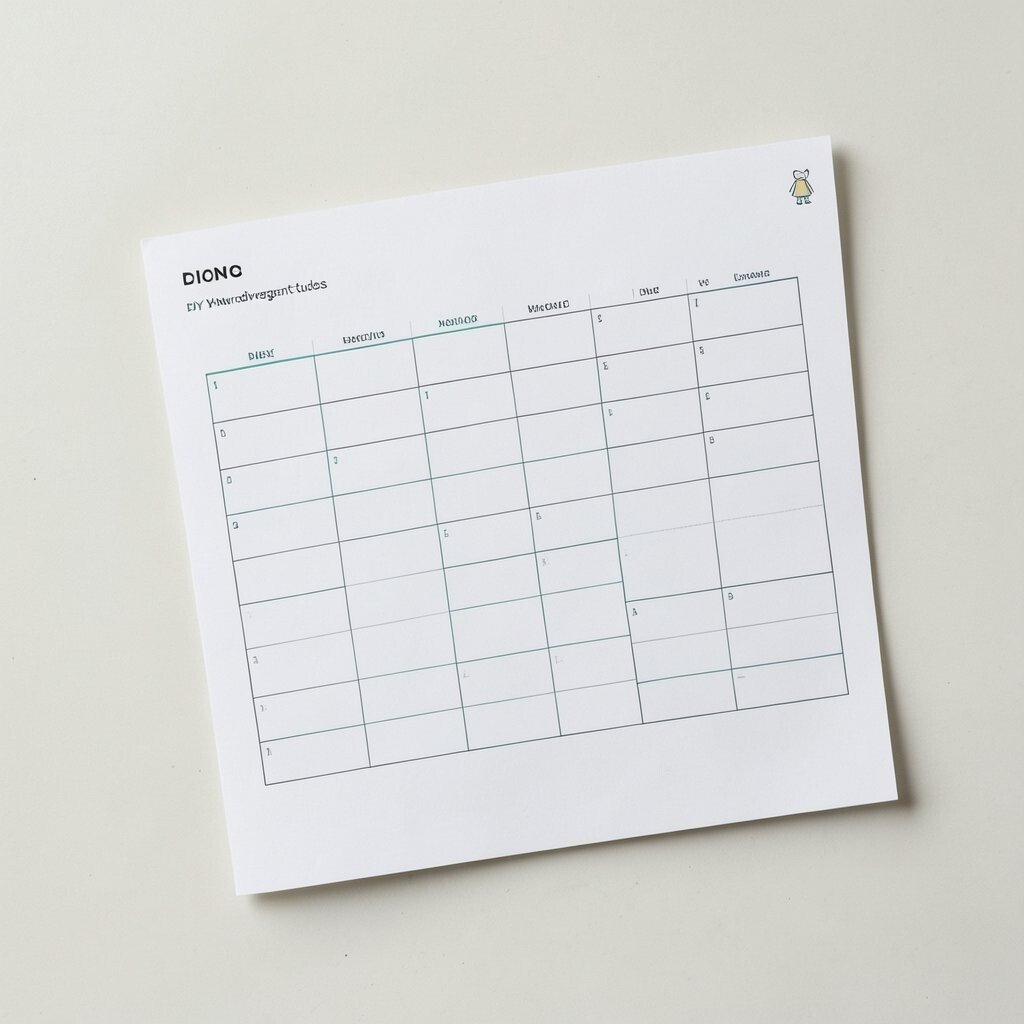
A minimalist grid planner uses neat lines, open space, and simple boxes. It keeps the page calm and easy to scan.
This style is helpful for students who get distracted by too many decorations. You can still make it feel special with one accent color, a clean font, or a tiny symbol in the corner. It is a budget-friendly choice because it works with plain paper and a ruler, and it can be changed anytime.
Some people like this planner because it feels modern and tidy. You can add just enough detail to make it useful without making it busy. That balance can be great for neurodivergent students who want order without overload.
25. Personal Support Planner
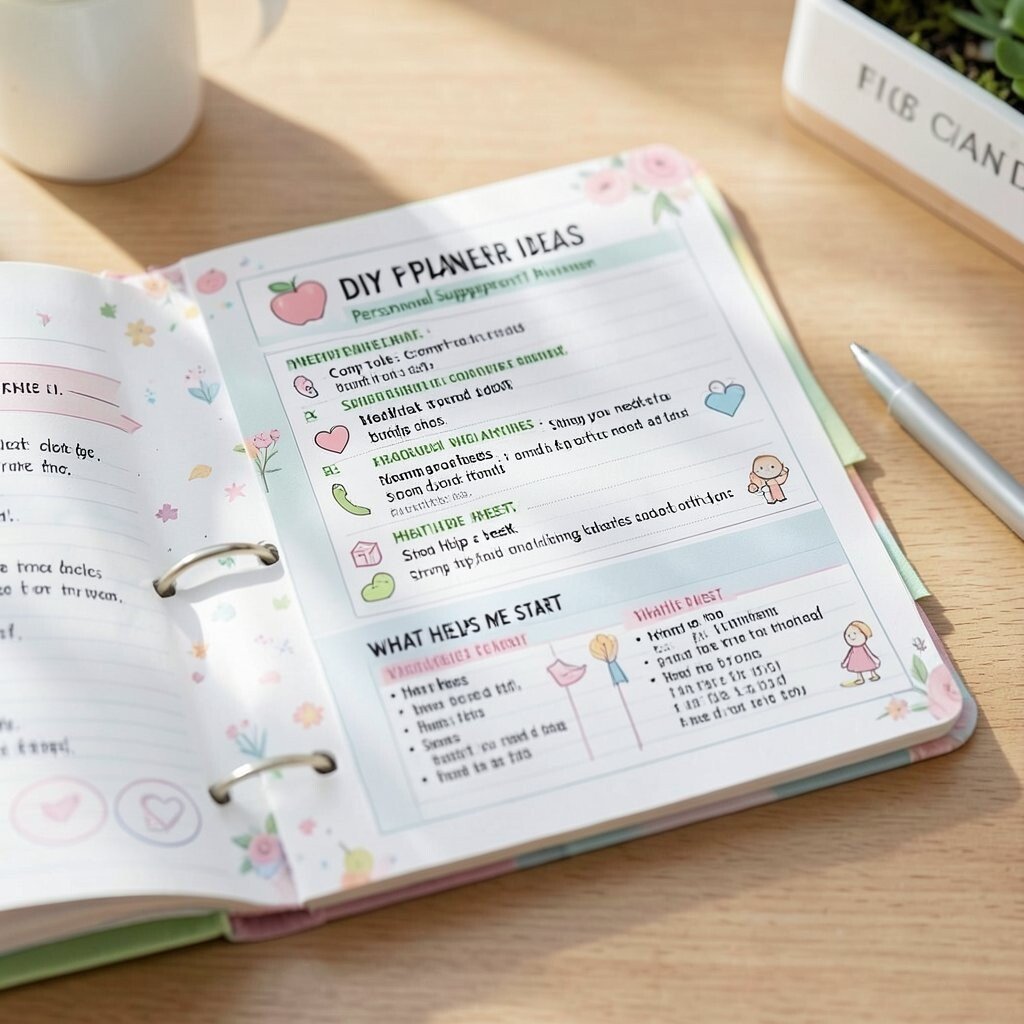
A personal support planner includes reminders that care for your whole self. It can hold things like coping tools, comfort ideas, and people to reach out to.
Use a special page for helpful phone numbers, calming activities, and signs that you need a break. This can be a strong support tool during stressful school days. You can personalize it with soft colors, kind words, or symbols that feel safe, and it can be made with almost no cost at all.
Many students like keeping this page near the front of the planner so it is easy to find fast. Add a section for “what helps me start” and “what helps me rest.” That makes the planner feel thoughtful, caring, and truly useful.
26. Modular Planner With Mix-and-Match Pages
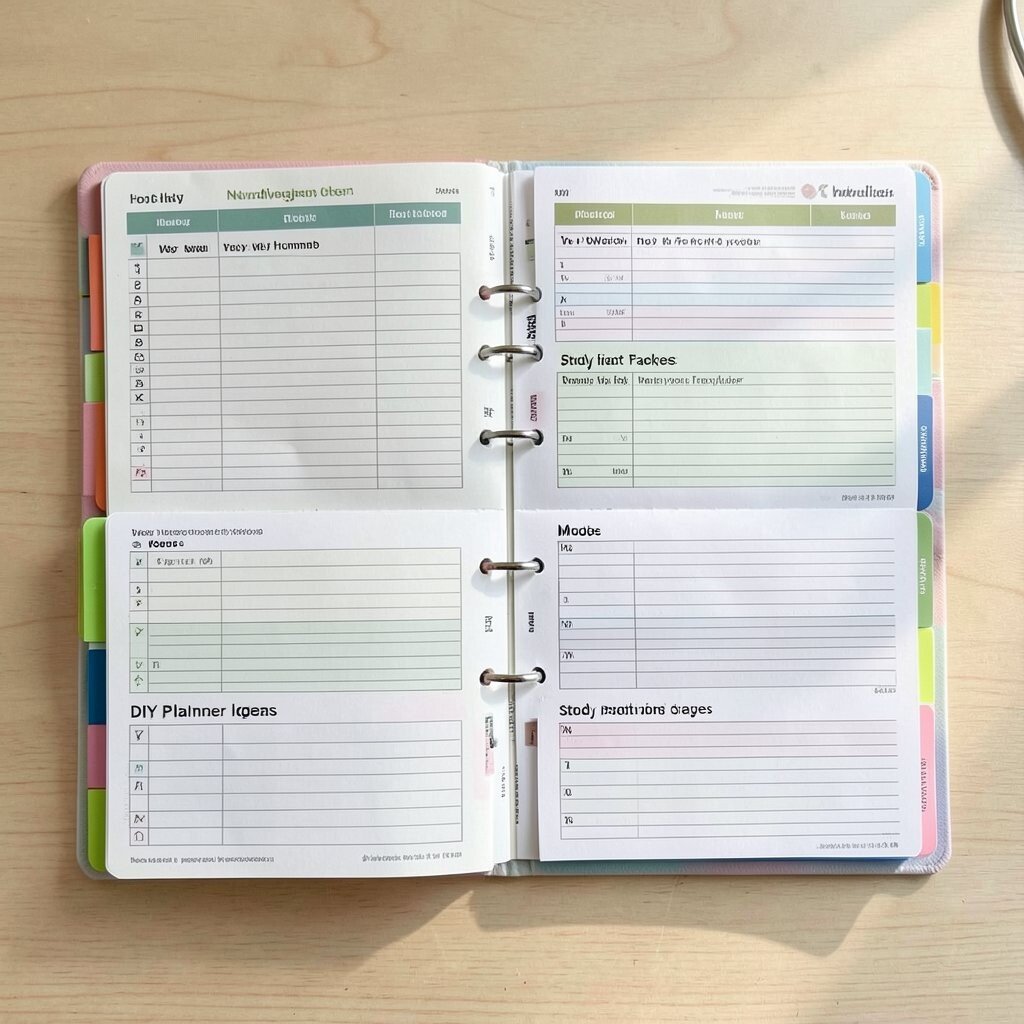
A modular planner lets you build your own system from separate pages. You can use only the parts that fit your life right now.
Maybe one week you need homework sheets, and the next week you need a project tracker. This setup gives you freedom, which is a big help for students whose needs change often. It is highly unique because it can be shaped any way you want, and the cost can stay low if you print pages at home or reuse old paper.
Try mixing habit pages, study pages, and mood pages in one binder or folder. You can also swap colors or tabs as your routine changes through the year. That flexibility makes the planner feel current, personal, and ready for real student life.