A lively yard can feel like a tiny world full of motion and song. With the right landscape elements, your outdoor space can invite birds, butterflies, and helpful creatures to stop by.
Small changes often make the biggest difference. A few smart choices can turn a plain yard into a welcoming home for wildlife.
1. Add Native Plants That Feel Right at Home
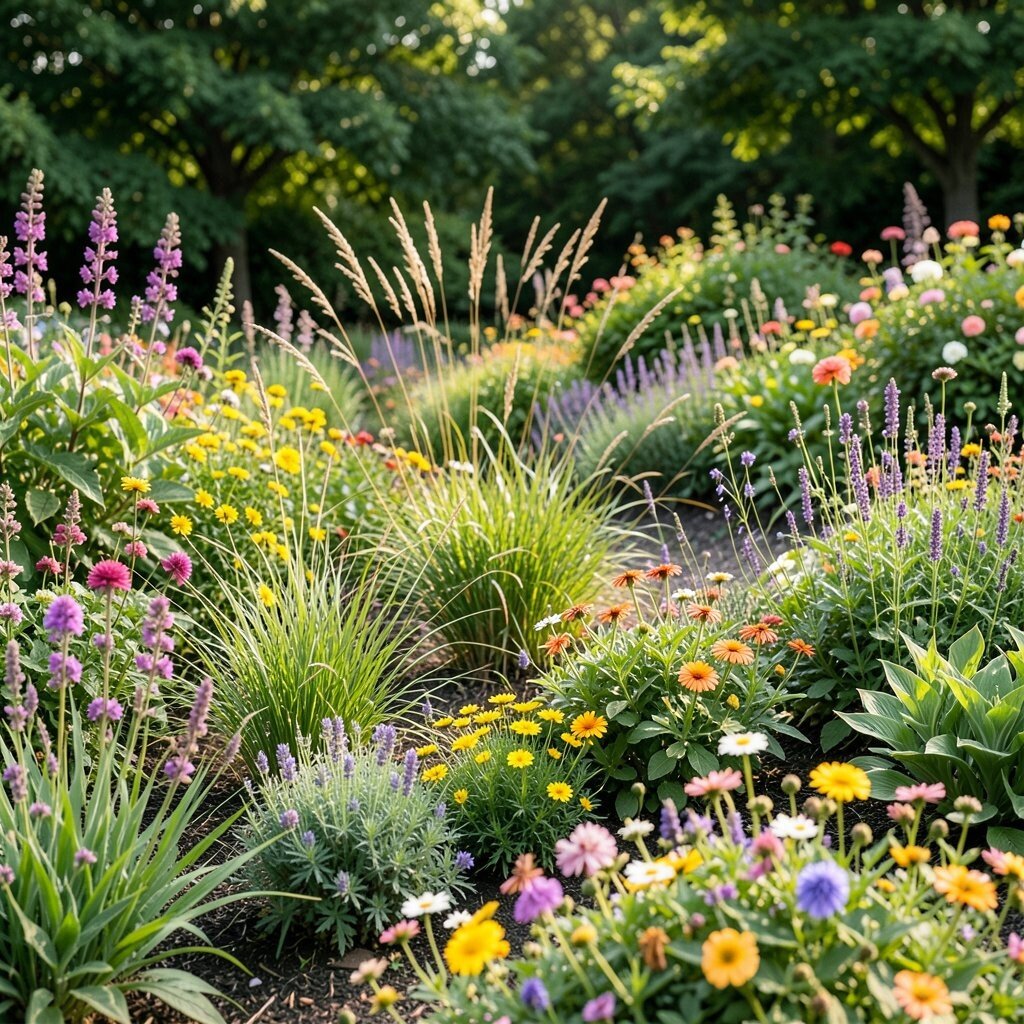
Native plants are one of the easiest ways to bring wildlife close. Their leaves, flowers, and seeds fit local birds, bees, and butterflies in a natural way.
A yard full of native blooms can look soft, colorful, and full of life. Try mixing tall grasses, bright flowers, and low shrubs so the space feels layered and rich.
2. Create a Water Spot That Sparkles
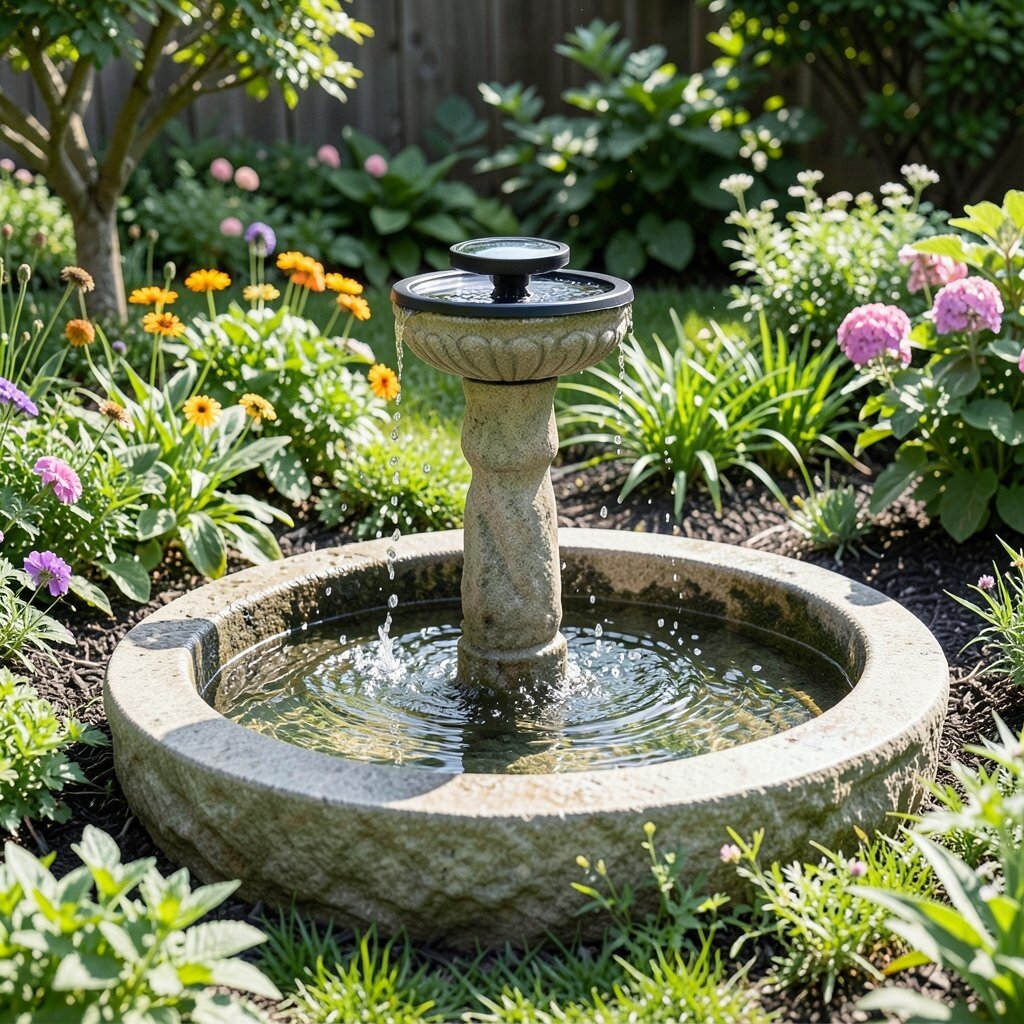
Water pulls in wildlife fast because every living thing needs a drink. A birdbath, shallow pond, or small fountain can make your yard feel fresh and active.
The sound of moving water adds a calm and cheerful touch. If space or money is tight, a simple dish with clean water can still help a great deal.
For a more personal look, pick a bowl or basin that matches your garden style. Many people now like stone finishes, solar fountains, and easy-clean designs because they look nice and save effort.
3. Build Layers with Shrubs, Trees, and Ground Cover
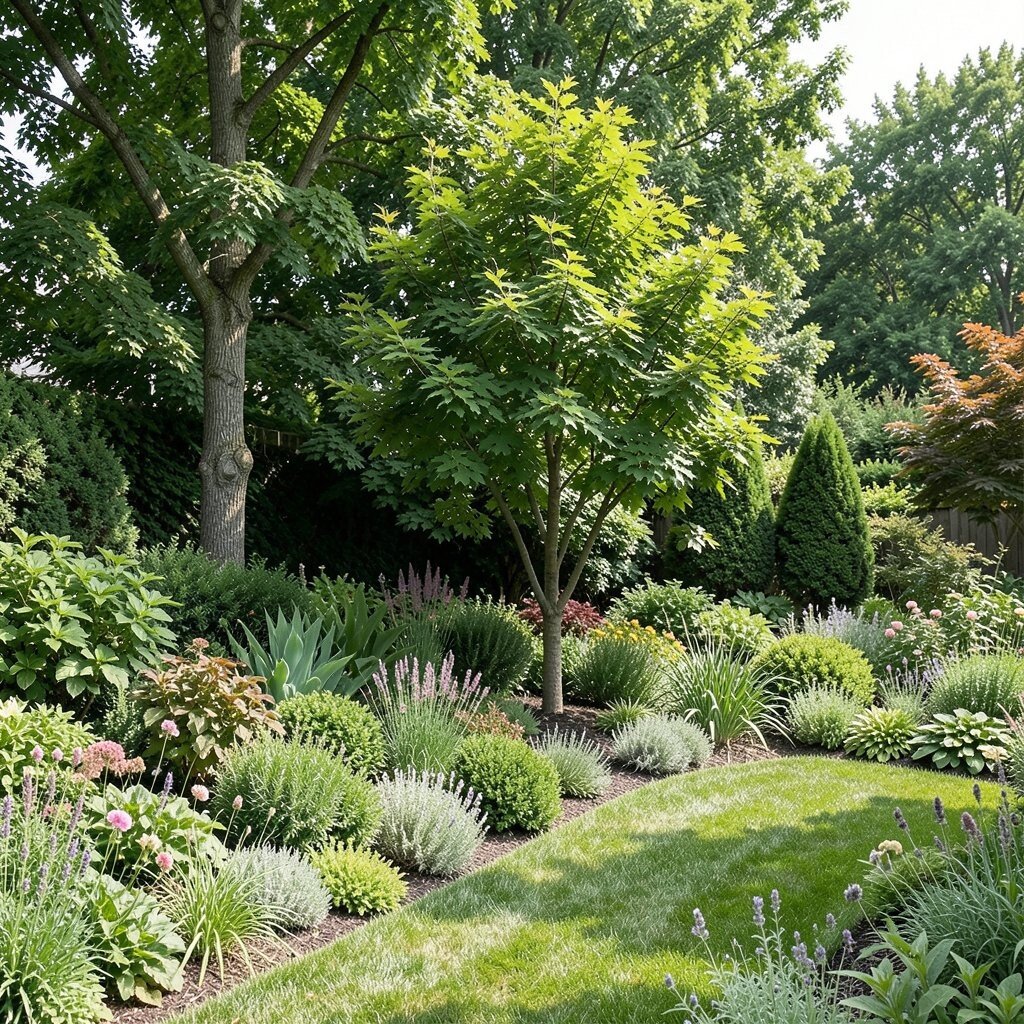
Wildlife likes places that feel safe, and layers help create that feeling. A mix of tall trees, medium shrubs, and low plants gives birds and small animals places to hide, rest, and feed.
This style also makes the yard look full and cozy instead of flat. You can choose plants with different leaf shapes and colors to give the space a richer look.
Start with one tree or shrub if your budget is small, then add more over time. A layered yard can be shaped to fit a tiny corner or a wide open lawn.
Many gardeners now favor natural-looking plant groupings instead of neat rows. That looser style feels wild in a good way and gives wildlife more room to move.
4. Leave a Brush Pile or Log Stack
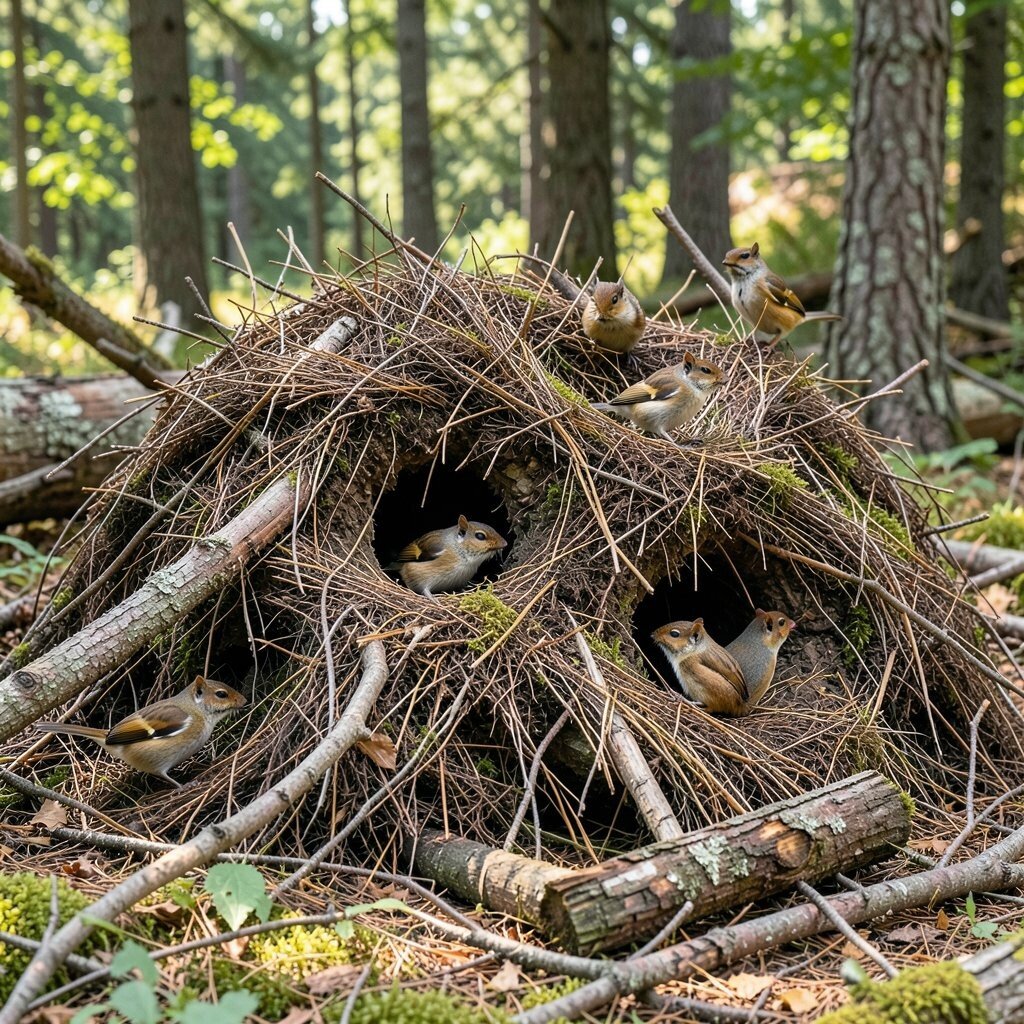
A brush pile may not seem fancy, but it can be a treasure for wildlife. Birds, chipmunks, and helpful insects may use it for shelter, nesting, or food.
It can also give your yard a woodland feel that looks real and earthy. Use fallen branches and old logs from your property to keep the cost low.
5. Grow Flower Beds That Bloom in Stages
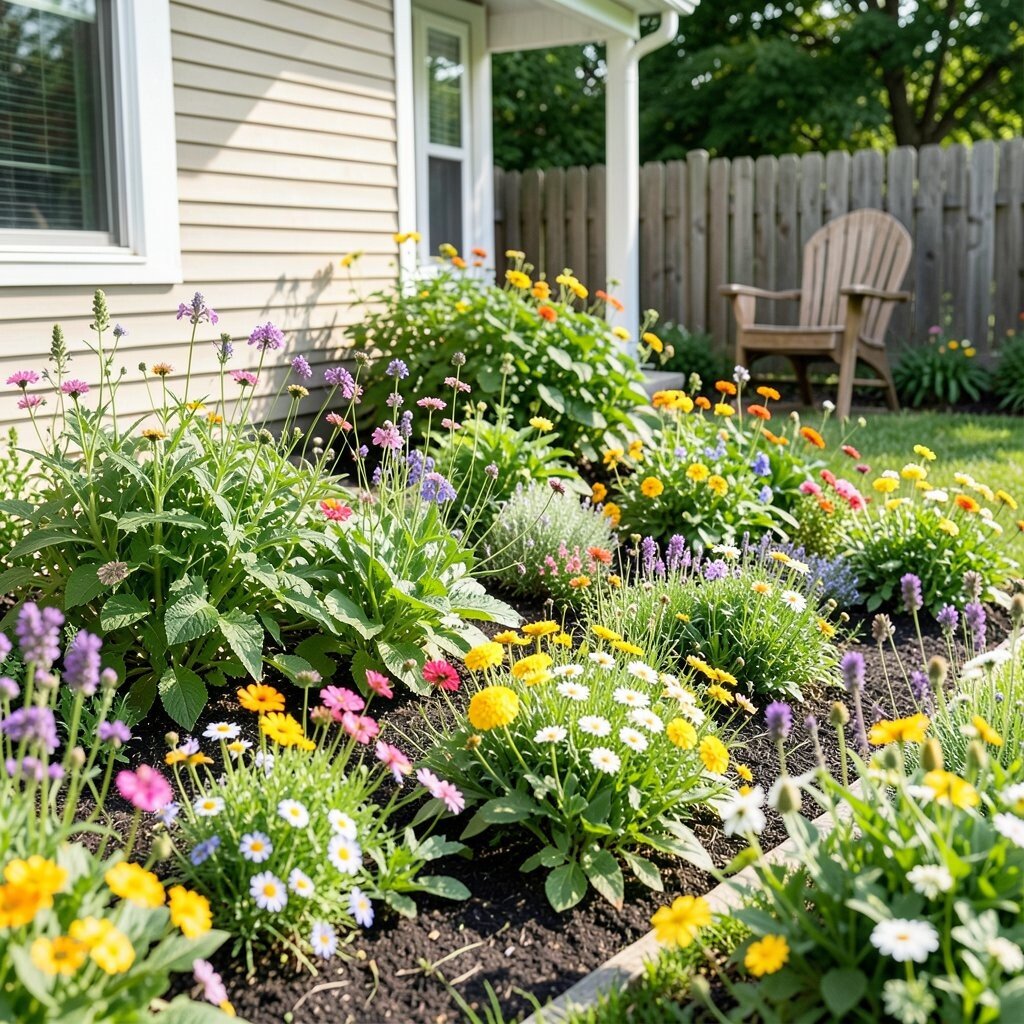
Flower beds that bloom at different times keep wildlife coming back. When one plant fades, another one can open, so bees and butterflies always have something to visit.
This also keeps the yard bright for a longer stretch of the year. Choose flowers with different heights and colors to make the bed look cheerful and full.
Try to mix early, midseason, and late bloomers for steady color and food. If you want a custom touch, match the flower colors to your house, fence, or favorite outdoor chair.
6. Add Rocks and Stone Features
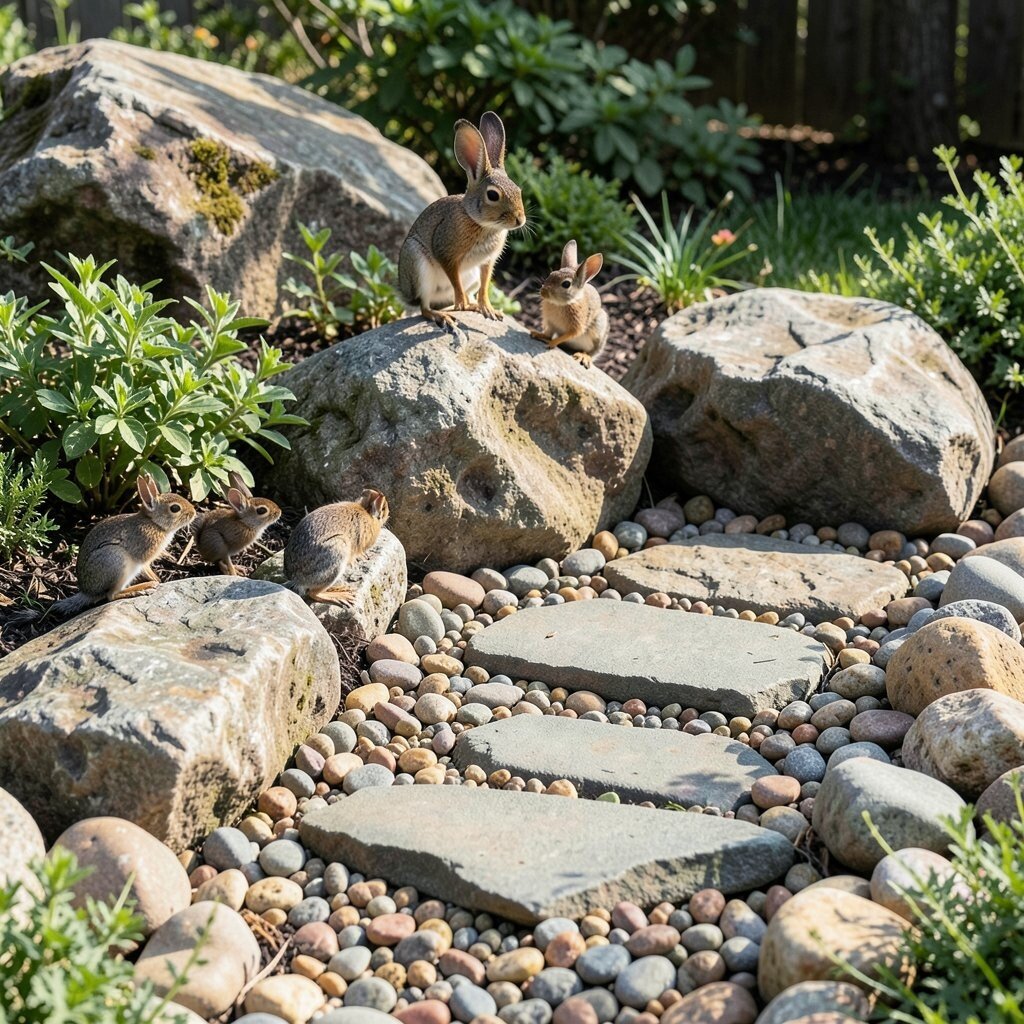
Rocks may seem simple, but they can do a lot for wildlife. Small creatures use them for shade, warmth, and hiding spots, while insects may rest in the cracks.
Stone also gives the yard a strong, natural look that lasts a long time. You can use river stones, flat stepping stones, or a small rock border to shape the space.
Costs can stay low if you use stones from a local supplier or reuse what you already have. A few well-placed rocks can make a plain bed feel much more alive.
7. Put Up Bird Feeders in Smart Places
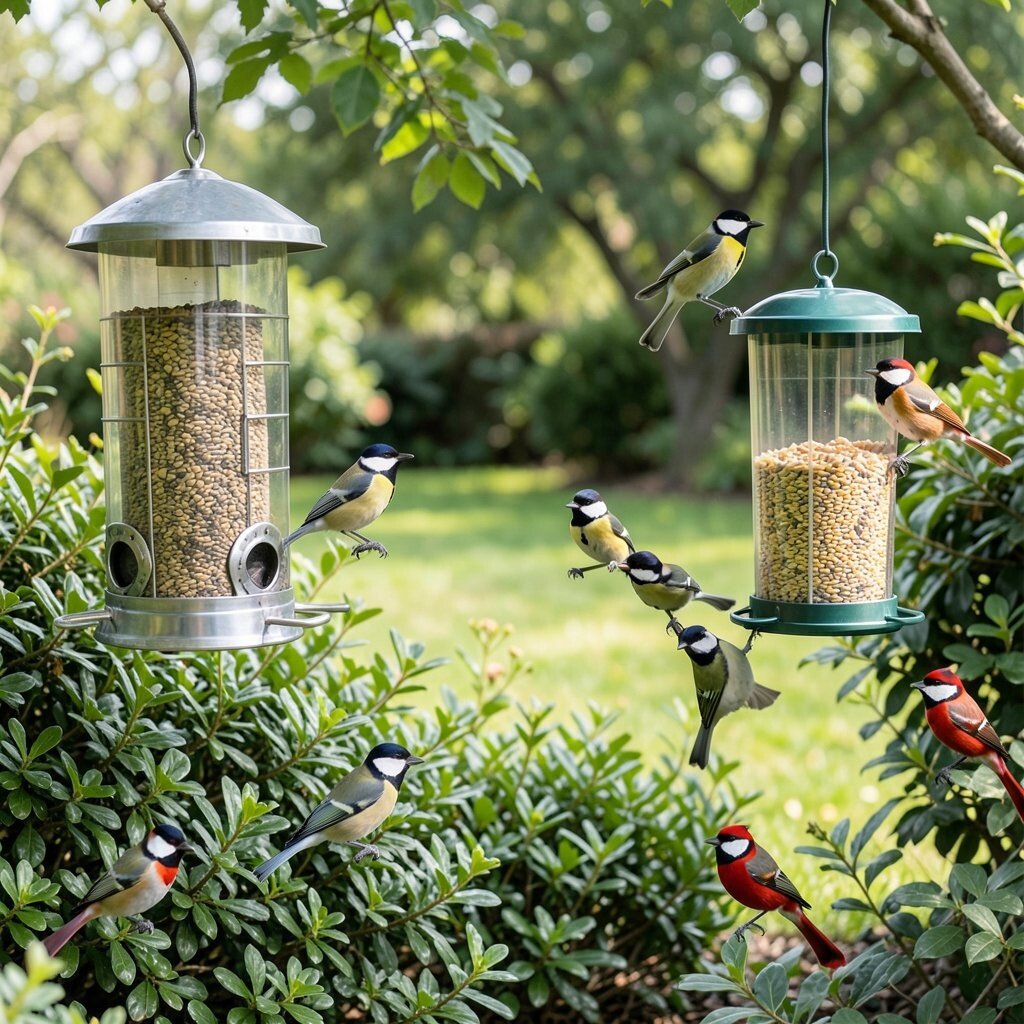
Bird feeders bring motion, color, and sound to the yard. Bright finches, cheerful chickadees, and bold cardinals can all become regular visitors.
Place feeders near shrubs or trees so birds have a safe spot to perch. Clean them often so the food stays fresh and the birds stay healthy.
Feeder styles now come in many looks, from simple metal tubes to decorative glass pieces. If you want to keep spending low, one good feeder and quality seed can work better than a yard full of extras.
8. Use Mulch and Leaf Litter in Natural Ways
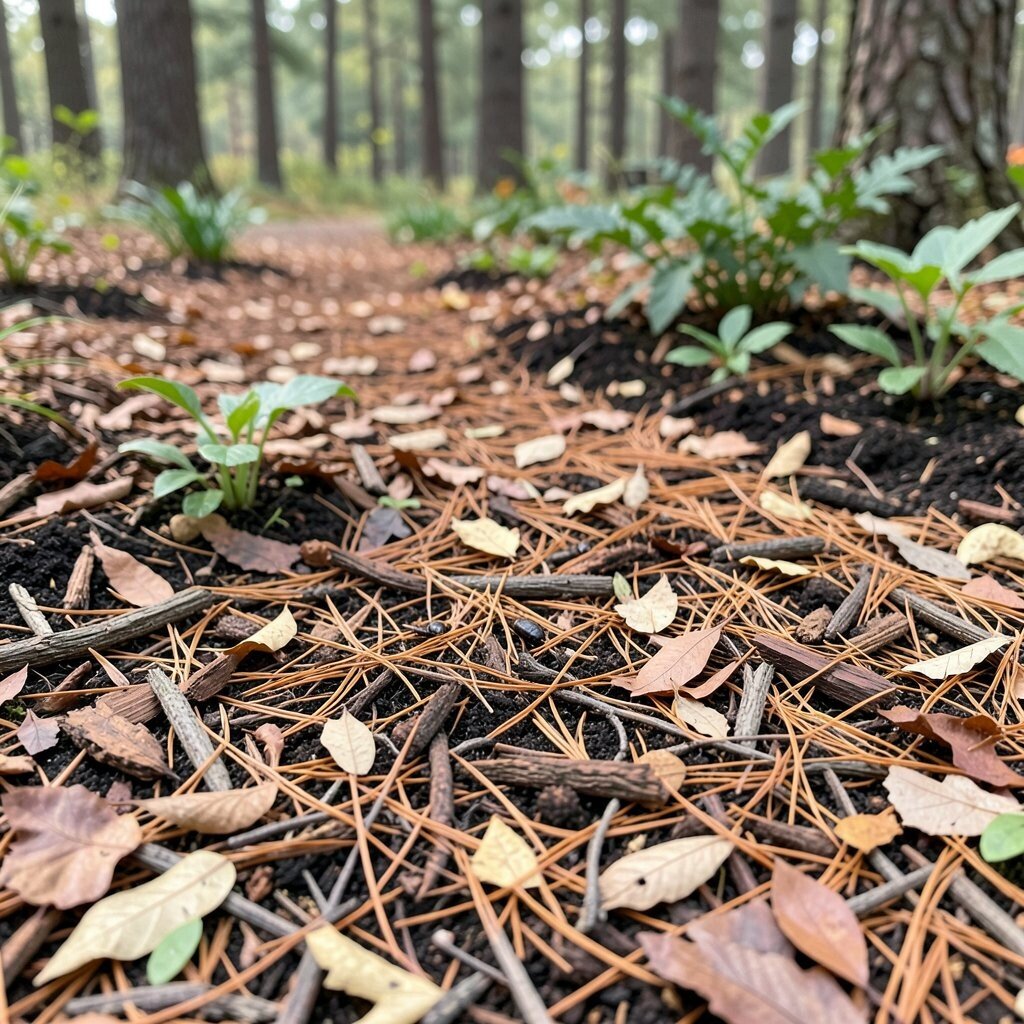
Mulch and leaf litter help the soil hold moisture and give insects a place to live. That small change can help birds too, since many birds feed on bugs found in the ground.
The look is soft, wooded, and easy on the eyes. Instead of cleaning every leaf away, leave some in garden beds to support the tiny life below.
You can choose bark mulch, shredded leaves, or pine needles based on what fits your yard best. This is a low-cost choice that also cuts down on watering and weeding.
9. Plant Berry-Producing Shrubs
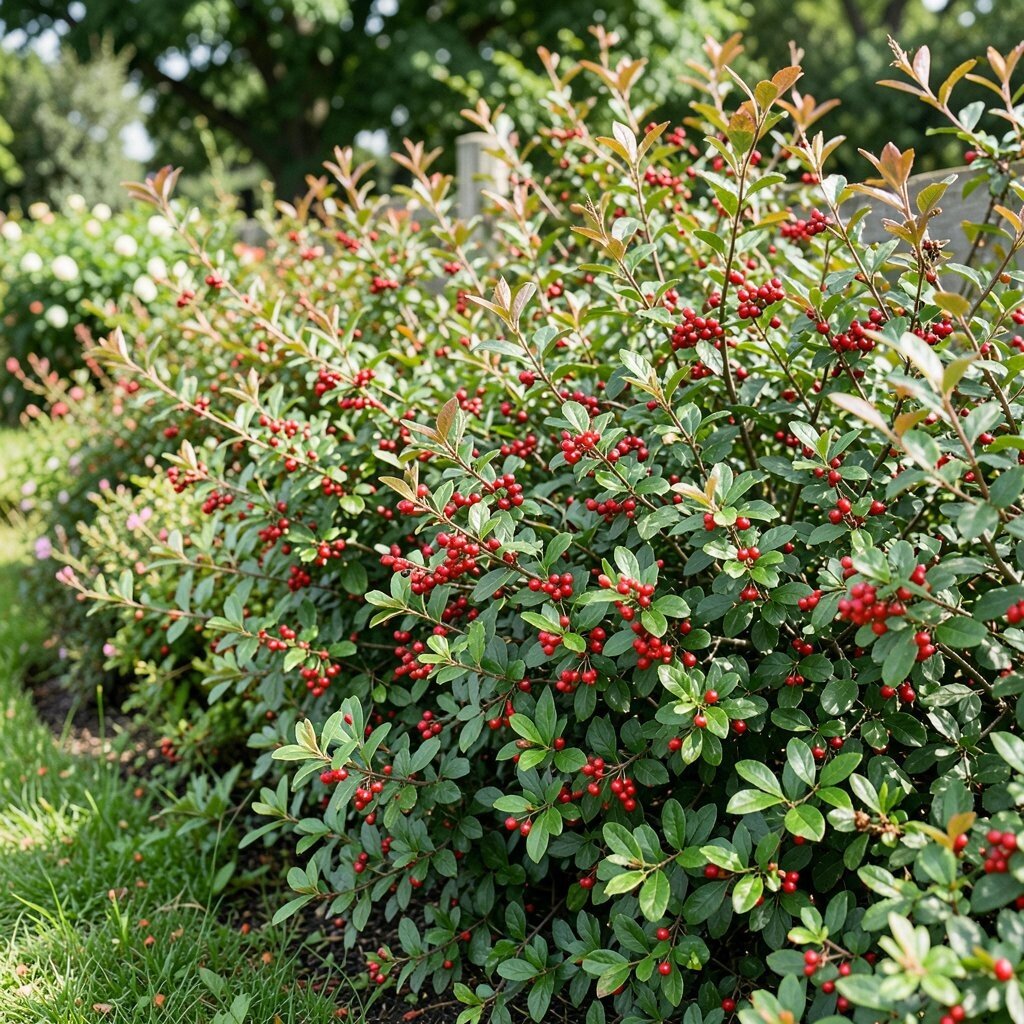
Berry shrubs are a favorite for many kinds of wildlife. Birds love the fruit, and the thick branches can also offer safe cover.
These plants add beauty through flowers, leaves, and colorful berries. They can make a fence line or side yard look lush and full.
Pick shrubs that fit your climate so they stay healthy with less work. If you want a yard that feels special, choose a mix of berry colors and leaf textures for extra charm.
Some berry shrubs cost more at first, but they can pay off by lasting for years. Smaller starter plants are a budget-friendly way to begin.
10. Install a Small Pollinator Patch
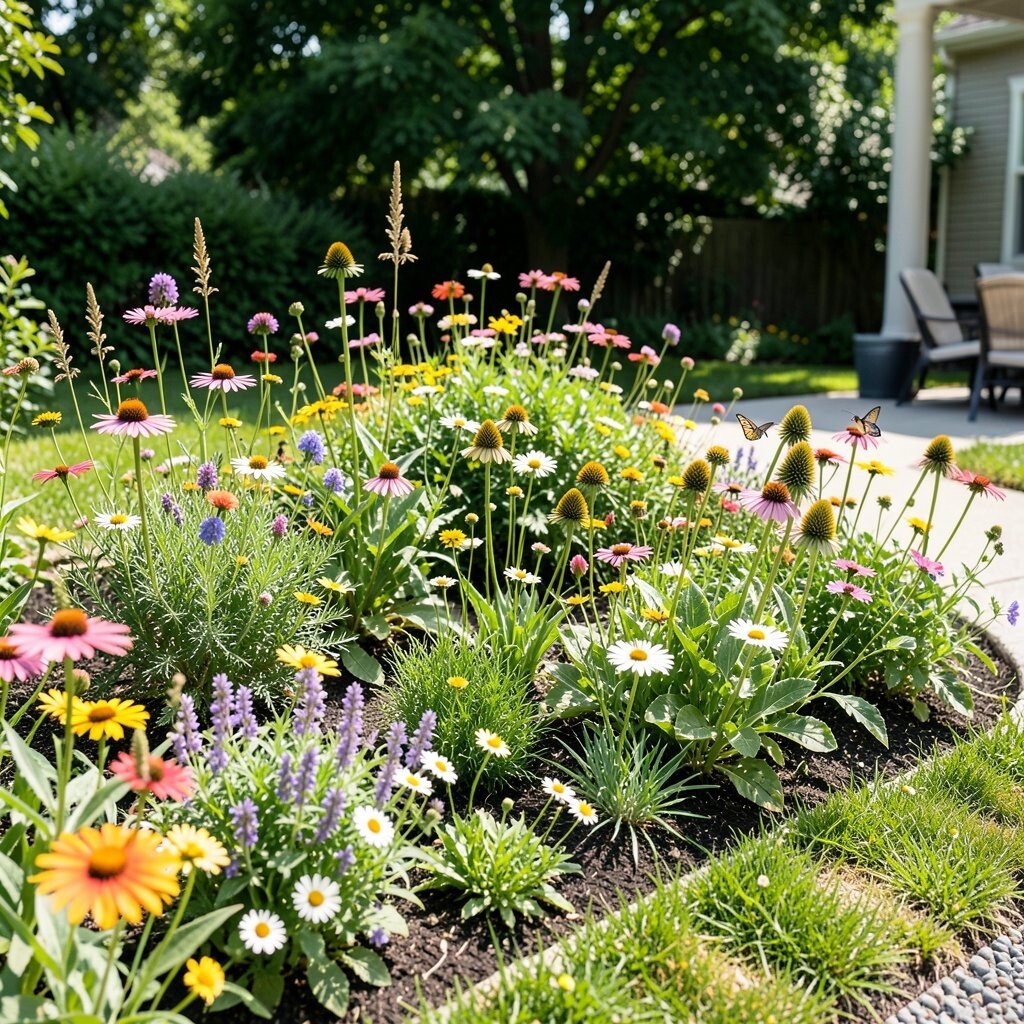
A pollinator patch is a sunny spot filled with nectar-rich plants. It can attract bees, butterflies, moths, and even hummingbirds.
The colors in these patches are often bright and happy, which makes the whole yard feel cheerful. Try native wildflowers, cone flowers, and herbs for a patch that works hard and looks lovely.
Many people now like pollinator gardens because they support wildlife and look easygoing. You can make one in a corner, along a path, or near a patio for a personal touch.
11. Add a Shelter House for Small Creatures
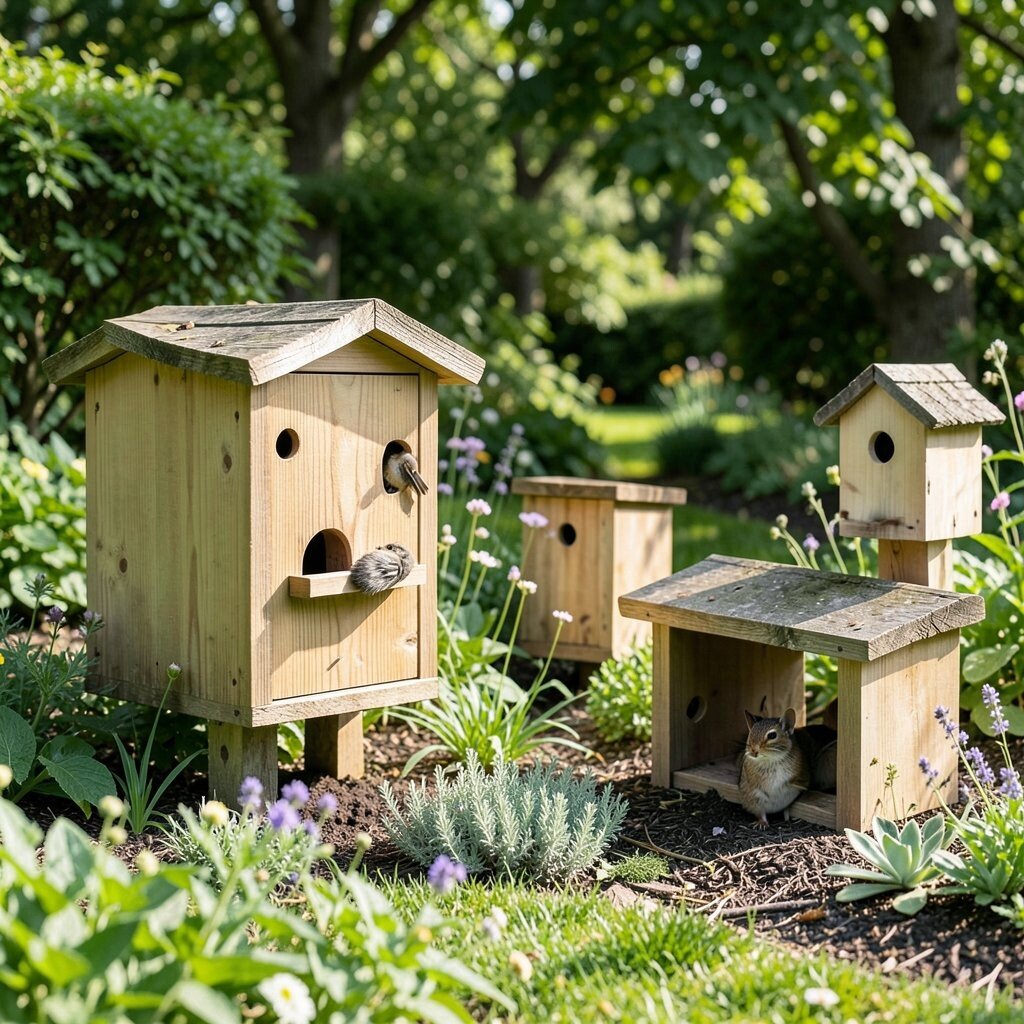
Small shelter houses can give wildlife a place to rest out of wind and rain. A bat box, insect hotel, or nesting box can bring useful animals into your yard.
These pieces can also look neat and charming when placed with care. Wood tones, simple shapes, and natural finishes help them blend into the garden.
12. Keep a Few Open Sunny Spots
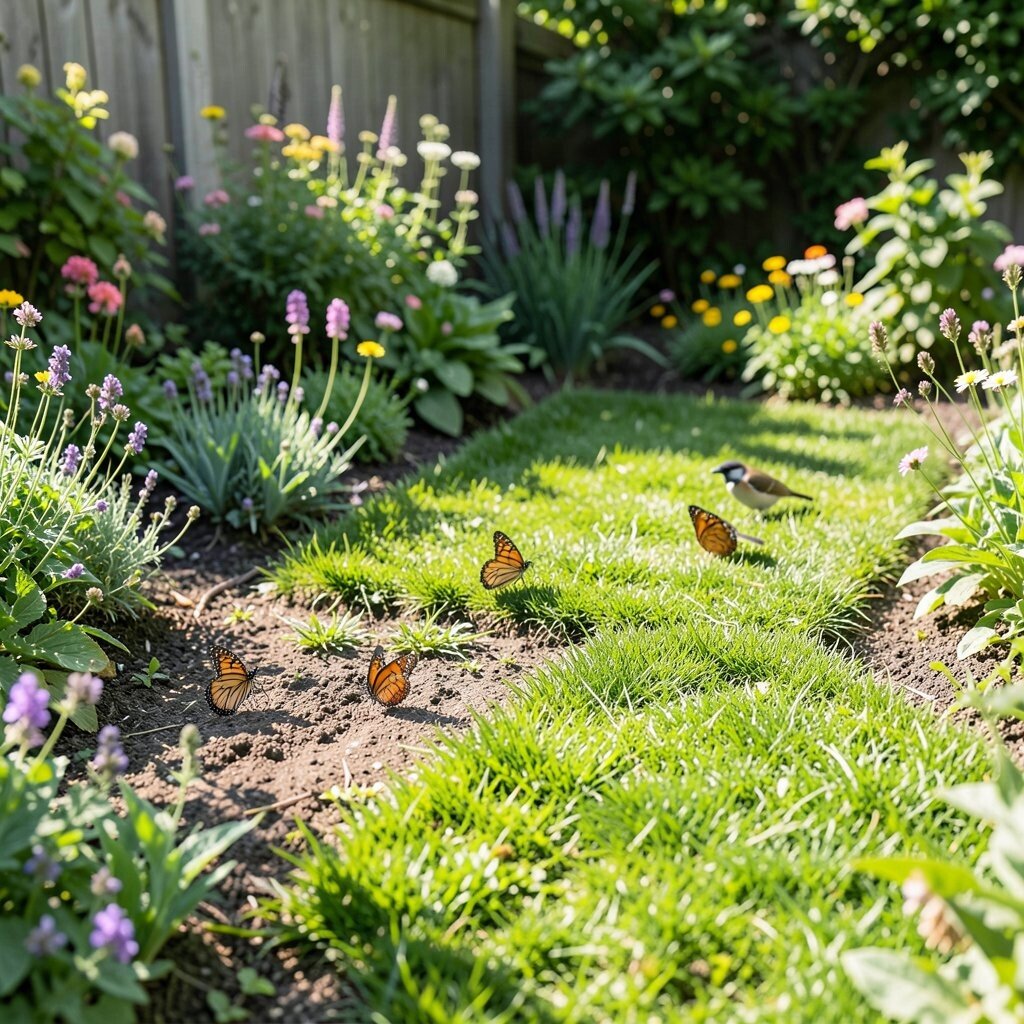
Not every part of the yard should be crowded with plants. Open sunny spots help butterflies warm up, and some birds and insects like to forage in clear spaces.
This balance makes the yard feel airy and easy to move through. You can use a small patch of grass, bare soil, or a low ground cover area for a cleaner look.
If you want to save money, this is one of the simplest choices of all. Current garden trends often mix wild zones with open areas, giving the yard a more natural and relaxed feel.
13. Add a Path That Guides Wildlife and People
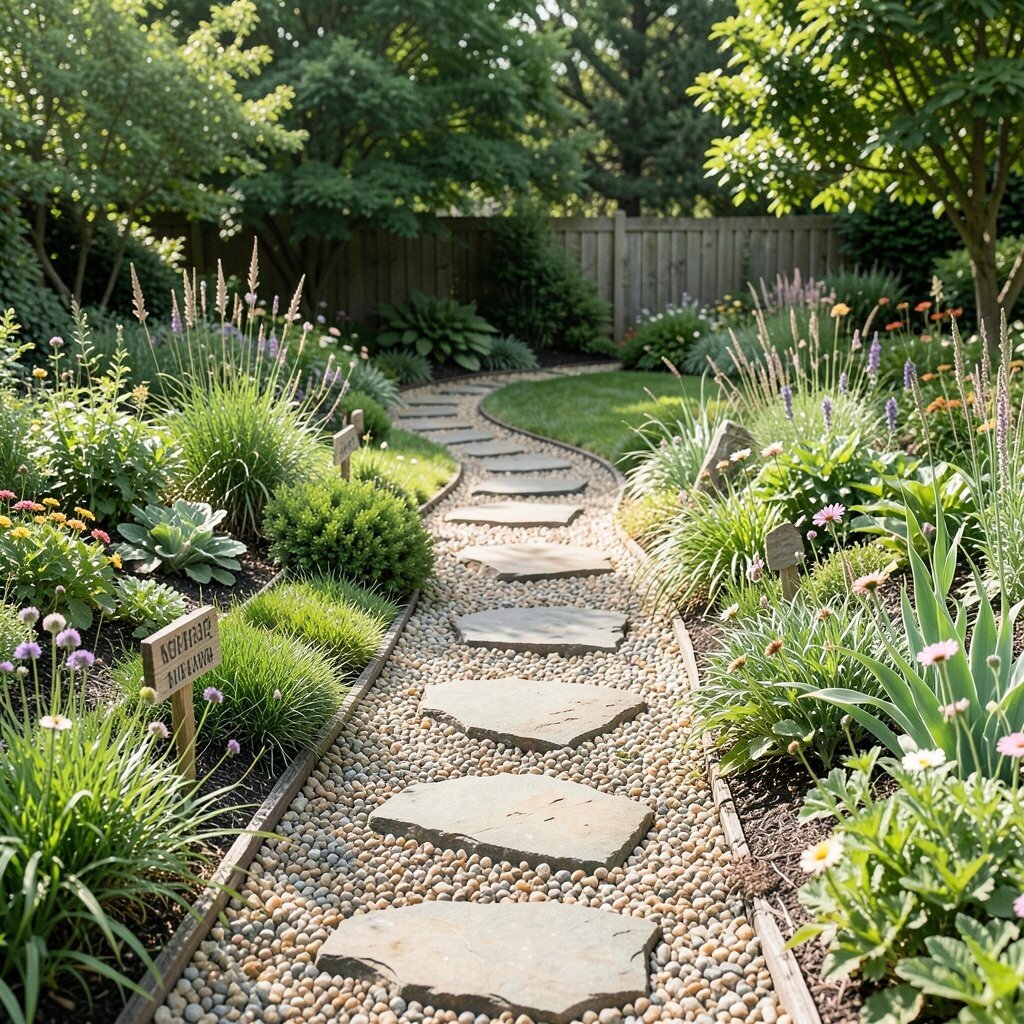
A garden path can do more than help people walk around. It can guide the eye through the yard and make wildlife spaces feel thoughtful and inviting.
Use stepping stones, gravel, or wood slices to create a path with charm. Curved lines often feel softer and more natural than straight ones, and they fit well with wildlife-friendly yards.
You can personalize the path with favorite stones, handmade markers, or plants tucked along the edges. The cost depends on the materials you choose, so a simple path can stay affordable while still looking polished.