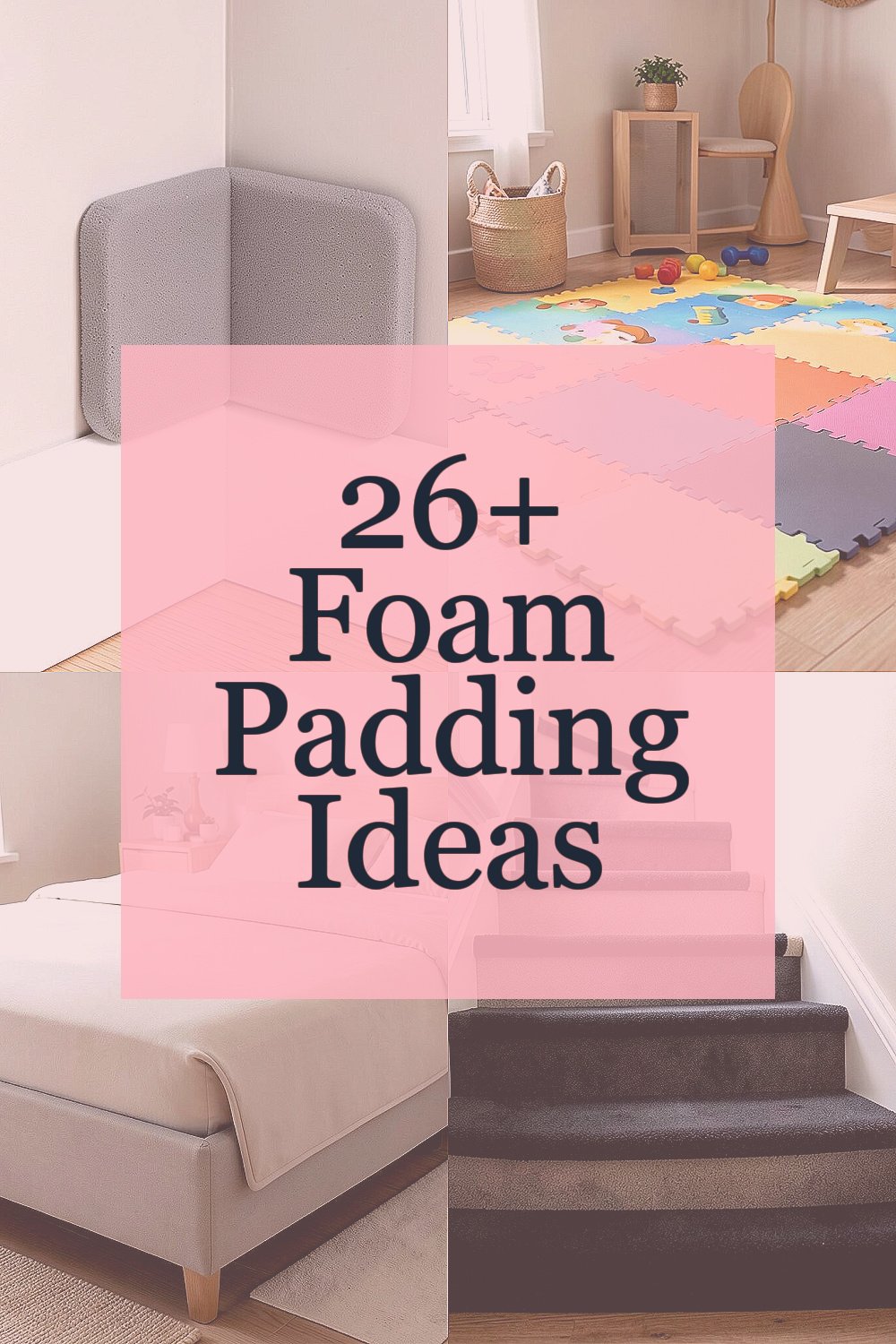
Soft surfaces can change how a room feels in an instant.
A few smart layers can make busy spaces calmer, kinder, and easier to use.
1. Wall Corner Foam Guards

Sharp wall corners can feel harsh in hallways, playrooms, and small rooms. Foam corner guards soften that edge with a neat, cushioned look.
They often come in white, gray, or bright colors, so they can blend in or stand out. For a clean style, match them to your trim, or pick bold shades for a playful feel. They are usually low cost, easy to place, and simple to replace if one gets worn.
2. Foam Floor Mats For Play Zones

Foam floor mats make a room look friendly right away. They create a soft place for kids to sit, crawl, or tumble with less worry.
Many mats come in puzzle pieces, which makes the floor look fun and tidy at the same time. You can choose muted tones for a calm room or bright colors for a lively corner. If you want a smart budget choice, start with one small set and add more later.
These mats are popular in homes, daycares, and workout rooms because they are light and easy to move. Wipe-clean surfaces also help when snack time gets messy. A rug pad under the foam can keep everything in place and add extra comfort.
3. Bed Frame Foam Edge Covers
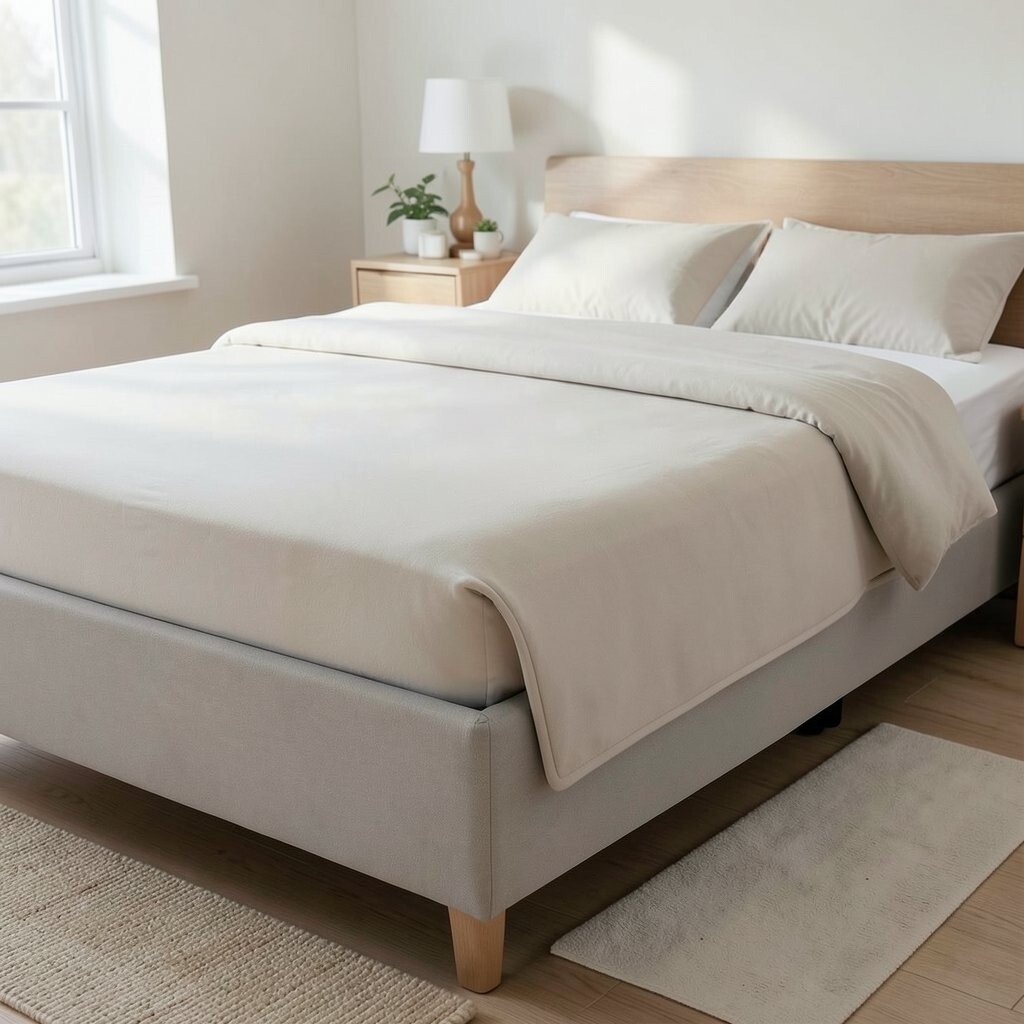
Bed frames can have hard edges that bump knees and shins. Foam edge covers wrap those spots and make a bedroom feel safer and softer.
They are a nice fit for children’s rooms, guest rooms, and senior spaces. Choose a color that matches the bed so the padding looks built in, not added on. If you like a neat style, look for slim covers that stay hidden under bedding.
These covers are useful where space is tight and people walk close to the bed. They are also a smart pick for bunk beds and low frames. When shopping, check the foam thickness and fastening style so it stays snug.
4. Foam Stair Tread Covers

Stairs can feel risky when socks slide or little feet rush down too fast. Foam tread covers add grip, cushion, and a softer look to each step.
They can make a staircase look more finished while helping with daily safety. Dark colors hide wear well, while lighter shades can brighten a narrow stairway. For a custom touch, pick tread covers that match the wall paint or nearby flooring.
5. Foam Table Corner Pads

Table corners are easy to bump, especially in busy family rooms. Foam corner pads soften the point and help a table look less sharp.
These pads are small, but they can make a big difference in a child’s path. Clear or neutral styles keep the table looking neat, while bright pads can remind everyone to slow down. They are an affordable fix for renters and anyone who wants a fast safety upgrade.
Many people like removable pads because they can be taken off when guests come over. If the table is dark wood, black or brown foam may blend in well. For glass or light furniture, clear styles can keep the room feeling open.
6. Foam Chair Arm Wraps

Chair arms can feel hard on elbows and forearms after long sitting. Foam wraps add a gentle layer that makes reading chairs, wheelchairs, and office seats more comfortable.
The look is simple, but the comfort is easy to notice. Some wraps come in smooth finishes that feel modern and tidy, while others have a softer, cozier feel. They are a good choice for people who want comfort without buying a whole new chair.
Use matching wraps on a set of chairs for a neat, planned look. If you want a homey style, choose warm colors like tan or charcoal. For a more custom feel, add wraps only to the chairs used most often.
7. Foam Headboard Padding
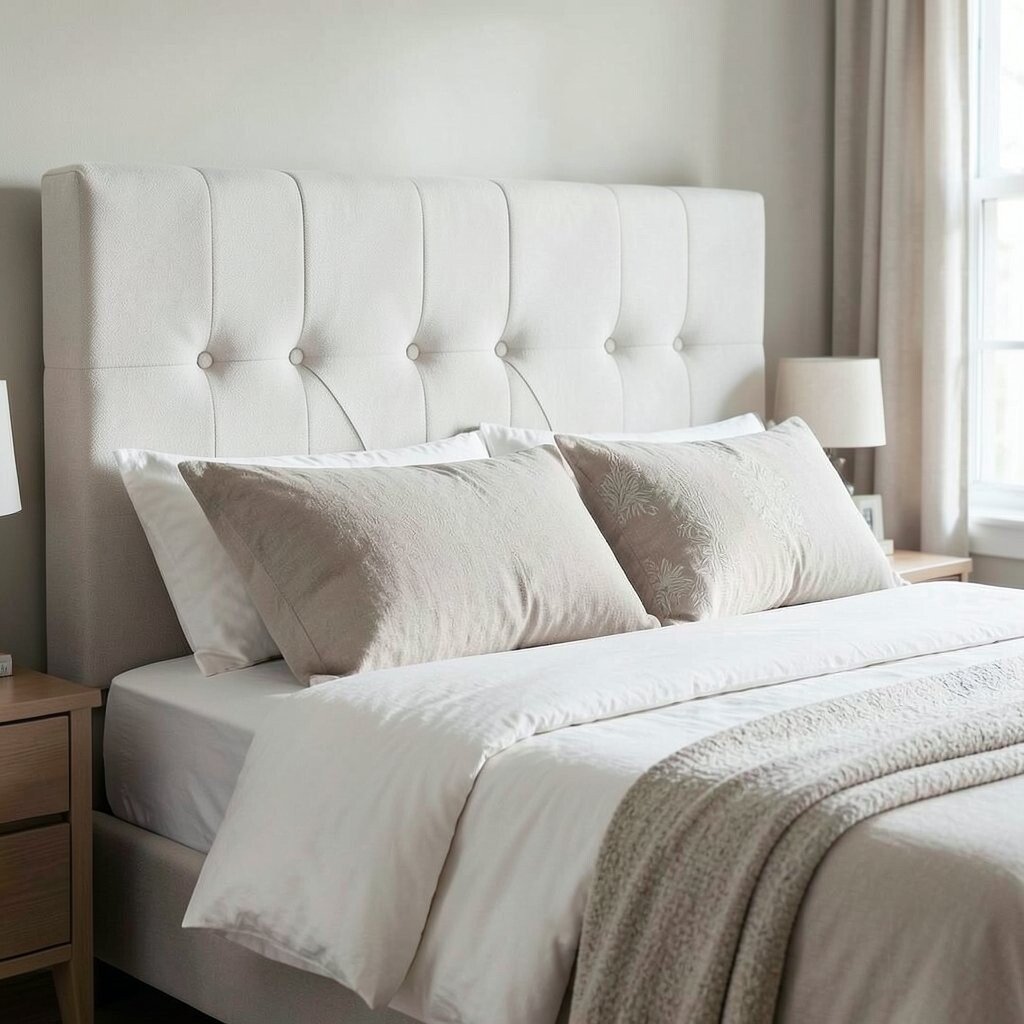
A hard headboard can feel cold and plain. Foam padding turns it into a soft backrest that looks inviting and gentle.
This idea works well in bedrooms, reading corners, and guest spaces. You can cover the foam with fabric that matches pillows, blankets, or curtains. A padded headboard also helps a bed feel more cozy and finished without a big remodel.
Some people like tufted styles, while others prefer smooth panels for a cleaner look. Foam thickness changes the feel, so a thicker layer gives more cushion for sitting up in bed. If cost matters, start with a simple panel and add fabric later.
8. Foam Window Sill Covers

Window sills can be hard and chilly, especially in rooms where children sit nearby. Foam covers make that edge softer and more welcoming.
They can also add a neat visual line under the window. Pick a color that blends with the wall for a quiet look, or use a soft accent color to make the window area stand out. This is a nice idea for bedrooms, playrooms, and cozy reading spots.
Because sills come in many shapes, custom sizing can help a lot. A snug fit looks better and stays in place longer. If you want a low-cost update, use foam strips with a washable cover.
9. Foam Desk Edge Bumpers

Desks often sit in busy spots where hips and arms brush against them. Foam edge bumpers reduce those bumps and make workspaces feel gentler.
They are a simple fix for homework desks, craft tables, and standing desks. A slim bumper keeps the desk looking clean while still adding protection. For a more personal touch, choose a color that matches school supplies, office bins, or room decor.
These bumpers are popular in shared work areas because they are quick to install. They can also help protect the desk finish from chips and scuffs. If you are watching your budget, use them only on the sides that get the most traffic.
10. Foam Cabinet Edge Bands

Cabinet edges can be hard in kitchens, bathrooms, and laundry rooms. Foam edge bands soften those spots and help the room feel safer for little hands.
They can be matched to cabinet color for a barely-there look. Bright bands are useful when you want the edge to stand out and be easy to see. In busy homes, this small change can help prevent bumps during rushed mornings.
Many people like them because they are light, flexible, and easy to trim. They work well on lower cabinets where children reach often. If you want a more polished style, choose a smooth foam finish instead of a chunky one.
11. Foam Bathtub Side Padding

Bathtub sides are often hard and slippery when wet. Foam padding can soften the edge and make bath time feel more comfortable.
This is a helpful idea for children, older adults, and anyone who sits on the tub edge while washing. Soft white or pale blue foam can give the bathroom a calm, spa-like look. It is also a smart option for small bathrooms where every surface feels close.
Look for water-friendly materials that dry fast and clean easily. A snug fit matters here so the padding does not shift during use. If you want a more stylish finish, pair the foam with matching bath mats and towels.
12. Foam Pool Deck Mats

Pool decks can get hot, slick, and rough under bare feet. Foam mats add comfort and a safer walking surface around the water.
They often come in bright summer colors, which makes the pool area feel cheerful and active. Some styles have drain holes or textured tops, so they look practical and fun at the same time. For a personal touch, mix colors to mark seating spots, towel areas, or kid zones.
These mats are useful near patios too, not just pools. They can help protect feet from hot concrete and give guests a softer place to stand. When comparing prices, check how well the foam handles sun and water over time.
13. Foam Play Kitchen Edges

Play kitchens are full of hard little corners that kids bump while pretending to cook. Foam edge strips make the whole setup feel friendlier and more finished.
They can be cut to fit tiny doors, shelves, and counters. Soft pastel foam can make the toy kitchen look sweet, while bold colors can give it a cheerful, modern style. This is a fun way to match the padding to the rest of the playroom.
Parents often like this idea because it keeps the toy area looking neat without taking away the fun. It also helps protect the toy itself from chips and dings. For a low-cost update, use foam only on the front corners that get bumped most.
14. Foam Radiator Guards

Radiators can get hot and have rough edges that are not child-friendly. Foam guards add a softer outer layer and help the room look less industrial.
They can be made to fit around the shape, which gives the space a custom look. Light colors blend well in older homes, while darker foam can hide marks in busy rooms. This idea is especially useful in apartments and older houses with tight layouts.
Because heat is involved, the right material matters a lot. Always choose foam made for safe use near warm surfaces. If you want a cleaner style, keep the guard simple and straight instead of bulky.
15. Foam Shelf Front Strips

Shelf fronts can be sharp when people reach in fast. Foam strips soften that edge and help shelves feel safer in closets, nurseries, and garages.
They are easy to add and easy to trim, which makes them great for quick projects. Clear or neutral foam can stay quiet in the background, while colored strips can help label different storage zones. This can make a room feel more organized as well as safer.
Many families use them in lower shelves where children grab toys or books. They also help protect items from sliding off a hard front edge. If you want a custom touch, pair the foam with labeled bins or matching baskets.
16. Foam Door Stop Covers

Door stops can jab toes and scratch walls when doors swing open. Foam covers soften the impact and make the room feel calmer.
These small pieces are easy to miss, yet they can save a lot of little bumps. White foam can blend into a wall, while bright foam can make the stop easier to spot. That mix of safety and style is one reason people keep using them in homes and classrooms.
They are also a good budget choice because one small pack can cover many rooms. If your home has lots of traffic, check the foam often for wear. A simple swap can keep the whole area feeling fresh.
17. Foam Gym Equipment Padding

Home gyms can feel rough when metal and hard plastic are everywhere. Foam padding softens equipment handles, benches, and support bars for a friendlier workout space.
It can also make the room look more complete and less cluttered. Black foam gives a clean gym look, while colored accents can add energy and personality. This is a current trend in home fitness spaces that want comfort without losing style.
Some people use foam wraps on weights, bars, or storage racks. Others add padding only where elbows and knees touch the most. If cost is a concern, start with the spots that bother you during each workout.
18. Foam Pet Corner Guards

Pets can bump into furniture as they race around the house. Foam corner guards help protect both the pet and the furniture edge.
They are useful in homes with playful dogs, curious cats, or older pets who move more slowly. Soft gray or brown foam can look calm in a pet room, while bright colors can make the area feel cheerful. This small change can make feeding corners, crate spaces, and play spots safer.
Some pet owners like to place foam near low tables or crate frames. It can also help reduce noise when a pet brushes past a hard surface. If you want a neat look, choose foam that matches the floor or nearby furniture.
19. Foam Nursery Wall Rails

Nursery wall rails can add a soft buffer where little hands and heads may bump. They give the room a gentle, cozy look that works well with soft bedding and quiet colors.
Pastel foam rails are a popular trend in baby spaces because they feel calm and sweet. You can choose cloud white, mint, blush, or pale gray for a soothing style. A custom fabric cover can make the rail match the crib skirt or curtains.
These rails also help protect painted walls from scuffs. They are a nice choice for rooms where a crib or chair sits close to the wall. If you are keeping costs down, use padding only along the most used wall section.
20. Foam Classroom Desk Corners

Classrooms get busy fast, and desks can create lots of small bumps. Foam corner padding helps make the room feel more student-friendly.
It can also make the classroom look more organized and colorful. Teachers often choose bright sets to help younger children notice the edges, while older students may prefer softer neutral shades. This is a useful way to support safe movement without changing the whole room.
Foam corners are easy to replace, which is helpful in high-use spaces. They can be paired with chair leg caps and soft floor mats for a fuller safety plan. If you want a personal touch, use color coding by table group or subject area.
21. Foam TV Stand Protectors

TV stands often have low edges that sit right at child height. Foam protectors make those edges less sharp and more forgiving.
They can keep a media room looking tidy while adding a layer of safety. Black foam works well with modern furniture, and white foam can blend into lighter stands. For a more custom style, match the padding to baskets, speakers, or wall shelves nearby.
This idea is helpful in family rooms where toys, remotes, and games are always moving around. It can also protect the furniture from scuffs caused by vacuuming or quick turns. If you are shopping on a budget, focus on the front corners first.
22. Foam Sink Edge Strips

Sink edges can be hard on wrists and forearms when people lean in. Foam strips create a softer place to rest and help the area feel more welcoming.
They are useful in kitchens, bathrooms, and utility sinks. A clean white strip can look neat and fresh, while a subtle gray one can hide splashes better. This is a nice choice for homes that want comfort without a bulky look.
Some strips are made for quick peel-and-stick use, which makes them easy to try. They can also help protect the sink edge from chips and scratches. If you want a personal touch, pair the foam with matching soap dispensers or sink mats.
23. Foam Balcony Rail Covers

Balcony rails can feel hard and cold when people rest their arms on them. Foam covers soften the rail and make outdoor time more comfortable.
They can also improve the look of a balcony by adding a smooth, finished line. Neutral foam blends with metal rails, while brighter shades can make a small outdoor space feel lively. This is a smart idea for apartments, condos, and city homes with limited outdoor space.
Weather-friendly foam is important here, since sun and rain can wear down cheap materials. Some people choose covers that tie on, while others prefer snug sleeves. If you want a cozy style, add outdoor cushions that match the rail cover color.
24. Foam Changing Table Edges

Changing tables often have hard corners that sit close to a baby’s moving body. Foam padding gives those edges a softer feel and helps the space look gentler.
Soft white, cream, or pale gray foam can keep the nursery calm and clean-looking. You can also use a fabric cover that matches the room theme, such as stars, animals, or simple stripes. That makes the safety piece feel like part of the decor.
This padding is handy in both home nurseries and daycare rooms. It can make quick diaper changes feel a little less stressful for adults too. When choosing foam, look for wipe-clean surfaces and snug corners.
25. Foam Bench Seat Borders

Benches often have hard front edges that press into legs and knees. Foam borders soften that line and make sitting down feel easier.
They are a good fit for mudrooms, entryways, and breakfast nooks. A padded bench can look warm and inviting, especially when covered in fabric or vinyl that matches nearby pillows. This is a simple way to add comfort without buying a whole new seat.
Some people use foam only on the front edge, while others pad the full seat top. A full cover gives a plush look that feels more current in cozy home design. If price matters, start small and upgrade the rest later.
26. Foam Wall Divider Padding

Room dividers can make a space useful, but their edges may feel hard and plain. Foam padding softens the divider and gives it a friendlier shape.
It works well in shared bedrooms, studio apartments, and classroom corners. You can choose a color that matches the wall for a quiet look or a bold shade for a statement piece. This kind of padding also helps the divider feel less temporary and more built in.
Some current styles use smooth foam panels for a clean, modern feel. Others use stitched or fabric-covered foam for a softer, homey look. If you want a personal touch, use the divider as a color anchor for the whole room.
27. Foam Closet Rod Bumpers
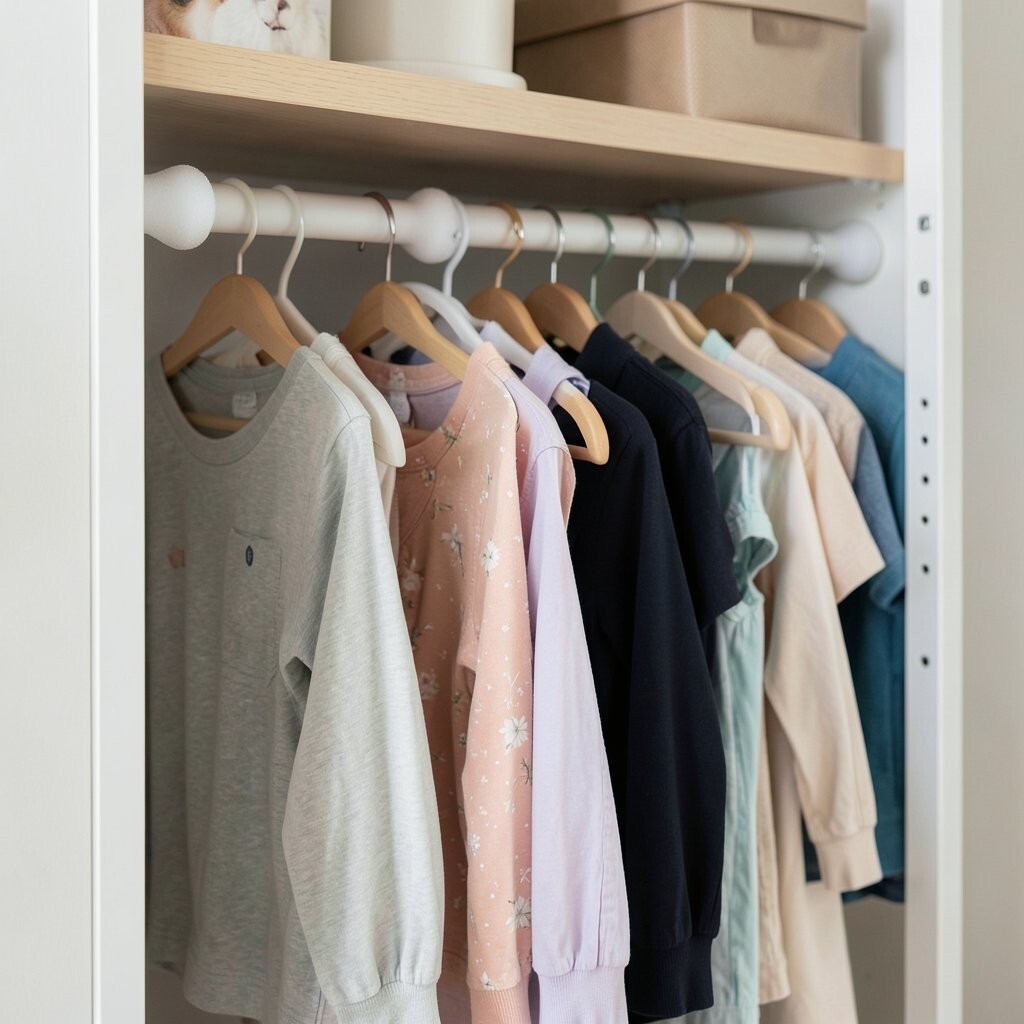
Closet rods can be hard to reach around, and the ends may poke out more than expected. Foam bumpers soften those ends and help the closet feel safer and more finished.
They are tiny, but they can prevent scratches on arms, clothes, and stored boxes. Clear or white foam keeps the closet looking neat, while colored bumpers can help mark different storage zones. This is a smart fix for kids’ closets, laundry closets, and shared family storage.
Because closet space is often tight, slim foam works best here. It is also one of the easiest upgrades to test, since the cost is usually low. For a custom touch, match the bumper color to hangers, bins, or shelf liners so the whole closet feels planned.